

Why The Healthy Sweet Potato Deserves A Place In Your Kitchen
Nutritional Profile: What Makes Sweet Potatoes A Superfood
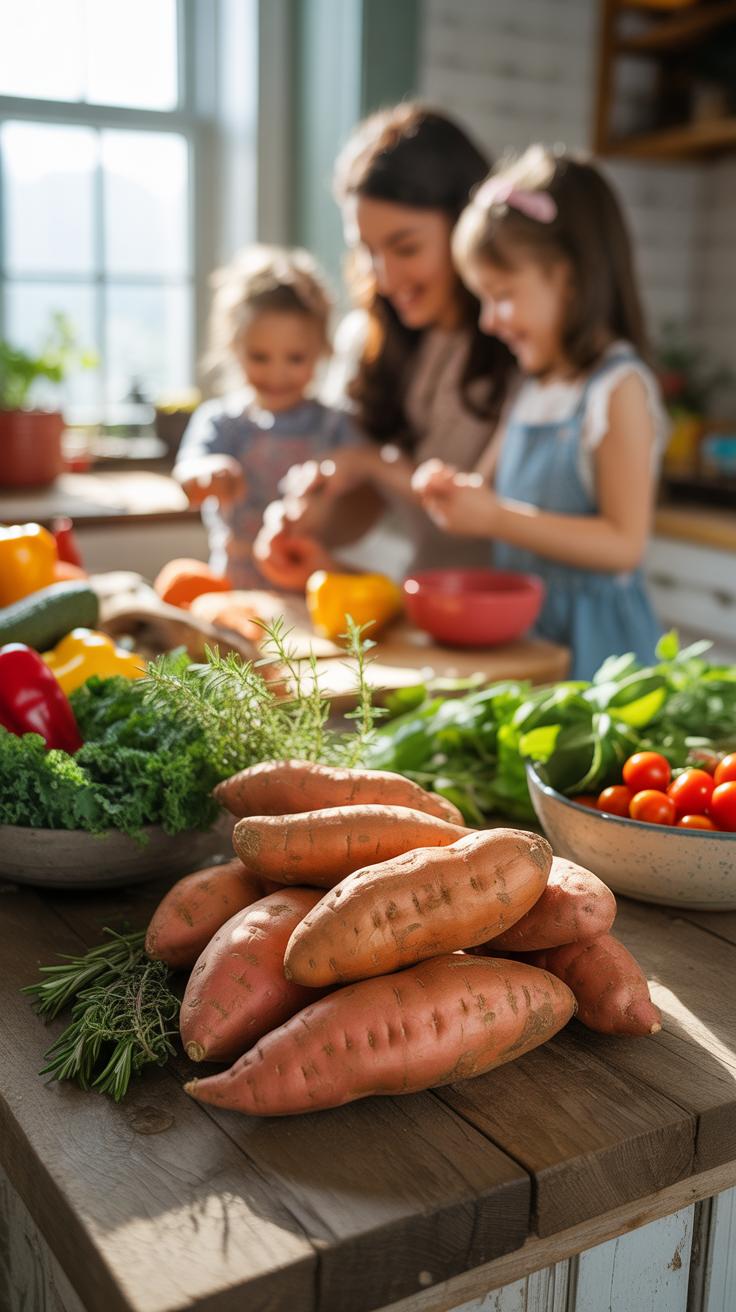
Sweet potatoes provide high levels of beta-carotene. The body converts this compound into Vitamin A to support vision and skin health. One medium potato exceeds the daily recommended intake of this essential nutrient. These tubers also contain Vitamin C, potassium, and B6. Each serving offers a low glycemic index compared to white potatoes. This makes them a stable fuel source for your body.

Energy density and nutrient load define this root vegetable. You get complex carbohydrates that digest slowly. This prevents insulin spikes and keeps energy levels steady for hours. The deep orange color indicates high antioxidant levels. These compounds fight oxidative stress in your cells. Low fat and sodium content make them ideal for heart-healthy diets. Use them to replace processed starches in every meal.
How Sweet Potatoes Support Digestive Health And Immunity
Soluble and insoluble fiber drive the digestive benefits of this starch. Fiber adds bulk to stool to prevent constipation. It also feeds the good bacteria in your gut microbiome. A healthy gut improves metabolic function and nutrient absorption. The natural starches ferment in the colon to create short-chain fatty acids. This process strengthens the intestinal lining and reduces systemic inflammation throughout the body.

The immune system relies on the high Vitamin A content found in sweet potatoes. This nutrient maintains the integrity of mucous membranes in the gut and respiratory tract. These membranes act as the first line of defense against pathogens. Vitamin C further stimulates the production of white blood cells. Regular consumption helps the body recover from illness and physical stress faster. Integration into your diet ensures consistent cellular protection.
What To Make With Sweet Potatoes Meal Ideas From Breakfast To Dinner
Sweet Potato Breakfast Bowls And Morning Hash Recipes
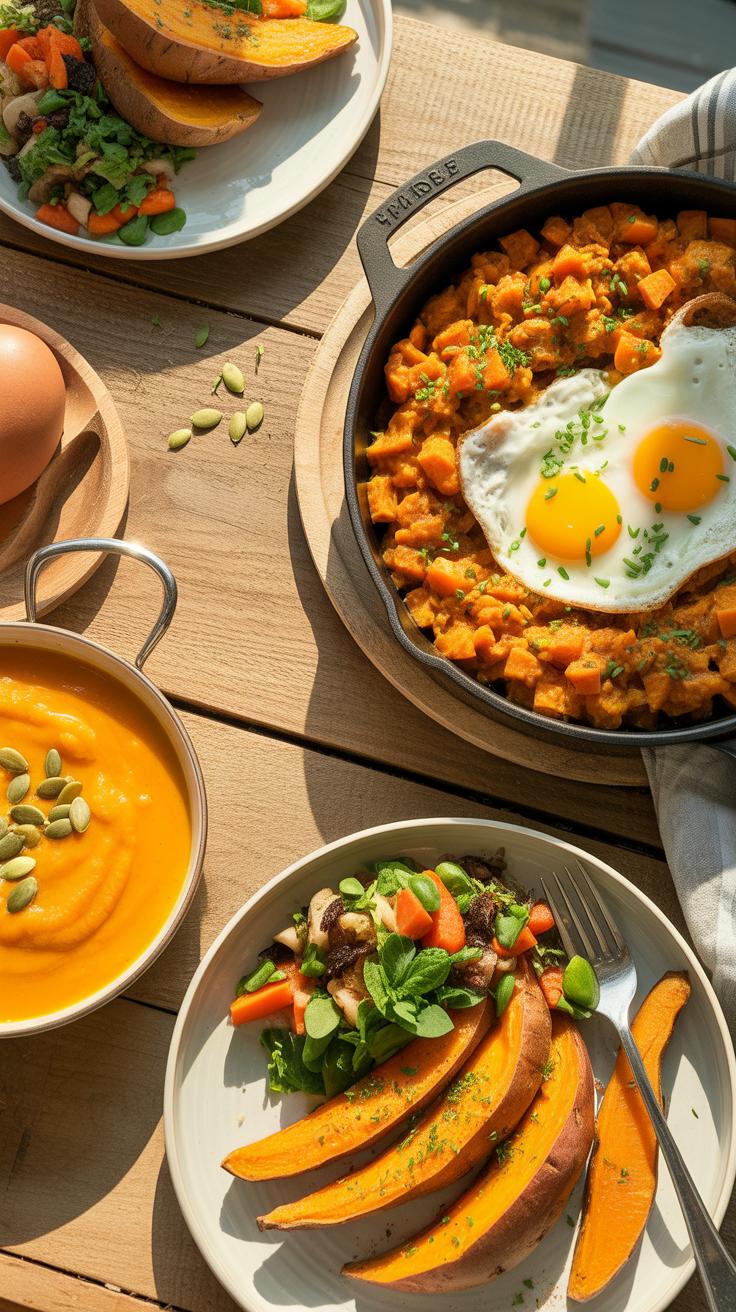
Sweet potatoes provide a low glycemic index fuel source for the morning. Use a cast iron skillet to create a breakfast hash. Dice the tubers into half inch cubes for even cooking. Sauté them with onions and peppers until the edges caramelize. This high fiber base replaces processed grains or white potatoes. Add protein like eggs or black beans to stabilize blood sugar levels throughout the day.
Breakfast bowls offer a faster alternative to slow cooked hashes. Roast large batches of sweet potatoes during meal prep. Combine cold or reheated cubes with nut butter and seeds for healthy fats. This method utilizes the natural sugars of the root vegetable without adding refined sweeteners. Native to Central and South America, these tubers have been dietary staples for centuries due to their density and nutrient profile.
Hearty Sweet Potato Soups, Salads, And Dinner Sides
Dinner applications require a focus on texture and salt balance. Puree boiled sweet potatoes with vegetable stock to create thick soups. Use ginger or turmeric to cut through the natural sweetness of the vegetable. This technique produces a creamy consistency without using heavy dairy products. High heat roasting brings out the natural sugars through the Maillard reaction. This chemical process creates a savory crust on the exterior of the potato.
Add roasted sweet potato wedges to kale or spinach salads. The warmth of the vegetable wilts tough greens slightly for better digestion. Combine them with acidic dressings like lemon or vinegar to balance the earthy flavor. For side dishes, mash the flesh with olive oil and sea salt. Avoid the mid-century American trend of adding sugar or marshmallows. Pure preparations highlight the high levels of Vitamin A and potassium found in the skin.
Baked Sweet Potato Toppings That Transform A Simple Spud Into A Meal

Classic And Creative Toppings For A Perfect Baked Sweet Potato
Select toppings based on nutritional balance and texture contrast. A plain baked sweet potato provides complex carbohydrates and fiber. Adding proteins and healthy fats turns this root vegetable into a complete meal. You must pair the natural sugar content of the potato with acidic or savory elements to balance the flavor profile. Choose ingredients that provide high satiety levels for better health outcomes.
- Black Beans and Salsa: This combination adds plant-based protein and essential fiber. Use fresh pico de gallo to provide acidity that cuts through the starch. It creates a complete amino acid profile when paired with the potato.
- Greek Yogurt and Chives: Use plain Greek yogurt as a high-protein substitute for sour cream. Chives provide a sharp onion-like bite without the heat of raw bulbs. This adds calcium and probiotics to your meal while keeping calories low.
- Almond Butter and Cinnamon: This pairing works for breakfast or post-workout recovery. Almond butter offers monounsaturated fats and vitamin E. Cinnamon helps regulate blood sugar response. It highlights the natural sweetness of the orange flesh without adding processed sugars.
- Rotisserie Chicken and Pesto: Shredded chicken breast increases the protein density of the dish significantly. Pesto provides healthy fats from olive oil and pine nuts. This combination offers a savory, herbaceous profile that transforms the vegetable into a dinner powerhouse.
- Tahini and Toasted Chickpeas: Tahini adds creaminess and essential minerals like magnesium and phosphorus. Chickpeas contribute crunch and additional legume-based protein. This Mediterranean-inspired approach focuses on healthy fats and diverse textures to ensure satisfaction and long-term energy.
Strategic topping selection prevents flavor fatigue and maximizes nutrient density. Use leftovers from previous meals to reduce food waste and preparation time. Ensure you season every layer with salt and pepper to enhance the natural minerals. Experimenting with different global flavor profiles keeps your meal plan sustainable. Quality toppings convert a simple starch into a functional tool for your daily fitness and health goals.
Nourishing the body with the earth’s natural sweetness is like receiving a warm hug from within. A simple baked sweet potato is food for both the soul and the health.
How To Bake A Sweet Potato Perfectly Every Time
Consistency in baking requires precise temperature control and preparation. Preheat your oven to four hundred degrees Fahrenheit. Scrub the skins clean to remove soil and debris since the skin contains significant fiber. Use a fork to pierce the potato multiple times. This allows steam to escape and prevents the skin from bursting during the heating process. Proper airflow ensures the potato cooks evenly from all sides.
Place the potatoes on a parchment-lined baking sheet to catch natural sugars that leak out. Bake for forty-five to sixty minutes depending on the size of the tuber. You know it is done when a knife slides into the center with zero resistance. Do not wrap them in foil if you want a crisp skin. Foil traps moisture and steams the potato instead of roasting it. Once soft, slice it open immediately.
Loaded Sweet Potato Healthy Variations For A Satisfying Main Course

Protein Packed Loaded Sweet Potato Ideas With Beans And Greens
Black beans provide essential fiber and plant protein to any sweet potato base. Sauté kale or spinach with garlic to add volume and micronutrients without excess calories. This combination creates a complete amino acid profile when paired with the potato. Use a high heat roast for the potato to ensure the skin remains crisp enough to hold the heavy filling.
Incorporate chickpeas for a different texture and a boost of manganese. Mix these legumes with bold spices like cumin or smoked paprika to enhance flavor without adding salt. Top the dish with sliced green onions or fresh cilantro for a sharp finish. This approach turns a simple root vegetable into a functional meal that stabilizes blood sugar through complex carbohydrates.
Dairy Free And Vegan Loaded Sweet Potato Combinations
Substitute traditional sour cream with blended cashews or silken tofu. These alternatives provide a creamy texture and healthy fats without animal products. Nutritional yeast offers a savory flavor similar to cheese while adding B vitamins to the dish. Apply these toppings after the potato finishes baking to preserve the fresh taste of the cold sauces against the hot vegetable.
Avocado mash serves as a high quality fat source that improves the absorption of vitamin A from the potato. Combine it with lime juice to prevent browning and add necessary acidity. Use tahini or almond butter based drizzles to increase the caloric density for active individuals. These plant based fats provide long lasting energy and satisfy hunger more effectively than processed dairy toppings.
The Italian Homemade Gnocchi Recipe Tradition Technique And Flavor
A Brief History Of Gnocchi In Italian Culinary Tradition
Gnocchi originated in Northern Italy where the climate favors potato and grain production over olive oil. Early versions used flour, water, and breadcrumbs before the potato arrived from the Americas in the sixteenth century. By the nineteenth century, the modern potato gnocchi became a staple in Italian households. This dish provided a cheap way to fill many stomachs using common garden ingredients.
Historians link gnocchi to the Renaissance period as a sophisticated evolution of basic dumplings. Italian families traditionally served this dish on Thursdays to prepare for Friday fasting. While regional variations exist, the goal remains the same across Italy. Every cook seeks a light texture that holds sauce effectively. This history reflects a practical approach to cooking that maximizes local resources for high nutritional value.
Core Ingredients And Techniques Behind An Authentic Gnocchi Recipe
The secret to perfect gnocchi lies in moisture control. Use starchy potatoes like Russets or certain sweet potato varieties to reduce water content. Bake the potatoes instead of boiling them to keep the flesh dry. High moisture forces you to add more flour, which creates a rubbery and dense dumpling. You want a pillowy texture that melts quickly when eaten.
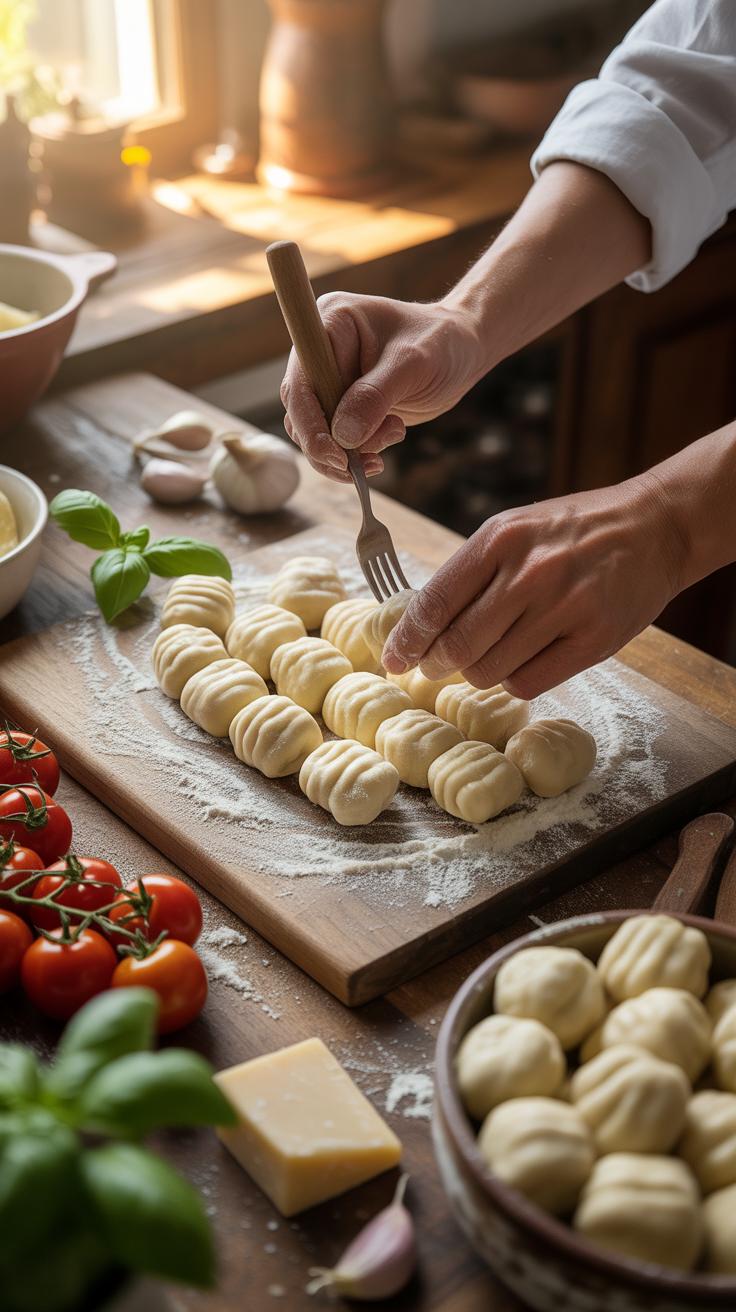
Proper technique requires minimal handling of the dough. Fold the flour into the mashed potato until it just comes together. Overworking the dough develops gluten and ruins the delicate structure. Use a gnocchi board or fork to create ridges on each piece. These grooves are not for decoration. They trap the sauce and ensure every bite carries full flavor. Precision in these steps determines the final quality.
Easy Northern Italian Potato Gnocchi A Regional Classic Made Simple
What Sets Northern Italian Gnocchi Apart From Other Regional Styles
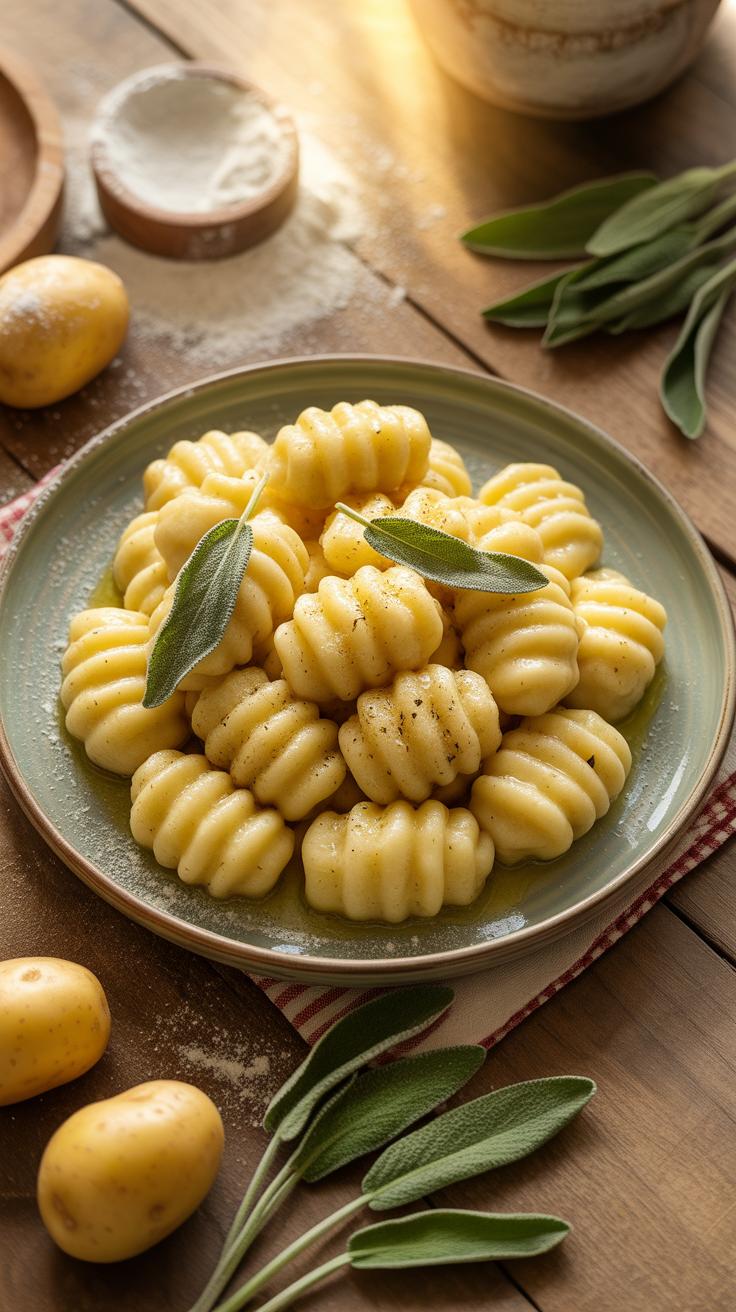
Northern Italian gnocchi rely on the specific agricultural output of the Po Valley and Alpine foothills. Unlike Southern Italian varieties that often use semolina and water, Northern versions prioritize starchy potatoes and soft wheat flour. This choice creates a lighter and more pillowy texture. Regional cooks traditionally serve these dumplings with melted butter and sage or rich meat ragus rather than heavy tomato sauces.
Historical accuracy dictates that potato based gnocchi only became a regional staple after the sixteenth century. Before the introduction of New World crops, Northern chefs used breadcrumbs or flour. Today, the focus remains on the ratio of starch to moisture. High altitude regions prefer dry older potatoes to minimize flour usage. This technical precision prevents the dough from becoming gummy or dense during the rapid boiling process.
Step By Step Guide To Making A Rustic Homemade Gnocchi Recipe At Home
Successful gnocchi require a dry interior and minimal handling to prevent gluten development. You must roast or boil the potatoes in their skins to lock out excess water. Using sweet potatoes adds a nutritional boost but increases the moisture content. You must compensate for this by adding slightly more flour or using a ricer to maximize surface area for evaporation before mixing the dough.
- Roast and Mash: Bake your potatoes on a bed of salt to draw out moisture. Peel them while hot and pass through a fine ricer. This creates a light aerated base that accepts flour without clumping or becoming heavy.
- Incorporate Flour: Add flour gradually to the warm potato pile on a clean work surface. Use a bench scraper to fold the ingredients together. Avoid overworking the dough because excessive kneading activates gluten and makes the gnocchi chewy rather than soft.
- Shape the Dough: Roll the dough into long ropes about half an inch thick. Use a sharp knife to cut equal sized nuggets. Consistent sizing ensures that every piece of pasta cooks at the same rate when dropped into the boiling water later.
- Create Ridges: Roll each piece over a gnocchi board or the tines of a fork. These indentations are functional rather than decorative. They provide a surface area for sauces to cling to ensuring the flavor stays on the pasta during consumption.
- Boil and Drain: Drop the gnocchi into a large pot of salted boiling water. They are ready the moment they float to the surface. Use a slotted spoon to remove them immediately. Transfer them directly into a waiting pan of warm sauce.
Manage your timing carefully once the gnocchi enter the water. Overcooking leads to rapid disintegration due to the delicate balance of starch and flour. Professional chefs often sear the boiled dumplings in a pan with olive oil or butter to add a crisp exterior. This contrast in texture enhances the eating experience and provides structural integrity to the sweet potato dough.
Sweet Potato Gnocchi Recipes Homemade A Wholesome Twist On An Italian Classic
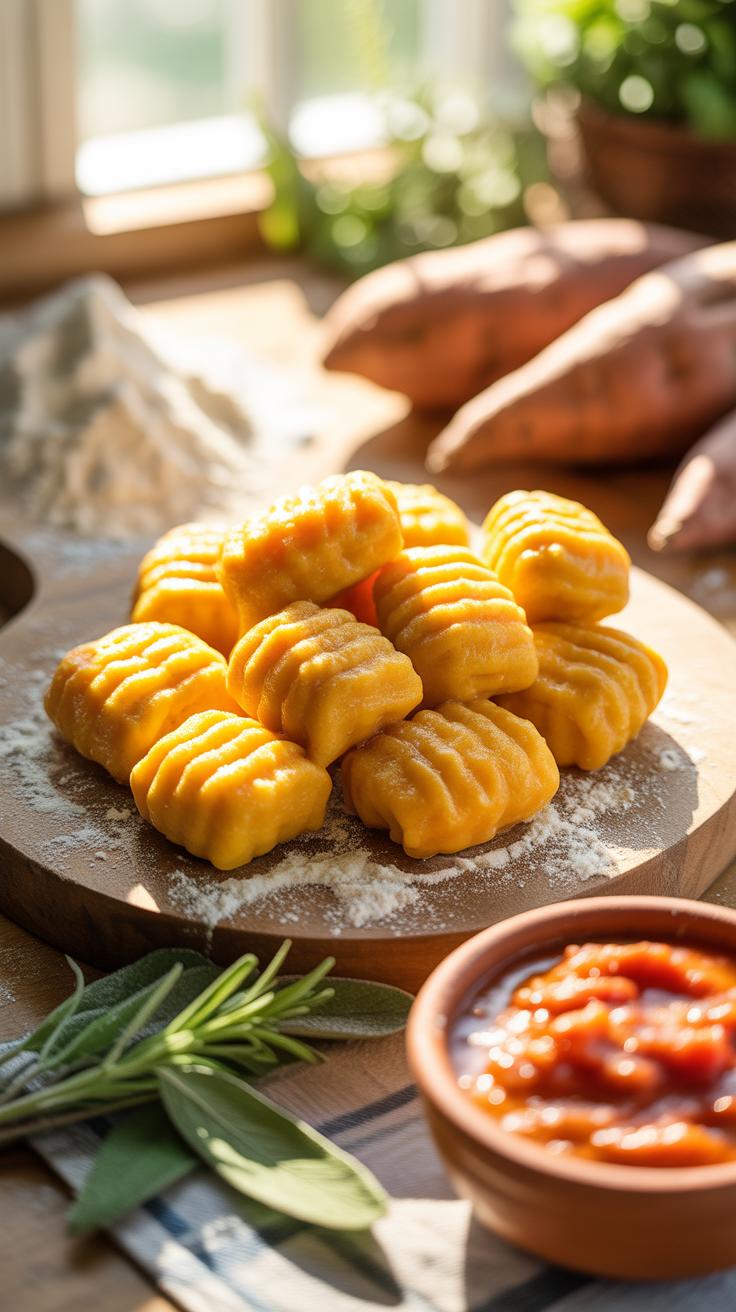
How Sweet Potato Changes The Texture And Flavor Of Traditional Gnocchi
Traditional gnocchi uses starchy white potatoes to create a neutral base. Sweet potatoes introduce a higher sugar content and more moisture into the dough. This change impacts the structural integrity of the pasta. You must adjust the flour ratio to account for the extra water. Failure to do so results in a gummy product. Proper technique yields a denser but richer dumpling.
The flavor shift is significant and immediate. White potatoes provide a mild earthy background. Sweet potatoes offer a distinct sweetness and deep orange hue. This profile requires savory counterpoints to balance the palate. The natural sugars caramelize quickly when pan-seared after boiling. This adds a unique crust that standard gnocchi lacks. Use high-starch varieties like Beauregard for the best results in your dough.
Sauce Pairings That Complement Homemade Sweet Potato Gnocchi
The sweetness of the tuber demands specific acidic or savory components. Avoid heavy tomato sauces that clash with the orange flesh. Instead, use fat-based sauces to carry the flavor. Brown butter and sage are the industry standard for this dish. The nuttiness of the butter highlights the vegetable notes. Acid from lemon juice or balsamic vinegar cuts through the density of the starch.
Salty elements provide necessary contrast to the natural sugars. Incorporate hard cheeses like Pecorino Romano or Parmesan to add savory depth. Cured meats like pancetta or prosciutto provide a salt hit that improves the overall profile. Toasted nuts add a textural crunch that compensates for the soft dough. Keep the sauce simple to let the sweet potato flavor remain the primary focus of the meal.
Homemade Sweet Potato Gnocchi Easy Enough For Any Home Cook
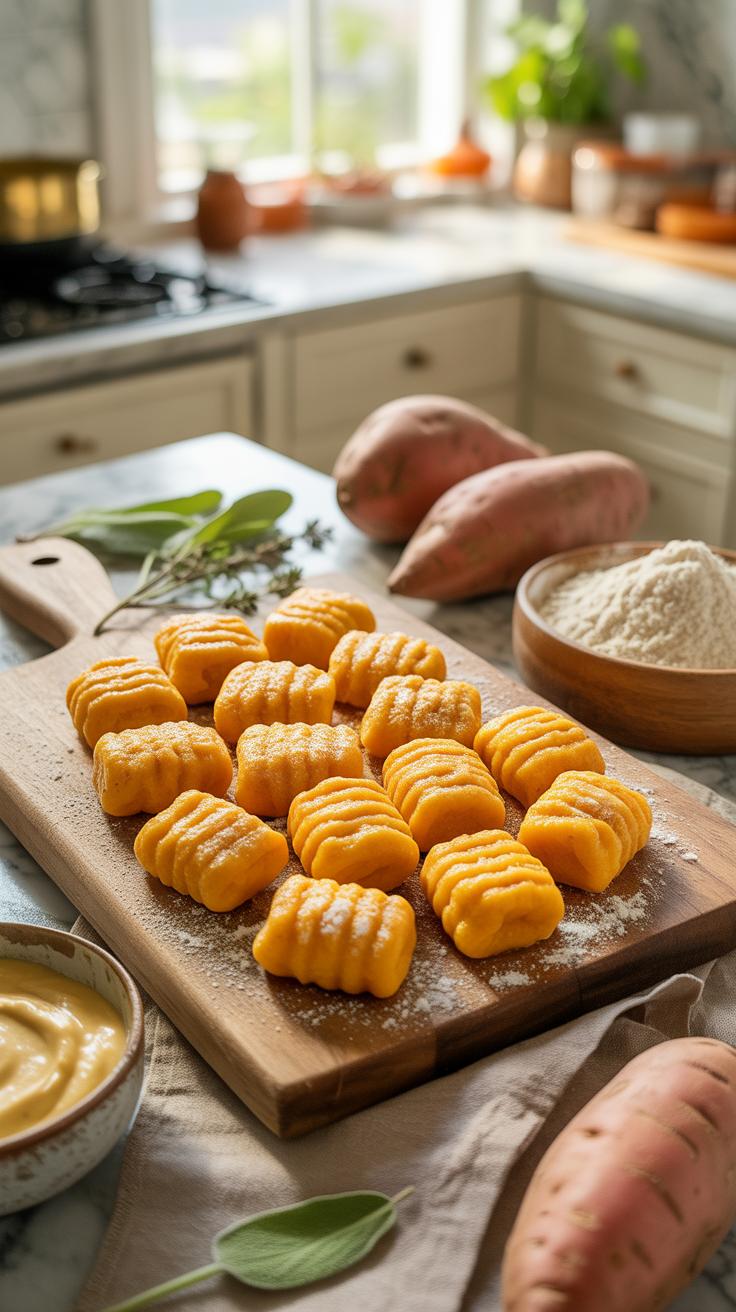
Choosing The Right Sweet Potatoes And Flour For Light, Pillowy Gnocchi
Select starchy sweet potato varieties like the Jewel or Beauregard. These types contain less water than purple or white varieties. High moisture content ruins gnocchi dough. Roast the potatoes in their skins rather than boiling them. Roasting evaporates internal water and concentrates the natural sugars. Dry potato flesh is the foundation for a light texture that holds its shape.
Use “00” flour or unbleached all-purpose flour for the binder. Type “00” flour is finely milled and produces a delicate crumb. It prevents the gnocchi from becoming gummy or overly chewy. Measure flour by weight to ensure precision. Adding too much flour makes the dumplings heavy and dense. Use just enough to hold the dough together without the mixture sticking to your hands.
Common Mistakes To Avoid When Making Sweet Potato Gnocchi From Scratch
Never overwork the dough once you add the flour. Kneading develops gluten which makes gnocchi tough. Mix the ingredients until they barely combine into a uniform mass. Work quickly to keep the dough cool. Warm dough becomes sticky and requires more flour. This extra flour destroys the potato flavor. Handle the mixture with a light touch to maintain a pillowy internal structure.
Do not process the potatoes in a blender or food processor. High-speed blades break down starch molecules and turn the mash into glue. Use a potato ricer or a food mill instead. These tools create small crumbs that incorporate air into the dough. Ensure the potatoes cool completely before mixing with eggs or flour. Steam from hot potatoes hydrates the flour too fast and causes a sticky mess.
Frequently Asked Questions

Are sweet potatoes actually healthier than regular white potatoes?
Yes, sweet potatoes are a nutritional powerhouse, making them a top choice for wellness-focused cooking. They are packed with vitamin A, fiber, and antioxidants while having a lower glycemic index than white potatoes. Incorporating sweet potato recipes into your weekly rotation helps provide sustained energy levels and supports immune health, offering a naturally sweet flavor profile that requires less added salt or butter to taste delicious.
What is the best way to cook sweet potatoes to keep them healthy?
To maximize nutrition, try steaming or roasting your potatoes with the skin on. Roasting enhances the natural sugars without needing heavy oils, while steaming preserves the most water-soluble vitamins. If you are looking for versatile sweet potato recipes, consider air-frying slices for a low-fat crunch or mashing them with a splash of almond milk and cinnamon for a creamy, nutrient-dense side dish that satisfies cravings naturally.
Is it expensive to eat healthy using sweet potatoes as a staple?
Not at all! In fact, sweet potatoes are one of the most budget-friendly superfoods available at the grocery store. They have a long shelf life when stored in a cool, dark place, which helps reduce food waste. Buying them in bulk is highly cost-effective, allowing you to prep multiple meals—from hearty breakfast bowls to filling stews—without breaking the bank on expensive specialty health supplements or processed ingredients.