
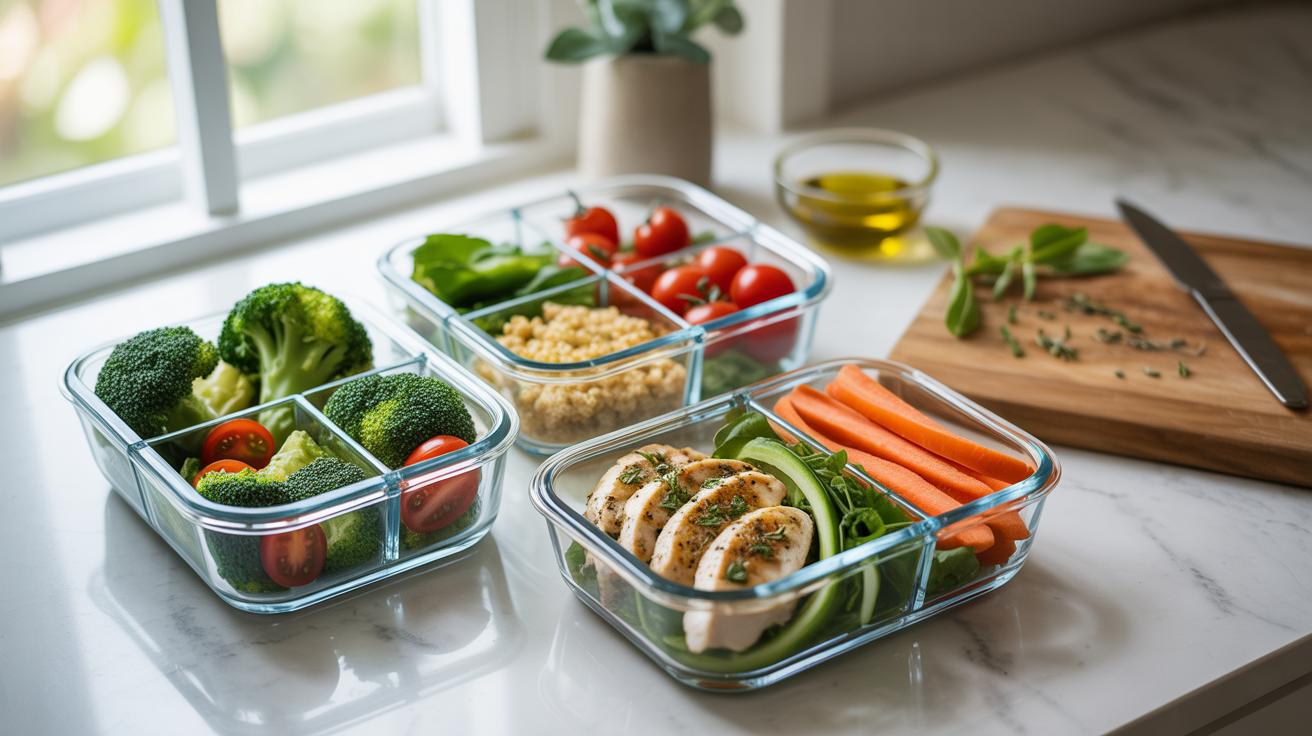
Why Your Meal Prep Lunch For Work Keeps Getting Soggy And How To Stop It
The Science Behind Sogginess: Moisture Migration In Packed Lunches
Sogginess happens because of moisture migration. Water naturally moves from wet ingredients to dry ones. This process follows the laws of thermodynamics to reach equilibrium. When you place cooked vegetables next to bread or grains, the dry starch absorbs the escaping water vapor. This physical change destroys the texture of your meal prep lunch for work before you even eat it.
Temperature also plays a critical role in this degradation. Heat creates steam when trapped in a sealed container. This steam condenses into liquid water on the lid and drops back onto your food. Modern plastic and glass containers trap this humidity effectively. Unless you control the water activity of each component, your meal will inevitably lose its structural integrity during storage.
The Most Common Packing Mistakes That Ruin A Good Lunch
The biggest mistake is packing food while it is still warm. Residual heat creates a greenhouse effect inside the container. This softens fibers and turns crisp textures into mush. You must allow all cooked components to reach room temperature or lower before sealing them. Failure to cool food properly is the primary reason why most meal preppers fail at maintaining texture.
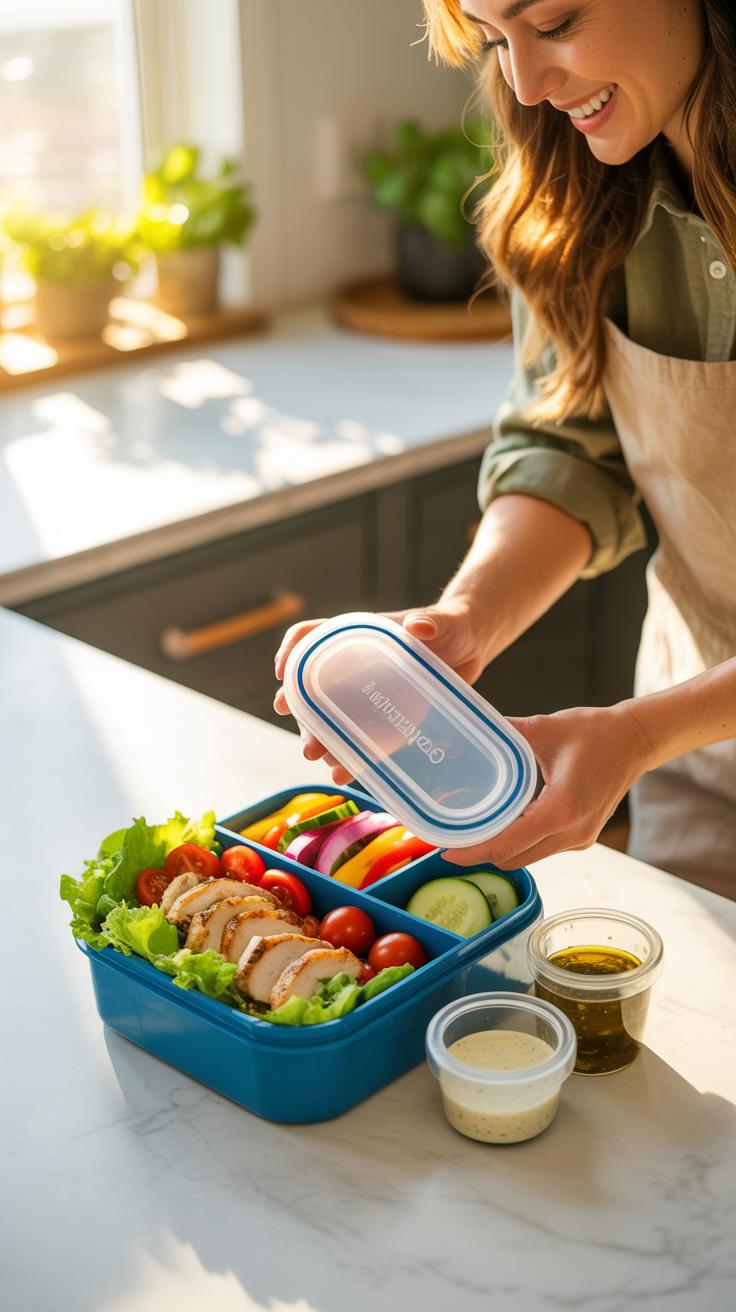
Poor ingredient layering also causes immediate quality loss. Placing heavy proteins or wet sauces on top of greens or grains crushes and saturates them. Most people combine components too early in the week. You should store dressings and wet items in separate, small containers. Mixing elements at the point of consumption is the only way to ensure your lunch tastes fresh and remains firm.
The Best Lunch Make Ahead Containers To Keep Food Fresh All Week
Compartment Containers Vs. Single Bowl Storage: Which Works Better
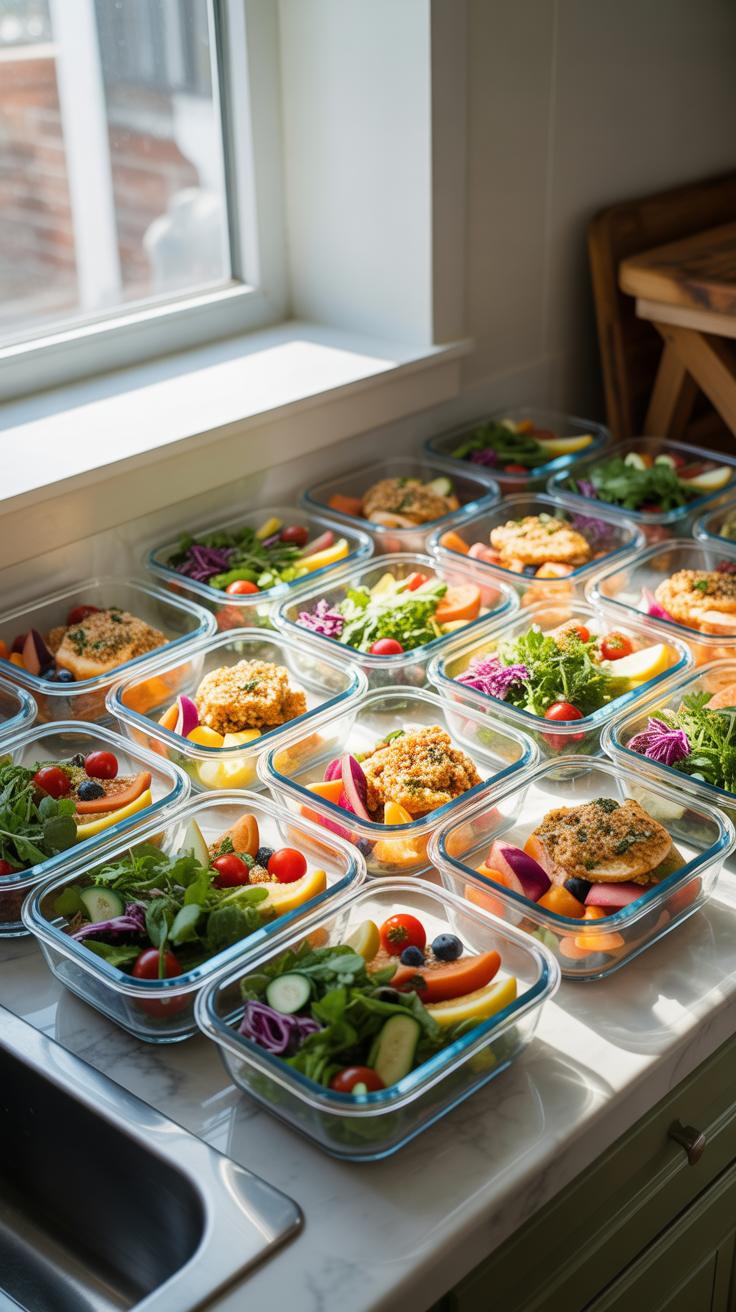
Single bowl storage works best for integrated meals like stews, grain bowls, or pasta. These dishes benefit from flavor marriage over time. High moisture content in these recipes keeps proteins from drying out during reheating. Use glass bowls for these meals. Glass resists staining and does not retain odors from strong spices. It also handles high heat better than most plastic options during the microwave cycle.
Compartment containers are essential for multi-component meals. They keep dry items away from wet items to prevent texture degradation. Use these for salads, tacos, or deconstructed plates. Keeping cold greens separate from warm proteins prevents wilting. This physical barrier stops osmotic pressure from pulling water out of vegetables. If your meal has different textures, choose compartments. This setup maintains the structural integrity of every ingredient until you eat.
How Airtight Seals And Leak Proof Lids Protect Texture And Freshness
Airtight seals stop the exchange of gases between your food and the fridge environment. Oxygen exposure causes oxidation which turns avocados brown and makes fats taste rancid. Silicone gaskets provide the most reliable barrier against air. Look for snap-locking lids that apply even pressure across the seal. This pressure creates a vacuum effect. It keeps your food crisp and prevents your fridge from smelling like onions.
Leak-proof lids prevent liquid migration between container sections. This is critical for meals with sauces or vinaigrettes. A failing seal allows dressing to soak into crackers or bread. This creates a soggy mess by lunchtime. High-quality tempered glass containers with four-hinge locking systems offer the best protection. These lids ensure that liquids stay in their designated spots. This mechanical lock also prevents messy spills inside your work bag.
Meal Prep Ideas For The Week Lunch Building A Rotating Menu That Stays Interesting
How To Plan Five Days Of Lunches Around Three Core Ingredients
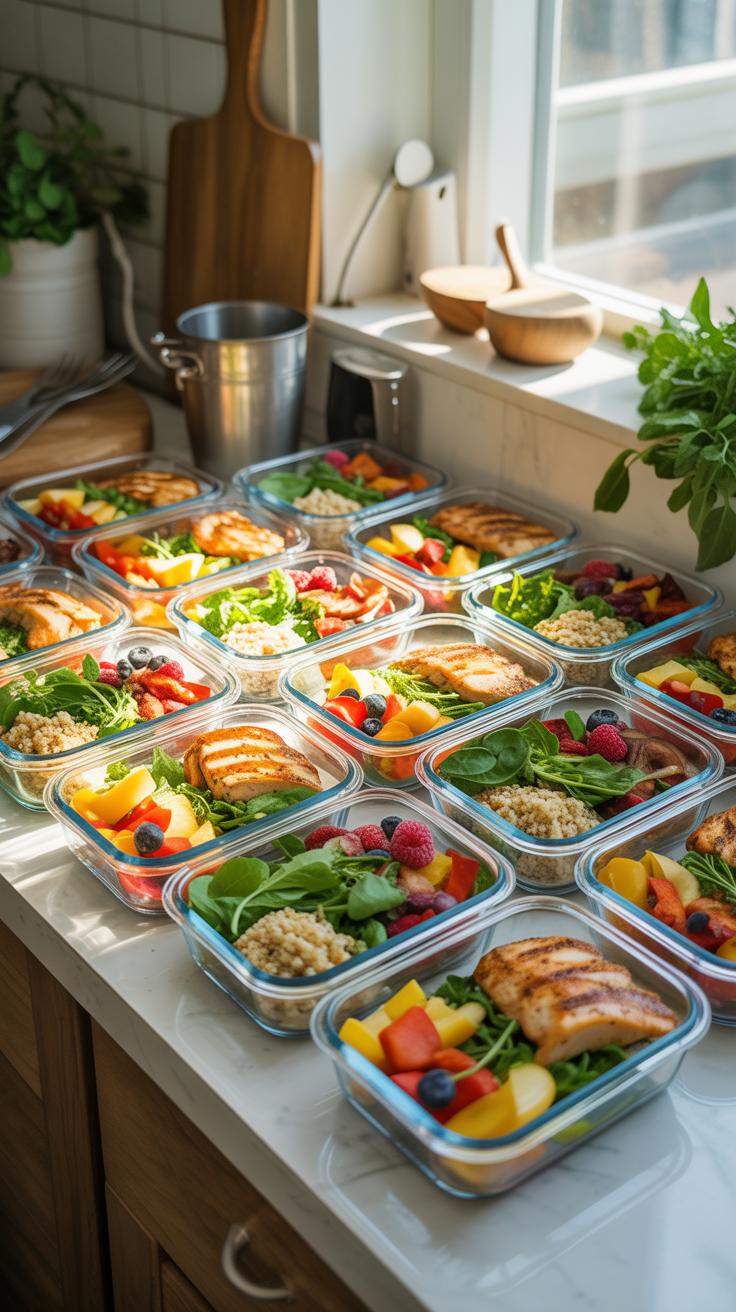
Selection of three versatile ingredients reduces decision fatigue and waste. Pick one dense protein, one hardy vegetable, and one complex starch. This strategy limits your grocery bill and simplifies the cooking process. You focus on high yield and low effort. Choose items that share a flavor profile. This ensures consistency across your meals. Smart planning prevents the midweek slump caused by excessive variety.
Effective meal prep requires ingredients that survive five days in the fridge. Choose chicken thigh over breast for better moisture retention. Select peppers or cabbage over leafy greens to prevent wilting. Use sweet potatoes or quinoa as they hold their texture when cold. Combine these three items in different ratios to create unique daily portions. This method provides structure without becoming repetitive or boring during your shift.
Batch Cooking Grains And Proteins Once To Power Multiple Lunches
Efficient batch cooking saves hours of active labor. Cook all proteins and grains during a single window on Sunday. Use a sheet pan for the oven or a large pot for the stove. This maximizes heat efficiency and cleans your kitchen faster. High volume cooking creates a foundation for every lunch in your work week. It ensures you have high quality food ready for immediate assembly.
Proper storage preserves the integrity of your batch cooked items. Cool your grains completely before sealing them in airtight containers. This prevents steam from turning the food into a soggy mess. Store proteins separately from grains to maintain distinct textures. Cooling the food quickly stops the cooking process and keeps it safe. Organized containers allow for rapid grabbing and bagging each morning as you head into the office.
Easy Lunches For Work No Cook And Minimal Prep Options That Hold Up
Grain Bowls, Wraps, And Mason Jar Salads That Travel Well
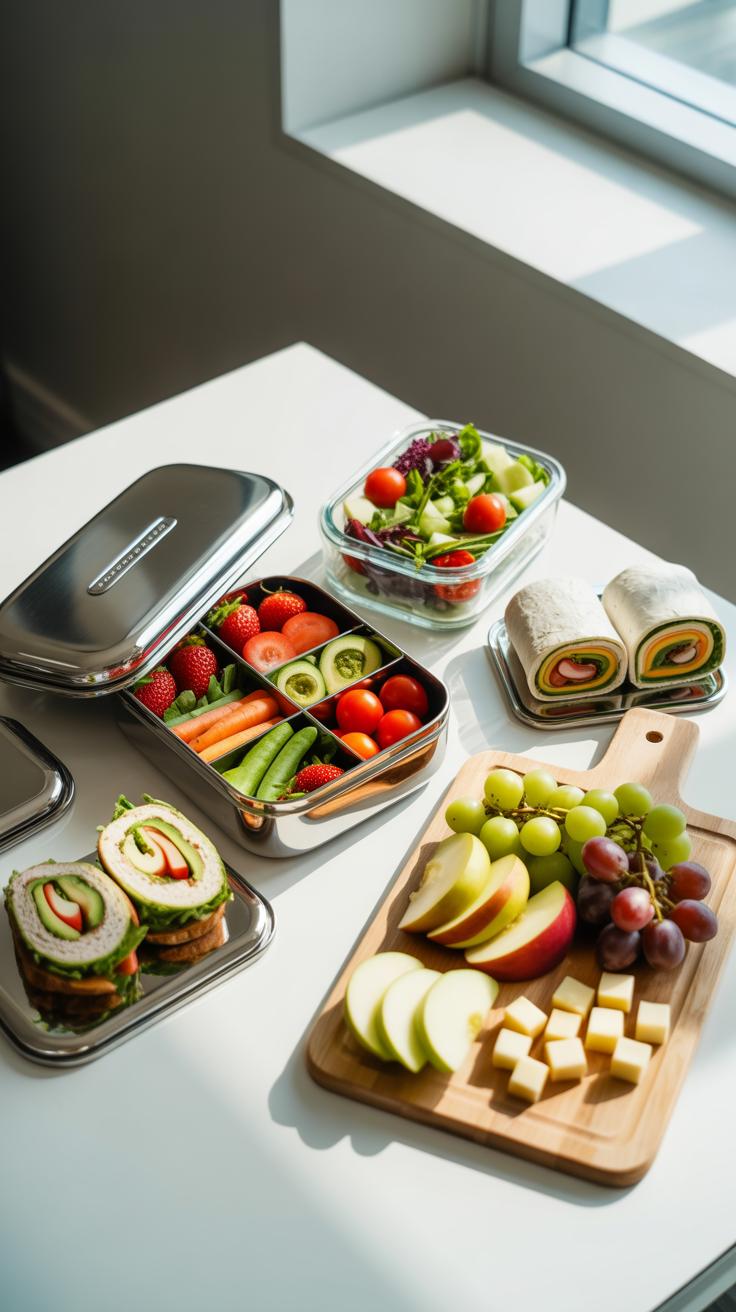
Building a stable work lunch requires structural integrity. Use dense grains like farro or quinoa as a base layer. These hearty ingredients absorb moisture without losing their texture or turning into mush. Arrange ingredients by weight and water content. Place heavier proteins and grains at the bottom of your container. This prevents delicate greens from being crushed during your morning commute to the office.
Mason jar salads rely on vertical layering to preserve freshness. Pour liquid at the very bottom followed by hard vegetables like carrots or chickpeas. This creates a physical barrier that keeps your leafy greens dry and crisp until you flip the jar into a bowl. For wraps, use a thin layer of cream cheese or hummus to seal the tortilla. This prevents moisture from the vegetables from soaking the bread.
Smart Dressing Tricks: Always Pack Sauces And Dressings Separately
Direct contact with acidic dressings breaks down vegetable cell walls immediately. This chemical process causes wilting and releases excess water into your container. You must isolate all liquids to maintain the structural quality of your meal prep. Small silicone containers or glass vials provide a leak-proof way to transport vinaigrettes. Physical separation ensures your ingredients remain crunchy and fresh until the precise moment you choose to eat.
- Stainless Steel Condiment Cups: These small containers feature food-grade silicone lids that prevent leaks in your bag. They are durable and do not retain odors from strong ingredients like garlic or onions. Use them for salad dressings, dips, or heavy sauces.
- Mason Jar Layering Method: Pour your dressing into the bottom of a wide-mouth glass jar first. Add hard, non-absorbent vegetables like sliced radishes or cucumbers directly on top of the liquid. This technique eliminates the need for a second container while keeping greens dry.
- Internal Divider Systems: Bento boxes with dedicated dry and wet compartments simplify the packing process. Modern lunch containers often include a small screw-top jar that fits perfectly inside the main tray. This keeps your meal organized and prevents any accidental flavor mixing.
- Reusable Squeeze Bottles: Small plastic squeeze bottles allow for precise portion control when adding oils or thin sauces to your lunch. They are easy to wash and take up minimal space in a standard lunch bag. Choose BPA-free materials for long-term safety.
- Dry Component Prep: Mix your dry herbs and spices separately if you prefer to dress your food with fresh lemon or oil at your desk. Keeping salt away from fresh vegetables prevents them from sweating and losing their firm texture during storage.
Always wait to dress your lunch until you sit down to eat. This tactical move preserves the intended texture of every ingredient in your meal. Pre-dressed salads lose their nutritional value and aesthetic appeal within hours of preparation. Packing sauces separately also allows you to heat your main meal without warming the cold dressing. This temperature control is vital for food safety and flavor profile consistency.
Prepped Lunches That Actually Stay Fresh From Monday Through Friday
Which Ingredients Hold Their Texture After Three To Five Days In The Fridge
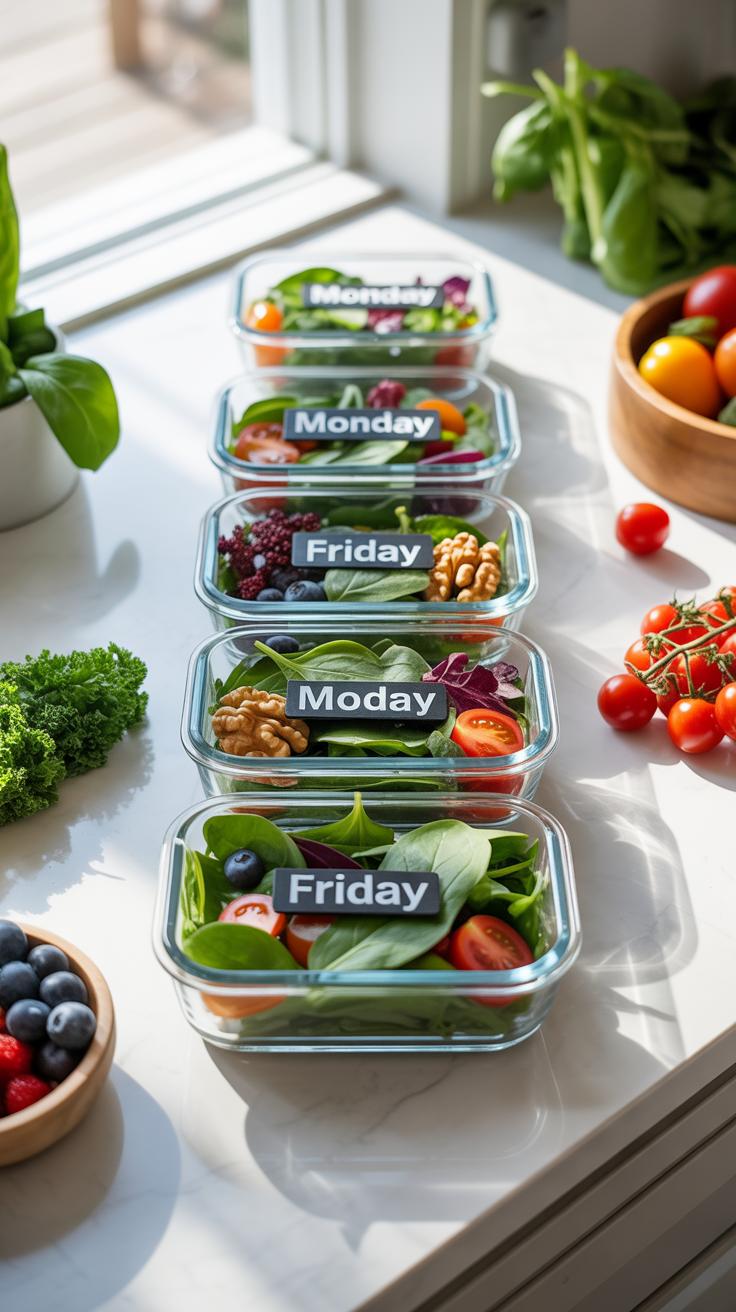
Hard vegetables and intact grains maintain structural integrity over five days. Cruciferous plants like cabbage, kale, and broccoli contain dense fiber networks that resist cellular breakdown. These items do not wilt when exposed to cold or moderate moisture. Root vegetables like roasted carrots and beets also remain firm. Avoid soft greens like spinach or sliced cucumbers if you need a meal to last past Wednesday.
Protein selection determines the shelf life of your meal prep. Lean beef and chicken thighs remain moist without becoming mushy during storage. Hearty legumes like chickpeas and black beans possess thick skins that prevent them from absorbing excess liquid. Whole grains like farro and quinoa offer a similar advantage. These materials provide a stable base for your lunch. They do not turn into paste after several days.
Layering Strategies That Create A Physical Barrier Against Moisture
Gravity and order dictate the success of your meal prep. Always place heavy, wet ingredients at the bottom of your container. This layer includes dressings, sauces, and marinated beans. Placing liquids at the base prevents them from touching delicate items until you mix the meal. This vertical strategy keeps the rest of your food dry. It mimics industrial food packaging techniques used to extend freshness in transit.
Position your barrier ingredients directly above the wet layer. Use waxy vegetables or thick grains to act as a shield. These materials absorb minimal moisture and stop liquid from moving upward. Place your proteins and leafy greens at the very top of the container. This arrangement ensures that air remains around your most sensitive items. Separation preserves the crunch and prevents the unappealing texture common in poorly packed lunches.
Healthy Lunches For Work Balancing Nutrition Without Sacrificing Texture
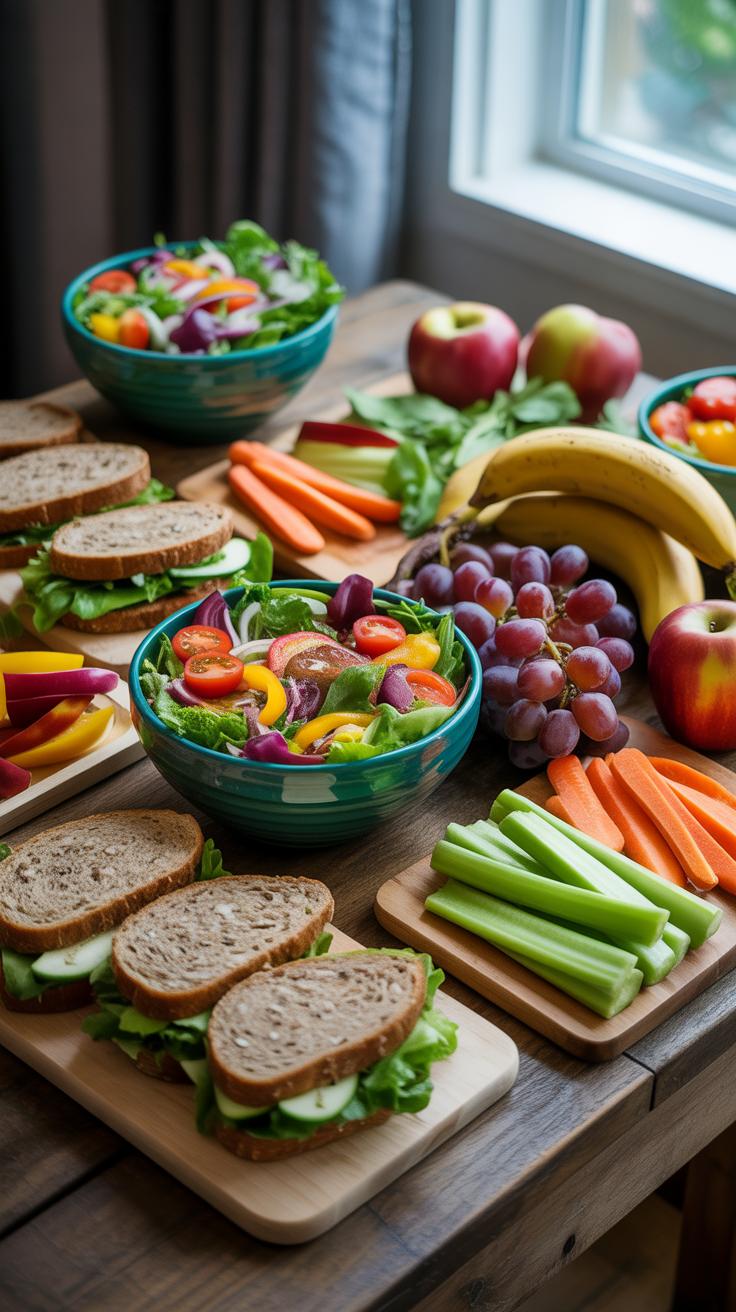
Why Whole Foods Like Roasted Vegetables And Legumes Prep Better Than Processed Options
Whole foods possess resilient cellular structures that withstand refrigeration. Roasted vegetables like carrots and parsnips lose moisture during cooking. This dehydration prevents them from releasing excess water later. Processed snacks and refined grains lack this stability. They often absorb ambient moisture in the container. This leads to a mushy consistency within twenty-four hours. Choosing whole ingredients ensures your meal maintains its original bite.
Legumes like chickpeas and lentils serve as superior protein sources for meal prep. Their thick outer skins act as a natural barrier against sauces. Unlike breaded meats or processed pastas, legumes do not dissolve or become gummy when stored. They retain their shape and texture for up to five days. You get a consistent eating experience every day of the week. Focus on these durable building blocks.
Building A Balanced Plate With Fiber, Healthy Fats, And Complex Carbohydrates
A strategic meal requires a balance of macronutrients to maintain energy levels. Fiber from leafy greens or cruciferous vegetables provides structural bulk. Complex carbohydrates like quinoa or farro digest slowly. These grains stay firm and do not turn into paste. Healthy fats from seeds or nuts add necessary calories without adding liquid. This combination keeps the meal dry and intact during transport to the office.
Proper nutrient density prevents the afternoon energy crash. Avoid simple sugars that cause insulin spikes. Use healthy fats like olive oil in a separate container. This keeps the fat from breaking down the fibers in your vegetables too early. Aim for a ratio of half vegetables, one quarter protein, and one quarter complex carbs. This formula yields a portable meal that satisfies hunger and resists spoilage.
Meal Prep Lunches For Work High Protein Keeping Proteins Juicy And Flavorful
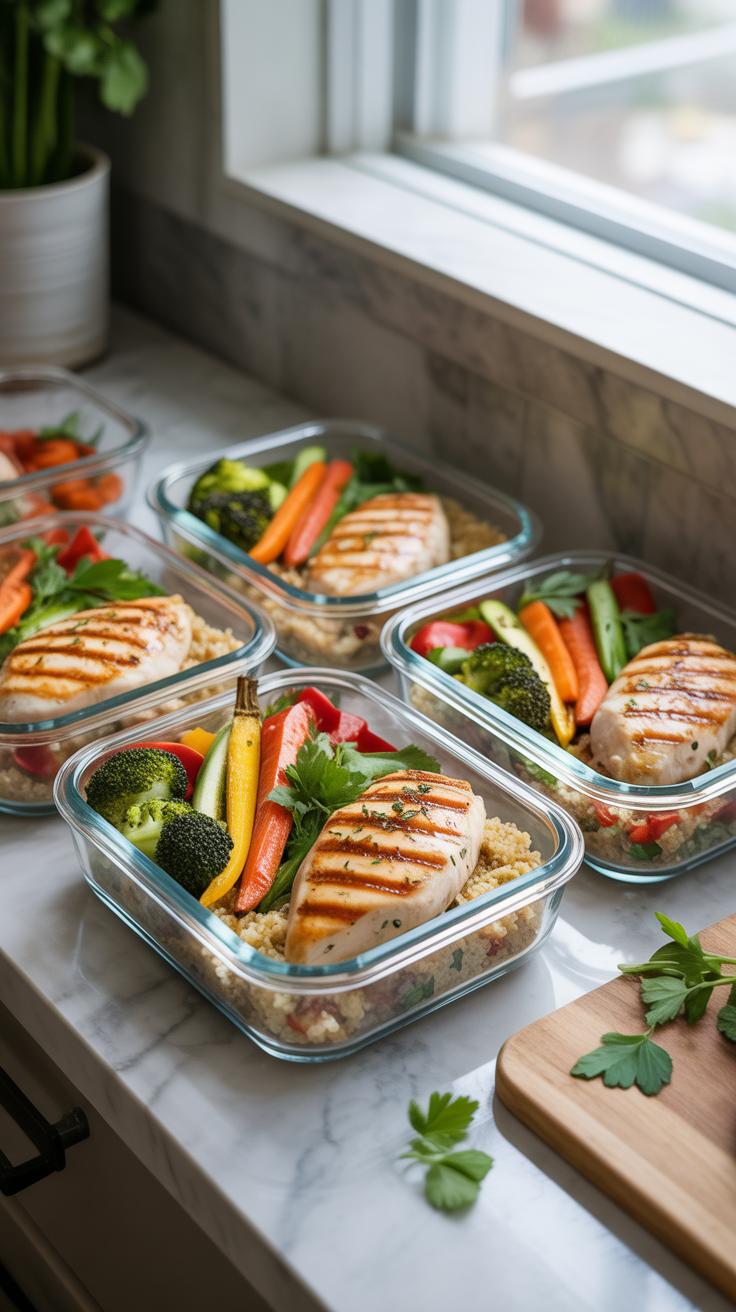
The Best High Protein Foods That Reheat Well Without Drying Out
Leaner cuts of meat lose water quickly when you reheat them. Choose chicken thighs rather than breasts to maintain moisture. Dark meat contains more fat and connective tissue. These components break down and keep the meat tender during a second heat cycle. Ground meats like turkey or beef also perform well. Their structure allows them to retain juices better than solid muscle fibers.
Hard boiled eggs and canned tuna provide protein without any need for reheating. These options eliminate the risk of the rubbery texture common in microwaved chicken. If you prefer plant based options, choose lentils or chickpeas. These legumes hold their shape and do not turn to mush under heat. Fish like salmon can work if you undercook it slightly during initial prep to prevent overcooking later.
Marinating And Storage Methods That Lock In Moisture For Prepped Proteins
Acids and fats are your tools for moisture retention. Use vinegar or citrus in your marinades to break down tough proteins. Add olive oil to create a protective barrier around the meat. This barrier prevents liquid from evaporating during the cooking process. Brining is another effective tactic. Soaking poultry in salted water forces moisture into the cells. This step ensures the protein remains juicy after storage.
Storage strategy is the final step in moisture control. Slice your protein just before you eat it rather than before you store it. Keeping the meat whole reduces the surface area exposed to air. This prevents the edges from drying out in the fridge. Use airtight glass containers to stop oxidation. If you must reheat, add a damp paper towel over the plate. The steam protects the protein from high microwave heat.
High Protein Lunches For Work Meal Prep Plant Based And Animal Based Protein Combos
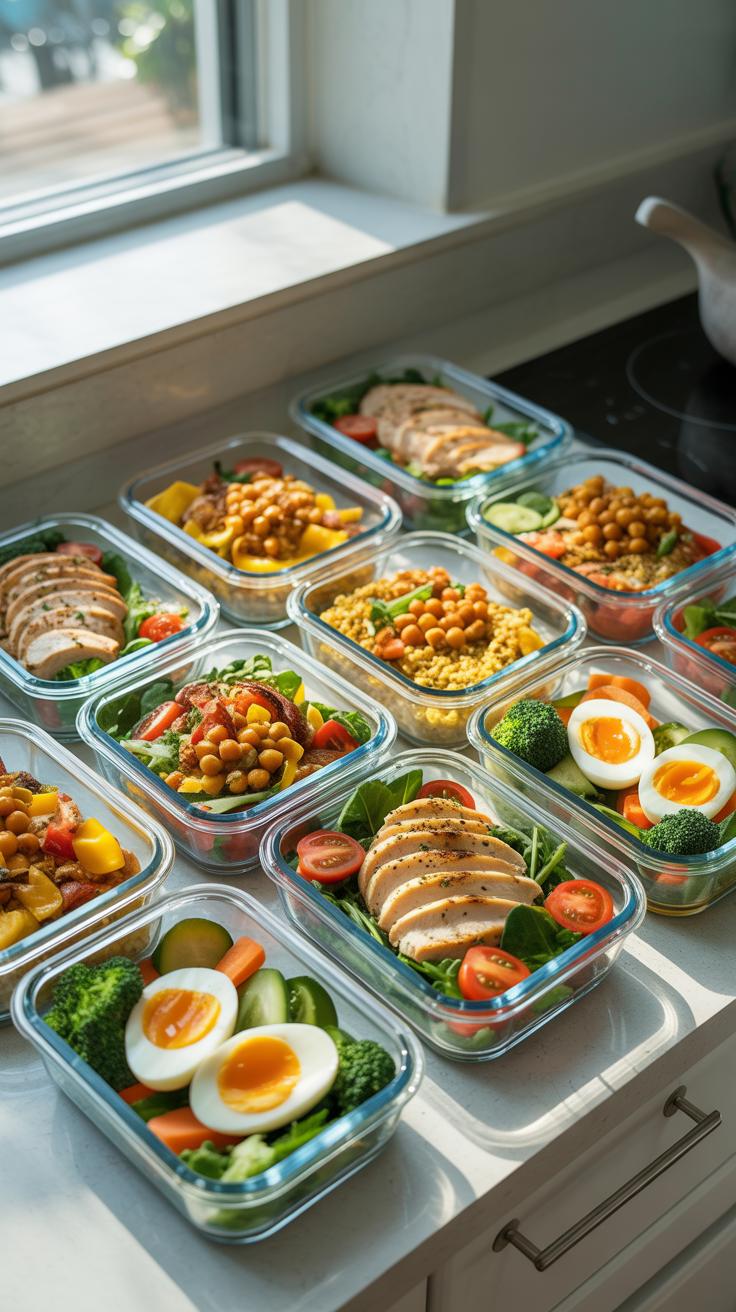
Combining Legumes, Eggs, Chicken, And Tofu For Variety And Staying Power
Smart meal prep requires rotating protein sources to avoid appetite fatigue. Chicken and hard-boiled eggs provide high bioavailability and easy portion control. Store these items separately from greens to prevent moisture transfer. Lean meats maintain their texture when cold or reheated. Focus on dry cooking methods like roasting or searing. This keeps the protein firm and prevents a mushy lunch container by midweek.
Plant proteins like lentils and tofu offer fiber that animal products lack. This fiber slows digestion and keeps blood sugar stable. Press tofu firmly to remove excess water before baking to ensure a meaty bite. Legumes stay fresh for five days without losing structural integrity. Mix these with traditional proteins to lower costs and increase nutrient density. Diverse protein sources ensure you get all essential amino acids every day.
How Much Protein You Actually Need At Lunch To Stay Full And Focused
Most office workers need twenty to thirty grams of protein at lunch. This amount triggers muscle protein synthesis and manages hunger hormones. Consuming less leads to a mid-afternoon energy crash. Consuming more often results in digestive sluggishness. Aim for a portion size roughly the size of your palm. This measurement works for both chicken breasts and plant-based blocks like tempeh or seared tofu.
Exact protein timing matters for mental clarity. A high protein lunch prevents the insulin spike associated with heavy carbohydrate meals. This stability keeps your brain sharp during long afternoon meetings. Do not rely on shakes or processed bars for this intake. Whole food sources provide better satiation and micronutrients. Balanced protein intake at midday reduces the urge to snack on office sweets later in the shift.
Healthy High Protein Lunches For Work Recipes Worth Adding To Your Weekly Rotation
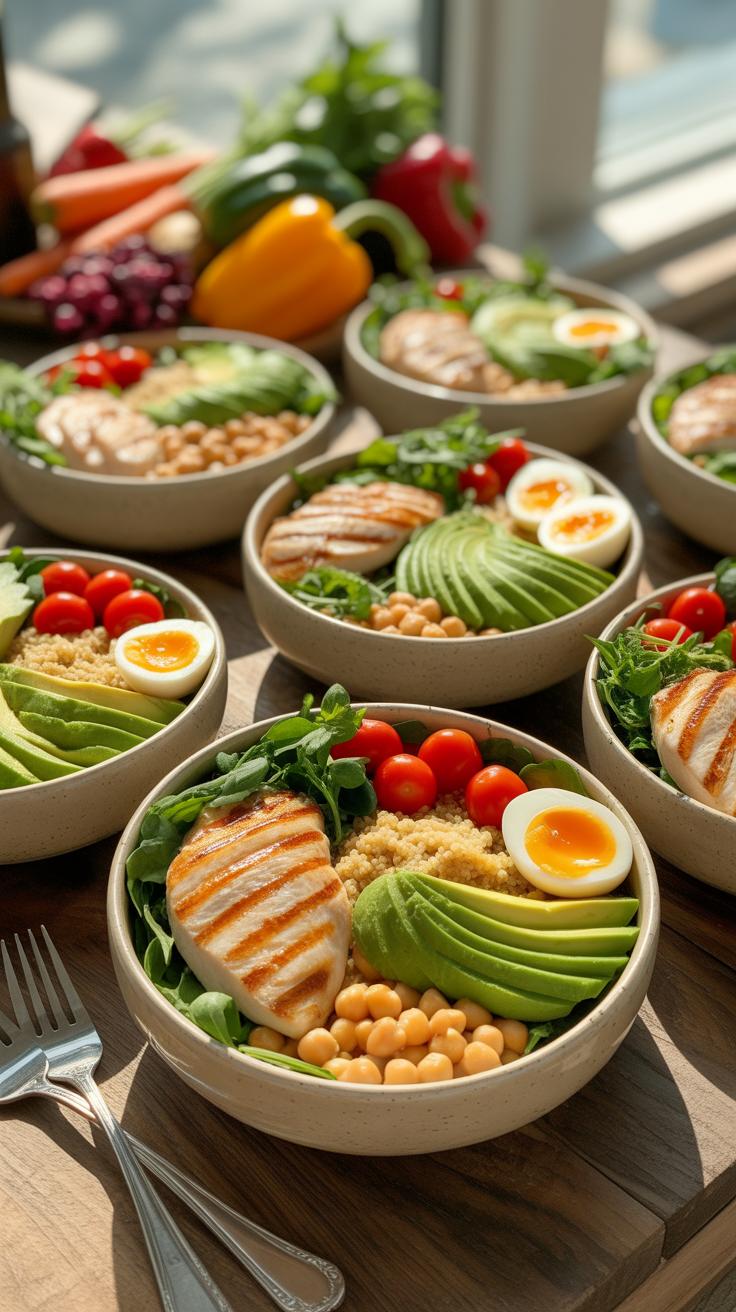
Quinoa Power Bowls, Lentil Soups, And Greek Chicken Wraps That Prep In Bulk
Quinoa power bowls provide a stable base for high protein meal prep. This ancient grain contains all nine essential amino acids. Combine it with roasted chickpeas and kale for maximum shelf life. These bowls resist wilting for four days when stored in airtight glass containers. Focus on heavy dressings like tahini which coat the grains without breaking down the cellular structure of the vegetables.
Lentil soups and Greek chicken wraps offer variety for different temperature preferences. Lentils provide high fiber and plant protein that improves in flavor after two days of refrigeration. For wraps, keep the chicken, tzatziki, and vegetables in separate compartments. This strategy prevents the tortilla from absorbing moisture and becoming unpalatable. Assemble the wrap at your desk to ensure a firm texture and high nutritional density.
There is a simple, nostalgic joy in opening a lunch box to find each layer as crisp and fresh as when it left your kitchen. Mastering the art of the prep ensures your midday break remains a crisp sanctuary in the middle of a busy day.
Key Ingredients To Always Keep Stocked For High Protein Lunch Prep
High protein efficiency requires a pantry stocked with versatile building blocks. These items allow you to build meals quickly when fresh supplies run low. Prioritize items with high protein-to-weight ratios to maintain lean mass. Select ingredients that do not require complex cooking techniques. This approach reduces prep time while ensuring you meet your daily macronutrient targets without fail or added stress.
- Canned Legumes: Chickpeas and black lentils offer immediate plant protein. They require no cooking and maintain their shape in cold salads for several days. These staples provide a high fiber count which aids in satiety during long work shifts.
- Canned Tuna and Salmon: These shelf stable proteins provide essential omega three fatty acids. Use them for quick mixes with Greek yogurt instead of mayonnaise to increase protein content. Always select water packed varieties to control fat intake and prevent oil leakage in bags.
- Hard Cheeses: Parmesan and sharp cheddar add flavor and protein without the high water content of soft cheeses. This lack of moisture prevents other ingredients in your lunch container from becoming soggy. They remain stable at room temperature for several hours during transport.
- Pre Cooked Quinoa: Buying or prepping large batches of quinoa eliminates daily cooking tasks. It stores better than rice and does not get hard when cold. This seed provides a complete protein profile and absorbs the flavors of any added spices or vinaigrettes.
- Hemp Hearts and Seeds: These small additions pack significant protein and healthy fats into any bowl. Sprinkle them over salads or soups just before eating to add crunch. They require no preparation and have a long shelf life when kept in a cool dark pantry.
Smart stocking reduces the cognitive load of weekly meal planning. Use these ingredients to fill gaps when fresh produce is unavailable. Consistent access to these items prevents the urge to buy expensive or unhealthy takeout. Focus on nutrient density and mechanical simplicity to sustain a successful meal prep routine. High protein diets require discipline and these ingredients provide the necessary infrastructure for long term success.
Quick Lunch Prep Ideas How To Prep A Full Week Of Lunches In Under An Hour
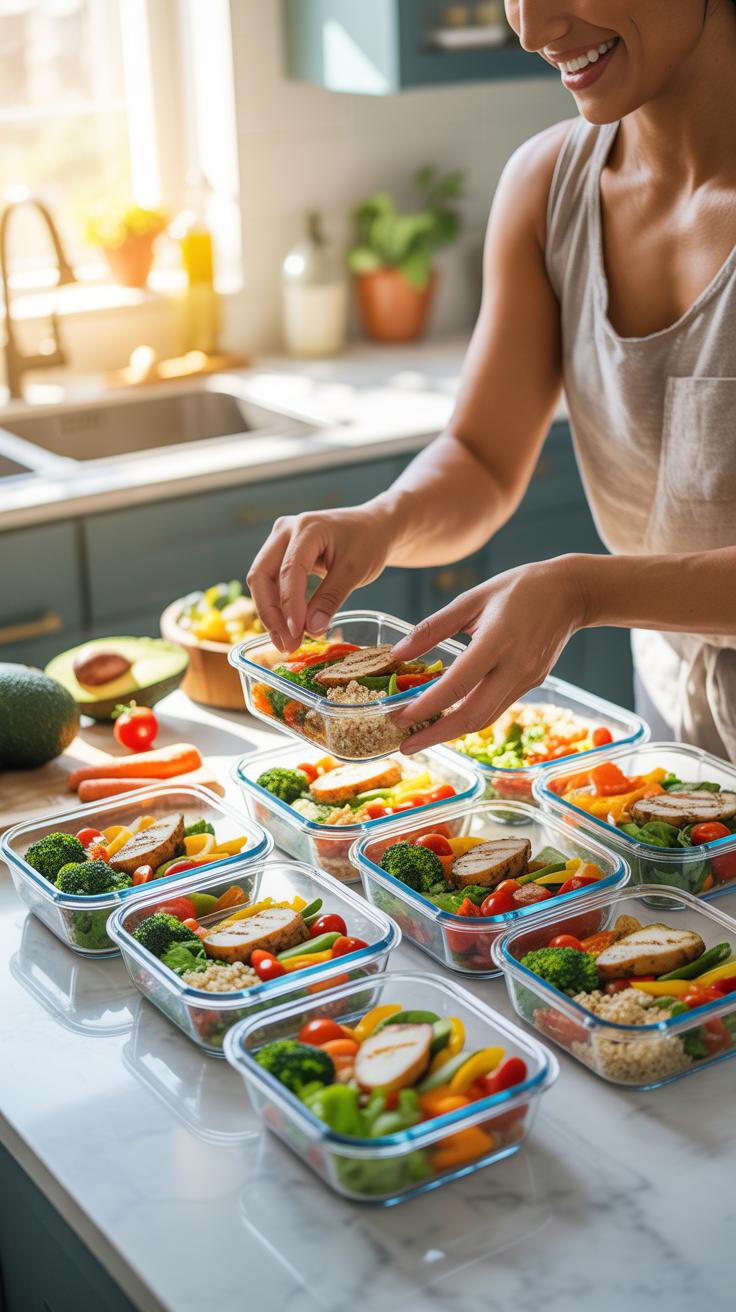
The Sunday Prep Method: A Step By Step Workflow To Maximize Efficiency
Efficiency requires a rigid schedule. Start by preheating your oven and boiling water simultaneously. Process all vegetables first to clear your cutting board for proteins. Use one large sheet pan for multiple roasted components. Group items by cooking time to ensure nothing overcooks. Active work time should not exceed thirty minutes. The rest of the hour belongs to passive heat and cooling.
Consistency depends on a fixed sequence of assembly. Arrange your containers in a row on the counter. Divide grains first to create a dry base for moisture control. Layer proteins on top and finish with hardy greens. Use separate small containers for sauces to prevent wilting. Seal each lid tightly only after the food reaches room temperature. This prevents condensation and keeps textures firm throughout the week.
Using Freezer Friendly Components To Cut Your Weekly Prep Time In Half
Smart prepping utilizes the freezer to bypass repetitive daily tasks. Cook large batches of grains and legumes once a month. Portion these into individual bags and freeze them flat for easy storage. Defrost one portion per day to serve as your meal base. This tactic removes twenty minutes of active cooking from your weekly routine. High-starch items maintain their structural integrity through the freezing process.
Proteins also benefit from bulk freezing strategies. Grill or bake three pounds of chicken or beef at once. Slice the meat and freeze it in single-serving sizes. You can grab these portions and add them directly to your lunch bowl. The meat thaws safely in the refrigerator by noon. This method eliminates the need for mid-week grocery runs. You save time and reduce food waste by controlling your inventory.
Frequently Asked Questions

How can I start meal prepping for work if I’m a complete beginner?
The best way to start a meal prep lunch for work routine is to keep your recipes simple. Focus on “deconstructed” meals, such as grain bowls or bento boxes, where ingredients stay separate until it is time to eat. By choosing hearty base ingredients like roasted sweet potatoes or quinoa, you ensure your food stays fresh and delicious throughout the week without feeling overwhelmed by complex cooking.
What is the secret to packing salads and wraps so they stay crisp?
To avoid the dreaded soggy sandwich or wilted greens, use the layering technique. When preparing your meal prep lunch for work, place your dressing or wet ingredients at the very bottom of a glass jar. Add sturdy vegetables like carrots next, and place your leafy greens at the top. For wraps, pack the filling in a separate container and assemble it right before eating to maintain that satisfying, crunchy texture.
Is it possible to meal prep fresh lunches on a tight monthly budget?
Absolutely! You can save significant money by revolving your meals around affordable staples like beans, lentils, and seasonal produce. Buying grains in bulk and choosing versatile proteins like hard-boiled eggs or canned tuna keeps costs low while providing high nutritional value. Prepping your own meals prevents expensive last-minute takeout orders, allowing you to enjoy a high-quality, professional-grade lunch even when you are working with a very limited grocery budget.