
Why Keeping Lunch Under 400 Calories Supports Your Health Goals
How Calorie Controlled Lunches Help With Weight Management And Energy Levels
Eating a 400 calorie lunch creates a reliable energy floor without overshooting your daily needs. This specific caloric range prevents the heavy insulin spikes associated with large meals. You avoid the standard afternoon crash by keeping blood sugar stable. Consistent intake allows your body to burn fat stores for remaining energy needs. This strategy simplifies weight management by making daily math easier.
Predictable meal sizing stops the cycle of overeating. When you cap lunch at this level, you save calories for a larger dinner or healthy snacks. High volume foods like leafy greens and lean proteins fill the stomach while staying under the limit. This approach improves metabolic flexibility over time. You train your brain to recognize true fullness. Tactical eating leads to better focus and steady performance.
The Science Behind Midday Hunger And Why A Balanced Lunch Matters
Midday hunger results from declining blood glucose levels after morning activity. A balanced lunch provides the necessary glucose to fuel the brain and muscles. Without this fuel, the body increases cortisol production. This stress hormone triggers intense cravings for sugar and fast acting carbs. Staying under 400 calories requires nutrient density to satisfy these biological signals. Proper timing prevents late day binge eating.
A 400 calorie limit demands high protein and fiber choices. Fiber slows gastric emptying which keeps you full for longer periods. Protein triggers satiety hormones like cholecystokinin to signal the brain that you are finished. Balancing these macros within a set limit ensures the meal is functional rather than just filling. You optimize your biology by providing raw materials for cellular repair. Science supports structured portions for long term health.
Good Meal Prep Recipes That Make Healthy Eating Effortless All Week
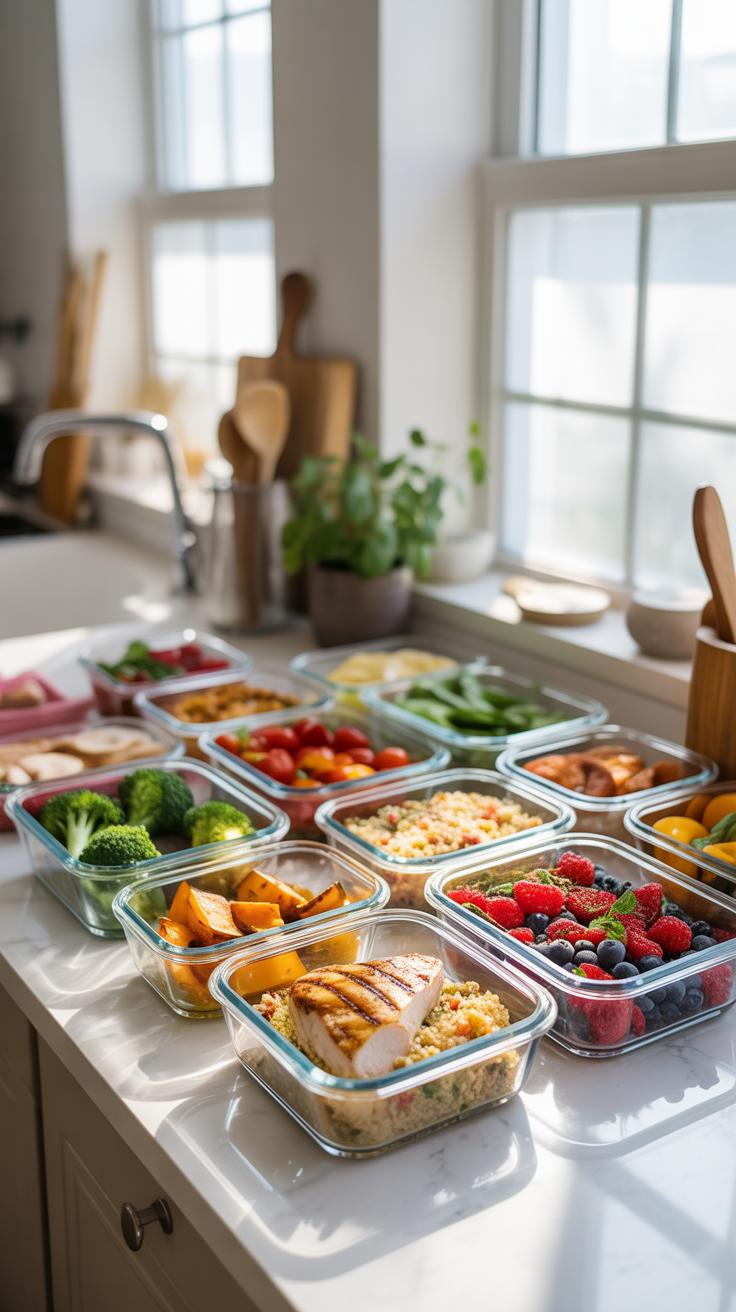
How To Batch Cook Lunches On Sunday For A Stress Free Work Week
Batch cooking eliminates daily decision fatigue and ensures you stay under calorie targets. Start by selecting two base proteins to cook simultaneously. Roast chicken breasts and lean ground turkey on separate sheet pans. This method uses high heat to lock in moisture without adding excessive oils. Set a timer to avoid overcooking. Consistent protein portions are the foundation of any successful weight loss plan.
Steam or roast large volumes of non-starchy vegetables like broccoli and peppers at the same time. These high-fiber foods increase volume without adding many calories. Distribute the cooked food into five individual portions immediately to prevent overeating during the process. Store these components separately or in combined bowls to streamline your mornings. Planning your cooking flow reduces total kitchen time to under ninety minutes.
Top Meal Prep Containers And Storage Tips To Keep Lunches Fresh And Safe
Quality containers prevent food spoilage and maintain texture throughout the week. Choose borosilicate glass containers for durability and safety. This material handles extreme temperature shifts from the freezer to the microwave without leaching chemicals. Airtight silicone seals are vital to stop oxygen from entering. Oxygen causes food to oxidize and lose its flavor. Proper seals also prevent leaks in your bag.
Organize your refrigerator using First In First Out principles. Place the newest meals at the back and older meals at the front. Most cooked proteins stay safe for three to four days when held at forty degrees Fahrenheit. If your prep extends to Friday, freeze the final two portions immediately after cooling. Labeling each lid with the preparation date ensures you consume the food while it remains peak quality.
Healthy Food Dishes You Can Build Around Whole Ingredients
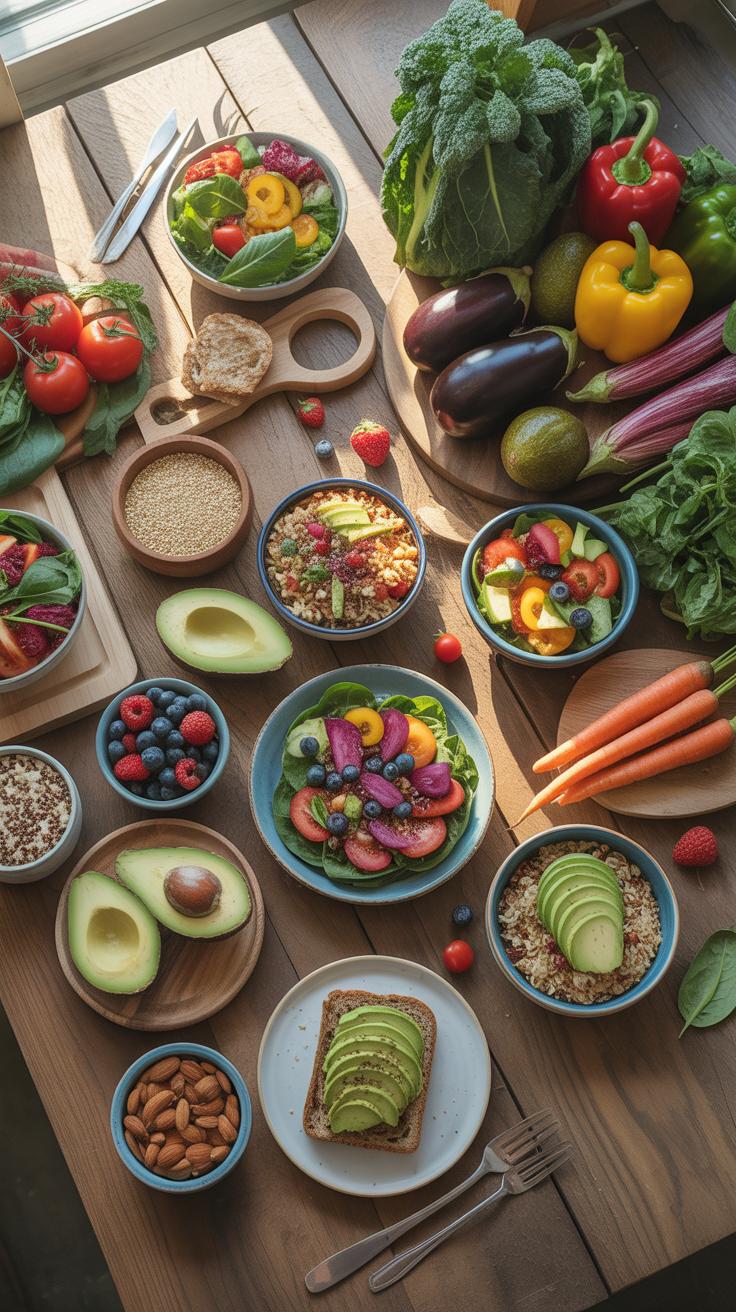
Grain Bowls, Salads, And Wraps Built With Nutrient Dense Whole Foods
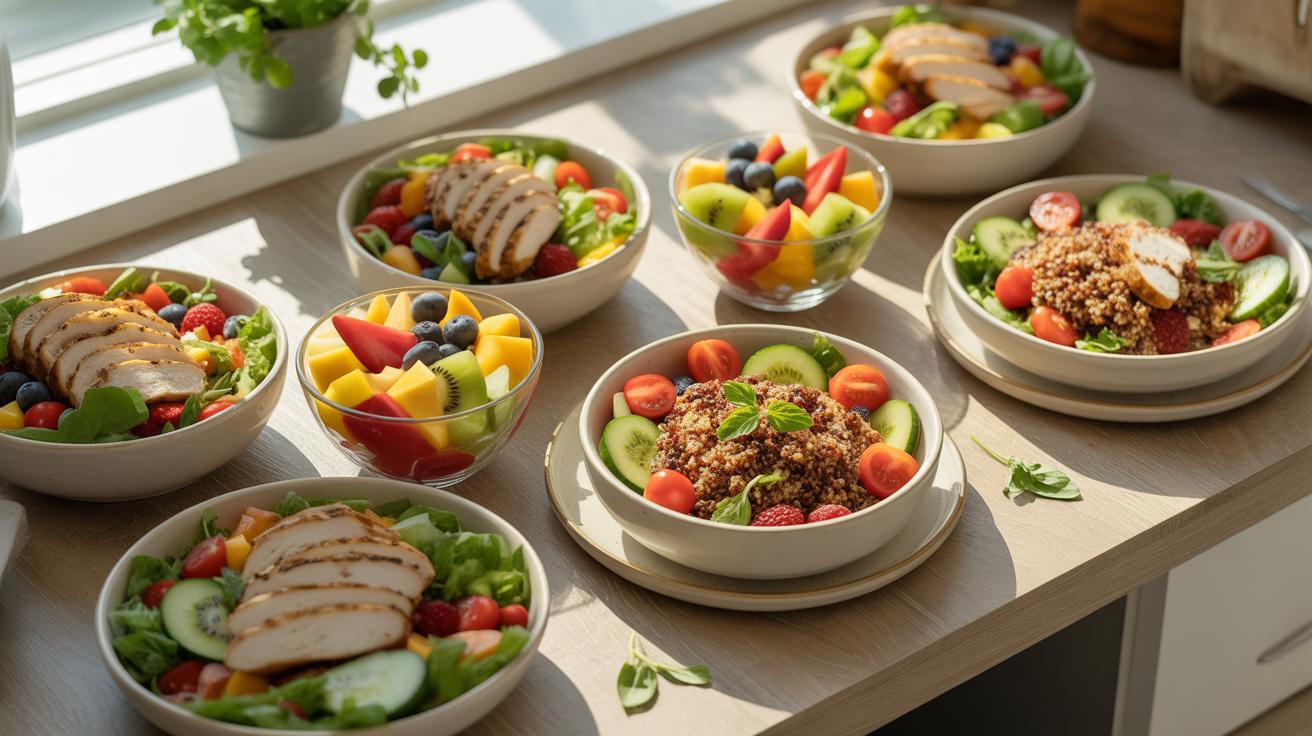
Whole foods provide maximum volume for minimum calories. Base your grain bowls on high fiber options like quinoa or farro. These complex carbohydrates digest slowly and prevent energy crashes. Add lean proteins such as grilled chicken or chickpeas to increase satiety. Use a vinegar based dressing instead of cream to keep the total calorie count low while adding necessary acidity and flavor.
Vegetable heavy wraps use large leafy greens or thin whole wheat tortillas as containers. Pack these with raw sliced vegetables like bell peppers and carrots for crunch. These ingredients provide essential micronutrients without significant caloric density. Focus on the ratio of three parts vegetables to one part protein. This strategy allows you to eat a larger portion size while staying well under the 400 calorie limit.
Reading Nutrition Labels To Ensure Your Lunch Dishes Stay Under 400 Calories
Nutrition labels reveal the truth about hidden calories in processed components. Check the serving size first because most packages contain multiple servings. Manufacturers often use small serving sizes to make calorie counts look lower than they are in reality. Look for the total calorie count per gram of food. Avoid any items where sugar or oils appear in the first three ingredients of the list.
Examine the fiber and protein content to gauge the quality of the calories. High fiber counts usually indicate a lower net carb impact. Watch the sodium levels to prevent water retention and bloating after your meal. Prepared dressings and sauces often hide many calories in small volumes. Always calculate the impact of these additions before finalizing your lunch plan. Accuracy in measurement ensures you reach your weight goals.
Easy Lunches For Work That Require Minimal Prep And No Reheating
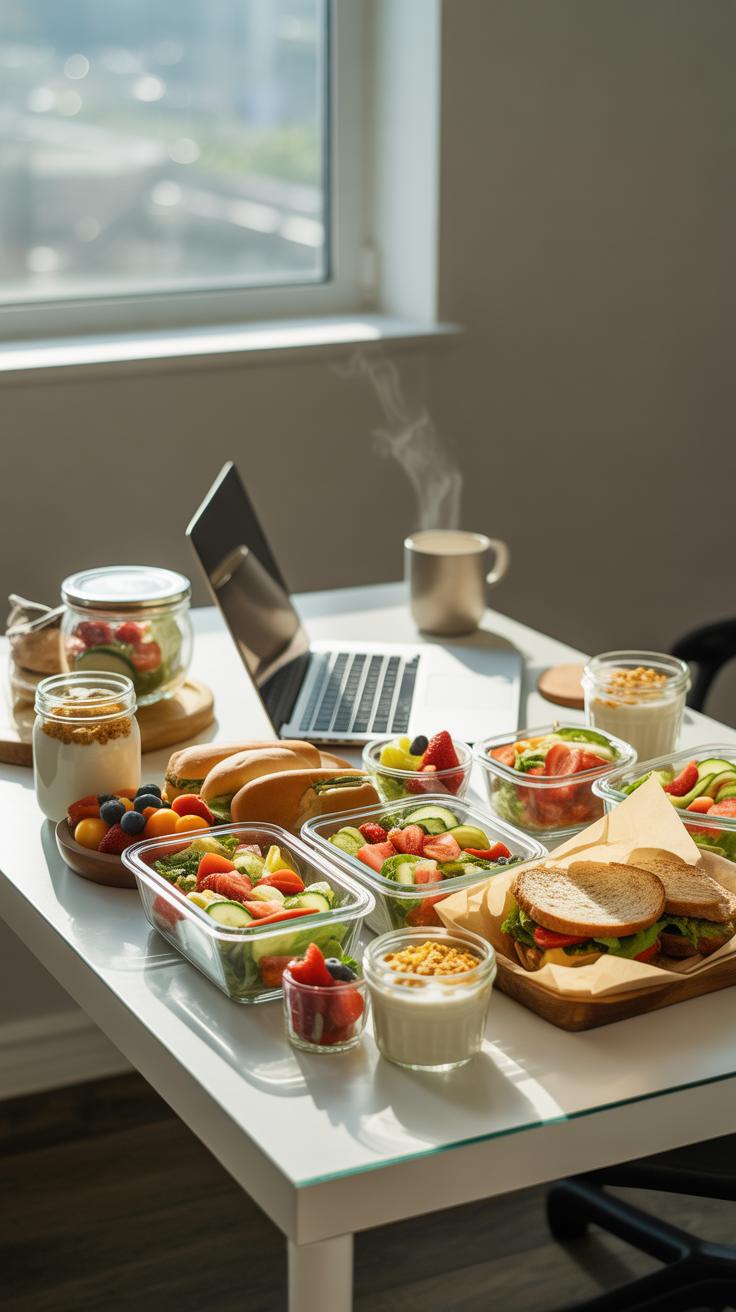
Five No Heat Lunch Options That Travel Well And Stay Delicious For Hours
Modern work schedules demand meals that maintain structural integrity without refrigeration or microwaves. High-protein ingredients like canned tuna, hard-boiled eggs, and chickpeas provide satiety without spoiling quickly. Focus on complex carbohydrates that do not turn soggy. These components ensure your energy levels stay stable through the afternoon. Tactical meal selection prevents the common mistake of relying on expensive, high-calorie takeout options.
- Mediterranean Chickpea Salad: Combine canned chickpeas with diced cucumbers and feta cheese. Use lemon juice and olive oil for the dressing. This mix improves in flavor as it sits and provides essential fiber for long-term fullness.
- Pesto Chicken Wrap: Use leftover grilled chicken breast and a thin layer of basil pesto in a whole-grain tortilla. Add spinach leaves for volume and micronutrients. The tightly wrapped shape prevents oxygen from wilting the greens.
- Tuna Stuffed Bell Peppers: Mix water-packed tuna with greek yogurt instead of mayo to cut calories. Scoop the mixture into halved bell peppers. This method eliminates the need for bread and provides a crisp, fresh texture.
- Classic Chef Salad: Layer ham, turkey, and hard-boiled eggs over a bed of romaine lettuce. Keep the dressing in a separate small container to maintain vegetable crispness. This high-protein meal supports muscle maintenance and metabolic health.
- Quinoa and Black Bean Bowl: Mix cooked quinoa with rinsed black beans and corn. Season with lime and cumin for a plant-based protein hit. Quinoa serves as a complete protein source containing all nine essential amino acids.
Storage containers play a critical role in food safety and quality. Glass containers offer the best thermal mass to keep food cool. Use insulated bags with a single ice pack for temperature control. This setup protects the nutritional value of your ingredients. Proper packing techniques ensure your lunch remains appetizing four hours after you leave home. Execute this strategy to maintain peak cognitive performance throughout the day.
How To Pack A Balanced Desk Lunch Without Specialized Equipment Or A Kitchen
Achieving a balanced lunch requires a specific ratio of macronutrients. Aim for a palm-sized portion of protein and two handfuls of vegetables. Fill the remaining space with healthy fats or complex carbs. Use common household items to manage portions. A standard coffee mug or a clean glass jar works as a measuring tool. This simple system ensures you stay under the 400 calorie threshold consistently.
Maintain food safety by keeping your lunch out of direct sunlight. A desk drawer or a cool corner of your workspace works well. Avoid using heavy dressings that make vegetables limp. Use dry spices or citrus juice to add flavor without adding liquid weight. Focus on dense vegetables like carrots or radishes. These choices survive the commute and provide a satisfying crunch that signals fullness to your brain.
High Protein Lunch Ideas That Keep You Full Without Blowing Your Calorie Budget
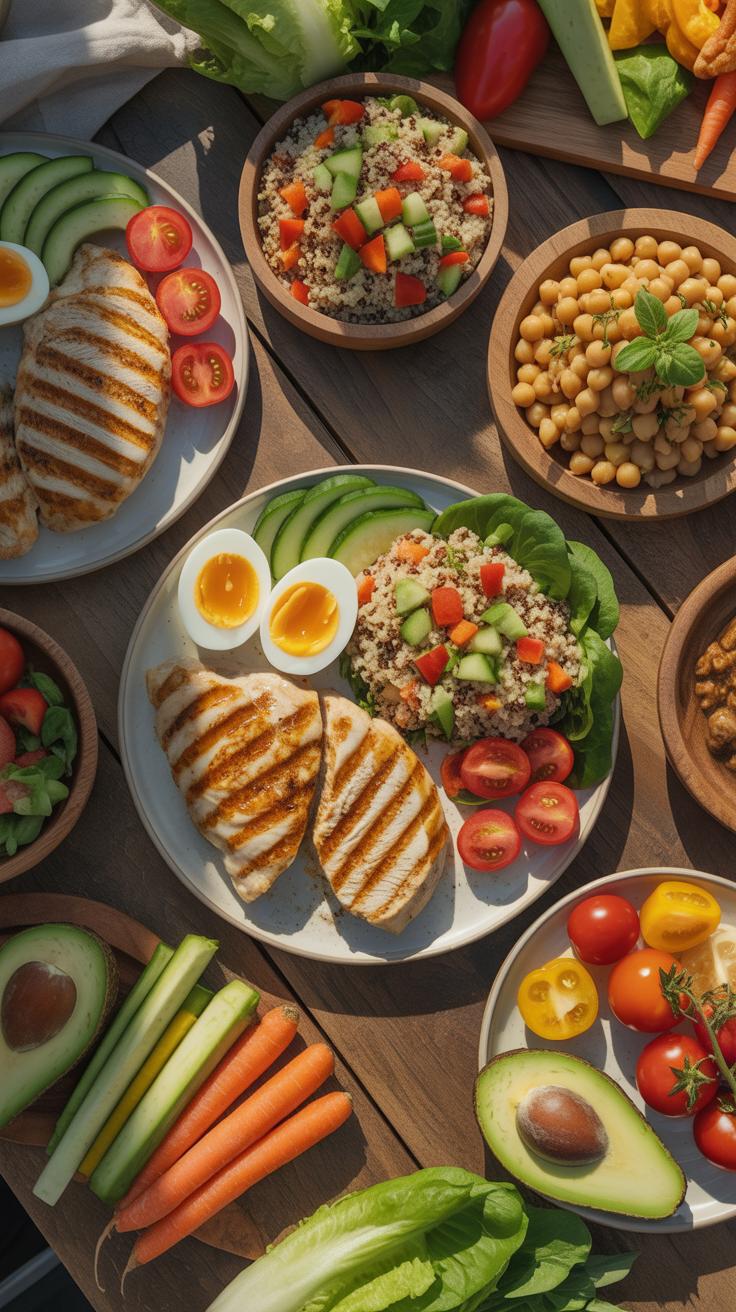
Why Protein Is The Most Satiating Macronutrient And How Much You Need At Lunch
Protein reduces hunger by suppressing the hormone ghrelin. It also increases levels of peptide YY, which makes you feel full. This macronutrient has a high thermic effect of food. Your body burns more energy processing protein than it does processing fats or carbohydrates. This metabolic advantage helps you maintain a calorie deficit while staying energized. High protein intake prevents muscle loss during weight loss phases.
Target 25 to 35 grams of protein for your midday meal. This specific range triggers muscle protein synthesis and stabilizes blood sugar levels. Eating less than this amount often leads to afternoon energy crashes. These crashes drive cravings for sugary snacks. Consistently hitting your protein target makes calorie control easier. It stops the cycle of constant grazing. Focus on lean sources to keep the total meal under 400 calories.
Plant Based And Animal Based Protein Sources That Fit Comfortably Under 400 Calories
Lean animal proteins provide high density with low caloric impact. White fish, grilled chicken breast, and egg whites offer complete amino acid profiles. A four ounce serving of chicken breast contains about 31 grams of protein for only 165 calories. This leave ample room for fiber-rich vegetables and small portions of complex carbohydrates. Canned tuna in water is another efficient option for rapid meal preparation without added fats.
Plant-based proteins require more strategic pairing but offer significant fiber benefits. Lentils, chickpeas, and firm tofu provide substantial bulk to keep you satisfied. One cup of cooked lentils delivers 18 grams of protein and 15 grams of fiber. This combination slows digestion and prolongs fullness. Seitan is a powerful wheat-based meat substitute with very high protein density. Use these sources to build bowls that stay well under the 400 calorie limit.
Chicken Lunch Recipes That Are Lean Flavorful And Under 400 Calories
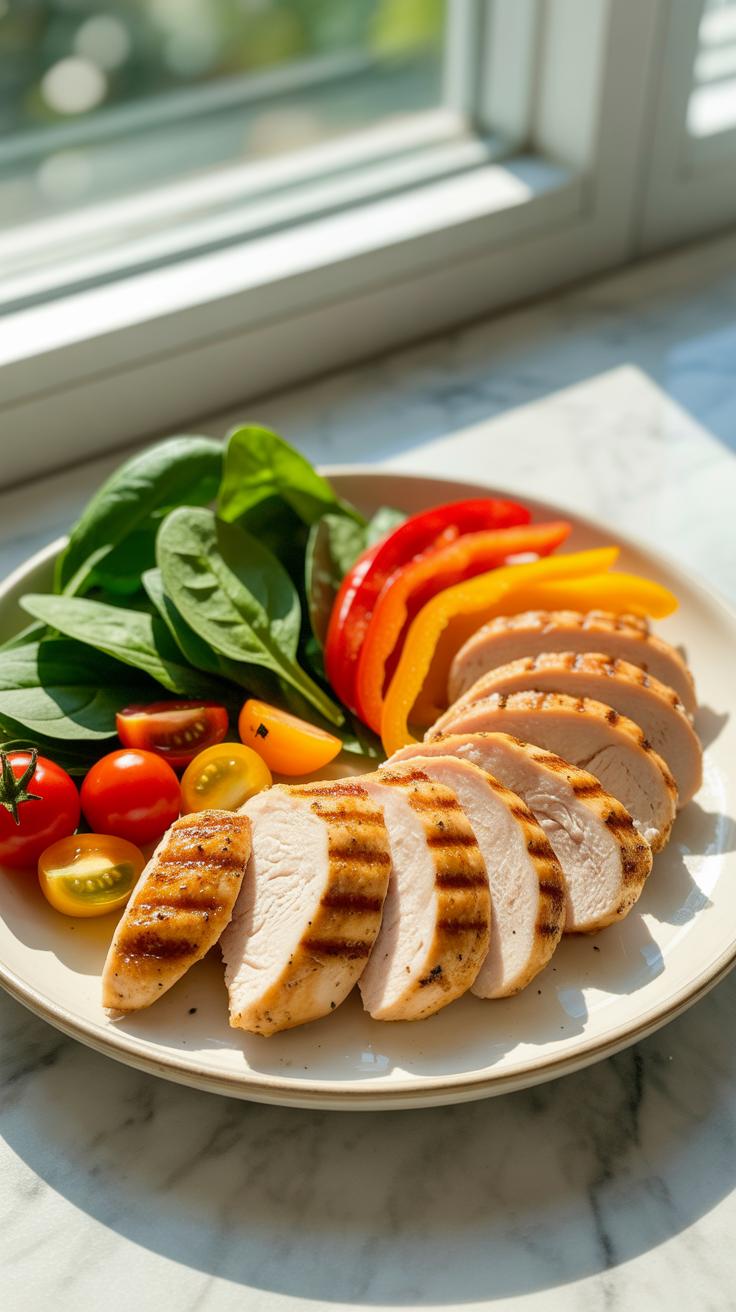
Why Chicken Breast Is One Of The Leanest Protein Lunch Proteins You Can Choose
Chicken breast provides the highest protein density for the lowest caloric cost. A standard four ounce serving contains approximately 26 grams of protein and only 120 calories. It lacks the dense intramuscular fat found in wings or thighs. This makes it the primary choice for weight management. High protein intake supports muscle preservation while you maintain a specific calorie deficit during the day.
Selecting skinless white meat removes concentrated saturated fats. This choice keeps your meal under the 400 calorie limit without sacrificing portion size. Chicken breast contains essential B vitamins and minerals like phosphorus and selenium. It digests slowly which helps you stay full until dinner. You get maximum nutrition with minimal waste. This is the most efficient fuel for a busy workday.
Three Simple Chicken Lunch Builds: Lettuce Wraps, Rice Bowls, And Light Salads
Lettuce wraps replace heavy bread with crunch and fiber. Use large romaine or butter lettuce leaves to hold seasoned chicken breast. Add sliced cucumbers and radishes for texture without adding significant calories. Rice bowls require careful portioning to stay under the limit. Use half a cup of cooked brown rice as your base. Top it with grilled chicken and steamed broccoli for a balanced meal.
Light salads focus on volume and nutrient density. Massaged kale or spinach provides a sturdy base that lasts in a lunch box. Avoid creamy dressings which carry hidden sugars and fats. Use vinegar or lemon juice to brighten the flavor of the meat. These three builds center on lean protein while adding water rich vegetables. You get a large volume of food that fits your strict calorie goals.
Protein Lunch Strategies For Staying Energized Through Your Afternoon Work Meals

Combining Lean Proteins With Fiber Rich Vegetables For A Balanced, Satisfying Plate
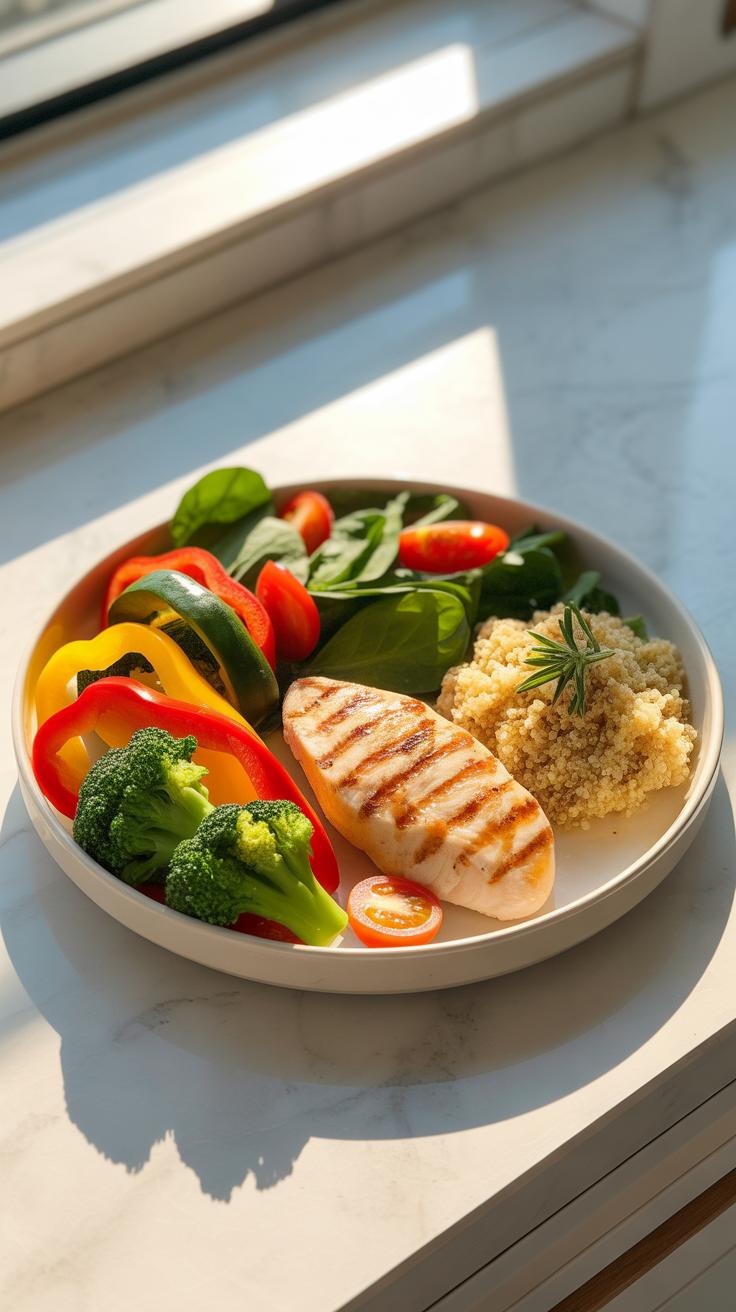
Protein and fiber work together to slow digestion and prevent blood sugar spikes. This combination keeps you full for longer periods without using many calories. Choose lean sources like grilled chicken breast, white fish, or tofu. Pair these with high-volume vegetables like spinach, peppers, or broccoli. This strategy maximizes plate volume while keeping the total energy density low for weight management.
Focus on a ratio of two parts vegetables to one part protein. This structure ensures you receive essential micronutrients while maintaining muscle mass. Fiber adds bulk to your meal which triggers satiety signals in your brain. Avoiding heavy fats or simple carbohydrates prevents the typical afternoon energy crash. Stick to steamed, roasted, or raw preparations to maintain the nutritional integrity of your ingredients.
Preparing a light, wholesome meal is a beautiful way to honor the simple joys of a summer garden. It is like a love letter to your future self, written in the colors of fresh vegetables.
Smart Swaps To Boost Protein In Your Work Lunch Without Adding Excess Calories
Strategic ingredient substitutions increase protein density without pushing your meal over the 400 calorie limit. Traditional condiments and fillers often contain hidden sugars and fats that provide little nutritional value. By replacing these with high-protein alternatives, you improve your metabolic rate and muscle recovery. Use these specific swaps to optimize your midday nutrition while maintaining a lean caloric profile for consistent fat loss.
- Greek Yogurt for Mayo: Replace traditional mayonnaise with plain non-fat Greek yogurt in tuna or chicken salads. This swap eliminates high-calorie soybean oils and adds significant branched-chain amino acids. You maintain the creamy texture while doubling the protein content of the base dressing.
- Cottage Cheese for Heavy Creams: Use blended low-fat cottage cheese to thicken soups or pasta sauces instead of heavy cream or butter. It provides a rich consistency with a fraction of the fat. This dairy source contains casein protein which digests slowly to provide a steady stream of energy.
- Egg Whites for Whole Eggs: Substitute two egg whites for every one whole egg in frittatas or grain bowls. This reduces dietary cholesterol and fat while keeping the protein count high. You can eat a larger volume of food for the same amount of calories by focusing on the whites.
- Edamame for Croutons: Swap bread-based croutons for steamed or roasted edamame in salads. Bread offers empty carbohydrates that spike insulin. Edamame provides a crunchy texture along with plant-based protein and essential fiber. This change adds structural integrity to your meal and improves your overall satiety levels.
- Lentil Pasta for Wheat Pasta: Use pasta made from lentils or chickpeas instead of traditional refined flour noodles. Legume-based pastas contain significantly more protein and iron per serving. This simple switch transforms a high-carb side dish into a functional protein source that supports better blood glucose control.
Small changes in your choice of ingredients lead to better long-term health outcomes. Prioritize whole foods that offer the highest protein-to-calorie ratio to ensure your body operates efficiently. Avoid processed meats that contain nitrates or excessive sodium which cause water retention. Implementing these tactical swaps allows you to eat larger portions while staying within your daily caloric goals for maximum energy.
Work Lunch And Work Meals Made Easier With A Simple Weekly Planning System
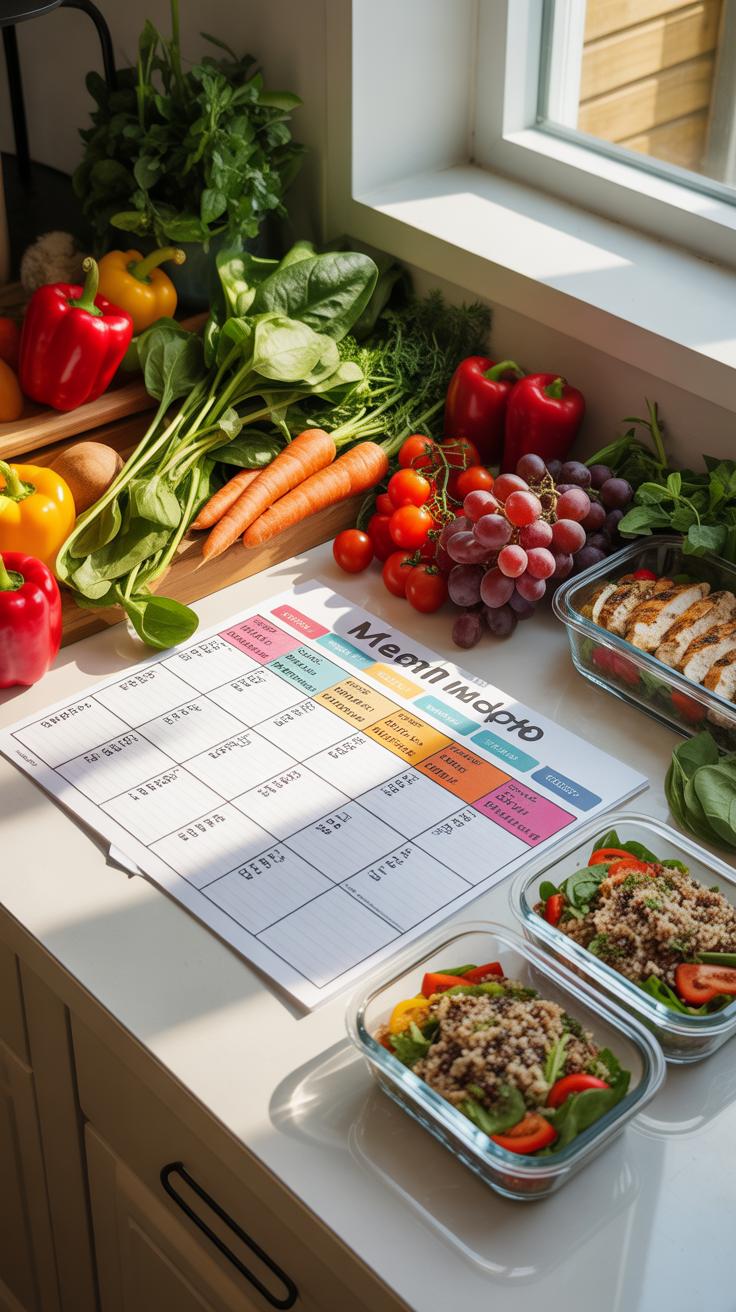
How To Build A Rotating Weekly Lunch Menu That Prevents Decision Fatigue
Decision fatigue ruins healthy eating habits at work. Most people wait until they are hungry to choose a meal. This lead to poor choices and high calorie counts. A rotating menu solves this problem by removing the need for daily choices. Map out five standard meals that stay under 400 calories. Use these same five meals every week for one full month.
A structured rotation builds a repeatable habit. It streamlines your morning routine and reduces mental stress. Standardizing your meals makes nutrient tracking predictable. You will know exactly what you are eating and why. This system ensures consistency even during high stress work weeks. Once the four week cycle ends, swap one or two meals to maintain variety. Focus on function over flavor complexity to save time.
Grocery Shopping Strategies That Support Consistent Healthy Midday Eating At Work
Smart shopping prevents the mid week lunch collapse. Stop buying random items and stick to a strict list. Purchase lean proteins and fibrous vegetables in bulk. Choose pre washed greens to save preparation time. Look for frozen options without added sauces to control sodium. Highly processed convenience foods often hide extra calories. Focus on the perimeter of the store where the whole foods stay.
Buy your staples on the same day every week. This creates a reliable supply chain for your kitchen. Having the right ingredients on hand eliminates the excuse for takeout. Prep your protein immediately after shopping to ensure it is ready for assembly. Use transparent containers to see your inventory at a glance. Efficiency in the store translates to efficiency in the office. This tactical approach keeps your calorie goals on track.
Cheap Eats That Prove Healthy Lunch Ideas DonT Have To Break The Bank

Budget Friendly Ingredients Like Lentils, Eggs, And Canned Tuna That Deliver Maximum Nutrition
Lentils offer one of the lowest costs per gram of protein available today. These legumes store for years and require no refrigeration until cooked. They provide high fiber which keeps you full for hours on less than 400 calories. Combine them with dry spices for flavor without adding expensive sauces. This keeps your cost per serving under one dollar while meeting your daily nutritional goals.
Canned tuna and eggs provide high-quality animal protein at a fraction of the cost of fresh meat. A single egg contains six grams of protein and essential vitamins for roughly twenty cents. Canned tuna is shelf-stable and ready to eat immediately. These ingredients allow you to skip the expensive deli counter. Use them as the base for salads or wraps to maintain a low-calorie profile.
How Cooking At Home Versus Buying Lunch Out Can Save You Hundreds Each Month
Commercial lunches often cost fifteen dollars or more per meal. Most restaurant meals exceed 800 calories due to hidden fats and large portions. Preparing meals at home gives you total control over every calorie and cent. You can produce five healthy lunches for the price of one restaurant visit. This habit saves active professionals over three thousand dollars every year while improving their waistlines.
Home cooking eliminates the service fees and tips associated with dining out. Strategic bulk shopping allows you to buy staples at lower price points. You also reduce food waste by using leftovers effectively in new dishes. These small tactical shifts result in significant monthly cash flow increases. Consistency in prep ensures you never pay a premium for convenience when you are hungry and short on time.
Frequently Asked Questions

What are some simple ways to start making healthy lunches?
Starting your journey with healthy lunch ideas doesn’t have to be overwhelming. Begin by focusing on high-volume, low-calorie ingredients like leafy greens, cucumbers, and bell peppers. Pairing these with a lean protein such as grilled chicken or chickpeas ensures you stay full without exceeding your calorie goals. Experimenting with different herbs and spices allows you to add immense flavor to your midday meals without adding unnecessary fats or sugars.
How can I meal prep healthy lunches under 400 calories for the week?
Successful meal prepping starts with choosing versatile ingredients that store well. To keep your healthy lunch ideas fresh, prepare components separately. Roast a large batch of seasonal vegetables and portion out measured servings of quinoa or cauliflower rice. Use airtight containers to maintain crispness and wait to add dressings until you are ready to eat. This organized approach saves time during busy workdays while ensuring you maintain your nutritional targets consistently.
Is it possible to eat healthy on a tight budget?
Absolutely! You can easily create nutritious meals by prioritizing pantry staples like dried lentils, brown rice, and canned tuna. Buying frozen vegetables is another cost-effective trick, as they offer the same nutritional value as fresh produce but last much longer. By focusing on whole, unprocessed foods and buying in bulk, you can enjoy delicious variety every single day without overspending on expensive specialty health products or high-priced takeout options.