
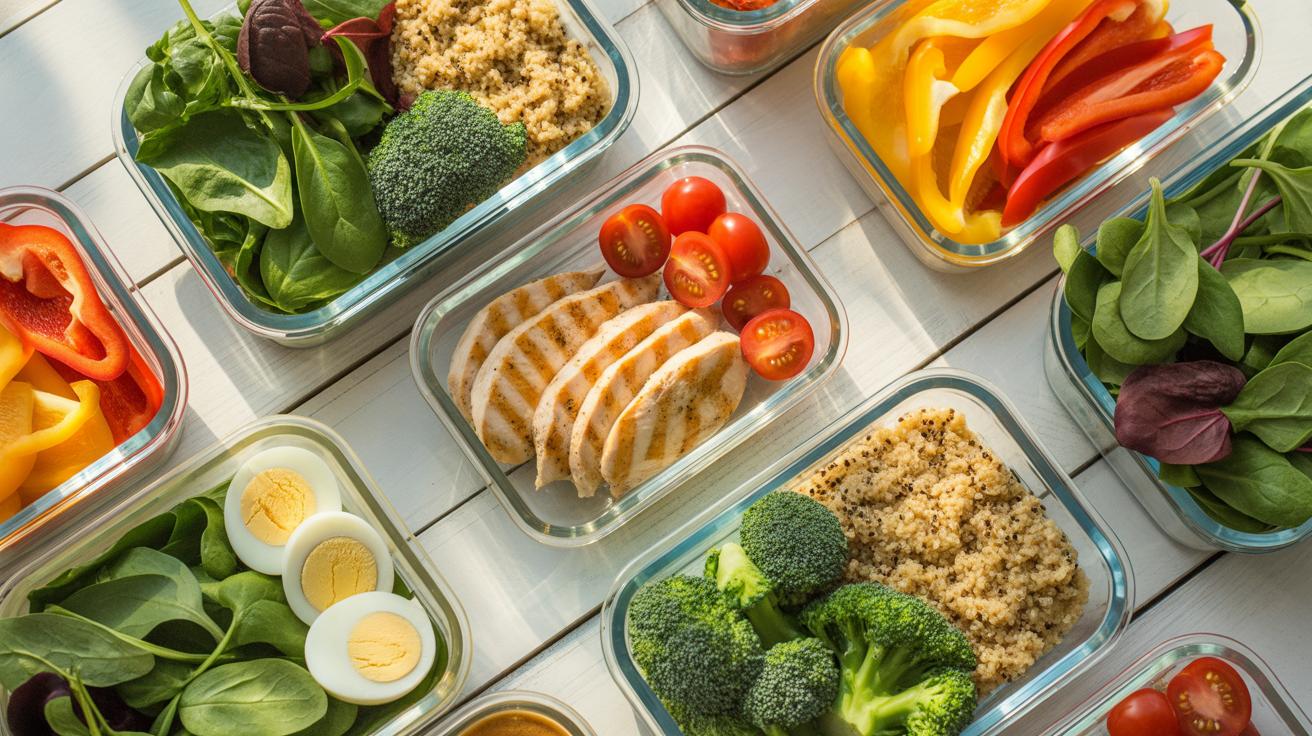
What Makes A High Protein Meal Prep Effective For Weight Loss
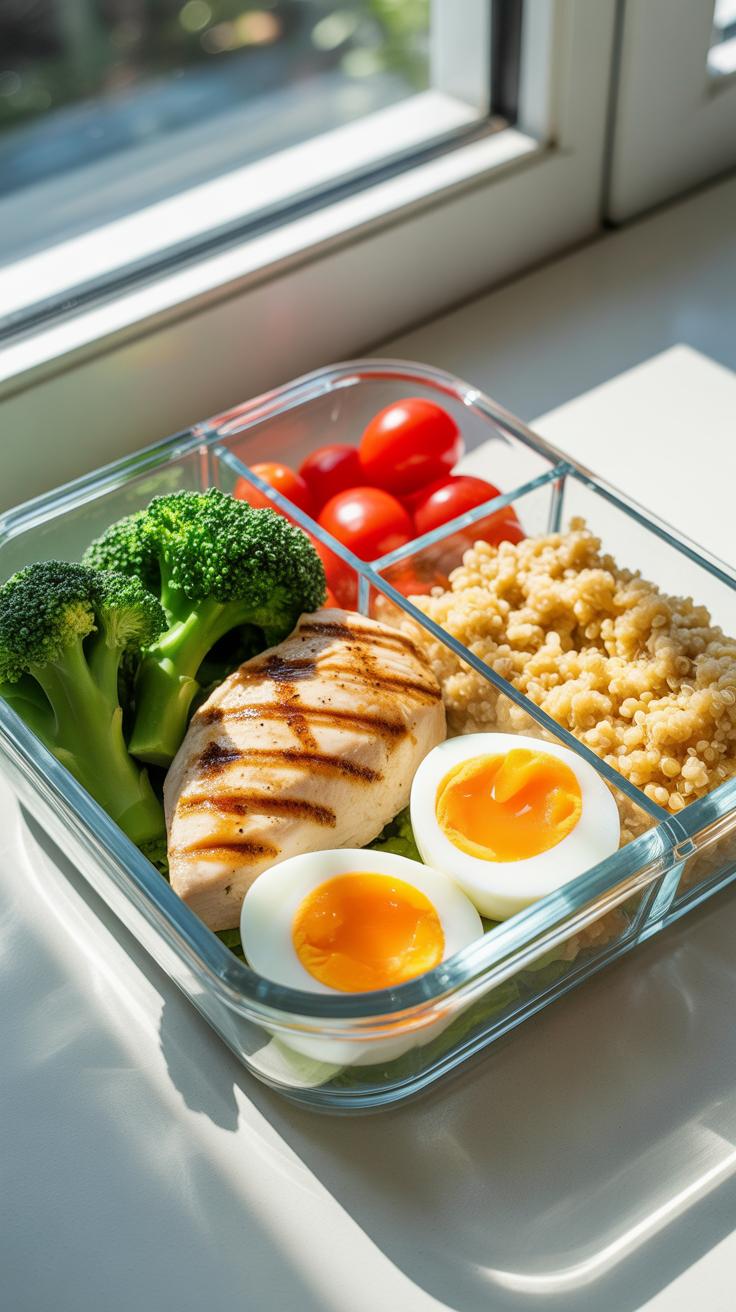
How Protein Supports Satiety And Reduces Daily Calorie Intake
Protein triggers the release of satiety hormones like peptide YY and glucagon like peptide 1. These signals tell your brain that you are full. This physiological response slows down gastric emptying. You feel satisfied for longer periods after eating a high protein lunch prep. This reduces the urge to snack on high calorie foods later in the afternoon or evening hours.
Regulating hunger is the most tactical way to maintain a calorie deficit. Protein has a higher thermic effect of food compared to fats or carbohydrates. Your body burns more energy just to digest and process amino acids. This metabolic advantage helps you lower your total daily energy intake without feeling deprived. Consistent protein intake stabilizes blood sugar levels and prevents energy crashes.
The Science Behind Proteins Role In Fat Loss And Muscle Retention
Muscle tissue is metabolically active and requires energy to maintain. During a calorie deficit, the body often breaks down muscle for fuel. High protein intake provides the necessary amino acids to protect lean mass. Preserving muscle keeps your resting metabolic rate high. This ensures that the weight you lose comes primarily from body fat stores rather than functional muscle tissue.
Strength and physical function depend on adequate nitrogen balance. Protein provides the building blocks for tissue repair and hormonal health. Eating enough protein during weight loss prevents the metabolic slowdown typically seen with restrictive dieting. Scientific studies show that higher protein diets lead to better body composition outcomes. You must prioritize high quality protein sources in every meal prep to see these specific results.
How To Plan High Protein Lunches For Work Without Stress

Choosing The Right Containers And Storage Methods For Freshness
Temperature control determines the safety and texture of your protein. Glass containers with locking lids provide the best air seal for cooked meats like chicken or beef. Glass prevents chemical leaching and does not hold food odors from previous meals. High quality plastic is lighter but can warp in the microwave. Use vacuum seals for marinated proteins to extend shelf life in the refrigerator.
Separate your wet and dry ingredients to prevent soggy meals. Place sauces and dressings in small steel or plastic cups inside your main container. Keep fresh greens away from cooked proteins until you are ready to eat. Use insulated bags and ice packs to maintain a safe temperature during your commute. Bacteria grow fast at room temperature. Cold storage keeps your high protein lunch prep safe and appetizing.
Building A Weekly Lunch Prep Schedule That Fits Your Lifestyle
Productivity requires a set routine for grocery shopping and cooking. Dedicate two hours on Sunday to prep the bulk of your animal or plant proteins. Cook large batches of chicken, tofu, or lean beef at once to save time. Standardized cooking methods like roasting or air frying work best for volume. Focus on one or two protein sources per week to reduce your total decision fatigue.
Review your calendar every Friday to plan for the next week. Match your prep volume to the number of days you actually work. Mid-week refreshing is necessary if you prefer fish or prawns which spoil quickly. Set a recurring alarm for Wednesday evening to check your inventory and cook more if needed. Consistency beats intensity in long term weight loss. Stick to the schedule to avoid buying fast food.
The Foundation Of Smart Protein Meal Prep Macros And Portions
Understanding How Much Protein You Actually Need Per Meal
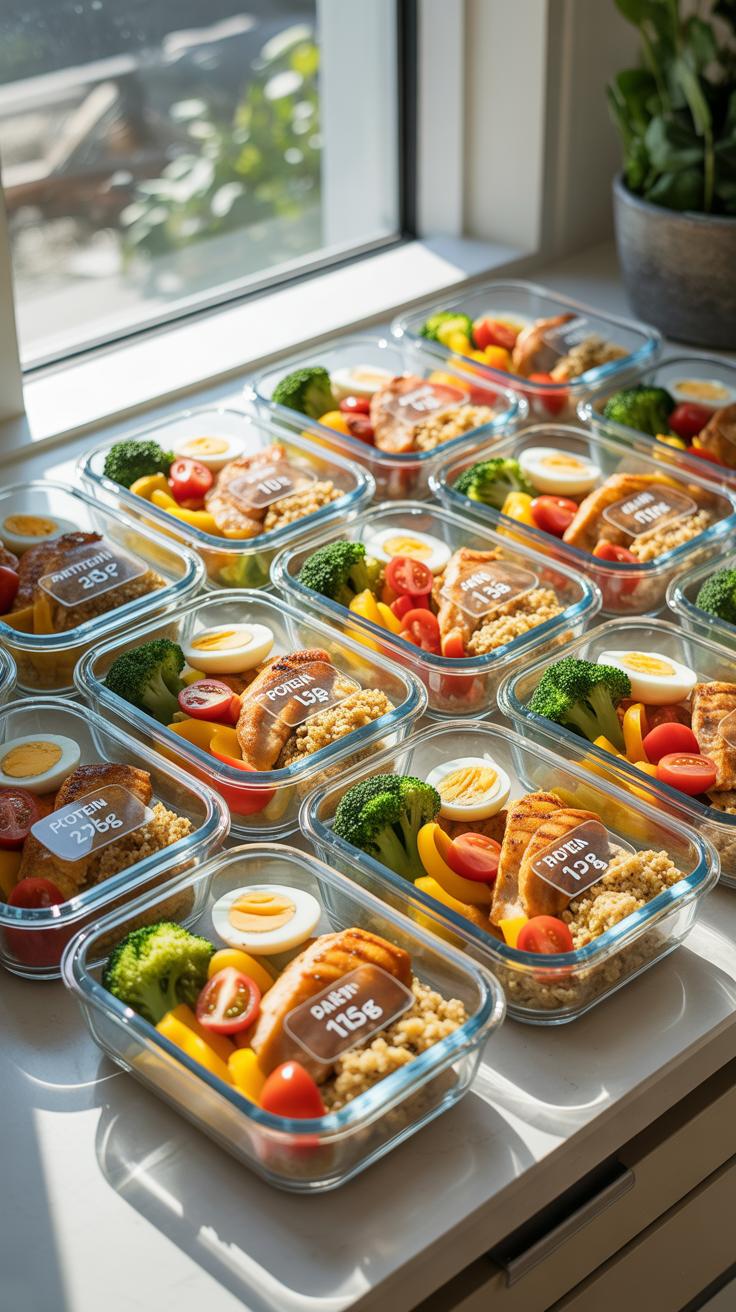
Effective meal prep requires precise protein targets to prevent muscle loss during calorie deficits. Most active adults need between twenty-five and forty grams of protein per lunch. This range triggers muscle protein synthesis and keeps you full until dinner. Consuming less than this amount often leads to hunger pangs. Consuming significantly more provides diminishing returns for protein absorption in a single sitting.
To hit these numbers, track the raw weight of your meat or plant sources. Four ounces of cooked chicken breast typically yields thirty grams of protein. Plan your containers based on these weights rather than visual estimates. Consistency in portioning ensures your metabolism stays stable throughout the work week. Use a digital scale to verify your portions during the initial prep phase.
There is no love sincerer than the love of food that nourishes our souls just like the home-cooked meals of our youth. Taking the time to prepare a wholesome, high-protein lunch is the greatest gift of self-care you can give to your future self.
Balancing Carbohydrates And Fats Alongside Your Protein Sources
Protein alone does not make a complete meal. You must pair it with complex carbohydrates and healthy fats for sustained energy. Focus on low-glycemic carbs like quinoa or roasted sweet potatoes. These provide fiber to help digestion and slow the release of glucose into your bloodstream. Limit these portions to one-quarter of your container to maintain a caloric deficit for weight loss.
Fats serve as a critical vehicle for nutrient absorption and hormone health. Add small portions of avocado, nuts, or olive oil to your meals. Keep fat portions small because they are calorie-dense. Aim for ten to fifteen grams of fat per lunch. This balance prevents the mid-afternoon energy crash common with high-carb meals. A well-rounded container simplifies your diet and keeps your brain sharp for work.
Top High Protein Lunch Ideas That Are Easy To Batch Cook

Lean Protein Sources That Hold Up Well After Cooking And Refrigerating
Selecting the right protein determines the quality of your prep. Some meats become rubbery or dry when reheated. You need dense fibers or high moisture content to maintain texture over four days. Lean cuts save calories while maximizing muscle repair. Focus on proteins that tolerate microwave heat without losing structural integrity or developing off-flavors from lipid oxidation.
- Chicken Breast: This is the gold standard for macro-tracking. It contains very little fat and high protein density. Slice it across the grain after cooking to keep it tender. It absorbs sauces well which prevents the meat from drying out during the reheating process.
- Ground Turkey: Lean ground poultry stays moist because of its surface area. It distributes heat evenly during cooking and cooling. Use 93 percent lean mixes to ensure the meat does not sit in a pool of grease inside your storage containers throughout the week.
- Sirloin Tips: Lean beef provides essential iron and zinc for energy. Sirloin is a muscle cut with minimal marbling. Sear it quickly over high heat to lock in juices. It remains hearty and savory even after three days in a cold refrigerator.
- Shrimp: These cook in less than five minutes. They have a firm texture that resists getting soggy in the fridge. Shrimp possess almost zero fat and very high protein. They are perfect for cold salads or quick stir-fry bowls that require minimal microwave time.
- Hard Boiled Eggs: Eggs are a complete protein source containing all essential amino acids. They require no reheating at all. Keeping the shell on until you eat helps maintain freshness. They provide a portable option for those who cannot access a kitchen during their midday break.
Prep these proteins in large batches using a sheet pan or air fryer. Control the internal temperature with a digital thermometer to prevent overcooking. Stop cooking at five degrees below the target temperature. The residual heat finishes the job. This technique ensures your protein lunch prep stays juicy and palatable when you finally eat it on Thursday or Friday.
How To Combine Proteins With Vegetables For Balanced Lunch Bowls
Successful lunch bowls require a specific ratio of macros and fiber. Fill half your container with high-volume vegetables to increase satiety. Use cruciferous vegetables like broccoli or cauliflower for durability. These plants do not wilt quickly and offer a crunch that balances the soft texture of cooked meats. Avoid leafy greens in the same container if you plan to microwave the meal.
Layer your bowls strategically to protect the ingredients. Place the protein at the bottom or side to keep it away from moisture-heavy vegetables. Add complex carbohydrates like quinoa or sweet potatoes to provide steady energy. Fibrous vegetables slow down digestion and prevent insulin spikes. This combination keeps you full and focused until dinner. Proper layering prevents your food from becoming a mushy mess by mid-week.
Building The Perfect Protein Lunch Around Your Weight Loss Goals
Calculating A Calorie Deficit While Still Hitting Protein Targets
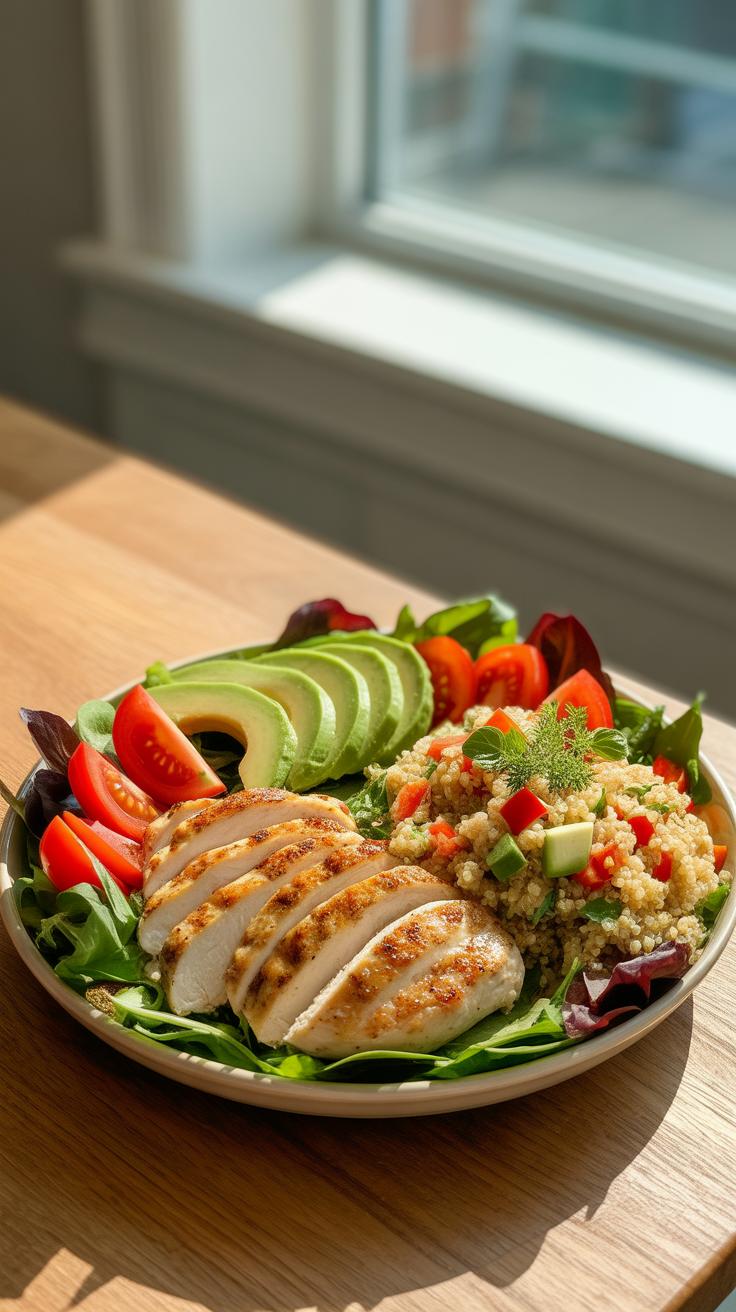
Successful weight loss requires consuming fewer calories than you burn. You must calculate your Total Daily Energy Expenditure first. Subtract five hundred calories from this number to lose one pound per week. High protein intake preserves lean muscle mass during this deficit. Aim for zero point eight to one gram of protein per pound of body weight. This ratio ensures your body burns fat instead of muscle.
Track every ingredient in your meal prep to ensure accuracy. Use a digital scale to weigh your meat and grains. Small errors in portion sizes can stall your progress. A high protein lunch keeps you full longer than a carb heavy meal. This prevents overeating later in the day. Balance your plate with lean proteins and low calorie vegetables. This strategy maximizes volume while keeping total calories low.
Why Meal Timing And Lunch Composition Matter For Fat Burning
Lunch provides the fuel for your afternoon activities and prevents metabolic crashes. Eat your protein heavy meal four to five hours after breakfast. Stability in blood sugar levels reduces cravings for sugary snacks. Proper lunch composition prevents the mid afternoon slump. This keeps your energy high for evening workouts. High protein meals have a higher thermic effect. This means your body burns more calories digesting them.
Combine lean protein with fiber for the best results. Fiber slows down digestion and improves gut health. This combination keeps insulin levels stable throughout the day. High insulin levels can stop the fat burning process. Focus on simple preparations like grilled chicken or baked white fish. Avoid heavy sauces that add hidden fats and sugars. Consistent meal timing helps regulate your hunger hormones. Proper structure ensures your body stays in a fat burning state.
Muscle Building Meal Strategies That Double As Weight Loss Lunches

How Building Lean Muscle Mass Contributes To A Higher Resting Metabolism
Muscle tissue is metabolically active. It requires more energy to maintain than fat tissue. When you increase your lean muscle mass, your basal metabolic rate rises. This shift means your body burns more calories while you are sitting at your desk or sleeping. This biological reality makes muscle the most effective long term tool for sustained weight loss and weight management.
Focusing on muscle growth changes your body composition. High protein intake supports this process by providing necessary amino acids for tissue repair. You move away from just losing weight to losing fat specifically. More muscle increases your daily caloric floor. This creates a larger margin for error in your diet. A muscular body acts as a furnace that processes fuel more efficiently every single day.
Structuring A Lunch That Supports Both Muscle Growth And Fat Reduction
Effective lunch prep requires a precise ratio of macronutrients. Aim for thirty to fifty grams of high quality protein per meal. Combine this with fibrous vegetables to slow digestion and promote fullness. This combination spikes muscle protein synthesis while keeping total calories low. Use lean sources like chicken breast, turkey, or white fish. These provide maximum protein density without adding unnecessary saturated fats.
Control your carbohydrate intake based on your daily activity levels. Use slow digesting carbs like quinoa or sweet potatoes to provide steady energy. Avoid heavy sauces that hide sugar and empty calories. Use spices and vinegars for flavor instead. Preparing these meals in advance prevents impulsive eating at noon. This tactical approach ensures you hit your protein targets while maintaining the caloric deficit needed for fat loss.
Maximizing Your Meal Prep Protein With Budget Friendly Ingredients
Affordable High Protein Foods That Deliver Strong Nutritional Value
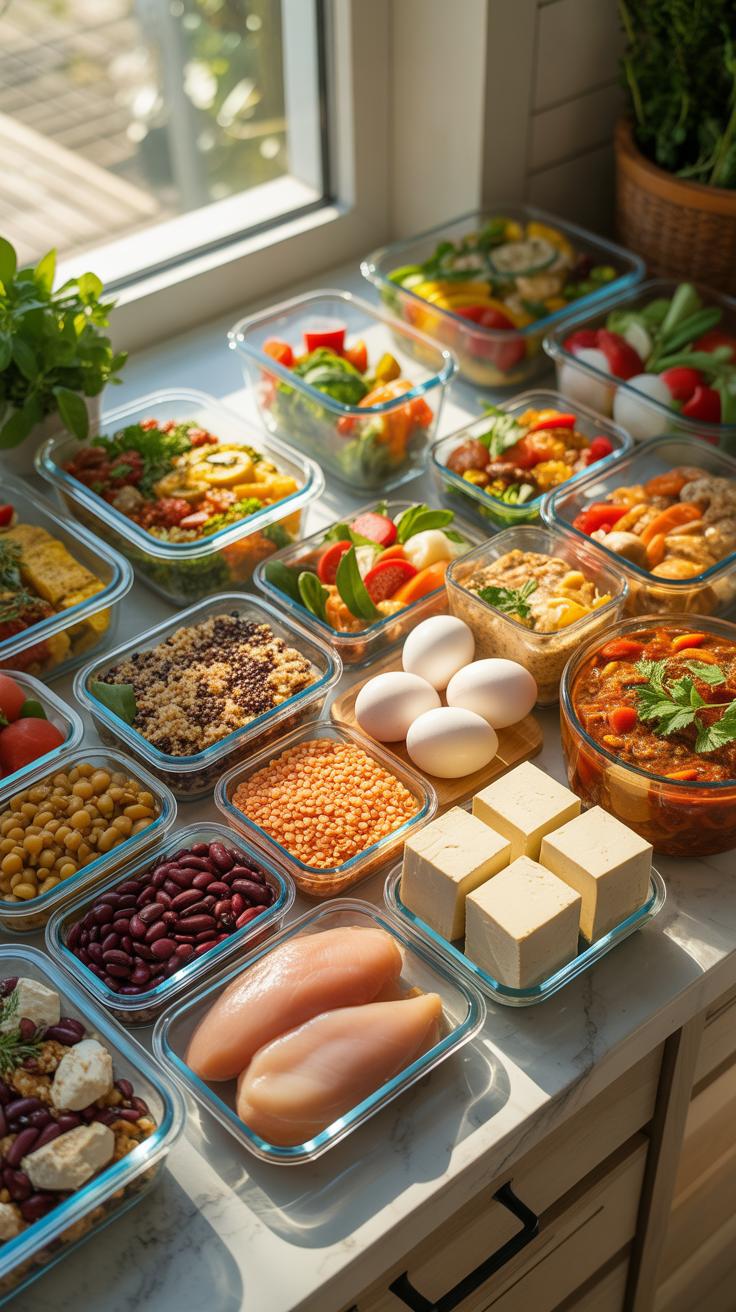
Efficiency in protein lunch prep requires identifying high-density sources with low costs per gram. Whole eggs and canned sardines provide complete amino acid profiles and essential fats. These items possess long shelf lives and require minimal cooking time. Legumes like lentils and chickpeas offer significant fiber and protein. They serve as a foundational base for lunches that keep you full and support weight loss goals.
Chicken thighs and ground turkey offer better value than lean breast meat while maintaining high protein density. Bulk bags of frozen white fish provide lean protein without the premium price of fresh fillets. Greek yogurt remains a versatile tool for increasing protein in sauces or snacks. Buying these staples in large quantities reduces the unit price. Focus on unprocessed foods to maximize nutritional return on every dollar spent.
How To Stretch A Weekly Grocery Budget Without Sacrificing Protein Quality
Strategic shoppers use meat as a component rather than the sole focus of the plate. Combine expensive animal proteins with cheap plant based sources like black beans or quinoa. This method increases total volume and fiber content without lowering protein intake. Use slow cookers to soften tougher, cheaper cuts of beef or pork. This technique transforms budget ingredients into tender, high quality meals for several days.
Inventory management prevents waste and protects your budget. Check your pantry before buying new supplies to avoid duplicate purchases. Buy seasonal vegetables to lower costs and provide micronutrients that support protein metabolism. Use bones and vegetable scraps to create stocks for soups and grains. Sticking to a strict list ensures you buy only what supports your specific weight loss and protein targets for the week.
Chicken Lunch Prep Ideas That Keep Meals Exciting All Week
Why Chicken Breast Remains One Of The Most Efficient Lean Protein Sources
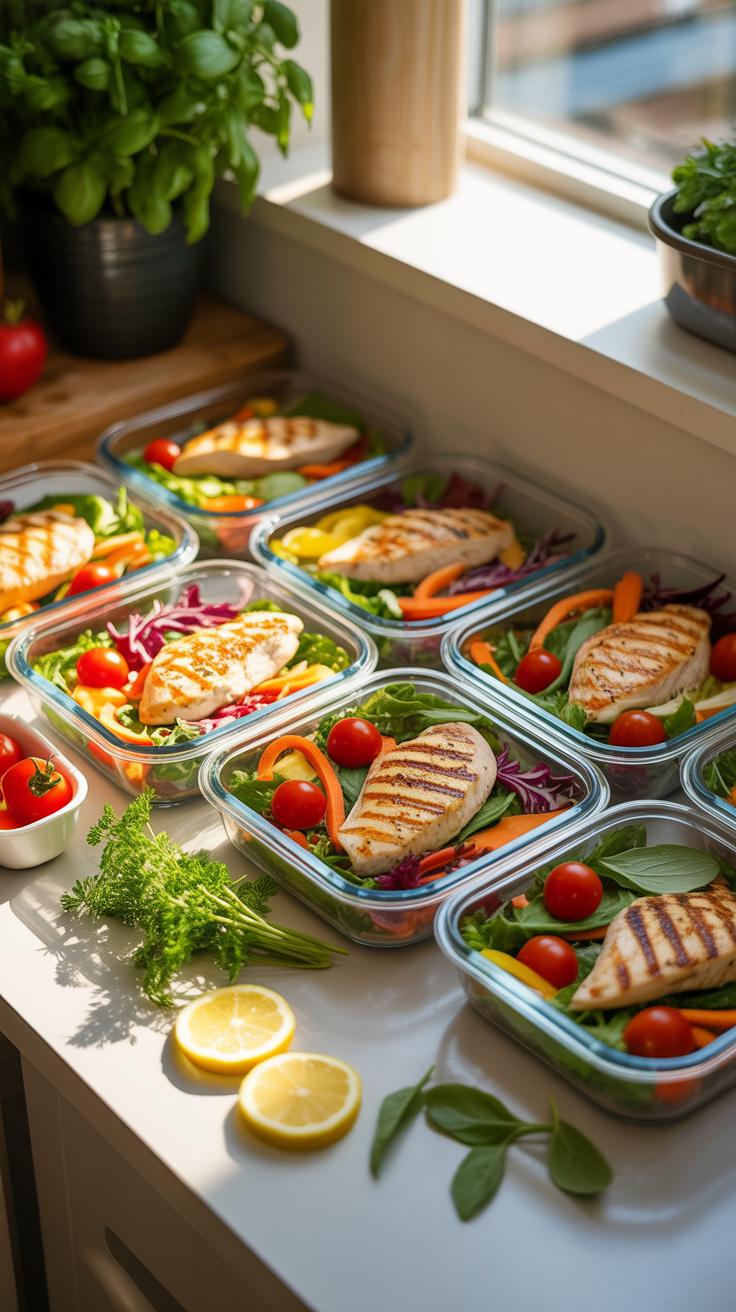
Chicken breast provides the highest protein to calorie ratio of any common poultry cut. Each four ounce serving contains roughly 31 grams of protein and only 165 calories. This density makes it the primary choice for fat loss. It contains minimal saturated fat compared to thighs or wings. You get more volume for fewer calories. This efficiency simplifies your daily macro tracking significantly.
The versatility of the meat allows for batch cooking without texture degradation. You can grill, bake, or poach large quantities on Sunday. The neutral flavor profile accepts various spice rubs without clashing. It stays firm when stored in airtight containers for up to four days. This reliability ensures you hit your protein targets every single afternoon. It is the most stable foundation for professional meal prep.
Flavor Variations And Marinades To Prevent Meal Fatigue During The Week
Monotony kills consistency in any weight loss plan. You must change the chemical profile of your protein to stay on track. Acidic bases like vinegar or citrus juice break down fibers and carry flavors deep into the meat. Use bold dry rubs or wet marinades before cooking to lock in moisture. This strategy prevents the dry texture often associated with reheated poultry.
- Lemon Herb Garlic: Combine fresh lemon juice, minced garlic, and dried oregano for a Mediterranean profile. The acidity tenderizes the meat while the herbs provide strong aromatics. This pairing works best with roasted vegetables and quinoa for a light and balanced lunch.
- Smoked Paprika and Chili: Apply a dry rub of smoked paprika, cumin, and chipotle powder for intense heat. This method creates a crust that seals in juices during high heat searing. It mimics the flavor of traditional barbecue without the added sugars found in commercial sauces.
- Ginger Soy Umami: Use low sodium soy sauce, fresh grated ginger, and a splash of rice vinegar for an East Asian influence. The salt in the soy acts as a brine to keep the chicken succulent. It pairs perfectly with steamed broccoli and cauliflower rice for high volume.
- Cilantro Lime Zest: Mix chopped cilantro with lime juice and a hint of jalapeno for a bright flavor. This combination cuts through the heaviness of the meat and provides a refreshing taste. It is an ideal choice for cold chicken salads or wraps prepared in advance.
- Balsamic Glaze: Use a reduction of balsamic vinegar and black pepper for a savory and slightly tangy finish. The sugars in the vinegar caramelize under heat to create a deep flavor profile. This technique elevates the chicken without needing heavy oils or high calorie dairy.
Rotate these profiles every three days to maintain interest. Prepare two different marinades in separate bags during your Sunday prep session. Cook them on the same sheet pan by using foil dividers to keep sauces from mixing. This tactic gives you two distinct meal options from one cooking cycle. Variety in seasoning is the only way to sustain long term dieting success.
What Separates The Best Meal Prep Routines From Inconsistent Ones
Habits And Systems That Make Weekly Protein Lunch Prep Sustainable Long Term
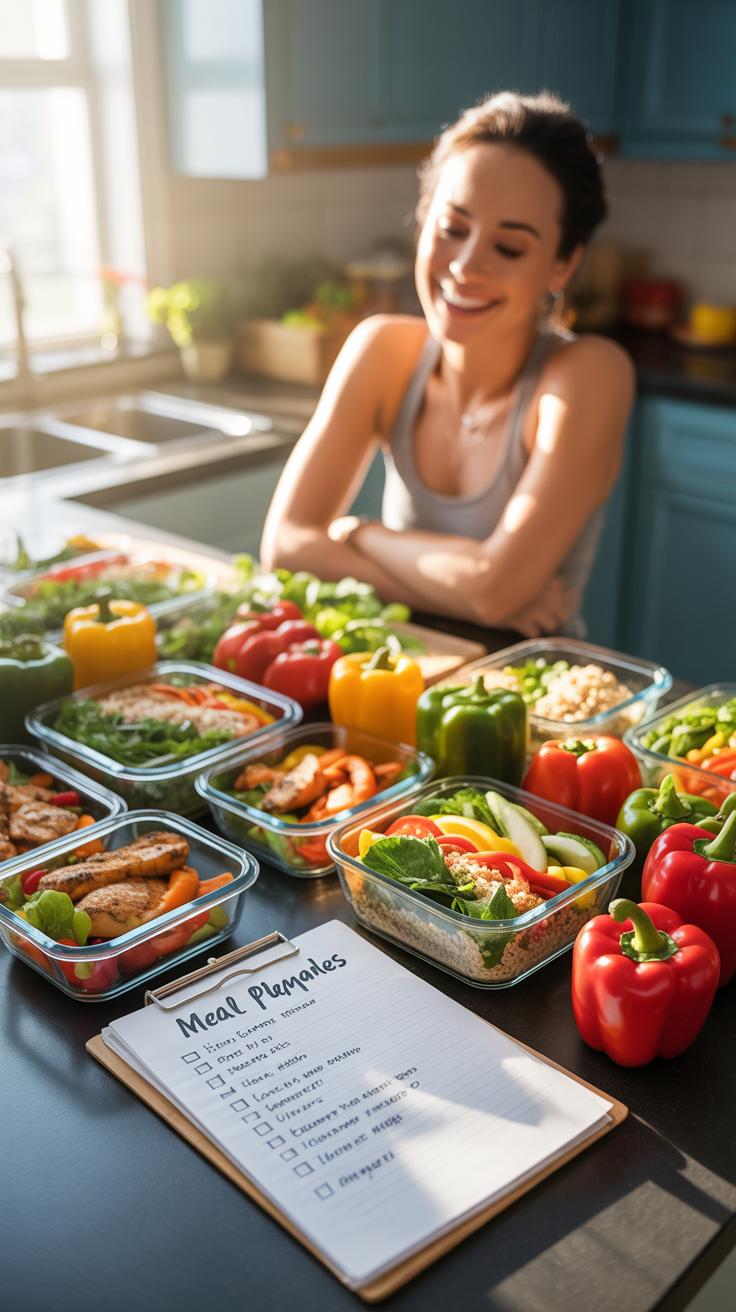
Sustainable prep relies on the assembly line method rather than individual recipe cooking. Successful preppers treat Sunday like a production facility. They buy bulk proteins and use two cooking methods max. They roast chicken on sheets and sear steak in pans simultaneously. This reduces active time to under ninety minutes. Speed prevents burnout. If the process takes four hours you will stop doing it.
Standardization ensures long term consistency. Use identical glass containers to simplify storage and portions. Label every lid with the prep date and protein count. This system removes the need for daily decision making. It turns healthy eating into an automatic reflex. When you remove friction you increase compliance. Focus on repeatable workflows that do not require high levels of willpower.
Common Meal Prep Mistakes That Undermine Weight Loss Progress
Hidden calories in sauces often destroy a caloric deficit. Many people cook lean proteins but then add heavy oil or sugar based marinades. This adds hundreds of unrecorded calories to every lunch. Use dry rubs or vinegar based acids instead. These provide flavor without the metabolic cost. Measuring every ingredient ensures your data is accurate. Guessing leads to weight plateaus and frustration.
Inadequate protein density causes hunger later in the day. Small portions of meat lead to snacking on simple carbohydrates by three o’clock. You must hit at least thirty grams of protein per meal to trigger satiety. Failure to freeze mid week meals also leads to spoilage and food waste. Always rotate your stock to keep ingredients fresh. Waste kills momentum and wastes your financial resources.
How To Keep Your Protein Lunch Prep Aligned With Long Term Weight Loss
Adjusting Your Protein Lunch Strategy As Your Weight Loss Goals Evolve
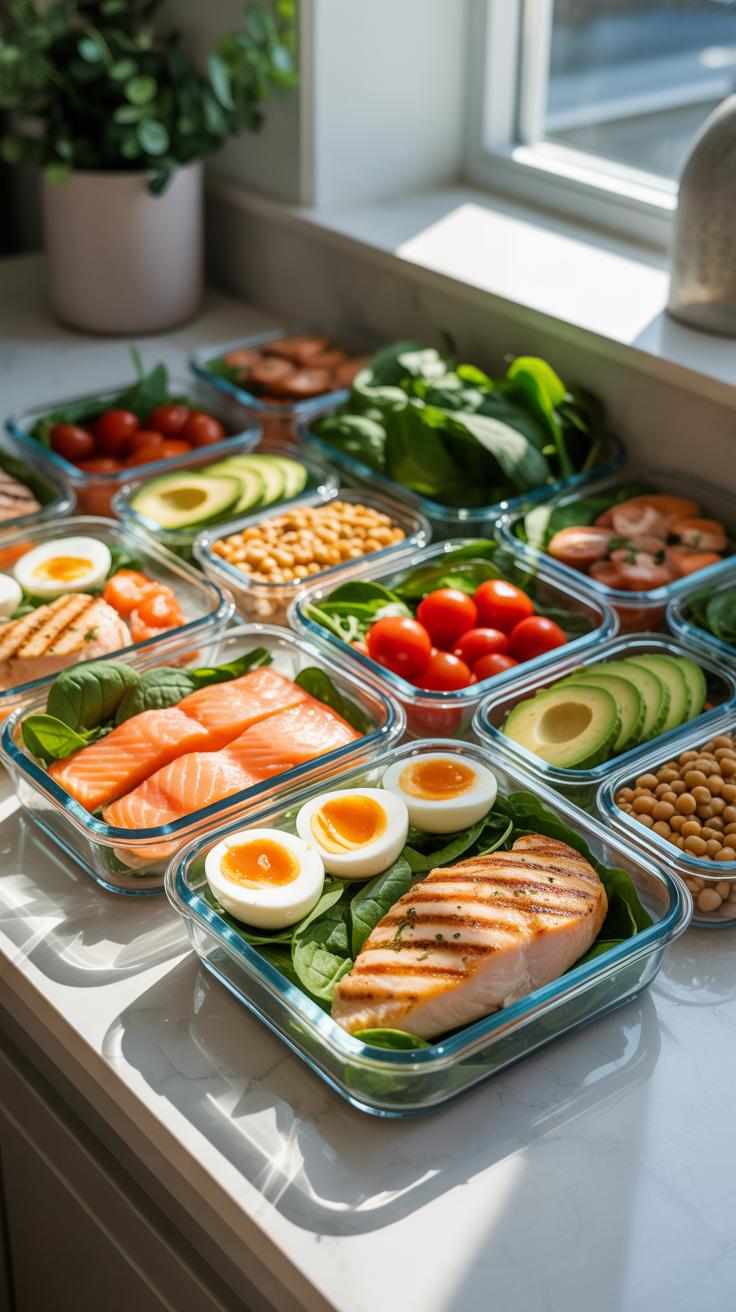
Your body requires fewer calories as you lose weight. You must adjust your protein lunch prep to reflect this metabolic reality. Standardize your protein intake to preserve lean muscle mass. Decrease your fat or carbohydrate portions to maintain a caloric deficit. Monitor your satiety levels after every meal. High volume vegetables provide bulk without adding excessive calories as your total energy needs drop.
Swap heavy sauces for dry spices and vinegars to reduce hidden calories. Increase your protein variety to prevent nutritional gaps. Rotate between lean poultry, white fish, and plant based sources. Track your body composition changes monthly. If muscle mass decreases, increase your protein ratio per meal. If weight loss plateaus, audit your portion sizes. Constant recalibration ensures your meal prep remains effective for your current size and activity level.
Tracking Progress And Staying Consistent With Your Nutrition Plan
Consistency is the primary driver of long term weight loss success. Use a digital log to track every protein lunch prep session. Record ingredients, weights, and total calories for each container. This data allows you to identify which meals provide the best energy and satiety. Precise tracking eliminates guesswork and prevents caloric creep. It also builds a library of successful recipes for future use.
Measure non scale victories like energy levels and strength gains. These metrics prove your nutrition plan works even when the scale fluctuates. Prepare your meals on a fixed schedule to remove decision fatigue. Having a ready meal prevents impulsive eating during high stress work days. Focus on the execution of your prep routine rather than daily weight changes. Solid habits create sustainable results that outlast short term diets and trends.
Frequently Asked Questions

Why is high protein intake so important for weight loss during lunch?
Protein is the most satiating macronutrient, meaning it keeps you feeling full longer and prevents mid-afternoon energy crashes. When you prioritize a protein lunch prep, you support muscle preservation while burning fat. This approach also boosts your metabolism through the thermic effect of food. Starting your weight loss journey with pre-planned, high-protein meals ensures you stay on track and avoid the temptation of convenient, calorie-dense fast food options during a busy workday.
How can I keep my prepped protein from getting dry when reheating?
The secret to a delicious protein lunch prep is in the cooking method and storage. To avoid dry chicken or turkey, try slightly undercooking your lean meats or using a slow cooker to retain moisture. Always store your proteins with a healthy sauce, salsa, or a squeeze of lemon juice. When reheating, cover your container with a damp paper towel to create steam, ensuring your meal stays juicy, tender, and appetizing all week.
Is it possible to meal prep high-protein lunches on a tight budget?
Absolutely! You don’t need expensive organic cuts to see results. Focus on affordable staples like eggs, canned tuna, lentils, and dried beans, which offer massive nutritional value for pennies. Buying chicken breasts or ground turkey in bulk when they are on sale is another smart strategy. By prepping these versatile ingredients at home, you significantly reduce your cost per meal compared to buying processed protein bars or expensive pre-packaged diet shakes.