

What Are Egg Muffins And Why TheyRe A Breakfast Game Changer

How Egg Muffins Became A Meal Prep Staple
Egg muffins emerged from the home kitchen meal prep movement of the early 2000s. Busy workers needed protein that they could eat while driving or at their desks. They adapted standard scrambled egg techniques to fit into muffin tins. This shift changed eggs from a sit-down meal into a portable tool. It solved the problem of time during the morning rush.

The growth of low-carbohydrate diets like Paleo and Keto pushed this recipe into the mainstream. People wanted to avoid bread and grains but still needed a fast breakfast. These muffins act as a crustless vessel for vegetables and meats. They stay fresh in the refrigerator for up to five days. This reliability makes them a core tactic for modern nutrition planning and weight management.
How Egg Muffins Differ From Quiche And Mini Frittatas
Traditional quiche relies on a heavy pastry crust and a high ratio of heavy cream to eggs. It is a French culinary technique focused on richness and texture. Egg muffins remove the flour and butter found in the crust. This change reduces the calorie count and simplifies the cooking process. You do not need a rolling pin or chilled dough for this recipe.

Mini frittatas are similar but differ in cooking execution. A frittata usually starts in a skillet on the stove and finishes under a broiler. Egg muffins use a baking tin for consistent heat distribution on all sides. This method creates a firm structure that holds its shape when handled. The result is a dense protein puck rather than a delicate or airy egg custard.
The Nutritional Benefits Of Healthy Breakfast Egg Muffins Recipes

Why Eggs Are A Nutritional Powerhouse Protein Vitamins And Healthy Fats Explained
Eggs provide high quality protein containing all nine essential amino acids. This protein structure supports muscle repair and metabolic health throughout the day. One large egg contains roughly six grams of protein. Most of this protein resides in the egg white. Consuming this protein early in the morning helps manage hunger levels. It prevents mid-morning energy crashes by stabilizing your blood sugar levels immediately.
The egg yolk contains vital nutrients like choline and vitamin B12. Choline supports brain function and cellular health across all age groups. It also provides lutein and zeaxanthin which protect eye health from oxidative damage. These fats are mostly unsaturated and help your body absorb fat soluble vitamins. Using whole eggs in your egg muffins recipe ensures you get the full spectrum of these necessary micronutrients.
How Adding Vegetables And Lean Proteins Boosts The Nutritional Value Of Your Egg Muffins
Adding vegetables increases the fiber content of your breakfast muffins. Fiber slows down digestion and improves gut health over time. Spinach and bell peppers add vitamin C and potassium without adding many calories. These nutrients help lower blood pressure and improve immune function. You get more volume in your meal for fewer calories. This makes weight management easier while you maintain high energy levels for work.
Lean proteins like turkey sausage or smoked salmon increase the total protein count per muffin. This addition extends satiety and helps build lean muscle mass. Using these proteins reduces the reliance on high sodium processed meats. You control the salt and fat levels by choosing fresh ingredients. This strategy transforms a simple egg dish into a complete meal. It provides a balanced ratio of macronutrients needed for peak daily performance.
Essential Ingredients For The Best Breakfast Egg Muffins Recipes

Choosing The Right Base Ingredients Eggs Dairy Options And Seasoning Essentials
Start with fresh large eggs as your structural foundation. Use one egg per muffin tin cavity for consistent sizing. Whisk the eggs thoroughly to incorporate air for a lighter texture. High quality eggs provide the necessary fat and protein to hold mix-ins together. Avoid over-beating as this causes the muffins to puff and then collapse rapidly after you remove them from the oven.
Add liquid to prevent a rubbery texture. Use heavy cream or full-fat milk for richness. Greek yogurt or cottage cheese increases protein and adds a slight tang. Seasoning requires more than just salt and pepper because eggs absorb flavors quickly. Add garlic powder or onion powder to the base liquid. Whisk these dry spices into the eggs before adding solids to ensure even distribution throughout the batch.
The aroma of a home-cooked breakfast is a gentle hug for the soul, making even the busiest mornings feel like a slow Sunday. Preparing simple egg muffins today is a gift of nourishment and peace for your future self.
Top Mix In Ingredients That Take Your Egg Muffins From Basic To Delicious
Select mix-ins based on water content and density. High-moisture vegetables like spinach or mushrooms require sautéing before they enter the egg mixture. Pre-cooking these items prevents soggy muffins and ensures the eggs set properly. Choose hard cheeses like cheddar or pepper jack for better structural integrity. Dense proteins provide staying power and prevent the egg muffins from feeling like a light snack rather than a meal.
- Cooked Breakfast Sausage: Brown the meat and drain all excess grease before adding to the tin. This adds significant protein and fat without making the egg muffins oily or soft during the baking process.
- Diced Bell Peppers: Use red or green peppers for crunch and Vitamin C. Sauté them briefly to soften the skin and release excess sugars which enhances the flavor profile of the entire egg muffin.
- Sharp Cheddar Cheese: Shred your own cheese from a block to avoid anti-clumping agents found in pre-shredded bags. Sharp cheddar provides a bold flavor that stands up well against the neutral taste of the eggs.
- Fresh Baby Spinach: Chop the leaves into small ribbons and cook them down to remove water. Squeezing the liquid out is vital because excess moisture will cause the eggs to separate and become watery.
- Crispy Bacon Bits: Fry the bacon until it reaches a firm texture and crumble it into small pieces. Smoked bacon adds a salty element that balances the creamy texture of the egg and dairy base.
Balance your ratios to ensure the eggs can bind everything together. Use approximately two tablespoons of total mix-ins per muffin. If you overload the tin with solids the muffin will crumble when handled. Distribute the heavy ingredients into the greased tins first. Pour the egg mixture over the top to fill the spaces. This method guarantees every bite contains an equal amount of protein, vegetables, and cheese.
Step By Step Egg Muffins Recipe How To Make Them Perfectly Every Time
Preparing Your Pan And Ingredients Before You Start
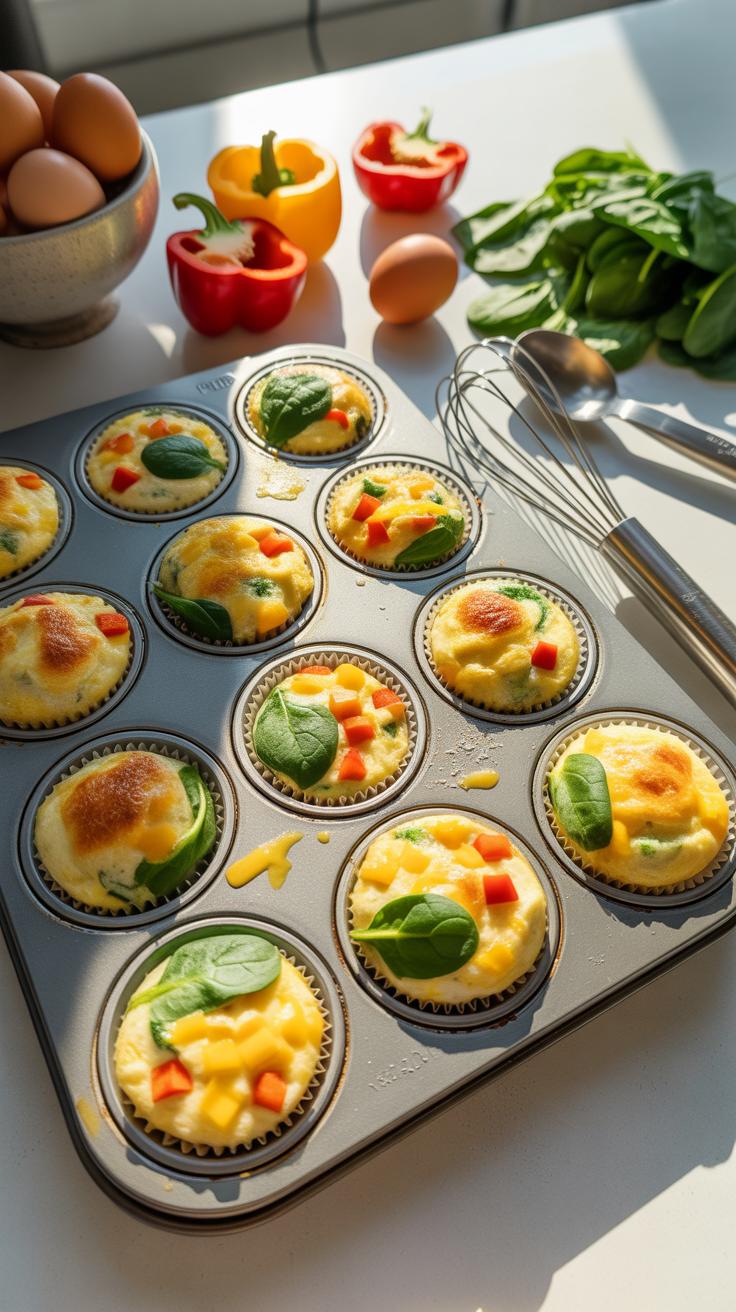
Proper preparation prevents the eggs from sticking to the pan. Use a high-quality non-stick muffin tin. Apply a heavy coat of oil or non-stick spray to every cup. Silicone liners offer the best release if you want to avoid grease. Chop all meat and vegetable fillings into small, uniform pieces. Large chunks disrupt the structural integrity of the baked egg.
Whisk your eggs in a large bowl until the yolks and whites fully combine. Add salt and pepper at this stage to ensure flavor consistency. Use roughly one large egg per muffin cup. Incorporate a small amount of heavy cream or full-fat milk for a softer texture. Pour the egg base over your dry ingredients already placed in the tin to ensure even distribution.
Baking Temperature, Timing, And Knowing When They Are Done
Set your oven to 350 degrees Fahrenheit for the most consistent results. Lower temperatures result in a rubbery texture while higher heat causes the eggs to puff and then collapse. Bake the muffins for 20 to 25 minutes. Do not open the oven door during the first 15 minutes. Cold air interrupts the setting process and ruins the rise of the muffins.
The egg muffins are done when the centers feel firm to a light touch. They should not jiggle when you move the pan. A toothpick inserted into the center must come out clean. Remove the tin from the oven immediately once finished. Let the muffins rest in the pan for five minutes. This short cooling period allows the steam to release for easier removal.
Egg Muffins Breakfast Healthy Low Carb Variations For Every Dietary Need

Keto And Low-Carb Egg Muffin Combinations That Keep You Full
Keto and Low-Carb Egg Muffin Combinations That Keep You Full and Energized All Morning
Keto egg muffins require high-fat proteins and low-glycemic vegetables. Focus on bacon, sausage, or heavy cream to increase fat content. These ingredients prevent insulin spikes and maintain ketosis. You must sauté watery vegetables like spinach or mushrooms before adding them to the batter. Excess moisture ruins the muffin structure. Use sharp cheddar or goat cheese to add flavor without adding unnecessary carbohydrates.
Precision matters when balancing macronutrients for morning energy. Use a ratio of two parts egg to one part heavy cream for a richer texture. This technique mimics French omelet styles and improves mouthfeel. Avoid using flour or cornstarch as thickeners. Instead, rely on the natural coagulation of proteins. This approach ensures each muffin provides sustained satiety and stabilizes your blood sugar levels.
Dairy-Free, Vegetarian, And High-Protein Egg Muffin Variations
Dairy-Free, Vegetarian, and High-Protein Egg Muffin Variations Worth Trying
Dairy-free versions require a milk substitute like unsweetened almond or soy milk. These liquids thin the egg base without adding animal fats. Nutritional yeast provides a savory, cheese-like flavor for those avoiding dairy. For vegetarian options, use black beans or quinoa to add texture and fiber. These plant-based additions increase the nutrient density of each serving. Pack the tins tightly to ensure the muffins hold together.
Increase protein content by adding egg whites or lean ground turkey. Removing yolks reduces fat but maintains the amino acid profile. High-protein variations support muscle recovery and keep you full longer. Use bell peppers and onions to add volume and essential vitamins. These ingredients provide crunch and natural sweetness without extra calories. Consistent portioning ensures every muffin cooks evenly in a standard oven at three hundred fifty degrees.
Breakfast Meal Prep Egg Muffins How To Store Freeze And Reheat Like A Pro
How To Store Egg Muffins In The Fridge Without Losing Texture
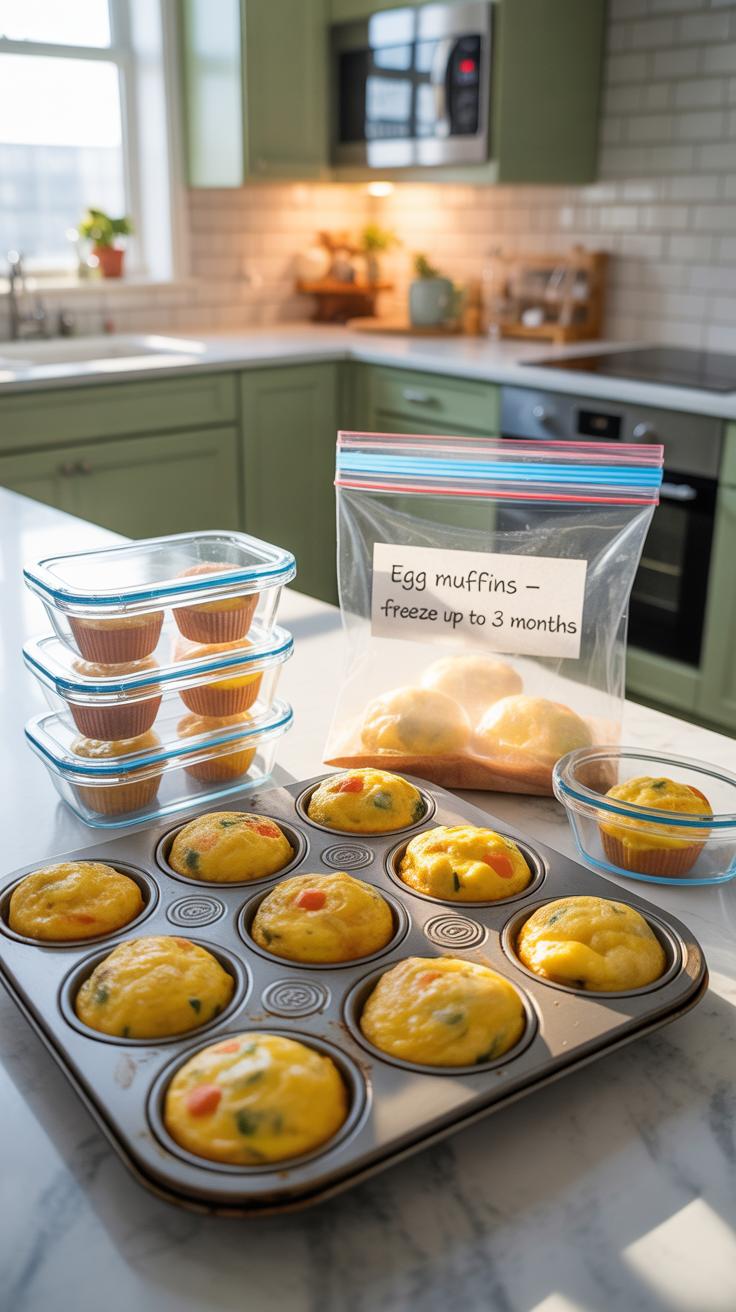
Proper storage prevents bacterial growth and keeps your egg muffins recipe edible for days. Cool the muffins completely on a wire rack before packing them. Condensation is the enemy of texture. Steam trapped in a container makes the eggs rubbery and wet. Once cold, place the muffins in an airtight glass container or a heavy duty plastic bag.
Stored correctly, your egg muffins will stay fresh in the refrigerator for up to four days. Place a paper towel at the bottom of the container to absorb extra moisture. This maintains the structural integrity of the eggs and any added vegetables. Inspect the muffins for off-smells or slimy surfaces before consuming. Consistency in temperature is vital for food safety.
Freezing And Reheating Egg Muffins For Long-Term Meal Prep
Freezing egg muffins requires a double layer of protection to prevent freezer burn. Wrap each individual muffin tightly in plastic wrap or aluminum foil. Place the wrapped units into a large freezer-safe zip bag and squeeze out all excess air. This method preserves the flavor for up to three months. Label the bag with the date to track the shelf life.
Reheating requires precision to avoid a dry or chewy result. Wrap a single muffin in a damp paper towel to maintain moisture during the process. Microwave on medium power in thirty-second intervals until the internal temperature reaches one hundred sixty-five degrees. Alternatively, use a toaster oven at three hundred degrees for ten minutes to restore a crisper exterior texture.
Building A Balanced Breakfast Spread With Eggs And Muffins For The Whole Family

What To Serve With Egg Muffins For A Balanced Breakfast
Pair egg muffins with fiber and complex carbohydrates to create a complete nutritional profile. Fresh berries or sliced citrus provide essential vitamins and antioxidants that balance the savory protein. Whole grain toast adds necessary fiber for sustained energy levels throughout the morning. This combination prevents the mid-morning energy crash often associated with high-sugar breakfast options. It ensures a stable glycemic response for all family members.
Greek yogurt offers a secondary protein source and probiotics for gut health. Add a small portion alongside the muffins to increase satiety. This strategy works well for active individuals who require higher caloric intake. Tactical pairing turns a simple snack into a high-performance meal. Focus on high-density nutrients to maximize every bite. Choose seasonal fruits to keep costs low and flavor profiles high during the week.
How To Scale Your Egg Muffin Batch For The Whole Week
Scale your egg muffin recipe by calculating total servings based on twelve muffins per standard tin. Use one large egg per muffin slot to ensure consistent size and cooking times. Multiply your base ingredients by the number of days you intend to cover. A standard batch of twelve usually feeds one person for six days. Use professional grade non-stick tins or silicone liners to prevent waste during the removal process.
Cool the muffins completely on a wire rack before storage to prevent moisture buildup. Excess steam creates a rubbery texture during reheating. Store the finished muffins in airtight glass containers in the refrigerator for up to five days. For longer durations, wrap each unit tightly in plastic wrap and freeze them. This method preserves the structural integrity of the egg. Reheat in the microwave for thirty seconds for a fast solution.
Expert Tips And Common Mistakes To Avoid When Making Eggs Muffins Breakfast

Pro Tips For Fluffy, Non Sticky Egg Muffins That Come Out Perfect Every Single Time
Success with an egg muffins recipe depends on texture control and surface adhesion. You must prevent the egg proteins from bonding to the pan. Use high-quality silicone molds or heavy grease on metal tins. Whisking eggs thoroughly incorporates air for a lighter lift. Structure requires the right ratio of liquid to solids. Follow these tactical steps to ensure your batch remains intact and edible.
- Silicone Bakeware: Use food-grade silicone molds instead of metal pans. Silicone is naturally non-stick and flexible. This allows you to pop the muffins out without tearing the base. It eliminates the need for paper liners which often stick to the egg.
- Liberal Lubrication: Apply avocado oil or coconut oil to the tin even if it claims to be non-stick. Eggs contain high amounts of protein that bond to metal surfaces during heating. A physical fat barrier is necessary to ensure a clean release every single time.
- Milk Incorporation: Add a small amount of heavy cream or full-fat milk to your egg mixture. The fat in the dairy interferes with the protein bonds. This prevents the muffins from becoming rubbery or overly dense. It creates a soft, custard-like internal texture.
- Proper Cooling Time: Rest the muffins in the pan for five minutes before removal. The steam trapped between the egg and the side of the mold helps loosen the bond. If you pull them too early, the structure is too weak and will likely collapse.
- Vegetable Pre-Cooking: Saute all vegetables to remove excess moisture before adding them to the egg. High-water content items like spinach or mushrooms release liquid during baking. This liquid creates large gaps in the muffin and results in a soggy, unappealing bottom.
Temperature management is the final pillar of a perfect result. Bake at a moderate temperature of three hundred fifty degrees Fahrenheit. High heat causes eggs to expand rapidly and then deflate sharply. This creates a wrinkled appearance and a tough exterior. Steady heat ensures an even rise and consistent density throughout the muffin. Monitor the center for firmness to avoid overcooking the delicate proteins.
Common Egg Muffin Mistakes Beginners Make And How To Easily Fix Them
Beginners often fail because they overload the muffins with raw fillings. Adding too many wet ingredients dilutes the egg structure and prevents setting. This results in a watery mess that falls apart. You must balance your add-ins to keep the egg as the primary binder. Limit your fillings to two tablespoons per muffin cup. This maintains the necessary structural integrity for meal prep.
The second major error is overfilling the muffin tins to the brim. Eggs expand as the air inside them heats up. Fill each cavity only three-quarters full to allow for this rise. Overfilled tins lead to mushroom tops that spill over and stick to the top of the pan. This makes cleanup difficult and ruins the shape. Consistent volume ensures that every muffin cooks at the same rate for safety.
Frequently Asked Questions

What exactly are egg muffins and why are they so popular for meal prep?
Egg muffins are essentially crustless mini-quiches baked in a standard muffin tin. They have become a sensation in the healthy living community because they offer a protein-packed, grab-and-go solution for busy mornings. This versatile egg muffins recipe allows you to prep an entire week of breakfasts in under thirty minutes, making it much easier to stick to your nutritional goals without sacrificing flavor or spending hours in the kitchen every single morning.
How do I prevent my egg muffins from sticking to the pan and falling apart?
To ensure your egg muffins recipe turns out perfectly, the secret lies in heavy greasing. Even non-stick pans benefit from a generous coating of coconut oil, butter, or olive oil spray. For the absolute best results and effortless cleanup, consider using silicone muffin liners. These allow the muffins to pop out cleanly every time, maintaining their decorative shape and ensuring you don’t lose any of those delicious ingredients to the bottom of the tin.
Can I make nutritious egg muffins on a tight grocery budget?
Absolutely! One of the best things about this breakfast is that it utilizes affordable staples. You can keep costs low by using seasonal vegetables, bulk-purchased eggs, and simple seasonings already in your pantry. Instead of expensive gourmet meats, try adding fiber-rich beans or leftover chopped greens to bulk up the muffins. This approach makes your breakfast prep incredibly cost-effective while still providing a high-quality, delicious meal that keeps you full until lunch.