
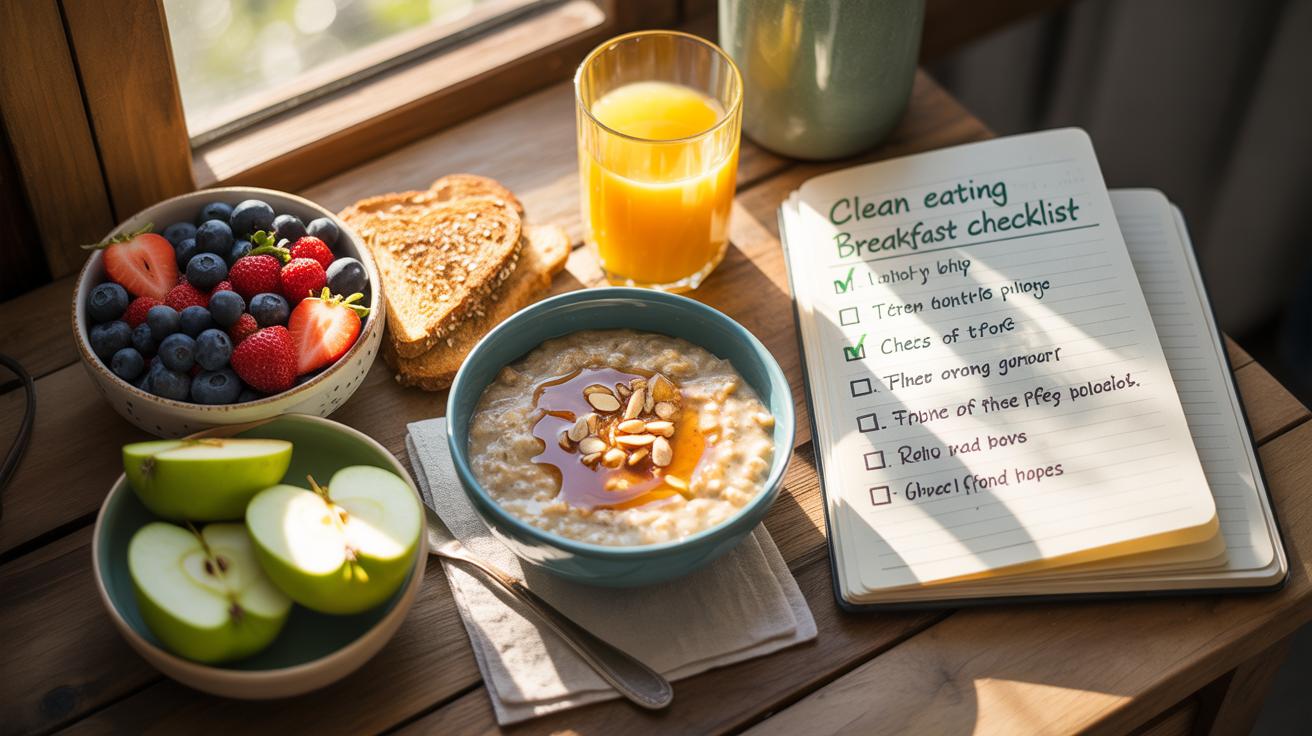
What Clean Eating Really Means For Your Healthy Morning Routine
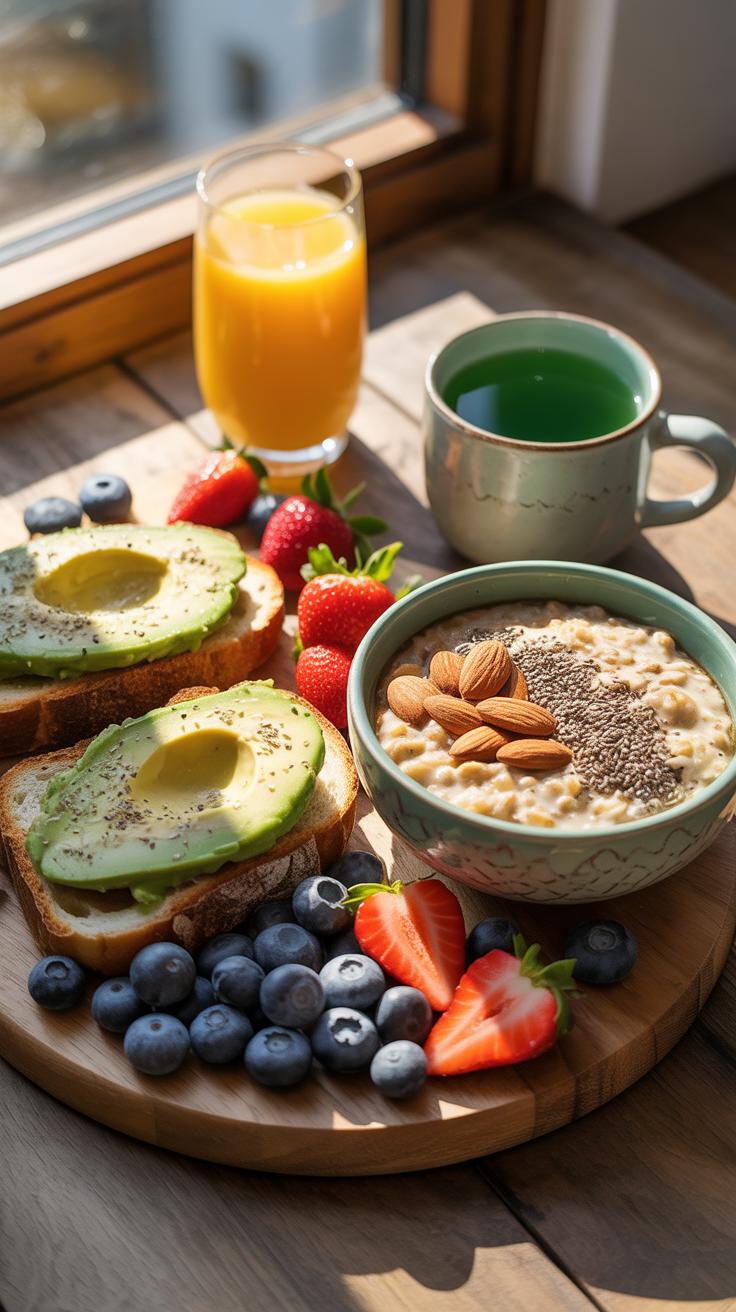
The Core Principles Of Clean Eating Explained Simply
Clean eating focuses on consuming whole foods in their most natural state. You choose foods that undergo minimal processing. High quality ingredients contain no artificial additives or synthetic chemicals. This strategy prioritizes nutrient density over caloric restriction. You avoid refined sugars and industrial seed oils. Modern food manufacturing strips away fiber and vital micronutrients. Your goal is to restore these missing pieces through intentional selection.
Tactical clean eating requires reading every label. If a product contains ingredients you cannot pronounce, reject it immediately. Most packaged goods rely on heavy sodium and preservatives to extend shelf life. These chemicals disrupt your metabolic health and natural energy levels. Stick to single ingredient items like eggs, nuts, and fresh produce. Simple choices reduce systemic inflammation. This discipline builds a foundation for long term physical performance and mental clarity.
Why Your First Meal Sets The Nutritional Tone For The Entire Day
Your first meal regulates your blood sugar levels for the next twelve hours. Consuming refined carbohydrates early causes a sharp glucose spike and a subsequent crash. This cycle triggers intense hunger and midday fatigue. Stable energy requires a balance of lean protein and healthy fats. These macronutrients signal your brain that you are full. Proper morning nutrition prevents overeating during lunch and dinner sessions.

A clean start reinforces your psychological commitment to health. Success in the morning creates a powerful momentum effect. You make better decisions when you do not feel hungry or sluggish. High fiber foods support gut health and improve your digestion immediately. Efficient digestion ensures your body absorbs the vitamins needed for cognitive function. Do not view breakfast as a chore. View it as a strategic investment in your daily output.
The Morning Habits That Support A Clean Eating Lifestyle

Hydrating Before Breakfast And Why It Matters For Digestion
Drink sixteen ounces of water immediately after waking. Sleep causes natural dehydration that slows your metabolic rate. Proper hydration activates the digestive tract before you consume solid food. It flushes out metabolic waste accumulated overnight. This practice prepares your stomach lining for nutrient absorption. Clean eating depends on how well your body processes fuel. Water is the spark for that engine.
Water intake triggers the production of gastric juices and digestive enzymes. These fluids break down proteins and fats more efficiently during breakfast. Dehydration often mimics hunger signals in the brain. You might overeat or crave sugar when you actually need fluids. Drinking water first thing creates a barrier against impulsive food choices. It ensures your digestive system operates at peak capacity before your first meal.
How Consistent Wake Times Help Regulate Appetite And Food Choices
A fixed wake time stabilizes your circadian rhythm and hormonal balance. Your body releases cortisol in the morning to provide energy. This hormone also influences your insulin response and hunger levels. When you wake up at the same time daily, your hunger hormones remain predictable. Grehlin and leptin function better with a set routine. This stability prevents the mid-morning energy crashes that lead to snacking.
Consistency reinforces your metabolic schedule. Your body learns exactly when to expect fuel and when to burn fat. Irregular sleep patterns disrupt the glucose metabolism process. This disruption causes strong cravings for high-calorie processed foods. By maintaining a strict wake time, you keep your blood sugar steady. A regulated internal clock makes it easier to stick to a clean eating plan throughout the entire day.
Building A Healthy Routine Around Whole Food Breakfasts

Choosing Minimally Processed Ingredients For Your Morning Plate
Clean eating requires a strict focus on single-ingredient foods. You must eliminate items with added sugars, synthetic preservatives, and refined oils. Prioritize seasonal produce and sprouted grains. These choices reduce the metabolic stress caused by chemical additives. Quality control starts with ingredient labels. If a product contains more than five ingredients or names you cannot pronounce, reject it immediately for your breakfast.
Whole foods provide the micronutrients your body needs to function. Steel-cut oats and pasture-raised eggs offer superior nutritional density compared to boxed cereals. Industrial processing strips away fiber and essential minerals. By selecting raw or lightly steamed ingredients, you preserve the natural enzymes and vitamins. This tactical shift improves digestion and helps maintain steady blood glucose levels throughout your morning. It sets a high standard for your day.
Balancing Macronutrients At Breakfast For Sustained Morning Energy
A successful clean eating morning routine relies on precise macronutrient ratios. You need a combination of complex carbohydrates, lean proteins, and healthy fats. Proteins provide the building blocks for muscle repair and neurotransmitter function. Healthy fats like avocado or walnuts slow down digestion. This synergy prevents the mid-morning energy crash common with high-sugar meals. Proper fuel selection ensures your brain stays sharp for critical tasks and high-level decision making.
Avoid eating simple sugars alone. Glucose spikes trigger insulin release which leads to lethargy. Instead, pair fiber-rich carbohydrates with a clean protein source. This strategy regulates your appetite and prevents overeating later in the day. Use high-quality fats to improve the absorption of fat-soluble vitamins. Stable energy levels allow you to work longer and focus harder. Consistent macronutrient balancing is the most effective way to optimize your physical and mental performance.
Your Clean Eating Breakfast Checklist For The Wellness Era Routine

The Essential Whole Foods Every Clean Breakfast Should Include
A clean eating morning routine relies on high-quality fuel sources that minimize metabolic stress. You must prioritize foods in their most natural state. Focus on a balance of macronutrients to stabilize blood sugar and prevent energy crashes. Choose items that provide fiber, healthy fats, and lean proteins. This strategy ensures long-term satiety and mental clarity throughout your morning work block.
- Pasture-Raised Eggs: These provide high-quality protein and essential choline for brain function. Look for certified humane sources to ensure the highest nutrient density compared to standard factory-farmed options.
- Steel-Cut Oats: This grain is less processed than rolled or instant varieties. It has a lower glycemic index which means it provides a steady release of energy without spiking your insulin levels.
- Avocados: These offer monounsaturated fats and significant fiber content. Incorporating healthy fats into your first meal slows digestion and helps your body absorb fat-soluble vitamins like A, D, E, and K.
- Wild-Caught Smoked Salmon: This is a potent source of omega-3 fatty acids and lean protein. Omega-3s are critical for reducing systemic inflammation and supporting cardiovascular health during your daily morning routine.
- Leafy Greens: Adding spinach or kale to your breakfast provides essential micronutrients and phytonutrients. These greens offer magnesium and folate which support cellular energy production and overall physical performance during the day.
Quality control is the foundation of this protocol. Read every label to ensure there are no added sugars or synthetic preservatives in your selections. Whole foods do not require long ingredient lists. Buy organic when possible to reduce exposure to pesticide residues. Keeping your pantry stocked with these five essentials allows you to build a compliant meal in under ten minutes.
Common Breakfast Ingredients To Limit Or Swap For Cleaner Options
Standard breakfast staples often contain hidden sugars and inflammatory seed oils. Most commercial granolas and flavored yogurts are processed desserts disguised as health foods. You must audit your kitchen for refined carbohydrates and synthetic additives. These ingredients cause rapid glucose spikes and subsequent lethargy. Replace white flour products with sprouted grain alternatives or tubers like sweet potatoes to maintain consistent energy production.
Identify liquid calories that undermine your nutrition goals. Conventional fruit juices lack fiber and deliver an excessive fructose load to your liver. Switch to whole fruit or water infused with lemon to stay hydrated without the sugar hit. Swap refined table salt for sea salt to gain trace minerals. Eliminating heavy creams and artificial sweeteners improves gut health and reduces bloating. Efficiency in clean eating comes from these simple tactical substitutions.
Healthy Daily Routine Practices That Complement A Clean Breakfast

Light Morning Movement And Its Connection To Better Appetite Awareness
Light physical activity upon waking regulates blood glucose and insulin sensitivity. Walking or stretching triggers physiological signals that wake up the digestive system. This movement links your brain to your gut. It ensures your appetite is genuine hunger rather than habit. Physical exertion clears cortisol and balances hormones. You will feel a natural need for fuel rather than a spike in stress-induced cravings.
Movement improves blood flow to the stomach and intestines. This prepares the body to process nutrients from a clean breakfast efficiently. Without movement, the metabolism stays sluggish. You might miss subtle fullness cues during your meal. Consistent morning activity builds a stronger connection to internal hunger signals. You learn exactly how much food your body requires to function. This prevents overeating and supports long-term energy goals.
Mindful Eating At Breakfast And How It Improves Digestion And Satisfaction
Mindful eating requires total focus on the act of consuming food. Remove all digital distractions and sit down to eat. Chewing each bite thoroughly breaks down cell walls in whole foods. This process releases essential enzymes in your saliva. Proper mechanical digestion reduces the load on your stomach. It prevents common issues like bloating or gas. You extract more vitamins and minerals from every clean ingredient.
Strategic focus on your meal allows the brain to register fullness. This hormonal signal takes about twenty minutes to travel from the gut. Speed eating bypasses this safety switch and leads to caloric excess. When you eat with intent, you appreciate the textures and natural flavors. This mental satisfaction reduces the urge to snack later in the morning. High satisfaction levels stabilize your mood and keep your productivity high.
Morning Routine Healthy Prep Strategies To Stay Consistent All Week

Simple Weekend Meal Prep Habits That Make Clean Breakfasts Effortless
Batch cooking is the most effective way to eliminate morning decision fatigue. Dedicate two hours on Sunday to prepare bulk grains like steel-cut oats or quinoa. Use glass containers to keep food fresh for five days. Pre-cook proteins such as hard-boiled eggs or nitrate-free turkey sausage. This tactical approach ensures you have a clean base ready for any busy workday morning.
Portioning is the second pillar of successful meal preparation. Wash and chop all berries, greens, and vegetables before the work week begins. Dry your produce thoroughly to prevent mold and extend shelf life. Place measured ingredients into individual bags or jars for smoothies. This system reduces your active kitchen time to under five minutes per day. Efficiency depends on doing the work when you have energy.
How To Stock A Pantry And Fridge To Support Your Clean Eating Goals
A clean eating kitchen requires a foundation of whole, unprocessed ingredients. You must remove refined sugars and bleached flours from your sight. Organize your pantry by food category to track inventory levels easily. Focus on stocking items with single-ingredient labels. Clear visibility of healthy options prevents poor choices. High-quality fats and fibers should remain front and center in your storage areas.
- Whole Grains: Keep steel-cut oats, buckwheat, and quinoa in airtight glass jars. These complex carbohydrates provide steady glucose release. They are superior to processed cereals and instant packets which often contain hidden additives and inflammatory oils.
- Plant-Based Fats: Stock raw walnuts, chia seeds, and hemp hearts for essential fatty acids. These items add texture and satiety to breakfast bowls. Store nuts in the refrigerator to prevent the natural oils from going rancid over several weeks of use.
- Clean Proteins: Maintain a supply of pasture-raised eggs and plain Greek yogurt. These sources offer high bio-availability and minimal processing. Avoid flavored yogurts that contain high amounts of cane sugar or artificial sweeteners that disrupt your metabolic health and focus.
- Natural Sweeteners: Control your glycemic response by using small amounts of raw honey or pure maple syrup. These options are preferable to synthetic sugar alcohols. Use them sparingly to flavor your meals without causing the energy crashes typical of refined white sugar.
- Frozen Produce: Bags of organic spinach and wild blueberries are essential for rapid smoothie prep. Frozen produce is flash-frozen at peak ripeness to preserve nutrient density. This strategy ensures you always have antioxidants available even when fresh inventory runs low.
Strategy beats willpower every time. If your environment lacks processed options, you will eat what is available. Keep your fridge stocked with washed greens and pre-soaked chia pudding. Use the top shelf for the most perishable clean items so you eat them first. A disciplined kitchen setup forces you to follow your routine without thinking. Consistency relies on a predictable environment that rewards your long-term health goals.
Healing Food Choices That Nourish Your Body From The First Bite

Anti Inflammatory Breakfast Foods That Support Long Term Wellness
Chronic inflammation damages tissues and triggers metabolic disease. A clean eating morning routine prioritizes antioxidants to neutralize this stress. Berries provide anthocyanins that lower systemic markers of inflammation. Fatty fish or chia seeds offer omega-3 fatty acids. These fats inhibit the production of substances that cause joint pain and arterial plaque. High-quality fuel prevents the cellular damage associated with processed sugars.
Include turmeric and ginger in your morning liquids or meals. Curcumin in turmeric blocks inflammatory enzymes when paired with black pepper. Gingerols in fresh ginger root suppress pro-inflammatory cytokines. These bioactive compounds work best when consumed consistently over time. Focus on whole plants rather than synthetic supplements for better absorption. Proper nutrient density at breakfast stabilizes your immune response for the entire day.
One should not attend even the end of the world without a good breakfast. A morning ritual of wholesome food feeds the soul just as much as the body.
Fermented And Fiber Rich Foods That Promote A Healthy Gut At Breakfast
A healthy gut requires both probiotics and prebiotics to function. Probiotics are live bacteria found in fermented foods like unsweetened yogurt or kefir. These organisms strengthen the intestinal barrier. This barrier prevents harmful toxins from entering the bloodstream. A strong gut lining reduces bloating and improves nutrient uptake. Strategic breakfast choices ensure your digestive system starts the day with active biological support.
Fiber acts as fuel for these beneficial bacteria. Soluble fiber from oats and flaxseeds slows digestion and controls blood sugar. Insoluble fiber from leafy greens or apple skins promotes regular bowel movements. This combination removes waste and prevents toxic buildup in the colon. High-fiber intake correlates with lower cholesterol and steady energy levels. Consuming these foods first thing in the morning optimizes your metabolic rate.
Morning Routine Inspo Real Clean Eating Breakfast Ideas That Actually Work

Five Practical Clean Eating Breakfast Combinations For Busy Mornings
Efficient clean eating relies on high protein and fiber density to stabilize blood sugar immediately. Overlooked options like overnight oats with chia seeds provide complex carbohydrates that prevent mid morning energy crashes. Smoked salmon on sprouted grain bread offers essential fatty acids and amino acids. These combinations require less than five minutes of active preparation time when you organize your kitchen for speed and utility.
Greek yogurt paired with raw walnuts and blueberries delivers a low glycemic load while providing necessary antioxidants. Scrambled eggs with spinach and avocado source healthy fats and micronutrients without processed additives. Hard boiled eggs prepped in advance serve as a portable fuel source for the tightest schedules. Chia seed pudding made with unsweetened almond milk works as a grab and go solution that supports digestive health.
How To Customize Your Breakfast For Your Specific Health And Energy Goals
Your physical activity levels dictate your macronutrient ratios for an effective clean eating morning routine. High intensity athletes require more glucose from fruits and whole grains to replenish glycogen stores. Sedentary professionals benefit from a higher fat and protein intake to maintain cognitive focus without insulin spikes. Adjusting these ratios ensures your fuel matches your actual caloric burn instead of following a generic one size fits all plan.
Monitor how specific foods impact your satiety and mental clarity throughout the work day. Increase fiber intake through flax seeds or leafy greens if you experience hunger before lunch. Reduce heavy carbohydrates if you feel sluggish or sleepy after eating. Data driven adjustments allow you to optimize your breakfast for peak performance. Specificity in your food choices eliminates guesswork and creates a sustainable path toward long term health and metabolic efficiency.
Energizing Breakfast Habits That Keep You Full Focused And Fueled

The Role Of Protein And Healthy Fats In Preventing Mid Morning Energy Crashes
Protein and healthy fats stabilize blood glucose levels. Carbohydrates alone cause a rapid glucose spike followed by an inevitable insulin drop. This crash triggers hunger and brain fog before noon. You must consume lean proteins like eggs or Greek yogurt to slow digestion. High quality protein builds neurotransmitters that improve mental clarity. This approach sustains your energy for several hours.
Healthy fats provide a secondary fuel source for the brain. Fats from avocados, nuts, or seeds delay gastric emptying. Use these fats to keep your stomach full and your focus sharp. Slow digestion allows for a steady release of energy into the bloodstream. This prevents the jittery highs and lethargic lows of a sugar heavy morning. Consistent energy delivery is the foundation of a clean eating morning routine.
How Natural Sugars From Whole Fruits Differ From Added Sugars In Breakfast Foods
Whole fruits contain natural fructose bound to fiber. This fiber slows sugar absorption and prevents metabolic stress. Added sugars in processed cereals or syrups enter the blood instantly. This causes immediate inflammation and stress on the liver. Your body processes these two sugar types through different metabolic pathways. Choosing whole fruit provides essential vitamins and minerals without the metabolic cost of refined sweeteners.
Fiber acts as a physical barrier in the digestive tract. This barrier regulates how quickly sugar reaches your cells. Processed foods strip away this fiber during manufacturing. When you eat whole fruit, you consume water and antioxidants that support cellular health. Added sugars offer zero nutritional value and disrupt your hunger hormones. Switch to berries or citrus to satisfy sweet cravings while maintaining a clean eating morning routine.
Frequently Asked Questions

What exactly is a clean eating breakfast for beginners?
Starting a clean eating morning routine involves choosing whole, unprocessed foods that are as close to their natural state as possible. For beginners, this means swapping sugary cereals and refined pastries for fiber-rich oats, fresh fruits, and lean proteins like eggs. The goal is to eliminate artificial additives and refined sugars, ensuring your first meal provides sustainable energy and essential nutrients to nourish your body throughout the day.
How can I build a balanced clean eating breakfast checklist?
To master your clean eating morning routine, focus on a simple checklist: one serving of complex carbohydrates, a high-quality protein, and a healthy fat. For example, combine quinoa with almond butter and berries, or avocado toast on sprouted grain bread topped with a poached egg. Prepping ingredients like washed greens or hard-boiled eggs during the weekend makes it much easier to stick to your healthy habits during a busy work week.
Is it possible to eat a clean breakfast on a tight budget?
Absolutely! Clean eating does not require expensive “superfoods” or trendy supplements. You can keep costs low by purchasing staples like dried beans, lentils, and old-fashioned oats in bulk. Seasonal fruits and frozen vegetables are also budget-friendly ways to add vitamins to your meals. By focusing on simple, whole ingredients rather than pre-packaged health foods, you can maintain a nutritious lifestyle without overspending at the grocery store.