
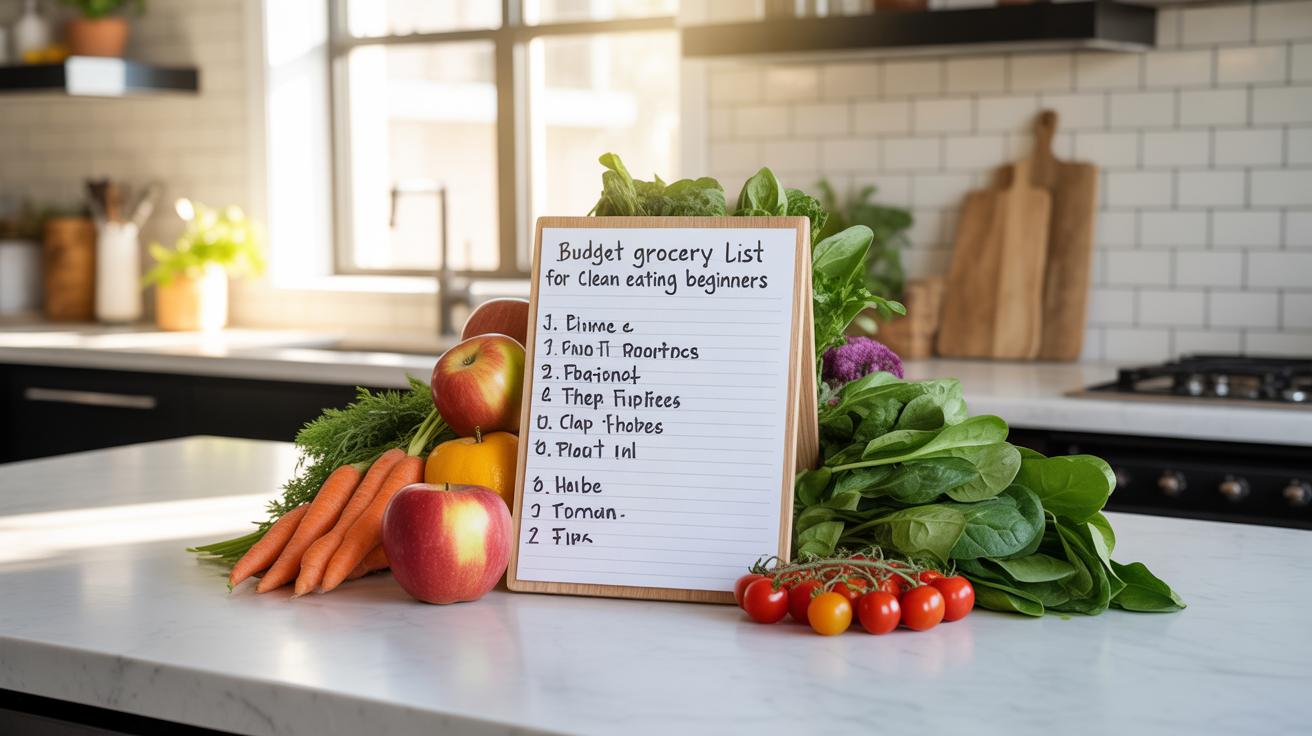
What Clean Eating Actually Means And Why A Healthy Grocery List Budget Makes It Easier
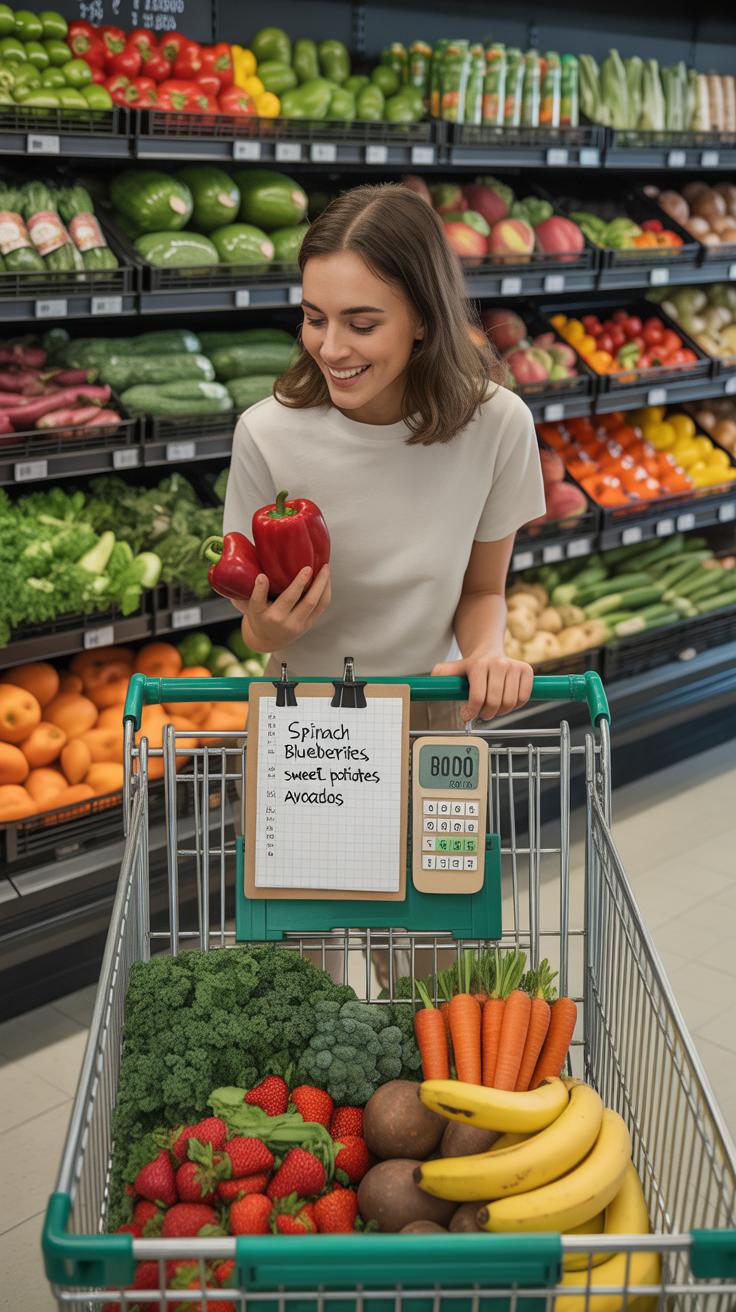
The Core Principles Of Clean Eating Explained Simply
Clean eating focuses on consuming whole foods in their most natural state. You prioritize items with minimal processing and short ingredient lists. This approach eliminates synthetic additives, refined sugars, and excessive sodium. You eat plants, lean proteins, and whole grains. You avoid factory-made products that contain chemicals you cannot pronounce. This strategy improves your nutrient intake by focusing on fuel rather than fillers.
The goal is to reduce the burden on your body by removing inflammatory ingredients. You do not need expensive organic labels to eat clean. Local produce and bulk staples often provide the same nutritional profile. Focus on the perimeter of the grocery store where fresh items sit. Avoid the middle aisles filled with shelf-stable boxes. Success requires reading labels and understanding exactly what goes into your body every day.
Why Budgeting And Clean Eating Work Better Together Than You Think
A strict budget forces you to stop buying expensive processed snacks and pre-packaged meals. These items carry high price markups for convenience and marketing. When you use a managed budget, you buy base ingredients like beans, rice, and frozen vegetables. These staples cost pennies per serving compared to boxed alternatives. Financial constraints actually guide you toward the healthiest, most foundational foods available in the store.
Effective budgeting also requires a meal plan which prevents impulse buys. Impulse purchases are usually low-quality comfort foods that spike your bill and ruin your diet. By sticking to a list, you ensure every dollar spent contributes to your health goals. You buy exactly what you need and waste nothing. This disciplined approach creates a sustainable lifestyle. You save money while fueling your body with high-quality nutrients consistently.
How To Plan Your Healthy Grocery List Before You Ever Enter The Store

Why Meal Planning First Leads To Smarter Cheaper Grocery Trips
Meal planning eliminates guesswork and reduces financial waste. You must audit your pantry and fridge before you write a single item down. This process ensures you only buy what you need to complete specific meals. Research shows that shoppers without a plan spend significantly more on items they never consume. Strategic planning forces you to focus on high volume and low cost ingredients.
A solid plan prevents decision fatigue while you walk the aisles. When you know your exact menu, you stop viewing food as individual snacks and start seeing it as fuel. This mindset shift kills the urge to grab expensive processed items. You gain control over your caloric intake and your bank account. Efficient grocery shopping starts at home. You save time by skipping aisles that do not serve your plan.
How To Organize Your Shopping List By Food Category To Avoid Impulse Buys
Group your list by store layout to stay efficient. Divide your paper into sections like produce, protein, grains, and frozen goods. This method keeps you moving in a linear path through the store. It stops you from backtracking to find missed items. Backtracking increases the time you spend in the store. More time in the store leads to more unplanned purchases and higher costs.
Focus your energy on the perimeter of the store where whole foods live. Most healthy staples occupy these outer edges. Use your categorized list to zip through the center aisles only for specific dry goods like beans or brown rice. This tactical approach minimizes exposure to marketing traps set in the middle of the store. Stick to the categories on your list to maintain discipline and protect your grocery budget.
The Best Affordable Staples To Include On Every Cheap Healthy Grocery List
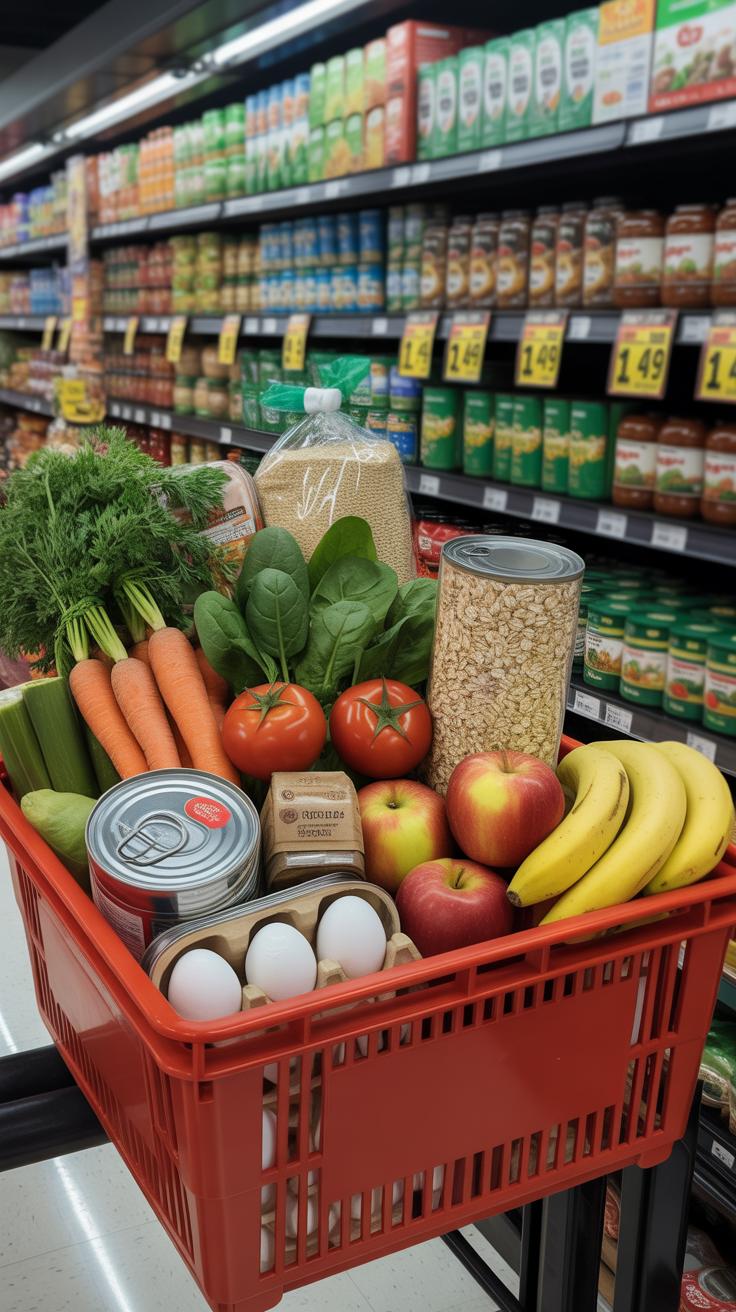
Pantry Staples That Are Nutritious, Versatile, And Low Cost
A strategic budget grocery list healthy starts with the pantry. Dried and canned goods provide the highest nutritional density for the lowest price per serving. These items have long shelf lives. Buying them prevents waste and cuts your total food costs. Focus on items that serve as a base for multiple meals. This approach simplifies your shopping and cooking process.
- Dried Lentils: These legumes provide high levels of protein and fiber without the cost of meat. They cook faster than other dried beans and do not require soaking. Use them in soups, stews, or salads to add bulk and essential nutrients for pennies per serving.
- Canned Tomatoes: This kitchen workhorse provides a base for sauces, chilis, and stews. They contain lycopene, which increases in nutritional value after the canning heat process. Buy the plain versions to avoid added sugars and control the sodium levels in your home cooked meals.
- Canned Tuna: This shelf stable protein offers omega 3 fatty acids at a fraction of the cost of fresh fish. It requires zero cooking time and works well for quick lunches. Choose tuna packed in water to keep the calorie count low and the protein density high.
- Natural Peanut Butter: High quality fats and protein make this a dense energy source. Look for jars containing only peanuts and salt to avoid inflammatory oils or processed sugars. A single jar provides many servings, making it a highly cost effective staple for breakfasts and snacks.
- Dried Chickpeas: These are cheaper than canned versions and offer better texture control. Use them to make homemade hummus or roast them for a crunchy, high fiber snack. They are a staple in Mediterranean and Indian cuisines because they are filling and very inexpensive.
Pantry staples allow you to build meals when fresh supplies run low. Stocking up during sales reduces your average cost per meal over time. Store these items in a cool, dry place to maintain their quality. Always check labels for hidden additives to ensure your choices remain clean and healthy. Proper pantry management is the foundation of a successful budget strategy.
Why Whole Grains Like Oats, Brown Rice, And Quinoa Belong On Every Budget List
Whole grains offer a superior nutritional profile compared to refined grains. They retain the bran and germ, which provide fiber, B vitamins, and minerals. Fiber keeps you full longer and prevents blood sugar spikes. This satiety stops you from overeating or buying expensive processed snacks. Grains are shelf stable and easy to prepare in large batches for the week.
Buying grains in bulk further reduces the unit price. Brown rice and oats are historically some of the cheapest health foods available globally. Quinoa provides a complete protein source, which is rare for plant foods. Use these grains as a foundation for bowls, breakfasts, or side dishes. They absorb flavors well and provide the necessary carbohydrates to fuel your body and brain.
Fresh Produce On A Budget Building A Grocery List On A Budget Healthy And Seasonal
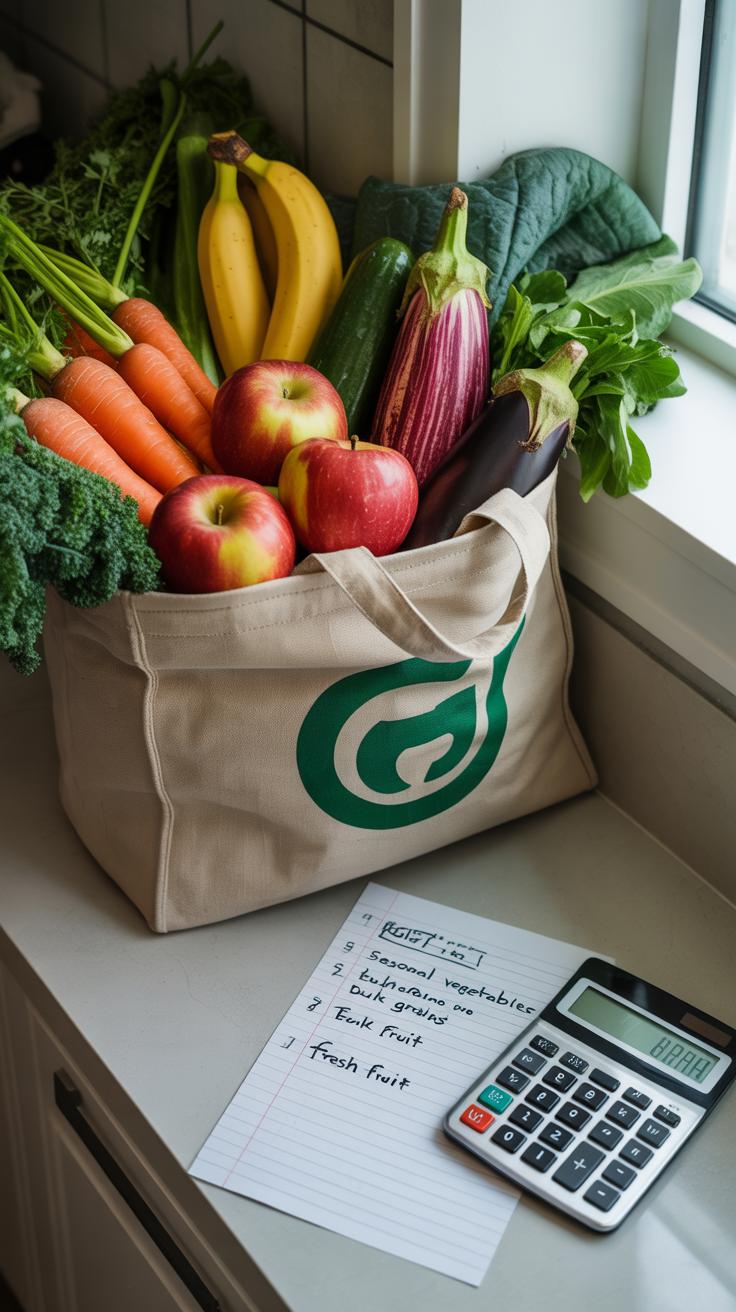
How Buying Seasonal Fruits And Vegetables Cuts Costs Without Cutting Nutrition
Seasonal produce costs less because supply is high and transport costs are low. Farmers harvest crops at their natural peak. This reduces the need for expensive climate controlled storage and long distance shipping. Retailers pass these savings to you to move inventory quickly. You get better tasting food for a fraction of the price of out of season imports from other countries.
Nutrient density peaks at harvest time. Plants left to ripen in the sun develop more vitamins and antioxidants than those picked green for shipping. Buying local and seasonal means less time between the farm and your plate. This prevents heat and light from breaking down delicate nutrients like Vitamin C. You maximize your vitamin intake per dollar spent by following the natural growing cycle.
Frozen Vs. Fresh Produce: What The Nutrition Science Actually Says
Frozen produce often contains more nutrients than fresh items sitting on store shelves. Food processors blanch and flash freeze vegetables within hours of harvest. This process locks in minerals and vitamins at their highest levels. Fresh produce often travels for days or weeks. Exposure to oxygen and light during transit causes natural nutrient degradation before you even purchase the item for your kitchen.
Frozen options provide superior value for a budget grocery list healthy shoppers need. You pay only for edible weight because stems and skins are removed during processing. Frozen goods also have a much longer shelf life. This eliminates the financial waste caused by fresh produce rotting in your refrigerator. Use frozen vegetables for soups, stews, and smoothies to save money without losing any health benefits.
Affordable Protein Sources Every Budget Healthy Grocery List Should Include
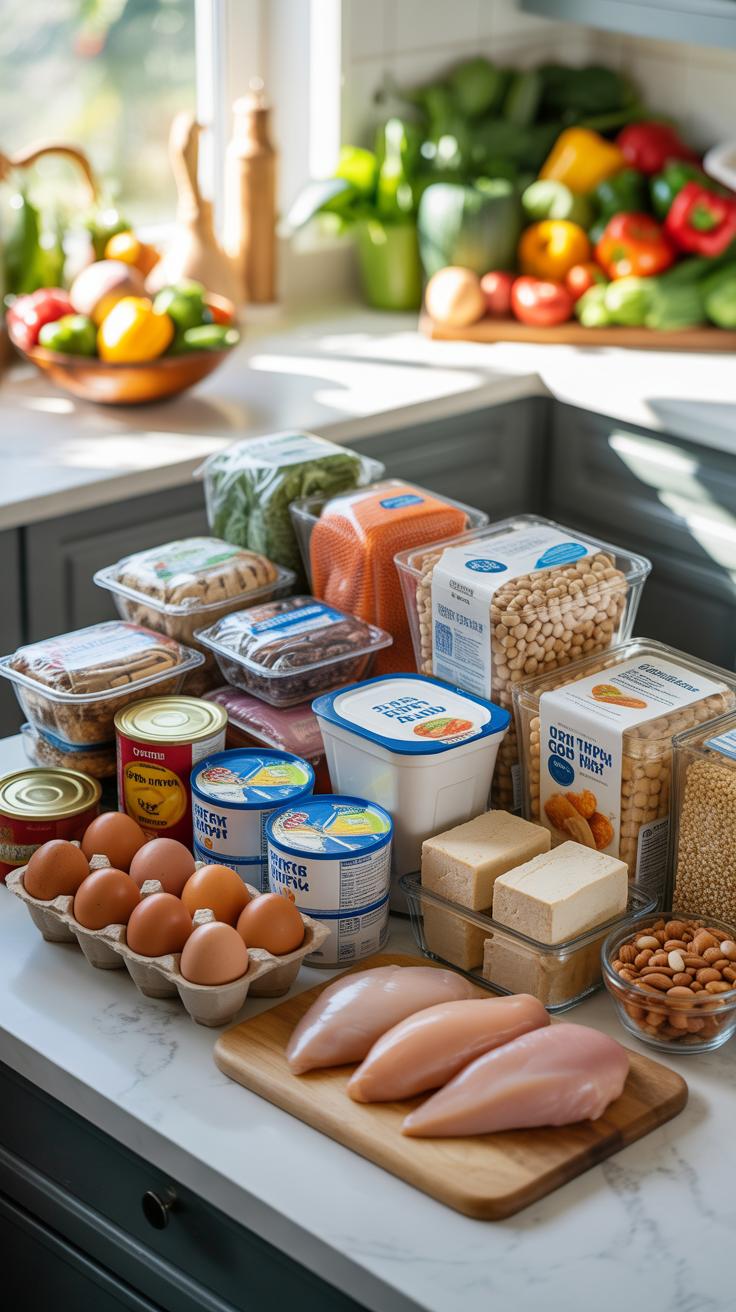
Plant Based Proteins Like Lentils Chickpeas And Beans That Cost Very Little
Dry legumes provide the highest nutritional return on investment. Lentils and beans offer high fiber and protein content for pennies per serving. Purchasing these items in bulk reduces the cost further compared to canned versions. You avoid added sodium and preservatives by preparing them at home. This strategy keeps your grocery bill low while ensuring you meet your daily macronutrient needs.
Legumes act as a versatile base for many clean meals. You can add them to soups or use them as meat substitutes in various dishes. They have a long shelf life and do not require refrigeration until cooked. This stability prevents food waste and saves money over time. Focus on black beans and green lentils for the most consistent texture and density in your cooking.
The groundwork of all happiness is good food prepared with love and simplicity. Even the most humble ingredients can nourish the soul when chosen with care.
Budget Friendly Animal Proteins And How To Choose The Leanest Options
Eggs and canned tuna are the most cost effective animal proteins for a clean diet. Large packs of eggs provide high quality protein and healthy fats at a low price point. When buying poultry, select bone-in thighs or whole chickens to save money. These cuts often cost less per pound than pre-sliced breasts. You can remove the skin to reduce saturated fat intake effectively.
Canned sardines and mackerel offer omega three fatty acids without the high cost of fresh salmon. Check labels to ensure these fish are packed in water rather than inflammatory oils. Buying meat in family packs and freezing portions prevents impulse buys during the week. Stick to lean ground turkey or beef with a high percentage of lean meat to minimize excess calories and fat.
Smart Healthy Grocery Shopping Habits That Save Money Every Single Week

How To Use Unit Pricing Store Brands And Bulk Buying To Lower Your Bill
Unit pricing is your most powerful tool for objective comparison. Look at the small text on the shelf tag to find the cost per ounce or pound. Retailers often place higher margin items at eye level where the total price looks lower but the value is worse. Comparing unit costs allows you to identify which container size actually costs you less over time.
Strategic shoppers prioritize store brands for pantry staples. Most private label goods use the same ingredients and manufacturing facilities as name brands. Buying grains and nuts from bulk bins also eliminates the cost of fancy packaging. You pay only for the weight of the food. These small choices reduce your total checkout price without compromising the nutritional quality of your clean eating ingredients.
The Best Times To Shop And How Store Layout Affects Your Spending
Store layouts follow a specific design logic to force impulse buys. High margin processed foods sit in the middle aisles. Fresh produce and proteins remain on the perimeter. Stick to the outer edges to find the nutrient dense foods your body needs. Avoid the end caps where stores place expensive seasonal items. These displays trick your brain into thinking you are getting a deal when you are not.
Timing your trip changes your access to discounts. Shop on Wednesday mornings when many stores start new sales and honor old ones. This overlap provides the most opportunities for markdowns on meat and dairy. Late evening shopping also works for finding quick sale items near their expiration dates. Check the clearance racks for perfectly good produce that the store needs to move quickly to make room for new stock.
Building A Healthy Meal Prep List That Aligns With Your Weekly Budget
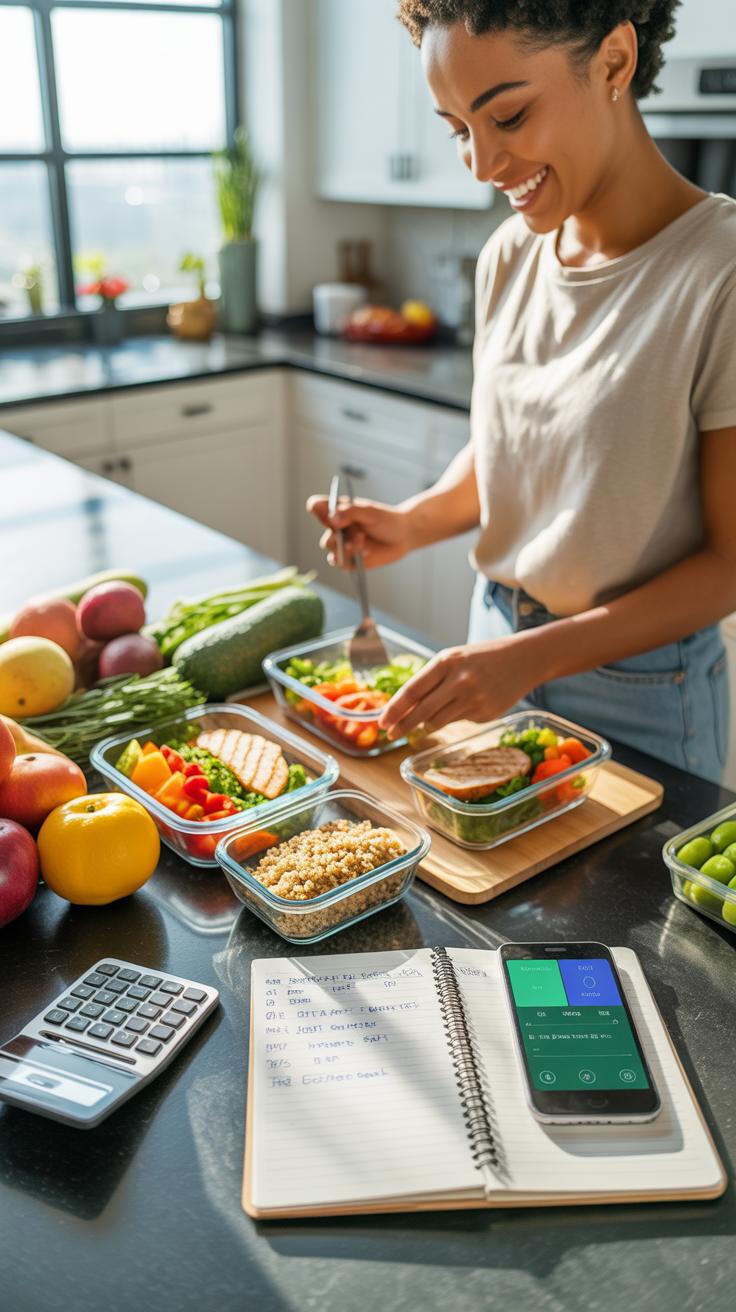
How Batch Cooking From A Prep List Reduces Food Waste And Grocery Spending
Batch cooking maximizes every cent of your budget grocery list healthy by ensuring you use every item you buy. Most food waste occurs because small portions of various ingredients rot in the fridge. By preparing entire bags of produce or family packs of protein at once, you lock in freshness. This strategy eliminates the need for expensive last minute takeout orders during busy weekdays.
A technical prep list forces you to buy exactly what you need. Traditional grocery shopping often leads to impulse purchases that do not fit into a cohesive meal plan. When you prep in bulk, you reduce the cost per serving significantly. You also save on energy bills by running the oven or stove just once. Efficiency in the kitchen translates directly into financial savings.
Simple Meal Prep Combinations That Use The Same Ingredients Across Multiple Meals
High efficiency meal prepping relies on ingredient overlap to keep your budget grocery list healthy and manageable. Selecting four or five core ingredients allows you to create diverse flavors without buying fifty different items. This method simplifies your shopping trip and speeds up your kitchen time. You focus on high volume staples that serve as a foundation for different international cuisines throughout the week.
- Roasted Sweet Potatoes: Bake a large tray of cubed sweet potatoes to use in different ways. Add them to a black bean chili for thickness or toss them into a kale salad for dense carbohydrates. They provide a high fiber base that keeps you full for hours while remaining one of the cheapest produce items available at most markets.
- Pulled Chicken Breast: Boil or slow cook several pounds of chicken to use for multiple flavor profiles. Season one portion with cumin for tacos and another with lemon and pepper for Mediterranean bowls. Buying chicken in bulk family packs always lowers the price per pound compared to purchasing individual small portions or pre-cooked rotisserie birds.
- Hard Boiled Eggs: Prepare a dozen eggs at the start of the week for an immediate protein source. These work as a standalone snack, a salad topper, or a fatty addition to morning grain bowls. Eggs are historically the most cost effective complete protein source and have a long shelf life in the refrigerator once cooked.
- Sautéed Bell Peppers and Onions: Cook a large batch of sliced peppers and onions to add bulk to your meals. These vegetables provide essential vitamins and fiber while stretching more expensive meat portions further. Use them in morning omelets, midday wraps, or evening stir fry dishes to ensure your meals feel substantial without increasing your total grocery spend.
- Cooked Quinoa or Brown Rice: Prepare a massive pot of whole grains to serve as a neutral base for every meal. Grains purchased in bulk bags cost pennies per serving and provide necessary energy for physical activity. Cold grains work perfectly in refreshing summer salads while reheated grains absorb sauces and seasonings for warm, savory dinner plates.
Strategic ingredient overlap prevents palate fatigue while keeping your total item count low. By rotating your spices and sauces, the same basic components feel like entirely new dishes. This tactical approach ensures you consume your entire inventory before it expires. You gain total control over your nutrition and your bank account by mastering a few versatile, low cost building blocks.
What To Avoid When Grocery Shopping On A Budget A Practical Healthy Shopping List Guide
Highly Processed Foods That Appear Cheap But Cost More In Nutrition And Health
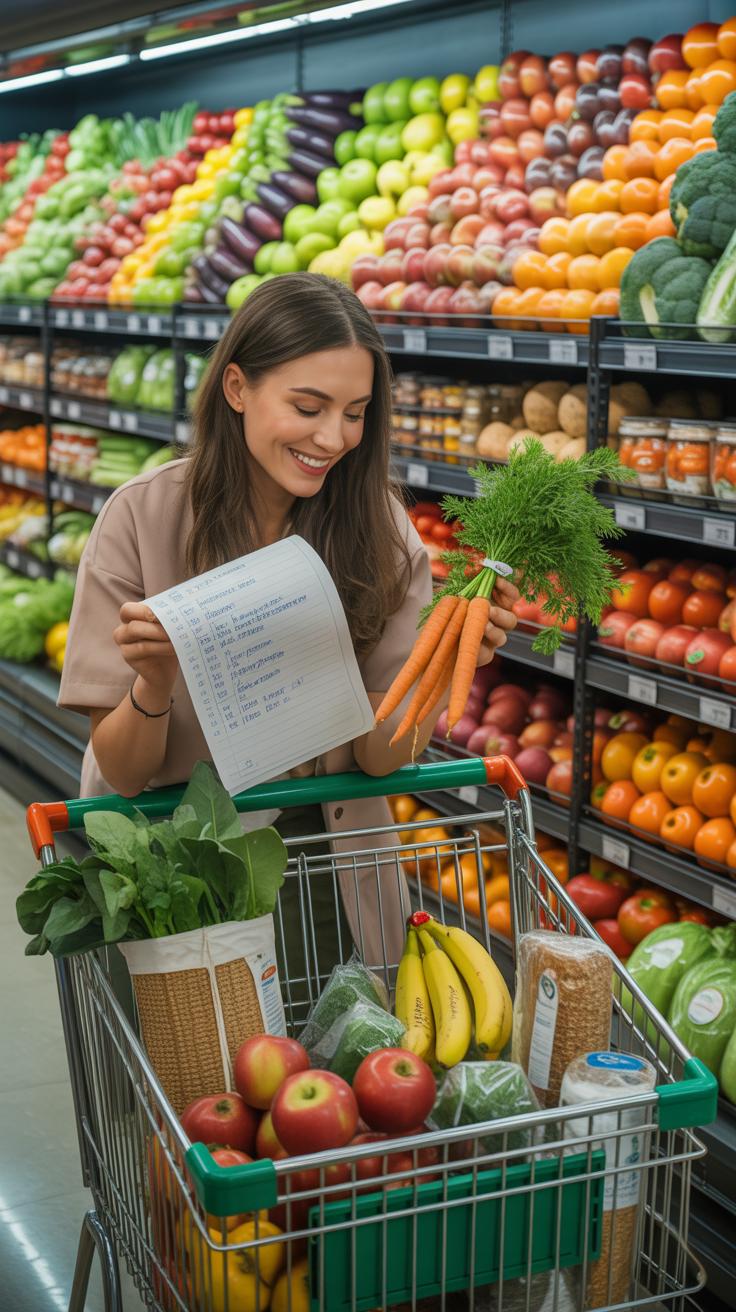
Ultra-processed snacks and ready-made meals look like bargains due to low shelf prices. These items rely on refined grains, seed oils, and added sugars to maintain low production costs. They lack essential fiber and protein. You will feel hungry again shortly after eating them. This cycle forces you to buy more food. It increases your total monthly spending compared to buying whole ingredients.
High sodium levels in processed foods lead to long-term health risks. Medical expenses eventually outweigh any small savings found at the checkout counter. Cheap frozen dinners often contain fillers like maltodextrin and corn syrup. These additives provide zero nutritional value. Focus your funds on bulk staples like beans and brown rice. These items offer more servings per dollar and stabilize your energy levels throughout the day.
Common Grocery Store Traps That Push Beginners Off A Clean Eating Path
Retailers design floor plans to maximize impulse buys. They place high-margin processed items at eye level on end caps. They stock candy and sugary drinks near registers to catch you when your willpower is low. These items rarely appear on a budget grocery list healthy shoppers use. Every unplanned item increases your bill. Stick to your list to avoid these tactical marketing traps.
Watch out for bulk discounts on perishable items. Buying large quantities of produce seems smart but fails if the food rots before use. Waste is the fastest way to lose money. Avoid pre-cut fruits and vegetables because stores charge a high premium for labor. Cross-reference unit prices on shelf tags to find the best deal. Always shop the perimeter where stores keep fresh, whole foods.
A Sample Grocery List On A Budget For A Full Week Of Clean Eating Meals
How To Structure A Weekly Clean Eating Grocery List Under A Realistic Spending Limit
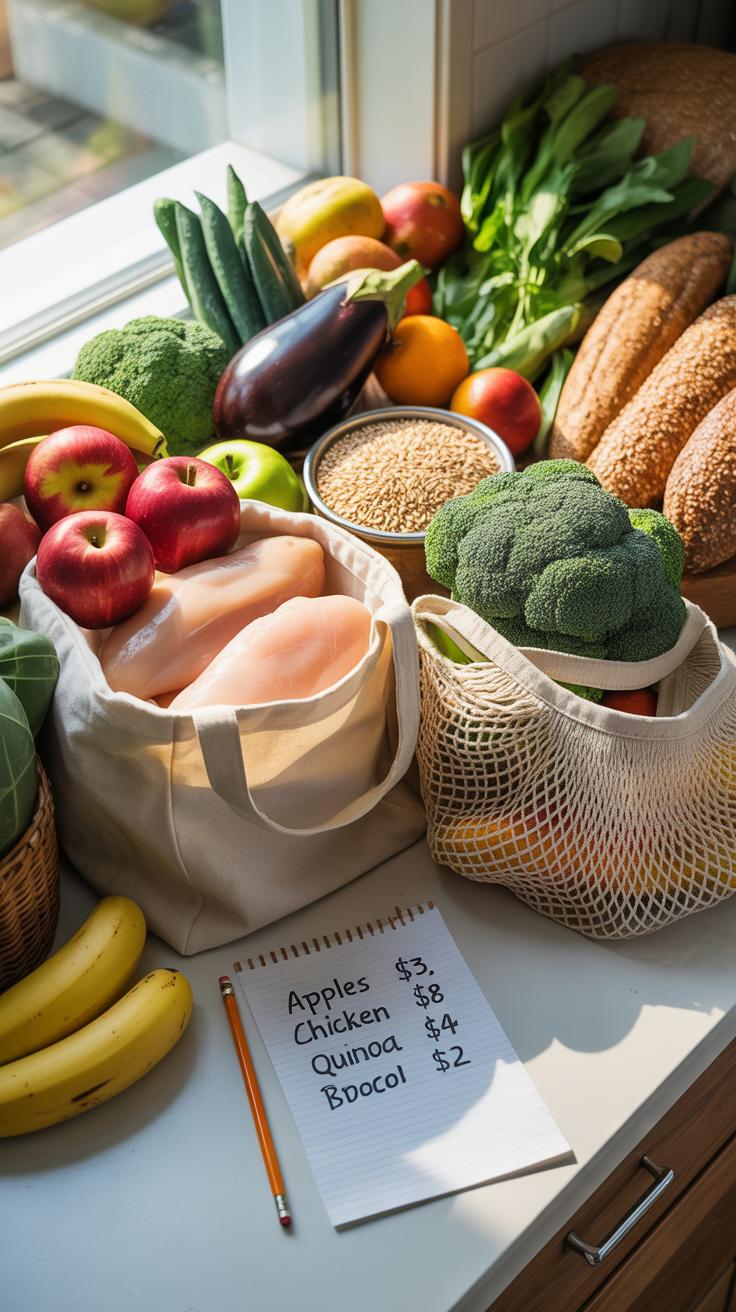
Build your list around bulk staples to minimize the cost per serving. Prioritize complex carbohydrates like brown rice, oats, and dry beans. These items store well and provide long-lasting energy. Buy seasonal produce to get the best prices and nutrition. Avoid pre-cut vegetables or individual snack packs. These convenience items carry high markups that drain your weekly food budget quickly.
Focus on versatile proteins that work in multiple dishes. Large packs of chicken thighs, eggs, and canned tuna offer high protein density for low prices. Use a strict inventory check before you shop. Look at your pantry and freezer first to avoid buying duplicates. Write your list based on a specific meal plan. This prevents impulse buys and ensures you use every item you purchase.
How To Adjust And Scale This Sample List Based On Household Size And Dietary Needs
Scale your list by calculating total calories required for your household size. Larger families should buy larger bags of grains and frozen vegetables. These bulk purchases lower the unit price significantly. Adjust protein quantities based on daily gram requirements for each person. Substitute expensive fresh greens with frozen spinach or kale if you need to feed more people on the same fixed budget.
Modify the list for specific dietary restrictions by swapping whole grains or proteins. Use lentils or chickpeas to replace meat if you follow a plant-based diet. Swap wheat for rice or potatoes to remove gluten without increasing your total bill. Maintain the same nutrient ratios regardless of the specific food swaps you make. Always check the price per ounce to ensure your substitutions fit your financial goals.
Frequently Asked Questions

What are the best staple foods for a beginner starting a clean eating journey?
When starting out, focus on versatile whole foods that offer the most nutritional value for your money. Stocking your pantry with brown rice, dried beans, lentils, and oats provides a solid foundation for countless meals. Combine these with frozen vegetables and seasonal fruits to create a well-rounded budget grocery list healthy enough to fuel your body without overcomplicating your kitchen routine or requiring expensive, niche health food products.
How can I meal prep effectively while sticking to a strict budget?
Successful meal prepping on a budget starts with choosing multi-use ingredients. Instead of buying pre-cut produce, purchase whole vegetables and spend an hour chopping them yourself. Choose one or two proteins and a large batch of grains to mix and match throughout the week. By utilizing a strategic budget grocery list healthy meals become much more accessible, as you reduce food waste and avoid the temptation of expensive last-minute takeout orders.
Is it possible to eat clean and organic if I have a very limited monthly income?
You do not need to buy everything organic to eat clean. Focus on the “Clean Fifteen” to save money and prioritize organic for the “Dirty Dozen” if your budget allows. Buying in bulk, choosing store brands for canned goods, and shopping at discount grocers are excellent strategies. Remember, eating whole, non-processed foods from any source is a significant step toward a healthier lifestyle even on a very tight budget.