
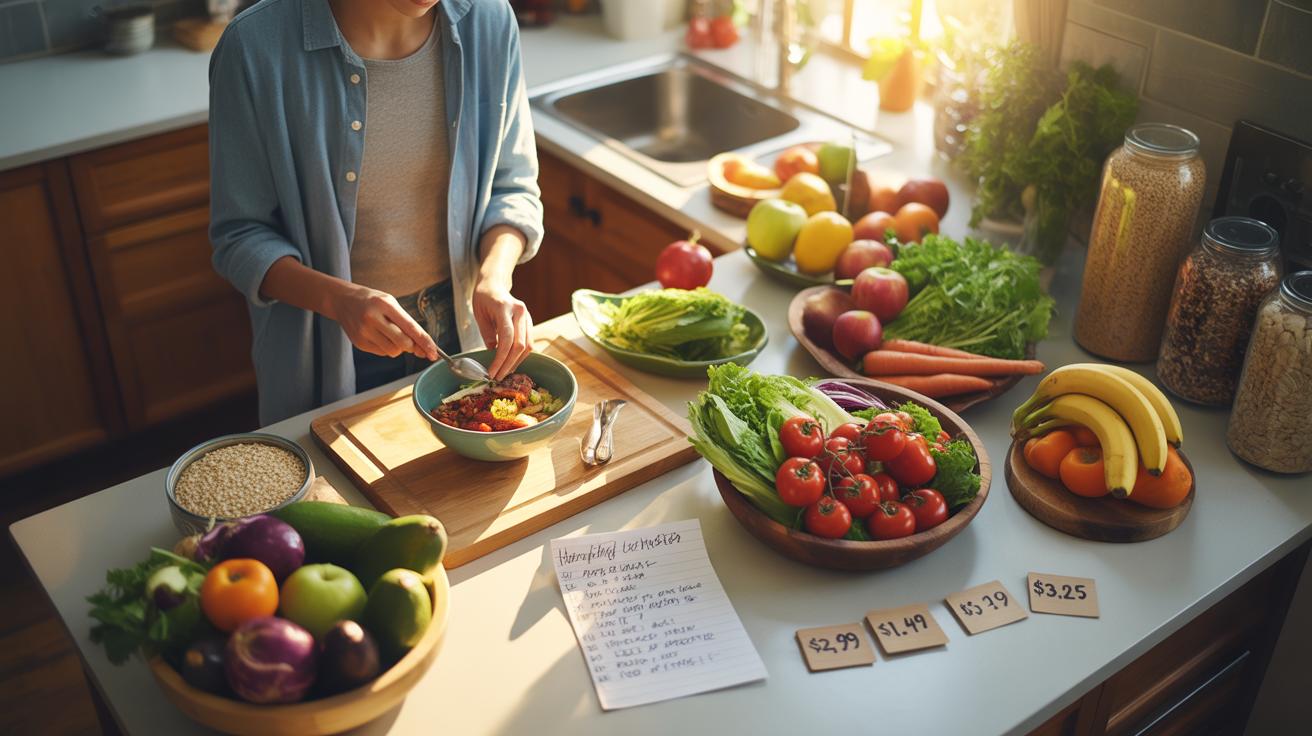
The Real Truth About Cheap Ways To Eat Healthy Without Sacrificing Nutrition
Debunking The Myth That Nutritious Food Always Costs More
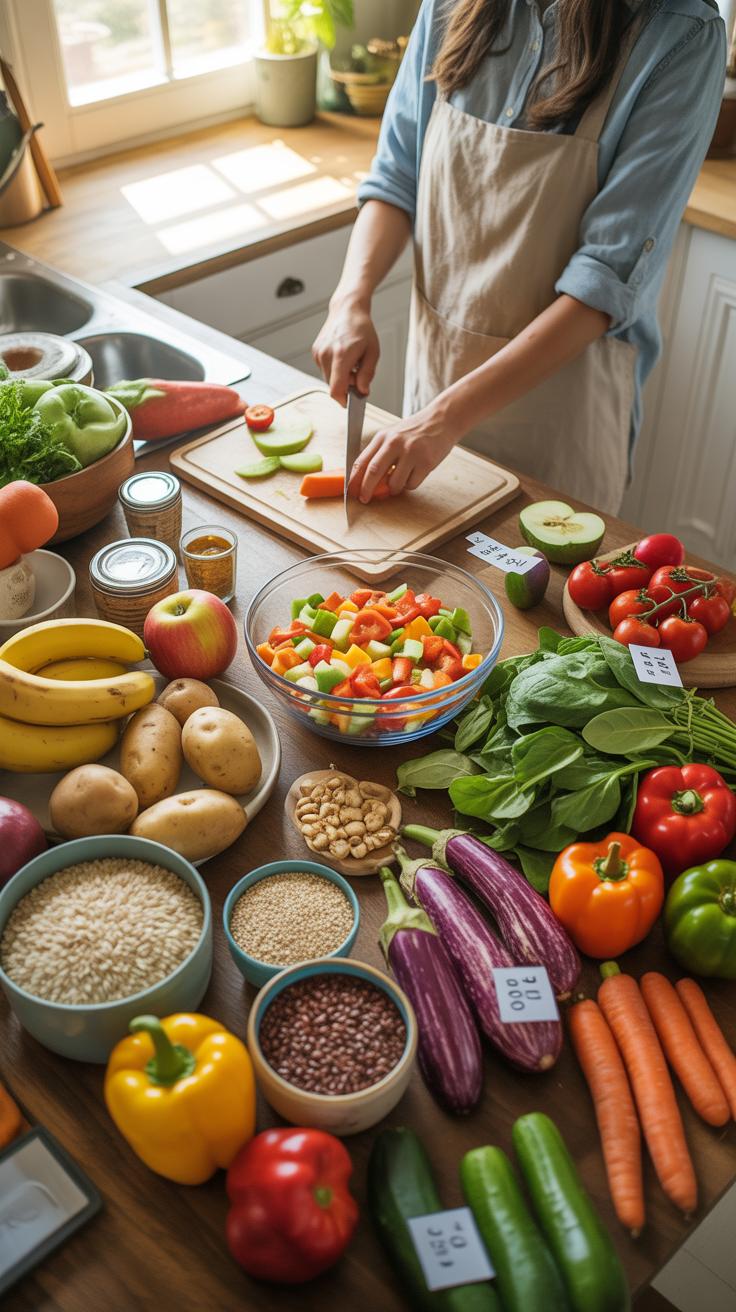
High prices for organic trends create a false narrative about nutrition costs. Basic whole foods like lentils, brown rice, and seasonal vegetables cost less than meat or boxed meals. You pay for branding and convenience rather than actual nutrient density. Smart shoppers ignore marketing and focus on bulk staples. These items provide more vitamins and minerals per dollar than any luxury health food product found in high-end stores.
Nutrition science proves that frozen and canned goods retain high vitamin levels. Processing at peak ripeness locks in nutrients that fresh produce loses during long transport times. Buying frozen berries or spinach reduces waste and lowers your grocery bill significantly. You do not need expensive superfoods to achieve optimal health. Simple, unflavored, and unprocessed ingredients form the foundation of a high-quality diet while keeping your monthly food spending low.
How Processed Convenience Foods Actually Cost More Per Meal
Processed meals seem cheap because the individual unit price is low. However, these items lack satiety and fiber. You feel hungry sooner and eat more frequently. This cycle forces you to buy more food to stay full. When you calculate the cost per gram of protein or essential nutrients, ultra-processed snacks are remarkably expensive. You are paying for air, water, stabilizers, and high-profit margins for large food corporations.
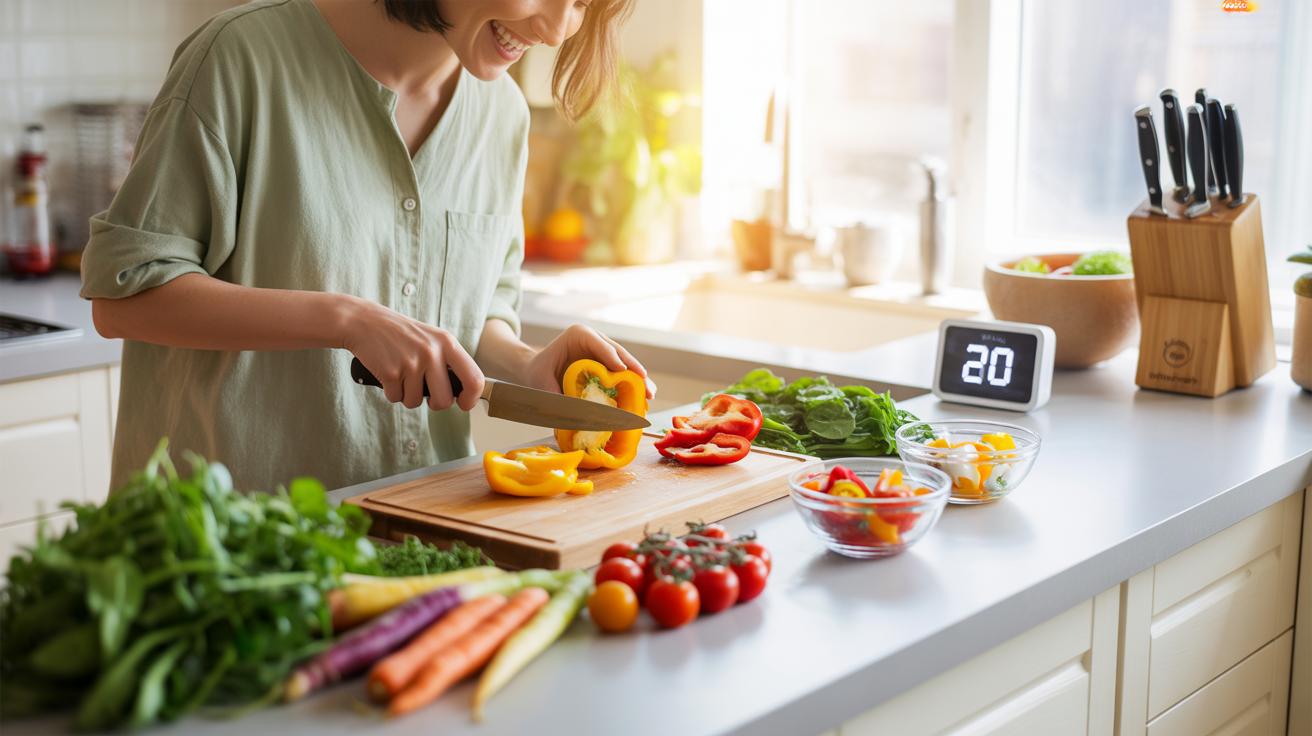
Cooking from scratch shifts your spending from labor and packaging to raw fuel for your body. Pre-cut vegetables and microwave dinners include a massive markup for the time saved. You can replicate these flavors at home for a fraction of the price using spices and bulk grains. Efficiency in the kitchen reduces the need for expensive takeout. Strategic meal prep ensures you always have high-quality food available. This prevents impulsive and costly food decisions.
How To Eat Well On A Budget Setting A Realistic Weekly Food Spend
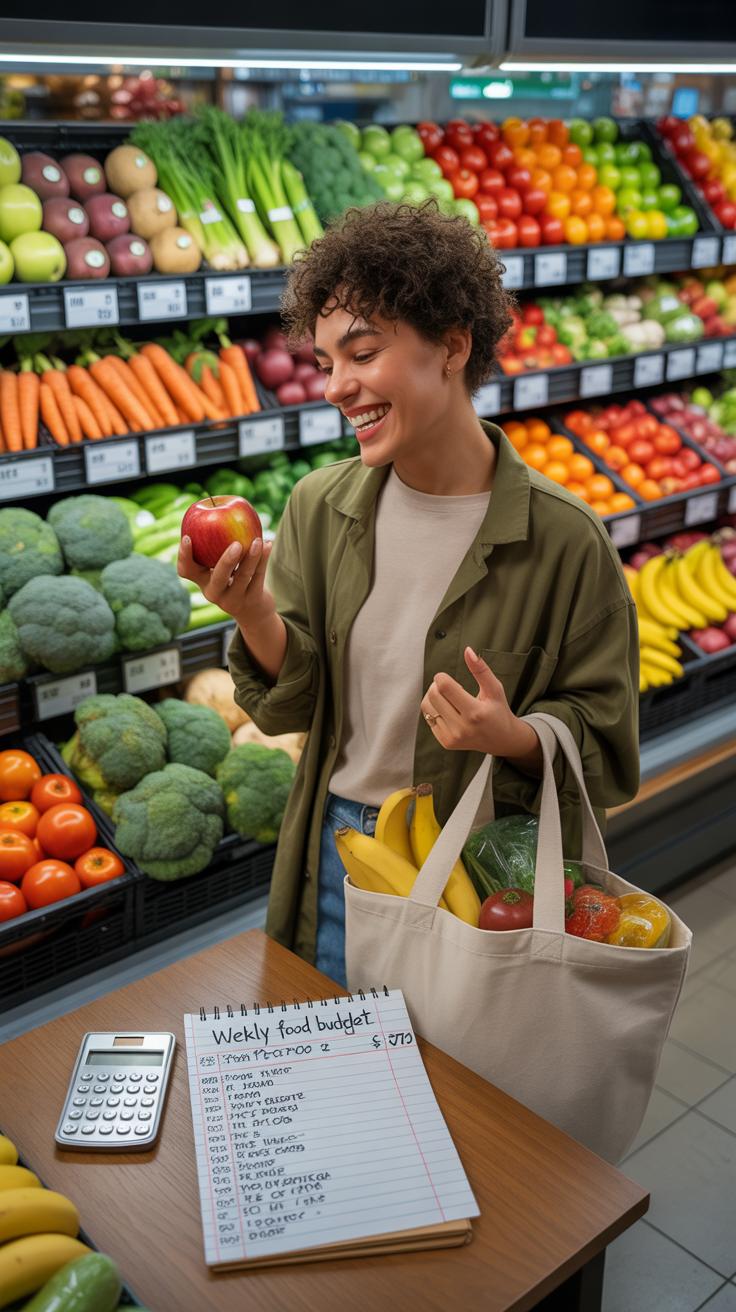
Understanding Average Grocery Costs And What A Healthy Budget Looks Like
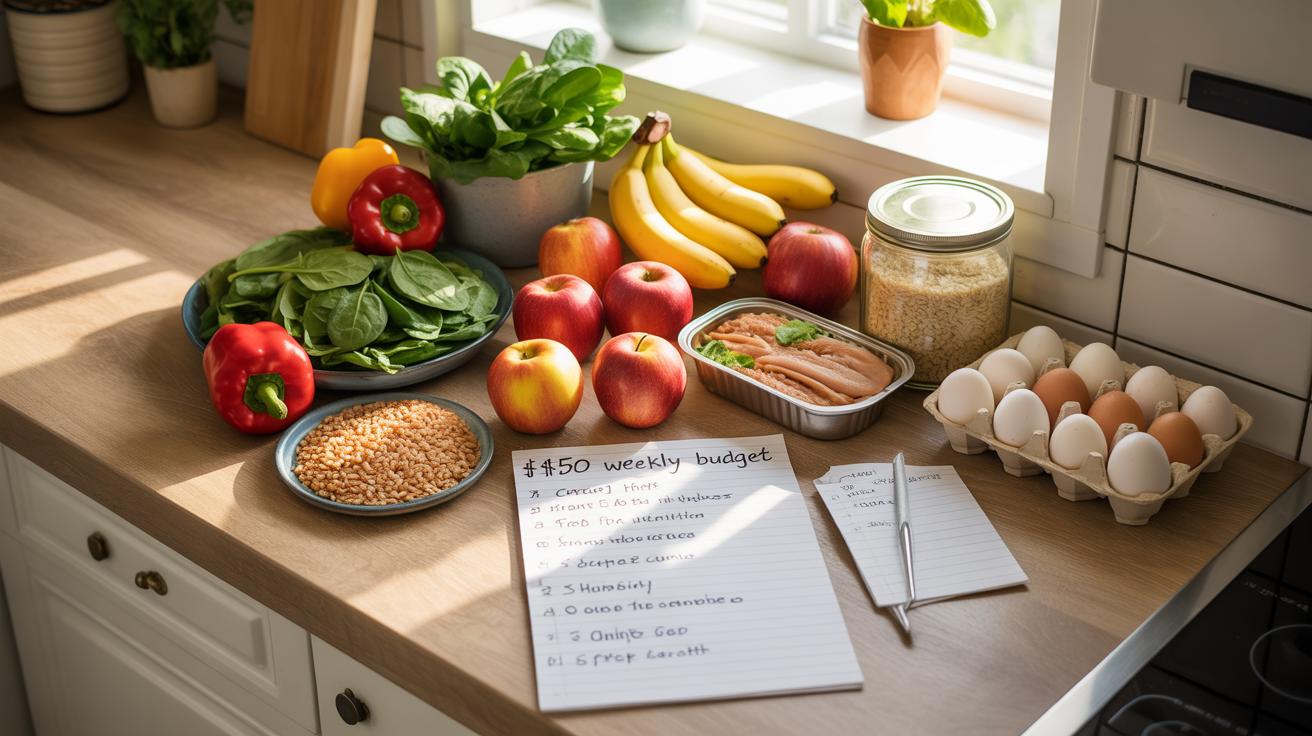
A healthy budget balances nutrition with price. The USDA publishes monthly food plans showing average costs for different ages and families. Most adults spend between fifty and eighty dollars per week on the thrifty plan. This cost assumes you cook most meals at home using whole ingredients. Prices vary by region and store type so check your local market rates first.
Establishing a base spend allows for better planning. Focus on low cost staples like dried beans and brown rice to lower your average. These items provide high nutrients for cents per serving. Avoid pre-cut vegetables or individual snack packs because they double your costs. Your goal is a target number that covers three balance meals and two snacks every day.
How To Track Your Current Food Spending Before You Optimize It
You cannot manage what you do not measure. Start by collecting every receipt from the last thirty days. Do not forget convenience store runs or mid-week top-off trips. categorize your spending into groups like fresh produce, proteins, and processed snacks. This data shows exactly where your money goes. Most people find they overspend on impulse items and sugary drinks.
Use a simple spreadsheet or a dedicated phone app to record every penny spent. Review these numbers every Sunday night to see patterns. Tracking identifies waste and helps you set a hard limit for next week. You need this baseline to see if your new tactics actually save money. Stick to the facts of your bank statement rather than guessing your costs.
Building A Healthy Frugal Meal Plan That Works For Real Life

How To Structure A Weekly Meal Plan Around Sales And Seasonal Produce
Start by checking your grocery store circular. Most retailers update prices on Wednesday or Thursday. Identify the loss leader items in the meat and produce sections. These items are sold at a lower cost to lure you inside. Build your main meals around these specific proteins and vegetables. Ignoring price cycles forces you to pay a premium for basic nutrition.
Seasonal eating is a math game. Crops in peak season have a higher supply and lower price point. Winter months favor root vegetables and squash. Summer offers cheaper stone fruits and leafy greens. Check the country of origin on produce labels. Local items have lower transport costs and stay fresh longer. Focus on these items to reduce your total food waste and weekly bill.
The most remarkable meals are often those harvested from humble roots and simple ingredients, proving that a nourished life starts in a modest kitchen.
— Alice Waters
The Batch Cooking Method: Preparing Multiple Meals From A Single Grocery Run
Efficient meal planning requires cooking in volume. Buy five pounds of chicken or lentils at a bulk price. Cook the entire amount at once using neutral seasoning. Divide this base protein across different recipes throughout the week. You save time on cleanup and energy costs. Using one heat source for multiple meals is a standard industrial efficiency tactic. This method prevents expensive impulse orders.
Store your prepared food in clear containers. Proper visibility ensures you eat what you cook before it spoils. Use the first-in first-out method common in professional kitchens. Label everything with a date. This system reduces mental load during busy workdays. You stop viewing cooking as a daily chore. Instead, you view it as a logistics task. Consistent batching stabilizes your food budget and your nutrient intake.
Eat Healthy For Cheap The Best Affordable Whole Foods To Always Keep Stocked
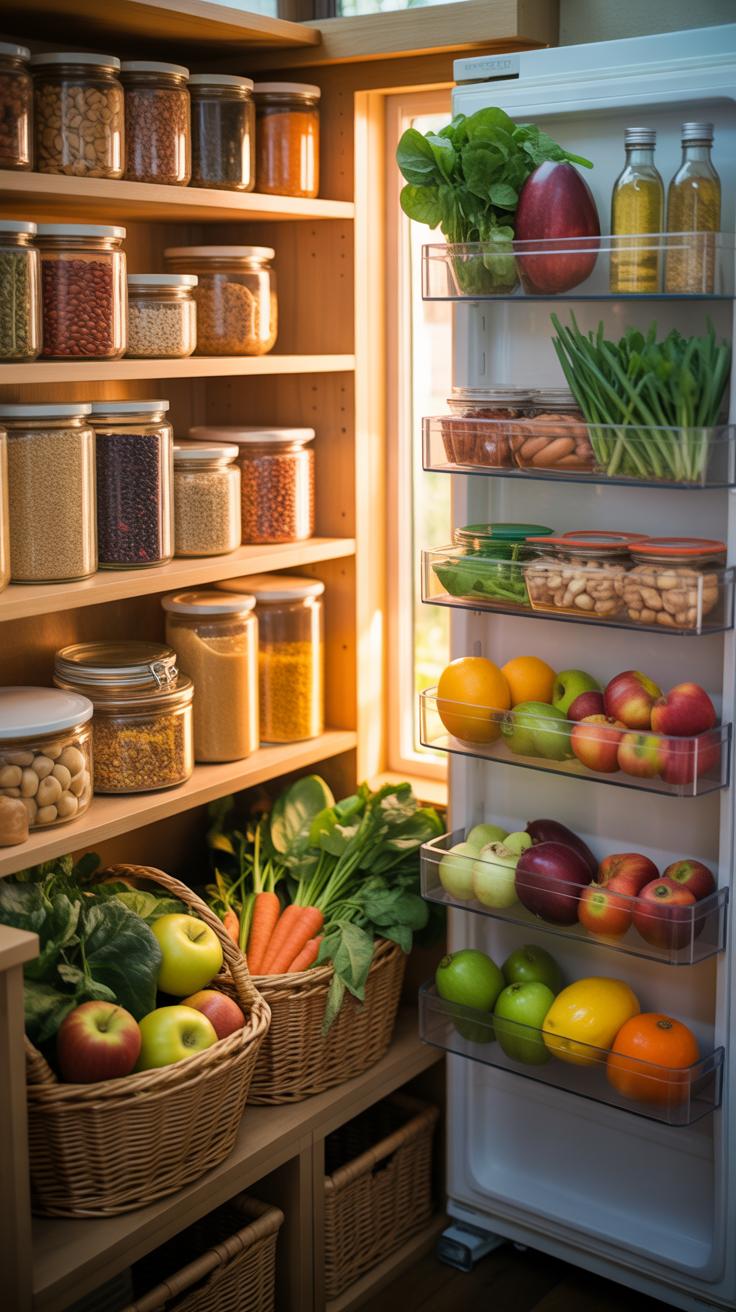
Pantry Staples That Deliver Maximum Nutrition At Minimum Cost
Smart grocery shopping starts with shelf-stable goods. These items provide the foundation for most low-cost meals. Buy these products in bulk to lower the cost per serving. Dry goods do not spoil quickly. This reduces food waste and saves money over time. Focus on items that offer complex carbohydrates and fiber. These nutrients keep you full and provide steady energy throughout the work day.
- Brown Rice: This whole grain contains the bran and germ. It provides more fiber and magnesium than white rice. Buy large bags to drop the price per pound. It serves as a versatile base for many cheap meals.
- Dry Beans: Dry beans cost significantly less than canned versions. They offer high amounts of plant-based protein and iron. Soaking them overnight reduces cooking time and improves digestibility. They are essential for a high-protein budget diet.
- Canned Tomatoes: These provide a concentrated source of lycopene and vitamin C. They form the base for sauces and stews. Choose options with no added salt to maintain health standards. They stay fresh in the pantry for months.
- Peanut Butter: This is a dense source of healthy fats and protein. It requires no cooking and stays fresh for a long time. Look for brands with only peanuts and salt. It adds satiety to snacks and simple meals.
- Whole Wheat Pasta: This version offers more fiber and B vitamins than refined pasta. It has a lower glycemic index. This means it prevents blood sugar spikes. It stores easily and cooks in under ten minutes for fast nutrition.
Pantry management prevents emergency spending at convenience stores. Keep these items organized and visible. Use airtight containers to prevent pests and moisture damage. Rotate your stock by placing newer items behind older ones. This system ensures you always have the components for a balanced meal. Tactical pantry stocking is the most effective way to lower your annual food expenses immediately.
Why Legumes, Oats, And Eggs Are Among The Most Nutrient Dense Budget Foods
Legumes and oats provide essential macro and micronutrients for pennies. One cup of cooked lentils offers eighteen grams of protein and fifteen grams of fiber. Steel-cut or rolled oats contain beta-glucan. This specific fiber lowers cholesterol levels and improves heart health. These foods have sustained human populations for centuries because they are hardy and easy to grow. They provide long-lasting fuel without expensive packaging.
Eggs represent the gold standard for affordable animal protein. They contain all nine essential amino acids required by the human body. One egg provides high-quality fats and choline for brain health. Combine eggs with beans or oats to create a complete nutritional profile. These three foods are pillars of a strategic diet. They allow you to maintain high physical performance while spending very little money at the store.
How To Eat Cheap And Healthy Smart Grocery Shopping Strategies That Save Real Money
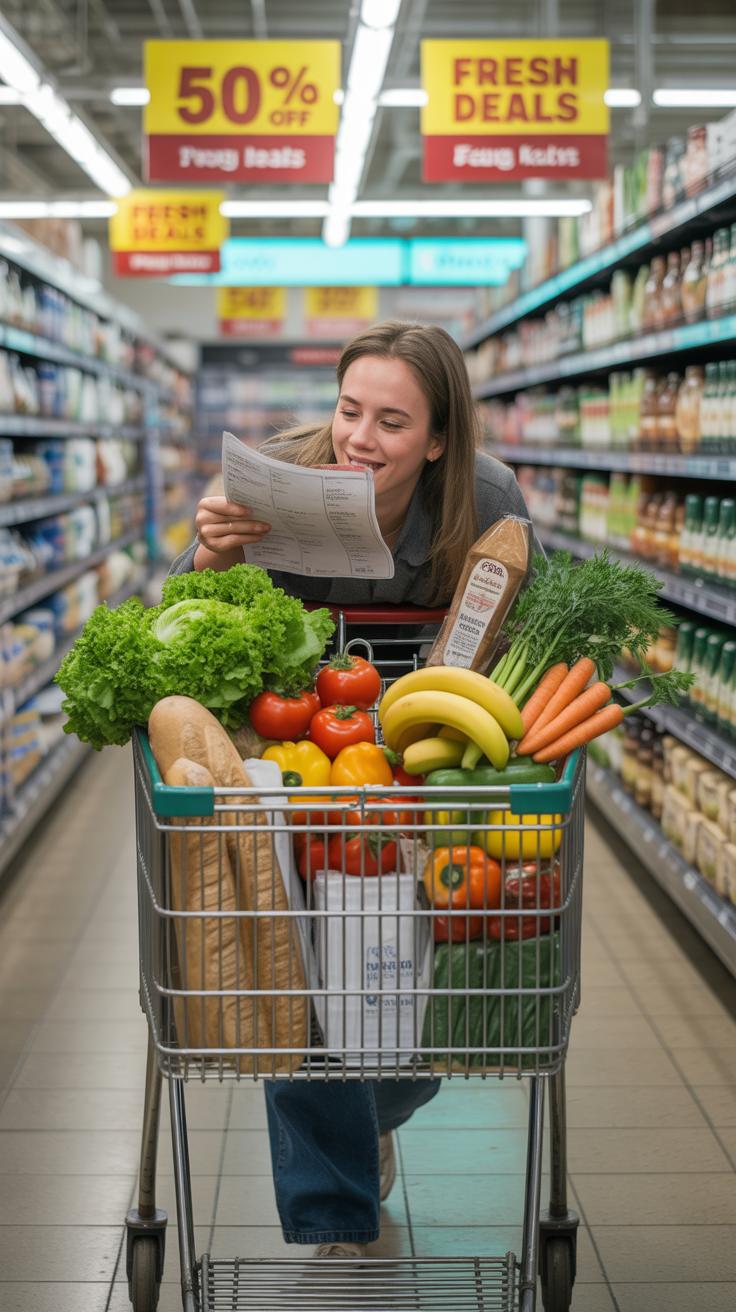
How To Read Unit Prices And Avoid Common Supermarket Pricing Traps
Retailers use orange or white shelf tags to display the unit price. This number shows the cost per ounce, pound, or sheet. Ignore the large retail price and focus only on this metric. Large containers often cost more per unit than smaller ones during sales. You must compare these figures to find the actual value. Manufacturers rely on your math errors to move expensive inventory.
Supermarkets place high-margin items at eye level to trigger impulse buys. Lower shelves hold bulk items with better unit rates. End-cap displays suggest a bargain but often feature full-priced goods. Do not assume a yellow tag indicates a discount. Check the unit price against the standard shelf location before you buy. Validating these numbers prevents you from overpaying for flashy packaging or convenient placement.
Store Brands Vs. Name Brands: What The Nutrition Labels Actually Tell You
Store brands often share the same production lines as national names. Federal law requires these private labels to meet the same safety and quality standards. You pay a premium for name-brand marketing, not superior ingredients. Compare the ingredient list and the nutrition facts panel on both containers. If the macros and ingredients match exactly, the cheaper store brand is the better tactical choice for your health.
Focus on staple goods like frozen vegetables, canned beans, and dry grains. These items rarely differ in quality between brands. Large retailers contract with major food processors to package these house brands. You get the same vitamins and minerals for thirty percent less money. Avoid paying for a logo when the chemical makeup of the food remains identical. Saving money on basics allows you to buy better fresh produce.
Health Meals On A Budget Simple And Nutritious Recipes For Beginners
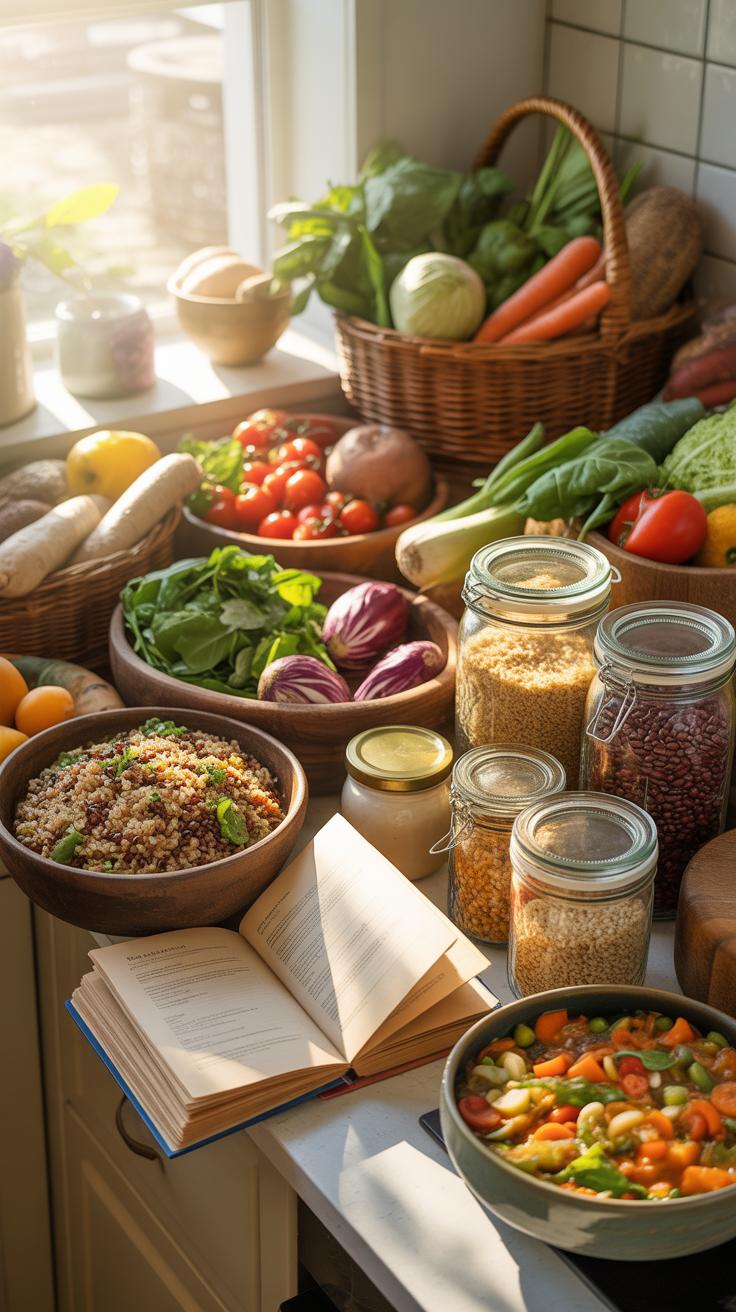
High Protein Budget Meals You Can Make In Under 30 Minutes
Speed and lean protein are the targets for these dishes. Canned tuna and eggs are your primary tools. Sear tuna with canned chickpeas and lemon for a quick Mediterranean pan fry. Scramble three eggs with frozen spinach for a fast meal. These ingredients offer complete amino acid profiles without the high cost of fresh beef or poultry cuts. Focus on high heat to cook quickly.
Staple carbohydrates like brown rice or whole wheat pasta serve as the base. Use a pressure cooker or pre-cooked grains to save time. Mix black beans with salsa and Greek yogurt for a fiber-rich protein bowl. This strategy eliminates expensive sauces and processed oils. You get maximum protein density for every dollar spent. Keep your pantry stocked with dry spices to add flavor without adding sodium or cost.
Vegetable Forward Dishes That Keep Costs Low And Nutritional Value High
Vegetable dishes lower your cost per plate while increasing micronutrient intake. Root vegetables and cruciferous greens are the most cost-effective options throughout the year. Roast cabbage steaks or carrots with olive oil and salt. This method caramelizes natural sugars and creates a filling texture. Pair these with lentils to ensure you stay full. Lentils cook faster than other legumes and require no pre-soaking.
Focus on seasonal produce to avoid price spikes. Frozen vegetables are a tactical choice when fresh prices rise. They retain nutritional value because processors flash-freeze them at peak ripeness. Stir-fry frozen broccoli and peppers with soy sauce and ginger for a fast meal. These plants provide essential vitamins like A, C, and K at a fraction of meat prices. Use bulk-bought onions and garlic as the base for every dish.
Heart Healthy Recipes On A Budget Eating For Cardiovascular Wellness Without Overspending
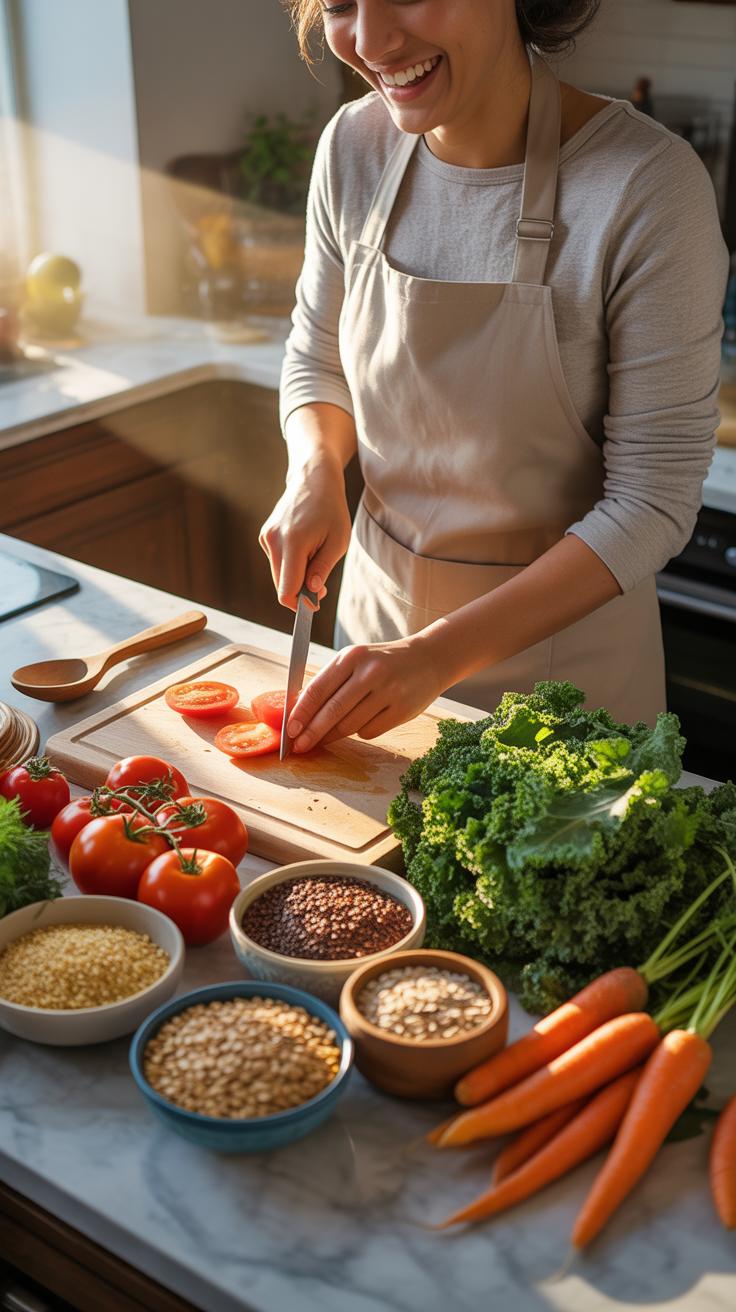
Affordable Foods Shown To Support Heart Health Such As Oats Beans And Leafy Greens
Oats represent one of the cheapest tools for lowering cholesterol. They contain beta-glucan. This soluble fiber binds to bile acids and removes them from the body. Low-cost dried beans and lentils provide high protein without the saturated fat found in red meat. Legumes also deliver potassium which helps manage blood pressure. You save money by replacing expensive animal proteins with these plant-based staples.
Leafy greens like spinach and kale offer high levels of vitamin K and nitrates. These nutrients protect your arteries and reduce arterial stiffness. Buy these vegetables frozen to lower costs and prevent food waste. Frozen greens retain the same nutritional value as fresh versions. Combine these with brown rice or barley. Whole grains provide the fiber necessary for long-term cardiovascular health and weight management.
How To Reduce Sodium And Saturated Fat In Budget Meals Without Losing Flavor
Excess sodium raises blood pressure and strains the heart. Most dietary salt comes from processed foods and pre-packaged seasonings. Replace expensive salt-heavy spice blends with individual dried herbs. Garlic powder, onion powder, and black pepper add depth without increasing sodium levels. Use vinegar or citrus juice to brighten flavors at the end of cooking. Acid mimics the tongue-tingling effect of salt for less money.
Reduce saturated fats by swapping butter and lard for liquid oils like canola or sunflower oil. These unsaturated fats remain stable during cooking and cost less than premium extra virgin olive oil. Trim the fat from cheap cuts of chicken or pork before roasting. Use non-stick pans to minimize the amount of oil needed for browning. These small tactical changes significantly reduce the lipid load on your heart.
How To Save On Healthy Eating Reducing Food Waste And Stretching Every Dollar
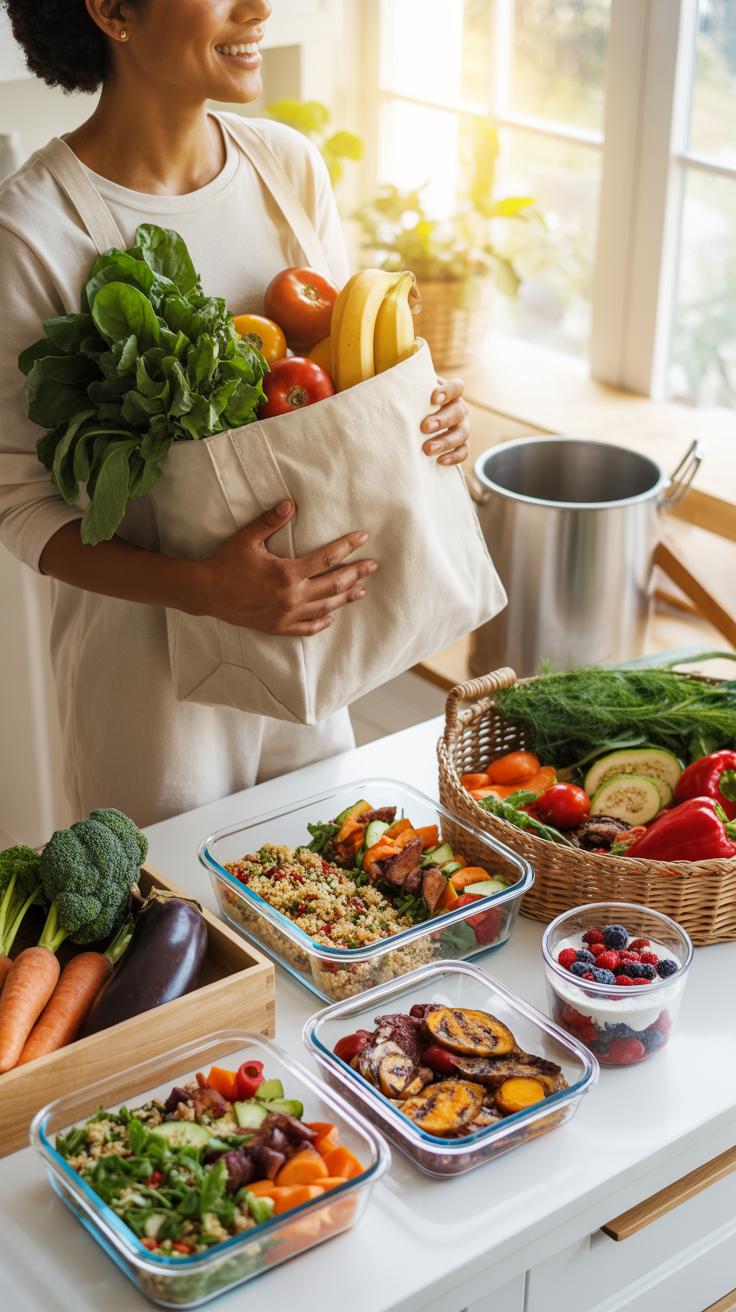
Practical Storage Tips To Make Fresh Produce And Proteins Last Longer
Food waste destroys your budget. Most people throw away thirty percent of what they buy because of poor storage. You must treat your refrigerator like a tactical asset. Correct temperature zones and moisture control prevent bacterial growth and oxidation. These methods preserve the micronutrients in your vegetables and stop protein spoilage before you can cook your planned meals.
- Ethylene Management: Keep gas-releasing fruits like apples and bananas away from leafy greens. This natural gas accelerates ripening and causes premature rotting in sensitive vegetables. Separate these items to double their shelf life in your kitchen.
- Herb Preservation: Store soft herbs like cilantro and parsley upright in a glass of water. Cover the tops loosely with a plastic bag. This method mimics a greenhouse environment and keeps delicate leaves from wilting for up to two weeks.
- Root Vegetable Storage: Keep potatoes and onions in cool, dark, and dry locations outside the refrigerator. Never store them together. Onions release moisture and gases that make potatoes sprout and rot faster. Use mesh bags to allow for maximum airflow.
- Protein Freezing: Divide bulk meat purchases into single-serving portions immediately after buying. Wrap them tightly in plastic or vacuum seal them to prevent freezer burn. Label every package with the date to ensure you use the oldest inventory first.
- Ventilation Control: Use airtight containers for cooked leftovers but allow raw hardy vegetables to breathe. Line produce drawers with paper towels to absorb excess moisture. Mold thrives in damp, stagnant air. Removing moisture is the fastest way to stop rot.
Freezing is your primary tool for long-term savings. Blanch vegetables in boiling water before freezing to stop enzyme activity that ruins texture. This technique locks in vitamins and minerals for months. Organize your freezer so you can see every item. If you cannot see the food, you will not eat it. Use a first-in, first-out system to maintain a fresh rotation of healthy ingredients.
Creative Ways To Repurpose Leftovers Into Completely New Budget Friendly Meals
Stop viewing leftovers as old food. View them as prepared components for new dishes. A roasted chicken from Sunday becomes the protein base for Monday night tacos. Bones and vegetable scraps should go directly into a pot for bone broth. This creates a free base for soups and stews. Utilizing every part of the ingredient drives your cost per meal down to the absolute minimum.
Transform grain bowls into stir-fry or fried rice the next day. Cold rice and quinoa hold their shape better when reheated in a hot pan with healthy fats. Add wilting vegetables to eggs for a nutrient-dense frittata. These tactics ensure that no ingredient ends up in the trash. High-level meal planning requires you to think two steps ahead. Every dinner should provide the foundation for tomorrow’s lunch.
Healthy Eating On A Budget Long Term Habits That Make Frugal Nutrition Sustainable
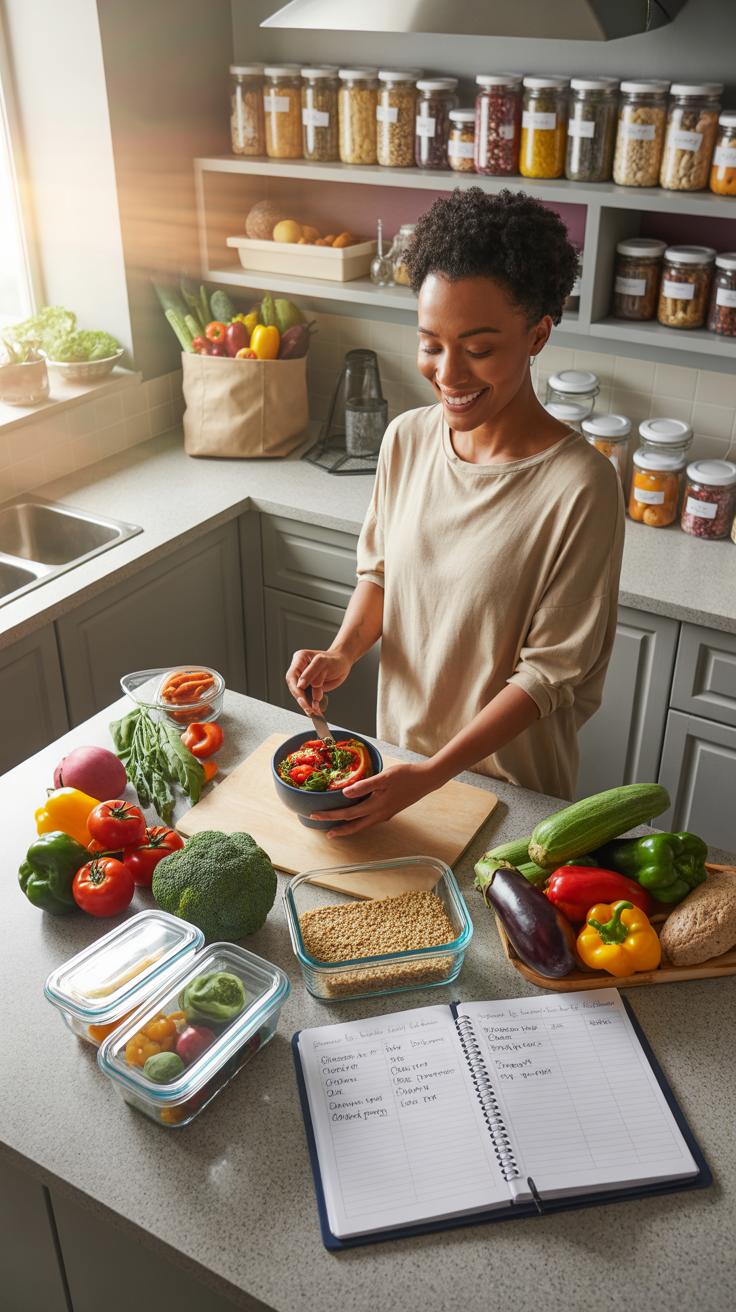
Gradually Building A Budget Conscious Healthy Eating Routine That Sticks
Consistency beats intensity every time. Do not overhaul your entire pantry overnight. Start by swapping one expensive processed item for a bulk whole food equivalent. Focus on mastering three low-cost recipes until they become second nature. This approach prevents decision fatigue and reduces early burnout. You build a foundation of skills that make healthy choices the path of least resistance.
Track your spending and waste for thirty days to identify leaks. Use this data to refine your grocery list. Eliminate impulse buys by shopping from a strict inventory. Successful budgeters rely on systems rather than willpower. Standardize your breakfast and lunch to streamline prep. Use your saved mental energy to experiment with dinner. Small wins create the momentum needed for permanent lifestyle changes.
Adjusting Your Budget Meal Plan As Your Household Size Or Income Changes
Scale your systems as your life shifts. A larger household requires shifting from individual portions to bulk batch cooking. Prioritize versatile ingredients like rice, beans, and frozen vegetables that fill gaps cheaply. Focus on cost per serving rather than total package price. If your income increases, do not revert to convenience foods. Invest that extra capital into high-quality kitchen tools that reduce your future labor.
Shrinking households must guard against food waste. Buy smaller frozen quantities or share bulk memberships with friends to maintain low unit prices. If your income drops unexpectedly, pivot immediately to a survival tier menu. Prioritize caloric density and shelf stability. Focus on legumes and seasonal produce to maintain nutrient density. Constant assessment prevents lifestyle creep from eroding your financial health and physical wellbeing over time.
Frequently Asked Questions

How can a complete beginner start eating healthy without spending a fortune?
Starting your journey into healthy eating on a budget begins with mastering the basics of whole foods. Instead of buying expensive “superfood” supplements or pre-packaged diet meals, focus on versatile staples like brown rice, oats, lentils, and seasonal produce. By prioritizing nutrient-dense ingredients that have a long shelf life, you can nourish your body effectively while keeping your weekly grocery expenses surprisingly low and manageable for the long term.
What is the most effective way to meal prep when money is tight?
The secret to successful meal prepping is focusing on “buffer meals” that share common ingredients. Start by choosing two affordable proteins and three versatile vegetables to use across different dishes. This strategy for healthy eating on a budget prevents food waste and reduces the temptation of expensive takeout. Simply cook your grains and proteins in large batches on Sundays to ensure you have quick, nutritious lunches ready for the entire work week.
Is it possible to afford fresh organic produce on a very limited shopping budget?
While organic labels are great, you can prioritize your spending by following the “Dirty Dozen” and “Clean Fifteen” lists. If fresh produce is too pricey, frozen fruits and vegetables are an incredible alternative; they are picked at peak ripeness and frozen immediately to lock in nutrients. This approach allows for consistent healthy eating on a budget because frozen items last longer, reducing the financial loss often caused by fresh food spoilage.