

The Why Bother Protocol Beyond Bland Turkey Meatloaf
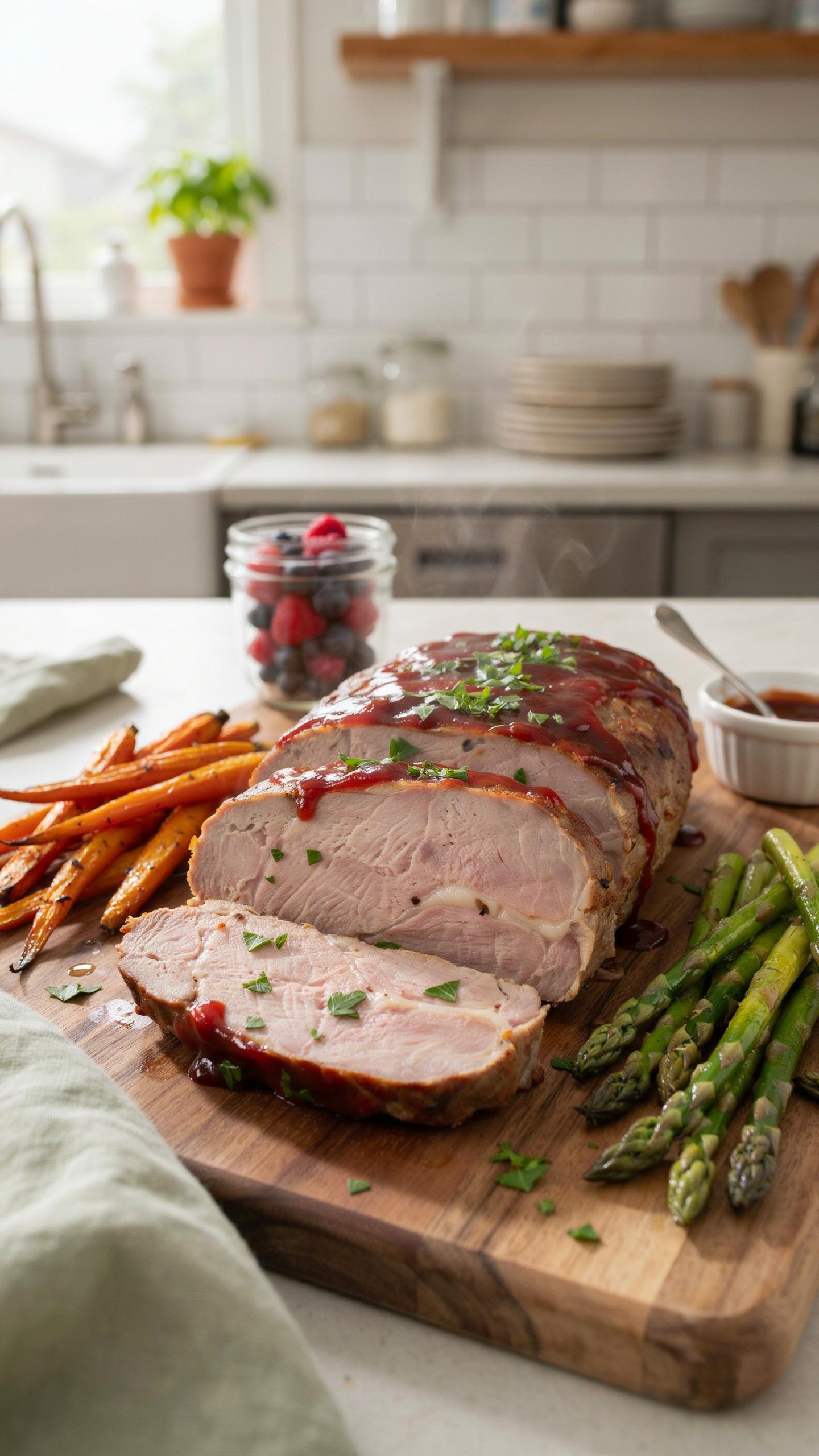
Where Turkey Meatloaf Actually Fails
You’re reading this because you suspect turkey meatloaf doesn’t have to taste like obligation. You’re right. The real failure isn’t the meat itself—it’s the mechanism most people use: they treat meatloaf like a container instead of a system. Ground turkey is 93% lean by default, which means it dries out the moment you exceed 160°F internal temperature. Most home cooks either don’t know this threshold exists or ignore it entirely.

The mechanism that separates wet meatloaf from dry meatloaf is moisture retention, and it operates on two fronts. First, you need binders that hold water during cooking, not just hold the loaf together. Breadcrumbs alone don’t cut it. Second, you need fat content high enough to insulate the meat during the cook, but not so high that you’re eating a brick. This is a tuning problem, not a luck problem.
The Real Cost Of Cutting Corners
Most meal prep advice tells you to batch cook, portion, and freeze. That’s incomplete. The hidden cost of poor turkey meatloaf prep isn’t wasted time in the kitchen—it’s the compounding rejection that kills your whole system. Your family eats one dry meatloaf and stops requesting it. Then you’ve wasted ingredients, labor, and family buy-in all at once.

Economics calls this sunk cost, but what matters here is the behavioral chain reaction it creates. One failure teaches your household that turkey meatloaf is a penalty, not a choice. You then revert to chicken breasts or ground beef, which defeats the protein efficiency and cost structure you built the meal prep around. The fix is this: get the formula right before you scale production.
Deconstructing Healthy Turkey Meatloaf Recipes The Flavor Equation
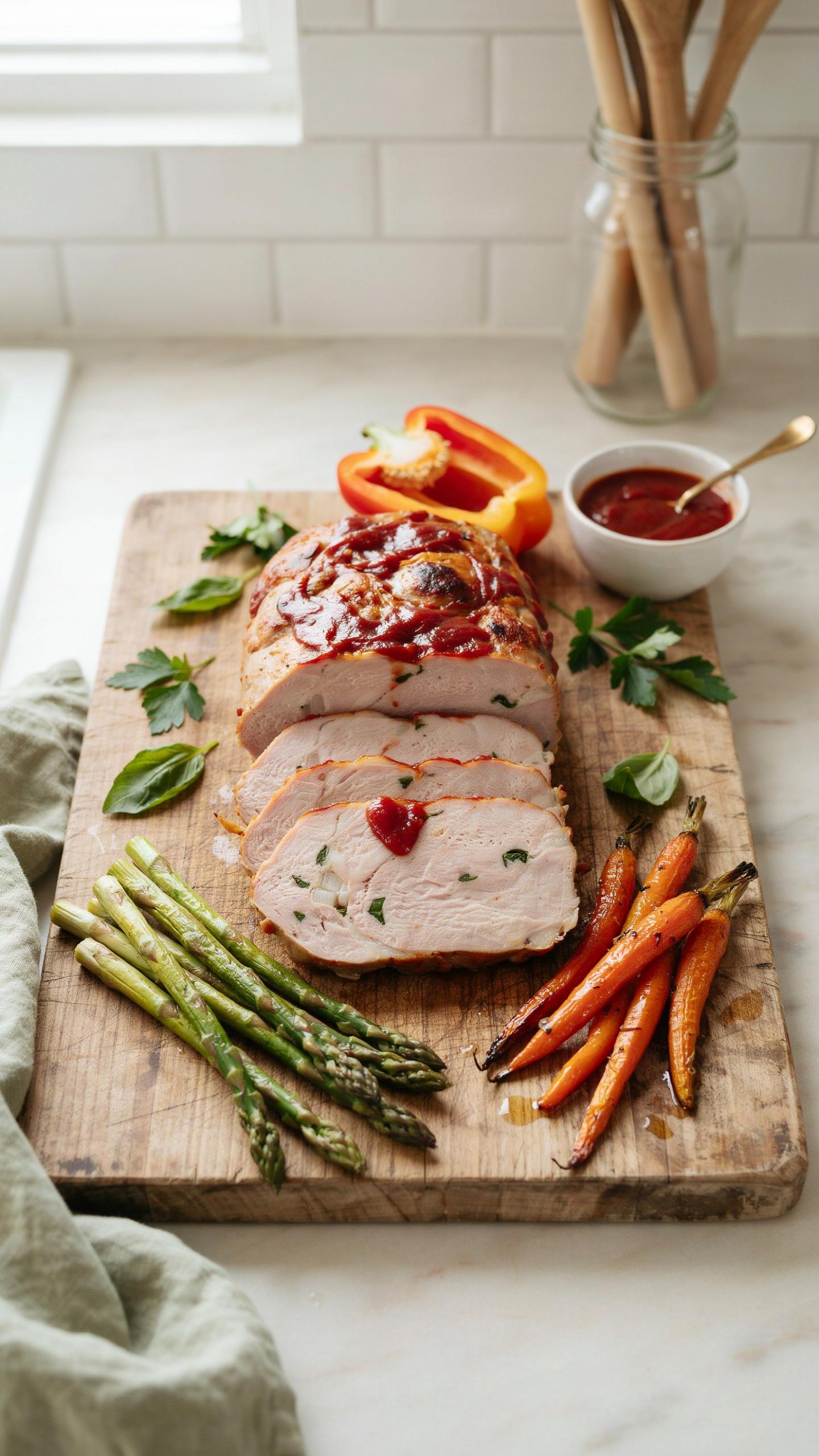
Why Your Turkey Meatloaf Tastes Bland
You want the health win without the sacrifice. That’s the real reason you’re reading this. The mechanism is simple: turkey is a blank slate with almost no fat or mineral density, so it needs the flavor compounds that trigger your brain’s reward centers. Without them, you’re eating protein-dense cardboard. Most recipes ignore this entirely and just add breadcrumbs and ketchup, hoping volume covers the deficit. It doesn’t.
Flavor chemistry isn’t mysterious. You need umami (glutamate and nucleotides that create savory depth), acid (to brighten and cut through richness), and fat (to dissolve flavor compounds your palate can actually detect). Tomato paste brings umami through glutamates. Worcestershire adds umami plus acid. Soy sauce stacks umami on top. Turkey absorbs these signals because it has no competing flavors. The meatloaf becomes a delivery vehicle for contrast and complexity, not a showcase for turkey itself. That’s the framework working here: flavor synergy, borrowed from biochemistry. Each compound amplifies the others instead of sitting isolated.
Building The Leverage Stack
Most home cooks treat ingredients as equals. Wrong. Ingredient synergy means some combinations multiply flavor impact instead of adding it linearly. Tomato paste and soy sauce together create more umami than either alone because they hit different receptor pathways. When you add Worcestershire, you introduce acid that makes both umami compounds more perceptible. The sequence matters too. Umami compounds need fat to dissolve and carry. Cook your meatloaf with enough binder moisture (eggs) and some fat (a small amount of olive oil or beef stock) so those flavor molecules actually reach your mouth receptors.
Practical stacking: mix soy sauce with tomato paste first, let it oxidize slightly in the pan before combining with ground turkey. This concentrates the umami before dilution. Add finely minced mushrooms (more glutamate, more umami density) to the base. Incorporate grated onion (enzymes break down sulfur compounds into sweet notes as they cook). Use panko instead of standard breadcrumbs because larger particles hold moisture differently, creating texture contrast. The binding happens through layering, not through single ingredients carrying all the work. Umami builds through protocol repetition, not inspiration.
Ground Turkey Meatloaf Recipes Healthy The Minimalists Approach
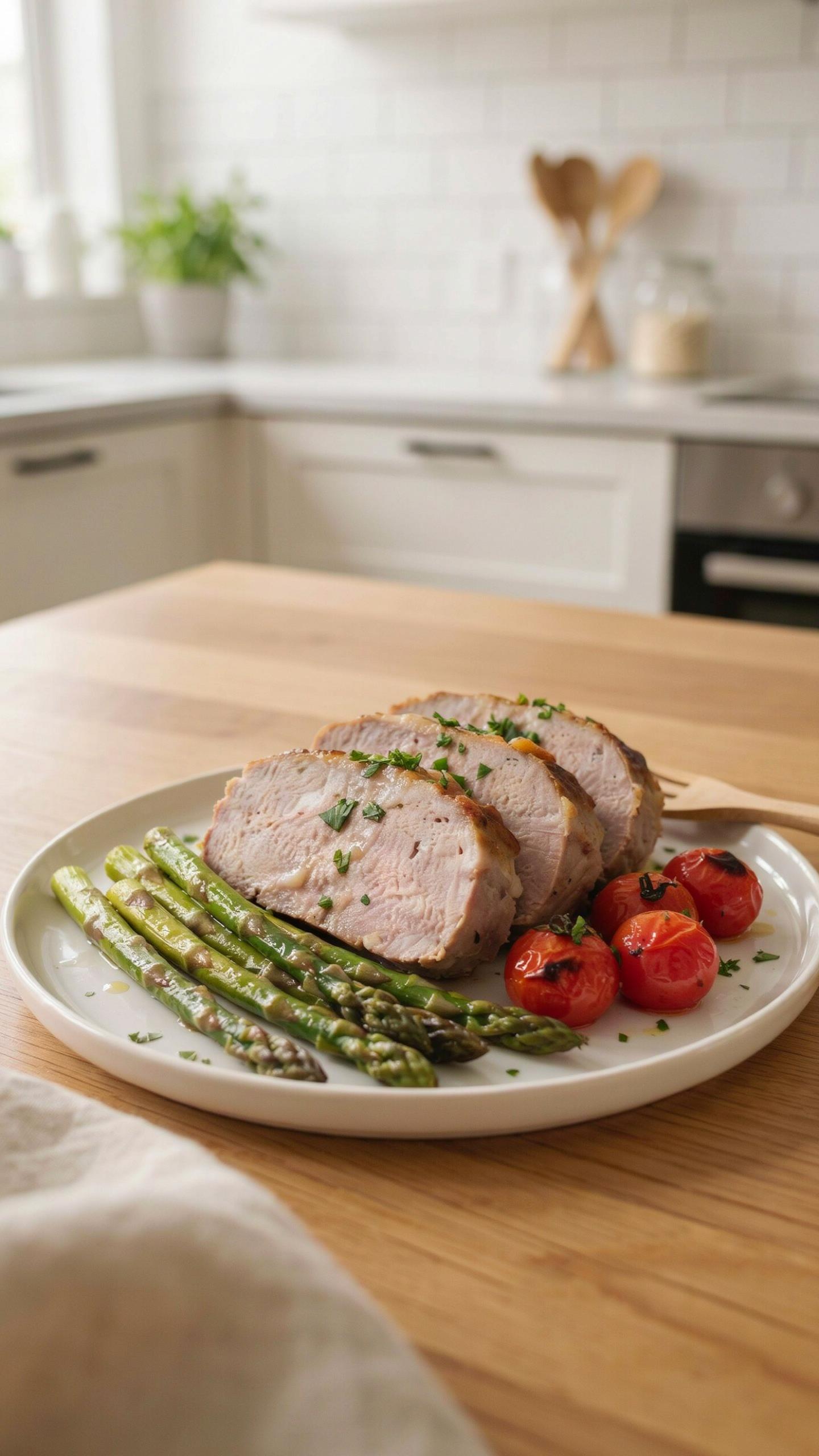
Why Binders Actually Matter
You want to feel like you’re doing something sophisticated by adding five ingredients when one does the job. That’s ego, not cooking. The mechanism here is protein coagulation: ground turkey lacks the fat and connective tissue of beef, so it needs a binder to trap moisture during cooking. Without it, you get a dense brick. With the right one, you get moisture retention and structural integrity.
Egg is the only binder you need. One large egg per pound of ground turkey binds the meat, holds fat in place, and sets during cooking without adding flavor or texture problems. Breadcrumbs are the generic backup, but they’re unnecessary if you’re using egg. Oats, crackers, and milk combinations are theater. Egg works. Use it and stop overthinking.
Pick Ingredients That Pull Double Duty
The real efficiency gain isn’t in cooking faster, it’s in buying less and using everything. Each ingredient should serve the meal prep twice: once in the meatloaf, once in sides or storage flexibility.
- Onion and garlic: Season the meatloaf and become the aromatic base for any vegetable side you batch cook the same day without extra prep.
- Worcestershire or soy sauce: Adds umami depth to turkey and works into any grain or vegetable you’re prepping for the week.
- Grated zucchini or carrot: Increases moisture retention, adds volume to stretch meat further, and requires no separate vegetable prep.
- Tomato paste or ketchup: Provides acidity to balance turkey’s mild flavor and doubles as a sauce component for reheating.
- Salt, pepper, paprika: Three spices cover 90 percent of flavor needs across meatloaf, sides, and any seasoning adjustments mid-week.
This is economics applied to meal prep. You reduce SKU count, lower ingredient waste, and eliminate decision fatigue at the stove. Every item in the bowl serves the week, not just one meal.
The Clean Turkey Meatloaf Fallacy Redefining Purity
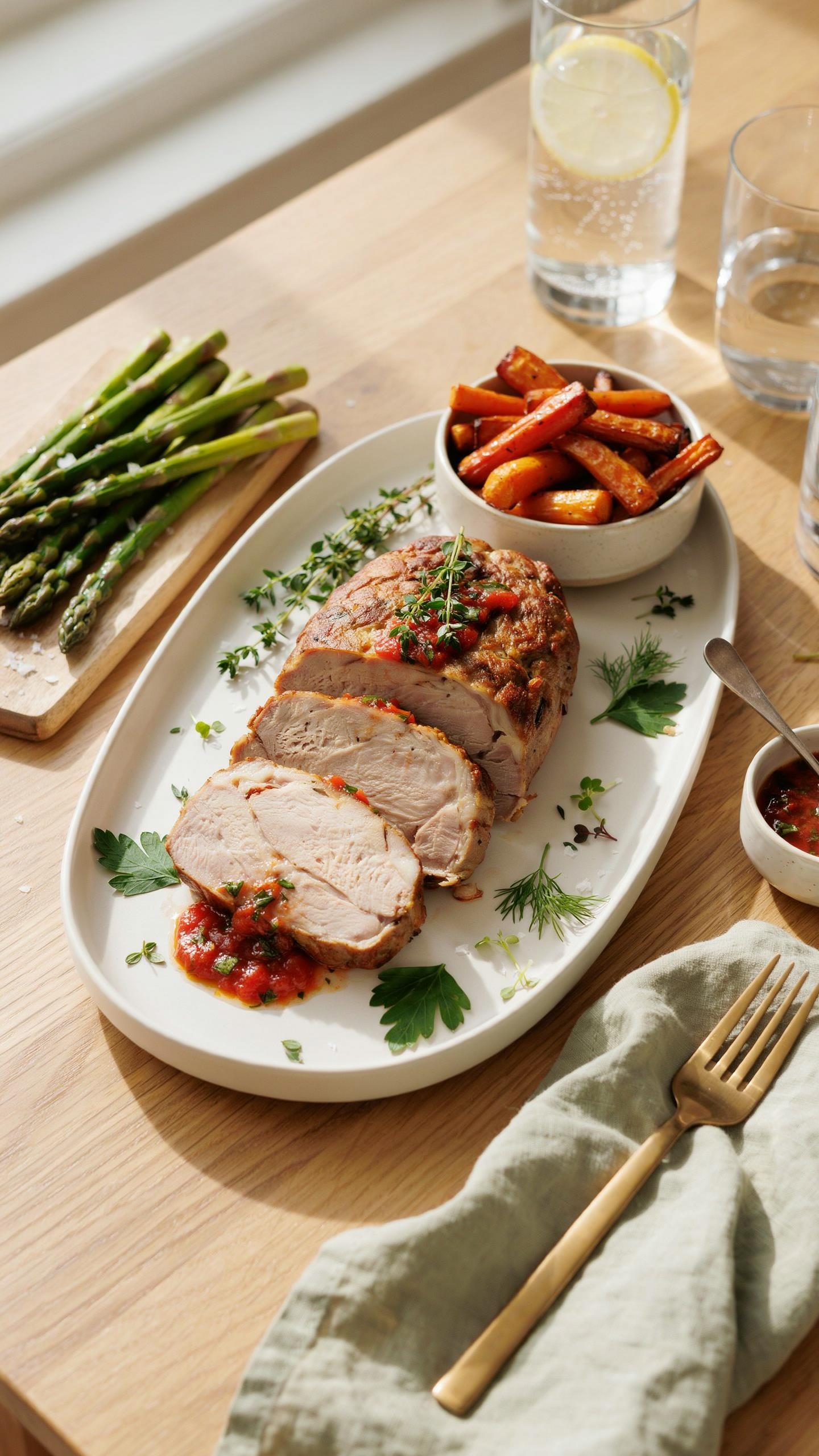
What Marketing Calls Clean
You want to believe your meatloaf is “clean” because it makes you feel like you’re not doing the work half-ass. The mechanism is simple: food brands weaponize purity language to charge more and shift your attention away from what actually matters. A turkey meatloaf labeled “clean” or “natural” has no regulatory meaning. The USDA doesn’t define it. Brands use it to trigger a status response, not to communicate nutrition.
What moves the needle is ingredient composition, not terminology. Turkey meatloaf made with ground turkey, breadcrumbs, eggs, and tomato sauce contains the same macronutrients whether you call it “clean” or not. The variables that change outcomes are protein percentage, sodium load, and fat source. Strip the marketing language and measure what’s actually in the pan. That’s where the real work begins.
Nutrient Density Over Naming
Biology teaches us that energy transfer systems require the right inputs to function. In human nutrition, nutrient density is the ratio of micronutrients to calories you consume. A turkey meatloaf high in nutrient density delivers vitamins, minerals, and protein without excess empty calories. Most people chase labels instead of this ratio, which is why meal prep fails.
Your turkey meatloaf should earn its place in your fridge through what it delivers per serving, not what the packaging promises. Calculate this: divide total micronutrients (iron, B vitamins, zinc from turkey and vegetables) by total calories. Add vegetables that increase mineral content without inflating calorie count. Onions, bell peppers, and spinach mixed into the loaf raise nutrient density directly. When you build your batch, the first step is listing what micronutrients you need each week, then engineering the recipe backward from that target.
Strategic Batching Turkey Meatloaf As An Economic Multiplier

The Time Compression Effect
You want to feel like meal prep doesn’t steal your week. Here’s the mechanism: economics calls it economies of scale, and it applies directly to cooking time. Making one meatloaf takes nearly identical effort to making four. Your oven runs the same duration. You handle mixing, seasoning, and pan setup once, not repeatedly. The fixed costs distribute across multiple units, collapsing your total time investment per meal.
Most people cook small batches because they don’t grasp that prep time doesn’t scale linearly with volume. A single meatloaf demands the same cleanup, the same mental load, the same oven preheating as quadrupling the batch. Combine four recipes into one session and you’ve cut per-meal prep time by roughly 70 percent compared to cooking daily.
The Upfront Load Paradox
Fatigue isn’t distributed evenly over time, it concentrates upfront. Spend three hours now and you’re done for five days. Spend 45 minutes daily and you’re exhausted by day three. The marginal utility of extra effort upfront isn’t about working harder, it’s about collapsing decision fatigue and physical repetition into a single bout. Your body and mind adapt to intensity in a block better than fragmented daily friction.
The practical move: batch-cook four turkey meatloaves on Sunday, cool them, slice them, portion them into containers with vegetables and starches. Store at 40 degrees or below. Consume within three to four days, or freeze portions for later weeks. This single protocol eliminates five separate cooking sessions and the decision fatigue attached to each one.
The Zero Waste Meatloaf Evolutionary Biology For Your Kitchen
Repurpose What Doesn’t Fit The Plan
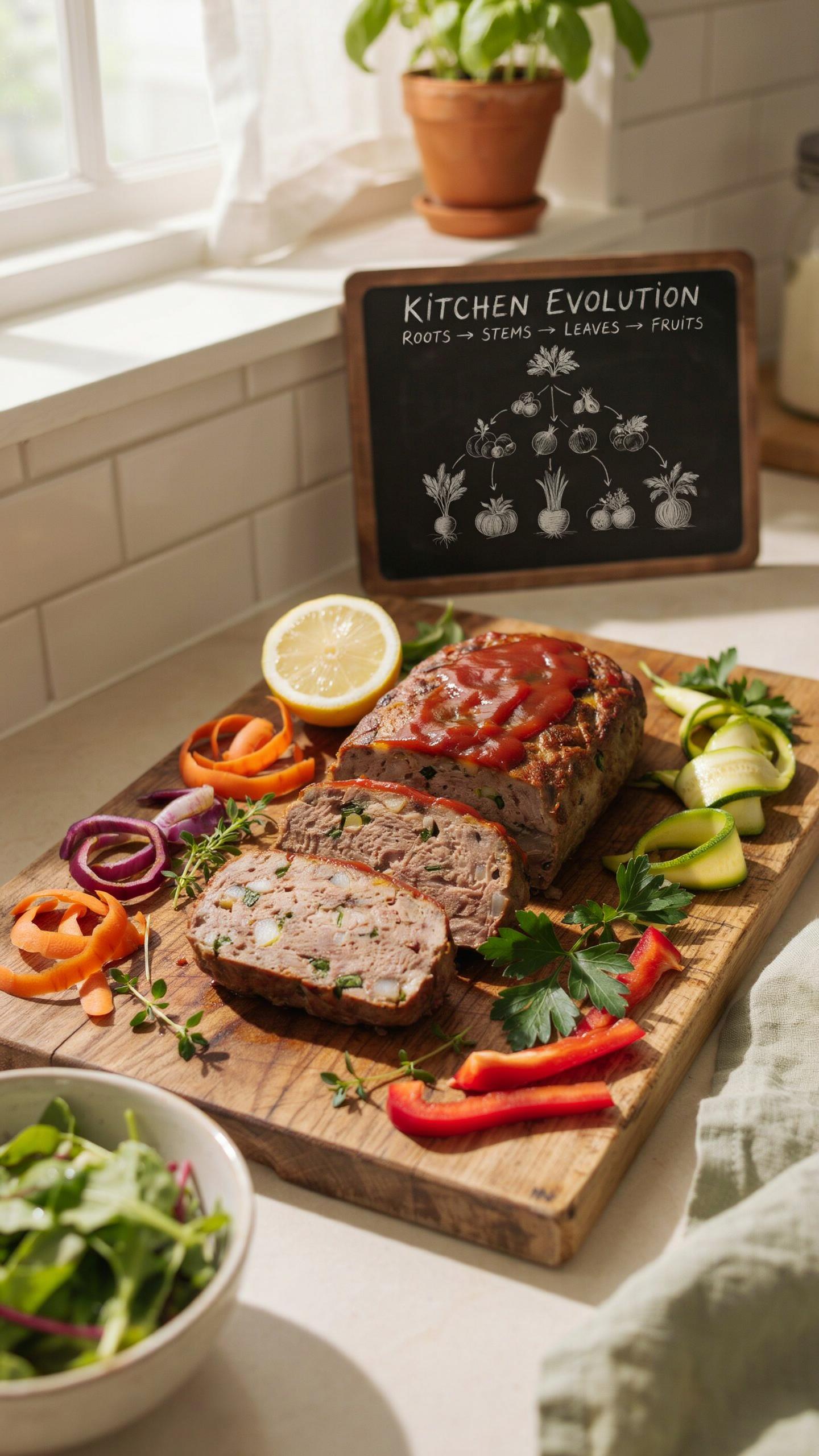
You want to feel smart about not throwing food away. That’s the real driver here—not environmentalism, but the psychological relief of efficiency. The mechanism is simple: turkey meatloaf generates predictable byproducts. Crumbled edges from slicing, moisture that renders during cooking, vegetables that soften beyond ideal texture. Evolution favors organisms that extract maximum value from available resources. In your kitchen, this means building a secondary protocol for these fragments before they enter the trash. A turkey meatloaf batch always produces 8 to 12 percent waste by weight. Don’t accept that as inevitable.
The immediate reuse pool is small but potent. Crumbled meatloaf becomes turkey hash base or taco filling. Rendered fat stays in the pan and becomes your cooking medium for eggs or sautéed greens the next day. Excess moisture that pools in storage containers gets absorbed by bread cubes or grains the night before serving. Softened vegetables get pureed into soups or blended into turkey meatball mixtures for the following week. This isn’t about moral posturing. It’s about extracting a second meal’s worth of protein and fat from one cooking session. Document what you actually discard for two weeks, then design a use case for each category.
Recipe Evolution Requires Data, Not Intuition
Most people tinker with recipes based on feelings. They add “a bit more” of something because it tasted slightly off, then can’t replicate the result. Natural selection works through iteration and measurement—organisms with marginal advantages compound those advantages across generations. Your turkey meatloaf improves the same way. Change one variable per batch. Egg count, binder type, seasoning intensity, cooking temperature, cook time. Track the outcome against three metrics: moisture retention after 48 hours, structural integrity when sliced at day one versus day five, and actual family consumption rate.
The data point most people ignore is temporal degradation. Turkey meatloaf tastes acceptable on day one and day two. By day five, it tastes noticeably different. The fat oxidizes. The seasoning disperses unevenly. The texture hardens or becomes mushy depending on moisture content. Test your current recipe at each interval. If it fails by day four, your binder or fat ratio is wrong. If it fails by day three, your moisture content is too high. This isn’t guesswork. You’re running experiments with an n of 1 across time. After four to six batches with deliberate changes, you’ll have a recipe that actually holds across a full meal prep cycle instead of one that looks good in the pan.
Beyond The Loaf Turkey Meatloaf Recipe With Mashed Potatoes Reimagined
The Second Meal Problem
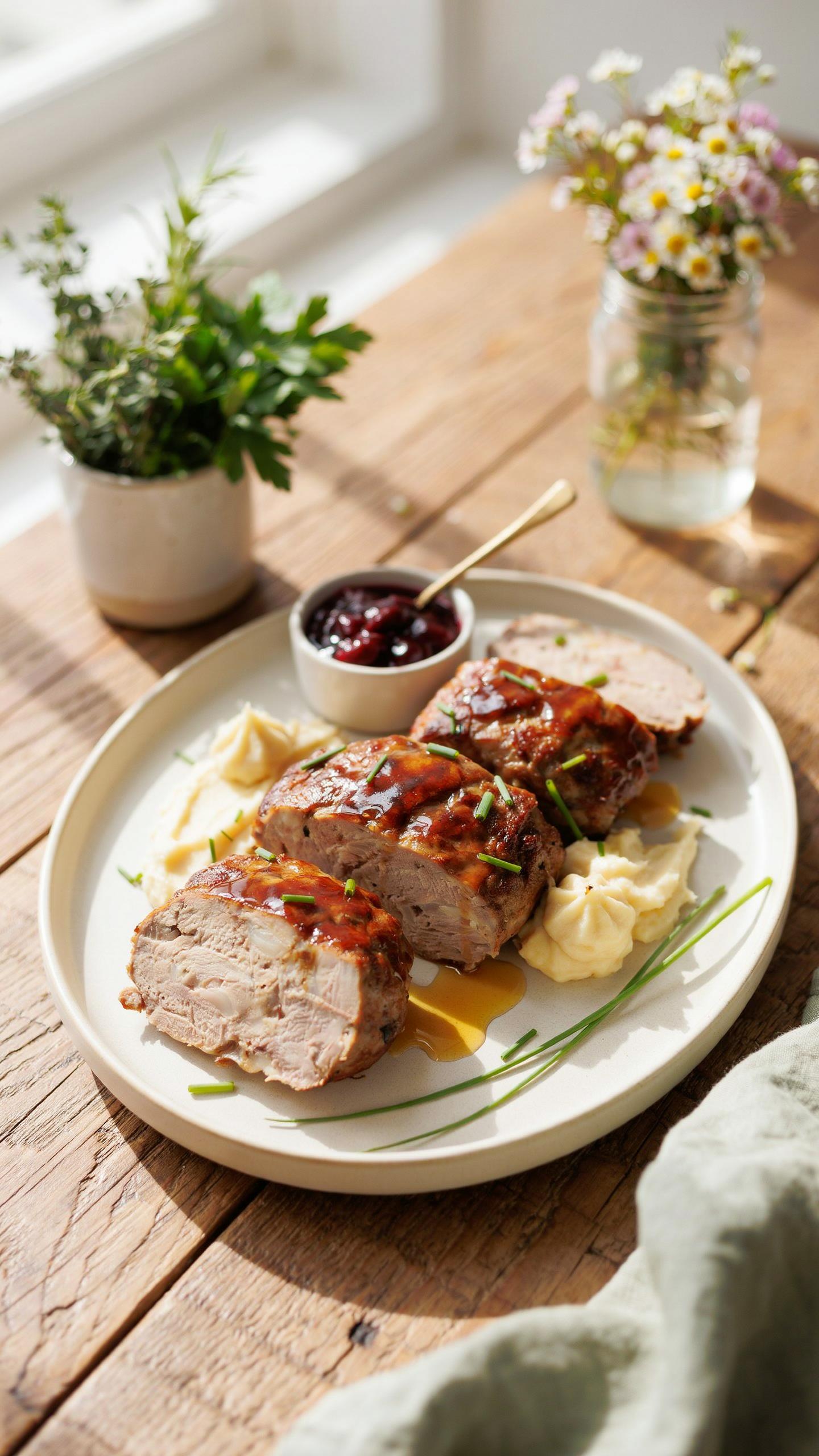
You want to feel like you’re not eating the same thing twice because repetition signals failure, even though the real mechanism at work is texture and context, not the food itself. Cold meatloaf sliced onto bread hits different than meatloaf on a plate. The protein, binder, and seasoning stay identical. What changes is how your brain categorizes the eating experience. A sandwich feels like a new meal. A bowl with fresh greens feels intentional. A casserole baked with cheese feels elevated. None of this requires cooking more food. It requires understanding that form dictates perception.
Mashed potatoes become your vehicle for this shift. They transform from side into binder for casseroles, into bread substitute for open-face sandwiches, into base for deconstructed bowls. You’re not adding labor. You’re remixing what already exists in your containers. The same 4-pound meatloaf and 5-pound batch of potatoes feeds your family five different ways across the week without monotony or waste.
Texture Stacking Without Extra Effort
Most advice says “add fresh vegetables to your leftovers” as if fresh arugula magically appears. What actually matters is contrast. Economics teaches us that value comes from scarcity, and in meal prep, textural scarcity is the constraint you’re solving. The meatloaf is dense. The potatoes are creamy. That’s your foundation. You add crunch one time during prep, then deploy it strategically.
Toasted breadcrumbs made from day-old bread cost nothing and transform everything. Store them in an airtight container. Layer them into casseroles so they stay crisp at the top. Use them as a topping for mashed potato bowls. Crispy bacon bits work the same way. One batch of crispy bacon, portioned and stored, hits five different meal formats. You’re buying texture once and spending it across multiple meals instead of buying fresh components daily.
The Family Integration Matrix Making Turkey Meatloaf Meal Prep A System

Who Does What And Why It Matters
You want turkey meatloaf meal prep to feel effortless, which means you’re actually afraid of it becoming another thing only you manage. The mechanism here is task distribution based on capability, not age alone. Kids at seven can mix ingredients under supervision. Teenagers can brown meat and measure spices without guidance. Adults handle timing and food safety calls. The system only works when each person owns a specific function, not a vague instruction like “help with dinner.”
Delegation isn’t about fairness or teaching life skills, though both happen. It’s about reducing the cognitive load on the person managing the whole operation. When your ten-year-old knows she measures the breadcrumb mixture every prep day, you stop deciding what she does. That decision fatigue disappears. She builds competence. The meatloaf gets made faster because there’s no negotiation about roles mid-process.
The Metric That Reveals What’s Actually Broken
Feedback loops in systems design are mechanisms that expose inefficiencies before they compound. Apply this to turkey meatloaf prep: track not how long the process takes, but where time gets wasted. Does someone wait for another person? That’s a sequence problem. Does the same task get redone? That’s a clarity problem. Does prep fail halfway through? That’s a training problem. Most families skip this step and repeat the same friction every week.
The data you need is simple. After three prep sessions, ask who felt stuck and why. Not how they felt overall, but the specific moment they stopped moving forward. One family member might always be hunting for the mixing bowl. Another might second-guess seasoning amounts. Another might freeze when the meat temperature needs checking. Each answer points to a different fix: storage system, written recipe card, confidence building. Without naming the actual bottleneck, you redesign nothing.
Maintaining Momentum The Long Term Turkey Meatloaf Advantage
Build A System That Runs Without You
You want proof that your effort compounds. That’s the real fear underneath all this. The mechanism is simple: repetition eliminates the cognitive load that kills consistency. Every decision you make about turkey meatloaf gets baked into a template. Same recipe. Same containers. Same cooking schedule. Your brain stops treating it as a choice and starts treating it as infrastructure.
The first move is standardization. Pick one turkey meatloaf formula that works for your family and never deviate from it for at least eight weeks. Write down the exact ratios: ground turkey percentage, binder ratio, seasoning amounts, pan size, oven temperature, cooking time. Store this in a note on your phone. When Sunday arrives, you don’t think. You execute. The decision fatigue vanishes because there is no decision to make.
Measure What Actually Changes
People track the wrong metrics and quit because they see nothing. Track time spent in the kitchen, dollars spent per meal, and energy levels on days you eat your meatloaf versus days you don’t. These numbers are the only proof that matters. A typical turkey meatloaf batch takes ninety minutes once from prep to storage. That’s nine meals covered in one and a half hours. Do the math over a year.
Document your family’s actual food costs before and after you start prepping. Most households waste thirty to forty percent of protein through spoilage or last-minute takeout. Turkey meatloaf meal prep eliminates that waste entirely. Record your energy at three pm on meatloaf days and non-meatloaf days for two weeks. The difference is measurable. That data becomes your reason to keep going when motivation fades.
The true cost of convenience isnt time its the illusion of effort without genuine strategic intent

Most people prep turkey meatloaf once, feel productive, then quit. Why? They never connected it to their actual life. You don’t meal prep to meal prep. You do it because you decided your family eats real food on Tuesday instead of ordering pizza at 6 PM. Make that decision first. Then brown the turkey today. The system follows the conviction, not the other way around. Your meatloaf works because you work backward from what you actually want.