
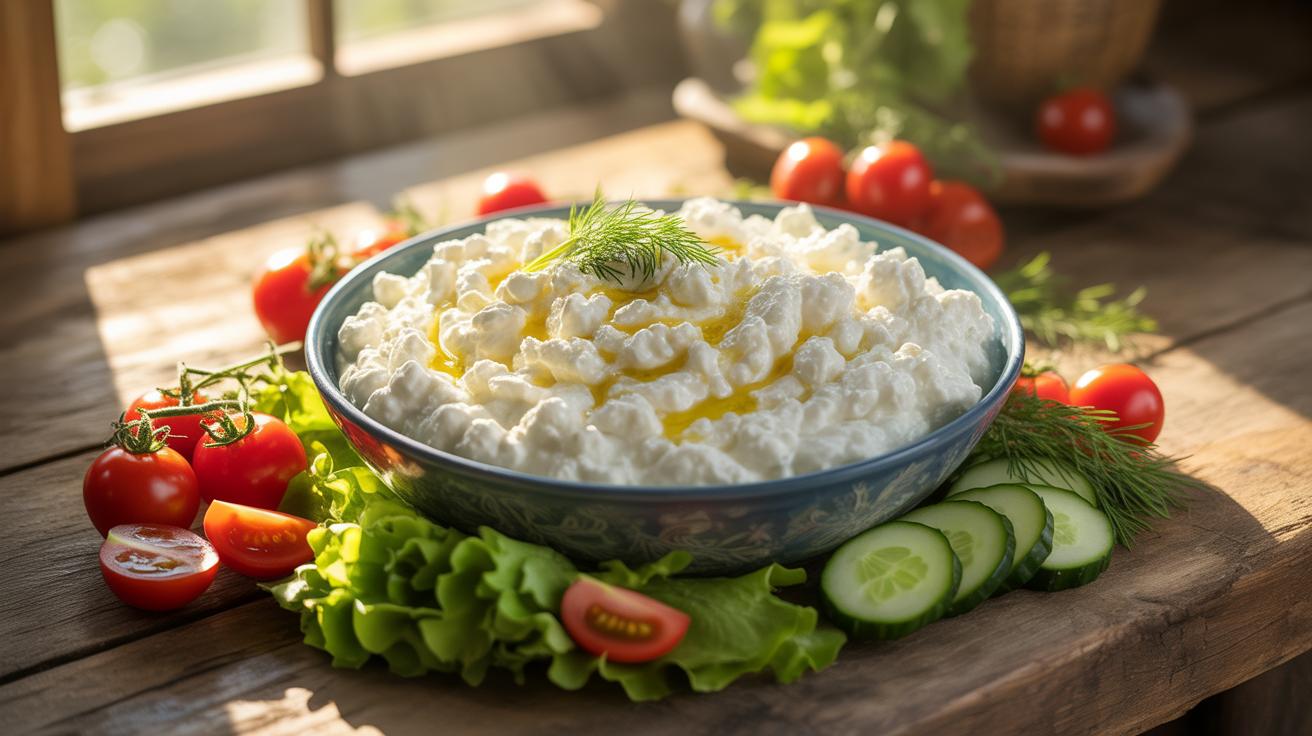
What Makes Cottage Cheese Recipes A Powerhouse For Protein
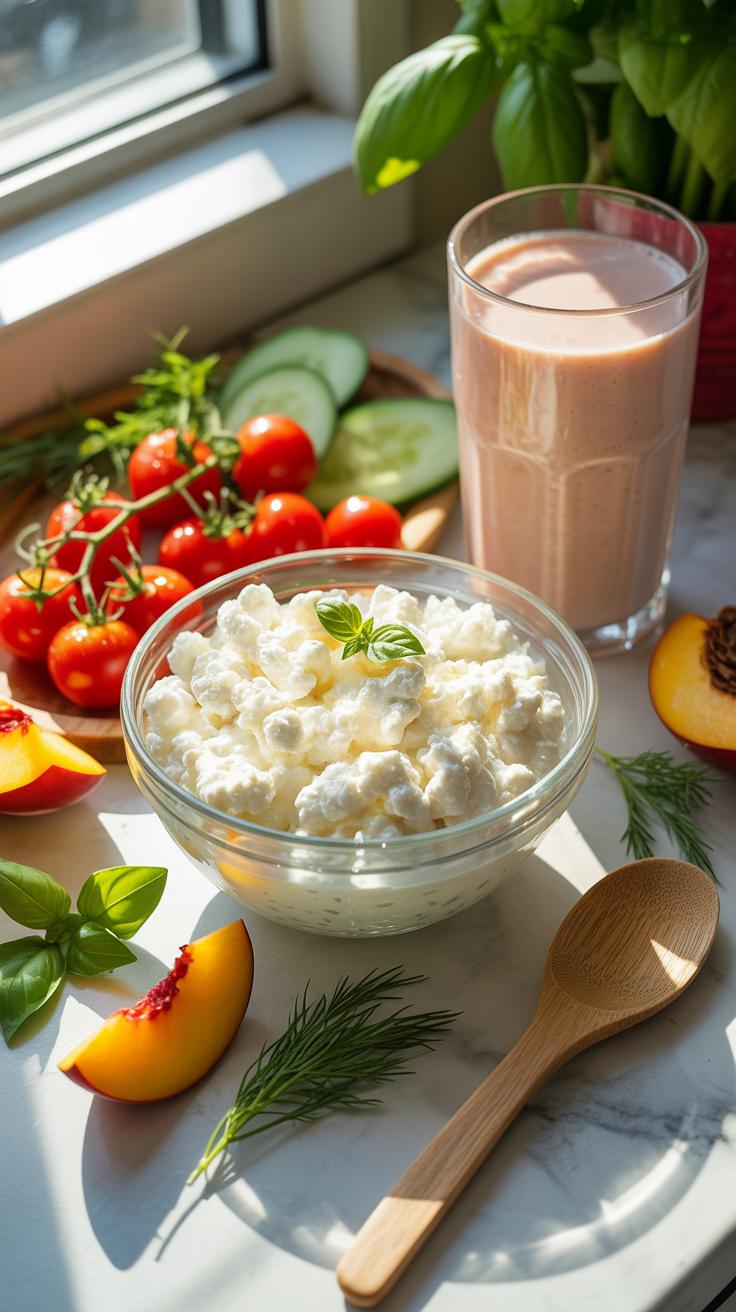
The Nutritional Profile Of Cottage Cheese: Protein, Calories, And More
Cottage cheese delivers a high density of casein protein. This protein digests slowly and keeps the body in an anabolic state for hours. A standard half-cup serving contains approximately 12 to 14 grams of protein. It remains low in calories, usually under 100 per serving for low-fat versions. This ratio makes it an ideal tool for fat loss and muscle retention.

The mineral content provides additional physiological value beyond basic macronutrients. It contains high levels of calcium and phosphorus for bone health. Trace minerals like selenium support thyroid function and metabolic rate. Vitamin B12 and riboflavin contribute to energy production during intense training sessions. You get a complete amino acid profile without the high fat content found in other cheeses or processed meats.
How Cottage Cheese Compares To Other High Protein Dairy Foods
Greek yogurt is the primary competitor for cottage cheese in the dairy category. Both offer high protein counts, but cottage cheese often leads in sodium content. This sodium helps athletes replenish electrolytes lost during heavy exercise. Greek yogurt contains more carbohydrates and sugar due to its liquid base. Cottage cheese provides a solid texture that works better in savory, high protein cottage cheese meals.

Traditional hard cheeses like cheddar or swiss contain significantly more fat and calories per ounce. You would need to eat massive amounts of cheddar to match the protein in one bowl of curds. This would lead to an excessive caloric surplus. Milk and whey shakes digest much faster than the solid curds of cottage cheese. The slow release of nitrogen from cottage cheese prevents muscle breakdown overnight.
Cottage Cheese Recipes Healthy Enough For Everyday Eating
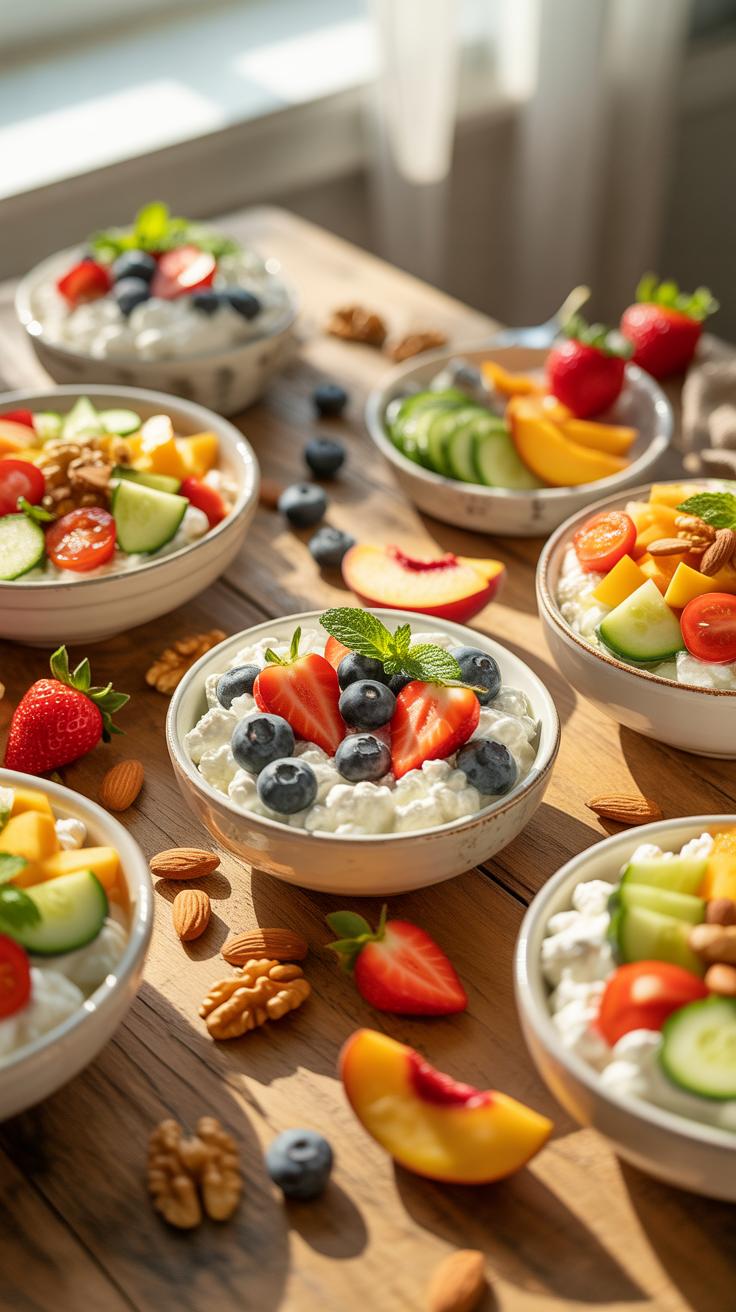
Why Cottage Cheese Supports A Balanced Nutrient Dense Diet
Cottage cheese acts as a powerful source of casein protein. This slow-digesting protein keeps you full for long periods. It prevents muscle breakdown during calorie deficits. Athletes use it to maintain lean mass. It contains high levels of riboflavin and vitamin B12. These nutrients convert food into usable energy. Regular consumption supports metabolic health and steady blood sugar levels without spikes.
This dairy product provides essential minerals like phosphorus and calcium for bone strength. It also contains selenium which acts as a cellular antioxidant. Most brands utilize live cultures to aid gut health and digestion. Low carbohydrate counts make it an ideal base for many dietary frameworks. You get high nutrient density with very low caloric overhead. It is a tactical choice for daily meal planning.
Low Fat Vs Full Fat Cottage Cheese Which One Is Healthier For You
Choosing between fat levels depends entirely on your specific metabolic goals. Low-fat versions reduce total caloric intake for those in a weight loss phase. They provide the highest protein-to-calorie ratio available in the dairy aisle. This version works best for strictly hitting a daily macro target. You lose some creaminess but gain efficiency. It is a tool for rapid fat loss and high volume eating.
Full-fat cottage cheese contains fat-soluble vitamins like A and D that the body absorbs better with lipids. The natural fats trigger satiety hormones more effectively than fat-free options. It has a lower glycemic response which stabilizes insulin levels. This choice suits individuals on maintenance plans or low-carb diets. It offers a superior taste profile and better texture for cooking. Match the fat content to your total energy needs.
High Protein Cottage Cheese Recipes For Breakfast
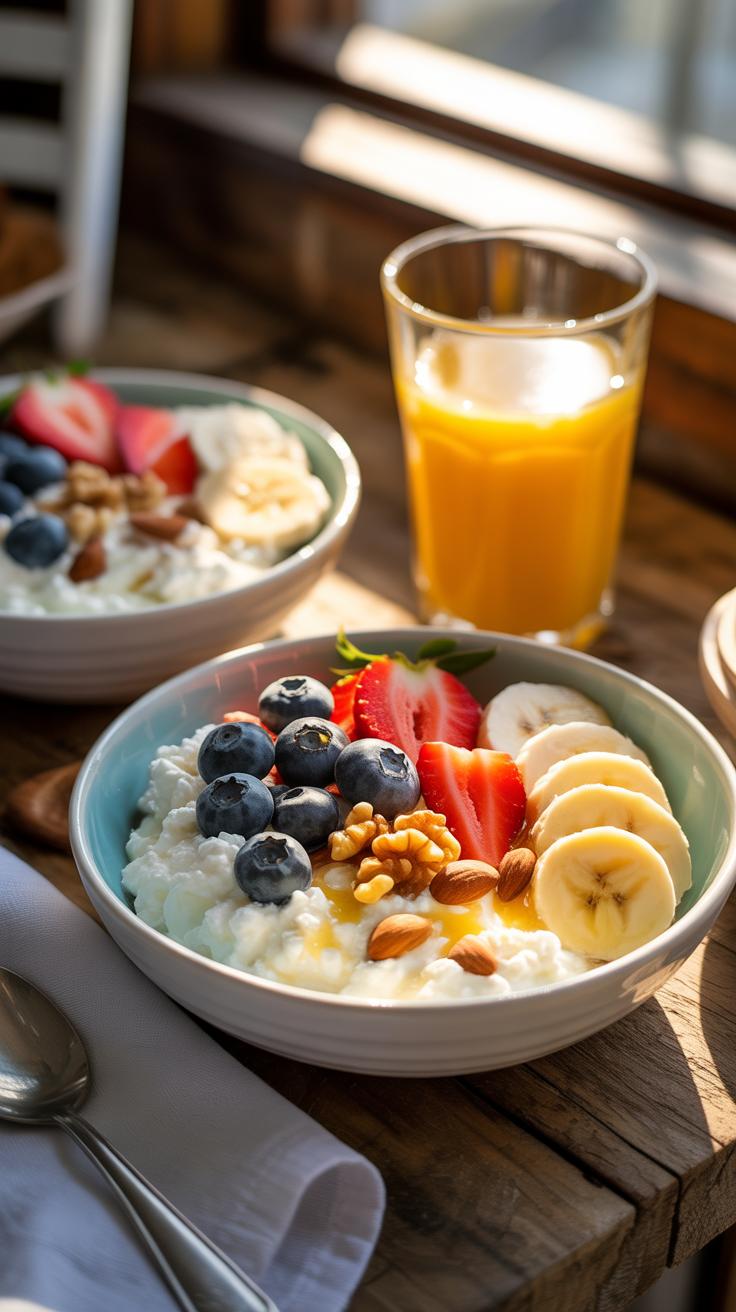
Cottage Cheese Pancakes And Egg Scrambles To Fuel Your Morning
Cottage cheese increases the protein density of traditional breakfast items without adding excessive fat. For pancakes, replace half the flour with blended cottage cheese. This modification adds moisture and raises the amino acid count. The curds melt into the batter during cooking. This process creates a texture similar to ricotta pancakes. Use a hot griddle to ensure a consistent sear on the outside.
Adding cottage cheese to egg scrambles changes the moisture content and nutritional profile. Whisk two tablespoons of small curd cottage cheese into three eggs before cooking. Heat the pan on medium-low. The cheese creates a creamy texture without the need for heavy cream or butter. This technique provides a slow-release protein called casein. It keeps you full longer than eggs alone. Use non-stick pans for the best results.
There is a simple, old-fashioned comfort in stirring high protein cottage cheese into a family recipe to nourish the ones you love. It turns every meal into a wholesome embrace from the heart of the kitchen.
High Protein Smoothie Bowls And Parfaits Made With Cottage Cheese
Smoothie bowls require a thick base to support toppings. Blending cottage cheese provides this structure better than Greek yogurt. It offers a neutral flavor profile that pairs well with berries or nut butters. High-speed blending removes the curd texture entirely. This results in a silky consistency rich in calcium and protein. It serves as a functional foundation for any fruit-based breakfast meal.
Parfaits offer a faster preparation method for busy mornings. Layer cold cottage cheese with high-fiber oats and seeds. The moisture from the cheese softens the oats over time. This creates a texture similar to overnight porridge. Use dry-curd varieties to prevent the mixture from becoming too watery. This meal provides a balance of fast-digesting and slow-digesting proteins. It is a tactical choice for sustained energy production.
Cottage Cheese Protein Recipes For Satisfying Lunches
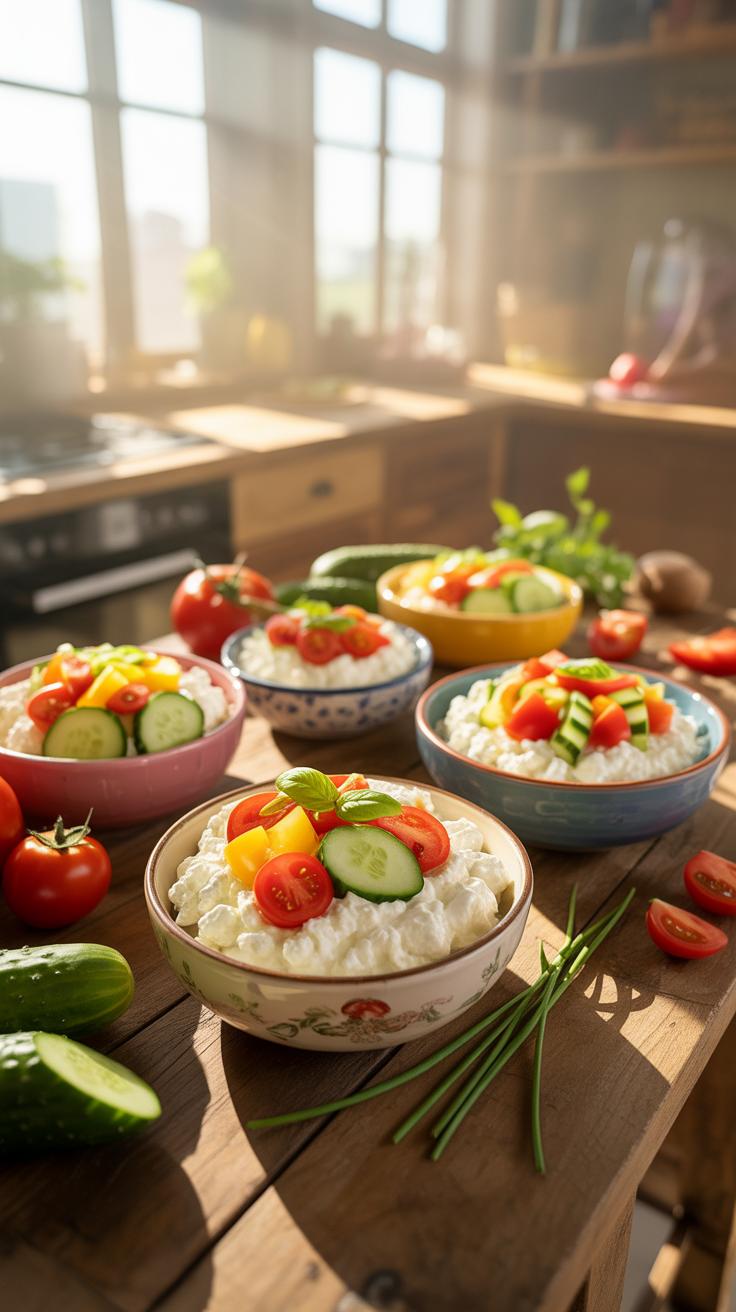
Cottage Cheese Stuffed Wraps And Grain Bowls For Midday Meals
Cottage cheese serves as a high protein binder for midday wraps and bowls. It replaces mayonnaise or fatty dressings while adding leucine for muscle protein synthesis. Spread half a cup of small curd cottage cheese onto a whole wheat tortilla. Layer it with lean turkey or roasted vegetables. This combination provides slow-digesting casein protein to maintain satiety during long work afternoons.
Grain bowls benefit from the moisture found in cottage cheese. Add a large scoop to quinoa or farro bases to create a creamy texture without heavy sauces. Mix in grilled chicken or chickpeas to increase the total amino acid profile. This method builds a dense nutritional foundation. It ensures steady energy levels and prevents the glucose spikes often caused by carb-heavy lunch options.
High Protein Cottage Cheese Salads That Keep You Full For Hours
Traditional green salads often lack the caloric density needed for sustained focus. Adding cottage cheese transforms a side dish into a complete meal. The high moisture content acts as a functional dressing when seasoned with cracked pepper or herbs. This technique provides roughly fourteen grams of protein per half-cup serving. It supports lean mass while keeping total meal calories low.
Mix cottage cheese directly with fibrous vegetables like cucumbers and bell peppers. This creates a high volume meal that triggers stretch receptors in the stomach to signal fullness. Use it alongside tuna or hard-boiled eggs for a multi-source protein strategy. This approach maximizes satiety through the synergistic effect of fiber and dairy protein. It eliminates the need for processed salad toppings.
How To Make A High Protein Pizza Bowl With Cottage Cheese
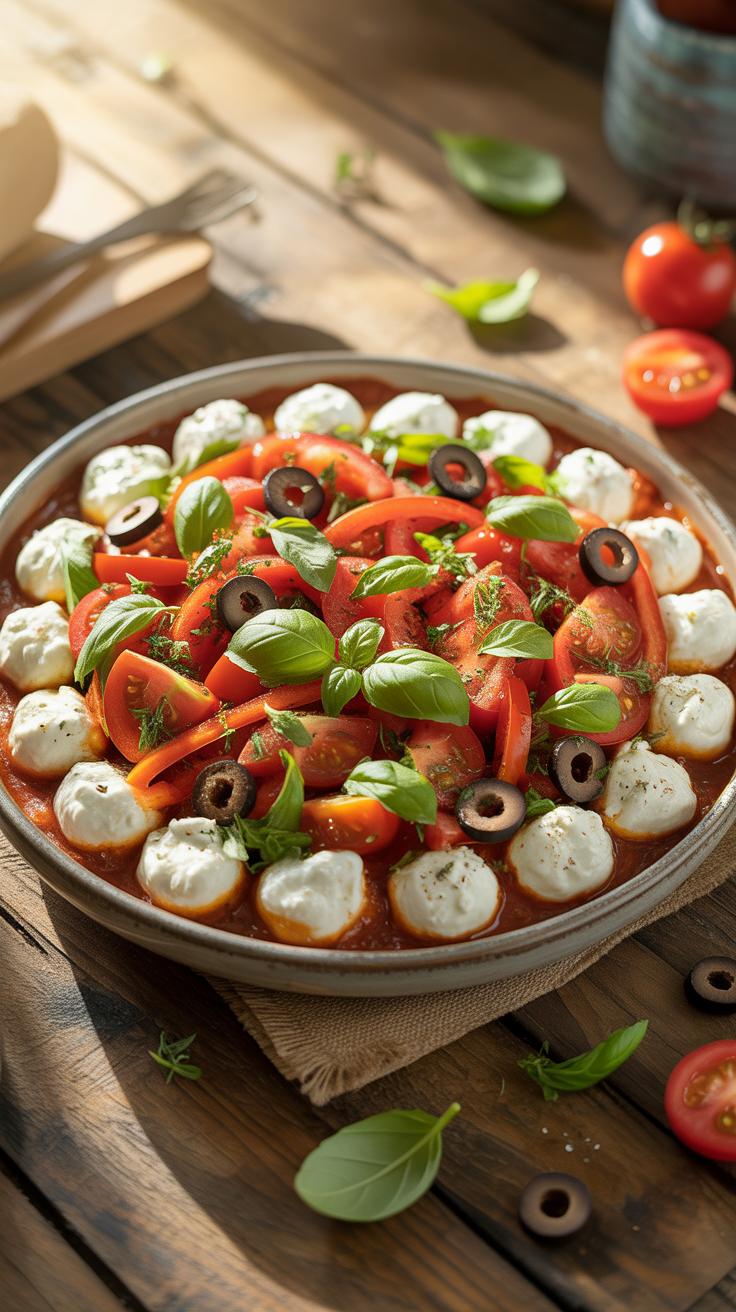
What Goes Into A Cottage Cheese Pizza Bowl And Why It Works
Cottage cheese serves as the functional base for this high protein meal. It replaces traditional dough while providing a dense concentration of casein protein. Casein digests slowly, which keeps you full for longer periods. When heated, the curds soften and mimic the texture of melted ricotta or mozzarella. This swap removes refined carbohydrates and lowers the total glycemic load of the dish.
Marinara sauce and lean meats provide the flavor profile. Choose a low sugar tomato sauce to keep carbohydrate counts stable. Pepperoni or cooked turkey sausage adds essential fats and additional protein. These ingredients provide the classic pizza taste without the inflammatory properties of processed crusts. This method converts a historically high calorie comfort food into a tactical tool for muscle maintenance and fat loss.
Step By Step Guide To Building Your Own Pizza Bowl At Home
Precision in assembly ensures the best texture and nutrient density. Start by selecting a microwave safe bowl or small oven dish. Add one cup of low fat cottage cheese as your foundation. This amount contains roughly twenty eight grams of protein. Layer two tablespoons of marinara sauce directly over the cheese. Ensure the sauce covers the surface to prevent the curd from drying out during heating.
- Base Preparation: Place one cup of cold cottage cheese into a small ceramic bowl. Smooth the top with a spoon to create an even surface for toppings. This base provides the bulk of your lean protein.
- Sauce Layering: Spread two tablespoons of sugar free marinara over the cheese. Use a circular motion to distribute the sauce evenly. This step adds acidity and moisture to balance the creamy texture of the dairy base.
- Proteins and Fats: Add turkey pepperoni or diced chicken breast on top of the sauce. Lean meats increase the thermic effect of food. Use small portions to maintain a high protein to calorie ratio throughout the entire meal.
- Cheese Finish: Sprinkle one tablespoon of shredded mozzarella or parmesan over the meat. This fat source helps with the absorption of fat soluble vitamins. It also creates a browned crust when you use an oven or air fryer.
- Heat Application: Microwave the bowl for ninety seconds or bake at 375 degrees for ten minutes. Heating the cottage cheese changes its molecular structure. The curds will melt slightly and merge with the sauce to create a cohesive dish.
Finish the bowl with dried oregano or red pepper flakes for micronutrients and flavor. Rapid heating is essential for preserving the integrity of the dairy proteins. If you prefer a thicker consistency, drain any excess liquid from the cottage cheese before starting the process. This meal serves as a rapid recovery option for athletes needing high protein cottage cheese meals after intense training sessions.
Cottage Cheese Cheese Pizza Recipes That Are Actually Good For You
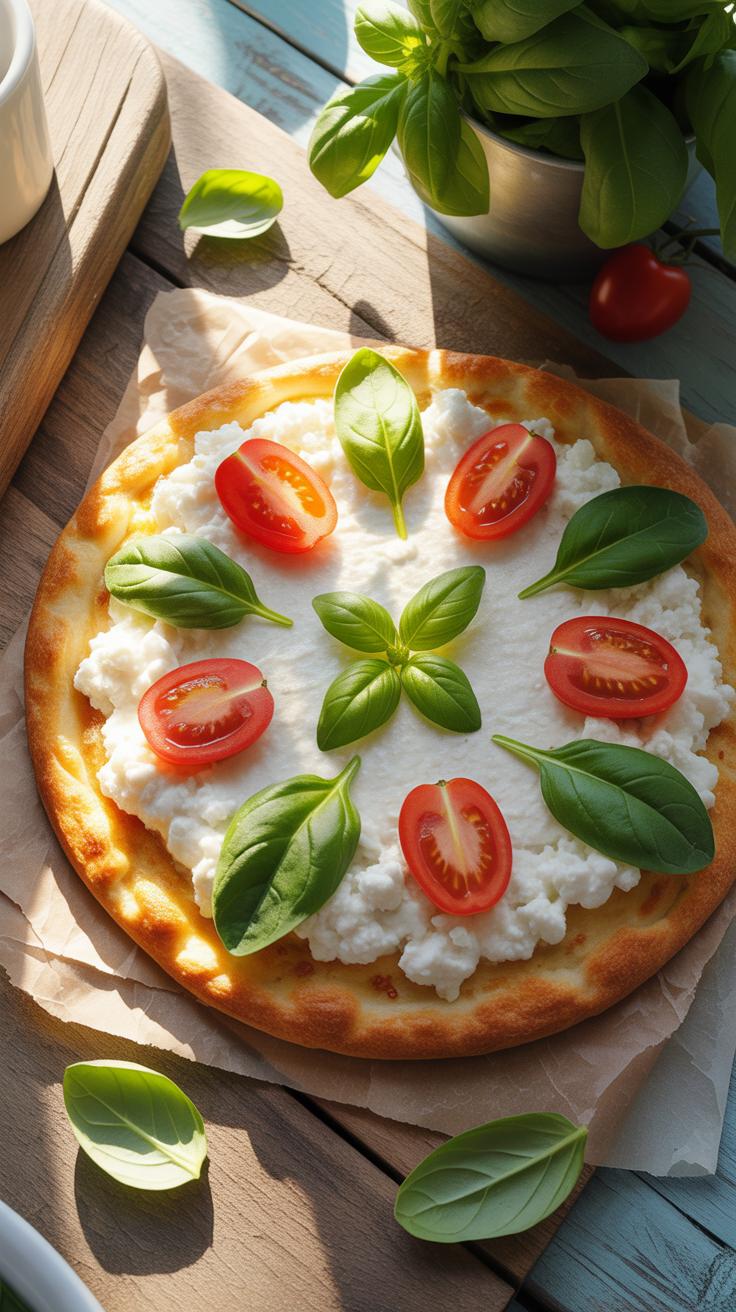
Guidance On Using Cottage Cheese As A Base Or Topping On Healthier Homemade Pizza
You can use cottage cheese in two primary ways for pizza. First, blend it into the dough. Mix it with self-rising flour to create a high protein crust. This method eliminates the need for yeast or long rising times. It creates a dense and filling base. This strategy adds massive protein counts to every slice before you even add toppings.
Second, use it as a direct replacement for traditional ricotta or fresh mozzarella toppings. Dollop small amounts of small-curd cottage cheese across the surface before baking. The heat softens the curds but maintains their structure. This provides a creamy texture that mimics high-end Italian cheeses. It binds well with tomato sauce and herbs. Use low-moisture varieties to prevent the pizza from becoming soggy.
How Cottage Cheese Reduces Calories Without Sacrificing Flavor On Pizza
Standard pizza relies on full-fat mozzarella which carries heavy caloric loads from lipids. Cottage cheese provides a similar mouthfeel but contains significantly less fat per gram. It offers a salty and tangy flavor profile that enhances the overall taste of the pie. You get more volume for fewer calories. This allows you to eat larger portions while maintaining a strict caloric deficit for weight loss goals.
Substituting cottage cheese increases the thermic effect of the meal. Protein requires more energy to digest than fats or carbohydrates. This switch transforms a junk food staple into a functional meal for muscle recovery. You gain the benefit of casein protein which digests slowly over several hours. This prevents the typical hunger spikes associated with eating refined flour pizzas. It keeps your blood sugar stable throughout the day.
Cottage Cheese Hot Pocket A High Protein Twist On A Classic Snack
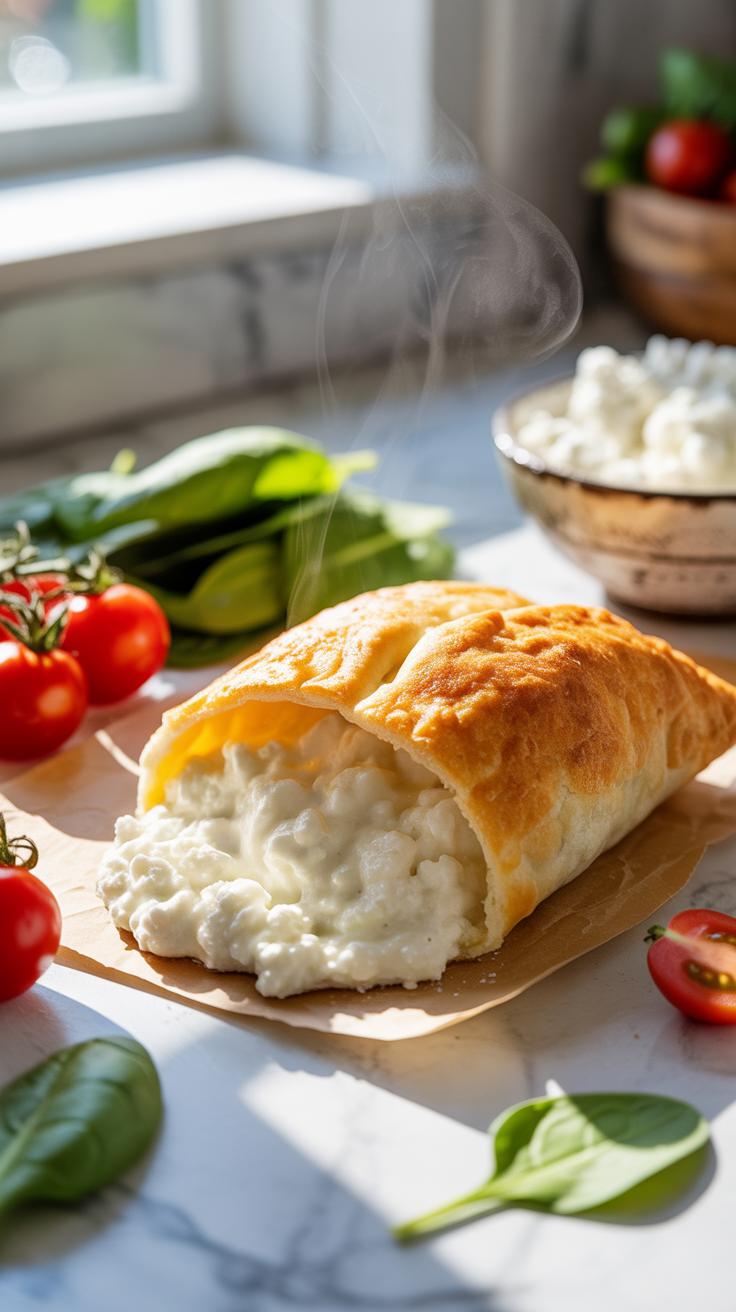
What Is A Cottage Cheese Hot Pocket And How Is It Made?
The cottage cheese hot pocket is a dense protein delivery system. It replaces traditional fat-heavy cheese with low-fat cottage cheese to improve the macronutrient profile. You fold a specialized dough over a savory filling and seal the edges. This creates a portable meal that retains moisture during the cooking process. High heat settings ensure the exterior becomes crisp while the interior stays soft.
To make this meal, you blend cottage cheese into the dough or use it as the primary binder for the filling. Most recipes use a simple two-ingredient dough base featuring flour and cottage cheese. You roll the dough thin to maximize the surface area for protein. Bake or air fry the pockets at four hundred degrees Fahrenheit until brown. This method preserves the structure without adding unnecessary oils.
Filling Variations And Dough Options For A Protein Packed Hot Pocket
Strategic filling selection defines the success of high protein cottage cheese meals. You must balance moisture content to prevent the dough from becoming soggy during baking. Using dry-cured meats or cooked lean ground poultry provides structural integrity. Adding cottage cheese to the interior creates a creamy texture without the high caloric load of standard mozzarella or cheddar cheese blends.
- Two Ingredient Dough: Mix equal parts self-rising flour and blended cottage cheese. This eliminates the need for yeast or long rise times. It creates a flexible crust that is naturally high in casein protein and easy to work with by hand.
- Lean Buffalo Chicken: Combine shredded chicken breast with hot sauce and small curd cottage cheese. This filling offers high thermic effect of food. It provides a massive protein hit with very little fat or sugar content in the final product.
- Turkey Pepperoni and Marinara: Use sliced turkey pepperoni and a low-sugar tomato sauce for a classic profile. The cottage cheese acts as the melting agent. This variation mimics traditional flavors while cutting the saturated fat found in standard commercial snacks.
- Egg White and Spinach: Scramble egg whites with fresh spinach and fold them into the cottage cheese base. This is an ideal breakfast configuration. The greens add fiber and micronutrients without compromising the total protein density of the hot pocket.
- Greek Yogurt Modification: Replace half the cottage cheese in the dough with non-fat Greek yogurt. This adjustment increases the tanginess and adds more probiotic benefits. It also creates a lighter, airier crust texture for those who prefer a less dense mouthfeel.
Dough thickness remains a critical factor for even cooking. Aim for a quarter-inch thickness to ensure the crust supports the weight of the protein. Seal the edges with a fork to prevent leakage in the air fryer. This tactical approach ensures every bite contains the maximum amount of amino acids. Proper sealing also traps steam which helps cook the internal ingredients thoroughly.
High Protein Meals Cottage Cheese Makes Perfect For Dinner
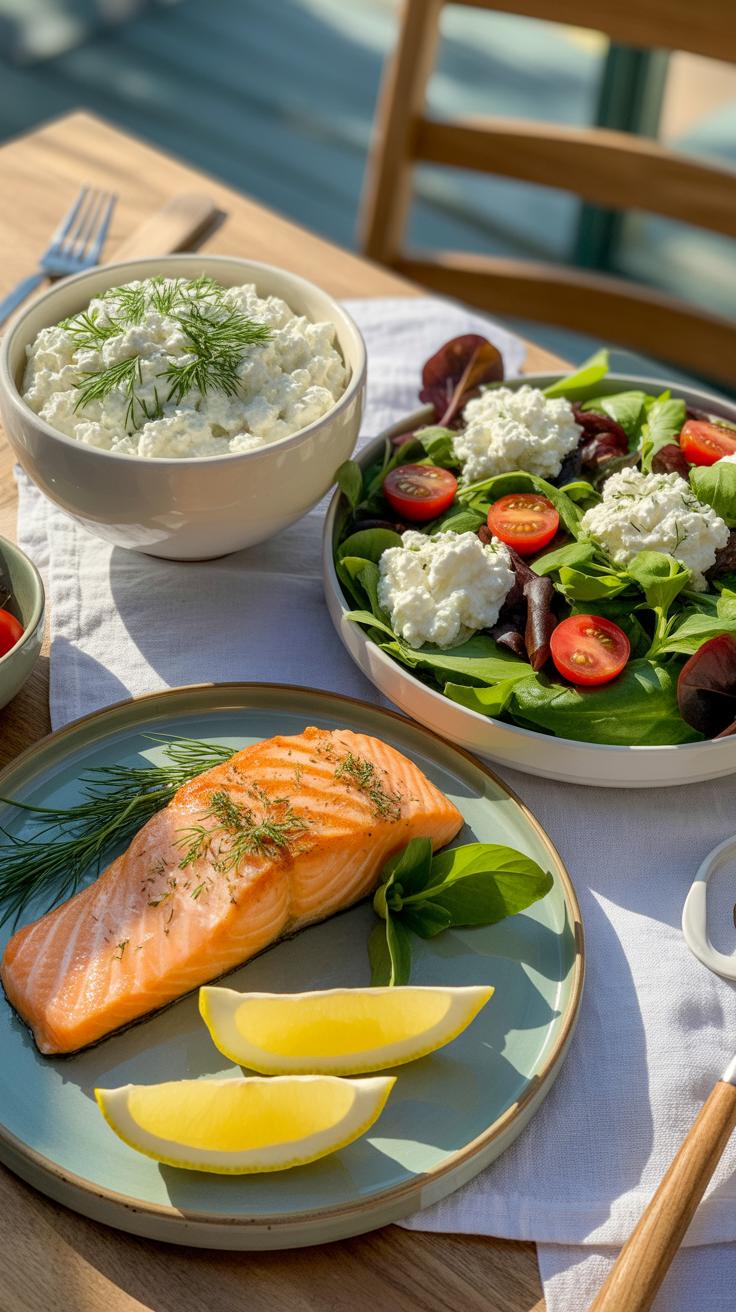
Cottage Cheese Stuffed Chicken, Pasta Bakes, And Savory Casseroles
Stuffed chicken breasts utilize cottage cheese to maintain moisture during high-heat roasting. You blend the curd with spinach and garlic to create a dense filling. This method prevents the lean poultry from drying out. It also adds a significant dose of casein protein to the meat. This combination creates a powerful anabolic profile for your evening meal without adding excess oil.
Pasta bakes benefit from cottage cheese as a structural binder. It replaces ricotta or heavy cream to lower overall fat content. The curds melt into the sauce and thicken the texture during the baking process. Savory casseroles use the cheese to provide a creamy base that holds vegetables and grains together. This technique ensures every bite delivers consistent nutrition and a solid texture.
Why Cottage Cheese Is An Ideal High Protein Ingredient In Evening Meals
Cottage cheese contains high levels of casein protein. This specific protein digests slowly over several hours. Consuming it at dinner provides a steady stream of amino acids to your muscles while you sleep. This slow release helps with muscle recovery and prevents tissue breakdown overnight. It is a tactical choice for athletes who want to maximize their physical results during rest periods.
The ingredient also offers a low calorie-to-protein ratio. You get high satiety without a heavy caloric load before bed. It contains essential minerals like calcium and phosphorus which support bone health. Its neutral flavor profile allows it to take on the spices and seasonings of any savory dish. You improve the nutrient density of your dinner without compromising the intended flavor of the recipe.
High Protein Cottage Cheese Snacks And Post Workout Bites
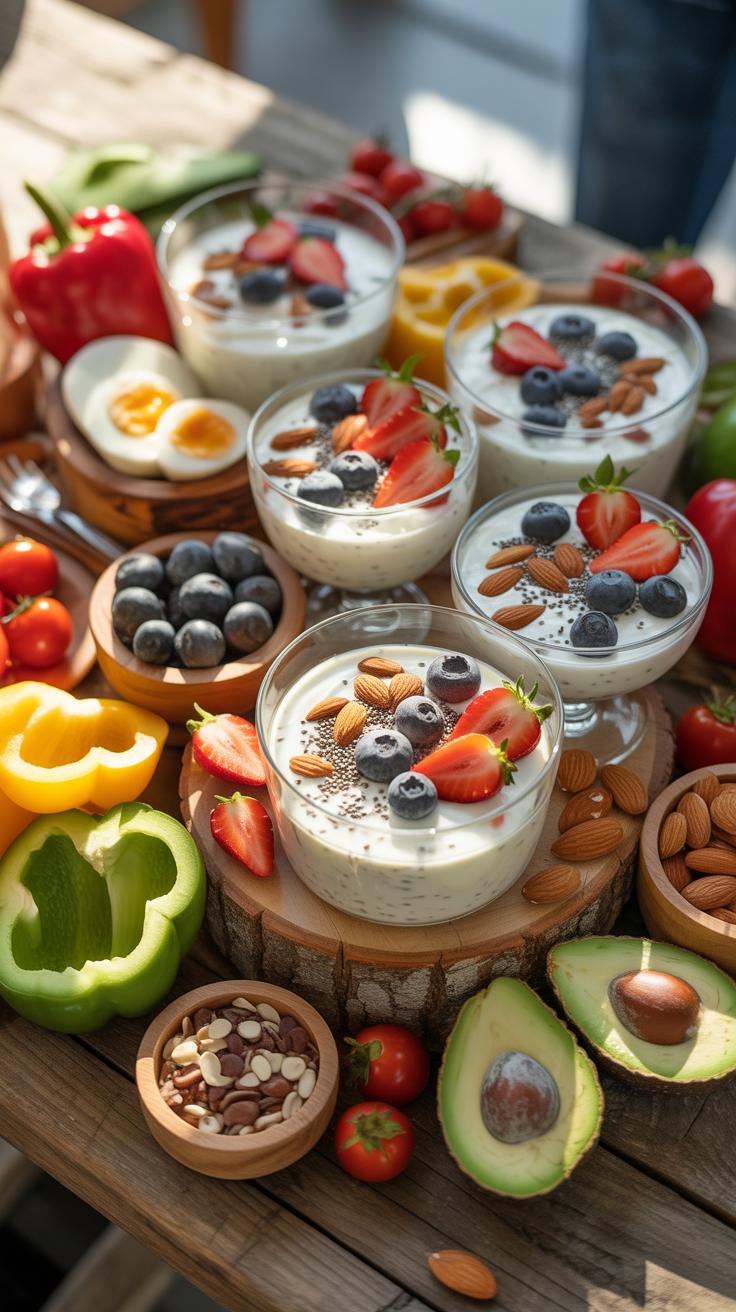
Cottage Cheese Dips, Spreads, And Protein Bars For Between Meal Fuel
Cottage cheese serves as a powerful base for high protein snacks. You can blend it into a smooth dip for vegetables or whole grain crackers. This method replaces high fat sour cream bases with dense protein. Blending the curds removes the chunky texture that some people dislike. It creates a creamy spread that holds flavor well. Use garlic, chives, or nutritional yeast for savory profiles.
You can also incorporate cottage cheese into homemade protein bars. Mix it with oats and whey protein to increase the amino acid count. This creates a dense and filling snack that travels well. Traditional store bars often contain excess sugar and fillers. Making your own with a cottage cheese base ensures you get clean macros. Keep these refrigerated to maintain freshness and texture during the week.
Why Eating Cottage Cheese After Exercise Supports Muscle Recovery
Cottage cheese contains high levels of casein protein. This protein digests slowly over several hours. It provides a steady drip of amino acids to your muscles. This slow release makes it ideal for recovery after a hard training session. It prevents muscle breakdown while you rest. Many athletes eat it before bed to support overnight repair. The protein density helps rebuild torn fibers effectively.
This dairy product also contains essential minerals like phosphorus and calcium. These minerals support bone health and muscle contractions. Recovery requires more than just protein. You need electrolytes to balance your system after sweating. Cottage cheese provides a natural source of sodium to help rehydration efforts. It is a cost effective alternative to expensive recovery supplements. Take it immediately after a workout to maximize the metabolic window.
Cottage Cheese High Protein Recipes Tips For Cooking And Meal Prepping

How To Store, Blend, And Cook With Cottage Cheese Without Losing Texture
Cottage cheese loses structural integrity when exposed to direct high heat for too long. Excessive heat causes the curds to tighten and release moisture. This results in a watery mess. To avoid this, add cottage cheese to hot dishes at the very end of the cooking process. Use low heat settings or residual pan heat to warm the cheese without breaking the proteins.
Blending cottage cheese creates a smooth consistency similar to heavy cream or ricotta. High speed blenders work best for this task. Pulse the cheese in short bursts to control the thickness. Store blended cheese in an airtight container for up to five days. Keep the temperature at forty degrees Fahrenheit or lower. Cold storage prevents the whey from separating and maintains a consistent texture.
How To Meal Prep A Full Week Of High Protein Cottage Cheese Meals
Efficient meal prepping requires cold and hot separation strategy. Portion your cottage cheese into glass containers for the week. Glass maintains a neutral temperature and does not leach chemicals. Keep the cheese separate from dry ingredients like toasted nuts or oats until the moment of consumption. This prevents the moisture in the cheese from making your crunchy toppings soft and unappealing.
Batch cook your base proteins and grains on a single day. Mix the cottage cheese into your sauces or bowls just before sealing. If you plan to freeze meals, blend the cottage cheese first. Whole curds become rubbery after freezing and thawing. Blended cheese maintains its creamy profile throughout the thermal cycles. Always label your containers with the date to ensure freshness and safety.
Frequently Asked Questions

Why is cottage cheese considered a good base for high protein meals?
Cottage cheese is a nutritional powerhouse because it is packed with casein protein, which digests slowly to keep you feeling full for longer. Unlike other dairy products, it is low in calories but exceptionally high in protein, making it an ideal foundation for healthy living. Incorporating it into high protein cottage cheese meals helps you meet your daily macro goals while enjoying a creamy, versatile ingredient that works in both sweet and savory dishes.
How can I blend cottage cheese to create smoother high protein cottage cheese meals?
If you aren’t a fan of the traditional curds, you can easily transform the texture using a high-speed blender or food processor. Simply pulse the cottage cheese for thirty seconds until it reaches a silky, whipped consistency. This smooth version is perfect for creating creamy pasta sauces, protein-packed pancake batters, or even a healthy substitute for mayo in chicken salad, allowing you to enjoy high protein cottage cheese meals with a luxurious mouthfeel.
Is cottage cheese an affordable option for meal prepping on a budget?
Absolutely! Cottage cheese is one of the most cost-effective protein sources available at the grocery store, often costing much less per serving than Greek yogurt or lean meats. Since it has a relatively long shelf life and can be purchased in bulk, it is perfect for budget-conscious decorators of a healthy lifestyle. You can stretch your grocery budget by using it as a filling meat replacement in lasagna, bowls, or hearty breakfast toasts.