
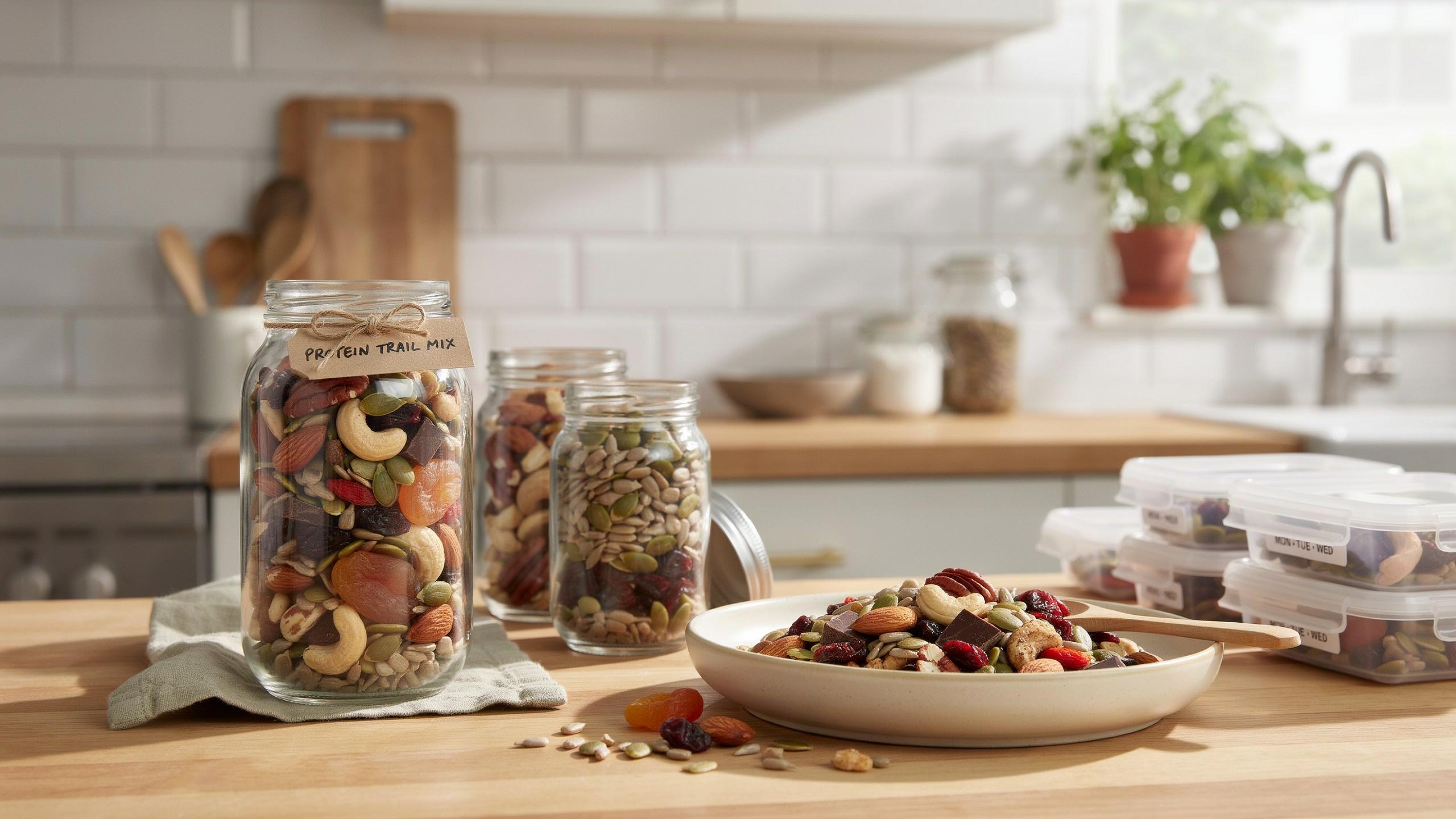
The Myth Of More Why Your High Protein Mix Fails

Common Protein Sources Hidden Pitfalls
You want the label to say “high protein” because it feels like insurance against hunger and muscle loss. The real problem: most people stack protein sources that compete with each other instead of stacking them strategically. Whey protein powder, peanuts, and beef jerky in the same mix sounds bulletproof until you realize the fat content from nuts blocks absorption of the whey, and the sodium from jerky triggers water retention that masks your actual body composition.

The mechanism is simple. Protein sources have different absorption windows and nutrient matrices. Whey hits your bloodstream in 30 to 60 minutes. Peanuts take three to four hours because of their fat density. Jerky sits somewhere between, held up by salt and preservatives. When you mix all three, your digestive system doesn’t prioritize the whey—it processes everything as one mass. You get the calories but lose the timing advantage that makes whey useful in the first place. Separate your protein sources by fat content and absorption speed, not by brand preference.
Bioavailability What Your Body Actually Uses
Biology has a term called bioavailability: the percentage of a substance your body can actually absorb and use. Most trail mix advice ignores this entirely. You can eat 40 grams of protein and have your body use 18 of them if the amino acid profile is incomplete or if the fat-to-protein ratio sabotages absorption. A mix heavy in pumpkin seeds and almonds delivers incomplete amino profiles because neither contains all nine essential amino acids in meaningful quantities.

Your body doesn’t care about the total protein count on the label. It cares about essential amino acids, absorption rate, and whether mineral cofactors are present. Whey protein isolate has a PDCAAS score of 1.0 (meaning nearly 100 percent bioavailability). Peanuts score around 0.52. When you build a prep mix, calculate protein by bioavailability, not by weight. This means less total ounces but more usable amino acids per serving. Weigh your mix components against their PDCAAS scores, then adjust portions backward from your target usable protein, not from the raw grams listed on packaging.
The Kinetic Energy Protocol Sustained Release Not Spikes

Ingredient Synergy For Slow Digestion
You want energy that lasts because you’re tired of the 2 PM crash that kills your productivity. Here’s the mechanism: digestion speed is governed by fiber content, fat density, and protein structure working together, not separately. Most trail mix advice treats ingredients as independent items. That’s wrong. Fiber slows gastric emptying. Fat delays nutrient absorption. Protein requires extended breakdown time. Stack them correctly and your body can’t spike your blood sugar even if it wanted to.
The physics term is “viscosity” and it applies directly to your digestive tract. High viscosity mixtures move slower through your stomach and small intestine. Combine raw almonds with whole oats and chia seeds. The almond fat coats the oats. The chia seeds absorb liquid and expand, creating mechanical resistance. Add a modest amount of dark chocolate for polyphenols that further slow glucose uptake. This isn’t optimization theater. This is basic fluid dynamics applied to meal prep. Your digestive system becomes a low-flow system by design, not accident.
Macronutrient Ratios For Metabolic Advantage
The standard advice says “get 30% protein” and calls it done. That misses the actual mechanism: thermic effect of food varies by macronutrient type and combination. Protein costs 20-30% of its calories to digest. Fat costs 5-10%. Carbs cost 5-10%. But when you combine them strategically, your total metabolic cost increases because your body must manage multiple digestive pathways simultaneously. A 1:1 protein-to-fat ratio with controlled carbs creates the highest sustained metabolic demand.
Practical formula for a week’s batch: use 2 parts raw nuts by weight, 1 part seeds like pumpkin or sunflower, 0.5 parts dried fruit, and 0.5 parts protein powder mixed into a base. This yields roughly 25-30% protein, 35-40% fat, and 30-40% carbs per serving. The protein powder matters because it adds whey or casein isolate, which triggers longer digestive signaling than whole-food protein alone. Measure your batches by gram weight, not volume. Portion into 5-6 containers at week start. Consistency in macronutrient density across servings prevents the guesswork that kills meal prep adherence.
Deconstructing The Healthy Label What Matters In A Nice Protein Trail Mix
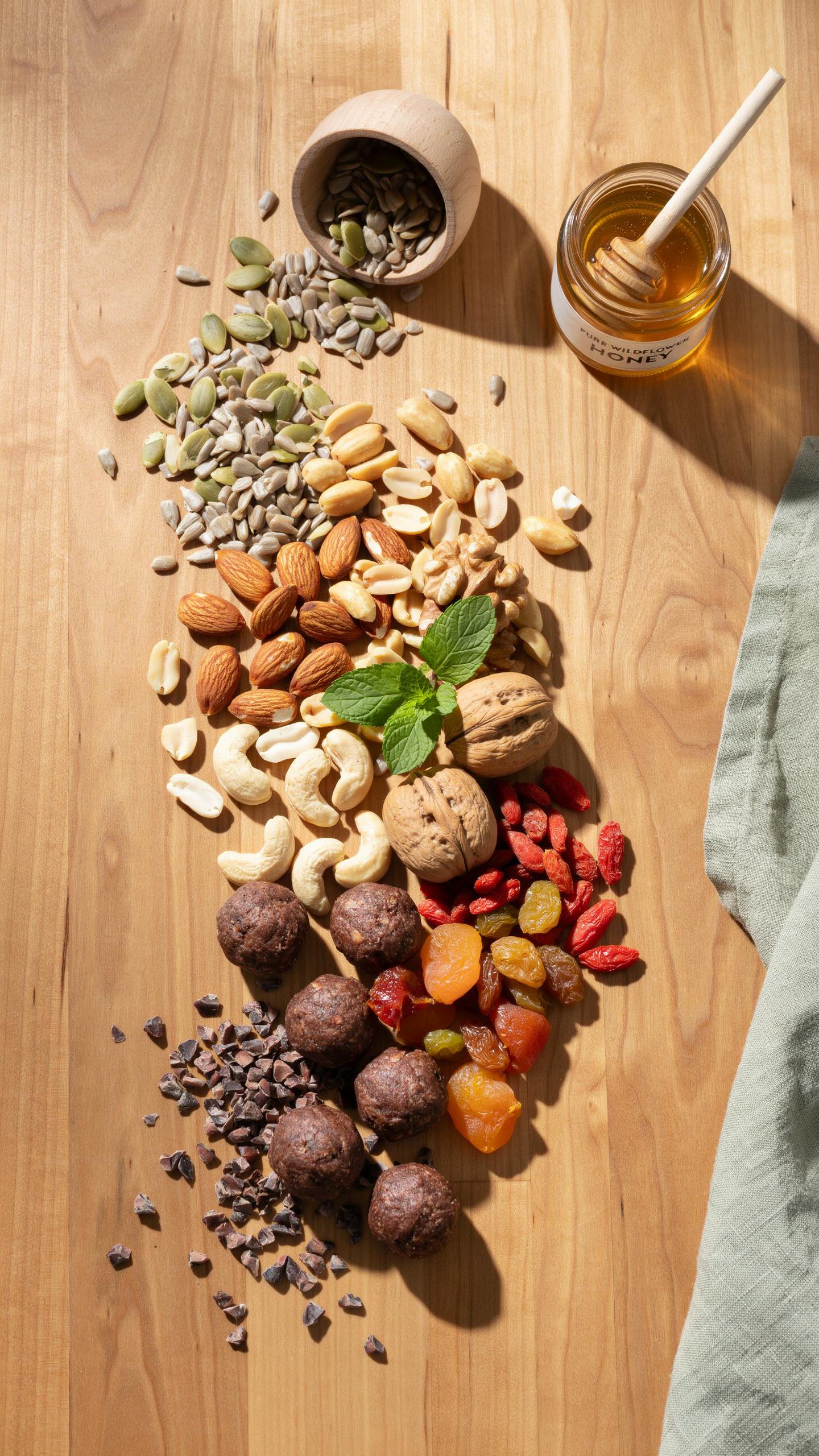
Where Sugar Hides In Plain Sight
You want to feel smart about your food choices without doing the work. That’s why the “healthy” label works so well on you. Here’s the mechanism: manufacturers use whole grain carriers, dried fruit, and honey to make sugar invisible. A trail mix with cranberries, dates, and granola can hit 20 grams of sugar per serving while marketing itself as clean. The sugar content doesn’t change because the source sounds natural. Your body processes glucose from a date the same way it processes glucose from a gummy. Most people miss this because they read the ingredient list instead of the nutrition label. Check the total sugars line first. If it exceeds 10 grams per ounce of mix, you’ve bought candy marketed as health food.
The timing of sugar matters for meal prep specifically. A high-sugar trail mix destabilizes your blood glucose between meals, which contradicts the entire point of portable protein. You’ll experience a spike, a crash, and hunger thirty minutes after eating. This kills the satiation window that makes meal prep effective. Select mixes where added sugars stay under 5 grams per serving, and prioritize savory nuts with unsweetened dried fruit or none at all. When you prep for the week, you’re locking in your compliance. Bad choices now mean bad choices automatically.
Nutrient Density Beats The Marketing Narrative
Thermodynamics applies here: energy in versus energy out, but the trail mix version tracks satiation per calorie spent. A mix loaded with chocolate chips and puffed cereal creates caloric density without nutritional density. You consume 200 calories and remain hungry because the macronutrient profile favors carbs over protein and fat. Real density means you hit your protein target, absorb stable fats that extend fullness, and avoid refined carbs that spike and crash. The gap between these two approaches determines whether you snack two hours later or work through lunch.
Your meal-prep mix succeeds when protein, fat, and fiber work together. A base of almonds, peanuts, or pumpkin seeds delivers 6 to 8 grams of protein per ounce. Add unsweetened coconut flakes for satiation and a small portion of dark chocolate or unsweetened dried berries for palatability. This combination keeps you full and stays stable for five days in an airtight container. The mechanism is simple: prioritize whole food sources, restrict refined carbohydrates, and measure portions before mixing.
Engineered Edibles How To Make Protein Trail Mix That Works
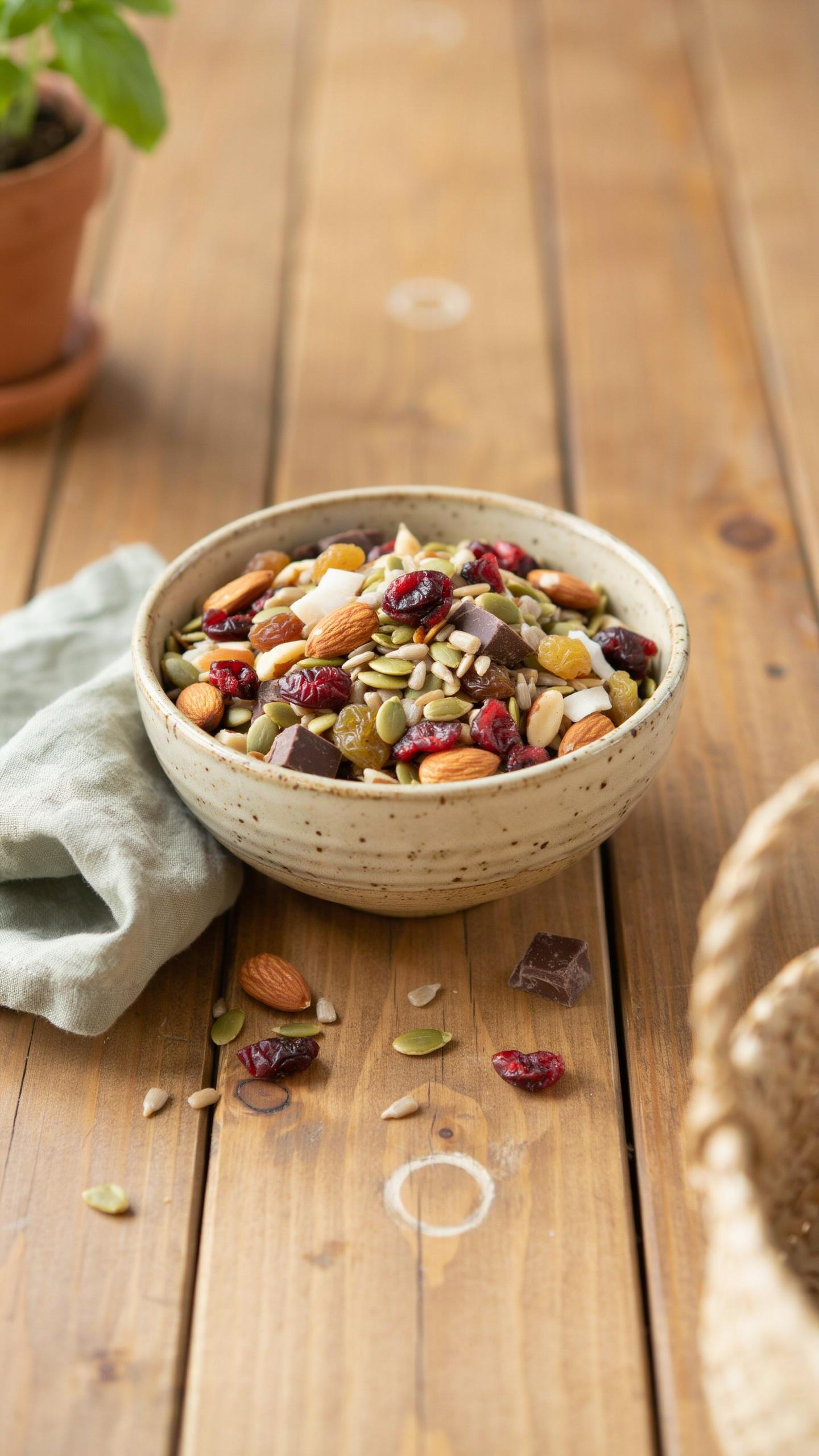
Pair Proteins With Fat And Fiber
You want your trail mix to feel like a legitimate meal, not a snack that leaves you hungry an hour later. Here’s what actually happens: protein alone doesn’t stick around in your system. Digestive biology shows us that fat slows gastric emptying, the rate at which food leaves your stomach. Add fat to protein, and you’ve engineered satiety.
Nuts provide both fat and protein. Seeds add fiber. Together they create a matrix that moves through your digestive tract slower, keeping you full longer. This isn’t about balance or moderation or any of that generic advice. It’s about creating mechanical resistance in your stomach. Pair a high-protein source like pumpkin seeds or almonds with a fat source like macadamia nuts or coconut flakes, then add fiber through dried fruit or oats. The ratio matters less than the presence of all three elements.
Make It Yourself Or Waste Money
Store-bought trail mix is a tax on convenience that you don’t need to pay. You’re paying markup for packaging, shelf space, and ingredient combinations designed for shelf stability, not your goals. The real mechanism is cost per serving and ingredient control. When you buy premixed, you get whatever ratio the manufacturer chose. When you mix it yourself, you dial in macros.
Buy raw nuts in bulk, portion them into containers, add your protein source, then add carbs or dried fruit for the week. A pound of raw almonds costs half what store-bought trail mix costs per ounce. You control salt, added sugars, and ingredient freshness. Spend two hours on Sunday prepping five days’ worth of mix in glass containers. The labor compounds into savings and consistency.
The Bioreactor Blend Maximizing Protein Uptake
Enzyme Activators And Digestion Biology
You want to believe your body absorbs all the protein you eat. It doesn’t. Digestion is a biochemical process that requires specific conditions, and most trail mix gets built without understanding the actual mechanism. Think of your digestive system like an enzyme reactor: substrate enters, cofactors activate the reaction, or nothing happens. Stomach acid initiates protein breakdown, but pancreatic proteases finish the job in the small intestine. Your trail mix blend either supports this cascade or works against it.
Fat content determines how long protein stays in your digestive tract and how thoroughly enzymes access it. Whole nuts with intact fat structures slow gastric emptying, giving proteases more time to work. Roasted nuts lose some enzyme cofactors through heat damage, but retain structural integrity that aids mechanical breakdown. Pairing plant-based proteins like seeds with animal proteins like whey isolate powder creates complementary amino acid profiles that your body absorbs more efficiently because different enzymes recognize different protein structures simultaneously.
Gut Microbiome And Nutrient Assimilation
Your microbiome doesn’t just help you digest fiber, it directly influences amino acid availability in your bloodstream. Certain bacterial strains ferment polysaccharides into short-chain fatty acids that strengthen your intestinal barrier, allowing more intact amino acid molecules to absorb rather than being degraded by inflammatory responses. Most trail mix advice ignores this entirely because microbiome effects take weeks to manifest. The components matter more than the dosage in the short term.
Prebiotic fiber in your trail mix feeds specific bacteria that produce metabolites enhancing protein absorption. Raw almonds and sunflower seeds contain resistant starches that your beneficial bacteria ferment into butyrate, which improves intestinal epithelial health and increases nutrient transport capacity. Store your high-protein trail mix in airtight containers to preserve microbial-friendly components, and consume the same blend consistently for five to seven days so your microbiome adapts to processing those specific compounds.
Optimal Ratios High Protein Trail Mix Recipes For Peak Performance
The Math Behind Macro Balance
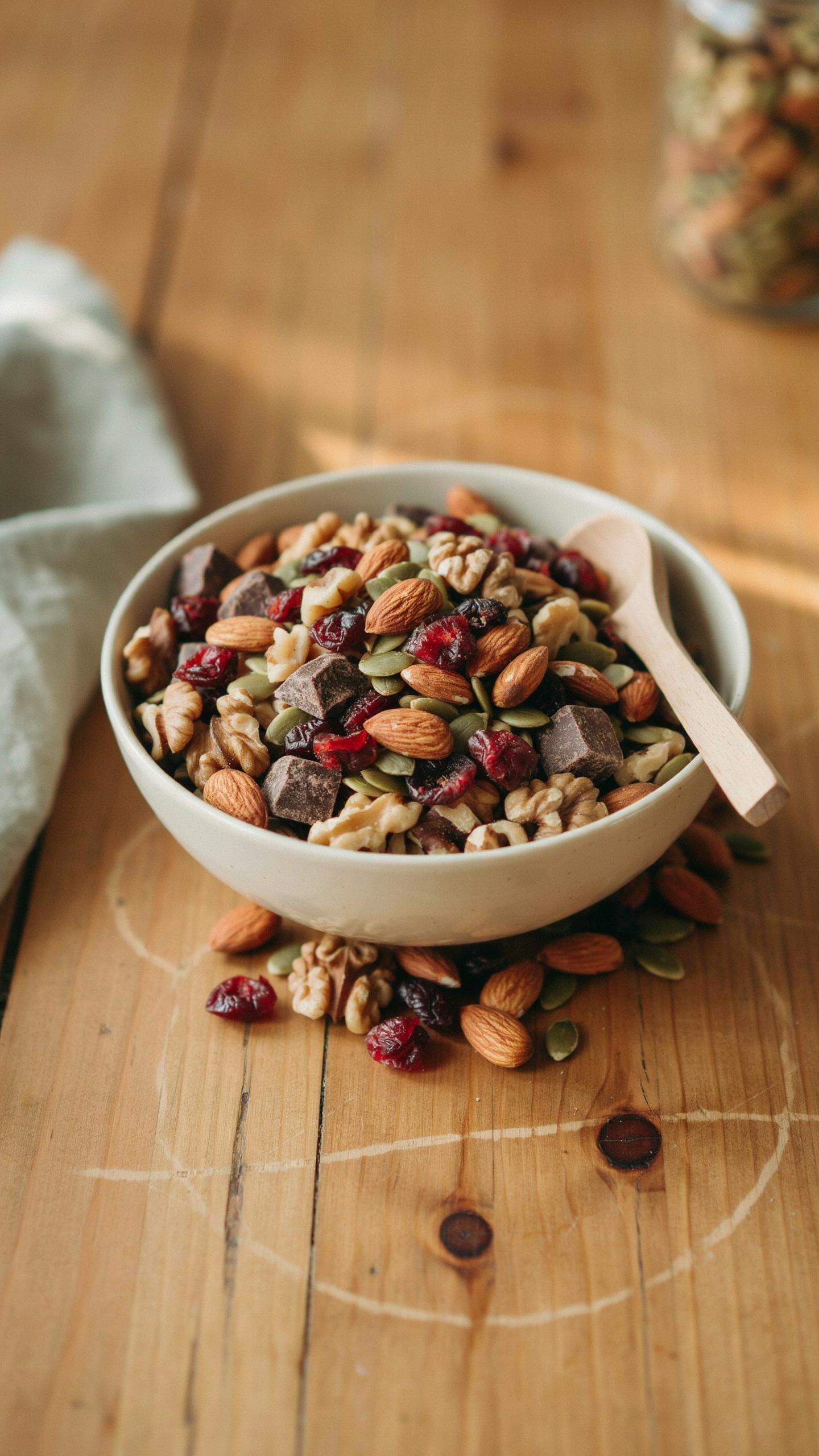
You want ratios that work because you’re tired of feeling depleted mid-afternoon or bloated after eating. The mechanism is simple: protein stabilizes blood sugar, fat slows digestion so energy lasts, and carbs replenish glycogen without spiking insulin. Aim for 40 percent protein, 35 percent fat, and 25 percent carbs by calorie count. This isn’t arbitrary. It’s derived from sports nutrition research and real metabolic response, not Instagram fitness advice. One ounce of almonds plus two ounces of beef jerky plus one ounce of dried cranberries hits these numbers cleanly.
The ratio shifts based on your activity window. Pre-workout, you can lean toward 35 protein, 25 fat, 40 carbs to fuel performance. Post-workout, reverse it back to standard: 40 protein, 35 fat, 25 carbs for recovery and satiety. Most people ignore this timing distinction and wonder why their mix either leaves them hungry or sits heavy. Measure portions once, then batch them into containers so you stop calculating each week.
Minerals And Cofactors For Energy Production
Metabolic efficiency borrows a concept from engineering: you optimize for throughput by removing bottlenecks. In your cells, that bottleneck is often magnesium, zinc, or iron deficiency. These minerals power enzyme systems that convert food to ATP. Without them, your body wastes energy you already ate. Pumpkin seeds deliver magnesium and zinc. Beef jerky carries bioavailable iron. Raw cashews add copper for electron transport. Dried apricots contribute potassium for muscle function and nerve signaling. These aren’t feel-good additions—they’re structural requirements your digestion demands.
Most trail mix recipes treat micronutrients as accidental, not designed. That’s the mistake. Build them in deliberately. A single handful should contain at least three mineral sources. Pair your protein and fat sources with seeds or dried fruit that addresses specific gaps in your diet. This single protocol shift turns snacking from calorie consumption into metabolic support. Pre-portion these mixes into 1.5-ounce servings so each grab contains the full mineral profile you need.
The Shelf Life Equation Meal Prep Durability For Protein Trail Mix Options
What Actually Breaks Your Mix Down
You want your prep to last five days without thinking about it. Here’s the real fear: spending two hours on Sunday only to open Wednesday’s container and find rancid nuts or clumped protein powder. The mechanism is oxidation. Think of it like rust on metal, except it happens to fats in nuts and seeds the moment they’re cracked open and exposed to oxygen, light, and heat. Rancidity isn’t just bad taste, it’s the breakdown of fat molecules into compounds that taste and smell like cardboard soaked in old oil. Protein powders accelerate this by pulling moisture, which creates the perfect environment for mold in humid conditions.
The honest truth most prep guides miss: mixing all your ingredients Sunday morning guarantees degradation by Thursday. Your mix doesn’t stay stable for five days if you treat it like a salad. Nuts oxidize fastest when ground or crushed. Seeds release oils immediately once their shells break. Dried fruit gets harder and pulls moisture from everything around it. Protein powder hydrates and turns gritty. You’re not fighting against time. You’re fighting against chemistry, and chemistry wins if you don’t separate your components.
Storage Architecture That Actually Works
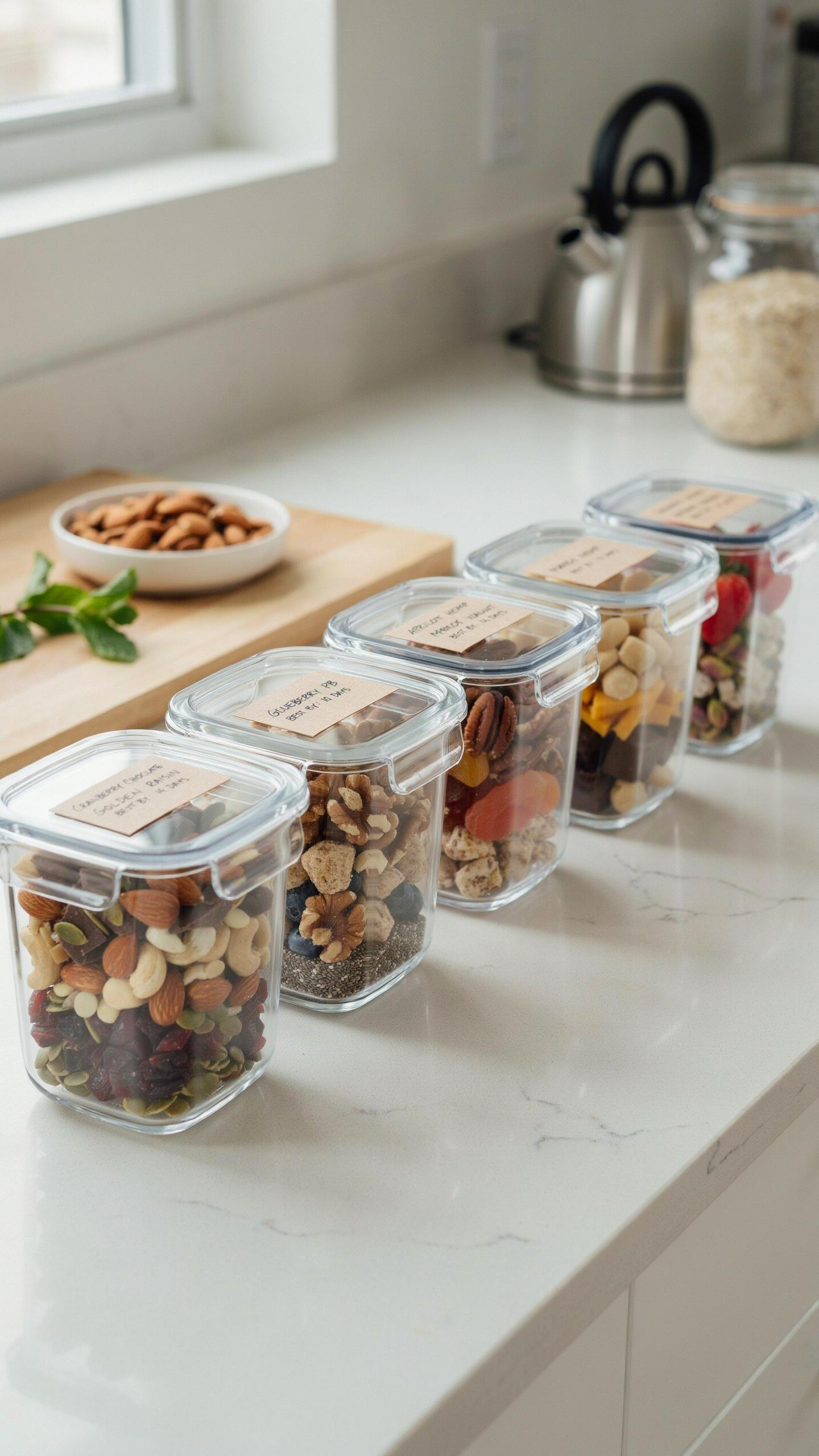
Compartmentalization beats convenience. Buy small glass or BPA-free plastic containers with tight-sealing lids, the kind with actual gaskets not just friction fits. Store nuts and seeds in one container in a cool, dark place. Keep dried fruit in a separate airtight vessel. Store protein powder in its original container if sealed, or transfer to an airtight jar with a desiccant packet. Keep chocolate separately wrapped. This isn’t extra work, it’s the only system that preserves ingredient integrity through day five.
Temperature and humidity are the two variables you control. Store everything at room temperature, ideally between 60-70 degrees Fahrenheit. Avoid the kitchen cabinet above the stove or anywhere near direct sunlight. Humidity kills your mix faster than heat. If you live in a humid climate, add a small food-grade silica gel packet to each container. Assemble individual portions only the morning you’ll eat them. Pre-mixing your trail mix Sunday creates degradation that storage methods can’t prevent.
Beyond The Snack Protein Packed Trail Mix As A Micro Meal
When Trail Mix Replaces A Meal
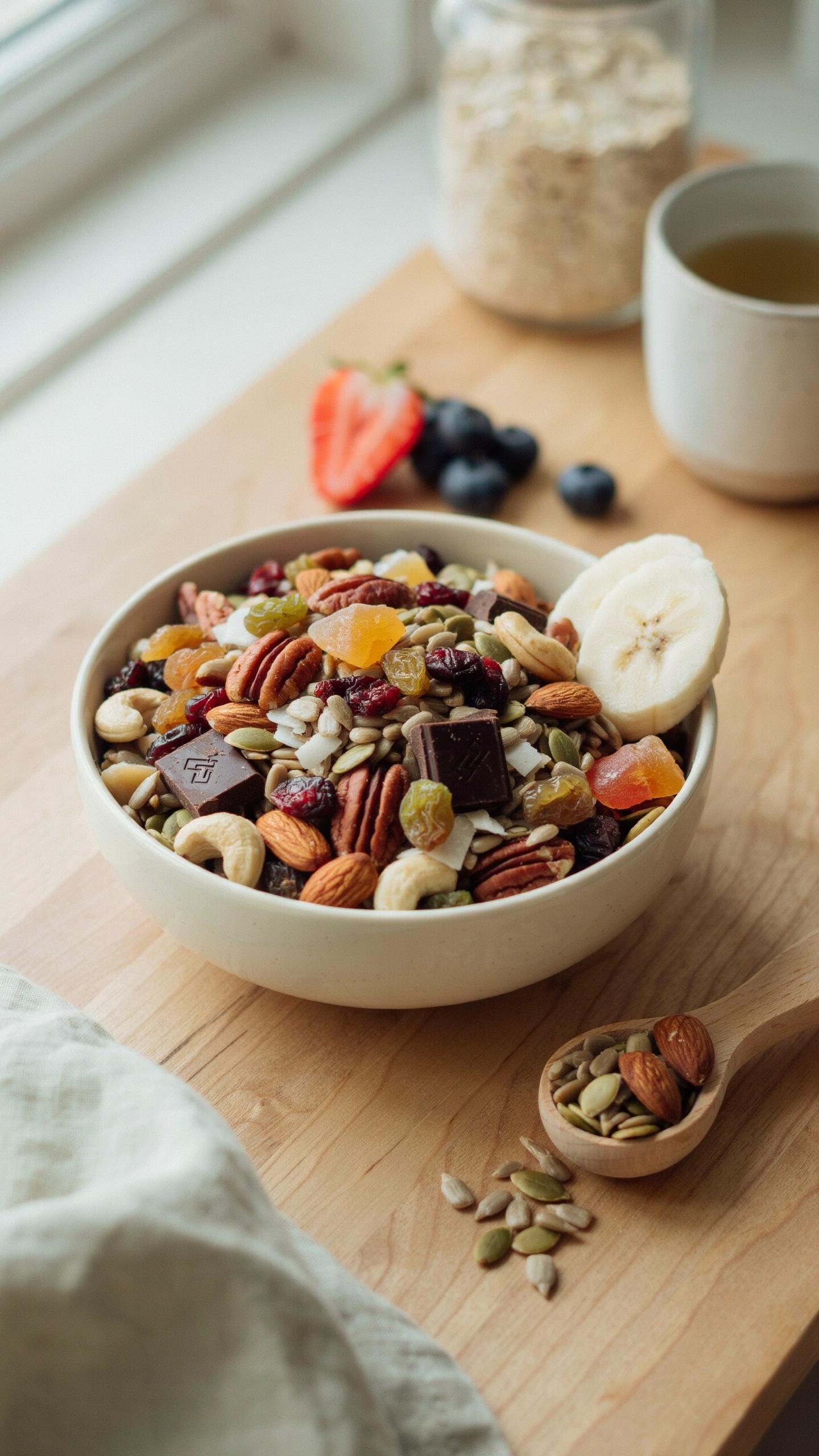
You want to feel productive about eating less without admitting you’re skipping meals. That’s the real tension here. The mechanism is simple: a 50-60 gram serving of high-protein trail mix (nuts, seeds, protein powder, dried fruit) delivers 20-25 grams of protein plus sustained carbs and fat. This hits the caloric and macronutrient threshold that prevents the energy crash your body triggers three to four hours after a traditional small snack.
Timing matters more than portion size. Consume your trail mix 3-4 hours before your next full meal, not randomly between meals. Your digestive system processes whole food components at predictable rates: nuts and seeds take 2-3 hours to fully break down, while dried fruit carbs release faster. This staggered absorption keeps blood sugar stable and delays the hunger signal that kills productivity. The trick is treating it as a scheduled meal replacement, not a grab-when-hungry impulse.
The Calorie Density Trap
Most advice on trail mix ignores the actual problem: you can hit your daily caloric limit before hitting your protein target, which leaves you nutritionally incomplete and still hungry. This is pure arithmetic, not opinion. A 200-calorie snack of commercial trail mix might contain only 8-10 grams of protein because it’s packed with low-protein filler like chocolate chips and dried cranberries. Your micro-meal version flips this ratio by anchoring the mix on almonds, peanuts, pumpkin seeds, and hemp seeds, then using protein powder as the backbone.
Build your formula around this target: 30-35 calories per gram of protein. That means a 600-calorie portion should contain 17-20 grams of protein minimum. If you’re hitting 800 calories and landing at 22 grams of protein, you’ve made the mix too carb-heavy with dried fruit. Adjust by reducing fruit volume by 20% and adding 2-3 tablespoons of almond butter powder or extra hemp seeds to the batch during prep day.
The Cost Benefit Matrix Protein Trail Mix Recipes For The Savvy
The Economics Of Ingredient Selection
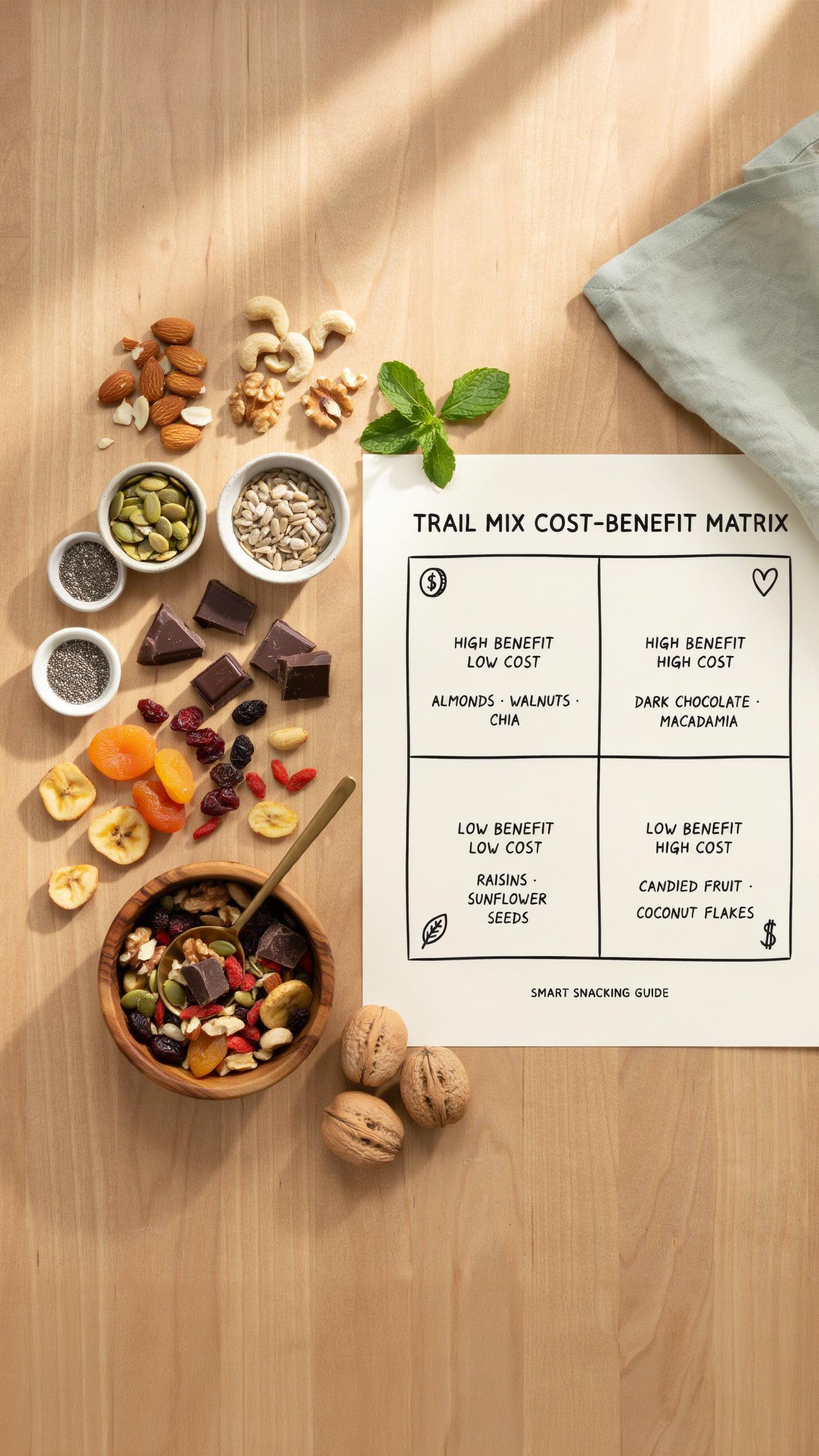
You want to feel like you’re not throwing money away on health food. That’s the real reason you’re reading this. The mechanism is simple: most people buy premium branded trail mix without running the math on protein per dollar spent. Raw ingredients beat packaged blends by 40-60% on cost efficiency. You’re optimizing for protein density and shelf stability, not for what the marketing department decided looks good in a bag.
- Roasted peanuts: 7g protein per ounce, shelf-stable for weeks, costs roughly half the price of pre-mixed varieties with similar protein content.
- Whey protein powder: 25g protein per scoop, mixes directly into nut bases, eliminates the markup of protein-fortified commercial blends.
- Pumpkin seeds (pepitas): 9g protein per ounce, higher mineral density than most nuts, buy in bulk for 30-40% savings versus small packets.
- Dried chickpeas (roasted): 6g protein per ounce, dramatically cheaper than comparable protein snacks, add textural variety to prevent palatability dropout.
- Almonds (raw): 6g protein per ounce, longest shelf life of all tree nuts, stable pricing year-round with minimal seasonal volatility.
The real play is buying these in 5-10 pound quantities from wholesale suppliers, not grocery store bins. You prep your weekly batches from the same base formula, rotating one ingredient every two weeks to maintain adherence and prevent taste fatigue.
When Buying Bulk Becomes The Wrong Move
Most advice tells you to buy everything in bulk to save money. That’s incomplete. Bulk buying only wins if you consume it before oxidation destroys the micronutrient profile and taste compounds degrade. Bulk economics apply here like inventory turnover in retail: the faster you move it, the lower your effective cost per unit. Sitting with 25 pounds of mixed nuts for six months isn’t savings, it’s waste disguised as frugality.
Your actual decision point is consumption velocity. If you eat 300-400 grams of trail mix weekly, a five-pound bulk purchase cycles through in nine to ten weeks, keeping nutritional quality intact. Buy smaller, buy more often. Weekly prep batches eliminate the psychology of “unlimited supply” that kills portion discipline. You make conscious decisions on composition instead of reaching into a massive container and defaulting to whatever sits on top.
Future Proofing Your Fuel Evolving Your Protein Snacks
When Your Body Stops Responding
You’re worried the formula stops working. That anxiety is real, but it’s misplaced. The mechanism is simple: your digestive system adapts to repeated inputs. Protein absorption plateaus when you eat the same mix weekly without variation. Your gut bacteria shift to process familiar macros efficiently, which sounds good until it doesn’t. Efficiency means less stimulus, less satiety signal, less compliance.
Your protein needs also shift with training phase, age, and activity load. A maintenance mix differs from a cut or a bulk. Most people lock in one recipe and ignore this entirely. Reassess your target protein intake quarterly. Track whether your current mix still delivers fullness for four hours post-consumption. If satiety drops, add variety before increasing portions.
Testing Variables, Not Guessing
Experimentation without measurement is just snacking with overhead. Pick one variable per two-week cycle: swap almonds for macadamia nuts, replace half the whey with collagen, add cacao nibs instead of dark chocolate. Record hunger onset, energy stability, and digestion quality. Stop running blind. The goal isn’t novelty for morale. It’s identifying which components move your personal needle on performance and sustainability.
Your optimal mix won’t match someone else’s, and chasing “perfect” recipes from the internet wastes money and plate space. Run a protocol: test pea protein versus soy protein isolate in isolation. Document energy dips and muscle soreness patterns. Use data to build backward into your actual formula. Test duration matters. Two weeks minimum per variable so your system stabilizes and your feedback becomes reliable, not noise.
Your real obstacle isnt the recipe its the superficial belief that more equals better without understanding how the body truly works

Most people dump nuts and protein powder together and call it meal prep. Your body doesn’t care about volume. It cares about protein timing and nutrient density. Stop chasing the Instagram-worthy mix and start reverse engineering your macros from your actual goals. Spend thirty minutes today calculating how much protein you need daily, then build your trail mix around that number, not around what fits in a jar. The difference between a snack and a performance tool is knowing exactly what you’re eating.