
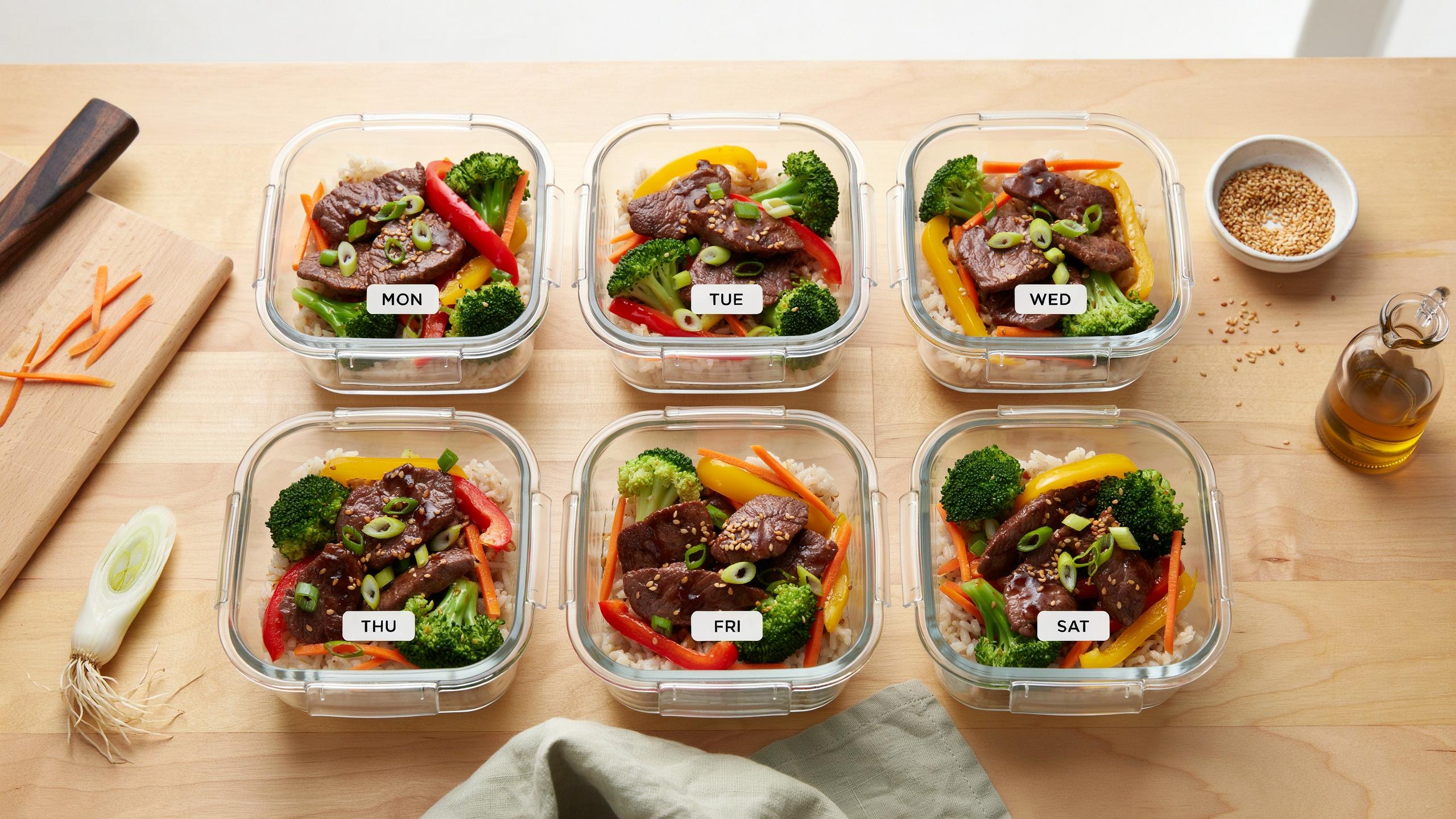
The Myth Of Fast High Protein Meals Why Your Expectations Are Broken
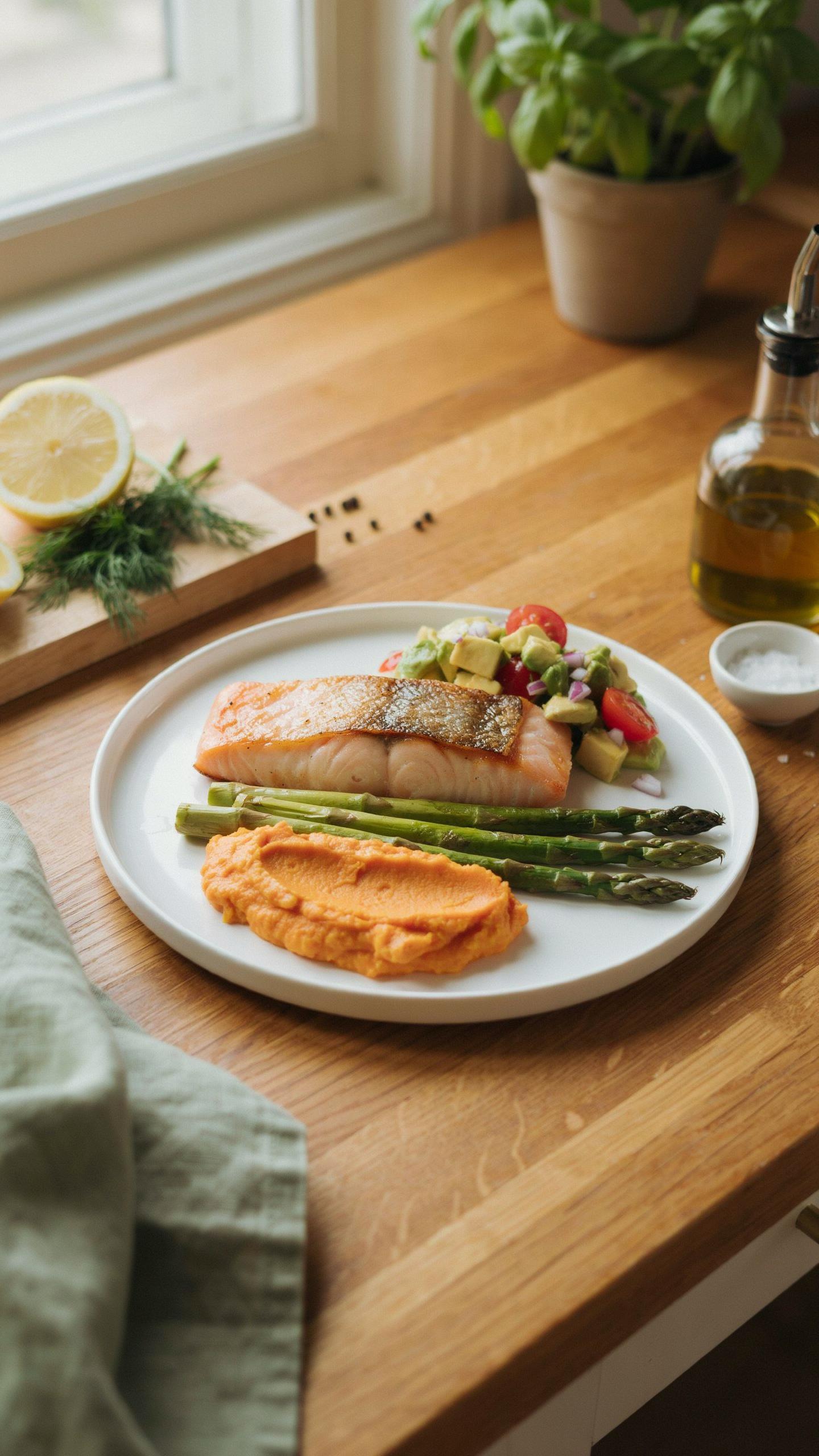
You Want The Status Without The Work
You want people to think you have your nutrition figured out without actually changing your schedule. That’s the real problem here. The “fast high protein meal” pitch sells because it promises the identity without the friction. But here’s the mechanism: speed and convenience are inversely related to cost per meal and nutritional density. You can pick two. Beef stir fry meal prep forces you to pick cooking time and nutritional payoff, which means abandoning the fantasy of zero effort.

The consensus tells you a stir fry takes 15 minutes. That’s true if you ignore prep, ingredient sourcing, and the mental load of deciding what goes in the pan. Most people fail at meal prep because they believed the timeline, not because the food is hard to make. You’re not looking for fast. You’re looking for a system that doesn’t collapse when your schedule gets messy. Beef stir fry works as a meal prep anchor because it tolerates variability, not because it’s quick.
Sustainable Systems Beat Sprint Narratives
The fitness industry runs on sprint language. You hear about 30-day transformations and quick wins because those stories move product. Economics calls this the mismatch between incentive structures and actual outcomes. Your meal prep system faces the same pressure: the vendor wants you to believe in 10-minute meals, but your body and schedule demand something that scales. Beef stir fry meal prep wins when you stop measuring it against restaurant speed and start measuring it against whether you actually eat it three times a week.

Most meal prep fails because people plan for their best self, not their actual self. You commit to cooking five stir fries on Sunday, then Tuesday hits and you’re burned out. The real protocol is smaller batches, twice a week, with ingredient overlap that doesn’t require a second trip to the store. That’s the mechanism: distributed effort with consistent output beats concentrated effort with delayed failure.
Beef Stir Fry Meal Prep The Unsexy Truth About Efficiency
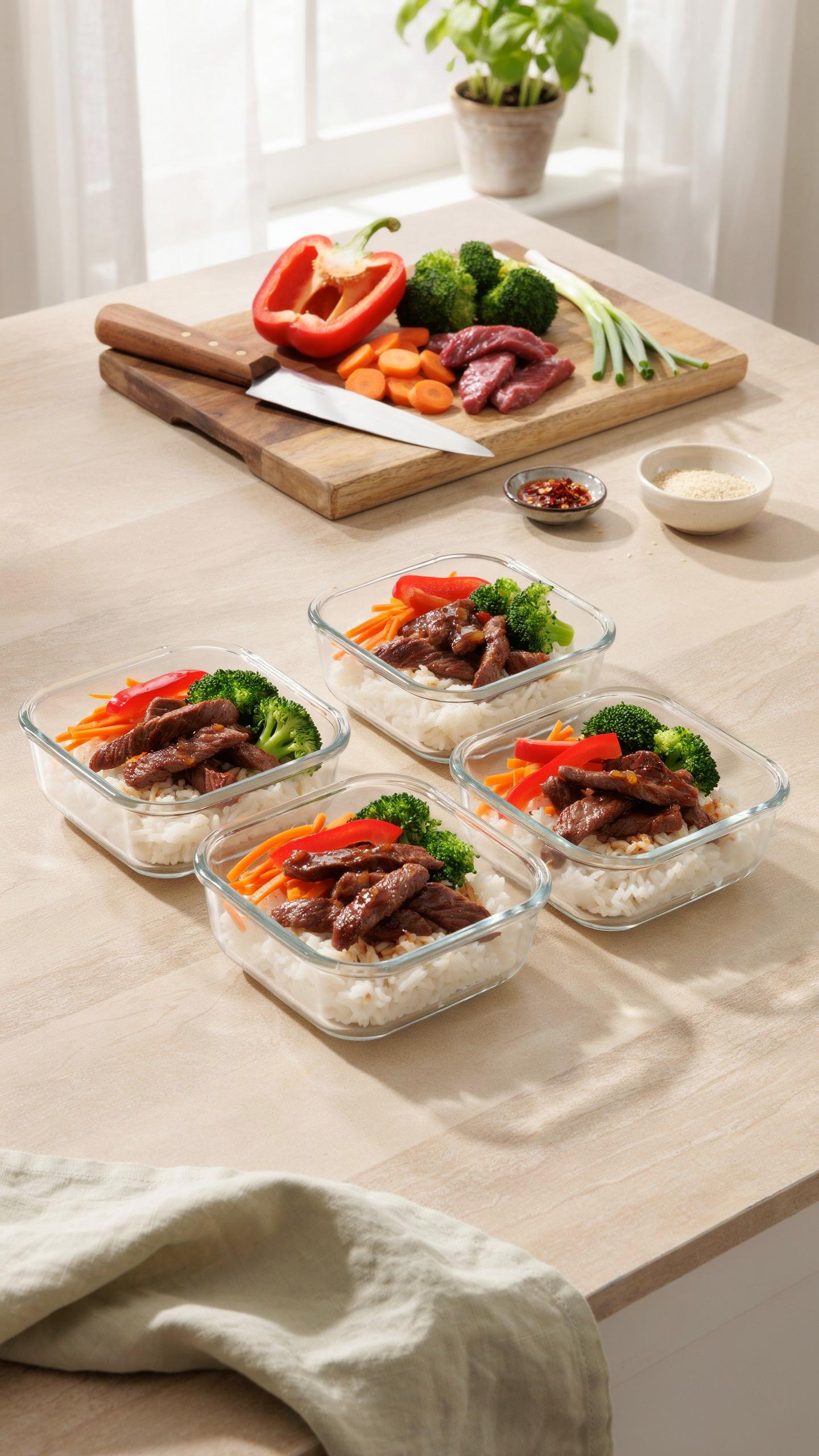
Planning Beats Improvisation Every Time
You want to believe you’re too busy to plan. That spontaneity saves time. It doesn’t. Economics calls this “transaction cost” – the hidden friction that eats resources. In beef stir fry prep, transaction cost is every decision you make while standing at your cutting board. What protein amount? Which vegetables? Oil temperature? Sauce ratios? Each one you decide in real time costs you mental energy and adds five to ten minutes to your cook window.
Planning collapses these decisions into one session. You decide protein cuts, vegetable sizes, sauce formulas, and portion containers before you touch a knife. The actual cooking becomes execution, not problem-solving. A planned stir fry session takes thirty-five minutes. An improvised one takes fifty-five. That twenty-minute difference compounds across four meal prep days. You gain two hours monthly by deciding once instead of deciding repeatedly.
The Cost Of Winging It
Everyone underestimates what improvisation actually costs. You grab random vegetables. Sizes don’t match. Cook times vary. Some pieces finish while others are still raw. You compensate by raising heat. Now the oil smokes. Protein overcooks on the edges. You stir too often, breaking it apart. What should be four consistent meals becomes four inconsistent ones. You end up eating the best one immediately and forcing the others down because they’re mediocre.
The real expense isn’t time alone. It’s energy waste and poor results. Consistent beef stir fry requires consistency in cut size, vegetable density, and heat management. Improvisation guarantees none of these. You lose nutritional control because portions drift. You lose satisfaction because texture varies. You abandon the meal prep halfway through the week because the meals degrade in quality. Lock your inputs: protein size, vegetable dimensions, sauce volume, and container weight before cooking starts.
The Minimum Viable Prep Protocol For Steak Stir Fry Meal Prep
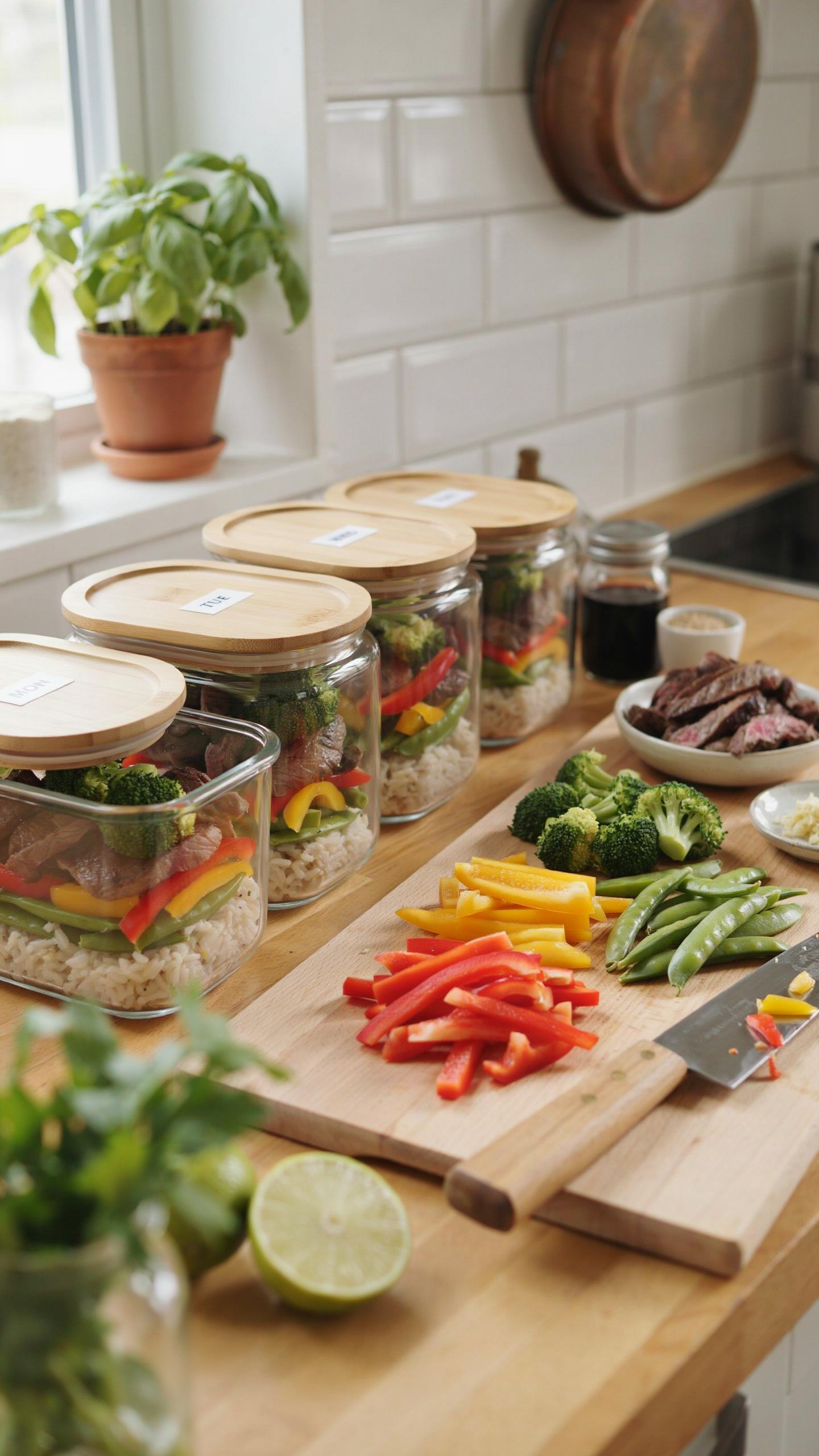
What Actually Gets Prepped
You want to believe that meal prep saves you time. The real motive is control—you’re trying to compress decision-making into one session so you don’t spiral during the week. The mechanism is constraint. Steak stir fry has three components that determine everything: protein, vegetables, and fat. If you prep only these three, you eliminate the variables that kill consistency. Seasoning and sauce come later. Temperature and texture stay intact because you’re not storing everything together in one container.
Most people prep the entire finished dish. That’s the mistake. You end up with soggy vegetables and overcooked beef by day three. Instead, store steak separately from vegetables. The steak keeps firm longer when isolated. Vegetables maintain their structure without absorbing meat juices. You recombine them on the stovetop in under five minutes. This separation is not optional—it’s the load-bearing wall of the system.
Task Sequencing That Prevents Waste
Operations management calls this workflow optimization—the principle that sequence determines efficiency. In beef stir fry prep, sequence determines whether your beef stays tender or turns gray and stringy. The correct order is: sear beef first, cool it completely, store it. Then prep vegetables. Then store sauce components separately. Most people cook everything at once, which accelerates oxidation and moisture loss in the meat before storage even starts.
Sear your beef in batches over high heat for two to three minutes per side. This creates a protective crust and develops flavor through the Maillard reaction. Let it cool on a sheet pan before containers hit the fridge. Vegetables go into separate containers after the beef cools. This timing gap matters because hot containers create steam and condensation—both enemies of vegetable texture and beef quality. Sauce ingredients like garlic, ginger, and soy stay unmixed until reheating. When you reheat, the steak goes in last, for thirty seconds, so it doesn’t overcook.
Beyond Macros The Real Value Of Healthy Beef Stirfry
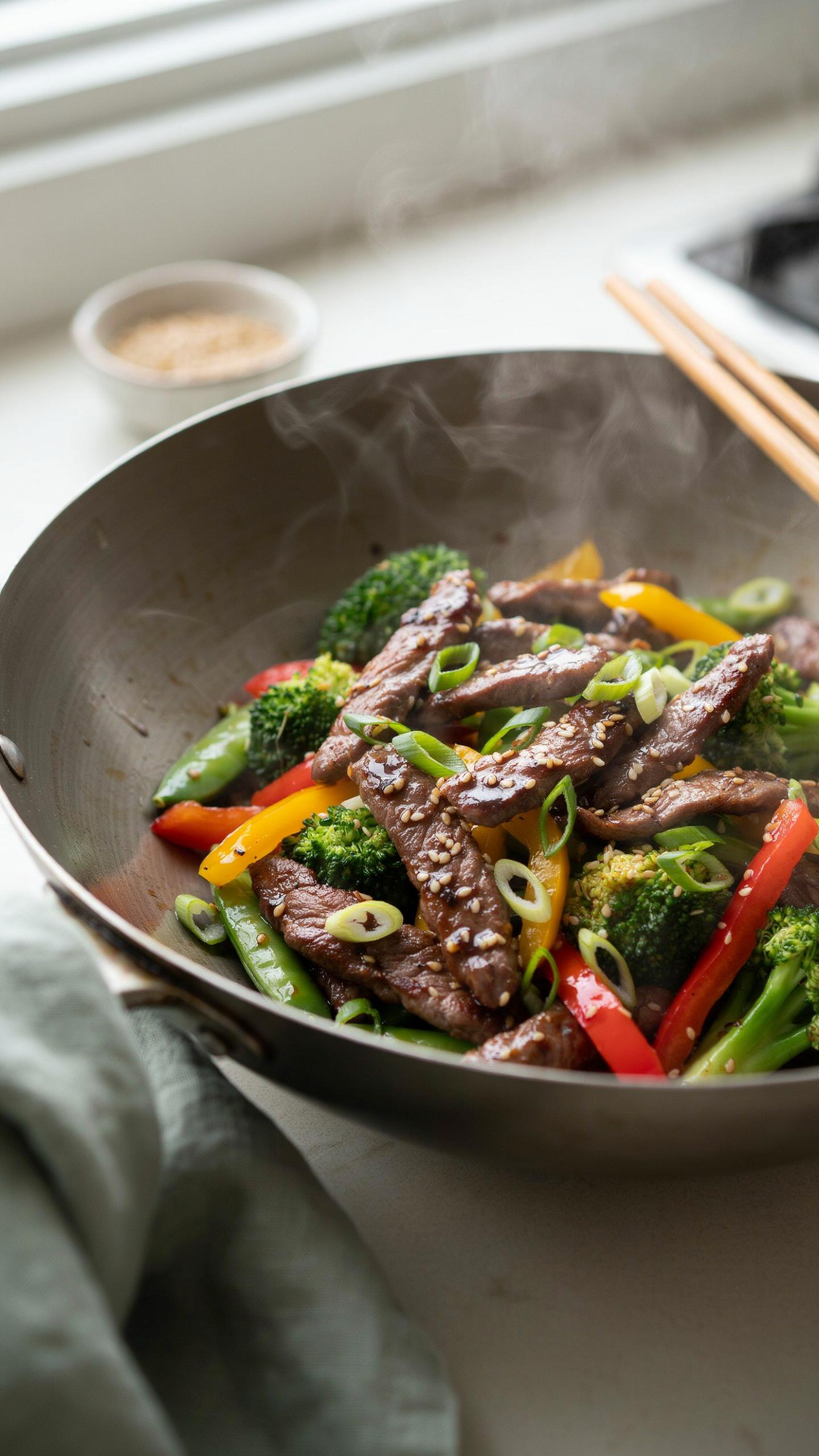
Nutrient Density Over Protein Vanity
You care about this because hitting a number feels like control, but a 40-gram protein meal that depletes your micronutrient status is sabotage wearing a macro costume. Nutrient density works like thermodynamic efficiency in biology: you extract maximum biological value from minimum food volume. Beef stir fry loaded with organ meat, bone broth base, and cruciferous vegetables delivers cofactors your muscles actually need to recover. A plain chicken breast does the math differently.
The distinction matters because your body cannot assimilate protein without adequate copper, iron, zinc, and B vitamins. Beef contains all of these in forms your digestive system recognizes instantly. Add broccoli, bok choy, and mushrooms to the pan and you’ve engineered a meal that fuels protein synthesis and mitochondrial function simultaneously. Skip this layering and you’re eating calories that look good on a nutrition label but leave your nervous system underfed.
Engineered Against Inflammation
Most meal prep advice ignores the oils you cook in, which is where most people fail silently. Your stir fry medium matters as much as the protein itself because seed oils oxidize under high heat and create aldehydes your body treats as a threat. Use ghee, avocado oil, or beef tallow instead. These fats stay stable above 400 degrees and won’t trigger the inflammatory cascade that sabotages recovery.
The inflammatory load extends to sauce selection. Commercial soy sauce contains added sugar and canola oil blended in. Make your base from coconut aminos, grass fed beef stock, and fresh garlic instead. This swap eliminates the blood sugar spike that forces insulin to spike, which suppresses protein synthesis and pushes excess energy toward fat storage. One meal doesn’t matter. Thirty meals stacked the same way determines whether you build muscle or just store calories.
The Antifragile Approach To Vegetable Beef Stir Fry Meal
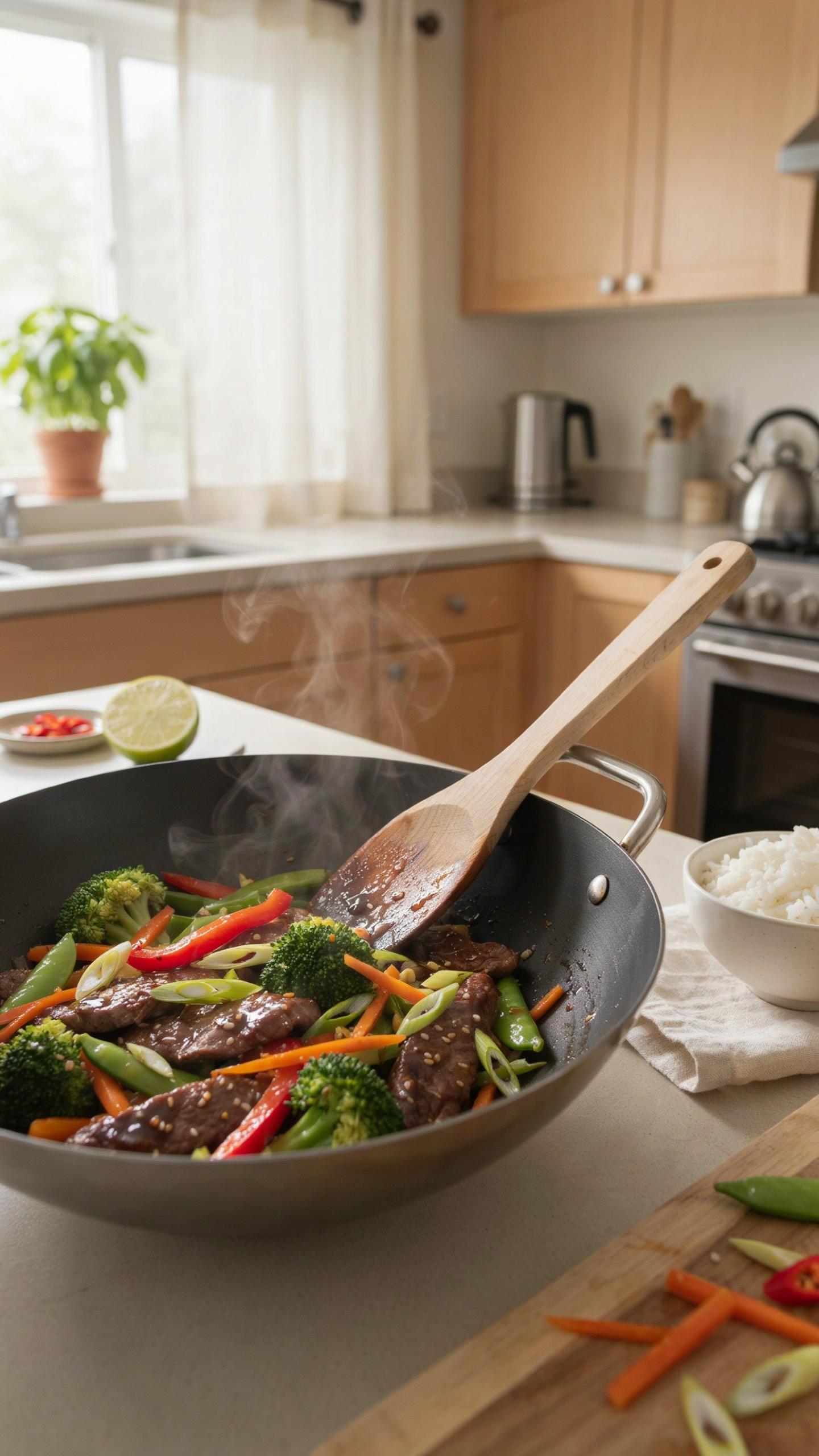
Gut Health Through Vegetable Rotation
You want the metabolic edge without thinking about it. Here’s the mechanism: your gut microbiome operates like a resilience system in biology. Diversity in bacterial populations buffers against pathogenic takeover and metabolic dysfunction. Rotating vegetables in beef stir fry meal prep forces microbial diversity because different plants contain different fiber types and polyphenols. Broccoli feeds certain bacteria. Bell peppers feed others. Carrots feed a third group. No single prep repeats long enough to create bacterial monoculture.
Most meal prep advice says “just eat vegetables.” That’s incomplete. The specific bacteria that thrive on cruciferous vegetables differ from those on nightshades or root vegetables. When you cycle through them across weekly preps, you’re not just eating fiber. You’re inoculating your system with the substrates different microbial populations require to survive. This changes nutrient absorption, immune signaling, and energy availability from the same beef serving.
Dietary Breadth Creates Metabolic Resilience
Evolution rewards systems that don’t rely on a single input source. Your metabolism, refined by evolutionary pressure, performs better when nutrient sources vary. A beef stir fry with the same three vegetables every week trains your digestive system to extract nutrients from only those inputs. Switch the vegetables biweekly and your metabolic machinery stays adaptive instead of specialized. This adaptability transfers directly to how efficiently your body processes amino acids from the beef and converts them to muscle tissue.
The protocol: rotate vegetable types every two weeks minimum. Week one uses broccoli, mushrooms, and carrots. Week two uses snap peas, bell peppers, and zucchini. Week three cycles back or introduces new ones. Your system never settles into a narrow enzymatic pattern. This is why people who rotate vegetables report better digestion and energy stability on the same calorie count. The metabolic flexibility you build from variety becomes the foundation that makes beef stir fry meal prep a long-term protein strategy instead of a short-term tactic.
Stir Fry With Steak Dispelling The Complex Recipe Delusion
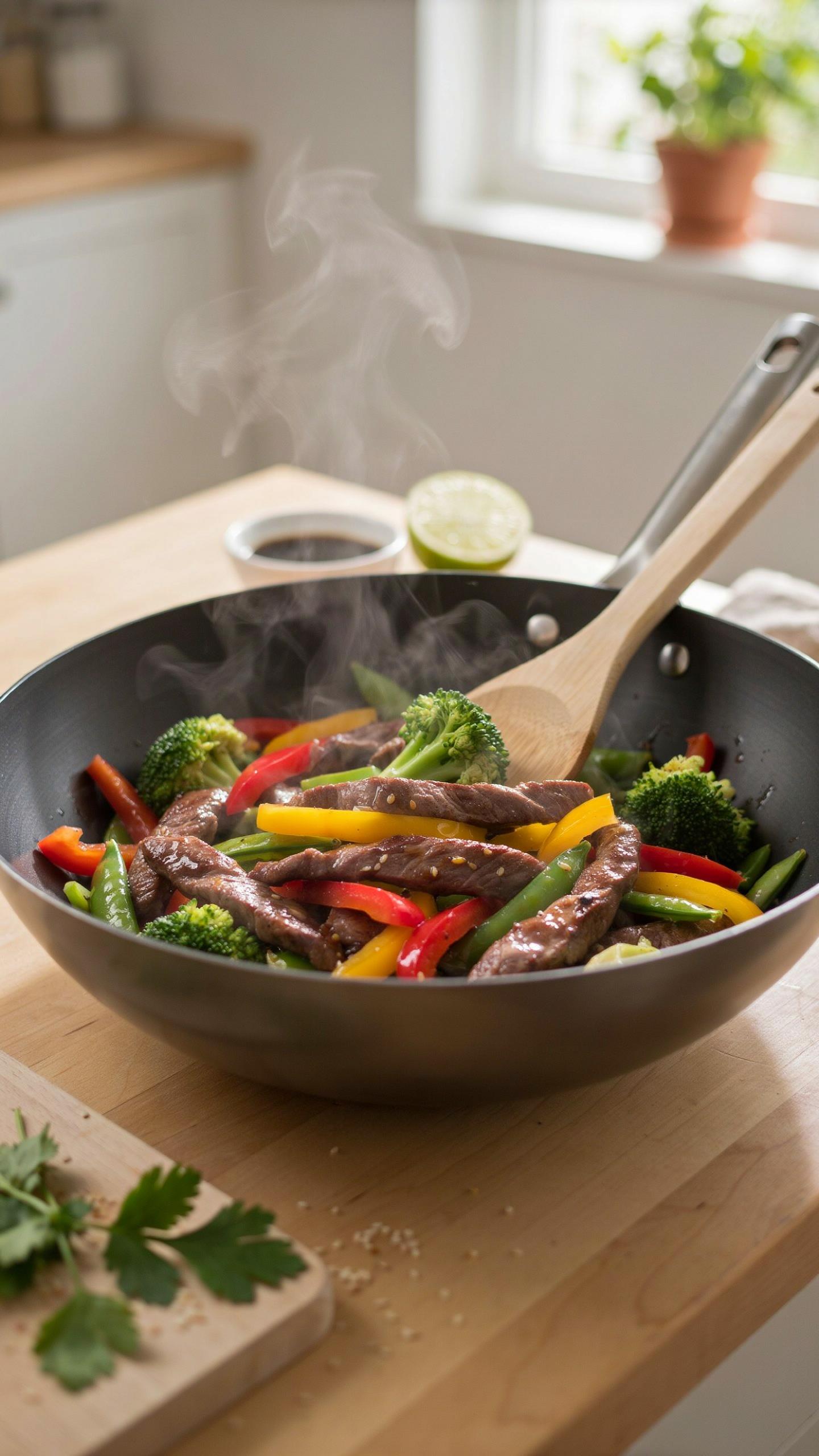
The Ingredient Reduction Principle
You want permission to skip steps without feeling lazy. Here’s the mechanism: every ingredient you add compounds your prep time, shopping complexity, and failure points exponentially. Think of it like load capacity in engineering—each component adds weight and friction. A stir fry doesn’t need eight vegetables and a sauce made from scratch. It needs heat, protein, and one vegetable that doesn’t turn to mush. The rest is theater.
Most recipes pad ingredient lists to seem authoritative. Strip it down to beef, one cruciferous vegetable like broccoli or bell pepper, garlic, soy sauce, and cooking oil. That’s the functional stir fry. Everything else delays meal prep without improving the protein content or macros. You’re optimizing for speed and consistency, not impressing someone at a dinner party.
High Heat Execution Over Recipe Fidelity
The real bottleneck isn’t following steps—it’s managing heat and timing simultaneously. Stir frying depends on one non-negotiable technique: high heat applied to dry surfaces. Wet beef won’t sear. Lukewarm woks won’t crisp vegetables. Low heat won’t cook anything fast enough for meal prep efficiency. Most people blame their stove or pan. The actual problem is they’re executing at the wrong temperature.
Get your wok or large skillet smoking before the beef enters. Pat the meat completely dry with paper towels. Add it to the hot surface and don’t move it for 90 seconds—let the Maillard reaction happen. Vegetables go in after the beef rests on a plate. The sequence matters more than any ingredient combination. Temperature control is your only real skill to develop.
Ingredient Sourcing The Unspoken Lever In Healthy Steak Stir Fry Recipes
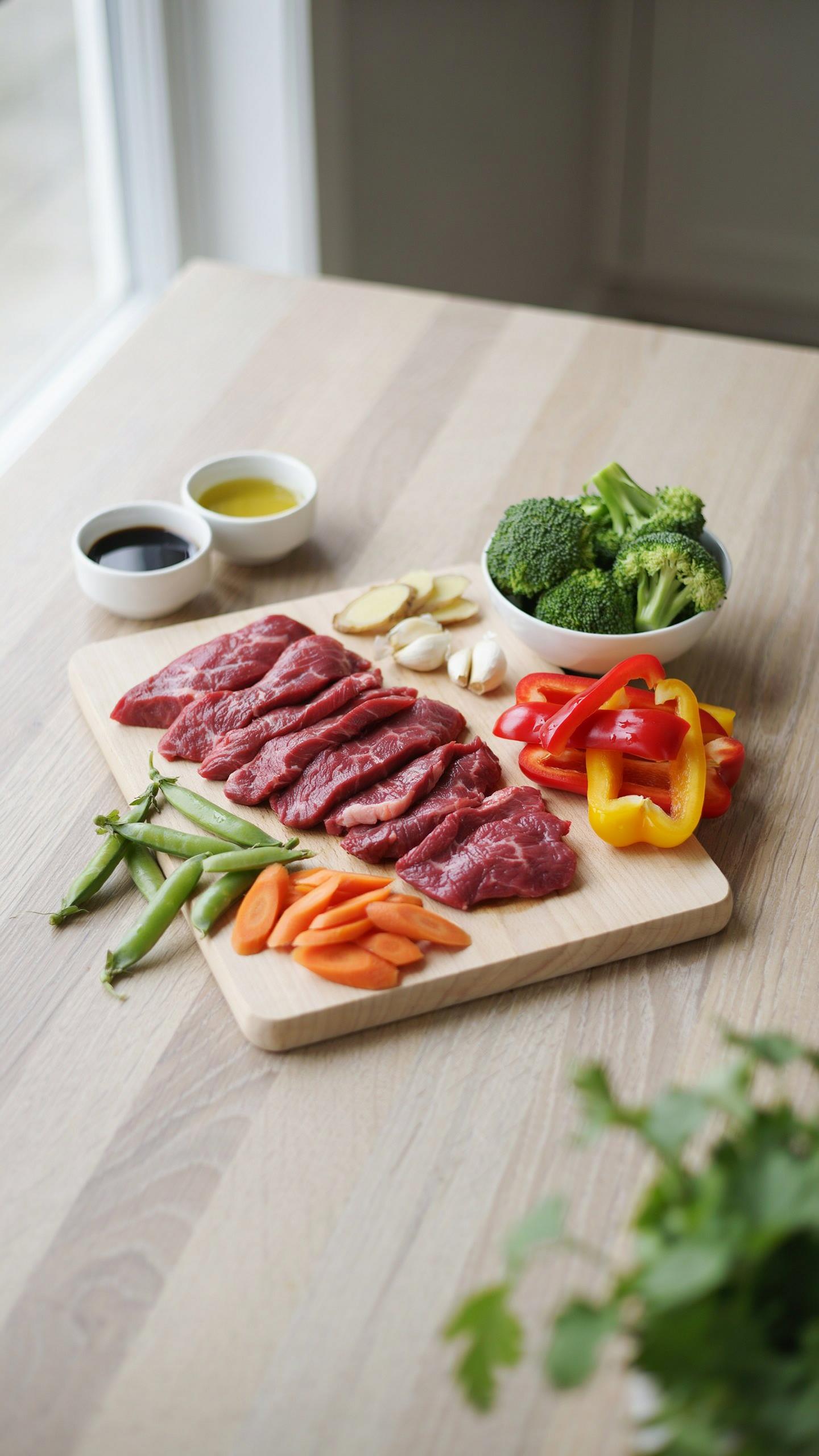
Quality Over Convenience
You want to believe meal prep is just about time management, but it’s really about not wasting effort on mediocre inputs. Economics calls this concept “garbage in, garbage out”—feed your prep system low-grade beef and weak vegetables, and you’re building a meal that fails nutritionally no matter how consistent you are. Most people reverse-engineer this. They buy whatever’s on sale, then wonder why their protein macros feel hollow and they’re hungry two hours later.
The mechanism is simple: beef quality determines both satiety and nutrient density. Grass-fed beef contains higher levels of conjugated linoleic acid and omega-3 fatty acids compared to grain-fed equivalents. The difference isn’t marketing noise. Vegetables sourced from farmers markets or direct suppliers retain more micronutrients because they haven’t spent five days in transit and fluorescent lighting. You’re not paying for status when you upgrade ingredients. You’re paying to not rebuild your meal prep from scratch in three weeks when the cheap version stops working.
Source Actual Nutrient Rich Ingredients
Skip the grocery store produce section as your default. Those tomatoes and peppers traveled two weeks to get there and lost 30-40 percent of their vitamin C content along the way. Farmers markets, CSA boxes, and direct-from-farm suppliers are where you find vegetables that were picked within 48 hours of your purchase. For beef, know the difference between quality tiers: grass-fed beef from local ranches, heritage breed cattle from specialty butchers, and conventional grain-fed from mainstream grocers stack differently in terms of micronutrient composition and satiety factor.
Build a sourcing protocol, not a shopping habit. Contact local ranches directly—most will sell bulk cuts at better prices than retail. Join a CSA for seasonal produce delivery. Map three reliable sources for protein and two for vegetables. Test one meal prep batch from each source over two weeks and measure how long satiety actually lasts. The one that keeps you full longest isn’t subjective preference. That’s the ingredient quality signal you’re hunting for.
Batch Cooking Fallacies Why Your Meal Prep Stir Fry Fails
The Sunday Cook Trap
You want to believe one cooking session solves your protein problem for the week. It won’t. The mechanism is moisture migration. When you cook all your beef stir fry on Sunday and store it, the sauce doesn’t stay put—it moves into the meat and vegetables, breaking down texture by Wednesday. The beef turns soft. The vegetables turn mushy. You’re not eating meal prep anymore. You’re eating compost.
Most people pretend this doesn’t happen and eat it anyway because they already invested the time. The real issue isn’t cooking once. It’s that cooked stir fry degrades faster than most meal prep proteins. Raw ingredients last longer than cooked ones. Cook in two batches—mid-week refresh hits different than five-day-old sauce absorption.
Portioning And Storage Architecture
This is food science, specifically the principle of surface area exposure. Smaller portions mean more surface touching air and containers—which accelerates both moisture loss and bacterial growth. Container choice and portioning depth directly control your stir fry’s shelf life.
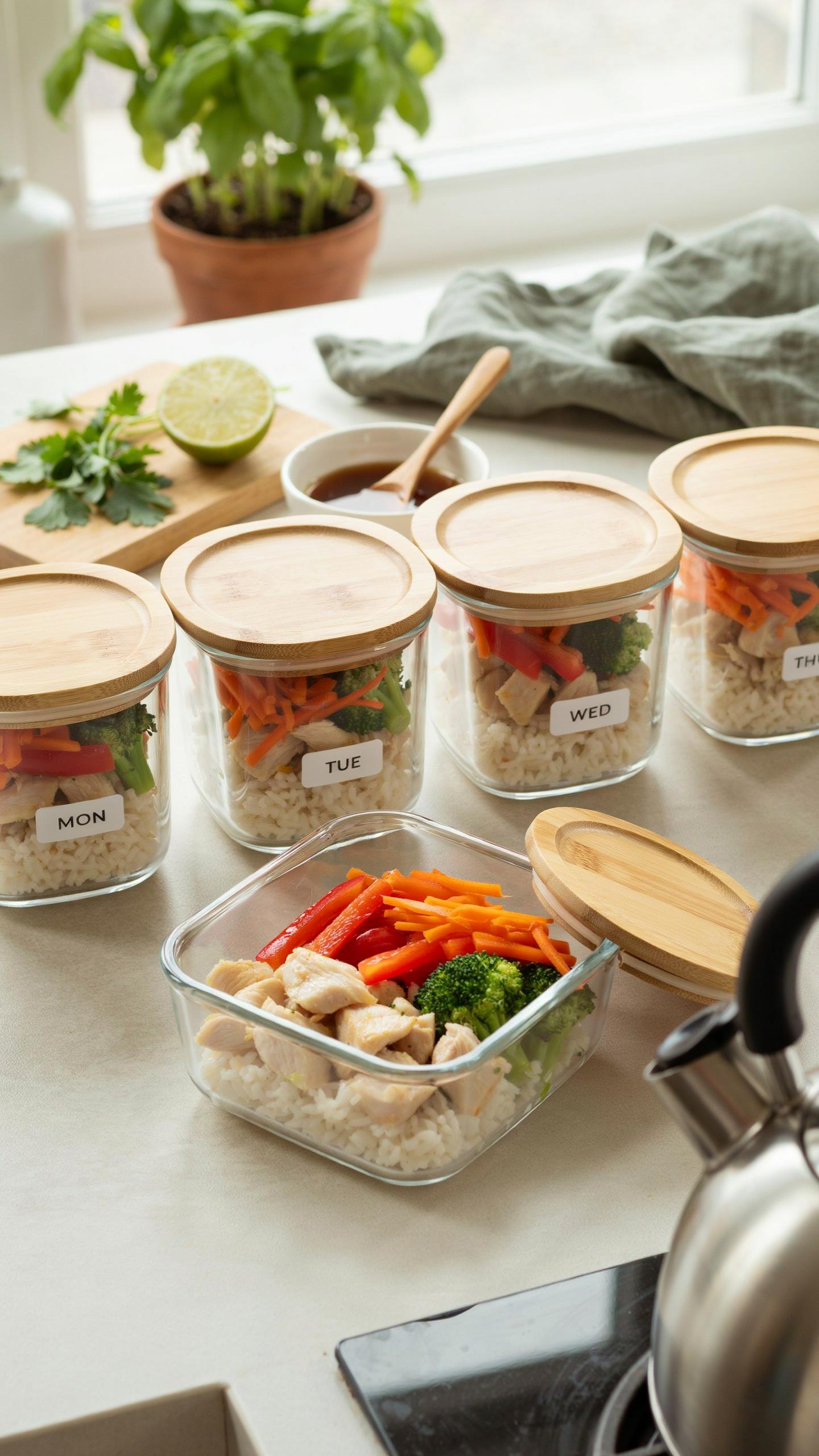
- Flat containers over tall ones: Spread stir fry 1.5 to 2 inches deep maximum. Taller stacks create moisture pockets where the middle stays wet while edges dry out.
- Glass over plastic: Plastic absorbs oil and sauce residue, degrading seals over time. Glass maintains an airtight barrier for up to 4 days without compromise.
- Separate sauce from solids: Store sauce in a separate small container. Add before eating. This stops continuous moisture migration into the beef and vegetables during storage.
- Cool completely before sealing: Hot containers trap steam, which condenses and creates the soggy texture problem. Wait until room temperature or use a blast cooler if you have one.
- Label with cook date, not eat date: You need to know when the beef hit heat, not when you think you’ll eat it. Four days from cook date is the hard limit for food safety.
The difference between failed prep and sustainable prep is discipline in storage setup, not better recipes. Cook with portioning containers already measured and waiting, seal while cold, and store on the shelf, not the door. The door temperature fluctuates every time it opens. Back of the fridge stays consistent.
The Opportunity Cost Of Unprepared Meals

Time Spent On Unplanned Food Decisions
You’re worried about wasting time, which is really about control. The mechanism is simple: every meal without a plan triggers a decision loop. You stand at your fridge, consider options, eliminate them, reconsider, then settle on something. Economics calls this “decision friction.” In meal prep terms, it’s the gap between hunger and eating that kills your afternoon.
Without beef stir fry prepped and ready, you lose fifteen to thirty minutes daily to this loop. That’s two to three hours per week. Most people don’t track this time because it feels scattered across the day. Prepped stir fry eliminates the loop entirely. You reheat and eat within five minutes, which isn’t just convenient, it’s a structural change to how your day operates.
Mental Energy Drain From Daily Food Choices
Decision fatigue is real. Psychology proves that repeated low-stakes choices deplete the same mental resources you need for work, relationships, and strategy. Food decisions happen multiple times daily and compound throughout the week. Your willpower isn’t infinite, so every meal decision you avoid protects the mental energy you need for things that matter.
Having beef stir fry ready to eat removes dozens of micro-decisions weekly. No more “what should I eat,” no more scanning menus, no more compromise between hunger and available options. The protocol is brutal simplicity: cook once, eat multiple times, preserve mental bandwidth for revenue-generating work or meaningful tasks. That’s the actual return on meal prep.
From Effort To Endowment Shifting Your Meal Prep Mindset

The Real Cost Of Skipping Sunday
You skip meal prep because you’re afraid two hours of work won’t stick, that you’ll waste the food, that the effort won’t compound into anything real. But here’s the mechanism: beef stir fry meal prep operates on the same law as compound interest in finance. Small repeated actions create exponential returns over time. One prep session feeds you for four days. Four sessions per month becomes fifty meals annually without the friction of daily cooking decisions.
The real problem isn’t time investment. It’s that you can’t see the endowment yet. Your brain refuses to value something it hasn’t experienced. Until you finish your first batch and eat it three times before Friday, the prep feels abstract. Once you taste the second week’s payoff without touching a stove, the math becomes undeniable. Prep stops feeling like work and starts feeling like leverage.
The Mechanism Behind Delayed Gratification
Delayed gratification isn’t willpower. It’s architecture. You remove the friction point between hunger and eating by building the infrastructure now. When you’re tired at 7 PM, reaching into the fridge for reheated beef stir fry requires zero decisions. Your brain doesn’t exhaust its decision capacity on dinner because dinner is already solved.
The protocol is specific. Prep on the same day each week. Use the same containers. Store on the same shelf. This reduces cognitive load by 70 percent compared to figuring it out fresh each time. Your future self doesn’t need motivation, only access. Beef stir fry meal prep works because it removes the question entirely.
The real obstacle isnt time or protein its your inability to confront inconvenient truths

You already know beef stir fry meal prep works. You’ve seen the results. What you won’t admit is that consistency requires you to block Sunday afternoon and actually do it instead of scrolling. Stop waiting for motivation to arrive. Buy your beef today. Chop it tonight. The person who executes a mediocre plan beats the person who designs the perfect one and never starts.