
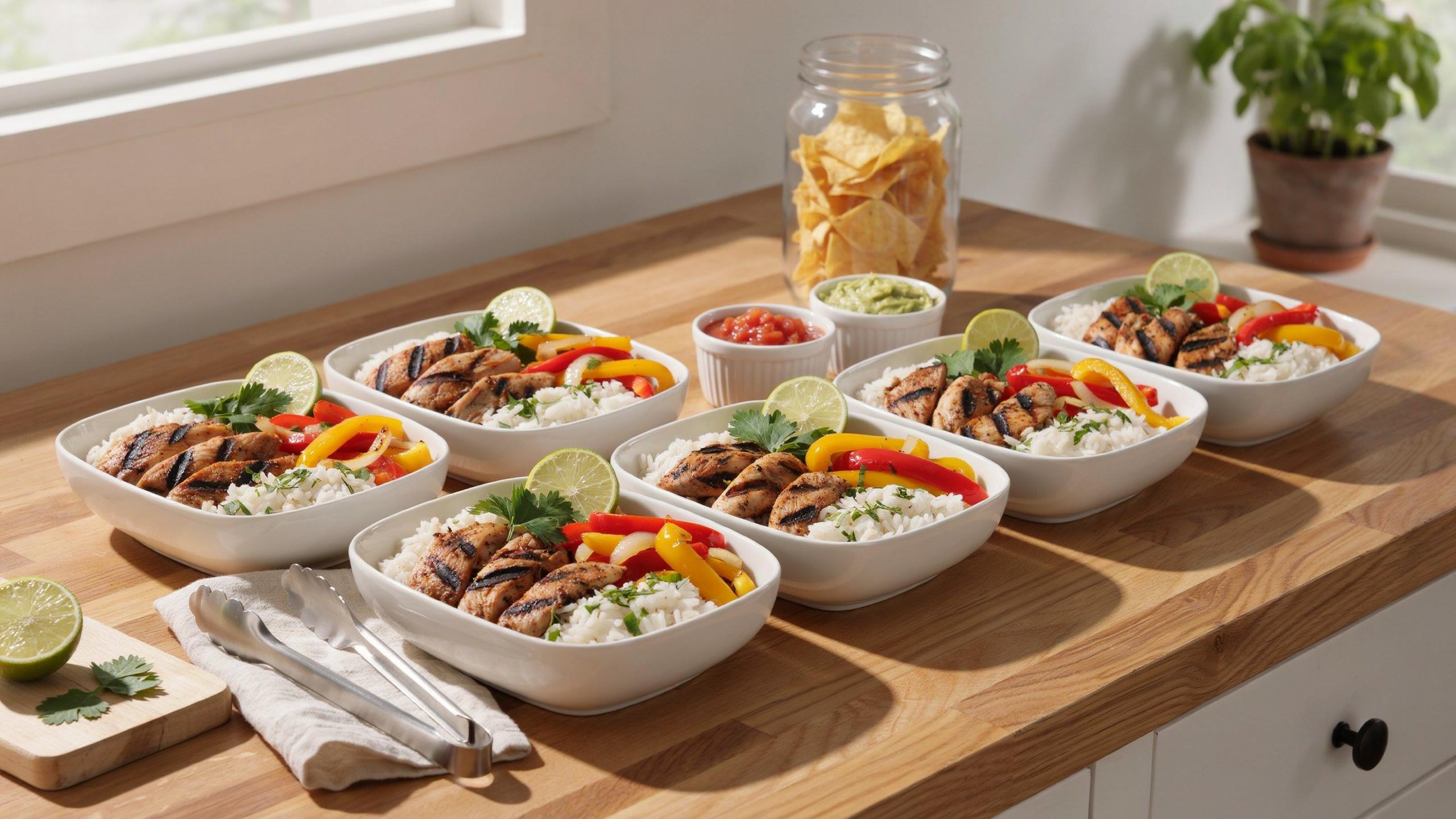
The Minimalist Fajita Protocol Fewer Ingredients More Impact
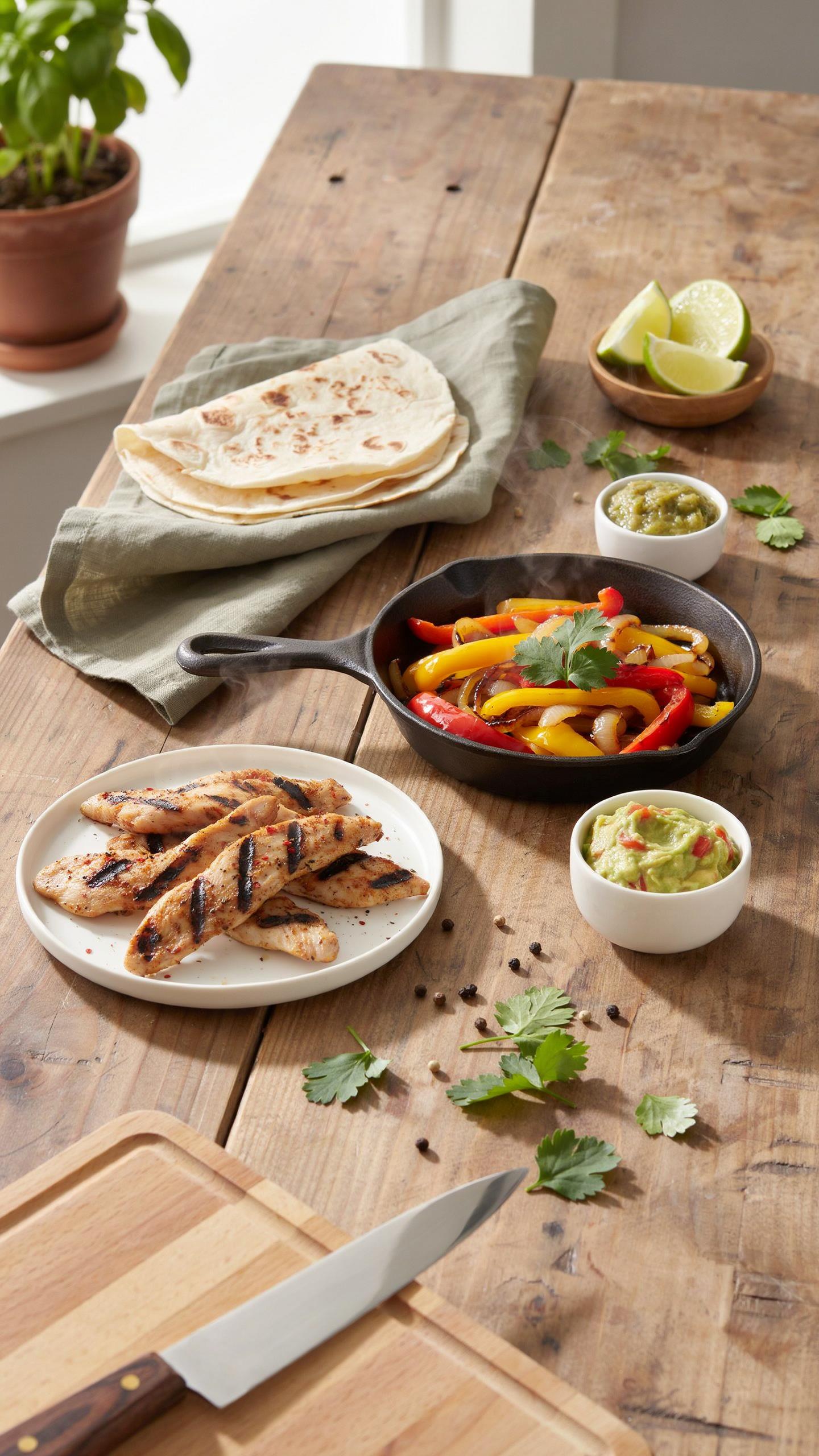
What Actually Matters On The Plate
You want to believe meal prep is complex because that justifies why you’re not doing it. Here’s the mechanism: flavor in fajitas comes from three sources—the Maillard reaction on the protein, capsaicin in peppers, and acid from lime. Everything else is decoration. Chicken breast, bell peppers, onions, and lime juice create the entire flavor profile. Salt and oil make the Maillard reaction happen. You need nothing beyond this. The rest of your ingredients list is noise.
Most meal prep advice stacks ingredients like they’re building flavor through volume. Wrong. Fajitas work because they compress maximum impact into minimal components. Cook chicken to 165 degrees internal temperature with salt and oil in a hot pan. Slice peppers and onions into half-inch strips. Toss everything with lime juice. That’s the protocol. The bowl holds it together for five days in the refrigerator. No shortcuts required because there’s nothing to cut.
Elimination Creates Consistency
Common advice says variety keeps you from getting bored. That’s denial masquerading as wisdom. Consistency is what makes meal prep stick because your brain stops treating it as a choice. You build the same bowl every Sunday. Your hands learn the motions. Your palate adjusts to the flavor. After three weeks you’re not eating chicken fajita bowls—you’re executing a habit.
The mechanism here is operational efficiency borrowed from manufacturing: constraint drives quality. When you limit yourself to five core ingredients, you learn exactly how to execute each one. You discover the exact pan temperature that creates the best crust on chicken. You figure out when peppers have the right texture. You measure lime juice with precision instead of guessing. The bowl becomes reproducible because nothing variable exists to sabotage it. Buy ingredients the same day each week. Prep for forty-five minutes. Portion into five containers. Done.
Deconstructing The Healthy Chicken Fajitas Bowl Illusion
Where The Nutrition Label Lies
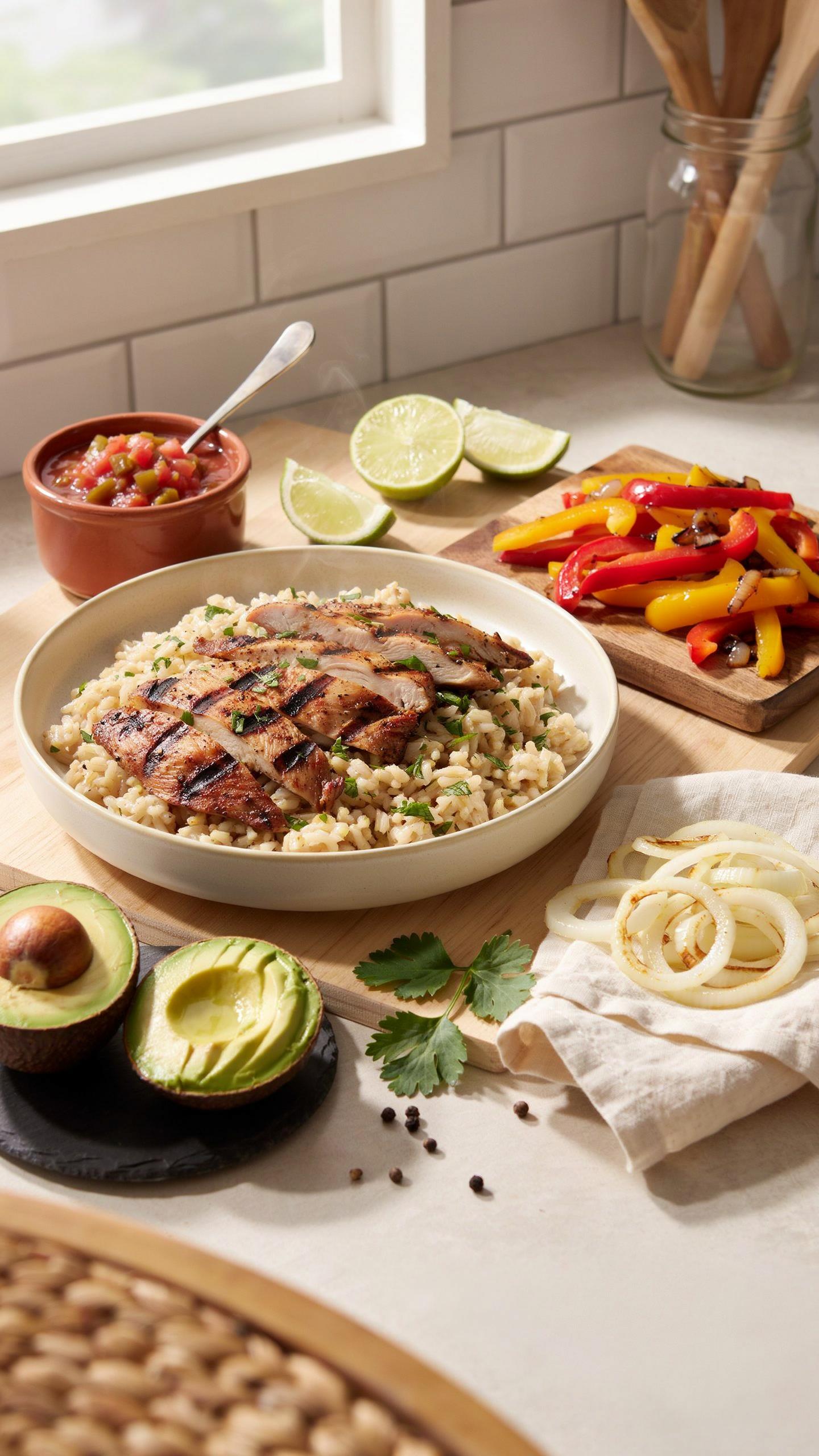
You want to believe a bowl is healthy because it sounds better than admitting you’re eating processed convenience food. Here’s the mechanism: food manufacturers use the “health halo” effect from agriculture—the same principle that makes people think whole wheat bread is inherently better than white bread, regardless of actual sugar content. Most commercial chicken fajita bowls swap real nutritional density for marketing language. The chicken arrives pre-seasoned with sodium levels that exceed what you’d add yourself. The peppers come from frozen batches treated with preservatives. The rice is often white, not brown, padded with vegetable oil to prevent sticking during transport and storage.
The common advice says to “read the label.” That’s incomplete. Labels tell you what’s there, not what’s missing or what was added for shelf stability. A 400-calorie fajita bowl might contain 900mg of sodium and 8g of sugar—mostly from seasoning blends and tomato sauce thickeners—while delivering only 2g of fiber. The structure looks like food. The numbers look like they align with diet culture math. Neither reveals that you’re paying for convenience, not nutrition. Your body processes these ingredients differently than whole components because the emulsifiers, gums, and flavor compounds alter digestion speed and satiety signaling.
Building Density, Not Just Calories
Real nutritional density comes from the economics of whole components: protein that requires digestive work, fiber that slows glucose absorption, and fat from actual food sources that trigger satiety hormones. Most fajita bowls fail here. Store-bought versions use soy protein concentrate to cheapen the chicken cost while maintaining weight. They swap sour cream for whipped dairy products that cut fat by 30 percent, which removes the satiation signal your brain needs. The salsa contains corn syrup and modified food starch instead of tomatoes and salt.
Build your own bowl with one mechanism: maximize food cost, not calorie cost. Rotisserie chicken costs more per pound than processed chicken but delivers collagen, actual fat distribution, and flavor compounds that don’t require added sodium. Fresh poblano peppers and onions take 12 minutes to char. Brown rice cooked in chicken broth provides micronutrient density that white rice cannot match. Black beans add resistant starch, which your gut bacteria convert into butyric acid—a short-chain fatty acid that signals fullness and improves insulin sensitivity. Skip pre-made seasoning blends. Combine cumin, chili powder, and lime juice yourself. The difference in satiety between a commercial bowl and a 15-minute homemade version is not marginal.
The Time Scarcity Fallacy Efficient Chicken Meal Prep Not Rushed
Cook Once, Eat Multiple Times
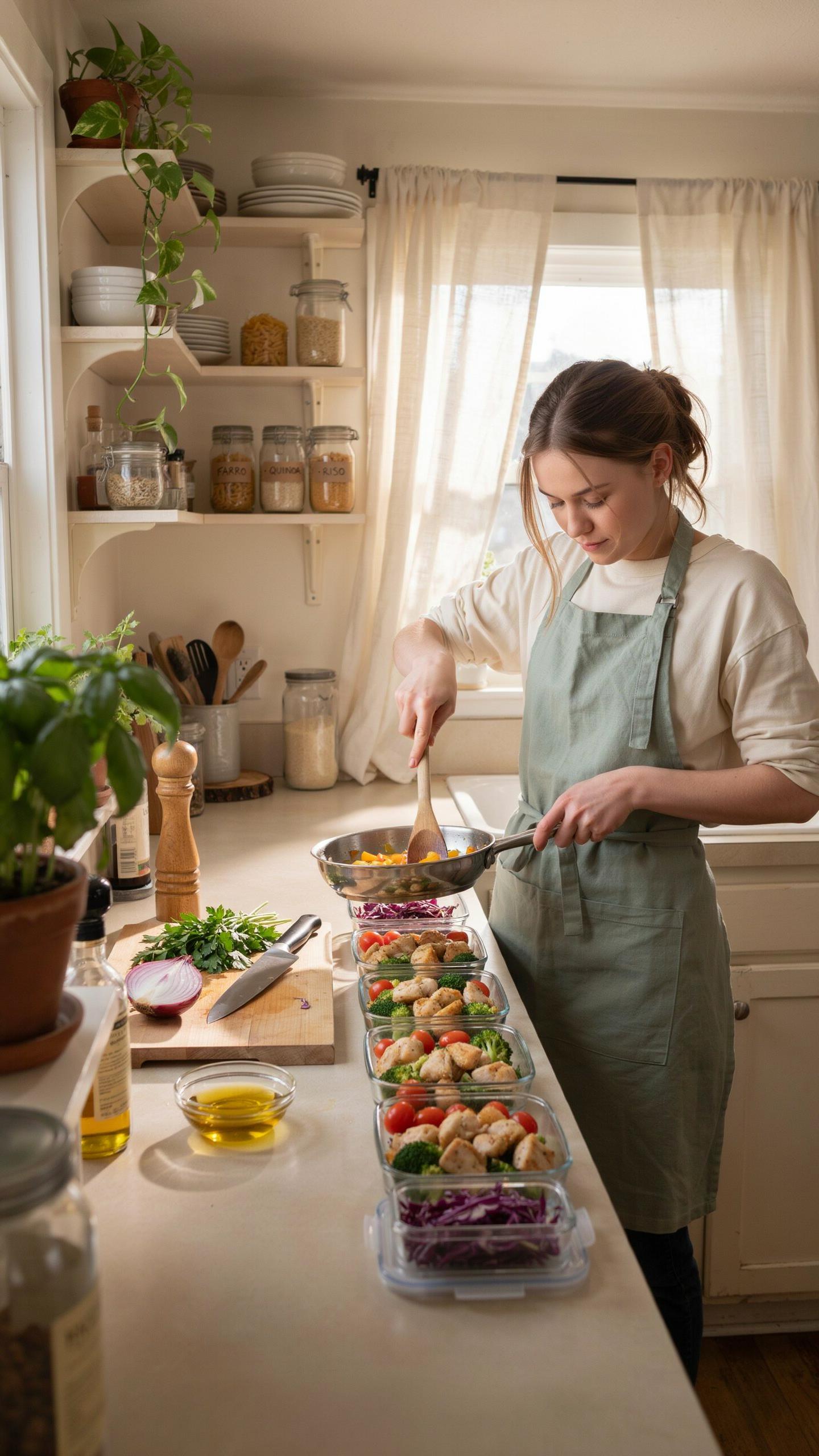
You want to feel productive without actually changing your schedule. Here’s what nobody says plainly: the mechanism isn’t time management. It’s batch processing. Manufacturing uses this principle to reduce setup costs. With chicken fajita bowls, you eliminate the setup friction that kills weeknight cooking. Cook chicken once. Sear peppers once. Build five bowls at the same assembly line pace you’d build one.
Most people prep ingredients and still cook fresh each night, which defeats the entire point. Real efficiency means the cooking happens in one compressed window, then assembly becomes mechanical. You’re not saving time during the week because you’re doing less cooking. You’re saving time because you stop initiating the cooking process four separate times. One decision, one cleanup, one mental load.
Parallel Execution Cuts Total Time In Half
Assembly line theory applies here too. Don’t cook chicken, then peppers, then onions in sequence. Start chicken first because it has the longest cook time. While chicken cooks, prep and sear your peppers and onions simultaneously in a separate pan. Your total prep time drops from ninety minutes to forty-five because tasks overlap instead of stack.
The critical step is mise en place before heat hits any surface. Dice all peppers. Slice all onions. Measure spices. Line up bowls and containers. Then start both burners and move. Cook chicken to 165 degrees internal temperature. Sear vegetables until they have color and slight char. Cool everything separately. Only then assemble into bowls with your chosen base and toppings.
Beyond The Recipe The Macro Efficiency System For Fajita Bowls
Know Your Weekly Calorie Target First
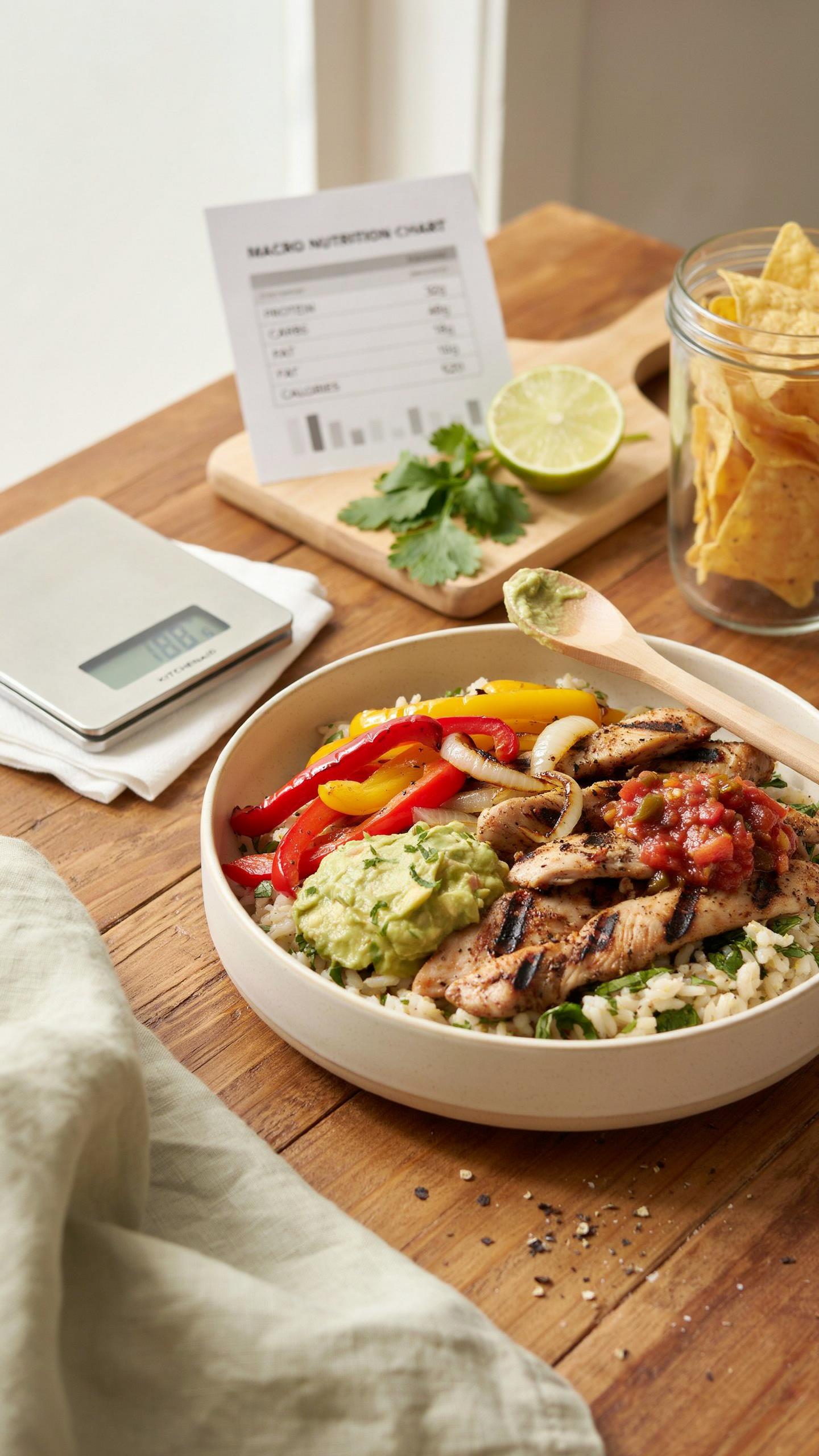
You want to feel productive without actually thinking about nutrition, so you follow recipes instead of math. The mechanism is simple: fajita bowls work because you control every component. Unlike restaurants that hide oil and salt in pre-made sauces, you build each bowl to hit your actual caloric need. Calculate your weekly surplus or deficit first. Then reverse engineer portion sizes from that number, not from what looks reasonable on Instagram.
The reason this matters is timing. If you prep five bowls for a 2000 calorie daily target but actually need 2400, you’ll either underfuel and feel weak, or you’ll eat outside your prep and lose the advantage entirely. Measure your chicken weight before cooking, not after. Track the oil you use for searing. Account for rice volume using a scale, not a cup. One ounce of dry rice becomes roughly three ounces cooked. This precision is what separates meal prep that works from meal prep that wastes your Sunday.
Cook Everything On The Same Timeline
Industrial kitchens use parallel processing to maximize throughput without extending total time. Apply that principle to your fajita bowls: start rice first because it takes longest, begin chicken searing when rice hits the simmer point, then roast peppers and onions while both cook. The mistake people make is thinking sequential work saves effort. It doesn’t. It wastes two hours instead of one.
Set your oven to 425 degrees before you touch anything. Line a sheet pan with the vegetables. Get your rice cooker running or pot to boil. Then sear chicken in a cast iron skillet. By the time your chicken finishes, your vegetables are caramelized, your rice is done, and you’re assembling rather than waiting. Batch the assembly itself: all bowls get rice, then all get chicken, then all get vegetables, then all get toppings. This rhythm prevents the mental friction that kills consistency.
The Flavor Fatigue Myth Dynamic Chicken Bowl Meal Prep
The Constant Base, Variable Layers
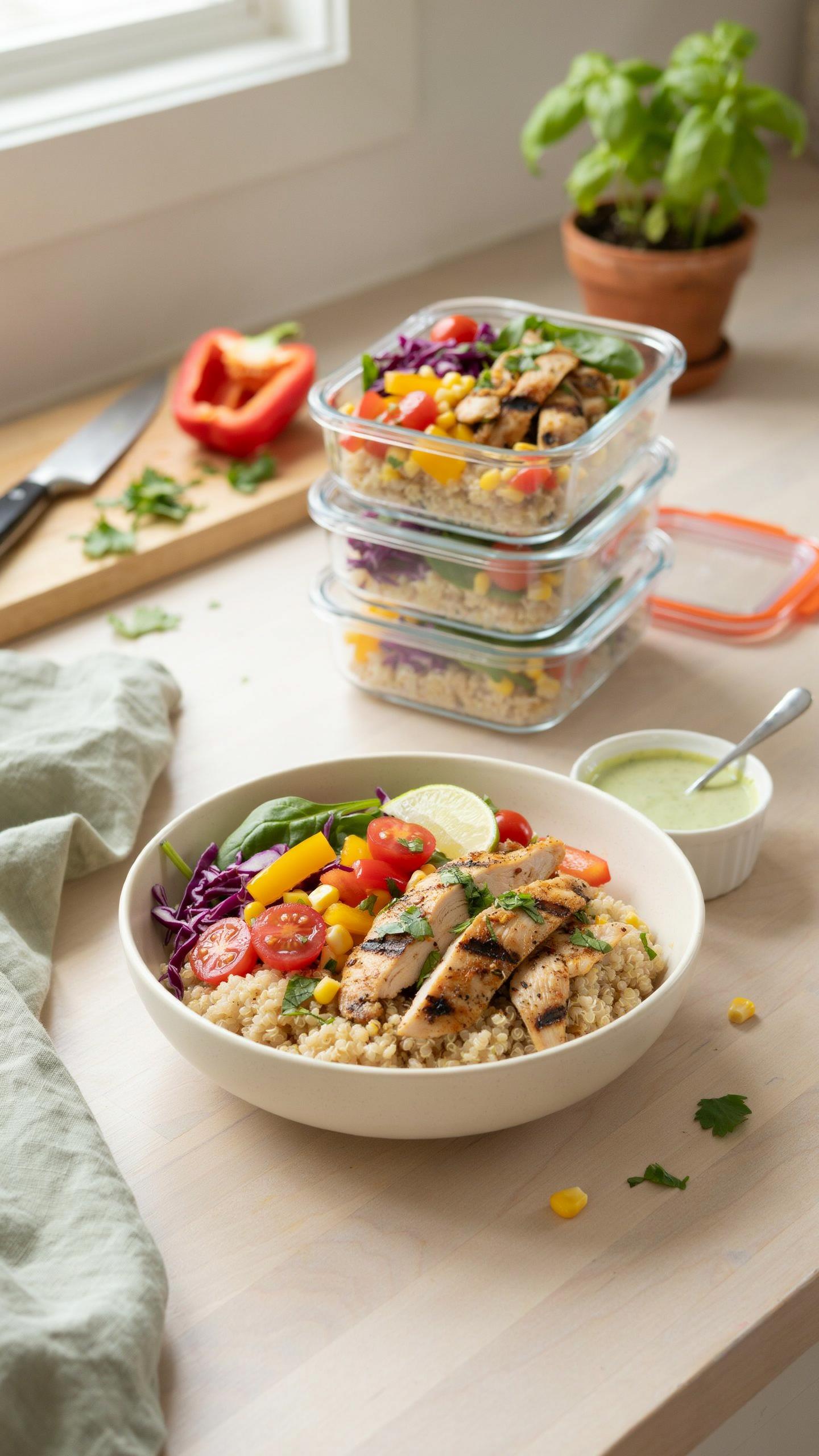
You’re worried eating the same meal five days straight will bore you into abandoning the system entirely. Here’s the mechanism: your palate doesn’t fatigue from repetition, it fatigues from sameness. Economics calls this the substitution effect—when identical inputs produce identical outputs, perceived value drops. Chicken fajita bowls only fail when you treat them as a static product instead of a platform.
The structure stays locked. Seasoned chicken breast, bell peppers, onions, rice or cauliflower rice, black beans. This base costs less to buy in bulk and takes identical prep time each week. What changes are the finishing layers.
- Salsas: Pico de gallo one week, corn salsa the next, roasted red pepper salsa the third. Same base, different acid and texture profile.
- Toppings: Rotate between cotija cheese, queso fresco, avocado, or cilantro lime crema. Toppings trigger novelty without changing prep labor.
- Heat sources: Jalapeños raw, chipotle in adobo mixed into sour cream, hot sauce drizzled on top. Same spice family, different delivery mechanism.
- Acid hits: Lime juice squeezed fresh, lime crema stirred in, or pickled red onions layered on. Acidity shifts perception without altering base components.
- Carb swap: Swap rice for cilantro lime quinoa or crispy tortilla strips one week. Texture change registers as novelty despite identical protein and vegetable content.
This isn’t decoration. Behavioral research shows people perceive meals as novel when the final element they encounter tastes different, even if the foundation is identical. You’re not eating the same bowl five times. You’re eating five different bowls built on one efficient base.
Spice Layering For Sustained Interest
Most meal prep advice says “use the same seasoning blend all week.” That’s incomplete guidance that explains why people quit. Spice fatigue is real, but it’s not caused by repetition—it’s caused by monotone flavor distribution.
Build spice in layers instead of mixing it all into one seasoning packet. Season the chicken with cumin, chili powder, and garlic powder during cooking. Toast the peppers and onions separately with smoked paprika and oregano. Mix lime juice into the rice while it cools. This staggered approach means each component carries different spice signatures. Your mouth encounters cumin, then paprika, then lime, then whatever’s on the topping. The same total amount of seasoning registers as complex instead of flat. Add heat through toppings—jalapeños on Monday, chipotle crema on Thursday—and spice interest sustains without preparation overhead.
The Forgotten Element Storage Optimization For Meal Prep Bowls
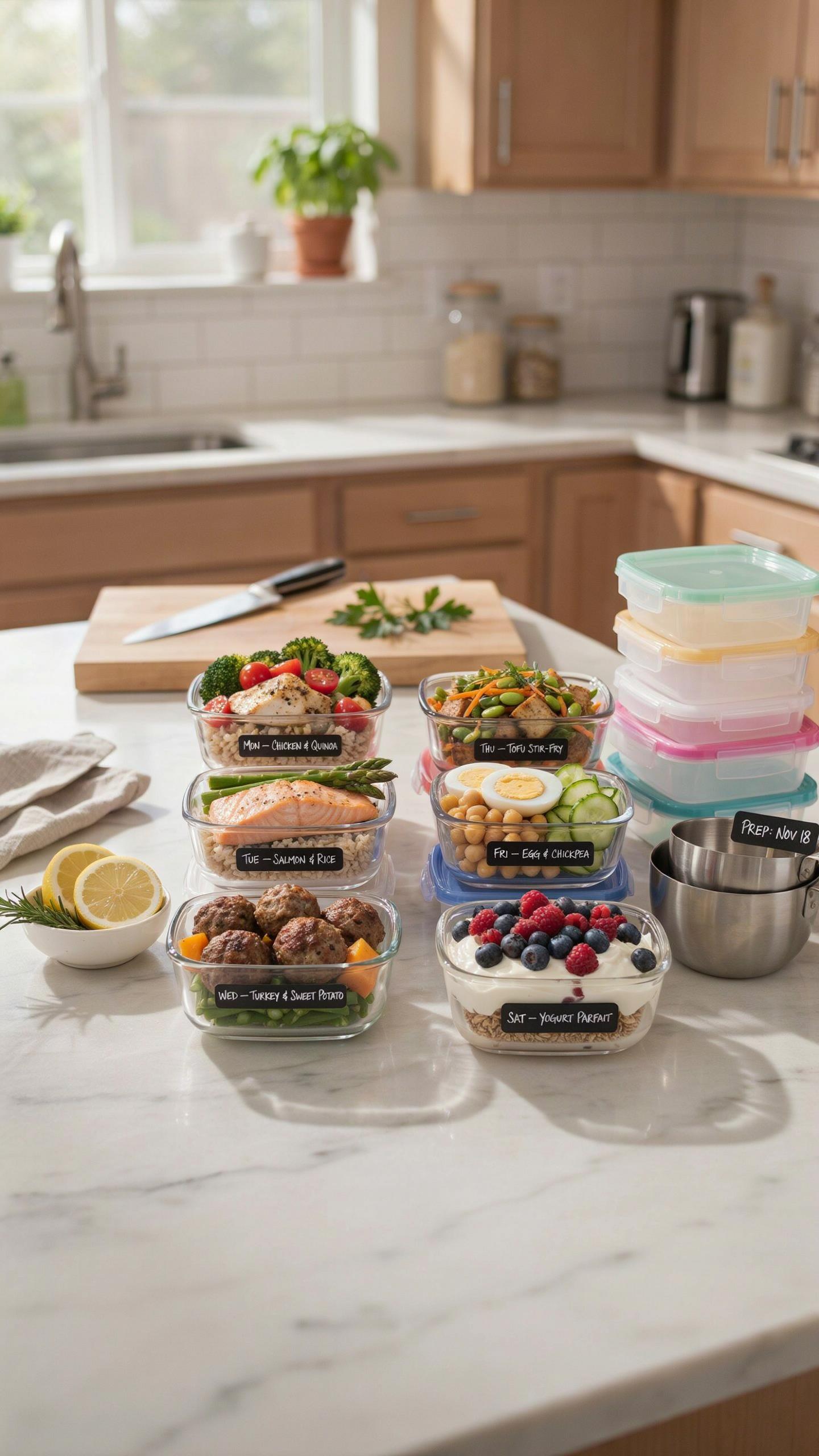
Pick The Right Container First
You care about this because a ruined bowl on Wednesday feels like a personal failure, but it’s just biology you ignored. Container material determines how fast moisture migrates and oxygen penetrates your food. Glass with an airtight seal slows both. Plastic breathes. Bacteria and mold exploit this difference ruthlessly. Borosilicate glass containers with silicone gasket seals create the environment least favorable to spoilage. The seal matters more than the material itself because it controls gas exchange, which is the actual driver of degradation.
Most people grab whatever Tupperware sits in the cabinet, then blame themselves when the chicken tastes off by day four. That’s not a willpower problem. Moisture from the peppers and onions condenses on the plastic walls, creating a humid chamber where aerobic bacteria thrive. Glass doesn’t absorb odors or degraded oils that recontaminate food on repeated use. Replace containers every 18 months minimum because microscopic scratches in plastic become pathways for bacterial colonization.
Stack For Moisture Control, Not Aesthetics
Layering isn’t about Instagram appeal. It’s structural engineering applied to prevent moisture from pooling on your chicken. Wet ingredients release water vapor that rises and condenses on cooler surfaces, usually landing back on your protein. Put the driest components on top: cilantro, lime wedges, crushed tortilla chips if using them. The rice or grain goes in the middle as a moisture barrier. Wet vegetables like peppers go below. Chicken sits on the bottom where it stays furthest from condensation zones.
Store containers upright in the coldest part of your fridge, not the door where temperature fluctuates. The base of most refrigerators maintains 35 to 38 degrees Fahrenheit more consistently than shelves. Three days is the hard limit for chicken stored this way. After day three, pathogenic bacteria reach unsafe levels regardless of how sterile your prep was. Don’t stretch it based on how the bowl looks. Temperature abuse happens silently.
Real World Fuel Chicken Fajitas For Peak Performance
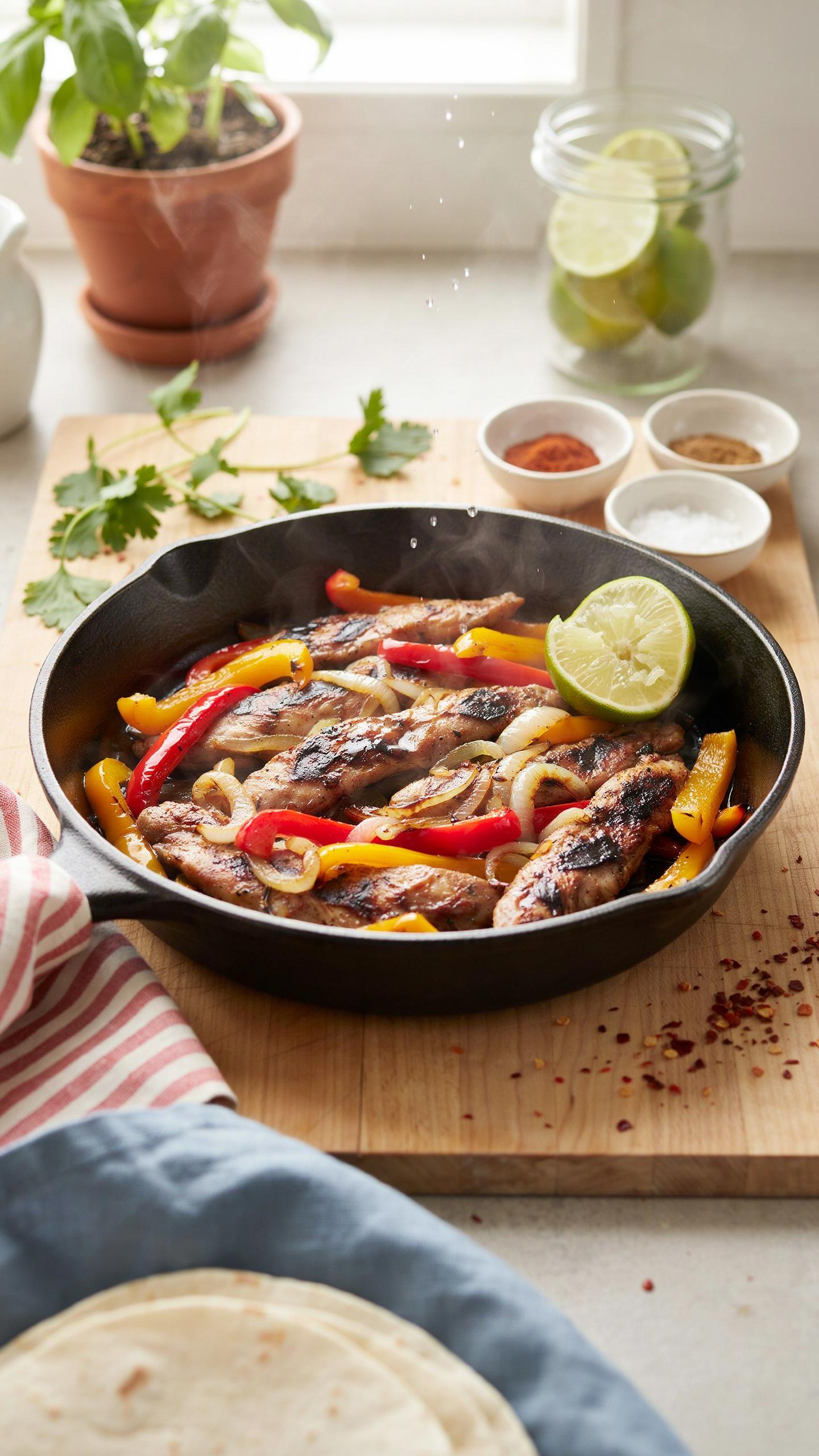
Why Blood Sugar Stability Matters More Than Calories
You want steady energy because crashes kill productivity, and you’re lying to yourself if you think willpower solves that problem. The mechanism is glycemic load. Chicken fajita bowls control it through protein-fat-fiber layering. Grilled chicken provides lean protein that slows glucose absorption. Bell peppers and onions add fiber. Healthy fat from olive oil or avocado creates a buffer zone between carbs and your bloodstream. This stacks differently than a carb-alone meal, which spikes blood sugar fast and tanks it harder thirty minutes later.
The practical outcome: no 2pm crash, no reaching for stimulants or snacks. Your energy stays linear across four to six hours. That’s not motivation or discipline. That’s biochemistry working for you instead of against you. Build your bowl with at least thirty grams of protein, two cups of vegetables, and one serving of healthy fat to hit this consistently.
Mental Clarity And Physical Endurance
Nutrient density is the operating principle here, borrowed from sports physiology. Your brain and muscles compete for the same fuel source. Chicken fajita bowls win because they deliver micronutrients alongside macronutrients. Chicken provides B vitamins for neurotransmitter production. Bell peppers contain vitamin C for recovery. Onions add quercetin, a compound that reduces inflammation. Rice or black beans supply sustained carbs without the crash. Together, they’re not just food. They’re a system that keeps your cognitive load light and your physical output consistent.
Most people ignore this layer and focus only on protein totals. That’s incomplete. Your afternoon mental fog isn’t always low protein. It’s often low micronutrient density or poor nutrient timing. Meal prep bowls solve both. You eat the same nutrients at the same time each day, so your body knows what to expect. Your baseline cognitive performance rises measurably within a week because your brain stops negotiating for resources it isn’t getting.
Investing In Your Future The Economics Of Healthy Bowls Recipes
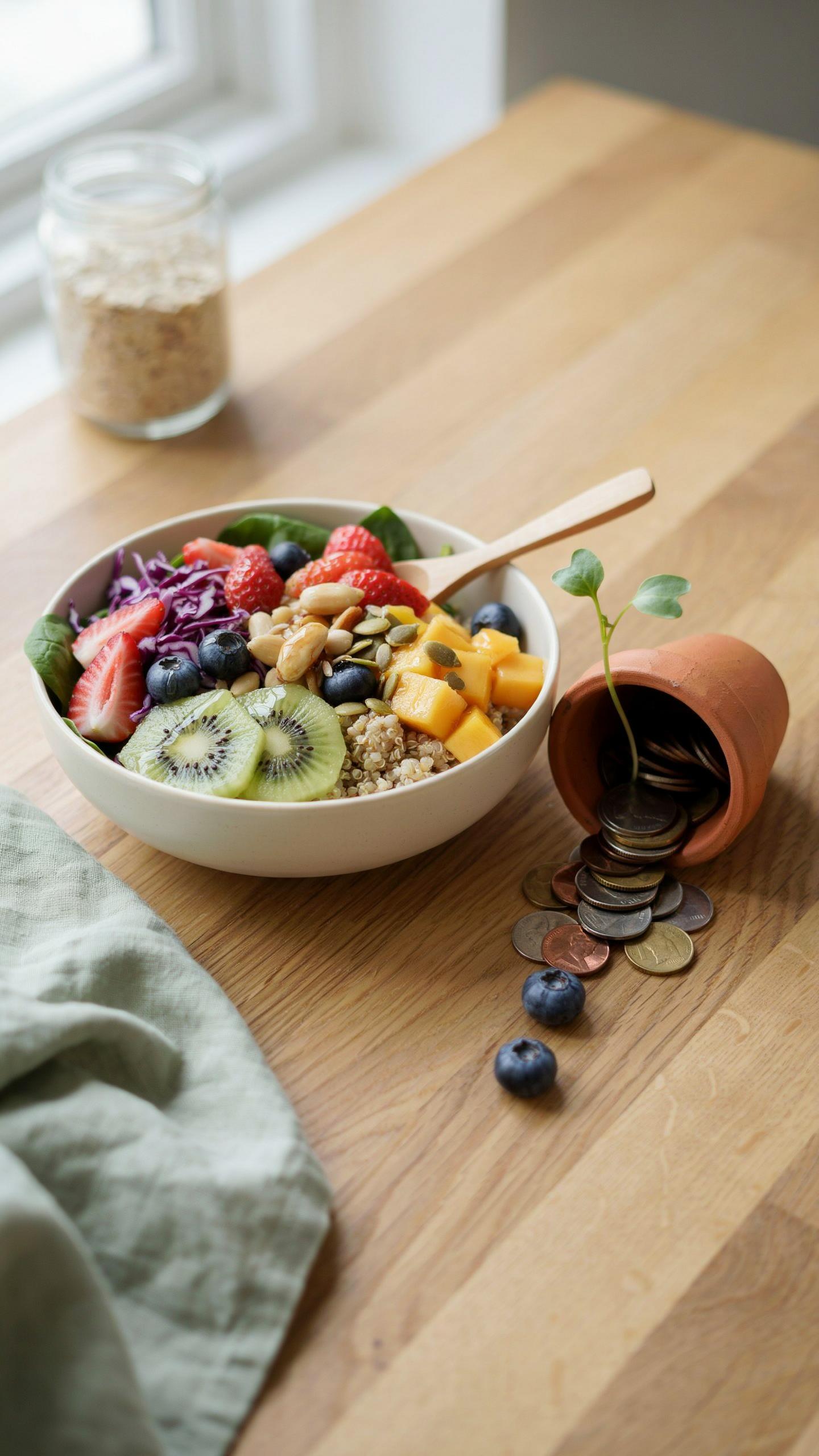
The Real Cost Of Convenience
You care about this section because you’re afraid you can’t afford to eat well. Here’s what actually happens: takeout fajita bowls cost between twelve and eighteen dollars per meal. A homemade chicken fajita bowl costs roughly three to four dollars in ingredients. The gap isn’t about feeling virtuous. It’s about retained capital. Economics treats this like opportunity cost—what you give up when you choose one path over another. Every takeout bowl you skip is money that stays in your account instead of a restaurant’s.
The math compounds because you eat multiple times weekly. Twenty bowls monthly at fifteen dollars each is three hundred dollars gone. Twenty bowls at three dollars each costs sixty dollars. That two hundred forty dollar difference happens regardless of your income level. Most people know takeout costs more but never do the multiplication. They treat it as abstract expense instead of concrete loss. Stop doing that.
Time Plus Money Plus Health
The common advice says meal prep saves time. That’s weak. Meal prep creates a multiplier effect across three separate life domains simultaneously. Cooking one batch of chicken fajita bowls on Sunday takes ninety minutes total. This yields five meals. That’s eighteen minutes per meal. Takeout requires driving, waiting, and transaction time. You lose forty minutes minimum per bowl. Over twenty weekly meals, that’s thirteen hours reclaimed monthly.
Those thirteen hours have value beyond feeling productive. They’re hours you don’t spend in your car, hours you don’t wait in line, hours you allocate to work or recovery. The money saved compounds. The time saved lets you sleep an extra hour on weeknights or handle actual priorities. The health gain compounds hardest: consistent meals reduce decision fatigue, stabilize energy, and eliminate the blood sugar spike from restaurant fajita bowls loaded with excess oil. Cook your batch Sunday evening, portion into containers Monday morning, grab a bowl each night. That’s the protocol.
The Systemic Advantage Chicken Fajita Bowl Integration
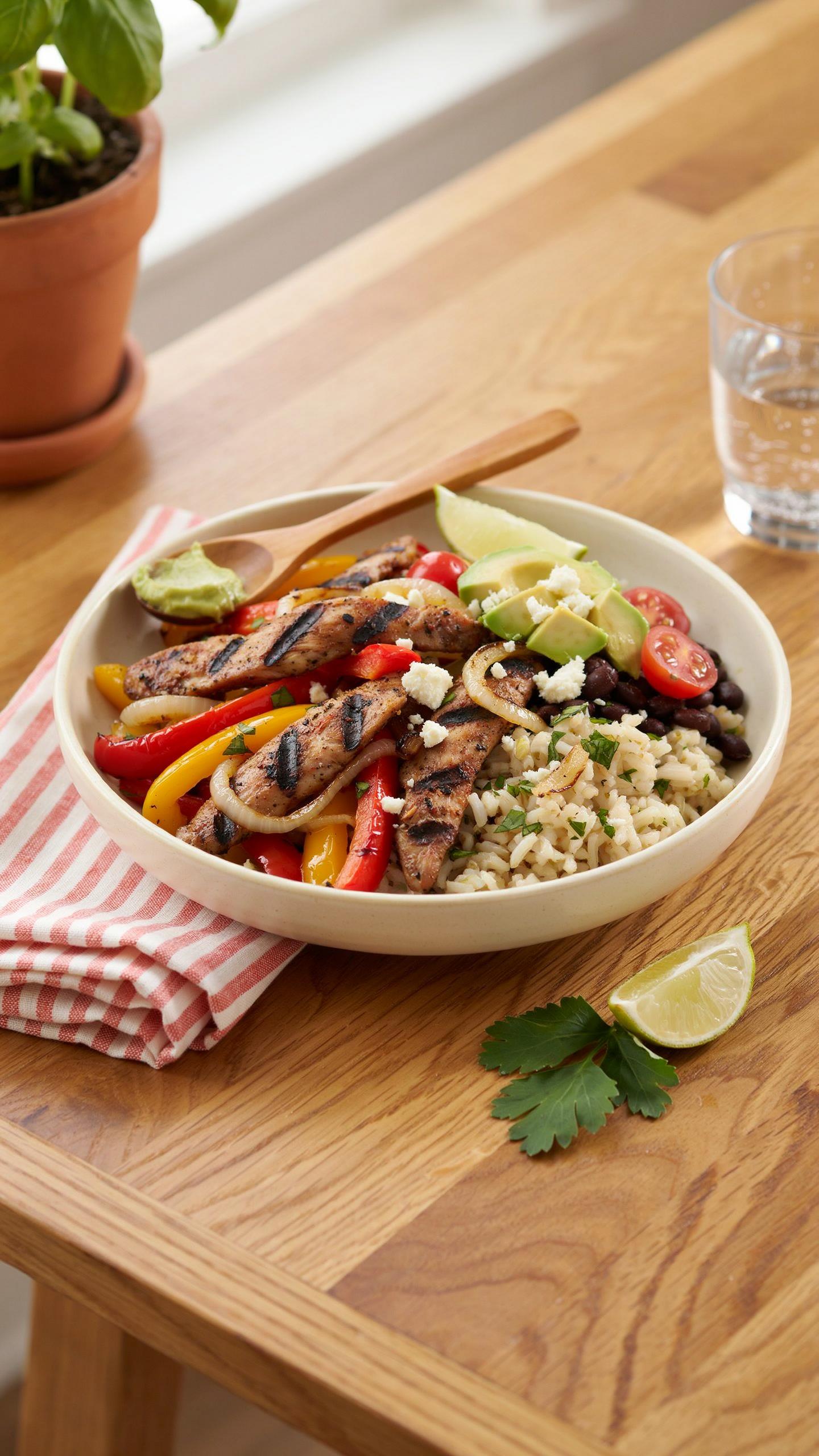
Weekly Flow, Not Isolated Event
You want meal prep to feel effortless so you stop abandoning it by Wednesday. The real mechanism is treating chicken fajita bowls as a repeating system, not a one-time task. Economics calls this “decreasing marginal effort”—the second time you execute a process costs less energy than the first. Your Sunday prep session establishes the pattern. By week three, your hands know the knife angles, your timing shrinks, and the mental load evaporates.
The difference between success and failure isn’t willpower. It’s removing friction through repetition. When you make the same bowl every week, you stop optimizing and start operating. You build a rhythm: chicken on Monday, peppers prepped Tuesday morning, assembly Wednesday. The system becomes automatic. This is why generic meal prep fails—it treats prep as an event. Fajita bowls work because the weekly cycle matches your actual schedule, not some productivity fantasy.
Keystone Habit That Reshapes Your Night
One meal prep pattern changes everything else. Fajita bowls function as what behavioral psychology calls a “keystone habit”—the small decision that triggers a cascade of related decisions. You prep once, you eat without thinking for five days, your evenings open up. No decision fatigue at 6 PM. No takeout rationalization. The freed mental energy redirects to what actually matters.
Here’s what shifts: you stop cooking nightly, so you reclaim two hours per week. You control your macros without tracking obsessively. You see your own consistency and stop questioning whether meal prep “works.” The bowl becomes proof that you can execute a plan. That confidence leaks into other domains. The mechanism is simple—reduce friction in one area, and you build the belief that execution is possible. That belief compounds.
Mastering The Prep Beyond Basic Chicken Fajitas
Building Layers, Not Flat Taste
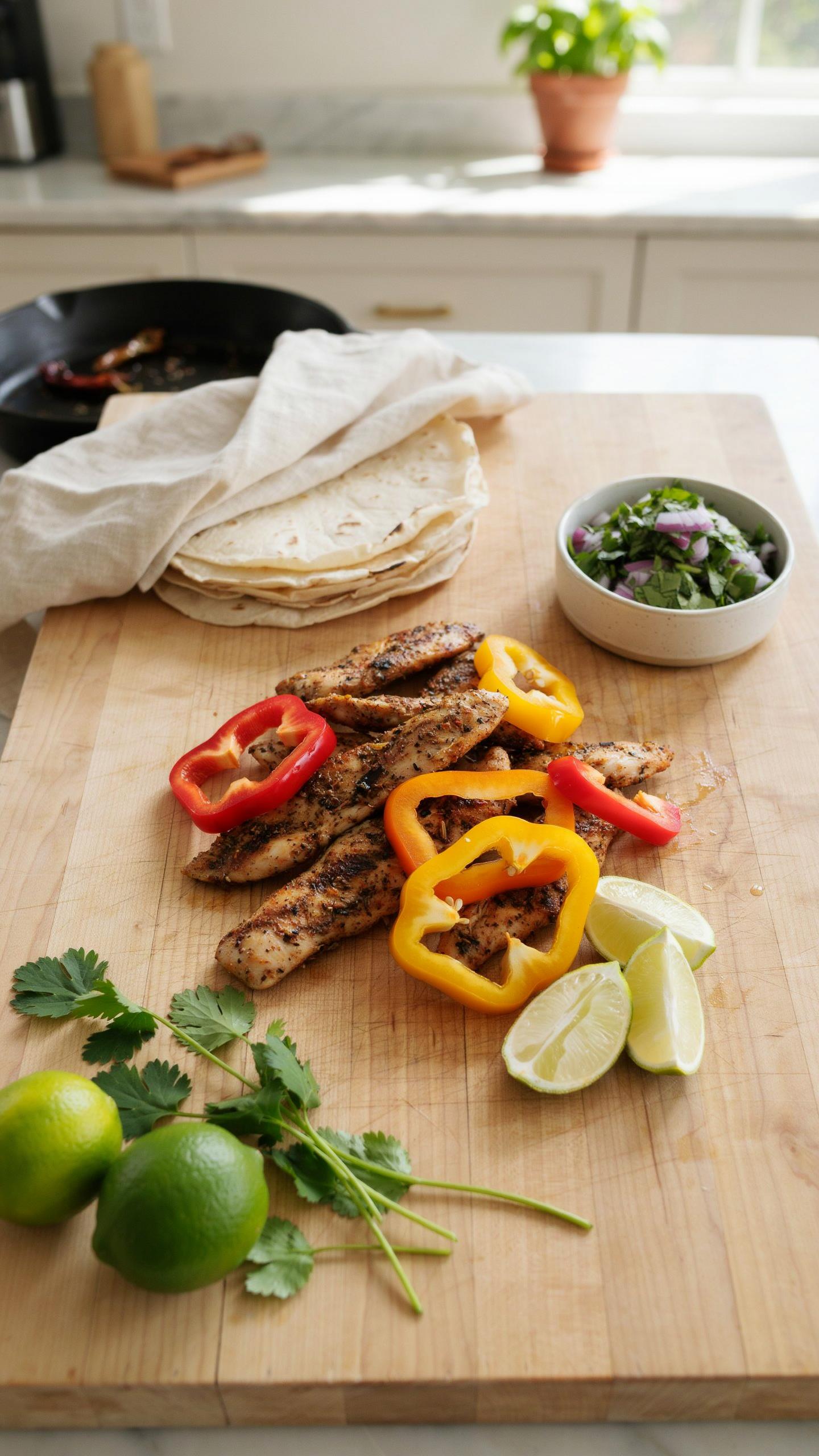
You want people to think you’re competent. That means your bowl can’t taste like seasoning salt and regret on Wednesday. The mechanism is simple: heat creates flavor compounds, but time creates depth. Most people apply seasoning once to raw chicken, then wonder why it tastes thin after four days. Layering means hitting the protein, vegetables, and oil at different stages with different applications.
Toast your spices dry in a pan for two minutes before mixing them into oil. This releases volatile oils that water-based marinades never touch. The chicken gets one hit during cooking, the peppers and onions get seasoned separately after they soften, and the oil in the bottom of the bowl gets its own hit just before assembly. This isn’t decoration. It’s the difference between a reheated meal and something that still has tension on day four.
Textural Collapse And How To Stop It
The real problem isn’t soggy fajitas. It’s that moisture migrates from wet components to dry ones over time, making everything uniform and dead. This is basic diffusion from chemistry: particles move toward equilibrium. In your bowl, the salsa, lime juice, and chicken fat move toward the rice and tortilla strips, turning them into paste while the chicken gets rubbery.
Assemble in reverse order of what spoils texture: rice on the bottom sealed with a thin layer of fat, then cold vegetables, then chicken on top, then wet components in a separate container. The physical separation delays diffusion long enough for a meal to stay interesting. When you eat, you create new surfaces constantly, which is the actual point. Pack salsa and lime in a small container and hit the bowl thirty seconds before eating. This keeps the textural contrast alive.
Your biggest obstacle isnt the recipe its your adherence to complexity
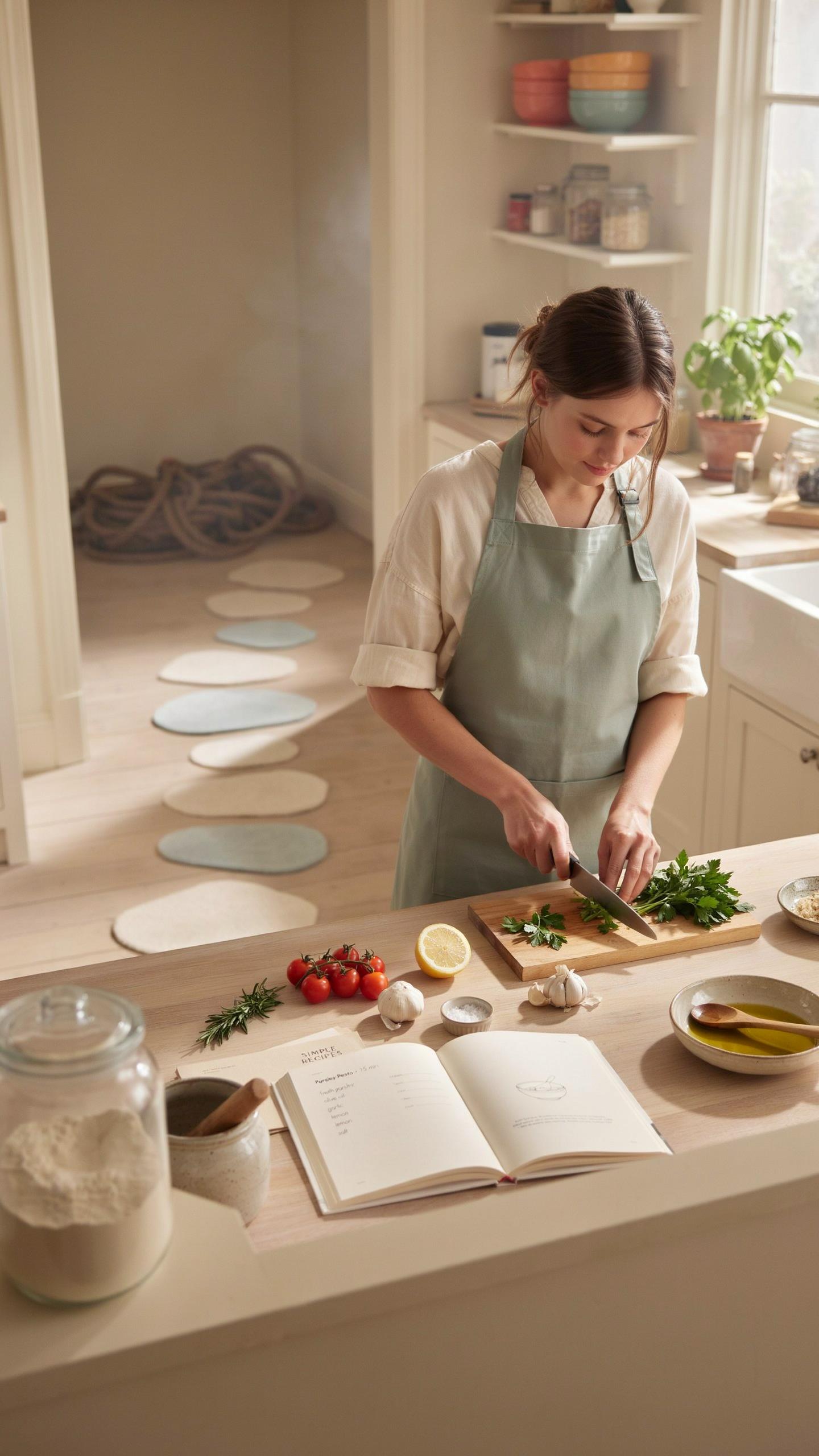
Most people fail at chicken fajita meal prep bowls because they treat Sunday like a cooking show. They complicate it. You don’t need fancy techniques or premium ingredients. You need a sheet pan, chicken, peppers, and one decision: will you do this today or keep scrolling? Pick today. Buy the ingredients on your way home. Spend ninety minutes prepping. That one session eliminates five nights of “what’s for dinner” paralysis. Discipline beats motivation every single time.