
The Default Failure Loop Why Your Healthy Meal Prep Never Sticks
Decision Fatigue Kills Before Willpower Does
You want meal prep to work because you’re tired of the decision tax. Every lunch, you choose. Every choice drains cognitive resources you need for actual work. By 2 PM, your brain is depleted, and the vending machine wins. The mechanism is simple: decision fatigue isn’t motivational failure, it’s a resource problem. Your willpower tank empties the same way your battery does. Meal prep solves this by eliminating the choice entirely. One decision made once beats one hundred decisions made daily.
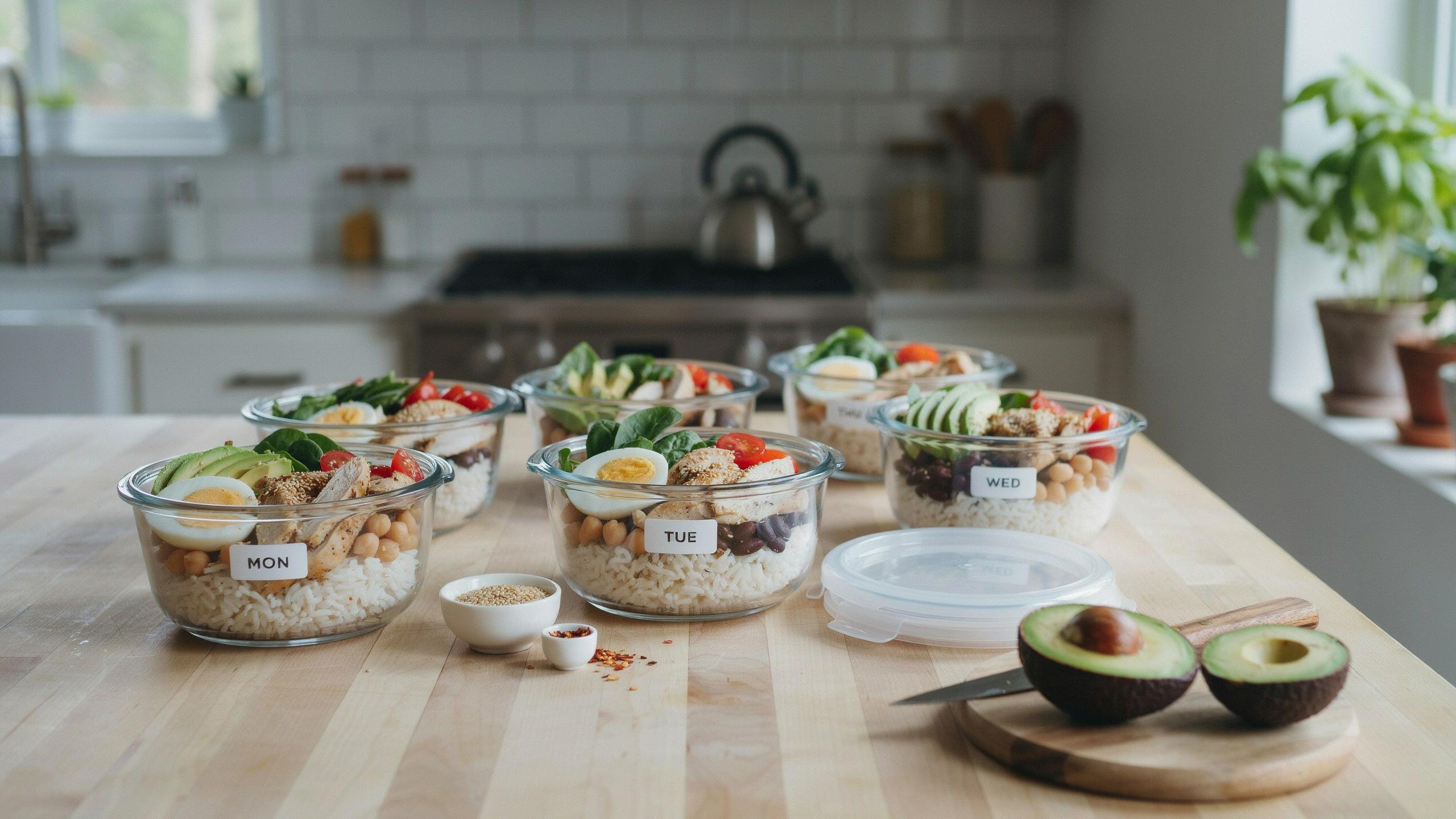
When you show up Monday with five identical rice bowls, you’ve removed the variable. Your body gets consistent protein intake. Your mind gets silence on the question of what to eat. This isn’t about discipline anymore. It’s about architecture. The system makes the right choice automatic, which means you’re not choosing at all. You’ve already chosen on Sunday when your cognitive resources were full.
The Illusion Of Trying Harder Never Addresses The Real Problem
Everyone says meal prep fails because people quit. That’s wrong. Meal prep fails because people build it wrong from the start. You can’t try harder at a broken system and expect different results. The common advice to “stay consistent” or “commit harder” ignores that your system is doing the work, not your willpower. Most people prep five days of meals, then get bored by day three because variation only existed in their head. The rice, protein, and vegetables are monotonous by design. That’s not a flaw. That’s the point.
The real protocol is this: commit to one bowl formula for four weeks minimum. Don’t rotate proteins weekly or swap vegetables. Lock it in. Track only two variables: grams of protein per bowl and total prep time. When you remove the impulse to optimize or customize, you remove the friction that kills consistency. Your job is to execute the same template fifty-two times a year, not to reinvent it every Monday.
The Kinetic Fuel Protocol Engineering Your High Protein Rice Bowl System
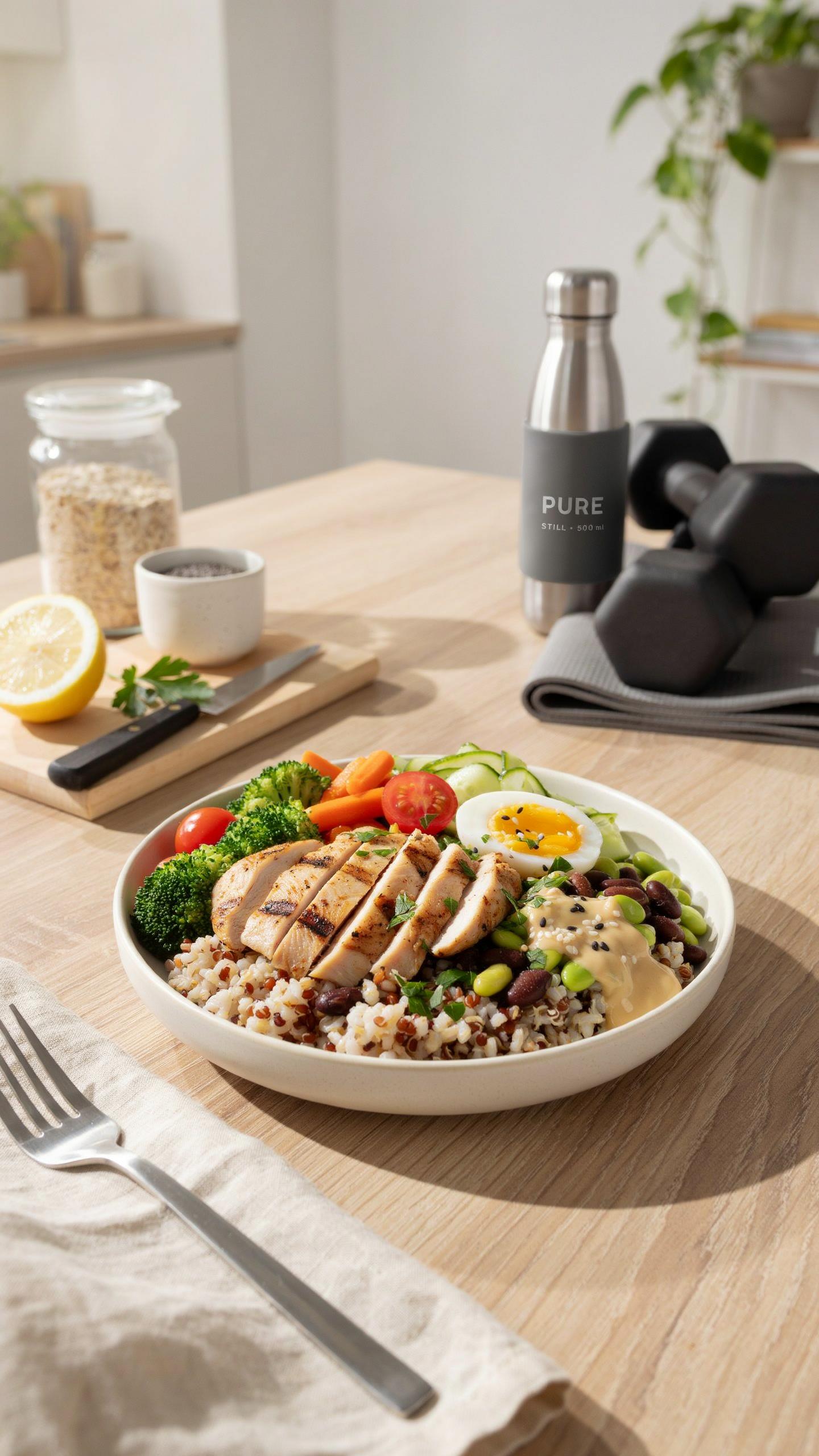
Energy Feedback Loops You Actually Control
You want this to work so you don’t have to think about lunch again. The real mechanism here is feedback: your body signals hunger, energy crashes, or sustained performance based on what you put in your bowl. Cybernetics, the study of systems and feedback loops, maps directly onto meal prep. Your bowl becomes a controlled input that produces measurable output. You eat, your blood sugar stabilizes or spikes, your energy either holds or collapses by 3 PM. Most people ignore this data and repeat the same failing setup weekly.
The protein-to-carb ratio in your bowl creates the feedback signal. Rice alone produces a sharp glucose spike followed by a crash. Add 30-40 grams of protein from chicken, fish, or tofu, and you flatten that curve. Your energy stays consistent for four to six hours. Track which ratios keep you satiated versus which ones leave you raiding the vending machine by 2 PM. Adjust your next batch based on that signal. This is the actual system. Consistency comes from honoring what your body tells you, not from motivation or willpower.
Metabolic Stability Through Bowl Architecture
Your metabolic system naturally resists change and seeks equilibrium. This is homeostasis, the biological principle that your body stabilizes itself around a set point. Your high protein rice bowl either supports or fights this stability. Most meal prep advice ignores this and just says “eat more protein.” That’s incomplete. You need the bowl structure itself to maintain metabolic homeostasis throughout your workday.
Fiber, protein, and fat ratios in your bowl determine how long your body maintains metabolic equilibrium. White rice digests fast; add brown rice or wild rice and you extend the digestion window. A 150-gram serving of rice plus 40 grams of protein plus 100-150 grams of vegetables creates stable glucose output for five to seven hours. Your body doesn’t spike and crash. Your insulin response stays moderate. Your appetite stays suppressed. Cook this same ratio every week and your body recognizes the pattern. That recognition is homeostasis working in your favor. Deviate from the ratio and homeostasis fights back with hunger signals and energy dips.
Beyond Macros The Micronutrient Multiplier In Your Meal Prep Bowls
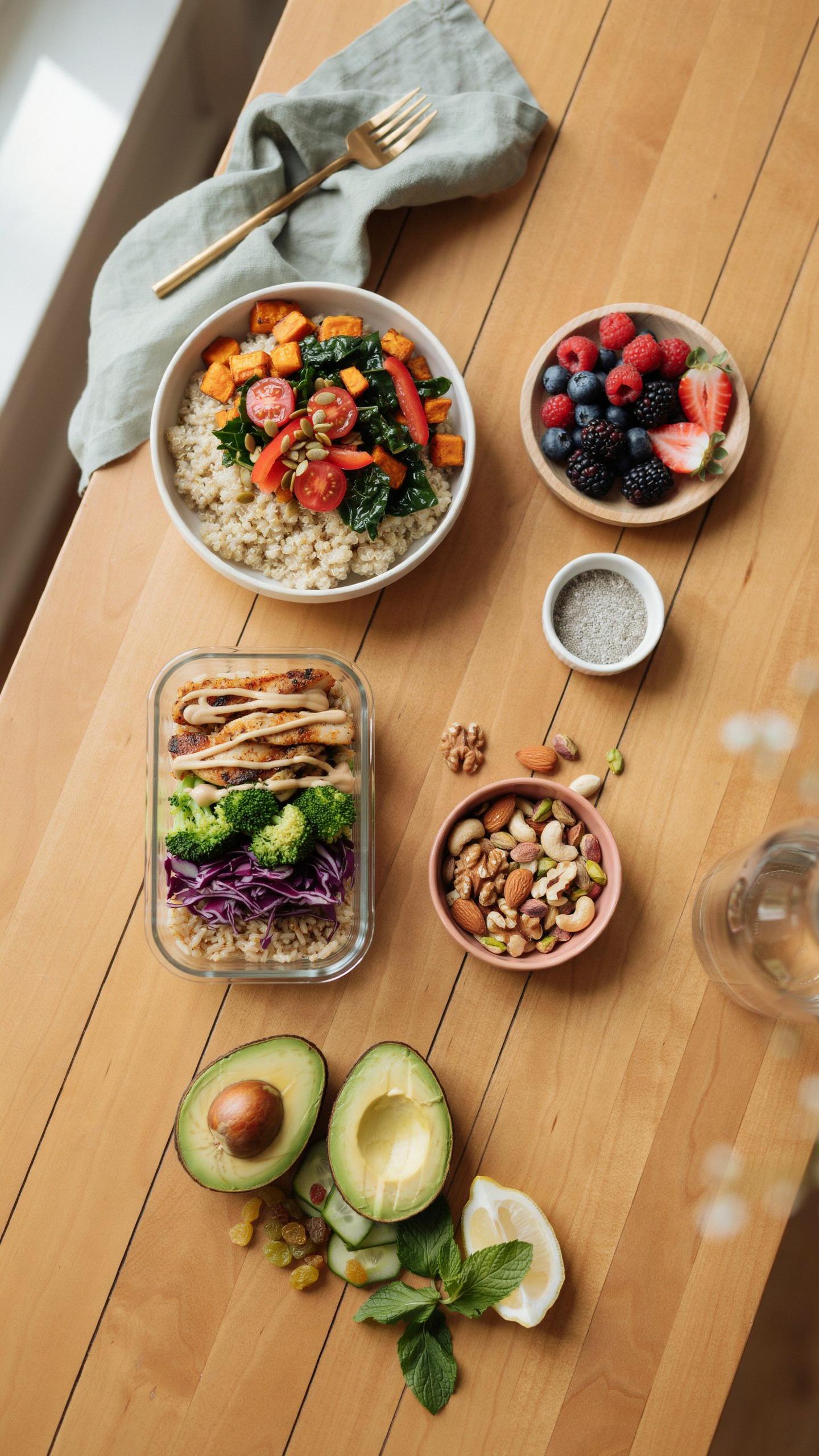
Nutrient Density Unlocks Hidden Performance
You care about this because you want proof that your meal prep actually works. Most people obsess over protein grams and miss the real mechanism: nutrient density operates like compound interest in biology. One bowl with 30 grams of protein from chicken plus iron, zinc, and B vitamins produces different hormonal and cognitive effects than 30 grams from processed sources.
The gap between macros and results exposes a critical flaw in generic meal prep advice. You can hit protein targets and still feel depleted because you’re missing the micronutrients that regulate energy production, recovery, and focus. Rice bowls built around whole protein sources, leafy greens, and colorful vegetables deliver the supporting cast of minerals and vitamins that make the protein actually matter.
Bioavailability Determines What Your Body Actually Uses
You don’t absorb what you eat, only what your digestive system can extract and process. Pairing iron-rich spinach with vitamin C from bell peppers or citrus increases iron absorption by up to threefold compared to spinach alone. This isn’t optimization theater, this is basic chemistry that separates meal prep that builds momentum from meal prep that just fills your stomach.
The common advice to “just add vegetables” misses the mechanism entirely. Antinutrients in raw vegetables like oxalates can block mineral absorption. Light cooking or fermenting spinach and cruciferous vegetables reduces these blockers while preserving micronutrient density. Your meal prep container’s thermal stability during storage matters more than people admit, so assemble components that tolerate 4-day refrigeration without oxidative loss of vitamins.
Strategic Ingredient Matrix Optimized Chicken Rice Bowls For Peak Output
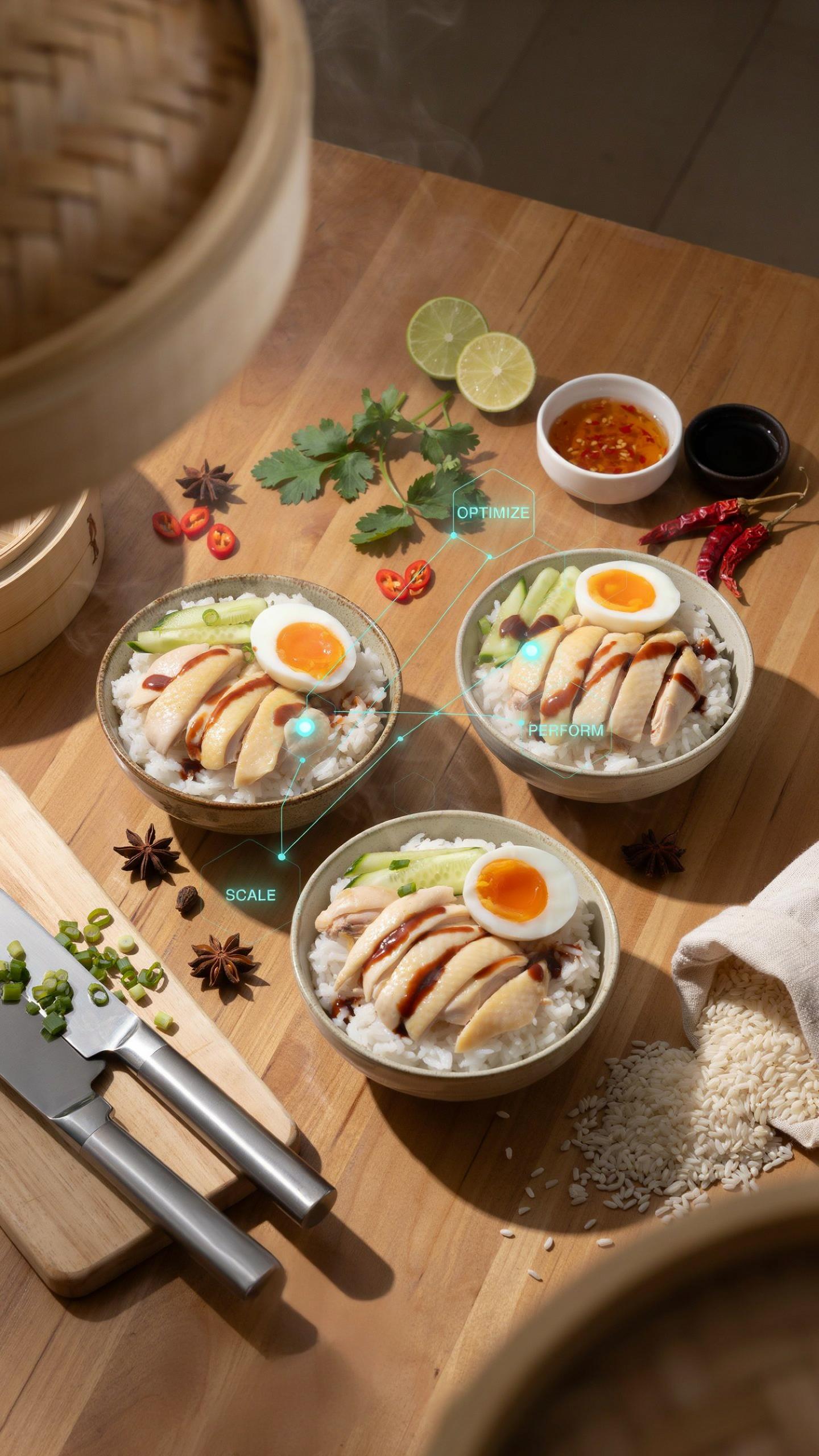
Why Protein Sources Matter Beyond The Label
You want to believe all protein is equal because that simplifies shopping. It isn’t. The mechanism here comes from biochemistry: amino acid profile. Your body doesn’t care about total protein grams. It cares about which amino acids show up and in what ratio. Chicken breast gives you a complete amino acid profile with high leucine content, which triggers muscle protein synthesis directly. But rotating between chicken thighs, ground turkey, and canned tuna forces your body to adapt to different micronutrient loads—selenium from tuna, zinc from beef, different iron bioavailability from each source.
Monotony kills gains. Chicken every day locks you into the same micronutrient ceiling. A rotating three-protein system over seven days gives you overlapping amino acid patterns while plugging different nutritional gaps. Cook chicken thighs on Sunday for moisture retention through Wednesday. Ground turkey on Thursday hits different macros with leaner calories. Tuna on Friday covers selenium and iodine. This isn’t variety for motivation. It’s nutrient stacking with a rotating schedule.
Carbs As Fuel Timing, Not Just Calories
Recovery science borrows from energy systems in exercise physiology: glycogen depletion and resynthesis. Your rice serves a specific role depending on when you eat the bowl. Post-workout timing demands fast carbs with high glycemic index—white rice over brown rice refills muscle glycogen within 30-90 minutes. Brown rice during meals eaten 4+ hours before physical work provides slower glucose release, preventing the energy crash that kills afternoon focus and work output.
Stop treating rice as a filler. The grain type and timing determine whether this bowl fuels work or forces a productivity dip at 3pm. White jasmine rice in your Monday through Wednesday bowls paired with lunch timing maximizes glycogen recovery from the previous day’s training. Switch to brown rice or jasmine blend for Thursday through Friday, eaten earlier in the day to support sustained energy before evening commitments. Pack carbs to match your actual energy demands, not arbitrary habit.
Time As Currency Maximizing Output With Minimal Prep Time

Batch Cooking: Leveraging Time Economy
You want this to feel effortless so you look disciplined without the grind. The real mechanism is economics: batch cooking exploits fixed costs. You pay a setup cost once—washing, heating equipment, organizing ingredients—then spread that cost across multiple units of output. Cook one rice batch for five bowls instead of five separate times. The labor per bowl drops dramatically.
Most people cook rice for immediate eating, so they repeat the entire process daily. That’s economically irrational. Instead, cook 5-10 pounds of rice in one session using a commercial rice cooker or large pot. While rice cooks unattended, prep your proteins in parallel. Grill or bake four to six chicken breasts, hard-boil a dozen eggs, or sear ground beef in bulk. The time saved isn’t just the cooking—it’s eliminating decision fatigue and setup friction five times over.
Minimalist Tools: Eliminating Unnecessary Friction
Friction kills consistency more reliably than motivation ever could. You need exactly three tools: a large pot or rice cooker, a sheet pan, and quality storage containers. Everything else is waste. Most home meal preppers buy specialized steamers, rice cookers with seven settings, and gadgets they use twice. These create decision paralysis and cleaning overhead. One large stainless steel pot cooks rice, pasta, and proteins equally well.
Your containers matter because they determine whether you actually eat what you prepared. Use stackable glass or stainless containers with secure lids. Plastic warps, stains, and creates decision friction around what’s actually in there. Five containers is enough for a full work week. Store all components separately—rice, protein, vegetables—so you can remix bowls and avoid flavor fatigue. The container size should match one actual meal portion to eliminate guesswork about how much to grab.
The Stealth Saboteurs Eliminating Common Healthy Meal Prep Mistakes
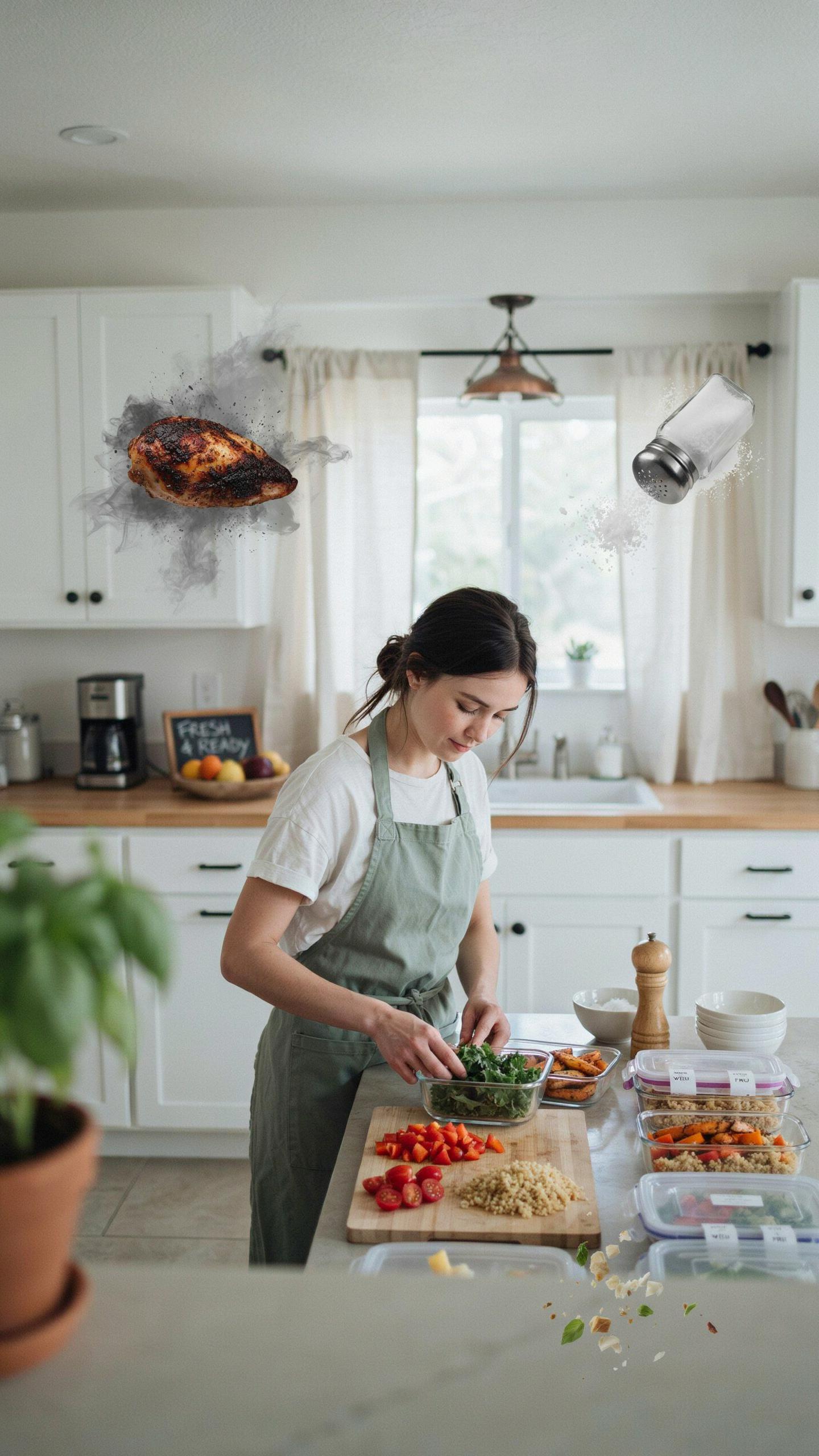
Keep It Simple Or Quit
You’re looking for permission to overthink this because complexity feels like commitment. Here’s the mechanism: your brain treats elaborate systems as proof you’re serious, when in reality, complexity kills consistency before week two. High protein rice bowls survive on repetition, not variation. The more steps you add, the more friction between intention and execution.
Most meal prep advice stacks techniques like you’re building a culinary empire. You don’t need sous vide, specialty grains, or a color-coded prep schedule. You need cooked rice, a protein source, and toppings that don’t spoil. Buy rotisserie chicken or canned beans. Use white or brown rice from a bag. Stop adding steps that don’t move the needle on protein content or shelf stability. Your system wins when you can execute it half-asleep on a Sunday.
The Boredom Cliff Arrives Fast
Flavor fatigue operates like diminishing returns in economics: each repeated meal loses appeal exponentially, not linearly. Most people think the fix is variety, so they rotate twelve different bowls and end up prepping nothing. That’s wrong. The real answer is strategic seasoning rotation, not ingredient rotation. Your base stays locked in. Your seasoning changes weekly.
Prep the same rice, chicken, and vegetables every week. Swap the sauce. Week one: soy-ginger-sesame. Week two: lime-cilantro-hot sauce. Week three: curry powder with coconut milk. Week four: everything bagel seasoning with olive oil. This costs nothing extra and takes thirty seconds per batch. You’re not fighting boredom by adding complexity. You’re beating it by making the same meal taste legitimately different without changing what you’re actually eating.
Mastering The Iteration Evolving Your Rice Bowls Healthy Without Stagnation
Build Around Swappable Parts, Not Recipes
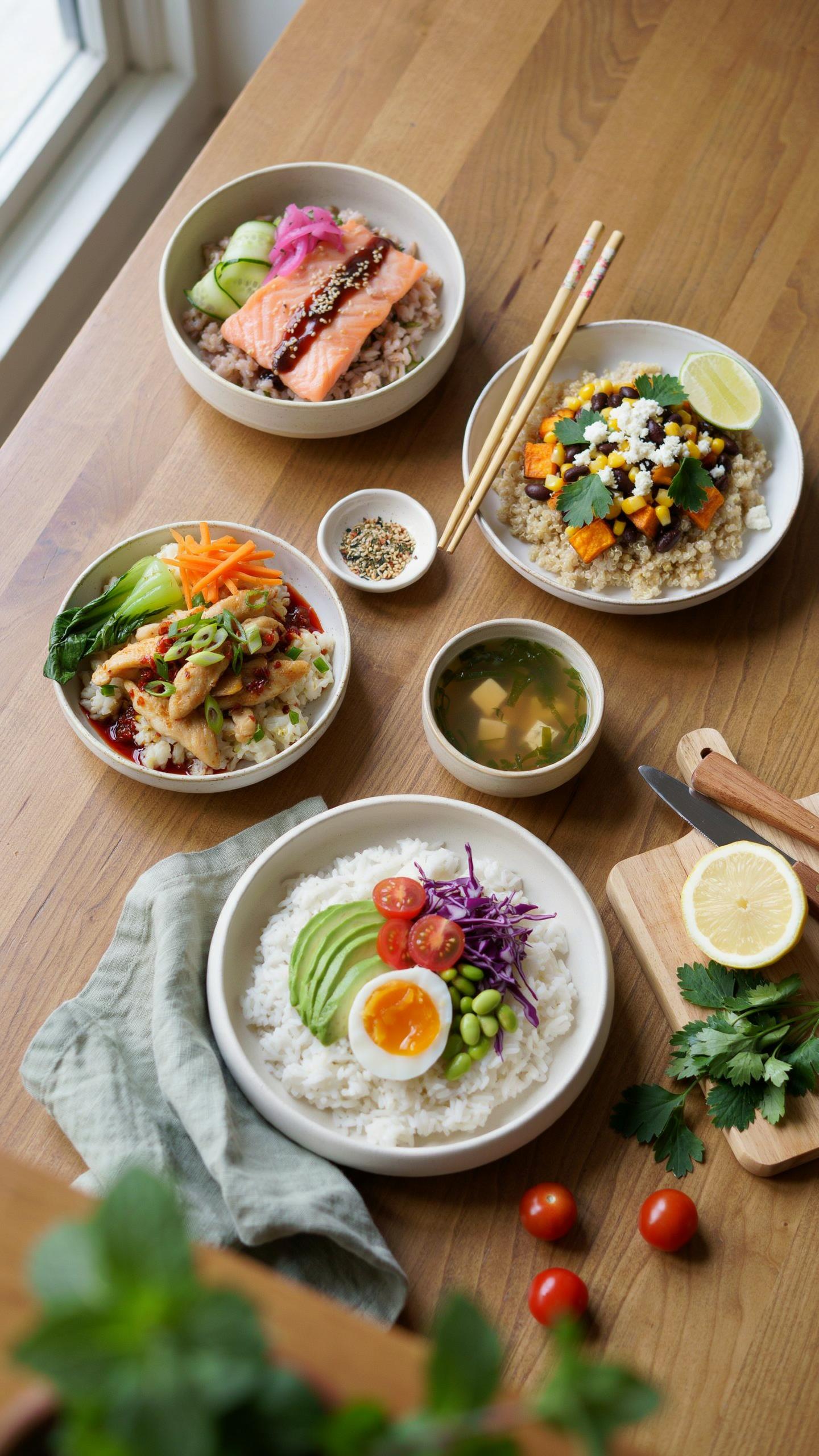
You want to believe variation happens through creativity, but it actually happens through constraint. The real mechanism is modular design from manufacturing: you lock down the base structure and swap only the components. Your rice bowl works the same way. White or brown rice stays the base. Protein source rotates. Vegetables change. Sauce swaps. This isn’t flexibility masquerading as sophistication. It’s efficiency that feels like freedom.
The constraint forces consistency in macros while killing monotony. Monday’s chicken thigh with broccoli and ginger sauce isn’t different from Wednesday’s ground turkey with snap peas and soy. They’re the same bowl wearing different clothes. You prep the same way. You track the same way. But your brain doesn’t notice the repetition because the flavor profile shifts. This is how professional kitchens stay sane. Rotation without redesign.
Track What Actually Matters Across Seasons
Seasonal adjustments aren’t about eating kale in winter because it’s “in season.” That’s grocery store marketing. What matters is nutrient density peaks at different times, and you gain real advantage by following it. Spring greens have different micronutrient profiles than fall root vegetables. Summer stone fruits shift your carb timing options. Winter cruciferous vegetables change your fiber intake without effort. You’re not chasing trends. You’re chasing the biology of when plants are nutrient-dense.
The practical move: build a three-month rotation. Establish what vegetables hit their nutritional peak in your region during each quarter, then lock those into your prep cycles. Track your energy and digestion during each season. You’ll notice which seasonal swaps actually improve performance versus which ones are just different. Store-bought year-round tomatoes won’t replace a locally-sourced vegetable at peak harvest in the same nutritional category. Adjust your protein timing and carb ratios based on what’s actually available and nutrient-dense, not based on what a magazine tells you to eat.
Fueling Focus How High Protein Rice Bowls Drive Cognitive Edge
Blood Sugar Stability Unlocks Real Focus
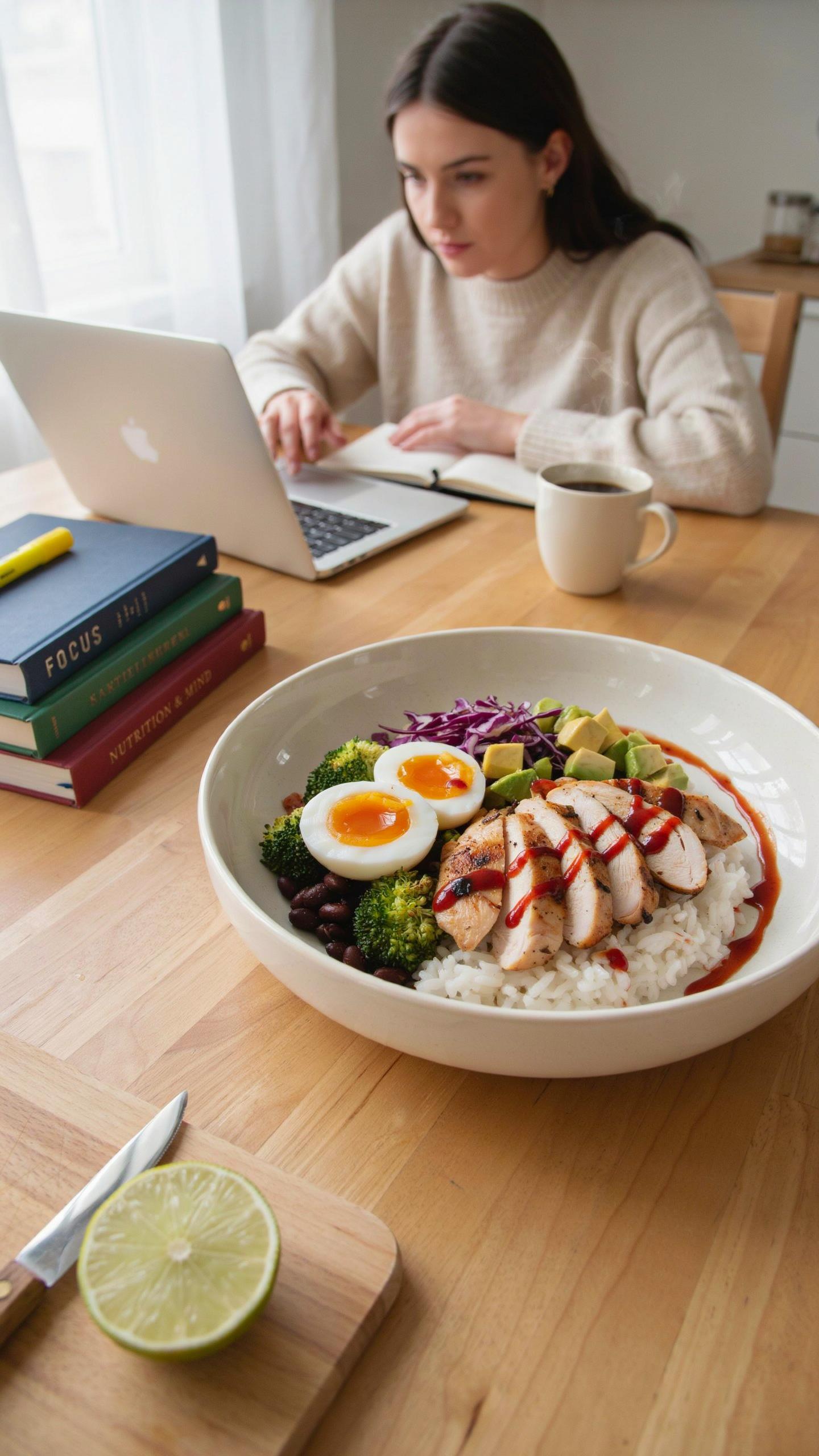
You want to feel sharp at 2 PM because your paycheck depends on it. The mechanism is blood sugar. Spike it with refined carbs alone, and your brain gets a flood of glucose followed by a crash. Add protein to your rice bowl, and you flatten that curve. Protein slows carbohydrate absorption, stabilizing glucose release over hours instead of minutes. Stable glucose means stable neurotransmitter production. Unstable glucose means scattered attention, decision fatigue, and the afternoon fog that kills your output.
Rice bowls without protein are just expensive blood sugar swings. The standard advice says “eat balanced meals,” which is true but useless without the mechanism. When you layer protein on top of rice and vegetables, you’re engineering a glucose response that keeps your prefrontal cortex fed consistently. A 150-gram chicken breast with a cup of cooked rice produces a gentler insulin curve than rice alone. That’s not motivation. That’s physics. Prep your bowls with at least 30 grams of protein per serving to anchor blood sugar for 4 to 5 hours of sustained focus.
Amino Acids Build The Neurotransmitters That Drive Performance
Neurobiology names this precisely: amino acids are precursors to neurotransmitters. Tyrosine builds dopamine. Tryptophan builds serotonin. Leucine triggers mTOR signaling that optimizes cognitive function. Your brain doesn’t manufacture focus from willpower. It manufactures focus from amino acids you consume. A rice bowl without sufficient protein starves your brain of the raw material it needs to produce the chemicals that make attention possible.
Most people think protein is just for muscles. Wrong. Your brain’s ability to initiate action, sustain attention, and regulate mood depends entirely on amino acid availability. Thirty grams of protein from chicken, fish, or beef supplies the full spectrum of amino acids your nervous system requires. Forty grams from plant sources alone often lacks sufficient methionine or B12 cofactors. Prep your bowls with animal protein as the primary source, supplement with legumes if needed, and you’re not just eating lunch. You’re manufacturing the neurochemistry of sustained performance.
The 2 Hour Command Center Your Weekly High Protein Meal Prep Execution Blueprint
Prep Like A Kitchen, Not A Hobby
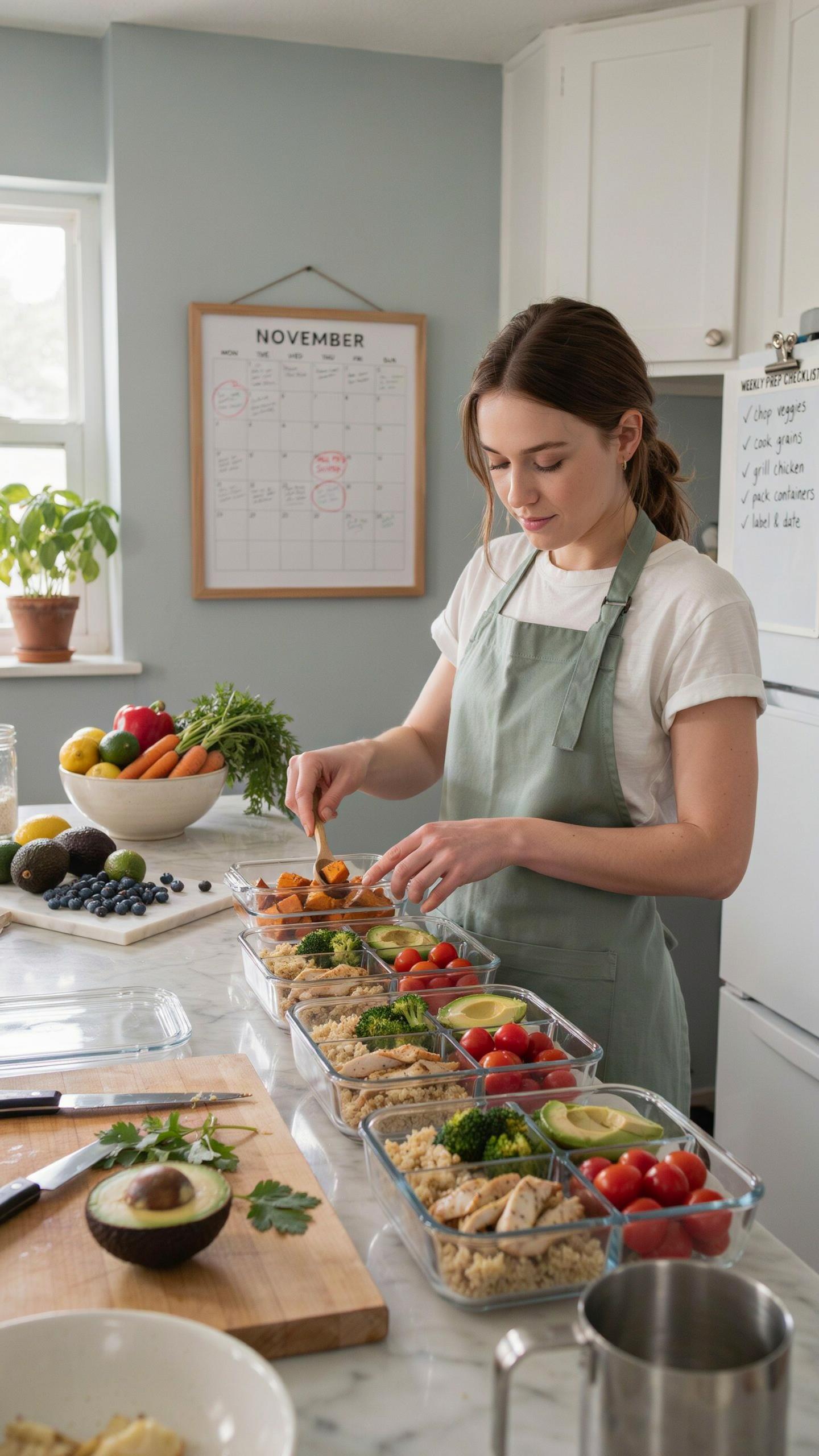
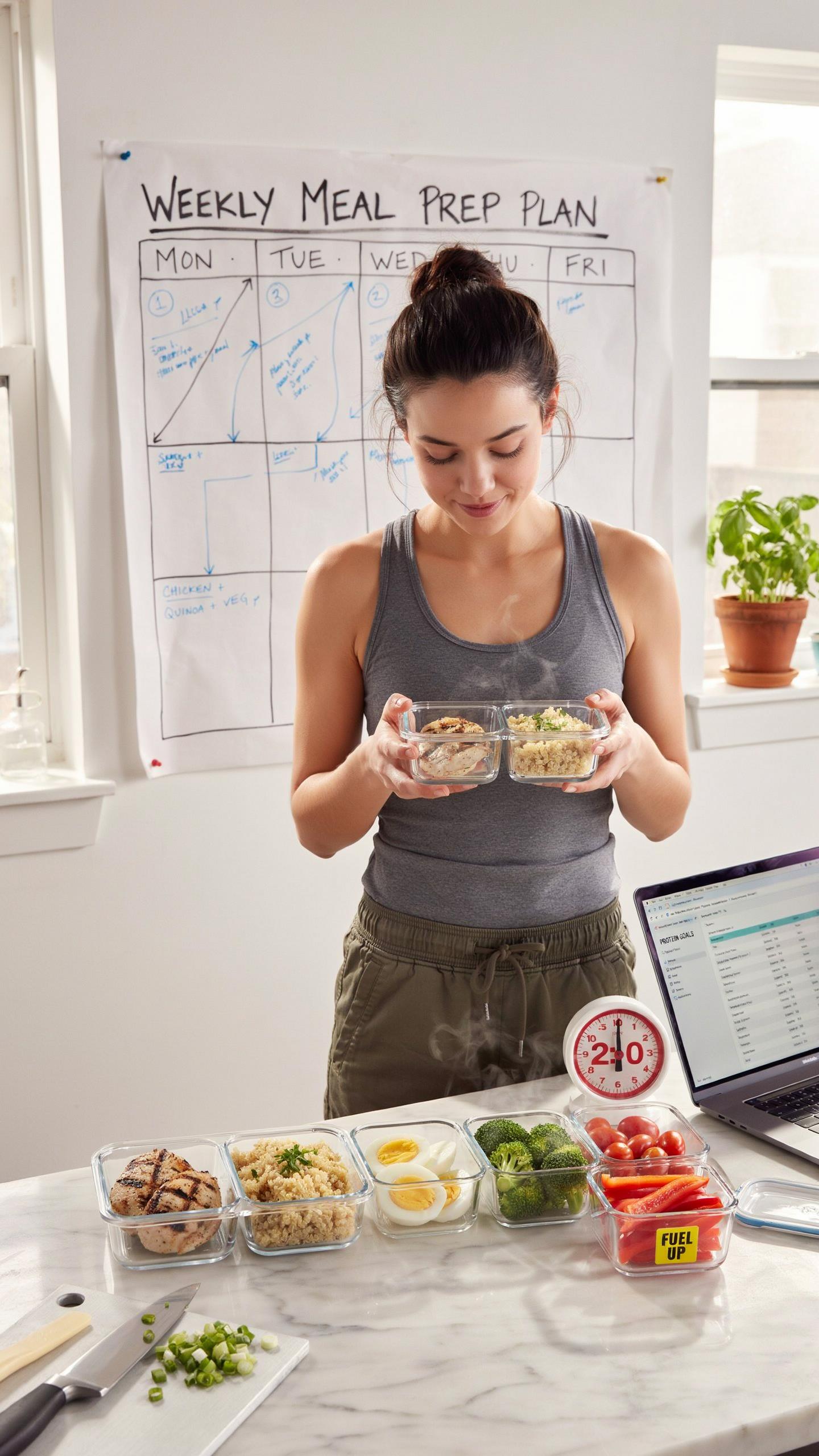
You want to feel productive on Sunday, not actually productive. The mechanism that separates people who maintain meal prep from those who quit is borrowed from manufacturing: the concept of flow. In production, flow means moving materials through stations without backtracking or idle time. Apply this to your rice bowl prep by organizing your kitchen counter into a linear sequence: grains cook while proteins sear while vegetables chop. Never move backward. Set up your station so you touch each ingredient once, in order, without retracing steps.
The difference between Sunday feeling like work and Sunday feeling like chaos is preparation, not motivation. Gather all equipment first: cutting boards, knives, pots, containers, measuring cups. Lay out every ingredient you need before heat touches anything. This eliminates decision fatigue and the temptation to skip steps when motivation drops at hour one. When you can see what’s left to do, your brain stops manufacturing obstacles. The actual prep time shrinks because you’re not hunting for tools or remembering what comes next.
Store For Function, Not Just Duration
First paragraph with list intro goes here.
- Glass containers with snap lids: Superior to plastic because they don’t retain odor or stain, and they won’t leach chemicals when reheated. Invest in matching sizes for stack efficiency and easy grab-and-go identification.
- Silicone or parchment paper dividers: Prevent protein moisture from soaking rice and keep toppings separated until consumption. Five cents per bowl saves textural quality over the entire week.
- Airtight freezer bags for proteins only: Freeze cooked chicken, beef, or fish in individual portions. Thaw overnight in the fridge to add fresh protein to older rice without refrying the entire meal.
- Shallow wide containers over tall narrow ones: Allow faster cooling because surface area matters for bacterial safety. Cool rice to room temperature in under two hours instead of five in a deep container.
- Label with date and contents, not just date: Your future self won’t remember if Tuesday’s bowl has ginger or garlic without reading a label. Use masking tape and permanent marker—it takes thirty seconds and prevents guessing.
The storage strategy that works long term is the one that removes friction from both prep and consumption. A meal prepped but forgotten in the back of the fridge is a meal wasted. Store containers at eye level on the same shelf. Make the most recent prep visible immediately when you open the door. Rotate older meals forward. This single visibility rule determines whether you actually eat what you prepared or default to takeout when you can’t locate your bowl.
The obstacle isnt the bowl its the belief that you have time to make food an afterthought

You don’t lack time. You lack a system. High protein rice bowl meal prep works because it removes the daily decision. Pick a protein, a rice, a vegetable, a sauce. Cook once. Eat five times. Today, spend thirty minutes prepping one bowl. Freeze it. Tomorrow you’ll stop paying for lunch and start paying attention to what actually fuels your body. The person who eats well isn’t busier than you. They’re just done negotiating with themselves.