
What Is The 21 Day Whole Food Challenge And Why It Works
Understanding The Core Principles Of Whole Food Eating
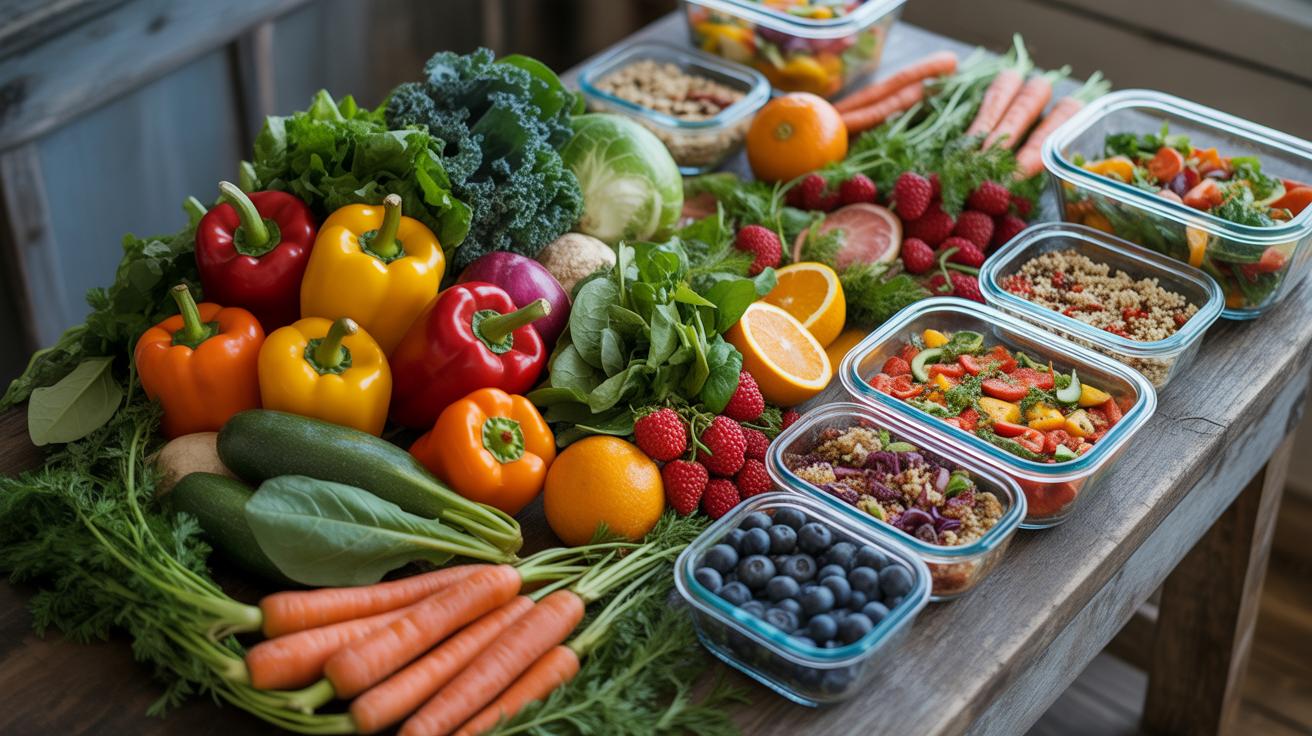
The 21 day whole food challenge focuses on single-ingredient foods. You eliminate highly processed items, refined sugars, and artificial additives. This protocol prioritizes vegetables, fruits, lean proteins, nuts, seeds, and whole grains. You consume food in its most natural state. This approach removes chemical triggers that cause overeating. It strips away fillers that offer no nutritional value. You focus on high nutrient density to fuel your body correctly.

This challenge forces a shift in how you source and prepare meals. You stop relying on pre-packaged goods and start cooking from scratch. This gives you total control over sodium and fat levels. The strategy relies on high fiber intake to regulate blood sugar. It uses healthy fats to maintain satiety. You simplify your diet to improve digestion and energy. This is a tactical reset for your metabolic health and palate.
The Science Behind Why 21 Days Can Build A Lasting Habit
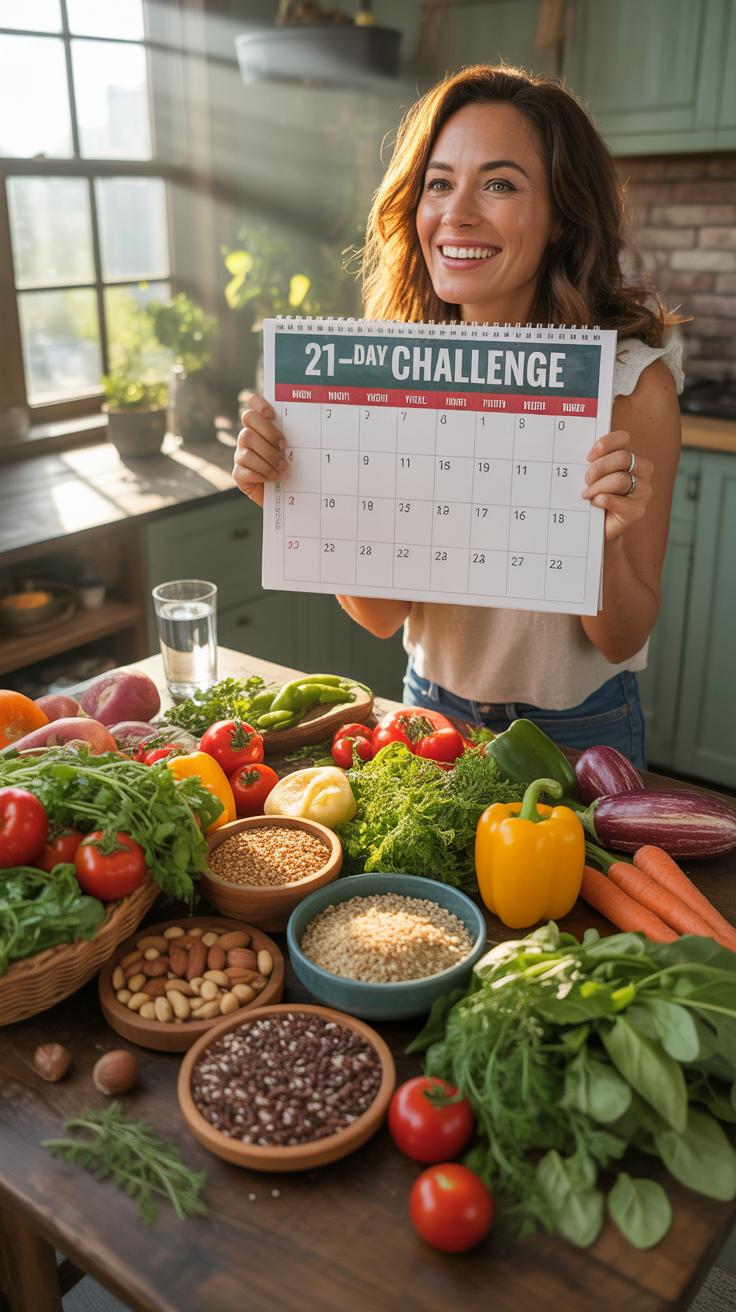
Research shows that three weeks is the minimum time needed to rewire brain pathways. Neural plasticity allows the brain to form new connections through repetitive actions. By day 21, your taste buds adapt to lower salt and sugar levels. This period is long enough to see physical results like reduced inflammation. It is short enough to remain mentally manageable. You create a psychological win by completing a set timeframe.

Consistency خلال this period automates your decision-making process. You break the cycle of craving dopamine hits from processed snacks. Your gut microbiome begins to shift toward beneficial bacteria that thrive on fiber. This biological change reduces the urge to return to poor eating habits. You move from conscious effort to subconscious routine. Successfully finishing these 21 days provides the momentum needed for long-term health. You build a foundation for permanent lifestyle changes.
Clean Eating For A Month Setting Realistic Goals Before You Begin

How To Define Personal Health Goals For A 21 Day Commitment
Define your objective before you clear your pantry. A 21 day whole food challenge requires a specific target to measure success. You must decide if your priority is blood sugar stability, improved digestion, or weight management. Vague intentions lead to failure when cravings hit. Write down one measurable outcome you expect to see by day twenty-one. This clarity keeps you disciplined during the difficult first week of the transition.
Focus on metabolic health markers instead of just scale weight. Whole foods reduce systemic inflammation and improve energy levels quickly. Trace your current energy peaks and crashes throughout the day. Set a goal to eliminate the mid-afternoon energy slump by removing processed sugars. Tracking these internal shifts provides better feedback than a scale. Real progress happens when you align your daily eating habits with these objective physiological benchmarks.
Stocking Your Kitchen With The Right Whole Food Staples
Success depends on your inventory. You must remove all ultra-processed items and seed oils from your home immediately. Replace them with bulk dry goods like lentils, chickpeas, and quinoa. These items offer a long shelf life and provide necessary fiber. Purchase high-quality fats such as extra virgin olive oil and avocado oil. Having these core components on hand prevents you from reaching for convenient but non-compliant boxed snacks during busy weeknights.
Prioritize protein and produce density to ensure satiety. Buy frozen vegetables in bulk to avoid spoilage while maintaining nutrient density. Keep eggs, wild-caught fish, or grass-fed meats in your freezer for quick preparation. You need a mix of root vegetables like sweet potatoes for complex carbohydrates and greens for micronutrients. A stocked kitchen eliminates the need for impulse decisions. Controlled environments dictate your eating habits more than sheer willpower ever will.
Whole Food Meal Prep Ideas Preparing For Success From Day One
Essential Meal Prep Strategies To Save Time Throughout The Week
Success in a 21 day whole food challenge requires a tactical approach to your kitchen schedule. Most people fail because they try to cook every meal from scratch during the work week. You must treat preparation as a non-negotiable appointment. Dedicate two specific days for high-volume prep to maintain consistency. This prevents impulsive decisions when hunger peaks and healthy options are not ready.
- Inventory Assessment: Check your pantry and fridge before shopping to avoid waste. Document every staple you already own. This step prevents overspending and ensures you have the necessary base ingredients like olive oil and spices for every planned meal during the week.
- The Sunday Power Session: Block three hours on Sunday to handle the heaviest cooking tasks. Use this time to wash, chop, and store all raw produce. Completing these labor-intensive chores early reduces the daily friction of preparing fresh whole food meals when your energy levels are low.
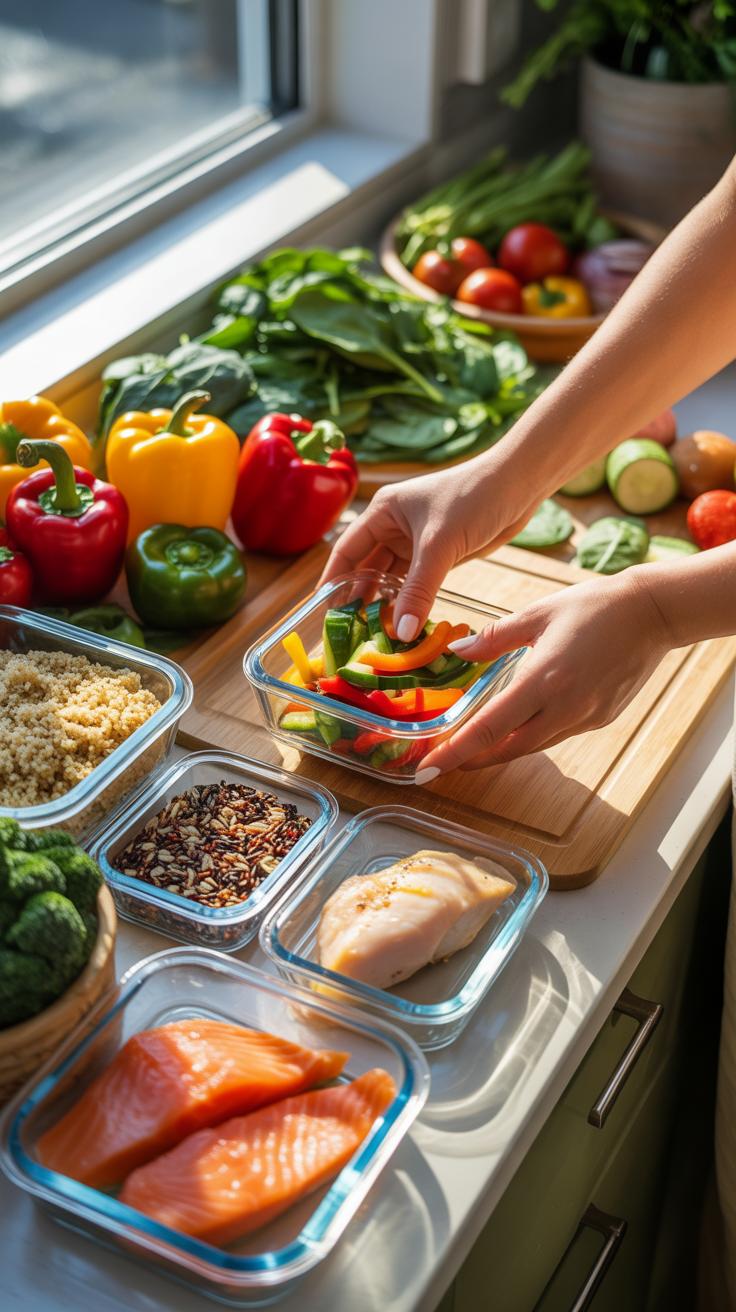
- Strategic Portioning: Store prepared foods in transparent glass containers immediately after cooking. Divide meals into individual servings to ensure correct caloric intake and portability. Clear containers allow you to see your options quickly, which reduces the mental load of choosing what to eat during a busy day.
- Ingredient Pre-Processing: Peel and chop aromatics like garlic, onions, and ginger in large quantities. Store them in airtight jars for quick access during the week. Having these flavor bases ready allows you to start the sautéing process immediately, cutting down total stovetop time for every dinner you make.
- Standardized Tool Setup: Keep your most-used tools like a sharp chef knife and large roasting pans accessible. Efficient prep relies on having a clear workspace and functional equipment. Wash your tools immediately after use to keep the assembly line moving without stopping to clean dishes during your dedicated preparation window.
Standardization is the core of sustainable healthy eating habits. You need a system that minimizes daily decision-making. By front-loading the work, you isolate the cooking process from the eating process. This separation ensures that you follow the plan even during high-stress periods. Efficient prep turns a complex challenge into a series of simple, repeatable actions that guarantee you finish the full twenty-one days.
How To Batch Cook Grains, Proteins, And Vegetables Efficiently
Batch cooking turns individual ingredients into a modular system for the week. Cook large quantities of dry staples like quinoa or brown rice in a single pot. These items store well and serve as the foundation for multiple dishes. Keep seasonings neutral during the initial cook so you can change the flavor profile later. Roasting multiple sheet pans of vegetables at once maximizes oven efficiency and provides diverse fiber sources.
Prepare your proteins using high-heat methods to ensure safety and longevity. Grilling or roasting chicken, beef, or chickpeas in bulk provides the necessary macronutrients for every lunch and dinner. Cool all cooked items rapidly before venting and sealing them in the refrigerator. This method prevents moisture buildup and keeps the texture firm. Combine these pre-cooked components daily to create different meals without ever firing up the stove for more than five minutes.
Clean Eating For A Week Your Days 17 Meal Plan Breakdown
Balanced Breakfast And Snack Options To Fuel Your First Week
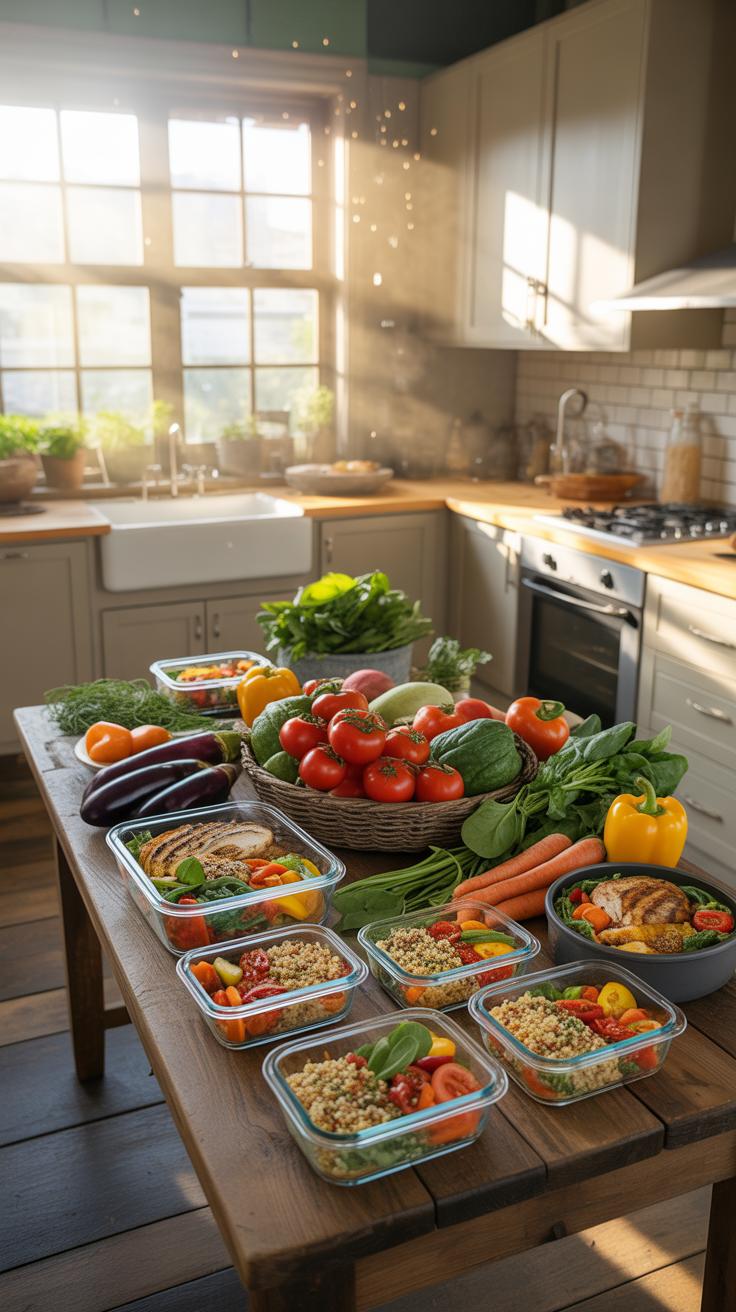
Start your mornings with high-fiber carbohydrates and clean proteins to stabilize blood sugar. Steel-cut oats or sweet potato hash provide the necessary glucose for brain function without the insulin spikes found in processed cereals. Combine these with eggs or nuts to slow digestion. This strategy prevents mid-morning energy crashes. It sets a metabolic tone that favors fat oxidation and sustained mental focus throughout your first seven days.
Snacking during week one serves as a bridge to manage hunger hormones like ghrelin. Choose raw almonds, walnuts, or sliced apples with almond butter. These options provide healthy fats and fiber that signal fullness to the brain. Avoid all pre-packaged bars even if they claim to be natural. Stick to single-ingredient whole foods to keep your palate from craving added sugars. Consistent grazing on whole foods keeps your energy stable.
The food you eat can be either the safest and most powerful form of medicine or the slowest form of poison. Let your kitchen become a place of healing where every wholesome meal honors the traditions of your ancestors.
How To Keep Meals Varied And Satisfying During The First Seven Days
Success in the first week depends on rotating your protein sources and vegetable types. If you eat chicken for lunch, choose wild-caught fish or grass-fed beef for dinner. Use different cooking methods like roasting, steaming, or sautéing to change the texture of your food. Varying your intake ensures you receive a broad spectrum of micronutrients. Monotony leads to non-compliance, so change your spice profiles daily to maintain interest.
Satiety comes from the volume of leafy greens and the quality of added fats. Bulk up every meal with spinach, kale, or roasted broccoli to activate stretch receptors in your stomach. Use avocado, olive oil, or ghee to add density and flavor to your vegetables. These fats carry fat-soluble vitamins like A, D, E, and K into your system. Proper seasoning with sea salt and herbs replaces the need for processed sauces.
Healthy Food Plan For A Week Navigating Days 814 With Confidence
Adjusting Portion Sizes And Macronutrient Balance In Week Two
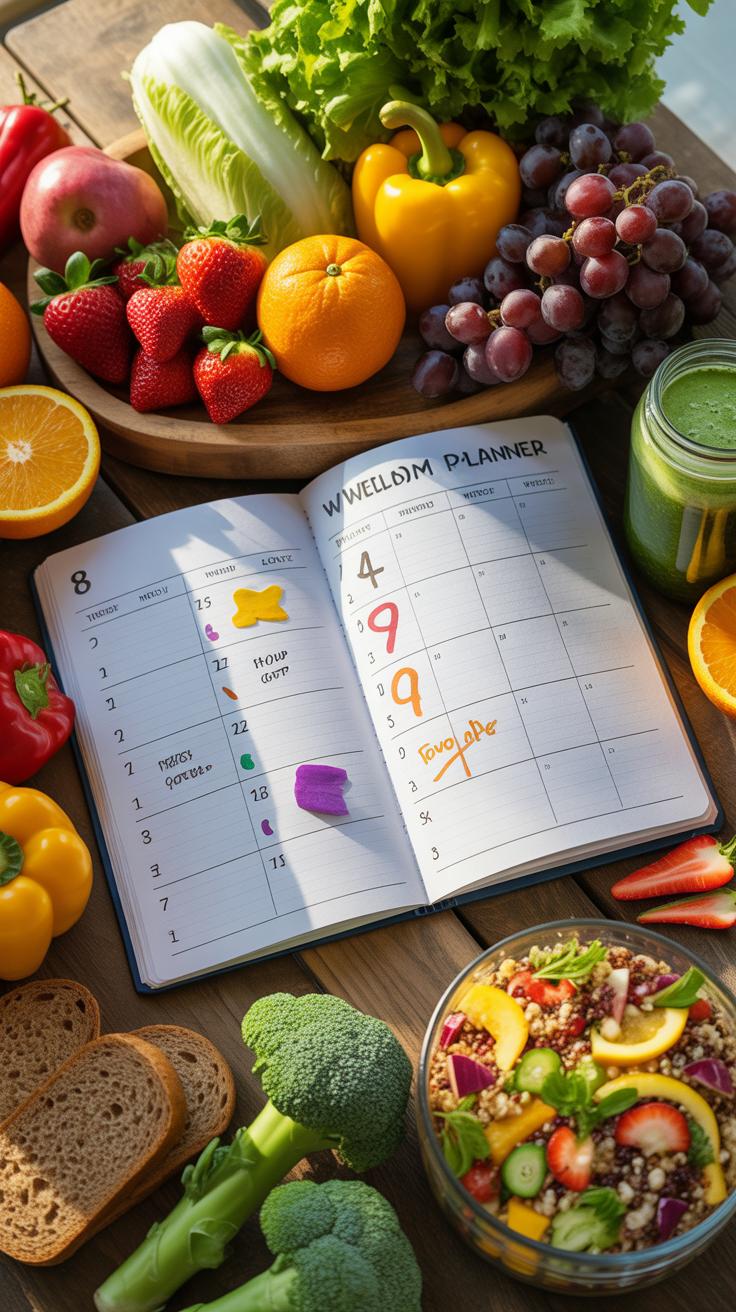
By day eight your body begins to adapt to a whole food intake. You must now refine your fuel sources to match your daily activity levels. Increase your healthy fat intake if you feel constant hunger between meals. Use precise measurements for nuts and oils to avoid caloric surplus. Prioritize fibrous vegetables to maintain volume while keeping the total energy density of your plates under control.
Balance your plate using the thirds rule for optimal performance. Fill half your plate with non-starchy vegetables to ensure micronutrient density. Allocate one quarter to high-quality proteins such as eggs or lean meats. Use the final quarter for complex carbohydrates like sweet potatoes or brown rice. This ratio stabilizes blood sugar. Adjust these proportions based on your physical output to prevent muscle fatigue or sluggishness.
Managing Energy Levels And Cravings During The Middle Of The Challenge
The middle phase of the challenge often triggers psychological cravings for processed sugars. Recognize these as metabolic signals rather than true hunger. Drink sixteen ounces of water when a craving hits to confirm hydration status. Most mid-challenge energy slumps stem from inadequate salt intake or dehydration. Supplement with mineral-rich foods like celery or seaweed to maintain your electrolyte balance and nerve function.
Keep your meal timing consistent to prevent executive function drain. Prepare emergency snacks like hard-boiled eggs or raw carrots to avoid impulsive decisions. If energy drops in the afternoon, verify your protein intake from the previous meal. Stable energy requires a steady supply of amino acids and slow-burning fats. Avoid leaning on caffeine to mask fatigue. Focus on sleep quality to allow your hormones to regulate appetite naturally.
Healthy Lunch Meal Building Nourishing Midday Plates Every Day
Whole Food Lunch Combinations That Are Filling And Nutrient Dense
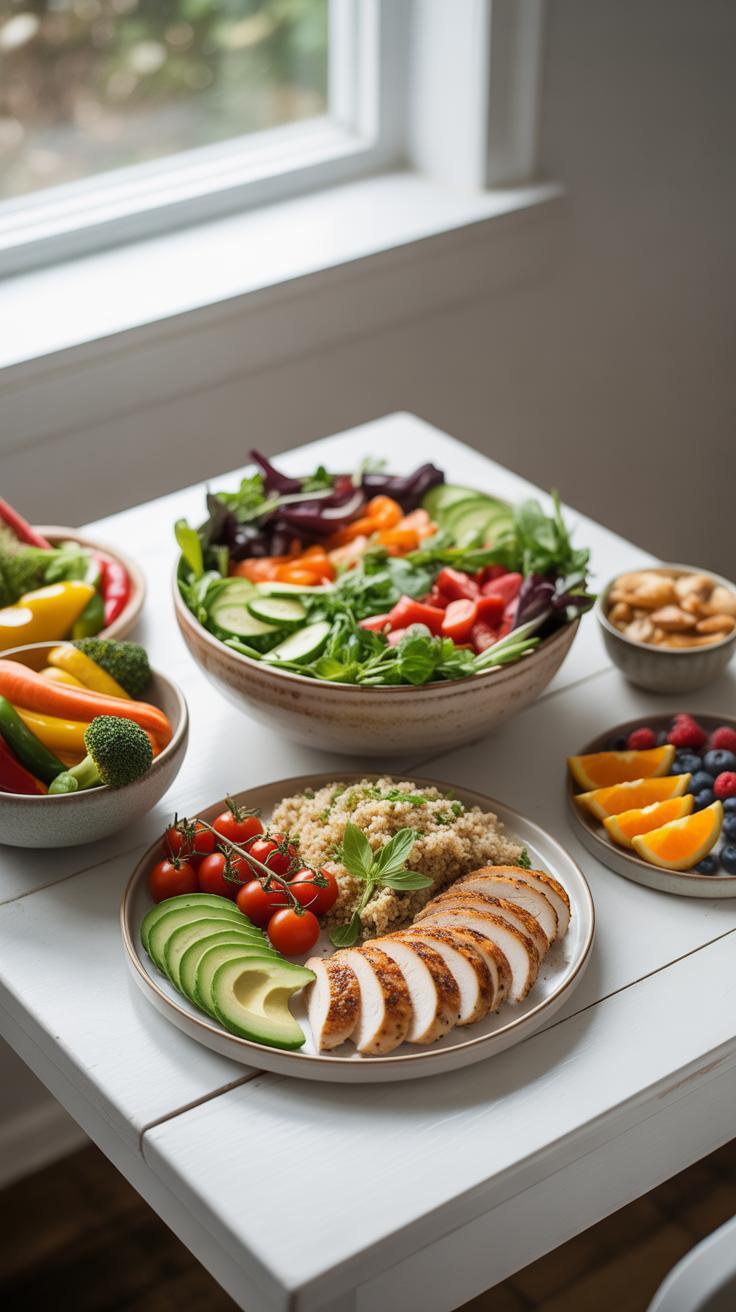
Effective lunch construction requires a balance of macronutrients to prevent afternoon energy crashes. You must combine a lean protein source with high-fiber complex carbohydrates and healthy fats. This trio stabilizes blood sugar levels and triggers satiety hormones. Starchier vegetables like sweet potatoes or beets provide the necessary glucose for brain function. Leafy greens add volume and micronutrients without adding excessive caloric density.
Prioritize density over calorie counting to achieve long-term success during this challenge. Use healthy fats like avocado or olives to slow digestion and improve nutrient absorption. A proper meal should leave you energized rather than sluggish. Avoid processed dressings that contain seed oils or added sugars. High-quality proteins like wild-caught fish or lentils provide the amino acids needed for muscle maintenance and cognitive focus throughout the day.
Make Ahead Lunch Ideas That Keep Well And Travel Easily
Success on a twenty-one-day plan depends on preparation and portability. You need meals that maintain their texture and flavor when stored in airtight containers. Hearty grains like quinoa or farro do not get soggy when mixed with vinaigrettes. Cabbage and kale serve as superior base greens because they resist wilting for several days. Robust vegetables like bell peppers and carrots retain their crunch during refrigeration and transport.
Batch cooking protein on Sunday reduces daily friction and prevents poor food choices. Roasted chicken thighs and hard-boiled eggs stay fresh and safe for several days. Store wet ingredients separately from dry components to ensure your meal remains appetizing. Use glass containers to avoid chemical leaching from plastic during storage. Organized meal prep eliminates the mental load of decision-making and ensures you stay compliant with your whole food goals.
What Is The Healthiest Dinner Evening Meals For Days 1521
Whole Food Dinner Recipes Built Around Lean Proteins And Vegetables
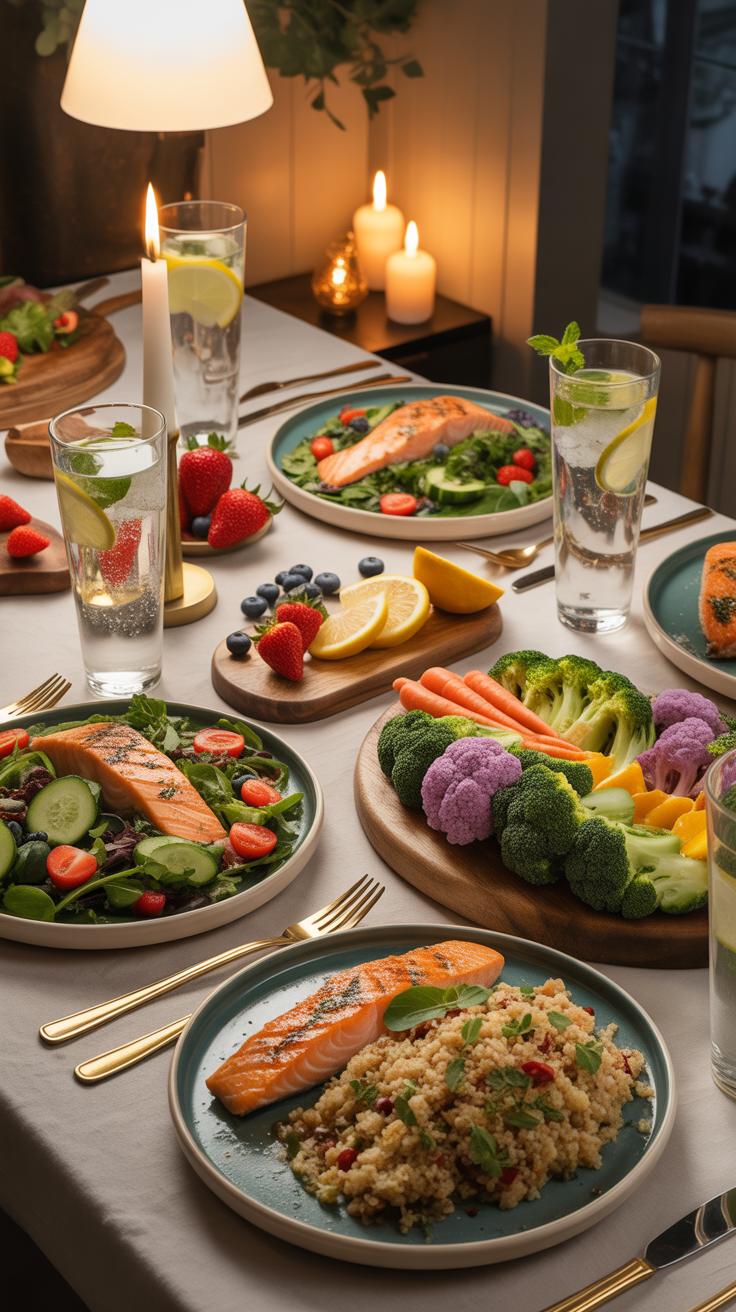
Effective dinner strategy for the final week focuses on metabolic efficiency. Use lean proteins like wild caught fish or grass fed poultry as your base. These sources provide essential amino acids without excess saturated fat. Pair these proteins with cruciferous vegetables like broccoli or Brussels sprouts. Steaming or roasting these greens preserves their micronutrient density. Avoid adding heavy oils or processed sauces.
Preparation during days 15 through 21 requires strict adherence to single ingredient seasonings. Use fresh herbs and lemon juice to enhance flavor profile. Do not use pre-packaged spice blends as they often contain hidden sugars or anti-caking agents. Limit carbohydrate intake in the evening to fibrous vegetables. This approach ensures your body uses stored energy overnight and maintains stable glucose levels before you sleep.
Why A Light, Nutrient Rich Dinner Supports Better Sleep And Recovery
Late night digestion interferes with deep sleep cycles. Heavy fats and complex carbohydrates require significant energy to process. This metabolic activity raises core body temperature and prevents the onset of restorative sleep. A light dinner allows the body to shift its resources from digestion to cellular repair. Fasting between dinner and breakfast further improves insulin sensitivity during the 21 day whole food challenge.
Nutrient density at night provides the building blocks for physical recovery. Magnesium found in leafy greens helps relax muscles and supports the nervous system. Lean proteins offer the necessary repair materials for tissues stressed during daily activity. Avoiding processed foods prevents inflammation that causes evening restlessness. Strategic meal timing ensures you wake up with high energy levels. You reset your internal clock by finishing your last meal early.
Healthy Meal Ideas For Fussy Eaters Keeping The Whole Family On Board

Whole Food Swaps That Appeal To Picky Palates Without Compromise
Picky eaters usually reject new textures or bitter flavors found in raw vegetables. You must bridge the gap by mimicking familiar comfort foods using whole ingredients. Successful swaps focus on color and mouthfeel to reduce sensory shock. Replace processed white flour and refined sugars with nutrient dense alternatives. These changes maintain the 21 day whole food challenge standards while keeping meals approachable for everyone.
- Zucchini Noodles: Use a spiralizer to turn zucchini into thin strands that mimic grain pasta. Squeeze out excess moisture to ensure the texture stays firm rather than soggy. These noodles carry sauces well and provide essential vitamins without the heavy carbohydrate load of processed wheat products found in traditional boxed pasta.
- Cauliflower Rice: Pulse raw cauliflower florets in a food processor until they reach grain sized consistency. Sauté the grains briefly to soften the bite. This swap mimics the appearance and utility of white rice. It serves as an excellent neutral base for stir fry dishes or burrito bowls during the challenge.
- Sweet Potato Fries: Slice raw sweet potatoes into thin strips and bake them at high heat with minimal olive oil. This replaces greasy deep fried potatoes with a high fiber alternative. The natural sweetness appeals to children and reluctant adults. Baking creates a crispy exterior that satisfies the craving for salty and crunchy snacks.
- Mashed Cauliflower: Steam cauliflower until very soft and blend it with garlic and a small amount of clarified butter. This creates a creamy puree that resembles traditional mashed potatoes. It offers a similar comfort food experience with significantly more micronutrients. This technique hides the vegetable flavor by focusing on a smooth and familiar texture.
- Greek Yogurt Creams: Use plain unsweetened Greek yogurt as a direct replacement for sour cream or heavy mayo dressings. It provides a tangy flavor and high protein content without the additives found in processed condiments. Use this in dips or as a topping for tacos to maintain creaminess while adhering to the whole food guidelines.
Eliminate high fructose corn syrup and artificial dyes by making sauces from scratch. Blending soaked cashews creates a dairy free cream sauce for vegetables. Using dates to sweeten homemade dressings avoids the blood sugar spikes caused by white sugar. These tactical substitutions prevent rebellion at the dinner table. High quality fats and fibers keep the family satiated longer than processed snacks. Focus on these direct replacements to ensure long term compliance.
How To Involve Children And Reluctant Eaters In The Meal Planning Process
Resistance to new foods often stems from a lack of control over the menu. You must give picky eaters a stake in the decision process to reduce friction. Allow them to choose between two compliant options for dinner rather than presenting a single dish. This strategy empowers the individual while ensuring the final choice stays within the whole food framework. Ownership leads to a higher likelihood of consumption.
Active participation in the kitchen builds a positive connection with raw ingredients. Assign age appropriate tasks like washing greens or mashing avocados for guacamole. Exposure to the smells and textures of whole foods before they reach the plate lowers anxiety. When someone helps prepare a meal, they become curious about the result. This tactical involvement shifts the focus from the fear of the unknown to the pride of creation.
Special Diet Meal Planning Adapting The Challenge To Your Dietary Needs
Modifying The 21 Day Plan For Vegetarian, Vegan, Or Gluten Free Lifestyles
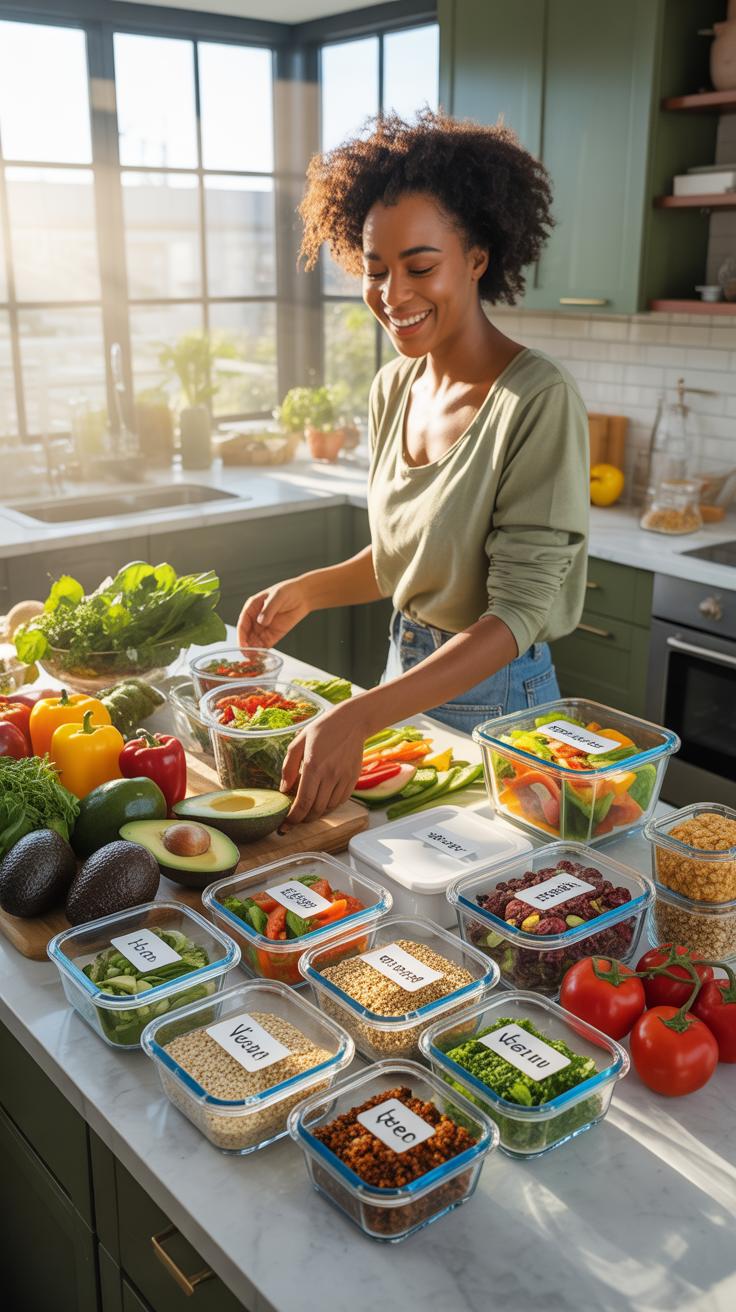
Vegetarians and vegans must replace animal proteins with legumes, nuts, and seeds to maintain muscle mass. Use lentils and chickpeas as primary protein sources. These foods provide necessary fiber and complex carbohydrates. Ensure all processed meat substitutes are eliminated. Whole food standards require single ingredient sources. Fermented soy like tempeh is acceptable if it contains no prohibited additives or refined oils.
Gluten free participants must focus on naturally gluten free grains like quinoa and buckwheat. Avoid the processed gluten free aisle entirely. Those products often contain gums and thickeners that violate whole food rules. Focus on potatoes and squash for energy needs instead. Read every label to spot hidden wheat derivatives in spices or vinaigrettes. Stick to fresh produce and raw nuts to ensure complete compliance.
Addressing Common Nutritional Gaps When Eating A Whole Foods Diet
Switching to whole foods can trigger temporary deficiencies if you do not plan. Plant based participants often lack sufficient Vitamin B12 and iron. Eat dark leafy greens and mushrooms regularly to help bridge these gaps. Track your intake of healthy fats through avocados and walnuts. These fats support brain function and hormone production. Do not rely on white rice alone as your primary calorie source.
Iodine and Vitamin D also require attention during this 21 day period. Use sea vegetables like dulse or kelp to maintain iodine levels naturally. Get direct sunlight or eat fatty fish if your diet allows animal products. Proper hydration is critical because whole foods contain high fiber levels. Drink plenty of water to assist digestion. Monitor your energy levels daily to ensure you consume enough total calories.
Healthy Meals For The Day Sustaining The Whole Food Lifestyle Beyond Day 21

How To Build A Long Term Daily Eating Routine Rooted In Whole Foods
Transitioning from a strict challenge to a permanent lifestyle requires a structural shift in your kitchen. You must stop viewing whole foods as a temporary project. Success depends on a predictable weekly schedule for sourcing and prepping ingredients. Buy bulk grains, tubers, and seasonal vegetables every Sunday. Standardize your breakfast and lunch to reduce decision fatigue. This consistency prevents you from choosing processed convenience foods when your schedule becomes busy.
Focus on the composition of each plate rather than counting calories. Every meal must contain a clean protein source, a healthy fat, and high-fiber plant matter. This balance stabilizes blood sugar and stops cravings for refined sugar. Use simple cooking methods like roasting, steaming, and sautéing with stable oils like avocado or coconut oil. Mastery of three or four basic cooking techniques ensures you can prepare any whole food without a complex recipe.
Tracking Progress And Celebrating Non Scale Victories After The Challenge
A scale provides limited data and often ignores metabolic health improvements. You must track biofeedback markers to measure true success. Monitor your sleep quality, digestive regularity, and skin clarity daily. Notice changes in your sustained energy levels during the afternoon. These indicators prove that your internal systems are functioning better. Document these shifts in a simple journal to maintain your motivation once the initial weight loss slows down or stabilizes.
Physical performance and mental focus serve as critical data points for long-term health. Evaluate how your body handles physical stress and recovery times now compared to day one. Check your clothes for changes in fit that a scale cannot detect. Improved mood and the absence of brain fog are major victories. Focus on these functional gains to solidify your commitment to whole foods. Prioritizing performance over a number on a scale ensures lifelong adherence.
Frequently Asked Questions

What exactly is a 21 day whole food challenge and how does it work?
A 21 day whole food challenge is a three-week commitment to eating only unprocessed, natural foods while eliminating refined sugars, artificial additives, and highly processed grains. By focusing on vegetables, fruits, lean proteins, and healthy fats, you give your body a nutritional reset. The goal is to break unhealthy habits and cultivate a sustainable lifestyle that prioritizes nutrient-dense ingredients, ultimately improving your energy levels and overall digestive health.
How should I prepare my kitchen for a successful meal plan experience?
Preparation is the key to success when starting your 21 day whole food challenge. Begin by clearing your pantry of processed snacks and hidden sugars that might cause temptation. Next, stock up on versatile staples like quinoa, sweet potatoes, and nuts. Dedicate a specific day each week to batch-cooking proteins and pre-chopping vegetables. Having these ready-to-eat components on hand ensures you stay on track even during your busiest weekdays.
Can I stick to this healthy eating plan while on a tight budget?
Absolutely! Eating whole foods is surprisingly affordable when you focus on seasonal produce and bulk staples. To save money, buy grains and legumes in the bulk section and opt for frozen vegetables, which are just as nutritious as fresh ones. Planning your meals around sales and choosing plant-based proteins like lentils or eggs can significantly lower costs. With a little strategy, nourishing your body becomes an accessible and cost-effective daily habit.