
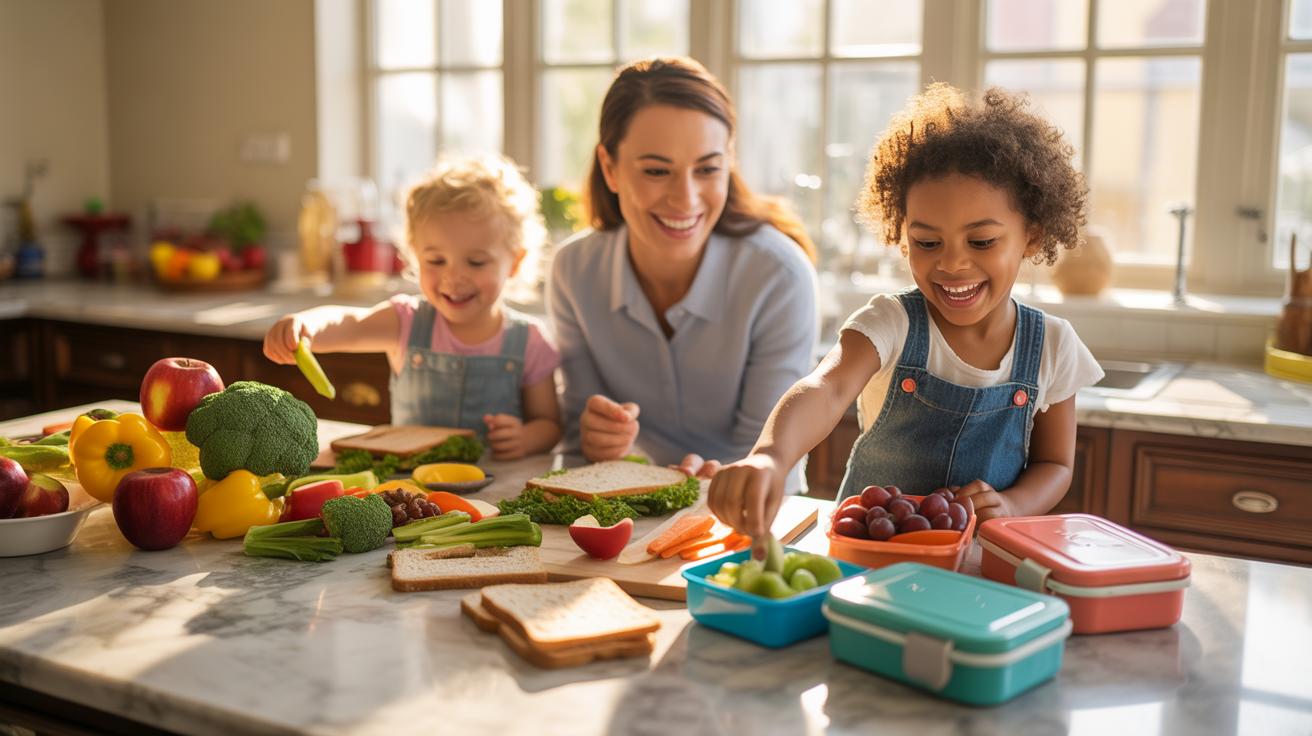
Why Back To School Lunch Prep Sets Kids Up For A Successful School Year
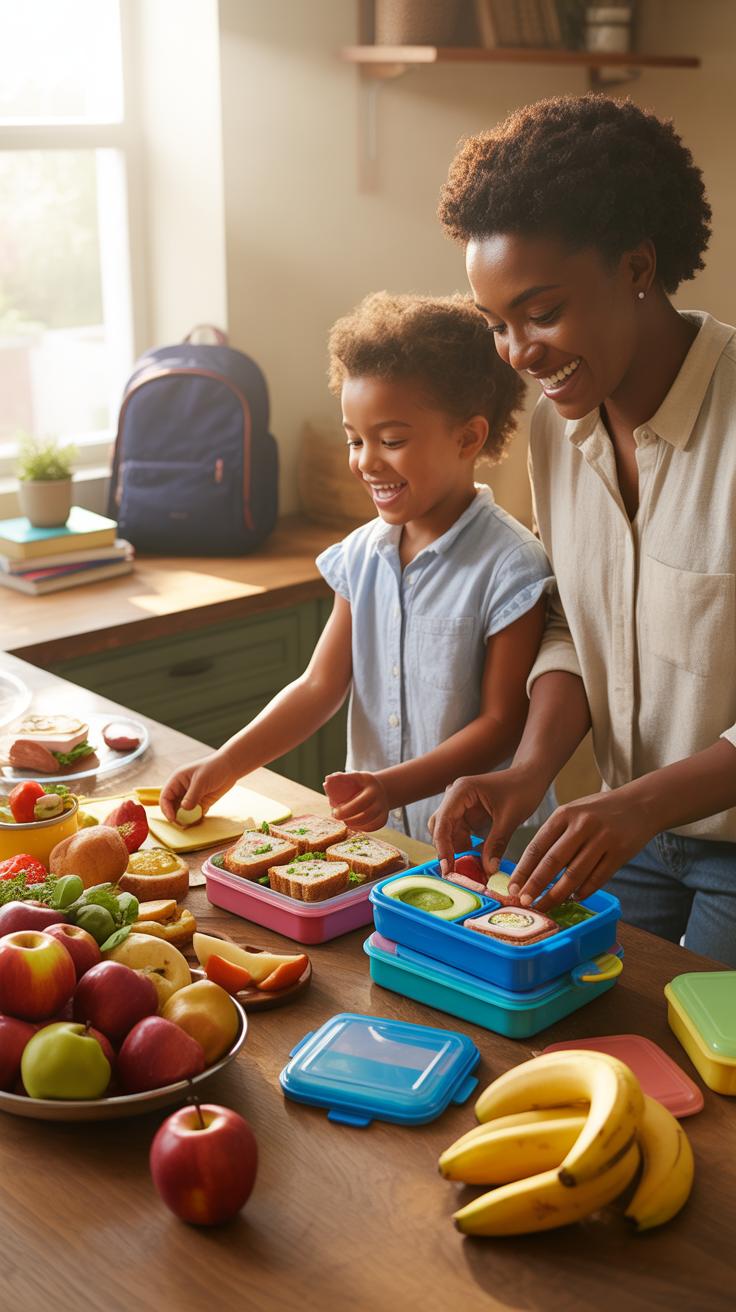
The Link Between Nutrition And Academic Performance In Children
Nutrients directly impact brain function and cognitive development. Children who consume balanced meals show better focus and memory retention in the classroom. Stable blood sugar levels prevent energy crashes that lead to irritability and poor concentration. High protein and fiber intake keep students alert during long instructional blocks. A lack of proper nutrition often results in lower test scores and decreased classroom participation.
Strategic meal planning ensures kids receive essential vitamins and minerals daily. Iron and omega-3 fatty acids support neurological pathways required for reading and math skills. Providing home-packed meals allows parents to control sodium and sugar intake. This oversight reduces the risk of dietary deficiencies that hinder learning. Quality fuel is a tactical requirement for a student’s mental stamina and overall academic achievement.
How A Consistent Lunch Prep Routine Reduces Morning Stress For The Whole Family
Morning chaos stems from a lack of preparation. Deciding what to pack while under a time crunch leads to poor choices and late departures. A set routine eliminates these daily friction points. Preparing components in bulk on weekends saves hours during the work week. This system creates a predictable flow for parents and children. It removes the mental burden of last-minute decision-making.
Efficiency improves when tasks move from the morning to the evening. Pre-packing containers allows for a quick grab-and-go exit. This precision reduces arguments and anxiety before the school bell rings. Consistent systems build discipline and teach children about time management. Parents regain control of their schedules by treating lunch prep as a logistical operation. Prepped meals are the foundation of a streamlined and calm household.
Building A Balanced Lunch Box Healthy Lunch Box Ideas Grounded In Nutrition Science
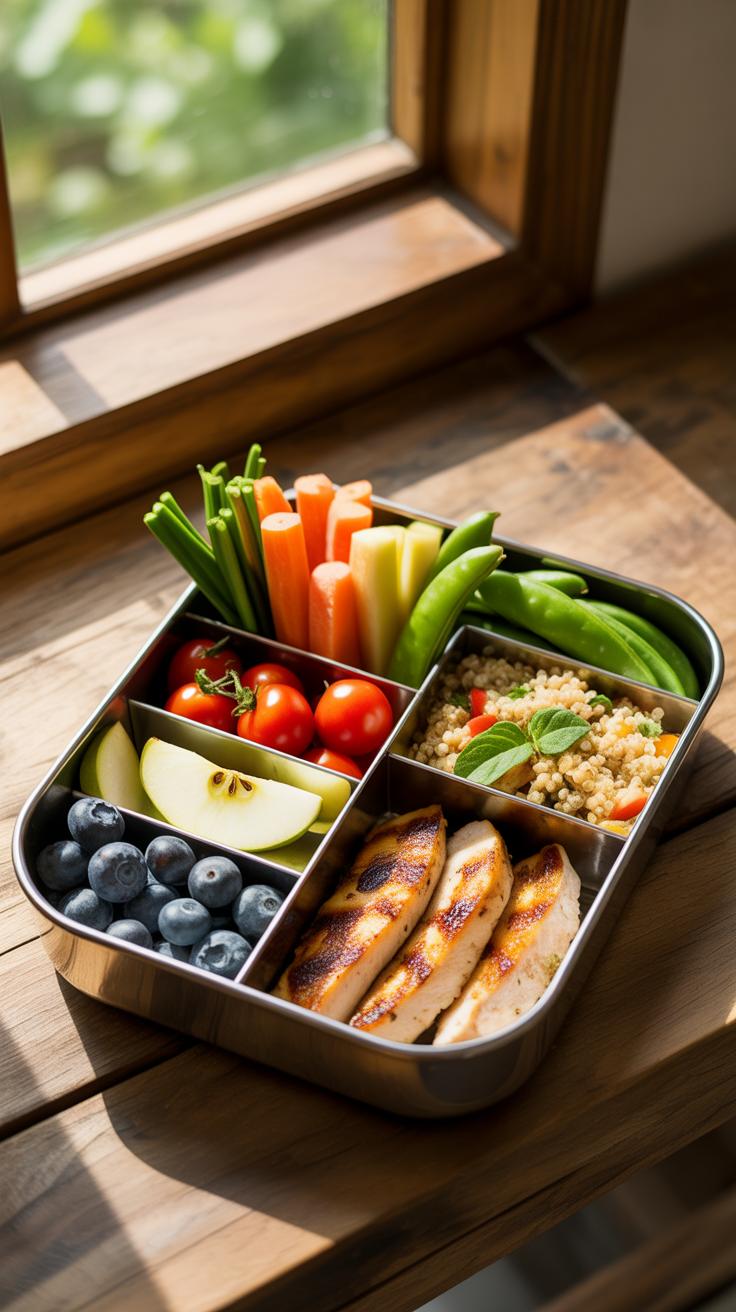
Understanding The Five Food Groups And How To Represent Each In A Lunch Box
A balanced lunch box mimics the USDA MyPlate model to ensure metabolic stability. Focus on fruits, vegetables, grains, protein, and dairy. Each group provides specific micronutrients necessary for cognitive function. You must include at least one item from each category to prevent energy crashes. Use whole fruits and raw vegetables for fiber. Select lean proteins like turkey or beans for muscle repair.
Complex carbohydrates provide sustained glucose release for afternoon classes. Avoid simple sugars that cause insulin spikes and subsequent fatigue. Integrate whole wheat bread or quinoa instead of white flour products. Low-fat dairy or fortified alternatives offer calcium for bone development. Always pair a protein with a carbohydrate to slow digestion. This combination keeps students full until the final bell rings throughout the school day.
Portion Sizes For School Age Children: What Registered Dietitians Recommend
Portion control prevents sluggishness and matches the child’s caloric needs. Dietitians use the hand method for quick estimations. A serving of protein should match the size of the child’s palm. Carbohydrates should occupy a space no larger than a clenched fist. Vegetables should fill the largest compartment of the container. Proper sizing ensures the child receives adequate nutrients without feeling overstuffed or tired.
Daily caloric requirements change as children grow from elementary to middle school. Younger children require smaller, frequent hits of energy. Older students need larger portions of dense proteins and healthy fats. Adjust the ratios based on the child’s physical activity level. Active students require more complex starches to replenish glycogen stores. Monitor leftovers to gauge if your portions align with their actual hunger and consumption patterns.
Top School Lunch Recipes That Are Easy To Prep And Kid Approved

Make Ahead Wraps, Mini Sandwiches, And Grain Bowls Kids Love
Efficiency starts with choosing structures over specific recipes. Use whole wheat tortillas for wraps because they resist moisture better than sliced bread. Apply a thin layer of cream cheese or hummus to act as a fat barrier. This prevents the bread or wrap from getting soggy after four hours in a backpack. Stick to dry proteins like deli turkey or chicken strips for consistent texture.
Grain bowls offer better stability than traditional salads. Use quinoa or farro as a base because these grains hold their shape when dressed. Mix in sturdy vegetables like roasted carrots, snap peas, and edamame. These ingredients do not wilt under temperature shifts. Keep dressings on the side in a small container to maintain the structural integrity of the meal until the child eats.
How To Batch Cook School Lunch Recipes On Sundays To Save Time All Week
Sunday batch cooking reduces early morning friction. Roast three pounds of chicken breast and boil one dozen eggs at once. These proteins serve as the foundation for multiple lunch formats throughout the week. Slicing vegetables like cucumbers and peppers in a single session saves twenty minutes daily. Store these in airtight containers to maintain crispness. Organized prep ensures you only clean the kitchen once.
Standardize your containers to simplify the packing process. Use a modular system where every lid fits every base. Divide bulk cooked grains and proteins into individual portions immediately after cooling. Labeling each container with the day of the week removes decision fatigue. This tactical approach ensures that the most difficult part of the morning is simply moving a pre-packed box from the fridge to the bag.
Protein Ideas For School Lunch Keeping Kids Full And Focused All Afternoon

Best Whole Food Protein Sources For Kids Lunch Boxes Eggs Legumes Chicken And More
Protein stabilizes blood sugar and prevents the mid afternoon energy crash. Lean meats and whole eggs provide complete amino acid profiles necessary for brain function and muscle growth. These dense nutrients keep children satiated for longer periods than processed carbohydrates. Strategic prep involves cooking these items in batches on Sunday to ensure quick assembly during the busy school week.
- Hard Boiled Eggs: Eggs contain choline which supports cognitive development and memory. Boil a dozen eggs at once and store them in their shells for maximum freshness. They provide a portable and high quality source of natural protein.
- Roasted Chicken Breast: Sliced chicken offers a versatile base for wraps or salads. Use skinless breast meat to minimize saturated fats while maximizing protein density. Season with salt and pepper to keep flavors neutral and kid friendly.
- Canned Chickpeas: Legumes provide a dual benefit of fiber and protein to aid digestion. Rinse canned chickpeas thoroughly to remove excess sodium before packing. They work well as a standalone snack or mixed into a cold pasta salad.
- Turkey Roll Ups: Deli turkey is a fast solution for zero cook mornings. Choose nitrate free and low sodium options to avoid unnecessary additives. Wrap the meat around cheese sticks or bell pepper strips for a crunchier texture.
- Greek Yogurt: This dairy option contains twice the protein of regular yogurt brands. Select plain versions to avoid added sugars and control the flavor with fresh fruit. It serves as an excellent dip or a standalone breakfast for lunch item.
Avoid highly processed lunch meats filled with sodium and nitrates whenever possible. These additives can lead to thirst and lethargy during the school day. Focus on simple preparations like poaching or roasting to retain moisture without adding excess oils. Using airtight containers keeps these proteins safe to eat and prevents them from drying out before the lunch bell rings.
Plant Based Protein Ideas For School Lunch That Picky Eaters Will Actually Enjoy
Plant based proteins offer essential nutrients without the need for constant refrigeration in some cases. Edamame and sunflower seeds provide high protein counts and appeal to children who dislike the texture of meat. You can hide lentils in pasta sauces or blend beans into spreads like hummus to increase nutrient density. These options allow for dietary variety and cater to classrooms with strict nut free policies.
Texture is the primary barrier for picky eaters when consuming plant proteins. Crispy roasted chickpeas or smooth bean dips often perform better than mushy cooked legumes. Pair these items with familiar vehicles like whole grain crackers or raw carrots to increase acceptance. Consistent exposure helps children grow accustomed to these flavors. Focus on high density sources to ensure the child receives enough calories to sustain their focus.
Mini Pancakes And Creative Finger Foods That Make Lunch Fun For Kids
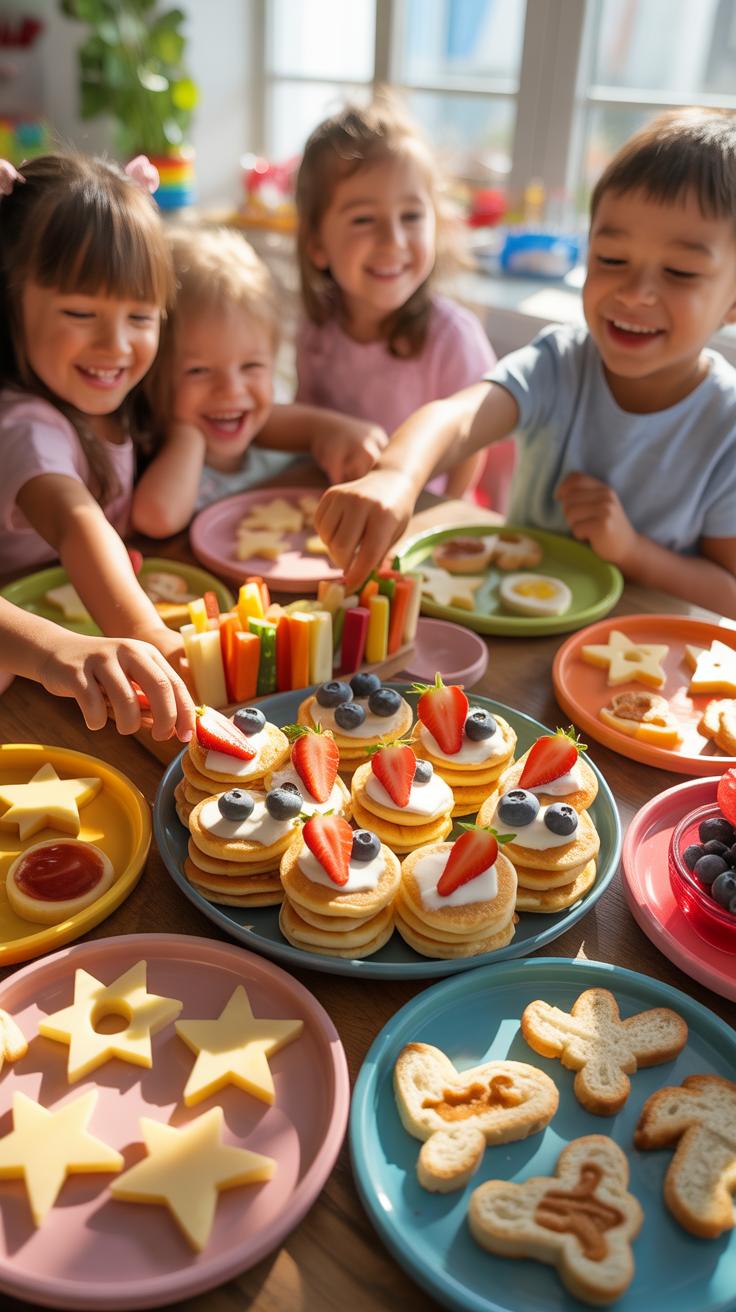
Why Mini Pancakes Work So Well In A School Lunch Box And How To Prep Them In Batches
Mini pancakes function as a high-efficiency carbohydrate source that remains stable at room temperature. Their small size eliminates the need for plastic cutlery and reduces food waste. You can stack them easily in standard bento box compartments. They act as a neutral base for protein-rich toppings or nut-free spreads. This makes them a superior alternative to bread for students who prefer a softer texture.
Efficiency depends on batch cooking. Use a large griddle to cook fifty silver dollar pancakes simultaneously. Flash freeze the pancakes on a flat baking sheet for thirty minutes before transferring them to a freezer bag. This prevents sticking and allows you to grab exactly what you need each morning. Place frozen pancakes directly into the lunch box. They will thaw by noon while keeping surrounding fruit cool.
Other Fun Finger Foods That Travel Well And Hold Up In A Lunch Box Until Noon
Successful finger foods must maintain structural integrity without refrigeration for several hours. Hard-boiled eggs provide high protein density and come in their own protective casing if left unpeeled. Cheese cubes and meat rosettes offer savory options that do not get soggy like traditional sandwiches. Focus on items that kids can consume quickly during short lunch periods. High-density foods provide the most energy per bite.
Include dense vegetables like cucumbers and bell pepper strips to provide hydration and crunch. These items do not oxidize or turn brown like sliced apples. Use silicone liners to separate dry items from moist components. This prevents cross-contamination of textures and flavors. Savory muffins made with spinach or cornmeal survive compression in a backpack. They offer a mess-free way to deliver grains and vegetables without using forks.
Healthy Lunch Box With Skewers Turning Simple Ingredients Into Something Kids Excitement

Why A Healthy Lunch Box With Skewers Encourages Kids To Eat More Fruits And Vegetables
Food presentation directly impacts consumption rates in children. Skewers change the tactile experience of eating by turning a standard meal into finger food. This format mimics the novelty of snacks which reduces mealtime resistance. Small, bite-sized pieces are less intimidating than whole fruits or large salads. You increase the variety of nutrients per bite by alternating different vegetable and protein groups on a single stick.
The mechanical process of eating from a skewer engages a child’s fine motor skills. This engagement keeps their focus on the meal rather than distractions in the lunchroom. Pre-portioning produce on sticks also prevents the soggy texture often found in mixed containers. You ensure the structural integrity of the food remains intact until consumption. This method allows parents to introduce new textures alongside familiar favorites to expand a child’s palate.
The memories of home are often found in the small acts of love tucked inside a lunchbox. Preparing a nourishing meal is like sending a warm hug from your kitchen to the classroom.
Safe Skewer Tips For School Lunches: Choosing The Right Size And Material For Kids
Safety is the primary concern when selecting skewer materials for school environments. Traditional long wooden skewers pose a puncture risk and often have sharp splinters. Use blunt-ended bamboo picks or food-grade plastic picks designed for bento boxes instead. These options are shorter and fit easily into standard insulated lunch bags. Shorter lengths prevent the sticks from snapping under pressure during transport or rough handling by young children.
Material choice also affects food hygiene and preparation speed. Stainless steel picks are durable and reusable but require thorough cleaning to prevent bacterial growth. Single-use bamboo is biodegradable and eliminates the risk of lost hardware at school. Always trim sharp points with kitchen shears before packing to ensure the tips are flat. This modification maintains the functionality of the skewer while removing the danger of injury during a rushed lunch period.
Kabob Lunch Ideas How Lunch Kabobs Make Healthy Eating Interactive And Enjoyable
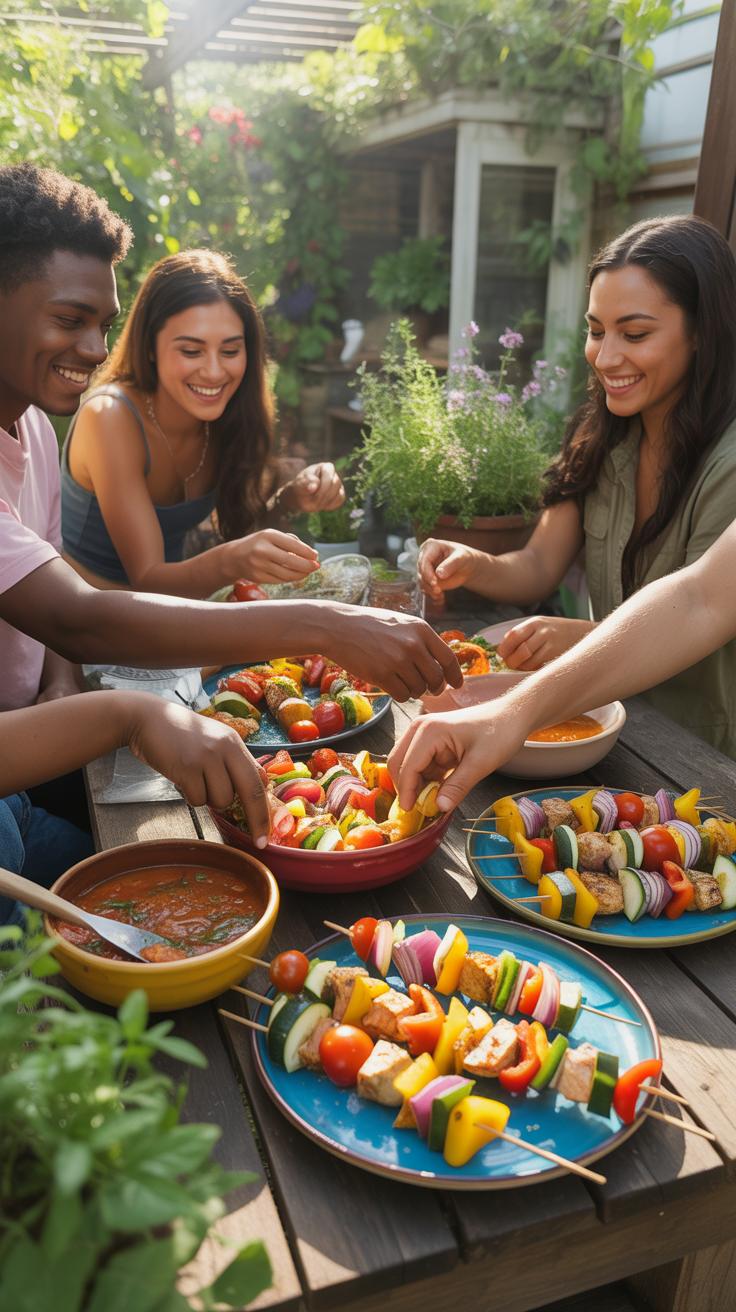
Easy Lunch Kabob Combinations Using Protein, Cheese, Vegetables, And Fruit
Lunch kabobs solve the problem of repetitive school meals by deconstructing standard sandwiches and salads. They encourage kids to eat by making the delivery method tactile and visual. You create nutrient density by alternating lean proteins with fiber-rich produce. This strategy ensures kids consume a balance of macronutrients without the sensory issues often associated with soggy bread or mixed salads.
- Turkey and Cheddar Cubes: Thread thick-cut roasted turkey breast and sharp cheddar cheese cubes onto skewers. Add cucumber slices for crunch and hydration. This combination provides high protein and calcium to keep energy levels stable throughout the afternoon school hours.
- Caprese Chicken Skewers: Use grilled chicken breast chunks, cherry tomatoes, and fresh mozzarella pearls. This Italian-inspired mix offers healthy fats and antioxidants. It works well for older children who prefer savory flavors and sophisticated textures over traditional sweet lunch options.
- Ham and Pineapple Rounds: Combine lean deli ham roll-ups with fresh pineapple chunks and bell pepper squares. This sweet and savory profile appeals to younger palates. Pineapple contains bromelain which aids digestion while the ham provides the necessary amino acids for muscle growth.
- Greek Salad Sticks: Place pitted kalamata olives, feta cheese cubes, and folded pita bread squares on the stick. This vegetarian-friendly option delivers healthy fats and complex carbohydrates. It introduces diverse Mediterranean flavors while maintaining a high satiety level through the dense cheese and bread.
- Rainbow Fruit and Yogurt: Alternate grapes, strawberries, melon, and blueberries for a vitamin-heavy side or main. Pair these with a separate container of Greek yogurt for dipping. The variety of colors indicates a broad spectrum of micronutrients essential for immune system support and cognitive function.
Switching to kabobs reduces food waste because children prefer picking individual items rather than eating a whole sandwich. You must use blunt-ended bamboo sticks or reusable plastic picks to ensure safety in the cafeteria. Precision in cutting ingredients matters for consistency and ease of eating. Uniform sizes allow the items to stay secure on the skewer during transport in a standard lunch box.
How To Prep Kabob Lunch Ideas Ahead Of Time Without Compromising Freshness Or Food Safety
Preparation speed determines the success of your weekly lunch routine. Cut your proteins and hard cheeses into uniform cubes on Sunday to save time during the morning rush. Store these dense items in airtight containers with a paper towel to absorb excess moisture. Dry ingredients stay firm longer and prevent the skewers from becoming slippery or unappealing when assembled.
Oxidation and moisture transfer are the primary threats to kabob quality. Wait to thread water-heavy vegetables like cucumbers and tomatoes until the evening before use. If using fruit like apples or bananas, dip them in lemon juice to prevent browning. Always pack kabobs in a hard-sided container to prevent the sticks from snapping or the food from being crushed by other lunch bag items.
Lunch Ideas For Healthy School Eating Addressing Common Challenges Like Allergies And Picky Eaters
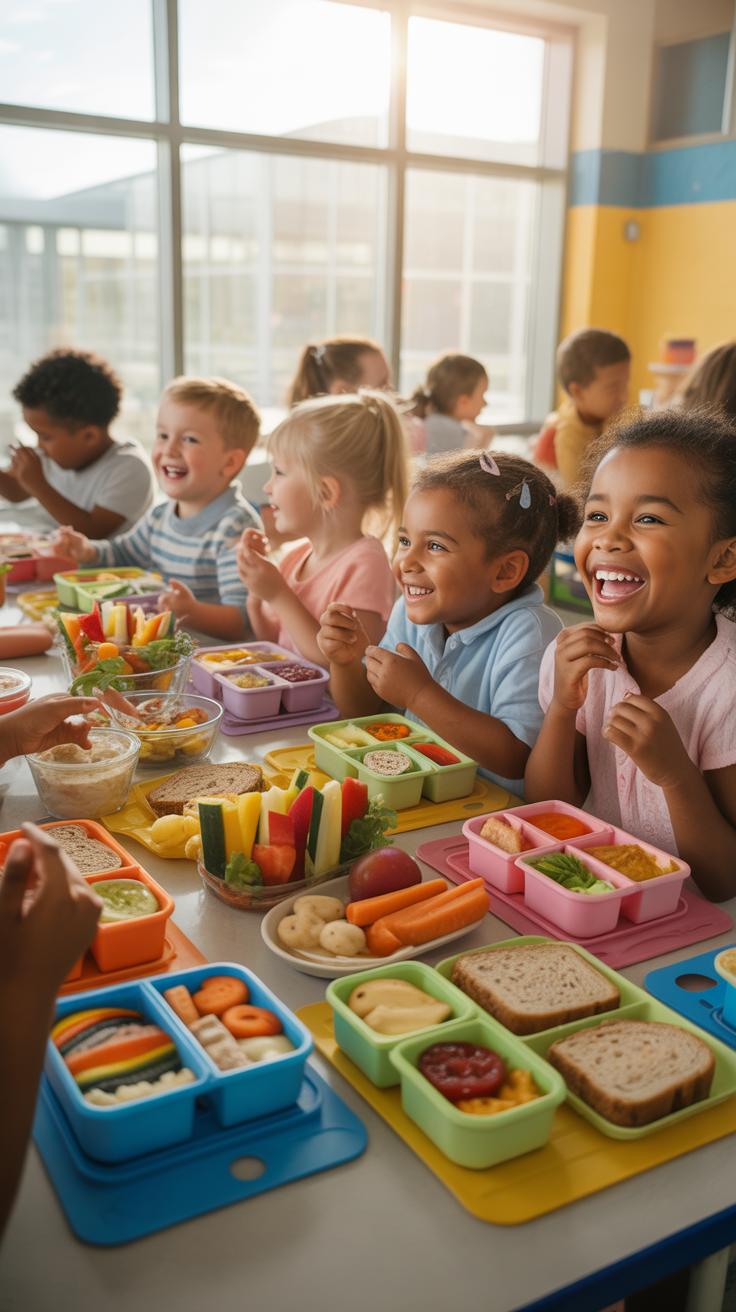
Nut Free And Allergy Conscious Lunch Ideas For Healthy School Environments
School districts now enforce strict nut-free policies to prevent anaphylaxis. You must read every ingredient label for hidden peanut or tree nut traces. Sunflower seed butter and soy butter provide safe protein alternatives to peanut butter. These substitutes mimic the texture and flavor kids expect. Use chickpeas or lentils to add protein without using nuts. Solid food safety starts with clear cross-contamination prevention at home.
Select dedicated containers for allergy-safe meals to avoid residue from other foods. Use bright stickers to label these boxes so teachers and students recognize the contents immediately. Focus on whole foods like fruits and vegetables that do not require complex ingredient lists. This strategy reduces the risk of accidental exposure. High-protein grains like quinoa also serve as safe fillers. Consistent routines ensure your child remains safe in shared cafeteria spaces.
Strategies For Getting Picky Eaters Involved In Choosing And Preparing Their Own Lunch
Picky eating often stems from a lack of control over food choices. Reverse this dynamic by letting children choose between two healthy vegetable options during Sunday prep. Give them specific tasks like washing produce or placing items into containers. Ownership of the process increases the likelihood that they will actually eat the meal. Exposure to new textures happens more effectively during preparation than at the lunch table.
Introduce the “build your own” concept to promote autonomy. Provide separate compartments for grains, proteins, and sauces so the child controls the final mix. This prevents issues with food touching, which is a common complaint for sensitive eaters. Keep portions small to avoid overwhelming the student. Use cookie cutters to create interesting shapes from standard sandwiches. Visual appeal and personal involvement drive better consumption rates for difficult eaters.
The Best Lunch Box Gear And Food Storage Tools To Keep Meals Fresh And Safe
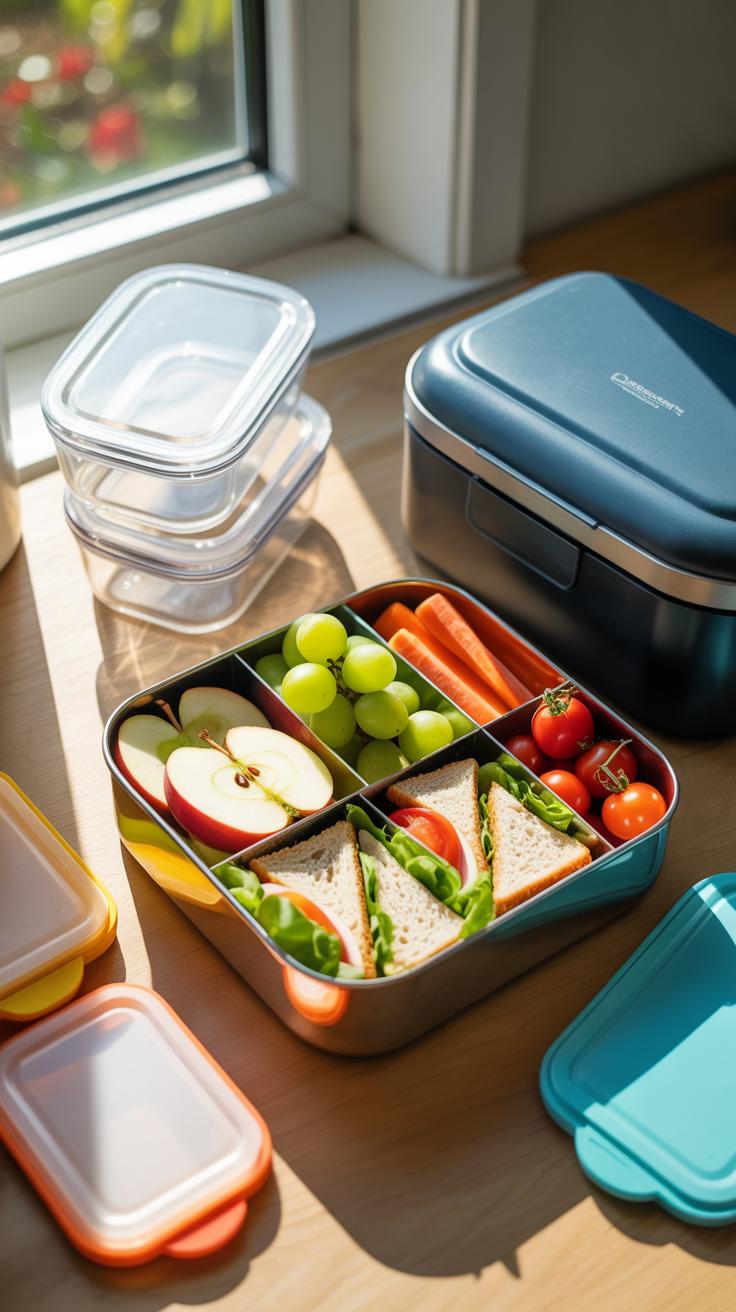
Insulated Lunch Boxes, Bento Containers, And Ice Packs: What You Actually Need
Effective gear starts with an insulated bag. Standard fabric bags without insulation fail to maintain internal temperatures for more than an hour. Look for high-density foam insulation and heat-sealed linings. These features prevent leaks and keep thermal energy contained. Choose a bag large enough to hold a bento box and a drink while still fitting inside a standard school locker.
Bento containers reduce waste and improve food organization. Select stainless steel or BPA-free plastic models with leak-proof seals between compartments. These seals prevent liquids from mixing with dry goods. Pair these containers with slim gel ice packs. Place one pack above and one below the food container for maximum cooling. This sandwich method creates a cold zone that lasts until the scheduled lunch hour.
Food Safety Guidelines For Packing School Lunches: Temperature, Timing, And Storage
Food safety depends on the four-hour rule. Harmful bacteria grow rapidly between 40 and 140 degrees Fahrenheit. If perishable food stays in this danger zone for over two hours, discard it. Schools rarely provide refrigeration for student lunches. You must use active cooling tools to keep meat, dairy, and cut fruits below the safety threshold. Proper preparation ensures the meal remains edible by noon.
Pre-chill or pre-heat your containers to extend performance. Fill thermoses with boiling water for five minutes before adding hot food like soup. This maintains heat for five hours. For cold items, store the empty lunch box in the freezer overnight. Pack the bag directly from the refrigerator in the morning. These small tactical steps prevent spoilage and ensure the child consumes safe, high-quality fuel for learning.
Weekly Lunch Prep Plan A Practical Back To School Lunch Prep Schedule For Busy Parents

How To Build A Rotating Weekly Lunch Menu That Balances Variety And Simplicity
Efficiency requires a fixed system. Create a two-week or four-week meal rotation to eliminate daily decision fatigue. Assign specific food categories to each day of the week. For example, Monday is sandwiches, Tuesday is grain bowls, and Wednesday is wraps. This structure provides a clear template for your grocery list. It ensures your child receives different nutrients without requiring you to invent new recipes every night.
A successful rotation relies on modular components. Prepare three main protein sources and four vegetable options every Sunday night. Mix and match these elements throughout the week to create different meals. This strategy prevents flavor fatigue while keeping the preparation process uniform. Standardizing your containers also speeds up the process. Uniform boxes stack better in the fridge and make portion control predictable. Stick to the schedule to maintain momentum.
Time Saving Grocery Shopping Tips That Support A Smooth Back To School Lunch Prep Routine
Smart shopping starts with a digital inventory. Check your pantry and freezer before leaving the house. Use a categorized shopping list that follows the physical layout of your grocery store. This prevents backtracking and cuts shopping time in half. Buy staple items in bulk to reduce the number of trips. Focus on versatile ingredients like carrots, apples, and hummus that have a long refrigerated shelf life and require minimal processing.
Incorporate pre-washed and pre-cut produce to save hours of manual labor. While whole vegetables are cheaper, the time saved on chopping pays for the price difference during busy school weeks. Choose frozen fruits for smoothies and frozen vegetables for hot lunches to minimize waste. Always shop on the same day each week to establish a routine. Consistent shopping leads to consistent prep. This discipline ensures your kitchen remains stocked for every school day.
Frequently Asked Questions

What is the best way to get started with meal prepping for my child’s school lunches?
The key to successful back to school lunch prep is starting small and staying organized. Begin by choosing two or three reliable recipes your child already loves and prepping components in bulk over the weekend. Washing fruit, chopping vegetables, and portioning out snacks into reusable containers can save you hours during the busy work week. Efficiency is essential for maintaining a healthy routine without feeling overwhelmed as the school year begins.
How can I keep packed lunches fresh and appetizing until the school lunch bell rings?
To maintain freshness, invest in a high-quality insulated lunch bag and slim ice packs to regulate temperature. For effective back to school lunch prep, use airtight bento boxes to keep different food groups separated, preventing crackers from getting soggy or sandwiches from drying out. Using a small thermos for warm items like pasta or soup ensures a comforting, home-cooked feel that stays delicious and safe to eat several hours later.
Is it possible to prepare healthy school lunches on a tight monthly budget?
Absolutely! You can master back to school lunch prep on a budget by focusing on seasonal produce and buying pantry staples like oats, beans, and grains in bulk. Instead of purchasing expensive pre-packaged snack packs, buy large containers of yogurt or crackers and portion them out yourself. Planning your weekly menu around grocery store sales and utilizing leftovers for creative new meals are brilliant ways to provide nutritious variety without overspending.