

What Are Amino Acids And Why Do They Matter For Protein
The Role Of Amino Acids As The Building Blocks Of Protein
Protein is not a single substance. It is a large molecule made of smaller units called amino acids. These units link together in long chains to form specific structures. Your body breaks down the protein you eat into these individual components. Once broken down, the body reassembles them to create muscle, skin, enzymes, and hormones. You cannot build or repair tissue without them.

Think of amino acids as the raw materials for a construction project. Different sequences create different proteins for various biological tasks. Scientists have identified twenty primary amino acids that humans need to function. If one specific amino acid is missing, the body cannot finish the protein chain. This leads to stalled muscle growth and weakened immune responses. You must ingest these daily to maintain consistent health levels.
Essential Vs Non Essential Amino Acids: Understanding The Difference
The twenty amino acids fall into two main categories. Your body can produce eleven of them on its own. These are non-essential amino acids. You do not need to get them from food because your internal systems synthesize them naturally. Even if you skip these in your diet, your body manages the supply. This internal production ensures your basic metabolic functions continue without interruption.

The remaining nine are essential amino acids. Your body cannot manufacture these under any circumstances. You must get them through your diet or supplements. If your food lacks even one essential amino acid, your body starts breaking down its own muscle tissue to find it. This is why the distinction matters for your diet. You must prioritize foods that provide these nine missing pieces every single day.
What Is A Complete Protein And How Is It Defined
The Scientific Definition Of A Complete Protein
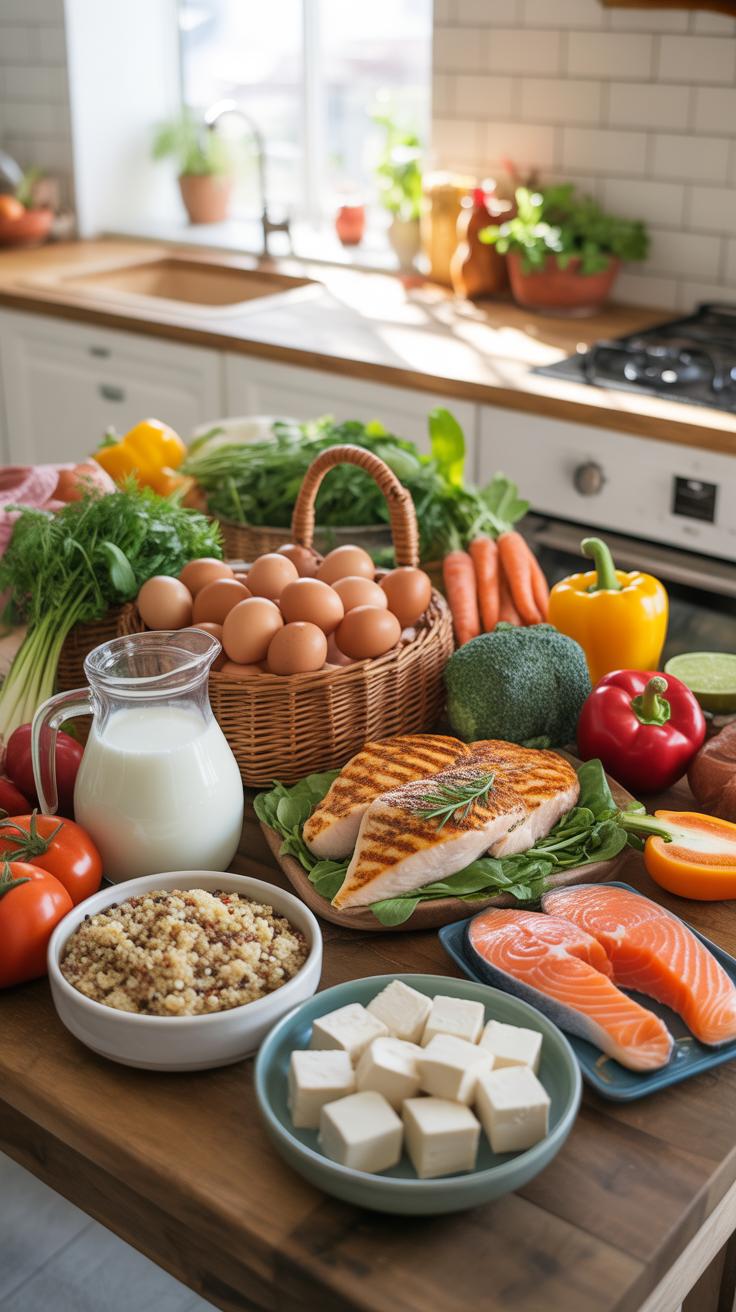
A complete protein source contains all nine essential amino acids. Your body cannot produce these compounds on its own. You must get them through your diet. Scientists define completeness based on the presence and ratio of these specific building blocks. Most animal products meet this criteria naturally. They provide the full profile needed for human biological processes without requiring additional food sources.
These nine amino acids include histidine, isoleucine, leucine, lysine, methionine, phenylalanine, threonine, tryptophan, and valine. If a food lacks even one of these in sufficient amounts, it is incomplete. Manufacturers and nutritionists use the Protein Digestibility Corrected Amino Acid Score to measure quality. This score tracks how well a protein supports human growth. High-quality sources deliver every essential amino acid in a single serving.
Why Complete Proteins Are Important For Body Function And Muscle Repair
Complete proteins drive muscle protein synthesis. This process repairs tissue damaged during physical activity or daily wear. Without all nine essential amino acids, the body cannot build new muscle effectively. It stalls the recovery process and leads to muscle wasting over time. You need these building blocks to maintain lean mass and recover from injury. They provide the raw materials for structural integrity.
Beyond muscle, these proteins regulate vital internal functions. They create enzymes that power chemical reactions in your cells. They also build hormones and support a strong immune system. Missing amino acids limit your body’s ability to produce these essential glass-like structures. Consistent intake of complete proteins ensures your metabolic pathways remain active. You optimize your physical performance and long-term health by prioritizing these high-value nutrient sources.
Complete Proteins Top Animal Based Protein Sources

Meat, Eggs, And Dairy As Naturally Occurring Complete Protein Sources
Animal products provide all nine essential amino acids in the correct ratios for human needs. Beef, poultry, and pork contain high concentrations of leucine and valine. These specific amino acids trigger muscle protein synthesis directly. Your body cannot produce these compounds on its own. You must get them from your diet. Animal flesh serves as the most efficient delivery vehicle for these vital building blocks.
Eggs and dairy products offer maximum bioavailability for the human body. The biological value of egg protein represents the gold standard for absorption. Whey and casein in milk provide a sustained release of nutrients into the bloodstream. These sources require no pairing with other foods to be effective. They function as standalone tools for tissue repair and hormonal health. Eating these foods ensures your body has every necessary component.
Fish And Seafood: Lean And Nutrient Dense Complete Protein Options
Fish provides a high-density protein source with a low caloric footprint. Salmon, tuna, and whitefish contain the full spectrum of essential amino acids. These marine sources integrate easily into the human metabolic process. They provide structural support for cells without the heavy saturated fats found in land animals. This makes seafood a strategic choice for maintaining lean mass while controlling total energy intake.
Seafood offers more than just amino acids for the body. Crustaceans and mollusks like shrimp and scallops provide complete protein alongside critical minerals. These include zinc and iodine which support metabolic rate and immune function. Choosing seafood allows for high protein frequency without digestive heaviness. It is a tactical tool for athletes and professionals needing consistent physical performance. Relying on these sources guarantees complete protein profiles every meal.
Complete And Incomplete Proteins What Sets Them Apart

How The Amino Acid Profile Determines A Protein’S Classification
Protein classification hinges on nine essential amino acids. Your body cannot manufacture these compounds on its own. You must acquire them through your diet. A complete protein contains all nine essential amino acids in sufficient amounts. These building blocks allow the body to repair tissue and create hormones efficiently. Missing just one essential amino acid changes the status of the protein source.
Incomplete proteins lack one or more of these nine essential amino acids. Scientists refer to the missing component as the limiting amino acid. If a food provides low levels of methionine or lysine, it cannot support muscle protein synthesis alone. This biological reality requires you to combine different sources. Your liver maintains a pool of amino acids to bridge these nutritional gaps throughout the day.
A Practical Protein Comparison: Animal Proteins Vs Plant Proteins
Animal proteins provide a turnkey solution for human nutrition. Meat, dairy, eggs, and fish naturally contain every essential amino acid in the correct ratios. These sources are highly bioavailable. This means your body absorbs and utilizes the nutrients quickly. For high-performance recovery, animal sources offer the most direct path to cellular repair. They require zero dietary pairing to function as complete building blocks.
Plant proteins are typically incomplete. Most grains, legumes, and nuts lack at least one vital amino acid. While soy and quinoa are rare exceptions, most plant sources require strategic pairing. You can combine beans with rice to create a full profile. This method provides the same biological result as animal meat. Modern researchers confirm that you do not need to eat these combinations in a single meal.
Incomplete Protein Sources Found In Everyday Plant Based Foods
Common Plant Foods That Are Considered Incomplete Proteins
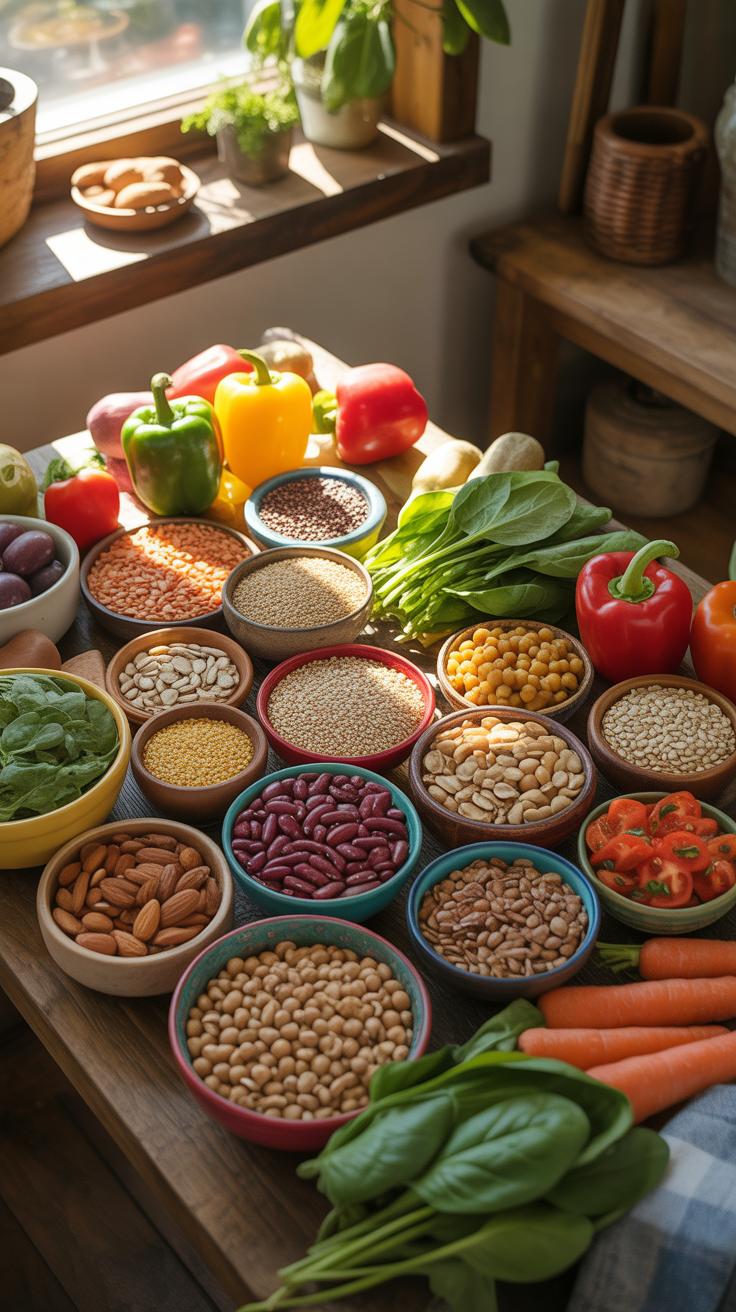
Most plant foods lack one or more essential amino acids. These are known as incomplete proteins. You find them in staples like grains, legumes, and nuts. Your body cannot make these acids on its own. You must get them through your diet. Eating various plant sources ensures you get all the building blocks for muscle repair and hormone production.
- Legumes: Beans and lentils contain high levels of lysine but lack enough methionine. They provide significant fiber and iron. Combining them with grains creates a full amino acid profile for your body to use.
- Whole Grains: Brown rice and wheat are low in lysine but high in methionine and cysteine. These staples offer complex carbohydrates for energy. They serve as the structural base for most plant based meal plans.
- Nuts and Seeds: Almonds and pumpkin seeds are rich in healthy fats but low in lysine. They offer magnesium and vitamin E for heart health. Use them as dense calorie sources to hit daily protein targets.
- Vegetables: Spinach and broccoli contain small amounts of protein with incomplete profiles. They provide essential micronutrients and antioxidants. You should consume large volumes to see any significant impact on your total daily protein intake.
- Corn: This grain lacks both lysine and tryptophan. It is a major source of energy in many global diets. Pairing corn with beans is a historically proven method to ensure a balanced intake of essential nutrients.
Strategic meal planning bypasses the limitations of incomplete proteins. You do not need to eat all amino acids in every single bite. Your liver maintains a pool of amino acids throughout the day. If you eat grains at lunch and beans at dinner, your body has what it needs. Focus on total daily variety rather than perfect individual meals.
Why Incomplete Proteins Can Still Be Highly Nutritious And Beneficial
Incomplete proteins often come packaged with critical nutrients that animal products lack. These foods provide dietary fiber which improves gut health and regulates blood sugar levels. Many plant sources contain zero cholesterol and very low levels of saturated fat. This makes them a tactical choice for long term cardiovascular health and weight management. You get more than just protein from these sources.
These foods also provide a high density of vitamins and minerals. Legumes offer folate and potassium for cell function. Grains provide B vitamins that support energy metabolism. By choosing incomplete proteins, you increase your intake of phytonutrients and antioxidants. These compounds fight oxidative stress and inflammation in the body. Using these foods as a primary fuel source supports overall physical performance and recovery.
Complete Proteins In The Plant Kingdom Rare But Real

Quinoa, Soy, And Buckwheat: Plant Based Complete Protein Exceptions
Most plant foods lack one or more essential amino acids. Quinoa, soy, and buckwheat break this rule. Soy stands out as the most potent option. It contains high levels of leucine for muscle synthesis. Quinoa provides a solid balance of all nine essential amino acids. These crops allow vegans to meet protein needs without mixing multiple food groups. They function as one-stop shops for nutrition.
Buckwheat is a seed despite its name. It offers a unique profile of minerals and antioxidants alongside its complete protein structure. These foods provide a massive tactical advantage for plant-based athletes. You do not need complex food combining when these staples are on the plate. They offer high bioavailability compared to other grains. This makes them essential tools for anyone avoiding meat while seeking optimal performance.
How These Plant Complete Proteins Compare To Animal Based Sources
Animal proteins usually have higher density and better absorption rates. Beef or eggs provide more grams of protein per calorie than most plants. However, soy protein isolate competes directly with whey in terms of quality. The main difference lies in the concentration of branched-chain amino acids. Animal products often contain more leucine, isoleucine, and valine. These three drive muscle growth faster than plant alternatives in most cases.
Plant-based complete proteins offer distinct health benefits like fiber and phytochemicals. They contain zero cholesterol and very little saturated fat. This makes them better for long-term heart health. To get the same amino acid volume as a steak, you must eat more total calories of quinoa or buckwheat. Smart eaters track these ratios carefully. Balancing plant completeness with animal density creates the most effective health strategy for high-performance individuals.
How To Combine Proteins To Make A Complete Protein On A Plant Based Diet
The Science Behind Protein Complementation And Complementary Proteins
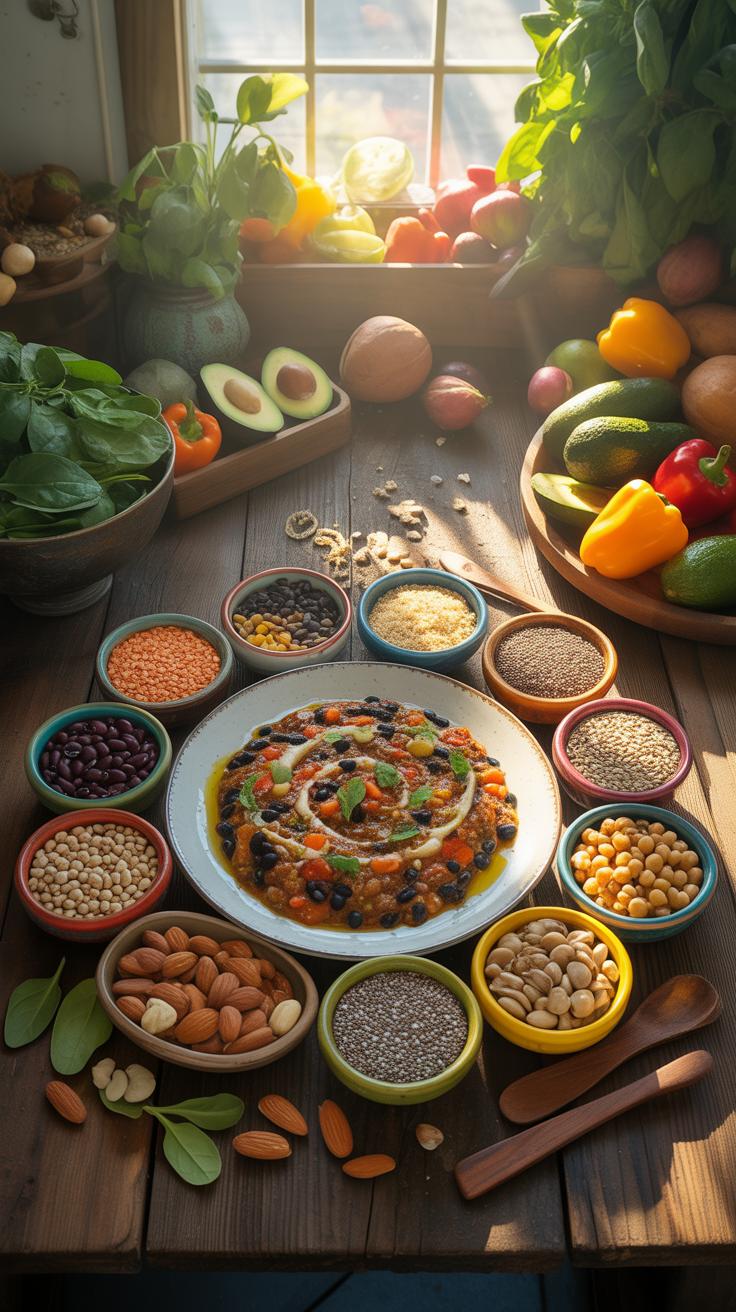
Protein complementation works because distinct plant groups lack different essential amino acids. Grains typically lack lysine but contain high amounts of methionine. Legumes provide plenty of lysine but lack methionine. When you consume these foods together, the amino acids balance out. This creates a complete profile that matches human biological needs. You do not need to hunt for animal sources to get these results.
The liver stores essential amino acids for short periods throughout the day. This biological fact changed the old advice from the 1970s. Scientists once thought you had to eat complementary proteins in a single sitting. We now know the body builds a pool of amino acids over twenty-four hours. Consuming various plant sources across three meals ensures your body has the materials to build muscle.
Just as every piece of a grandmother’s quilt finds its place, combining the humble bean and grain brings all the life-giving harmony your body needs.
— Frances Moore Lappe
Effective Food Pairings That Create A Complete Amino Acid Profile
Strategic food pairing removes the guesswork from plant-based nutrition. You must combine at least two different food groups to fill the gaps. The most common method pairs a grain with a legume. This combination provides a full spectrum of the nine essential amino acids. Use these combinations to replace meat without losing any nutritional quality or muscle-building potential.
- Rice and Beans: This classic pairing works because white or brown rice is low in lysine but high in methionine. Black beans or pinto beans provide the missing lysine. Together, they create a protein source that the body can use just as efficiently as egg or dairy proteins.
- Whole Wheat Bread and Peanut Butter: Wheat lacks the amino acid lysine which is necessary for tissue repair. Peanuts are legumes and contain high levels of lysine but lack enough methionine. Spreading peanut butter on whole grain toast completes the profile and offers a portable, high-protein meal for athletes.
- Hummus and Pita: Chickpeas are the main ingredient in hummus and belong to the legume family. They provide the lysine that wheat-based pita bread lacks. This Mediterranean staple ensures you get all essential amino acids in one snack. It is an effective way to maintain protein levels during the day.
- Corn Tortillas and Lentils: Corn is a cereal grain that lacks two vital amino acids. Lentils offer these missing components and stabilize your blood sugar. Wrapping spiced lentils in corn tortillas creates a complete protein profile. This pairing is historically accurate and has sustained large populations for centuries across Latin America.
- Oatmeal and Pumpkin Seeds: Oats contain more protein than most grains but are still incomplete on their own. Adding pumpkin seeds or sunflower seeds increases the concentration of leucine and sulfur-containing amino acids. This combination is a powerful breakfast choice that provides a dense supply of the building blocks needed for recovery.
Focus on consistency rather than complex calculations for every meal. Most vegetables and seeds contribute small amounts of various amino acids to your daily total. If you eat a wide range of grains, nuts, and legumes, your body will assemble the complete proteins it requires. You can track your intake to ensure variety, but the process is naturally efficient for most healthy adults.
Complete Vs Incomplete Protein Which Is Better For Your Health Goals
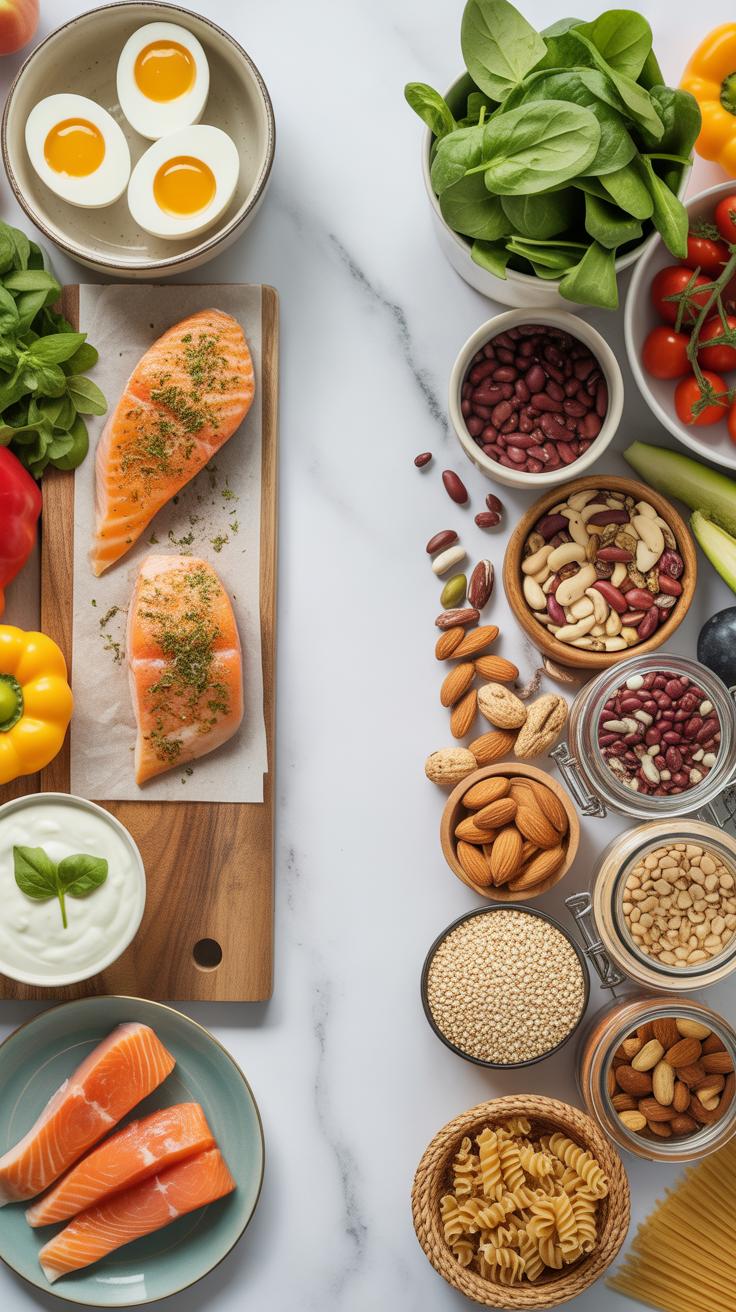
Evaluating Complete Vs Incomplete Protein For Muscle Building And Weight Management
Muscle protein synthesis requires all nine essential amino acids. Complete proteins like whey, casein, and soy provide these building blocks in one dose. Leucine acts as the primary trigger for muscle growth. Animal sources contain high leucine concentrations. If you want to build lean mass, prioritize complete proteins at every meal. This approach maximizes the anabolic window and simplifies your nutritional tracking.
Weight management relies on satiety and calorie control. Complete proteins generally keep you full for longer periods. They require more energy to digest compared to fats or carbohydrates. This thermic effect of food supports fat loss. Incomplete proteins can also work if you pair them correctly. However, complete proteins offer a higher nutrient density per calorie. This efficiency makes them superior for strict fat loss diets.
How Dietary Patterns Like Veganism Influence Your Protein Strategy
Vegan diets rely heavily on plant sources that are often incomplete. Beans lack methionine while grains lack lysine. You do not need to eat every amino acid in a single sitting. Your body maintains a pool of free amino acids for later use. Tactical eaters combine different plant sources over a twenty-four hour period. This strategy ensures the body receives a full spectrum of essential nutrients.
Quality control is vital for plant based athletes. Many plant proteins come with high carbohydrate loads. You must monitor your total caloric intake when hitting protein targets. Using isolated soy or pea protein powders can bridge the gap without adding excess sugar. Diversify your intake to avoid micronutrient deficiencies. Real world results show that variety compensates for the lack of animal based complete proteins in your daily diet.
How Much Protein Do You Actually Need Each Day
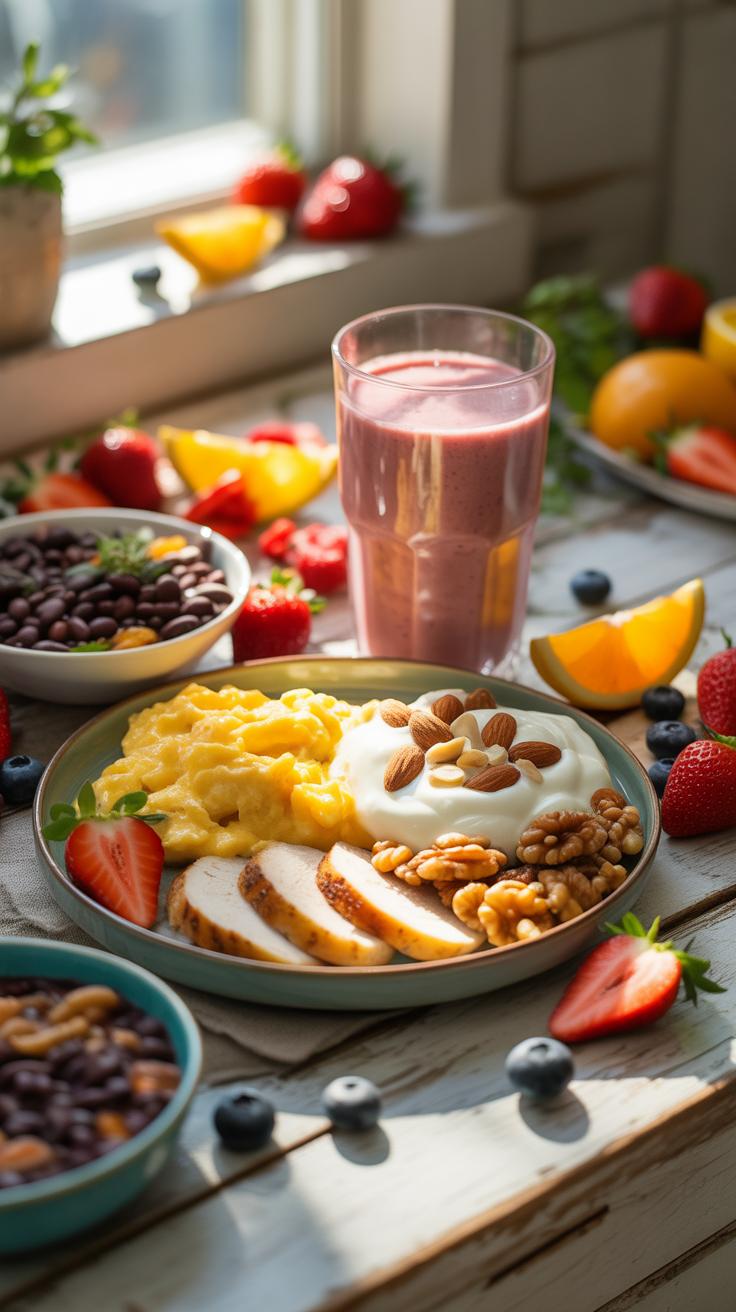
Daily Protein Requirements Based On Age, Activity Level, And Body Weight
Standard dietary guidelines set the baseline at 0.8 grams of protein per kilogram of body weight. This level prevents deficiency in sedentary adults. Age changes this math significantly. Older adults require more protein to stop muscle loss. Most experts recommend 1.2 grams per kilogram for those over age sixty five. Your body needs these amino acids to maintain bone density and immune function.
Physical activity dictates higher intake levels. Athletes often need between 1.2 and 2.2 grams per kilogram. Heavy lifting or high intensity training creates muscle damage that requires repair. If you eat too little protein, your body pulls it from your own muscle tissue. Calculate your needs based on your lean mass and daily drain. Do not rely on generic averages for performance goals.
Practical Tips For Meeting Your Protein Needs From Diverse Food Sources
Plan your meals around amino acid profiles to ensure recovery. Animal products provide all essential amino acids in one serving. If you eat plant-based diets, combine different sources throughout the day. You do not need to eat them at the same meal. Your body maintains a pool of amino acids for several hours. This allows you to mix grains and legumes over a full day.
Track your intake to ensure you hit your targets. Most people overestimate how much protein they eat. Focus on density by choosing foods with high protein-to-calorie ratios. Greek yogurt, lean meats, and soy products offer efficient delivery. Keep snacks like nuts or seeds ready to fill gaps. Consistently hitting your daily number matters more than the specific timing of any single meal.
Frequently Asked Questions

What is the main difference between complete and incomplete proteins?
The primary distinction lies in the amino acid profile. Complete proteins contain all nine essential amino acids that your body cannot produce on its own, typically found in animal products like eggs and dairy. In contrast, incomplete proteins lack one or more of these vital building blocks. Understanding complete vs incomplete proteins is essential for ensuring your body has the necessary tools for muscle repair, hormone production, and overall cellular health.
How can I combine plant-based foods to create a full amino acid profile?
You do not need to eat animal products to get every essential nutrient. By practicing “protein pairing,” you can combine different plant sources to bridge the gap. For example, pairing rice with beans or whole-grain bread with peanut butter creates a synergistic effect. When navigating complete vs incomplete proteins, simply consuming a diverse variety of grains, legumes, seeds, and nuts throughout the day ensures your body receives a balanced spectrum of amino acids.
Is it more expensive to meet my protein needs using only plant-based sources?
Actually, focusing on plant-based options is often the most budget-friendly way to fuel your body. While high-quality meats can be pricey, staples like lentils, chickpeas, and oats are incredibly affordable and shelf-stable. By purchasing these items in bulk and learning to combine them effectively, you can maintain a nutritious, high-protein lifestyle without breaking the bank. It is a cost-effective strategy that supports both your physical health and your monthly grocery budget.