
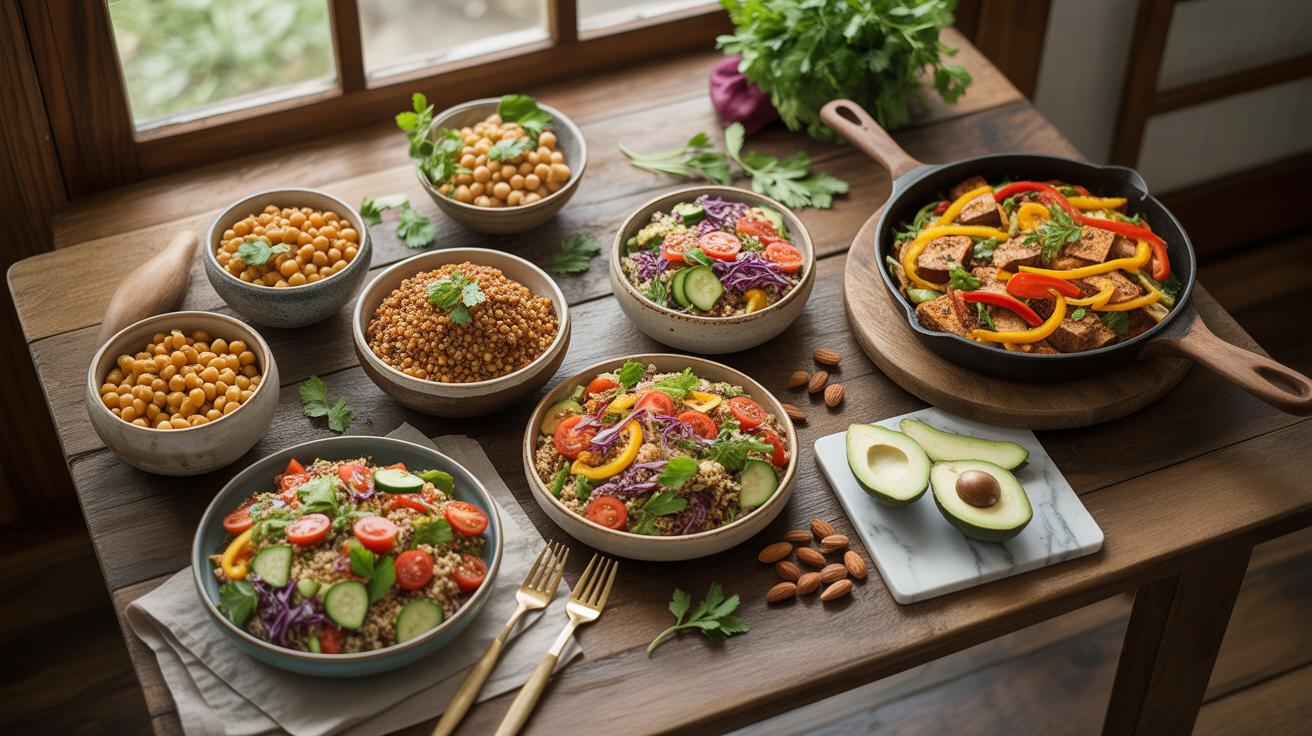
Why Healthy Vegetarian Protein Is Essential For A Balanced Diet
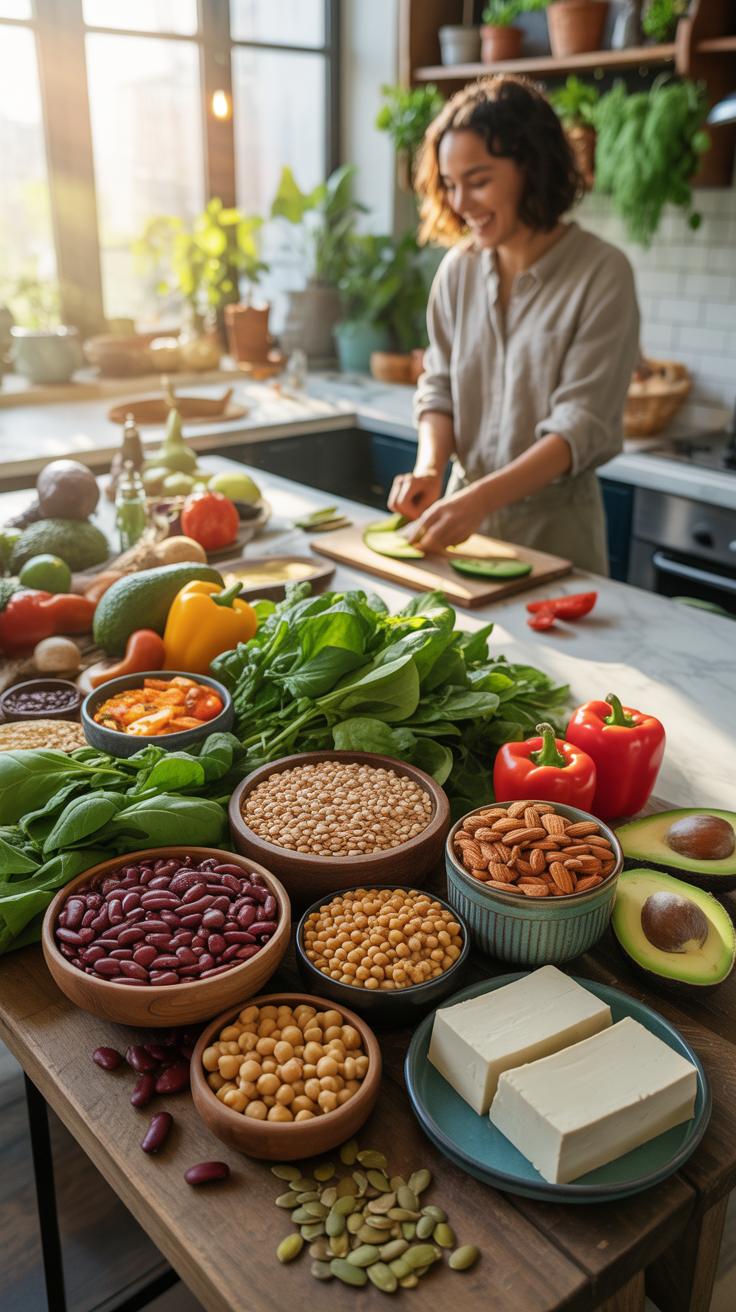
How Plant Based Protein Sources Compare To Animal Protein
Animal proteins provide all nine essential amino acids in one package. Scientists call these complete proteins. Most individual plant sources lack one or more of these acids. You must combine different plant foods to get the full profile. Legumes and grains work together to create a complete set. This strategy ensures your body has the building blocks for muscle repair.
Plant proteins offer higher fiber content than meat. They contain zero cholesterol and lower levels of saturated fat. Animal products often come with unwanted fats that impact heart health. Choosing high protein vegetarian meals reduces these risks while providing dense nutrition. You get clean fuel without the inflammatory markers found in processed meats. This shift improves your metabolic efficiency and overall energy.
The Health Benefits Of Building Meals Around Vegetarian Protein
Vegetarian proteins lower your risk of chronic diseases. Diets rich in beans and lentils stabilize blood sugar levels. This prevents the energy crashes associated with simple carbohydrates. High fiber intake from these sources also improves gut health. A healthy microbiome strengthens your immune system and aids digestion. These tactical choices lead to long term physical resilience and better weight management.
Focusing on plant protein reduces environmental strain and food costs. Meat production requires massive amounts of water and land. Large scale pulse farming is more sustainable and efficient. Buying dried beans and grains in bulk saves money compared to premium meat cuts. You gain superior nutrition while spending less at the grocery store. This approach provides a high return on investment for your health and wallet.
The Best Food Recipes For Dinner Vegetarian Households Will Love
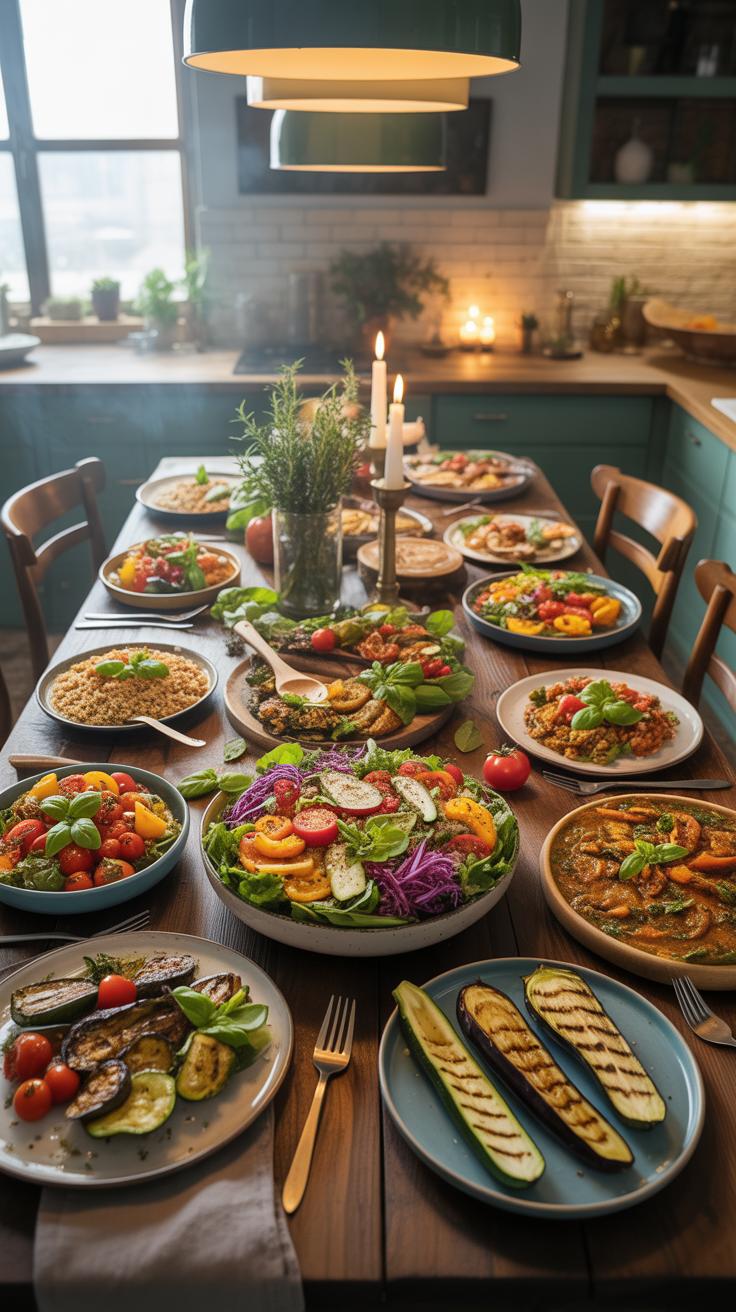
Lentil And Chickpea Stew: A Protein Packed Weeknight Staple
Lentils and chickpeas provide a complete amino acid profile when paired with whole grains. Red lentils break down during cooking to thicken the base naturally. Chickpeas maintain their shape and add fiber. This combination ensures a high protein density per serving. Use vegetable stock and concentrated tomato paste to build a savory flavor profile without adding excess fat or empty calories for the meal.
This stew cooks in under thirty minutes if you use canned chickpeas and split lentils. It serves as a reliable meal prep option because the flavors intensify overnight. Professionals should batch cook this recipe on Sundays. Store it in airtight containers to maintain nutritional integrity throughout the week. Low moisture levels prevent the legumes from becoming mushy. Serve it over quinoa to maximize the total protein count.
The shared joy of a hearty vegetable stew reminds us that nature provides all the strength we need to nourish our families. Preparing these soulful, protein-rich harvests for the week ahead is a simple act of love that honors the earth and our heritage.
Key Ingredients To Keep On Hand For High Protein Vegetarian Dinners
Stocking the right pantry items eliminates decision fatigue during the work week. Focus on ingredients with a high protein-to-calorie ratio. Dry and canned goods offer long shelf lives and quick preparation times. Keeping these staples ready allows you to assemble high protein vegetarian meals without frequent grocery trips. Prioritize items that function as both a main base and a texture enhancer.
- Tempeh: This fermented soy product contains about 20 grams of protein per 100 grams. It has a firm texture that absorbs marinades well. Use it as a meat substitute in stir-fry or grain bowls for a dense and nutty protein source.
- Greek Yogurt: Plain Greek yogurt provides more protein than standard yogurt brands. It serves as a high-protein substitute for sour cream or heavy cream in sauces. One cup can provide up to 23 grams of protein while adding a creamy texture.
- Hemp Seeds: These small seeds contain all nine essential amino acids. They offer approximately 10 grams of protein per three tablespoons. Toss them over salads or soups to increase the protein density of any meal without changing the flavor profile of the dish.
- Edamame: Frozen shelled edamame provides a quick protein boost for any dinner. It contains about 18 grams of protein per cup. They require only a few minutes of steaming or boiling before they are ready to add to pastas or rice dishes.
- Seitan: Made from wheat gluten, seitan is a primary protein source for many vegetarian athletes. It provides roughly 25 grams of protein per 3.5 ounces. Its chewy texture mimics chicken or beef, making it an ideal choice for hearty evening stews.
Smart shopping strategies focus on bulk purchasing these essential items. High-quality proteins like nutritional yeast add B vitamins and a cheesy flavor to roasted vegetables. Always check labels for added sugars or excessive sodium in pre-packaged goods. Quality control at the ingredient level ensures better health outcomes. Having these items available prevents the trap of eating low-protein processed carbohydrates when time is limited.
High Protein Vegetarian Salad Recipes That Go Beyond The Basics

How To Build A Filling Salad With Quinoa Edamame And Legumes
Stop using lettuce as your primary base. Standard greens lack the amino acids required for muscle repair. Use cooked quinoa instead. Quinoa carries eight grams of protein per cup. It contains all nine essential amino acids. This makes it a complete protein source. Mix it with chilled edamame to increase the density. Young soybeans provide eighteen grams of protein per cup.
Legumes like chickpeas and black beans provide structural integrity to your meal. They offer fiber and complex carbohydrates. These macronutrients prevent blood sugar spikes. Rinse canned beans thoroughly to remove excess sodium. Combine these with raw vegetables for texture. This strategy transforms a side dish into a main course. You stay full for several hours. This approach ensures high protein vegetarian meals deliver consistent energy.
Dressings And Toppings That Boost The Protein Content Of Your Salad
Standard vinaigrettes provide fat but no protein. Swap oil for Greek yogurt or silken tofu in your dressings. These bases add three to five grams of protein per serving. Use nutritional yeast as a seasoning. Two tablespoons provide eight grams of protein. It also adds a savory flavor profile. This tactic increases the nutritional value without adding significant volume or calories to the bowl.
Seeds and nuts provide the final protein boost. Use hemp hearts or pumpkin seeds for maximum efficiency. Three tablespoons of hemp hearts offer ten grams of protein. Dry roast your seeds to enhance flavor without adding oils. Avoid candied nuts that contain excess sugar. Focus on raw or salted varieties. These small additions accumulate quickly. They turn a simple salad into a high performance fuel source.
High Protein Vegan Salads For Clean Eating All Week
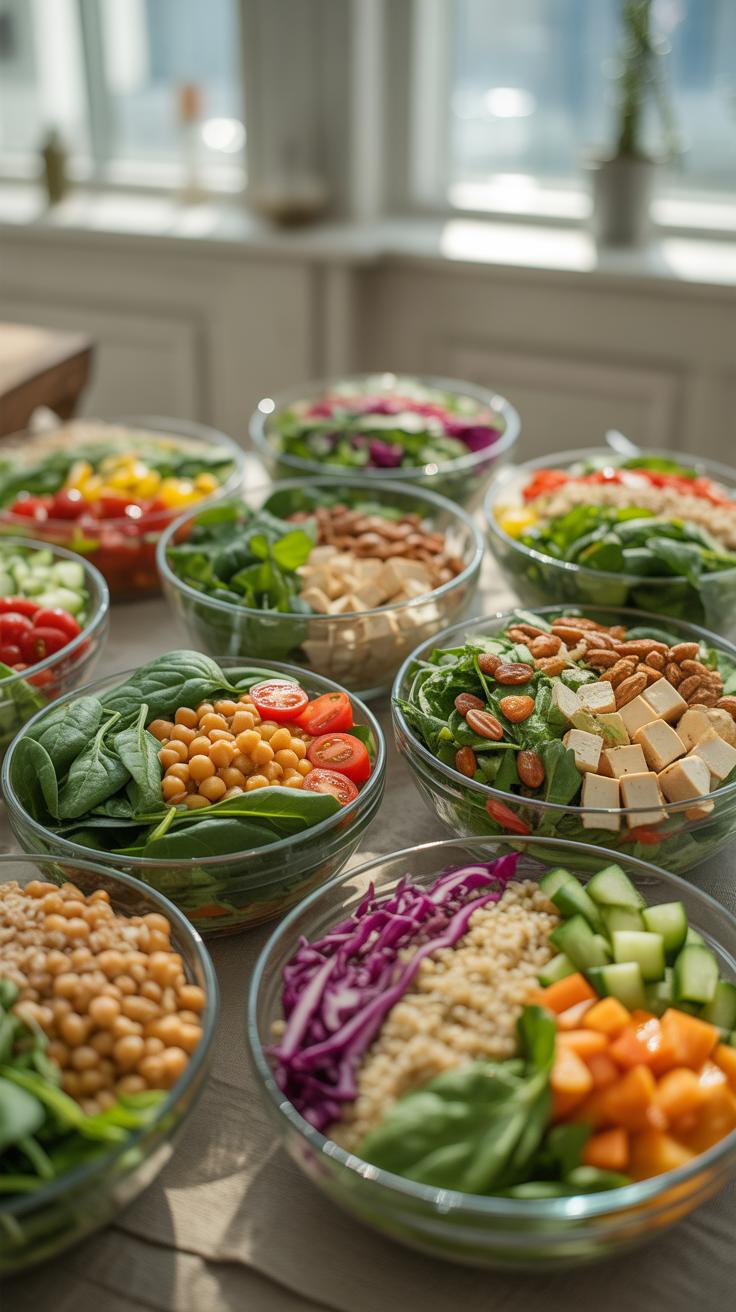
Roasted Chickpea And Kale Salad: A Nutrient Dense Vegan Option
Roasted chickpeas provide a stable source of lysine and fiber. This legume offers roughly fifteen grams of protein per cooked cup. Roasting changes the texture without degrading the amino acid profile. Use dry heat at four hundred degrees Fahrenheit to remove moisture. This creates a crunchy base that replaces bread croutons. Chickpeas are a cost effective way to increase total nitrogen intake.
Kale serves as the structural foundation for this meal. It contains more protein per calorie than most green vegetables. Massaging the leaves with olive oil breaks down tough cellulose fibers. This process makes the nutrients more accessible for digestion. Combine these leaves with the warm chickpeas for a thermal contrast. This pairing ensures a high satiety index for anyone looking to stay full longer.
Why Tempeh And Hemp Seeds Belong In Your Vegan Salad Bowl
Tempeh is a fermented soy product that originated in Indonesia. It contains about twenty grams of protein per three ounce serving. The fermentation process uses the Rhizopus oligosporus fungus to bind soybeans into a firm cake. This process reduces phytates and improves mineral absorption in the gut. Slicing and searing tempeh provides a meaty texture that holds up well in refrigerated meal prep containers.
Hemp seeds add a final punch of complete protein to your salad bowl. These seeds contain all nine essential amino acids that the human body cannot produce. Two tablespoons provide roughly six grams of protein and healthy omega fatty acids. Sprinkle them over the cold greens to add a nutty flavor profile. This combination of fermented soy and raw seeds creates a superior protein density for vegan diets.
Protein Dinner Recipes That Are Hearty Satisfying And Meat Free
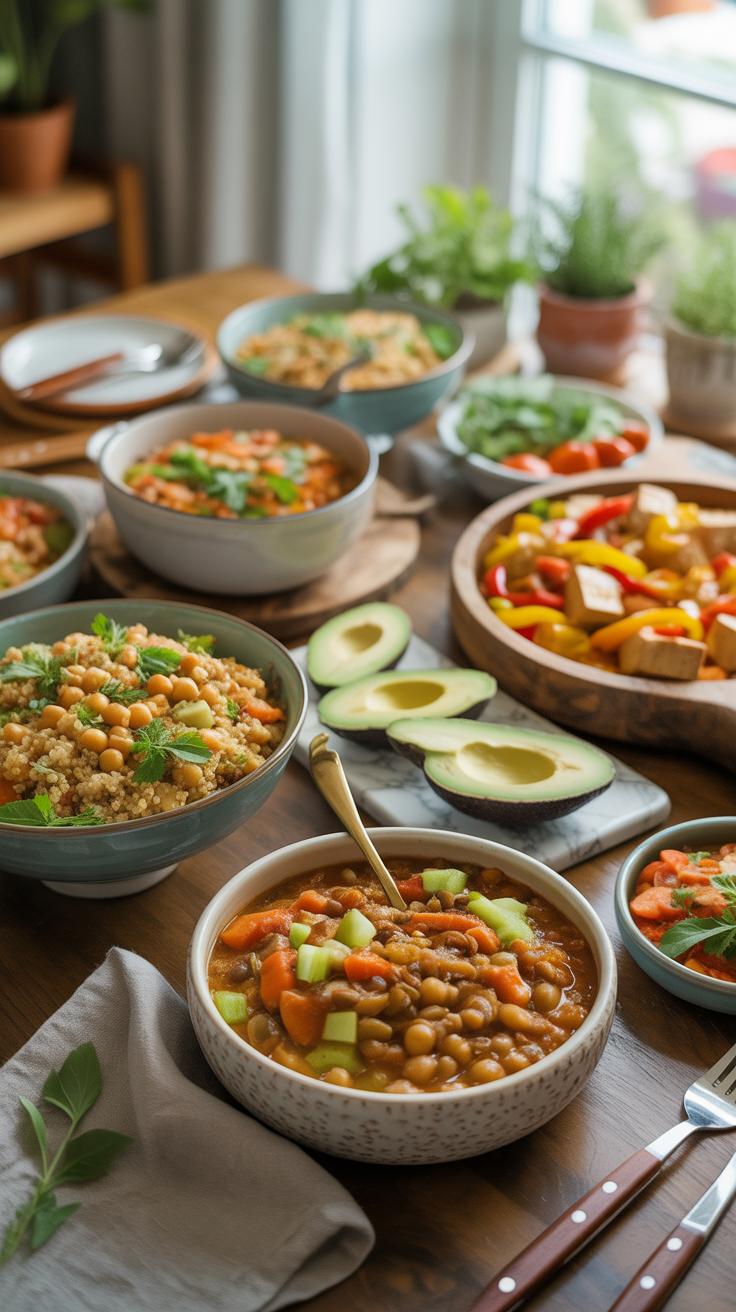
Black Bean Tacos And Tofu Stir Fry: Simple High Protein Dinner Ideas
Black bean tacos offer a reliable base for vegetarian protein. One cup of cooked black beans provides roughly 15 grams of protein and 15 grams of fiber. This combination slows digestion and improves satiety throughout the evening. Use corn tortillas to keep the meal gluten free or whole wheat versions for extra micronutrients. Add Greek yogurt instead of sour cream to increase protein density.
Tofu stir-fry remains a tactical choice for rapid meal preparation. Extra firm tofu contains approximately 8 grams of protein per 100 grams. Press the tofu to remove excess water before cooking. This technique ensures a better texture and allows the soy to absorb flavors. Combine the tofu with broccoli and peanuts to broaden the amino acid profile. Serve over quinoa for a complete protein source.
How To Balance Macronutrients In A Vegetarian Protein Dinner
Effective dinner planning requires a specific ratio of macronutrients to prevent late night hunger. Aim for a plate composed of 25 percent protein, 25 percent complex carbohydrates, and 50 percent fibrous vegetables. This structure stabilizes blood sugar levels. Incorporate healthy fats like avocado or olive oil to assist with vitamin absorption. Tracking these ratios ensures the body receives adequate fuel for overnight recovery and muscle maintenance.
Avoid the trap of heavy refined carbohydrates that offer little nutritional value. Focus on legumes, seeds, and ancient grains to meet protein targets. These plant based sources often contain high fiber which supports gut health. Adjust portion sizes based on daily activity levels. A sedentary evening requires fewer carbohydrates than a post workout window. Consistent macro balancing eliminates the need for processed meat substitutes that contain high sodium levels.
High Protein Recipes For Dinner On Busy Weeknights Made Simple
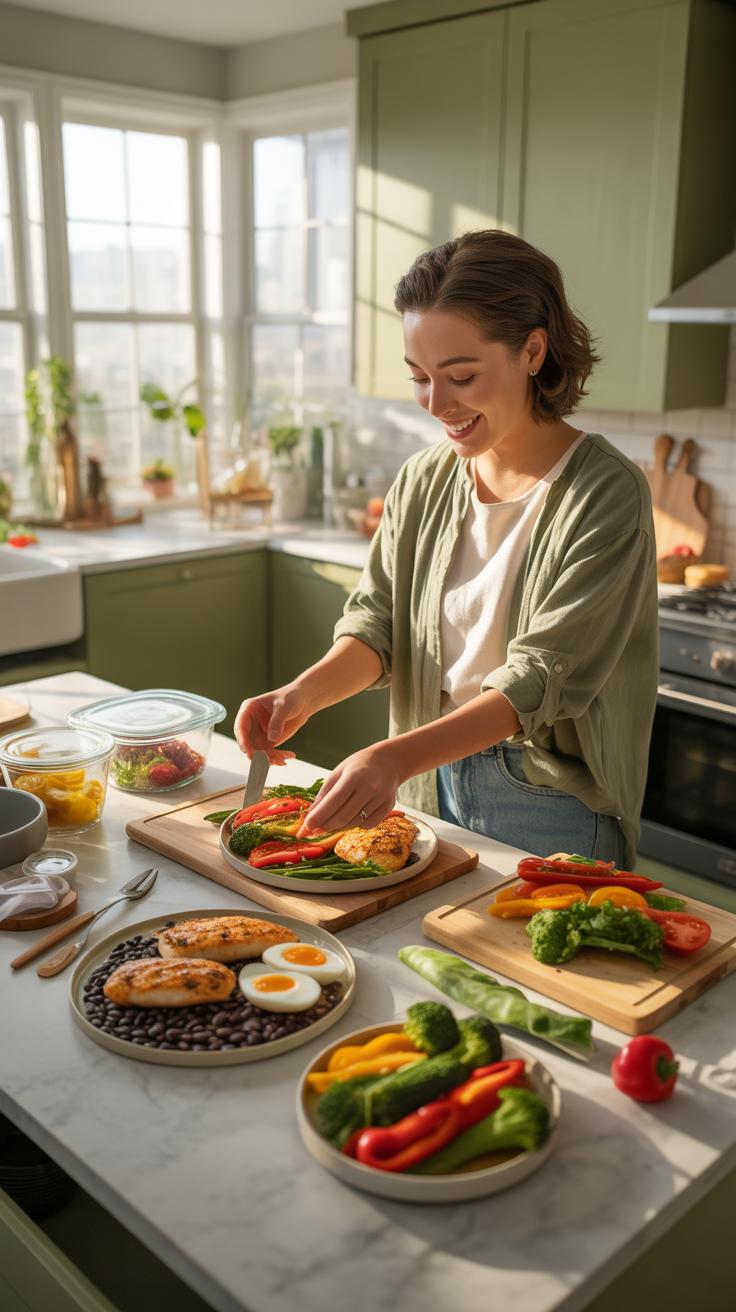
30 Minute Vegetarian Meals That Deliver More Than 20g Of Protein
Efficiency requires selecting ingredients with a high protein-to-calorie ratio. Firm tofu contains approximately 10 grams of protein per half cup and cooks in under ten minutes. Tempeh offers even higher density with nearly 16 grams per serving. Combine these soy proteins with ancient grains like quinoa or farro rather than white rice. This swap adds six to eight grams of protein to the base of your plate immediately.
Focus on heat management to minimize cooking time. Stir-frying at high temperatures sears plant proteins quickly while preserving nutrient density in vegetables. Use Greek yogurt as a base for sauces instead of heavy cream or butter. This substitution adds roughly fifteen grams of protein per cup. Grate hard cheeses like Parmesan over the final dish to increase the amino acid profile without adding significant volume or prep work.
Using Canned Legumes And Pre Made Sauces To Speed Up Dinner Prep
Canned legumes provide immediate access to fiber and protein without the hours required for soaking dried beans. Chickpeas and black beans contain roughly 15 grams of protein per cooked cup. Rinse them thoroughly to remove excess sodium and metallic flavors from the canning process. This tactic allows you to build a complete nutritional profile in five minutes. Speed is the primary goal for weeknight dinner success.
Pre-made sauces serve as your tactical base for flavor and moisture. Select high-quality marinara or pesto with no added sugar. Enhance these store-bought options by blending in silken tofu or nutritional yeast. Nutritional yeast provides a savory flavor and adds two grams of protein per tablespoon. This technique transforms a standard sauce into a high-performance fuel. You save time while maintaining strict control over your daily macro intake.
Vegetarian Meal Prep Strategies To Stay On Track All Week
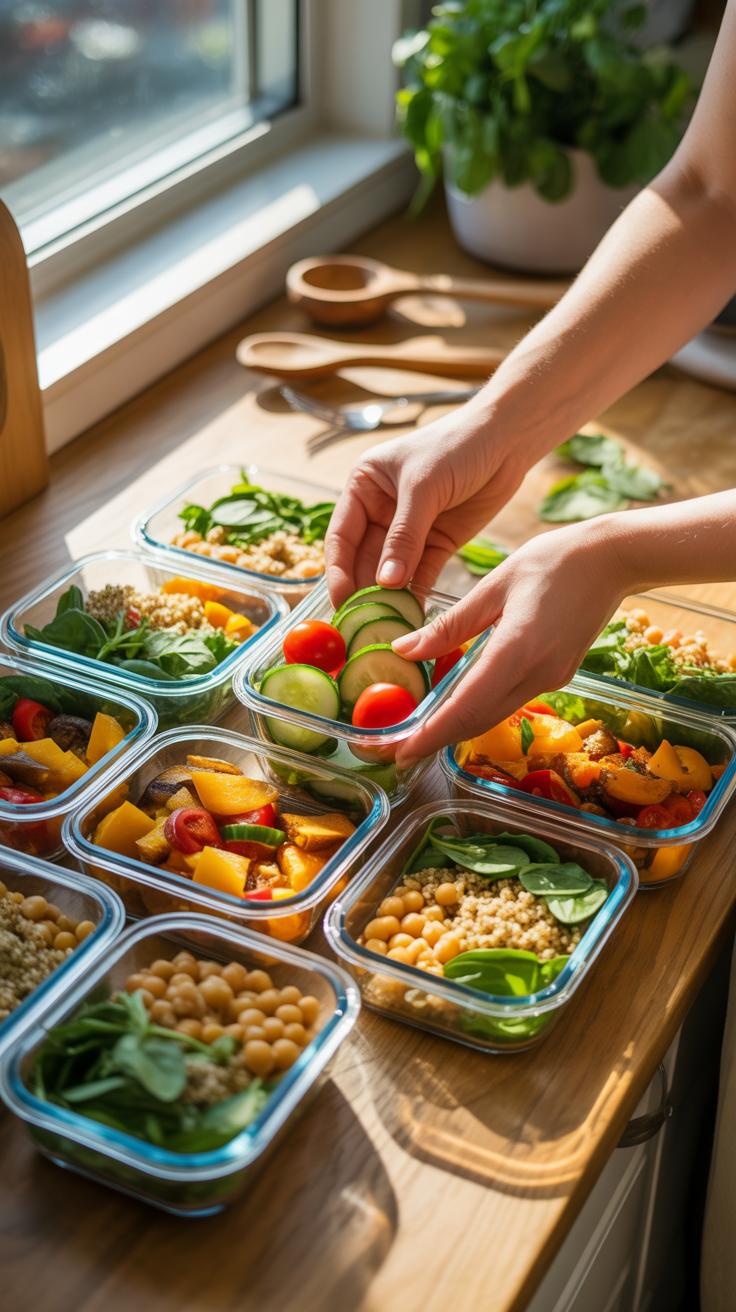
Step By Step Tips For Prepping High Protein Vegetarian Meals In Advance
Efficiency requires a systematic approach to cooking. You must group your tasks by cooking method rather than individual recipes. This strategy maximizes appliance use and minimizes downtime. Roast your vegetables while legumes simmer on the stove. This parallel processing ensures you finish a week of food in under two hours. Clean your workspace constantly to maintain speed and focus.
- Batch Cook Legumes: Prepare dry beans or lentils in a pressure cooker or large pot at the start of the week. These serve as a versatile protein base for salads, stews, and bowls. Using dry goods reduces sodium intake and lowers your overall grocery costs significantly.
- Press Tofu Early: Remove excess water from extra-firm tofu using a heavy press for thirty minutes. This step is non-negotiable for achieving a dense, meat-like texture. After pressing, cube and marinate the tofu so it absorbs maximum flavor before you bake or sear it.
- Parboil Hearty Grains: Cook grains like quinoa, farro, or buckwheat until they are just tender. These high-protein seeds hold their texture better during reheating than white rice or pasta. Store them in airtight containers to prevent them from drying out or absorbing fridge odors.
- Pre-Chop Fiber Sources: Slice broccoli, peppers, and kale before you start cooking any proteins. Raw vegetables occupy the most prep time and often cause bottlenecks in the kitchen. Having them ready allows you to toss them into pans the moment your proteins reach the correct temperature.
- Portion Dense Sauces: Whisk together tahini, Greek yogurt, or peanut-based dressings in small jars. Keeping sauces separate prevents your prepped meals from becoming soggy or mushy by midday Wednesday. Apply these dressings only when you are ready to eat to maintain the structural integrity of the meal.
Organize your fridge using the first-in, first-out method. Place the meals for Monday and Tuesday at eye level. This visual cue prevents decision fatigue after work. Use clear glass containers so you can identify your protein sources quickly. Proper labeling with dates ensures you consume your high-protein inventory before it loses quality. Discipline during prep leads to dietary consistency.
How To Store And Reheat Plant Based Proteins Without Losing Nutritional Value
Air and heat are the primary enemies of prepped vegetarian proteins. Oxygen causes fats in nuts and seeds to oxidize, while excessive heat destroys heat-sensitive vitamins like B12 and C. Use airtight glass containers to create a vacuum seal. This prevents moisture loss in tofu and seitan. Store your protein-rich sauces in the back of the fridge where the temperature remains most stable.
Reheating requires a gentle hand to maintain texture and nutrients. Use a damp paper towel over your bowl when microwaving to create steam. This prevents beans from becoming chalky and keeps tempeh moist. For the best results, use a stovetop or toaster oven for five minutes. This method preserves the structural proteins and ensures your meal tastes fresh rather than processed or rubbery.
Easy Veggie Dinner Ideas The Whole Family Will Enjoy
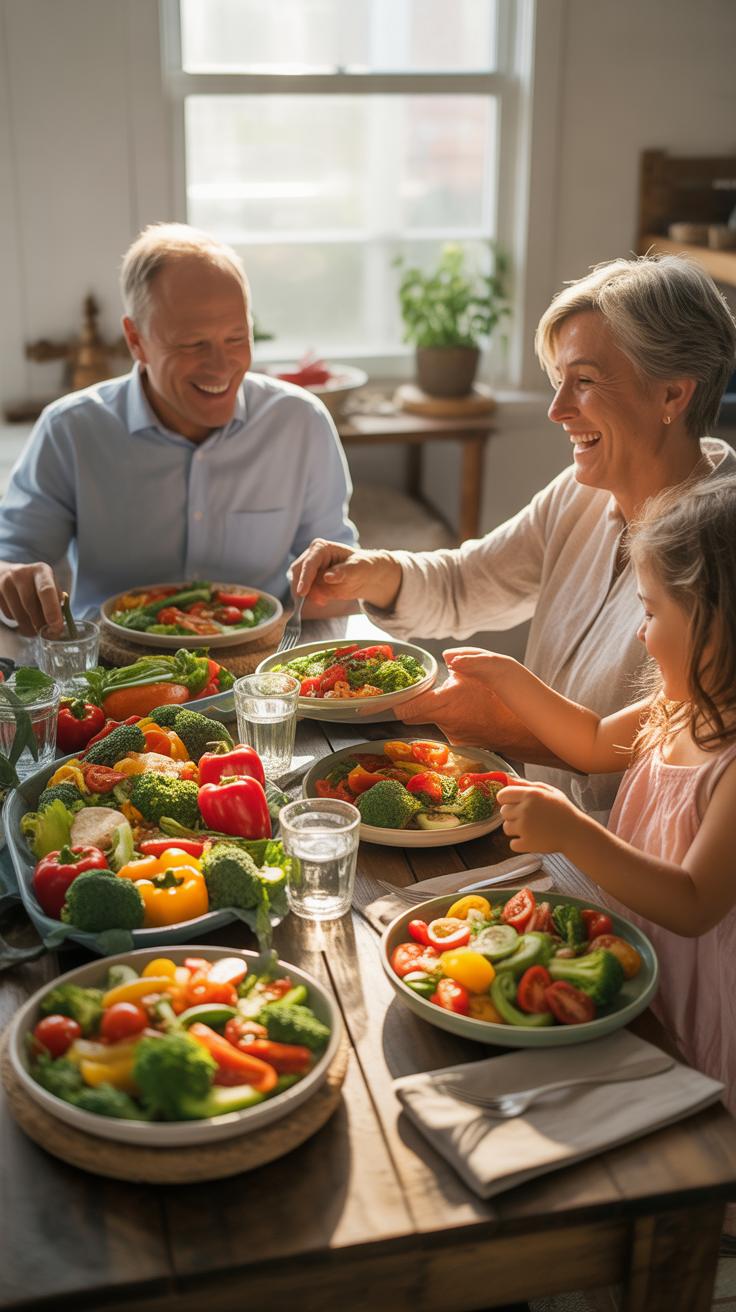
Kid Friendly High Protein Vegetarian Dinners That Are Full Of Flavor
Kids require dense nutrition for growth but often reject unfamiliar textures. Focus on familiar formats like pasta and tacos to ensure success. Red lentil pasta provides twenty grams of protein per serving and mimics traditional wheat noodles. Use blended silken tofu in cream sauces to increase amino acids without changing the taste. This strategy maintains high protein vegetarian meals while catering to picky palettes.
Texture management is the primary tactical hurdle for child nutrition. Finely mince mushrooms or walnuts to provide a meat-like mouthfeel in savory sauces. Marinate extra firm tofu in liquid aminos before baking it into nuggets for a crispy exterior. High protein dairy like Greek yogurt or cottage cheese adds fat and satiety to standard recipes. These adjustments turn simple meals into powerful tools for consistent muscle and bone development.
How To Adapt Veggie Dinner Recipes For Different Dietary Preferences
Standardizing base recipes allows for modular dietary adjustments across a single household. Prepare a neutral protein base like roasted chickpeas or sautéed tempeh before adding specific seasonings. This method accommodates low carb needs by swapping grains for cauliflower rice while keeping protein high. It also permits easy transitions to vegan diets by replacing cheese with nutritional yeast. Strategic meal planning relies on these versatile foundations.
Efficiency increases when you isolate allergens and preferences during the final cooking phase. Keep nuts and seeds as optional toppers to prevent issues with allergies while adding healthy fats. Use high protein vegetarian meals as a template that individuals can customize with hot sauces or fresh herbs. This tactical approach reduces total kitchen time and eliminates the need for separate meals for each family member. Efficiency remains the priority.
Frequently Asked Questions

Can vegetarians really get enough protein without eating meat?
Absolutely! Many plant-based ingredients are incredibly nutrient-dense, making it simple to hit your daily goals. By incorporating staples like lentils, chickpeas, tofu, and Greek yogurt into your routine, you can easily create high protein vegetarian meals that keep you feeling satisfied. The key is to focus on variety and ensure you are eating adequate portions of these protein-rich foods alongside fresh vegetables and whole grains for a balanced, healthy lifestyle.
How can I prep high protein vegetarian meals for a busy work week?
Successful meal prepping starts with batch-cooking versatile bases on Sunday. Roast a large tray of seasoned chickpeas, boil a pot of quinoa, and press your tofu ahead of time. You can سپس assemble various high protein vegetarian meals by mixing these components with different sauces and greens throughout the week. Using airtight containers helps maintain freshness, ensuring you have delicious, protein-packed lunches ready to grab before you head out the door.
Is it expensive to maintain a high-protein diet on a plant-based budget?
Maintaining this lifestyle is actually very cost-effective when you focus on pantry staples. Dried beans, peas, and lentils are some of the most affordable protein sources available and serve as the perfect foundation for hearty stews and salads. Buying bulk grains and seasonal frozen vegetables further reduces costs. You don’t need expensive meat substitutes to stay healthy; simple, whole foods provide all the nutrition you need without breaking the bank.