
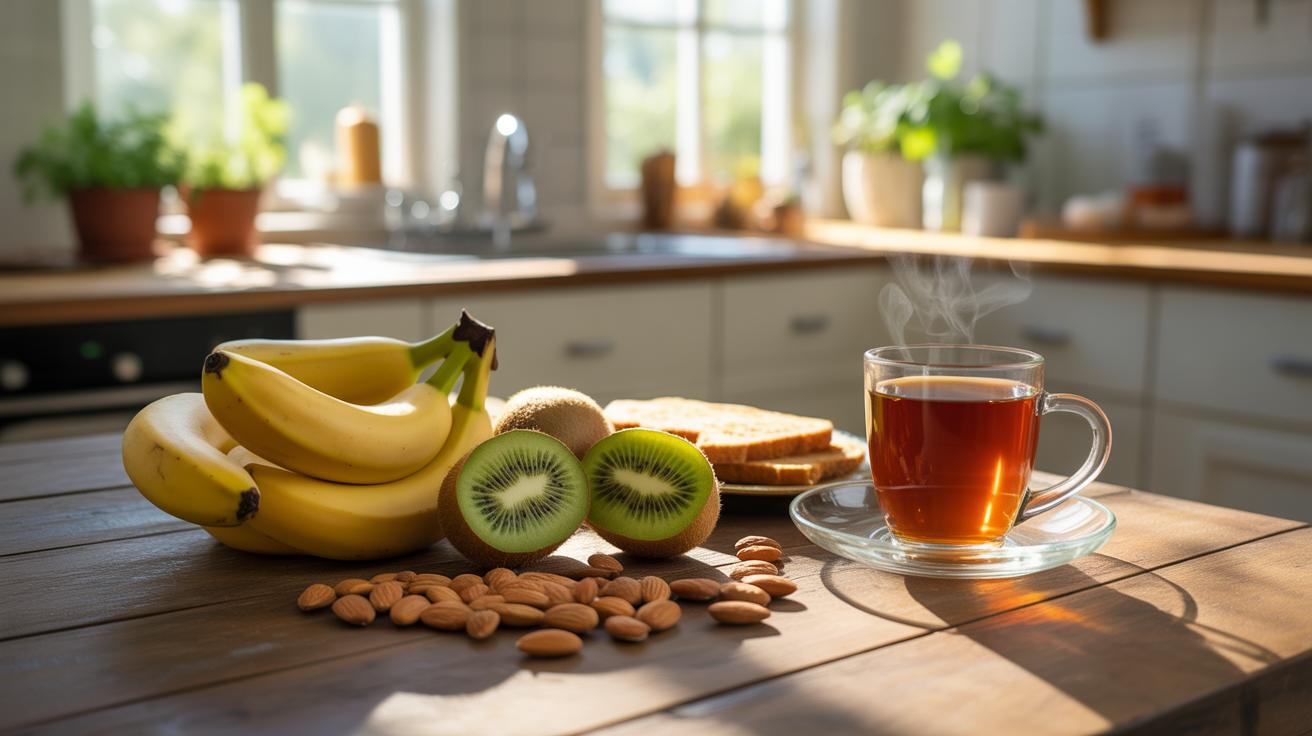
The Science Behind Food For Sleep And Why It Matters

How Nutrients And Brain Chemistry Influence Your Sleep Cycles
Your brain requires specific raw materials to produce sleep hormones. Tryptophan is an essential amino acid found in certain foods. It acts as a precursor to serotonin. Serotonin then converts into melatonin within the pineal gland. This process regulates your internal clock and signals your body to rest. Without these nutrients, your brain cannot maintain a steady sleep cycle or achieve deep recovery.

Micronutrients like magnesium and vitamin B6 facilitate these chemical shifts. Magnesium binds to gamma aminobutyric acid receptors to quiet nerve activity. This reduces cortisol levels and relaxes your muscles. Strategic nutrition ensures these processes happen at the right time. When you lack these building blocks, you experience fragmented sleep. Solid sleep architecture depends on the consistent availability of these specific chemical compounds through your diet.
The Gut Brain Connection And Its Role In Regulating Rest
The gut and brain talk to each other through the vagus nerve. This pathway handles the majority of the serotonin produced in your body. Recent studies show that a diverse gut microbiome improves sleep quality. Fermented foods and fiber feed healthy bacteria. These bacteria produce metabolites that influence your mood and your ability to fall asleep. A healthy gut ensures better hormone regulation.

Poor food choices cause inflammation in the digestive tract. This inflammation sends stress signals to the brain that keep you awake. High sugar intake disrupts the balance of your gut flora. This leads to blood sugar spikes and crashes during the night. Maintaining a stable gut environment is essential for uninterrupted rest. You must fuel your digestive system correctly to avoid middle of the night wakefulness and metabolic stress.
Top Melatonin Foods That Naturally Support Your Sleep Hormones
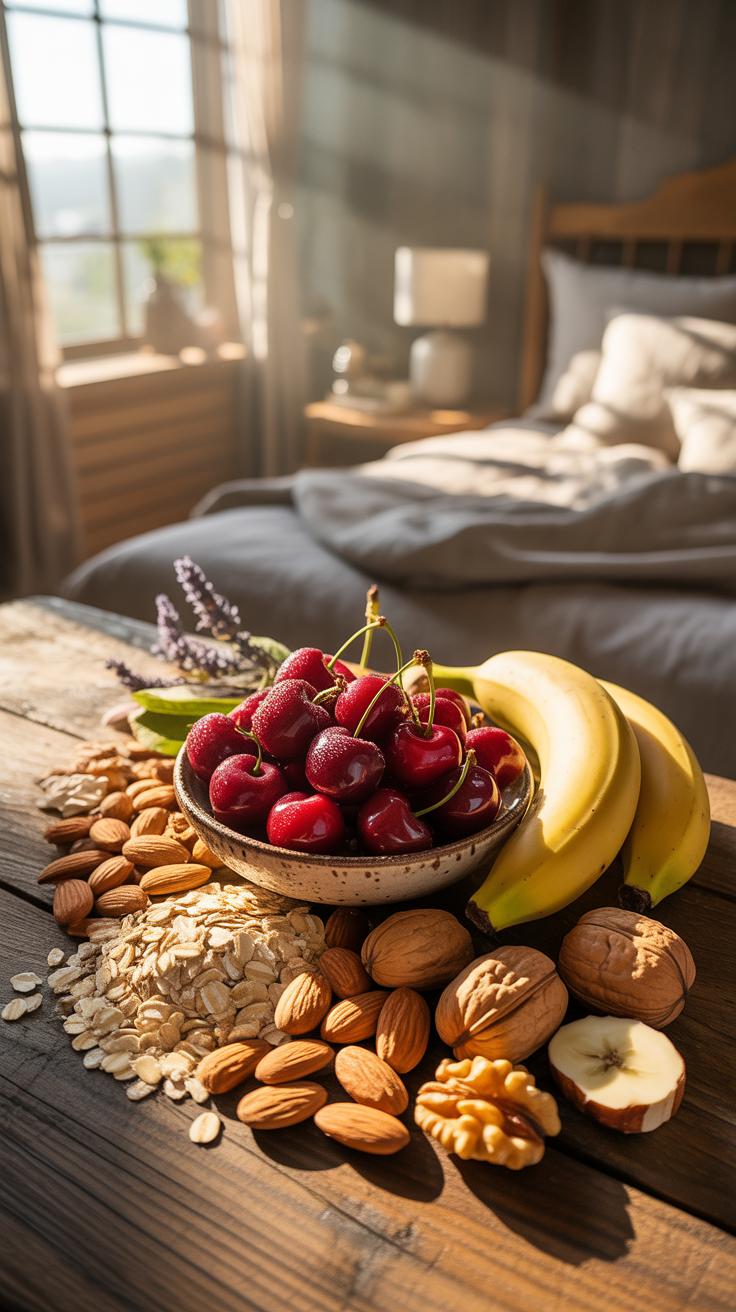
Tart Cherries, Kiwi, And Other Whole Foods Rich In Natural Melatonin
Tart cherries specifically the Montmorency variety contain high concentrations of phytochemicals and melatonin. Consuming tart cherry juice twice daily increases urinary melatonin levels and improves sleep duration. This fruit works by augmenting the body’s internal supply of sleep regulating hormones. It provides a direct path to better rest without synthetic interference. You should consume these whole foods approximately two hours before your planned bedtime for maximum efficacy.
Kiwi fruit offers a different tactical advantage for sleep quality. Research shows that eating two kiwis before bed improves sleep onset and total sleep time. This effect likely stems from the high concentration of antioxidants and serotonin found in the fruit. Other whole foods like walnuts and pistachios also provide measurable amounts of melatonin. These options deliver nutrients that support the brain’s ability to transition into deep sleep states naturally.
A light supper of warm bread and milk is the gentle lullaby the body needs before the stars come out.
How Eating Melatonin Rich Foods Compares To Taking Melatonin Supplements
Dietary melatonin differs significantly from synthetic supplements in dosage and absorption. Foods provide micro-doses of melatonin that the body processes efficiently. Supplements often contain levels hundreds of times higher than what the brain naturally produces. High doses can lead to morning grogginess or disrupted circadian rhythms over time. Whole foods offer a safer alternative for long term sleep maintenance. They support the body’s own rhythm rather than overriding it.
Supplements often lack strict quality control regarding the actual amount of hormone per pill. Choosing melatonin rich foods ensures you receive co-factors like magnesium and fiber. These additional nutrients improve the bioavailability of the sleep hormones. Food sources eliminate the risk of building a psychological or physiological dependency on pills. Using a food first approach creates a sustainable strategy for improving rest. It focuses on biological support through clean fuel rather than chemical intervention.
Healthy Bedtime Snacks That WonT Disrupt Your Rest
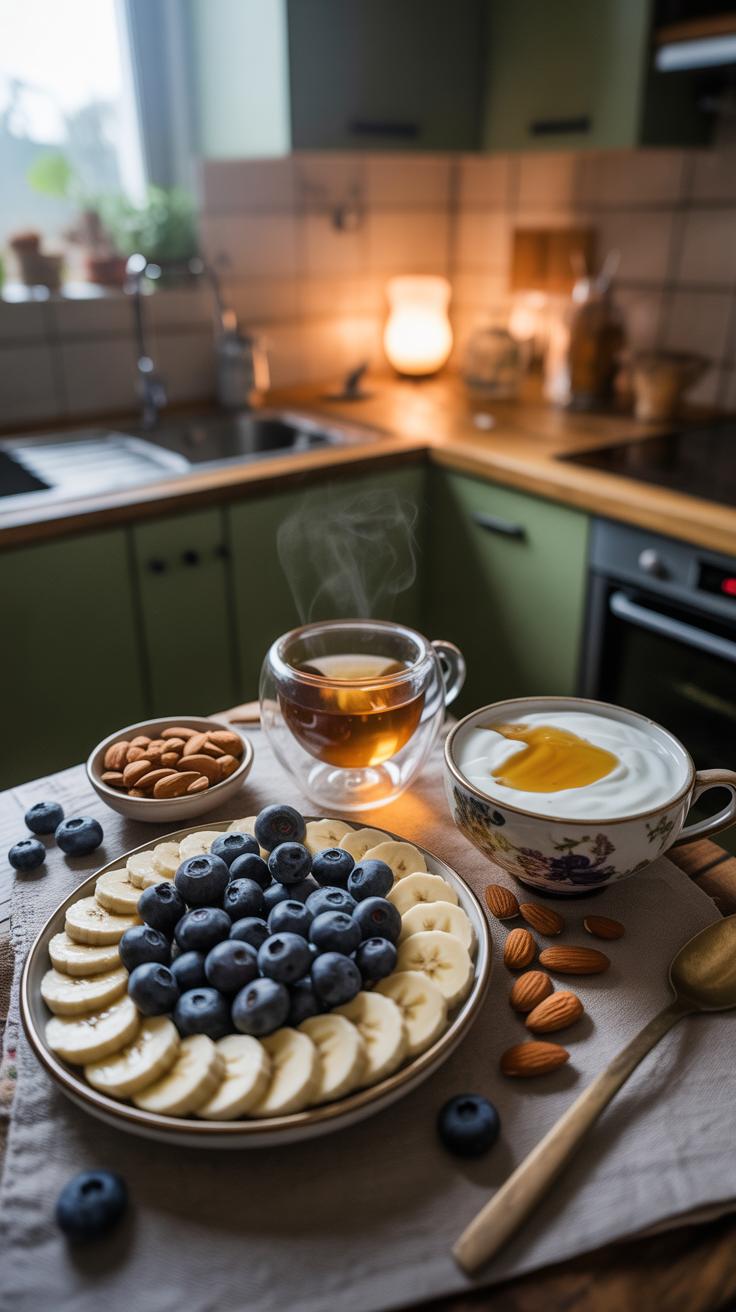
Light, Nutrient Dense Snack Options To Reach For Before Bed
Effective bedtime snacks leverage specific chemical compounds to trigger sleep. You need foods containing tryptophan, magnesium, or melatonin. These nutrients help the brain produce serotonin and regulate your internal clock. Avoid high-fat or spicy foods that cause acid reflux. Focus on fiber and lean protein to keep blood sugar stable. Stable glucose levels prevent middle-of-the-night wakefulness caused by cortisol spikes.
- Tart Cherries: These fruits contain natural melatonin which regulates your sleep-wake cycle. Drinking tart cherry juice or eating the dried fruit increases exogenous melatonin levels. This helps you fall asleep faster and stay asleep longer throughout the night.
- Walnuts: These nuts provide a concentrated source of several sleep-promoting compounds. They contain their own melatonin and healthy fats that improve heart health. The alpha-linolenic acid in walnuts converts to DHA, which helps the body produce more serotonin for better rest.
- Greek Yogurt: This dairy product delivers a high dose of tryptophan and calcium. Calcium helps the brain use tryptophan to manufacture sleep-inducing melatonin. The protein content also keeps you full so hunger does not wake you up before your alarm goes off.
- Bananas: These are excellent sources of magnesium and potassium which act as natural muscle relaxants. They also contain vitamin B6, which is necessary for the body to produce serotonin. This combination reduces physical tension and prepares your nervous system for deep sleep.
- Pumpkin Seeds: A small serving provides a significant amount of magnesium. Magnesium deficiency is linked to insomnia and restless leg syndrome. By eating these seeds, you relax your muscles and lower your heart rate to improve overall sleep quality and duration.
Pairing a complex carbohydrate with a protein source maximizes the effectiveness of these snacks. Carbohydrates make tryptophan more available to the brain by triggering a small insulin release. This chemical reaction allows the sleep-promoting amino acid to cross the blood-brain barrier easily. Keep the total calorie count low to avoid overworking your digestive system during the night. High-quality fuel leads to high-quality recovery.
The Ideal Portion Size And Timing For A Pre Sleep Snack
Eat your final snack approximately sixty to ninety minutes before you plan to sleep. This window allows your stomach to begin the digestion process without keeping you awake. If you eat and immediately lie down, you risk gastric reflux and heartburn. Your body needs time to process nutrients while in an upright position. Proper timing ensures that the nutrients reach your bloodstream when you need them.
Limit your snack size to two hundred calories or less. Large meals force the body to redirect energy toward digestion instead of cell repair and memory consolidation. Use a small bowl to control your portion and prevent mindless eating. Consuming too much food late at night raises your core body temperature. A lower core temperature is a biological requirement for entering deep sleep phases comfortably.
Chamomile Tea And Other Calming Beverages For Winding Down

Why Chamomile Tea Has Been Used As A Natural Sleep Aid For Centuries
Chamomile tea acts as a mild sedative due to a specific flavonoid called apigenin. This compound binds to benzodiazepine receptors in the brain. This process reduces anxiety and initiates sleepiness. Ancient Egyptians and Greeks used this flower for its medicinal properties. They recognized its ability to calm the mind. Modern science confirms these sedative effects. It is a reliable tool for consistent sleep hygiene.
The plant contains volatile oils and antioxidants that reduce inflammation. Lowering internal stress markers allows the body to transition into a resting state. You should steep the dried flowers for at least five minutes to extract the active compounds. Drinking one cup before bed creates a chemical signal for the nervous system to slow down. It provides a non-addictive way to improve your overall sleep quality every night.
Other Herbal Teas And Warm Drinks That Help Calm The Nervous System
Valerian root and lemon balm offer powerful alternatives for nervous system regulation. Valerian increases the amount of gamma aminobutyric acid in the brain. This chemical helps regulate nerve cells and lowers feelings of fear or worry. Lemon balm has been used since the Middle Ages to reduce stress. These beverages work by targeting the primary neurotransmitters responsible for relaxation. They provide a direct path to mental stillness.
Warm milk remains a functional choice for better rest because it contains tryptophan. This amino acid is a precursor to serotonin and melatonin. The heat also increases blood flow to the skin surfaces. This process helps lower the core body temperature. A lower core temperature is a biological trigger for sleep. Avoid caffeine and sugar in these drinks. Pure herbal infusions and plain warm liquids are the most effective options.
What To Avoid When Eating Before Bed For A Better NightS Rest
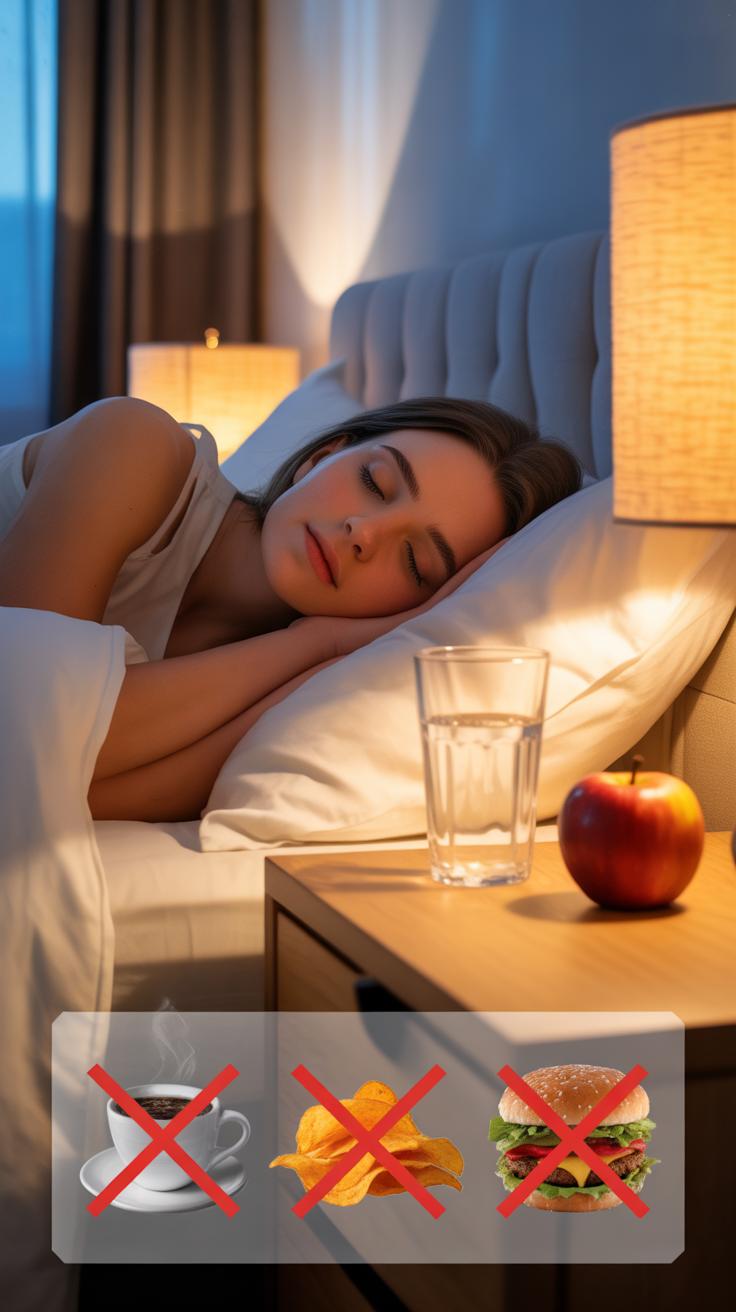
Foods And Drinks That Stimulate The Body And Interfere With Sleep Onset
Caffeine blocks adenosine receptors in your brain. Adenosine is the chemical that builds up throughout the day to make you feel tired. When you consume coffee, tea, or dark chocolate late in the day, you stop this natural pressure to sleep. This chemical interference can delay your sleep onset for several hours. Even small amounts of caffeine disrupt your internal biological clock.
Alcohol is a sedative that creates a false sense of rest. It helps you fall asleep faster but ruins the quality of that sleep. As the body metabolizes ethanol, it creates a rebound effect that wakes you up mid-night. You will experience fragmented sleep and less time in deep restorative stages. Avoid drinking alcohol within three hours of your planned bedtime for better results.
How Heavy Meals And High Fat Foods Late At Night Affect Sleep Architecture
High-fat foods take a long time to digest. Your body must work hard to break down heavy proteins and fats while you try to rest. This digestive activity keeps your core body temperature high. A cool body temperature is a physical requirement for deep sleep. Eating large meals late at night forces your metabolic processes to stay active when they should be slowing down.
Rich meals also trigger acid reflux and heartburn when you lie down. Gravity no longer keeps stomach acid in place. This discomfort causes frequent waking and reduces the time you spend in REM sleep. Poor sleep architecture leads to morning grogginess and low energy levels. Stick to light snacks if you must eat before bed. Stop eating significant calories at least two hours before sleep.
How Tryptophan Rich Foods Food Help Trigger Sleepiness Naturally
Understanding The Tryptophan To Serotonin To Melatonin Pathway
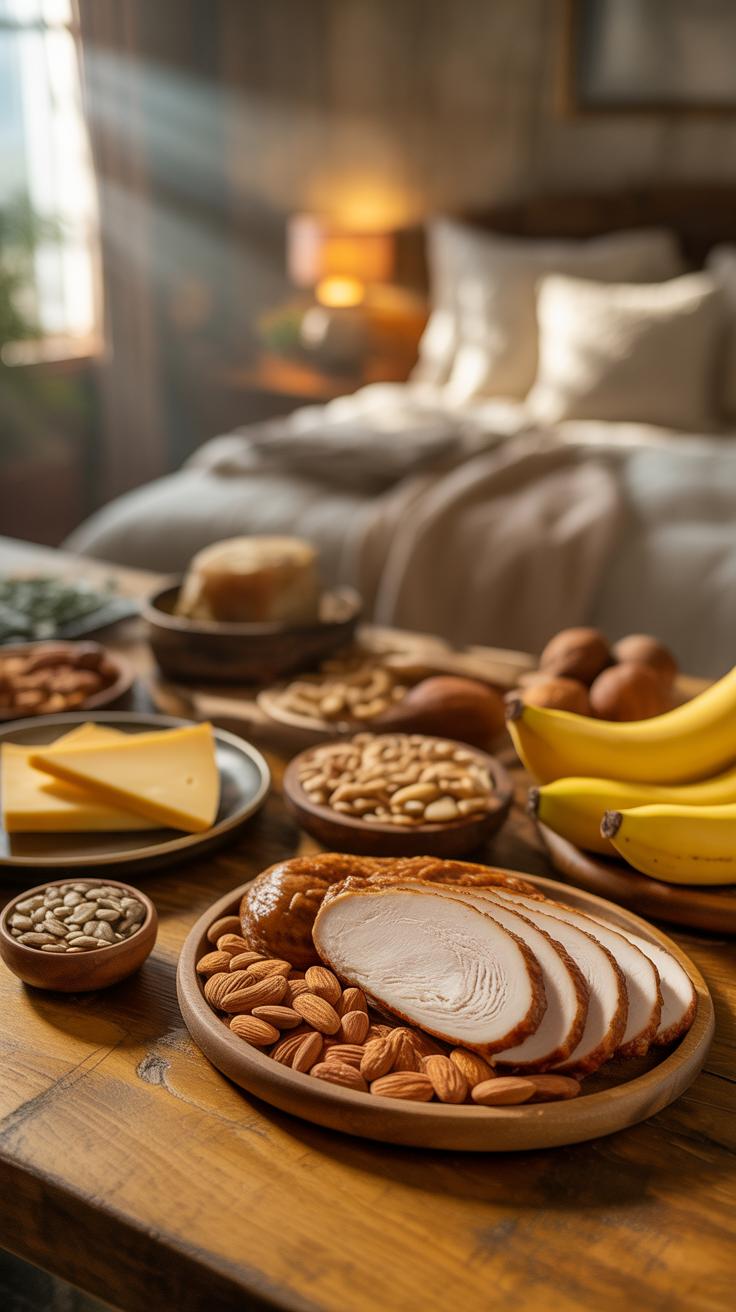
Tryptophan is an essential amino acid that your body cannot produce on its own. You must get it from food sources. Once ingested, your brain uses tryptophan to produce serotonin. Serotonin is a neurotransmitter that stabilizes your mood and promotes feelings of relaxation. This chemical process is the first critical step in preparing your central nervous system for a period of deep rest.
After the brain creates serotonin, it converts a portion of it into melatonin. Melatonin is the primary hormone responsible for regulating your circadian rhythm. It signals to your internal clock that it is time to sleep. Higher levels of melatonin lead to faster sleep onset and better sleep efficiency. This biological pathway explains why specific dietary choices directly influence how quickly you fall asleep at night.
Best Tryptophan Rich Foods To Include In Your Evening Meals
Choosing the right protein sources for dinner increases the availability of tryptophan in your bloodstream. You should prioritize lean proteins and specific seeds over heavy, fatty meats. High-fat foods slow down digestion and can interfere with the absorption of key nutrients. Focus on items that have a high ratio of tryptophan to other large neutral amino acids to ensure effective transport across the blood-brain barrier.
- Turkey: This lean poultry is a well-known source of tryptophan. It provides a dense concentration of the amino acid without excessive saturated fats. Consuming turkey during your evening meal supports the steady production of serotonin throughout the night.
- Pumpkin Seeds: These seeds contain high levels of tryptophan and magnesium. Magnesium further aids muscle relaxation while the tryptophan begins the hormonal conversion process. One small serving provides enough nutrients to impact your evening sleep quality significantly.
- Chicken: Like turkey, chicken is an accessible lean protein that helps build chemical precursors for sleep. It is versatile and easy for the body to break down. This ensures that the amino acids reach your brain before your desired bedtime.
- Eggs: Whole eggs contain specific proteins that are highly bioavailable. This means your body absorbs the tryptophan efficiently. Eating eggs for dinner provides a consistent supply of the raw materials needed for melatonin synthesis later in the evening.
- Soy Products: Tofu and edamame offer excellent plant-based tryptophan options for those avoiding meat. These foods provide the necessary amino acids without the heavy caloric load of red meat. They are effective tools for maintaining a healthy sleep-wake cycle through diet.
Timing is just as important as the food itself. You should consume these tryptophan-rich foods roughly two to three hours before bed. This window allows your body enough time to complete the chemical conversion into melatonin. Pair these proteins with a small amount of complex carbohydrates. Carbohydrates trigger insulin release, which helps clear competing amino acids and allows tryptophan to enter the brain more easily.
Building Healthy Habits Around Your Evening Eating Routine

Creating A Consistent Dinner And Wind Down Schedule That Supports Sleep
Eat your final meal three hours before bed. This gap allows the stomach to empty and prevents acid reflux. Digestion requires energy and raises core body temperature. A cooler body temperature is necessary for deep sleep stages. Late meals trigger insulin spikes that interfere with melatonin production. Proper timing ensures your metabolic processes do not disrupt your natural circadian rhythm tonight.
Maintain a strict eating schedule every day of the week. Consistency trains your internal clock to prepare for rest at the same time. Avoid heavy proteins and large portions late in the evening. These foods take longer to break down and cause physical discomfort. Focus on smaller portions that prioritize ease of digestion. A predictable routine reduces physiological stress and signals your brain to begin the shutdown process.
How Mindful Eating In The Evening Reduces Stress And Promotes Relaxation
Focus entirely on your food during the evening meal. Do not use phones or watch television while you eat. Distracted eating often leads to overconsumption and poor food choices. These behaviors cause digestive distress and keep the nervous system in a state of high alert. Slowing down allows your brain to receive fullness signals properly. This practice shifts your body from sympathetic to parasympathetic mode.
Chew each bite thoroughly to assist the digestive process. Physical breakdown of food in the mouth reduces the workload on your stomach. This efficiency prevents the bloating and gas that often wake people up during the night. Pay attention to the texture and flavor of your meal to remain present. This mental focus lowers cortisol levels before you head to bed. Lower cortisol directly improves your ability to fall asleep.
Magnesium Calcium And B Vitamins That Promote Better Sleep
How Magnesium Relaxes Muscles And Calms The Nervous System Before Bed
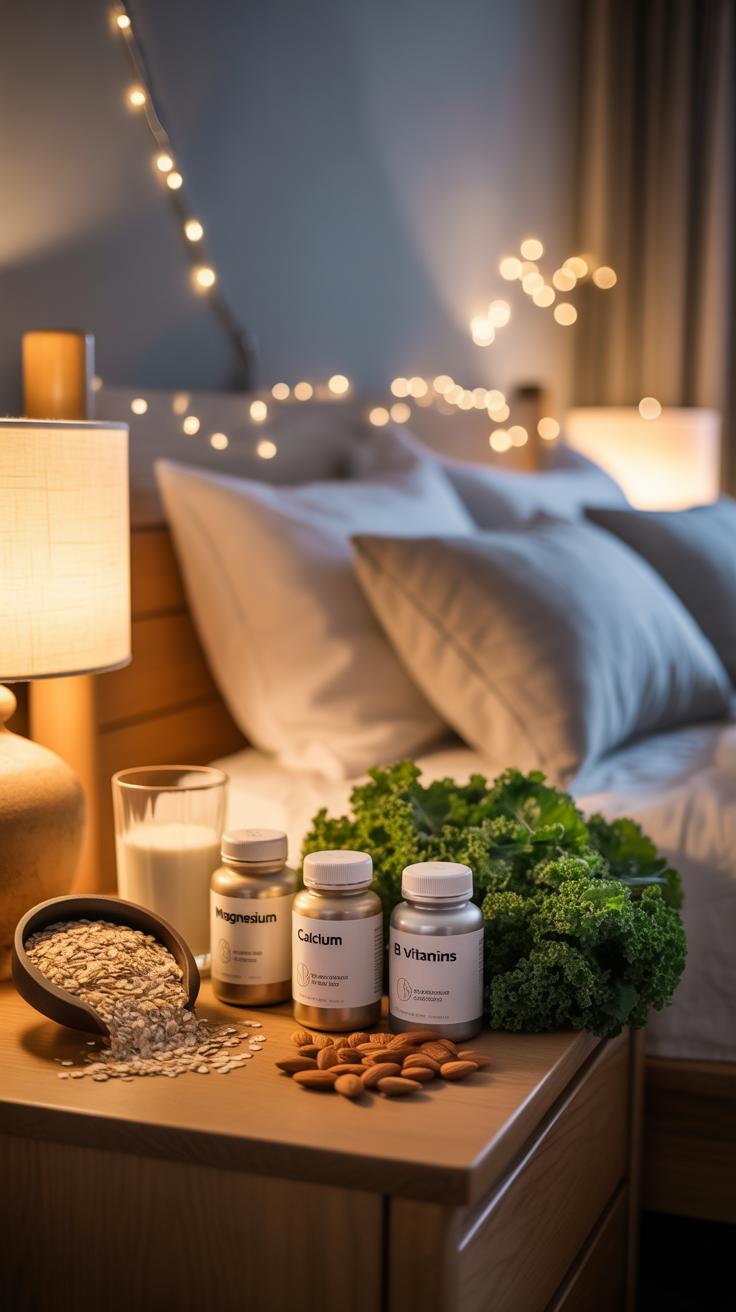
Magnesium serves as a natural relaxant by regulating neurotransmitters. It binds to gamma aminobutyric acid receptors in the brain. This action quietens the central nervous system and reduces nerve signaling. It blocks calcium from entering muscle cells. This process prevents unintended muscle contractions and physical tension. You cannot achieve deep rest if your body remains in a state of high physical alertness.
Low magnesium levels cause systemic inflammation and cortisol spikes. These two factors prevent the onset of deep sleep cycles. Magnesium also helps regulate the internal body clock through melatonin production. It stabilizes the cardiac rhythm to lower your heart rate before bed. This mineral ensures the transition from wakefulness to rest happens efficiently. Adding magnesium through food or supplements directly improves your total sleep duration.
Dietary Sources Of Calcium And B6 That Support Melatonin Production
Calcium plays a structural role in the conversion of tryptophan into melatonin. This conversion process relies on the brain having enough usable calcium ions. Dairy products like yogurt and cheese provide high concentrations of this mineral. Green leafy vegetables and fortified cereals serve as effective plant based alternatives. Without sufficient calcium, the body fails to signal the brain to begin the nighttime sleep cycle.
Vitamin B6 is a crucial cofactor for the synthesis of serotonin and melatonin. Chickpeas and fatty fish like salmon contain high amounts of this vitamin. B6 helps the body break down proteins into amino acids that trigger sleepiness. It manages psychological stress by regulating dopamine levels in the brain. Consuming these nutrients together creates a chemical environment that favors long and uninterrupted periods of restorative rest.
Adopting A Healthy Lifestyle Through Sleep Supportive Nutrition Choices

How A Balanced Whole Foods Diet Contributes To Long Term Sleep Quality
A whole-foods diet stabilizes blood sugar and regulates hormone production for better rest. Refined sugars and processed carbohydrates cause energy spikes that disrupt your internal clock. Constant glucose fluctuations trigger cortisol releases throughout the night. Focus on fiber-rich vegetables and lean proteins to maintain steady metabolic rates. Consistent nutrient intake ensures your brain has the necessary building blocks for natural melatonin production.
Long-term sleep quality depends on complex micronutrients like magnesium and vitamin B6. These elements assist the nervous system in shifting from alert states to relaxation. Eating a wide variety of unprocessed foods prevents nutritional deficiencies that cause insomnia. Your body requires these minerals to convert amino acids into neurotransmitters. This chemical balance creates a predictable circadian rhythm that allows for deeper and more restorative sleep phases.
Combining Sleep Friendly Eating With Exercise And Stress Management
Proper nutrition works best when paired with Physical activity and mental regulation. Exercise increases your core body temperature during the day and triggers a cooling effect at night. This cooling phase signals your brain to initiate sleep. Avoid high-intensity workouts immediately before bed to prevent elevated heart rates. Combining clean eating with consistent movement optimizes your metabolic health and prepares your body for physical recovery.
Stress management techniques lower cortisol levels that compete with sleep hormones. High stress leads to emotional eating and poor food choices which degrade sleep quality. Use deep breathing or meditation to calm your central nervous system before your final meal. A relaxed body processes nutrients more efficiently and enters heavy sleep cycles faster. Success requires a tactical approach to diet, movement, and mental state to ensure total recovery.
Frequently Asked Questions

Which types of food are most effective for improving my sleep?
To improve your rest, focus on items rich in magnesium, tryptophan, and melatonin. Complex carbohydrates like oatmeal and proteins like turkey or pumpkin seeds are excellent foods for better sleep because they help regulate your body’s internal clock. Additionally, fatty fish containing omega-3 fatty acids can boost serotonin levels, helping you feel more relaxed and mentally prepared for a deep, restorative night of slumber.
How long before going to bed should I finish my last meal?
For optimal digestion and rest, try to finish your last major meal roughly two to three hours before bedtime. This window allows your body to process nutrients without causing reflux or discomfort. If you feel hungry later, choose light foods for better sleep, such as a small bowl of Greek yogurt or a banana. These snacks provide calming nutrients without overtaxing your digestive system right before you drift off.
Can I find sleep-promoting foods on a tight grocery budget?
Absolutely! You don’t need expensive supplements or specialty items to see results. Budget-friendly staples like bananas, oats, cottage cheese, and herbal chamomile tea are highly effective for calming the nervous system. Buying bulk bags of almonds or walnuts is another cost-effective way to incorporate healthy fats and magnesium into your evening routine, proving that eating for better rest can be both accessible and affordable for every household.