
Why Nail Health Starts On Your Plate Not In Your Polish
How Nutritional Deficiencies Show Up In Your Nails
Nails are non-essential tissue. Your body sends nutrients to vital organs first. When your diet lacks vitamins or minerals, your nails suffer quickly. Brittle texture and peeling indicate poor protein or moisture levels. White spots often signal a zinc deficit. Vertical ridges may point to aging or low iron stores. These physical markers serve as early warning systems for your internal health.

Low iron causes nails to become thin and concave. This condition is called koilonychia. B-vitamin shortages lead to slow growth and discoloration. If you see deep horizontal grooves, your body likely faced a severe nutrient interruption. These signs prove that topical treatments cannot fix systemic issues. You must address the root cause by fixing your intake. External oils only mask deep metabolic problems.
The Connection Between A Balanced Diet And Nail Strength
Nails consist of a tough protein called keratin. You must eat enough high-quality protein to build this structure. Amino acids provide the raw materials for nail production. Without them, the nail plate becomes flimsy and soft. Proper nutrition ensures the matrix produces thick and resilient layers. This biological process happens deep under your skin where creams cannot reach or help.
Micronutrients act as catalysts for keratin synthesis. Biotin and sulfur help bind the protein fibers together. These bonds prevent splitting and breaking during daily activities. Healthy fats keep the nail bed lubricated and flexible. A balanced diet provides the steady supply of energy needed for constant cell turnover. You build strong nails by eating a variety of whole foods every single day.
Protein Rich Foods For Strong Nails And Why Keratin Depends On It
What Keratin Is And Why It Is The Building Block Of Your Nails
Keratin is a tough fibrous protein that forms the physical structure of your nails. It consists of long chains of amino acids bonded together. These sulfur-rich proteins create a hard barrier that protects the delicate nail bed underneath. Without a steady supply of these building blocks, your body cannot produce new nail cells. This leads to thin and weak nail plates.
The strength of your nails depends entirely on the quality of the keratin produced. Your body synthesizes this protein from the nutrients you consume daily. When protein intake drops, the body prioritizes vital organs over nails. This survival mechanism results in slow growth and brittle surfaces. Maintaining high protein levels ensures your body has the materials necessary to build a thick and resilient keratin structure.
True beauty begins in the kitchen, where the simple goodness of what we eat builds the strength we carry in our own two hands. Nourishing your body with nature’s harvest is the surest way to let your inner health shine through every nail and fingertip.
Best Animal And Plant Based Protein Sources To Support Nail Structure
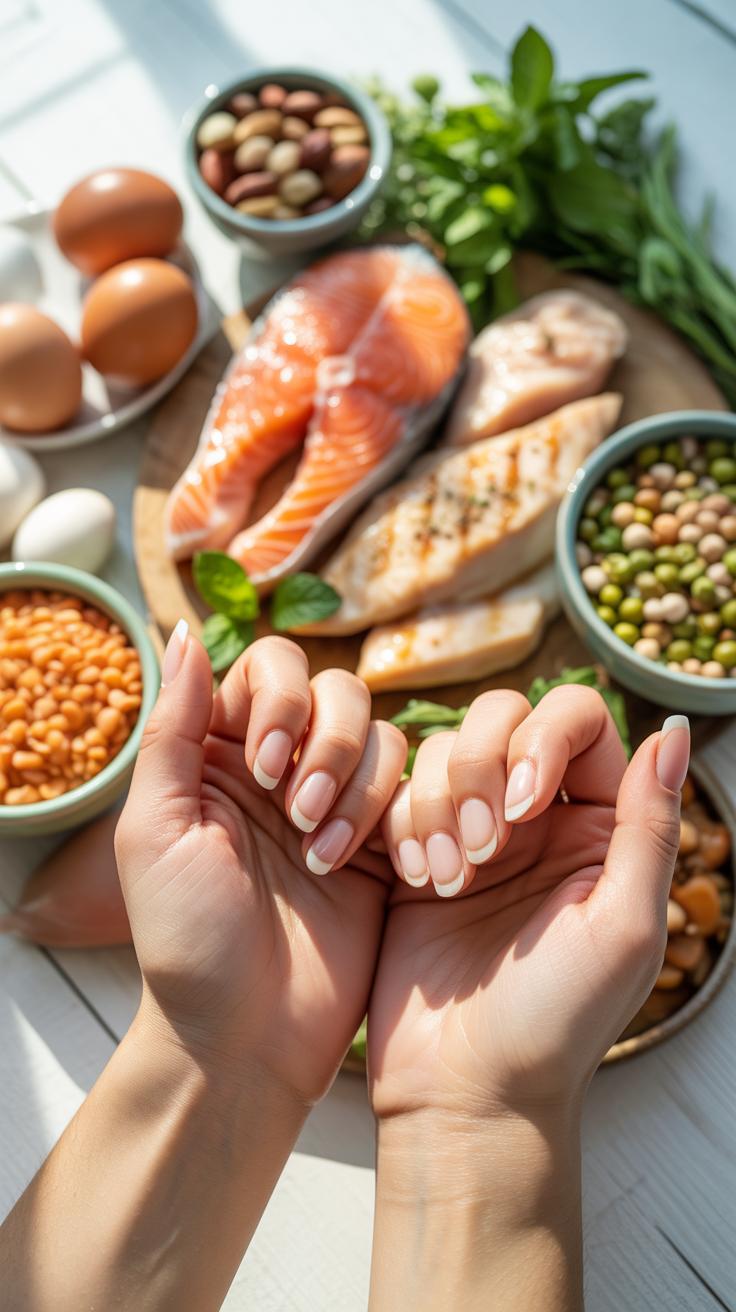
Animal proteins provide the complete amino acid profiles required for rapid keratin synthesis. Lean meats, eggs, and fish offer high bioavailability, meaning your body absorbs these nutrients quickly. Eggs are specifically valuable because they contain biotin and sulfur. These two components strengthen the cross-links between keratin fibers. Regular consumption of these proteins directly supports the density of the nail plate and prevents frequent breakage.
Plant-based sources also provide the essential nitrogen and amino acids needed for nail health. Lentils, chickpeas, and quinoa are excellent choices for maintaining structural integrity. You must consume a variety of these foods to ensure a full spectrum of amino acids. Combining beans with whole grains creates a complete protein profile. This dietary strategy provides the necessary fuel for the nail matrix to generate hard and durable tissue.
Biotin And Foods For Healthy Nails The B Vitamin Your Nails Crave
What The Research Says About Biotin And Nail Thickness
Biotin is vitamin B7. Researchers initially studied this nutrient to treat hoof problems in horses and cattle. Clinical trials on humans show that biotin increases nail thickness. One key study found a twenty-five percent increase in thickness for people with brittle nails. This vitamin strengthens the keratin infra-structure. It works by supporting the production of amino acids necessary for nail growth.
Consistency is the primary factor for success with biotin. Most clinical studies observe results after six months of steady intake. You cannot fix brittle nails overnight with a single dose. Biotin improves the way your body builds the nail plate from the matrix. It reduces splitting and peeling at the edges. Diet is the most sustainable way to maintain these cellular levels.
Everyday Foods That Are Naturally High In Biotin
You must prioritize whole foods to reach your daily biotin targets. The body absorbs nutrients more efficiently from food than from synthetic pills. Biotin is water-soluble, so your body does not store it long-term. You need a daily supply to keep the nail matrix functioning at peak capacity. Focus on nutrient-dense sources to ensure your nails get the structural support they require.
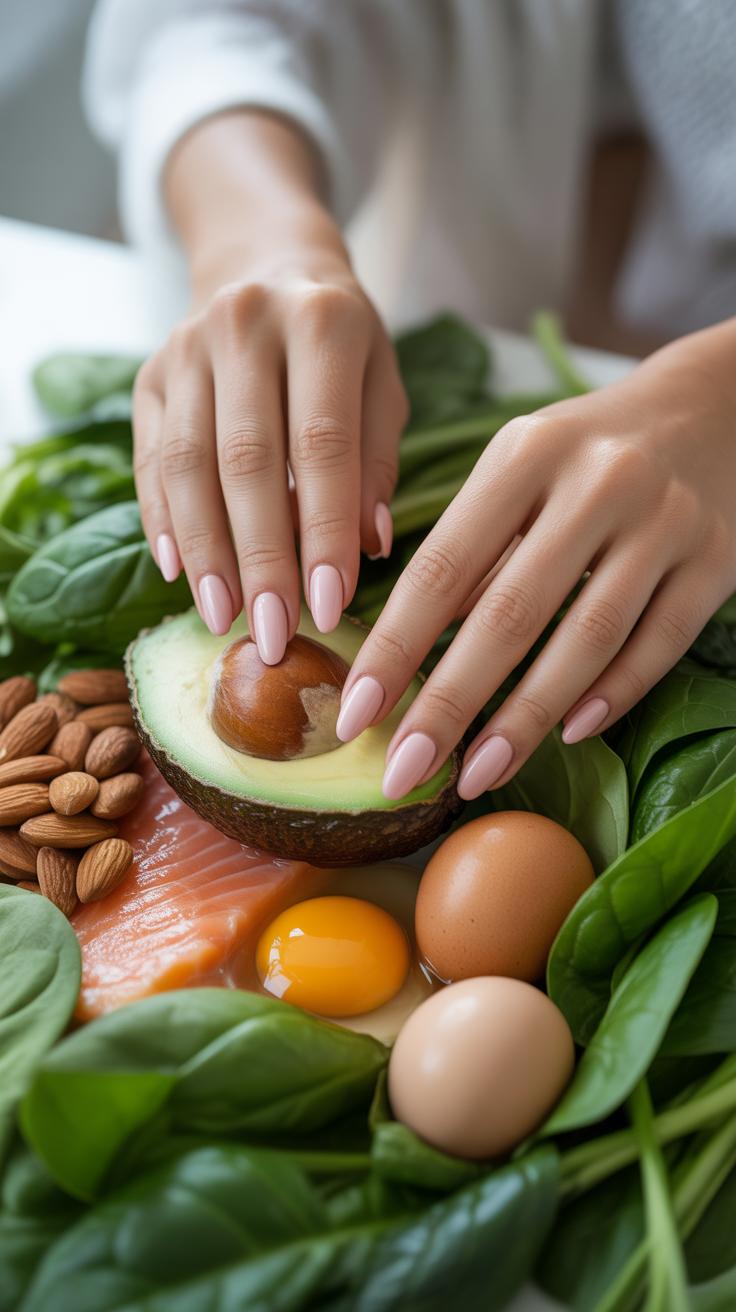
- Cooked Eggs: The yolk contains the highest concentration of biotin available in a standard diet. You must cook the egg fully because raw egg whites contain avidin. This protein binds to biotin and prevents your body from absorbing it.
- Legumes and Lentils: Peas, beans, and lentils offer a significant amount of B-vitamins and plant-based protein. Peanuts and soybeans are specifically high in biotin. These foods provide the raw materials needed for thick nail plates and consistent growth cycles.
- Beef Liver: Organ meats are the most concentrated source of biotin found in nature. A small serving of cooked beef liver provides more than the daily recommended intake. This delivery method ensures high bioavailability for immediate use by your metabolic systems.
- Nuts and Seeds: Almonds, walnuts, and sunflower seeds are portable sources of biotin and healthy fats. These foods help maintain the moisture barrier within the nail. Eating a handful daily supports the structural integrity of the nail and prevents shattering.
- Sweet Potatoes: These tubers are among the best vegetable sources of biotin. They also contain beta-carotene which the body converts to Vitamin A for skin health. Regular consumption supports the overall health of the nail bed and the surrounding cuticle area.
Diversifying your intake ensures you hit these nutritional benchmarks without burnout. A strategy relying on various food groups prevents deficiencies that lead to thin, transverse ridges. Tactical eating habits directly influence the physical durability of your nails. Monitor your intake over twelve weeks to see visible changes in the new nail growth emerging from the base.
Iron Rich Foods To Eat For Healthy Nails And Preventing Brittle Ridges
How Iron Deficiency Leads To Spoon Shaped Or Brittle Nails
Iron carries oxygen to your cells. Without enough iron, your nail beds do not receive the oxygen they need to grow. This lack of oxygen causes the nails to become weak and thin. You might see vertical ridges or feel the nail plate getting softer over time. This condition slows down growth and makes the surface prone to splitting under light pressure.
Severe iron deficiency causes a condition called koilonychia. This makes your nails look like spoons because the edges curve upward while the middle sinks. It is a clear sign that your internal iron stores are low. Doctors have recognized this physical marker for decades as a symptom of anemia. Maintaining high iron levels keeps the nail plate flat and hard while preventing visible structural defects.
Top Dietary Sources Of Iron That Support Healthy Nail Growth
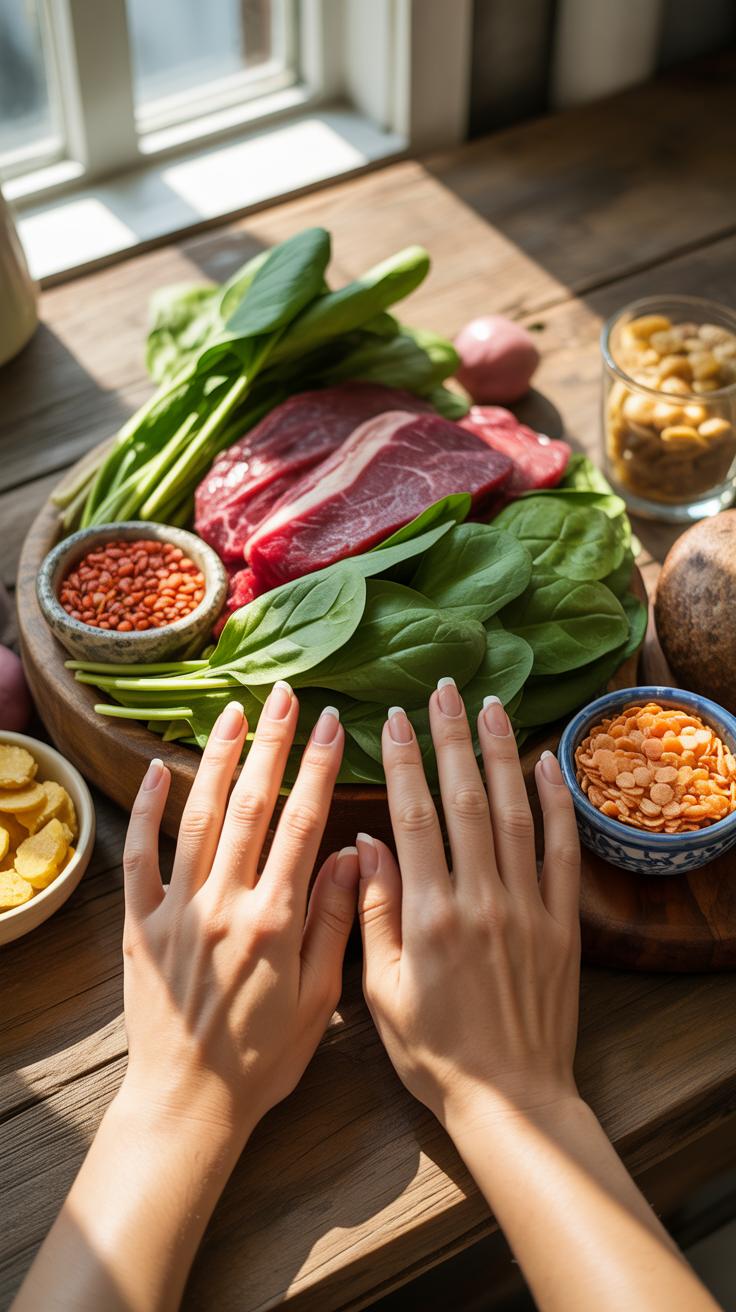
You must consume heme iron for the best absorption rates. Red meat and liver provide the most direct path to increasing your iron levels. These animal sources enter the bloodstream more efficiently than plant versions. If you choose plant-based options, include beans and spinach in your meals. Consuming vitamin C alongside these plants helps your body process the mineral better to support nail health.
Focus on consistency to see real changes in nail strength. Your body takes weeks to build up iron stores and push out new growth. Avoid drinking coffee or tea during meals because they block iron absorption. Aim for a balanced intake of lean proteins and leafy greens every day. This steady supply ensures your nail matrix produces a thick and resilient keratin layer without interruption.
Zinc And Food For Healthy Nails Closing The Gap On White Spots And Slow Growth
Why Zinc Plays A Critical Role In Cell Division And Nail Plate Formation
Zinc functions as a fundamental catalyst for protein synthesis and cell division. Your nail bed relies on rapidly dividing cells to push out the visible nail plate. Without enough zinc, this biological process falters. This disruption often manifests as leukonychia, which are the white spots or lines seen on the nail surface. Zinc ensures the structural integrity of these hard keratin tissues during every growth phase.
A deficiency in this mineral slows down the entire nail growth cycle. Chronic low levels lead to brittle plates that crack or peel easily. Since the body cannot store zinc, you need a steady daily supply to maintain nail strength. Proper zinc levels support the immune system and prevent nail bed infections. This mineral is a non-negotiable requirement for anyone seeking heavy-duty nail durability and consistent growth.
Zinc Dense Foods To Add To Your Weekly Meal Plan
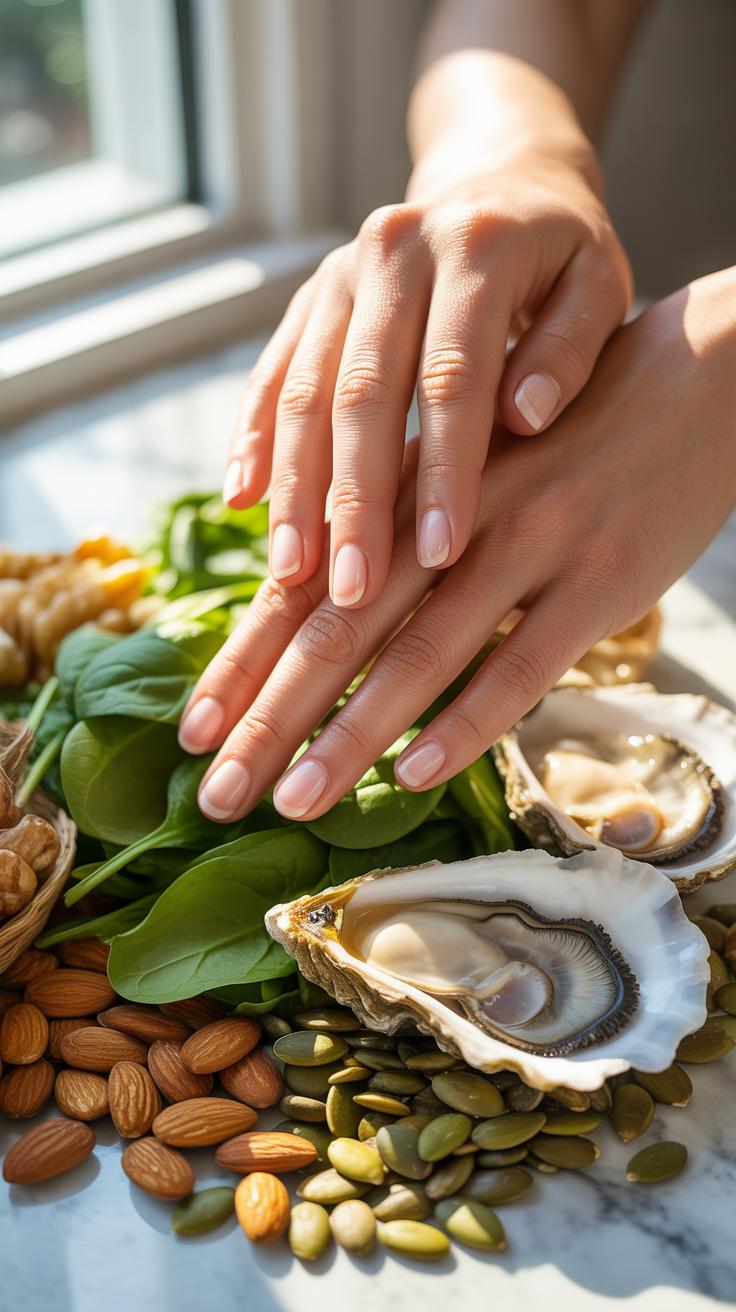
Oysters provide the highest concentration of zinc per serving of any food group. Red meat and poultry offer highly bioavailable forms of this mineral that the body absorbs quickly. For plant-based options, pumpkin seeds and lentils serve as reliable secondary sources. Incorporating these specific foods ensures your body has the raw materials to build a dense and resilient nail plate without structural gaps or defects.
Strategic meal planning requires rotating these high-zinc sources to keep levels optimal. Shellfish and beef deliver the most impact for people suffering from severe nail fragility. Vegetarians should soak beans and seeds to improve mineral absorption and counteract phytates. Consistent intake of these items eliminates white spots over time as the old nail grows out. Focused nutrition directly corrects the physical weaknesses of the nail through internal biological support.
Omega 3 Fatty Acids As Food For Nail Growth And Moisture Retention
How Healthy Fats Keep The Nail Bed Hydrated And Flexible
Nails need internal hydration to remain resilient. Omega-3 fatty acids lubricate the nail bed and increase the shine of the nail plate. These fats reduce inflammation within the nail matrix. This process ensures the tissue receives adequate blood flow and nutrients. Without these lipids, nails become brittle and prone to peeling. Healthy fats create a barrier that prevents water loss from the keratin layers.
Flexibility prevents the nail from snapping under physical pressure. Dry nails crack because they lack the necessary oil balance. Omega-3s nourish the cells that produce the nail plate. This results in a more pliable structure that bends instead of breaking. Consistent intake of these fats supports the integrity of the cuticle. Strong cuticles protect the emerging nail from infections and environmental damage.
Foods Rich In Omega 3s That Benefit Both Nail And Skin Health
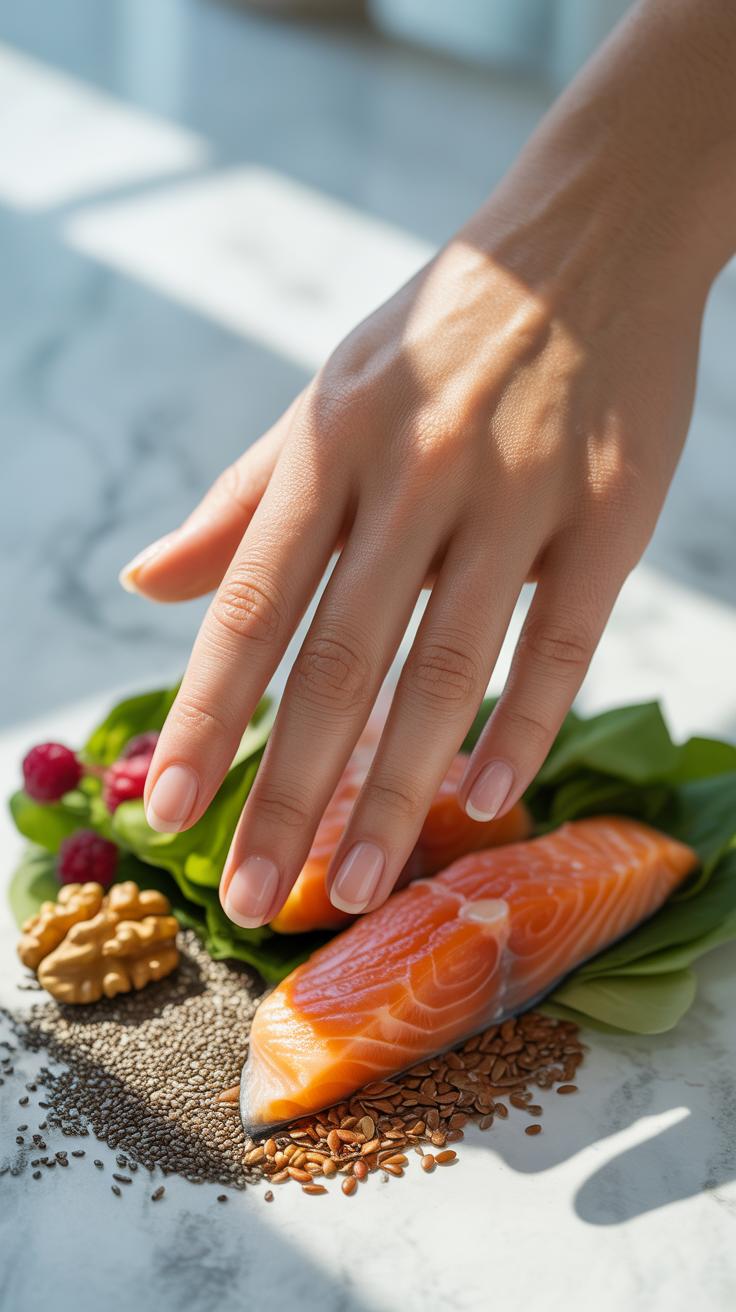
Fatty fish provide the most bioavailable forms of omega-3s. Salmon, mackerel, and sardines contain high levels of EPA and DHA. These compounds directly support the vascular health of the hands and feet. Improved circulation ensures that oxygen reaches the nail root. This biological support speeds up growth and improves the thickness of the plate. Regular consumption helps maintain a smooth nail surface.
Plant based sources offer alpha linolenic acid for those avoiding seafood. Flaxseeds, walnuts, and chia seeds provide this essential fat. The body converts these nutrients to support cellular membrane health. Strong membranes keep the skin around the nail healthy and prevent painful hangnails. A diet high in these fats reduces redness and swelling in the nail folds. Strategic fat intake is mandatory for long term nail durability.
Vitamins A C And E As Foods For Hair And Nail Growth Support
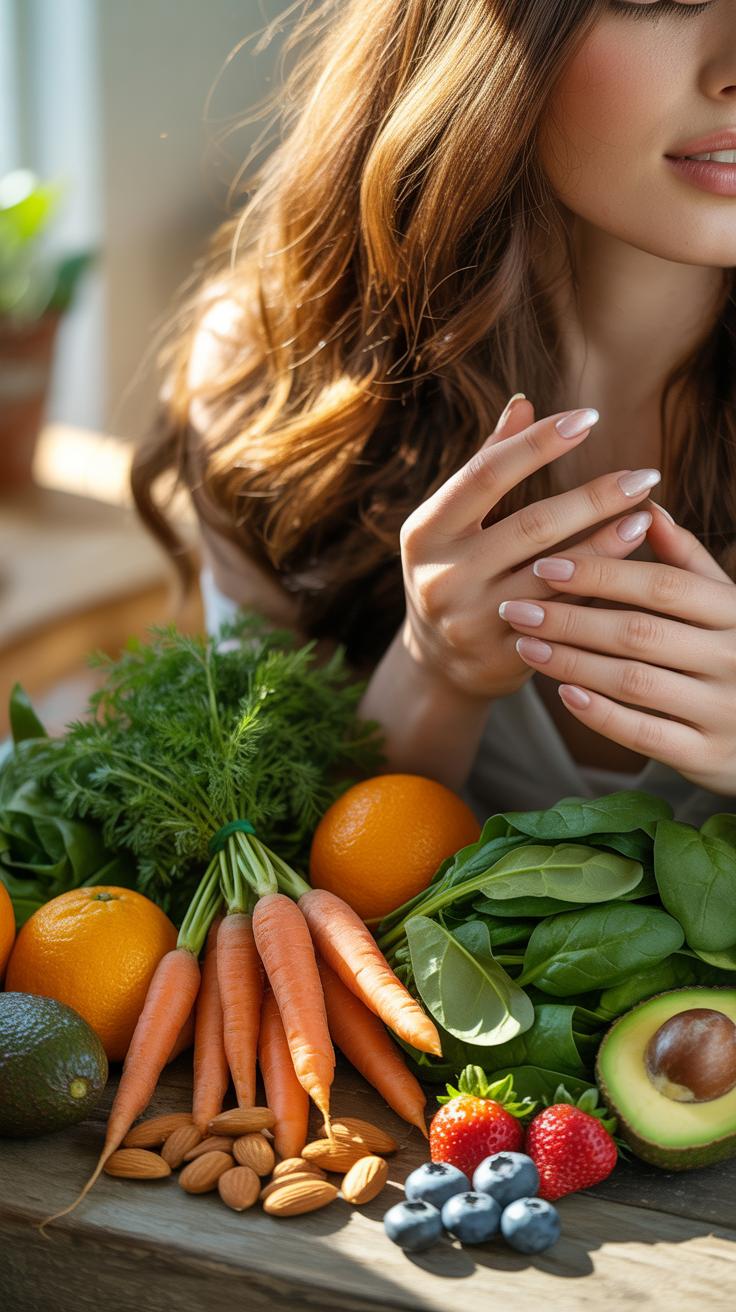
How Vitamin C Boosts Collagen Synthesis That Anchors Nail Strength
Vitamin C acts as the primary catalyst for collagen production in the body. Collagen provides the structural framework for your nail beds. Without enough Vitamin C, your body cannot link amino acids together to form these tough protein fibers. This deficiency leads to thin nails that bend or break easily. Consuming citrus fruits and bell peppers ensures your body has the raw materials needed for structural integrity.
This vitamin also aids in iron absorption from plant-based foods. Iron delivery is vital because it carries oxygen to the nail matrix where growth happens. Low oxygen levels cause nail ridges and slow down the growth cycle significantly. You must maintain high Vitamin C levels to keep your nail tissue dense and well-attached. Stronger collagen bonds prevent the nail plate from separating or peeling away from the skin.
The Roles Of Vitamins A And E In Protecting And Growing Nail Tissue
Vitamin A regulates the production of keratin within the nail matrix. This fat-soluble nutrient ensures that new cells develop at a steady pace. Low levels of Vitamin A cause dry and brittle nails that crack under slight pressure. Eating sweet potatoes and carrots provides the beta-carotene necessary for this cellular turnover. Proper intake keeps the surface of the nail smooth and prevents the buildup of hardened, uneven tissue.
Vitamin E functions as a powerful antioxidant that protects nails from oxidative stress. It neutralizes free radicals that damage the cells responsible for nail growth. This vitamin also improves blood circulation to the extremities and increases moisture levels in the nail plate. Increased blood flow delivers more nutrients to the site of growth. Consistent Vitamin E intake prevents yellowing and maintains the natural flexibility of the nail structure.
Calcium And Magnesium The Mineral Duo Behind Nail Growth And Hardness
Does Calcium Actually Make Nails Harder And What Does The Science Say
Many people think calcium is the primary material in nails. This is false. Keratin protein forms the actual structure of the nail plate. Scientific studies show that calcium only accounts for a tiny fraction of nail weight. However, this mineral still matters for cellular signaling. It helps regulate the layers of the nail. Without it, the nail plate becomes dry and brittle.
A calcium deficiency often shows up as white spots or transverse ridges. You must maintain steady blood levels of this mineral to support the nail matrix. Eat dairy, sardines, or fortified plant milks to keep levels stable. Proper intake ensures the nail plate stays hydrated and flexible. This prevents the snapping and cracking associated with mineral gaps. Focus on consistency to see results over time.
Magnesium Rich Foods That Aid Protein Synthesis And Steady Nail Growth
Magnesium is a critical cofactor for over three hundred biochemical reactions in the body. It plays a direct role in protein synthesis. Since nails are mostly protein, magnesium helps build the new cells that push the nail forward. Low levels of this mineral cause vertical ridges on the nail surface. This indicates that the growth process is uneven or completely stalled.
You can increase your magnesium levels by eating pumpkin seeds, spinach, and almonds. Dark chocolate also provides a significant dose of this mineral. These foods support the metabolic pathways that create new keratin. High magnesium intake leads to smoother nail plates and faster growth rates. It stabilizes the foundation of the nail at the root. Stop the ridges by fueling your body with these dense nutrients.
Hydration And Food For Nails Health Why Water Is Also A Nutrient
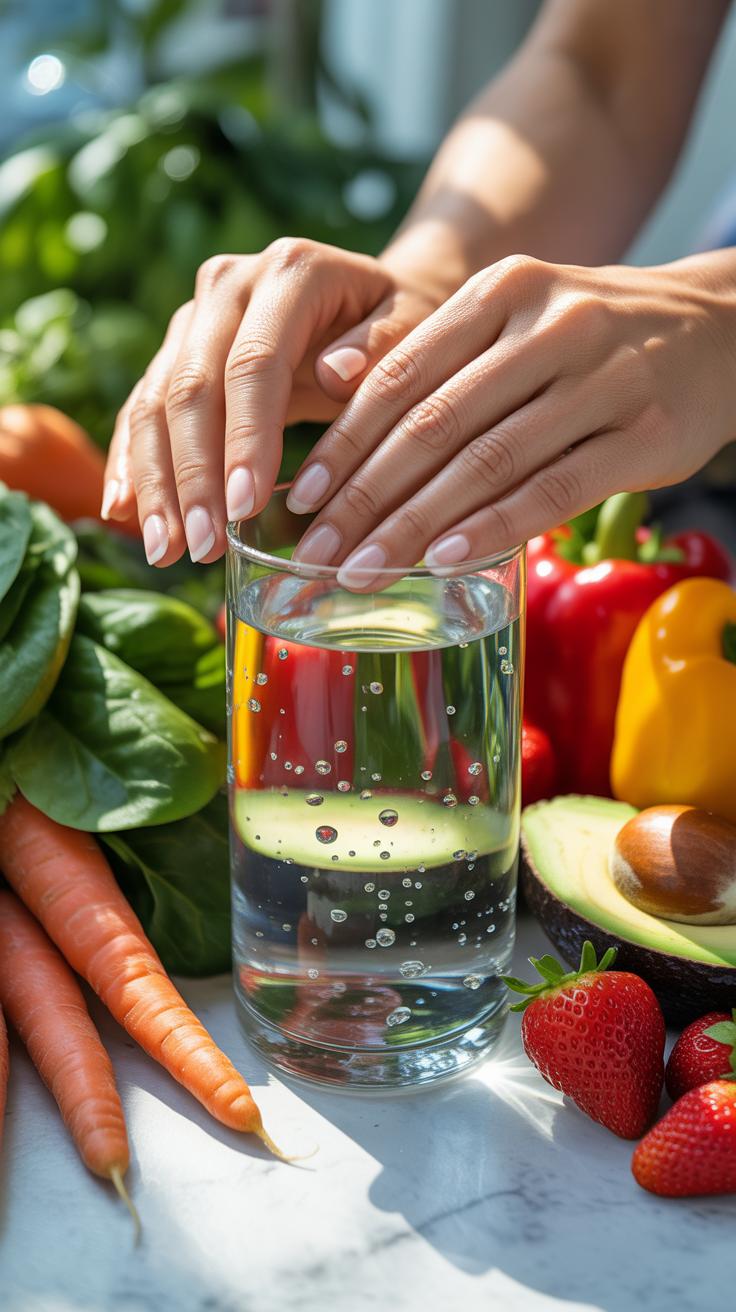
What Chronic Dehydration Does To The Nail Plate And Cuticle Over Time
Dehydration forces the body to prioritize internal organs over extremities. The nail matrix suffers immediately when blood volume drops. This lack of fluid makes the nail plate lose its natural flexibility. Nails become brittle and crack under minor pressure. Dry cells cannot bond together tightly. This weakness causes visible ridges and peeling layers. You cannot fix this damage with topical oils alone.
Chronic water deficiency also destroys the cuticle barrier. The cuticle is a protective seal that prevents infection. When dry, this skin shrinks and pulls away from the nail plate. This creates gaps where bacteria and fungi enter. Inflammation often follows these breaks in the skin. Healthy cuticles require consistent internal hydration to remain soft and functional. Without water, your nails will never achieve maximum strength.
High Water Content Foods That Support Nail Hydration From Within
Drinking water is only half of the strategy. You must consume water rich foods to maintain cellular hydration levels. Cucumbers and celery provide electrolytes along with high water content. These minerals help your cells retain the fluid you drink. This ensures the nail matrix stays saturated during the growth phase. High water foods deliver nutrients directly to the peripheral tissues where nails form.
Leafy greens and citrus fruits also aid this process. These foods contain silica and vitamin C which strengthen the nail structure. When combined with high water content, these nutrients absorb more efficiently into the bloodstream. This bioavailable approach prevents the dry, snapping texture common in dehydrated individuals. Consistent consumption of these foods builds a resilient nail plate. Tactical eating supports the structural integrity of every new nail cell.
Building A Nail Friendly Diet Practical Habits Around Foods For Nail Growth
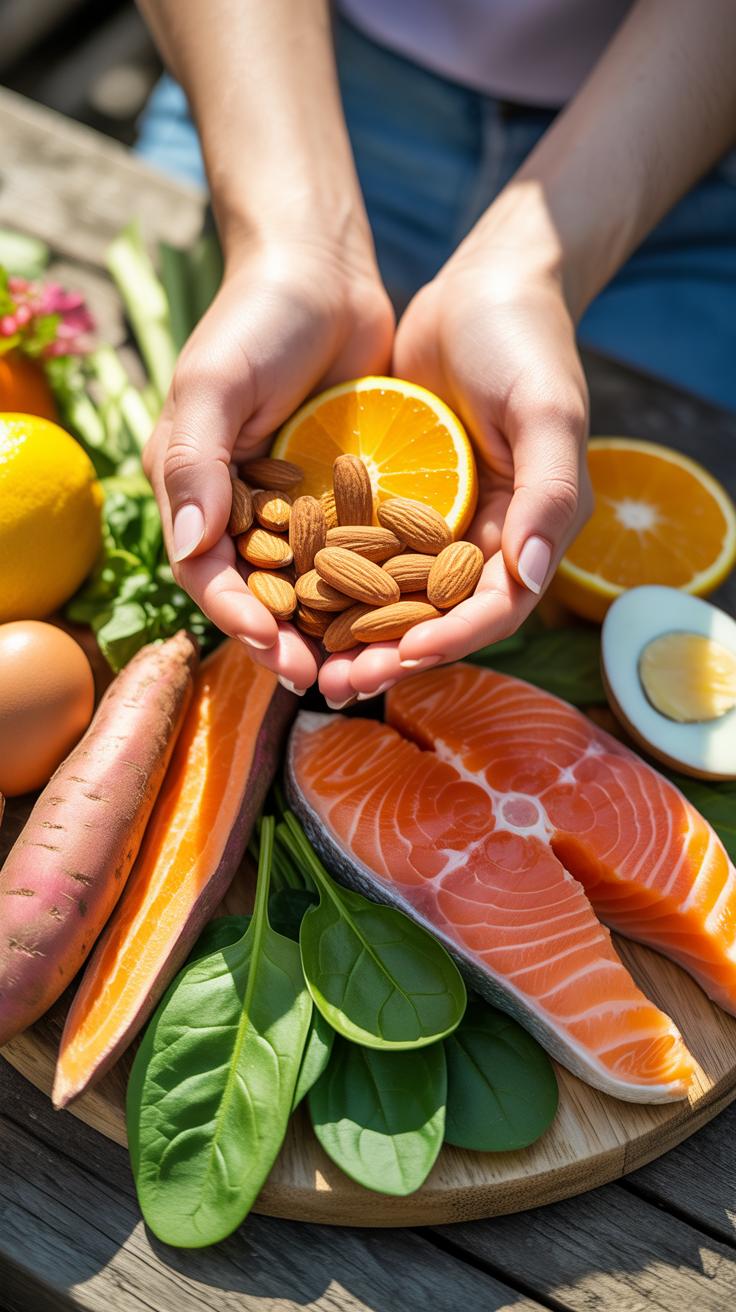
How To Structure Daily Meals To Consistently Deliver Nail Supporting Nutrients
Consistency drives biological change. You must anchor protein intake at every meal to maintain a steady amino acid pool. Nails rely on keratin production which requires sulfur-bearing amino acids found in eggs and poultry. Strategic meal planning ensures your body never lacks the building blocks for nail plate synthesis. A morning meal with high-quality protein sets the baseline for daily growth.
Integrate micronutrient-dense foods into your routine. Pair iron-rich leafy greens with vitamin C sources to maximize mineral absorption. Biotin-heavy snacks like walnuts or seeds bridge the gap between main meals. This approach maintains high nutrient bioavailability throughout your system. Proper timing prevents the body from diverting resources away from nail health to support more critical metabolic functions. Frequent intake sustains the repair cycle.
Lifestyle And Dietary Habits To Avoid If You Want Stronger, Healthier Nails
Dietary negligence compromises structural integrity. Chronic low-protein intake slows the growth rate and thins the nail plate. Excessive consumption of highly processed sugars triggers inflammation that disrupts the nail matrix. Alcohol and caffeine act as diuretics which strip the body of hydration and essential minerals. Avoid these habits to prevent brittle edges and frequent breakage. Protect your biological investment.
- Crash Dieting: Severe calorie restriction deprives the body of essential nutrients needed for keratin production. When energy is low, the body prioritizes vital organs and shuts down nutrient delivery to the hair and nails. This leads to immediate thinning and eventual plate detachment.
- Sugar Overload: High sugar intake promotes glycation which interferes with protein functions. This process weakens the collagen fibers and keratin bonds within the nail structure. You will see more ridges and a higher frequency of peeling if your blood sugar remains consistently elevated.
- Poor Iron Absorption: Consuming tea or coffee immediately after meals inhibits iron uptake. Iron is vital for oxygenating the nail bed. Without it, nails become concave or develop vertical ridges. You must separate these beverages from your nutrient-dense meals to ensure mineral delivery remains efficient.
- Dehydration: Low water intake causes the nail plate to lose its natural flexibility. Brittle nails often stem from a lack of cellular hydration. You must maintain steady fluid levels to keep the nail bed lubricated. Dry environments and lack of water cause the layers to split.
- Excessive Alcohol: Alcohol prevents the absorption of B vitamins and zinc which are critical for cell division. Frequent drinking dehydrates the entire system and weakens the nail matrix. This results in slow growth and a dull appearance. Your nails lose their natural luster and structural strength.
Eliminating these negative habits is as important as adding beneficial foods. You cannot out-eat a poor lifestyle that actively destroys your nail health. Focus on mineral retention and steady hydration levels. Avoid restrictive patterns that create nutrient gaps. Maintain a stable metabolic environment to allow your body to focus on peripheral tissue repair. Your daily choices dictate the hardness and durability of your nails.
Frequently Asked Questions

How does what I eat actually affect my nail strength?
Your nails are composed of a tough protein called keratin, which requires a steady supply of vitamins and minerals to grow properly. When you incorporate specific foods for strong nails into your diet, you provide the building blocks necessary for cell production. Deficiencies in biotin, iron, or zinc often lead to brittleness, meaning that consistent internal nutrition is far more effective for long-term nail health than applying external topical strengtheners alone.
Which specific snacks can I eat daily to improve my nail health?
For a practical daily boost, reach for a handful of almonds or walnuts, which are packed with biotin and vitamin E. Hard-boiled eggs and Greek yogurt are also excellent choices because they provide high-quality protein and magnesium. Consistently choosing these targeted foods for strong nails helps prevent peeling and breakage, ensuring your manicure looks its best by supporting the nail matrix from the inside out with every bite you take.
Are there affordable grocery items that help strengthen nails on a budget?
Improving your nails doesn’t require expensive supplements or exotic superfoods. Common, budget-friendly staples like lentils, oats, and canned tuna are powerhouses for nail growth. Sweet potatoes and carrots are also incredibly affordable sources of vitamin A, which helps keep nails hydrated. By focusing on these accessible whole foods, you can achieve resilient, beautiful nails without overspending, proving that effective nutrition is achievable for everyone regardless of their shopping budget.