
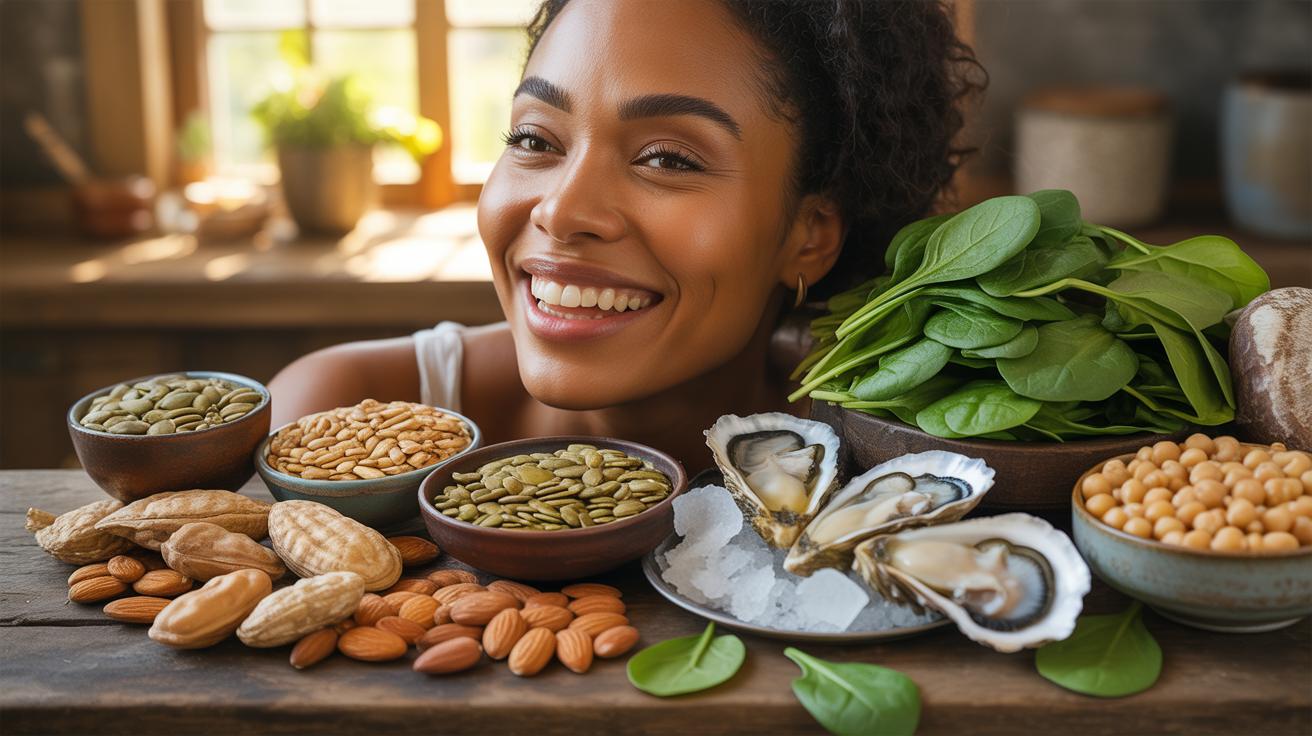
What Makes Zinc Rich Foods So Essential For The Human Body
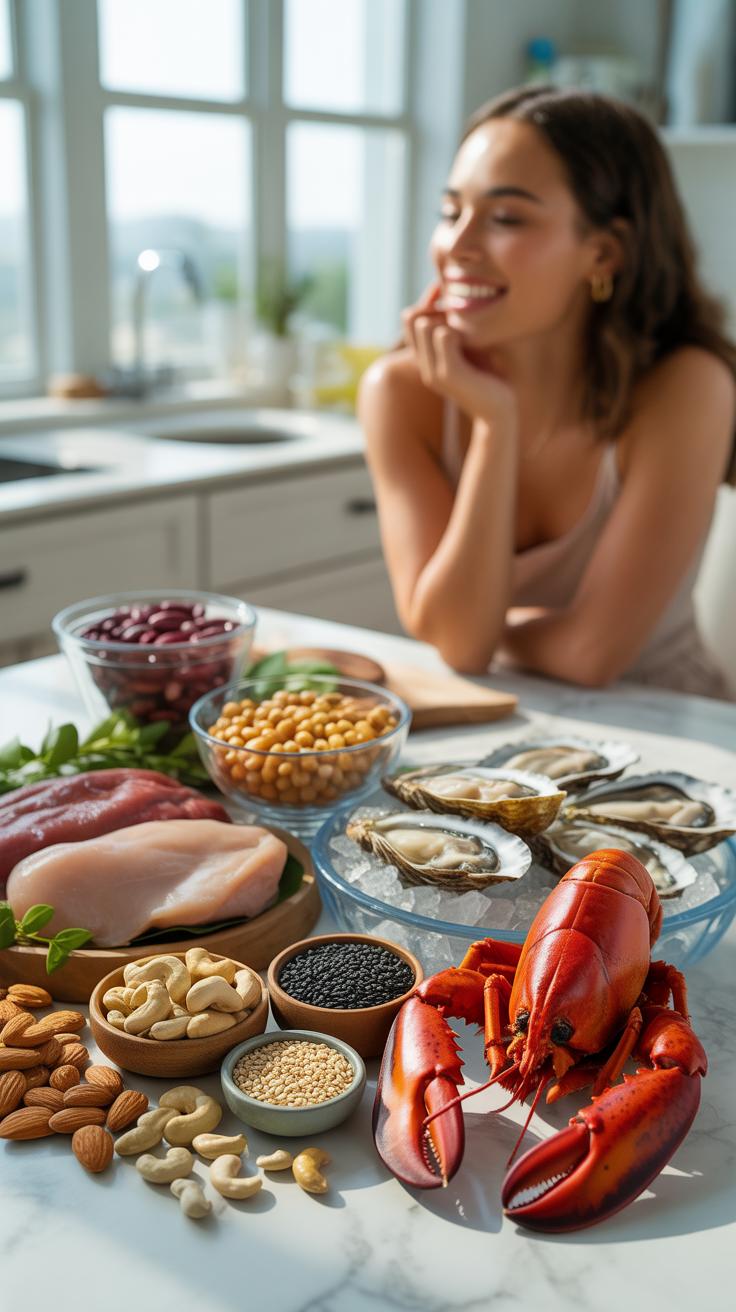
The Biological Role Of Zinc In Cellular Function And Growth
Zinc acts as a fundamental catalyst for over 300 different enzymes in the human body. These enzymes regulate metabolism, nerve function, and digestion. Without sufficient zinc, your cells cannot divide or grow correctly. This mineral facilitates the synthesis of DNA and proteins. It maintains the structural integrity of cell membranes and protects them from oxidative damage during daily stress.

The immune system relies heavily on zinc for the development and activation of T-lymphocytes. These white blood cells identify and destroy pathogens. Zinc also speeds up wound healing by supporting collagen production and tissue repair. For skin health, it controls oil production and reduces inflammatory responses. This mineral ensures that your body can repair itself effectively and maintain a strong defense against external infections.
Why Your Body Cannot Store Zinc And Needs It Daily From Food
The human body lacks a specialized system for storing excess zinc. Unlike fat-soluble vitamins that stay in your liver or fatty tissue, zinc moves quickly through your metabolic pathways. Your body utilizes what it needs immediately and excretes the rest. Consequently, you must consume zinc rich foods every single day to maintain steady levels. A short-term lapse in intake can quickly lead to a deficiency.
Consistent daily intake prevents the breakdown of muscle tissue, which your body may attempt to harvest for trace minerals during a shortage. Relying on consistent dietary sources ensures that your immune cells stay primed for action. Since your body cannot create a reserve, you must view zinc as a perishable fuel. Strategic consumption of whole food sources remains the most efficient way to keep your biochemical processes running at peak performance.
Understanding Zinc Deficiency Signs Causes And Who Is Most At Risk

Common Physical Symptoms That May Signal Low Zinc Levels
Low zinc levels manifest through visible skin changes and slow healing processes. You might notice persistent acne or rashes that do not respond to typical treatments. Your skin needs zinc to repair tissue and manage inflammation effectively. When levels drop, wounds take much longer to close. This delay increases your risk of infection because the body cannot build new cells quickly enough.
Beyond the skin, zinc deficiency affects your sensory organs and hair growth. Many people experience thinning hair or sudden hair loss when they lack this mineral. You might also notice a decreased sense of taste or smell during meals. These changes occur because zinc supports the enzymes responsible for these vital functions. Pay attention to brittle nails with white spots as another tactical indicator of a deficiency.
Populations Most Vulnerable To Zinc Deficiency And Why
Specific groups face a higher risk of deficiency due to diet or biology. Vegetarians and vegans often struggle because plant-based sources contain phytates. These compounds bind to zinc and prevent your body from absorbing it properly. Without meat or shellfish, these individuals must consume higher quantities of zinc-rich foods to compensate. Strategic meal planning is essential for this group to maintain healthy immune function and skin.
Digestive disorders and age also play significant roles in mineral absorption. People with Crohn’s disease or ulcerative colitis often lose zinc through their intestinal tract. Chronic alcohol consumption also blocks absorption and increases the amount of zinc lost through urine. Older adults face risk because they generally eat less and take more medications. These combined factors create a deficit that requires focused dietary intervention to resolve issues.
Top Animal Based Zinc Foods That Deliver The Highest Bioavailability
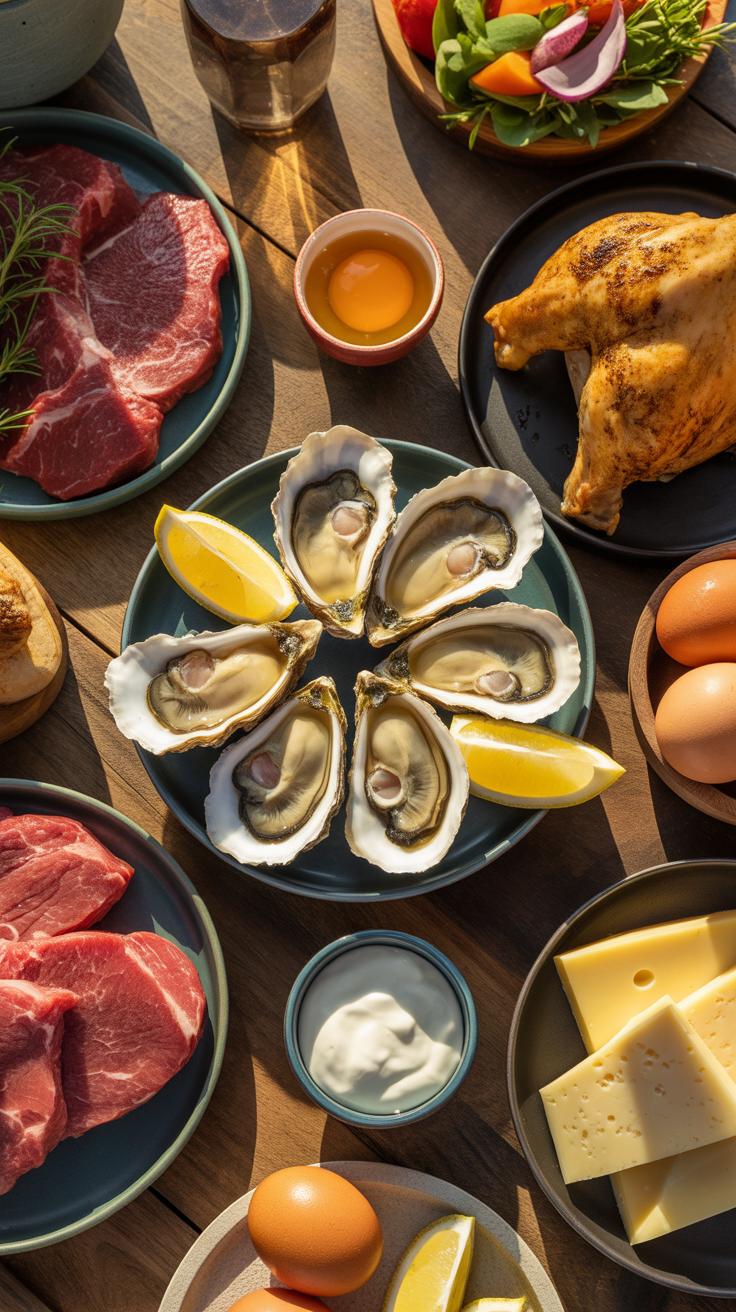
Why Oysters, Beef, And Poultry Rank Among The Best Foods Containing Zinc
Oysters contain the highest concentration of zinc per serving of any known food. A small portion of these mollusks exceeds the daily recommended intake for most adults. This density makes them the most efficient tool for correcting a deficiency quickly. Ancient diets often relied on coastal shellfish to provide these essential minerals. Beef and poultry offer lower concentrations but remain high impact.
Red meat serves as a reliable source of zinc for the average person. Beef provides a dense matrix of nutrients that support immune function and skin repair. Poultry offers a leaner alternative while still delivering significant zinc levels. These animal tissues store minerals in a form that your body recognizes immediately. Choosing these foods ensures you meet mineral targets without consuming excessive calories.
How Animal Proteins Enhance Zinc Absorption Compared To Plant Sources
Animal proteins increase the amount of zinc your body actually uses. These foods lack the anti nutrients found in many vegetables and grains. Phytates in plants bind to minerals and prevent your gut from absorbing them. Animal sources provide zinc in a soluble state that moves easily into your bloodstream. This efficiency defines high bioavailability for clear skin and immune health.
Specific amino acids in meat act as carriers for zinc during digestion. Cysteine and histidine found in beef and chicken help transport the mineral across the intestinal wall. This biological synergy does not exist in plant based options. You get more value from every gram of zinc when you consume it with animal protein. This makes animal based foods the tactical choice for rapid mineral uptake.
Best Plant Based Foods With Zinc For Vegetarians And Vegans
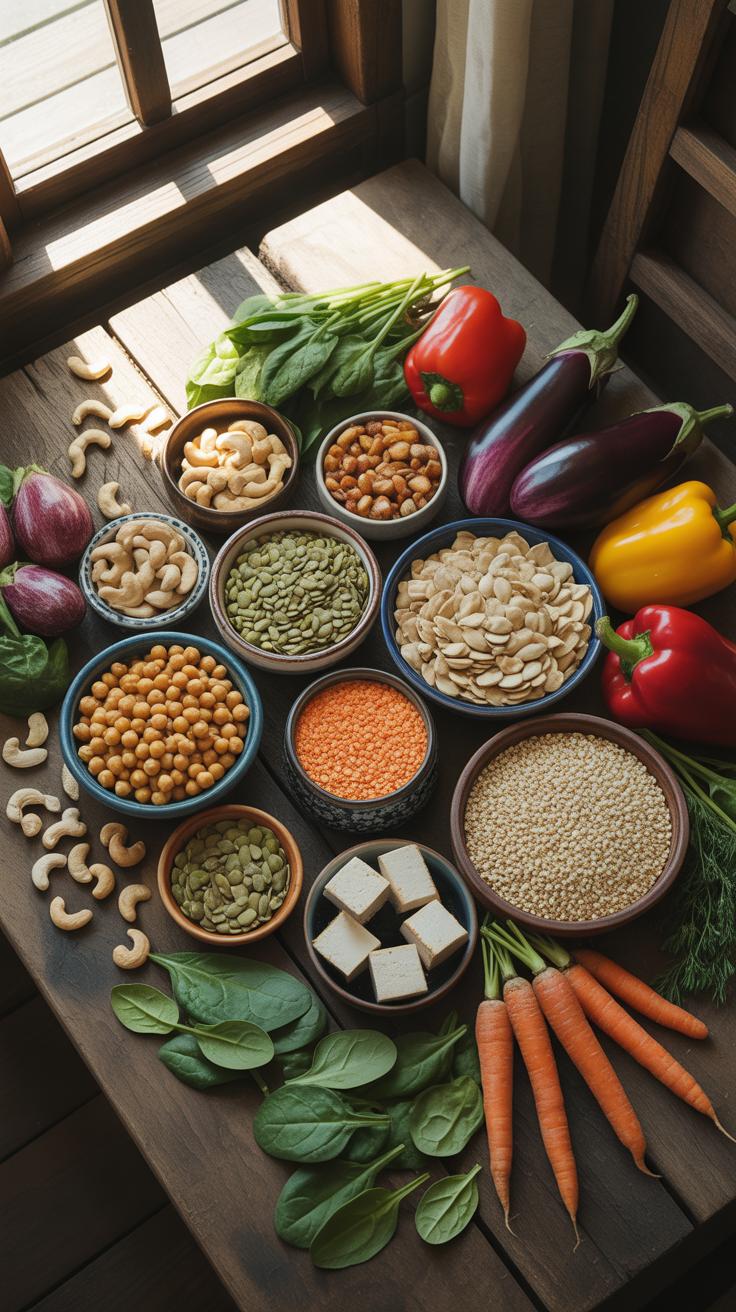
Seeds, Legumes, And Whole Grains As Reliable Plant Based Zinc Sources
Plant diets rely heavily on density to meeting nutrient targets. Legumes and seeds provide the highest concentration of zinc per gram for non meat eaters. You must eat these foods daily to maintain blood levels. Grains also contribute but require careful selection. Refined grains lose most minerals during processing. Always choose intact whole grains to ensure you actually get the mineral content listed on the label.
- Pumpkin Seeds: These seeds are standout performers for zinc density. A small serving provides a significant percentage of your daily needs. They also contain magnesium and healthy fats that support skin health and hormone production.
- Hemp Seeds: Hemp seeds offer a complete protein profile alongside high zinc levels. They are easy to add to salads or smoothies. Three tablespoons provide roughly three milligrams of zinc which is vital for metabolic function.
- Chickpeas: These legumes are versatile staples for any vegan diet. They provide steady energy through complex carbohydrates and fiber. One cup of cooked chickpeas delivers a reliable dose of zinc to support your immune system and cell repair.
- Lentils: Lentils are a fast cooking source of plant minerals. They contain polyphenols and fiber that improve gut health. This fiber helps regulate blood sugar while the zinc content works to keep your skin clear and reduce inflammation.
- Oats: Whole oats are the best grain source for zinc. They provide a solid foundation for breakfast that starts your nutrient intake early. Ensure you buy steel cut or rolled varieties to avoid the mineral loss found in instant packets.
Consistency is more important than volume when eating plant zinc. Your body does not store zinc like it stores fat or certain vitamins. You must consume these foods every day to keep your immune system sharp. Combine different types of seeds and legumes to maximize your intake. Diversifying your sources ensures you get a broad range of cofactors like copper and manganese for better health.
How Soaking And Sprouting Reduces Phytates To Improve Zinc In Food Absorption
Phytic acid is a natural compound in plants that blocks mineral absorption. It binds to zinc in the digestive tract and prevents your body from using it. This is why plant eaters often have low zinc even with high intake. You must use specific preparation techniques to break these bonds. Soaking grains and beans in water for several hours neutralizes much of the phytic acid and releases the bound minerals.
Sprouting is the most effective tactical move for increasing nutrient availability. When a seed sprouts it activates enzymes that degrade phytates rapidly. This process transforms the chemical profile of the food. It makes the zinc much easier for your gut to absorb. Always plan your meals ahead of time to allow for these steps. These traditional methods are essential for getting the most value from every calorie you consume.
How Zinc In Food Supports A Stronger And More Resilient Immune System
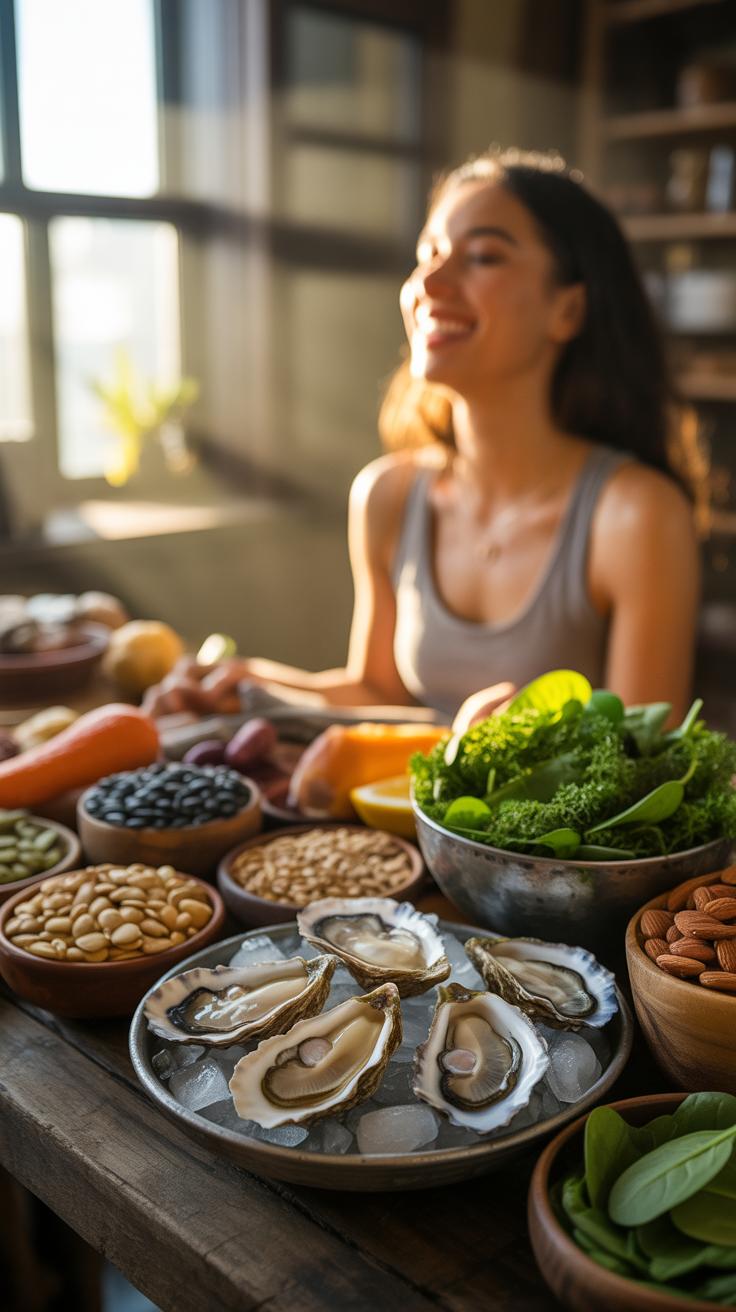
Zinc’S Direct Role In Activating Immune Cells And Fighting Infection
Zinc acts as a primary signaling molecule for your immune system. It directly regulates the development and function of T-lymphocytes and natural killer cells. Without enough zinc, these cells cannot identify or destroy pathogens effectively. Your body depends on this mineral to initiate a rapid response when viruses or bacteria enter the bloodstream. It serves as a gatekeeper for immune health.
At the cellular level, zinc prevents out-of-control inflammation. It stops the immune system from overreacting and damaging healthy tissue. This balance is critical for long-term health and recovery. Zinc also maintains the integrity of mucosal membranes. These membranes act as the first physical barrier against infection. Keeping zinc levels high ensures your primary defenses remain strong and ready for any immediate biological threats.
Research Backed Evidence On Zinc And Reduced Duration Of Common Illness
Clinical studies consistently show that zinc interferes with the way viruses replicate. If you consume zinc rich foods regularly, you provide your body with the tools to shorten cold symptoms. Research indicates that starting zinc intake within twenty-four hours of feeling sick can cut the length of the illness significantly. This is a proven tactical advantage for anyone looking to maintain high performance and productivity.
Data confirms that people with low zinc levels face a higher risk of pneumonia and other respiratory infections. Older adults often show improved vaccine responses when they maintain adequate zinc stores. Maintaining high baseline levels through a proper diet is a strategic move. It ensures your body does not start from zero when a virus strikes. Consistent intake remains the most effective way to support your natural defenses.
The Connection Between Zinc Foods And Clearer Healthier Skin
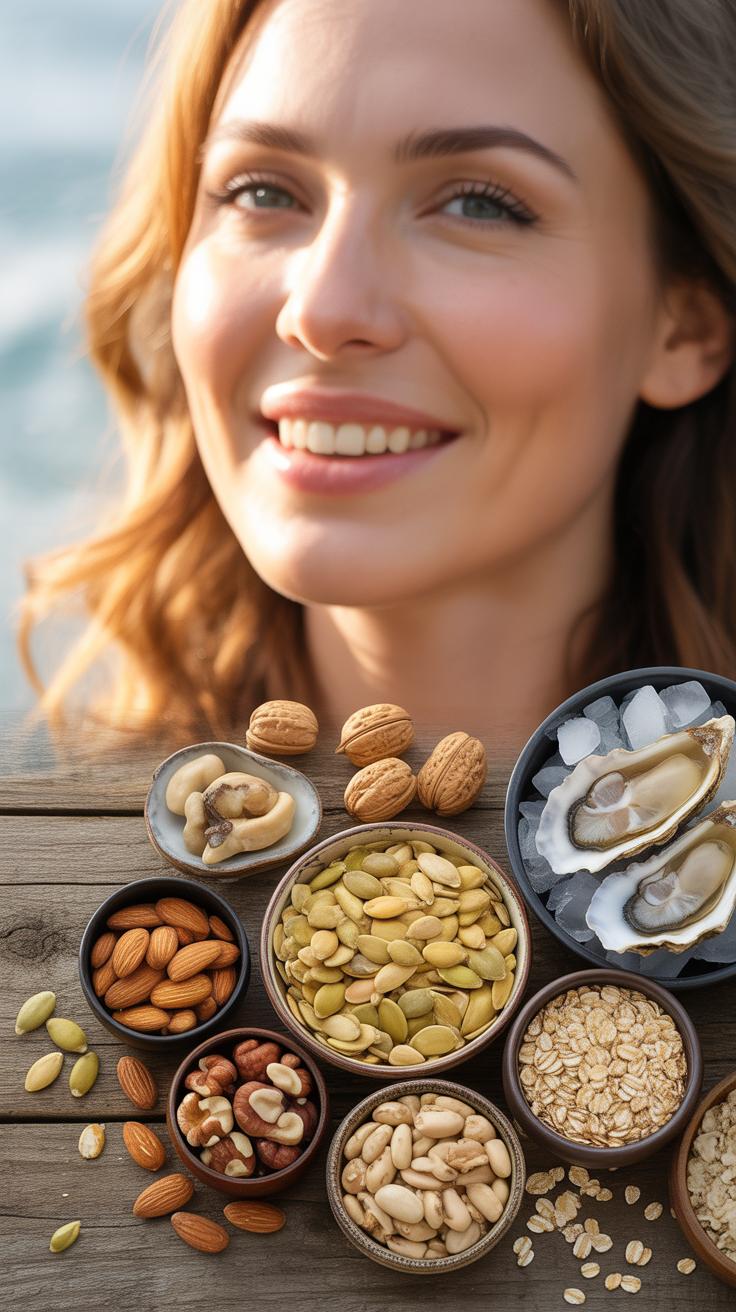
How Zinc Regulates Sebum Production And Reduces Acne Inflammation
Zinc functions as a natural regulator for oily skin. It controls the release of male hormones that trigger excess oil production. When you eat zinc rich foods, you lower the amount of sebum sitting on your skin. This prevents pores from clogging. High oil levels lead to acne breakouts. Managing these levels at the source is the most effective way to maintain clear skin.
This mineral also acts as a potent anti inflammatory agent. It reduces the redness and swelling associated with painful cystic acne. Zinc inhibits the growth of bacteria that cause skin infections. By lowering the inflammatory response, zinc helps the body clear existing blemishes faster. Consistent intake ensures your immune system does not overreact to skin bacteria. This results in smoother and calmer skin.
Zinc’S Role In Collagen Synthesis, Wound Healing, And Skin Barrier Repair
Zinc is a necessary cofactor for collagen synthesis. Collagen provides the structural framework for your skin. Without enough zinc, your body cannot build or repair this essential protein. This leads to sagging skin and slow recovery from injuries. Boosting zinc intake supports the protein enzymes that keep skin firm and elastic. It is a fundamental requirement for maintaining a youthful and resilient skin texture.
The body also uses zinc to repair the skin barrier after damage. It speeds up the migration of new cells to wound sites. This process is vital for fading acne scars and healing cuts. A strong skin barrier prevents moisture loss and blocks environmental toxins. If you lack zinc, your skin stays dry and stays damaged longer. Prioritizing this mineral ensures your skin heals efficiently and stays protected from external stress.
Healthy Zinc Sources Compared A Practical Zinc Rich Foods Infographic Breakdown
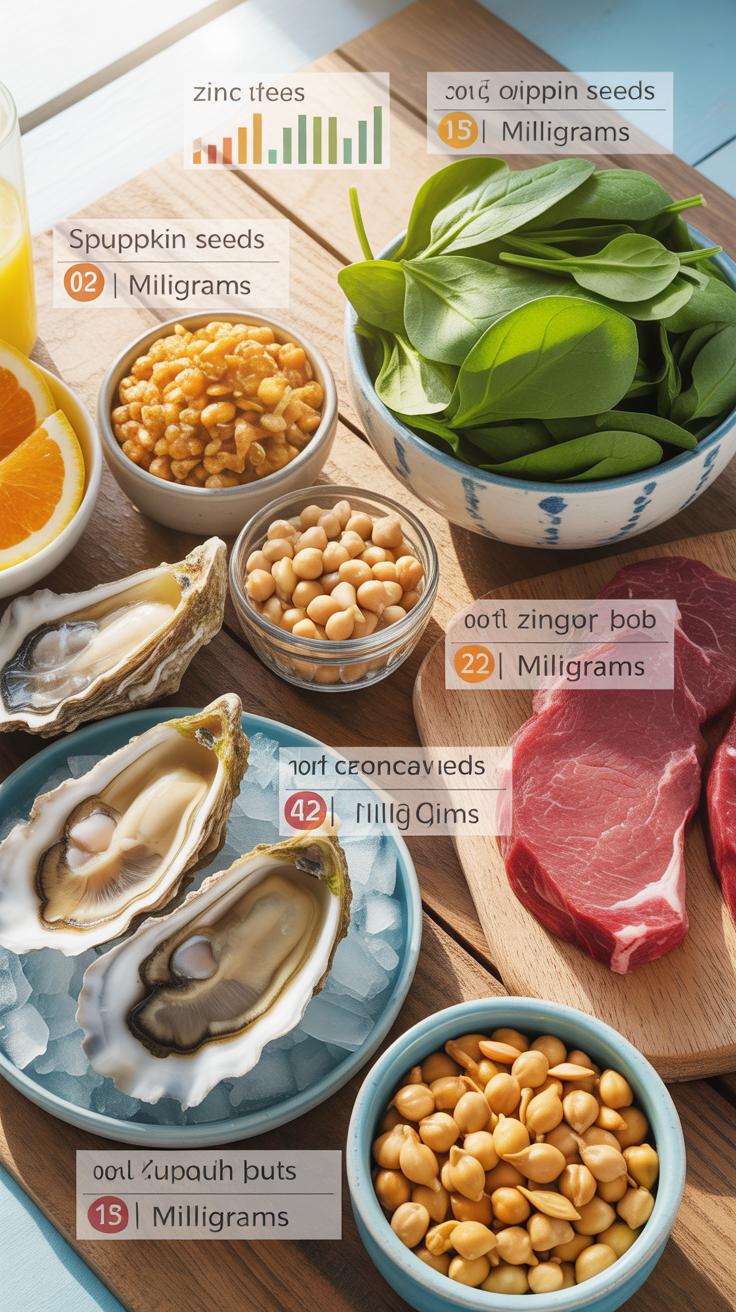
How To Read Zinc Content Per Serving Across Common Food Categories
Zinc density varies wildly across raw and processed food groups. You must compare foods by standard weight measurements rather than volume to get an accurate view. Ounce for ounce, animal products provide higher concentrations of elemental zinc than plant sources. Check labels for the milligram count per serving rather than relying on vague percentage daily value figures that change based on calorie intake.
Bioavailability dictates how much zinc your body actually absorbs from the food on your plate. Phytic acid in grains and legumes binds to minerals and prevents full absorption. You can counteract these inhibitors by soaking or sprouting seeds before consumption. Always look at the source material of the nutrient. Heme sources from meat and seafood offer the most direct path to reaching your daily systemic requirements.
Just as the garden nourishes the body, nature’s gifts like seeds and nuts provide the inner strength to heal and glow from within. True beauty and resilience begin with the simple, wholesome foods that have sustained us for generations.
Quick Reference Guide To Daily Zinc Targets For Men, Women, And Children
Age and sex determine your baseline metabolic demand for zinc. Men generally require higher levels to support testosterone production and prostate health. Women need consistent intake but must increase their dosage significantly during pregnancy and lactation. Children have lower total requirements than adults but need high density to support rapid bone growth and immune system maturation. Failing to meet these targets leads to visible skin issues.
- Adult Men: Men aged nineteen and older require 11 milligrams of zinc daily. This amount supports reproductive health and maintains the immune response. High activity levels or heavy sweating may increase the need for replacement minerals to keep performance at peak levels.
- Adult Women: Non-pregnant women aged nineteen and older need 8 milligrams per day. Meeting this target ensures healthy skin cell turnover and hormonal balance. Maintaining these levels prevents hair thinning and brittle nails often associated with mineral deficiencies in adult females.
- Pregnant Individuals: Expecting mothers must increase daily intake to 11 milligrams to support fetal development. Zinc is a critical component for DNA synthesis and cell division in the womb. Proper levels during this period prevent growth retardation and support the mother’s immune system.
- Lactating Individuals: Breastfeeding increases the daily requirement to 12 milligrams to compensate for minerals lost through milk. The body prioritizes the infant’s needs which can deplete the mother’s stores quickly. Consistent intake from high-quality food sources is necessary to avoid maternal fatigue.
- Children and Adolescents: Kids aged four to eight need 5 milligrams while those nine to thirteen need 8 milligrams. These targets ensure proper physical growth and the onset of puberty. Zinc deficiency in childhood can lead to delayed wound healing and increased susceptibility to common infections.
Targeting these specific numbers prevents the toxicity risks associated with over-supplementation. Focus on getting the majority of these milligrams from whole foods to ensure you also consume necessary co-factors. Most individuals can meet these benchmarks by including two or three zinc-dense servings in their daily meal plan. Monitor your physical symptoms like skin clarity and healing speed to verify if your current intake meets your physiological needs.
The Surprising Overlap Between Foods High In Iron And Healthy Zinc Sources
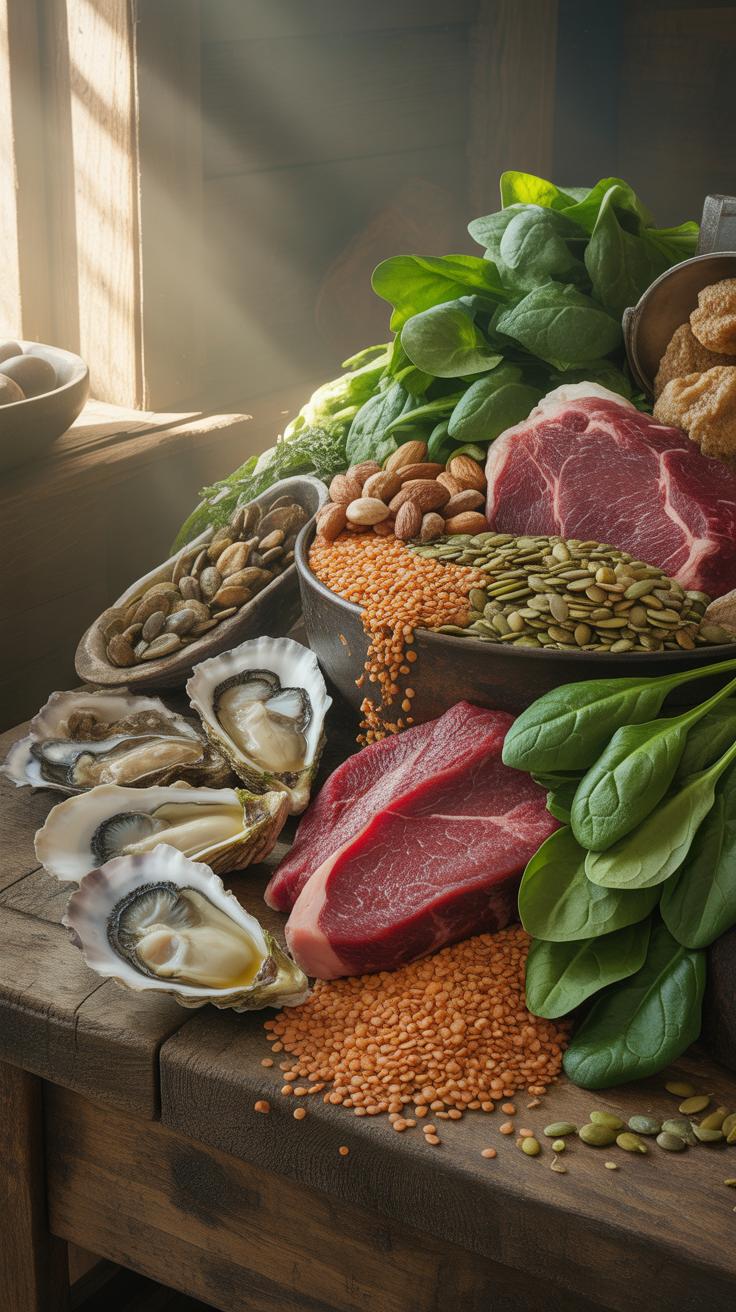
Nutrient Dense Foods That Deliver Both Iron And Zinc In One Serving
Red meat and shellfish provide the most efficient path for simultaneous nutrient uptake. Beef and lamb contain high concentrations of heme iron and bioavailable zinc. These animal tissues allow the body to process both minerals quickly. Oysters also rank at the top of this list. They offer the highest zinc levels of any food while providing significant iron. Consuming these foods maximizes your nutritional return.
Plant based options also bridge the gap between these two essential minerals. Pumpkin seeds and lentils contain high amounts of non heme iron and zinc. However, these plant sources include phytates that can slow down your progress. You should soak or sprout these seeds to improve mineral access. Choosing these double duty foods simplifies your meal planning. It ensures your skin and immune system get the fuel they need.
Understanding The Competitive Absorption Dynamic Between Iron And Zinc
Iron and zinc use the same transport pathways in your gut. This creates a bottleneck during the absorption process. When you take high doses of one, it blocks the other. This competition usually happens with concentrated supplements rather than whole foods. Your body manages smaller amounts from meals more effectively. You must balance your intake to prevent a deficiency in either mineral over long periods.
Strategic timing improves your results when managing these nutrients. Avoid taking high dose iron pills at the same time as zinc boosters. Focus on food sources to minimize this interference. Whole foods provide a natural matrix that helps your body regulate uptake. This approach prevents the saturation of your transport cells. Consistency in your diet matters more than chasing high numbers in a single sitting.
Practical Tips For Adding More Zinc Rich Foods To Your Everyday Meals
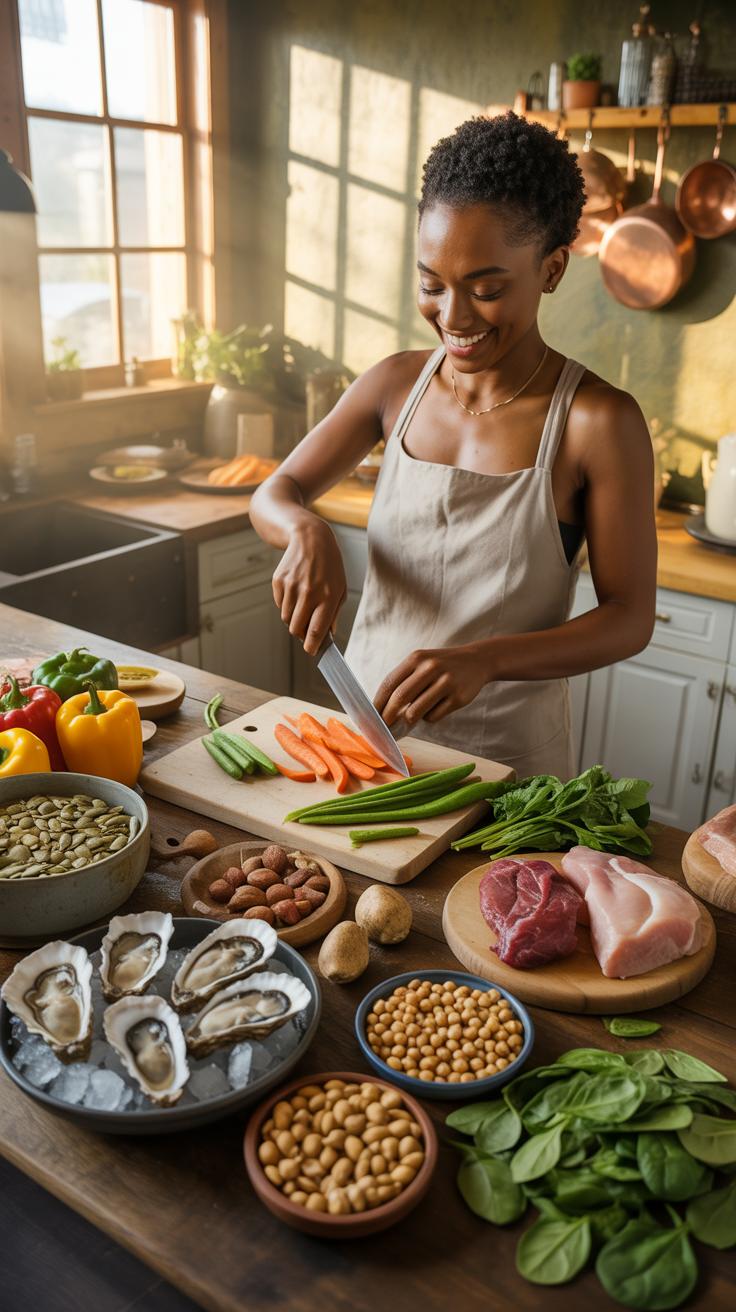
Simple Meal Swaps And Cooking Strategies To Boost Your Daily Zinc Intake
Maximizing zinc starts with smart ingredient replacement. Swap refined grains for pumpkin seeds or pine nuts in your morning oatmeal. Trade standard white rice for quinoa or wild rice to increase mineral density. Use Greek yogurt instead of sour cream on savory dishes. These small shifts provide a consistent source of zinc throughout the day. Focus on animal proteins like beef and shellfish for high bioavailability.
Preparation techniques change your absorption rates significantly. Modern industrial processing often strips minerals from food sources. Soaking legumes and seeds before cooking reduces phytates. These compounds bind to minerals and prevent your body from using them. Add a squeeze of lemon or other citrus to your meals. Vitamin C does not help zinc directly but it improves overall nutrient uptake and supports immune function during digestion.
When To Consider Zinc Supplements Versus Getting Zinc From Whole Foods
Whole foods should always be your primary source of zinc. Meat and oysters provide the most absorbable forms of this mineral. Nature packages zinc with copper and other cofactors. This balance prevents you from creating a secondary deficiency. Most healthy adults meet their needs through a diet rich in animal protein and seeds. Relying on food reduces the risk of consuming toxic levels.
Supplements become necessary only when a blood test confirms a deficiency. High doses of isolated zinc interfere with copper absorption. This can lead to neurological issues or weakened immunity over time. Vegetarians and people with digestive disorders may require targeted supplementation under medical supervision. Never exceed the daily upper limit of forty milligrams without a doctor. Stick to food sources to keep your mineral levels balanced and safe.
Frequently Asked Questions

Why is zinc so important for achieving clear skin and a healthy immune system?
Zinc acts as a powerful anti-inflammatory agent and an essential mineral for cellular repair. For those struggling with breakouts, incorporating zinc rich foods into your diet helps regulate oil production and accelerate the healing of acne lesions. Simultaneously, it strengthens your immune system by supporting the function of T-cells, ensuring your body can effectively fight off seasonal illnesses while maintaining a radiant, glowing complexion from the inside out.
How can I easily incorporate more zinc into my daily meal planning?
Boosting your intake is simpler than you might think. Start your morning with a bowl of oatmeal topped with pumpkin seeds or hemp hearts, which are excellent sources. For lunch or dinner, focus on plant-based legumes like chickpeas and lentils, or lean proteins like grass-fed beef and shellfish. Consistently choosing these zinc rich foods ensures your body receives a steady supply of this vital mineral for optimal skin health.
Are there affordable options for getting enough zinc without buying expensive supplements?
Absolutely! You don’t need a high-end grocery budget to reach your nutritional goals. Pantry staples such as canned beans, sunflower seeds, and whole grains are incredibly cost-effective ways to increase your mineral intake. Additionally, eggs and fortified cereals are accessible options found in most kitchens. By focusing on these versatile, budget-friendly ingredients, you can enjoy all the holistic benefits of a nutrient-dense diet without overspending on specialty health products.