
Why Your Diet Is The Foundation Of A Healthy Hair Routine

How Nutritional Deficiencies Directly Impact Hair Growth Cycles
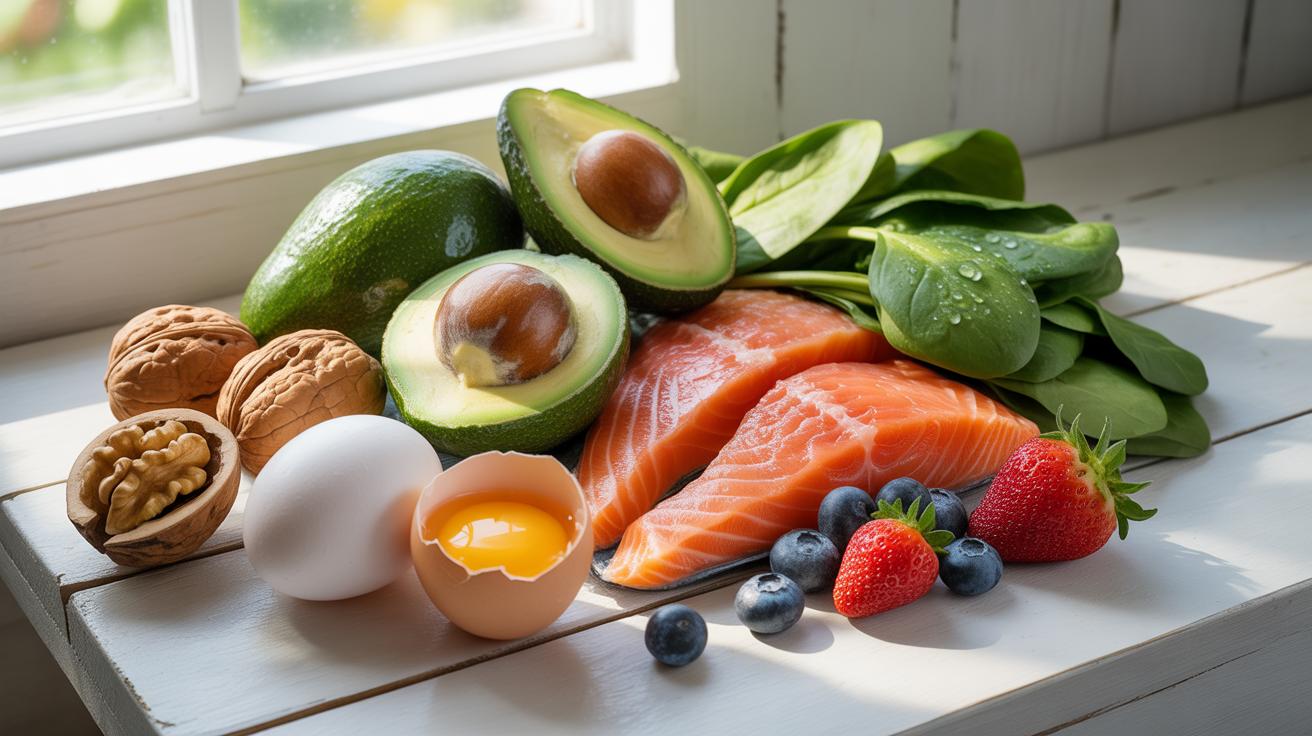
Hair follicles require high energy to function. When your body lacks essential nutrients, it redirects energy to vital organs first. This process shuts down hair production prematurely. You enter the telogen phase or resting state too early. This leads to excessive shedding and visible thinning. Your diet dictates whether your body has enough surplus resources to maintain active hair production.

Chronic deficits in protein and iron cause immediate disruptions. Lack of iron reduces oxygen delivery to the scalp. This starves the cells responsible for building new strands. Low protein intake weakens the hair structure at the root. You cannot fix these internal issues with external shampoos or oils. Proper nutrition ensures the growth cycle remains in the active anagen phase for as long as possible.
The Science Behind How Hair Follicles Use Nutrients To Grow
Hair consists mainly of a tough protein called keratin. Follicles use amino acids from your food to build this protein. Blood vessels at the base of each follicle deliver these building blocks. Zinc and biotin act as catalysts for this synthesis. Without these specific chemical drivers, the follicle cannot assemble the strong protein chains needed for thick and healthy hair strands.
Vitamins also regulate the sebaceous glands around the follicle. These glands produce natural oils that protect the hair shaft from breakage. Antioxidants like Vitamin C protect the follicle from oxidative stress and aging. Healthy blood flow carries these nutrients to the scalp surface. Efficient nutrient delivery ensures that every new hair grows at its maximum potential diameter. This creates the appearance of natural thickness.
Eggs And Biotin A Powerhouse Hair Food For Stronger Strands
Why Biotin Found In Eggs Supports Keratin Production In Hair
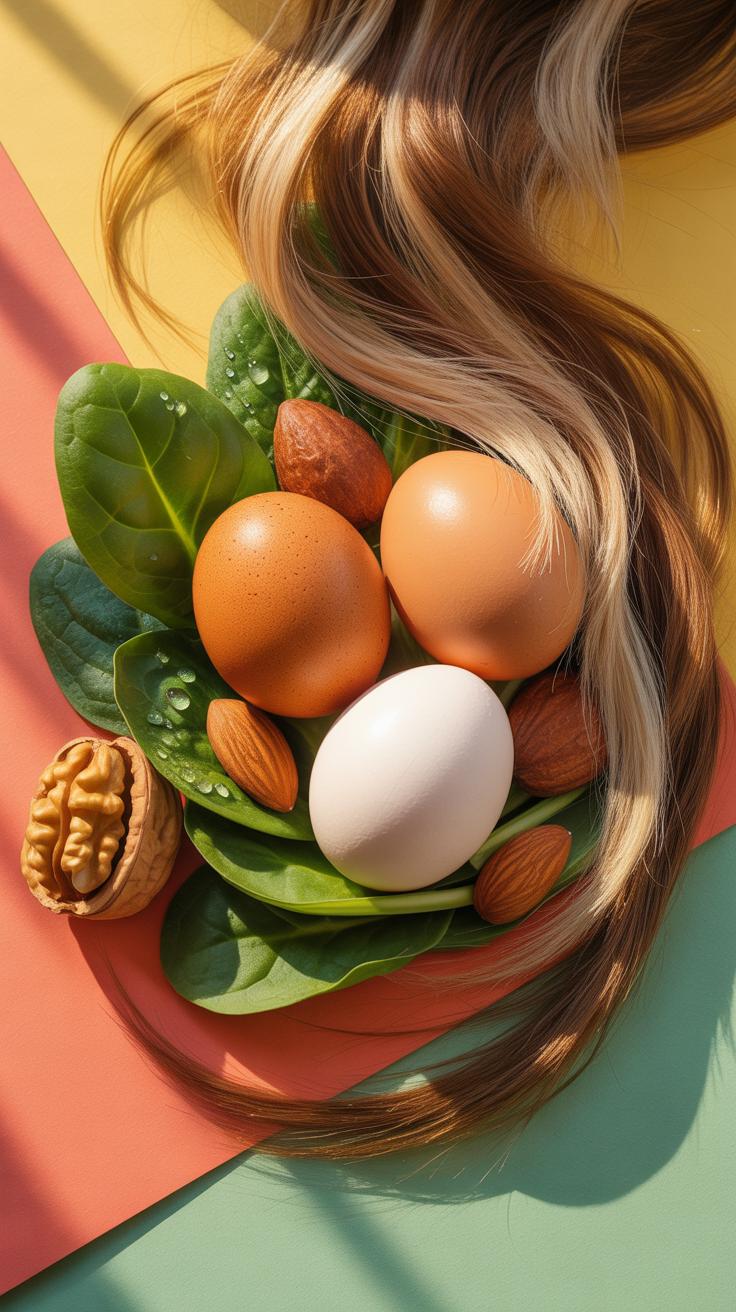
Biotin serves as a vital coenzyme for the synthesis of fatty acids and glucose. This B-vitamin directly supports the production of keratin, which is the primary structural protein in hair. Eggs provide a biological source of biotin that body tissues easily absorb. Regular intake helps sustain the chemical reactions necessary to form the hair shaft. Without enough biotin, the body cannot build strong strands.
The biotin in eggs works by improving the keratin infrastructure of the body. Healthy keratin levels lead to better hair elasticity and resistance to heat or environmental damage. You must cook eggs to neutralize avidin, a protein in raw egg whites that blocks biotin absorption. Properly cooked eggs deliver this nutrient directly to the follicle. This process accelerates the development of healthy cells at the root level.
Nature’s bounty on your plate is the true secret to a shimmering crown. Feed your roots with the earth’s goodness, and your hair will tell the story of your health.
How Protein From Eggs Helps Reduce Hair Breakage And Shedding
Hair follicles consist mostly of protein, making dietary protein intake essential for growth. Eggs provide high-quality protein containing all essential amino acids. These building blocks repair damaged hair tissues and strengthen the cuticle layer. If your diet lacks protein, the body shifts hair follicles into a resting phase to save energy. This shift causes noticeable thinning and increased shedding over a short period.
Consistent protein consumption from eggs maintains the integrity of the hair strand from the inside out. This structural support prevents the hair from snapping or fraying under tension. Stronger strands stay anchored in the scalp longer, which increases overall hair density and volume. By supplying the necessary raw materials, eggs ensure the hair growth cycle remains active. This dietary habit reduces daily loss and improves the look of the hair.
Fatty Fish What To Eat For Hair Growth And Scalp Health
Omega 3 Fatty Acids In Salmon And Mackerel And Their Role In Hair Density
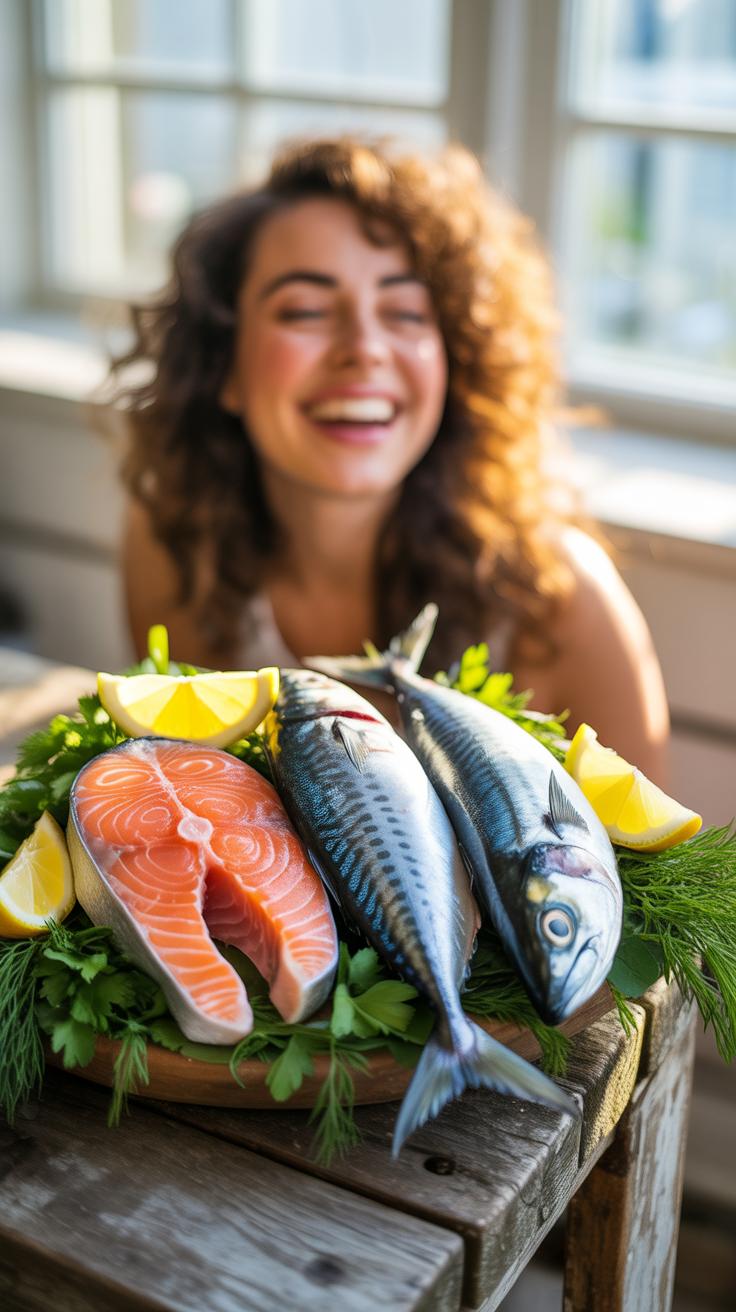
Fatty fish like salmon and mackerel contain high concentrations of omega-3 fatty acids. These essential fats nourish the hair at the root and support the cell membranes in the scalp. Your body cannot produce these fats on its own. You must get them through your diet to maintain hair strength. Omega-3s reduce inflammation that can lead to hair shedding or thinning.
Consistent intake of these fats improves hair density by keeping the follicles active. A healthy scalp environment requires moisture from natural oils. Omega-3s help produce these oils to prevent a dry and brittle scalp. This lubrication keeps the hair shaft flexible and reduces breakage. Strategic consumption of fatty fish ensures your hair stays thick and maintains a natural shine through direct nutrient delivery.
Vitamin D And Selenium In Fatty Fish And Their Connection To Hair Follicle Health
Salmon and mackerel provide significant amounts of Vitamin D. This vitamin plays a critical role in creating new hair follicles. Many people experience thinning when Vitamin D levels drop. Receptors in the hair follicle require this nutrient to initiate the growth phase. Without enough Vitamin D, hair remains in the resting phase for too long. This leads to visible gaps and slower regrowth.
Selenium is a trace mineral found in fatty fish that kills free radicals. It protects the scalp from oxidative stress and environmental damage. Selenium also helps the body process protein, which is the building block of hair. Proper selenium levels support the thyroid gland. Thyroid health is vital because it regulates the hormones that control hair growth cycles. Eating fatty fish stabilizes these internal systems.
Leafy Greens And Foods For Hair Growth Packed With Iron And Vitamins
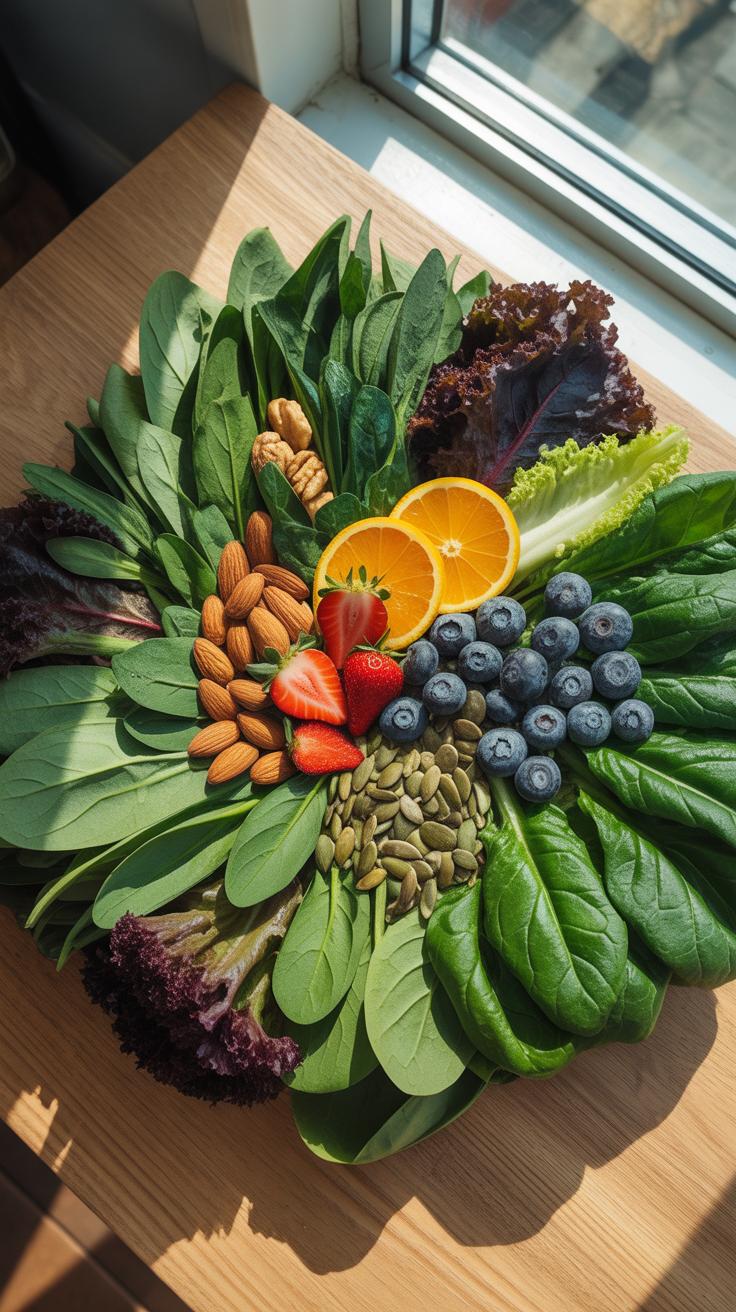
How Spinach Delivers Iron, Folate, And Vitamins A And C For Hair Growth
Spinach provides essential nutrients directly to the hair follicle. Iron allows red blood cells to carry oxygen throughout your body. This oxygen fuels the metabolism of cells that repair hair strands. Folate aids in the creation of red blood cells. These cells transport the building blocks needed for keratin production. Without these elements, hair becomes brittle and growth slows down.
Vitamin A helps skin glands produce sebum. This oily substance moisturizes the scalp to keep hair healthy. Vitamin C assists your body in absorbing iron from plant sources. It also builds collagen which strengthens the hair shaft. These vitamins work together to prevent breakage. Constant intake of leafy greens ensures the scalp remains a productive environment for new growth. High nutrient density makes spinach a tactical dietary requirement.
Why Iron Deficiency Is One Of The Most Common Causes Of Hair Loss In Women
Iron deficiency is the leading nutritional cause of hair thinning in women. Low iron levels lead to anemia. When the body lacks iron, it prioritizes vital organ functions over hair growth. The body diverts oxygen away from the hair follicles. This causes the follicles to enter a resting phase prematurely. Hair sheds faster than the body can replace it during this period.
Chronic low iron levels disrupt the natural growth cycle. Most women do not realize they have a deficiency until significant thinning occurs. Blood tests often reveal low ferritin levels which indicate depleted iron stores. Correcting this deficiency requires targeted nutrition or supplementation. Restoring iron levels allows the follicles to resume normal activity. Consistent iron intake is necessary to maintain hair density and prevent long term hair loss.
Nuts And Seeds Food For Healthy Hair You Should Add To Your Diet Today
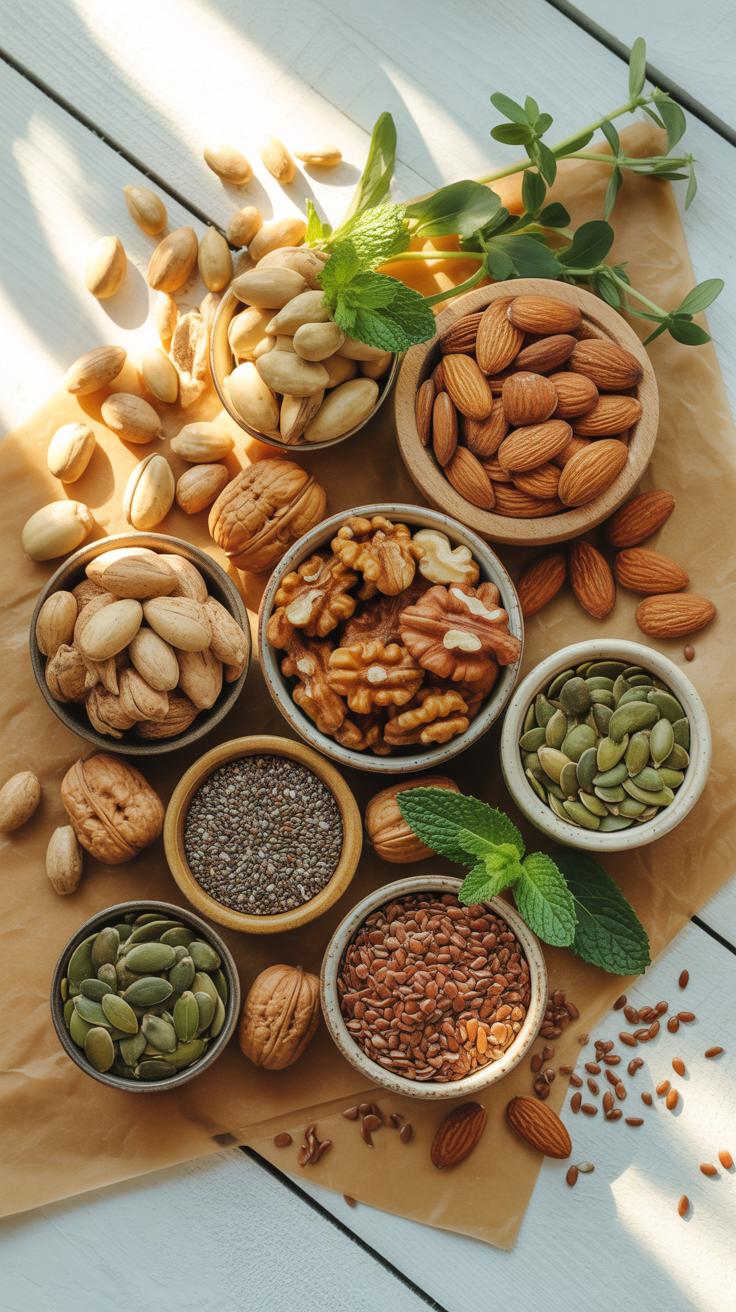
The Best Nuts And Seeds For Hair Growth Including Walnuts, Flaxseeds, And Pumpkin Seeds
Nuts and seeds provide essential fatty acids that the body cannot produce on its own. These fats lubricate the hair shaft and increase shine. A deficiency in omega-3 and omega-6 fatty acids often leads to hair loss or brittle strands. You must consume these dense nutrient sources to maintain the structural integrity of your hair from the root to the tip.
- Walnuts: These nuts contain high concentrations of omega-3 fatty acids and biotin. Biotin strengthens keratin infrastructure while the healthy fats prevent scalp dryness. Regular consumption supports faster growth cycles and reduces shedding.
- Flaxseeds: These seeds provide a massive dose of alpha-linolenic acid. This plant-based omega-3 improves hair elasticity and prevents breakage. They also contain lignans which may help balance hormones that trigger thinning in some individuals.
- Pumpkin Seeds: These seeds are rich in zinc and magnesium. Zinc plays a vital role in hair tissue growth and repair. It also keeps the oil glands around the follicles working properly to ensure a healthy scalp environment.
- Chia Seeds: These seeds offer a complete profile of protein and phosphorus. Phosphorus is a key mineral for hair thickness. The high fiber content helps the body process nutrients more efficiently for better delivery to the scalp.
- Sunflower Seeds: These seeds deliver a potent amount of vitamin E and pantothenic acid. Vitamin E protects hair cells from oxidative stress. Pantothenic acid, also known as vitamin B5, increases blood flow to the scalp for improved follicle health.
Integrating these specific seeds and nuts into your daily meal plan ensures a steady supply of minerals. Walnuts and flaxseeds deliver the lipids necessary for a reflective, healthy sheen. Pumpkin seeds act as a natural DHT blocker in some cases, which helps preserve hair density. Prioritize raw or dry-roasted versions to avoid inflammatory seed oils that can negate these positive health benefits.
How Zinc And Vitamin E In Nuts Support A Healthy Scalp Environment
Zinc is a critical mineral for cellular turnover and DNA production within the hair follicle. It regulates the sebaceous glands to prevent a dry, flaky scalp. Without enough zinc, the protein structure of the hair weakens, leading to premature shedding. Efficient zinc levels ensure that the follicle remains productive and the hair shaft stays anchored firmly within the scalp.
Vitamin E serves as a powerful antioxidant that neutralizes free radicals caused by UV rays and pollution. This protection prevents oxidative stress from damaging scalp cells and slowing down hair production. It also improves capillary circulation, which brings more oxygen to the follicles. Consuming nuts high in vitamin E creates a stable foundation for consistent hair growth and improves overall scalp health.
Sweet Potatoes And Carrots Hair Growing Tips Start With Beta Carotene
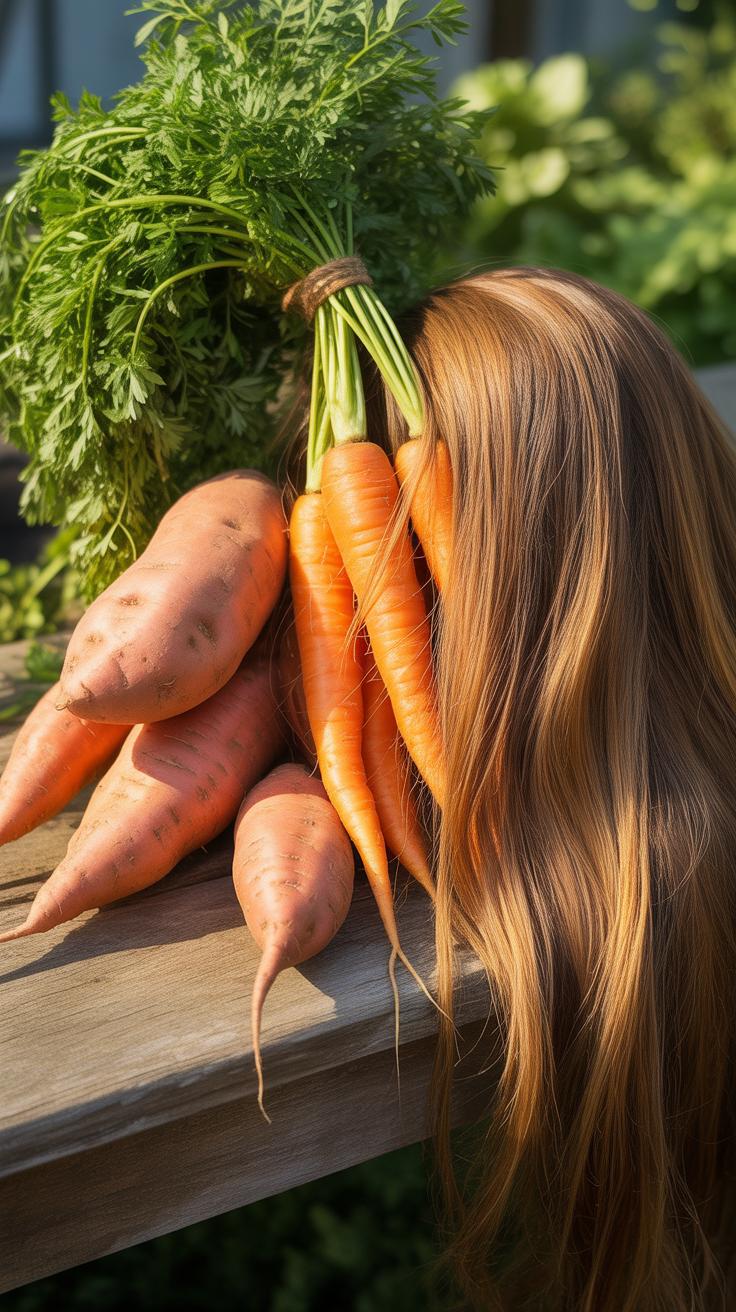
How Beta Carotene Converts To Vitamin A And Stimulates Sebum Production For Hair
Sweet potatoes and carrots contain high levels of beta-carotene. The body converts this compound into Vitamin A. This vitamin is essential for every cell to grow. Hair is the fastest growing tissue in the human body. It requires Vitamin A to function at peak capacity. Without enough beta-carotene, your scalp cannot produce the necessary oils to sustain healthy hair follicles and growth cycles.
Vitamin A also helps skin glands make an oily fluid called sebum. Sebum moisturizes the scalp and keeps hair healthy. Dry scalps lead to brittle hair and breakage. By eating orange vegetables, you ensure your body has the raw materials to prevent a dry environment. This natural lubrication protects the hair shaft from environmental damage. Consistent sebum production is the foundation for thick and resilient hair strands.
Why Vitamin A Balance Matters And How Too Much Can Actually Trigger Hair Loss
Balance is your primary goal. While Vitamin A supports growth, toxicity is a real risk. You must distinguish between food sources and synthetic supplements. Getting beta-carotene from vegetables is generally safe because the body regulates conversion. However, high doses of preformed Vitamin A from pills can overwhelm the system. This imbalance causes the hair follicles to reach the end of the growth phase too quickly.
Excessive Vitamin A intake leads to a condition called hypervitaminosis A. When the body has too much, hair falls out faster than it can grow. This results in noticeable thinning across the scalp. You should prioritize whole foods like carrots to avoid this toxicity. Stick to dietary sources to keep your levels within the functional range. Monitoring your intake ensures you hit the sweet spot for maximum hair density.
Legumes And Whole Grains Building A Healthy Hair Diet From The Ground Up
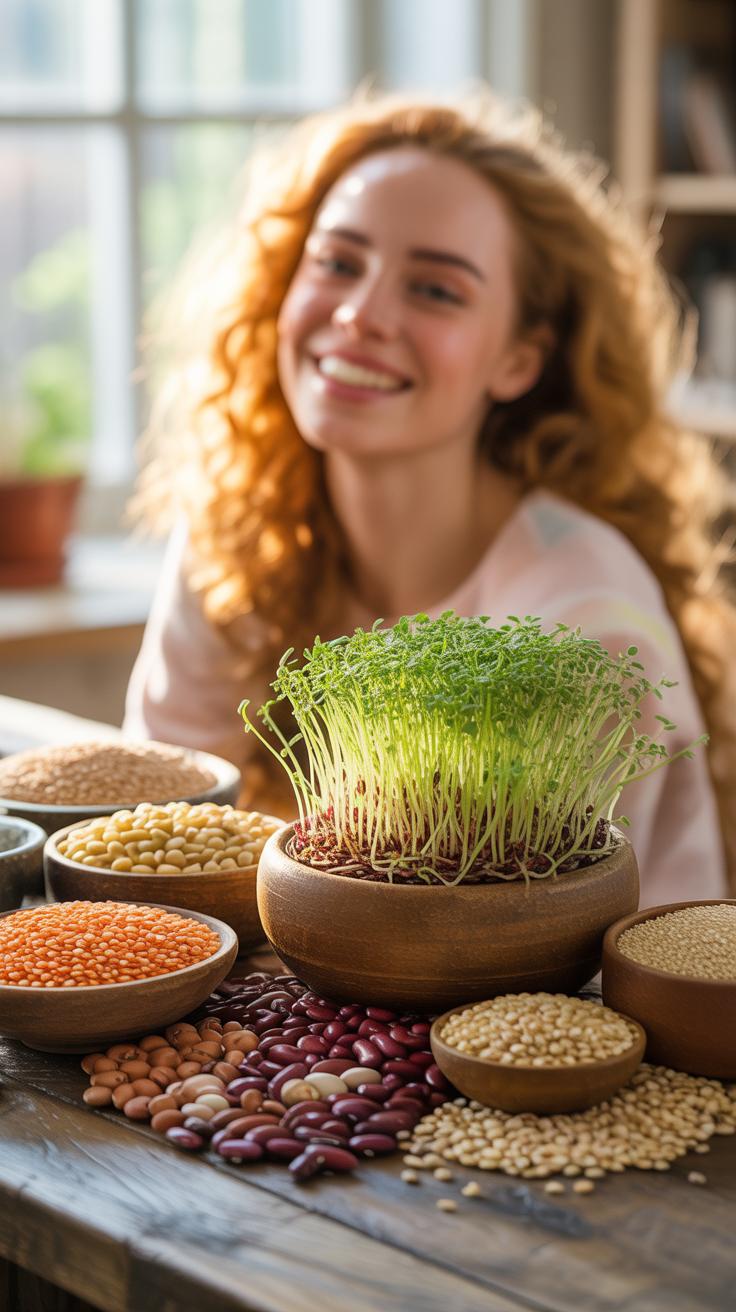
How Lentils And Beans Provide Plant Based Protein, Iron, And Zinc For Hair Thickness
Hair consists primarily of keratin protein. Lentils and beans deliver the essential amino acids needed to build this structure. Without enough protein, the body shifts hair follicles into a resting phase to save energy. This leads to noticeable thinning and slow growth. Eating legumes daily ensures a steady supply of the basic building blocks required for consistent hair strand production.
Iron and zinc are the tactical drivers of follicle health found in legumes. Iron helps red blood cells carry oxygen to the scalp cells. Zinc plays a critical role in hair tissue growth and repair. It also keeps the oil glands around the follicles working correctly. A deficiency in these minerals often causes shedding. Incorporating beans helps maintain the mineral levels necessary for hair density.
The Role Of Biotin Rich Whole Grains In Supporting Thicker Healthier Hair Over Time
Whole grains like oats and barley provide biotin, also known as vitamin B7. Biotin stimulates keratin production and increases the rate of follicle growth. Low biotin levels lead to brittle hair and breakage. By consuming unprocessed grains, you supply the scalp with the vitamins needed to strengthen the hair shaft. This process improves the overall resilience and appearance of each individual strand.
These grains also contain silica and antioxidants that protect the hair from environmental damage. Silica improves blood circulation to the scalp while strengthening the connective tissues. This ensures that the hair remains anchored firmly in the follicle. Stable nutrient delivery prevents premature hair loss. Consuming whole grains offers a long-term strategy for maintaining a full head of hair as you age naturally.
Building Your Weekly Healthy Hair Diet Practical Meal Planning Hair Growth Tips
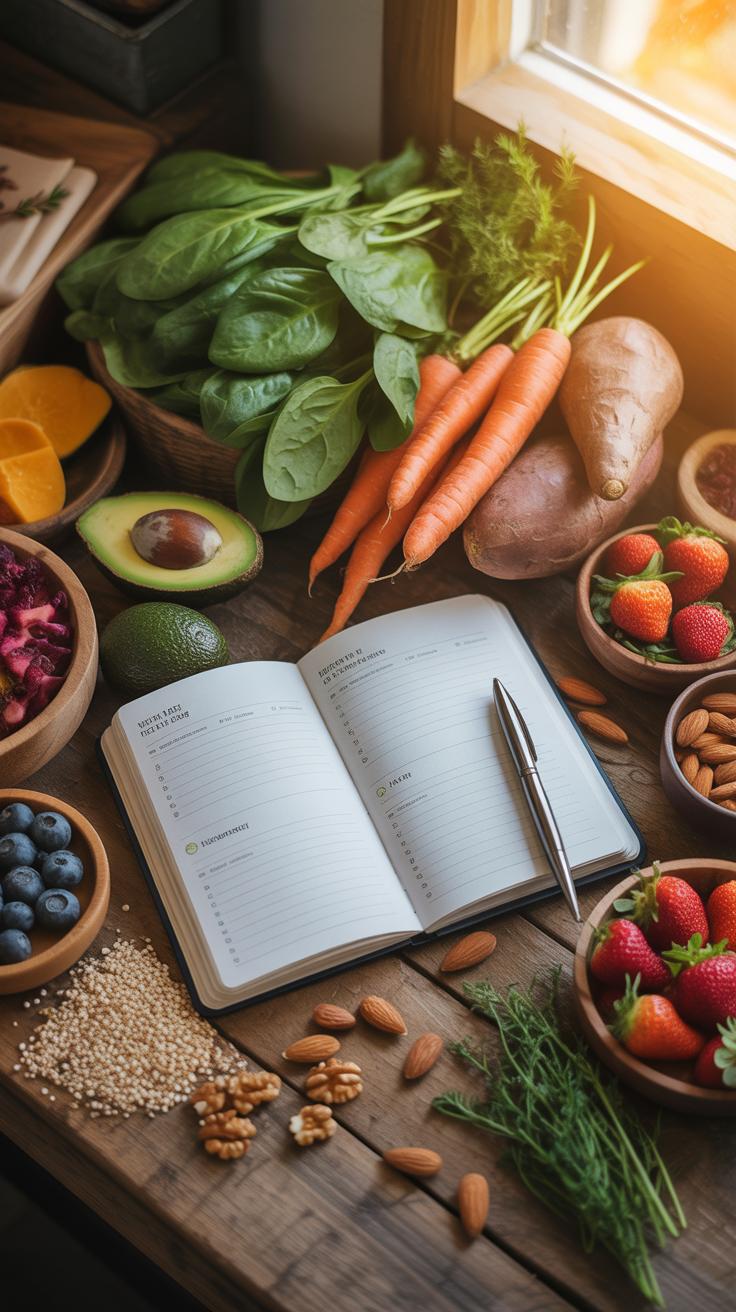
How To Structure Daily Meals To Consistently Deliver Hair Nourishing Nutrients
Hair follicles are the fastest growing cells in the body but they are non-essential tissue. Your body sends nutrients to vital organs first. You must eat high levels of protein at breakfast and lunch to maintain an available pool of amino acids. Consistent protein intake prevents the body from pulling resources away from the scalp during natural daily repair cycles.
Structure your plate by choosing a lean protein source first. Add a complex carbohydrate to provide the energy needed for protein synthesis. Include a source of healthy fat to aid the absorption of fat-soluble vitamins like A and E. This balanced approach ensures a steady supply of micronutrients to the hair bulb throughout the day. Avoid long fasting periods that spike cortisol.
Simple Weekly Swaps And Additions To Upgrade Your Diet For Visible Hair Growth Results
Small dietary shifts produce measurable changes in hair diameter and strength over several months. Replace refined grains with options rich in silica and magnesium to support the structural integrity of the hair shaft. These tactical swaps target specific deficiencies commonly linked to thinning. Focus on high-density foods that provide the most zinc, iron, and biotin per calorie consumed to maximize efficiency.
- Replace Cereal With Eggs: Swap processed morning grains for eggs to get a high dose of biotin and choline. Eggs provide the complete amino acid profile necessary for keratin production and strengthen the hair from the root.
- Trade Tuna For Salmon: Switch low-fat fish for fatty fish to increase omega-3 fatty acid intake. These essential fats lubricate the scalp and reduce inflammation that can lead to follicle miniaturization and premature shedding.
- Use Pumpkin Seeds As Snacks: Replace chips or crackers with raw pumpkin seeds to boost your zinc levels. Zinc plays a critical role in hair tissue growth and repair while keeping the oil glands around the follicles functioning.
- Swap White Rice For Quinoa: Choose quinoa to gain extra protein and iron. Quinoa is a rare plant source that contains all nine essential amino acids. This helps maintain the strength of the hair cortex against daily breakage.
- Add Spinach To Smoothies: Throw a handful of spinach into fruit drinks to increase your iron and folate. Iron helps red blood cells carry oxygen to your cells. This process fuels the metabolism of hair growth and repairs damaged strands.
Log your daily intake to identify recurring nutritional gaps that stall hair progress. Consistency matters more than occasional high-dose meals. Monitor your scalp health and hair shedding rates three months after implementing these changes. This timeframe aligns with the natural anagen growth phase. Keep your grocery list focused on these whole food sources to ensure your follicles never lack the raw materials for growth.
Frequently Asked Questions

Can changing my diet really help my hair grow faster and thicker?
Absolutely! Your hair follicles are among the fastest-growing cells in your body, and they require specific nutrients to function optimally. Incorporating nutrient-dense foods for hair growth, such as eggs for protein and berries for antioxidants, provides the essential building blocks needed for strength. While genetics play a role, fueling your body with the right vitamins and minerals can significantly improve the overall texture, shine, and speed of your hair development.
How can I easily incorporate more hair-healthy foods into my daily meals?
Consistency is key when using nutrition to improve your mane. Try starting your day with a spinach and chia seed smoothie to pack in iron and omega-3s. For lunch, top your salads with walnuts or flaxseeds. Small swaps, like choosing fatty fish over processed meats, ensure you are consistently eating the best foods for hair growth. Preparing these ingredients in advance makes it much simpler to maintain a hair-friendly lifestyle every day.
Are there affordable grocery staples that support hair health on a budget?
You don’t need expensive supplements or exotic superfoods to see results. Many budget-friendly staples are excellent for your scalp and strands. Lentils and beans are fantastic, low-cost sources of protein, iron, and zinc. Canned sardines or tuna provide essential fatty acids at a fraction of the cost of fresh salmon. Even humble sweet potatoes are loaded with beta-carotene, making healthy hair accessible to everyone regardless of their shopping budget or location.