
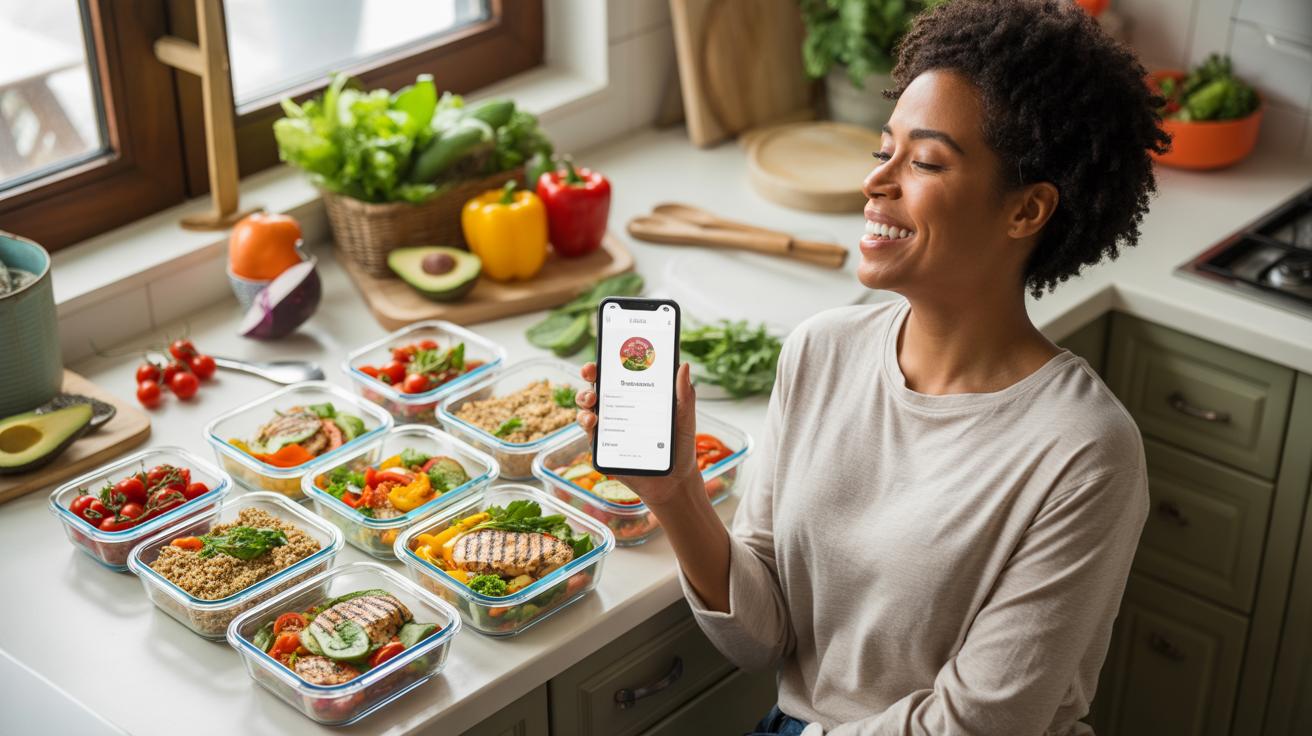
Why Meal Prep For People Who Hate Cooking Is Easier Than You Think
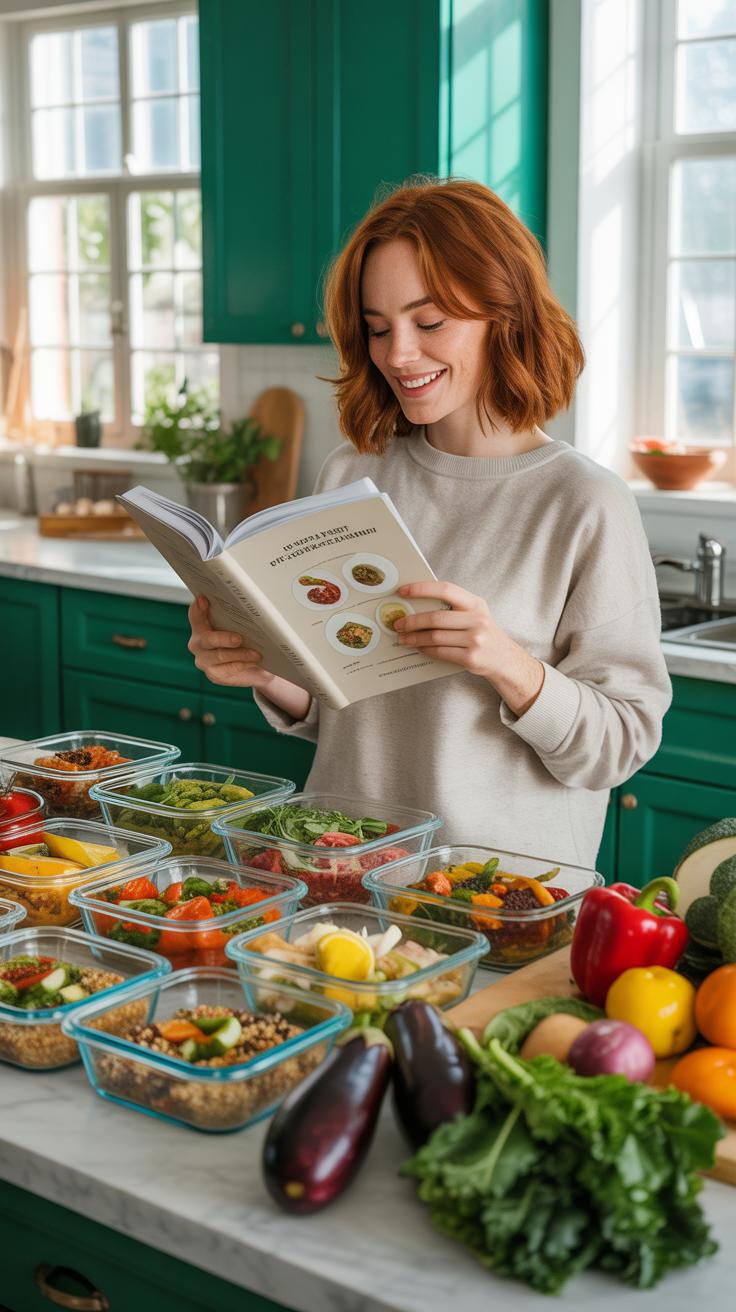
The Real Reason Most People Avoid Meal Prep And Why It Does Not Have To Be That Way
Most people avoid meal prep because they equate it with complex culinary tasks. They imagine spending six hours roasting meats and chopping dozens of vegetables on a Sunday. This traditional view assumes you enjoy the process of cooking itself. It creates a high barrier to entry that leads to burnout. You do not need to be a chef to eat well.

You must decouple meal prep from actual cooking. Modern grocery supply chains provide pre-washed greens and pre-cooked proteins. These products eliminate the need for knives or heat. Strategic meal prep centers on assembly rather than intense labor. You are a logistics manager for your kitchen. Focus on moving ingredients from containers to plates. This shift removes the intimidation of raw food preparation.
How Minimal Effort Meal Prep Can Save You Time Money And Mental Energy Every Week
Decision fatigue drains your daily productivity. Deciding what to eat three times a day wastes significant cognitive resources. Minimal effort prep solves this by making decisions once per week. You eliminate the mid-day search for food. This saves at least five hours of weekly idle time. You regain control of your schedule. Efficiency is the primary goal of this tactical approach.

Prepared meals prevent impulsive spending on takeout and delivery fees. Bulk purchasing simple staples reduces your grocery bill significantly. You also reduce food waste by using every item you buy. This financial discipline improves your bottom line immediately. Sticking to a plan also improves your health by controlling portions and ingredients. Tactical preparation ensures your body gets fuel without a high cost.
Setting Up A Simple Meal Prep Routine For Easy Meals All Week Long
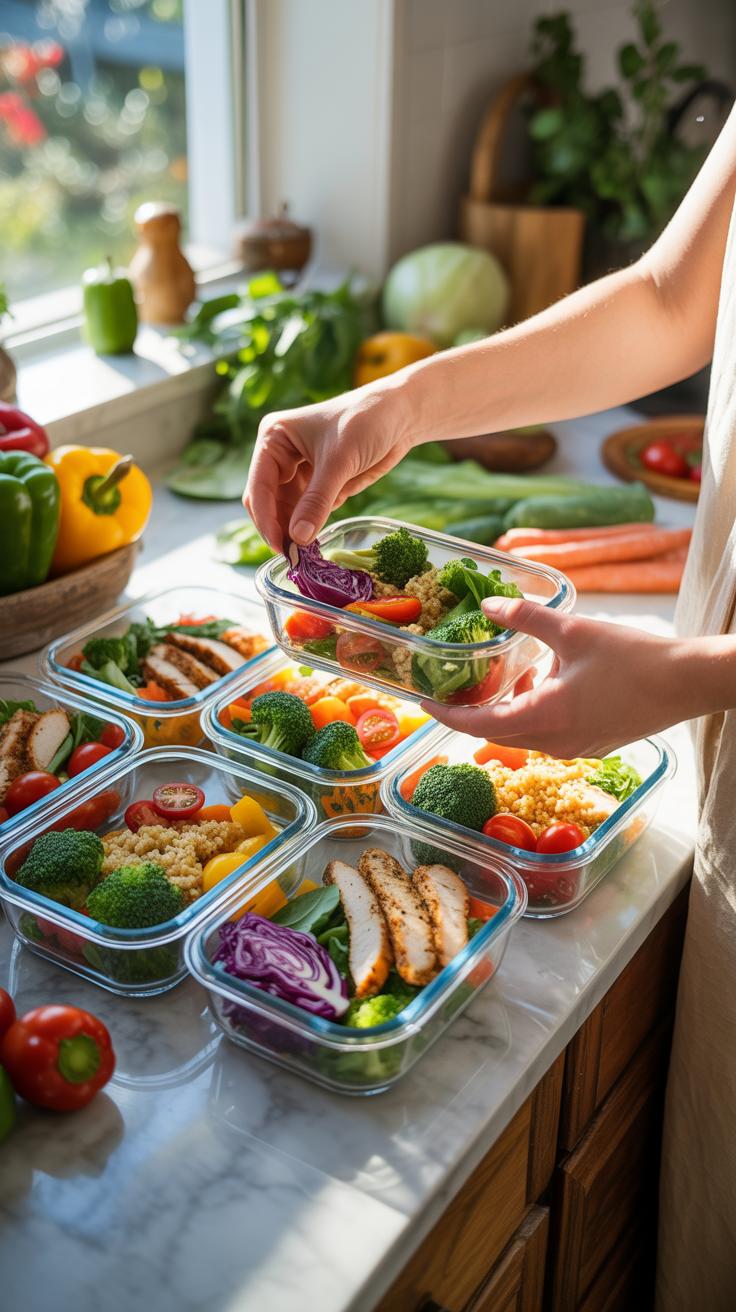
Choosing One Prep Day That Realistically Fits Your Weekly Schedule
Consistency beats intensity every time. Most people fail because they choose Sunday for meal prep when they actually want to rest. This creates a mental association between cooking and losing your free time. You must evaluate your energy levels across the week and pick a window where you feel least resistant to chores. Treat this time slot like a critical business appointment.
Successful meal prep for people who hate cooking relies on a fixed sixty minute block. Use this time for high impact tasks like washing produce or portioning bulk snacks. If you miss your designated day, do not abandon the week. Pivot to a fifteen minute micro session on Monday night. Keeping the momentum is your only goal to ensure you have food ready.
Essential Kitchen Tools That Make Meal Prep Faster And Less Painful
Modern kitchen technology exists to reduce manual labor. High quality tools allow you to bypass traditional culinary skills that take years to master. You do not need a full set of professional knives to eat well. Invest in a few specific items that automate the most tedious parts of food preparation like chopping, monitoring heat, and cleaning up messes.
- Slow Cooker: This tool eliminates the need to stand over a hot stove. You place raw ingredients inside and set a timer. It historically uses low, steady heat to break down tough proteins. This is the ultimate method for hands off cooking and bulk meal production for the entire week.
- Mandoline Slicer: Manual chopping is the slowest part of meal prep. This tool creates uniform slices of vegetables in seconds. It ensures even cooking times for all your produce. Always use the safety guard to prevent injury during rapid movement. This device significantly cuts down your active time in the kitchen.
- Rice Cooker: A dedicated rice cooker provides perfect grains without supervision. It uses sensors to detect when water is fully absorbed and switches to a warm setting automatically. This prevents burning and sticking. You can walk away to perform other tasks while your base carbohydrates finish cooking on their own.
- Glass Food Containers: Plastic stains and retains odors over time. High quality glass containers are safe for the microwave, oven, and dishwasher. They allow you to see exactly what food you have left in the fridge. This transparency reduces food waste and makes your meal organization look professional and clean.
- Sheet Pans: Heavy duty rimmed baking sheets are essential for roasting large batches of food at once. This technique is known as sheet pan cooking. You can cook proteins and vegetables on the same surface. It minimizes the number of dishes you have to wash after your meal prep session is complete.
Select your tools based on durability and ease of cleaning. If a gadget takes twenty minutes to scrub, it is not saving you time. Focus on dishwasher safe materials like stainless steel and tempered glass. These materials have served commercial kitchens for decades because they withstand heavy use. Strategic tool selection turns a three hour ordeal into a fast and manageable routine.
Work Meal Prep Lunches Easy Enough To Pack And Go Without Any Fuss
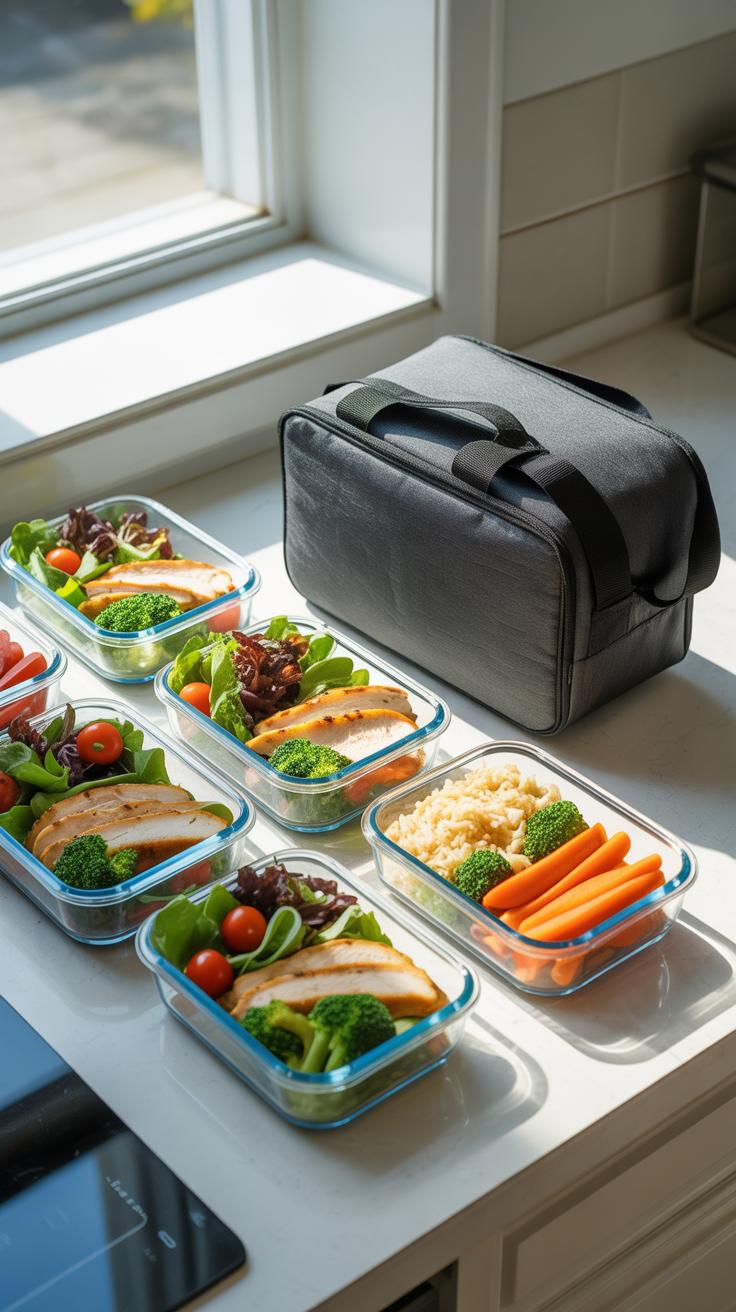
Build Your Own Grain Bowls: A No Recipe Lunch Formula That Works Every Time
Grain bowls eliminate the need for traditional recipes or complex cooking techniques. This system relies on a simple structural ratio of grains, proteins, and fats. Start with a pre-cooked base like 90-second microwave rice or quinoa. These products use retort packaging to stay shelf-stable and require zero preparation. You bypass the stovetop entirely while ensuring a consistent texture that holds up well in the office refrigerator.
Layer your bowl with canned beans or pre-roasted chickpeas for immediate fiber and protein. Use raw vegetables like pre-shredded carrots or baby spinach to add volume without heat. Finish with a store-bought dressing or hummus to provide moisture. This assembly method takes less than five minutes per container. It allows for variety throughout the week without additional labor. You focus on assembly rather than active culinary production.
Protein Packed Cold Wraps And Sandwiches You Can Assemble In Under Ten Minutes
Cold wraps and sandwiches remain the most efficient lunch option for the non-cook. Use high-protein flour tortillas or sprouted grain breads as your structural foundation. These items transition well from the pantry to the lunchbox. Focus on deli-sliced meats like turkey or roast beef which provide dense nutrition with zero prep time. High-quality deli meats offer a reliable sodium and protein profile for sustained energy during the workday.
Prevent sogginess by layering dry ingredients against the bread. Place cheese or large lettuce leaves directly on the surface to create a moisture barrier. Add wet ingredients like tomatoes or pickles in the center. Use individual condiment packets or small reusable containers for sauces. This strategy preserves the integrity of the bread until you eat. You save time by prepping three days of wraps in one short sitting.
Meal Prep No Reheating Required Delicious Cold Options That Hold Up All Week
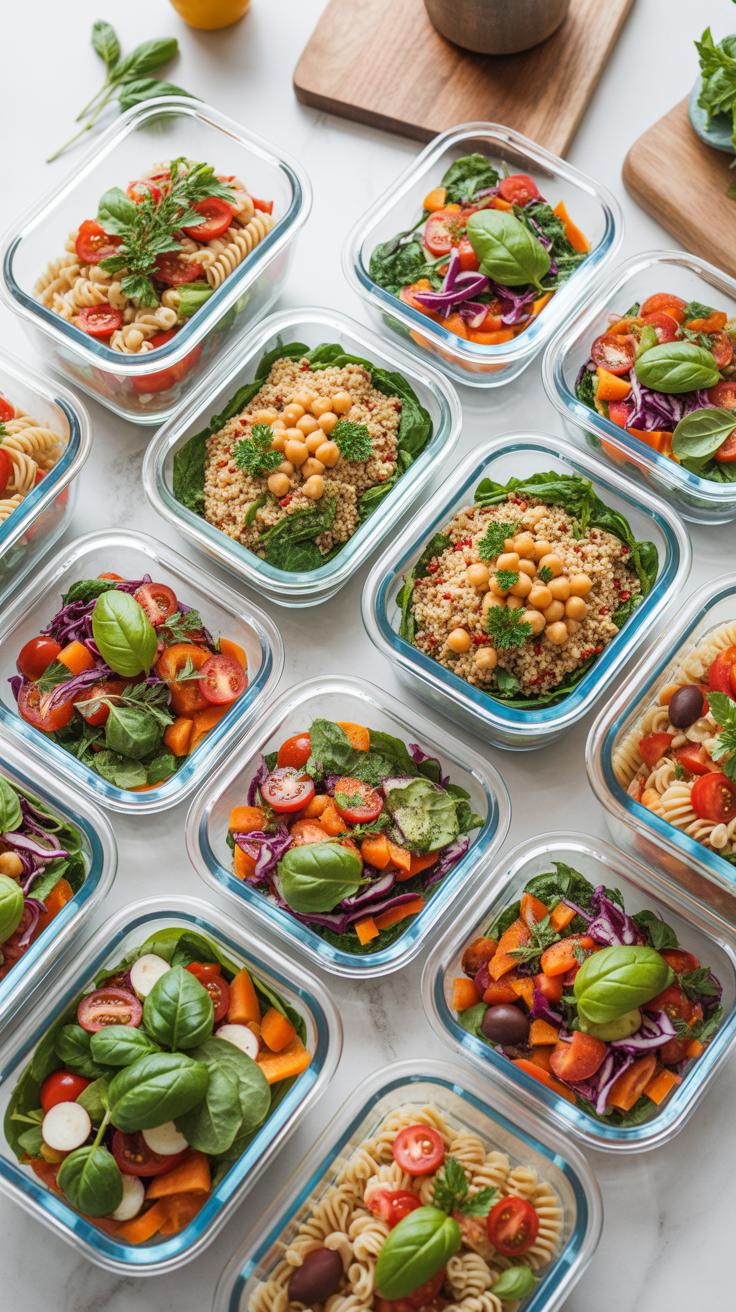
Why No Reheat Meal Prep Is A Game Changer For Busy Weekdays And Office Lunches
Eliminating the microwave saves time and preserves food quality. Reheating often ruins the texture of lean proteins and vegetables. It turns chicken rubbery and makes greens soggy. When you prep meals designed to be eaten cold, you control the final taste. You never have to wait in line for an office microwave. This strategy simplifies your morning routine and guarantees a consistent lunch experience every single day.
Cold meal prep reduces the equipment you need to carry. You do not need microwave safe glass containers or heavy lids. Simple lightweight bins work perfectly for salads and wraps. Cold meals also stay fresh longer in an insulated bag with a basic ice pack. This approach removes the risk of uneven heating. You get a reliable meal that lacks the chemical smell of overcooked breakroom food.
Meal Prep To Eat Cold: Pasta Salads, Noodle Bowls, And Marinated Proteins That Taste Better Chilled
Smart meal prep uses physics to improve flavor over time. Starch based meals like pasta and grain bowls absorb dressings as they sit in the fridge. This marination process makes the food taste better on day three than on day one. Use sturdy bases like farro, quinoa, or rotini pasta. These ingredients do not get mushy when they sit in vinaigrette. They provide a solid foundation for a week of filling meals.
Vinegar and citrus juices act as preservatives for your cold proteins. Marinating cooked shrimp or sliced chicken breast in acidic dressings prevents bacterial growth and keeps the meat tender. Cold sesame noodles or pesto pasta hold their structure better than cream based dishes. Avoid cream and mayo if you want the longest shelf life. Focus on oil and vinegar builds to keep your prep fresh and safe for the entire work week.
Sheet Pan Dinners The Lazy CookS Best Friend For Stress Free Meal Prep
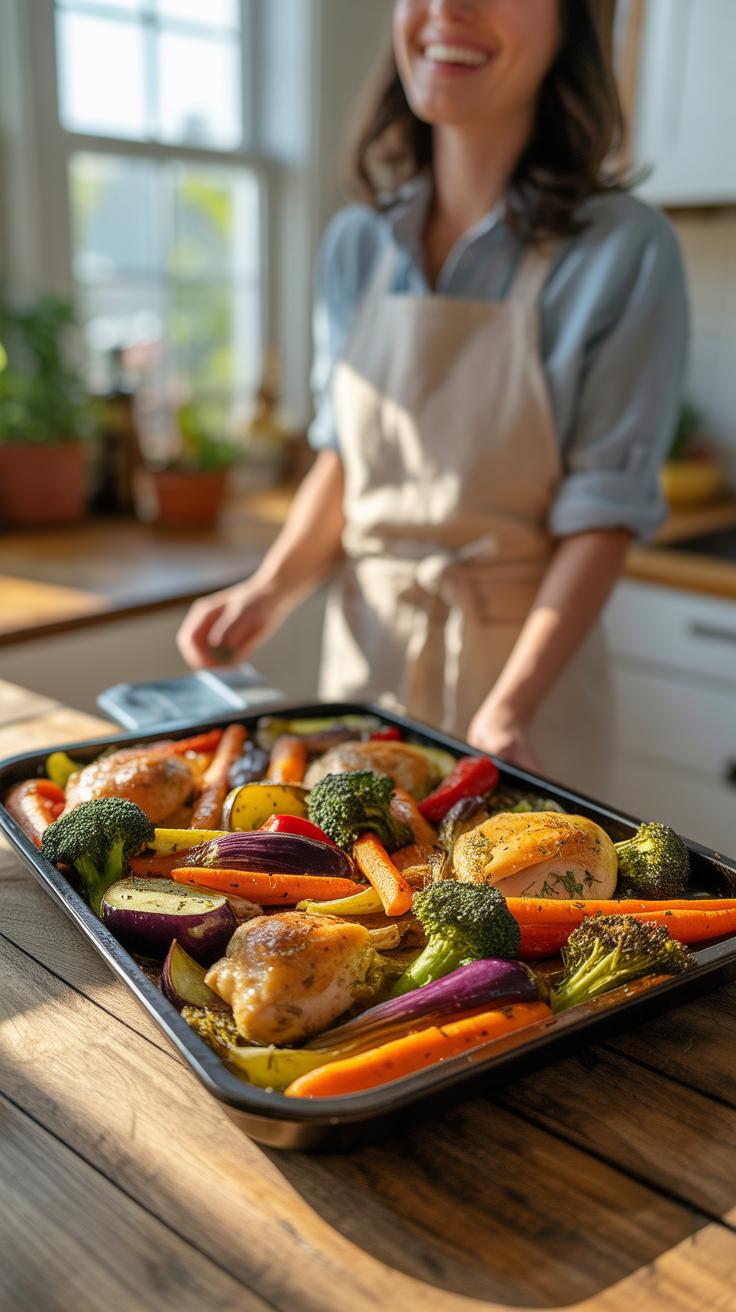
How Sheet Pan Cooking Works And Why It Requires Almost Zero Active Effort
Sheet pan cooking relies on conductive and convective heat to cook multiple ingredients simultaneously on one surface. You toss proteins and vegetables in oil and seasoning then spread them across a standard rimmed baking sheet. This method eliminates the need for constant stirring or monitoring over a hot stove. High heat roasting creates caramelization through the Maillard reaction without requiring any culinary skill or complex tools.
The strategy works because it minimizes active labor and cleanup. You use one knife, one cutting board, and one pan. Lining the pan with parchment paper or heavy duty aluminum foil prevents food from sticking and eliminates scrubbing. Once the tray enters the oven, your work ends. You set a timer and walk away. This hands-off approach makes meal prep for people who hate cooking sustainable and efficient.
Whole Chicken Sheet Pan Dinner: One Bird, Multiple Meals, Minimal Cleanup
Roasting a broken down whole chicken or pre-cut parts on a sheet pan provides high protein yields for the entire week. Place the meat in the center and surround it with hardy root vegetables like potatoes or carrots. The rendered fat from the chicken seasons the vegetables as they roast together. This technique ensures the meat stays moist while the vegetables absorb deep flavor with no extra ingredients.
One pan of roasted chicken provides meat for several distinct meals beyond the initial dinner. You can shred the leftovers for tacos, add them to salads, or mix them into grain bowls. Using a whole bird is more cost effective than buying individual breasts or thighs. You achieve a high volume of food with one single oven cycle. This tactical shift reduces your total time spent in the kitchen significantly.
Easy Pork Sheet Pan Recipes And Sheet Pan Dinners Pork Chops For Weeknight Wins
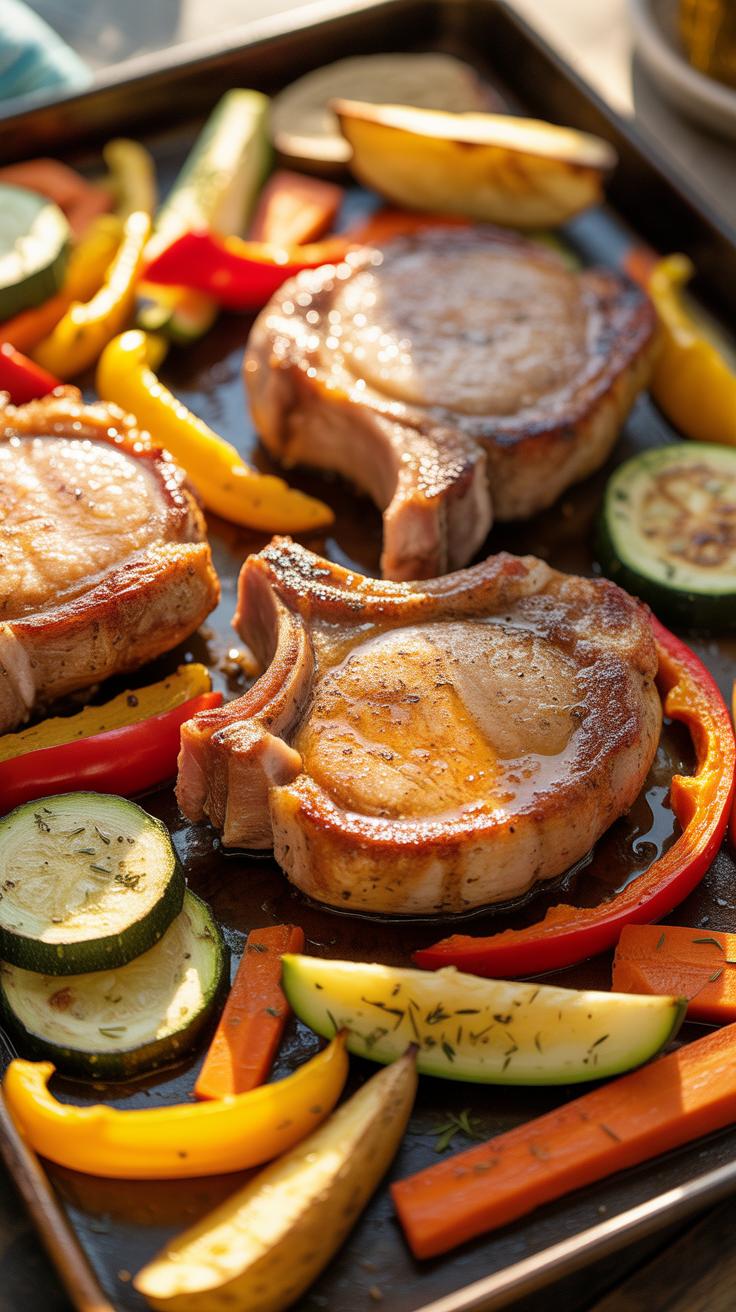
Sheet Pan Dinners Pork Chops With Roasted Vegetables: A Complete Meal In One Pan
Sheet pan cooking eliminates the need for multiple pots and complex timing. Choose boneless pork chops for speed. Center cut chops work best because they cook at the same rate as dense vegetables. Place the meat in the center of the pan. Surround it with trimmed green beans or sliced bell peppers. These ingredients require the same high heat for optimal texture.
You must control the moisture levels to prevent steaming. Use a standard eighteen by thirteen inch rimmed baking sheet made of heavy aluminum. This material conducts heat evenly across the surface. Pat the pork chops dry with paper towels before seasoning. Moisture on the surface prevents browning. Set your oven to four hundred degrees Fahrenheit. This temperature sears the pork while softening the vegetables.
Easy Pork Sheet Pan Recipes You Can Rotate Weekly Without Getting Bored
Change the flavor profile by switching the seasoning blends rather than the technique. Use a dry rub of smoked paprika and garlic powder one week. Use a prepared pesto or mustard glaze the next. Pork is a neutral protein that accepts diverse flavors well. You can swap potatoes for cauliflower to change the texture without adding work. Focus on high impact ingredients that require zero prep.
Uniform cutting ensures every component finishes at the same time. Slice hard root vegetables into half inch cubes. Keep delicate greens like asparagus whole. This consistency allows you to set a timer and walk away. Sheet pan meals maximize efficiency by utilizing dry heat to caramelize sugars in your food. This creates deep flavor with minimal intervention. Clean up takes less than two minutes if you line the pan.
Smart Grocery Shopping Strategies That Make Meal Prep Faster And Less Overwhelming
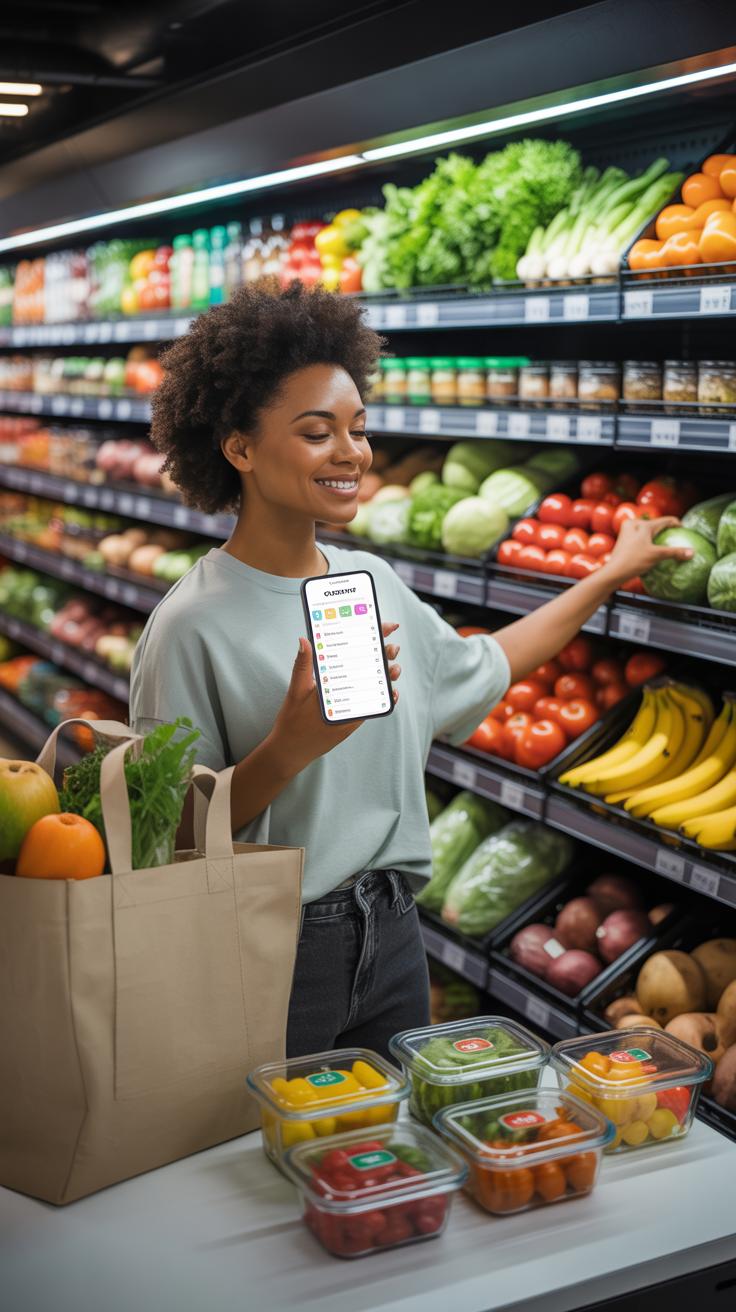
How To Build A Repeatable Grocery List Around Your Favorite No Cook And Low Cook Staples
Eliminate decision fatigue by building a static shopping list. Most people eat the same five meals every week. Identify your core proteins and grains. Focus on items that require zero heat. High-protein yogurt and canned beans serve as reliable anchors. Buy the same brands every time to move through the store faster. A consistent list reduces the mental load of meal planning.
Strategic shopping requires a focus on shelf stability and modularity. Choose ingredients that work in multiple dishes. Rotisserie chicken works for tacos, salads, and sandwiches. Standardizing your pantry allows you to restock without thinking. You save time by skipping aisles that contain raw ingredients you will never cook. This system turns the grocery store into a simple logistics hub rather than a chore.
Cooking is like love; it should be entered into with abandonment or not at all. If the kitchen feels like a chore, remember that nourishing your future self is a simple act of kindness that requires more heart than heat.
Using Pre Cut, Pre Washed, And Store Bought Shortcuts Without Sacrificing Nutrition
Stop treating pre-prepped vegetables as a luxury. They are essential tools for anyone who hates chopping. Nutrition remains largely the same in frozen or pre-cut produce. Processing plants use industrial flash-freezing to lock in vitamins. You pay a small premium to skip the manual labor of cleaning and slicing. Use these shortcuts to remove the primary barrier to eating at home.
- Frozen Vegetable Blends: These bags provide high fiber and micronutrients with zero prep time. Use them in stir-frys or bowls directly from the freezer to skip the cutting board entirely.
- Pre-Washed Salad Greens: Triple-washed greens in tubs prevent the need for a salad spinner. They stay fresh for several days and allow for immediate assembly of nutrient-dense bases for any protein.
- Canned Legumes: Chickpeas and black beans offer stable plant protein and fiber. Rinse them to reduce sodium levels. They require no boiling and are ready to eat the moment you open the lid.
- Pre-Cooked Grain Pouches: Quinoa and brown rice pouches heat in ninety seconds. These products utilize steaming technology to provide complex carbohydrates without the risk of burning a pot or cleaning stuck-on starch.
- Rotisserie Poultry: Grocery stores sell fully cooked chickens that provide several days of lean protein. Use the meat for immediate consumption or shred it for cold storage without using your oven once.
Target the produce department for bagged slaws and pre-sliced mushrooms. These items speed up assembly and reduce food waste. You will not throw away a whole head of rotting broccoli if you buy only what you need. Prioritize convenience to ensure you actually eat the food you purchase. Modern food processing makes it possible to maintain a healthy diet while doing minimal kitchen work.
Batch Cooking Basics How To Cook Once And Eat Well For Days
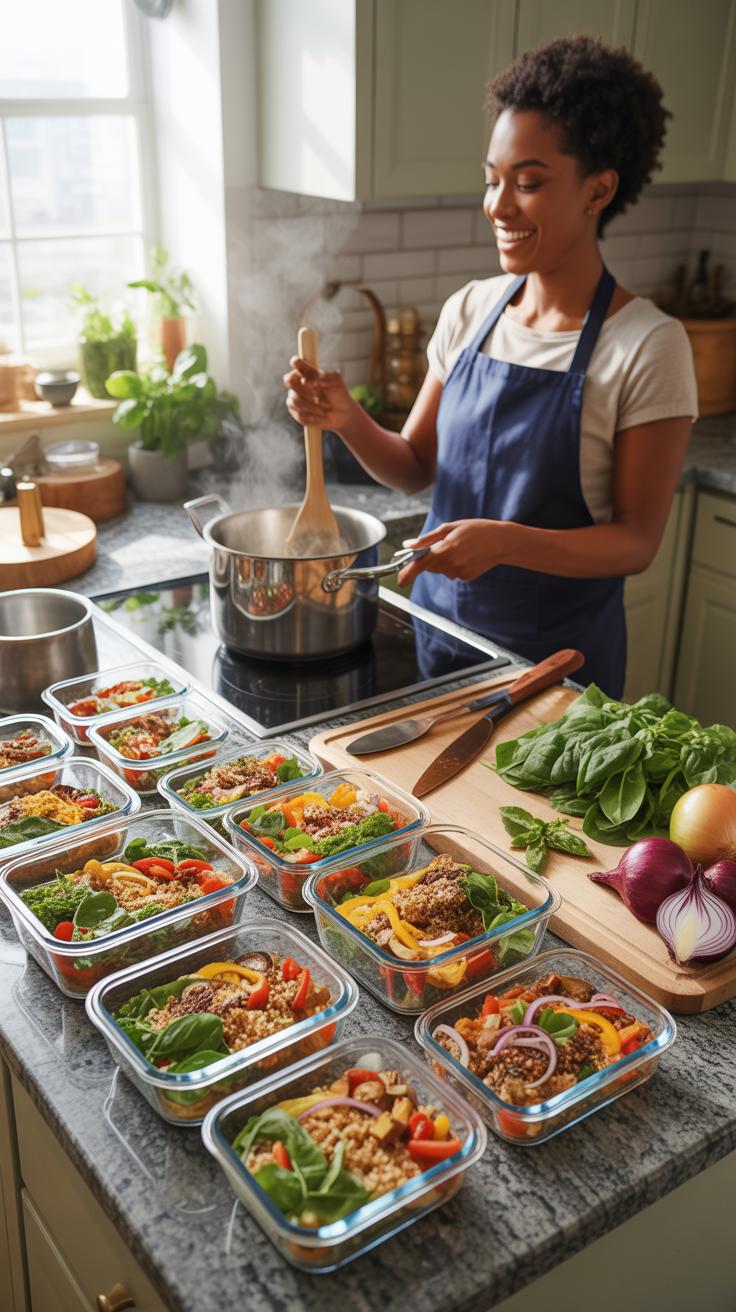
The Three Core Components Of A Balanced Batch Cook: Protein, Carb, And Vegetable
Every successful batch cook relies on three specific pillars. You need a primary protein, a complex carbohydrate, and a high-fiber vegetable. Protein provides satiety and preserves muscle mass. Carbohydrates act as your primary energy source for daily tasks. Vegetables offer essential micronutrients and bulk without excessive calories. Stabilizing these three variables ensures your body functions optimally while you minimize time spent in the kitchen.
Focus on cooking methods that require zero oversight. Use a slow cooker for proteins like chicken or beef. Roast sweet potatoes or rice in large quantities to satisfy the carbohydrate requirement. Streamline vegetables by roasting bags of frozen broccoli or peppers on a single sheet pan. This modular system creates a nutritional foundation. It eliminates the need to follow complex recipes or spend every evening standing over a hot stove.
How To Mix And Match Batch Cooked Ingredients Into Different Meals So Nothing Feels Repetitive
Avoid flavor fatigue by keeping your base ingredients neutral. Season your proteins and grains with only salt and pepper during the initial cooking phase. This allows you to change the culinary profile of each meal using different bottled sauces or dry spice blends later. One batch of shredded chicken becomes tacos on Monday and a Mediterranean bowl on Tuesday. Variety comes from the final assembly rather than the cooking process.
Vary the texture and temperature of your meals to maintain interest. Use the same ingredients to build cold salads, warm grain bowls, or stuffed wraps. High-quality fats like avocado or olives change the mouthfeel of a dish instantly. Fresh herbs or a squeeze of lime juice provide acid that brightens heavy pre-cooked foods. Strategic assembly ensures that you eat a different meal every day of the week using the same few base components.
Supporting A Healthy Lifestyle Through Meal Prep Without Obsessing Over Perfection
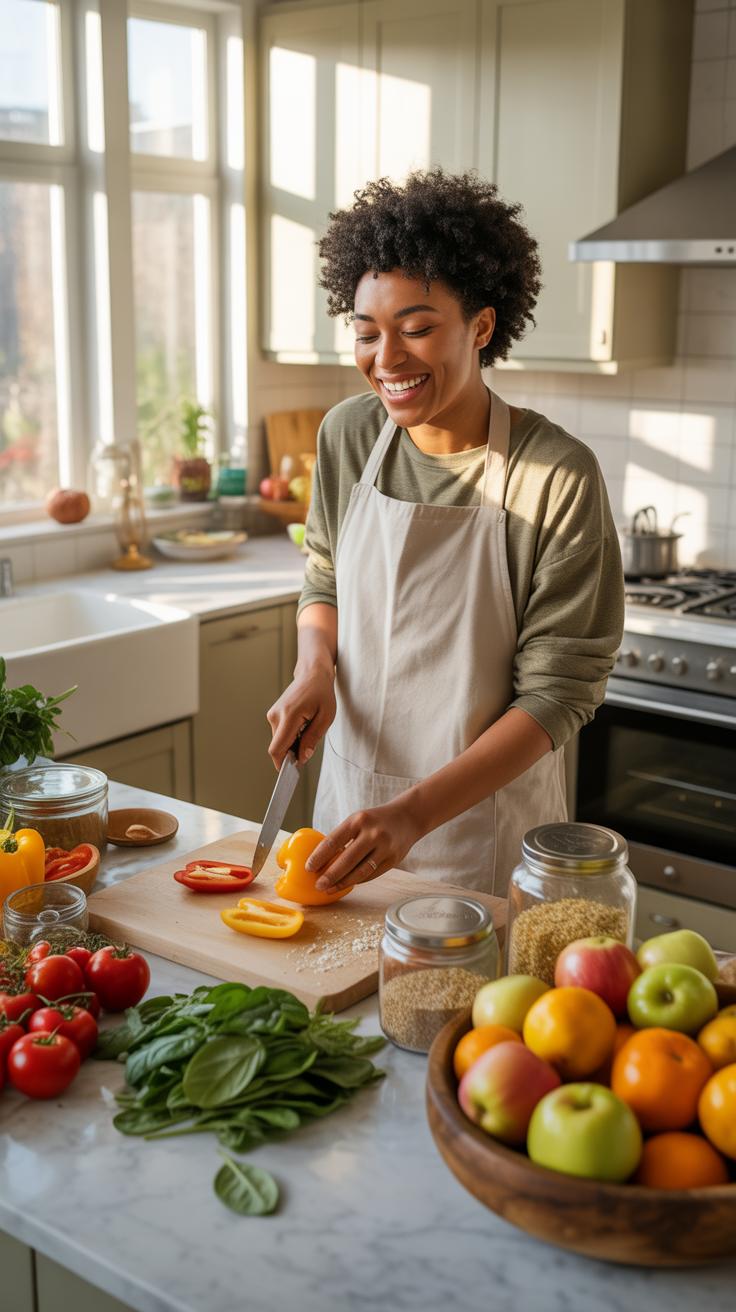
How Consistent Meal Prep Supports A Healthy Lifestyle By Reducing Impulsive Eating Decisions
Decision fatigue causes poor nutritional choices. When you are tired after work, your brain seeks the path of least resistance. This usually leads to high-calorie takeout or processed snacks. Having a pre-assembled meal removes the need to make a choice. You simply eat what is already there. This automation protects your health goals from your own lack of willpower during stressful moments.
Consistency matters more than intensity. Small, repeatable actions build long-term health. You do not need to cook gourmet food to succeed. Reliable access to basic protein and fiber stabilizes blood sugar levels throughout the day. This stability prevents the hunger spikes that drive binge eating. By prepping ahead, you control your environment rather than letting your environment dictate your caloric intake and overall energy levels.
Balancing Nutritional Variety And Simplicity So Meal Prep Stays Sustainable Long Term
Variety prevents boredom but complexity kills consistency. If you try to cook five new recipes every week, you will quit within a month. Focus on a rotation of three reliable meals. Swap the sauces or spices to change the flavor profile without changing the cooking method. This strategy provides necessary micronutrients while keeping the mental load low enough to maintain the habit indefinitely.
Sustainability relies on efficiency. Use frozen vegetables and pre-cut proteins to save time. These items retain their nutritional value because processors flash-freeze them at peak ripeness. Prioritize function over form. A meal does not need to look good on camera to fuel your body. Stick to the basics of one protein, one starch, and one vegetable. This formula ensures you meet your needs without unnecessary stress.
Staying Motivated With Meal Prep When You Still Hate Cooking After All Of This
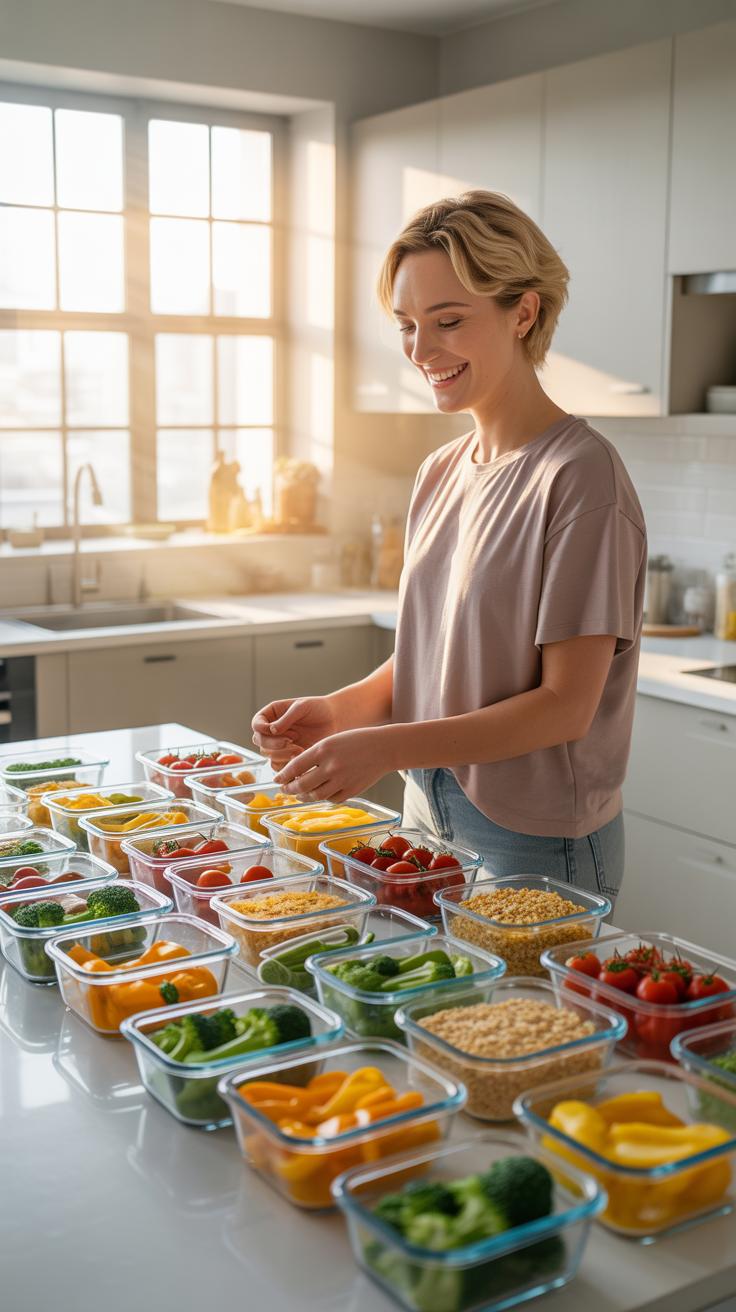
Realistic Expectations: You Do Not Have To Love Cooking To Benefit From Meal Prep
Accept that meal prep is a utility, not a hobby. You do not need to find joy in chopping vegetables to save money and eat better. Treat it like washing dishes or paying bills. It is a necessary task that supports your health and bank account. Detaching your emotions from the process reduces the mental burden. Focus on the outcome instead of the activity.
Efficiency is the primary goal for people who dislike the kitchen. High expectations of becoming a gourmet chef lead to burnout. Stick to the basic mechanics of assembly and heating. Your success depends on consistency, not culinary passion. Keep the process fast and functional. You are building a system to feed yourself. Once you accept this reality, the resistance to starting will fade away.
Small Habit Shifts That Make Meal Prep Feel Less Like A Chore Over Time
Reduce the friction of starting by prepping in small bursts. Do not try to spend four hours in the kitchen on Sunday. Wash fruit when you return from the store. Chop one onion while you wait for your coffee to brew. These micro-tasks prevent work from piling up. Shifting your mindset toward incremental progress makes the workload feel lighter. Speed increases with every repetitive session.
Standardize your toolkit to eliminate decision fatigue. Use the same five recipes every two weeks to master the workflow. Memorizing steps removes the need to check instructions constantly. Grouping tasks like peeling or portioning saves time and mental energy. You are training your brain to execute a routine. Professional kitchens use these methods to maintain high output with low stress. Apply these tactics to your own home.
Frequently Asked Questions

Is meal prepping possible if I genuinely dislike spending time in the kitchen?
Absolutely! The secret to successful meal prep for people who hate cooking is moving away from complex recipes and focusing on assembly instead. You don’t need to be a chef to find success; you just need a solid plan. By choosing “no-cook” options like rotisserie chickens, canned beans, and pre-cut vegetables, you can stock your fridge with healthy meals in minutes without ever touching a frying pan or stovetop.
What is the fastest way to meal prep for the week without feeling overwhelmed?
The most efficient strategy is the “semi-homemade” approach. Instead of cooking everything from scratch, buy pre-washed greens, microwaveable grain pouches, and bottled sauces. This streamlined version of meal prep for people who hate cooking allows you to simply portion ingredients into containers. If you spend just thirty minutes on a Sunday assembling these pre-prepped components, you will have a full week of grab-and-go lunches ready with zero actual culinary effort.
How can I meal prep on a tight budget without buying expensive pre-cut produce?
To save money while avoiding intensive kitchen work, lean heavily on frozen staples and pantry basics. Frozen vegetables are flash-frozen at peak ripeness, require no chopping, and are significantly cheaper than fresh, pre-cut versions. Combine these with affordable protein sources like canned tuna or hard-boiled eggs. Buying store-brand staples ensures you get nutritious, convenient meals that respect your bank account and your desire to stay out of the kitchen.