
Why Healthy Low Calorie Snacks Are A Game Changer For Your Diet
The Science Behind Snacking And Calorie Control
Fat loss depends on a consistent caloric deficit. Most people fail because they allow hunger to drive poor choices. Consuming small portions of healthy sweet snacks under 150 calories prevents blood sugar crashes. Stable glucose levels stop the body from triggering intense hunger signals. This biological control keeps your brain sharp and your willpower intact. Plan your intake to avoid the cycle of starvation and overeating.

Energy management requires precision. Eating high protein or high fiber snacks stabilizes your insulin response. This process prevents the body from storing excess energy as fat. Small, controlled portions satisfy your palate without exceeding your daily energy limit. You maintain your metabolic rate while enjoying the psychological reward of a treat. Discipline in snack size dictates your total physical composition over the long term.
How Smart Snacking Supports A Balanced Lifestyle
Strategic snacking removes the stress of restrictive dieting. When you incorporate sweet options under 150 calories, you reduce the urge to binge on high calorie desserts. This habit builds a sustainable relationship with food. You no longer see healthy eating as a temporary chore. Instead, it becomes a predictable system for maintaining your weight and health. Consistency is the only metric that matters for permanent results.

Effective weight management relies on environmental control. Keep these low calorie options available to stop impulsive buying at gas stations or vending machines. Having a plan eliminates decision fatigue. You make the right choice because the right choice is the easiest one. Successful individuals treat their diet like a business logistics plan. They minimize risk by preparing for hunger before it strikes during a busy workday.
Understanding 150 Calorie Desserts What Counts And What DoesnT
How To Read Nutrition Labels For Accurate Calorie Counting
Look directly at the serving size before checking calories. Manufacturers often list small portions to keep the numbers low. A single cookie might fit your goal while the base bag holds four servings. You must multiply the calories by the number of units you actually eat. Ignore the marketing on the front and look at the hard data on the back.
Check the grams of added sugar and fiber. High fiber content slows digestion and keeps you full. Excessive added sugars provide empty energy that causes insulin spikes. Accurate tracking requires weighing food on a digital scale. Volumetric measurements like cups often lead to errors. Professional snackers use grams to ensure they stay under the limit. Precision prevents caloric creep over time.
Common Misconceptions About Low Calorie Sweet Snacks
Many people assume organic or gluten free labels mean low calorie. This is false. High calorie ingredients like honey or coconut oil appear in many natural snacks. You cannot rely on healthy sounding buzzwords to manage your weight. Even fruit contains significant sugar and calories if consumed in large amounts. Always verify the energy density of every food item regardless of its origin.
Sugar free products often contain sugar alcohols like maltitol or erythritol. These ingredients lower the calorie count but can cause digestive issues. Removing fat from a snack usually requires adding sugar to maintain flavor. High protein claims often mask high calorie counts. A snack labeled as healthy can easily exceed 200 calories without your knowledge. Stick to the raw numbers to ensure your snacks remain effective.
Sweet Treats Low Calorie Style Fruit Based Snacks That Deliver Big Flavor

Best Fruits To Reach For When A Sweet Craving Strikes
Berries offer the best nutritional profile for sugar cravings. Raspberries and blackberries provide high fiber content which slows sugar absorption. This prevents the insulin spikes that cause hunger later. One cup of berries typically contains fewer than 70 calories. This leaves room for small additions like a tablespoon of cacao nibs. Strawberries offer a high volume of food for very few calories.
Stone fruits like peaches and plums serve as excellent seasonal snacks. These fruits contain natural phenols that may assist in metabolic health. One medium peach has roughly 60 calories and delivers significant vitamin C. Avoid dried fruits if you struggle with portion control. Dehydration concentrates sugars and removes water. Fresh fruit provides the hydration needed to signal fullness to the brain effectively.
Creative Ways To Turn Fresh Fruit Into A Satisfying Sweet Snack
Roasting fruit changes the chemical structure of its natural sugars. Heat triggers caramelization which intensifies the perceived sweetness without adding refined sugar. Slice a pear or apple and bake at 350 degrees until soft. This method replicates the texture of a heavy dessert. You can add cinnamon to improve glucose metabolism. This strategy creates a warm snack that feels substantial and rich.
Freezing fruit alters its physical texture to mimic cold desserts. Frozen grapes or banana slices provide a creamy mouthfeel that satisfies the same urge as ice cream. Use a blender to turn frozen mango chunks into a thick sorbet. This technique relies on the natural pectin in the fruit to create structure. You get a dense dessert experience while staying well under the 150 calorie limit.
Low Calorie Chocolate Snacks Indulging Without Going Overboard

Why Dark Chocolate Is A Smarter Choice For Low Calorie Snacking
Dark chocolate contains more cocoa solids than milk chocolate. These solids provide intense flavor that satisfies cravings quickly. Higher cocoa content usually means less sugar per gram. This profile helps you stay within your daily caloric limits. You get a deeper taste without the rapid insulin spikes found in lighter varieties. It is an efficient way to manage hunger.
Selecting chocolate with at least seventy percent cocoa is a strategic move. This concentration offers a firm texture and complex profile. You eat less because the flavor is bold. Most milk chocolate relies on fillers and extra sugar to provide bulk. Dark chocolate relies on the bean itself. This choice reduces the overall volume of food needed to feel fully satisfied.
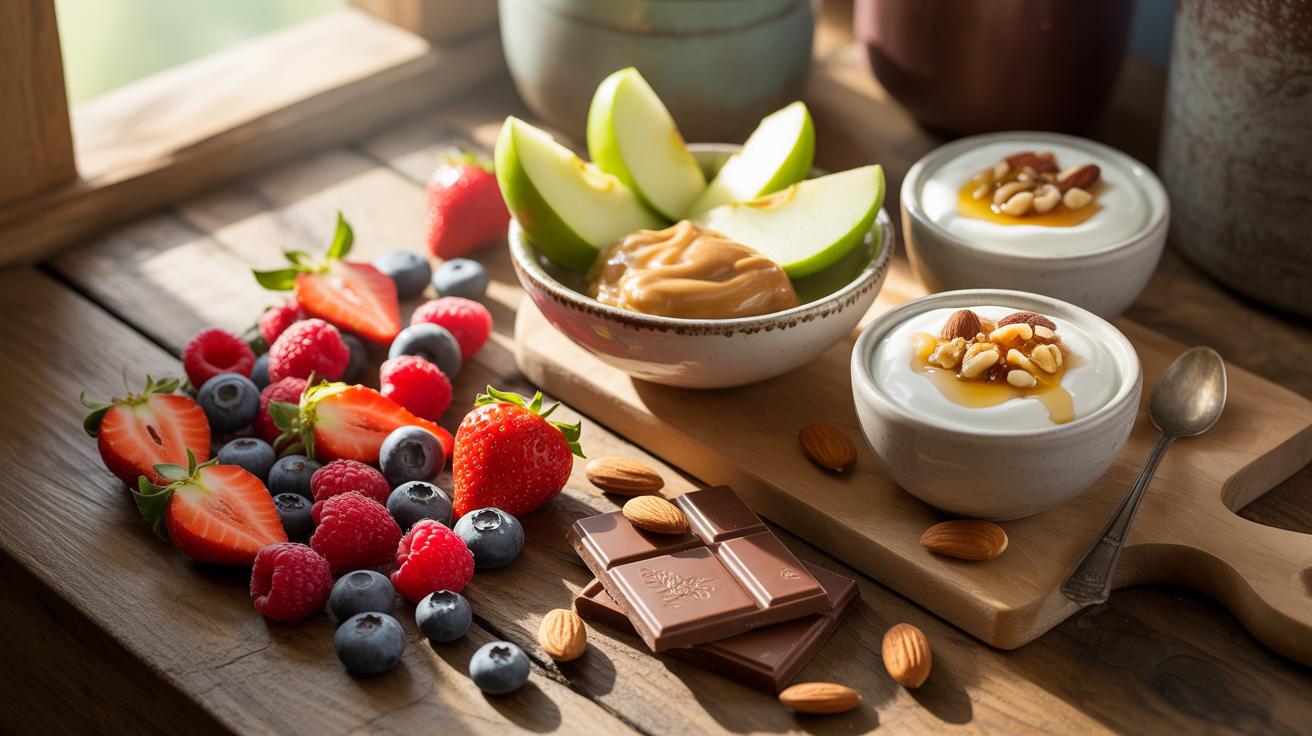
Nature provides the most honest sweetness in a handful of berries or a crisp apple. Choosing these small, wholesome treasures is a gentle way to honor both your health and your childhood memories.
Portion Controlled Chocolate Snacks That Stay Under 150 Calories
Portion control is the primary tool for keeping chocolate under 150 calories. Single-serving squares or pre-packaged bars eliminate the risk of overeating. Many manufacturers now produce thin bars designed for this exact purpose. Reading the label ensures the math works before you start eating. One ounce of high-quality dark chocolate typically contains about 150 to 170 calories total.
Mixing chocolate with high-volume ingredients increases the snack size while keeping calories low. Dipping fresh strawberries in melted dark chocolate is a tactical choice. Three large berries with a drizzle of chocolate stay well under the limit. You get the fiber from the fruit and the richness of the cocoa. This combination fills the stomach better than eating a solid block of chocolate alone.
Low Calorie Chocolate Recipe Ideas You Can Make At Home
Simple Ingredients That Make A Guilt Free Chocolate Treat
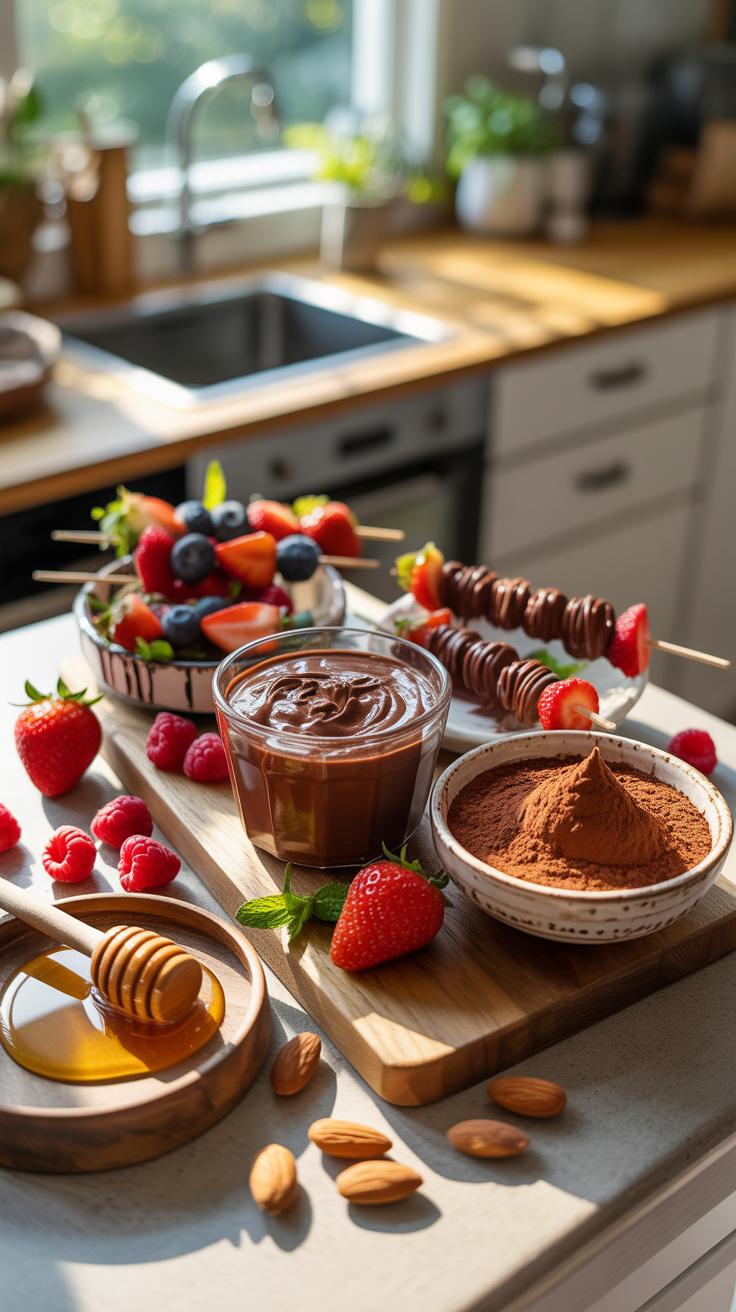
Crafting healthy sweet snacks under 150 calories requires high-potency ingredients that deliver flavor without excessive density. You must prioritize raw cocoa and natural binders over processed fats and sugars. These components provide the necessary mouthfeel and antioxidant profile while keeping the glycemic load low. Use these specific items to maintain structural integrity and taste without compromising your daily caloric targets.
- Unsweetened Cocoa Powder: This serves as the primary flavor base. It contains minimal calories and zero sugar but provides intense chocolate notes. It offers essential minerals and fiber while keeping the energy density low for any homemade recipe or snack blend.
- Greek Yogurt: Use non-fat Greek yogurt to replace heavy cream or butter in chocolate mousses and barks. It provides a creamy texture and significant protein content. This swaps high-fat dairy for a satiating alternative that stays well under the 150 calorie limit.
- Stevia or Erythritol: These natural non-nutritive sweeteners replace granulated sugar entirely. They provide the necessary sweetness for dark chocolate profiles without adding any calories. Using these helps you achieve a traditional dessert flavor while maintaining a strict, fat-burning metabolic state throughout the day.
- Chia Seeds: These seeds act as a thickening agent for puddings and spreads. They absorb liquid to create a gel-like consistency without the need for starch or flour. This adds healthy omega-3 fatty acids and fiber, which increases satiety and improves the overall snack volume.
- Silken Tofu: This ingredient works as a neutral, low-calorie base for creamy chocolate desserts. It blends into a smooth consistency that mimics traditional ganache or pudding. It provides plant-based protein and iron while ensuring the final portion remains light and nutritionally balanced.
Select items that offer a high nutrient-to-calorie ratio. This strategy ensures your snacks provide functional benefits instead of empty energy. Combining these ingredients allows for versatile textures ranging from liquid shakes to solid bars. Stick to these staples to avoid the common pitfalls of store-bought sweets. You will control the sugar content and guarantee that every bite aligns with your health goals.
Step By Step Tips For Keeping Homemade Chocolate Recipes Light
Weight management requires precise portion control and ingredient substitution. You must measure every component to ensure the total energy remains under 150 calories. Use digital scales instead of measuring cups for higher accuracy. Small errors in fat or sugar volume can double the calorie count. Focus on high-volume, low-kcal ingredients like whipped egg whites or air-popped corn to fill space without adding mass.
Temperature control is vital for achieving the right texture in low-fat chocolate treats. Do not overheat cocoa or sugar substitutes, as this can create a bitter taste. Use a double boiler to melt ingredients gently. Chill your snacks immediately to set the structure without using chemical stabilizers. This tactical approach ensures your homemade treats remain firm and satisfying. Results depend on your ability to follow these technical steps precisely.
50 Calorie Desserts Tiny Treats With A Big Payoff

Frozen And Chilled Options That Clock In At 50 Calories Or Less
Frozen treats provide volume and texture that extend the eating experience. Low calorie counts often come from water based ingredients. A single fruit juice bar typically contains around 45 calories. Using real fruit juice ensures an authentic flavor without the heavy sugar load of dairy. Cold temperatures slow down consumption. This helps you feel satisfied even when the actual mass is small.
Chilled snacks like gelatin offer a distinct tactical advantage. Sugar free gelatin cups contain roughly 10 calories per serving. This allows for high volume consumption with negligible metabolic impact. Focus on products that use citric acid for tartness rather than extra sweeteners. Keep these items at the front of the refrigerator. Easy access prevents you from reaching for higher calorie alternatives during a late night craving.
How Portion Size Transforms Everyday Foods Into 50 Calorie Desserts
Strategic portioning turns high density foods into safe treats. One square of dark chocolate with 70 percent cocoa fits the 50 calorie limit. You must measure this exactly to avoid calorie creep. High cocoa content provides a strong flavor profile that signals satiety to the brain faster than milk chocolate. Precision is the primary tool here. Use a kitchen scale to verify every single serving.
Naturally sweet produce functions as a dessert when you limit the quantity. Half a medium grapefruit contains about 50 calories and provides significant fiber. Fiber slows sugar absorption and keeps insulin levels stable. Small servings of dried fruit also work if you watch the weight. Three dried apricots meet the limit perfectly. Always read the labels to ensure the manufacturer did not add extra cane sugar.
Low Calorie Cinnamon Rolls A Warm And Cozy Snack Done Right
What Makes Traditional Cinnamon Rolls High In Calories And How To Fix It
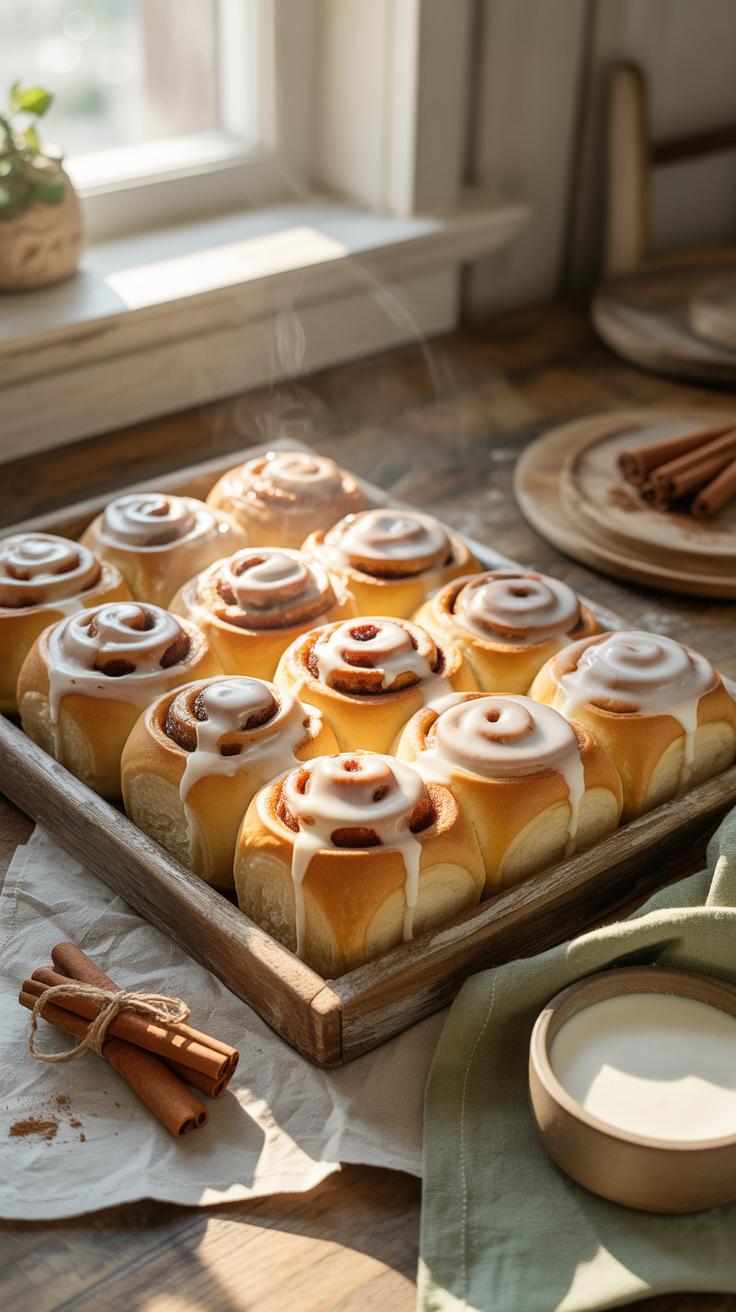
Standard cinnamon rolls rely on heavy fats and refined sugars. A typical roll uses large amounts of butter in the dough and the filling. This creates a high caloric density. Refined white flour spikes blood sugar and provides little fiber. Most commercial bakeries add thick cream cheese frosting. These factors push a single serving well over four hundred calories.
To fix this, you must control the portion size and the fat content. Replace half of the butter with Greek yogurt or unsweetened applesauce. This reduces the total fat while maintaining moisture. Use natural sweeteners like stevia or erythritol to cut sugar calories. Small adjustments allow you to keep the snack under one hundred fifty calories. You get the same flavor profile without the metabolic load.
Lighter Dough And Filling Swaps That Keep The Flavor Intact
Two ingredient dough is the best tactical choice for low calorie baking. Mix self rising flour with nonfat Greek yogurt. This eliminates the need for yeast, oil, or butter in the base. The yogurt provides protein and keeps the texture soft. Roll the dough thin to maximize the surface area for the filling. Use a light dusting of flour to prevent sticking during the process.
For the filling, replace butter with a small amount of light margarine or egg white. Mix this with cinnamon and a granulated sugar substitute. This creates the sticky texture necessary for a good roll. For the glaze, whisk powdered monk fruit with a teaspoon of almond milk. This creates a sweet finish for very few calories. This strategy delivers a warm snack that fits your nutritional goals perfectly.
Healthy Desserts For Weight Loss Snacks That Work With Your Goals
The Role Of Protein And Fiber In Keeping Sweet Snacks Satisfying
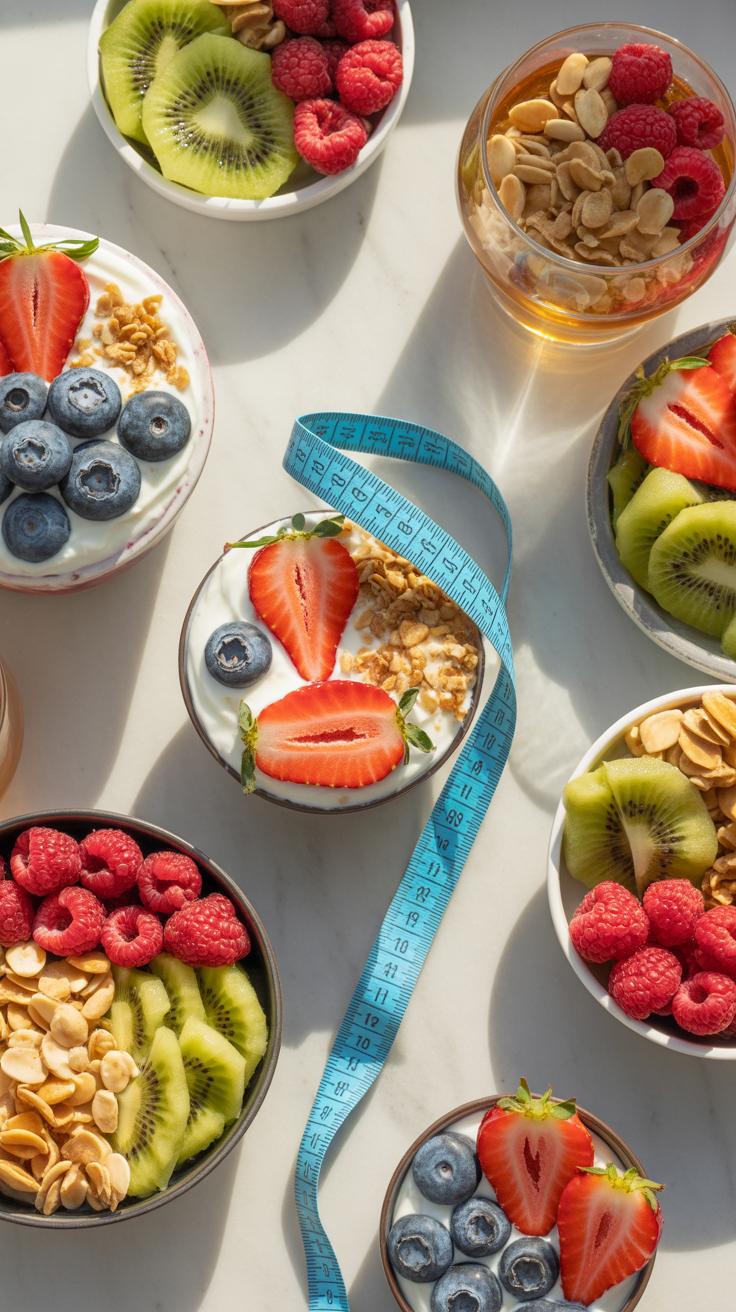
Protein and fiber dictate how your body processes sugar. Pure sugar causes a rapid insulin spike followed by a crash. This crash triggers hunger signals even if you just ate. Fiber slows down gastric emptying to keep you full. Protein increases satiety hormones like cholecystokinin. Combining these nutrients with sugar prevents the blood sugar roller coaster. You must prioritize these macronutrients.
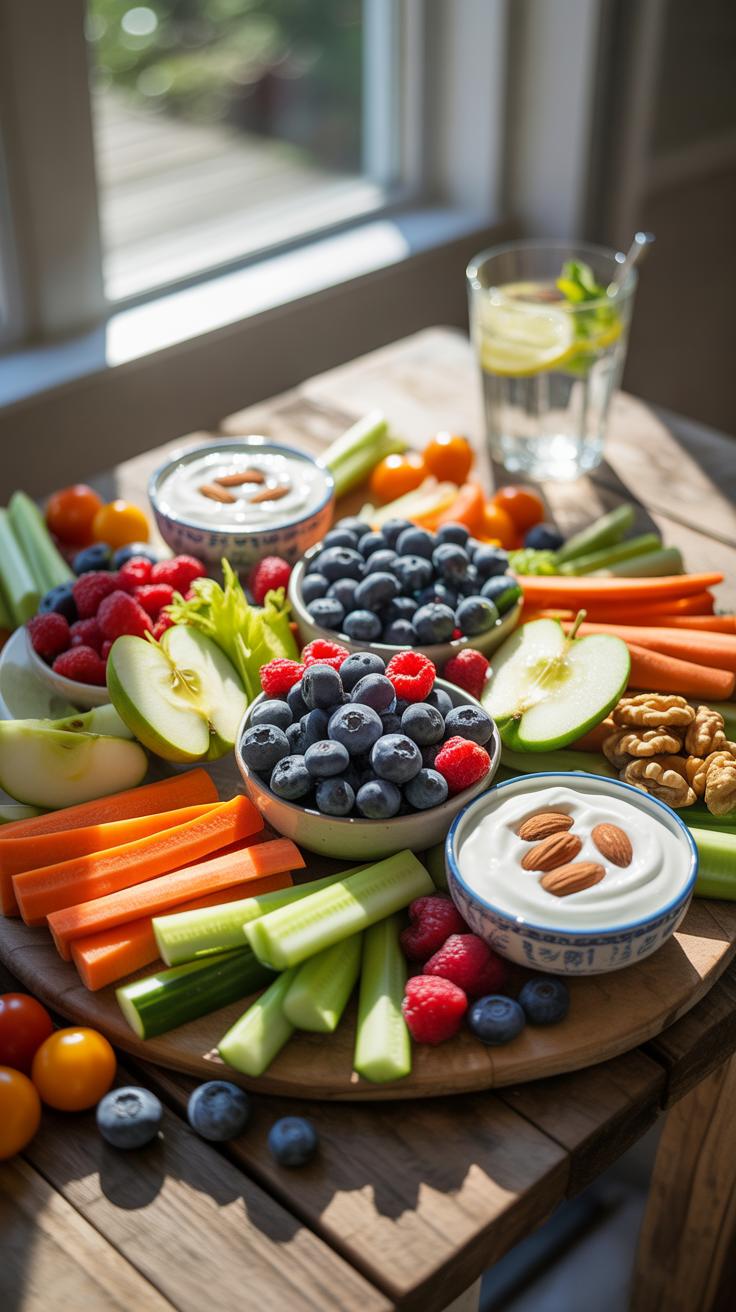
A snack under 150 calories must be efficient. Fiber provides bulk to the stomach without adding many calories. High fiber choices include berries or chia seeds. Protein sources like Greek yogurt or cottage cheese stabilize your energy. Tactical snacking means choosing items that offer metabolic advantages. Avoid empty calories that lack these two components. They will fail to satisfy your hunger and lead to overeating later.
How To Build A Weekly Sweet Snack Plan That Supports Weight Loss
Efficiency requires planning and portion control. You must prep your snacks in advance to avoid impulsive decisions. This strategy removes the friction of healthy eating. Use airtight containers to keep pre-portioned items fresh throughout the week. Group your snacks by calorie count to stay under your daily limit. Precise planning ensures you always have a low-calorie option ready when a craving hits.
- Pre-Portioned Berries: Wash and dry one cup of raspberries or strawberries. These provide high fiber and antioxidants for under 70 calories. Storage in clear glass jars keeps them visible and appetizing in your refrigerator for quick access.
- Greek Yogurt Cups: Measure 150 grams of plain non-fat Greek yogurt. Add a drop of vanilla extract or stevia for sweetness. This snack provides roughly 15 grams of protein to keep your muscles fueled and your appetite suppressed all afternoon.
- Dark Chocolate Squares: Break an 85 percent dark chocolate bar into individual 20-gram servings. Dark chocolate contains polyphenols and less sugar than milk chocolate. Keeping these small portions prevents mindless binge eating while still satisfying your intense cravings for cocoa.
- Chia Seed Pudding: Combine two tablespoons of chia seeds with half a cup of unsweetened almond milk. Let it sit overnight to thicken. This creates a high-fiber gel that expands in your stomach. It provides a creamy texture and very long-lasting satiety.
- Apple Slices With Cinnamon: Slice one medium apple and sprinkle it with cinnamon. Cinnamon helps manage blood sugar levels naturally. The skin of the apple contains pectin which is a soluble fiber. This combination provides a crunchy and sweet volume snack.
Consistency is more important than variety. Find three snacks you enjoy and rotate them. This reduces decision fatigue and simplifies your grocery shopping. Monitor your results and adjust portions if your weight loss stalls. Strategic snacking is a tool for long-term success. It is not an indulgence. Use these high-protein and high-fiber options to stay on track with your physical health goals.
150 Calorie Meals And Mini Dessert Pairings For Balanced Eating
Balancing A Light Meal With A Small Sweet Treat The Right Way
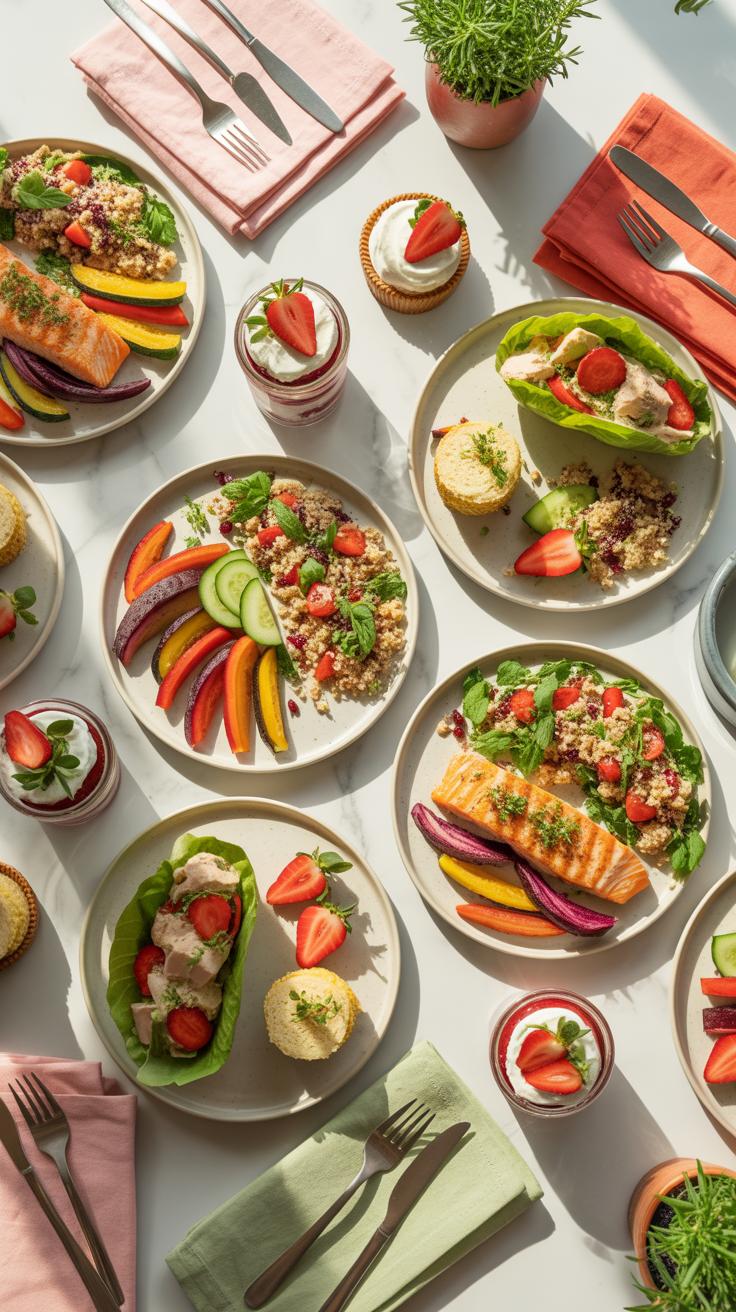
Effective calorie management requires a strategic approach to food volume. You must prioritize high protein and fiber sources in your primary meal to ensure satiety. This creates a caloric buffer for your dessert. A 150 calorie meal typically consists of lean proteins like poultry or white fish paired with leafy greens. This framework prevents blood sugar spikes that occur when consuming sugar alone.
Pairing your sweet snack directly after a high fiber meal slows glucose absorption. This technique maintains steady energy levels and prevents the insulin crashes that trigger overeating. Choose snacks that offer nutritional value rather than empty calories. Dark chocolate or fruit based treats work best here. Proper portion control ensures the total caloric load remains low. This method satisfies cravings without compromising your daily weight loss goals.
Smart Timing: When To Eat Your Low Calorie Sweet Snack For Best Results
Timing determines how your body processes sugar and stores energy. Consume your sweet snack immediately after your largest meal of the day. This utilizes the thermic effect of food to process sugars more efficiently. Avoid eating sweets late at night. Your metabolic rate drops during sleep and your body is less capable of managing glucose. Consistency in timing trains your hormones to expect food at specific intervals.
The post workout window also serves as a tactical time for sugar intake. Your muscles require glucose to replenish glycogen stores after intense physical activity. Eating a small sweet treat during this time directs nutrients toward muscle recovery instead of fat storage. Research shows that strategic timing reduces the psychological stress of dieting. Focus on your body’s natural circadian rhythms. Aligning food intake with activity levels maximizes your metabolic efficiency.
Store Bought Vs Homemade Healthy Sweet Snacks Under 150 Calories
How To Evaluate Packaged Sweet Snacks Without Being Misled By Marketing
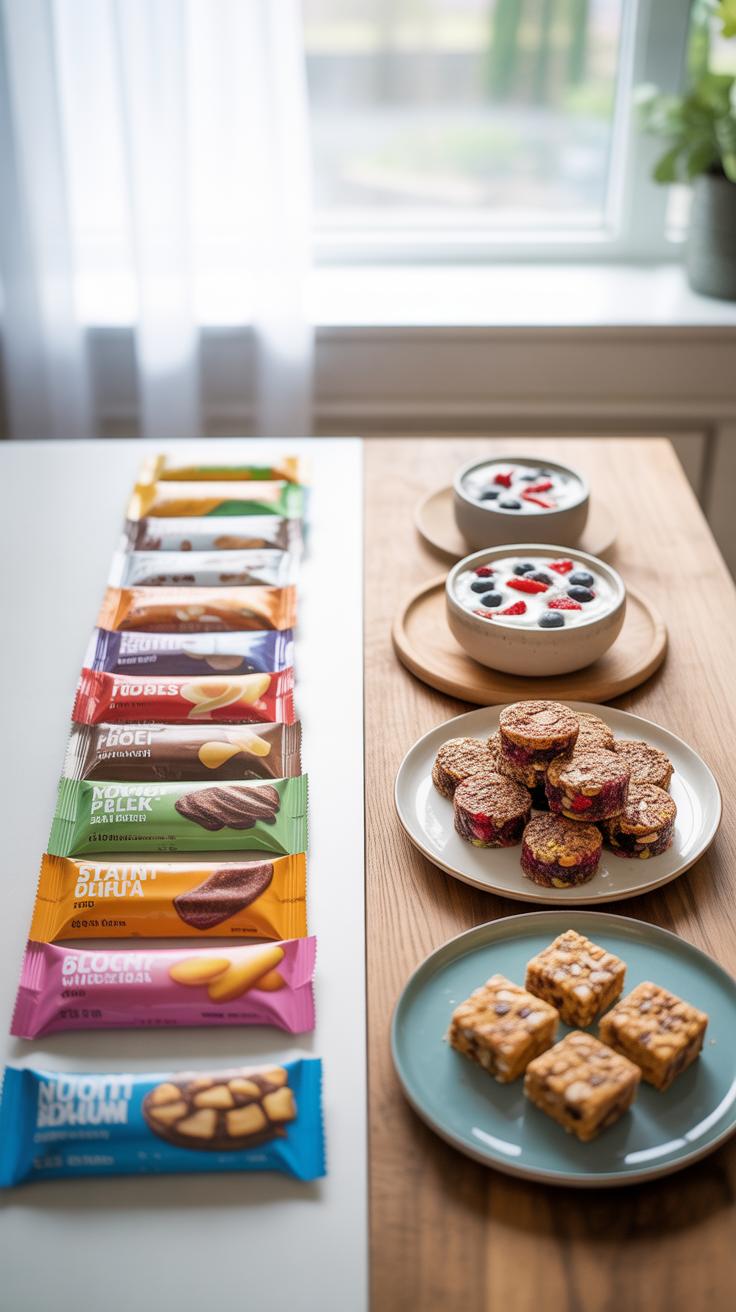
Packaged snacks use bright colors and buzzwords to distract you. Do not look at the front of the box. Marketing terms like natural or organic do not mean the product is low in calories. Always check the nutrition facts panel first. Look at the serving size before reading the calorie count. Manufacturers often split one small package into two servings to hide high numbers.
Scan the ingredient list for hidden sugars. Words like maltodextrin, brown rice syrup, and juice concentrate add calories without adding nutrition. Healthy sweet snacks under 150 calories must have a short ingredient list. Fiber and protein content help you feel full longer. If the first three ingredients are sugars or refined flours, put the item back. Real food ingredients like nuts or oats are better choices.
Why Making Sweet Snacks At Home Gives You More Control Over Calories
Making snacks at home removes the guesswork from your diet. You control the exact amount of sugar and fats added to each batch. Store-bought options often contain stabilizers and excess oils to increase shelf life. At home, you can swap heavy ingredients for low-calorie alternatives. Use unsweetened applesauce or mashed bananas to replace oil in baking. This reduces the total calorie density significantly.
Home preparation allows for precise portioning to meet your goals. You can weigh ingredients using a digital scale for total accuracy. This ensures every bite fits within your 150 calorie limit. You also avoid the high sodium levels found in processed snacks. Fresh ingredients provide better flavor than artificial sweeteners. Practical control over your kitchen is the most effective way to manage your caloric intake and maintain long-term health.
Frequently Asked Questions

What are the best types of healthy sweet snacks under 150 calories for beginners?
When starting out, the best healthy sweet snacks under 150 calories are those that combine natural sugars with fiber or protein. Reach for a medium apple with a teaspoon of almond butter or a half-cup of Greek yogurt topped with fresh berries. These options satisfy your sweet tooth while keeping you full longer, making it much easier to stick to your wellness goals without feeling deprived of delicious treats.
How can I prepare portion-controlled sweet snacks at home quickly?
Preparation is key to maintaining your goals. Try pre-portioning frozen grapes into small snack bags or baking apple slices with a dash of cinnamon for a warm, comforting treat. By measuring out ingredients like dark chocolate chips or raw nuts into small containers ahead of time, you ensure you always have healthy sweet snacks under 150 calories ready to grab, preventing the temptation to overindulge when a sudden sugar craving hits.
Are there affordable ways to enjoy low-calorie sweet treats on a budget?
Absolutely! You don’t need expensive specialty health foods to eat well. Seasonal fruits, warehouse-sized bags of popcorn drizzled with a little honey, and bulk-bought oats turned into small energy bites are all incredibly cost-effective. Keeping staple ingredients like bananas and cocoa powder on hand allows you to whip up simple, budget-friendly snacks that feel indulgent and luxurious without putting a significant strain on your monthly grocery store budget.