
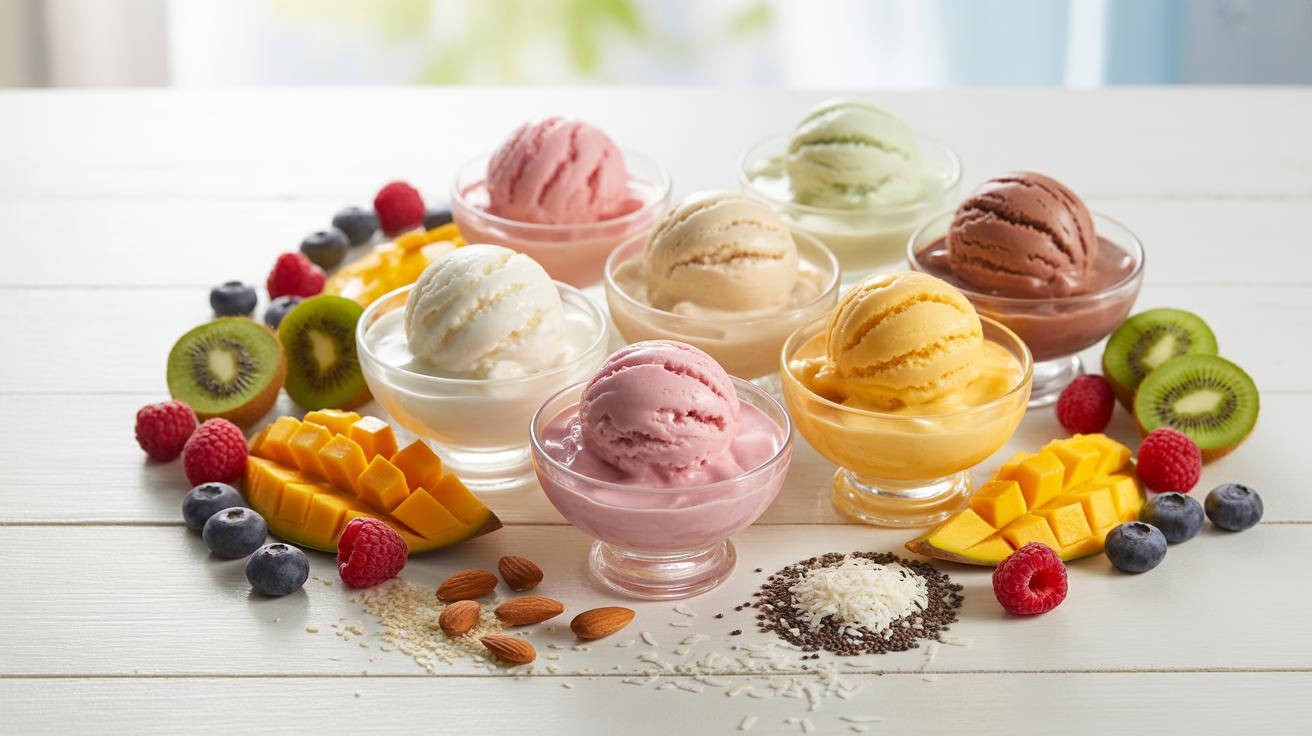
What Makes A Healthy Ice Cream Alternative Good For Weight Loss
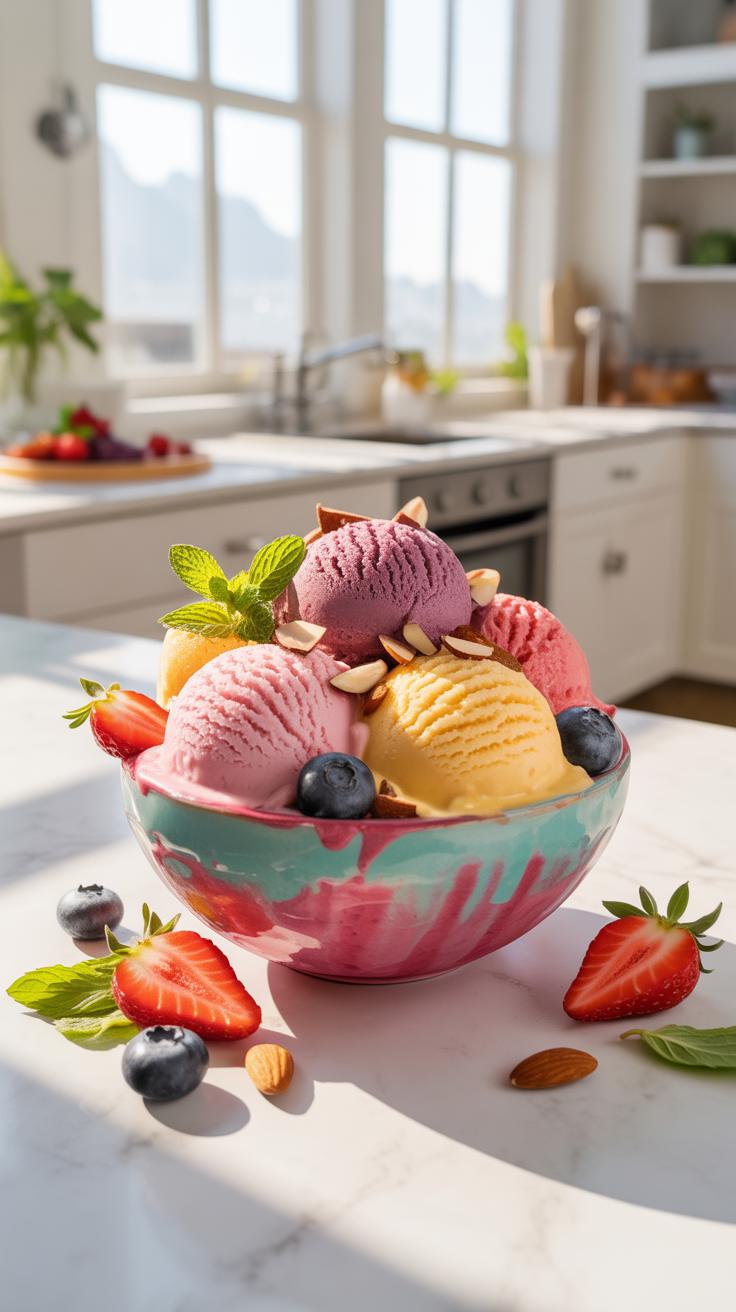
How Calories And Sugar Content Impact Your Weight Loss Goals
Weight loss requires a consistent caloric deficit. Standard ice cream contains high levels of milk fat and added sugars. These ingredients create a dense energy profile that is easy to overconsume. Selecting an alternative with lower total calories allows for larger portion sizes without exceeding your daily energy limits. You must track these numbers to ensure your snacks align with your fat loss targets.

Sugar triggers insulin spikes which can signal the body to store fat. High sugar intake also leads to energy crashes and increased hunger later. Healthy alternatives use natural sweeteners or sugar alcohols to reduce this metabolic impact. Lowering sugar intake stabilizes blood glucose levels. This control is vital for maintaining a fat burning state. Choose products that prioritize low glycemic index ingredients to see real results.
The Role Of Protein And Fiber In Keeping You Fuller For Longer
Protein increases satiety more effectively than fats or carbohydrates. It takes longer for the body to break down protein. This process burns more energy through the thermic effect of food. Many modern ice cream alternatives add whey or pea protein to improve this nutritional profile. Higher protein content helps you feel satisfied with smaller servings. It also protects lean muscle mass during a calorie deficit.

Fiber adds bulk to your diet without adding extra calories. It slows down digestion and promotes a steady release of energy. Many healthy frozen desserts use chicory root or fruit fibers to achieve a creamy texture safely. This fiber content prevents the rapid hunger that usually follows high sugar snacks. Prioritize options with at least three grams of fiber per serving. This tactic simplifies appetite control and supports your long term weight loss.
Nice Cream Recipes Easy Enough For Anyone To Make At Home
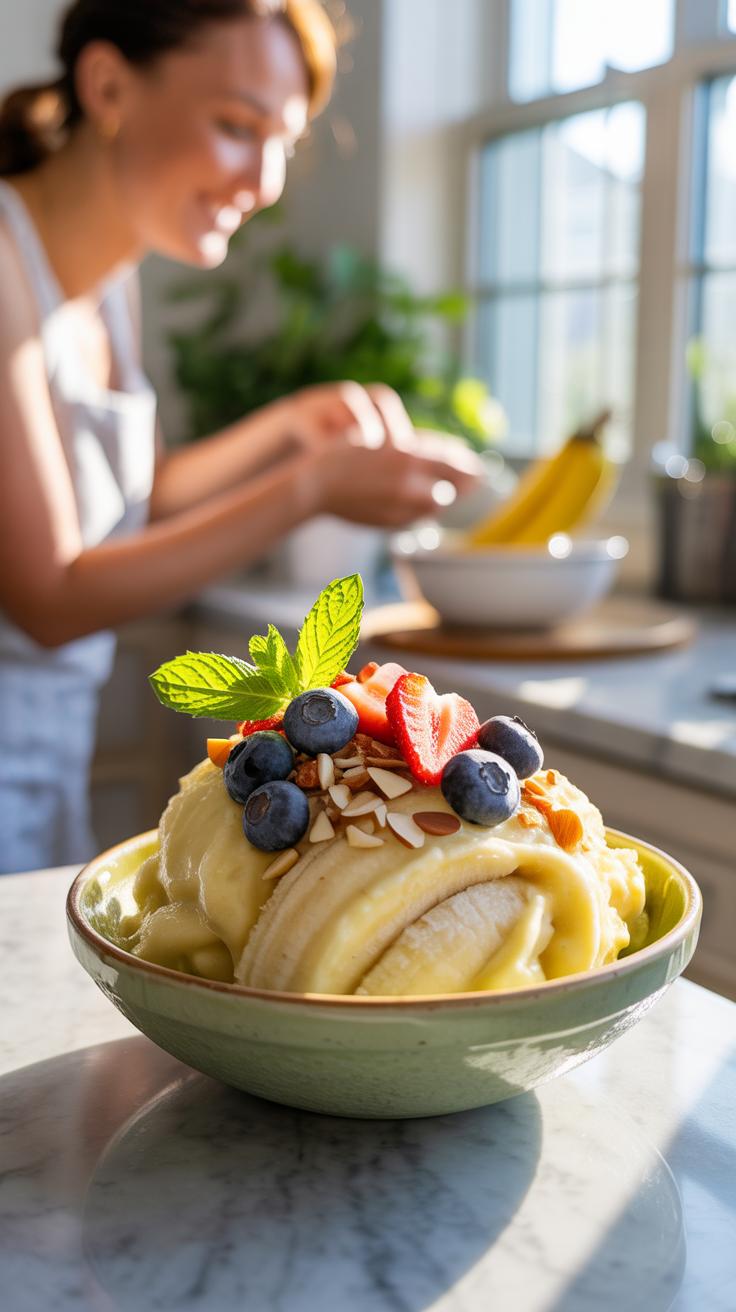
What Is Nice Cream And Why Frozen Bananas Are The Secret Base
Nice cream is a plant based frozen dessert that serves as a tactical substitute for dairy ice cream. This alternative relies on frozen bananas as the primary ingredient. When frozen bananas undergo high speed blending, the fruit fibers and sugars create a thick emulsion. This physical transformation mimics the mouthfeel of heavy cream. It provides a dense texture without added fats.
The success of the base depends on fruit maturity and temperature control. Use overripe bananas with brown spots for maximum natural sweetness. Peel and slice the fruit before freezing to protect your blender motor. Process the slices until they move past the crumbly stage into a smooth state. This method yields a nutrient dense dessert that supports weight loss by eliminating processed sugars.
Simple Flavor Variations To Keep Your Nice Cream Exciting
Standard banana base allows for many flavor profiles through dry and wet additions. Add cocoa powder to create a dark chocolate version without increasing the calorie count significantly. Incorporate frozen berries to adjust the acidity and provide antioxidants. Nut butters offer healthy fats and protein but require careful portion control to maintain weight loss goals. A small splash of vanilla extract improves the profile.
Adjust the final consistency by controlling the liquid input during blending. Use a tablespoon of unsweetened almond milk if the mixture stalls. Avoid over blending as the friction generates heat and melts the structure. Freeze the final product for thirty minutes if you prefer a firm scoop. This flexibility makes healthy ice cream alternatives practical for daily use. Focus on whole food additions to keep the nutritional density high.
Coconut Milk Ice Cream A Creamy Dairy Free Frozen Dessert
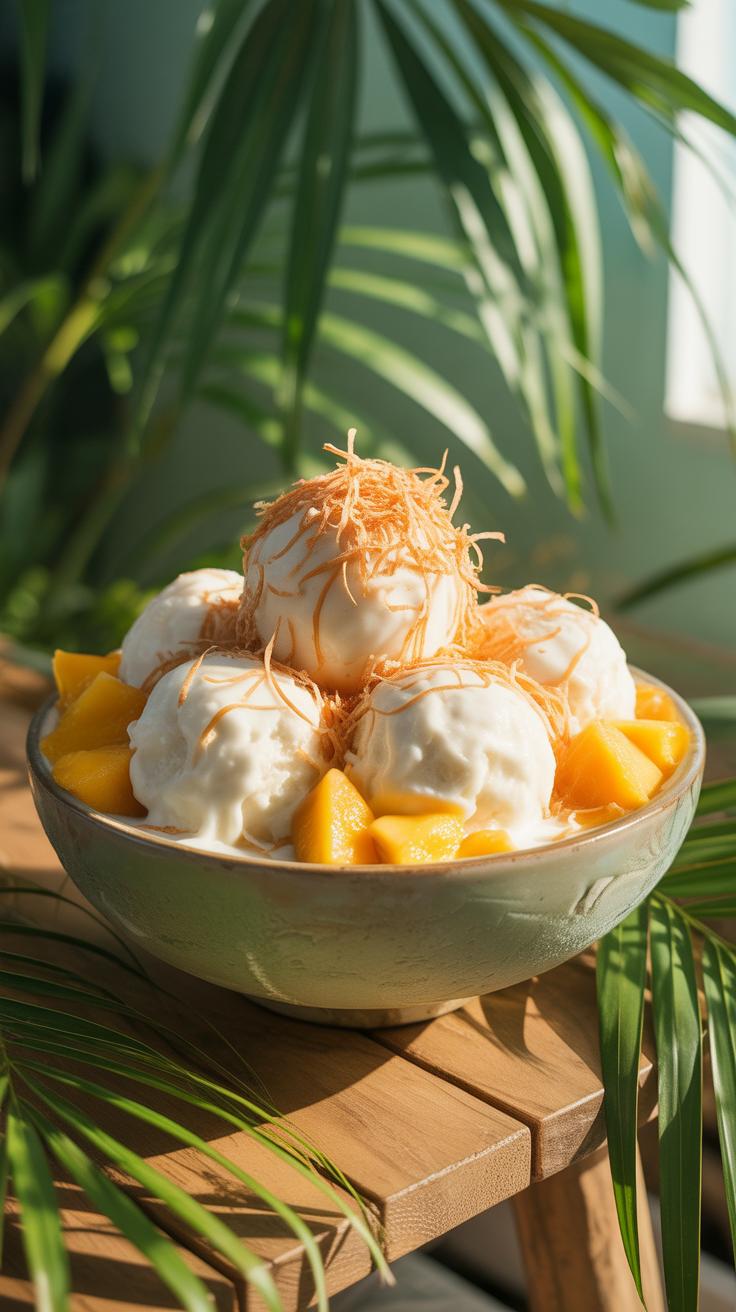
Why Coconut Milk Creates A Rich Texture Without Dairy
Full-fat coconut milk contains high concentrations of medium-chain triglycerides. These lipids mimic the mouthfeel of traditional bovine milk fat. High fat content prevents the formation of large ice crystals during the freezing process. This results in a smooth and dense consistency. Standard dairy ice cream relies on butterfat for structure. Coconut milk provides a plant-based lipid profile that achieves similar structural integrity.
The emulsification process in coconut milk stabilizes the liquid-to-solid transition. Natural saturated fats in coconut milk stay solid at cooler temperatures. This characteristic ensures the dessert does not melt instantly upon contact with air. Manufacturers often use the thick cream layer from canned coconut milk to maximize richness. This method eliminates the watery texture common in other nut milks. It creates a satisfying frozen treat for restrictive diets.
How To Make A Basic Coconut Milk Ice Cream With Minimal Ingredients
You can produce high-quality coconut milk ice cream using three primary components. Start with two cans of full-fat coconut milk to ensure proper fat ratios. High fat content is essential for a scoopable final product. Use a natural liquid sweetener like maple syrup or agave to maintain a smooth texture. These liquids incorporate better than granulated sugars. Whisk the ingredients until the mixture reaches a uniform consistency.
- Full-Fat Canned Coconut Milk: Select cans with high fat content rather than light versions. The fat provides the necessary structure and prevents the mixture from turning into an unpalatable block of ice during storage.
- Liquid Sweeteners: Use maple syrup or honey to sweeten the base. Liquid sugars interfere with ice crystal growth better than dry sugar. This tactical choice keeps the texture soft enough to scoop after freezing.
- Pure Vanilla Extract: Add high-quality vanilla to mask the intense coconut flavor if desired. Vanilla acts as a flavor enhancer that bridges the gap between tropical notes and traditional dessert profiles in every batch.
- Sea Salt: Incorporate a pinch of fine sea salt to balance the sweetness. Salt lowers the freezing point slightly and enhances the overall flavor profile without adding calories or artificial chemical additives to the mix.
- Natural Stabilizers: Add a small amount of guar gum or tapioca starch if you prefer a commercial texture. These agents bind water and fat together. They ensure the ice cream remains creamy during long-term freezer storage.
Pour the chilled base into an electric ice cream maker for best results. Churn the mixture for twenty minutes to incorporate air. This process creates a light volume known as overrun. If you do not own a machine, freeze the mixture in a shallow pan and stir every thirty minutes. This manual agitation breaks up ice shards. Transfer the final product to an airtight container to prevent freezer burn.
Vegan Ice Cream Recipe Ideas That Are Low In Calories
Plant Based Milk Options And How They Affect Taste And Nutrition
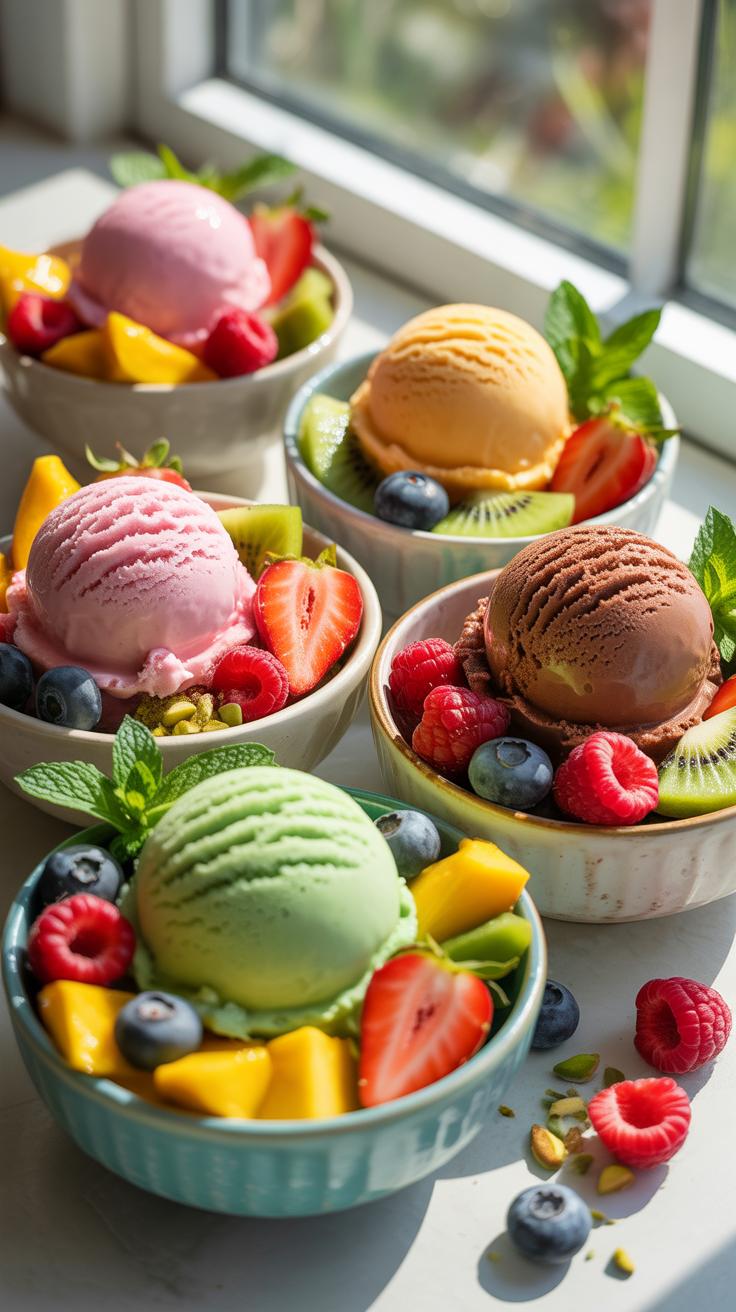
Unsweetened almond milk provides the lowest calorie base for vegan frozen desserts. It contains roughly thirty calories per cup but lacks fat for a creamy texture. Use it for icy textures like granitas or light popsicles. Cashew milk offers more creaminess due to its higher natural fat content. It blends into a smooth consistency that mimics dairy better than almond milk without adding excessive calories.
Coconut milk contains high levels of saturated fat which creates a rich mouthfeel. This fat helps prevent large ice crystals from forming during the freezing process. Full fat versions are calorie dense so use light coconut milk to reduce energy intake. Soy milk provides a high protein profile and stable emulsifiers like lecithin. These properties create a firm structure that holds air well during churning for a lighter result.
Natural Sweeteners That Work Best In Vegan Frozen Desserts
Stevia and monk fruit extract provide sweetness without adding calories or impacting blood sugar levels. These high intensity sweeteners do not add bulk to the recipe. You must adjust the liquid ratios to compensate for the missing sugar volume. Too much stevia can leave a bitter aftertaste in frozen treats. Balance these concentrated extracts with a small amount of fruit puree to improve the overall flavor.
Allulose and erythritol provide the physical bulk of sugar with significantly fewer calories. These sugar alcohols lower the freezing point of the mixture which keeps the dessert soft. Pureed dates or bananas offer fiber and micronutrients alongside natural sugars. These whole food options increase the calorie count but add thickness to the base. Choose the sweetener based on your specific calorie goals and the desired final texture of the ice cream.
Healthy Chocolate Nice Cream For Satisfying Sweet Cravings
Using Cacao Powder Vs. Cocoa Powder In Your Chocolate Nice Cream
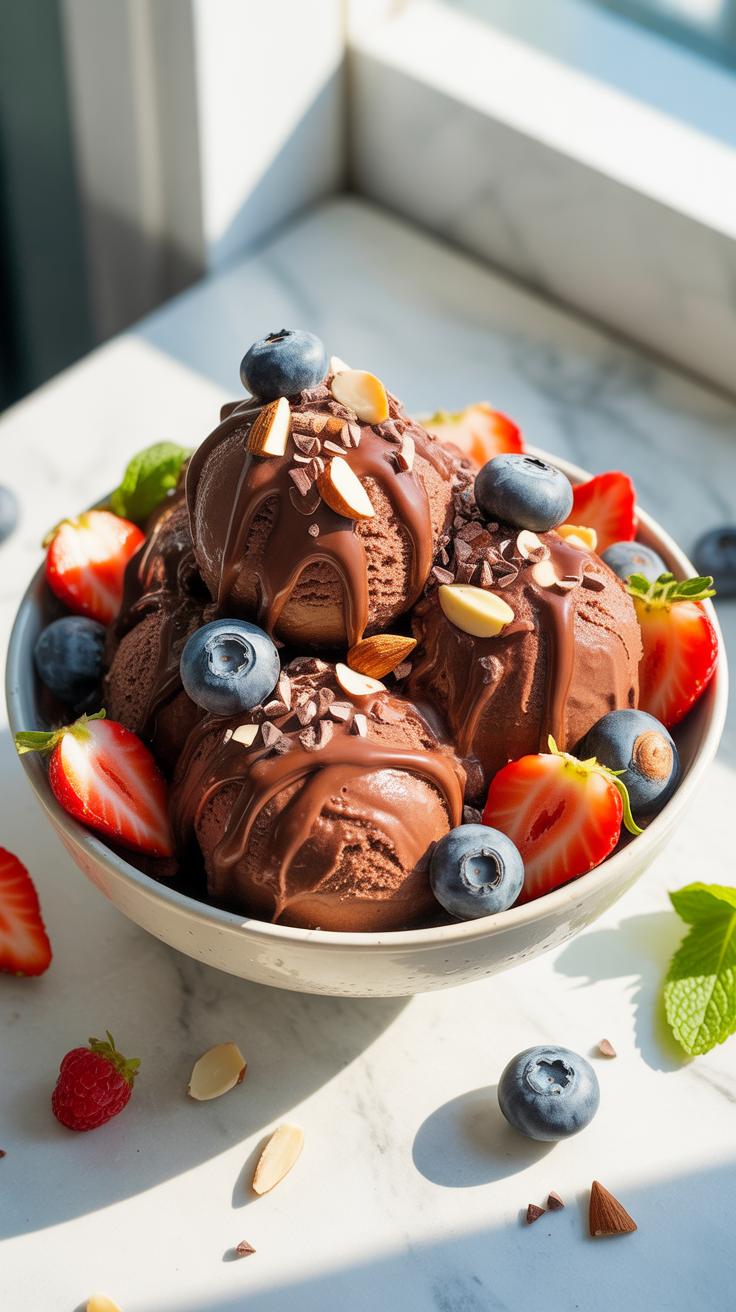
Cacao powder comes from cold-pressing unroasted cocoa beans. This process keeps living enzymes intact and preserves several antioxidants. It offers a bitter, deep profile that pairs well with the sugars in frozen bananas. Use cacao if you want maximum nutrient density. It contains high levels of magnesium and iron. This mineral content supports muscle function and energy levels during a fat loss phase.
Cocoa powder undergoes high-heat roasting during processing. Heat destroys most of the delicate antioxidants but creates a mellow flavor. Most commercial cocoa brands use the Dutch process to reduce acidity. This makes the powder easier to mix but lowers the nutrient count. Choose cocoa powder for a traditional milk chocolate taste. It cost less than raw cacao and is available at every grocery store.
Nutritional Benefits Of A Chocolate Nice Cream Over Traditional Ice Cream
Traditional chocolate ice cream relies on heavy cream and refined cane sugar. These ingredients spike insulin and stall fat burning. A standard serving contains high saturated fat and empty calories. Nice cream uses frozen bananas as a base. This substitution removes all dairy fats and added sugars. You get a creamy texture from natural fruit fibers rather than industrial thickeners or emulsifiers.
Each serving of nice cream provides significant potassium and fiber. Fiber slows down sugar absorption in your bloodstream. This prevents the energy crash common after eating dairy desserts. Cacao adds flavonoids which improve cardiovascular health and blood flow. You consume vitamins B6 and C while staying within your calorie deficit. This switch makes dessert a functional tool for recovery rather than a dietary setback.
Healthy Ice Cream Flavors You Can Recreate With Whole Foods
Fruit Based Frozen Desserts That Deliver Natural Sweetness
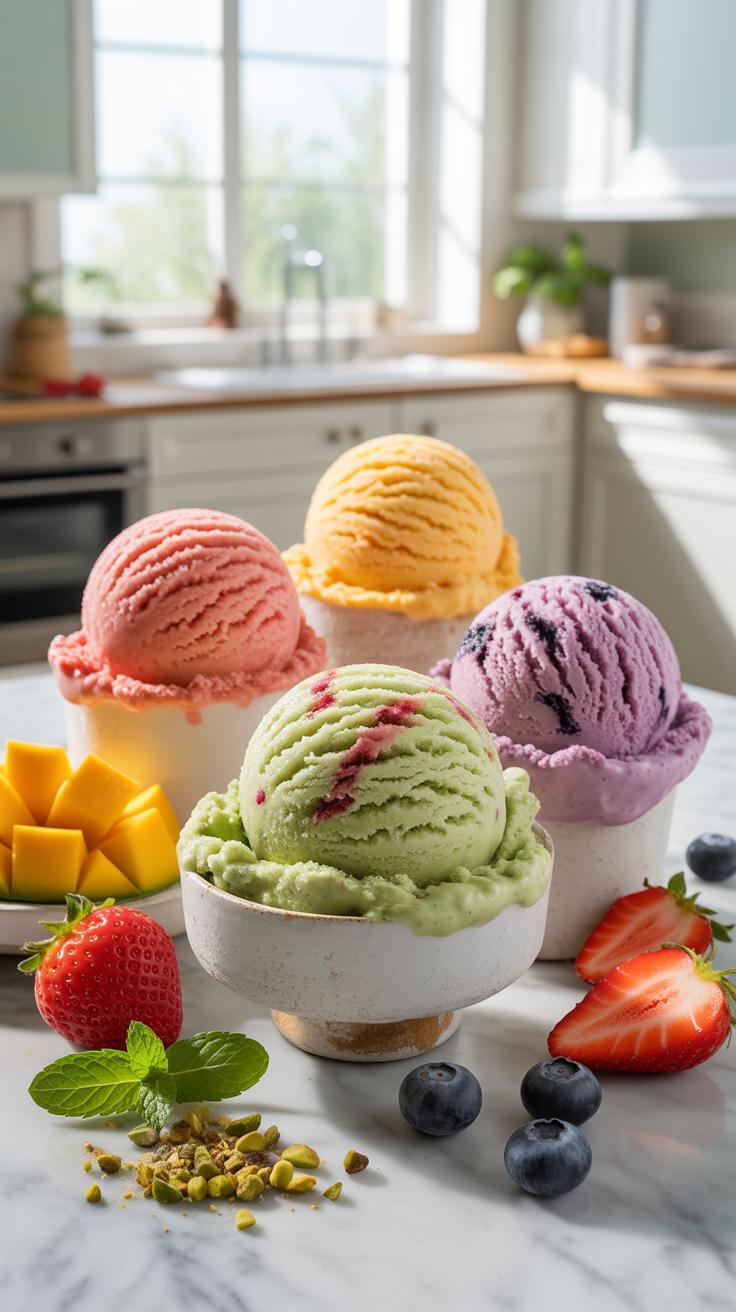
Frozen bananas serve as the optimal structural base for healthy ice cream alternatives. When frozen and blended, the high pectin content creates a creamy emulsion that mimics dairy fat. This technique eliminates the need for refined sugars or artificial thickeners. You achieve a thick consistency by using slightly overripe fruit. This ensures the glucose levels provide maximum sweetness without adding processed syrups.
Berries and stone fruits offer functional variety for these frozen bases. Pureeing frozen mango or peaches creates a sorbet texture with high fiber content. This fiber slows sugar absorption and improves satiation. You should blend these fruits while they are partially frozen to maintain a firm set. This method preserves most of the micronutrients that high-heat industrial processing usually destroys during traditional ice cream manufacturing.
Choosing a chilled bowl of creamy fruit over sugary treats is a small act of self-love that honors your body while cherishing your favorite memories. You do not have to give up indulgence to find your way back to health.
How Herbs And Spices Like Mint And Cinnamon Elevate Healthy Ice Cream Flavors
Spices provide intense flavor profiles without adding caloric density. Cinnamon contains cinnamaldehyde which naturally mimics the sensation of sweetness on the tongue. Adding this spice allows you to reduce the total amount of fruit sugar needed in a recipe. It also helps regulate blood sugar response after eating. This makes your homemade dessert more functional for weight loss goals than standard commercial options.
Fresh herbs like mint and basil provide aromatic depth that masks the absence of heavy cream. Utilizing real mint leaves instead of synthetic extracts offers a cleaner finish and antioxidants. You should finely mince these herbs or blend them directly into the base for consistent flavor distribution. These whole food additions create complex profiles that satisfy the palate. They shift the focus from fat content to genuine ingredient quality.
Ice Cream Substitute Healthy Options Available At The Grocery Store
How To Read Nutrition Labels When Shopping For Healthier Frozen Treats
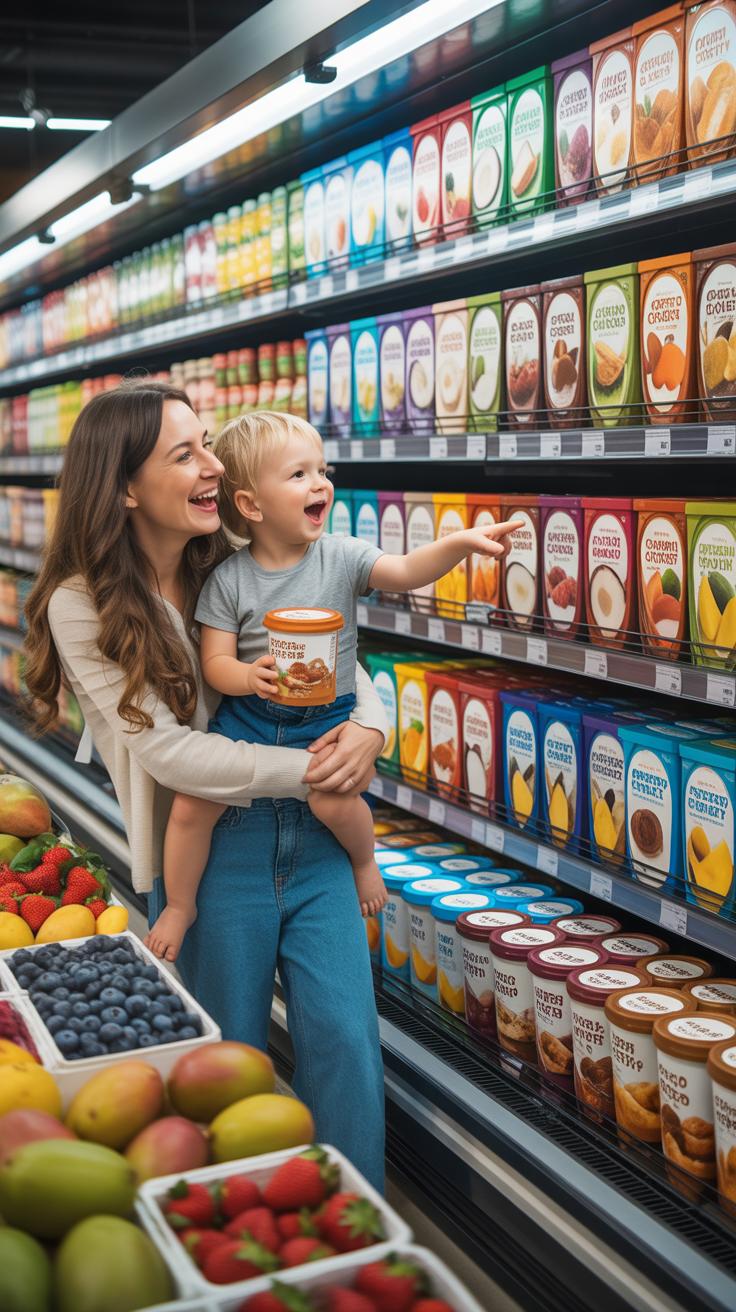
Ignore the marketing claims on the front of the package. Manufacturers use words like natural and light to hide high sugar content. Turn the container around and look at the serving size first. Many brands hide high calorie counts by shrinking the standard portion. Compare the total calories to the volume. A healthy choice should have low caloric density per gram.
Focus on the ingredients list and the fiber count. Sugar alcohols like erythritol or xylitol reduce net carbs but cause digestive distress for some people. Look for short ingredient lists with recognizable foods. Avoid products containing high fructose corn syrup or hydrogenated oils. Check the protein content to ensure satiety. High protein and high fiber help prevent blood sugar spikes after you eat.
Top Store Bought Ice Cream Substitutes Worth Adding To Your Freezer
Grocery store shelves now offer several functional alternatives to traditional dairy ice cream. These products use specific formulations to mimic the texture of milk fat without the caloric load. High protein options offer better satiety than fruit based bars. Look for brands that utilize ultra filtered milk or plant proteins like pea or soy. These selections provide a strategic way to satisfy cravings.
- Greek Yogurt Bars: These bars use strained yogurt to provide a creamy texture and high protein content. They typically contain live active cultures which benefit gut health. Most brands stay under one hundred calories per serving while providing five grams of protein.
- Low Calorie High Protein Pints: Brands like Halo Top use erythritol and prebiotic fiber to lower total calories. One full pint often contains fewer calories than a single scoop of premium ice cream. These products rely on air churned technology to maintain a soft scoopable texture.
- Frozen Fruit Bars: These treats consist primarily of pureed fruit and water. They lack the fat found in dairy but provide natural fiber and vitamins. Ensure the label lists fruit as the first ingredient rather than added cane sugar or corn syrup.
- Chocolate Covered Frozen Bananas: These snacks use the natural creaminess of frozen starch to replace dairy fat. The thin chocolate coating provides flavor without the heavy sugar load of traditional fudge. This option offers potassium and magnesium along with a satisfying crunch.
- Non Dairy Nut Milk Pints: Products made from almond or cashew milk significantly reduce saturated fat levels. These substitutes work well for those avoiding lactose but still wanting a decadent mouthfeel. Check the sugar levels as plant based brands often add sweeteners to improve taste.
Evaluate these options based on your specific dietary goals and macro requirements. Some items focus on low calorie counts while others prioritize high protein or low sugar. Choose the product that fits your daily caloric budget without triggering overeating. Keep these substitutes as tools in your weight loss kit. Consistency in selection leads to long term success in managing body weight and cravings.
Healthy Alternatives To Ice Cream Beyond The Frozen Aisle
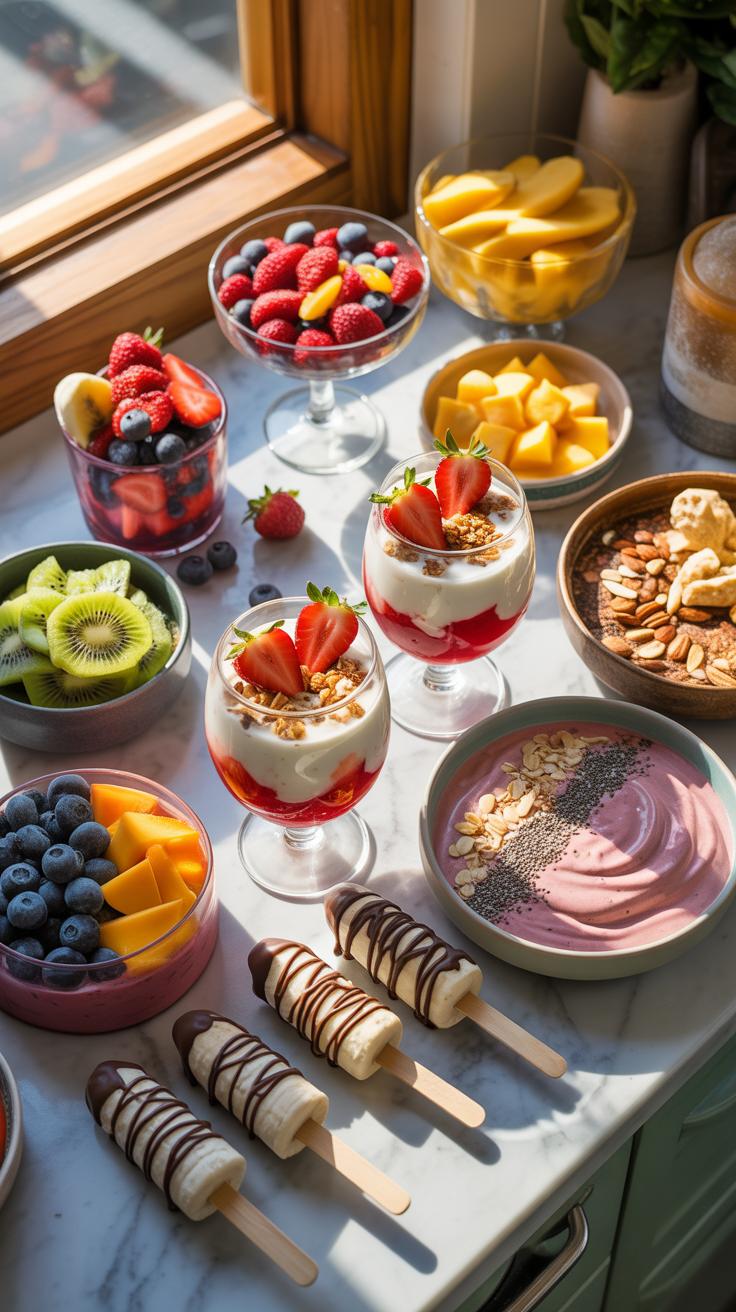
Why Greek Yogurt Parfaits And Frozen Yogurt Bark Are Smart Swaps
Greek yogurt serves as a superior base because of its high protein content. Most ice cream relies on heavy cream and refined sugar. Yogurt provides a similar mouthfeel through natural fats and lactic acid. This protein keeps you full longer than simple sugars. You avoid the insulin spikes that lead to fat storage. High protein intake supports lean muscle mass during weight loss.
Frozen yogurt bark offers a controlled way to mimic the crunch of premium pints. You spread yogurt thin on a tray and freeze it with fruit. This method eliminates the air whipped into commercial products. It provides a dense texture that satisfies the urge to chew. You control every ingredient. This shift removes the stabilizers and artificial gums found in most low calorie frozen desserts.
How Chia Pudding And Smoothie Bowls Can Satisfy An Ice Cream Craving
Chia pudding relies on hydrophilic properties to create a gel. These seeds soak up liquid and expand in your stomach. This process creates a thick texture similar to slow churned ice cream. The high fiber content slows down digestion. You get a steady release of energy instead of a sugar crash. It is a functional food that fixes hunger while tasting like dessert.
Smoothie bowls offer a high volume solution for active weight loss. You blend frozen fruit with minimal liquid to maintain a thick consistency. This mimicry provides the cold temperature your brain associates with ice cream. Using frozen bananas adds natural pectin for extra creaminess. You consume more micronutrients and fiber. This strategy replaces empty calories with fuel that supports your metabolic rate throughout the day.
Frequently Asked Questions

What exactly are healthy ice cream alternatives and how do they help with weight loss?
Healthy ice cream alternatives are nutrient-dense treats designed to satisfy your sugar cravings without the excessive calories, saturated fats, and processed sugars found in traditional pints. By using bases like frozen fruit, Greek yogurt, or almond milk, these options provide essential vitamins and protein. Incorporating these swaps into your diet allows you to enjoy a creamy dessert experience while maintaining a caloric deficit, making long-term weight management much more sustainable and enjoyable.
How can I make a delicious “nice cream” at home using simple ingredients?
Making one of the best healthy ice cream alternatives at home is incredibly simple with a high-speed blender. Start by slicing and freezing overripe bananas until they are solid. Blend the frozen chunks on high, scraping down the sides, until the texture transforms into a soft-serve consistency. You can customize the flavor by adding a splash of vanilla extract, unsweetened cocoa powder, or a tablespoon of natural peanut butter for a protein-packed treat.
Are low-calorie frozen desserts expensive to buy or prepare?
Not at all! While some boutique brands at the grocery store carry a premium price tag, most healthy ice cream alternatives are very budget-friendly. Using seasonal fruits, bulk oats for oat-based recipes, or affordable tubs of plain yogurt keeps costs low. Preparing your snacks at home is often significantly cheaper than purchasing processed diet pints, and it ensures you have full control over the quality and cost of every single ingredient used.