
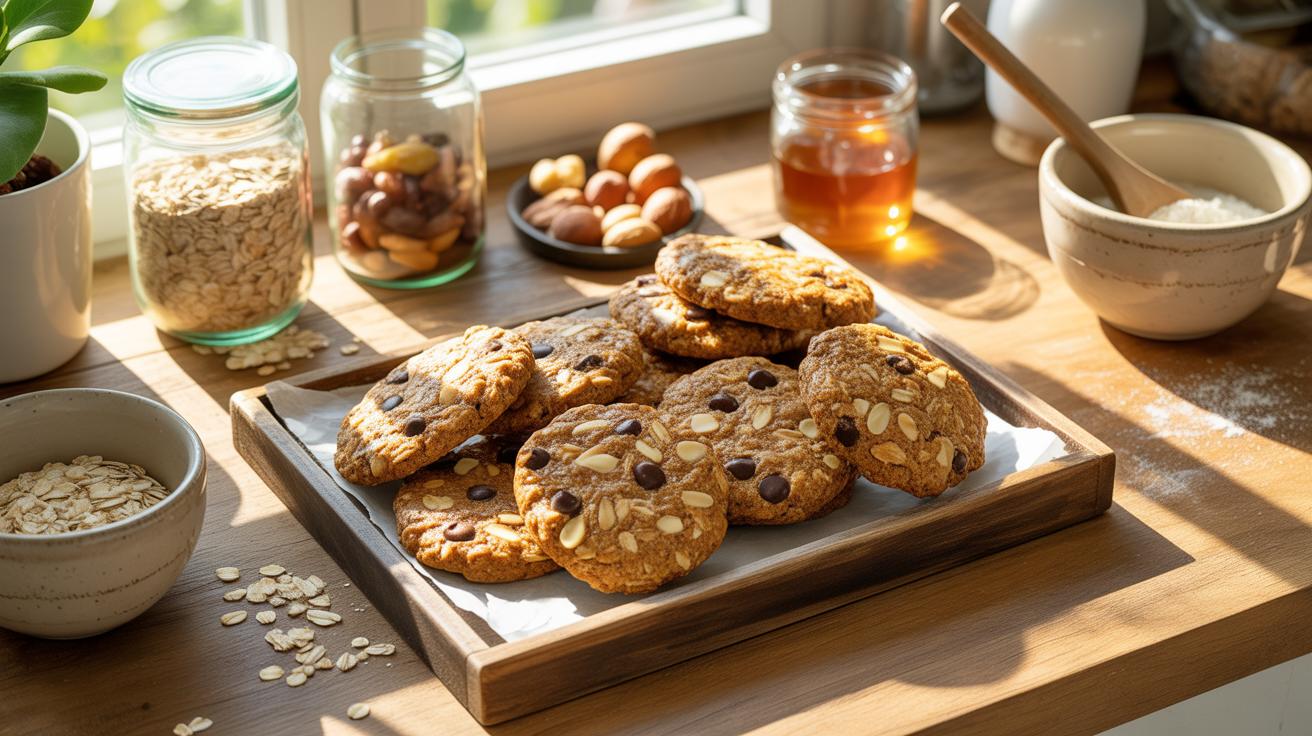
What Are Protein Cookies And Why Are They Worth Making At Home
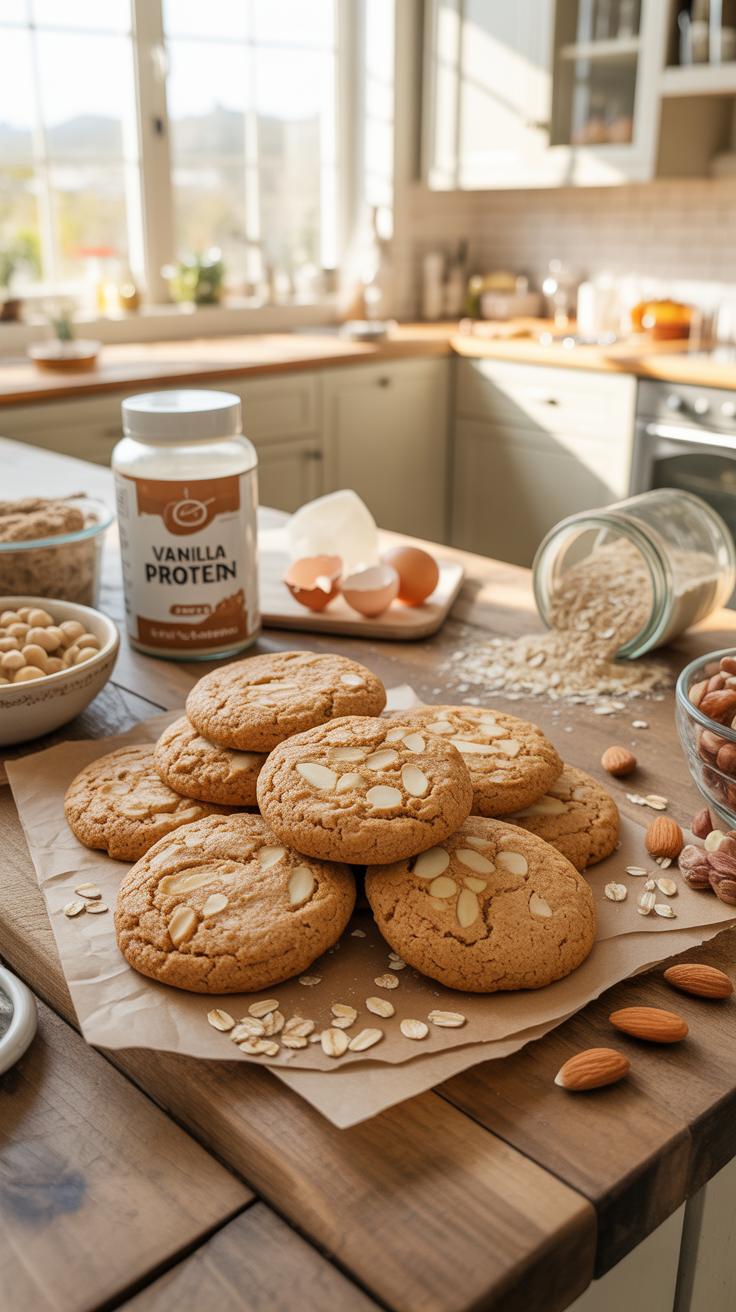
The Difference Between A Regular Cookie And A Protein Cookie
Standard cookies rely on a foundation of white flour, refined sugar, and butter. These ingredients provide quick glucose spikes and minimal satiety. A protein cookie modifies this chemical structure. It replaces a significant portion of cereal grains with concentrated protein sources like whey isolate, casein, or soy. This shift alters the macronutrient ratio. The goal is to lower the glycemic load while increasing muscle protein synthesis.

Texture and shelf life also separate these two categories. Regular cookies use sugar for moisture and structure. Protein cookies often use functional fibers or sugar alcohols to mimic that texture without the caloric density. High protein content makes the dough more absorbent and prone to dryness. Manufacturers and bakers must use specific binding agents like collagen or nut butters to prevent a chalky mouthfeel. The result is a dense, nutrient-heavy snack.
Why Homemade Beats Store Bought When It Comes To A Protein Cookie
Commercial protein cookies often contain low-grade fillers and artificial preservatives to extend shelf life. Manufacturers prioritize cost over ingredient quality. They use excessive palm oil and sugar alcohols to maintain softness during shipping. Homemade versions allow you to control the protein source. You can choose high-quality grass-fed whey or organic plant proteins. This control eliminates unnecessary additives that cause digestive distress or inflammation in many active individuals.

Customization is the primary tactical advantage of baking at home. You can adjust the macronutrient profile to fit your specific training goals. If you need more fiber, you add flax or oats. If you are cutting calories, you swap sugar for stevia or monk fruit. Store-bought options serve a general audience and often contain hidden sugars. Homemade cookies provide fresh nutrients and superior flavor without the industrial chemical aftertaste found in pre-packaged wrappers.
Key Ingredients You Need For Any Protein Powder Cookie Recipe
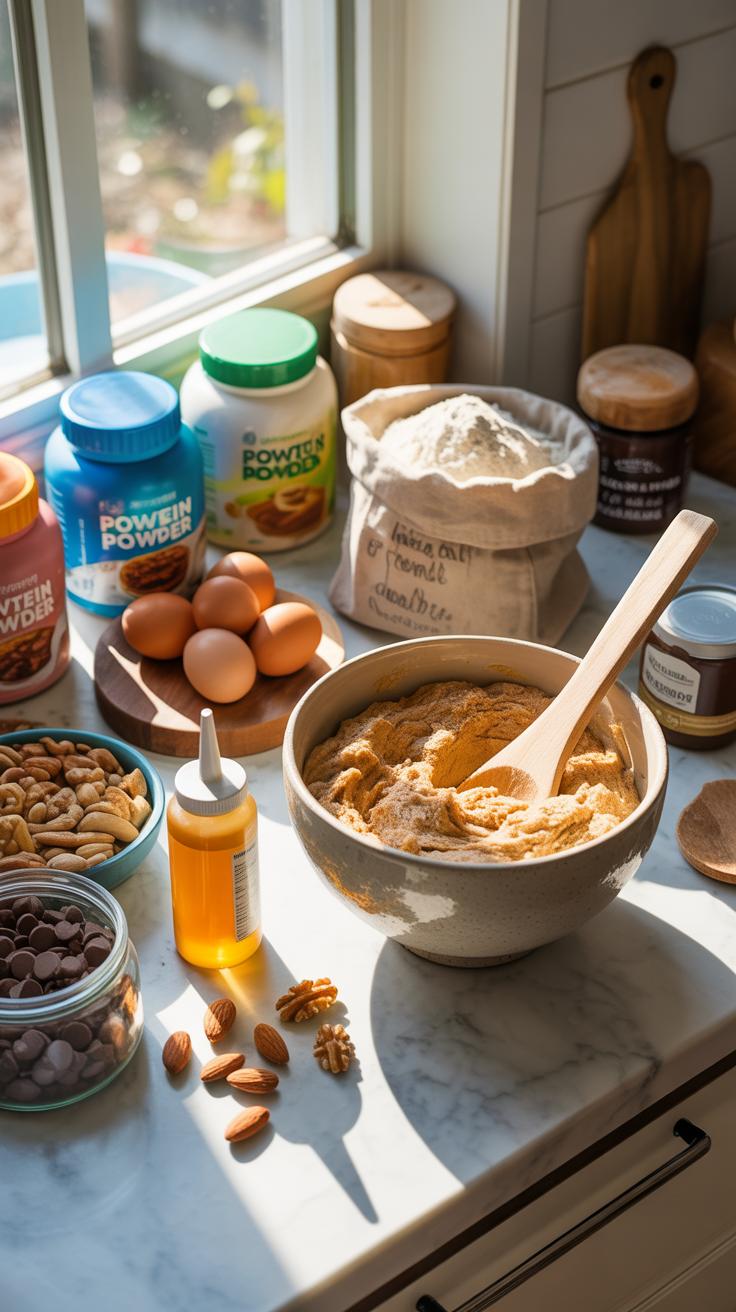
Choosing The Right Protein Powder For Baking Cookies
Whey protein isolate dries out baked goods quickly. It acts like a sponge and absorbs moisture during the heating process. This often results in a rubbery texture if used alone. You must balance whey with fats or fruit purees to keep the cookie soft. Otherwise, the high heat denatures the protein too fast. Your cookies will end up tough and inedible.
Casein or plant-based blends work better for cookies. These powders hold onto water and maintain structure under heat. Casein creates a thicker dough that mimics traditional flour properties. Specifically, soy or pea protein provides a dense crumb that does not collapse. Select a blend of whey and casein for the best results. This combination ensures the cookie stays moist and chewy.
Essential Pantry Staples That Complete Every Protein Powder Cookie Recipe
Protein powder lacks the structural integrity of wheat gluten. You need specific binders and fats to prevent the cookie from crumbling into dust. These staples create the chemical reactions required for browning and rising. Without them, your protein cookies will have the texture of dry cardboard. Accurate measurement of these support ingredients determines if your recipe succeeds or fails.
- Nut Butters: Almond or peanut butter provides necessary healthy fats and stability. These fats coat the protein particles to prevent a rubbery texture. They also improve flavor and ensure the cookie remains moist after cooling down.
- Oat Flour: Ground oats provide a complex carbohydrate base that absorbs liquid evenly. This flour adds bulk without the heavy gluten found in all-purpose flour. It helps the cookie maintain its shape and provides a pleasant, hearty chew.
- Liquid Sweeteners: Honey or maple syrup adds moisture that granulated sugar cannot provide. These liquids help bind the dry protein powder to the other ingredients. They also encourage the Maillard reaction, which gives the cookies a golden brown color.
- Baking Soda: This leavening agent reacts with acidic ingredients to create lift. Even small amounts prevent the protein dough from becoming too dense. It ensures the center of the cookie stays soft while the edges get slightly crisp.
- Egg Whites: Pure protein from egg whites provides structure without adding significant fat or calories. They act as a powerful glue that holds the powder and flour together. This prevents the cookies from falling apart when you pick them up.
Healthy fats are mandatory for heat distribution in the dough. Grass-fed butter or coconut oil helps the heat penetrate the center of the cookie evenly. This results in a consistent bake across the entire batch. You should also include a pinch of sea salt to enhance the natural flavors. Proper fat ratios prevent the protein from becoming sandy or gritty during the baking cycle.
How To Bake High Protein Cookies That Actually Taste Good
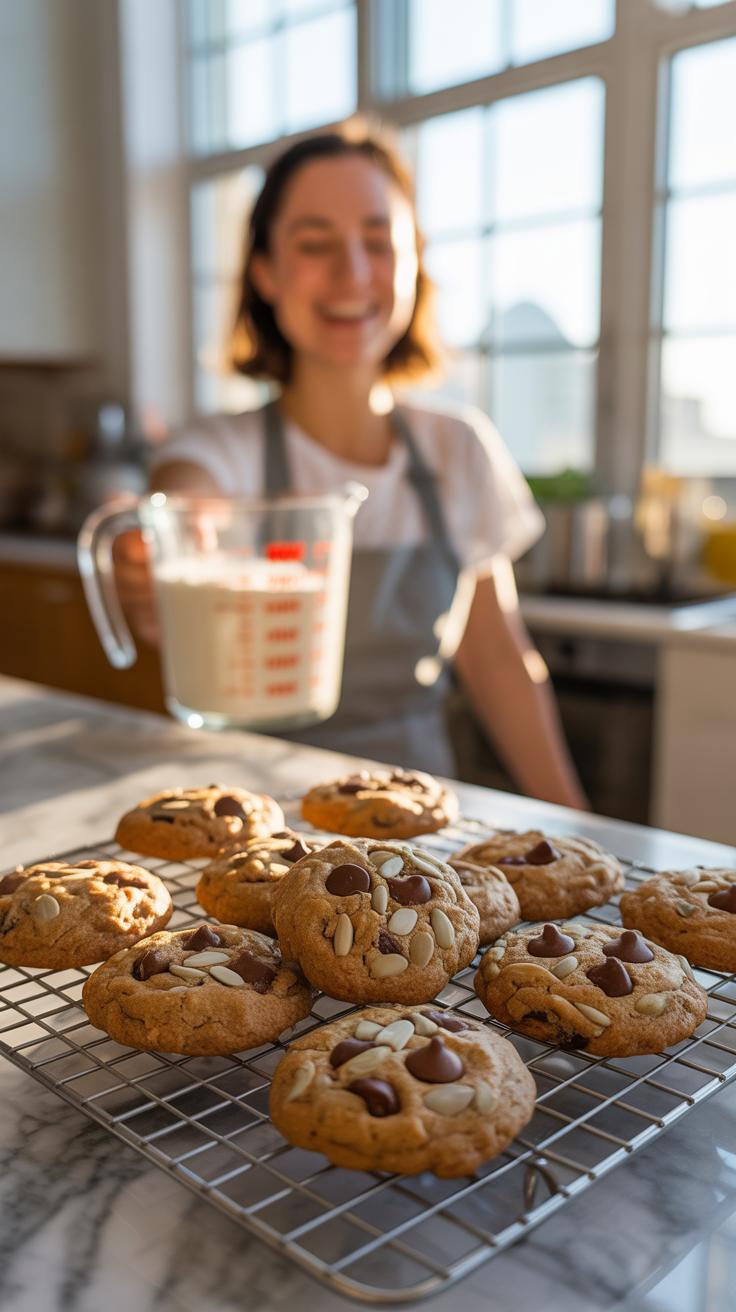
Balancing Macros Without Compromising Texture In High Protein Cookies
Standard cookie chemistry relies on the ratio of fat and sugar to flour. Adding protein powder disrupts this balance because protein absorbs more moisture than wheat flour. Most bakers fail because they swap flour for protein at a one-to-one ratio. This creates a dry and crumbly mess. You must increase healthy fats or fruit purees to keep the dough pliable and moist during the baking process.
Nut butter and Greek yogurt act as effective binders that improve the final mouthfeel. These ingredients provide the fat and moisture needed to counteract the drying effects of whey or casein. Casein protein generally performs better in baking than whey because it retains more water. Use a blend of different protein sources to achieve a density that mimics traditional cookies. Careful measurement ensures the macros stay lean.
Common Baking Mistakes That Ruin High Protein Cookies And How To Avoid Them
Overbaking is the most frequent error in high protein baking. Protein powders harden quickly under heat and turn rubbery if they stay in the oven too long. You should remove the cookies when the edges are set but the center still looks underdone. Residual heat from the tray will finish the cooking process. This technique preserves the soft texture required for a palatable snack.
Excessive mixing also ruins the structure of the cookie. Overworking the dough develops gluten and creates a tough bite. Mix the ingredients until they just combine to maintain a tender crumb. High heat is another enemy. Lower your oven temperature by twenty-five degrees compared to standard recipes. A slower bake prevents the outer layer from burning before the internal structure sets. Direct heat management yields professional results.
Low Calorie Protein Cookies You Can Enjoy Without The Guilt
How To Reduce Calories In A Cookie Without Stripping Out Flavor
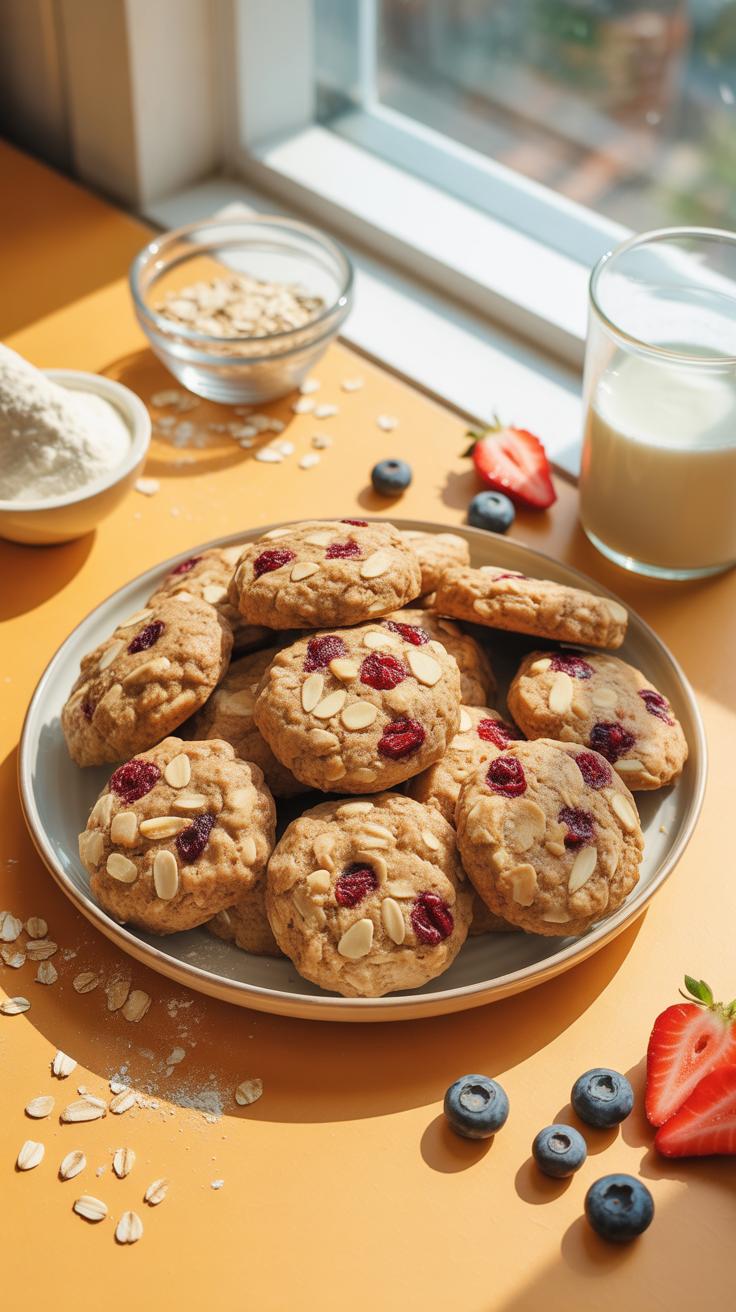
Calories in cookies primarily come from fats and sugars. To lower the energy density, you must increase the water and fiber content of the dough. High quality protein powder acts as a structural filler but can dry out the final product. Balancing this dryness with moisture rich binders allows you to remove butter and oil. Using spices like cinnamon or nutmeg mimics the richness that usually comes from fat.
Strategic flavoring prevents the cookie from tasting like cardboard. Use pure vanilla extract and sea salt to enhance the natural profile of the protein source. Salt triggers taste buds and makes the sweetness of sugar alternatives more potent. Proper hydration of the dough is also critical. Letting the mixture rest allows the protein and fiber to absorb liquid. This step creates a better mouthfeel despite the lack of traditional lipids.
Smart Ingredient Swaps For Genuinely Low Calorie Protein Cookies
Replacing butter with unsweetened applesauce or mashed pumpkin reduces the calorie count by eighty percent. These plant based fats provide the necessary moisture for a soft texture. Egg whites offer a pure protein source without the cholesterol and fat found in yolks. When using protein powder, choose a whey and casein blend. Casein thickens the dough and prevents the cookie from becoming too flat or rubbery during the baking process.
Transition from granulated sugar to erythritol or stevia to eliminate caloric impact from sweeteners. These alternatives provide the crystalline structure needed for a crisp edge without the blood sugar spike. Replace all purpose flour with oat flour or almond flour for better nutrient density. Oat flour contains beta glucan fiber which helps with satiety. Small adjustments in leavening agents like baking soda ensure the cookie rises properly without requiring extra heavy binders.
Low Calorie High Protein Cookies That Support Your Fitness Goals
Understanding The Calorie To Protein Ratio In Homemade Fitness Snacks
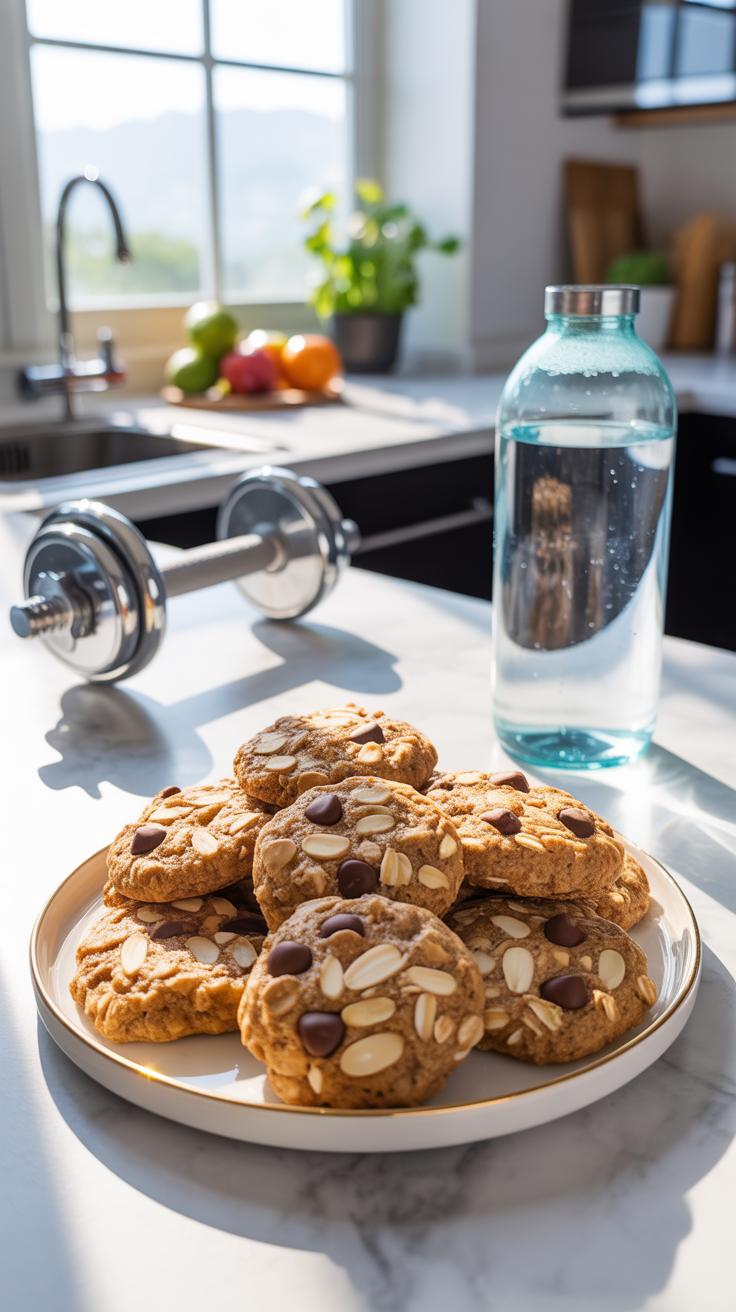
Successful fat loss requires a high protein-to-calorie density. Most commercial cookies fail this check by adding excess sugar and fats. A tactical fitness snack should provide at least one gram of protein for every ten calories consumed. Achieving this ratio requires careful ingredient selection. You must prioritize lean protein sources over calorie-dense binders. This approach ensures you stay full while maintaining a strict daily caloric deficit.
The math governs your muscle retention and hunger levels. Traditional baking uses flour and butter which drive up the carb and fat counts. You must replace these with high-quality isolates or concentrates. Whey protein offers high bioavailability but requires moisture control to avoid a rubbery texture. Casein provides a thicker consistency that mimics flour better. Monitoring these ratios allows you to eat more volume while consuming fewer total calories.
Best Base Recipes For Low Calorie High Protein Cookies After A Workout
Post-workout recovery demands fast-digesting proteins and moderate carbohydrates to spike insulin. Use a base of egg whites and stevia to keep the fat counts near zero. Oat flour serves as a superior complex carbohydrate compared to white flour. It provides the necessary glucose for glycogen replenishment without the insulin crash. Mixing these with whey isolate creates a fast-absorbing snack that initiates immediate muscle tissue repair.
Texture dictates long-term adherence to a diet. Use pureed pumpkin or non-fat Greek yogurt to replace butter and oil. these ingredients provide moisture and bulk without the heavy caloric load. Applesauce is another viable binder that adds natural sweetness. Avoid using whole eggs if you want to keep the calories at a minimum. Stick to these functional swaps to produce a cookie that tastes good and hits your macros.
Low Sugar Protein Cookies For People Watching Their Sugar Intake
Natural Sweeteners That Work Best In Low Sugar Protein Cookies
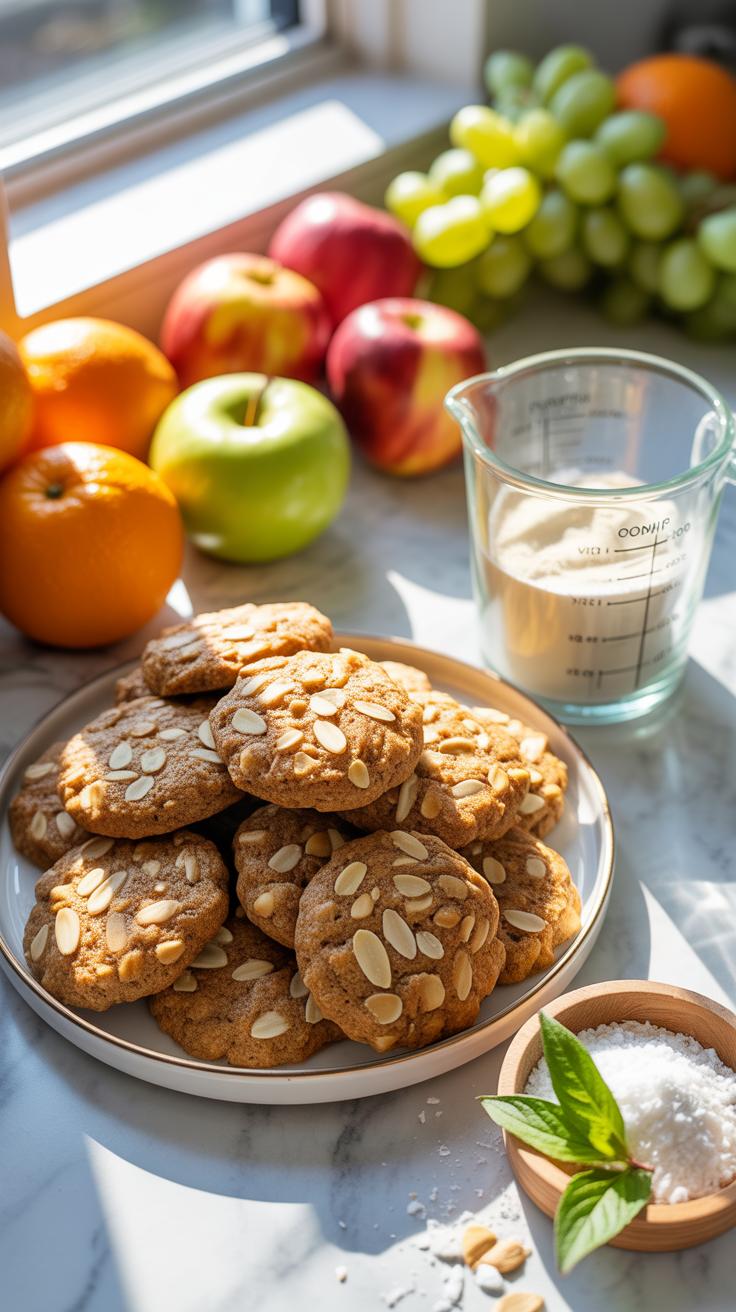
Monk fruit and erythritol are the most effective sugar replacements for protein baking. These sugar alcohols provide bulk without the high glycemic impact. They mimic the texture of granulated sugar which helps the structure of the cookie. Ensure you use a brand that measures at a one to one ratio. This simplifies the conversion process and prevents the batter from becoming too dry.
Stevia works well but requires precise measurement due to its high potency. Overusing stevia creates a bitter aftertaste that ruins the flavor profile of the protein powder. Allulose is another strong option because it browns like real sugar during the baking process. Most sweeteners do not caramelize so allulose provides a more traditional appearance. Choose your sweetener based on your specific tolerance for aftertaste and digestive comfort.
There is no smell in the world like the scent of cookies baking in your own oven, reminding us that the best fuel for our bodies is always made with love at home.
How To Keep Low Sugar Protein Cookies Moist And Chewy Without Added Sugar
Sugar acts as a humectant that holds moisture in baked goods. When you remove it the protein powder often creates a dry and sandy texture. You must replace that lost moisture with healthy fats or fruit purees. High quality fats like almond butter or coconut oil help coat the protein particles. This prevents the proteins from binding too tightly which keeps the cookie soft and edible.
Pureed pumpkin or unsweetened applesauce also work as effective moisture agents. These ingredients provide the bulk and hydration needed to stop the cookie from crumbling. Be careful with baking times since low sugar dough burns faster than traditional dough. Pull the cookies out of the oven when the edges are set but the center remains soft. Residual heat will finish the cooking process on the tray.
Protein Chocolate Chip Cookies That Satisfy Every Sweet Craving
Why Chocolate Chips Are One Of The Most Popular Mix Ins For A Protein Cookie
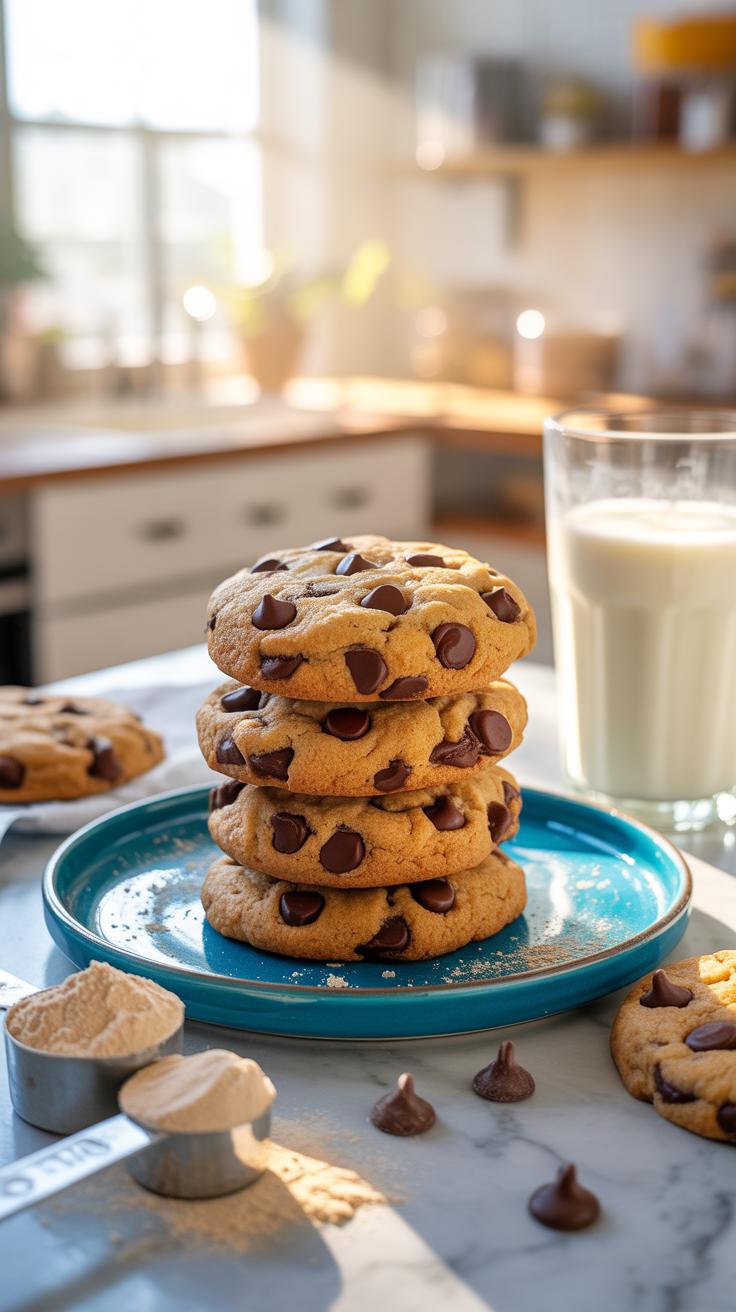
Chocolate chips maintain their structural integrity during the high-heat baking process. Traditional chocolate bars melt into the dough and alter the moisture levels of the cookie. Chips offer a consistent distribution of flavor without ruining the protein-to-fat ratio. This stability ensures that the final product remains predictable in its macro-nutrient count. Reliable texture is critical when working with dry protein powders.
The psychological impact of chocolate chips helps transition consumers from sugary snacks to high-protein alternatives. Most protein powders have a distinct aftertaste that many find unappealing. High-quality dark chocolate chips mask these chemical notes through their strong natural fats and cocoa solids. Using chips allows a baker to control the sugar content while providing the familiar mouthfeel of a standard dessert.
Step By Step Guide To Making Classic Protein Chocolate Chip Cookies At Home
Baking with protein powder requires a specific sequence to avoid a rubbery or dry texture. You must mix your dry ingredients separately from your wet ingredients to ensure even distribution of the leavening agents. Use a blend of whey and casein protein to achieve the best chewiness. Over-mixing the dough will develop too much gluten and result in a tough, unappealing cookie.
- Choose the Protein: Use a whey and casein blend for the best results. Pure whey often dries out in the oven and becomes brittle. Casein helps hold moisture and creates a texture similar to traditional flour-based cookies.
- Select Fats Wisely: Use room temperature grass-fed butter or coconut oil. These fats provide the necessary lipids to counteract the drying effects of the protein powder. Proper fat content ensures the cookies spread correctly on the baking sheet.
- Monitor the Temperature: Set your oven to exactly 350 degrees Fahrenheit. High heat causes protein to toughen quickly. Baking at a moderate temperature allows the center to cook through before the edges become too hard or burnt.
- Add Moisture Sources: Include unsweetened applesauce or mashed banana to replace some sugar. These ingredients provide bulk and hydration without adding excessive calories. They keep the protein fibers soft during the heat application and cooling stages.
- Fold the Chips: Add the chocolate chips last using a spatula. Do not use an electric mixer for this step. Manual folding prevents the chips from breaking and keeps the dough aerated for a lighter final bite.
Pull the cookies out of the oven when the edges appear firm but the centers look underdone. Residual heat will finish the cooking process on the tray. If you wait until the center looks dry, the protein will overcook and become chalky. Allow the cookies to cool for at least ten minutes to let the proteins set. This patience yields a professional-grade texture.
Exploring More Protein Cookie Recipes Beyond The Classic Chocolate Chip
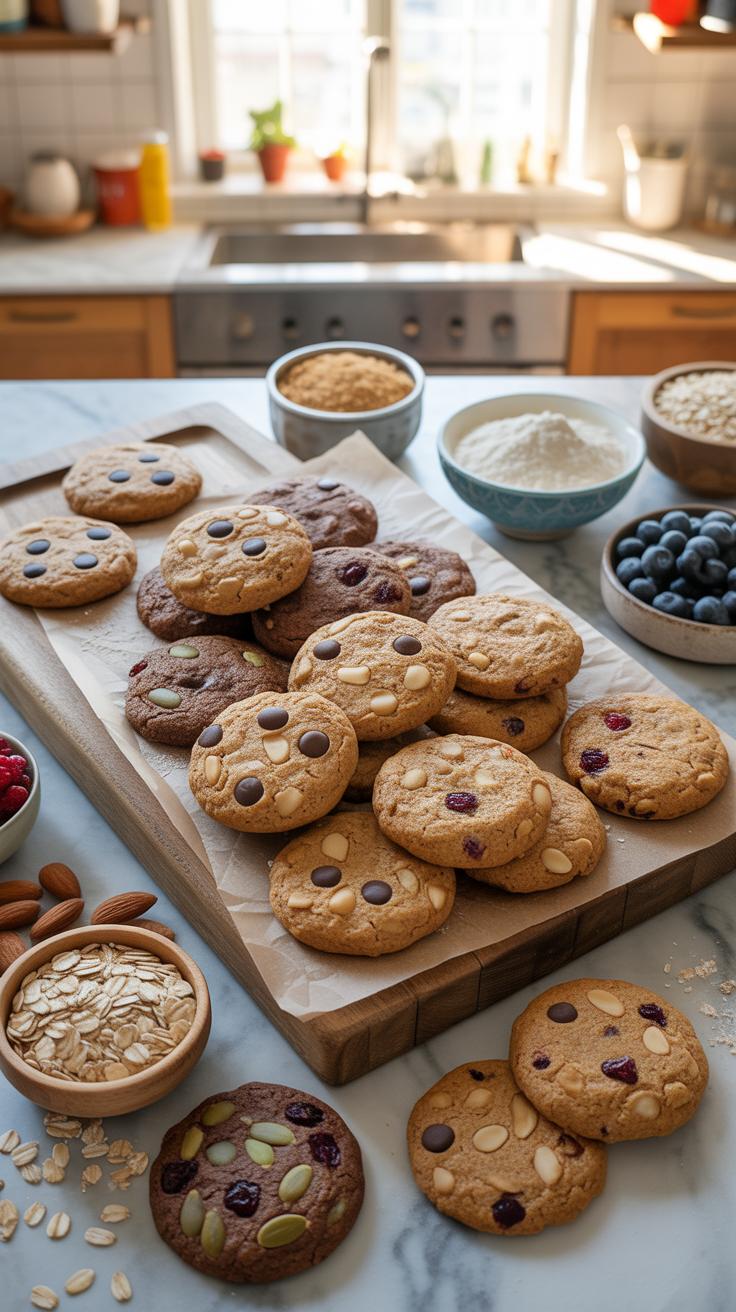
Flavor Variations Worth Trying Across Different Protein Cookie Recipes
Chocolate chip is the standard but flavor fatigue ruins consistency. Swap semi-sweet chips for white chocolate and crushed macadamia nuts to change the profile. Use lemon zest and poppy seeds with vanilla whey for a bright taste. These shifts keep your diet from feeling like a chore. Fresh fruit like blueberries works if you eat the cookies within two days.
Nut butters also serve as a flavor engine. Almond butter provides a neutral base while peanut butter dominates the palate. Add freeze dried strawberry powder to create a peanut butter and jelly effect. Cocoa powder allows for a double chocolate version without adding significant fat. Match your extracts to your base. Use almond extract with cherry or maple extract with pecans.
Adapting Protein Cookie Recipes For Dietary Needs Like Gluten Free Or Vegan
Gluten free protein cookies require specific binders to prevent crumbling. Trade wheat flour for oat flour or almond meal. These options absorb moisture differently than grain flour. Use xanthan gum if your protein powder lacks thickeners. This ensures the cookie holds its shape after baking. Always check that your protein powder is certified gluten free to avoid any hidden cross contamination.
Vegan adaptations replace eggs and dairy. Use a flax egg by mixing ground flaxseed with water. This provides the necessary structure and healthy fats. Swap whey protein for pea or soy isolates. Whey will not work with vegan binders and often turns rubbery without eggs. Choose coconut oil or avocado oil instead of butter. These plant fats provide the richness needed for a soft texture.
How To Make Protein Bars At Home Using The Same Core Ingredients

The Similarities And Differences Between Homemade Protein Bars And Protein Cookies
Protein cookies and bars share a structural foundation of protein powder, binders, and fats. Both rely on whey, casein, or plant based isolates for high amino acid density. You use the same nut butters and oats in both formats. The primary difference lies in the moisture content and the structural integrity required for shelf stability. Cookies need a soft crumb while bars require a dense chew.
Texture management separates these two snacks. Cookies undergo a chemical change through heat that creates a delicate rise. Bars function as a concentrated fuel source with a tighter internal mesh. You must adjust the ratio of liquid to dry mass to achieve the right form factor. While cookies prioritize a rounded shape, bars leverage high compression. This density allows bars to withstand travel better than brittle homemade cookies.
No Bake Protein Bar Recipes That Come Together In Under 20 Minutes
No-bake protein bars eliminate the risk of denaturing proteins through excessive oven heat. You combine dry protein powder with a sticky binder like honey or brown rice syrup. This method preserves the natural moisture of the ingredients. You simply mix the base in a bowl and press it into a parchment lined pan. Cold setting in the refrigerator ensures the bar holds its shape without crumbling.
Speed is the main advantage of the no-bake process. You can prep a full week of snacks in fifteen minutes. Start with a ratio of two parts dry to one part wet ingredients. Add texture with flax seeds or chopped nuts after the base is smooth. Once firm, cut the tray into uniform rectangles. Wrap them in foil for immediate portability and consistent portion control during your training week.
Storing Freezing And Meal Prepping Your Homemade Protein Cookies And Bars
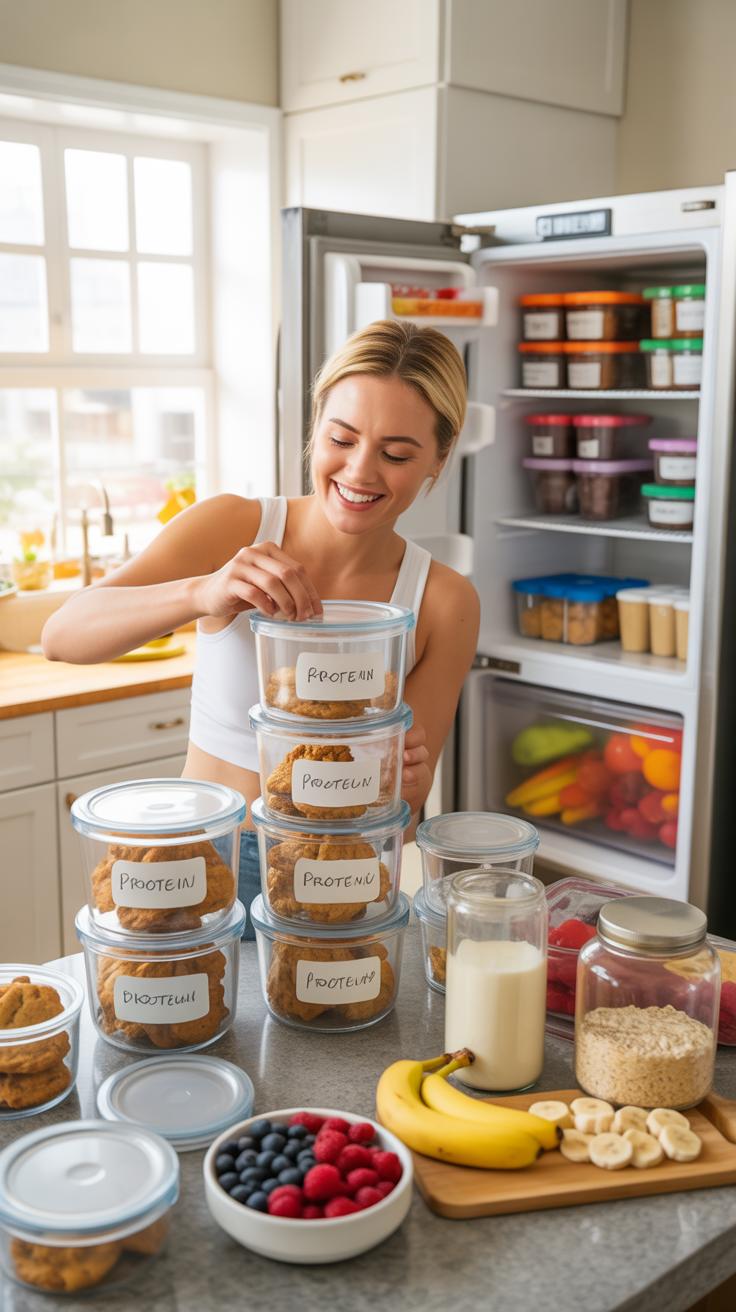
How Long Homemade Protein Cookies Stay Fresh And How To Store Them Properly
Homemade protein cookies lack the industrial preservatives found in commercial brands. Most batches stay fresh at room temperature for three to five days in an airtight container. Moisture is the primary enemy of texture. If your recipe uses Greek yogurt, pumpkin puree, or fruit, you must refrigerate the cookies immediately. Cold storage extends their shelf life to about ten days.
Use glass containers with locking lids to prevent air exchange. If you stack cookies, place parchment paper between layers to stop sticking. For long term storage, the freezer is the best option. Frozen protein cookies maintain quality for up to three months. Thaw them on the counter for thirty minutes or microwave for fifteen seconds. This preserves the protein structure and prevents the edges from becoming stale.
Batch Baking Tips To Keep A Weekly Supply Of Protein Cookies Ready To Go
Efficiency requires calculating total weekly protein needs before you start baking. Double or triple your base recipe to maximize oven time. Use standardized measurements like scoops or kitchen scales to ensure each cookie contains the same macros. Portions must be consistent for accurate tracking. Bake multiple trays at once but rotate them halfway through for even heat distribution. This prevents burnt bottoms and raw centers.
Flash freeze your cookies before final packaging to prevent clumping. Place individual cookies on a baking sheet in the freezer for one hour. Once firm, move them into labeled freezer bags. Label each bag with the date and specific protein count per serving. This system allows you to grab a single portion every morning without defrosting the entire batch. It saves time and ensures a steady supply of high quality fuel.
Frequently Asked Questions

Are homemade protein cookies actually better for you than store-bought versions?
Making your own protein cookies at home is significantly healthier because you control every single ingredient. Most store-bought options are packed with artificial sweeteners, preservatives, and sugar alcohols that can cause bloating. By baking them yourself, you can use high-quality protein powder, natural sweeteners like honey or maple syrup, and wholesome binders like oat flour or almond butter, ensuring a nutrient-dense snack that fits your specific dietary goals perfectly.
How do I prevent my homemade protein cookies from becoming too dry or rubbery?
The secret to the perfect texture is avoiding over-baking and choosing the right protein source. Whey protein tends to dry out in the oven, so try swapping half the amount for casein or a plant-based blend to keep the center soft. For the best result with your protein cookies, always remove them from the oven when they still look slightly underdone, as they will continue to firm up while cooling on the tray.
Is it expensive to start making high-protein snacks and bars at home?
Not at all! While the initial cost of a tub of protein might seem high, the cost per serving is much lower than buying individual pre-packaged bars. You can save money by using pantry staples like rolled oats, peanut butter, and bananas as your base. Buying bulk seeds or nuts also keeps expenses down, allowing you to create a week’s worth of custom, high-protein treats for a fraction of the retail price.