
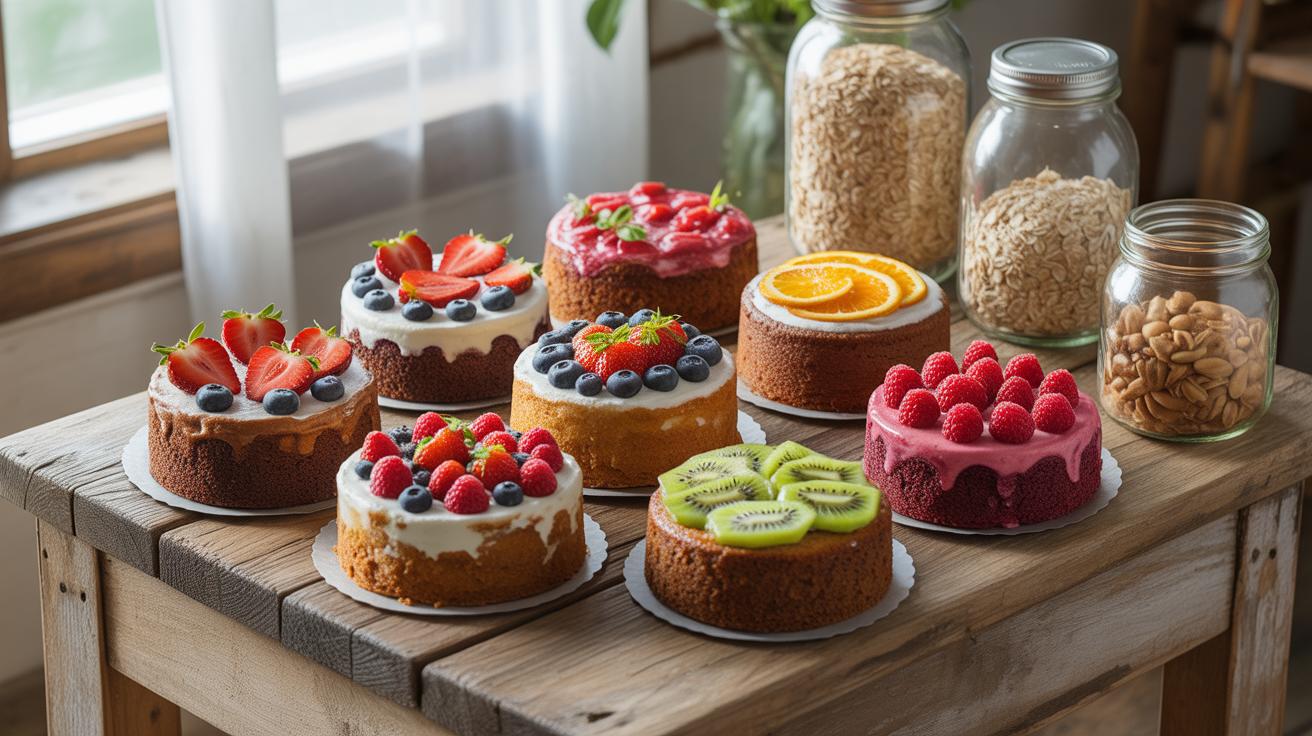
What Are Low Sugar Cake Recipes And Why They Matter For Your Health

Understanding The Role Of Sugar In Traditional Cake Baking
Sugar does more than provide sweetness in traditional baking. It acts as a primary tenderizer by interfering with gluten development and protein coagulation. This process creates a soft crumb. Sugar also retains moisture through hygroscopy, which keeps the cake from drying out during the baking process. Without enough sugar, cakes often become tough, dry, and dense rather than light and airy.

Browning occurs through the Maillard reaction and caramelization when sugar meets high heat. This creates the golden crust and complex flavor profile characteristic of classic sponges. Sugar also assists in leavening by stabilizing air bubbles during the creaming stage. Reducing sugar requires tactical substitutions to mimic these chemical reactions. You cannot simply remove sugar without altering the structural integrity and shelf life of the final product.
How Reducing Sugar In Cakes Can Benefit Your Overall Well Being
High sugar intake leads to rapid blood glucose spikes and insulin resistance. Reducing sugar in cake recipes helps stabilize energy levels and prevents the metabolic crash associated with refined carbohydrates. Low sugar baking supports long term weight management by lowering the total caloric density of desserts. This shift reduces the risk of chronic conditions like type 2 diabetes and non alcoholic fatty liver disease.
Lowering sugar levels also helps reduce systemic inflammation within the body. Excess sugar consumption contributes to glycation, which damages skin collagen and increases the risk of cardiovascular issues. By choosing low sugar cake recipes, you prioritize metabolic health without sacrificing the social experience of eating dessert. Tactical ingredient swaps allow you to maintain flavor while significantly improving the nutritional profile of every slice you consume.
Best Natural Sugar Substitutes For Healthy Cake Recipes No Sugar Added
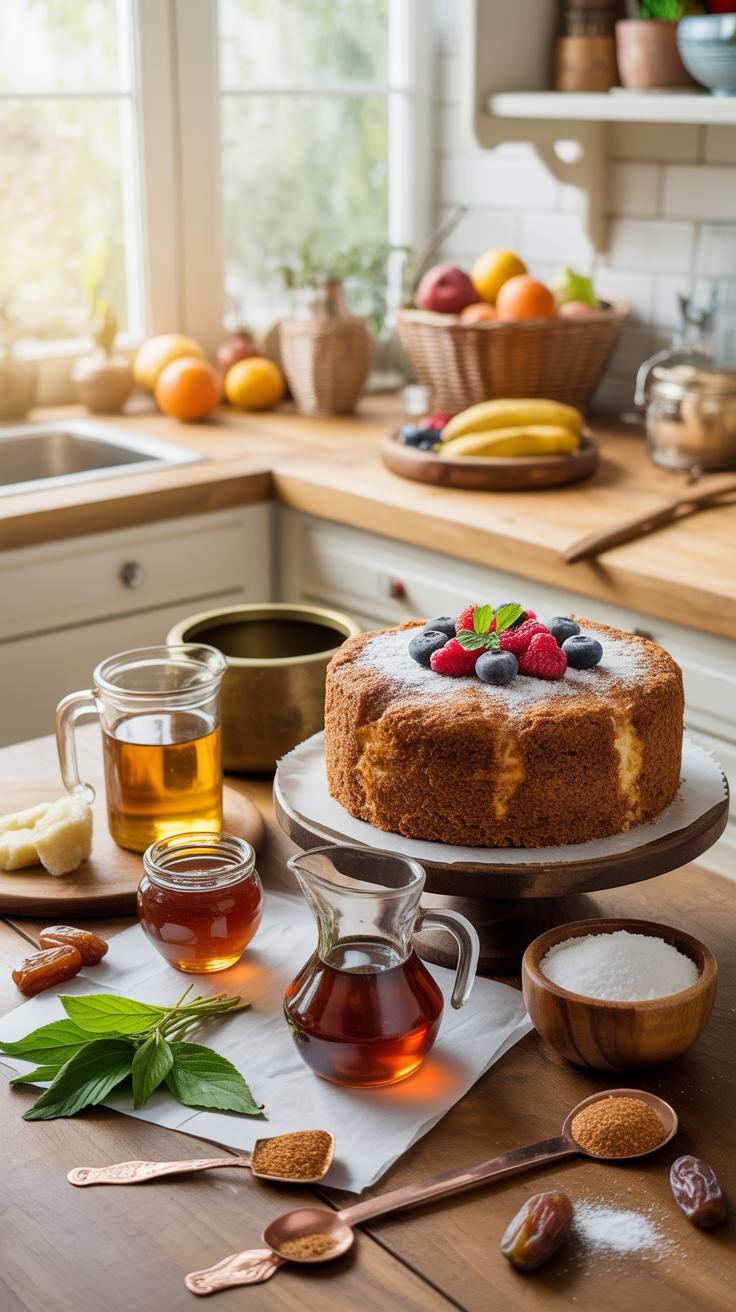
Plant Based Sweeteners Like Stevia And Monk Fruit Explained
Stevia and monk fruit provide intense sweetness without the glycemic impact of white sugar. Stevia comes from the leaves of the Stevia rebaudiana plant. It is hundreds of times sweeter than sucrose. You must use pure extracts or specific baking blends to avoid a bitter aftertaste. Processors often combine these high-intensity sweeteners with bulking agents like erythritol to allow for easier measuring in standard kitchens.
Monk fruit extract is derived from a small melon found in Southeast Asia. This sweetener contains mogrosides which provide the sweetness. Like stevia, it does not raise blood sugar levels. It handles high heat better than many synthetic alternatives. Manufacturers often sell monk fruit as a one-to-one replacement for sugar. Always check the label for added fillers that might change the nutritional profile of your finished cake.
How To Swap Sugar In Any Cake Recipe Without Losing Moisture Or Rise
Sugar does more than just sweeten a dry cake. It holds moisture and creates a tender crumb by slowing down gluten development. If you remove sugar entirely, you lose the structural weight and humidity that defines a traditional sponge. You must replace the lost bulk with functional ingredients. Use fats or fruit purees to mimic the mouthfeel. This ensures your final product does not turn out dry or tough.
- Applesauce: This ingredient provides natural fructose and fiber. It replaces the mass of sugar while keeping the batter hydrated. Use unsweetened versions to maintain control over the total sweetness levels.
- Erythritol: This sugar alcohol provides the necessary crystals for creaming with butter. It helps incorporate air into the batter during the mixing phase. It provides seventy percent of the sweetness found in cane sugar.
- Yogurt: Full-fat Greek yogurt adds acidity and moisture to the cake. The acid reacts with baking soda to provide a better rise. It compensates for the lack of sugar-driven leavening in the oven.
- Pureed Dates: Dates offer a rich texture and significant binding power. They contain fiber which slows down sugar absorption in the body. They work best in dense cakes like carrot or chocolate varieties.
- Allulose: This rare sugar behaves exactly like sucrose in the oven. It browns and caramelizes which is rare for most natural substitutes. It provides a clean taste without any cooling sensation or metallic aftertaste.
Leavening agents require specific conditions to work. Sugar interferes with protein bonds to keep cakes soft. When using plant-based sweeteners, reduce your mixing time to prevent overworking the flour. Add a tablespoon of vegetable glycerin or extra oil to replicate the hygroscopic properties of sugar. These small adjustments prevent the cake from becoming crumbly. Proper hydration keeps the cake fresh for several days after the initial bake.
A Complete Guide To Sugar Free Cakes Recipes For Every Occasion
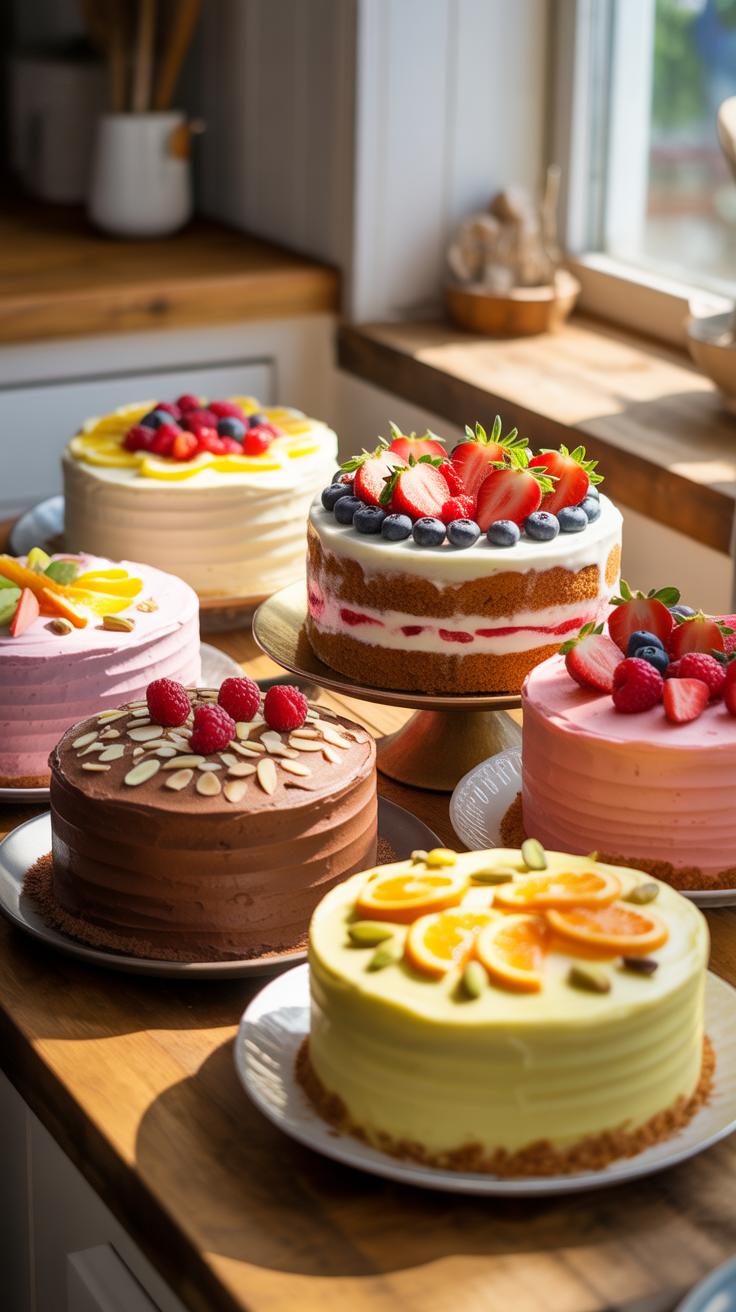
Choosing The Right Flour And Fat Combinations For Sugar Free Baking
Sugar provides moisture and structure in traditional baking. When you remove it, you must compensate with specific fat and flour choices. Almond flour offers natural oils that prevent dryness in the absence of sugar. Combine it with oat flour to provide a sturdy crumb. Use Greek yogurt or applesauce to add moisture without increasing the glycemic load. These swaps ensure your cake remains soft and edible.
Precision in fat selection prevents a dense final product. Butter adds flavor but coconut oil or avocado oil provides better fat distribution in keto or low sugar batters. Whole wheat pastry flour works well for cakes requiring more lift. Always weigh your ingredients. Volume measurements are often inaccurate for dense alternative flours. Correct ratios maintain the mechanical integrity of the batter during the chemical leavening process.
Common Mistakes To Avoid When Baking Sugar Free Cakes At Home
Overbaking is the primary cause of failure in sugar free recipes. Sugar holds water and keeps cakes moist even at high heat. Without it, the batter dries out quickly. Check for doneness five minutes before the recipe suggests. Use a digital thermometer to pull the cake at an internal temperature of 210 degrees Fahrenheit. Leaving it in too long results in a crumbly, unappealing texture.
Choosing the wrong sweetener replacement ruins the flavor profile of the cake. Erythritol provides bulk but leaves a cooling sensation on the tongue. Stevia is highly concentrated and can cause a bitter aftertaste if used alone. Blend different sweeteners like monk fruit and xylitol to achieve a balanced taste. Always sift your dry ingredients to remove clumps. Uniform distribution of leavening agents is vital when working with heavier alternative flours.
How To Make The Perfect Sugar Free Vanilla Cake Recipe From Scratch
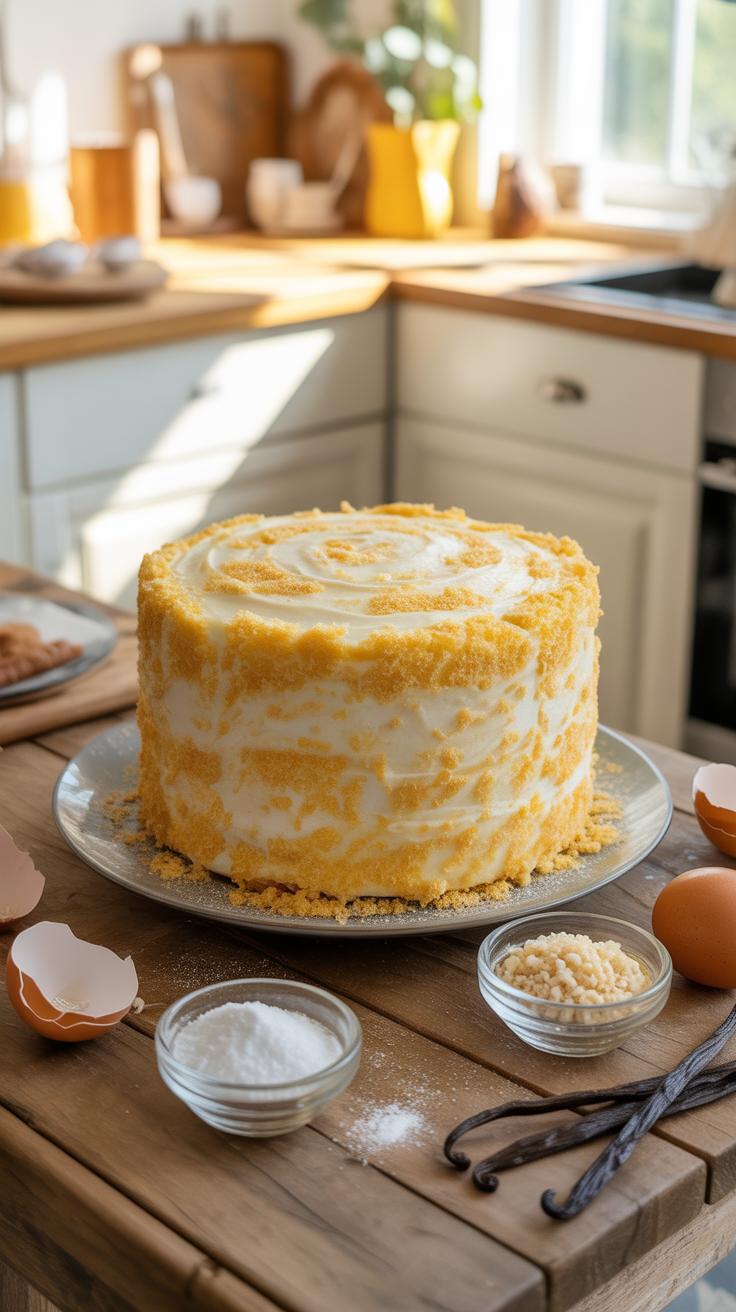
Key Ingredients That Give A Sugar Free Vanilla Cake Its Classic Flavor
Effective vanilla cake depends on high quality extract. Most commercial bakers use Bourbon vanilla for deep flavor profiles. You must avoid cheap imitation liquids because they turn bitter when heated. Natural erythritol or monk fruit blends work best for texture. These sweeteners replicate the bulk of sugar without the glycemic impact. Use room temperature fats to ensure the batter emulsifies correctly during the mixing process.
The flour choice dictates the final crumb structure. Bleached cake flour contains less protein than all purpose flour. This low protein content prevents excessive gluten development. You need a stable acid like cream of tartar if using egg whites for lift. Real butter provides the necessary fatty acids for a moist mouthfeel. High quality sea salt balances the sweetness and enhances the natural bean aromatics within the baked sponge.
Step By Step Baking Tips For A Light And Fluffy Sugar Free Vanilla Cake
Cream the butter and sugar substitute for at least five minutes. This process traps air bubbles in the fat. These bubbles expand in the oven to create a light texture. Add eggs one at a time to maintain the emulsion. If the batter breaks, the cake will become dense and oily. Proper aeration at this stage is the only way to achieve a professional height without using sugar.
Sift the dry ingredients twice to remove clumps. Fold the flour into the wet mixture by hand using a silicone spatula. Do not use an electric mixer for this step. Overworking the batter develops gluten and makes the cake tough. Bake at 325 degrees Fahrenheit for a slower rise. This lower temperature prevents the edges from burning while the center sets. Test with a toothpick before removing from the heat.
Baking A Beautiful Sugar Free White Cake For Celebrations And Birthdays
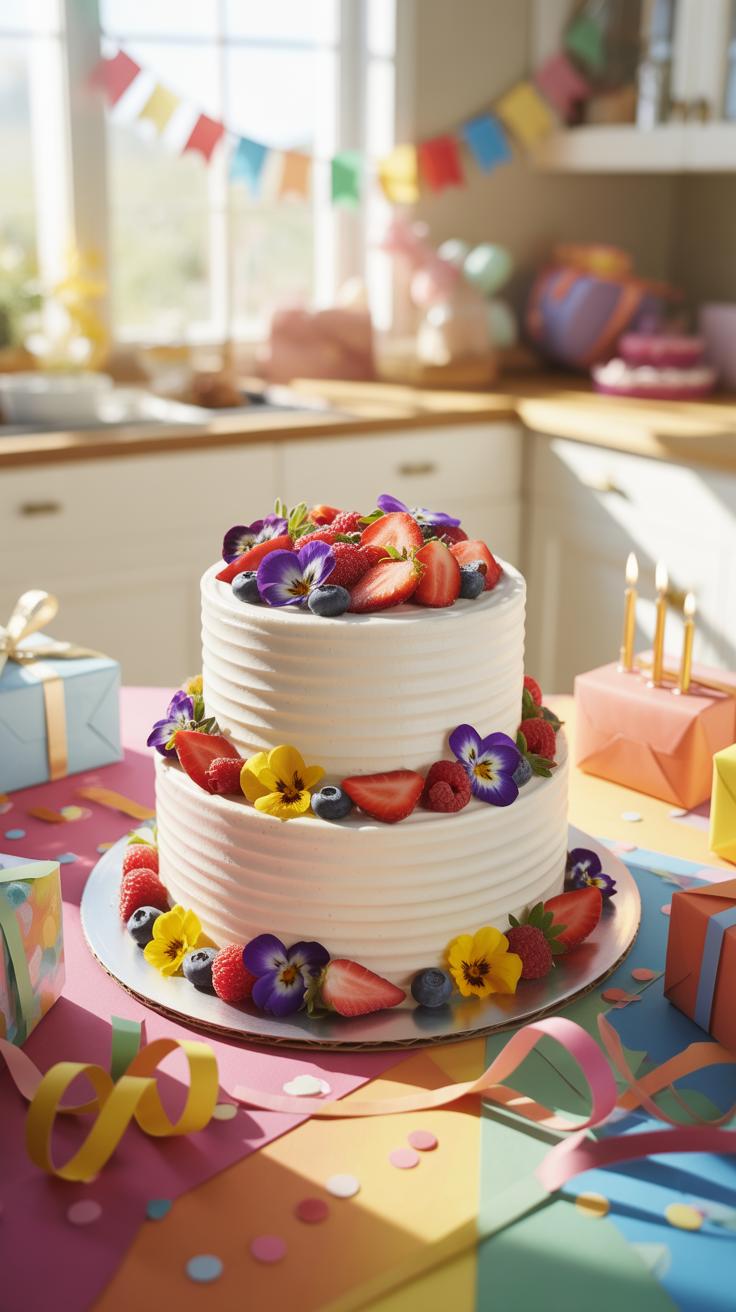
What Makes A White Cake Different From A Vanilla Cake In Baking
White cake requires specific ingredient choices to maintain its bright appearance. A standard vanilla cake uses whole eggs. The yolk adds fat and a yellow tint to the crumb. White cake recipes use only egg whites. This technique removes the golden pigment. You must whip the whites correctly to provide structure. This process replaces the emulsifying properties lost by removing the egg yolks.
Professional bakers use clear vanilla extract instead of brown extract. Standard vanilla bean paste or extract stains the batter. This ruins the stark white aesthetic. For low sugar versions, use erythritol or xylitol. These sweeteners do not caramelize like cane sugar. This prevents the cake from browning too quickly in the oven. Proper temperature control ensures the edges stay pale and soft for a clean look.
Frosting And Decoration Ideas For A Sugar Free White Cake That Impress
Top your white cake with a sugar free Swiss meringue buttercream. This frosting uses egg whites and butter for a silky texture. Use a powdered monk fruit sweetener to avoid a gritty mouthfeel. This type of frosting holds its shape well for pipe work. It stays white and accepts sugar free food coloring easily. Ensure all ingredients are at room temperature to prevent the fat from breaking during mixing.
Fresh berries add color without adding processed sugars. Place raspberries or blueberries on top for a natural look. Use edible flowers for a sophisticated finish. These additions provide visual contrast against the white frosting. Apply a thin crumb coat before the final layer. This step traps loose crumbs and creates a smooth surface. Keep decorations simple to highlight the clean lines of the cake.
Easy Healthy Cake Recipes You Can Bake In Under One Hour
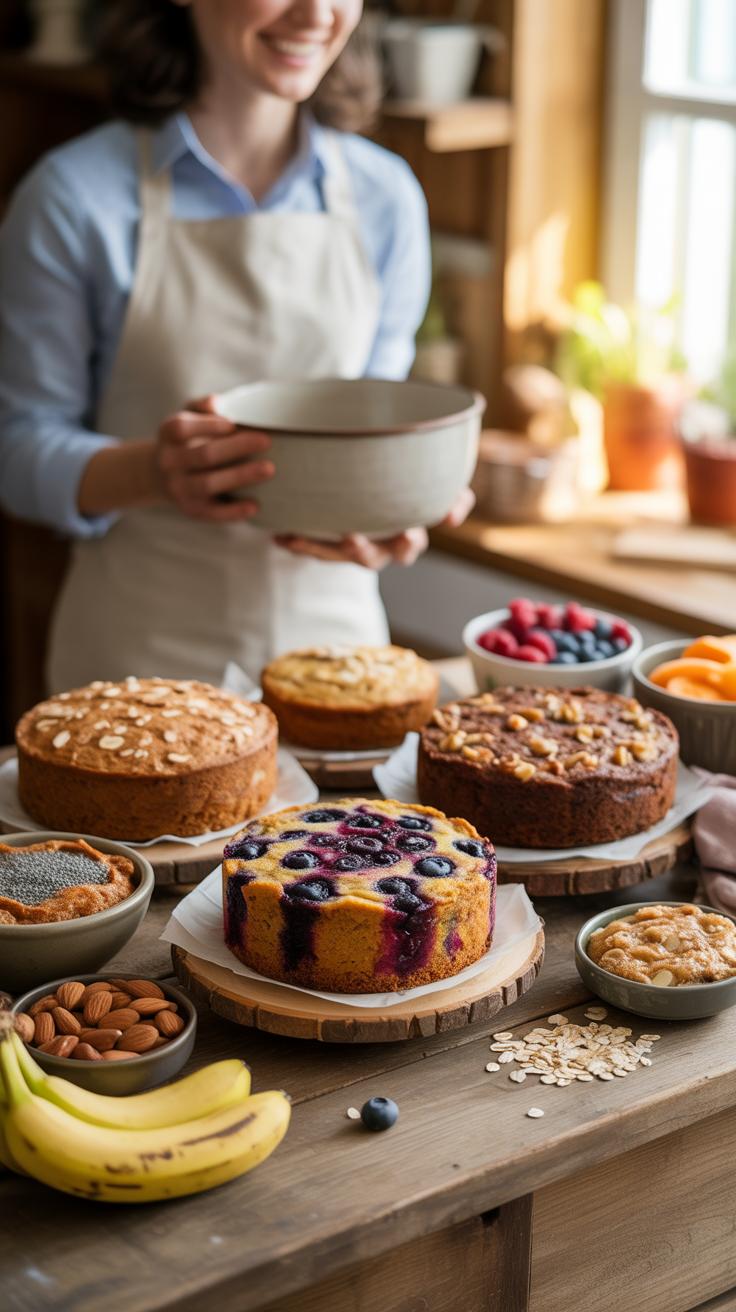
Simple One Bowl Cake Recipes That Are Low In Sugar And High In Flavor
One-bowl baking reduces prep time and cleanup. This method relies on mixing wet ingredients first to ensure even distribution of leavening agents. You must use high-quality fats like Greek yogurt or applesauce to maintain moisture without adding refined sugar. These ingredients react with baking soda to provide lift. Use almond flour or oat flour to increase protein and fiber content for better nutrition.
Preheat your oven before you begin mixing. Small batch recipes often bake in twenty-five minutes or less. Use natural sweeteners like mashed bananas or dates to provide volume and sweetness. These fruit-based binders create a dense and satisfying crumb. Monitor your bake time carefully as low sugar batters can brown quickly. Remove the cake from the heat when a toothpick comes out clean.
Pantry Staples To Keep On Hand For Quick And Easy Healthy Cake Baking
Stocking the right ingredients allows for immediate baking. You need base components that replace white flour and granulated sugar. Keep dry goods in airtight containers to preserve freshness and prevent clumping. Focus on functional ingredients that serve multiple purposes. These items provide structure, sweetness, and moisture. Having these staples ready cuts down on grocery trips and speeds up your total kitchen production time.
- Almond Flour: This gluten-free nut meal provides healthy fats and protein. It creates a tender texture in low carb cakes. Store it in the refrigerator to prevent the natural oils from going rancid over time.
- Unsweetened Applesauce: Use this item to replace oil or butter in most recipes. It adds natural moisture and mild sweetness without adding fat. It works best in spice cakes or muffins to maintain a soft crumb.
- Pure Vanilla Extract: High quality extract enhances the perception of sweetness without adding extra sugar. It bridges the flavor gap when you reduce caloric sweeteners. Always choose pure extract over imitation versions for a cleaner profile.
- Baking Soda and Powder: These leavening agents are essential for lift in heavy, sugar-free batters. Check expiration dates every six months to ensure potency. They react with acidic ingredients like lemon or yogurt to create air bubbles.
- Stevia or Monk Fruit: These plant-based sweeteners offer zero-calorie alternatives to cane sugar. They are highly concentrated, so follow conversion charts carefully. These heat-stable options work well for baking at standard temperatures without losing their sweetening power.
Organize your pantry by category to find items fast. Group your sweeteners together and keep your flours in a cool spot. Use clear labels to distinguish between different types of leavening agents. A prepared pantry minimizes the risk of using incorrect substitutes. This strategic setup ensures you can move from prep to oven in fifteen minutes. Efficiency in the kitchen starts with a disciplined storage system.
Keto Chocolate Cake Recipes Easy Enough For Beginner Bakers
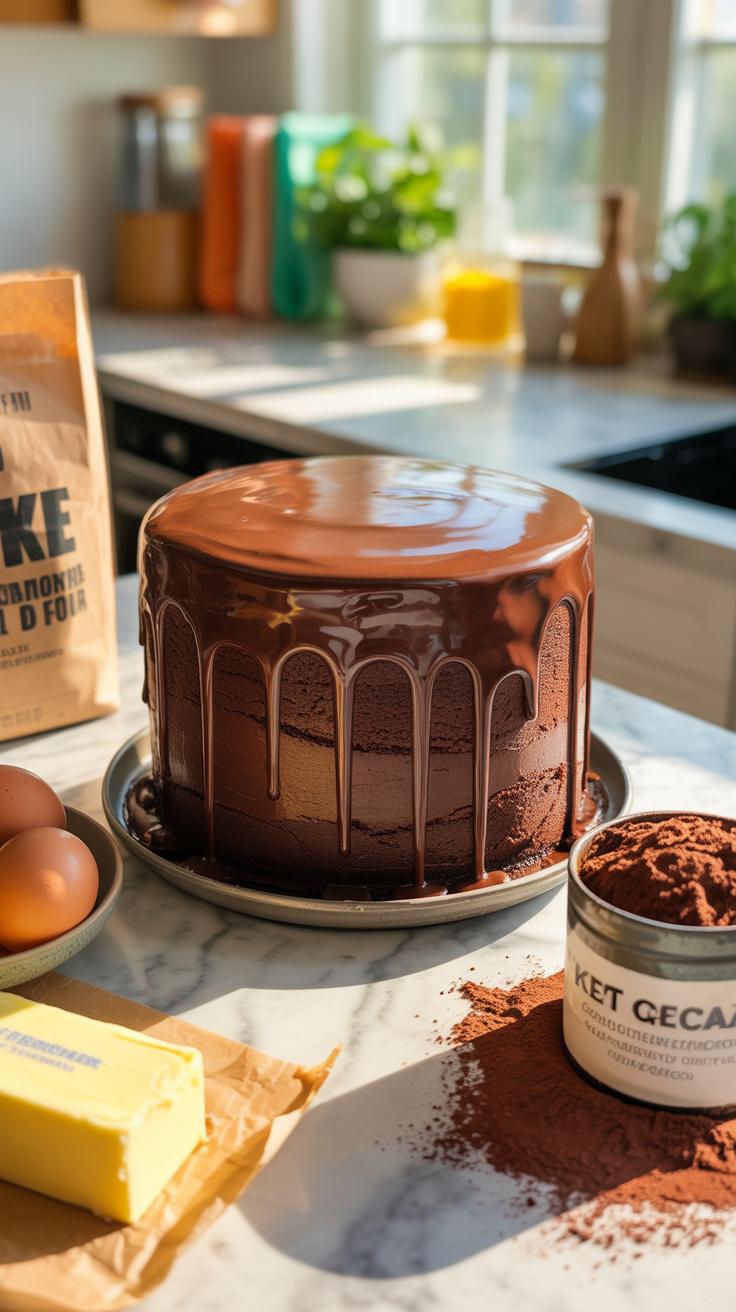
Understanding The Keto Diet And How It Applies To Low Sugar Cake Baking
The keto diet focuses on high fat and low carbohydrate intake. This shift forces the body to burn fat for fuel instead of glucose. Standard cakes use wheat flour and sucrose which cause insulin spikes. Keto baking replaces these ingredients to maintain a state of ketosis. You must track net carbs to ensure the cake remains within daily macro limits for metabolic efficiency.
Bakers replace granulated sugar with non-nutritive sweeteners like erythritol or monk fruit. These options provide sweetness without affecting blood glucose levels. You cannot swap sugar for these alternatives at a one-to-one ratio without adjusting moisture. Successful keto cakes rely on chemical leaveners since they lack the structural support of gluten. Precision in measurement prevents dense or dry results in the final product.
How Almond Flour And Cocoa Powder Work Together In Easy Keto Chocolate Cakes
Almond flour provides the structural base for keto cakes. It contains high fat levels and delivers a dense crumb. This flour lacks gluten, so it does not stretch like wheat. Cocoa powder adds flavor and acts as a secondary dry ingredient. The acidity in natural cocoa powder reacts with baking soda to help the cake rise. This combination ensures a reliable texture for beginners.
The fat in almond flour coats the cocoa particles to prevent a chalky mouthfeel. You must sift both ingredients to remove lumps before mixing. High fat content in the almonds keeps the cake moist even without traditional sugar syrups. Cocoa powder also mask the slight nutty taste of the almonds. This synergy produces a rich flavor profile that mimics traditional high sugar chocolate cakes.
Exploring The World Of Keto Chocolate Cake Recipes And Their Variations
Fudgy Vs. Fluffy: Understanding Different Textures In Keto Chocolate Cakes
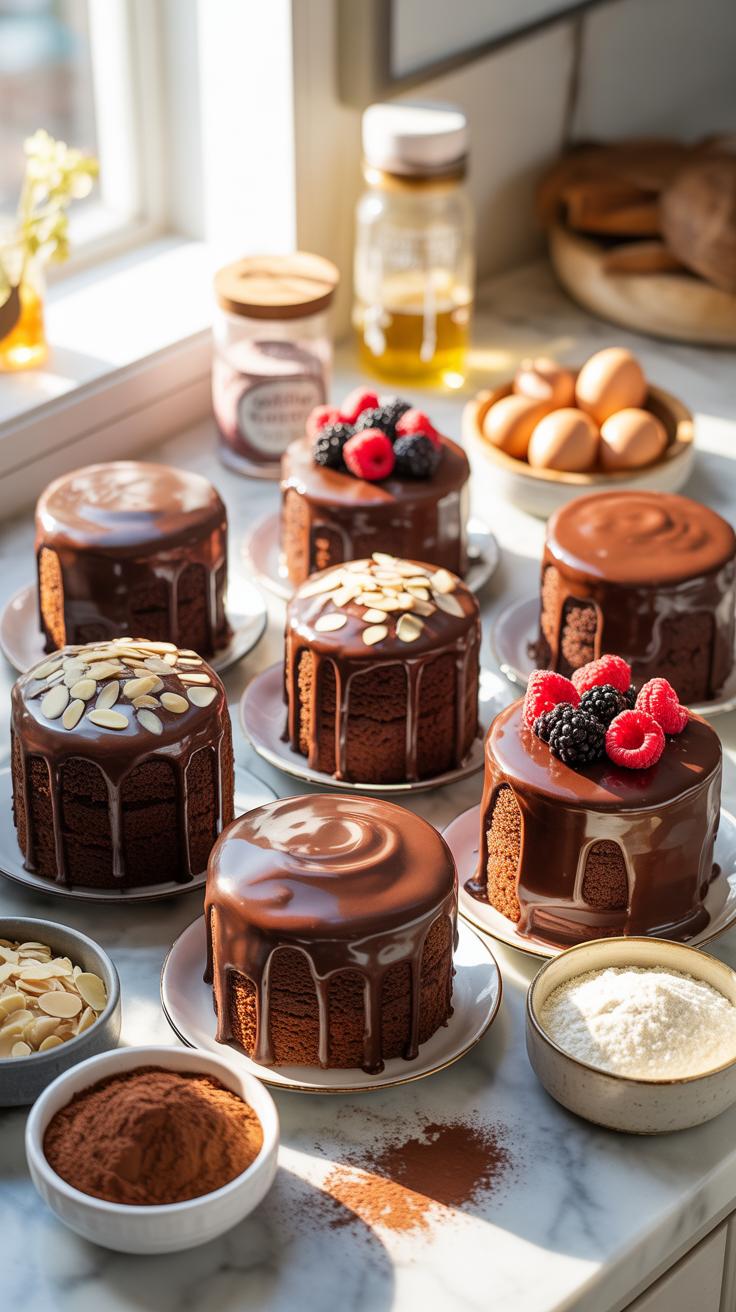
Texture in keto baking depends on your choice of flour and fat. Fudgy cakes require a high fat-to-dry ingredient ratio. Chefs use almond flour for this goal because of its high oil content. Minimal leavening agents like baking powder prevent the structure from rising too much. This creates a dense and moist crumb. These cakes often mimic traditional flourless chocolate desserts.
Fluffy cakes require mechanical aeration and lighter ingredients. Use coconut flour in small amounts because it absorbs moisture rapidly. Whipping egg whites and folding them into the batter adds necessary air. This technique mirrors the chiffon style used in standard baking. Vinegar reacts with baking soda to create lift. This process replaces the gluten structure usually found in wheat based cakes.
Dairy Free And Nut Free Adaptations For Popular Keto Chocolate Cake Recipes
Standard keto recipes rely heavily on butter and almond flour. To remove dairy, substitute grass-fed butter with coconut oil or avocado oil. These fats remain stable at high temperatures. High-quality cocoa powder provides the flavor profile without needing milk solids. Unsweetened nut milks or coconut milk replace heavy cream. These swaps maintain the fat content required for a successful low carb cake.
Nut-free keto cakes require careful ingredient selection to avoid dense results. Sunflower seed flour serves as a direct one-to-one replacement for almond flour. You must add an acid like lemon juice to prevent the chlorophyll in seeds from turning the cake green. Coconut flour is another option but requires extra liquid and eggs. These adjustments allow people with allergies to enjoy low sugar chocolate cakes safely.
What Sets The Best Keto Chocolate Cake Recipe Apart From The Rest
The Role Of Quality Cocoa And Chocolate In Achieving Deep Rich Flavor
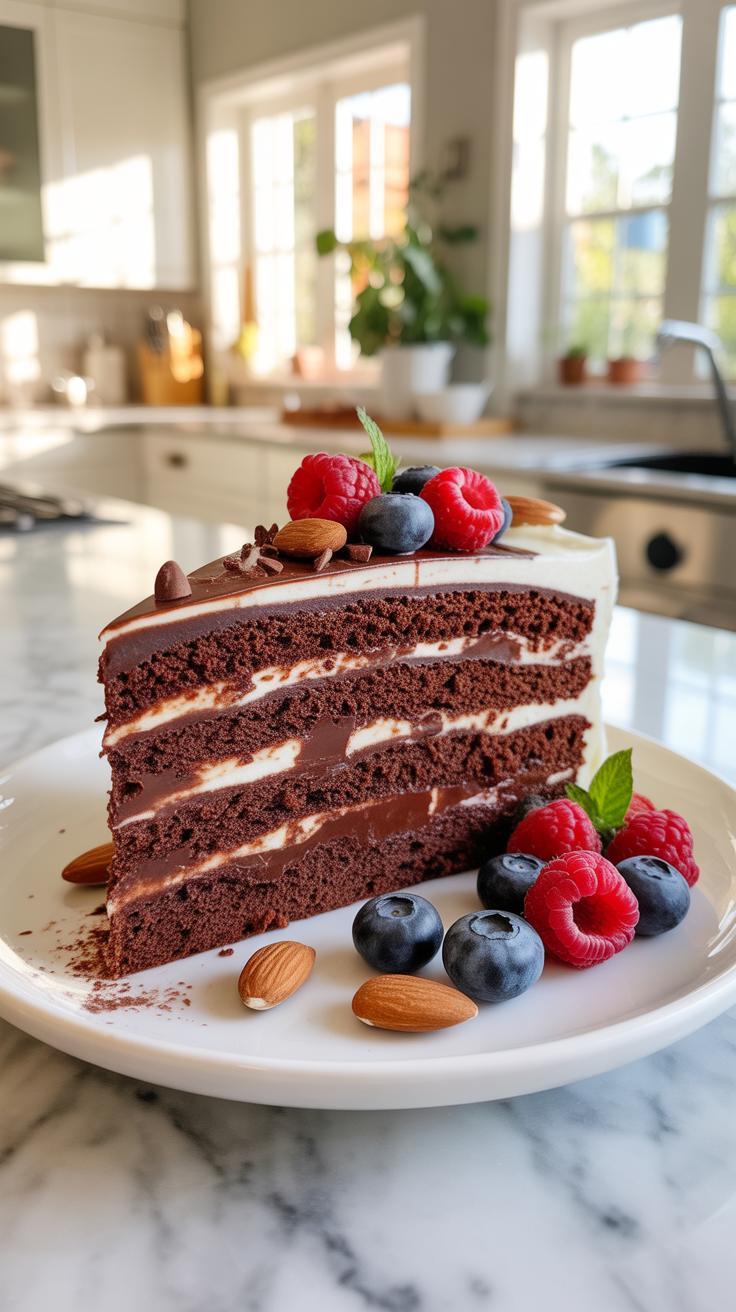
Sugar usually hides low quality ingredients by masking their flavor with sweetness. Keto baking removes this mask. You must use Dutch-processed cocoa powder for a smooth and dark profile. This cocoa has a lower acid content than natural cocoa powder. It reacts differently with leavening agents but provides a much richer color. High quality fats in the cocoa improve the final crumb.
Low sugar cake recipes fail when they use cheap chocolate chips with fillers. Select sugar-free bars that use cocoa butter instead of palm oil. The fat content in real chocolate carries the flavor across the palate. This helps bridge the gap left by missing sugar. Use chocolate with at least seventy percent cocoa solids. Higher percentages provide the intense bitterness needed to balance the sweet taste of erythritol.
Baking with less sugar is like rediscovering the pure, sweet heart of home. It allows the true flavors of our memories to shine through without weighing down the spirit.
How To Test Doneness And Store Your Keto Chocolate Cake For Maximum Freshness
Almond flour behaves differently than wheat flour during the cooling process. Standard toothpicks do not always work for keto cakes. The cake continues to set as the fats solidify after you remove it from the heat. Pull the cake from the oven when the center is slightly soft. If the toothpick comes out completely bone dry, the cake will likely crumble. Target a few moist crumbs on the tester.
Moisture management is the main challenge for storage. Keto cakes contain high amounts of nut fats that can turn rancid. Store your cake in an airtight container to prevent it from absorbing fridge odors. You should refrigerate the cake if you used dairy-based frosting. Bring slices to room temperature before serving. Cold fat dulls the flavor and makes the texture feel overly dense or waxy.
Nutrition Tips And Calorie Comparisons For Low Sugar Cake Recipes Vs Traditional Cakes
How Many Calories Can You Actually Save By Switching To Low Sugar Cake Recipes
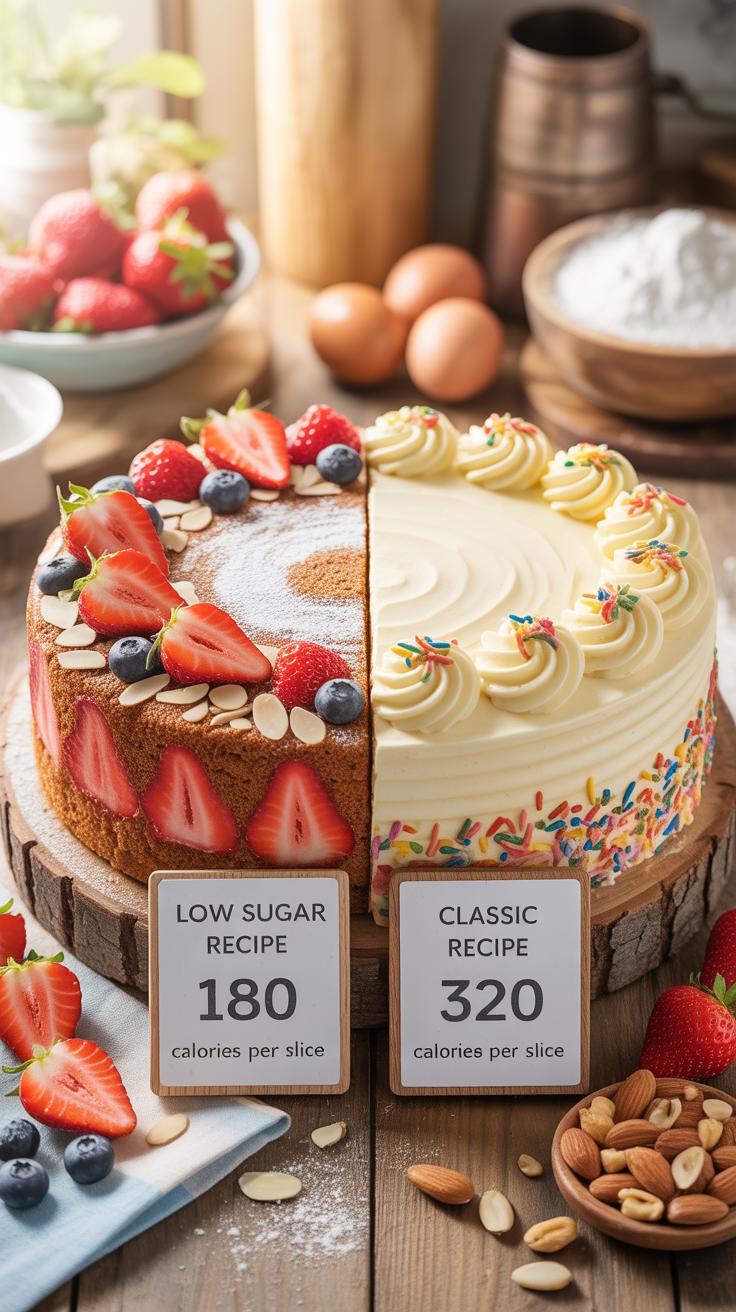
Standard cake recipes rely on a high ratio of sucrose to flour for structure and moisture. This creates a dense calorie profile. A typical slice contains roughly 300 to 500 calories. Most of these calories come from refined sugars and saturated fats. Reducing sugar content drops the calorie count by roughly 15 to 25 percent. This shift relies on high-intensity sweeteners or fruit purees.
You save more calories by targeting the frosting and fats alongside the sugar. Buttercream contains massive amounts of sugar and fat. Replacing it with Greek yogurt or whipped egg whites slashes the energy density further. A well-executed low sugar cake recipe lowers the total count to 150 or 200 calories per serving. These savings allow for better blood glucose management without removing the dessert entirely.
Reading Labels And Choosing Healthier Ingredients At The Grocery Store
Smart shopping requires more than looking at the front of the box. Ignore marketing terms like natural or light. Turn the package over and check the grams of added sugars. Look for sugar alcohols like erythritol or xylitol if you want zero-calorie bulk. These ingredients provide the necessary volume for baking without the insulin spike. Check for fiber content to assess the metabolic impact.
Avoid products that list flour or sugar as the first ingredient. Seek out almond flour or coconut flour to increase protein and healthy fats. High-quality cocoa powder adds flavor without extra calories. Always verify the serving size on the nutrition facts panel. Many manufacturers manipulate these numbers to make the sugar content look lower. Buy whole ingredients to control the final chemical composition of your cake.
Frequently Asked Questions

Can I still enjoy a moist and flavorful dessert while cutting back on sugar?
Absolutely! Choosing low sugar cake recipes doesn’t mean sacrificing the texture or taste you love. By using natural sweeteners like mashed bananas, unsweetened applesauce, or stevia, you can create a delicious treat that satisfies your sweet tooth. These alternatives provide moisture and depth of flavor, ensuring your healthy cakes remain light and tender without the heavy glycemic load found in traditional bakery desserts.
How do I successfully swap refined sugar for healthier alternatives in my baking?
When adapting low sugar cake recipes, it is essential to consider the liquid ratio of your batter. If you are using liquid sweeteners like maple syrup or honey, reduce other liquids in the recipe by about a quarter cup. For granulated sugar substitutes like monk fruit, use a one-to-one ratio but add a tablespoon of Greek yogurt to maintain the crumb’s moisture and prevent the cake from becoming too dry.
Is it expensive to bake healthy cakes using specialty ingredients?
Not at all. Many of the best ingredients for lighter baking are likely already in your pantry. Common staples like oats, eggs, and seasonal fruits are highly affordable and form the perfect base for nutritious desserts. You don’t need expensive flours or rare extracts to succeed; focusing on whole, unprocessed ingredients allows you to bake wholesome, calorie-conscious treats that are both budget-friendly and incredibly satisfying for the entire family.