
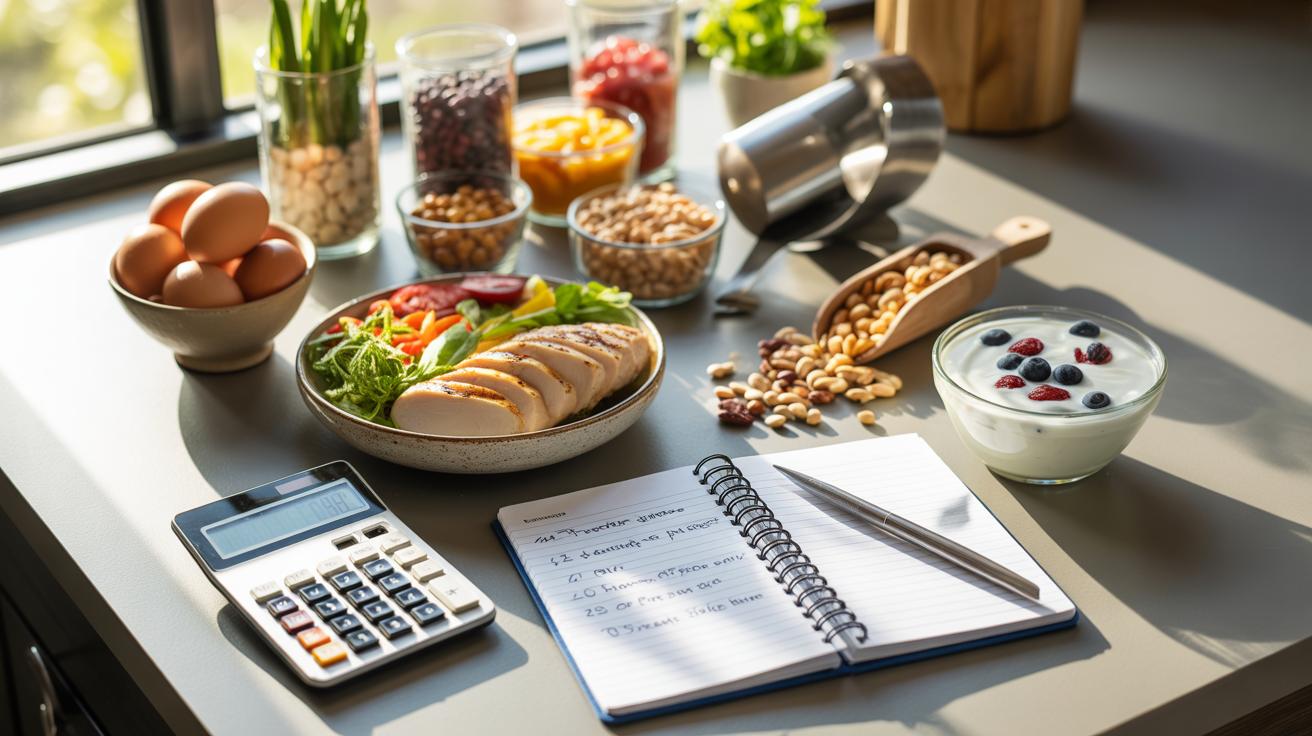
How Much Protein Per Day Do You Actually Need

The Science Behind The Standard Protein Recommendation
The global health standard for protein intake rests on the Recommended Dietary Allowance. For years, authorities set this at 0.8 grams of protein per kilogram of body weight. This number represents the minimum amount required to prevent malnutrition in most healthy people. It is a baseline for survival rather than a target for optimal physical performance or muscle growth.

Scientists established these figures by studying nitrogen balance in various populations. They looked at how much protein the body loses daily through waste and skin. The current RDA ensures that the body does not break down its own tissue to function. However, this level does not account for the additional stress of exercise or the metabolic demands of aging.
Why One Size Fits All Protein Advice Falls Short
Standard guidelines ignore your specific activity level and body composition goals. A sedentary office worker does not have the same amino acid requirements as a heavy weightlifter. When you train hard, your muscles suffer micro-tears that require extra protein for repair. Using a single number for everyone leads to poor recovery and stalled progress for active individuals.

Age also changes how your body processes nutrients. Older adults often develop anabolic resistance, meaning they need more protein to trigger muscle synthesis than younger people. Relying on a generic baseline can result in muscle loss during a fat loss phase. You must adjust your intake based on your lean mass, age, and daily intensity to see real results.
How Much Protein Should I Eat Daily Based On My Body Weight

Using Body Weight To Calculate Your Daily Protein Target
Standard medical guidelines set the baseline for survival at 0.8 grams of protein per kilogram of body weight. This floor prevents deficiency but does not support optimal performance or muscle growth. Active individuals must ignore this low number. If you lift weights or run frequently, your body requires more fuel to repair tissue. You should calculate your needs based on your specific activity level.
Most fitness experts recommend a range between 1.2 and 2.2 grams of protein per kilogram. This translates to roughly 0.5 to 1.0 grams per pound of total body weight. High intensity athletes often stay at the top of this range. Sedentary people can stay at the lower end. Use your current weight as the starting point for these calculations to ensure your muscles get enough nitrogen.
Lean Body Mass Vs. Total Body Weight: Which Should You Use?
Total body weight calculations work well for people with average body fat percentages. However, people with high body fat should use lean body mass instead. Fat tissue does not require the same protein upkeep as muscle tissue. Calculating based on total weight when obese leads to eating too many calories. You must determine your body fat percentage to find your lean mass first.
Subtract your fat weight from your total weight to find your lean body mass. Base your protein target on this number to keep your diet efficient. This method provides the most accurate data for body composition changes. It ensures you maintain muscle while losing fat. Use 2.2 grams per kilogram of lean mass as a reliable standard. This approach prevents wasted energy and focuses on actual metabolic needs.
How To Know How Much Protein To Eat For Your Specific Goals

Protein Needs For Muscle Gain, Fat Loss, And Maintenance
Muscle gain requires a positive nitrogen balance and a caloric surplus. You need a higher protein intake to repair tissue after heavy lifting. Aim for 1.6 to 2.2 grams of protein per kilogram of body weight. This range provides the amino acids necessary for hypertrophy. Consuming less than this floor limits your growth potential even if you train hard every day.
Fat loss carries the risk of muscle wasting. If you eat in a deficit, your body may burn muscle for fuel. You must increase protein to protect lean mass while losing fat. Research suggests 2.2 to 3.0 grams per kilogram during a cut. Maintenance requires less total protein. A moderate intake of 1.2 to 1.5 grams per kilogram keeps your body stable.
Like a master builder carefully selecting each stone for a hearth, knowing your body’s true needs is the first step toward lasting strength. Building your foundation with intention ensures the flame of health never flickers out.
How Activity Level And Training Intensity Change Your Requirements
Sedentary individuals require very little protein. The baseline RDA of 0.8 grams per kilogram prevents deficiency but does not support performance. If you sit at a desk all day, your body does not need extra building blocks. However, adding just two days of resistance training shifts your metabolic needs. Your body starts demanding more resources to recover from the new physical stress.
Training intensity dictates the speed of protein turnover. High-volume athletes damage more muscle fibers during a session. They need faster delivery of amino acids to recover before the next workout. Endurance athletes also need more protein than sedentary people to repair oxidative damage. If you increase your sets or cardio duration, you must adjust your intake. Failure to scale protein with intensity leads to overtraining and stalled progress.
How Many Grams Of Protein Do I Need By Age Sex And Life Stage

Protein Requirements For Children, Adults, And Older Adults
Children need protein to build new tissue during growth spurts. Toddlers require roughly 13 grams daily, while adolescents need up to 52 grams as their muscle mass increases. Standard adult guidelines suggest 0.8 grams per kilogram of body weight. This baseline prevents deficiency but does not optimize performance. Most active adults should target higher levels to maintain lean muscle and support metabolic health.
Older adults face a physical process called sarcopenia which causes muscle loss. Research shows people over age 65 need more protein than younger adults to stay mobile. Aim for 1.2 to 1.5 grams per kilogram in later life stages. This higher intake triggers muscle protein synthesis more effectively. Consuming protein at every meal helps seniors maintain strength and prevents frailty during the aging process.
Pregnancy, Breastfeeding, And Elevated Protein Demands
Pregnancy changes your nutritional baseline significantly. The body builds new fetal tissue and expands the blood supply. Expectant mothers should increase their daily intake by roughly 25 grams starting in the second trimester. This ensures the baby grows properly and the mother stays healthy. Tracking total grams becomes critical during this stage to avoid birth complications and support the placenta’s rapid development.
Breastfeeding creates an even higher demand for protein than pregnancy. Your body uses protein to produce milk for the infant. Lactating women should add an extra 25 grams to their pre-pregnancy baseline every day. This supports the high protein content found in breast milk. Failing to meet these targets can lead to maternal fatigue and muscle wasting as the body prioritizes the baby’s needs.
Protein Diets Explained High Protein Eating Patterns And Their Benefits

What Qualifies As A High Protein Diet And What The Research Shows
A high-protein diet typically exceeds the standard Recommended Dietary Allowance of 0.8 grams per kilogram of body weight. Most clinical research defines this pattern as consuming 1.2 to 2.2 grams of protein per kilogram daily. This intake level supports muscle protein synthesis and metabolic health. It shifts the body from a state of breakdown to a state of repair. Strength athletes and older adults benefit most from these higher targets.
Research confirms that high protein intake increases thermogenesis and satiety. Your body burns more calories digesting protein compared to fats or carbohydrates. This metabolic advantage helps with fat loss while preserving lean muscle mass during a caloric deficit. Studies show that consistent protein intake throughout the day stabilizes blood sugar. It reduces the hormone ghrelin which signals hunger to your brain. This makes weight management much easier over time.
Best High Protein Foods To Anchor Your Daily Eating Plan
Selecting the right protein sources determines the success of your nutrition strategy. You must prioritize high-quality complete proteins that contain all essential amino acids. These foods provide the building blocks your body cannot produce on its own. Focus on whole food sources to maximize nutrient density and avoid hidden additives found in processed meats. Lean animal proteins and specific plant combinations offer the highest biological value for recovery.
- Chicken Breast: This lean poultry staple provides approximately 31 grams of protein per 100 grams. It contains very little fat and no carbohydrates. This makes it a perfect tool for meeting high protein targets without overshooting your daily calorie limit.
- Greek Yogurt: Plain non-fat Greek yogurt offers nearly double the protein of regular yogurt varieties. One cup typically contains 15 to 20 grams of protein. It also provides probiotics for gut health and calcium for bone density during long-term dieting phases.
- Liquid Egg Whites: Egg whites are pure protein with zero fat or cholesterol. They are highly bioavailable and easy to add to various meals. Using them allows you to increase total protein volume significantly without adding the heavy calories found in whole eggs.
- Lean Beef: Cuts like top sirloin or eye of round deliver high-quality protein alongside iron and zinc. These minerals are vital for energy production and immune function. Lean beef provides a dense source of creatine which supports strength and power during training.
- Whey Protein Isolate: This fast-digesting powder is an efficient way to hit your daily numbers. It contains almost no lactose or fat. It is ideal for post-workout recovery because it enters the bloodstream quickly to trigger the muscle repair process immediately after exercise.
Balance your intake by rotate these sources to ensure a wide profile of micronutrients. High-protein eating requires discipline in meal prep and portion control. Track your intake to ensure you hit your minimum requirements every single day. Consistency is the only way to see the physiological benefits of a high-protein lifestyle. Use these anchors to build a sustainable plan that supports your specific physical goals and long-term health.
How Much Protein Do I Need A Day Timing Distribution And Absorption

Does It Matter When You Eat Your Protein Throughout The Day?
Muscle protein synthesis requires a consistent supply of amino acids to remain active. Research shows that spreading protein intake across several meals is better for building muscle than eating one large dose at night. Your body cannot store extra protein for later use like it stores fat or carbohydrates. You must provide a steady stream of nutrients to prevent the breakdown of existing muscle tissue.
Timing becomes critical after intense physical training sessions. The post-workout window offers an opportunity to jumpstart tissue repair and recovery. While total daily intake is the most important factor, eating protein within two hours of exercise provides the best results for muscle growth. Aim for balanced meals every three to five hours to keep your body in an anabolic state and maximize your overall strength gains.
How Much Protein Can The Body Actually Use Per Meal?
The human body can absorb almost any amount of protein you eat in a single sitting. However, there is a limit to how much protein actually goes toward muscle building at once. Most studies indicate that twenty to forty grams of high quality protein per meal maximizes muscle protein synthesis. Any amount consumed beyond this threshold is generally used for energy production or converted into urea for excretion.
Active individuals should focus on reaching this thirty gram target at every meal. This strategy ensures you reach your daily total without wasting nutrients or causing digestive discomfort. Efficiency is the goal here. Plan your snacks and meals to avoid large gaps in intake. High protein distribution throughout the day supports metabolic health and helps you maintain lean mass while you lose body fat or navigate caloric deficits.
100g Protein Meal Plan And Protein Meal Plan Examples For Every Goal
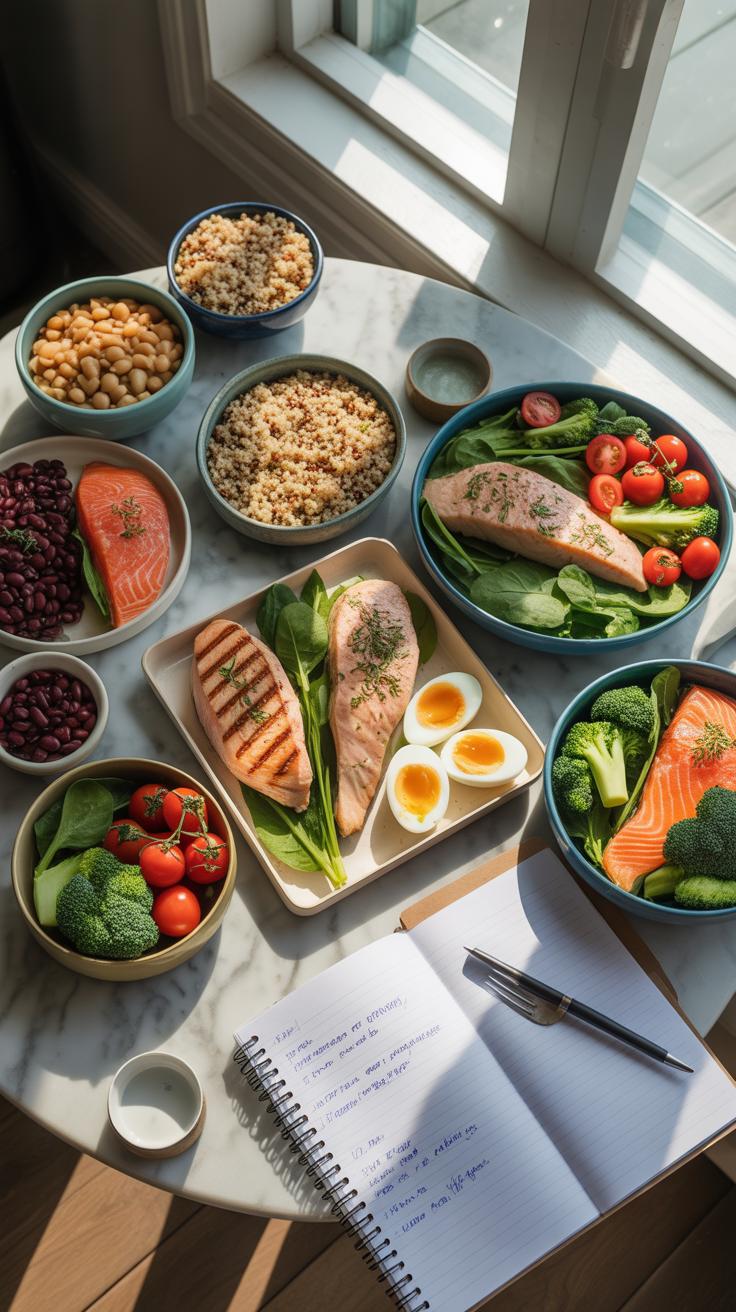
How To Structure A 100g Protein Meal Plan Across Breakfast, Lunch, And Dinner
Structuring a 100g protein daily intake requires dividing the total into manageable doses. Most humans optimize muscle protein synthesis by consuming 25 to 35 grams per meal. This approach prevents digestive bloat and ensures a steady supply of amino acids. You must prioritize whole food sources like lean meats, eggs, and legumes to hit these targets without excessive caloric overhead.
- Lean Poultry: Chicken breast and turkey mince provide roughly 31 grams of protein per 100 grams. These are industry standards for high-efficiency nutrition because they contain minimal fat. Roast or grill these proteins to maintain their nutritional integrity while keeping total daily calories within your specific target range.
- Egg Whites: Large eggs contain six grams of protein, but two thirds of that resides in the white. Utilizing liquid egg whites allows you to increase protein volume significantly without adding the cholesterol or fats found in yolks. They are a versatile base for high-protein breakfasts or quick evening meals.
- Greek Yogurt: Plain non-fat Greek yogurt contains nearly double the protein of traditional yogurt. A single cup provides approximately 20 to 23 grams of protein. It serves as an excellent breakfast base or a high-protein snack that requires zero cooking time, making it ideal for busy professionals.
- White Fish: Cod, tilapia, and pollack offer a high protein-to-calorie ratio. These fish provide about 20 grams of protein per 100-gram serving. Their low fat content makes them perfect for dinner when you need to hit your protein goal while keeping your fat and carbohydrate intake low for the day.
- Whey Isolate: A high-quality whey protein isolate typically delivers 25 grams of protein per scoop. While whole foods are preferable, supplements bridge the gap when your schedule prevents a full meal. Use isolate versions to minimize lactose and extra carbohydrates during your muscle recovery or fat loss phases.
Balance your macronutrients by adding fiber and healthy fats to these protein sources. Consistency proves more important than perfection in meal timing. If you miss a target at breakfast, increase the portion size at lunch to stay on track. This 100g threshold serves as a baseline for sedentary individuals or those starting a new fitness journey. Use a digital scale to verify portion sizes.
Scaling Your Protein Meal Plan Up Or Down Based On Your Daily Target
Scaling your intake depends on your total body mass and activity levels. To increase protein beyond 100g, add a mid-afternoon snack or increase your primary protein portions by 30 percent. A 150g target usually requires four meals instead of three. Athletes often need 1.6 to 2.2 grams of protein per kilogram of body weight. Adjust your plan by swapping low-protein sides for higher-protein alternatives.
To scale down, reduce portion sizes rather than eliminating meals entirely. This keeps your metabolic rate stable and prevents hunger spikes. If your goal is weight maintenance with low activity, 0.8 grams per kilogram is the standard minimum. Always track your intake for one week to identify patterns. Data drives results. Use these adjustments to customize your nutrition plan to meet specific physiological demands and performance goals.
Protein Per Day Common Mistakes Myths And Safety Considerations

Is Eating Too Much Protein Actually Harmful To Your Kidneys Or Health
High protein intake does not damage healthy kidneys. This myth stems from clinical settings where patients already have chronic kidney disease. In those specific cases, the kidneys struggle to filter nitrogen waste. For healthy individuals, the body adapts to increased filtration demands without long term structural damage. Science consistently shows that high protein diets are safe for people with normal renal function.
Excessive protein only becomes a health risk if it displaces other essential nutrients. Relying solely on animal meat can lead to high intake of saturated fats and sodium. This increases your risk for heart disease or high blood pressure. Balance your sources to include lean meats and plants. High protein diets require extra water intake to help the kidneys process metabolic byproducts. Stay hydrated to maintain peak performance.
Signs You Are Not Getting Enough Protein In Your Daily Diet
Low protein intake triggers immediate physical symptoms that stall your progress. You will experience persistent muscle loss even if you exercise regularly. The body breaks down its own tissue to access necessary amino acids. You may also notice brittle hair and weak nails. Skin often becomes flaky or loses its elasticity. These signs indicate that your body lacks the raw materials required for basic structural repair.
Chronic fatigue and constant hunger are secondary indicators of protein deficiency. Protein stabilizes blood sugar levels and promotes satiety after meals. Without it, you will experience energy crashes and frequent cravings for sugar. Your immune system will also weaken over time. You might find that small cuts take too long to heal. Monitor these physical cues to adjust your daily intake and ensure your body functions at its best.
Frequently Asked Questions

Why is it important to know how much protein I should eat daily?
Understanding how much protein per day your body requires is essential because protein serves as the building block for muscles, skin, and hormones. Whether you are looking to lose weight, gain muscle, or simply maintain your current health, getting the right amount ensures your body repairs itself efficiently. It also promotes satiety, helping you feel fuller for longer, which is a key component of a balanced and healthy lifestyle.
How do I calculate my specific protein needs using my body weight?
To determine how much protein per day you need, start with the baseline recommendation of 0.8 grams per kilogram of body weight for sedentary adults. If you are active or lifting weights, you may need to increase that to 1.2 to 2.0 grams. Simply multiply your weight in kilograms by your chosen activity factor. This personalized approach ensures your intake aligns perfectly with your physical demands and fitness goals.
Can I meet my protein requirements on a tight budget?
Absolutely! High-quality protein doesn’t have to be expensive. Many affordable pantry staples like dried lentils, beans, chickpeas, and eggs provide excellent nutrition for a fraction of the cost of premium meats. Buying frozen chicken breasts or canned tuna in bulk is another great way to stay consistent. By focusing on these versatile, low-cost plant and animal bases, you can easily meet your nutritional targets without overspending on your weekly grocery bill.