
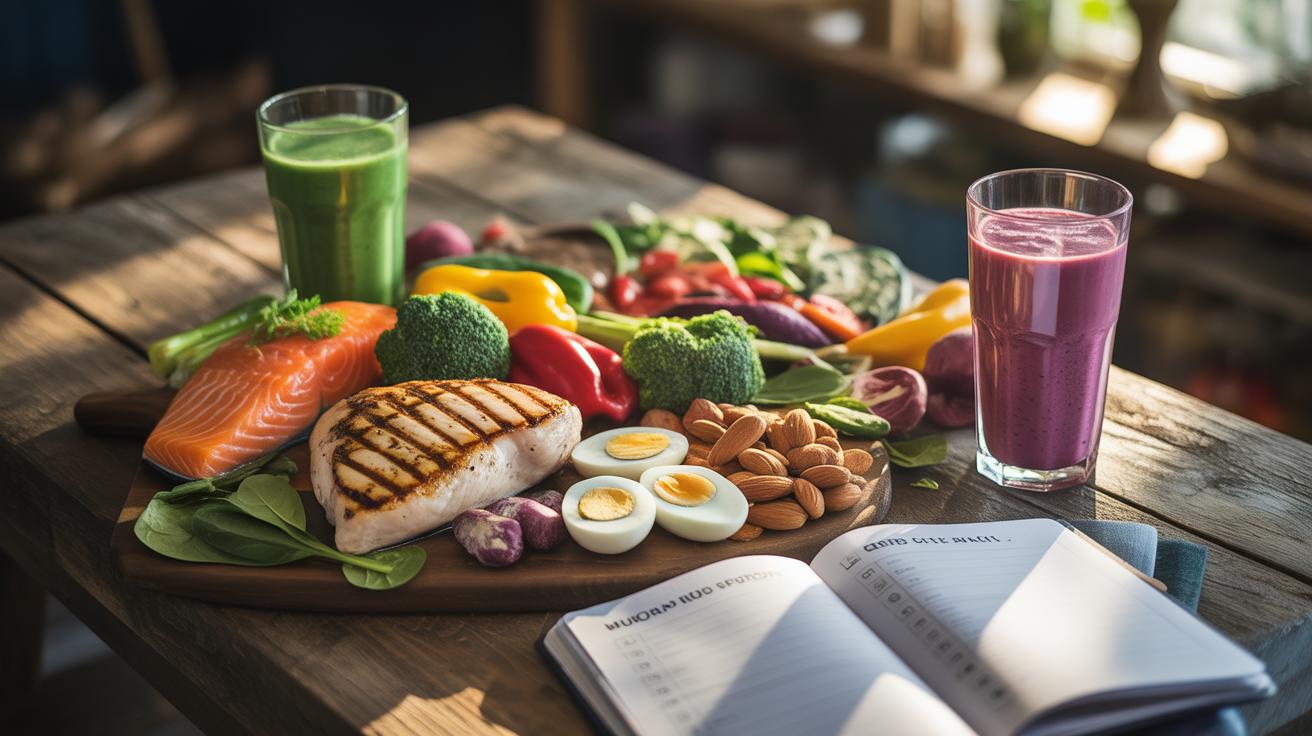
Why Muscle Building Foods Matter More Than You Think

How Nutrition Drives Muscle Protein Synthesis
Training creates the signal for growth by damaging muscle fibers. Nutrition provides the necessary materials to repair that damage through muscle protein synthesis. You need specific foods to gain muscle because they provide amino acids. These acids act as the building blocks for new tissue. Without these raw materials, the body cannot repair itself. Your efforts in the gym will go to waste.

Dietary protein triggers the mammalian target of rapamycin pathway. This biological system controls how your body builds muscle mass. Leucine is the most important amino acid for this process. It acts as a chemical switch to start the repair phase. Consuming the right foods ensures your body stays in an anabolic state. Consistent protein intake keeps muscle protein synthesis higher than muscle protein breakdown.
The Link Between Caloric Intake And Lean Muscle Growth
Muscle growth requires a consistent energy surplus to succeed. Your body needs extra fuel to power the intense biological process of building tissue. Eating at maintenance levels limits your speed of progress. A controlled surplus provides the energy for hard training sessions and recovery. You must track your intake to ensure you have enough fuel. This energy allows the body to prioritize growth.
A caloric surplus must come from high quality sources to avoid fat gain. Excess calories from processed sugars do not support lean muscle. You need a balance of carbohydrates and fats to spare protein for repair. Carbohydrates replenish glycogen stores in your muscles for better performance. Fats regulate the hormones that drive your physical strength. Proper fueling turns your training into permanent physical results.
Top Muscle Food Sources Backed By Science
Animal Based Proteins: Eggs, Chicken, And Lean Beef
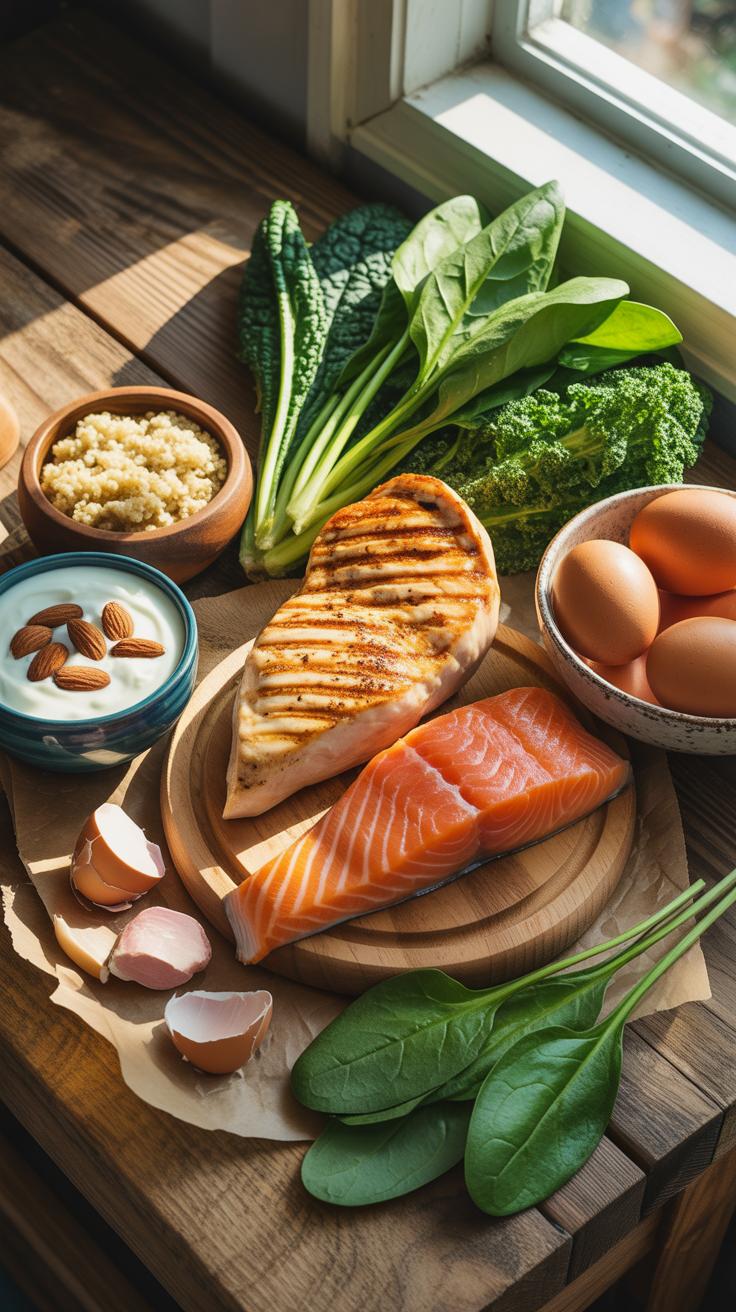
Animal proteins provide the highest biological value for muscle repair. Whole eggs contain leucine which triggers muscle protein synthesis directly. Chicken breast offers a high protein to calorie ratio for lean gains. Lean beef delivers essential micronutrients like zinc and iron that support hormone production. These sources contain all nine essential amino acids required to build new muscle tissue effectively after intense training sessions.
You must prioritize bioavailability when selecting protein sources. The body absorbs animal tissues more efficiently than most plant alternatives. Consumption of these proteins spikes blood amino acid levels quickly to stop muscle breakdown. Regular intake of lean beef also provides natural creatine for increased power output. Focus on these staples to ensure your body has the raw materials necessary for hypertrophy and consistent strength increases over time.
Plant Based Proteins: Legumes, Tofu, And Quinoa
Plant proteins serve as vital building blocks for muscle growth when managed correctly. Legumes like lentils provide significant fiber alongside protein to improve nutrient absorption. Tofu contains all essential amino acids and remains a versatile dense protein source. Quinoa stands out as a unique grain because it contains a complete amino acid profile. Combining these foods ensures you receive the nitrogen balance required to maintain an anabolic state.
Efficiency in plant based nutrition requires eating a variety of sources. Most plants lack specific amino acids like methionine or lysine on their own. Pairing different plant groups creates a complete protein profile that rivals animal sources. This approach reduces systemic inflammation which can speed up your recovery time. Use these clean fuel sources to drive muscle hypertrophy while maintaining low levels of saturated fat intake.
Foods To Eat To Gain Muscle Your Essential Checklist

High Protein Staples Every Muscle Builder Should Stock
Protein provides the amino acids necessary to repair muscle tissue after heavy lifting. You must maintain a positive nitrogen balance to stay in an anabolic state. Without sufficient protein intake, your body will break down existing muscle for energy. Consume high-quality sources that contain all nine essential amino acids. Aim for one gram of protein per pound of body weight daily.
- Chicken Breast: This lean poultry source offers a high protein-to-calorie ratio with minimal fat content. It provides high-quality selenium and B vitamins. Athletes use it as a primary base for meal prep because it remains stable when stored and reheated throughout the week.
- Greek Yogurt: This fermented dairy product contains double the protein of regular yogurt and provides a mix of fast and slow-digesting proteins. It supplies probiotics that improve gut health and nutrient absorption. Lean versions allow for high protein intake without excess saturated fat or sugar.
- Whole Eggs: Eggs contain the highest biological value of any whole food protein source available. The yolk provides healthy fats and vitamin D which support natural hormone production. They serve as a cost-effective and versatile staple for hitting daily caloric and protein targets quickly.
- Lean Beef: Red meat provides high-quality protein along with natural creatine, zinc, and iron. These minerals are vital for energy production and muscle oxygenation during intense training. Choose cuts like sirloin or eye of round to keep caloric intake controlled while maximizing raw nutrient density.
- Whey Protein: This fast-digesting supplement provides a concentrated dose of leucine to trigger muscle protein synthesis immediately after training. It is the most researched supplement in sports nutrition history. Use it when whole food is unavailable or when you need rapid digestion to hit macros.
Focus on bioavailability when selecting your protein sources. Your body absorbs animal-based proteins more efficiently than plant-based options. High-protein foods also have a high thermic effect. This means your body burns more calories just digesting them compared to fats or carbohydrates. Keep these staples in your kitchen to ensure you never miss a meal or a growth opportunity.
Just as the simple, wholesome meals of our childhood built our strength, a disciplined checklist of real food is the foundation of every great physique. Eat big to get big, and never forget that muscle is built in the kitchen.
Complex Carbohydrates That Power Your Training Sessions
Glycogen is the primary fuel source for high-intensity weight training. You must consume complex carbohydrates to replenish these stores and prevent muscle fatigue. These foods provide a steady release of glucose into your bloodstream. This prevents the energy crashes associated with simple sugars and processed flours. Consistent carbohydrate intake allows you to maintain high training volume and lift heavier loads over time.
Strategic timing of these carbohydrates improves your performance and recovery. Eat slow-digesting oats or brown rice two hours before your workout for sustained energy. Consume faster-digesting sources like white rice or potatoes immediately after training to spike insulin. This hormone moves nutrients into your muscle cells fast. Skipping carbs will flatline your progress and lead to muscle loss during periods of intense caloric expenditure.
Food To Bulk Up Muscle Without Excess Fat Gain

Understanding A Clean Bulk Vs. A Dirty Bulk Approach
A dirty bulk prioritizes total calories from any source. This often leads to excessive fat gain and metabolic stress. You eat processed sugars and low quality oils to hit high targets. This method forces your body to store fat while building muscle. It makes the cutting phase longer and harder. Most lifters regret this approach because it ruins their health and physique.
A clean bulk focuses on a small caloric surplus from whole foods. You aim for two hundred to five hundred calories above maintenance. This strategy maximizes muscle protein synthesis while limiting fat cell growth. You eat high quality proteins and complex carbohydrates. Your energy stays stable throughout the day. This precision allows for steady muscle growth and keeps your body lean and functional.
Healthy Fats That Support Hormones And Muscle Recovery
Dietary fats regulate your hormone production. Testosterone levels drop when fat intake is too low. This slows your muscle growth and recovery. You need monounsaturated and polyunsaturated fats to keep your endocrine system efficient. These fats also help your body absorb vitamins like A, D, and E. Use fat as a tool to maintain high performance during your heavy lifting sessions.
Prioritize fats from whole sources like avocados and walnuts. These foods provide dense energy without causing the inflammation found in fried items. Omega three fatty acids reduce soreness after hard workouts. They improve blood flow to your muscles. Do not fear fats in your diet. Balance your intake to ensure your nervous system stays healthy. Good fats are essential for long term size gains.
Good Foods For Building Muscle And Speeding Up Recovery
Anti Inflammatory Foods That Reduce Post Workout Soreness
Heavy lifting creates small tears in muscle fibers. This process triggers inflammation. You need chronic inflammation to stay low so you can train again sooner. Tart cherry juice and turmeric contain compounds that block specific inflammatory pathways. These foods help oxygen reach your muscles faster. Faster oxygen delivery means less downtime between sessions. Use these foods to stay on schedule.
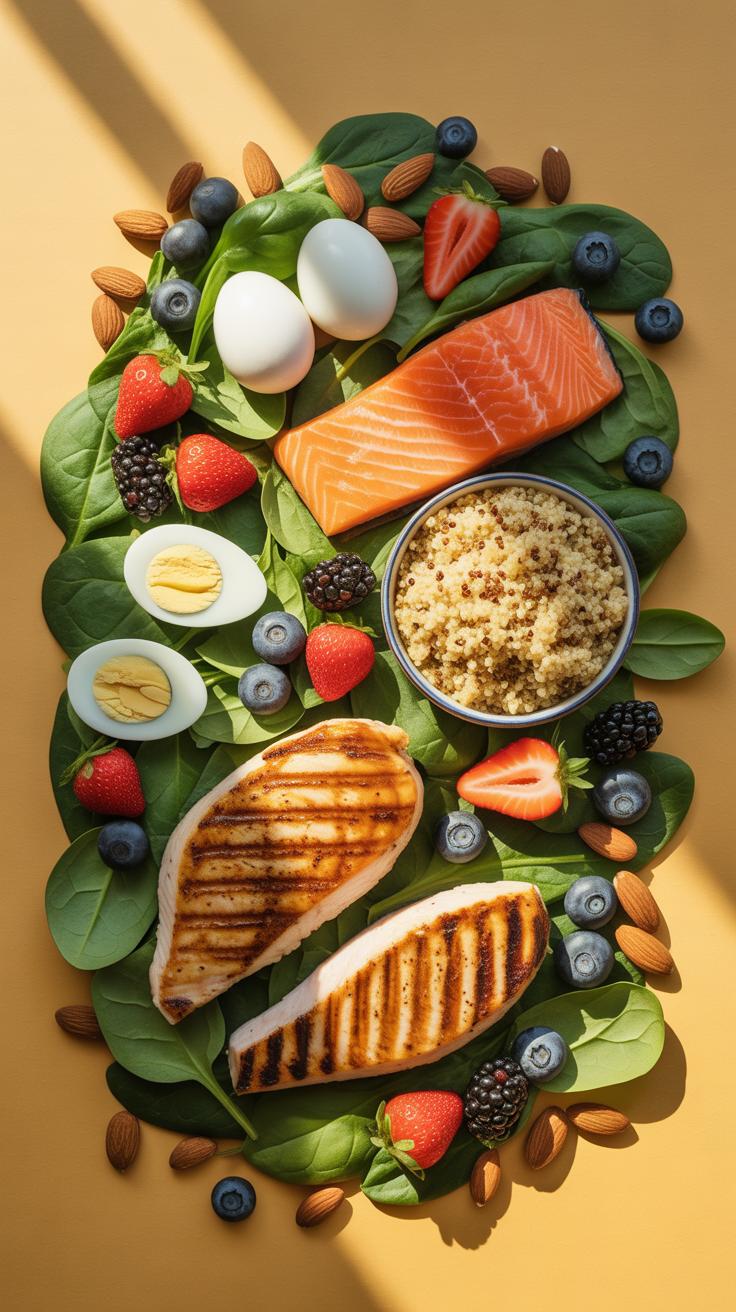
Fatty fish like salmon provide high levels of omega three fatty acids. These fats reduce joint pain and swelling after intense lifting. Berries contain antioxidants that fight oxidative stress caused by hard training. Adding these to your diet helps maintain a high training volume. You cannot gain muscle if you are too sore to lift. Consistency depends on how fast you manage internal stress.
The Role Of Micronutrients Like Zinc And Magnesium In Repair
Magnesium regulates muscle contractions and helps your body relax at night. This mineral is essential for deep sleep where most tissue repair happens. Low magnesium levels lead to cramps and poor performance. Eat pumpkin seeds or spinach to maintain these levels. Proper levels ensure your nervous system recovers from heavy loads. Without it your power output will drop over time.
Zinc plays a direct role in protein synthesis and hormone production. It helps your body convert the protein you eat into new muscle tissue. Oysters and red meat are the best sources for this mineral. A deficiency will stall your progress regardless of your calorie intake. You must optimize these micronutrients to unlock the full potential of your protein. High quality repair requires these chemical catalysts.
Healthy Workout Food What To Eat Before And After Training
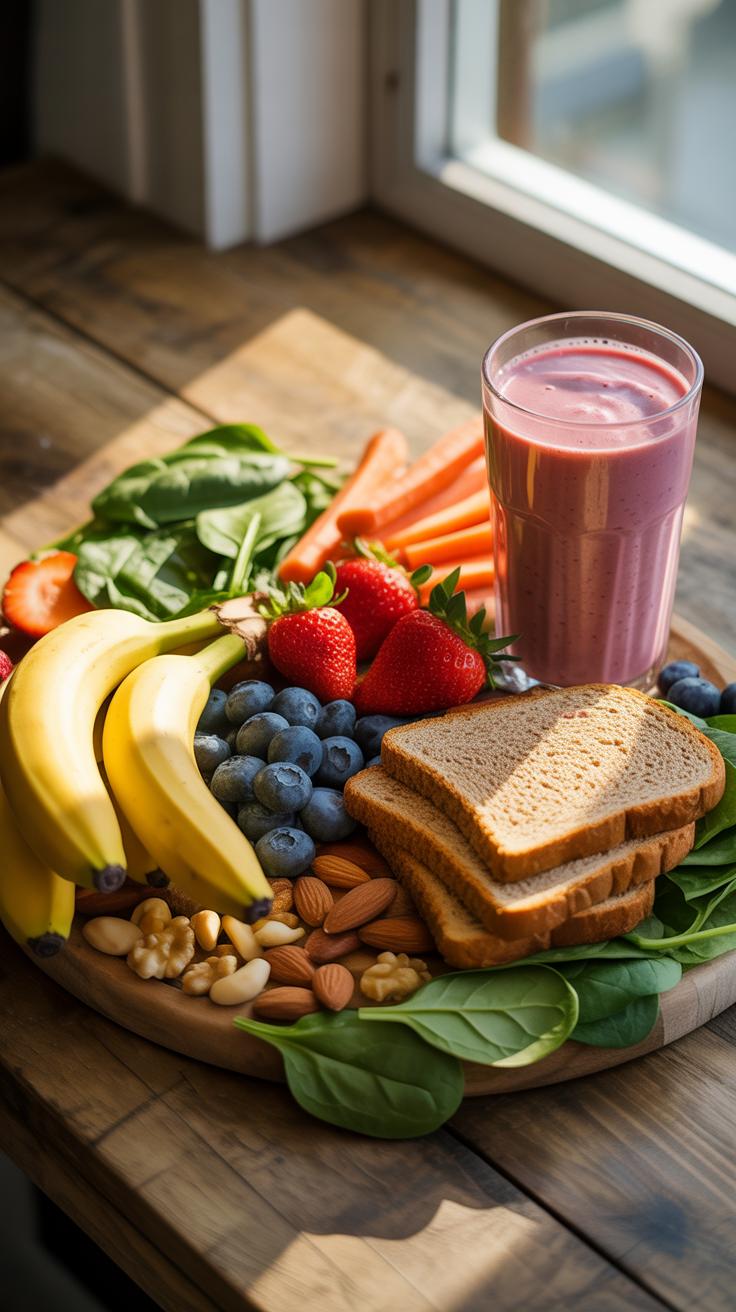
Pre Workout Nutrition: Fueling Performance And Endurance
Muscle gain requires high intensity training. You must eat carbohydrates sixty to ninety minutes before your session. These carbohydrates turn into blood glucose and stored glycogen. This fuel prevents the body from breaking down muscle tissue for energy during heavy lifts. Moderate protein intake before training also helps maintain a positive nitrogen balance. Avoid high fat foods because they slow down digestion.
Timing is the most important factor for performance. Large meals require two hours to digest properly. Small snacks work better if you eat thirty minutes before the gym. Choose easily digestible items like bananas or white rice. These specific carbs spike insulin slightly and drive nutrients into the cells. Proper fueling allows you to lift heavier weights for more repetitions. This mechanical tension triggers hypertrophy and faster growth.
Post Workout Nutrition: Maximizing The Anabolic Window
The body needs rapid nutrient delivery immediately after training ends. Muscle protein synthesis peaks following a strenuous workout. You must consume high quality protein to repair damaged fibers. Whey protein is the standard choice because the body absorbs it faster than solid food. Adding fast acting carbohydrates replenishes depleted glycogen stores quickly. This combination halts muscle breakdown and starts the recovery process.
Focus on the ratio of nutrients rather than total calories here. Aim for twenty to forty grams of protein within one hour of finishing. Add double that amount in carbohydrates to trigger an insulin response. Insulin acts as a transport hormone for amino acids. Skipping this meal slows down your recovery time and limits potential gains. Consistency in post-workout nutrition ensures every training session contributes to permanent muscle mass.
Food For Muscle Gain Woman Building Muscle For Women Diet

How Female Hormones Influence Muscle Growth And Nutrition Needs
Estrogen and progesterone dictate how women build muscle and recover from training. Estrogen provides a protective effect on muscle tissue and helps with glucose uptake. During the follicular phase, your body relies more on glycogen for energy. You should increase carbohydrate intake before high intensity workouts during this time. This ensures you have the fuel necessary to push heavy weights and stimulate hypertrophy effectively.
Progesterone rises during the luteal phase and increases body temperature and metabolic rate. This shift often leads to higher protein breakdown and increased caloric needs. You must prioritize high quality protein sources to prevent muscle loss. Increasing protein intake during this phase supports tissue repair and offsets the catabolic effects of elevated progesterone. Understanding these hormonal shifts allows you to adjust your caloric intake for consistent growth.
Iron Rich And Calcium Dense Foods Women Should Prioritize
Women face specific micronutrient deficiencies that can stall muscle progress and lower energy levels. Iron is essential for transporting oxygen to working muscles during resistance training. Low iron leads to fatigue and poor lifting performance. Calcium and vitamin D are equally critical for maintaining bone density and facilitating muscle contractions. You must consume foods that satisfy these requirements to sustain a high volume of training over time.
- Lean Beef: This red meat provides high amounts of heme iron and zinc. The body absorbs heme iron more efficiently than plant based sources. Regular consumption supports red blood cell production and prevents the fatigue associated with iron deficiency anemia during heavy training cycles.
- Spinach: This leafy green offers non-heme iron and essential nitrates. Nitrates improve mitochondrial efficiency which helps muscles work harder with less oxygen. Pair spinach with vitamin C sources like lemon juice or bell peppers to maximize the absorption of the iron content.
- Greek Yogurt: High in calcium and protein, this dairy product supports bone health and muscle synthesis. It contains more protein per serving than standard yogurt. The calcium content is vital for nerve signaling and triggers the mechanical process of muscle fiber contraction during lifts.
- Lentils: These legumes provide a plant based source of iron and significant fiber. They help stabilize blood sugar levels which provides steady energy for long workouts. Lentils are an excellent secondary protein source that helps fill the daily iron requirements for active women.
- Sardines: These small fish are packed with calcium and omega-3 fatty acids. Since you eat the soft bones, they provide a direct boost to skeletal strength. The anti-inflammatory properties of omega-3s also speed up muscle recovery time after intense lower body sessions.
Focusing on these nutrient dense foods ensures your body has the structural support for muscle hypertrophy. Iron keeps your energy high enough to hit PRs in the gym. Calcium protects your skeletal system from the stress of progressive overload. Nutrition for muscle gain is not just about total calories. It is about the specific minerals that keep the biological engine running at peak efficiency.
Building A Practical Muscle Gain Meal Plan That Actually Works

How To Structure Your Daily Meals Around Protein Targets
Successful muscle growth requires hitting a specific protein floor every single day. You must prioritize high-quality protein sources in every meal to trigger muscle protein synthesis. Aim for roughly one gram of protein per pound of body weight. Calculate this number first and build the rest of your calories around it. This target ensures your body has the necessary building blocks for repair.
Distribute your protein intake across four to five feedings rather than one large sitting. Your body processes protein more efficiently when you provide it in regular intervals. Each meal should contain at least thirty grams of protein from sources like lean beef, poultry, or fish. This steady supply maintains an anabolic state throughout the day. Focus on the total daily amount to ensure long term muscle growth.
Meal Timing, Frequency, And Consistency For Long Term Gains
Timing your nutrient intake around your training sessions optimizes performance and recovery. Consume a mix of fast-digesting protein and carbohydrates within two hours after lifting. This window helps replenish glycogen stores and boosts muscle repair immediately. You do not need a perfect post-workout shake. You just need a solid meal with adequate calories to move the needle forward. Focus on fueling your sessions.
Consistency beats intensity every time in body composition. Missing one meal or one day of hitting targets stalls your progress. Muscle gain is a slow process that relies on a constant caloric surplus. You must eat even when you are not hungry to maintain that surplus. Prepare your meals in advance to avoid making poor choices. Stick to the plan for months to see real results.
Frequently Asked Questions

What are the most essential foods for a beginner looking to build muscle?
For those just starting their fitness journey, the most important foods to gain muscle are high-quality proteins and complex carbohydrates. You should focus on lean meats like chicken breast, eggs, and Greek yogurt to repair muscle fibers. Additionally, fuel your workouts with oats and brown rice. Prioritizing these nutrient-dense staples ensures your body has the necessary building blocks and energy to support new growth during your initial strength training phase.
How should I structure my daily meals to maximize muscle protein synthesis?
To see faster results, aim to consume moderate portions of protein every three to four hours. Distributing your intake throughout the day is more effective than eating one large meal. Incorporating specific foods to gain muscle, such as whey protein or lean turkey, during your post-workout window and right before bed can further enhance recovery. This consistent supply of amino acids keeps your body in an anabolic state for optimal development.
Is it possible to build significant muscle on a tight monthly budget?
Absolutely! Building mass doesn’t require expensive supplements or premium cuts of meat. Budget-friendly staples like canned tuna, bulk lentils, eggs, and peanut butter are excellent sources of nutrition. Buying frozen vegetables and large bags of white rice can also keep costs low while providing essential vitamins and calories. By focusing on these affordable whole foods, you can reach your physical goals without overspending on your weekly grocery bill.