

Understanding Physical Health Metrics The Numbers That Reveal Your Wellness

What Are Physical Health Metrics And Why Do They Matter
Physical health metrics provide objective data about your internal bodily functions. These numbers eliminate guesswork and subjective feelings. They serve as early warning systems for chronic disease and metabolic dysfunction. By tracking specific data points, you gain a clear map of your current physiological state. This quantitative approach allows you to measure the direct impact of your lifestyle choices and medical interventions over time.

Relying on how you feel is a dangerous strategy for long-term health. Many life-threatening conditions like hypertension or high blood sugar show no symptoms until significant damage occurs. Metrics offer a proactive way to manage your body. They help you identify trends before they become irreversible problems. Tracking these numbers ensures your nutrition and exercise plans actually work. Data-driven decisions outperform intuition every time in the realm of biological optimization.
Key Biomarkers Every Person Should Know And Track Regularly
You must monitor blood pressure, fasting glucose, and lipid profiles. These biomarkers indicate your risk for heart disease and diabetes. High blood pressure strains your arteries and heart muscle. Fasting glucose levels reveal how well your body processes sugar. Your lipid profile measures cholesterol and triglycerides to assess arterial health. These core numbers represent the basic foundation of your metabolic health. Ignoring them leads to systemic failure.

Body composition and inflammation markers like C-reactive protein add necessary depth to your profile. Standard weight scales do not differentiate between muscle and fat. Body composition analysis provides a more accurate view of physical health and nutrition status. High inflammation levels suggest your body is under constant stress or fighting infection. Consistently tracking these metrics allows you to adjust your caloric intake and nutrient density. Knowledge of these numbers gives you total control.
The Science Of Physical Health And Nutrition How Food Shapes Your Biology

How Macronutrients Directly Influence Blood Sugar, Cholesterol, And Body Composition
Carbohydrates break down into glucose to fuel your brain and muscles. High intakes of refined sugars cause rapid insulin spikes. Constant spikes lead to insulin resistance and type 2 diabetes. You must manage fiber intake to slow glucose absorption. Stable blood sugar prevents fat storage and protects your arteries. Fiber also binds to bile acids to help lower your LDL cholesterol levels effectively.
Proteins provide amino acids for tissue repair and muscle growth. Lean muscle mass increases your resting metabolic rate. Fats serve as structural components for cell membranes and hormone production. Saturated fats can raise heart disease markers if consumed in excess. Omega-3 fatty acids reduce systemic inflammation throughout your body. Balancing these three macronutrients dictates your body composition and long term cardiovascular health outcomes.
Every meal is a chance to honor the strength your ancestors passed down to you. Real food is the most powerful medicine we have to bring our bodies back into a state of glowing health.
The Role Of Micronutrients In Supporting Organ Function And Metabolic Health
Vitamins and minerals act as essential cofactors for every chemical reaction in your body. B vitamins drive the conversion of food into usable cellular energy. Without adequate iron, your blood cannot transport oxygen to your vital organs. Magnesium regulates over three hundred enzyme systems, including nerve function and blood pressure. These small nutrients prevent metabolic breakdowns that lead to chronic fatigue and physical decline.
Trace minerals like zinc and selenium support your immune response and thyroid performance. Vitamin D functions more like a hormone to maintain bone density and regulate gene expression. Chronic deficiencies in these areas cause long term damage to your biological systems. Proper nutrition ensures your internal machinery operates at peak efficiency. You cannot achieve optimal physical health without hitting these daily micronutrient targets consistently.
Holistic Nutrition Feeding The Body As A Complete Interconnected System
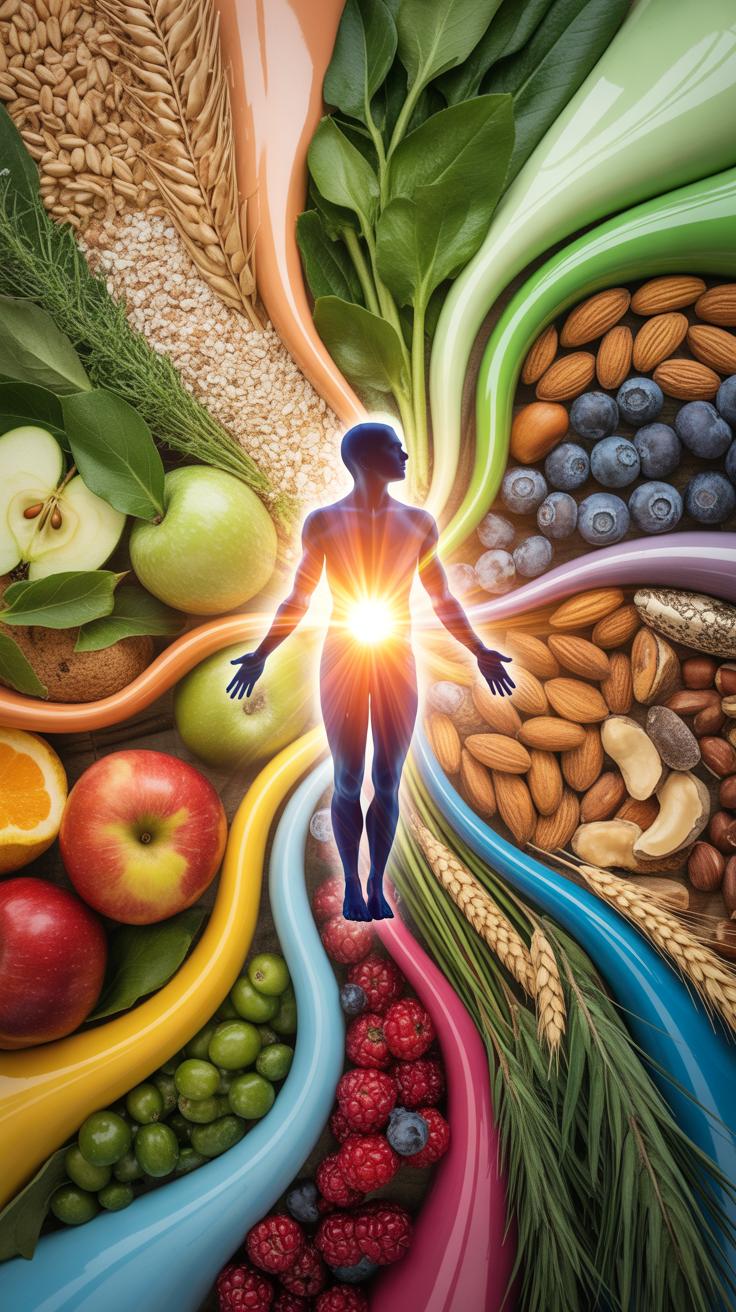
What Holistic Nutrition Means And How It Differs From Conventional Dietary Advice
Holistic nutrition views the body as a single unit rather than a set of parts. Conventional advice often isolates specific nutrients like calories or grams of protein. This narrow focus ignores how foods interact with your biology. Holistic strategy prioritizes the source and quality of intake. It treats food as a chemical signal that tells your cells how to function.
Traditional dietary guidelines often rely on broad population averages. These numbers do not account for your specific biochemical needs or lifestyle. A holistic approach looks at how your food choices impact sleep and energy. It maps the relationship between what you eat and your mental clarity. You move beyond simple weight loss to reach a state of total metabolic efficiency and high performance.
How Gut Health, Inflammation, And Nutrient Absorption Connect To Your Health Metrics
Your gut serves as the gatekeeper for every nutrient you consume. Poor gut health prevents the absorption of essential minerals regardless of your diet quality. Inflammation in the digestive tract triggers immune responses that elevate your resting heart rate. This biological stress shows up in your blood work as high C-reactive protein levels. Managing the microbiome is a tactical requirement for stable health markers.
Chronic inflammation acts as a silent killer of metabolic speed. This physiological state forces the body to store fat and break down muscle tissue. High levels of systemic inflammation correlate directly with poor blood glucose control. When you reduce inflammatory inputs, your insulin sensitivity improves almost immediately. Strategic nutrient absorption ensures your organs have the fuel needed to maintain a high level of physical performance.
Body Mass Index Body Fat Percentage And What Healthy Body Aesthetics Actually Reflect

BMI Vs. Body Fat Percentage: Which Metric Tells A More Accurate Health Story
Adolphe Quetelet created the Body Mass Index in the 1830s. It uses a simple math formula of weight divided by height. This tool works for large groups. It fails for individuals because it ignores muscle mass. A muscular athlete may rank as obese on the BMI scale while having low body fat. This limit makes BMI a blunt tool for personal physical health and nutrition.
Body fat percentage provides a better metric for health. It measures the ratio of fat to lean tissue. High body fat increases risks for chronic diseases like type 2 diabetes and heart failure. Modern scans like DEXA provide precise data. Tracking fat percentage ensures you lose fat rather than vital muscle. This shift in focus leads to better long term health outcomes for most people.
Why Healthy Body Aesthetics Should Be Driven By Nutrition Quality, Not Just Caloric Restriction
Extreme calorie cutting destroys metabolic health. It forces the body to burn muscle for energy. This often leaves people looking thin but soft. This state is called normal weight obesity. It carries many of the same risks as being overweight. Focusing on food quality improves your body composition. High protein intake preserves muscle during fat loss. This creates a fit look that reflects true internal health.
Nutrition quality impacts skin health and hormone levels directly. Micro-nutrients like zinc and vitamin C fuel collagen production. Healthy fats regulate hormones that control hunger and mood. Starvation diets ruin these systems. Strong physical health and nutrition require a balance of macro-nutrients. Proper fueling allows you to train harder and recover faster. This approach builds a body that looks good because it functions at a high level.
Healthy Eating Recipes That Positively Impact Your Most Important Health Metrics

Nutrient Dense Meal Patterns That Support Healthy Blood Pressure And Cholesterol Levels
High blood pressure and elevated cholesterol damage your arteries over time. You must adopt meal patterns that prioritize potassium over sodium. Potassium helps your body flush out excess salt and relaxes blood vessel walls. Focus on the DASH eating plan principles. This approach emphasizes whole grains and lean proteins to reduce systemic inflammation and improve your overall arterial function and blood flow.
Soluble fiber is your primary tool for lowering LDL cholesterol effectively. This fiber binds to bile acids in your digestive tract and removes them from your body. Your liver then pulls cholesterol from your blood to make more bile. This process lowers your total cholesterol levels naturally. Stop consuming processed trans fats immediately. These synthetic fats raise bad cholesterol and lower good cholesterol simultaneously.
Evidence Based Ingredients To Prioritize In Your Weekly Healthy Eating Recipes
Functional ingredients act as biological levers to shift your health metrics. You need specific compounds to target lipid profiles and glycemic control. Choosing the right fats and fibers determines how your body processes fuel and repairs cellular damage. Integrating these items into your daily routine provides the raw materials necessary for optimal cardiovascular performance and metabolic efficiency.
- Fatty Fish: Salmon and mackerel provide high doses of omega three fatty acids. These essential fats lower triglycerides and reduce the risk of irregular heartbeats. Aim for two servings every week to maintain your vascular health and lower chronic inflammation levels throughout your body.
- Leafy Greens: Spinach and kale contain high concentrations of nitrates. Your body converts nitrates into nitric oxide which dilates blood vessels and improves oxygen delivery. These greens also offer vitamin K which protects your arteries and supports proper blood clotting functions in the daily diet.
- Whole Oats: Oats contain a specific soluble fiber called beta glucan. This substance forms a gel in the gut that traps cholesterol and prevents its absorption into the bloodstream. Consistent intake reduces LDL levels and helps stabilize your blood sugar after you finish eating.
- Legumes: Beans and lentils are dense sources of plant protein and fiber. They have a low glycemic index which prevents rapid spikes in blood sugar and insulin. Replacing red meat with legumes reduces your intake of saturated fats and supports long term weight management goals.
- Berries: Blueberries and strawberries are rich in anthocyanins. These antioxidants improve the function of the endothelium which is the lining of your blood vessels. Regular consumption helps maintain flexible arteries and prevents the oxidative stress that leads to plaque buildup and heart disease.
Targeted nutrition requires consistency to produce measurable results in your blood work. Use these ingredients as the foundation for every meal you prepare. Monitor your blood pressure and lipid panels every six months to verify the impact of your dietary changes. Real health gains come from tactical ingredient selection rather than restrictive fads. Focus on high quality inputs to ensure high quality physical outputs.
Poster On Nutrition And Health What Public Health Messaging Gets Right And Wrong

How Official Nutrition Guidelines Have Evolved And What The Current Evidence Supports
Public health posters once focused heavily on the 1992 Food Guide Pyramid. This model prioritized high carbohydrate intake from grains. It suggested sparse fat consumption regardless of source. History shows this approach failed to capture the complexity of metabolic health. Current evidence now shifts toward nutrient density rather than just calorie counting. Authorities today recognize that individual physical health and nutrition requirements vary based on activity levels.
Modern research validates a move toward the Healthy Eating Plate model. This version emphasizes proteins, healthy fats, and vegetable volume. It corrects the previous error of grouping refined sugars with complex starches. Science now supports limiting processed additives found in many packaged foods. Public messaging finally highlights the link between chronic inflammation and high sugar intake. Effective strategies focus on whole food sources to maintain stable insulin levels.
Common Nutritional Myths That Still Circulate And What Peer Reviewed Research Actually Says
Many people still believe that dietary fat causes heart disease. This myth stems from flawed mid-century studies. Peer-reviewed research now proves that natural fats are essential for hormone production and brain function. The real culprit is often the combination of trans fats and refined carbohydrates. These trigger systemic inflammation and damage arterial walls. Stop fearing healthy fats like those found in eggs, avocados, and grass-fed meats.
Another persistent myth claims that humans must eat every few hours to keep their metabolism high. Clinical data shows that meal frequency does not significantly impact total metabolic rate. Your body manages energy based on total nutrient intake and hormonal signals. Constant grazing can actually keep insulin levels elevated. This prevents the body from tapping into stored fat for fuel. Prioritize protein-rich meals to stay full and protect your lean muscle mass.
Healthy Lifestyle Pictures Visualizing What A Nutrition Driven Wellness Routine Looks Like

Daily Habits That Align Nutritional Choices With Measurable Physical Health Improvements
Daily nutritional habits determine your long-term health markers. You must track what you eat to see how it changes your body. Consuming whole foods lowers inflammation and improves blood pressure readings. Smart choices create stable blood sugar levels. This steady energy prevents insulin spikes and fat storage. You see the results in your weight and heart rate data over several months.
- Protein Prioritization: Consume high-quality protein at every meal to maintain lean muscle mass. Muscle tissue burns more calories at rest than fat tissue does. This habit supports a healthy metabolic rate and improves your overall body composition metrics over time.
- Fiber Tracking: Eat thirty grams of fiber daily from vegetables and legumes. Fiber slows glucose absorption and keeps your gut microbiome healthy. High fiber intake correlates with lower cholesterol levels and reduced risks of chronic heart disease in clinical studies.
- Meal Timing: Stick to consistent eating windows to regulate your circadian rhythm. Eating during daylight hours helps your body process nutrients more efficiently. Proper timing improves sleep quality and morning fasting glucose levels by allowing the digestive system to rest at night.
- Micronutrient Density: Choose foods high in vitamins and minerals instead of empty calories. Nutrient-dense foods like leafy greens and berries provide the antioxidants needed for cellular repair. This approach ensures your body has the raw materials necessary for peak physical performance.
- Sugar Elimination: Remove processed sugars to stop systemic inflammation and energy crashes. Excessive sugar intake creates glycation which damages your arteries and skin. Cutting sugar results in clearer skin and better mental focus within just a few days of starting the habit.
Consistent nutrition builds a foundation for all physical health and nutrition goals. You cannot outwork a poor diet with exercise alone. Every meal serves as a biological signal to your cells. Use these cues to promote healing and growth. When your daily habits align with your biology, your health metrics will reflect that discipline. Focus on the facts of food chemistry for best results.
How Sleep Stress Management And Hydration Amplify The Impact Of A Healthy Diet
Sleep and stress management act as force multipliers for your nutrition plan. Lack of sleep increases ghrelin levels which makes you crave sugar and fat. High cortisol from stress causes your body to store fat around your midsection regardless of your diet. You must rest to allow your body to process the nutrients you consume. Without recovery, even the best diet fails to produce results.
Hydration is the final piece of the tactical health puzzle. Water transports nutrients to your cells and removes metabolic waste from your system. Dehydration often mimics hunger signals and leads to overeating. Drink water steadily throughout the day to maintain blood volume and kidney function. Proper fluid intake ensures your metabolism operates at its full capacity. Total wellness requires a balance of food, water, and rest.
Health Photography And Healthy Vibes The Psychology Behind Food Presentation And Eating Behavior

How Visual Cues And Food Photography Influence Appetite, Food Choices, And Portion Awareness
Visual stimuli trigger the cephalic phase of digestion before food reaches your mouth. High quality food photography uses lighting and color saturation to make specific items look more rewarding. Research shows that bright colors signify nutrient density or high energy content to the brain. This biological response increases saliva production and hunger hormones. You react to images because your brain treats them as real survival opportunities.
Modern digital media distorts your sense of normal portions. Expertly framed photos often use small plates to make servings look larger and more satisfying. This technique exploits the Delboeuf illusion where the same amount of food looks bigger on a smaller surface. When you view these images, your brain recalibrates what it considers a full meal. Viewing realistic food presentation helps you maintain better control over actual intake.
Using Positive Healthy Vibes And Mindful Eating Practices To Strengthen Your Nutritional Commitment
Your eating environment dictates your physiological stress levels during meals. A calm and organized space promotes the parasympathetic nervous system which aids digestion. Using clean presentation and natural textures creates an atmosphere that encourages slow consumption. When you focus on the visual appeal of healthy food, you strengthen the mental link between nutrition and pleasure. This tactical shift makes long term dietary adherence easier to maintain.
Mindful eating requires total focus on the sensory details of your meal. You must eliminate digital distractions to recognize internal fullness signals. Fast eating prevents the stomach from sending satiety signals to the brain in time. Professional athletes use these focus techniques to ensure they hit specific caloric targets without overshooting. High internal awareness prevents the mindless grazing that often leads to weight gain and poor metabolic health.
Healthy Eating Pictures And Tracking Progress Turning Data Into Lasting Dietary Change

How To Use Health Metrics As Feedback Loops To Refine And Personalize Your Nutrition Plan
Blood glucose and lipid panels act as internal sensors for your diet. These numbers tell you how your body processes specific fuels. High fasting glucose indicates you need to reduce refined carbohydrates. High triglycerides often point to excessive sugar intake. You must view these data points as objective signals. They show what works for your unique biology and what causes harm.
Stop guessing which diet is best for your body. Use periodic blood tests to measure the success of your physical health and nutrition strategy. If markers do not improve after ninety days, change your macronutrient ratios. Adjusting your food based on hard data prevents wasted effort. This cycle of testing and refining ensures your nutrition plan stays focused on measurable performance and long-term health.
Tools, Journals, And Visual Tracking Methods That Keep You Accountable To Your Health Goals
Visual tracking removes the lies you tell yourself about what you eat. Taking pictures of every meal creates an undeniable record of your intake. This method highlights hidden snacks and portion sizes that text logs often miss. Seeing your food choices in a gallery view forces you to face the reality of your habits. This instant feedback helps you make better choices before the next meal.
Digital journals and wearable devices provide the rest of the story. Log your sleep and activity levels alongside your food photos. This reveals how late-night eating ruins your recovery or how high-protein meals sustain your energy. Combine these tools to map your daily patterns. Facts replace feelings when you track your progress this way. Use these hard numbers to stay disciplined and reach your targets.
Frequently Asked Questions

How does what I eat directly impact my physical health metrics?
Your body relies on nutrients to regulate vital signs like blood pressure, blood sugar, and cholesterol levels. Consuming a balanced diet helps maintain these markers within a healthy range, preventing long-term chronic illness. Understanding the strong link between physical health and nutrition is the first step toward wellness, as your daily food choices act as the fuel that determines how efficiently your internal systems function and recover.
What are some simple ways to track the relationship between my diet and fitness?
To see how food affects you, try keeping a food diary alongside a basic health log. Note how specific meals impact your energy levels, sleep quality, and heart rate during exercise. Monitoring these trends highlights the connection between physical health and nutrition in real-time. By adjusting your intake based on these observations, you can optimize your diet to improve your stamina and overall physical performance throughout the day.
Can I improve my health metrics if I am on a tight budget?
Absolutely! Improving your health doesn’t require expensive superfoods or boutique supplements. Focus on affordable staples like legumes, whole grains, and seasonal frozen vegetables, which are packed with essential vitamins and fiber. These budget-friendly options support heart health and stabilized energy just as effectively as pricier items. Smart meal planning allows you to prioritize nutrient-dense ingredients that keep your vital metrics in check without overspending at the grocery store.