
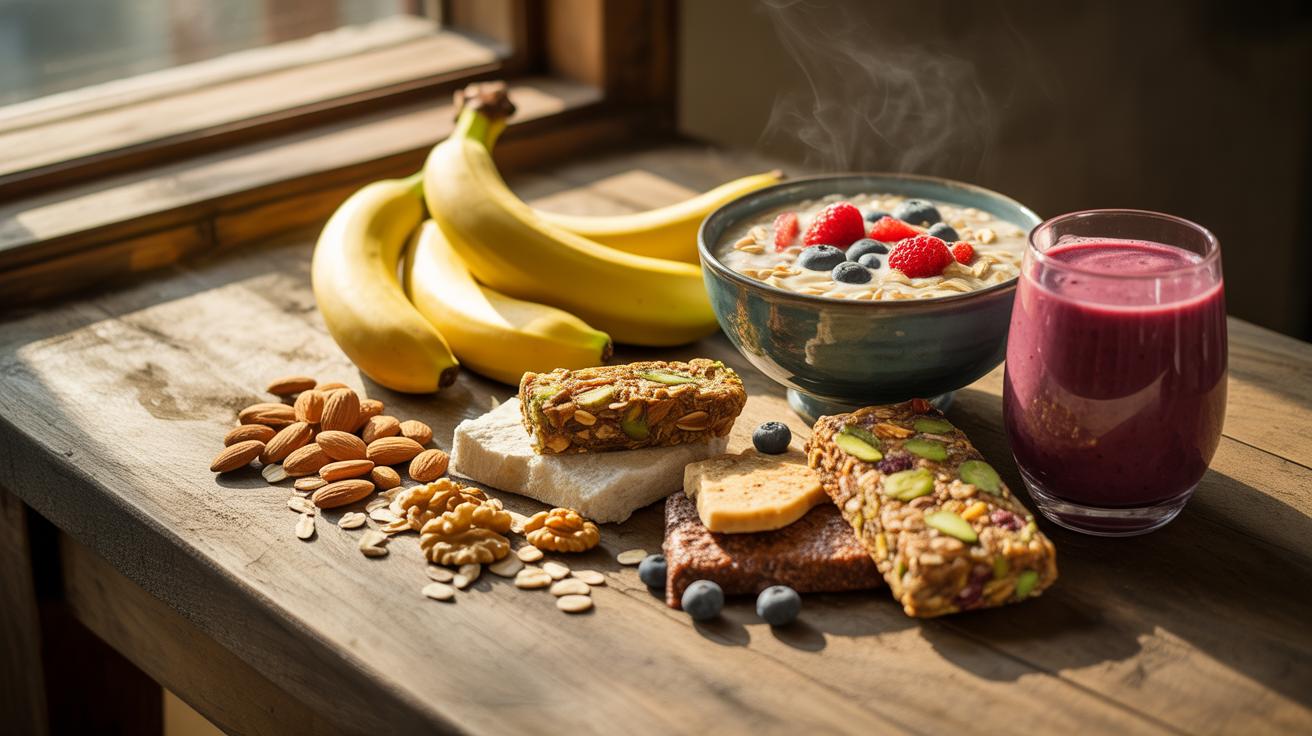
What Is Pre Workout Food And Why Does It Matter

The Science Behind Fueling Your Body Before Exercise
Pre workout food acts as the primary fuel source for your central nervous system and muscles. When you eat before training, your body breaks down carbohydrates into glucose. This glucose enters your bloodstream and provides immediate energy. Strategic intake prevents your body from raiding muscle tissue for energy during high intensity bouts. This process maintains your metabolic rate and protects your lean hard earned mass.

Proper fueling also manages your glycogen stores. Glycogen is the stored form of glucose found in your liver and skeletal muscles. Intense physical activity drains these stores rapidly. Eating before you hit the gym ensures these tanks stay full. This hormonal environment favors muscle protein synthesis over breakdown. Science confirms that fasted training often leads to premature fatigue and reduced power output in most athletes.
How The Right Before Gym Food Impacts Energy, Endurance, And Focus
The right nutrients prevent the mid workout crash. Stable blood sugar levels keep your energy consistent from the first set to the last. Complex carbohydrates provide a steady stream of fuel instead of a short spike. This sustained energy allows you to maintain high intensity for longer periods. You will notice a significant difference in your ability to push through the final minutes of a difficult session.

Consuming protein before a workout improves your mental clarity and focus. Amino acids from protein help produce neurotransmitters that keep your brain sharp under physical stress. This cognitive edge helps you maintain proper form when you are tired. It reduces the risk of injury by keeping your mind engaged with the movement. Efficient fueling turns a standard gym visit into a high performance training session every single time.
The Three Key Macronutrients In Every Effective Pre Workout Meal
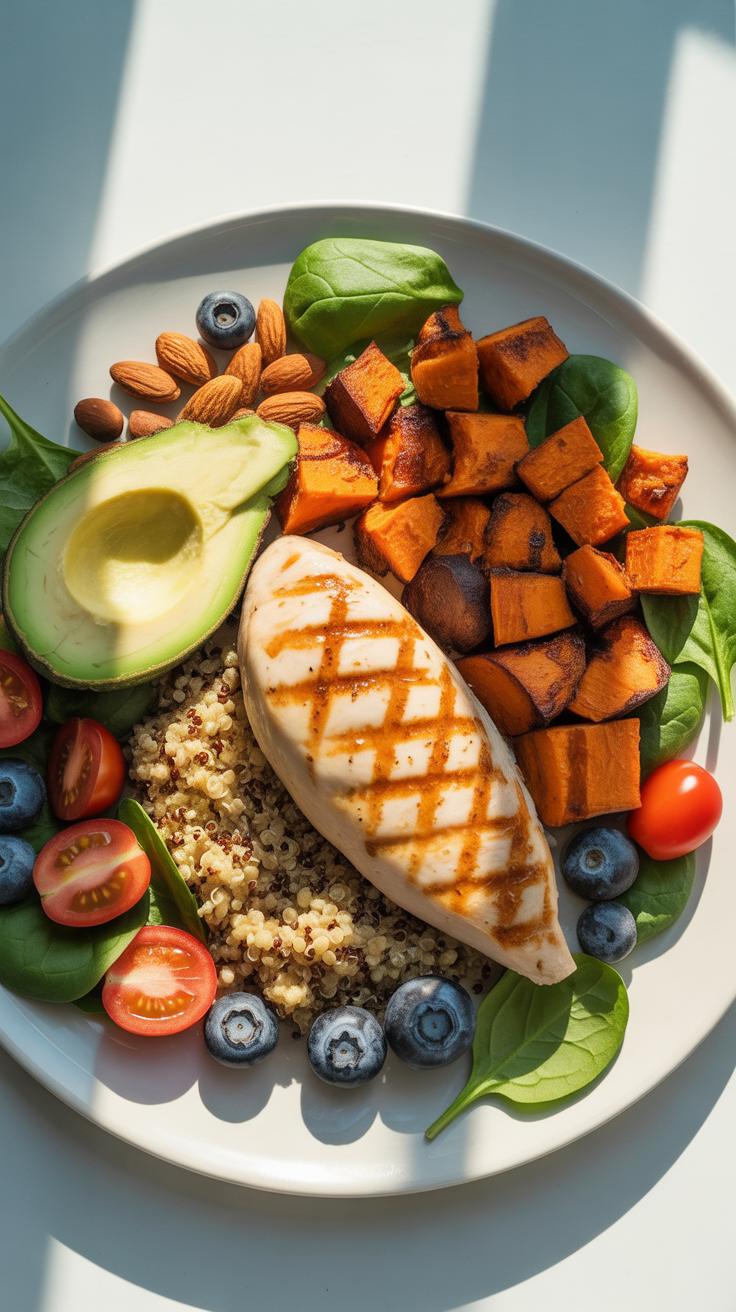
Carbohydrates: Your Body’S Primary Fuel Source During Training
Carbohydrates are the most efficient energy source for high intensity exercise. Your body breaks them down into glucose. This glucose enters the bloodstream to fuel immediate muscle contractions. It also replenishes glycogen stores in the liver and muscles. Low glycogen levels lead to early fatigue and poor performance. Consuming carbs before training ensures your body has the fuel it needs to maintain high output levels.
The timing of carbohydrate intake depends on the glycemic index. Simple carbs provide fast energy for short bursts of power. Complex carbs offer a slower release for endurance sessions. Selecting the right type prevents blood sugar crashes during your workout. You must match your carb intake to the length and intensity of your training. This strategy maximizes your work capacity and prevents the body from breaking down muscle tissue.
Protein And Healthy Fats: Their Supporting Role In Pre Workout Meals
Protein intake before exercise triggers muscle protein synthesis. This process helps repair tissue damage while you train. It also prevents the body from using its own muscle as fuel during fasted states. Including lean protein sources reduces post workout soreness. This creates a better environment for muscle growth and recovery. Small amounts of protein are enough to provide these benefits without causing stomach discomfort or slowing you down.
Healthy fats serve as a long term energy source for low intensity training. They take longer to digest than other macronutrients. Avoid large amounts of fat immediately before a session to prevent digestive issues. Low intensity athletes use fat to spare glycogen for later stages of exercise. Balanced meals include fats to keep you full and provide steady energy. Limit fat intake as the intensity of your specific workout increases.
Timing Your Pre Workout Snack When To Eat Before You Train

The 1 To 3 Hour Eating Window And Why It Matters For Performance
Eating a full meal two to three hours before exercise allows your body to digest complex nutrients. This timeframe ensures your blood glucose levels stay stable during high intensity efforts. Digestion requires significant blood flow to the stomach. If you train too soon after eating, your muscles and digestive system compete for oxygen. This conflict causes gastric distress and reduces your overall power output.
Focus on a mix of complex carbohydrates and lean protein during this longer window. Complex carbs like oats or brown rice break down slowly to provide sustained energy. Protein prevents muscle breakdown while you train. By the time you start your session, your body has stored this energy as muscle glycogen. This strategy maximizes endurance and keeps your focus sharp throughout the entire training session.
What To Eat If You Only Have 30 Minutes Before Your Workout
When you have less than thirty minutes, you must prioritize rapid absorption. Your body needs immediate fuel that enters the bloodstream quickly. Complex fats and heavy fiber take too long to process and will sit in your stomach. Choose simple carbohydrates with a high glycemic index. These foods spike your blood sugar fast. This sugar provides the immediate spark required for explosive movements or heavy lifting.
Stick to liquid nourishment or soft fruit to minimize digestive strain. A banana or a sports drink works best for this short window. Avoid large quantities of water right before starting to prevent bloating. The goal is a quick hit of glucose without triggering a heavy insulin response. Small portions ensure you feel light and fast. Fast acting fuel prevents the mid workout crash that occurs when glycogen stores run low.
Best Pre Workout Breakfast Ideas To Power Your Morning Sessions
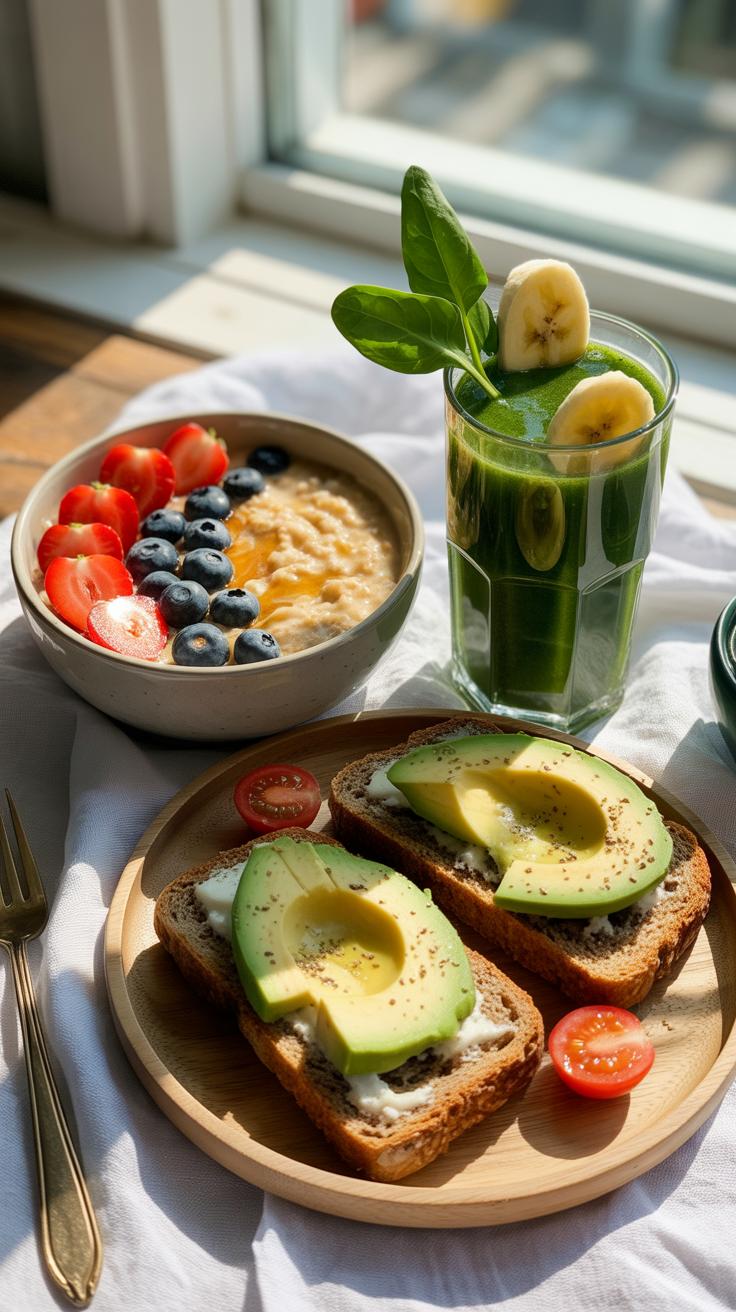
Whole Food Pre Workout Breakfast Ideas That Are Quick And Nutritious
Early morning training requires fuel that digests fast without causing gastric distress. You need glucose for your brain and glycogen for your muscles. Whole foods provide a stable energy source compared to processed sugars. Focus on low fiber and moderate protein to ensure the nutrients reach your bloodstream before you start your first set. These options prioritize speed and metabolic efficiency for immediate physical output.
- Oatmeal with Sliced Bananas: Oats provide complex carbohydrates for sustained energy release throughout your session. The potassium in bananas supports nerve function and muscle contractions. Use quick oats if you have less than sixty minutes before training to speed up digestion time and prevent bloating.
- Greek Yogurt and Honey: High quality Greek yogurt delivers essential amino acids to protect muscle tissue during fasted states. Honey acts as a fast acting carbohydrate to spike blood glucose moderately. This combination balances gut health with immediate fuel requirements for high intensity interval training or heavy lifting.
- Rice Cakes with Nut Butter: Brown rice cakes offer a gluten free carbohydrate source that enters the system rapidly. A thin layer of almond or peanut butter adds enough fat to satiety without slowing down digestion excessively. This meal is highly portable and works well for commuters hitting the gym early.
- Sourdough Toast with Eggs: Sourdough is easier on the digestive tract than standard whole wheat due to the fermentation process. Poached or boiled eggs provide a complete protein profile. This breakfast suits strength athletes who need more structural support for longer duration training sessions lasting over ninety minutes.
- Fruit Smoothie with Whey: Blending berries and spinach with whey protein isolates nutrients for maximum absorption speed. Liquid nutrition bypasses much of the mechanical digestion process in the stomach. This allows you to train at high intensities shortly after consuming your meal without feeling heavy or sluggish.
Preparation determines your performance ceiling. Prepare these meals the night before to eliminate friction in your morning routine. Consistency in your pre workout food choices allows you to track how specific nutrients affect your power output. Use these whole food options to build a reliable energy base. This strategy prevents the mid workout crash often caused by synthetic stimulants or empty calories.
To eat is a necessity, but to eat intelligently is an art that fuels your inner fire. Fuel your body with the simple gifts of the earth to reach your highest potential.
How To Balance Blood Sugar With A Smart Morning Pre Workout Meal
Blood sugar stability prevents the premature fatigue that ruins morning workouts. A sharp insulin spike followed by a crash will Leave you weak halfway through your session. You must pair high glycemic carbohydrates with small amounts of protein or healthy fats. This combination slows the entry of glucose into the blood. It ensures a steady stream of energy rather than a short burst.
Avoid consuming excessive fiber or large amounts of fat immediately before training. These macronutrients delay gastric emptying and can cause cramping during exertion. Stick to simple staples that your body recognizes and processes efficiently. Managing your glycemic response keeps your focus sharp and your muscles fueled. A calculated approach to your morning meal eliminates the guesswork and stabilizes your physical performance through every rep.
Top Workout Foods For Strength Training Vs Cardio
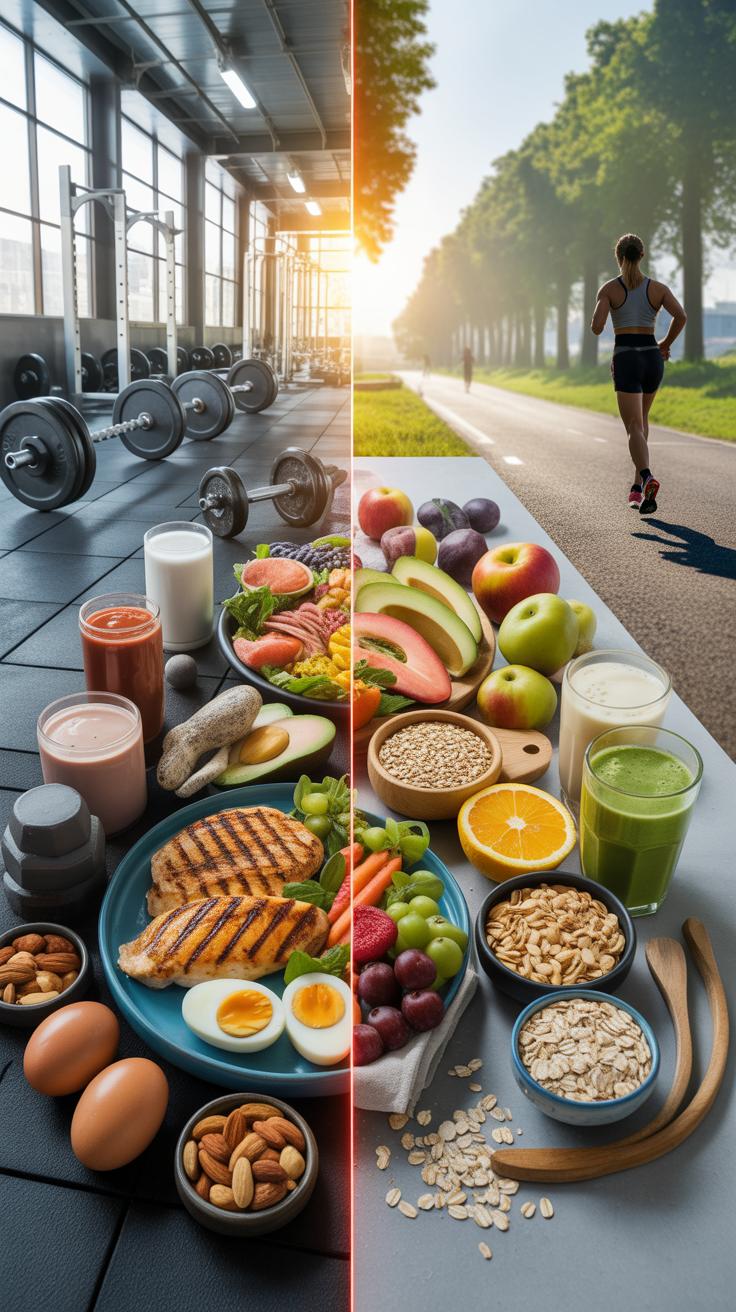
Best Workout Foods To Eat Before Lifting Weights And Resistance Training
Strength training requires immediate glucose and available amino acids. Muscle contractions during heavy lifts rely on the glycolytic system. You must ingest fast-digesting carbohydrates to top off glycogen stores. This prevents the body from breaking down muscle tissue for energy. Precise fueling allows for higher intensity during working sets. This tactical approach ensures you hit your target repetitions without premature failure from physical exhaustion.
Combine these carbohydrates with a moderate protein source. Protein provides the necessary building blocks to mitigate muscle damage during the session. Low-fiber options work best to avoid digestive distress under heavy mechanical loads. Avoid high-fat meals before lifting because they slow down nutrient absorption. Focus on simple starches that enter the bloodstream quickly. This strategy maximizes power output and supports the hormonal environment required for effective weight training.
Ideal Pre Workout Snacks To Sustain Energy During Cardio And Endurance Work
Cardiovascular exercise demands sustained energy over a longer duration. You need a mix of complex and simple carbohydrates to maintain steady blood glucose levels. This prevents the dreaded energy crash during long runs or cycling sessions. Endurance work utilizes both glucose and fatty acids for fuel. Consuming a small amount of low-glycemic food helps keep your pace consistent. Proper timing ensures the body has a steady stream of fuel.
Hydration is just as vital as caloric intake for cardio performance. Soluble fiber can be beneficial in small amounts if eaten two hours prior. It slows the release of energy to keep you moving further. Avoid heavy proteins or excessive fats that sit in the stomach. These cause cramping when the heart rate remains elevated for long periods. Your goal is gut comfort and a reliable supply of glycogen for the muscles.
Good Pre Workout Snack Options For Busy Lifestyles

Portable And Convenient Good Pre Workout Snack Choices You Can Prep Ahead
Mobile lifestyles require carbohydrates that do not spoil and provide immediate energy. You must prioritize glucose sources that offer low fiber to prevent digestive distress during high-intensity movement. Batch prepping these items on Sundays ensures you never train on an empty tank. Consistency in fueling determines your output. Select snacks that fit into a gym bag without requiring refrigeration or specialized equipment.
- Rice Cakes with Honey: This combination provides high-glycemic carbohydrates that enter the bloodstream fast. The rice offers a light base while honey delivers immediate glucose and fructose for muscle fuel. It is dry, shelf-stable, and requires zero cleanup after consumption.
- Overnight Oats: Mix rolled oats with water or almond milk the night before. Oats provide complex carbohydrates that release energy over a longer duration. This is ideal for endurance sessions where stable blood sugar is a priority. Avoid adding heavy fats like nut butters.
- Dried Dates: These are nature’s energy chews and contain high concentrations of glucose. They are small and easy to eat between work and the gym. Dates provide the necessary spark for explosive movements without adding significant volume to your stomach.
- Bananas: This is the classic portable carbohydrate source for athletes. Bananas contain potassium which helps maintain nerve function and muscle control during sweat loss. Choose ripe bananas with brown spots for faster sugar absorption and easier digestion before a heavy lifting session.
- Homemade Flourless Muffins: Use mashed bananas and oats as a base to creates a portable snack. Bake them in advance to control the sugar and fat content. These provide a dense source of energy that stays fresh in a container for several days without spoiling.
Proper timing is the final step in the prep process. Consume these portable snacks thirty to sixty minutes before your first set. This window allows your body to begin breaking down the sugars for ATP production. If you wait too long, the food sits in your gut. If you eat too early, your blood sugar might drop. Monitor your energy levels to find your perfect timing window.
Reading Nutrition Labels: How To Choose A Genuinely Good Pre Workout Snack
You must ignore the marketing claims on the front of the package. Flip the product over and look at the total carbohydrate count versus the fiber content. High fiber slows down digestion which is detrimental right before a workout. You want a snack that moves quickly from your stomach to your muscles. Aim for snacks with low fat counts to speed up gastric emptying.
Check the ingredient list for hidden fats and sugar alcohols. Large amounts of erythritol or xylitol cause bloating and cramping during exertion. Avoid products where protein is the primary macro-nutrient for a pre-workout fuel source. Protein is for recovery while carbohydrates are for performance. Select items with minimal ingredients to reduce the risk of inflammation or stomach upset while you train under heavy loads.
Pre Workout Snacks For Specific Dietary Needs And Preferences
Plant Based And Vegan Pre Workout Snacks That Deliver Real Energy
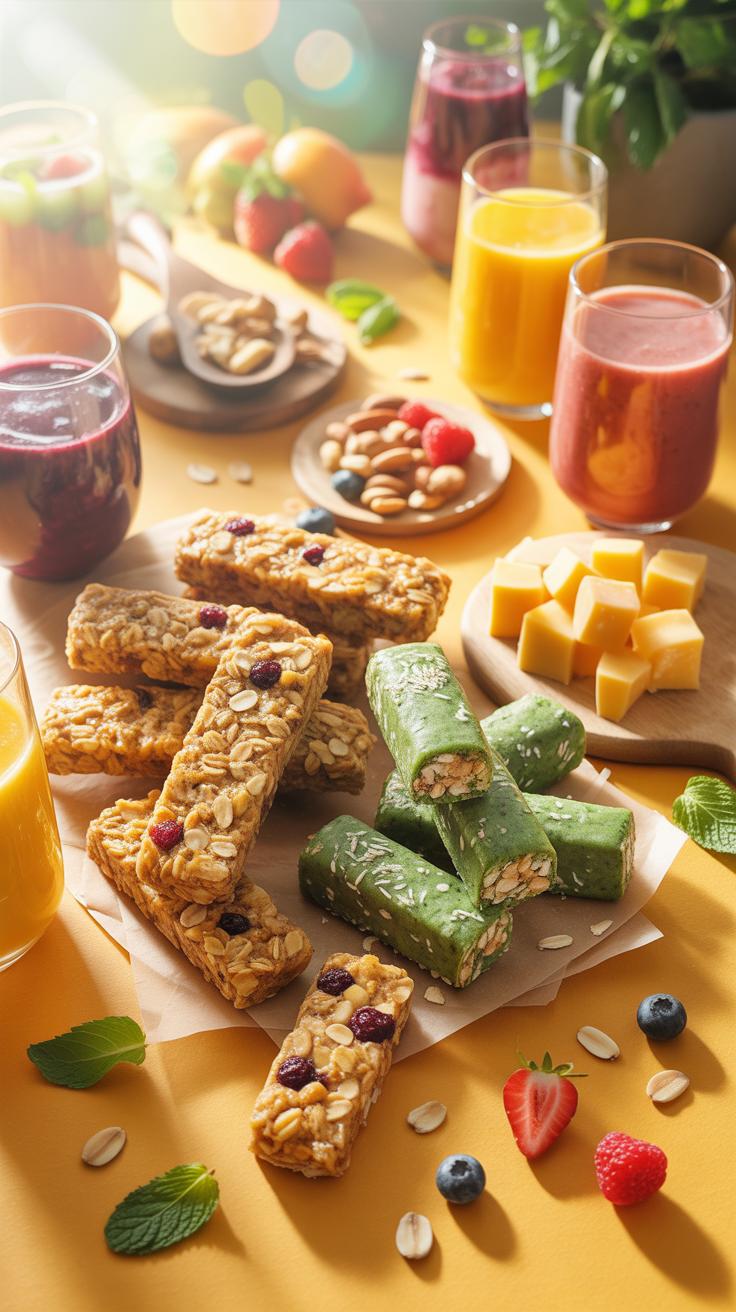
Plant based athletes require quick carbohydrates that avoid heavy fiber loads before training. High fiber intake right before exercise often causes digestive distress. Focus on simple starches like white rice or bananas. These foods convert to glucose rapidly. Glucose provides the primary fuel for your muscles. This process ensures you have immediate energy without the gastrointestinal bulk found in many raw vegetables.
Nut butters paired with fruit offer a strategic balance of sugars and fats. The small fat content slows the sugar absorption slightly. This creates a steady energy curve rather than a sharp spike and crash. Choose almond or peanut butter over highly processed vegan snacks. These whole food sources provide essential minerals like potassium. Potassium supports muscle contractions and prevents cramping during intense sessions.
Gluten Free And Dairy Free Pre Workout Food Options Worth Knowing
Gluten free fueling must focus on easily digestible starches to maintain performance levels. Rice cakes and sweet potatoes serve as excellent bases for pre workout meals. These options lack the proteins found in wheat that cause bloating in sensitive individuals. Effective fueling relies on glycogen storage. Using clean carb sources ensures your body stores energy efficiently without triggering an inflammatory response in the gut.
Dairy free athletes should avoid heavy fats like cheese that slow down digestion. Shift toward coconut water or fruit based smoothies for rapid hydration and energy. These liquids pass through the stomach quickly. They deliver electrolytes and simple sugars to your bloodstream in minutes. This speed is vital for early morning workouts. It allows you to train hard without feeling heavy or sluggish from slow moving calories.
Common Pre Workout Food Mistakes That Hurt Your Performance
Eating Too Much Or Too Little Before Training And Its Effect On Output
Eating a large meal right before training diverts blood flow from your muscles to your stomach. This process stalls digestion and leads to cramping or nausea. Your body cannot access the energy from that food quickly. This mistakes lowers your total power output during heavy lifts or sprints. It turns your fuel source into a physical burden that slows your movement.
Training on an empty stomach often leads to premature muscle fatigue. Without glycogen in your system, your body lacks the immediate glucose needed for high intensity sets. This causes your blood sugar to drop during the session. You will feel dizzy and lose your mental focus. Low energy levels prevent you from hitting your target repetitions. Consistency requires a balanced approach to timing and portion size.
Foods To Avoid Before The Gym That Can Slow You Down Or Cause Discomfort
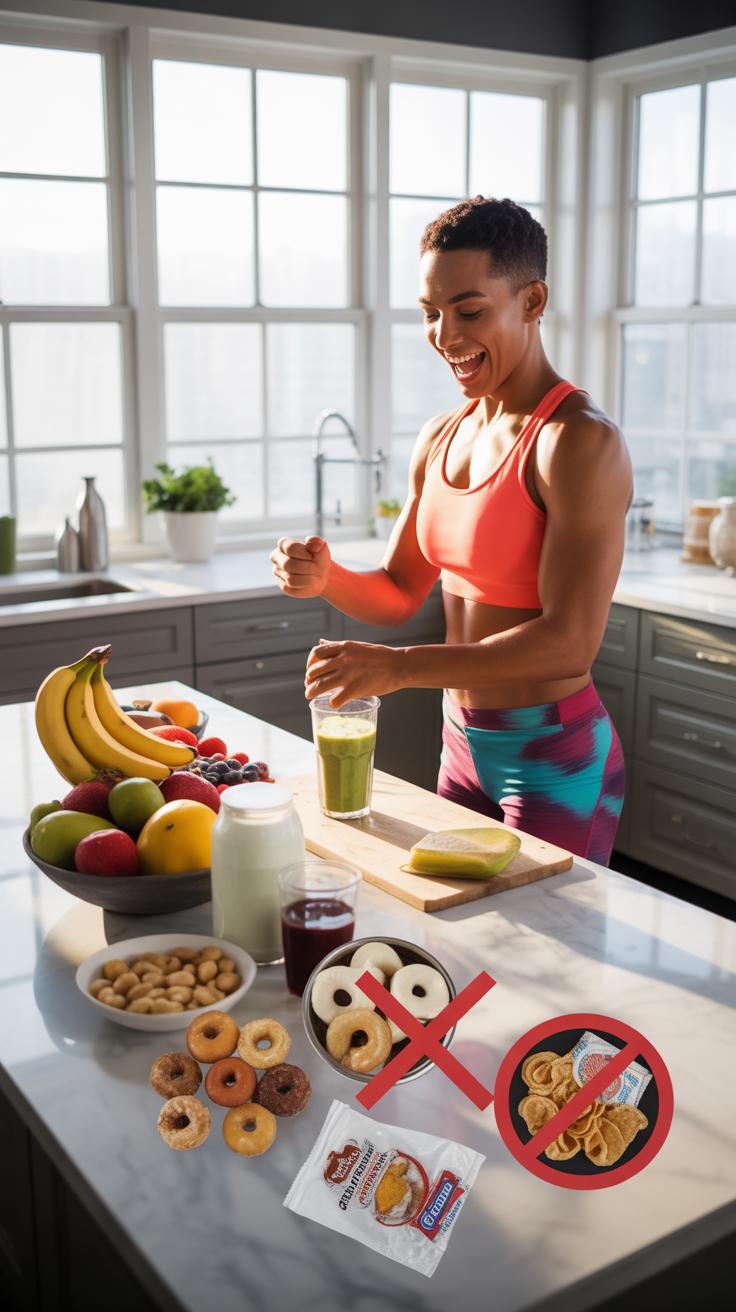
High fat and high fiber foods are the primary culprits for poor gym performance. Fats take a long time to digest and sit heavy in your gut. Fiber causes bloating and gas when you move vigorously. Avoid fried foods, large salads, and heavy beans before your session. These choices delay the delivery of carbohydrates to your bloodstream. They force your body to work harder.
Spicy foods and dairy also cause significant issues for many athletes. Capsaicin can trigger heartburn and acid reflux as you brace for lifts. Dairy products often lead to gastrointestinal distress or sluggishness during cardio. Stick to simple carbohydrates and lean proteins. These provide clean energy without the risk of stomach pain. Proper selection ensures your digestive system does not interfere with your physical performance.
Bridging The Gap How Post Workout Food Completes Your Nutrition Strategy

Why Post Workout Food Is Just As Critical As What You Eat Before Training
Pre workout food provides the fuel for immediate exertion. Post workout food handles the repair and recovery phase. Training creates micro tears in muscle fibers and drains glycogen stores. Without immediate nutrients, the body remains in a catabolic state. You must eat after training to flip the switch to an anabolic state. This process stops muscle breakdown and starts the rebuilding phase.
Skimping on post workout nutrition devalues your hard work in the gym. Proper intake speeds up recovery time and reduces muscle soreness. It also prepares your body for the next training session. High performance requires a constant cycle of fueling and replenishing. If you ignore the recovery window, you risk injury and stagnation. Consistent results depend on how well you refuel your system after every single workout.
How To Create A Full Pre And Post Workout Nutrition Plan That Gets Results
A successful plan balances fast acting carbohydrates with lean proteins. Eat easily digestible carbs thirty minutes before you train for a quick energy spike. This ensures your blood glucose levels stay stable during heavy lifts or sprints. After the session, consume protein to fix damaged tissues. Add more carbohydrates to replace the energy you just burned. This strategy creates a sustainable loop for high level physical output.
Timing is the most important variable in your nutrition strategy. Aim for a meal or shake within sixty minutes of finishing your exercise. This is when your muscles are most receptive to nutrients. Monitor your energy levels and adjust your intake based on performance. Do not overcomplicate the process with expensive supplements. Stick to whole foods that provide clean energy and reliable recovery. Consistent execution of this plan produces elite results.
Frequently Asked Questions

Why is it important to eat before a workout session?
Eating the right pre workout food acts as high-quality fuel for your engine. When you consume a balance of complex carbohydrates and lean proteins before exercise, you provide your body with the glucose necessary to maintain energy levels and prevent muscle fatigue. This preparation ensures you have the stamina to complete your routine with intensity rather than feeling sluggish or lightheaded halfway through your favorite fitness class.
How long before my gym session should I eat my snack?
Timing is everything when it comes to digestion and performance. Ideally, you should consume a full meal two to three hours before exercising. If you are short on time, grab a light pre workout food option, such as a banana or a slice of toast with almond butter, about 30 to 60 minutes before you start. This window allows your body to convert those nutrients into readily available energy.
Are there affordable pantry staples that work as effective fuel?
You don’t need expensive supplements to see great results. Some of the most effective fuels are likely already in your kitchen. Bananas, oats, and peanut butter are budget-friendly powerhouses that deliver excellent energy. Hard-boiled eggs or a simple bowl of Greek yogurt also provide the necessary protein profile without breaking the bank. Focusing on these whole-food staples is a cost-effective way to nourish your body and enhance your physical output.