

Why Post Workout Meals Matter For Muscle Recovery And Performance

The Science Behind Post Exercise Nutrition And Muscle Repair
Intense physical activity creates microscopic tears in your muscle fibers. This process is called muscle protein breakdown. Your body needs external resources to fix this damage and build stronger tissue. Protein provides the amino acids necessary for this repair work. Specifically, the amino acid leucine triggers the signaling pathways for muscle protein synthesis. Without these building blocks, your body stays in a catabolic state.

Glycogen acts as the primary fuel source for your muscles during high-intensity training. Exercise depletes these internal energy stores. Consuming carbohydrates after your session initiates the replenishment of glycogen. This process prevents the body from breaking down muscle tissue for energy. Efficient nutrient timing ensures your hormonal profile shifts from stress to recovery. Proper fueling stops the damage and starts the growth phase immediately.
How The Recovery Window Affects Your Gains And Energy Levels
The metabolic window refers to the period after exercise when your body is most receptive to nutrients. During this time, insulin sensitivity is high. Your muscles act like sponges and pull in glucose and amino acids rapidly. Delaying your meal can slow down the rate of glycogen resynthesis. Fast action helps reduce muscle soreness and fatigue. It allows you to maintain a high training volume over time.

Energy levels depend on how quickly you restore your systemic balance. If you skip post-workout nutrition, your cortisol levels remain elevated for too long. High cortisol interferes with testosterone and other growth hormones. This imbalance leads to burnout and or stalled progress. Eating a balanced meal within two hours of training optimizes your results. It ensures your next workout starts with a full tank of energy and repaired muscle tissue.
The Role Of Protein And Carbohydrates In Your Post Workout Gym Meal

How Protein Rebuilds Damaged Muscle Fibers After Training
Resistance training creates microscopic tears in your muscle tissue. This damage signals the body to begin the repair process. You must consume dietary protein to provide the necessary building blocks called amino acids. These molecules physically patch the tears and strengthen the fibers. Without enough protein, your body stays in a catabolic state. This means it breaks down existing muscle for energy instead of building it up.
Muscle protein synthesis is the specific biological process of repairing this tissue. This process peaks shortly after your training session ends. High quality protein sources like whey or lean meat provide leucine. Leucine is the primary amino acid that triggers the muscle building switch. Eating enough protein ensures your body has a positive nitrogen balance. This state is required for actual muscle growth and long term strength gains.
Why Carbohydrates Are Essential For Replenishing Glycogen Stores
Your body stores sugar in the muscles and liver as glycogen. Intense exercise burns through these fuel reserves rapidly. When glycogen levels drop, your performance and energy levels crash. You must eat carbohydrates after your workout to refill these tanks. This process is called glycogen resynthesis. Fast digesting carbs work best because they enter the bloodstream quickly. This immediate fuel source stops the body from burning muscle.
Carbohydrates also trigger a spike in insulin levels. Insulin is a powerful storage hormone that helps transport nutrients into your cells. It carries glucose and amino acids directly to the damaged muscle sites. This hormonal response speeds up total recovery time significantly. Skipping carbs after a hard session leaves your muscles flat and tired. Proper intake ensures you have enough explosive energy for your next training session tomorrow.
Healthy High Protein Meals That Support Faster Muscle Recovery

Top High Protein Food Sources To Include In Your Post Workout Plate
Muscle protein synthesis requires a full spectrum of essential amino acids. High-quality animal proteins offer the highest bioavailability for rapid tissue repair. Choose lean sources to ensure nutrients reach the bloodstream quickly without heavy fat slowing digestion. These foundational ingredients provide the structural building blocks for lean mass. Proper selection of these proteins ensures your metabolic rate remains elevated during the critical recovery window.
- Chicken Breast: This lean poultry source provides high concentrations of leucine. It is a biological standard for clean protein because it contains minimal saturated fat. It moves through the digestive tract efficiently to trigger muscle repair quickly after high-intensity training sessions.
- Whey Protein Isolate: This fast-digesting dairy derivative enters the bloodstream within minutes. It is the most effective choice immediately following a workout. It offers a high concentration of branched-chain amino acids which are necessary to stop muscle breakdown and initiate the recovery phase.
- Greek Yogurt: This fermented dairy product contains double the protein of standard yogurt. It provides a mix of fast-acting whey and slow-digesting casein. This combination ensures a steady stream of amino acids for several hours. It also supports gut health for better nutrient absorption.
- Eggs: Whole eggs contain the highest biological value of any whole food protein. The yolk provides healthy fats and micronutrients that support testosterone production. Eating eggs after training improves the net balance of protein in the body. They are versatile and easy for the body to process.
- Salmon: This fatty fish provides high-quality protein along with omega-3 fatty acids. These fats reduce exercise-induced inflammation in the joints and muscles. Reducing inflammation allows you to return to the gym faster. It is a powerful choice for long-term recovery and cardiovascular health.
Plant-based athletes should prioritize complete proteins like soy or quinoa. Combining different plant sources ensures the body receives all nine essential amino acids. Without these aminos, the body cannot fully repair the micro-tears created during resistance training. Consistency in protein quality directly dictates the speed of your physical progress. Always prioritize whole food sources over processed supplements when your schedule allows for it.
How Much Protein Do You Actually Need After A Workout
Scientific research indicates that 20 to 40 grams of protein is the optimal range for most adults. Consuming more than 40 grams in a single sitting rarely increases muscle growth further. Instead, the body oxidizes the excess for energy or converts it to waste. Total daily intake matters more than any single meal. Aim for 0.7 to 1 gram of protein per pound of body weight.
Spread your protein intake across four to five meals throughout the day. This keeps your body in an anabolic state and prevents muscle wasting. Post-workout timing is important but the total volume of daily protein determines long-term success. Focus on meeting your specific gram targets based on your lean mass and activity level. Accurate tracking prevents under-eating and ensures your hard work in the gym yields results.
Easy Post Workout Meals You Can Prepare In Under 30 Minutes

Quick Whole Food Meal Ideas For Busy Athletes And Gym Goers
Efficiency drives recovery. You need a mix of fast acting carbohydrates and lean protein within the anabolic window. Pan seared chicken breast paired with instant jasmine rice offers a high glycemic response to spike insulin. This process shuttles nutrients into depleted muscle tissues immediately. Season with salt to replace electrolytes lost through sweat. This meal takes fifteen minutes from start to finish.
Ground turkey and sweet potato mash provide a slower release of energy for sustained recovery. Canned tuna on whole grain toast serves as an even faster alternative. Focus on simplicity to ensure consistency. Do not overcomplicate the cooking process. High heat and thin cuts of meat reduce preparation time. Use frozen vegetables to add micronutrients without the need for chopping or lengthy steaming.
Smoothie And Shake Recipes That Double As Fast Recovery Meals
Liquid nutrition bypasses heavy digestion for faster absorption. Mix whey protein isolate with a ripe banana and water for the most basic protocol. Whey contains high levels of leucine which triggers protein synthesis. The banana provides glucose and fructose to refill liver and muscle glycogen stores. This combination takes less than two minutes to prepare and consume after a hard session.
Add oats if you require more calories for long term energy. Use frozen berries to provide antioxidants that manage exercise induced inflammation. Greek yogurt serves as a solid base if you prefer food over powder. Ensure the liquid to solid ratio allows for easy drinking. Avoid adding high amounts of fat like peanut butter immediately after training. Fat slows down the digestion of the necessary protein and carbohydrates.
Easy Healthy Meal Prep Strategies For Consistent Post Workout Nutrition

How To Batch Cook Recovery Meals For The Entire Training Week
Batch cooking eliminates the daily friction of meal preparation. Start by selecting two primary protein sources like chicken breast or lean beef. Roast these in bulk to provide the necessary amino acids for muscle repair. Prepare a large pot of complex carbohydrates such as brown rice or quinoa. This strategy ensures you have the building blocks for glycogen replenishment ready at all times.
Standardize your portions to simplify the process. Use a food scale to weigh protein and carbohydrate servings based on your specific caloric needs. Cook your vegetables through steaming or roasting to maintain fiber content and micronutrient density. Place individual portions into separate containers immediately after cooking. This systematic approach guarantees you meet your nutritional window every day without fail or extra Effort.
After the hard work is done, the kitchen becomes a place of restoration where food heals the body and feeds the soul. Let your meal be the quiet celebration your muscles deserve to grow strong again.
Best Meal Prep Containers And Storage Tips To Keep Food Fresh
Effective storage preserves the integrity of your nutrients. Glass containers are the superior choice for post workout meals. They do not leach chemicals into your food when heated in a microwave. Borosilicate glass handles extreme temperature changes without cracking. Ensure your lids have airtight silicone seals to prevent oxidation. This keeps your chicken moist and your vegetables crisp for up to five days.
Organize your refrigerator using a first-in first-out system. Place the oldest meals at the front to ensure no food goes to waste. Keep your sauces and dressings in separate small containers to prevent sogginess. Store your prepped meals at or below forty degrees Fahrenheit to inhibit bacterial growth. Proper temperature control is the only way to maintain food safety and flavor throughout a heavy training block.
Healthy Food Dishes From Around The World That Work As Post Workout Meals

Nutrient Dense Global Dishes That Naturally Balance Protein And Carbs
Global cuisines offer many dishes that match the body’s needs after heavy exercise. The goal is replacing glycogen and repairing muscle tissue. Mediterranean and East Asian diets often combine lean proteins with complex starches without modern processing. These traditional meals provide essential amino acids and glucose. You get the right fuel without extra chemicals. Natural balance keeps your blood sugar stable for recovery.
Japanese Teriyaki chicken with white rice is a prime example of a recovery meal. The rice provides fast acting carbohydrates. The chicken delivers high quality protein. Similarly, Greek chicken souvlaki with pita serves the same purpose. These regional staples rely on fresh ingredients and simple cooking methods. They offer a direct path to refueling the body. Stick to these classic combinations to keep your recovery strategy simple.
How To Adapt Traditional Recipes Into Effective Recovery Meals
Standard recipes often require minor tweaks to maximize recovery benefits. You must prioritize the ratio of carbs to protein. Many traditional sauces contain too much refined sugar or fat. Reduce heavy oils and cream to speed up digestion. Slower digestion delays nutrient delivery to the muscles. Focus on the core ingredients like beans, grains, and lean meats. Keeping flavors authentic while cutting fat improves final results.
Replace white pasta with ancient grains like quinoa or farro in Italian dishes. This increases fiber and micronutrient content. Use spices instead of heavy salt and butter for flavor. If a dish is low on protein, add extra legumes or fish. These small changes ensure the meal supports your training goals. Smart substitutions turn a standard cultural meal into a high performance fuel source. Tailor every dish to serve your physical output.
What To Eat Before A Workout To Maximize Your Post Workout Recovery
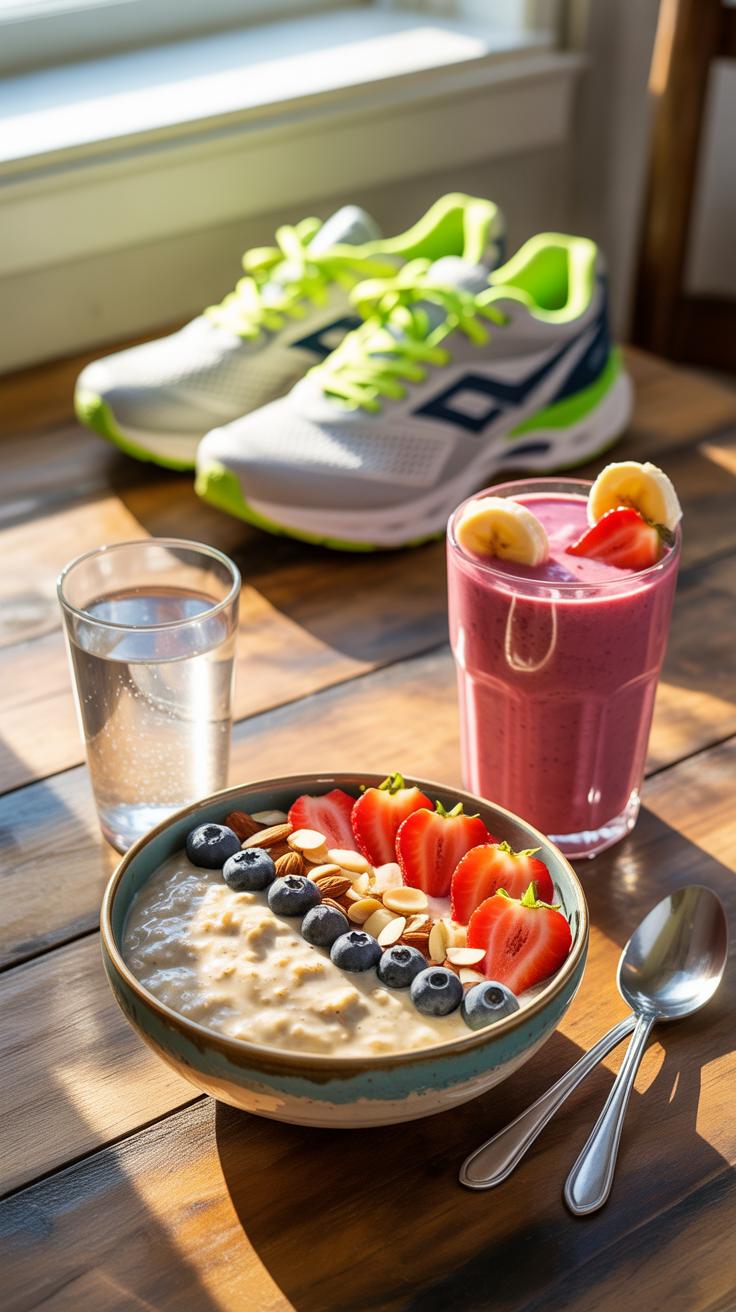
How Pre Workout Meals And Before Gym Food Influence Post Exercise Needs
Pre workout meals determine the speed of your recovery before you lift a single weight. Eating carbohydrates before exercise fills your glycogen stores. This prevents the body from breaking down muscle tissue for energy during high intensity sets. If you start with full fuel tanks, you reduce the total damage your muscles take. This makes your post workout meals more effective at repairing tissue rather than just refilling empty stores.
Protein intake before the gym starts the muscle protein synthesis process early. Amino acids enter your bloodstream while you train. This creates an anabolic environment that carries over into the recovery phase. By providing these building blocks early, you decrease the net protein breakdown during the session. This strategic fueling reduces the urgency of the post exercise window. It allows your body to begin the repair process immediately after you finish.
Timing Your Pre And Post Workout Nutrition For Optimal Performance
Timing your meals creates a consistent flow of nutrients to your muscles. Aim to eat a balanced meal two to three hours before training. This allows enough time for digestion and insulin levels to stabilize. Large meals eaten too close to exercise can cause gastric distress. Proper timing ensures that blood flow stays in the muscles instead of the stomach. This maximizes your output and sets the stage for rapid recovery.
If you have a short window, choose fast digesting snacks thirty to sixty minutes before your workout. Focus on simple sugars and minimal fats to avoid sluggishness. This quick energy boost protects your lean mass during fasted states. Consistent nutrient timing bridging the pre and post workout periods keeps your metabolism in a steady state of repair. This approach eliminates the heavy spikes and crashes that often hinder long term athletic progress.
Healthy Meals For Different Training Goals Strength Endurance And Fat Loss

Tailoring Your Post Workout Plate To Match Your Specific Fitness Goal
Strength athletes require high protein and moderate carbohydrates to repair muscle fibers. Weightlifting creates micro-tears in the tissue that need amino acids for reconstruction. You should prioritize leucine-rich protein sources like whey or chicken. This triggers muscle protein synthesis and stops breakdown quickly. Adding starch helps drive these nutrients into the cells. This process builds the lean mass you need for power.
Endurance runners and cyclists must prioritize glycogen replenishment over muscle volume. Long sessions deplete your liver and muscle sugar stores. You need a higher ratio of carbohydrates to protein to recover your energy for the next day. Fat loss goals require a different shift. You should maintain high protein to protect existing muscle while lowering total calories. This forces your body to burn stored body fat.
Calorie And Macro Adjustments Based On Workout Intensity And Duration
Intensity dictates exactly how much fuel you need at the table. A short session of heavy squats burns less total energy than a two-hour run. You must adjust your carbohydrate intake based on the time spent moving. High-intensity interval training requires fast-acting sugars to stabilize blood glucose levels. Low-intensity walks do not require a large post-workout meal. Match your plate to the work performed.
Volume is the second variable you must track carefully. If you train twice a day, your recovery window closes much faster. You need liquid nutrition immediately to start the repair process. For standard gym sessions, a solid meal within two hours is sufficient for most people. Monitor your performance trends over several weeks. If your strength or speed drops, increase your caloric intake to support your recovery demands.
Hydration And Micronutrients The Overlooked Side Of Post Workout Recovery

Why Rehydrating After Exercise Is Just As Important As Eating
Sweat loss during exercise depletes total body water and essential electrolytes. Dehydration spikes cortisol levels and slows down protein synthesis. Your body cannot move nutrients to damaged muscle tissue without adequate fluid volume. Water serves as the primary transport medium for glucose and amino acids. If you stay dehydrated, your metabolic rate drops and your recovery window closes faster than it should.
Rehydration restores blood volume to normal levels. This process allows the heart to pump oxygenated blood more efficiently to tired muscles. Proper fluid balance also helps flush out metabolic waste like lactic acid and urea. Skipping water after a session creates a bottleneck in your recovery system. You must replace every kilogram of body weight lost during training with one liter of water for optimal results.
Key Vitamins And Minerals That Speed Up Muscle Repair And Reduce Soreness
Micronutrients act as catalysts for every chemical reaction in the muscle repair process. While macronutrients provide the raw building blocks, vitamins and minerals drive the cellular machinery. Deficiencies in specific ions will lead to chronic fatigue and increased injury risk. You must prioritize these elements in your post workout meals to ensure your body actually utilizes the protein and carbohydrates you consume.
- Magnesium: This mineral regulates over three hundred biochemical reactions in the body. It helps muscles relax after intense contraction and improves sleep quality for hormonal repair. Low magnesium levels lead to painful cramping and delayed recovery times after heavy lifting sessions.
- Vitamin C: This powerful antioxidant protects cells from oxidative stress caused by intense physical exertion. It plays a critical role in collagen synthesis, which strengthens tendons and ligaments. Consuming it post workout helps reduce the duration of muscle soreness and inflammation.
- Zinc: Zinc is essential for protein synthesis and cell division. It supports the immune system, which often takes a hit after high-intensity training. Without enough zinc, your body cannot efficiently repair the micro-tears in muscle fibers that occur during a difficult workout.
- Potassium: This electrolyte works with sodium to maintain healthy cellular fluid balance. It facilitates nerve signals and controls muscle contractions throughout the day. Replacing potassium after sweating prevents muscle weakness and ensures your heart maintains a steady, healthy rhythm during the resting phase.
- Vitamin D: This nutrient functions more like a hormone than a vitamin. It aids in calcium absorption for bone density and directly influences muscle force production. Maintaining high levels of Vitamin D is proven to improve total power output and speed up tissue regeneration.
Focusing on these micronutrients ensures your biological systems operate at peak efficiency. Most athletes track their protein but ignore their mineral intake. This oversight leads to stagnant performance and plateaued growth. Incorporate dark leafy greens, citrus fruits, and nuts into your recovery strategy. These whole food sources provide the high-density nutrition required to bridge the gap between a hard training session and full recovery.
Common Post Workout Nutrition Mistakes And How To Avoid Them

Why Skipping Your Post Workout Meal Can Slow Down Your Progress
Skipping your post workout meal halts the recovery process immediately. Training creates microscopic tears in muscle fibers and depletes glycogen stores. Without immediate nutrients, the body remains in a catabolic state. This means your body breaks down existing muscle tissue to find energy. You lose the hard-earned gains from your session. Faster recovery requires a timely influx of amino acids and glucose.
Extended fasting after exercise increases cortisol levels. High cortisol inhibits protein synthesis and promotes fat storage. You will experience prolonged muscle soreness and reduced strength in your next session. Missing this window forces the body to wait until your next meal to start repairs. Consistent neglect leads to overtraining syndrome and stalled progress. Eat protein and carbohydrates within two hours to maximize your physiological results.
Foods And Habits That Undermine Recovery And What To Do Instead
Consuming high-fat meals immediately after training slows down digestion. Fat delays the absorption of protein and carbohydrates into the bloodstream. This delay prevents your muscles from receiving essential nutrients when they need them most. Avoid heavy oils, fried foods, and large amounts of fiber right after a workout. Focus on lean protein sources and simple starches to trigger a rapid insulin response.
Alcohol consumption after a workout is a major tactical error. Alcohol impairs muscle protein synthesis and dehydrates the body. It interferes with sleep quality, which is when the most significant tissue repair occurs. Replace the urge for alcohol with water or electrolyte drinks. Proper hydration and clean nutrient timing ensure your body recovers at peak efficiency. Stick to a calculated plan to avoid wasting your physical efforts.
Frequently Asked Questions

Why are post-workout meals so important for fitness beginners?
When you exercise, your body uses up stored glycogen for energy and experiences minor muscle fiber breakdown. Eating strategic post workout meals helps replenish those energy stores and provides the necessary amino acids to repair and build lean muscle. By fueling correctly within an hour of your session, you reduce muscle soreness, improve strength gains, and ensure your body has the resources it needs to recover quickly for your next workout.
How can I balance macronutrients in my post-workout meals for optimal results?
To maximize recovery, aim for a combination of high-quality protein and complex carbohydrates. A general rule of thumb is a 3:1 ratio of carbs to protein. For example, pairing grilled chicken with sweet potatoes or Greek yogurt with berries creates effective post workout meals. This combination spikes insulin slightly to transport nutrients into your cells, effectively refueling your muscles while simultaneously initiating the repair process for any micro-tears caused by training.
Can I prepare effective recovery meals on a tight budget?
Absolutely! You don’t need expensive supplements or trendy superfoods to recover well. Affordable staples like eggs, canned tuna, oats, bananas, and peanut butter are excellent foundations for nutritious recovery. Buying frozen vegetables or bulk bags of brown rice can also keep costs low while providing essential micronutrients. Simple, home-cooked options are often more effective and much cheaper than pre-packaged protein bars or high-end recovery shakes found at health food stores.