
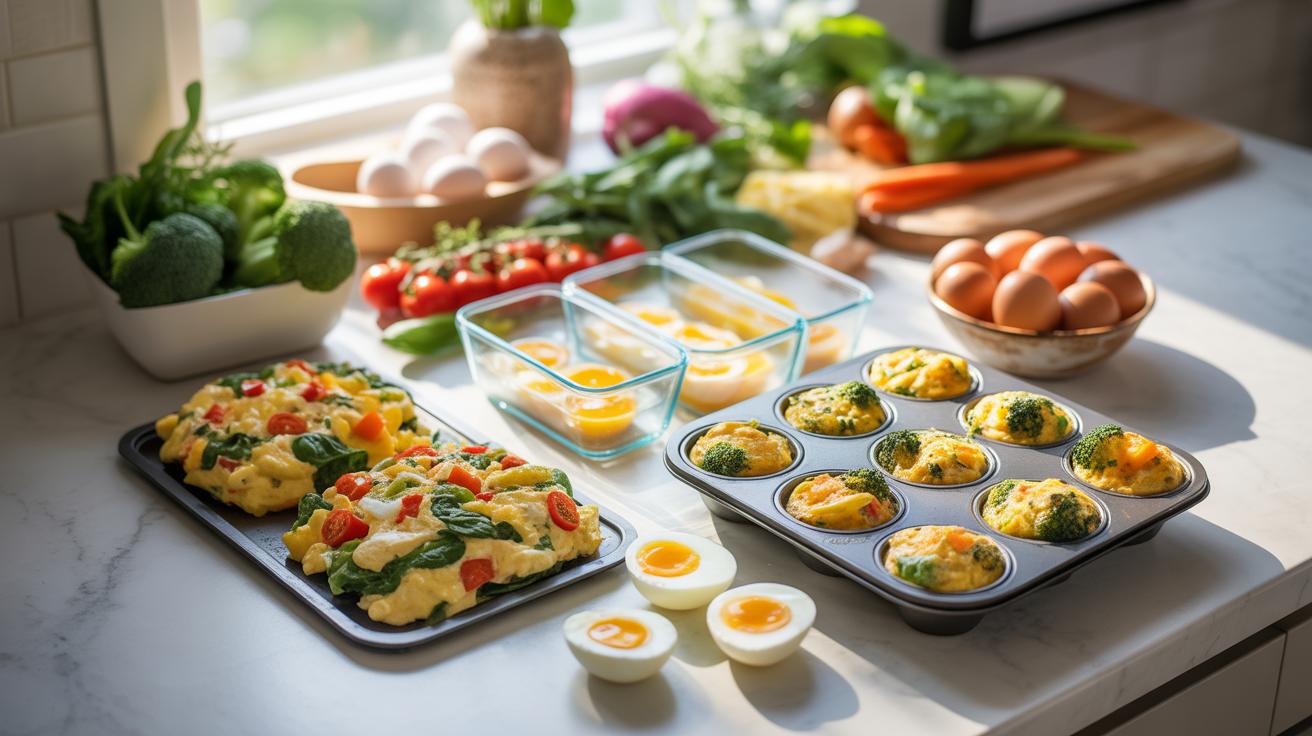
The Nutritional Power Of Eggs A Foundation For Healthy Egg Recipes
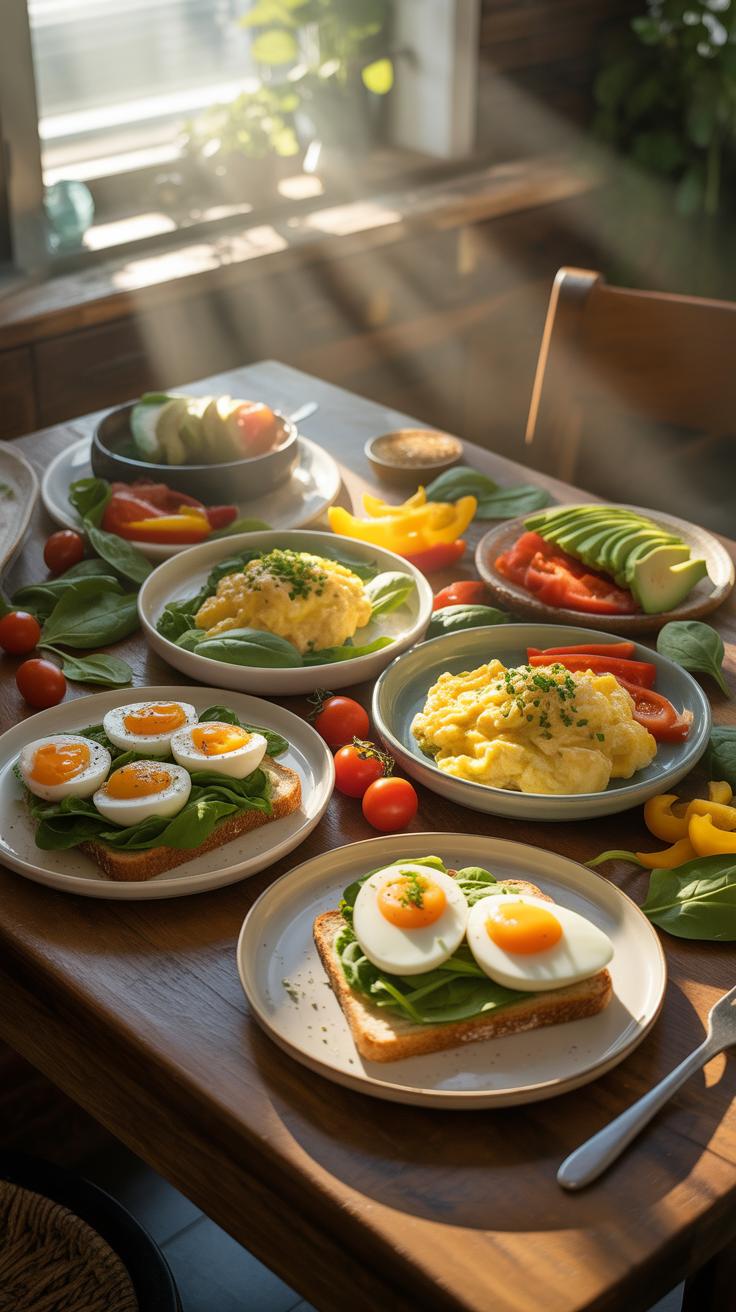
How Much Protein Does One Egg Actually Contain?
A single large egg provides exactly six grams of high quality protein. This protein contains all nine essential amino acids required by the human body. Most of this protein sits in the egg white. The white holds about four grams of the total count. You must eat the whole egg to get the full nutrient profile. This protein density makes eggs a top choice for muscle repair.

Athletes use eggs to hit daily macro targets efficiently. The protein in eggs has a high biological value. This means your body absorbs and uses the protein better than many other sources. Consuming two eggs gives you twelve grams of protein for roughly one hundred forty calories. This ratio is ideal for weight management. It keeps you full and prevents muscle loss during fat loss phases.
Essential Vitamins And Minerals Found In A Whole Egg
The egg yolk contains the majority of the vitamins and minerals. One egg provides significant amounts of Vitamin B12 and Riboflavin. These nutrients turn food into usable energy. Eggs also contain Choline which supports brain health and cell function. Many people lack enough Choline in their diets. Eating whole eggs fixes this deficiency quickly. Your body needs these micronutrients to maintain a high metabolic rate.

Minerals like Selenium and Phosphorus are also present in high amounts. Selenium acts as an antioxidant to protect your cells from damage. Phosphorus keeps your bones strong and healthy. You also find small amounts of Vitamin D and Iron in the yolk. These components are vital for immune system strength. Skipping the yolk means you lose these critical health benefits. Stick to whole eggs for the best results.
Healthy Breakfast Recipes Building A High Protein Morning With Eggs

Why A High Protein Breakfast Supports Energy And Satiety Throughout The Day
Protein consumption at breakfast regulates blood sugar levels and prevents insulin spikes. Most people eat too many carbohydrates in the morning. This causes a mid-morning energy crash. Eggs provide a complete amino acid profile that supports muscle maintenance and metabolic health. Starting your day with thirty grams of protein increases your resting metabolic rate. This strategy ensures consistent focus and physical stamina during work hours.
Satiety is the primary benefit of an egg-based breakfast. High-protein meals suppress ghrelin, which is the hormone responsible for hunger. They also increase peptide YY, a hormone that makes you feel full. This hormonal shift reduces the urge to snack on processed foods later. Tactical meal planning requires prioritized protein to control daily caloric intake. Eggs are the most cost-effective and bioavailable source of this essential macronutrient.
Simple Scrambled And Boiled Egg Combinations For A Nutritious Morning Meal
Scrambled eggs offer a fast solution for high-protein meal prep. Use a non-stick pan or cast iron to minimize added fats. Combine whole eggs with egg whites to increase protein volume without doubling the fat content. Pair your scramble with fibrous vegetables like spinach or peppers. This combination adds essential micronutrients and bulk to the meal. Avoid heavy creams to keep the calorie count low and manageable.
Hard-boiled eggs are the most mobile option for busy schedules. You can boil a dozen eggs in under ten minutes to cover an entire work week. Peel them immediately after an ice bath for efficiency. Pair two boiled eggs with an ounce of almonds or a piece of sprouted grain toast. This balance of protein, healthy fats, and complex carbohydrates provides long-lasting fuel. Simple execution ensures you maintain your diet goals.
Egg Muffins The Perfect Portable Meal Prep Breakfast Brunch Recipe

How To Make Classic Egg Muffins With Vegetables And Lean Protein
Egg muffins function as crustless mini-frittatas that maximize protein intake while minimizing prep time. Use a standard muffin tin to control portion sizes and ensure even cooking throughout the batch. You must grease the pan well or use silicone liners to prevent sticking. Whisk large eggs with salt and pepper before adding your dry ingredients for a consistent texture in every bite.
- Whisking Control: Aerate the eggs thoroughly to create a light and spongy structure. Excessive beating adds too much air which causes the muffins to deflate rapidly after you remove them from the oven heat.
- Vegetable Preparation: Sauté high-moisture vegetables like spinach, mushrooms, or zucchini before adding them to the egg mixture. Pre-cooking removes excess water that otherwise turns the final product soggy and compromises the structural integrity.
- Lean Protein Selection: Add cooked turkey sausage, diced lean ham, or smoked salmon to increase the amino acid profile. Ensure all meat is fully cooked and cooled slightly before mixing to prevent the eggs from curdling prematurely.
- Cheese Incorporation: Top each muffin with a small amount of sharp cheddar or feta for flavor density. Using high-flavor cheeses allows you to reduce total fat content while still maintaining a satisfying and savory profile.
- Baking Temperature: Set your oven to 350 degrees Fahrenheit for optimal results. Bake for twenty to twenty-five minutes until the centers are firm to the touch and the edges show a light golden brown color.
Balance your nutrient ratios by filling each tin two-thirds full with solid ingredients before pouring the liquid egg over the top. This technique ensures an even distribution of fiber and protein across the entire batch. Allow the muffins to rest for five minutes after baking. This cooling period lets the protein structures set, making the muffins easier to remove from the tin without tearing.
Storage Tips And Shelf Life For Batch Prepped Egg Muffins
Cool the egg muffins completely on a wire rack before placing them in containers. Trapping heat inside a sealed box creates steam which leads to rubbery textures and rapid spoilage. Use airtight glass containers to maintain freshness and prevent the eggs from absorbing other odors in your refrigerator. Proper temperature control is the most critical factor for safety and taste during meal prep.
Stored correctly at 40 degrees Fahrenheit or below, these muffins remain safe and palatable for four days. For longer storage, wrap each muffin individually in plastic wrap and place them in a heavy-duty freezer bag. Frozen muffins last up to two months without losing significant quality. Reheat them in a microwave for sixty seconds or a toaster oven to restore the original firm texture.
Cottage Cheese Recipes Healthy Enough To Transform Your Egg Meal Prep
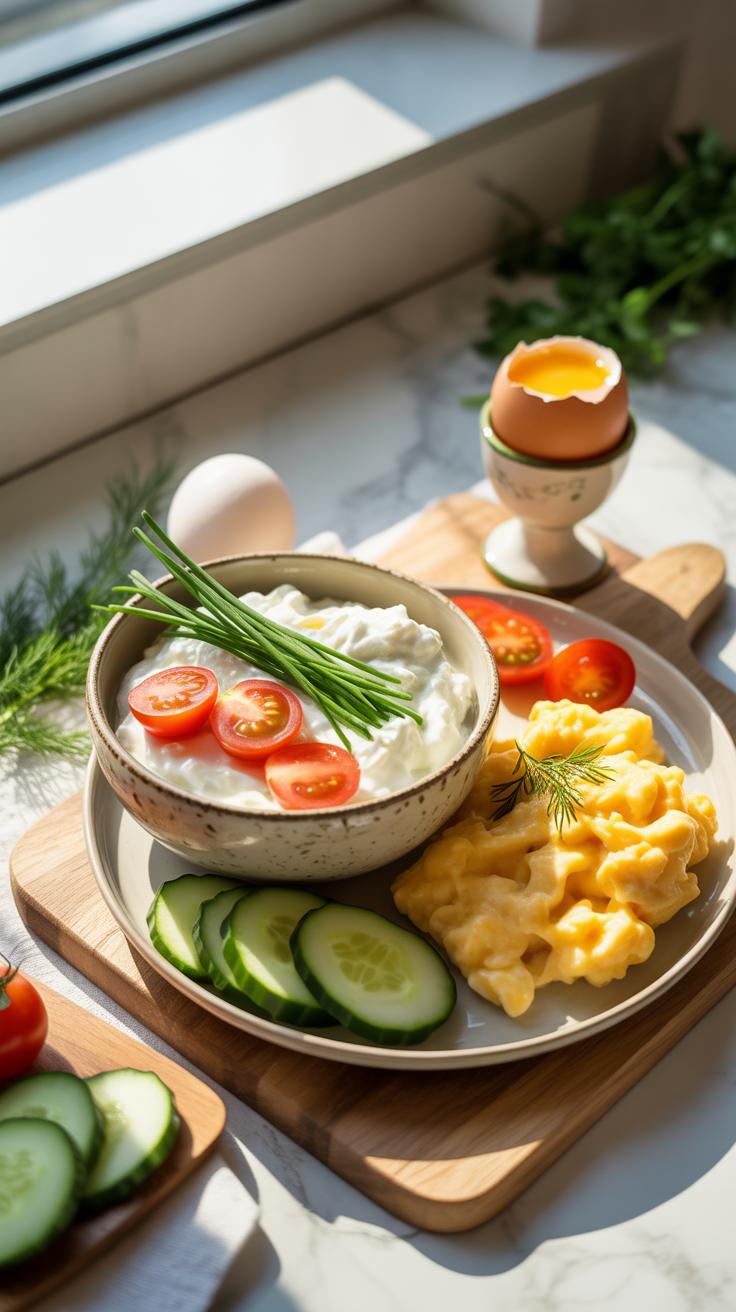
Why Cottage Cheese And Eggs Are A High Protein Pairing Worth Knowing
Cottage cheese increases the protein density of egg dishes without adding excessive calories. One half cup of cottage cheese contains roughly fourteen grams of protein. Adding this to eggs creates a complete amino acid profile. The moisture content in the cheese prevents eggs from drying out during the reheating process. This makes the combination ideal for weekly meal prep containers.
The texture of cottage cheese mimics melted cheese but offers superior nutrition. It contains casein protein which digests slowly and keeps you full longer. Manufacturers often use live cultures that support gut health. Choosing small curd varieties ensures a better blend with the egg mixture. This pairing reduces the need for heavy cream or butter. You get more volume for fewer total calories.
A table full of simple, protein-packed eggs is a reminder that the most nourishing hand-me-down is the strength to seize the day. Prep your meals with the same love your grandmother used to fuel a lifetime of hard work.
Fluffy Cottage Cheese Scrambled Eggs A Simple And Satisfying Recipe
Start by whisking three large eggs with a quarter cup of low fat cottage cheese. Use a hand blender if you prefer a smooth consistency. Heat a nonstick pan over medium heat with a light coating of oil. Pour the mixture into the pan and let it set for thirty seconds. Use a spatula to move the curds toward the center.
Cook the eggs until they are just set but still look slightly wet. The residual heat will finish the cooking process once you remove them from the burner. This technique ensures the eggs remain soft after cooling. Store the cooked eggs in airtight glass containers for up to four days. Reheat them gently in the microwave at fifty percent power to maintain the original texture.
Breakfast Recipes Casserole Feeding The Week With One Baked Egg Dish
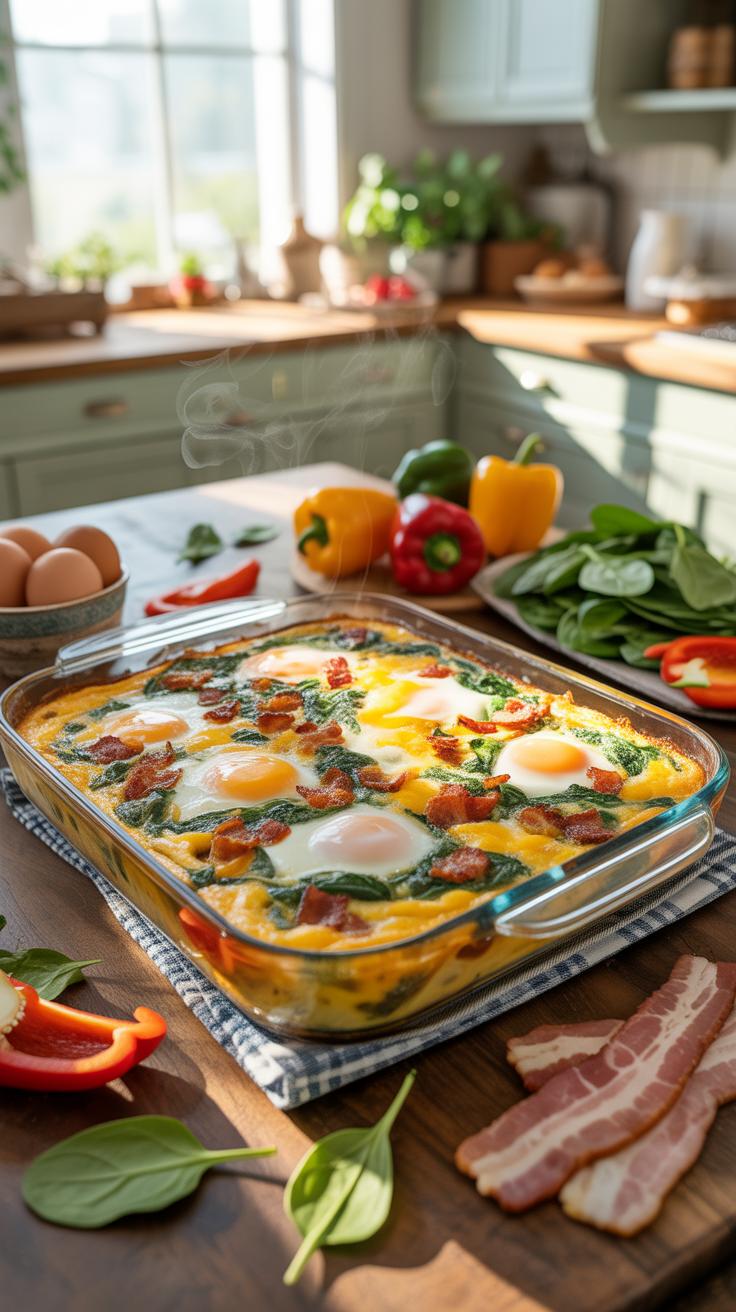
What Makes An Egg Casserole Ideal For High Volume Meal Prepping
Egg casseroles solve the problem of time during busy mornings. You cook deep batches in a single pan to create high protein portions for the entire week. This method uses the heat of a standard oven to stabilize liquid eggs into a solid structure. The result is a dense block of nutrition that stays fresh in the refrigerator for up to four days without losing texture.
These dishes survive late-week reheating better than fried or poached eggs. The large surface area of the baking dish allows for even heat distribution during the initial cook. You can slice the finished bake into squares for easy tracking of macronutrients. Using a casserole dish eliminates the need for multiple pans. This efficiency makes it the primary tool for anyone prioritizing healthy egg recipes for muscle maintenance.
A Classic Vegetable And Egg Breakfast Casserole Recipe You Can Prep On Sunday
Begin by preheating your oven to 375 degrees Fahrenheit. Grease a glass or ceramic rectangular baking dish to prevent sticking. Sauté ten ounces of spinach and one diced bell pepper until the moisture evaporates. Whisk twelve large eggs with half a cup of unsweetened Greek yogurt to add protein and creaminess. Combine the vegetables and egg mixture in the prepared dish. Season only with salt and black pepper.
Bake for thirty-five minutes or until the center is firm to the touch. Let the dish cool completely before slicing it into six equal portions. Total cooling prevents the bottom from becoming soggy during storage. Wrap each piece in parchment paper to maintain moisture levels. This recipe provides a balanced mix of fiber and protein and requires less than one hour of total work. It delivers consistent fuel for your body.
Healthy Egg Meals Beyond Breakfast Lunch And Dinner Prep Ideas
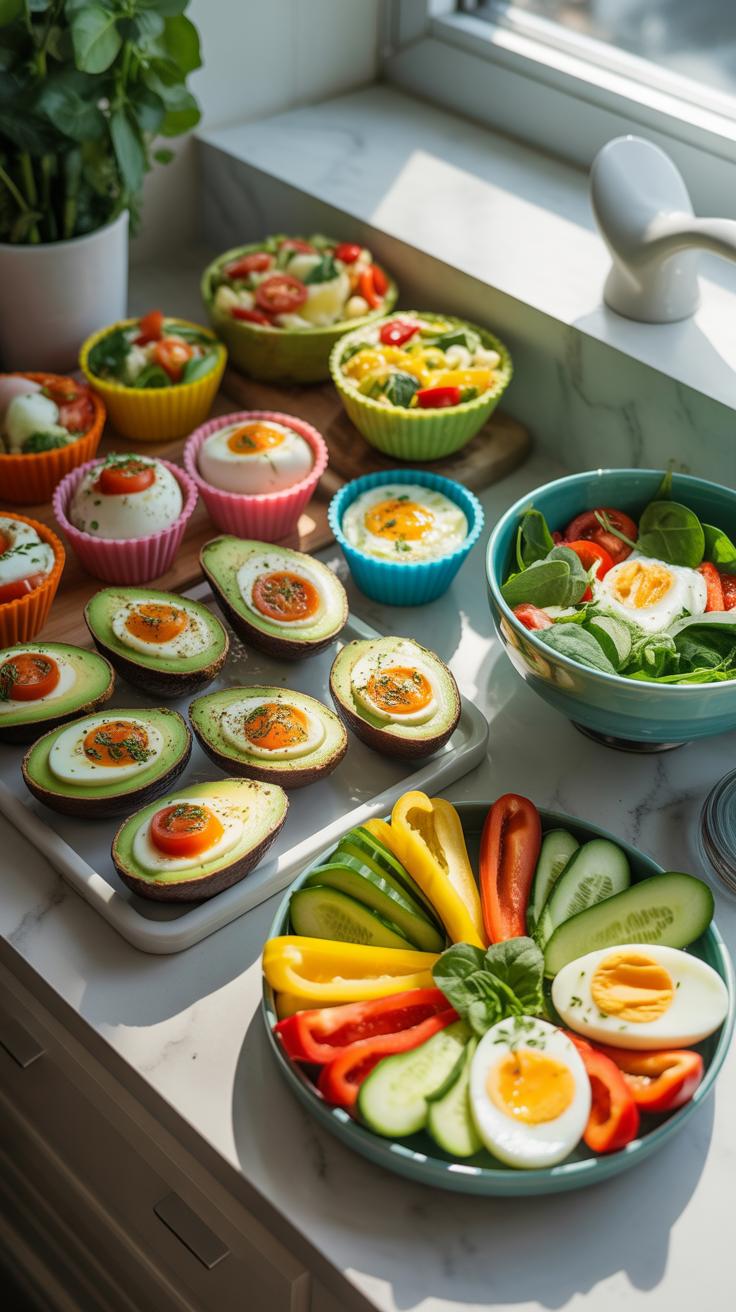
Egg Based Grain Bowls And Salads That Work For Midday Meal Prep
Hard boiled eggs serve as the most stable protein source for cold meal prep. You must boil them for exactly seven minutes for a jammy yolk or nine minutes for a firm center. Peel them immediately after an ice bath to maintain structural integrity. Place them on top of hearty greens like kale or spinach. These greens resist wilting better than lighter lettuces during storage.
Pair your eggs with complex carbohydrates like quinoa or farro to ensure sustained energy levels. These grains absorb dressings without becoming mushy over three days. Add fibrous vegetables like roasted broccoli or raw peppers for crunch. Keep dressings in a separate container to prevent the eggs from absorbing excess vinegar or salt. This strategy preserves the texture and nutrient profile of your lunch.
High Protein Egg Fried Rice And Stir Fry Dinners Prepped In Advance
Fried rice provides a high calorie efficiency for evening meal prep. Use day old long grain rice because it contains less moisture. This prevents the dish from turning into a soft paste when you reheat it later. Scramble the eggs separately in a hot wok before folding them into the rice. This technique ensures the egg pieces remain distinct and provide a consistent texture.
Incorporate lean proteins like shrimp or tofu alongside the eggs to maximize the nitrogen balance in your diet. Use soy sauce and ginger for flavor without adding excessive fats. Secure the finished meal in airtight glass containers to maintain freshness for up to four days. Reheat the portion in a microwave with a damp paper towel on top. This trick keeps the eggs and rice from drying out.
What To Cook With Eggs When You Want Maximum Protein With Minimum Effort
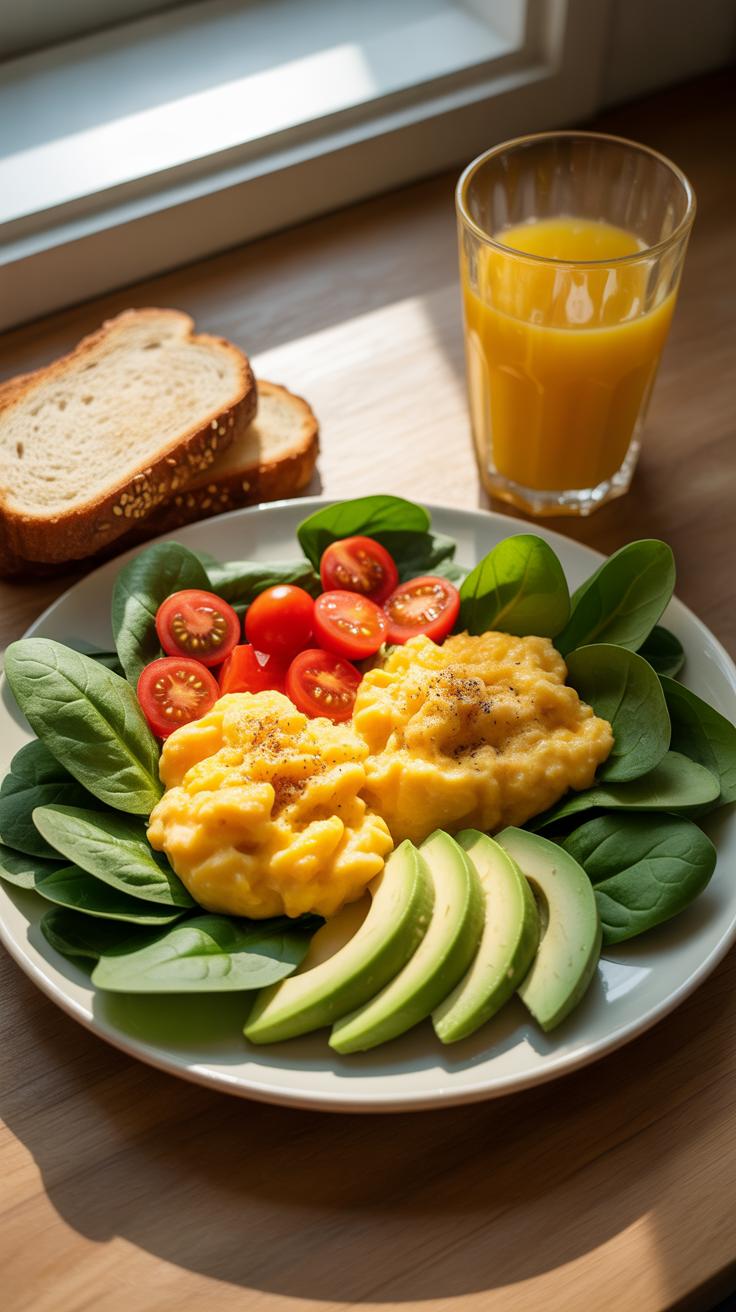
Five Underrated Egg Cooking Methods That Save Time And Boost Nutrition
Efficiency determines the success of high protein meal prep. Most people rely on frying or boiling but miss methods that preserve nutrients and allow for bulk production. Using these techniques ensures your eggs remain tender and digestible while minimizing the need for added fats. Strategic preparation allows you to hit your daily protein targets without spending hours over a hot stove every morning.
- Sheet Pan Baking: Pour whisked eggs onto a rimmed baking sheet lined with parchment paper. Bake until set then cut into squares for easy sandwich toppers. This method allows you to cook a dozen eggs simultaneously while maintaining a consistent texture across every portion for the week.
- Soft Pressure Cooking: Use an electric pressure cooker on a low setting for exactly five minutes to produce easily peelable eggs. This method uses steam to separate the membrane from the shell flawlessly. It works better than traditional boiling for large batches of eggs intended for cold storage.
- Muffin Tin Poaching: Place one tablespoon of water in each muffin cup and drop in a single egg. Bake at three hundred fifty degrees until the whites set. This mimics poaching without the mess of vinegar or swirling water. It delivers perfectly shaped proteins that fit on toasted English muffins.
- Steam Frying: Cook eggs in a hot pan with a tiny amount of water and a tight lid. The steam cooks the tops while the bottom stays soft. This technique eliminates the need for heavy oils or butter. You get the benefits of a fried egg without the extra saturated fat intake.
- Sous Vide Bites: Mix eggs with cottage cheese and cook them in small jars in a water bath. This creates a dense and creamy texture that resembles commercial egg snacks but with higher protein content. Processing eggs at low temperatures prevents the rubbery texture often found in microwave reheating.
Nutrition stays high when you avoid high heat that oxidizes yolk fats. These methods focus on temperature control to keep the amino acids intact. Choose two methods each week to keep your meal rotation diverse. Consistent prep is the only way to ensure you actually eat the protein you buy. Master these simple tools to take control of your kitchen workflow today.
Pairing Eggs With Legumes And Whole Grains For A Balanced Macro Profile
Combine eggs with black beans or lentils to create a complete amino acid profile. Legumes provide the fiber eggs lack which stabilizes your blood sugar after eating. A single large egg contains about six grams of protein. Adding half a cup of beans doubles that count while adding complex carbohydrates for sustained energy. This combination keeps you full longer than eating eggs alone.
Select whole grains like quinoa or farro as a base for your egg bowls. These grains offer more protein per gram than white rice or refined flour. Prepare large batches of grains during your weekend prep sessions. Reheat the grains with a fresh egg to create a fast and balanced meal. This strategy ensures you hit your fiber and mineral requirements while maintaining a high protein density.
Cottage Cheese Recipes That Double As High Protein Egg Meal Prep Staples

Baked Egg And Cottage Cheese Cups: A Versatile Meal Prep Staple
Baked egg cups serve as a critical tool for high-volume meal prep. You mix eggs with cottage cheese to create a stable base. This mixture holds its shape after cooling and reheating. These cups are portable and fit perfectly into standard storage containers. Use a silicone muffin tin to prevent sticking without adding extra fats or heavy oils to the recipe.
Control the nutrient profile by adjusting the ratio of whole eggs to egg whites. Add fibrous vegetables like spinach or bell peppers to increase volume. Bake at 350 degrees Fahrenheit until the centers set firmly. Once cooled, store them in the refrigerator for up to four days. This method ensures you have a consistent source of protein ready for the entire work week.
How Cottage Cheese Enhances Texture And Protein Content In Egg Dishes
Cottage cheese changes the chemistry of cooked eggs. Most baked eggs become rubbery when reheated. The moisture in cottage cheese prevents this drying process during the second cook. It adds a creamy consistency that mimics heavy cream or butter. You get a rich mouthfeel while keeping the fat content low and the protein density high for better muscle recovery.
The high casein content in cottage cheese provides a slow-release protein source. This keeps you full longer than eating standard eggs alone. Blending the cottage cheese into the egg liquid creates a smooth texture similar to a custard. Use small-curd varieties if you prefer hidden textures. This tactical addition turns a basic breakfast into a functional meal designed for long-term satiety and performance.
Breakfast Brunch Recipes With Eggs That Scale Well For Batch Cooking
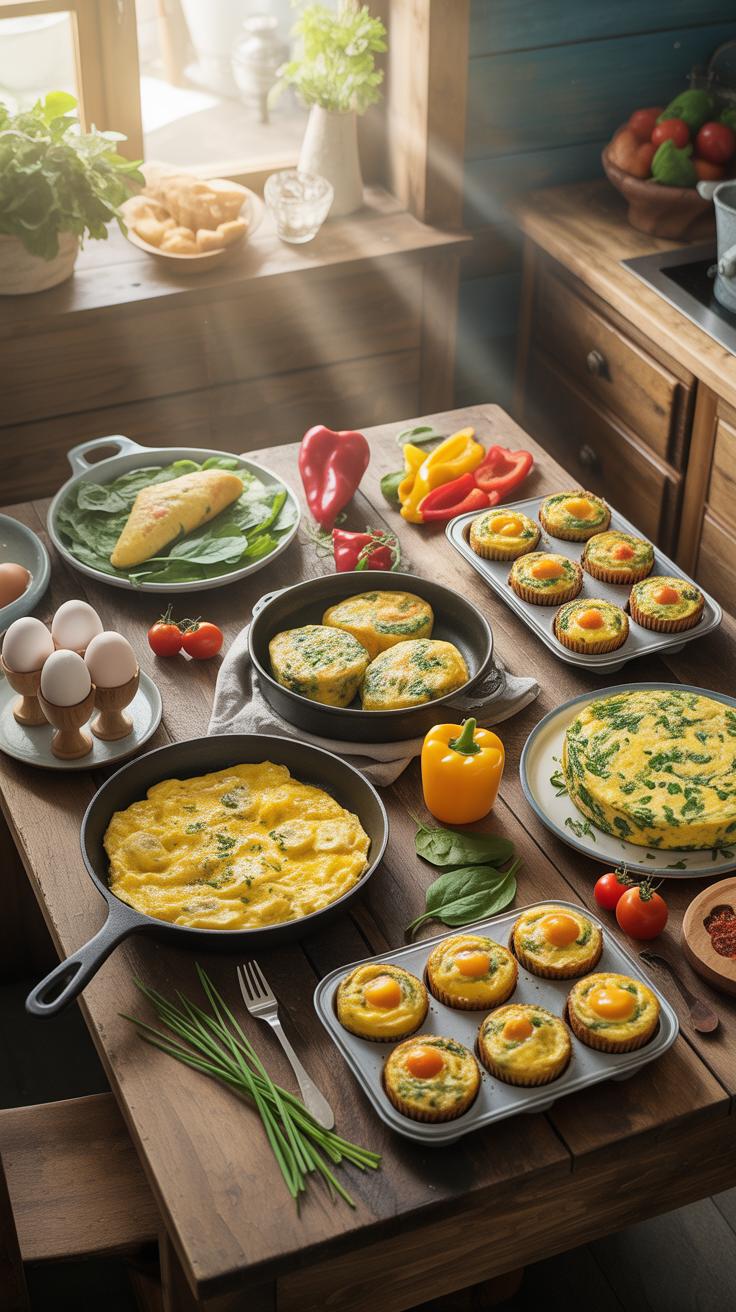
Sheet Pan Egg And Vegetable Bakes: Scalable And Crowd Friendly
Sheet pan egg bakes prioritize speed and volume. You crack eggs directly into a large rimmed tray or whisk them into a custard. High heat and large surface area ensure even cooking across dozens of servings. This method eliminates the need for individual flipping or monitoring. Busy kitchens use this technique to produce bulk protein units without specialized equipment or constant oversight.
Vegetable selection determines the structural integrity of the bake. Use low moisture greens like spinach or pre-roasted roots like sweet potatoes. Watery vegetables ruin the texture and cause the eggs to weep during storage. Distribute ingredients evenly across the pan before pouring the egg mixture. This guarantees every slice contains consistent nutrients. Heavy pans prevent warping and ensure a flat surface for uniform heat distribution.
Mini Frittatas Vs. Full Sized Frittatas: Which Is Better For Meal Prep?
Mini frittatas offer superior portion control and portability for individuals on the move. You bake these in muffin tins to create self contained units. They cool faster and reheat more evenly than a thick slice from a pan. The increased surface area creates more browned edges which adds flavor. These small units survive transport in bags or boxes better than standard slices do.
Full sized frittatas excel in texture and heat retention. A larger mass stays moist during the initial bake and resists drying out. This format requires fewer steps to prepare since you use one vessel. Use a cast iron skillet for the best results. The heavy metal holds heat and creates a crust on the bottom. Choose this method if you prioritize flavor over the ease of grab and go eating.
Meal Prep Planning Building A Weekly Schedule Around Healthy Egg Recipes
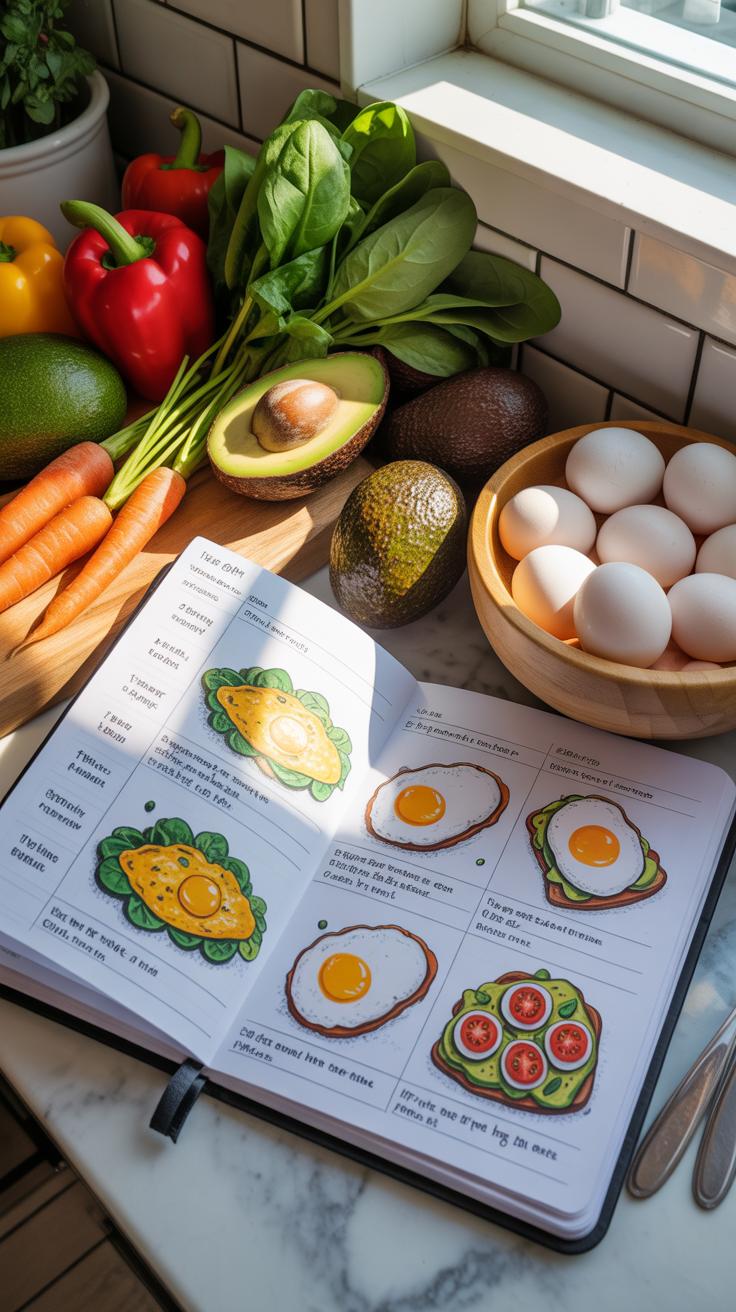
How To Rotate Egg Recipes Throughout The Week Without Flavor Fatigue
Flavor fatigue occurs when you consume the same texture and spice profile daily. Break your week into two distinct blocks to maintain variety. Use hard-boiled eggs for the first three days because they hold their structure well. Shift to baked egg muffins or frittatas for the final days. This shift in preparation style keeps the palate engaged while meeting your protein goals.
Change the flavor profile between your meal blocks to ensure compliance. Use Mediterranean seasonings like oregano and feta for the first half of the week. Switch to southwest spices like cumin and chili powder for the second half. This tactical approach prevents boredom without requiring extra cooking time. Strategic seasoning is the fastest way to make the same protein source feel like a different meal.
Safe Egg Storage Practices To Keep Your Meal Prep Fresh And Food Safe
Food safety dictates a strict timeline for prepared egg dishes. The USDA recommends consuming cooked eggs within three to four days when stored at forty degrees Fahrenheit or below. Place your meals in airtight glass containers immediately after they cool. Glass provides a superior thermal seal compared to plastic. Rapid cooling prevents bacterial growth and maintains the structural integrity of the egg whites.
Maintain the quality of your prep by separating wet and dry ingredients. Keep salsas or sauces in small side containers until you are ready to eat. Reheat egg dishes gently at low power settings to avoid a rubbery texture. High heat toughens the proteins and ruins the mouthfeel. Proper storage and reheating ensure your healthy egg recipes remain palatable and safe for the entire work week.
Frequently Asked Questions

Why are eggs considered a good option for high-protein meal prep?
Eggs are a nutritional powerhouse, offering high-quality protein and essential vitamins in a compact, affordable package. They are incredibly versatile for busy schedules because you can prepare them in large batches ahead of time. Incorporating healthy egg recipes into your weekly routine ensures you have a satisfying, muscle-building fuel source ready to grab, helping you stay full longer while maintaining a balanced, nutrient-dense diet throughout the work week.
How can I store cooked egg dishes so they stay fresh for several days?
To keep your healthy egg recipes fresh, allow them to cool completely before placing them in airtight glass containers. For items like egg muffins or breakfast burritos, wrap them individually to prevent moisture buildup. Hard-boiled eggs should remain in their shells until you are ready to eat. Most prepared egg dishes will stay delicious in the refrigerator for up to four days, making them an ideal choice for Sunday meal prepping.
Are egg-based meals an affordable way to increase daily protein intake?
Absolutely! Eggs are one of the most cost-effective protein sources available at any grocery store. Compared to steak or salmon, they offer a significantly lower price per gram of protein, making them perfect for those on a tight budget. By focusing on simple ingredients like seasonal vegetables and bulk grains, you can create a variety of filling meals that are both light on your wallet and exceptionally high in nutritional value.