

The Many Faces Of Spinach Recipes Around The World
How Different Cultures Have Embraced Spinach In Their Kitchens
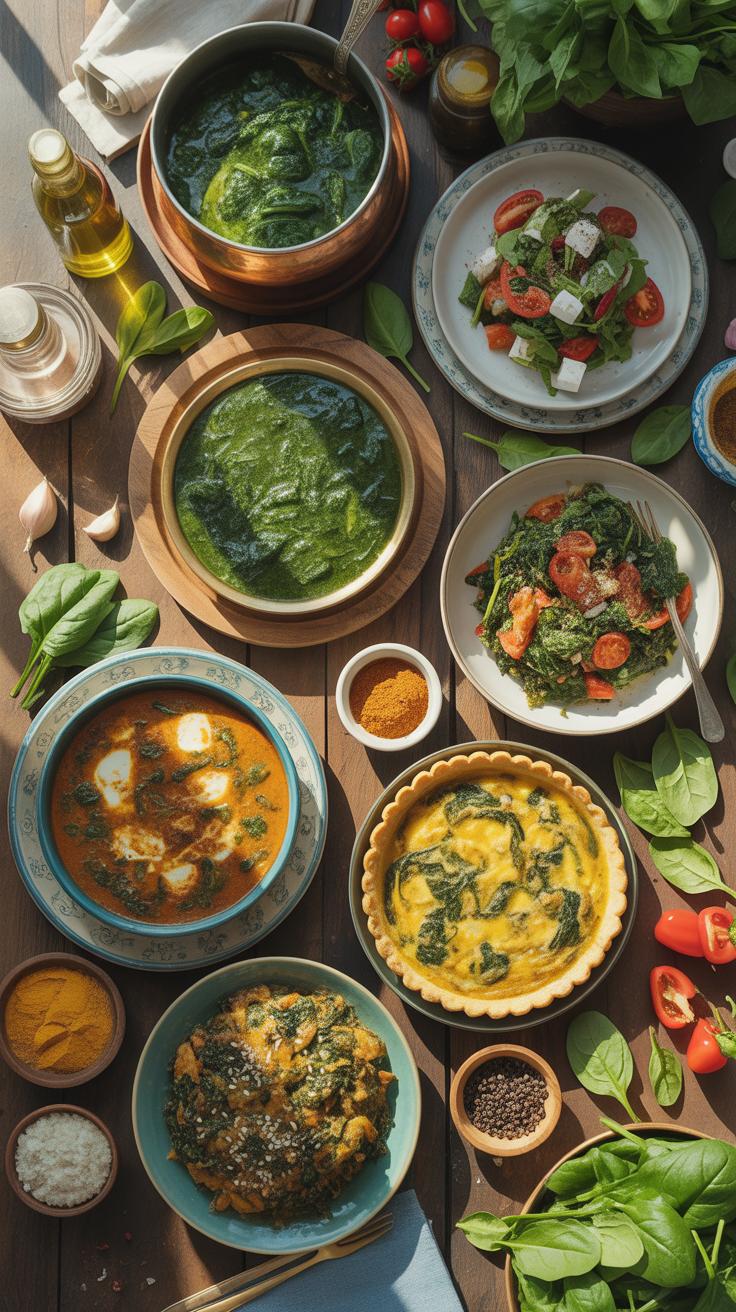
Persian cooks first cultivated spinach before it spread across the globe. They developed methods to pair the leaf with thick yogurt and fried onions in dishes like Borani. This technique balances the metallic taste of the green with creamy fats. In India, chefs grind the leaves into smooth purees for Palak Paneer. This process breaks down tough fibers and integrates spices like cumin and turmeric directly into the vegetable base.

European kitchens adopted the plant during the Middle Ages. Italian Mediterranean cooking utilizes the leaves in pasta fillings and savory pies like Torta Pasqualina. These recipes often combine spinach with ricotta cheese and nutmeg to mellow its sharp flavor PROFILE. East Asian cuisines take a different tactical approach by quick-blanching the greens. They dress the wilted leaves with sesame oil and soy sauce to maintain a crunch and maximize mineral retention.
What Makes Spinach Such A Versatile Cooking Ingredient
Spinach functions as a culinary chameleon due to its high water content and thin cell walls. Raw leaves provide bulk and a crisp texture to cold dishes. When you apply heat, the volume reduces significantly. This contraction concentrates the nutrients and allows the greens to absorb surrounding liquid flavors. Its mild profile makes it a reliable filler for meats, doughs, and sauces without overpowering the primary protein or grain.

The biological makeup of the leaf supports multiple cooking techniques. It withstands sautéing, boiling, steaming, and baking. High concentrations of oxalic acid create a distinct mouthfeel that cuts through rich dairy and heavy fats. This chemical property explains why it appears frequently in gratins and creamed preparations. You can use it as a garnish, a main component, or a natural food dye. Professionals rely on its predictable behavior across varying temperature ranges.
Creamy And Comforting Spinach Pasta Recipes YouLl Want To Make Weekly

Classic Florentine Style Pasta: Spinach Pasta With Cream Sauce And Parmesan
Florentine style refers to dishes featuring spinach and often a creamy component. To execute this properly, you must use fresh baby spinach or blanched mature leaves. The high water content in spinach requires a concentrated sauce base. Heavy cream provides the necessary fat to coat the pasta. Parmesan cheese acts as both a seasoning and a thickening agent within the emulsion.
Timing is the critical factor in this recipe. Add the spinach during the final sixty seconds of pasta boiling or directly into the hot sauce. Overcooking the greens destroys the bright color and nutritional profile. Sautéing garlic in butter before adding cream builds a solid flavor foundation. Use the residual heat of the pasta to wilt the leaves without turning them into mush.
Key Ingredients That Make A Great Spinach Pasta Come Together
High quality spinach pasta recipes rely on a balance of fat, acid, and texture. You cannot rely on greens alone to carry the dish. The fats in cheese and cream bind the components. Acid from lemon or white wine cuts through the richness. These elements ensure the spinach remains the star without making the final plate feel heavy or soggy.
- Aged Parmesan: Real Parmigiano-Reggiano provides a salty and nutty profile. It contains less moisture than younger cheeses. This ensures the sauce stabilizes and clings to every strand of pasta without breaking or becoming oily during the final toss.
- Fresh Nutmeg: This spice is a historical pairing for spinach and cream. A small amount enhances the earthy notes of the greens. It adds a complex layer that bridges the gap between the heavy dairy and the light vegetable components.
- Garlic and Shallots: These aromatics provide a necessary savory base. Sautéing them in butter or olive oil releases essential oils. This process builds depth in the sauce. Without them, the dish tastes flat and lacks the professional finish required for a meal.
- Pasta Water: Starchy water from the boiled pasta is a tactical tool. It helps emulsify the sauce. Adding a splash at the end creates a smooth texture. This prevents the cream from separating and ensures a uniform coating on the noodles.
- Red Pepper Flakes: A small pinch offers a clean heat. This counters the sweetness of the cream. It provides a sharp contrast that wakes up the palate. Managed spice levels ensure the dish remains balanced rather than one-dimensional and overly rich.
Prep your ingredients before you start the stove. Spinach wilts fast and cream reduces quickly. Keep your heat at medium to prevent the dairy from scorching. If the sauce becomes too thick, use more pasta water to adjust the consistency. This method ensures a restaurant-grade result every time you cook. Follow these steps for the best texture and flavor.
Going Green How To Make Homemade Spinach Pasta From Scratch

The Science Behind Using Spinach PuréE To Color And Flavor Fresh Pasta Dough
Spinach contains high levels of chlorophyll that act as a natural dye for egg dough. You must blanch the leaves first to stop enzyme activity and preserve the bright green color. Squeeze all excess water from the cooked greens before processing. Excess moisture ruins the gluten structure and leads to gummy pasta. Puree the spinach until it reaches a perfectly smooth consistency to avoid clumps.
The spinach puree alters the hydration level of the flour. You need to adjust the ratio of eggs to greens to maintain dough strength. Spinach adds fiber which can weaken the gluten network if used in high volumes. Always use high protein flour like tipo zero zero for the best results. The alkalinity of the greens reacts with the flour protein to create a firm and resilient pasta texture.
Shaping And Pairing Homemade Spinach Pasta With The Right Sauces
Spinach pasta requires specific shapes to maximize its physical properties. Rough surfaces on fettuccine or pappardelle hold onto oils and fats effectively. You should roll the dough thin to ensure even cooking and a tender bite. Traditional Italian techniques use wooden boards to create a micro texture on the surface. This texture is vital because it determines how well the final dish carries the flavor of the added sauce.
Pair green pasta with fats like brown butter or heavy cream to balance the vegetal notes. These fats coat the noodles and highlight the subtle earthy flavor of the spinach. Avoid heavy red sauces that mask the visual appeal and delicate taste of the dough. Simple garlic and oil preparations also work well to showcase the craft. Strategic pairing ensures the spinach component remains the primary focus of the entire meal experience.
Korean Spinach Recipes Simple Dishes With Deep Satisfying Flavor
Understanding The Flavor Profile Behind Authentic Korean Spinach Seasoning
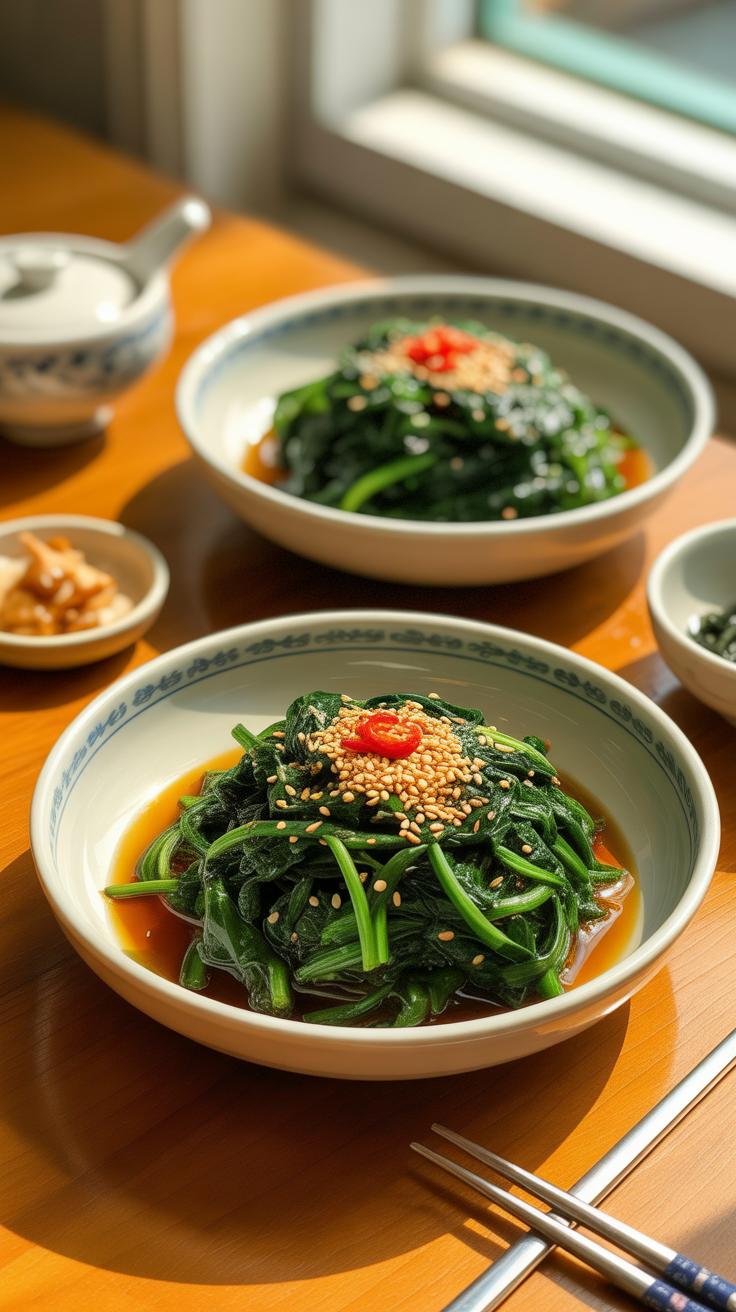
Authentic Korean spinach seasoning relies on a balance of savory and nutty notes. Toasted sesame oil provides the foundation for this profile. Chefs add minced garlic to provide a sharp contrast to the natural sweetness of the greens. Soy sauce or salt adds the necessary sodium to draw out the moisture. This combination creates a savory liquid that coats each leaf evenly.
Precision during the blanching process determines the final texture. You must submerge the leaves in boiling water for thirty seconds or less. Immediate cooling in an ice bath stops the cooking process instantly. This step preserves the bright green color and crisp texture. Squeezing out every drop of water is vital. Excess water dilutes the seasonings and ruins the concentrated flavor profile.
How Korean Spinach Fits Into The Tradition Of Banchan Side Dishes
Banchan refers to the small side dishes served alongside cooked rice in Korean cuisine. Sigeumchi namul, or seasoned spinach, is a staple within this tradition. It provides essential nutrients and a refreshing contrast to heavy fermented foods. These dishes sit in the center of the table for everyone to share. This communal style of eating emphasizes variety and balance in every daily meal.
Standard Korean meals require at least one green vegetable to balance grilled meats or spicy stews. Seasoned spinach works because it is fast to prepare and holds its flavor well. It serves as a key component in bibimbap, where it adds both color and fiber. Professional kitchens prepare large batches of this dish daily. It remains a reliable pillar of the Korean culinary landscape because of its simplicity.
Sigeumchi Namul The Beloved Korean Spinach Side Dish Explained
What Is Sigeumchi Namul And Why It Is A Staple Korean Spinach Dish
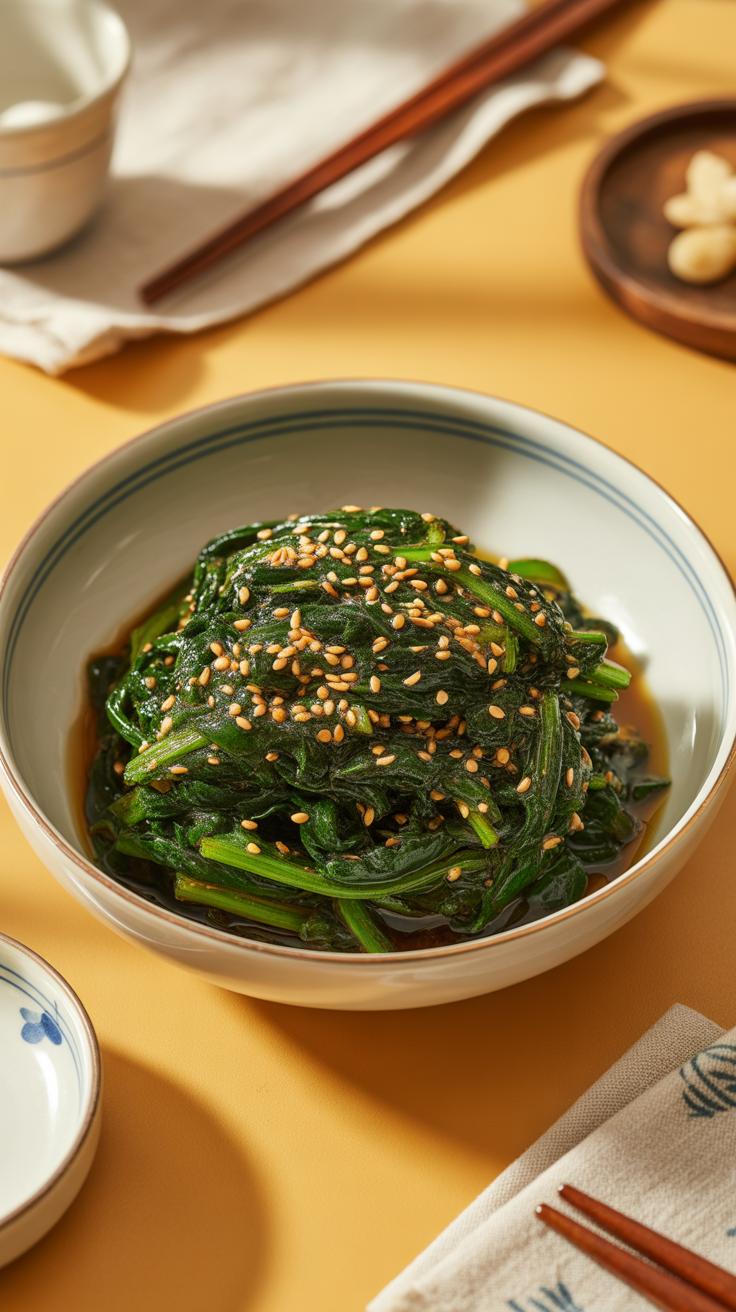
Sigeumchi-namul is a fundamental bansun or side dish in Korean cuisine. It features blanched spinach seasoned with sesame oil, garlic, and soy sauce. This dish represents the namul category of vegetables which are seasoned to highlight natural flavors. Koreans serve it daily as part of a standard meal set. It provides a dense source of iron and vitamins in a compact serving size.
The dish gained popularity because it utilizes the entire plant including the pink roots. These roots hold significant sweetness and nutritional value. Historically, this preparation allowed families to stretch their vegetable supply during cold months. It serves as a key component in bibimbap and kimbap. Its balance of salty and nutty notes makes it an essential tool for balancing spicy main courses.
Step By Step Guide To Preparing A Traditional Korean Spinach Salad Dish At Home
Traditional preparation requires precision during the blanching phase to maintain texture and color. You must use a large pot of boiling salted water to cook the spinach quickly. Submerge the greens for thirty seconds at most. Immediate shocking in ice water stops the cooking process and fixes the chlorophyll. This step prevents the spinach from becoming mushy or losing its vibrant green hue.
- Blanching: Submerge the spinach in boiling salted water for thirty seconds. This brief exposure softens the tough fibers while retaining a crisp bite. Overcooking ruins the texture and turns the leaves gray.
- Shocking: Transfer the hot spinach immediately into a bowl of ice water. This rapid temperature drop stops the internal cooking process instantly. It ensures the vegetable carries a bright green appearance into the final presentation.
- Squeezing: Remove the spinach from the ice bath and squeeze out all excess liquid by hand. Excess water dilutes the seasonings and prevents the oils from adhering to the leaves. Form the spinach into a tight ball.
- Seasoning: Toss the squeezed spinach with minced garlic, toasted sesame oil, and soy sauce or salt. Use your hands to separate the leaves and distribute the aromatics evenly. This manual mixing ensures every leaf receives flavor.
- Garnishing: Sprinkle toasted sesame seeds over the finished dish before serving. These seeds provide a necessary crunch and reinforce the nutty profile of the sesame oil. Serve at room temperature for the best flavor profile.
Squeeze the water out thoroughly before adding the aromatics and oils. Excess moisture will prevent the seasoning from coating the leaves. Use high-quality toasted sesame oil for the distinct nutty aroma characteristic of Korean food. You should ideally use mature spinach bunches rather than baby spinach for better structure. Store the finished dish in the refrigerator for up to three days to maintain its quality.
Japanese Vegetable Stir Fry Dishes Featuring Spinach As The Star
How Japanese Cuisine Uses Blanching And Sesame To Highlight Spinach’S Natural Sweetness
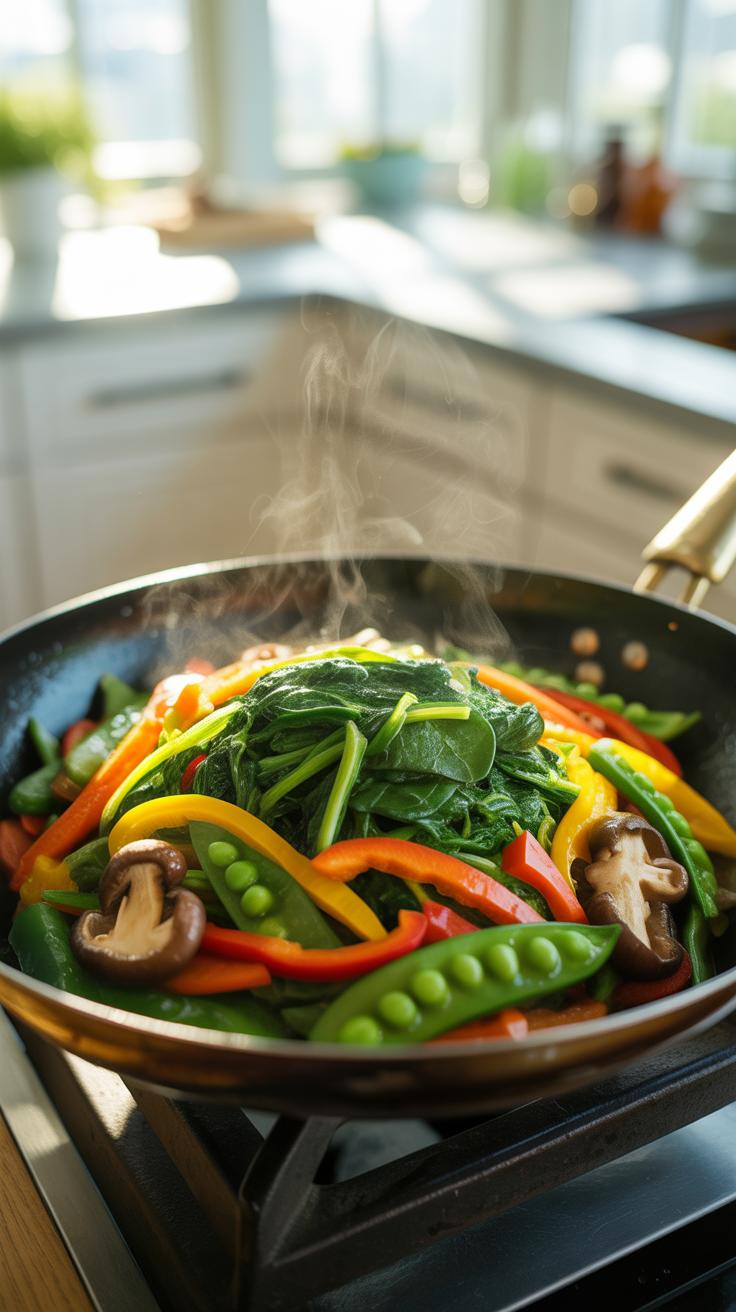
Japanese chefs use a technique called frost-killing or parboiling to manage spinach’s oxalic acid. This process removes the harsh bitterness found in raw leaves. You must submerge the spinach in boiling salted water for thirty seconds. Then immediately plunge the greens into an ice bath. This stops the cooking process instantly. It preserves the vibrant green color and firms up the texture for further seasoning.
Mechanical pressure is the next critical step for quality spinach recipes. You must squeeze the cooled spinach to remove all internal water. This allows the dressing to penetrate the plant fibers. Toasted sesame seeds provide the necessary fat and nutty contrast. Grinding the seeds in a mortar releases oils that coat the leaves. This combination of salt, sugar, and sesame creates a balanced profile that emphasizes natural sugars.
Ohitashi: The Classic Japanese Spinach Preparation That Inspired Countless Cooks
Ohitashi serves as the foundation for traditional Japanese vegetable side dishes. The name translates to soaked, which describes the core culinary process. Chefs submerge blanched spinach in a dashi-based broth infused with soy sauce and mirin. This infusion method imparts deep umami flavors without ruining the vegetable’s structure. It transforms a simple green into a complex, savory component. You serve it chilled or at room temperature.
Precision defines this dish. You must trim the roots carefully but keep the stems intact to preserve the bunch’s shape. The soaking time determines the final flavor intensity. Professional kitchens often let the spinach steep for several hours. This ensures every fiber carries the dashi flavor. Garnishing with dried bonito flakes adds texture and a secondary layer of smoky saltiness. It is a masterclass in using minimal ingredients effectively.
Spinach In Soups And Stews Warming Recipes For Every Season
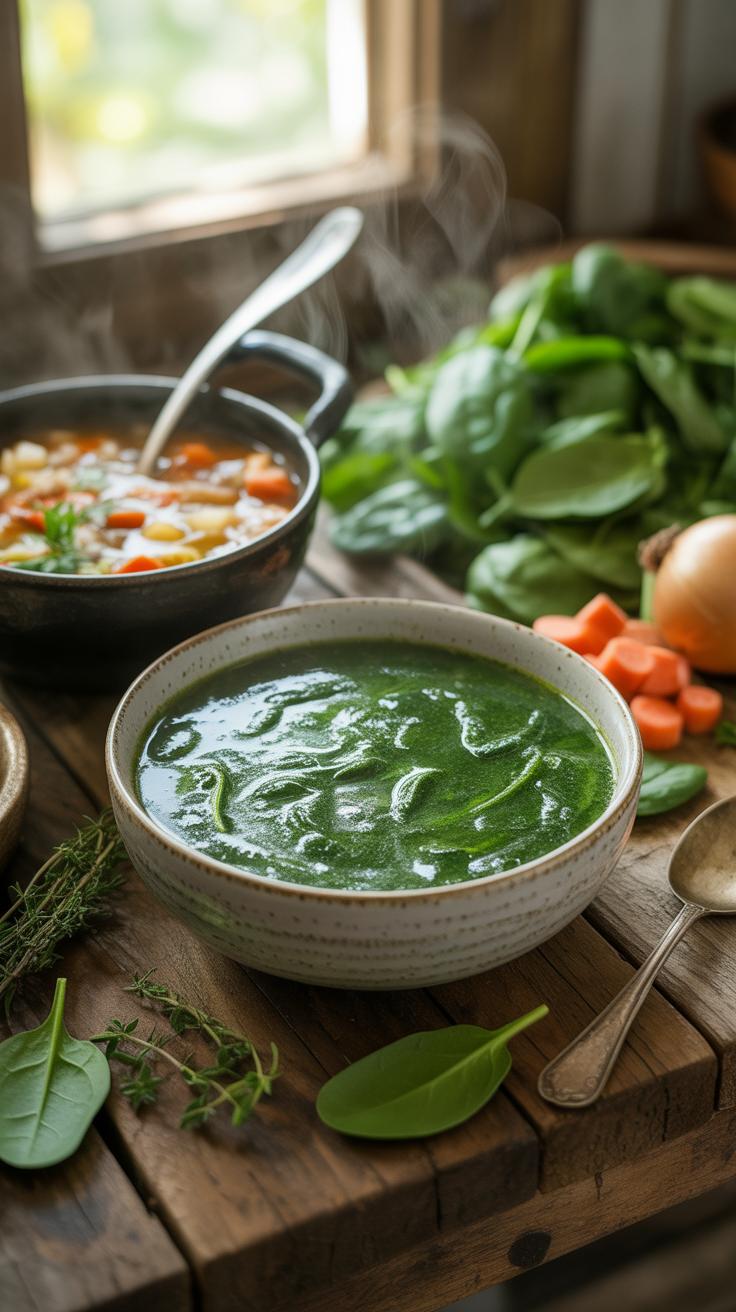
Adding Spinach To Lentil Soups, Minestrone, And Dal For Nutrition And Depth
Spinach acts as a functional nutrient booster in heavy legume dishes. In Italian minestrone or Indian dal, the greens provide earthy contrast to starchy bases. These spinach recipes rely on the vegetable to balance salt and acid levels safely. The high iron content enhances the nutritional profile without altering the fundamental flavor of the broth. It integrates easily into dense textures.
Tactical placement of spinach improves the final mouthfeel of the stew. You must time the addition based on the liquid volume and protein type. Fiber from the spinach leaves creates a cohesive structure in thinner broths. In red lentil soups, the green color provides necessary visual contrast against muted tones. This approach ensures your meal remains visually appealing and nutritionally dense for diners.
Spinach is the broom of the stomach, and there is no comfort like a warm, simmering pot of greens on a Sunday afternoon.
Tips For Adding Spinach To Hot Broths Without Overcooking It
Temperature control determines the success of spinach recipes in liquid bases. Residual heat is sufficient to wilt fresh leaves in seconds. You should remove the pot from the direct heat source before adding the greens. This prevents the spinach from turning gray or becoming slimy. Sharp, vibrant colors indicate that the nutrients and cellular structure remain intact for the meal.
Stir the leaves into the hot liquid just before serving to maintain texture. Overcooked spinach loses its structural integrity and releases excess water into the soup. This dilution can weaken your carefully seasoned base. If using frozen spinach, squeeze out all moisture before adding it to the pot. This step prevents the soup from tasting metallic or becoming watery during the final heating phase.
Spinach In Baked And Stuffed Dishes From Spanakopita To Stuffed Shells

The Greek Origins Of Spanakopita And What Makes It A Timeless Spinach Recipe
Spanakopita is a traditional savory pastry from Greece. It dates back several centuries to the Ottoman era. Chefs build this dish using layers of phyllo dough and a filling of chopped spinach. Authentic versions use feta cheese, onions, and eggs to bind the mixture. Green herbs like dill or parsley provide the flavor profile. This dish remains a staple because it scales easily for large groups.
Texture defines this recipe. The thin sheets of dough must be brushed with olive oil or butter to achieve a crispy crunch. This contrasts with the soft and moist spinach center. You must drain the cooked spinach thoroughly to prevent a soggy bottom. High moisture content ruins the pastry layers. Professionals use a dry squeeze method. This ensures the phyllo stays brittle after baking in the oven.
Creative Stuffed Pasta And Pastry Dishes That Put Spinach Front And Center
Spinach works well in stuffed pasta like shells or manicotti. The leaf holds its structure when mixed with ricotta or parmesan cheese. You must blanch the leaves quickly and then shock them in ice water. This preserves the bright green color during the baking process. Once chopped, the greens distribute evenly within the cheese. This creates a dense and protein rich filling that supports heavy tomato sauces.
Pastry applications go beyond Greek traditions. You can use puff pastry to create spinach en croute or savory turnovers. The vegetable acts as a functional barrier for meats. It protects proteins from direct heat while adding moisture to the bite. Architects of these dishes rely on the high fiber content of the leaf. This fiber adds bulk without adding excessive calories. Always season the filling aggressively before sealing the dough.
Spinach Smoothies Eggs And Breakfast Recipes That Start Your Day Right
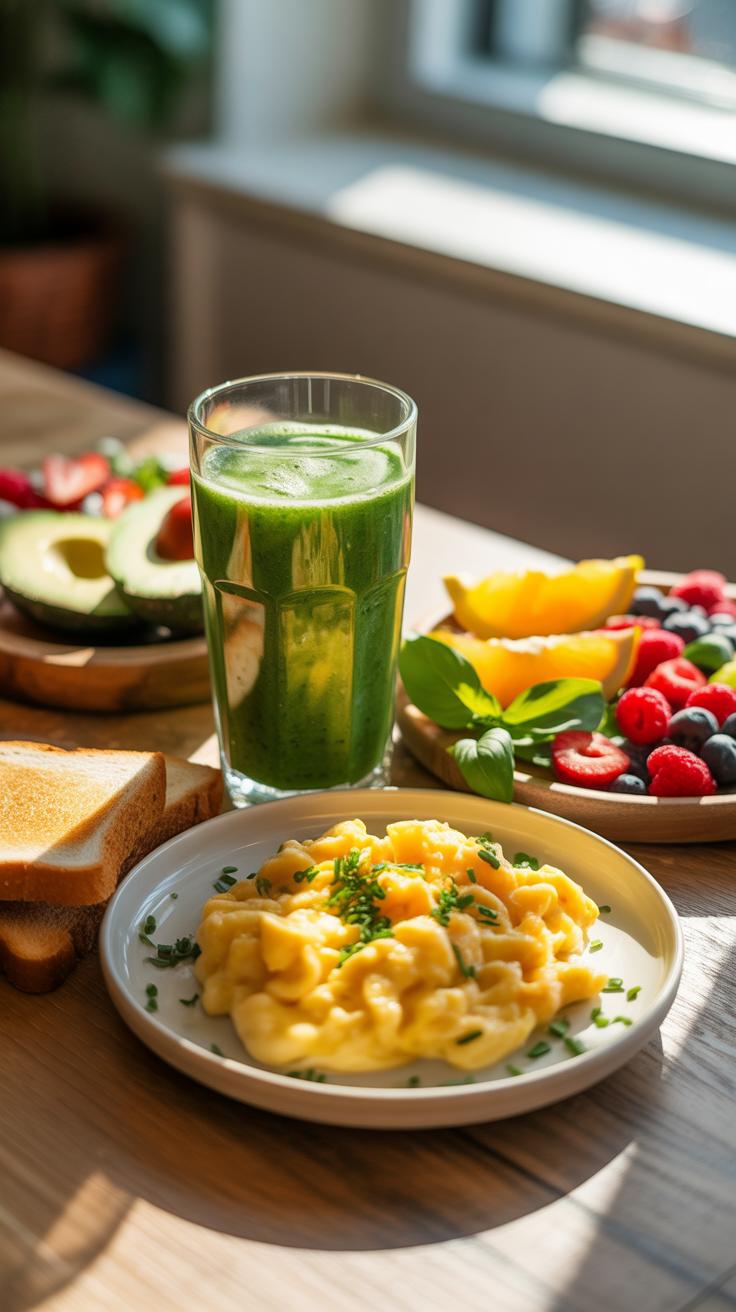
Why Spinach Works So Well In Eggs Florentine And Morning Frittatas
Spinach provides a necessary functional contrast in high-fat egg dishes. Eggs Florentine relies on the leaf to cut through heavy hollandaise sauce and poached yolks. The iron-rich profile of the green balances the creaminess of the dairy. You must sauté the leaves first to remove excess water. This prevents the final dish from becoming soggy and maintains the structural integrity of the muffin.
Frittatas benefit from spinach because it distributes evenly throughout the egg mixture. It holds its shape better than delicate herbs but softens more than kale. You should use mature spinach for baking to ensure the flavor stands up to intense heat. Strategic placement of the greens ensures every bite contains fiber. This addition lowers the overall glycemic load of your breakfast. It makes the meal more satiating.
Using Spinach In Breakfast Smoothies Without Overpowering The Flavor
Spinach is the most efficient green for breakfast smoothies due to its mild flavor. It contains less oxalic acid than kale or chard. This means it creates a smooth texture without a bitter aftertaste. You should blend the spinach with your liquid base before adding frozen fruit. This technique ensures no large leaves remain in the drink. It creates a consistent and professional result every single time.
Pair spinach with high-acid fruits like pineapple or lemon to neutralize the chlorophyll scent. The vitamin C in these fruits also increases the bioavailability of the iron in the leaves. Use baby spinach for the best texture in cold drinks. It has thinner stems that break down quickly in standard blenders. This approach allows you to pack dense nutrients into a drink without compromising the palate or the clean finish.
Nutritional Benefits Of Spinach And Why These Recipes Are Worth Cooking

Key Vitamins And Minerals Found In Spinach That Support A Balanced Diet
Spinach provides a dense concentration of essential micronutrients. It contains high levels of Vitamin K1 which supports bone health and blood clotting. It also offers significant amounts of Vitamin A and C for immune function. These vitamins exist alongside minerals like iron and manganese. Eating spinach helps you meet daily requirements without consuming excess calories. It is a biological powerhouse for your body.
The plant also contains lutein and zeaxanthin. These carotenoids protect eye health and prevent damage from light. Spinach has nitrate levels that can help lower blood pressure. Magnesium in the leaves supports muscle and nerve function. Integrating these recipes into your diet ensures you get these compounds in every bite. This makes spinach one of the most efficient greens for a functional healthy diet.
How Cooking Methods Affect Spinach’S Nutrient Retention And Taste
Heat changes the chemical structure of spinach. Boiling causes water-soluble vitamins like Vitamin C and B to leach into the water. If you dump the water you lose the nutrients. Steaming or sautéing preserves more of these compounds. These methods use less water and shorter cook times. Managing heat prevents the loss of vital nutrients and keeps the leaves from turning into mush.
Cooking also reduces oxalic acid levels. This acid can block the absorption of calcium and iron. Gentle heat makes these minerals more available for your body to use. Sautéing in fat also helps you absorb fat-soluble vitamins like Vitamin K. High heat for long periods destroys the flavor and the texture. Proper technique ensures you get the best taste and the most nutritional value from your food.
Frequently Asked Questions

What are some simple ways to use spinach if I don’t like raw salads?
If you aren’t a fan of raw greens, try integrating this leafy vegetable into warm, comforting dishes. You can easily wilt leaves into a hot pasta sauce, fold them into a morning omelet, or blend them into a fruit smoothie where the flavor is completely masked. These simple spinach recipes allow you to enjoy all the nutritional benefits and vibrant color without the texture of a traditional cold salad.
How do I prevent cooked spinach from making my recipes too watery?
To keep your dishes from becoming soggy, always sauté the leaves separately and squeeze out the excess liquid before adding them to your main meal. When preparing cooked spinach recipes like lasagna or savory tarts, placing the wilted greens in a clean kitchen towel and wringing them out is essential. This pro tip ensures your sauces stay creamy and your crusts remain perfectly crisp and delicious every time.
Is it more budget-friendly to use fresh or frozen spinach for cooking?
For cooked meals, frozen spinach is an incredibly cost-effective and accessible option. While fresh bundles are great for a quick sauté, frozen versions provide a larger volume of greens for a fraction of the price. Most spinach recipes, such as hearty soups, stews, and cheesy dips, work perfectly with frozen bags. Just remember to thaw and drain them well to maintain the best texture and flavor in your cooking.