

How To Build A Balanced Plate The Foundation Of Holistic Nutrition

Understanding The Core Principles Behind A Nutritionally Complete Meal
A balanced plate focuses on portion control and nutrient density. You must divide your plate into three distinct zones to ensure optimal intake. Fill half the plate with non-starchy vegetables to provide essential fiber and micronutrients. Allocate one quarter of the space to lean proteins like poultry or legumes. Use the final quarter for complex carbohydrates such as brown rice or quinoa.

This structured approach prevents overconsumption of calories while maximizing vitamin absorption. You should prioritize whole foods over processed alternatives to avoid hidden sugars and unhealthy fats. Healthy fats serve as a minor but crucial addition to this framework. Use small amounts of olive oil or avocado to support cell function. This practical layout ensures your body receives a diverse spectrum of necessary fuel sources.
Why Macronutrient Balance Matters For Long Term Health And Energy Levels
Macronutrients regulate your blood sugar and hormone production. Protein repairs tissue and keeps you full between meals. Carbohydrates provide the glucose your brain needs to function at peak capacity. Healthy fats facilitate the absorption of fat-soluble vitamins like A, D, E, and K. Missing any of these components leads to physical fatigue and mental fog throughout your workday.

Consistent balance prevents the insulin spikes that cause energy crashes. By pairing fiber with protein, you slow down digestion and maintain steady stamina. This stability protects your organs and metabolic health over many years. Proper ratios reduce the risk of chronic diseases and weight gain. Tactical eating turns your meals into a reliable tool for sustained performance and long-term biological resilience.
What Should Your Plate Look Like A Visual Guide To Proper Portion Distribution

Breaking Down The MyPlate Model And How It Replaced The Food Pyramid
The USDA released the Food Pyramid in 1992 to guide American eating habits. It emphasized base layers of grains and breads. Research later showed this model led to overconsumption of refined carbohydrates. It failed to distinguish between healthy fats and processed sugars. The design was confusing because it did not show how to arrange food during an actual meal. People struggled to calculate servings.
In 2011 federal agencies replaced the pyramid with MyPlate. This visual tool uses a standard dinner plate to show food ratios. It removes the need for complex math or serving sizes. The icon forces a focus on variety and immediate portion control. It reflects modern nutrition science by prioritizing plants over processed starches. This shift helps you identify missing nutrients at a single glance before you eat.
How To Divide Your Plate Into The Right Food Group Proportions At Every Meal
Visualizing a balanced meal requires a clear split of the plate surface. You must fill exactly half of your plate with fruits and vegetables. This ensures high fiber intake and fills the stomach with nutrient-dense, low-calorie options. Green leafy vegetables should dominate this section. Diversifying the colors on this half of the plate provides a wider range of essential vitamins and minerals for your body to process.
The remaining half of the plate splits into two equal quarters. Devote one quarter to lean proteins like poultry, fish, or legumes. Place whole grains or healthy starches in the final quarter. This ratio stabilizes blood sugar and provides sustained energy throughout the day. Add a small portion of dairy or a calcium alternative on the side. Following this geometric pattern eliminates guesswork and ensures you meet daily nutritional requirements.
Balanced Meal Chart Mapping Your Daily Nutritional Needs Across Food Groups
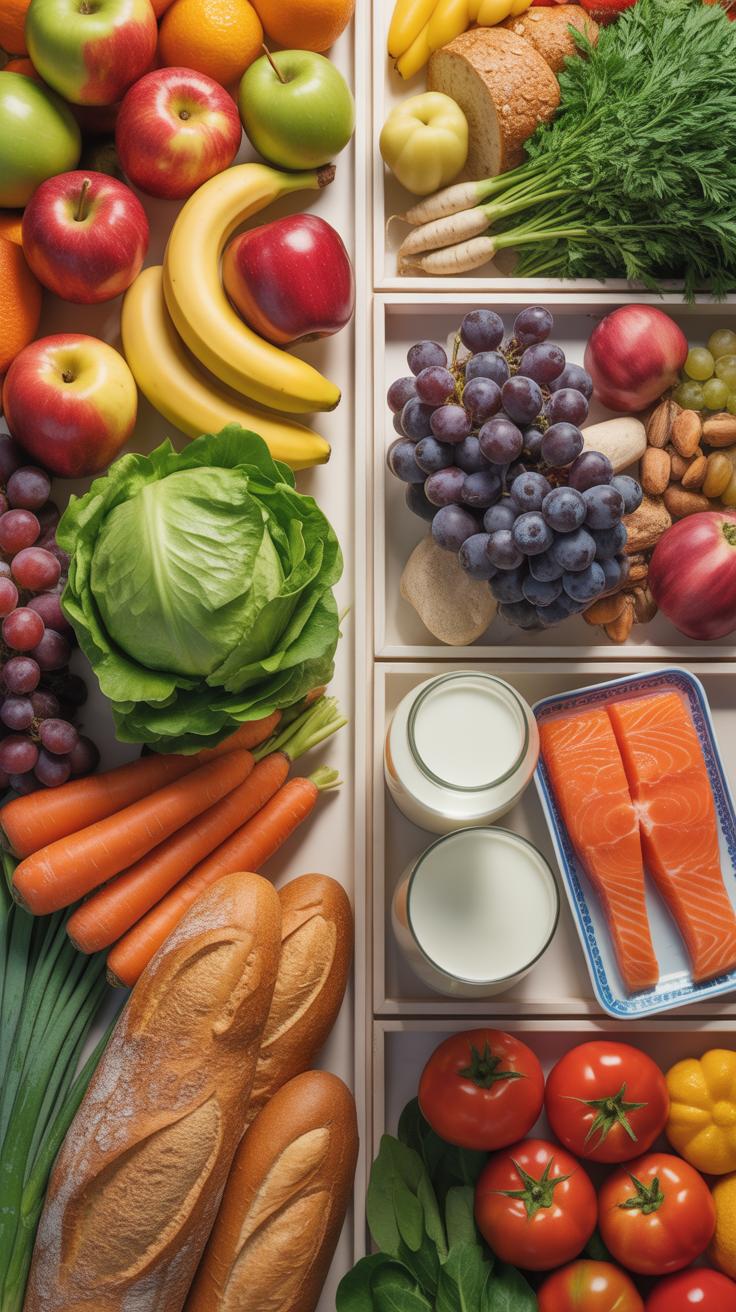
How To Read And Apply A Balanced Meal Chart To Your Everyday Eating Habits
A balanced meal chart serves as a visual blueprint for plate composition. You must view the plate as a divided circle to manage portions without scales. Assign half the area to non-starchy vegetables to maximize fiber and micronutrients. Use the remaining quarters for lean proteins and complex carbohydrates. This spatial method ensures a high nutrient density while controlling caloric intake automatically.
Consistency drives long-term success with this mapping tool. Apply the chart to every meal to stabilize blood sugar levels throughout the day. Do not save all your vegetable requirements for dinner. Integrate these proportions into breakfast and lunch to maintain steady energy. This tactical approach removes the guesswork from meal prep and focuses on the structural ratios that support metabolic health and satiety.
Daily Recommended Servings For Vegetables, Proteins, Grains, And Dairy
Standard health guidelines require specific daily volumes for optimal function. Aim for two to three cups of vegetables and two cups of fruit daily. These plant sources provide essential vitamins and minerals. For proteins, target five to six ounces from varied sources like poultry, fish, or beans. This intake supports muscle repair and enzyme production without adding excessive saturated fats to your diet.
Grains and dairy require careful measurement to avoid excess. Consume six ounces of grains daily, ensuring at least half are whole grains for sustained energy release. For dairy, three cups of low-fat options provide necessary calcium and vitamin D. Monitor these quantities to match your specific activity level. Following these precise serving sizes prevents nutritional gaps and maintains a lean body composition over time.
Balanced Meal Plate Ideas Creative And Practical Combinations For Every Lifestyle
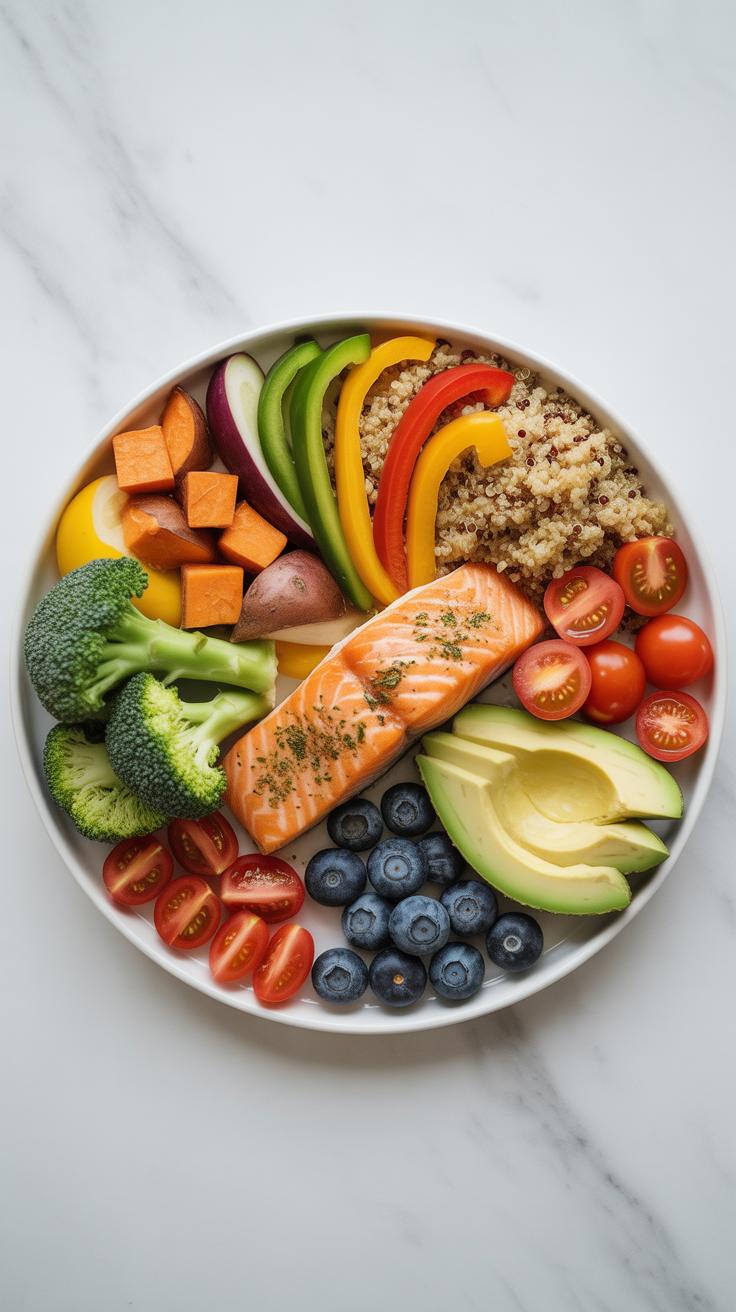
Balanced Plate Meal Ideas For Breakfast, Lunch, And Dinner That Are Easy To Prepare
Start your morning with a mix of Greek yogurt and chia seeds. Add berries for fiber and pecans for fats. This combination stabilizes blood sugar after several hours of sleep. It provides sustained energy without causing a mid-morning crash. This quick meal fulfills the protein requirement and uses whole foods. Using high-protein dairy ensures you stay full until your next meal.
For lunch and dinner focus on lean proteins and bulky vegetables. Cook chicken breast or salmon with a side of steamed broccoli. Add half a cup of quinoa or a small sweet potato. This structure provides the necessary glucose for brain function. It also delivers the amino acids required for muscle repair. Simple roasting techniques reduce total prep time while maintaining high nutrient density.
The shared meal is our oldest ritual, a circle of color and nourishment that heals the spirit as much as the body. When we balance our plates with the gifts of the earth, we honor the ancient wisdom of wholeness.
How To Adapt Balanced Plate Combinations For Vegetarian, Vegan, And Omnivore Diets
Omnivores have the easiest path to protein density through lean meats and eggs. Vegetarians must use eggs or dairy to meet these needs efficiently. If you follow a vegan diet you must combine different plant sources. Pair beans with rice or tofu with nuts to get all essential amino acids. These combinations ensure your body receives the raw materials it needs for daily cellular repair.
Focus on fiber and healthy fats across all dietary patterns. Use olive oil or avocado to provide caloric density and support hormone production. Vegans must prioritize iron and B12 through fortified foods or specific greens like kale. Every diet requires a fifty percent vegetable intake per plate to ensure high micronutrient volume. Mastering these ratios allows you to maintain metabolic health regardless of your specific food preferences.
Balanced Food Choices Identifying Whole Nutrient Dense Ingredients For Your Meals

What Makes A Food Nutrically Balanced And How To Spot High Quality Whole Foods
A nutritionally balanced food contains high density and low processing. It provides vitamins, minerals, and macronutrients without added chemicals. You spot high quality items by checking the ingredient list for simplicity. Look for foods that exist in their natural form. Avoid items with added sugars or refined oils. These additives strip the value from the meal and cause energy crashes.
Whole foods maintain their fiber and water content. This structure helps your body process energy slowly. Check the perimeter of the grocery store for fresh produce and proteins. Quality is often found in items that spoil quickly. Avoid long shelf life products that rely on preservatives. A balanced choice supports stable blood sugar and long term organ health through natural chemical composition.
Top Nutrient Dense Foods To Prioritize When Stocking Your Kitchen For Holistic Health
Stocking your kitchen requires a focus on versatile staples that deliver high impact. Prioritize ingredients that offer a mix of fiber, healthy fats, and amino acids. These items serve as the foundation for any balanced meal plan. Choose items that require minimal preparation to retain their natural nutrient profiles. Having these on hand prevents you from reaching for processed convenience foods.
- Leafy Greens: Spinach and kale provide high concentrations of Vitamin K and iron. These greens allow you to add volume to meals with very few calories. They support bone health and improve blood clotting functions through natural micronutrients.
- Wild Caught Fish: Salmon and sardines offer essential omega three fatty acids. These fats reduce inflammation and support brain function. Selecting wild caught options ensures you avoid the antibiotics and dyes often found in lower quality farmed fish products.
- Cruciferous Vegetables: Broccoli and cauliflower contain fiber and sulfur compounds. These help the liver process toxins and improve digestive health. They are durable vegetables that survive long storage periods while maintaining their dense vitamin profile and crunchy texture.
- Legumes: Lentils and chickpeas provide a dual source of protein and complex carbohydrates. They are shelf stable and cost effective. These ingredients keep you full for longer periods because they take more time for your body to break down.
- Fermented Foods: Greek yogurt and kimchi introduce beneficial bacteria to your gut. A healthy microbiome improves nutrient absorption from other foods you eat. These items provide probiotics that strengthen your immune system and protect your digestive tract from harmful pathogens.
Integrate these items into every meal to maximize your nutritional intake. Variation ensures you receive a full spectrum of minerals and vitamins. Focus on color and texture to verify you are getting diverse nutrients. Consistently buying these staples builds a habit of healthy eating. Use these high quality ingredients to replace refined grains and sugars for a more functional and balanced body.
Balanced Diet Ideas Sustainable Eating Patterns Backed By Nutritional Science

Exploring Evidence Based Dietary Patterns Like The Mediterranean And DASH Diets
The Mediterranean diet focuses on plant-based fats and whole foods. Science shows it reduces heart disease risks significantly. You prioritize monounsaturated fats from olive oil over saturated animal fats. This pattern includes high intakes of vegetables, legumes, and whole grains. It is a baseline for longevity because it lowers systemic inflammation. Use this framework to master how to build a balanced meal daily.
The DASH diet targets hypertension through specific mineral balance. It emphasizes potassium, calcium, and magnesium to lower blood pressure. You must limit sodium intake to see tactical results. This protocol requires lean proteins and low-fat dairy. It works because it forces a shift away from processed sugars. Following these evidence-based models provides a clear roadmap for sustained physical health and performance.
How To Build Sustainable Eating Habits Without Restrictive Or Fad Diet Approaches
Restrictive diets fail because they create metabolic stress and mental fatigue. You must move away from the “all-or-nothing” mindset. Focus on adding high-density nutrients rather than just cutting calories. This approach stabilizes blood sugar and prevents energy crashes. Consistency beats intensity in long-term nutrition. Build your plate with a mix of macronutrients to ensure satiety and metabolic efficiency.
Sustainable habits rely on clear systems and repeatable actions. Start by mastering portion control with a simple plate method. Half of your plate should hold vegetables for fiber. One quarter should contain lean protein for muscle repair. The final quarter should have complex carbohydrates for fuel. This structural change removes the need for calorie counting. Actionable systems lead to permanent results without the burnout found in fad diets.
Balanced Meal Plate Practical Strategies For Meal Prepping And Planning Ahead
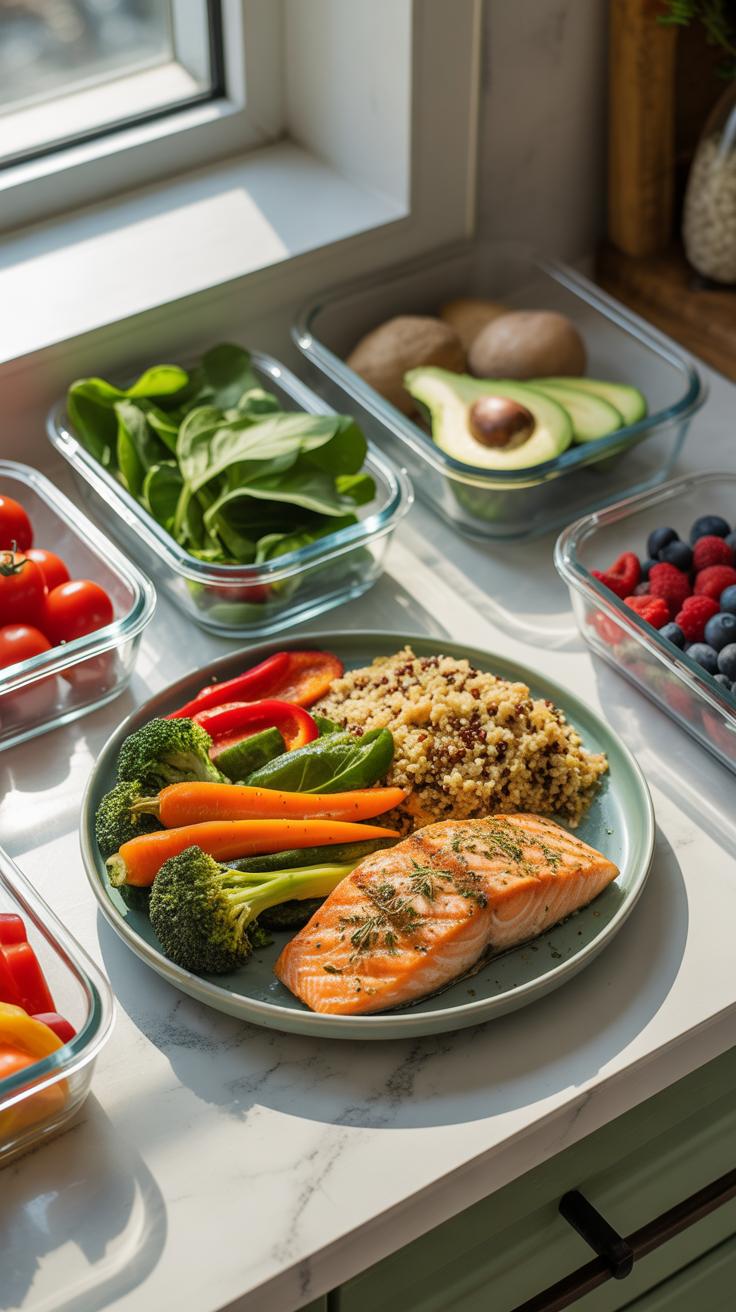
Step By Step Guide To Weekly Meal Planning With A Balanced Plate Framework In Mind
Successful meal planning requires a systematic approach to macronutrient distribution. You must audit your schedule to identify high-stress days where cooking is impossible. Use a template to assign proteins, fats, and carbohydrates to every meal slot. This framework prevents decision fatigue and ensures you hit nutritional targets without daily guesswork. Precise planning eliminates the reliance on processed convenience foods.
- Protein Foundation: Select three primary protein sources like chicken, lentils, or fish at the start of the week. These serve as the anchor for every plate and dictate the flavor profile of your side dishes and seasonings.
- Vegetable Mapping: Allocate half of every plate to non-starchy vegetables. Choose various colors to ensure a broad spectrum of micronutrients. Pre-washing and chopping these items immediately after purchase increases the likelihood of consumption during busy weeknights.
- Complex Carbohydrate Selection: Identify fiber-rich starches such as quinoa, sweet potatoes, or brown rice. Measure portion sizes beforehand to keep energy levels stable and avoid glucose spikes. Store these in transparent containers for easy access and visibility.
- Healthy Fat Integration: Plan for specific fat sources like avocados, nuts, or olive oil. These are essential for nutrient absorption and satiety. Add these at the point of service to maintain freshness and control caloric density.
- Inventory Check: Review your pantry and fridge before finalized planning. Use existing staples to reduce waste and lower costs. This step ensures you only buy what is necessary for the specific meal framework you have designed.
Execution relies on strict adherence to your established list. Do not deviate from the plan based on temporary cravings or marketing tactics in the store. Packaged meals should follow the same ratio as fresh plates. Proper documentation of what works and what fails allows you to refine your strategy over time. Efficiency grows with every repeat cycle of this planning method.
How Batch Cooking And Smart Grocery Shopping Support Consistent Balanced Eating
Batch cooking transforms meal prep from a daily chore into a single weekly operation. You prepare large quantities of base ingredients like bulk grains and roasted proteins at once. This strategy provides modular components that you can assemble in minutes. It removes the friction of starting from scratch every evening. Consistent eating depends on having ready-to-eat healthy options when hunger peaks and willpower is low.
Smart grocery shopping anchors this process. You must shop the perimeter of the store where whole foods reside. Use a rigid list based on your meal framework to avoid impulsive purchases. Buying in bulk for non-perishable staples reduces the frequency of store visits. This disciplined approach ensures your kitchen always contains the necessary building blocks for a balanced plate. Strategic shopping saves time and enforces nutritional standards.
Balanced Meal Poster Principles Key Nutritional Messages You Should Always Remember

Core Visual Nutrition Reminders That Help Reinforce Healthy Eating Behaviors Daily
Visual cues dictate how you build a balanced meal before you pick up a fork. A clear plate graphic shows exactly where to place each food group. This layout limits decision fatigue at mealtime. Use these images to manage your portions without counting calories. Half the plate must stay green. This simple rule ensures high fiber intake and fills the stomach efficiently.
High contrast colors on posters highlight the need for variety. Designers use bold sections for protein and grains to show they should occupy equal space. These visual markers act as a mental map for your grocery list. Following a consistent layout prevents you from overserving starches. It forces you to prioritize protein and vegetables. Simple shapes replace complex data to drive better eating habits.
How Public Health Nutrition Messaging Has Shaped The Way We Think About Balanced Eating
Public health icons evolved from complex charts to simple plate designs to improve clarity. Early models like the Basic Seven focused on specific food groups during wartime shortages. Later, the Food Guide Pyramid introduced hierarchy to help people understand quantity. This shift moved nutrition from clinical data to household knowledge. Modern visuals prioritize proportions over rigid serving sizes to make healthy eating easier.
The transition to MyPlate in 2011 simplified how to build a balanced meal for the general public. It removed the need for math and focused on the physical plate layout. This design movement uses psychology to influence portion control. It creates a universal standard for nutritional balance across all demographics. Constant exposure to these graphics trains the brain to recognize a complete meal at a glance.
Healthy Diet Ideas Bringing Balance Variety And Mindfulness To Every Meal

The Role Of Mindful Eating And Food Awareness In Supporting A Truly Balanced Diet
Mindful eating requires total focus on the sensory experience of food. You must recognize hunger and fullness signals to prevent overeating. This practice forces you to slow down and chew thoroughly. It stops the habit of eating while distracted by screens or work. Better digestion starts in the mouth when you pay attention. Awareness of ingredients helps you choose whole foods over processed options.
Food awareness involves tracking what goes into your body. You identify how specific macronutrients affect your energy levels throughout the day. This data allows you to adjust your plate for better performance. Knowledge of portion sizes prevents accidental calorie surpluses. You learn to distinguish between emotional cravings and physical hunger. Consistent awareness transforms a basic meal plan into a sustainable and healthy lifestyle choice.
How Hydration Sleep And Physical Activity Complement Your Balanced Meal Efforts
Water intake is critical for nutrient absorption and metabolic function. Dehydration often mimics hunger pangs and leads to unnecessary snacking. You need adequate fluids to move fiber through your digestive tract efficiently. Proper hydration levels maintain blood volume and support steady energy. Without enough water, even a perfect balance of proteins and fats cannot fuel your cells. Drink water consistently to maximize your nutritional results.
Sleep and movement regulate the hormones that control your appetite. Lack of rest increases ghrelin and decreases leptin. This hormonal shift makes you crave sugar and simple carbohydrates. Regular exercise improves insulin sensitivity and helps your body use glucose for fuel. Physical activity builds muscle mass which raises your resting metabolic rate. You must align these lifestyle factors to see the full benefits of your dietary changes.
Frequently Asked Questions

What exactly defines a balanced meal for holistic wellness?
A balanced meal is a harmonious blend of macronutrients that fuels both your body and mind. To understand how to build a balanced meal, focus on the “plate method.” This involves filling half your plate with colorful non-starchy vegetables, one-quarter with lean proteins, and the final quarter with complex carbohydrates. Adding a small portion of healthy fats ensures sustained energy levels and optimal nutrient absorption for long-term health.
How can I easily assemble a healthy plate during a busy work week?
Learning how to build a balanced meal doesn’t have to be time-consuming. The secret lies in using the “component method” by prepping versatile ingredients in advance. Keep roasted sheet-pan vegetables, a batch of quinoa, and pre-cooked protein like chickpeas or grilled chicken in your fridge. When hunger strikes, simply toss these pre-made elements together with a quick olive oil dressing for a nutritious, stress-free dinner that supports your lifestyle.
Is it possible to eat a holistically balanced diet on a tight budget?
Absolutely! Achieving holistic health is accessible at any price point by prioritizing nutrient-dense staples. Canned beans, lentils, frozen vegetables, and whole grains like brown rice are affordable foundations for any dish. Buying seasonal produce or bulk dried goods significantly lowers costs while providing essential vitamins. By focusing on these versatile, low-cost ingredients, you can flourish physically without overextending your monthly grocery budget or compromising on flavor and variety.