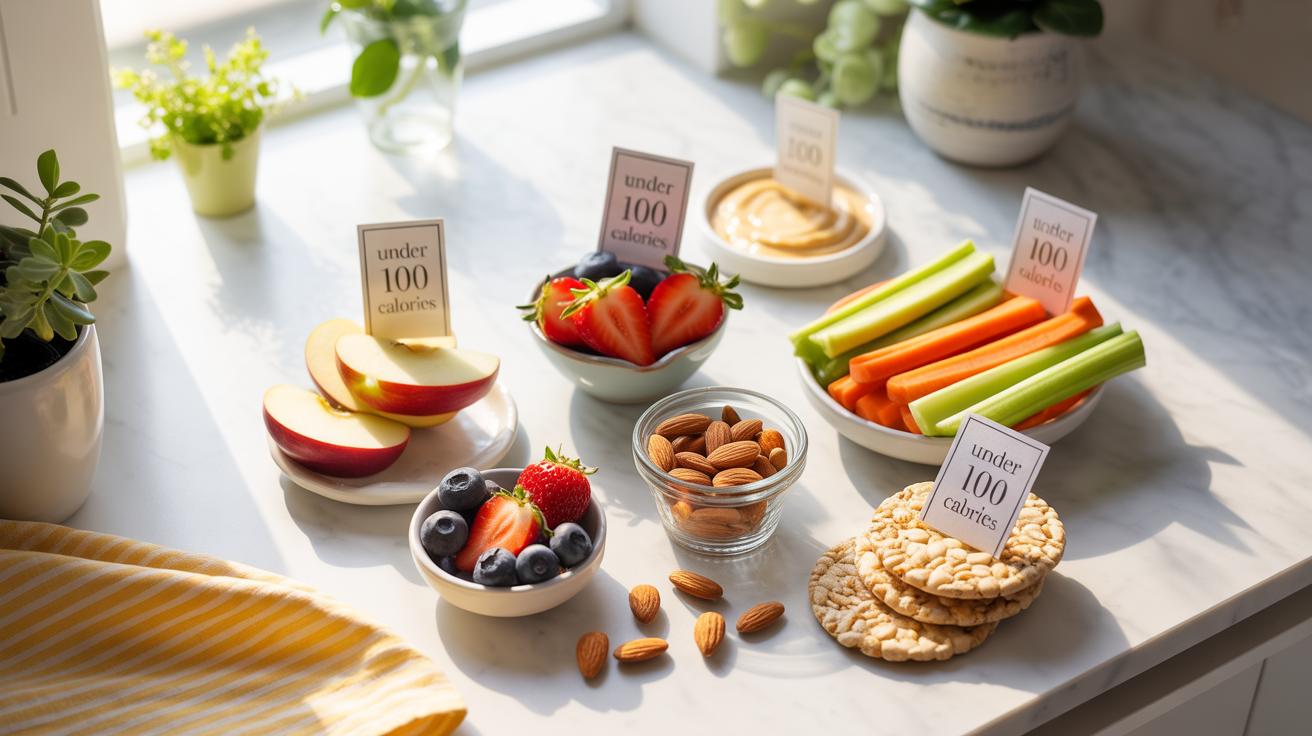
Why Snacks Under 100 Calories Can Support A Healthier Lifestyle
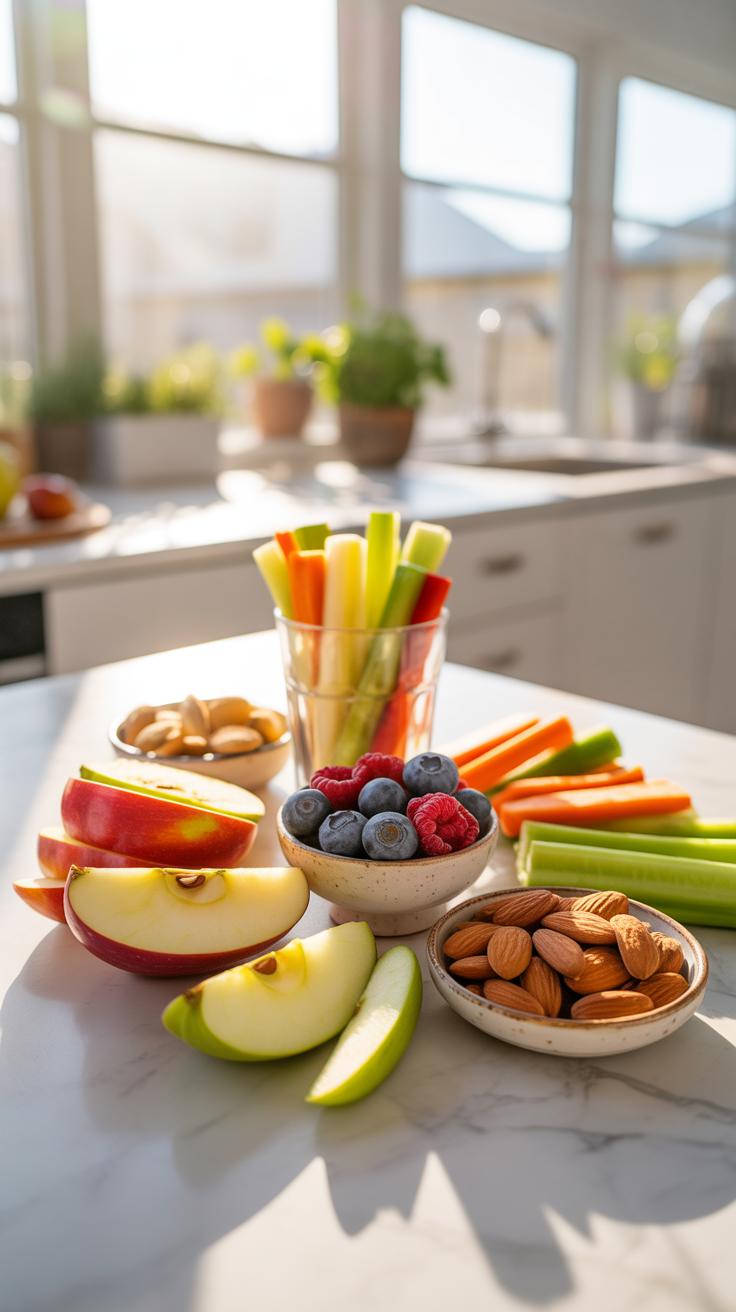
The Science Behind Calorie Controlled Snacking And Weight Management
Weight management relies on the law of thermodynamics and energy balance. Consuming low calorie snacks under 100 calories creates a manageable ceiling for daily intake. This strategy prevents the metabolic spikes associated with large, calorie-dense meals. Maintaining a consistent caloric deficit is the only proven way to lose body fat. Small snacks allow you to track your daily energy numbers with high precision.
Specific calorie limits reduce the risk of mindless eating habits. Most people fail their diets because they do not track small bites throughout the day. A 100-calorie limit provides a clear boundary for the brain and the gut. Research shows that portion control is more effective than complete food deprivation. Use these small windows to provide the body with essential fuel without overshooting your daily energy needs.
How Eating Frequent Small Snacks Can Help Curb Hunger And Prevent Overeating
Frequent snacking regulates blood glucose levels throughout the day. Stable blood sugar prevents the physical urge to binge during dinner or lunch. When you wait too long between meals, your body produces high levels of ghrelin. This hormone triggers extreme hunger and leads to poor food choices. Eating every few hours keeps your energy levels flat and your decision making sharp.
Strategic snacking creates a psychological safety net for the dieter. Knowing that another small snack is coming soon reduces the anxiety of restricted eating. This approach stops the cycle of starving and then stuffing. Smaller portions train your stomach to feel full with less volume over time. Proper timing of these snacks ensures you remain in control of your appetite instead of your appetite controlling you.
Best Fruit Based 100 Calorie Snacks You Can Enjoy Guilt Free

Fresh Fruits That Naturally Come In At Under 100 Calories Per Serving
High water content determines the caloric density of most fresh fruits. A medium apple contains about 95 calories and provides significant volume to fill the stomach. One cup of whole strawberries averages only 46 calories due to their high moisture levels. This low density allows for larger portion sizes compared to processed alternatives. Weight management relies on this volume to trigger satiety sensors in the brain.
Citrus fruits and stone fruits also meet these strict caloric limits easily. A medium orange typically clears 60 calories while providing essential micronutrients. Peaches and nectarines average approximately 60 to 70 calories per unit. Selecting whole fruit over juices ensures you consume the bulk of the plant material. This bulk slows down the eating process and improves the overall metabolic response during digestion.
How Fiber And Natural Sugars In Fruit Snacks Help Keep You Energized
Soluble and insoluble fiber regulate the absorption of fructose into the bloodstream. This mechanical process prevents the rapid insulin spikes associated with refined sugars. Fruit fiber adds physical weight to the food bolus in the digestive tract. This slow transit time provides a steady release of energy over several hours. You avoid the sudden fatigue that often follows high-sugar processed snacks.
Natural sugars like glucose and fructose provide immediate fuel for the brain and muscles. These carbohydrates serve as the primary energy source for cellular function. When paired with native fiber, these sugars enter the system at a controlled rate. This stability maintains consistent blood glucose levels. You gain tactical endurance for daily tasks without the need for excessive caloric intake or artificial stimulants.
Protein Packed Low Calorie Snacks That Keep You Fuller For Longer
High Protein Snack Options That Stay Well Under 100 Calories
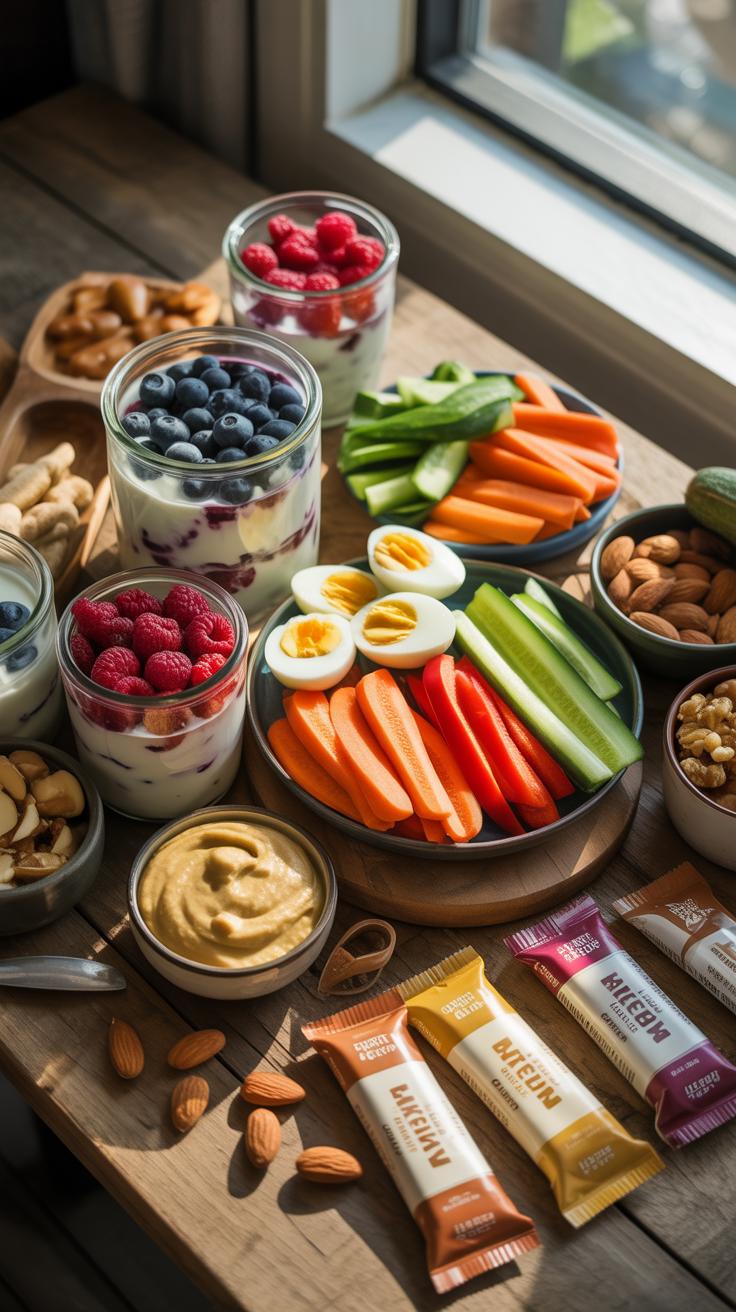
Hard-boiled eggs provide six grams of protein for roughly seventy calories. This makes them a primary choice for weight management. One single-serve container of non-fat Greek yogurt offers fifteen grams of protein and stays under ninety calories. These options provide high density without excessive caloric load. They are portable and require little preparation time. Stick to these whole foods to ensure you track calories accurately.
Cottage cheese is another effective option for low calorie snacks under 100 calories. Half a cup contains about twelve grams of protein for eighty calories. Jerky made from lean beef or turkey also works well if you avoid added sugars. Most brands offer ten grams of protein for seventy calories per ounce. Always check labels for hidden carbohydrates that can spike the caloric total unnecessarily.
Good food is all the sweeter when shared with the memory of a simpler time. A small, mindful bite is often all the heart needs to feel completely full.
Why Protein Is The Most Satiating Macronutrient For Between Meal Snacking
Protein reduces levels of the hunger hormone ghrelin. It also boosts peptide YY which makes you feel full. This chemical reaction happens faster with protein than with fats or carbohydrates. Eating protein-heavy snacks prevents the blood sugar spikes that lead to emergency hunger later. This biological mechanism is essential for maintaining a caloric deficit over several weeks. Focus on intake timing to maximize these effects.
The thermal effect of food is another critical factor. Your body uses more energy to digest protein than it does for other nutrients. This means you burn more calories during the digestion process itself. High-protein snacks provide a dual benefit by curbing appetite and increasing metabolic rate. Using protein to bridge the gap between meals keeps your energy levels stable. It eliminates the need for high-sugar alternatives.
Vegetable Based Under 100 Calorie Snacks For Crunch And Nutrition
Raw And Roasted Vegetables That Make Ideal Low Calorie Snacks
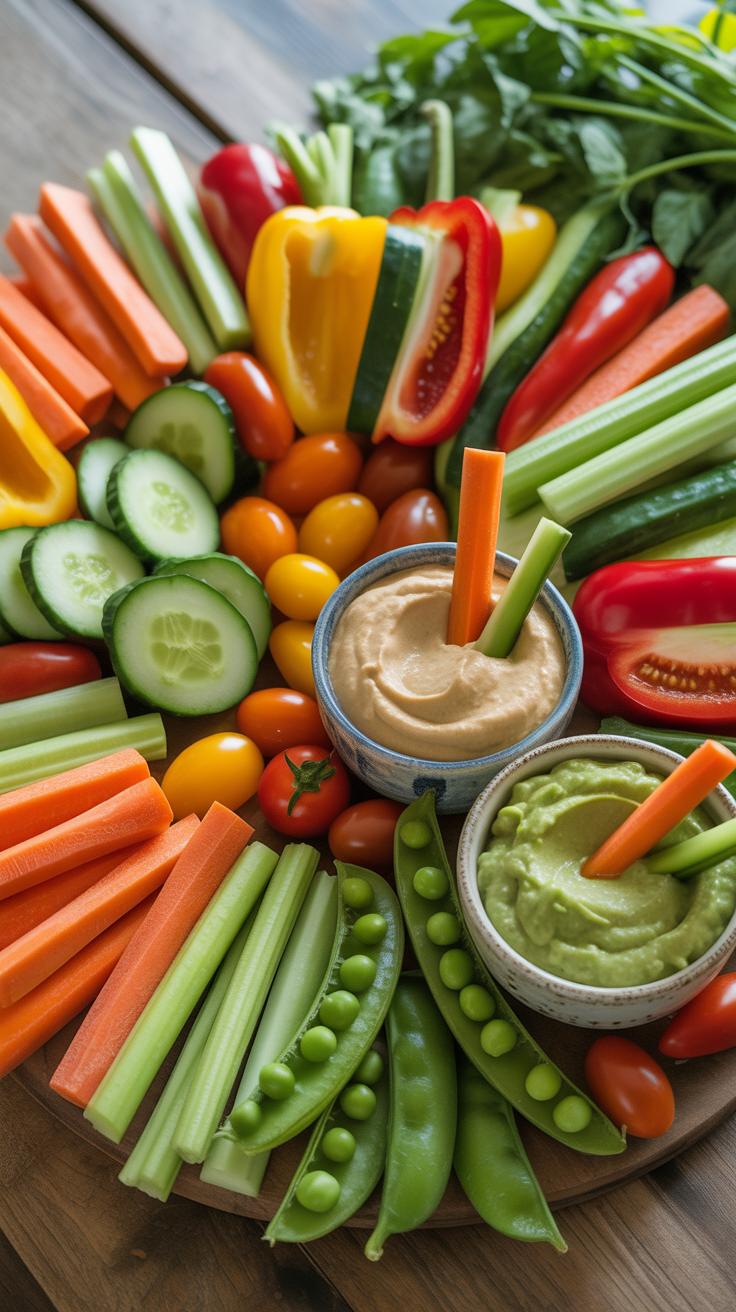
Raw vegetables provide the highest volume for the lowest calorie cost. Celery and cucumbers consist mostly of water and fiber. One cup of sliced cucumbers contains about 16 calories. This allows you to eat large portions while staying well under the 100 calorie limit. Fiber slows your digestion and keeps you full longer. Use these dense vegetables to replace processed chips and crackers.
Roasted vegetables offer a different texture for those seeking a savory crunch. You can roast thinly sliced kale or radishes at high heat to achieve a crispy consistency. A large bowl of kale chips seasoned with sea salt typically stays under 60 calories. Avoid using heavy oils during the cooking process. Use a light mist of olive oil spray to keep the calorie count low.
Pairing Low Calorie Dips With Vegetables To Add Flavor Without Excess Calories
Vegetables reach their full potential when paired with high protein or high moisture dips. Plain Greek yogurt serves as a base for many low calorie sauces. Mix it with dried herbs or lemon juice to create a ranch alternative. Two tablespoons of this mixture contain roughly 20 to 30 calories. This setup provides essential vitamins and minerals without the sugar found in commercial dressings.
Salsa and mustard are effective tools for adding flavor without increasing the fat content. Red salsa provides lycopene and vitamin C for very few calories per serving. Most vegetable based salsas contain about five calories per tablespoon. This strategy allows you to flavor your snacks aggressively while maintaining a strict caloric deficit. Stick to measured portions to ensure you do not exceed your daily energy targets.
Store Bought 100 Calorie Foods That Are Actually Worth Buying
Guidance On How To Read Nutrition Labels To Identify Genuine 100 Calorie Snacks At The Store
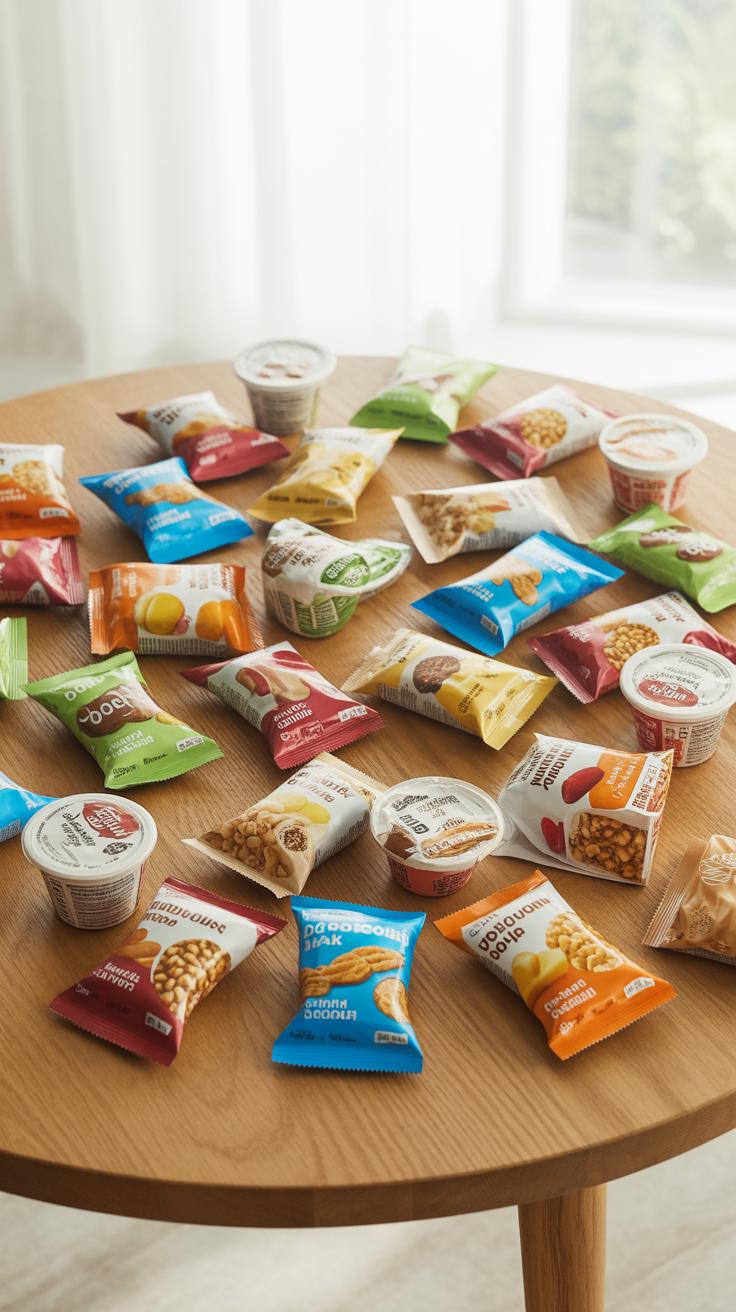
Check the serving size first. Manufacturers often manipulate this number to make snacks look healthier. You might see a package labeled as 90 calories. If the serving size is only half the bag, you will likely eat double that amount. Look at the total servings per container to avoid this trap. Always calculate the full caloric impact before you purchase any packaged item.
Verify the calorie count against the macronutrient breakdown. Each gram of protein or carbohydrate contains four calories. Every gram of fat contains nine calories. If the math does not add up, the label may be inaccurate. Focus on fiber content next. Higher fiber counts slow down digestion. This keeps you full for longer periods. Ignore marketing claims on the front. Only trust the standardized nutrition facts panel.
Recommended Packaged Snack Categories That Reliably Deliver Around 100 Calories
Air-popped popcorn and rice cakes consistently hit the target. These items provide high volume for very few calories. They use air to create bulk without adding heavy fats or sugars. Always choose the plain or lightly salted versions. Pre-packaged bags offer built-in portion control. This prevents mindless overeating straight from a large container. These options are shelf-stable and easy to store for quick access.
Dole or Del Monte fruit cups packed in water or juice are reliable. Avoid any fruit packed in heavy syrup. Lower-calorie dairy options like individual light Greek yogurts or part-skim string cheese also work well. These provide protein which helps maintain muscle mass during weight loss. Seaweed snacks and thin pretzel sticks often fall well under the limit too. Select these categories to ensure you stay within your daily energy goals.
Easy Low Calorie Recipes You Can Prep At Home For Under 100 Calories
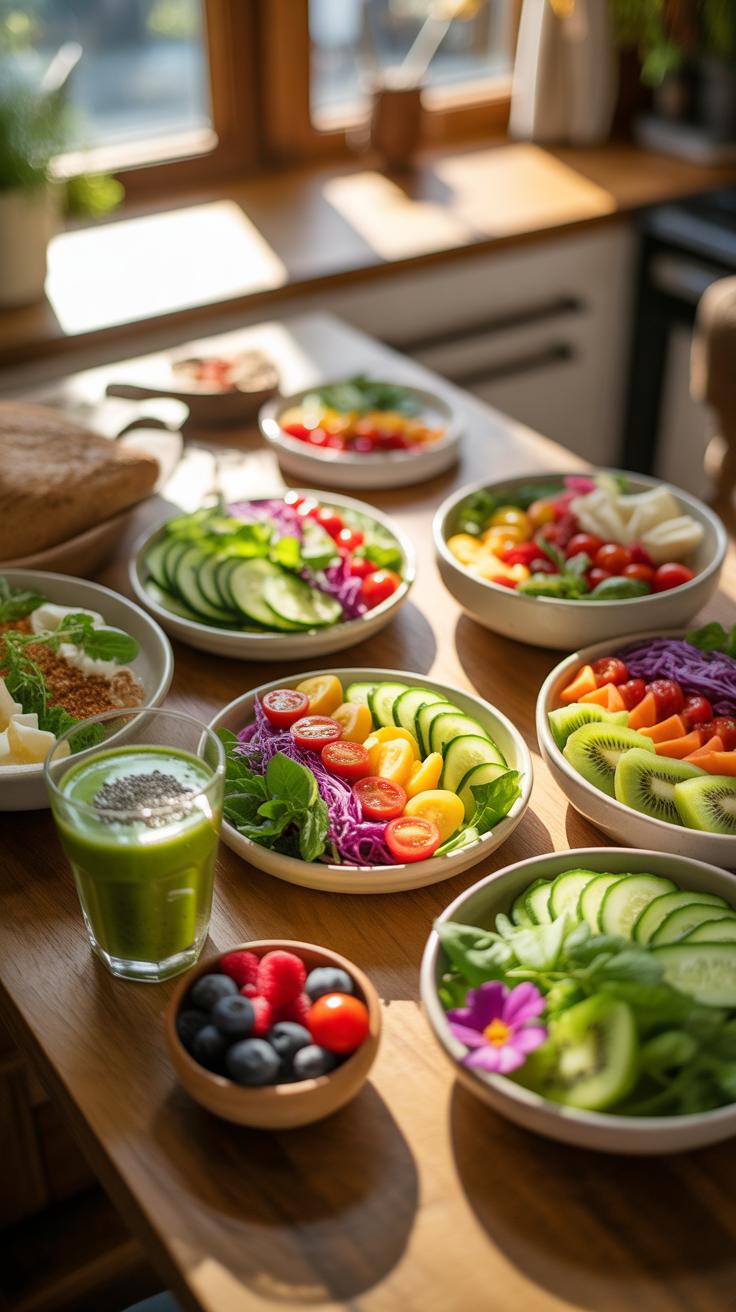
Simple Homemade Snack Recipes That Are Light, Nutritious, And Quick To Make
Home preparation allows for total control over sodium and sugar levels. Most commercial snacks hide extra calories in preservatives. You can roast chickpeas in an oven with basic spices for a crunch that mirrors processed chips. Use a spray bottle for olive oil to keep fats minimal. This method ensures every serving stays below the target threshold while providing fiber and protein.
Air-popped popcorn remains the gold standard for volume eating. Three cups of plain popcorn contain roughly 90 calories. Avoid butter and use nutritional yeast or garlic powder for flavor instead. Another fast option involves slicing cucumbers and dipping them in vinegar and sea salt. These recipes require less than five minutes of active work and use ingredients found in any standard kitchen pantry.
Meal Prep Tips For Keeping A Week’S Worth Of Low Calorie Snacks Ready To Go
Efficiency in caloric control depends on pre-portioning. People overeat when they pull directly from a large container. Use a digital scale to weigh every ingredient before storage. Divide snacks into airtight glass containers as soon as you return from the market. This habit stops mindless grazing and ensures you always have a verified 100 calorie option available during busy work hours.
- Pre-Cut Raw Vegetables: Slice bell peppers, celery, and carrots immediately after washing them. Store these in clear containers at eye level in the refrigerator. High water content vegetables provide bulk without adding significant calories. This physical readiness prevents you from reaching for high calorie processed alternatives when hunger strikes.
- Pre-Portioned Greek Yogurt: Measure exactly five ounces of non-fat plain Greek yogurt into individual jars. Add a few frozen berries to each. This provides a high protein snack that stays under 100 calories. The frozen fruit thaws slowly and releases natural sugars into the tart yogurt without needing extra honey or syrups.
- Hard Boiled Eggs: Boil a half dozen eggs at the start of the week. One large egg contains approximately 70 to 78 calories and high quality protein. Keep them in their shells to maintain freshness for up to seven days. They are the ultimate portable snack for maintaining muscle mass while cutting total daily calories.
- Single Serving Nut Packs: Measure raw almonds or walnuts into small silicone bags. Ten almonds roughly equate to 70 calories. Nuts are calorie dense, so eyeball measurements usually fail. Using a scale ensures you do not accidentally consume 300 calories in one sitting. These packs are stable at room temperature for weeks.
- Frozen Grapes and Berries: Wash and dry grapes before placing them on a baking sheet to freeze. Once solid, move them into portioned bags. Frozen fruit takes longer to eat and mimics the texture of a dessert. Half a cup of frozen grapes is around 50 calories, making it a safe evening snack.
Consistency requires a dedicated prep day every Sunday or Monday. Use a kitchen timer to keep the process under thirty minutes. Label each container with the exact calorie count using a dry erase marker. Clear labels remove the need for mental math during the week. This tactical approach reduces decision fatigue and keeps your nutritional goals on track without extra daily effort.
Dairy And Dairy Alternative 100 Calories Snacks Rich In Nutrients
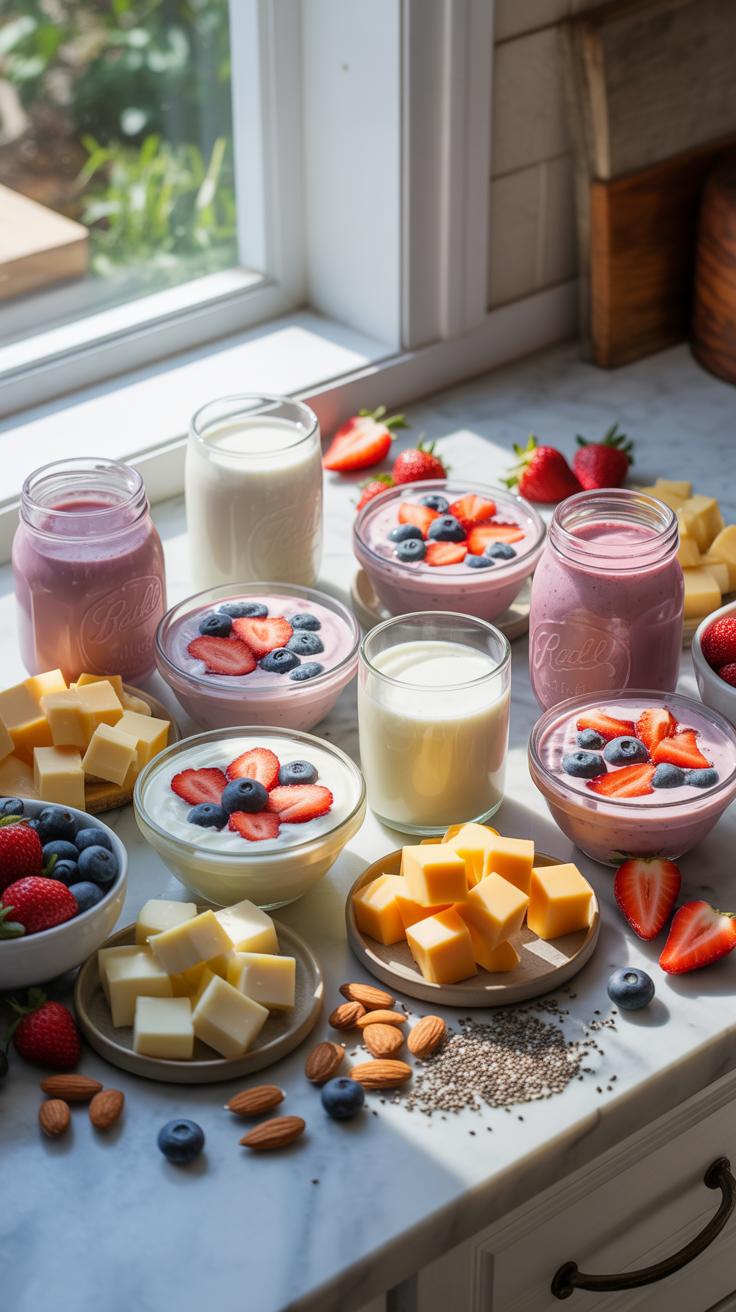
Low Fat Dairy Options Like Greek Yogurt And Cottage Cheese That Fit Under 100 Calories
Greek yogurt and cottage cheese provide high protein content for minimal calories. A standard 5.3-ounce container of nonfat plain Greek yogurt contains roughly 80 to 90 calories. This dairy option offers essential amino acids and probiotics for gut health. You must choose plain varieties to avoid added sugars. Added sugars spike the calorie count immediately. Use these dense proteins to suppress hunger hormones effectively.
Cottage cheese serves as a versatile tool for appetite control. A half-cup serving of 1% low-fat cottage cheese stays under 90 calories. It contains casein protein which digests slowly. This slow digestion provides a steady release of energy and keeps you full. Avoid flavored versions that hide calories in fruit syrups. Stick to low-sodium options to prevent water retention. High protein density makes this a tactical snack choice.
Plant Based Dairy Alternatives That Work As Satisfying Low Calorie Snacks
Plant-based dairy alternatives offer lower calorie counts than traditional dairy. Unsweetened almond milk yogurt provides a base for low-calorie snacking. A typical 5-ounce serving contains about 70 to 80 calories. These products use nut fats which are heart-healthy. Always check the label for thickeners and gums. These additives can change the nutritional profile. Select unsweetened versions to ensure the snack stays under the 100-calorie limit.
Soy-based products offer the most comparable protein profile to cow milk. Use small portions of unsweetened soy yogurt to reach protein goals. One half-cup portion generally falls below 90 calories. Nut-based cheeses can also work if you measure them strictly. One ounce of almond-based Chèvre imitation fits the calorie budget. These alternatives serve consumers with lactose intolerance or vegan diets. Focus on nutrient density and total volume for satiety.
Smart Swaps Replacing High Calorie Favorites With Under 100 Calorie Snacks
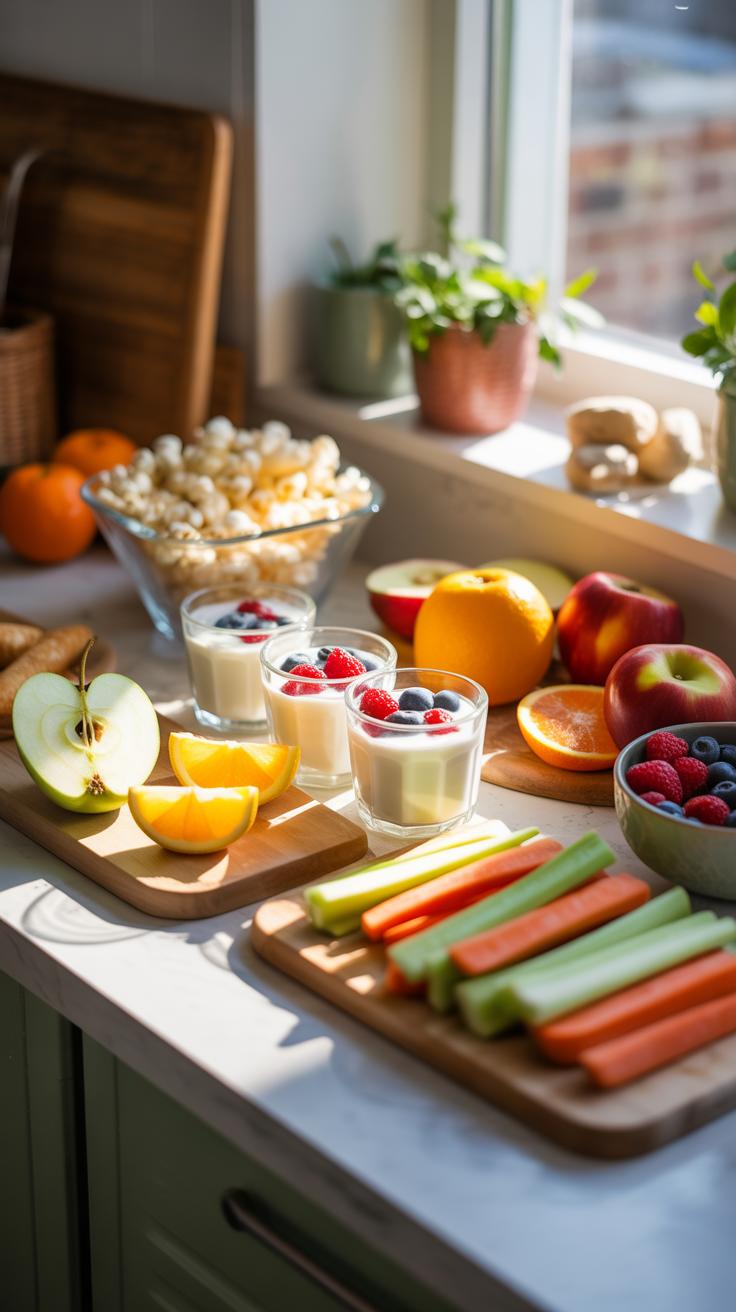
Common High Calorie Snacks And Their Lighter Low Calorie Alternatives
Standard snack habits often involve calorie-dense processed foods that offer little satiety. Switching to low calorie snacks under 100 calories requires identifying the nutritional profile of your cravings. You must replace refined fats and sugars with high-volume or high-fiber options. This strategy maintains the physical act of eating while drastically reducing total daily energy intake. Effective swaps target the same sensory experience.
- Air-Popped Popcorn: Replace a 150-calorie bag of potato chips with three cups of air-popped popcorn. This swap provides high volume and crunch for under 100 calories. You consume more food for fewer total calories.
- Greek Yogurt with Berries: Swap full-fat flavored yogurt cups for 100 grams of plain non-fat Greek yogurt. Add a handful of blueberries to stay under the limit. This provides more protein and less sugar than standard dairy snacks.
- Rice Cakes with Thin Toppings: Trade a thick bagel for one plain brown rice cake topped with a thin layer of almond butter. This delivers the desired crunch and savoriness. It manages portion sizes better than bread-based alternatives.
- Sliced Cucumber and Vinegar: Use sliced cucumbers instead of crackers to satisfy a need for salt and texture. Season with vinegar and sea salt for flavor without the caloric load of grain-based chips. It offers maximum hydration and fiber.
- Frozen Grapes: Replace sugary fruit snacks or candy with one cup of frozen grapes. The freezing process changes the texture to mimic a sorbet-like consistency. This provides natural sweetness and lasts longer than eating fresh fruit.
Successful substitution hinges on mimicking the texture of the original snack. If you crave something crunchy, choose raw vegetables or light grains rather than fried starches. If you crave something sweet, utilize the natural sugars in whole fruits. These tactical changes prevent the metabolic spike associated with heavy snacking. You achieve caloric deficits without sacrificing the habit of eating between meals.
How Mindful Substitution Helps You Maintain Taste While Reducing Caloric Intake
Mindful substitution is a strategic tool for long-term weight management. It involves analyzing why you want to eat and choosing the lowest calorie version of that sensation. You focus on the chemical signals of salt, sugar, or fat. By selecting a smart alternative, you satisfy the brain without overloading the body with excess fuel. This approach prevents the feeling of restriction.
Tactical eating requires you to prioritize nutrient density over empty calories. When you choose a low-calorie swap, you often increase your intake of water and fiber. This creates a physical feeling of fullness that high-calorie processed snacks cannot match. You control your environment by keeping these specific alternatives available. Consistent substitution trains your palate to enjoy lighter flavors while keeping your daily caloric totals low.
Low Calorie Snacks For Specific Dietary Needs Including Vegan And Gluten Free
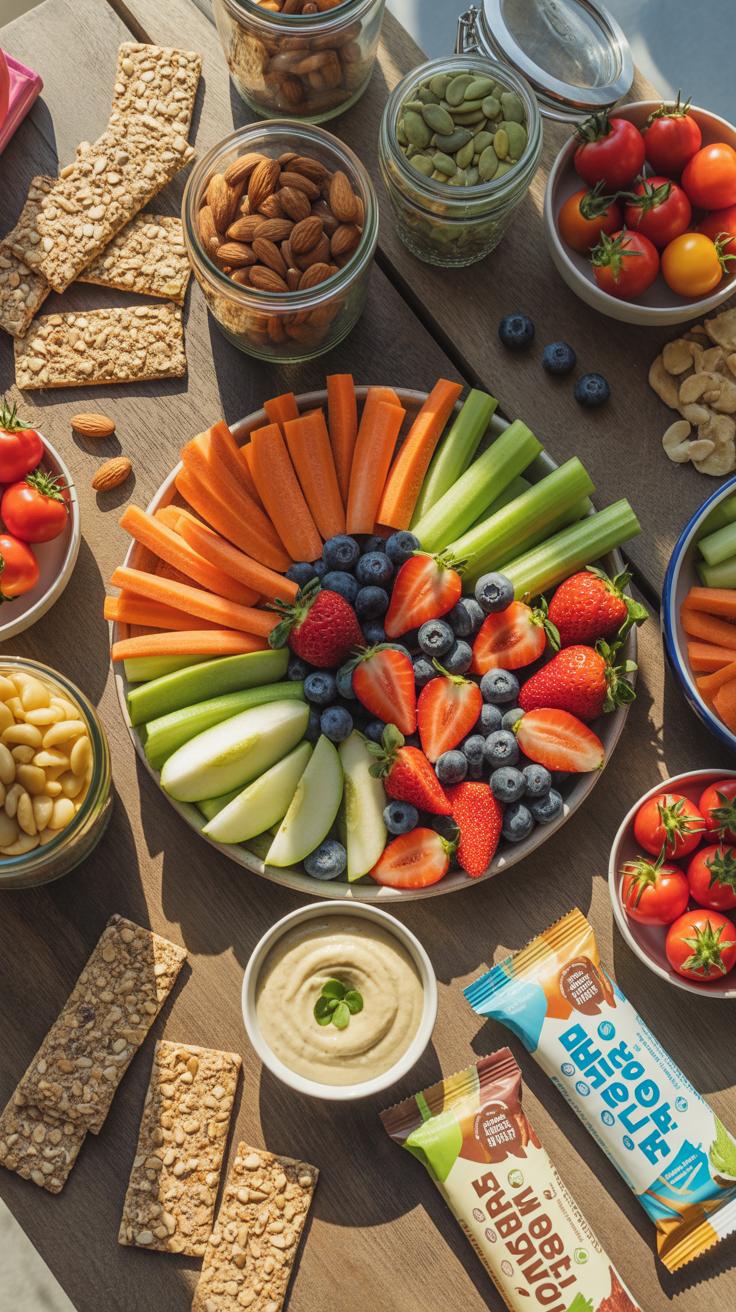
Vegan Friendly Snacks That Come In Well Under 100 Calories Per Serving
Vegan snacking requires a focus on whole plant foods to maintain low calorie counts. Water-rich vegetables like cucumbers and celery provide bulk without adding significant energy. One cup of sliced cucumbers contains only sixteen calories. Pairing these with two tablespoons of oil-free salsa adds flavor without exceeding your limit. This strategy relies on volume to trigger stretch receptors in the stomach.
Nutritional yeast acts as a tactical tool for flavor. Two tablespoons contain about forty calories and provide essential B vitamins. Air-popped popcorn seasoned with this yeast stays under the hundred calorie threshold. Focus on unprocessed items to avoid hidden sugars or fats. Choose berries or melon for quick carbohydrates. These options provide fiber and natural sweetness while keeping your daily caloric intake low.
Gluten Free 100 Calorie Snack Options That Do Not Sacrifice Flavor Or Fullness
Gluten-free snacks must avoid fillers that increase calorie density. Rice cakes often serve as a base but lack nutrients on their own. Instead, use thin apple slices topped with a teaspoon of almond butter. This combination provides crunch and healthy fats under eighty calories. Hard-boiled eggs offer a natural gluten-free protein source at seventy-eight calories per unit. They provide high satiety levels.
Seaweed snacks offer a savory taste with very few calories. Most packs contain around thirty calories and provide iodine for thyroid health. Edamame is another tactical choice for gluten-free diets. Half a cup of steamed pods contains ninety-five calories. This snack delivers protein and fiber to keep you full between meals. Always check labels for hidden wheat in seasonings to ensure your snack remains safe.
Building A Daily Snack Routine Around 100 Calorie Foods For Long Term Success
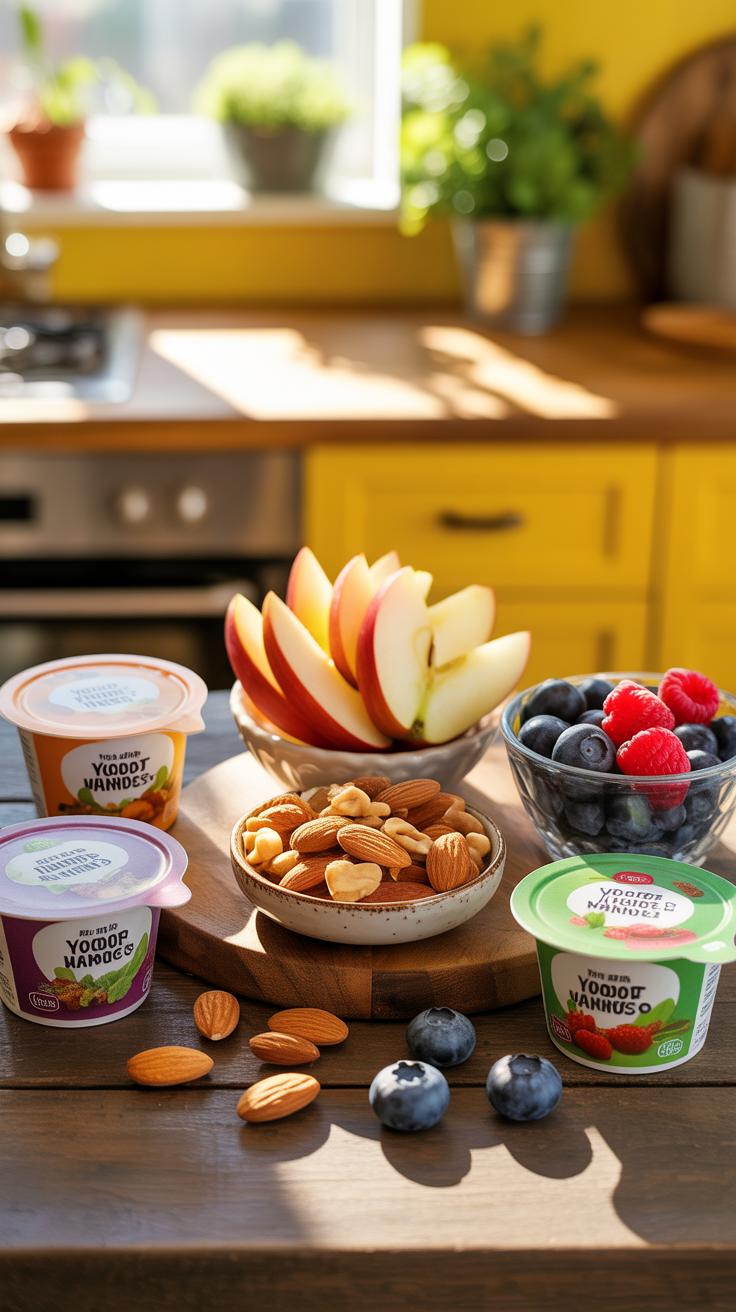
How To Time Your Low Calorie Snacks Throughout The Day For Maximum Benefit
Strategic snack timing prevents blood sugar crashes and overeating during main meals. Eat your first low calorie snack mid-morning to maintain steady energy levels. This gap usually falls three hours after breakfast. Consuming a 100 calorie portion here stops the body from entering a starvation state. It keeps your metabolism active and focused. High-protein choices work best for this specific early window.
The second critical window occurs during the mid-afternoon slump. Most people feel a drop in focus between three and four o’clock. A light snack during this time bridges the gap to dinner. It prevents impulsive food choices when you finally sit down to eat your evening meal. Consistency is the primary goal. Set specific times for these snacks to create a reliable biological clock.
Staying Consistent With Low Calorie Snacking Without Feeling Deprived
Long-term success relies on volume and variety rather than restriction. Choose low calorie snacks under 100 calories that offer high physical bulk. Air-popped popcorn or raw vegetables allow you to eat more for the same caloric cost. This tactile experience tricks the brain into feeling full. Switch between sweet and savory flavors to prevent palate fatigue. Boredom often leads to dietary failure and binge eating.
Preparation eliminates the need for willpower. Portion your snacks into individual containers every Sunday. This removes the mental effort of measuring calories during a busy workday. Having 100 calorie packs ready ensures you grab the right food when hunger hits. Fast access is the best defense against high-calorie vending machine options. Discipline becomes a habit when you remove the friction of decision-making from your daily routine.
Frequently Asked Questions

What are the benefits of choosing snacks with fewer than 100 calories?
Selecting low calorie snacks under 100 calories is a brilliant way to manage your daily energy intake without feeling deprived. These light bites help stabilize blood sugar levels between meals, preventing the overeating often caused by extreme hunger. By focusing on nutrient-dense, portion-controlled options, you can satisfy your cravings while maintaining a healthy lifestyle, making it much easier to reach your long-term wellness goals while enjoying delicious, flavorful foods every single day.
How can I prepare satisfying 100-calorie snacks at home quickly?
Planning is key to mastering low calorie snacks under 100 calories in your own kitchen. Start by pre-portioning high-volume foods like air-popped popcorn, sliced cucumbers with a tablespoon of hummus, or a small cup of blueberries. Using small reusable containers helps you visualize satisfying portions instantly. For a savory twist, try roasting chickpeas with light seasoning; they provide a crunchy, protein-rich satisfy-hunger fix that stays well under the century mark per serving.
Can I find affordable low-calorie snacks that don’t require specialty stores?
Absolutely! You do not need a luxury budget to eat well. Most local grocery stores offer incredibly affordable options like whole apples, hard-boiled eggs, or bananas, which are naturally packaged and budget-friendly. Shopping for seasonal produce or buying bulk bags of carrots and celery allows you to snack sustainably. Simple, unprocessed whole foods are often the most cost-effective way to keep your pantry stocked with healthy treats that fit perfectly within your calorie goals.