
What Makes A Snack Truly Travel Friendly Food Ideas For Travel That Actually Work
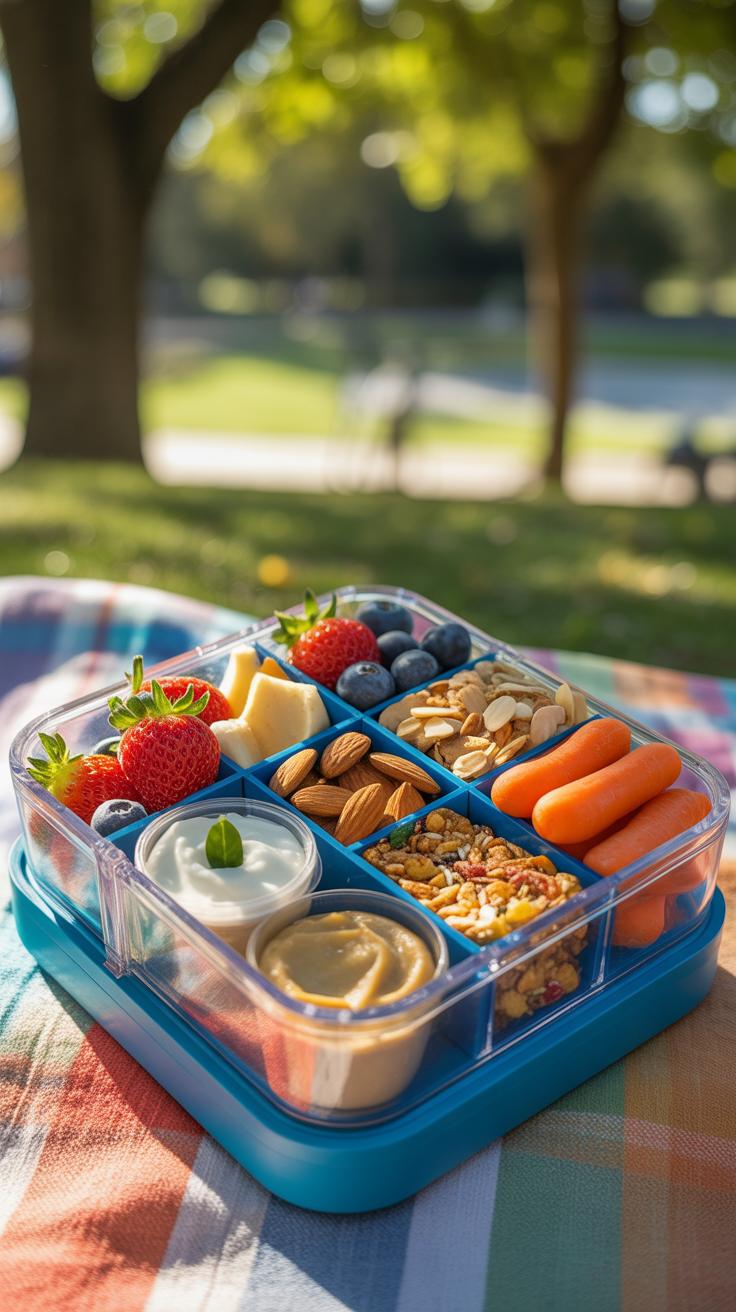
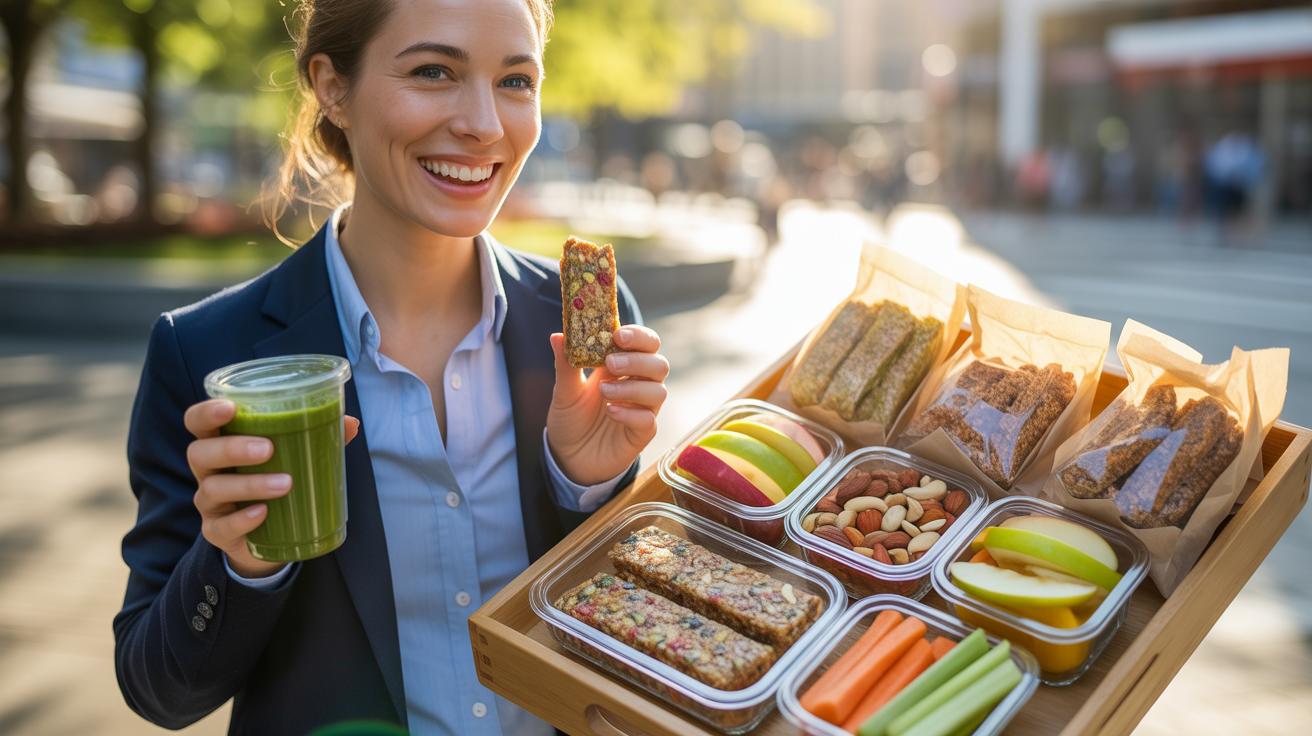
The Core Qualities Of A Good On The Go Snack: Portability, Nutrition, And Shelf Stability
A travel-ready snack must survive harsh conditions. It needs durable packaging to prevent crushing in bags. It must also resist temperature changes to avoid melting or spoiling. Real portability means you can eat it with one hand without making a mess. Avoid foods that require refrigeration or special utensils. Efficiency is the goal. Choose items that stay fresh for hours or days.

Nutrition matters as much as physical form. High-density fuel provides more energy per ounce. This reduces the weight you carry. Research shows that stable foods like nuts and dried fruits served sailors for centuries because they do not rot quickly. Modern travelers should apply this same logic. Focus on calorie-dense options that offer high utility. Select items that provide immediate value without requiring cleanup.
How To Balance Macronutrients In Your Travel Snacks To Sustain Energy Longer
Strategic snacking requires a balance of protein, fats, and complex carbohydrates. Carbs provide quick fuel for your brain and muscles. Protein repairs tissue and keeps you full. Healthy fats slow down digestion to prevent energy crashes. This combination keeps blood sugar levels steady during long trips. Without this balance, you will experience spikes and drops. Constant hunger ruins productivity and focus.

Select snacks based on their chemical impact on your body. Pair a fiber-rich carbohydrate with a clean protein source. Fiber slows the absorption of glucose into your bloodstream. This creates a time-release effect for your energy. Avoid snacks that contain only refined sugars. Those items lead to fatigue within an hour. Aim for a mix that focuses on long-term satiety. Tactical eating ensures you remain alert until your next full meal.
Healthy Snacks For The Plane What To Pack Before You Board
TSA Compliant Snack Choices: Navigating Liquid Rules And Carry On Restrictions For Healthy Snacks On A Plane
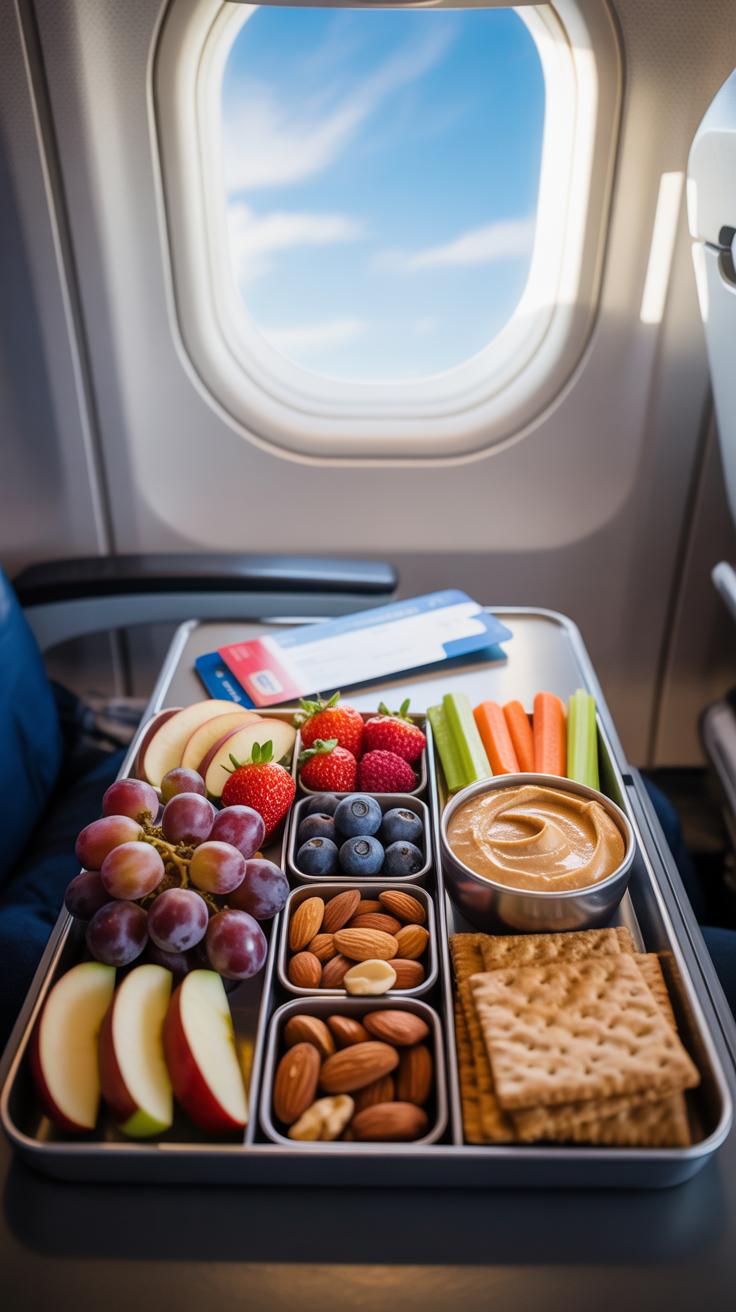
TSA agents enforce the 3-1-1 rule for all liquids and gels. This rule limits containers to 3.4 ounces or less. Note that creamy foods like nut butters, hummus, and yogurt qualify as liquids. Pack these items in small travel containers to pass security. Solid foods remain unrestricted under federal law. You can pack as many solid snacks as your bag allows.
Keep your snacks accessible for inspection. Agents may ask you to remove food from your bag to clear up X-ray images. Use clear bags to speed up this process. Dry items like nuts and protein bars never cause issues at the terminal. Always declare fruit if you travel across international borders. Most domestic flights allow whole fruit without any specific paperwork or delay.
Best Whole Food Snacks To Pack For Long Haul Flights That Won T Spoil Or Smell
Extended flights require shelf-stable nutrition. Choose items that handle temperature changes without melting or rotting. Hard fruits like apples and pears withstand hours in a backpack. Avoid soft berries that crush easily. Nuts and seeds provide high calorie density for their size. These fats keep you full during long delays. They also lack strong odors that might bother other passengers nearby.
Vegetables like carrots and sugar snap peas offer hydration and crunch. They stay fresh for several hours without refrigeration. Beef jerky or meat sticks provide necessary protein without the need for ice packs. Avoid packing fish or heavy garlic to respect the shared cabin air. Select items that do not require utensils. This strategy ensures you can eat quickly and cleanly in a cramped seat.
Travel Snacks For The Plane Why Airline Snacks Fall Short And How To Do Better
A Closer Look At Typical Airline Snacks: Nutritional Value, Ingredients, And What To Watch Out For
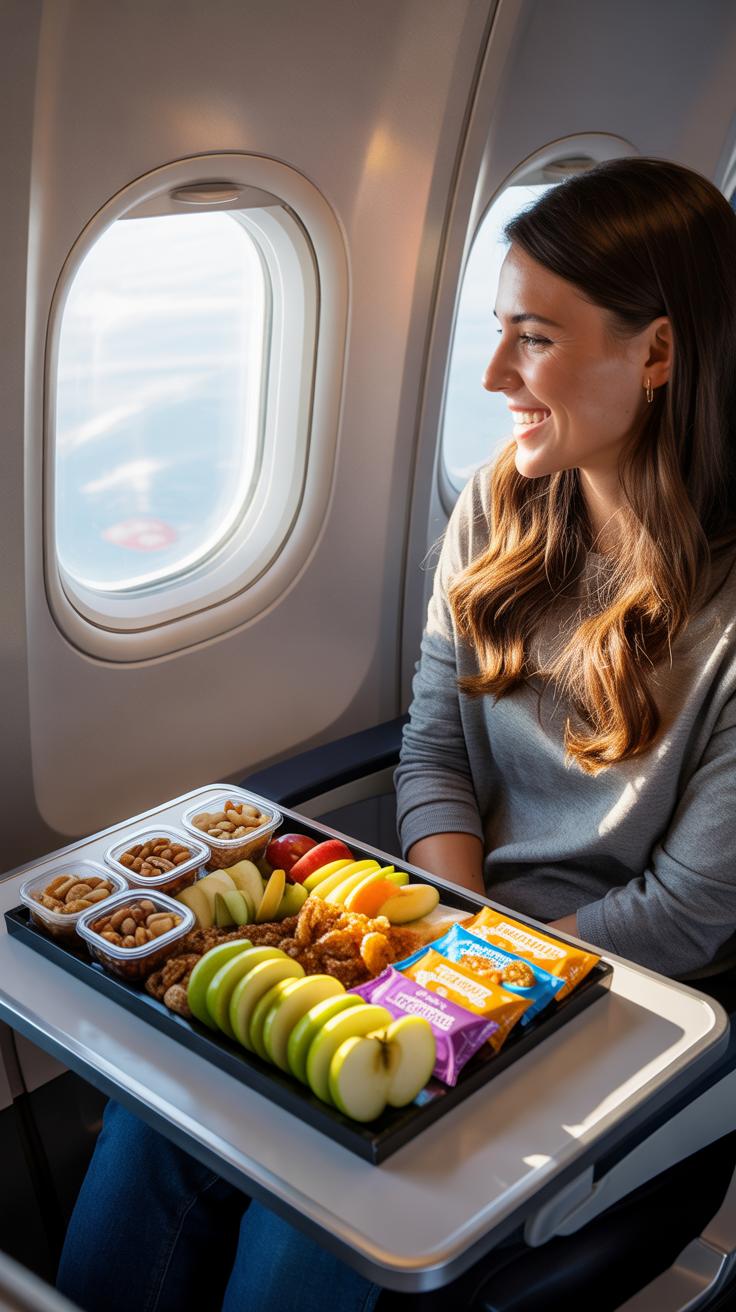
Airlines prioritize shelf life and low cost over nutritional density. Most complimentary snacks consist of refined carbohydrates like pretzels and crackers. These foods spike blood sugar and trigger hunger shortly after consumption. Manufacturers add large amounts of sodium to these items to compensate for dulled taste buds at high altitudes. Excessive salt leads to water retention and physical discomfort during long flights.
Dehydration is a major risk in pressurized cabins. Sugary snacks and processed grains exacerbate this issue by drawing water away from your organs. Many airline snack packs also contain trans fats and hydrogenated oils to prevent spoilage. These ingredients cause inflammation and sluggishness. Check the labels for high fructose corn syrup and artificial preservatives. Avoiding these chemical additives ensures you arrive at your destination with steady energy levels.
Smarter Alternatives To Airline Snacks You Can Prepare At Home The Night Before
Control your macronutrient intake by preparing snacks before your flight. Pack raw almonds or walnuts for healthy fats and satiety. Hard-boiled eggs offer a complete protein source and travel well in small containers. Sliced bell peppers and cucumbers provide hydration through high water content. These options stabilize your insulin levels and prevent the lethargy associated with typical plane food. You win by bringing your own fuel.
Solid foods pass through security checkpoints without issue. Use silicone bags to store protein-rich items like jerky or roasted chickpeas. Ensure your choices are low in odor out of respect for other passengers. Avoid messy fruits that bruise easily or require peeling. Focus on dense nutrition that requires minimal space. Strategic preparation eliminates the need to rely on poor airport choices. You save money and protect your health simultaneously.
What To Eat On A Road Trip Fueling Long Drives Without Fast Food Stops
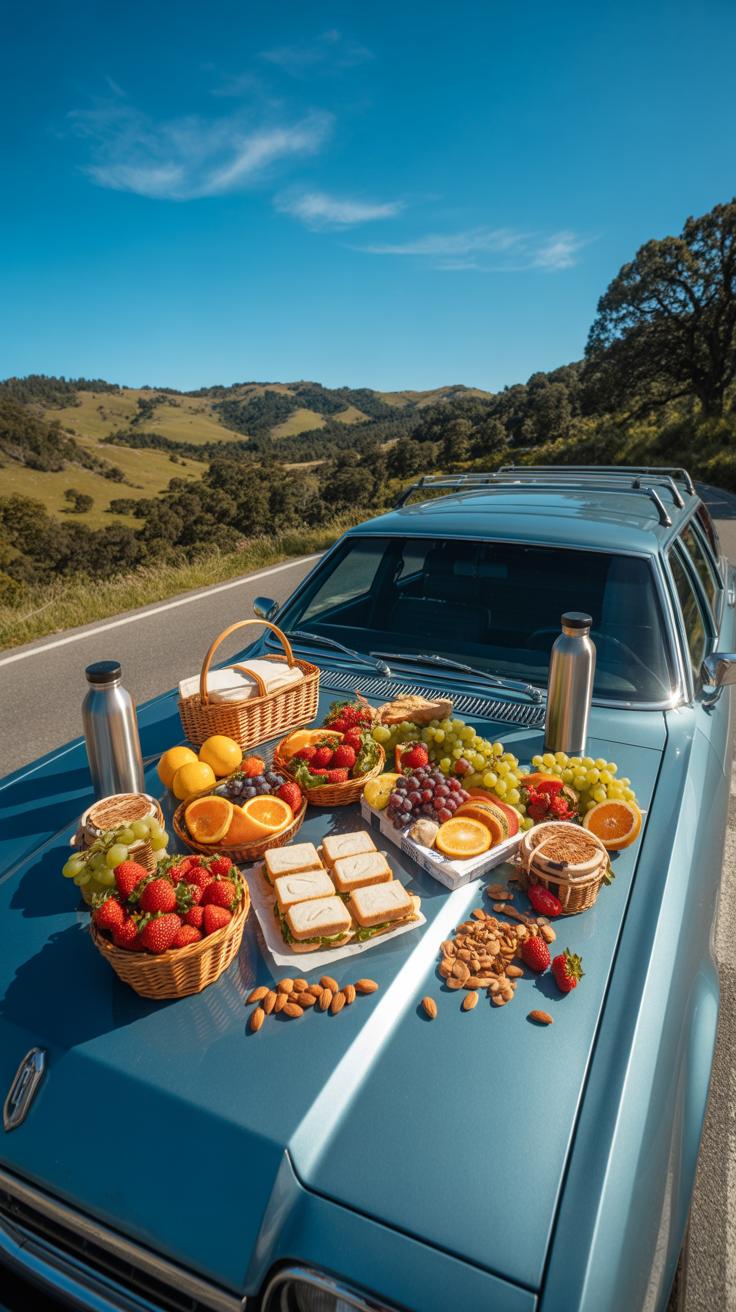
Why Road Trip Snacking Habits Affect Driver Alertness And Passenger Energy Levels
High sugar snacks cause rapid glucose spikes followed by crashes. This cycle triggers fatigue and reduces reaction times for drivers. Stable blood sugar is critical for maintaining mental focus on long highways. Simple carbohydrates found in gas station snacks provide short bursts of energy. These bursts disappear quickly and leave the driver feeling drained and less attentive to road hazards.
Protein and healthy fats provide sustained energy over several hours. These nutrients take longer to digest and prevent the physical lethargy associated with heavy fast food meals. Digestion of greasy food diverts blood flow away from the brain to the stomach. This process makes passengers irritable and causes drivers to lose concentration. Choose nutrient dense foods to stay sharp and maintain a steady mood.
Top Portable, Mess Free Snack Ideas For Long Road Trip Stretches
Select foods that do not require refrigeration or utensils to keep the vehicle clean. Focus on high protein options that satisfy hunger without causing a mess. Avoid snacks that crumble or leave grease on the steering wheel. Proper prep ensures you stay fueled without stopping at expensive rest areas. These choices provide the best snacks for on the go travel.
- Beef Jerky: This snack provides high protein content with minimal fat and zero mess. Ensure you select low sodium varieties to avoid dehydration during long desert stretches. It requires no cooling and resists temperature changes in the cabin.
- Dry Roasted Almonds: Almonds contain fiber and healthy fats that promote fullness for hours. They do not melt or stick to fingers like processed bars. Portion them into small containers to control intake while driving and prevent mindless overeating.
- Hard Cheeses: Aged cheddar or gouda holds up well at room temperature for several hours. These cheeses offer calcium and protein without the moisture of soft varieties. They provide a savory flavor that stops cravings for salty potato chips or crackers.
- Whole Fruit: Apples and pears possess tough skins that protect the fruit from bruising in a bag. These fruits provide hydration and natural fiber to support digestion during sedentary travel. They require no packaging and create minimal waste compared to plastic wrapped snacks.
- Roasted Chickpeas: These offer a crunchy texture similar to chips but with significantly more protein. They are shelf stable and do not stain upholstery or clothes. Season them with dry spices like garlic or cumin to maintain flavor without using oily sauces.
Smart packing eliminates the need for impulsive gas station purchases. Prepare these items in individual servings before you start the engine. This strategy saves money and keeps your body performing at peak levels. You will arrive at your destination with more energy and less digestive stress. Tactical snacking is the most effective way to manage a long distance drive successfully.
Healthy Snacks To Bring On A Trip Smart Packing Strategies For Every Type Of Traveler
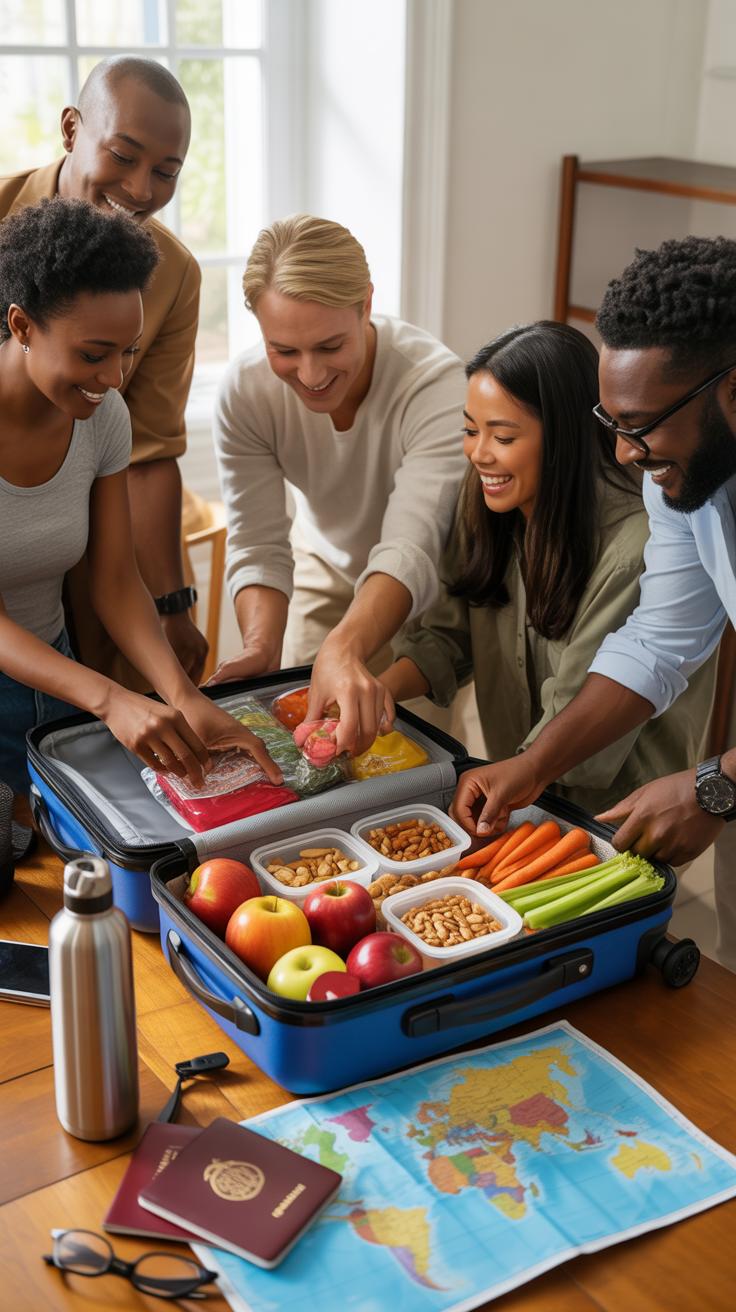
How To Pack Snacks For A Trip Without Crushing, Melting, Or Spoiling Them
Place hard-shell items at the bottom of your bag to create a stable base. Put delicate items like fruit or crackers at the top to prevent compression. Avoid chocolate or soft bars if traveling through heat. These items liquefy quickly and create a mess. Opt for heat-stable options like nuts and dried meats. Stability ensures your food remains edible and appetizing.
Air is the enemy of freshness and space efficiency. Utilize vacuum seals or tight wraps to remove excess oxygen from your snack bags. This prevents oxidation and stops items from rattling during transit. Rattling often leads to powdering and breakage of brittle snacks. Use vertical packing methods to see all options at once. This strategy prevents you from digging and crushing items deeper in your luggage.
Choosing The Right Containers And Coolers To Keep Your Travel Snacks Fresh And Safe
Select rigid containers made of high-quality plastic or stainless steel to protect fragile contents. These materials resist impact better than thin bags. Ensure lids have silicone seals to prevent leaks in pressurized environments like airplane cabins. Square or rectangular shapes maximize space in a backpack. Avoid round containers because they waste valuable corner space during packing. Proper geometry improves overall organization and efficiency.
Soft-sided coolers provide better flexibility for vehicle travel compared to rigid boxes. They collapse when empty to save space for the return trip. Use frozen gel packs instead of loose ice to avoid water damage. Check the insulation rating to ensure the bag maintains cold temperatures for the duration of your transit. Reliable temperature control prevents the growth of bacteria on perishable items. Quality hardware ensures your gear survives the trip.
Healthy Snacks For Hiking What To Eat When The Trail Is Your Kitchen

Caloric Density Vs. Pack Weight: How To Choose The Right Snacks For Day Hikes And Backpacking
Weight is your greatest enemy on the trail. Every ounce in your pack requires more metabolic energy to move. You must prioritize caloric density to stay efficient. Aim for food providing over one hundred calories per ounce. Fats contain nine calories per gram while proteins and carbs contain four. High fat snacks reduce total pack weight while maintaining your energy levels.
Strategic fueling requires a balance of simple sugars and complex fats. Simple sugars provide immediate glucose for steep climbs. Complex fats and proteins offer long term satiety and stable blood sugar. Do not carry heavy water weight in your food. Dehydrated or dry goods are the standard for experienced hikers. Choose dense items that do not crush or melt easily in high temperatures.
Like a homemade treat tucked into a coat pocket, good food travels with you to keep your spirit bright through a long day. Even when we are hurried, a simple, wholesome snack is a small way of being kind to ourselves.
Best Natural And Minimally Processed Snacks For Sustained Energy On The Trail
Natural foods provide micronutrients that processed sugars lack. These nutrients prevent muscle cramps and manage inflammation during long treks. Nut butters and dried fruits are the gold standard for hikers. They offer a mix of fiber and healthy fats. These options survive temperature swings and rough handling inside a pack. Choose items with minimal added salt to prevent dehydration during exertion.
- Raw Almonds: These nuts provide high levels of vitamin E and magnesium. They offer a stable shelf life and high caloric density. Almonds deliver protein and healthy fats without the mess of liquids.
- Dried Apricots: This fruit contains potassium which helps prevent muscle cramps. The natural sugars provide a quick energy boost during steep ascents. They are lightweight and do not require cooling or careful packing.
- Beef Jerky: Lean dried meat provides essential amino acids for muscle repair. It is a lightweight protein source that stays stable in heat. Look for brands without excessive nitrates or added corn syrup.
- Pumpkin Seeds: These seeds are rich in zinc and plant based protein. They occupy very little space in a hip belt pocket. Use them for consistent grazing to keep blood sugar levels from dropping.
- Hard Cheeses: Aged cheeses like parmesan or sharp cheddar last well without refrigeration. They provide high fat content and calcium for bone health. Wrap them in parchment paper to allow the food to breathe.
Sustained energy comes from consistent grazing rather than large infrequent meals. Small snacks every sixty minutes keep your metabolism steady. This prevents the physical crash known as decorative bonking. Match your intake to the intensity of the terrain. Carry an extra day of rations for safety. Tactical snacking ensures your body recovers quickly after you finish the trek.
Snack Ideas For Travel Creative And Nutritious Options Beyond The Usual Granola Bar
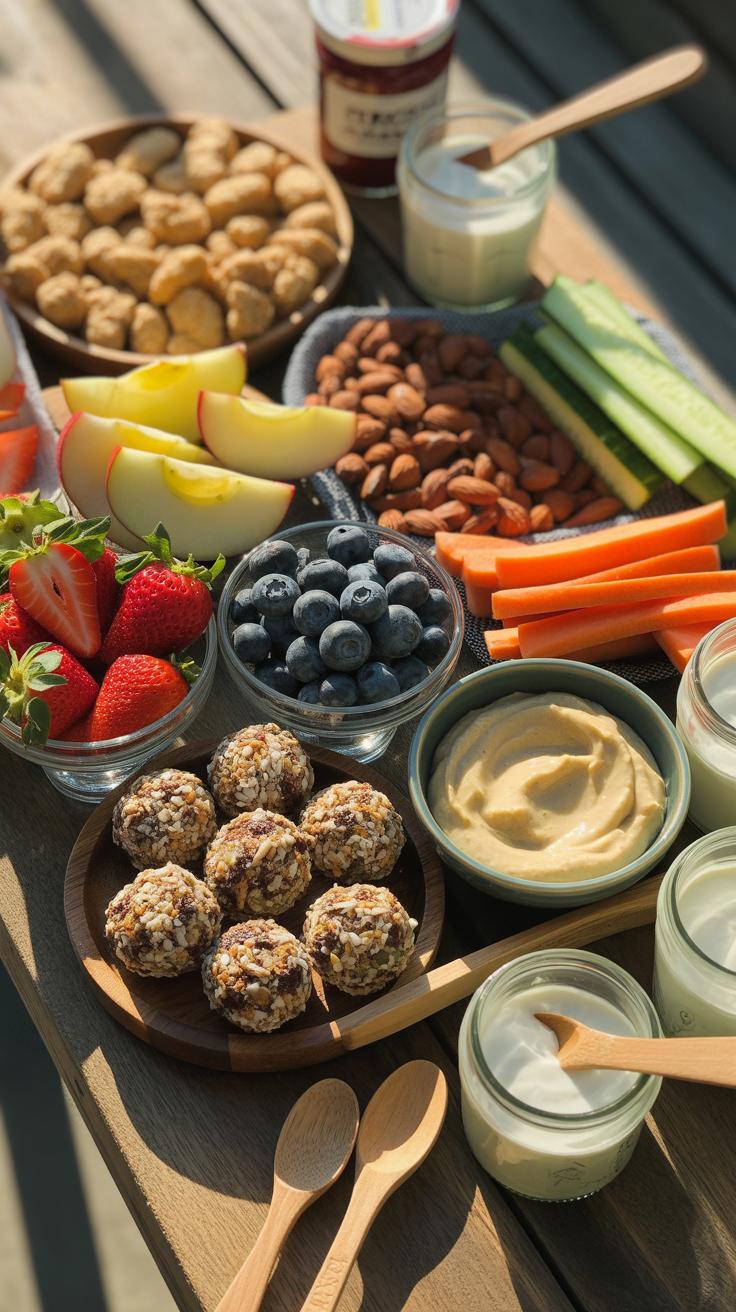
Globally Inspired Snack Ideas That Are Easy To Prepare And Travel Well Across Climates
Seasoned chickpeas offer a durable protein source rooted in Middle Eastern and Indian culinary history. You roast them until dry to ensure they remain shelf stable for days. They withstand high heat and humidity better than dairy or meat. This makes them a primary choice for long distance travel. Use cumin and turmeric for flavor without adding calories or moisture that ruins texture.
Biltong provides a superior alternative to standard jerky for travelers. This South African method uses vinegar and air drying instead of high heat and sugar. The result is a lean meat that stays tender and nutrient dense. It packs flat and requires no refrigeration. Choose versions without nitrates to maintain a clean diet. This snack delivers high protein levels to keep you alert.
DIY Snack Prep Routines That Save Time And Money For Frequent Travelers
Efficient snack prep starts with bulk purchasing raw nuts and seeds. High quality fats prevent energy crashes during long flights or drives. Portion these into reusable silicone bags immediately after buying them. This prevents overeating and saves money compared to airport kiosks. Standardize your portions to track your caloric intake easily. Precise planning eliminates the need for impulse buys at gas stations.
Pre cutting hardy vegetables ensures you have fiber on hand. Use carrots, celery, or radishes as they resist wilting for several hours. Store them in airtight containers with a damp paper towel to maintain crispness. Avoid soft vegetables like cucumbers that release water and create messes. This strategy keeps your digestion regular during travel. It provides a necessary crunch that satisfies hunger better than soft foods.
Snacks For Plane Travel And Beyond Building Your Ultimate On The Go Snack Routine
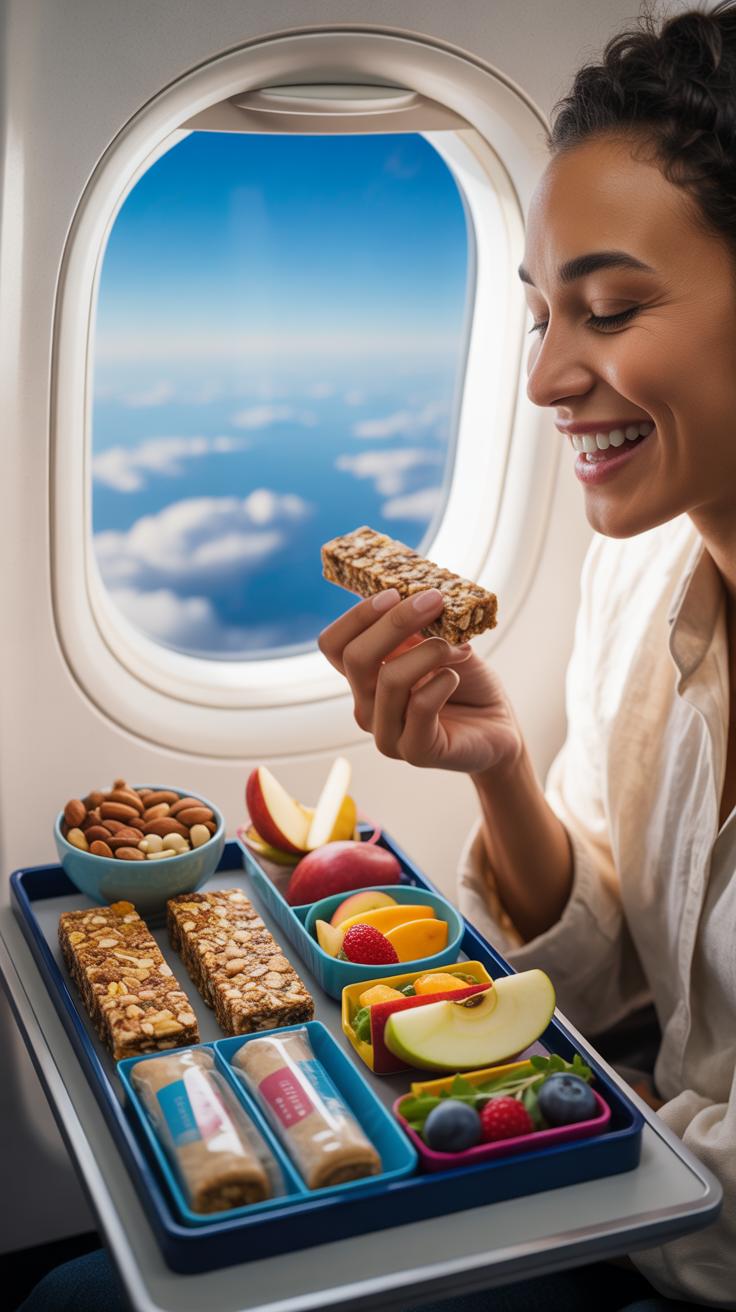
How To Create A Weekly Snack Prep Habit That Supports Any Travel Schedule
Preparation prevents poor food choices during travel. Allocate thirty minutes every Sunday to portion out dry goods into reusable containers. Use a scale to ensure accurate serving sizes for nuts and seeds. Wash and cut fibrous vegetables like carrots or celery early in the week. Store these in airtight glass jars to maintain crispness. This system removes decision fatigue when you need to pack quickly.
Consistency creates a reliable routine for busy professionals. Keep a dedicated travel bin in your pantry for pre-packed snacks. Fill it with meat sticks, nut butters, and electrolyte packets. This eliminates the need to scan grocery aisles before a flight. Grab your pre-portioned bags and move to the airport. Standardizing your inventory ensures you always have high-protein options ready for any last-minute trip or unexpected delay.
Matching Your Snack Choices To Your Travel Style: Business Trips, Family Vacations, And Solo Adventures
Business travel demands snacks that are clean and odorless. Choose items like almonds or protein bars that do not leave residue on your hands or keyboard. Avoid messy fruits or pungent foods that disrupt a professional environment. Focus on low-glycemic options to maintain steady energy during long meetings. These choices keep you focused without the sugar crashes associated with airport terminal snacks or fast food.
Family trips require high-volume snacks with diverse textures to keep everyone satisfied. Pack sturdy items like apple slices and cheese sticks that survive bag compression. Use small silicone bags to prevent leaks in shared backpacks. Solo adventures allow for more specialized nutrition based on high physical activity. Focus on nutrient density and weight efficiency. Jerky and trail mixes provide the necessary calories for hiking or urban exploration without adding excessive bulk.
Frequently Asked Questions

What are the main benefits of choosing healthy snacks when you are busy?
Selecting nutrient-dense fuel keeps your energy levels stable and prevents the mid-afternoon “crash” often caused by sugary vending machine treats. When looking for the best snacks for on the go, focus on a balance of protein, healthy fats, and fiber. This combination keeps you feeling full longer, improves your mental focus during a hectic workday, and ensures you aren’t overeating once you finally sit down for a full meal.
How can I effectively meal prep portable snacks for a full work week?
Consistency is key to maintaining a healthy lifestyle. Spend thirty minutes on Sunday portioning out nuts, seeds, or sliced vegetables into reusable silicone bags or glass jars. If you are searching for the best snacks for on the go that require zero prep, consider pre-washed fruit like apples or easy-to-peel clementines. Keeping these pre-packed items in a dedicated “grab zone” in your fridge simplifies your morning routine and prevents poor food choices.
Is it possible to find nutritious, portable snacks on a tight budget?
Absolutely! Eating well while traveling or working doesn’t have to be expensive. Buying pantry staples like roasted chickpeas, popcorn, or bulk almonds in large quantities is much more cost-effective than purchasing individual protein bars. You can also utilize affordable seasonal produce or simple hard-boiled eggs. With a little planning, you can easily assemble high-quality, energizing snacks that fit your lifestyle without overspending on overpriced convenience store options or luxury health brands.