
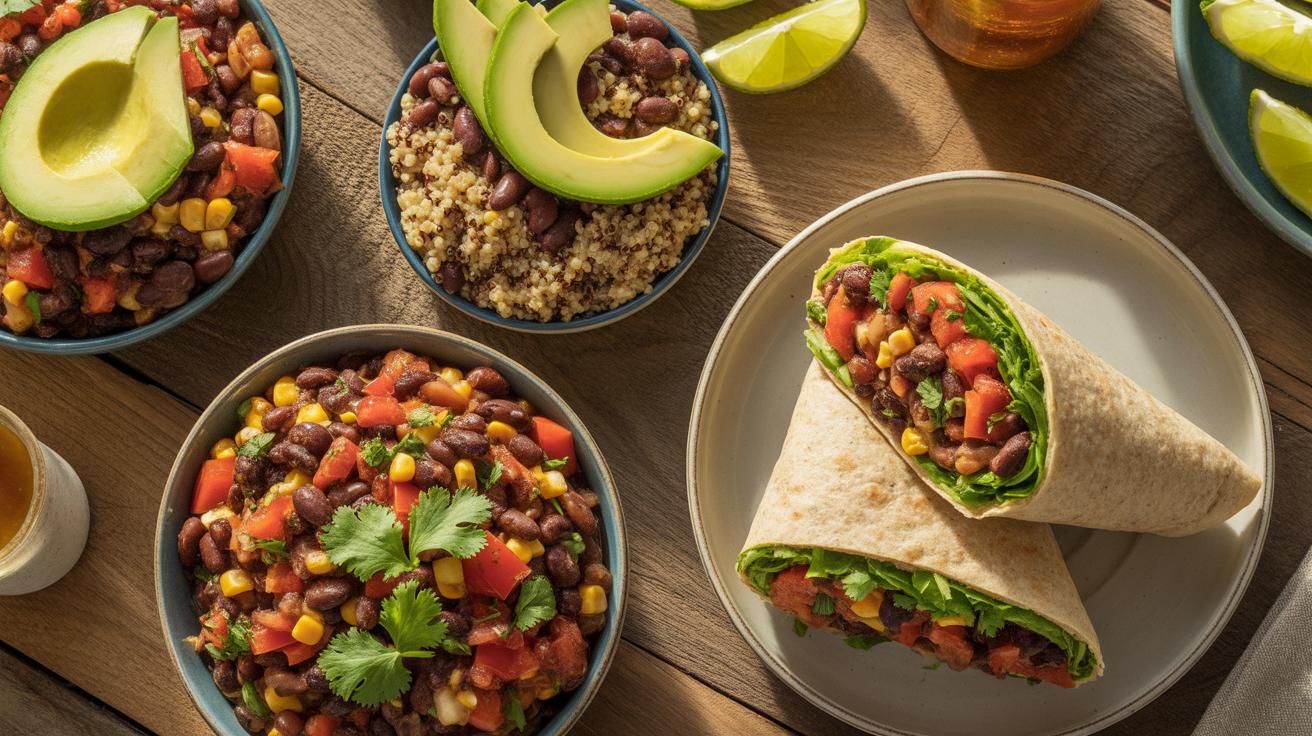
What Makes Black Beans So Filling And Nutritious
The High Fiber And Protein Content That Curbs Hunger
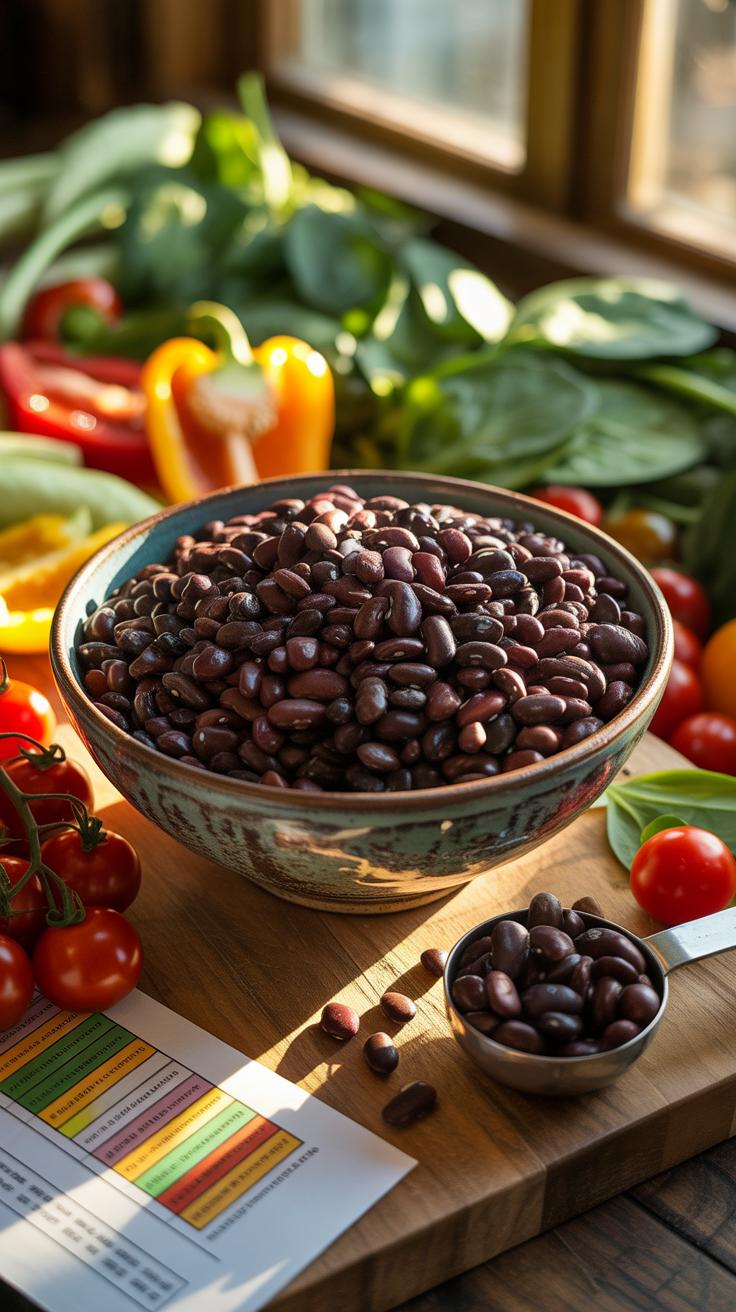
Black beans provide a powerful combination of fiber and plant-based protein. One cup of cooked black beans contains roughly fifteen grams of protein and fifteen grams of fiber. This duo slows down your digestion process. It prevents sharp spikes in blood sugar levels after you eat. You feel full for a longer time compared to eating simple carbohydrates. This makes them ideal for weight management.
The soluble fiber in these beans turns into a gel-like substance in your gut. This process signals your brain that your stomach is full. It suppresses hunger hormones effectively. Protein adds to this effect by requiring more energy for your body to break down. You utilize these nutrients to maintain steady energy levels throughout the afternoon. Reliable black bean meals stop the urge to snack between your scheduled meals.
Key Vitamins And Minerals Found In Black Beans
Black beans contain essential micronutrients that support your daily body functions. They are rich in folate, which helps your body produce red blood cells. You also get a significant amount of magnesium and potassium. These minerals regulate your blood pressure and support heart health. Black beans provide iron to transport oxygen through your bloodstream. This prevents fatigue during a busy work day.

The dark seed coat of the bean contains high levels of antioxidants called anthocyanins. These compounds protect your cells from damage and reduce inflammation. Beans also provide manganese to support bone health and metabolism. You get a dense profile of nutrients without consuming high amounts of fat or sodium. Choosing black beans ensures your body gets the fuel it needs for optimal performance and long-term health.
Canned Black Bean Recipes Healthy Enough For Every Week
Why Canned Black Beans Are A Nutritionally Sound Shortcut
Canned black beans provide immediate access to plant based protein and fiber. Processing involves blanching and pressure cooking inside the can. This method preserves most vitamins and minerals found in dried beans. Industry standards require minimal processing beyond heat and water. You gain metabolic benefits without the eight hour soak time. Using canned beans ensures tactical efficiency during meal preparation for high performance diets.
Sodium content is the only major concern with canned options. Rinsing the beans under cold water removes up to forty percent of added salt. Modern canning technology uses BPA free linings to prevent chemical leaching into the food. Black beans contain anthocyanins which are potent antioxidants also found in blueberries. These compounds support heart health and reduce inflammation. Choosing canned beans is a smart logistical move for busy professionals.
Simple Healthy Lunches You Can Build From A Can
Efficiency dictates that lunch must require zero cooking time. Combine rinsed black beans with canned tuna or pre cooked chicken for a high protein bowl. Add lime juice and cumin to create a flavor profile without heavy dressings. This combination stabilizes blood sugar levels throughout the afternoon. It prevents the energy crash often caused by grain based lunches. Speed and nutrition remain the primary goals for these black bean meals.
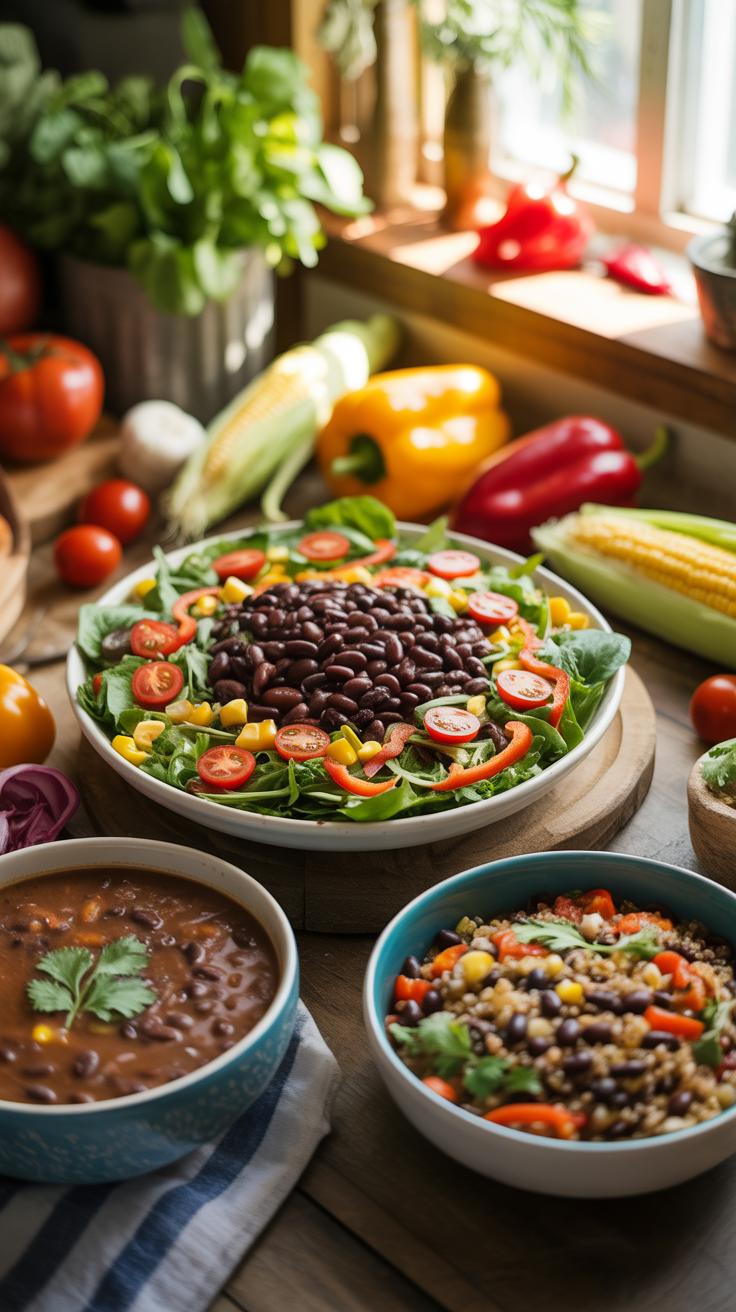
Create a cold bean salad by mixing one can of beans with corn and diced peppers. Use apple cider vinegar as a light preservative to keep the meal fresh for days. Black beans hold their texture well even after three days in a container. This durability makes them superior to leafy greens for meal prep. One can provides two full servings of complex carbohydrates. This strategy maximizes your time while meeting daily fiber requirements.
Canned Black Bean Recipes Easy Enough For Busy Weekdays
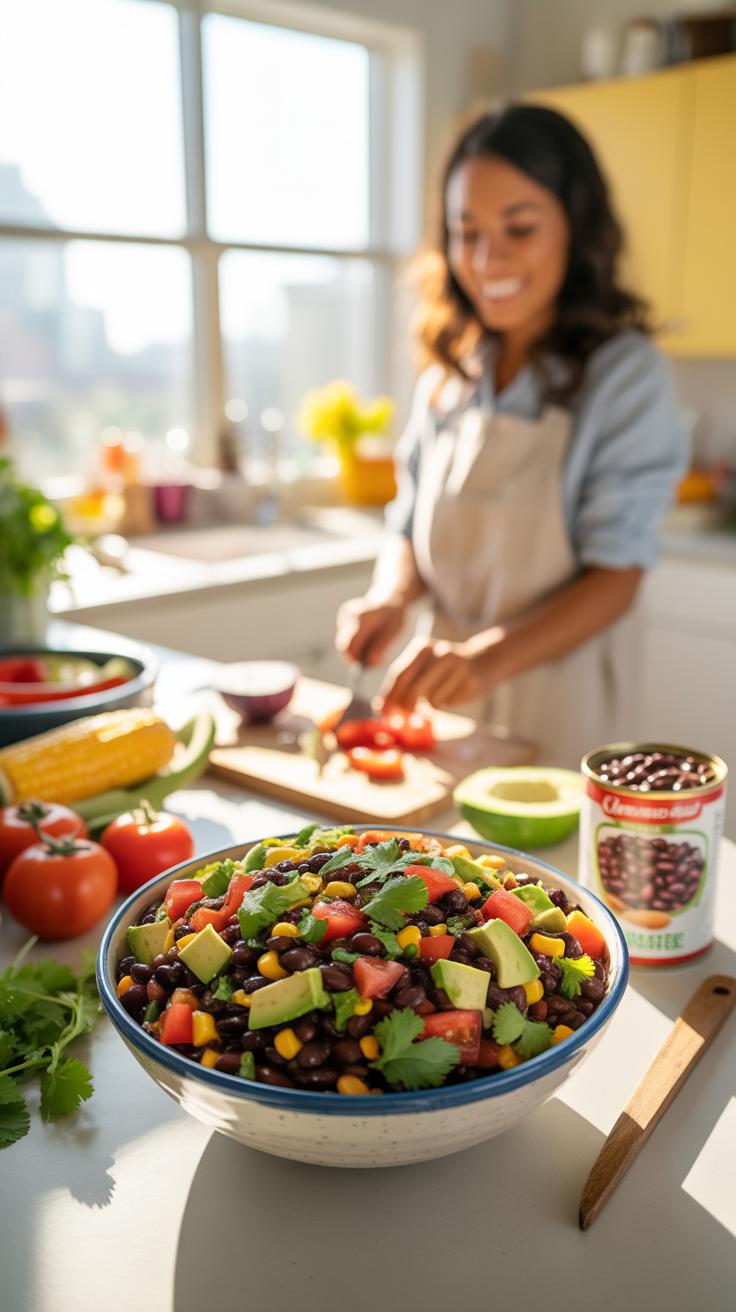
Black Bean Quesadillas And Wraps Ready In Under 15 Minutes
Speed requires efficient heat transfer and minimal prep. Drain canned beans to prevent soggy tortillas. Spread a thin layer of beans on one half of a flour tortilla. Add shredded Monterey Jack or cheddar cheese. Fold the tortilla and cook in a dry skillet over medium heat. Flip once the bottom is golden brown. This method delivers a high protein lunch with zero chopping.
Cold wraps offer a faster alternative for office environments. Mash rinsed black beans with lime juice and salt to create a stable base. Spread the mixture onto a large wrap. Add leafy greens and jarred salsa for quick moisture. Rolling tightly keeps the filling in place during transport. These black bean meals stay fresh for hours. Use corn tortillas for a gluten free option without losing structural integrity.
Essential Pantry Staples To Pair With Canned Black Beans
Strategic pantry management turns canned beans into complete meals. Beans lack certain amino acids found in grains. Pairing them with rice creates a complete protein source. Keep moisture levels consistent by using high quality fats and acids. These additions improve texture and prevent the beans from tasting dry. Stocking these specific items ensures you can assemble a nutritious lunch without visiting the grocery store.
- Brown Rice: This whole grain provides a chewy texture and essential fiber. It complements the soft consistency of black beans. Store precooked frozen rice to save time during the work week.
- Canned Diced Chiles: Small cans of mild green chiles add instant flavor without extreme heat. They provide acidity and moisture to bean fillings. Stir them directly into the beans before heating for the best results.
- Jarred Salsa: Use salsa as a multipurpose sauce and seasoning. It contains onions, peppers, and vinegar. This eliminates the need for manual chopping or complex spice blending during a short lunch break.
- Cumin and Garlic Powder: These dry spices mimic traditional Latin American flavor profiles. They offer high impact taste for very little cost. Add them to the beans while warming to release the aromatic oils.
- Corn Tortillas: Keep a stack of tortillas in the refrigerator for quick tacos or tostadas. They provide a sturdy vehicle for heavy bean fillings. Toast them quickly over a gas flame to enhance their natural nutty flavor.
Healthy fats extend satiety and improve the absorption of fat soluble vitamins. Keep avocados or shelf stable olive oil on hand. A drizzle of oil or a squeeze of lime transforms simple beans into a culinary dish. Always rinse canned beans under cold water. This removes excess sodium and the metallic taste from the canning liquid. Effective black bean meals rely on these simple combinations.
Black Bean Vegetarian Recipes That Satisfy Without Meat
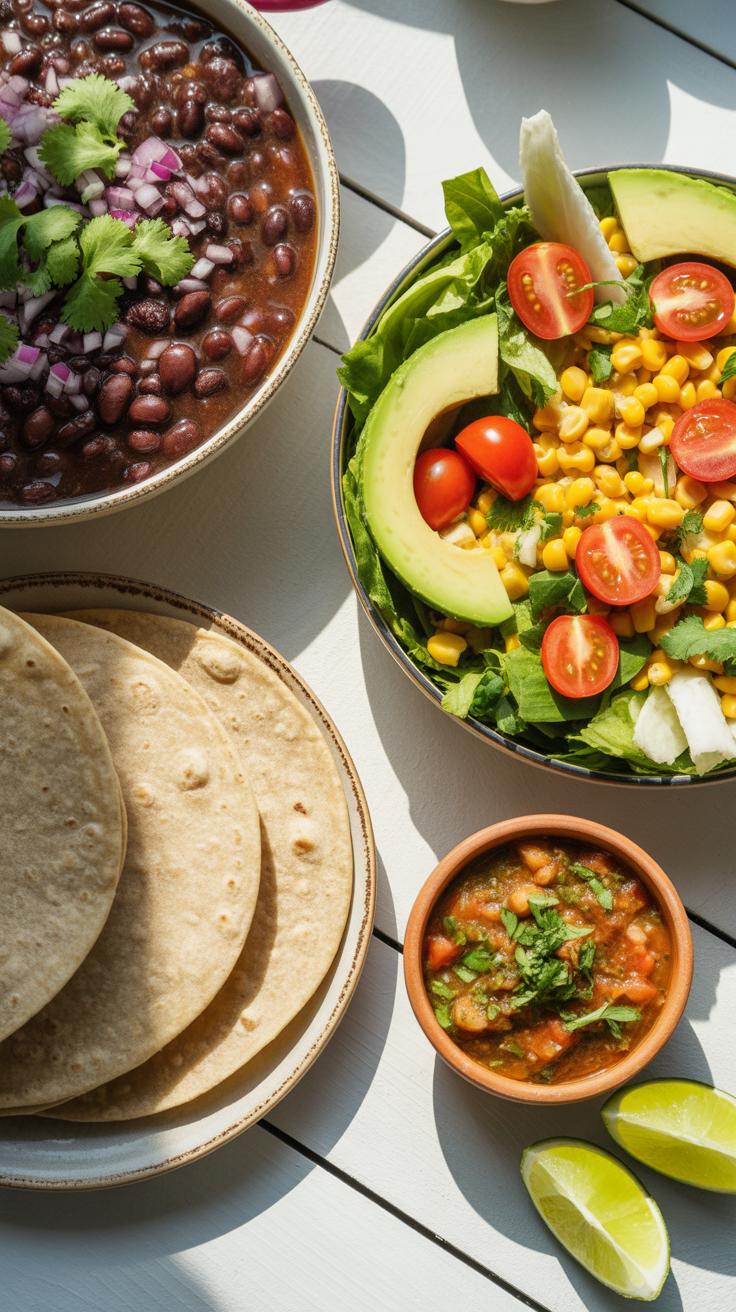
How Black Beans Serve As A Complete Protein Source In Plant Based Lunches
Black beans provide roughly fifteen grams of protein per cooked cup. They lack the essential amino acid methionine. You must combine them with grains like rice, corn, or wheat to create a complete protein profile. This pairing mimics the amino acid structure found in animal meat. It ensures your body receives all nine essential building blocks for muscle repair and sustained energy levels throughout the day.
Strategic meal planning uses this biological fact to build satiety. Ancient Mesoamerican diets relied on the bean and corn combination for survival. These two foods together provide a stable source of fuel. This synergy prevents the hunger spikes often associated with meatless meals. Incorporating these staples into your lunch routine keeps you full. It eliminates the need for mid afternoon snacking by stabilizing your blood sugar levels.
Hearty Vegetarian Black Bean Bowls And Soups Worth Making
Vegetarian black bean bowls focus on nutrient density. Start with a base of brown rice or quinoa to complete the protein. Add healthy fats like avocado to slow your digestion. Squeeze lime juice over the beans to help your body absorb the non heme iron found in the legumes. This tactical approach maximizes the nutritional value of every bite. It creates a heavy meal that feels like meat.
Thick soups provide a high volume of fiber that fills the stomach quickly. Puree a portion of the beans to create a creamy texture without using dairy. This method keeps the meal low in fat but high in satisfaction. Use vegetable stock and cumin to build deep flavor profiles. These soups store well and maintain their structural integrity when reheated. They offer a reliable solution for consistent and healthy office lunches.
Recipes With Canned Black Beans For Meal Prep Success
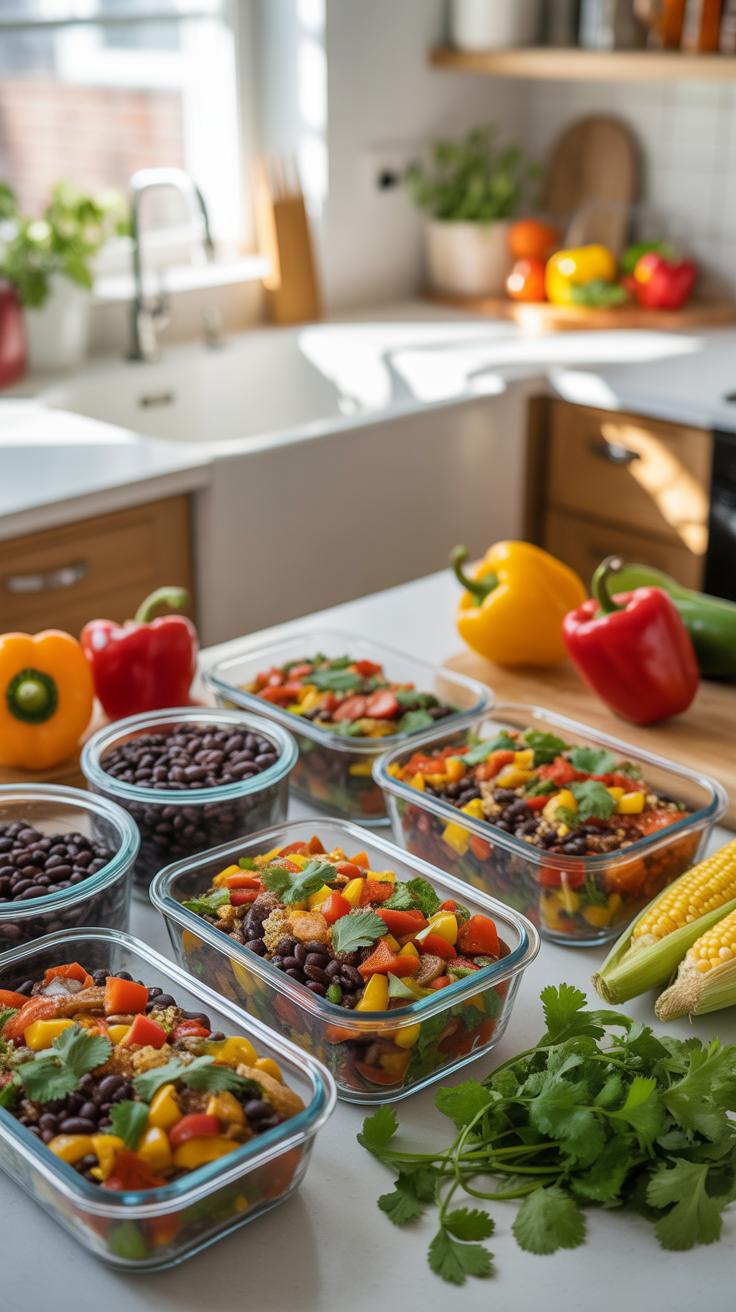
How To Batch Cook Black Bean Meals For The Week Ahead
Efficiency starts with bulk preparation. Open multiple cans of black beans at once. Rinse them thoroughly to remove excess sodium and metallic taste. Use a large heavy bottomed pot to simmer beans with aromatics like garlic and onion. This adds base flavor to the protein. You can scale recipes easily by doubling or tripling ingredients. Standard fifteen ounce cans provide consistent yields.
Drain the cooked beans before portioning them into containers. Keeping the liquid separate prevents the beans from becoming mushy over time. Use glass containers for better temperature control and durability. Combine the beans with grains like brown rice or quinoa. These staples stay fresh for five days. This strategy ensures you have high protein bases ready for any lunch. It saves time and money.
A bowl of beans is a humble hearth for the heart, warming you from within and carrying you through the long afternoon. In their simple strength, we find the enduring comfort of a meal that truly sustains.
Storing And Reheating Canned Black Bean Dishes Safely
Food safety requires fast cooling. Place your black bean meals in the refrigerator within two hours of cooking. Keep the temperature at forty degrees Fahrenheit or lower. This stops bacteria from growing on the protein. Use airtight lids to maintain moisture and prevent odors from spreading. Properly stored beans stay safe and tasty for four days. Check for any sour smells before eating.
Reheat your meals to an internal temperature of one hundred sixty five degrees Fahrenheit. Use a microwave or stovetop for this process. Add a splash of water or broth to prevent the beans from drying out. This restores the original texture of the dish. Stir the food halfway through heating to ensure even warmth. Avoid reheating the same portion more than once. This maintains the best food quality.
Recipes Using Canned Black Beans Beyond The Basic Bowl
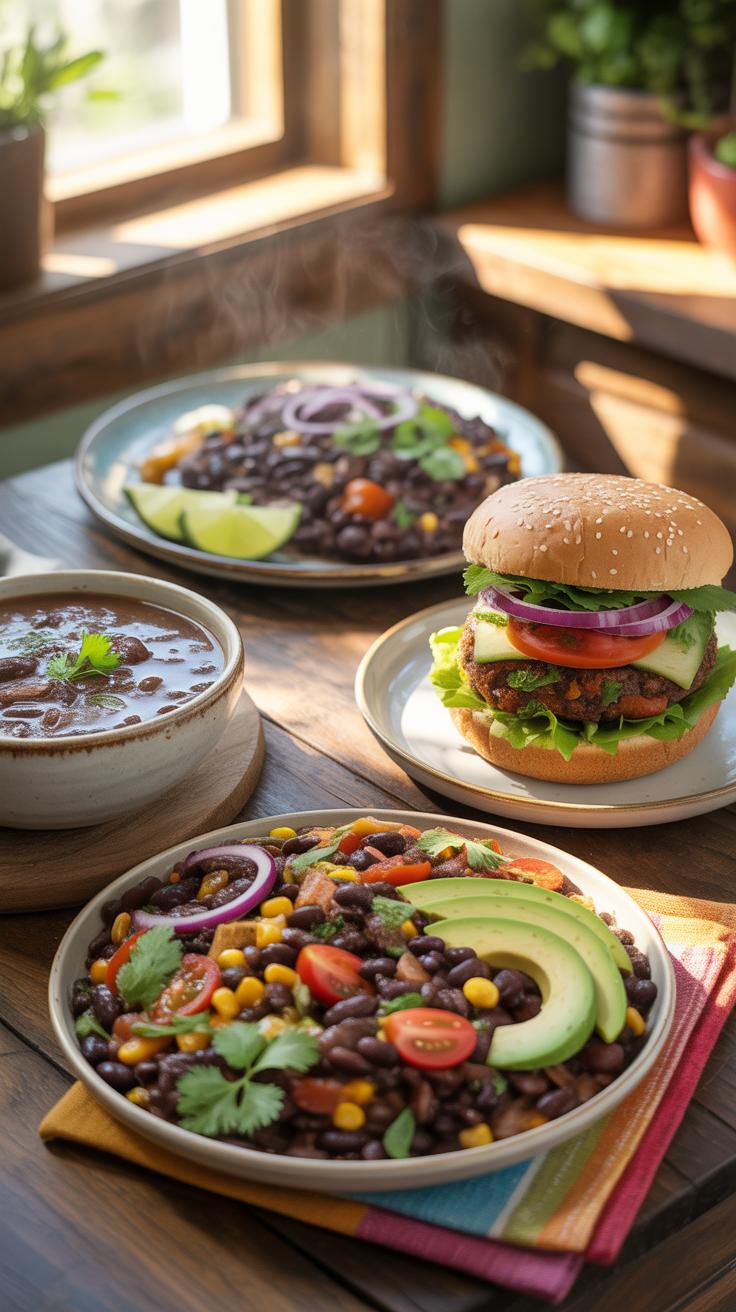
Black Bean Stuffed Peppers And Tacos For A Creative Midday Meal
Stuffed peppers provide a structural way to serve black beans. Use bell peppers as edible containers to hold a mixture of beans, corn, and spices. This method prevents the meal from becoming a mushy pile. Roast the peppers until they soften but maintain their shape. The fiber in the beans and the water in the peppers create a high volume meal that satisfies hunger quickly.
Tacos offer a fast assembly option for busy professionals. Use corn tortillas to keep the meal gluten free and firm. Mash one third of the black beans to act as a glue for the whole beans. This technique prevents the filling from falling out during transit or eating. Add lime juice to break down the starch and improve the flavor profile without adding heavy fats or calories.
Black Bean Salads And Grain Combos That Travel Well
Black bean salads thrive on acidic dressings because the beans absorb moisture without losing their shape. Mix beans with firm vegetables like cucumbers or radishes to create a texture contrast. These salads do not wilt like green leafy salads. You can prepare them two days in advance. The flavors improve as the beans marinate in the dressing. This makes them a reliable choice for weekly meal prep.
Combine black beans with ancient grains like quinoa or farro for a complete protein source. Grains provide a chewy base that helps the meal stay fresh in a sealed container. This combination prevents the blood sugar spikes often caused by simple white rice. Mix the ingredients while the grains are still warm to ensure even distribution. These meals serve well at room temperature and do not require a microwave.
How To Make Black Bean Meatballs As A High Protein Lunch
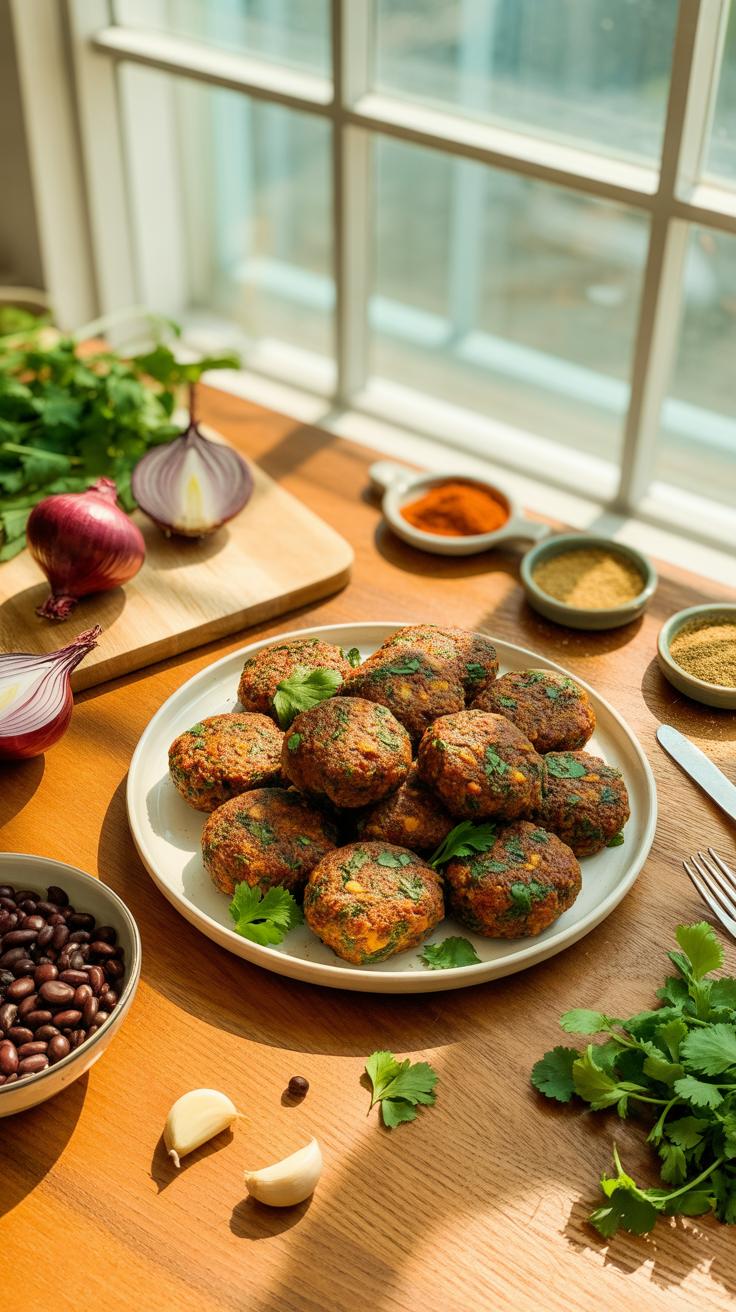
Ingredients And Binding Agents That Make Black Bean Meatballs Hold Together
Structural integrity determines the success of black bean meals in meatball form. You must remove excess moisture from the beans to prevent a mushy texture. Dry the beans in a low oven or pat them with towels before processing. This creates a dense base that mimics meat. Proper binding agents then lock the proteins together during the high-heat cooking process.
- Vital Wheat Gluten: This pure protein acts as a powerful glue. It creates a chewy, meat-like texture that prevents the balls from falling apart in sauces. Use it sparingly to avoid a rubbery consistency.
- Breadcrumbs or Panko: These dry ingredients absorb any remaining liquid within the bean mixture. They provide necessary bulk and help the exterior achieve a crisp finish when you pan-fry or bake the meatballs.
- Flax or Chia Eggs: Mixing ground seeds with water creates a gelatinous binder. This is essential for vegan preparations. It replaces traditional eggs and adds healthy fats while ensuring the legumes stick together effectively.
- Mashed Quick Oats: Oats provide a neutral flavor and excellent absorption. They work well for gluten-free diets. The starches in the oats hydrate during the resting phase to reinforce the internal structure of each ball.
- Nutritional Yeast: This ingredient adds a savory, umami profile similar to Parmesan cheese. It contributes to the dry mass of the mixture. It enhances the nutritional density by adding B vitamins and a complete protein source.
Texture management requires a balance between wet and dry components. Puree only half of the beans to maintain some whole-bean chunks for a better mouthfeel. Pulse the mixture in a food processor rather than running it continuously. Let the combined dough rest for fifteen minutes before rolling. This allows the binders to fully hydrate and ensures the meatballs keep their shape.
Serving Black Bean Meatballs In Wraps, Bowls, And Sauces
Strategic serving turns these meatballs into efficient lunch options. For a Mediterranean approach, tuck them into whole-wheat pita pockets with tzatziki and cucumbers. The acidity of the yogurt cuts through the earthy density of the beans. This setup remains portable and prevents the bread from getting soggy if you pack the sauce separately. It provides a balanced ratio of fiber and fat.
Transition these meatballs into a grain bowl for maximum caloric control. Place them over quinoa or brown rice with roasted kale and a lemon-tahini dressing. If you prefer traditional Italian styles, simmer the meatballs in marinara sauce for ten minutes before serving over zucchini noodles. This reheating method softens the exterior while keeping the core intact. Choose your base based on your daily energy requirements.
Vegetarian Black Bean Meal Ideas For Long Lasting Energy
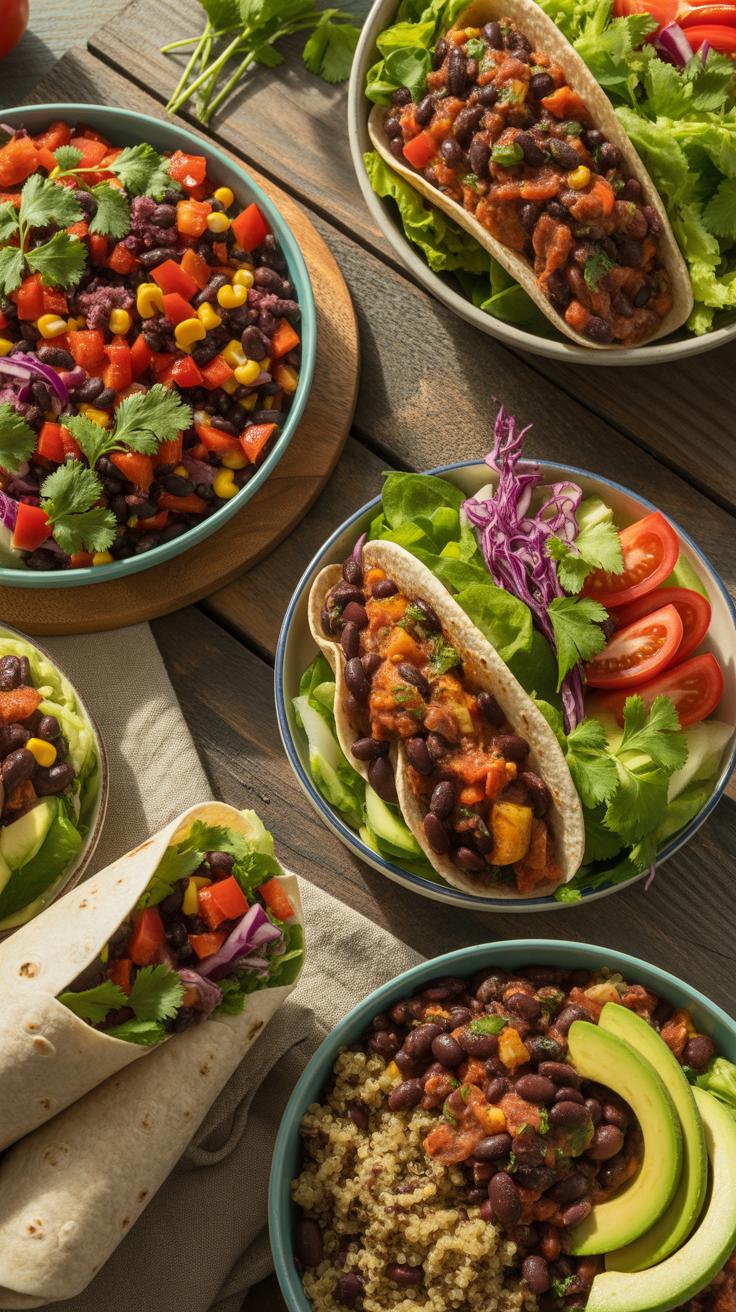
Pairing Black Beans With Complex Carbs And Healthy Fats For Sustained Fullness
Black beans provide high fiber and plant protein. This combination slows glucose absorption in the bloodstream. Pair these legumes with complex carbohydrates like brown rice or quinoa. These grains contain intact germ and bran layers. They require more time for the body to break down. This strategy prevents insulin spikes. Steady blood sugar levels stop the mid afternoon energy crash common with refined flour meals.
Incorporate healthy fats to maximize satiety. Add avocado or olive oil to your black bean meals. Fats trigger the release of cholecystokinin in the gut. This hormone signals to your brain that you are full. Combine these fats with the soluble fiber found in beans. This creates a dense nutrient profile. You stay productive for five to six hours. This tactical approach eliminates the need for distracting snacks.
Flavor Profiles And Seasonings That Make Vegetarian Black Bean Meals Exciting
Generic beans lack appeal and lead to diet fatigue. Use acidic components like lime juice or vinegar to brighten the earthy flavor of the legumes. Cumin and smoked paprika provide depth without adding calories or sodium. These spices contain aromatic compounds that stimulate the senses. Professional chefs use these techniques to create satisfying meals. Fast preparation depends on high quality dry spices and fresh citrus.
Regional traditions offer proven blueprints for seasoning. Latin American profiles rely on oregano and garlic. Caribbean styles utilize allspice and habanero peppers for heat. These ingredients serve a functional purpose beyond taste. Many spices contain antioxidants that preserve food and aid digestion. Using diverse heat levels and acidity keeps vegetarian options interesting. You can rotate these profiles weekly to ensure long term adherence to a healthy eating plan.
Frequently Asked Questions

Are black beans actually filling enough for a standalone lunch?
High in both plant-based protein and dietary fiber, black beans are incredibly satiating. They provide a slow release of energy that prevents mid-afternoon energy crashes. When you prioritize black bean meals, the complex carbohydrates work to keep you feeling full for hours. This makes them an ideal base for anyone looking to maintain productivity without reaching for snacks shortly after finishing their midday meal.
How can I quickly prep black beans to make them taste better in my midday meals?
To elevate your black bean meals, try sautéing canned beans with aromatics like garlic, onion, and cumin for five minutes. Adding a splash of lime juice or a spoonful of salsa can brighten the earthy flavors instantly. If you prefer a creamy texture, lightly mash some of the beans with a fork. This simple preparation method ensures your lunches are flavorful, satisfying, and never boring during the work week.
Can I make nutritious black bean lunches on a tight grocery budget?
Absolutely. Black beans are one of the most affordable pantry staples available, especially when purchased dry in bulk. Even canned versions are very cost-effective. By pairing them with inexpensive ingredients like brown rice, frozen corn, or seasonal greens, you can create nutrient-dense lunches for pennies per serving. They offer a high-quality protein source that fits perfectly into any budget-conscious lifestyle without sacrificing flavor or health benefits.