
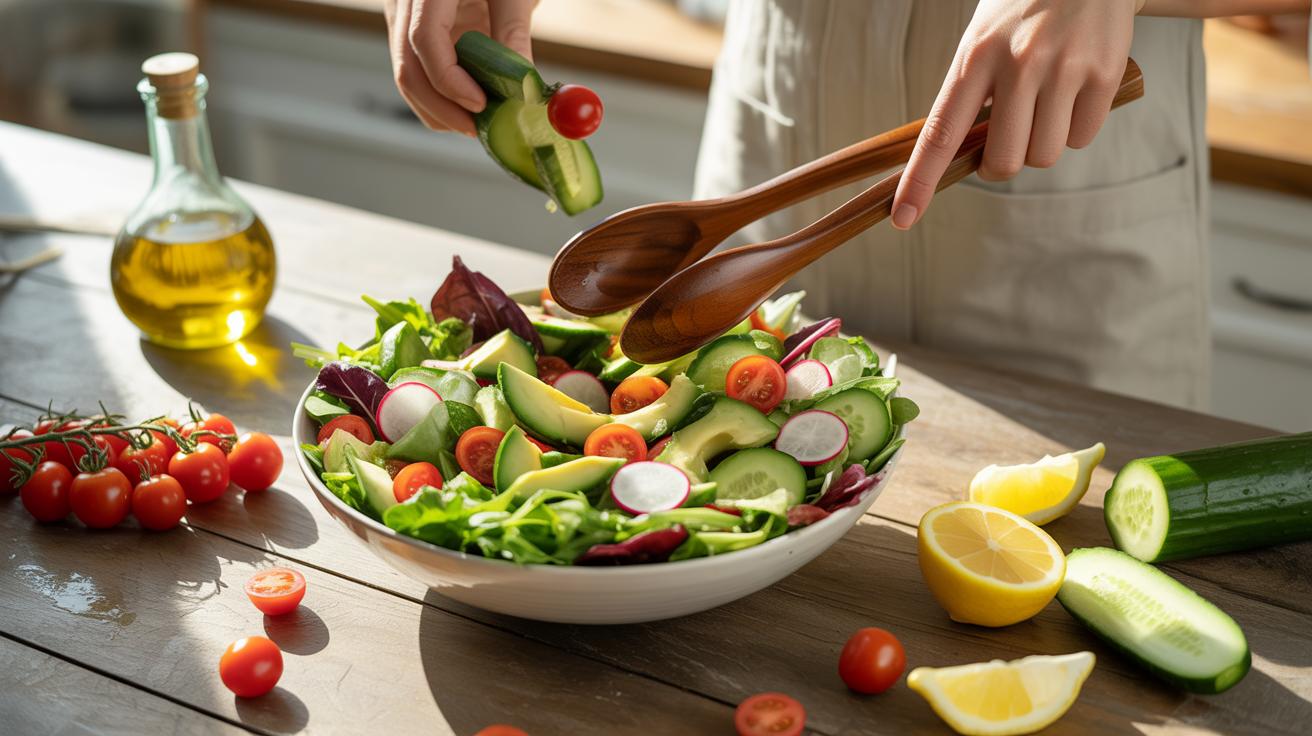
Why Quick Easy Salad Recipes Belong In Every Kitchen Routine
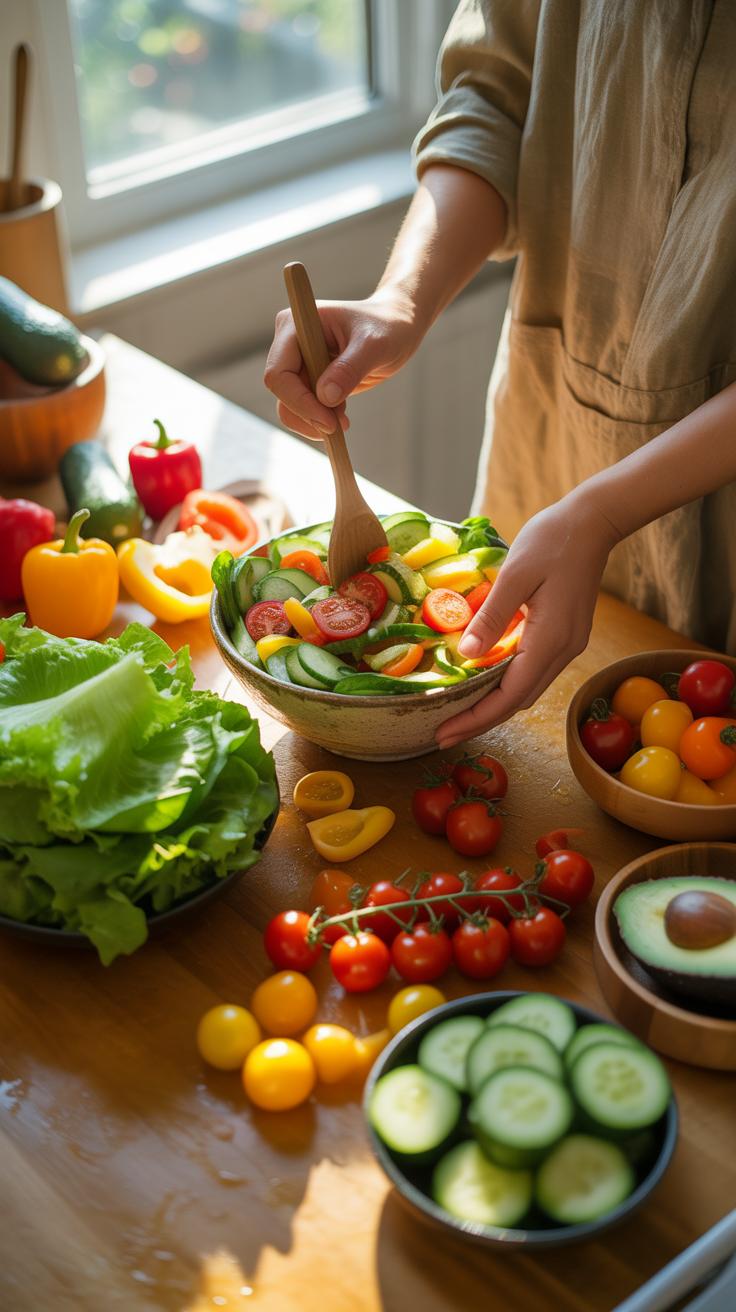
The Real Benefits Of Eating Fresh Salads Daily
Raw vegetables provide essential enzymes and heat-sensitive nutrients that cooking often destroys. Routine consumption of leafy greens delivers high concentrations of Vitamin K and folate to the body. These components support blood clotting and healthy cell division. Fresh produce also contains high water content and fiber which improves digestion and regulates glucose levels after eating meals.
Consistently eating fresh ingredients reduces reliance on processed foods that contain excess sodium and preservatives. Daily salad consumption ensures a high intake of antioxidants like beta-carotene and Vitamin C. These compounds neutralize free radicals and support biological functions. Using olive oil or avocado as a fat source increases the absorption of fat-soluble vitamins found in the vegetables.
How 10 Minute Salads Fit Into A Busy Lifestyle
Efficiency in the kitchen starts with minimizing prep time and heat use. A ten-minute salad removes the need for preheating ovens or monitoring stovetops. This speed allows for consistent healthy eating even during high-stress workdays. Strategic meal planning relies on these short windows to maintain nutritional goals. Rapid assembly ensures that healthy options are faster than ordering takeout food.
Preparation speed does not compromise the quality of the final meal. Using pre-washed greens and sharp knives reduces active labor significantly. These time-saving techniques allow you to allocate more energy to other daily tasks. Minimal cleanup is another tactical advantage because most recipes only require one bowl and a knife. This streamlined process makes healthy eating a sustainable long-term habit.
Understanding Roughage Food And Why It Matters In Your Salad
What Is Roughage Food And How Does It Support Digestion
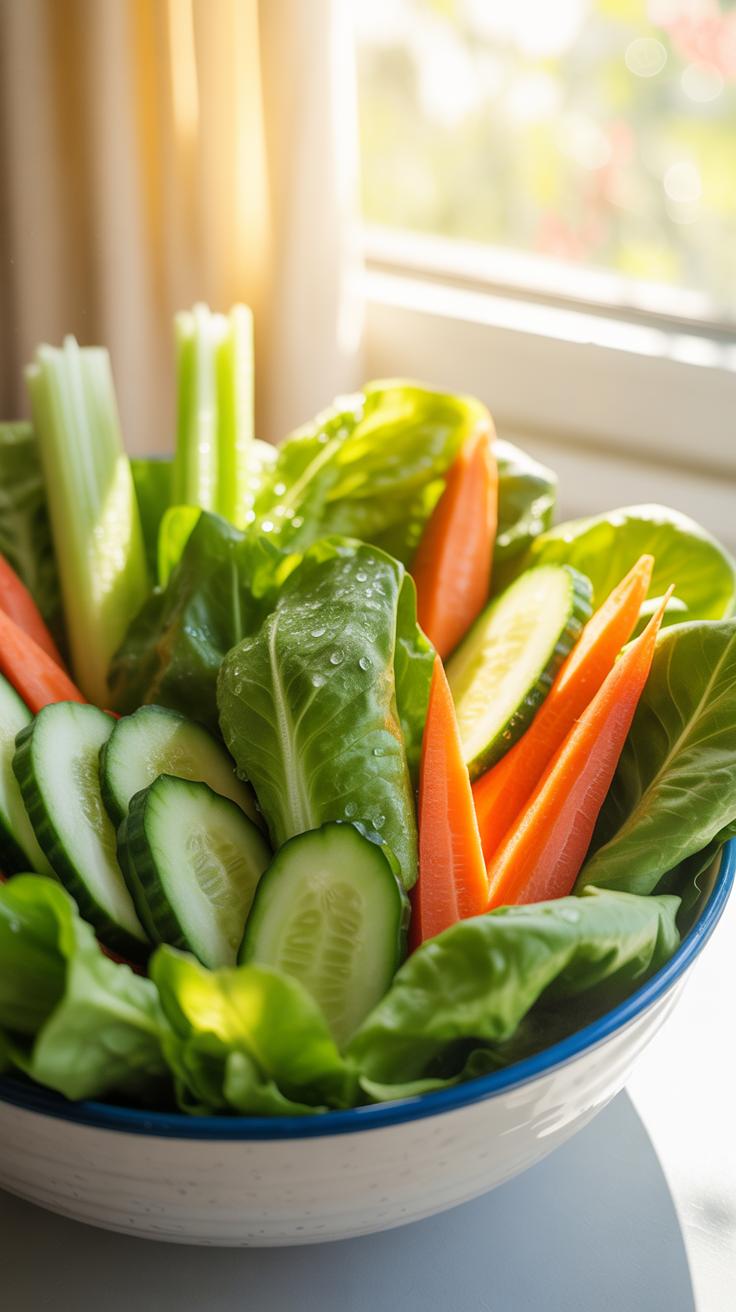
Roughage refers to the indigestible portion of plant foods known as dietary fiber. It consists of complex carbohydrates that the human body cannot break down or absorb. This material passes through your stomach and small intestine mostly intact. It adds bulk to your stool and keeps your digestive tract moving. This process is essential for maintaining bowel health and preventing common digestive issues like constipation.
Fiber comes in two main types: soluble and insoluble. Insoluble fiber provides the physical weight needed to push waste through your colon efficiently. It acts like a broom for your intestines. High levels of roughage help regulate your blood sugar levels by slowing down sugar absorption. Consuming these materials daily promotes a healthy gut microbiome. You need this structural component in every quick salad to ensure long-term metabolic health.
The Best High Fiber Leafy Greens To Add To Any Quick Salad
Choose dark leafy greens to maximize fiber density in your quick meals. Kale remains a top choice because of its rugged leaf structure and high cellulose content. It resists wilting and provides more bulk per gram than lighter greens. Swiss chard and collard greens offer similar benefits. These plants provide the structural integrity required for a functional salad base. They deliver essential nutrients without adding excessive calories.
Spinach and arugula offer a softer texture but still contribute significant insoluble fiber. Mix these with heartier varieties to balance flavor and digestion speed. Avoid iceberg lettuce if your goal is actual roughage. It consists mostly of water and lacks the fibrous veins found in nutrient-dense plants. Select greens with thick stems and dark colors. These physical traits indicate high fiber content. Use these greens to build a solid foundation for any recipe.
Korean Cucumber Salad And Asian Cucumber Salad Recipes Youll Love
How To Make A Classic Korean Cucumber Salad In Under 10 Minutes
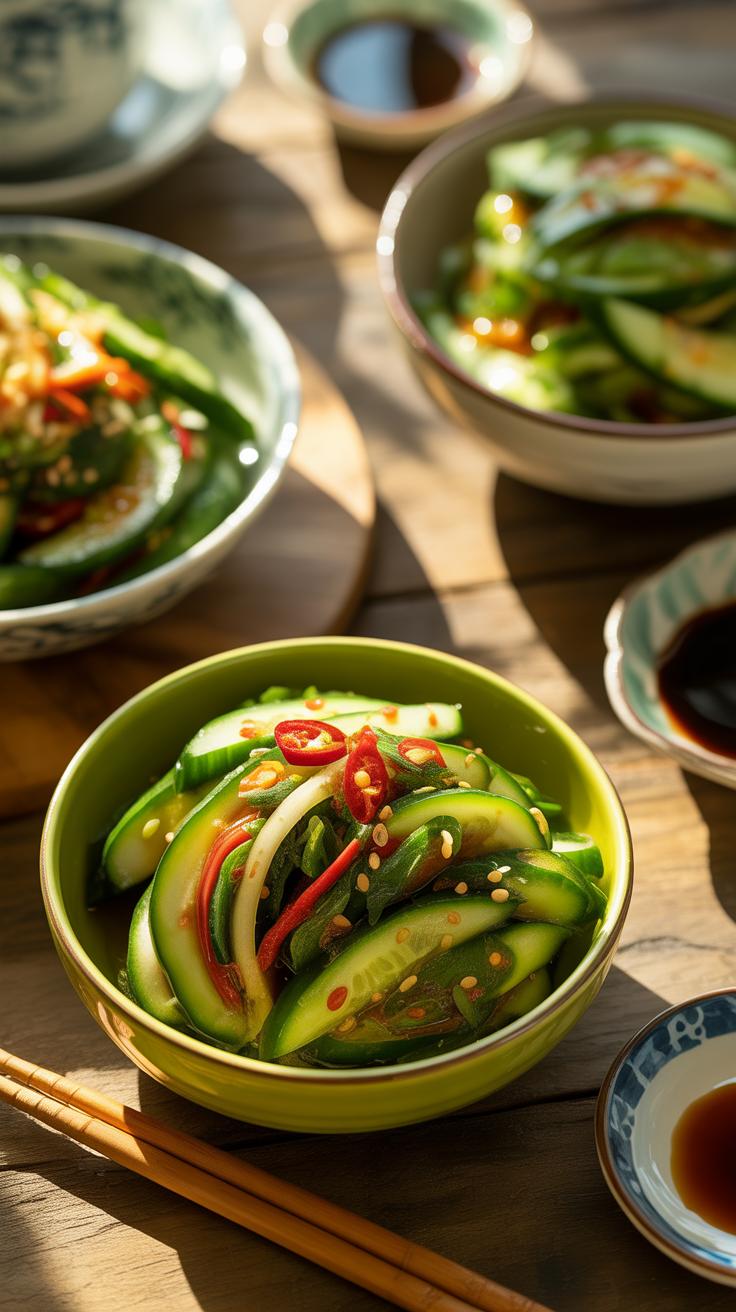
Korean cucumber salad, known as Oi Muchim, relies on speed and high impact seasoning. Use thin-skinned Persian or Kirby cucumbers to avoid peeling or seeding. Slice them into rounds approximately one-eighth inch thick. This thickness allows the dressing to penetrate quickly without losing the crunch. Salt the slices for three minutes to draw out excess water, then pat them dry immediately.
Combine gochugaru, rice vinegar, soy sauce, and toasted sesame oil in a small bowl. Add minced garlic and a pinch of sugar to balance the heat. Toss the dried cucumber slices in this mixture until fully coated. Finish the dish with toasted sesame seeds and sliced scallions. Serve it immediately to maintain the texture. This acidic and spicy profile complements heavy protein dishes perfectly.
Asian Cucumber Salad Variations Worth Trying At Home
The smashed cucumber technique originates from Chinese culinary traditions. Use a heavy knife or rolling pin to crack the cucumber skin before slicing. This creates jagged edges and increased surface area for the dressing to cling to. Use a mixture of black vinegar, chili oil, and smashed garlic for a bold flavor profile. This method takes less than five minutes and improves ingredient absorption.
Experiment with regional Japanese flavors by using a sunomono approach. Pickling cucumbers in a sweet vinegar base creates a neutral and refreshing side dish. Add dried seaweed or small pieces of octopus to increase the nutritional density. If you want a Thai inspired profile, incorporate lime juice, fish sauce, and crushed peanuts. These variations use simple pantry staples to change the entire flavor profile of the vegetable.
Spicy Cucumber Salad Bold Flavors Ready In Minutes
Key Ingredients That Give Spicy Cucumber Salad Its Signature Kick
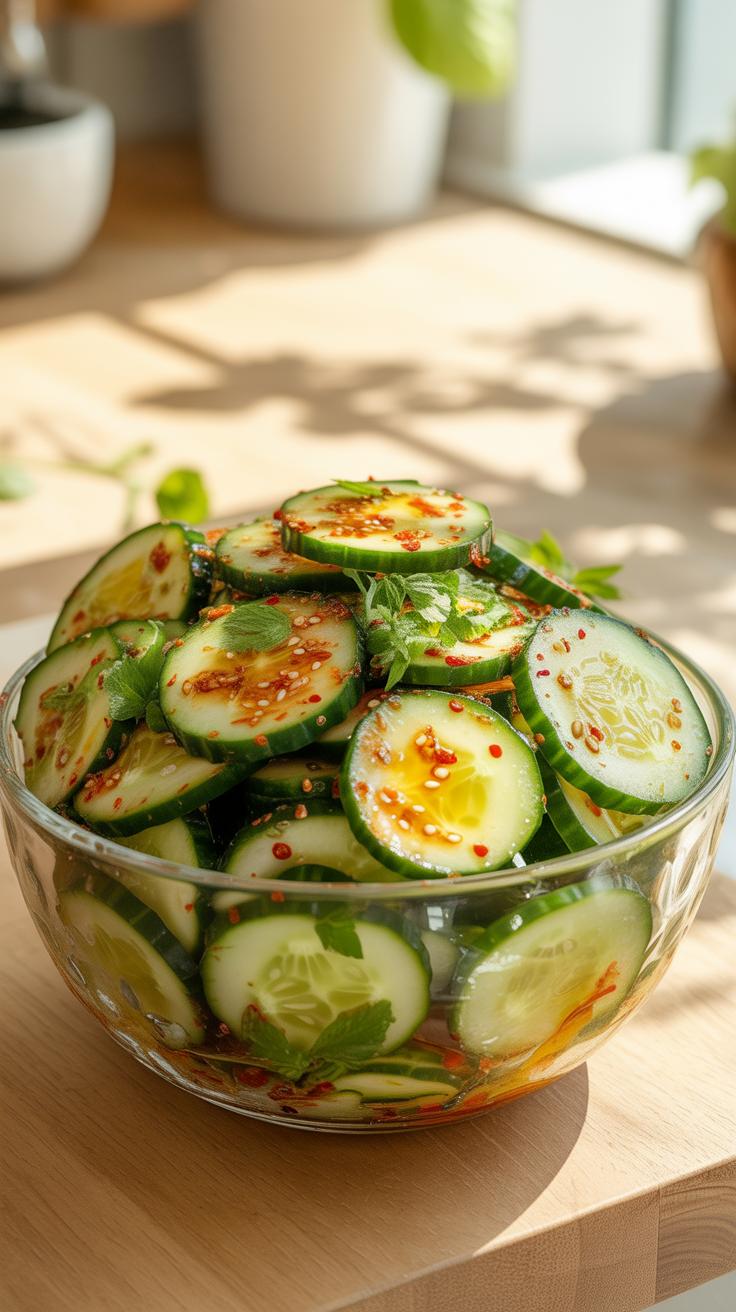
Smashed cucumber salads originate from East Asian culinary traditions. These recipes focus on high impact flavors that require minimal preparation time. You must use fresh produce and specific pantry staples to achieve the correct profile. The goal is a balance of heat, acidity, and salt. Proper ingredient selection ensures the salad remains crisp and flavorful rather than becoming soggy or bland.
- Persian or Kirby Cucumbers: These varieties have thin skins and low water content. They offer the necessary crunch for a quick salad. Smashing them creates jagged edges that hold the dressing better than clean slices.
- Chili Crunch or Oil: This ingredient provides the primary heat and texture. High quality brands use infused oils with toasted garlic and pungent peppers. It delivers a complex smokiness that defines the spicy profile.
- Rice Vinegar: This liquid provides a sharp acidity that cuts through the heavy oil. It brightens the overall flavor and balances the heat from the chili. It is less aggressive than white distilled vinegar.
- Toasted Sesame Oil: Use this as a finishing oil to provide a nutty aroma. A small amount goes a long way in adding depth to the base. It tethers the spicy and sour elements together.
- Fresh Garlic: Grating or mincing raw garlic adds a sharp bite. The sulfurous compounds in fresh cloves react with the vinegar to create a pungent zest. It is a non negotiable component for authentic bold taste.
Salt management is the final step in this process. Applying salt to the cucumbers before adding the dressing draws out excess moisture. This prevents the salad from becoming watered down. Use sea salt or kosher salt for the best results. Discard the extracted water before mixing in your spicy components. This step keeps the flavor concentrated and the texture firm.
Tips For Balancing Heat And Freshness In A Cucumber Recipes Salad
Achieving the perfect flavor profile requires precision with your ratios. You must balance the aggressive heat of the peppers with cooling elements. Cold cucumbers serve as the functional base that tempers the spice. If the dish is too hot, increase the vinegar or add a small amount of granulated sugar. Sugar neutralizes excess heat without masking the individual ingredient flavors.
Temperature control also plays a significant role in the eating experience. Serve this salad immediately after mixing to maintain the contrast between the cold vegetable and the warm chili oil. Long marination times will wilt the cucumbers and dampen the heat. If you need to prep ahead, keep the dressing separate. Combine the components only when you are ready to eat for maximum impact.
How To Build The Perfect Chopped Salad Bowl From Scratch
Choosing The Right Base Ingredients For A Satisfying Chopped Salad Bowl
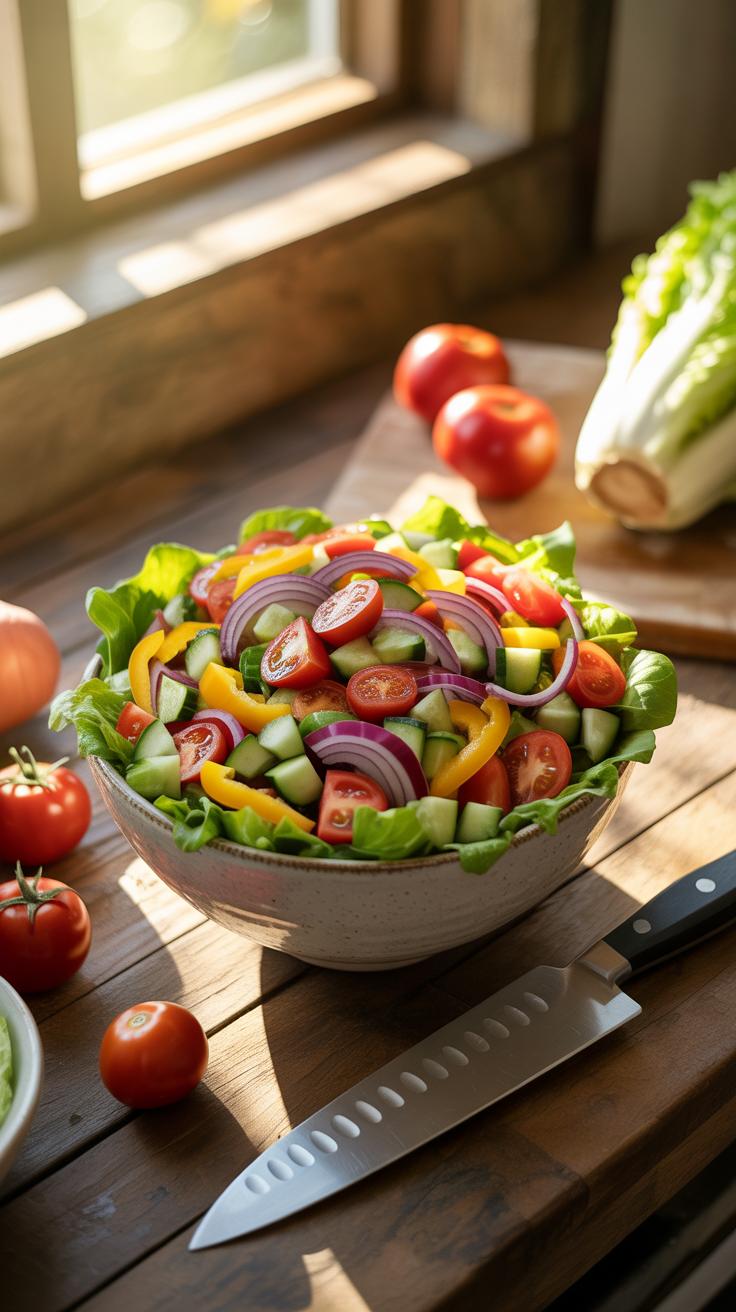
A structural base requires hardy greens that maintain their crunch after dressing. Choose romaine lettuce, lacinato kale, or red cabbage for durability. These vegetables hold up under the weight of additional ingredients without wilting quickly. Cut all greens into uniform, bite sized pieces to ensure a consistent texture. This technique allows you to get every component of the dish in a single forkful.
Successful chopped salads require high density vegetables to provide volume and satiety. Add fibrous elements like cucumbers, bell peppers, and carrots for crunch and hydration. Avoid using soft tomatoes or watery fruits until the final assembly to prevent sogginess. Use a sharp chef knife or a mandoline to maintain precision across all base components. This mechanical consistency is the hallmark of a professional grade salad bowl.
Dressings And Toppings That Elevate A Simple Chopped Salad Bowl
Texture determines the success of a chopped salad. Incorporate nuts, seeds, or toasted grains to introduce a hard crunch that contrasts with the fresh greens. Sunflower seeds and walnuts provide healthy fats and essential proteins. For a salty profile, add feta cheese or olives. These toppings transform a side dish into a complete meal. Add these elements last to preserve their specific physical properties.
Emulsified dressings provide the best coverage for dense chopped mixtures. Use a ratio of three parts oil to one part acid as your fundamental baseline. Extra virgin olive oil and fresh lemon juice offer a clean profile that does not mask the vegetable flavors. Whisk in a small amount of dijon mustard to stabilize the mixture. This chemical bond ensures the dressing clings to every surface area of the chopped ingredients.
Easy Tasty Salads For Every Occasion A Recipe For Salads Guide
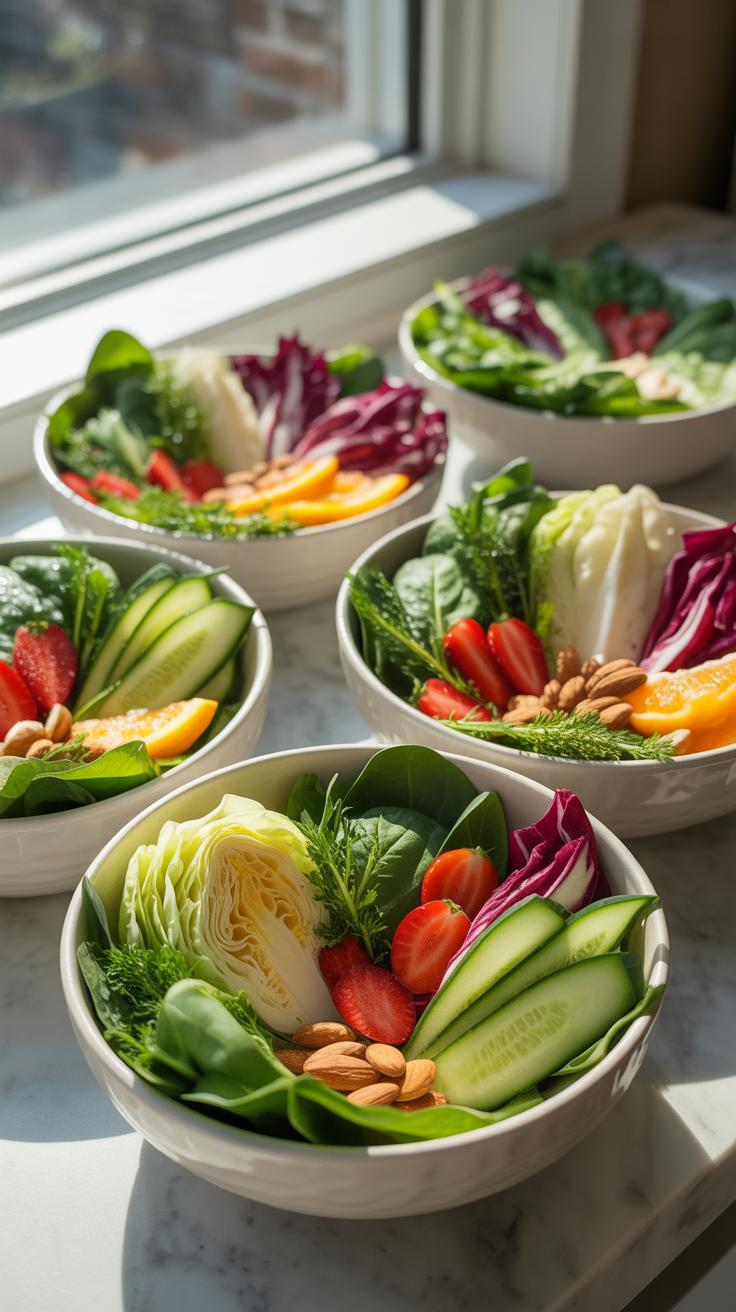
Simple Recipe For Salads That Work As A Side Or A Main Dish
Versatile salads bridge the gap between light sides and filling meals. You must balance fiber with dense proteins to change the function of the dish. Start with a foundation of dark leafy greens. Add complex carbohydrates like chickpeas or pre-cooked quinoa for satiety. A heavy acid dressing cuts through the starch. This approach ensures the meal stabilizes blood sugar levels while providing essential nutrients.
Transform a side salad into a main course by increasing the protein ratio. Use canned tuna, hard-boiled eggs, or leftover rotisserie chicken to save time. These additions provide the necessary amino acids for muscle repair. Proper seasoning is non-negotiable. Use sea salt and cracked black pepper to enhance the natural flavors of the vegetables. This strategy allows one base recipe to serve multiple dietary needs effectively.
Easy Tasty Salads That Require Zero Cooking And Minimal Prep
Efficiency in the kitchen starts with raw ingredients. Choose vegetables that require only basic rinsing and chopping. Cucumbers, bell peppers, and radishes provide a crunch without any heat application. Use pre-washed greens to eliminate drying time. This method preserves heat-sensitive vitamins like Vitamin C and folate. Raw food preparation maximizes nutritional density while minimizing the time spent on logistics and cleanup.
Strategic assembly replaces lengthy cooking processes. Combine canned beans with fresh herbs and citrus juice for an instant flavor profile. Fats like avocado or extra virgin olive oil are critical for absorbing fat-soluble vitamins. Store-bought dressings often contain unnecessary sugars and preservatives. Mix oil and vinegar in a jar for a cleaner alternative. High-quality ingredients do the work for you. Focus on freshness to ensure a professional result.
Meal Planning Salads Prep Once Enjoy All Week
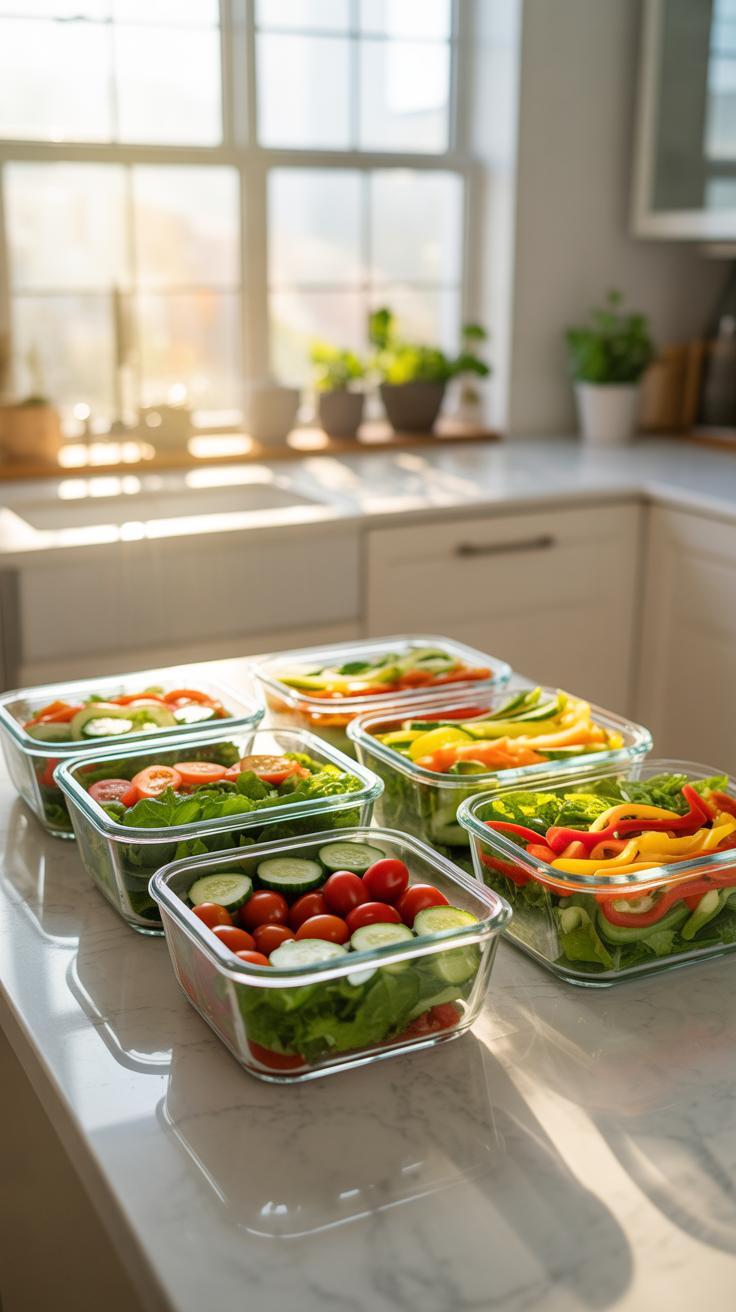
How To Organize Meal Planning Salads Without Sacrificing Freshness
Texture management determines the shelf life of your prepped meals. Most salads fail because moisture migrates from wet ingredients to crisp greens. You must use the layering method to prevent wilting. Place heavy dressings and wet vegetables at the bottom of your container. Keep delicate leaves at the top. This physical separation maintains structural integrity until you are ready to eat and mix the bowl.
Temperature control is the second pillar of freshness. Rapidly cool any cooked proteins before adding them to your vegetable base. Steam creates condensation inside sealed containers which accelerates decay. Use airtight glass jars or vacuum-sealed plastic bins to minimize oxygen exposure. High-quality seals prevent oxidation and keep your produce crisp for up to five days. Proper organization eliminates the daily friction of starting from scratch.
To make a great salad is to be a brilliant diplomat; the problem is the same in both cases, to know how much oil to mix with one’s vinegar. Freshness doesn’t require a clock, only a little love and a sharp knife.
Best Salad Ingredients To Batch Prep For The Week Ahead
Strategic batching focuses on high-yield ingredients that resist oxidation. You need base components that hold their shape under pressure. Focus on complex carbohydrates and stable vegetables that improve after a day of storage. Choose items that allow you to build multiple flavor profiles from a single prep session. This approach maximizes your efficiency and ensures your quick easy salad recipes remain consistent and nutritious.
- Root Vegetables: Roasted beets and carrots provide consistent texture and do not leach water into your greens. These items stay firm for several days in the refrigerator. Use them to add bulk and earthy flavor to any base.
- Hard Cheeses: Varieties like Parmesan or Pecorino Romano possess low moisture content. They do not get mushy when stored alongside other dry ingredients. These cheeses provide necessary salt and healthy fats to your meal without degrading the overall quality.
- Cruciferous Greens: Kale and shredded cabbage act as superior foundations for meal prep. Unlike spinach or romaine, these leaves are physically tougher. They can handle light dressing for hours without losing their crunch or becoming unappealingly soft.
- Legumes: Canned chickpeas and black lentils are essential for protein. Rinse and dry them thoroughly before storage to prevent slime. They absorb dressings well and provide a dense texture that makes a salad feel like a full and complete meal.
- Acidic Dressings: Vinaigrettes made with olive oil and vinegar act as natural preservatives. Mix these in large batches to save time. Keep them in a separate small container or at the very bottom of your salad jar to protect the produce.
Avoid prepping high-water ingredients like sliced tomatoes or cucumbers too far in advance. These items release juice that ruins the mouthfeel of the entire dish. Instead, cut these specific components immediately before serving. Focus your bulk efforts on grains like farro or quinoa. These seeds provide a neutral canvas and store perfectly for six days. Smart prep reduces your daily kitchen time to under two minutes total.
Pro Tips For Mastering Quick Easy Salad Recipes Every Time
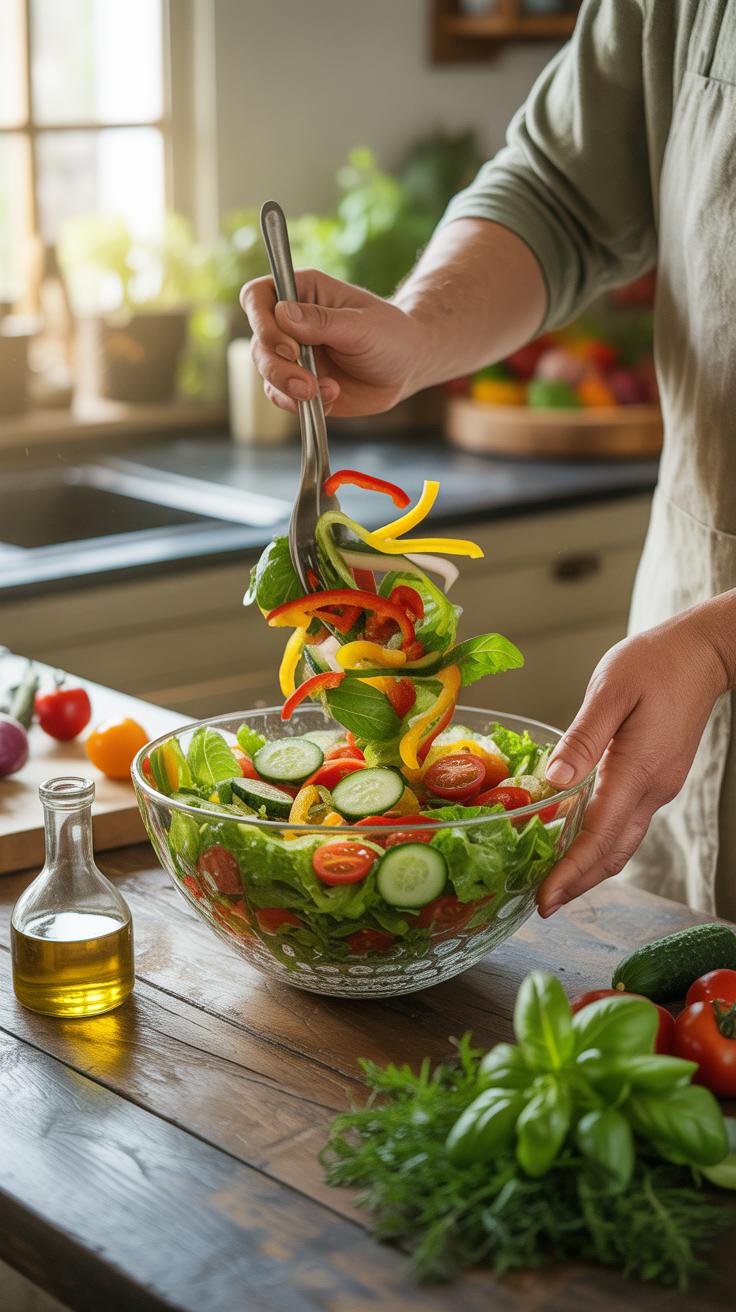
Common Mistakes To Avoid When Making Fast Salads At Home
Poor drainage ruins liquid balance in your bowl. Excess water on greens prevents dressing from sticking to the leaves. This results in a puddle of bland oil at the bottom. Use a salad spinner or pat leaves dry with a clean cloth. Every drop of water dilutes your flavor profile. Dry greens ensure the fat and acid coat every surface evenly for better taste.
Overdressing is the primary cause of soggy textures. Heavy pours of vinaigrette collapse delicate leaf structures quickly. Add dressing in small increments and toss thoroughly before adding more. Do not season with salt too early in the process. Salt draws moisture out of vegetables via osmosis. This leads to limp lettuce and watery cucumbers. Apply salt and dressing only seconds before you intend to eat.
How To Keep Your Salads Tasting Fresh From The First Bite To The Last
Temperature control preserves the structural integrity of raw vegetables. Store your mixing bowl in the refrigerator for ten minutes before assembly. Cold ceramic or metal prevents the greens from wilting against a warm surface. Chemistry dictates that chilled produce stays crisp longer. Cold ingredients also maintain a brighter flavor profile throughout your meal. Heat is the enemy of any fresh vegetable preparation.
Acidity levels determine the perceived freshness of your ingredients. Use high quality vinegars or fresh citrus juice to brighten the flavor. Lemon juice prevents oxidation in sliced apples or avocados within the mix. This stopgap measure keeps the colors vibrant and the texture firm. Balanced acid cuts through heavy fats like cheese or nuts. Proper acid ratios ensure the dish feels light and invigorating from start to finish.
Frequently Asked Questions

What are the best ingredients to keep on hand for a fast healthy meal?
To master quick easy salad recipes, keep your pantry stocked with versatile staples like canned chickpeas, nuts, and high-quality olive oil. Pre-washed greens and cherry tomatoes are essential fridge items that require zero chopping. By having these foundational components ready to go, you can toss together a nutritious, restaurant-quality bowl in mere minutes without needing to follow a complex set of instructions or head to the grocery store.
How can I prevent my salad from getting soggy if I make it ahead of time?
The secret to maintaining freshness is all about the layering technique. When preparing quick easy salad recipes for later, always place your dressing at the bottom of the container, followed by hearty vegetables like cucumbers or carrots. Place your delicate leafy greens at the very top so they stay dry and crisp. Simply shake or toss the ingredients together right before you are ready to eat for a perfectly textured meal.
Is it possible to make delicious gourmet salads on a tight budget?
Absolutely! You don’t need expensive specialty ingredients to create a satisfying dish. Focus on seasonal produce and affordable plant-based proteins like beans, lentils, or hard-boiled eggs. Buying whole heads of lettuce instead of pre-packaged bags can save significant money over time. Enhancing your meal with a DIY vinaigrette made from basic pantry staples like vinegar and dried herbs provides a premium flavor profile without the high cost of store-bought dressings.