
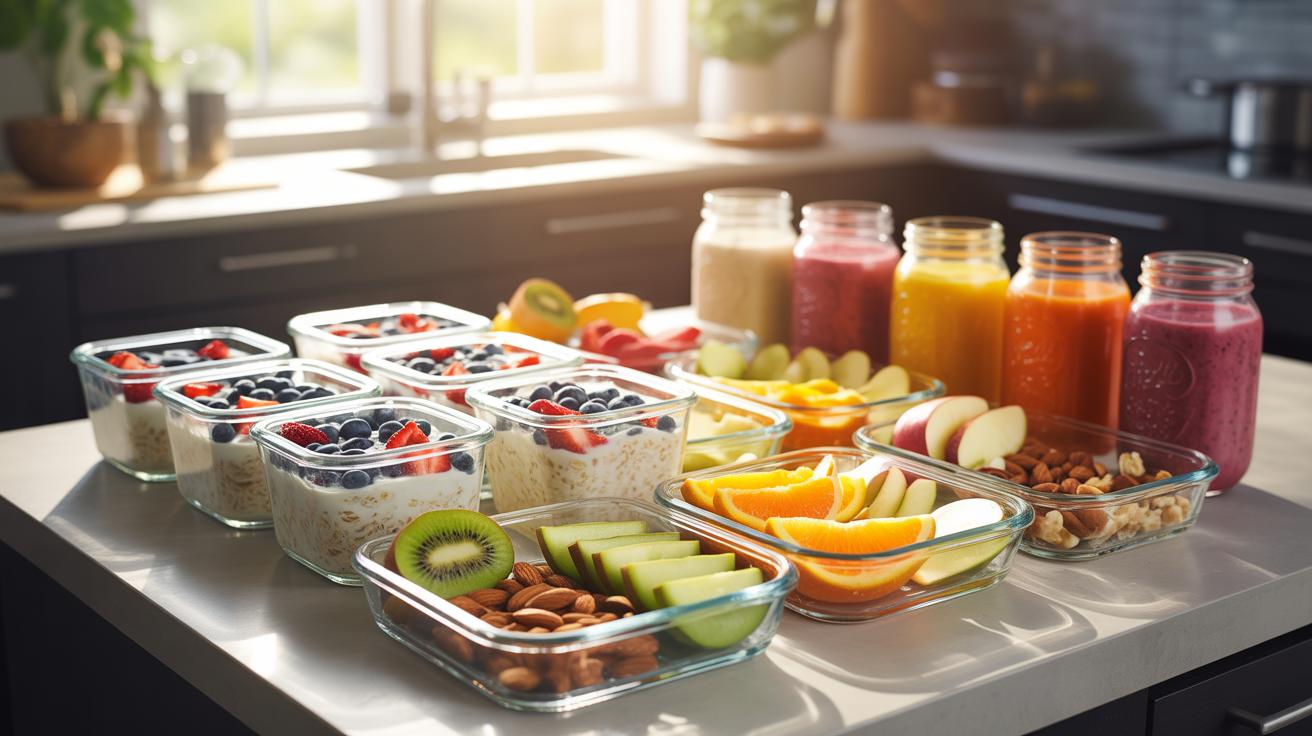
Why Healthy Meal Prep For Breakfast Is A Game Changer For Busy People
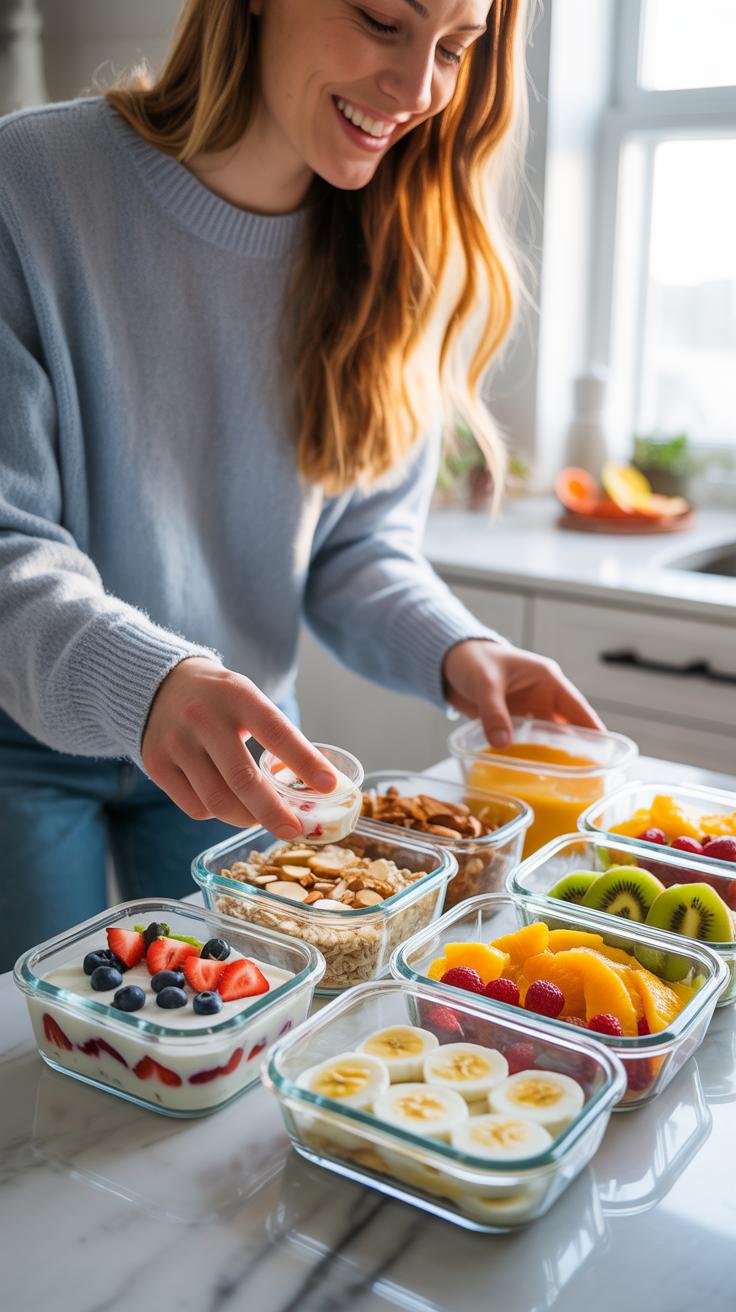
The Real Time And Cost Savings Of Prepping Breakfast In Advance
Batch cooking breakfast eliminates the daily overhead of kitchen setup and cleanup. Cooking five portions of oats or egg muffins takes roughly the same time as preparing one. You consolidate your chopping, mixing, and cooking into a single sixty-minute block. This efficiency reduces total weekly kitchen labor by at least seventy percent. You stop wasting minutes deciding what to eat every single morning.
Purchasing bulk ingredients like grains, eggs, and frozen fruit lowers your price per serving significantly. Single-use breakfast items or drive-through meals carry high markups for convenience and packaging. Meal prep allows you to control portion sizes and reduce food waste. You use every ingredient in your fridge before it expires. These small savings compound into hundreds of dollars over a fiscal year.
How Morning Routines Improve When Breakfast Is Already Done
Morning cognitive load decreases when you remove food preparation from your schedule. Most people experience peak decision fatigue late in the day, but early choices still drain mental energy. A prepped meal allows you to focus on high-value tasks or work commutes immediately. You reclaim twenty to thirty minutes of quiet time. This shift reduces stress levels before you even start your official workday.
Predictable nutrition leads to stable blood sugar and better focus. You avoid the cycle of skipping breakfast and overeating at lunch. Having a meal ready ensures you consume high-quality protein and fiber without effort. This discipline builds a foundation for consistent performance throughout the morning hours. You gain total control over your physical fuel. A prepped breakfast is a tactical tool for a productive life.
The Truth About Skipping Breakfast And Why It Matters For Your Health

What Research Says About The Effects Of Skipping Breakfast On Energy And Focus
Skipping breakfast disrupts your metabolic rate and blood glucose levels early in the day. Clinical studies show that fasting until noon often leads to a significant drop in cognitive performance. Your brain requires a steady supply of glucose to function at peak levels. Without this fuel you will likely experience mental fatigue and a lack of concentration during your most productive morning hours.
Morning nutrient intake directly influences your physical output and hormonal balance. People who miss their first meal frequently experience a compensatory spike in cortisol levels. This stress hormone increase can lead to irritability and diminished executive function. Regular breakfast consumption supports stable insulin responses. This stability prevents the mid-morning energy crashes that force you to rely on caffeine or high-sugar snacks for a temporary boost.
How Meal Prepping Breakfast Removes The Temptation To Skip It Entirely
Decision fatigue is the primary reason most people skip their morning meal. Busy mornings demand dozens of small choices that drain your willpower before you even start work. When you do not have a plan you choose the easiest option which is often nothing at all. Meal prepping eliminates this friction by making the healthy choice the path of least resistance in your daily routine.
Tactical preparation ensures that a high-quality meal is ready in seconds. Having a grab-and-go option removes the time excuse that stops most healthy habits. You bypass the need to cook or clean dishes during your morning rush. This logistical efficiency turns breakfast from a chore into a reliable system. A prepped fridge protects your health goals from the chaos of an unpredictable or demanding morning schedule.
Building A Balanced Breakfast What Your Morning Meal Should Include
The Role Of Protein, Fiber, And Healthy Fats In A Nutritionally Complete Breakfast
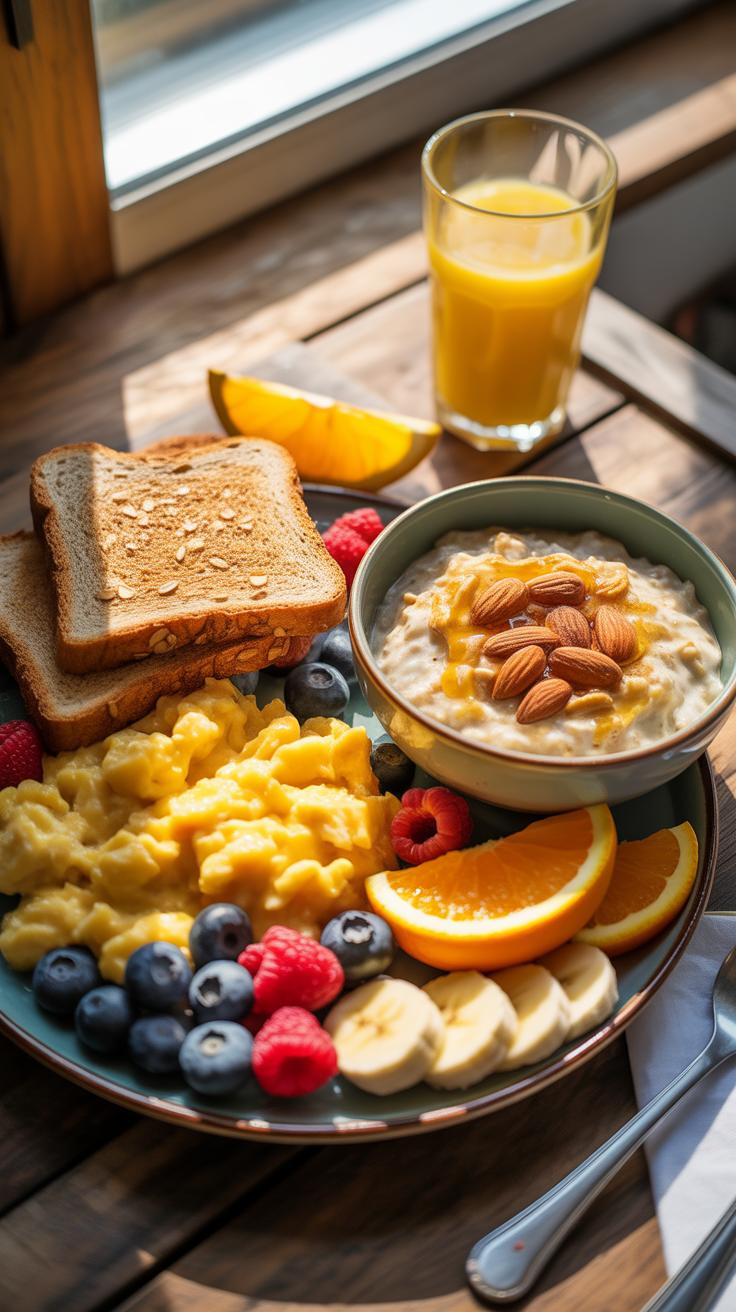
Protein serves as the primary building block for muscle repair and hormone production. Strategic meal prep requires high-quality protein sources like eggs, Greek yogurt, or lean meats. These foods increase satiety by regulating hunger hormones. Most people fail because they eat too many refined carbohydrates early in the day. High protein intake prevents the mid-morning hunger crash that ruins productivity and diet consistency.
Fiber and healthy fats complete the nutritional profile by slowing digestion. Fiber from oats, seeds, and berries provides necessary bulk for gut health and regular bowel movements. Healthy fats from avocados or nuts assist in nutrient absorption and brain function. Combining these three macronutrients ensures your body handles glucose efficiently. You must view breakfast as a chemical fuel source rather than a habitual comfort meal.
How Portion Balance At Breakfast Supports Sustained Energy Throughout The Day
Energy levels depend entirely on blood sugar stability. A breakfast heavy on sugar or white flour causes a rapid insulin spike followed by a hard crash. Proper portion balance manages your glycemic response. By consuming controlled amounts of complex carbohydrates alongside proteins, you ensure a steady release of glucose into the bloodstream. This physiological consistency allows you to maintain focus and physical stamina until your next scheduled meal.
Portion control is the most tactical part of meal prep strategy. You must measure your macros to avoid accidental overconsumption. Pack your containers with specific ratios to prevent energy dips. Most active adults need a balance where no single food group dominates the plate. Accurate portioning eliminates guesswork and keeps your metabolism steady. Success in meal prep comes from repeatable, measured portions that support your daily metabolic demands.
Top Meal Prep Breakfast Ideas To Keep Your Week Exciting And Nutritious
Five Make Ahead Breakfast Options That Stay Fresh For Up To Five Days
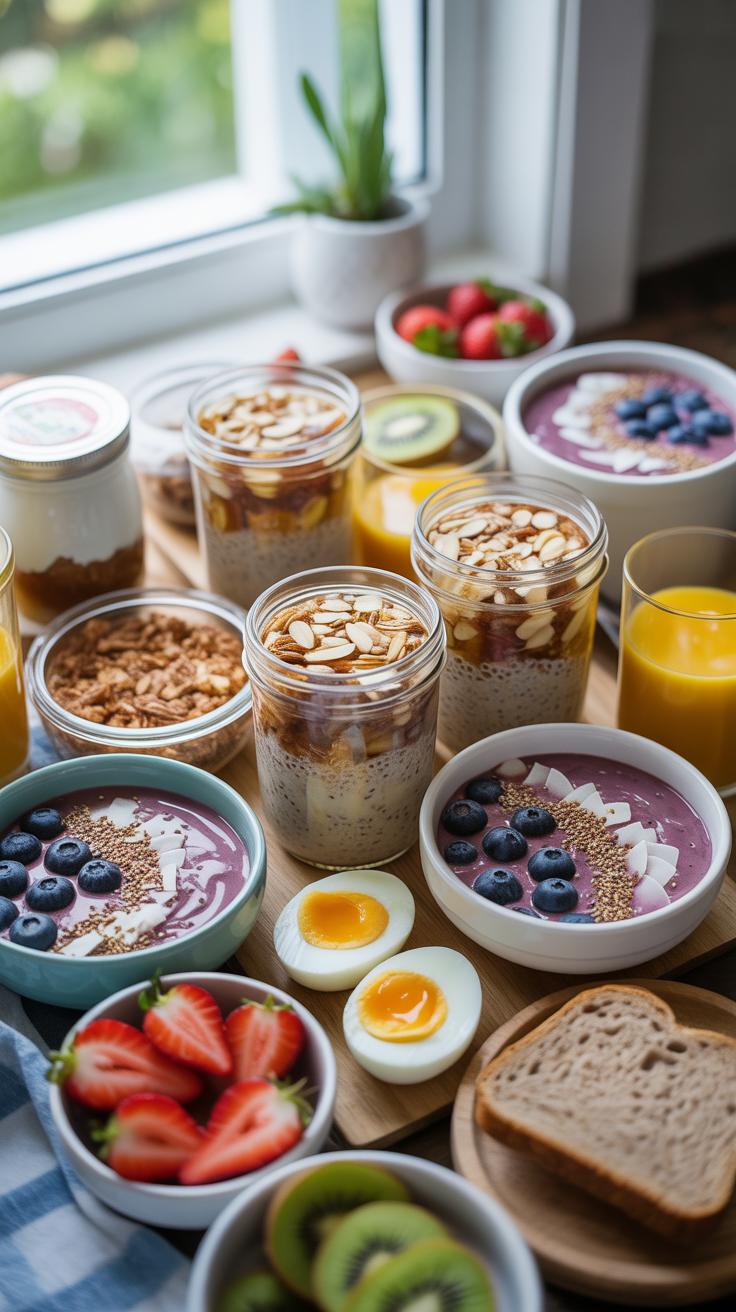
Consistency in meal prep requires selecting ingredients with low water activity or high structural integrity. This prevents soggy textures and spoilage before Friday. You must choose recipes that allow for cold storage without losing nutritional value. Hard-boiled eggs, dense grains, and roasted vegetables are the most reliable components for long-term storage. These items maintain their flavor profile and safety when kept at a stable internal refrigerator temperature.
- Overnight Oats: Combine rolled oats with liquid and store in airtight glass jars. The oats soften through hydration rather than heat. This method preserves the fiber content and ensures a consistent texture for five days in the fridge.
- Hard-Boiled Eggs: Boil large eggs for nine to twelve minutes and store them in their shells. This protective layer prevents odors from penetrating the whites. Eggs provide a portable and high-quality protein source that remains shelf-stable in cold environments.
- Chia Seed Pudding: Mix chia seeds with plant-based milk to create a gelatinous base. These seeds are rich in omega-3 fatty acids and fiber. The mixture thickens over time without becoming mushy, making it a reliable option for early-week preparation.
- Baked Egg Bites: Whisk eggs with spinach and peppers then bake in a silicone muffin tin. Use high-moisture vegetables sparingly to avoid weeping. These bites are easy to reheat in a microwave or toaster oven while maintaining their structural shape.
- Greek Yogurt Parfaits: Layer thick yogurt with dry nuts or seeds to maintain a crunch. Add fruit only on the day of consumption to prevent excess moisture from thinning the yogurt. This combination offers high protein and probiotics for gut health.
Storage containers play a vital role in food safety and freshness. Use glass containers with airtight silicone seals to prevent oxidation and moisture loss. Label each container with the preparation date to track shelf life accurately. Storing items in individual portions reduces the risk of cross-contamination from repeated opening. Efficient packing ensures your healthy breakfast meal prep efforts last through the entire work week without waste.
Preparing a week of nourishing mornings is a gift of time and love to your future self. It is the gentle art of setting the table for a life well-lived, one sunrise at a time.
Mixing Sweet And Savory Prep Ideas To Prevent Morning Meal Fatigue
Palate fatigue often leads to dietary failure and the consumption of processed convenience foods. You must rotate between flavor profiles to keep the brain engaged with the meal plan. Alternating savory egg-based dishes with sweet grain bowls mimics the variety of a restaurant menu. This strategy reduces the urge to seek variety from unhealthy outside sources. Strategic planning prevents the boredom that typically occurs by Wednesday morning.
Balance your macronutrients regardless of the flavor profile you choose. Savory meals usually provide high protein through meats or legumes. Sweet meals should rely on natural sugars from fruit rather than refined additives. Combine both styles in your weekly schedule to stabilize blood sugar levels and energy. A varied rotation ensures you receive a wide range of vitamins and minerals. Control your environment by preparing both options during your primary prep session.
Morning Oatmeal Recipes That Are Perfect For Weekly Batch Cooking
Overnight Oats Vs. Baked Oatmeal: Which Works Better For Meal Prep
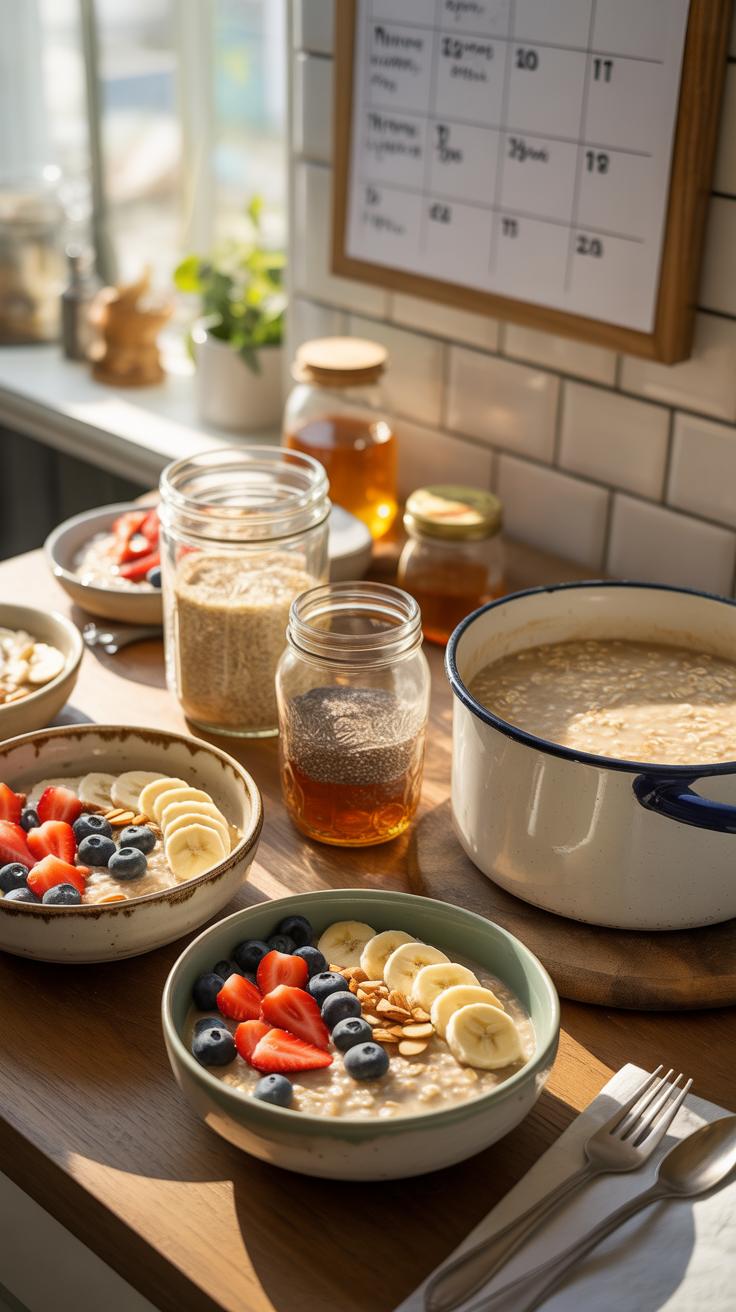
Overnight oats offer the fastest preparation for a busy week. You mix raw oats with liquid and let them hydrate in the refrigerator. This process requires no heat. The result is a cold, creamy texture similar to pudding. Use individual glass jars to save time. This method preserves the resistant starch in the oats. It is the best choice for summer months.
Baked oatmeal requires an oven but offers superior shelf life. You combine oats, eggs, and leavening agents to create a cake-like structure. This version stays firm for five days in the fridge. You can reheat slices in the microwave or eat them cold. Use this method if you prefer a warm breakfast. It handles bulk cooking better than individual jars. Choose baking for a more filling texture.
Flavor Variations And Nutritious Toppings To Elevate Your Weekly Oatmeal Prep
Add flavor to your base during the initial mixing stage. Use dry spices like cinnamon or ginger for calorie-free depth. Flax seeds and chia seeds increase fiber content and thicken the mixture. Stir in protein powder to boost satiety levels throughout the morning. Keep sweeteners low to avoid energy crashes. Use frozen berries during the prep phase. They thaw slowly and release natural juices into the oats.
Apply fresh toppings only when you are ready to eat. This prevents nuts and seeds from becoming soggy during storage. Walnuts and almonds provide healthy fats and a necessary crunch. Add fresh fruit like sliced bananas or apples just before consumption. Nut butters provide extra protein but can get messy if mixed too early. Use these additions to vary your flavor profile without changing your base recipe.
How To Make Protein Pancakes That Reheat Beautifully All Week
The Best Base Ingredients For High Protein Pancakes That Hold Up In Storage
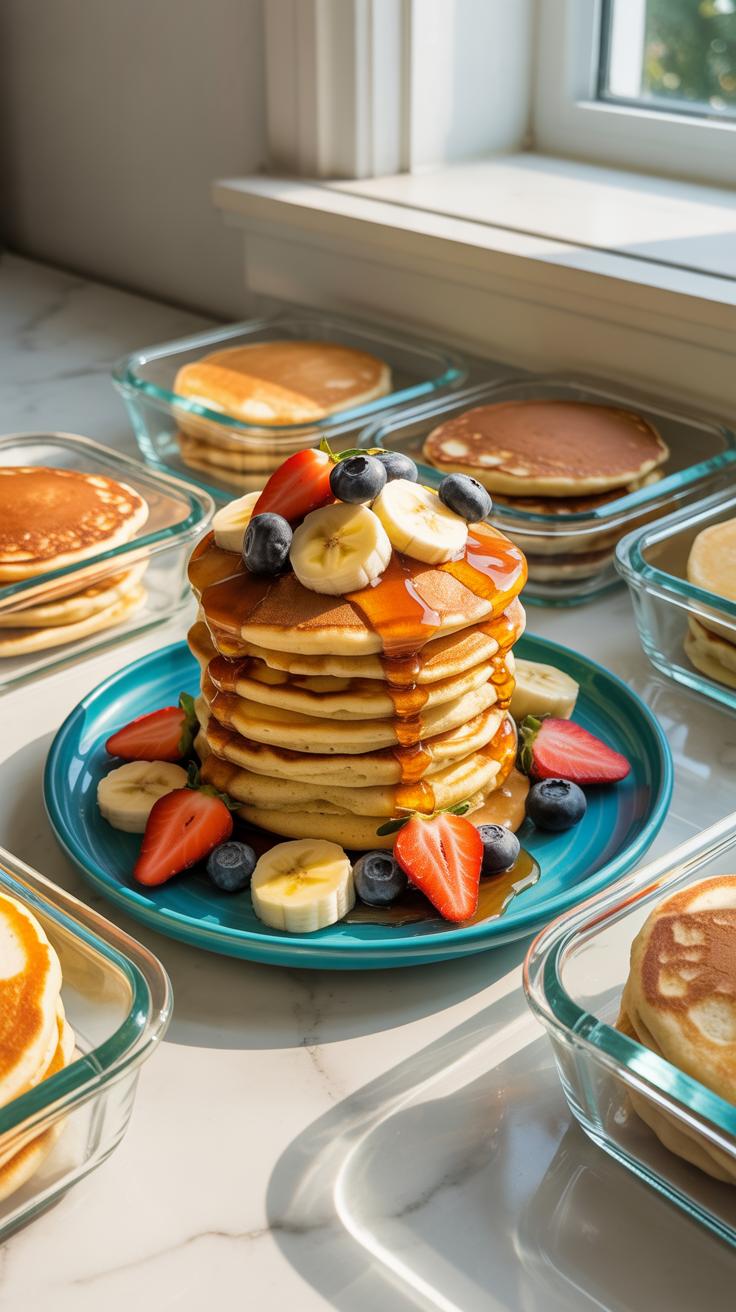
Standard pancake batters rely on refined flour and sugar. These break down and become soggy after one day in the fridge. Use a base of oat flour or blended rolled oats instead. Oats contain complex carbohydrates and fiber. This structure maintains firmness during the cooling and reheating process. Combine these oats with Greek yogurt or cottage cheese to add moisture and structural density.
Protein powder choice determines the final texture. Whey protein often becomes rubbery when heated twice. Select a casein or plant-based protein blend for better results. These powders absorb more liquid and keep the pancake soft. Add eggs or egg whites to bind the ingredients together. This ensures the pancakes do not crumble when you grab them for a quick meal on a busy morning.
Storing And Reheating Protein Pancakes Without Losing Texture Or Flavor
Proper cooling prevents the pancakes from becoming mushy. Place cooked pancakes on a wire rack immediately after they leave the pan. This allows steam to escape from both sides. If you stack warm pancakes, the trapped moisture creates a wet texture. Wait until they reach room temperature before placing them in a container. Use parchment paper between each pancake to prevent them from sticking together.
Reheating requires a dry heat source to restore the original texture. Avoid the microwave if you want a crisp edge. Use a toaster or a toaster oven on a medium setting. This method heats the center while firming up the exterior. If you must use a microwave, wrap the stack in a damp paper towel. Heat for thirty seconds to keep the protein from toughening up.
Breakfast Meal Prep Containers Tools And Storage Best Practices
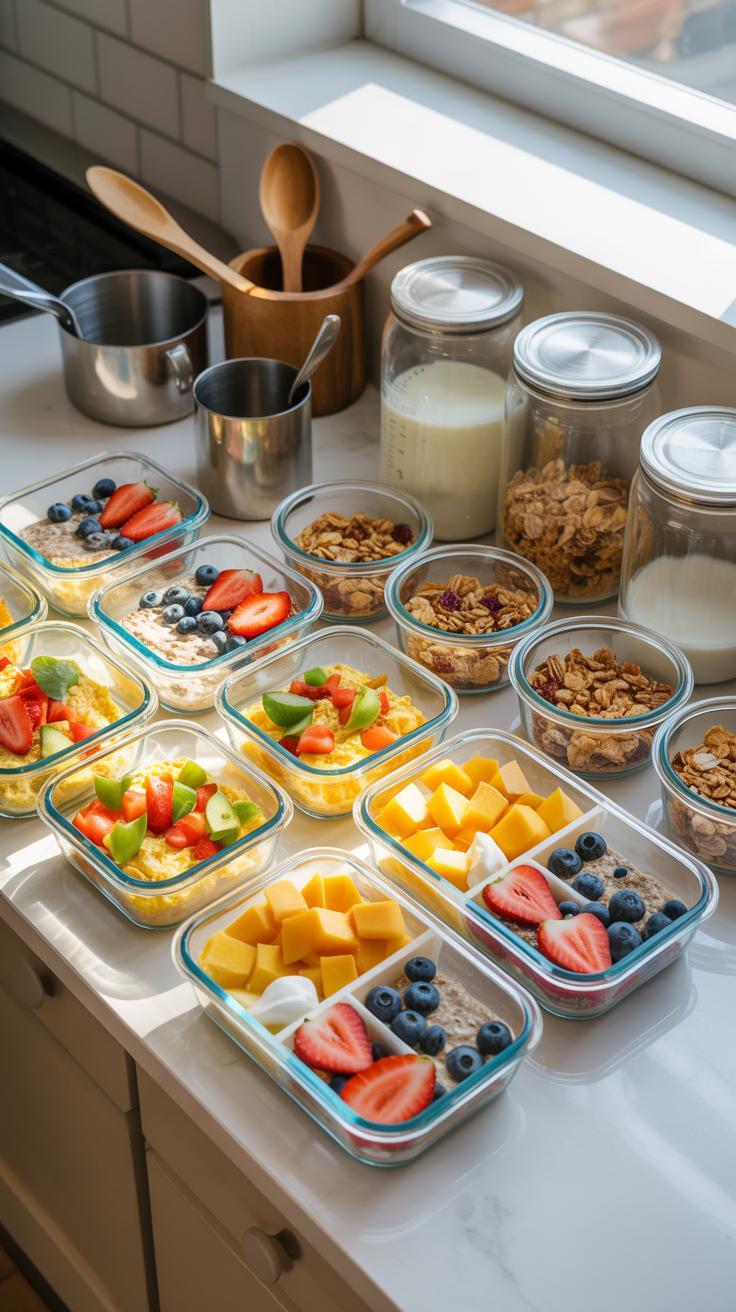
Choosing The Right Airtight Containers To Maximize Freshness And Food Safety
Borosilicate glass containers outperform plastic for long term storage and safety. Glass resists thermal shock and does not leach chemicals like bisphenol A into hot food. Non porous surfaces prevent bacterial growth and eliminate stubborn food odors or stains. Use glass to maintain the structural integrity of prepped items like baked oatmeal or egg casseroles during the reheat process.
Select containers with silicone gaskets to ensure an airtight seal. These seals prevent oxygen from entering and moisture from escaping. Proper sealing stops premature spoilage and fridge odors from tainting your breakfast. Stackable designs save space and keep your fridge organized. Choose various sizes to match specific portion needs. Consistent container sizes help you track calories and nutrients quickly every single morning.
Essential Kitchen Tools That Make Breakfast Batch Cooking Faster And Easier
Precision tools reduce prep time and ensure consistent results across all servings. High quality equipment allows you to cook larger quantities without losing flavor or nutritional value. Invest in durable gear that can withstand frequent use and heavy scrubbing. Reliable tools eliminate the frustration of stuck food or uneven cooking. Focus on utility and speed to make your morning routine sustainable.
- Sheet Pans: Heavy duty aluminum sheet pans provide even heat distribution for bacon or vegetable roasting. Use three quarter or full sizes to maximize oven space and cook entire batches at once.
- Silicone Muffin Liners: These non stick inserts allow for easy removal of egg bites and baked oatmeal cups. They eliminate the need for greasing pans and reduce cleanup time significantly after every session.
- Immersion Blender: Use this tool to mix large batches of pancake batter or eggs directly in your prep bowl. It saves time by avoiding bulky traditional blenders and reduces the number of dishes to wash.
- Digital Kitchen Scale: Weighing ingredients ensures accurate portion control and repeatable recipe success. Measuring by weight is faster and more precise than using volume cups for dry goods like oats or nuts.
- Wide Mouth Mason Jars: These jars offer the best vertical storage for overnight oats and chia puddings. The wide opening makes filling and eating easy while the glass construction keeps ingredients cold and crisp.
Efficient tools stop you from wasting precious time on manual labor. Speed up your workflow by using equipment that handles high volumes. Maintain your tools by cleaning them immediately after use to prevent wear. Store everything in accessible locations to reduce friction during your Sunday prep sessions. Professional grade gear produces professional results and keeps your meal prep goals on track every week.
Healthy Breakfast Meal Prep For Specific Dietary Needs And Preferences
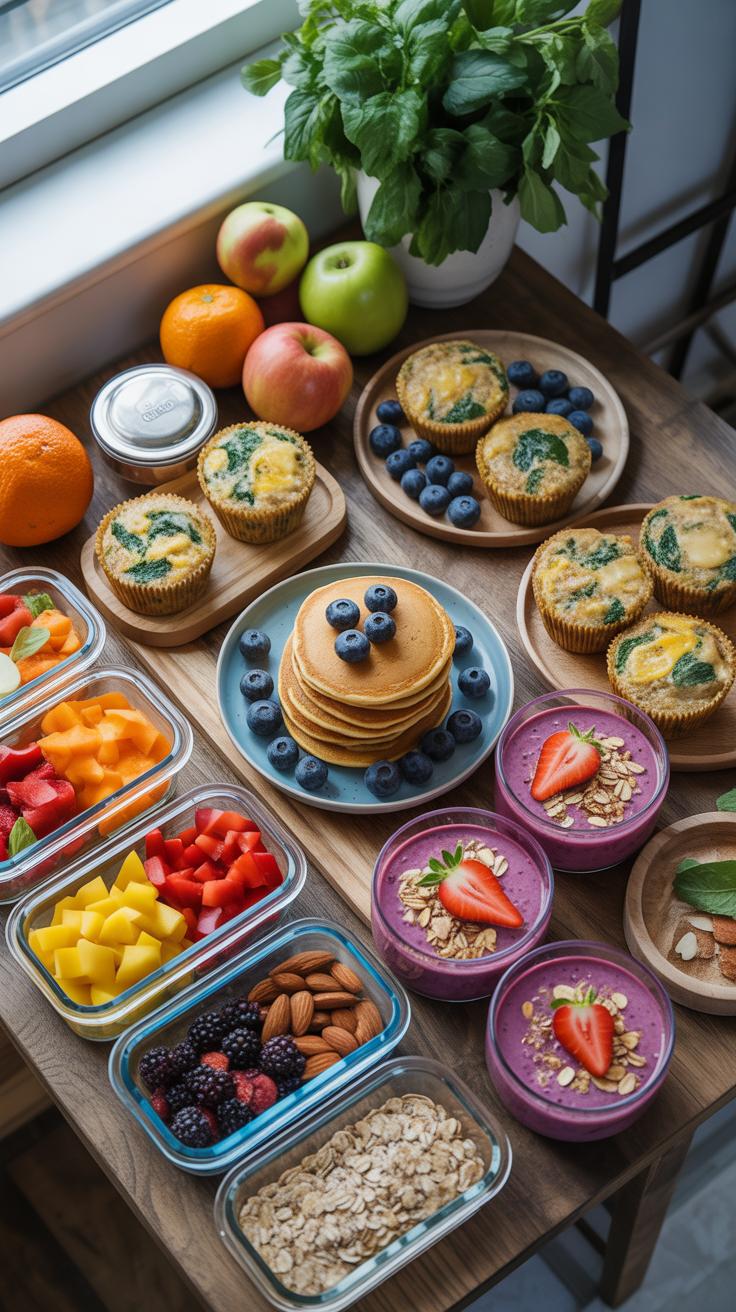
Gluten Free And Dairy Free Breakfast Prep Options That Don’T Sacrifice Taste
Gluten-free meal prep requires eliminating wheat, barley, and rye. Use certified gluten-free oats to avoid cross-contamination. Replace traditional flour with almond or coconut flour for baked items. Swap dairy milk for unsweetened almond, soy, or cashew alternatives. These substitutions prevent digestive distress for sensitive individuals. Stick to whole foods like eggs, potatoes, and fruit to simplify the process. Constant label checking ensures you avoid hidden thickeners.
Texture is the biggest challenge in dairy-free and gluten-free cooking. Use mashed bananas or applesauce to add moisture to muffins. Nutritional yeast provides a savory flavor without using cheese. Silken tofu creates a creamy base for breakfast scrambles or smoothies. Prep components separately to keep ingredients fresh throughout the week. Store dry items away from wet ingredients to maintain structural integrity. Accurate measurement ensures consistent results every time.
High Protein And Low Carb Breakfast Prep Strategies For Fitness Focused Goals
Focus on lean proteins and fiber to maintain muscle mass and satiety. Egg whites and Greek yogurt serve as excellent high-protein bases. Reduce carbohydrate intake by replacing bread with bell pepper boats or collard green wraps. Prepared meats like turkey sausage or smoked salmon add protein without excessive fat. Avoid sugary syrups and high-glycemic fruits. Tracking macros allows you to hit specific performance targets efficiently.
Batch cooking protein is the most tactical move for busy mornings. Roast several trays of chicken breast or lean beef at once. Portions should be weighed using a digital scale for total accuracy. Use healthy fats like avocado or seeds to provide sustained energy. These fats replace the energy typically sourced from carbohydrates. Tight seals on storage containers prevent oxidation and flavor loss. Cold storage is mandatory for safety.
Breakfast Prep For The Week A Practical Step By Step Planning Approach
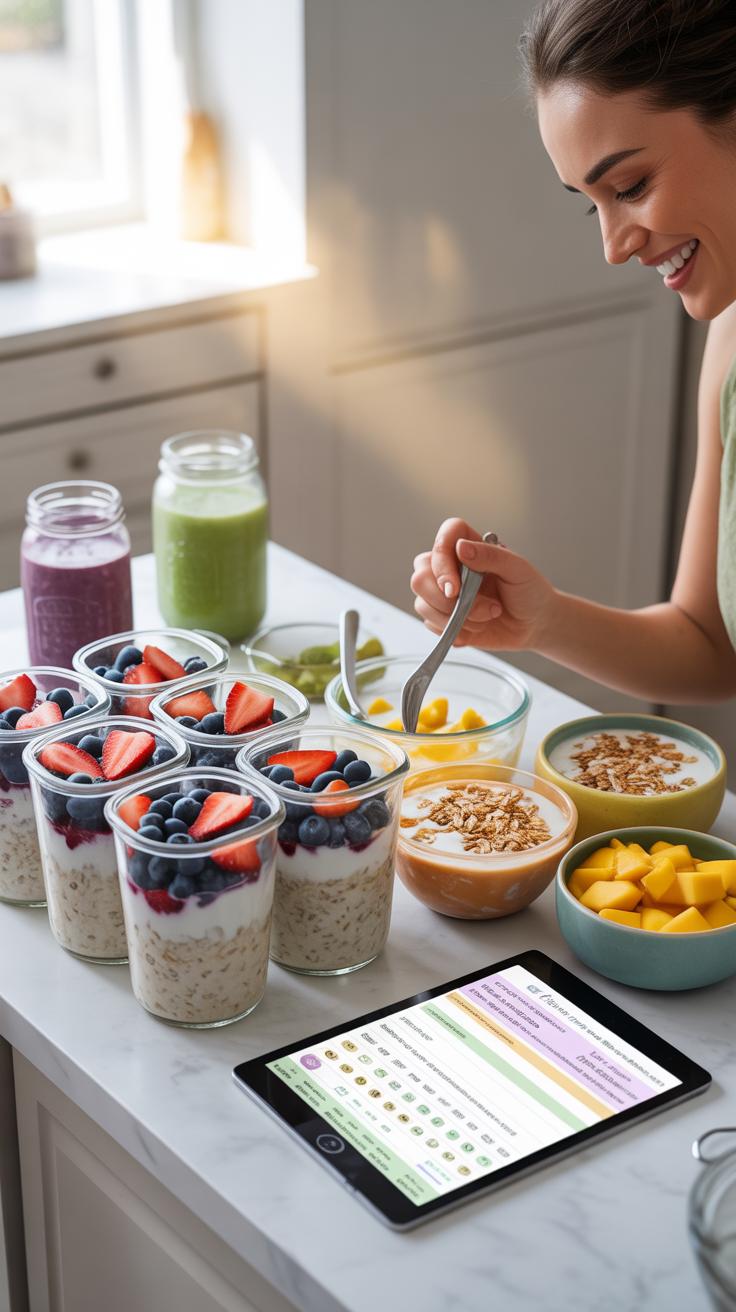
How To Plan Your Weekly Breakfast Menu Without Overcomplicating The Process
Successful meal prep starts with a limited menu. Most people fail because they try to cook different meals for every day. Choose two modular recipes per week. Overnight oats and egg bites work well because they use similar base ingredients. This strategy reduces decision fatigue. It also ensures you use every item you buy. Focus on high protein and fiber to stay full.
Execution requires a fixed time slot. Dedicate sixty minutes on Sunday to full production. Map out your macro needs before you start cooking. Check your pantry for staples like oats, seeds, and spices first. Rotate your flavor profiles every seven days to avoid boredom. Simple swaps like changing fruit or nuts keep the routine sustainable. Stick to proven recipes that survive refrigeration without losing texture.
Smart Grocery Shopping Habits That Support A Consistent Breakfast Prep Routine
Efficiency in the store dictates your success in the kitchen. Shop with a strict list based on your two chosen recipes. Buy frozen fruits and bulk grains to lower your total costs. These items have a long shelf life and high nutritional value. Check labels for added sugars in yogurts and milks. High quality fuel requires clean ingredients. Avoid the middle aisles where processed snacks live.
Organize your grocery bag by food group to speed up unpacking. Put all breakfast items in one dedicated zone in your fridge. This visual cue reminds you to start prepping as soon as you get home. Use transparent glass containers for storage. Seeing your food prevents waste and keeps you accountable. Consistency depends on removing friction. A well stocked kitchen is your primary tool for maintaining this healthy habit.
Common Breakfast Meal Prep Mistakes And How To Easily Avoid Them
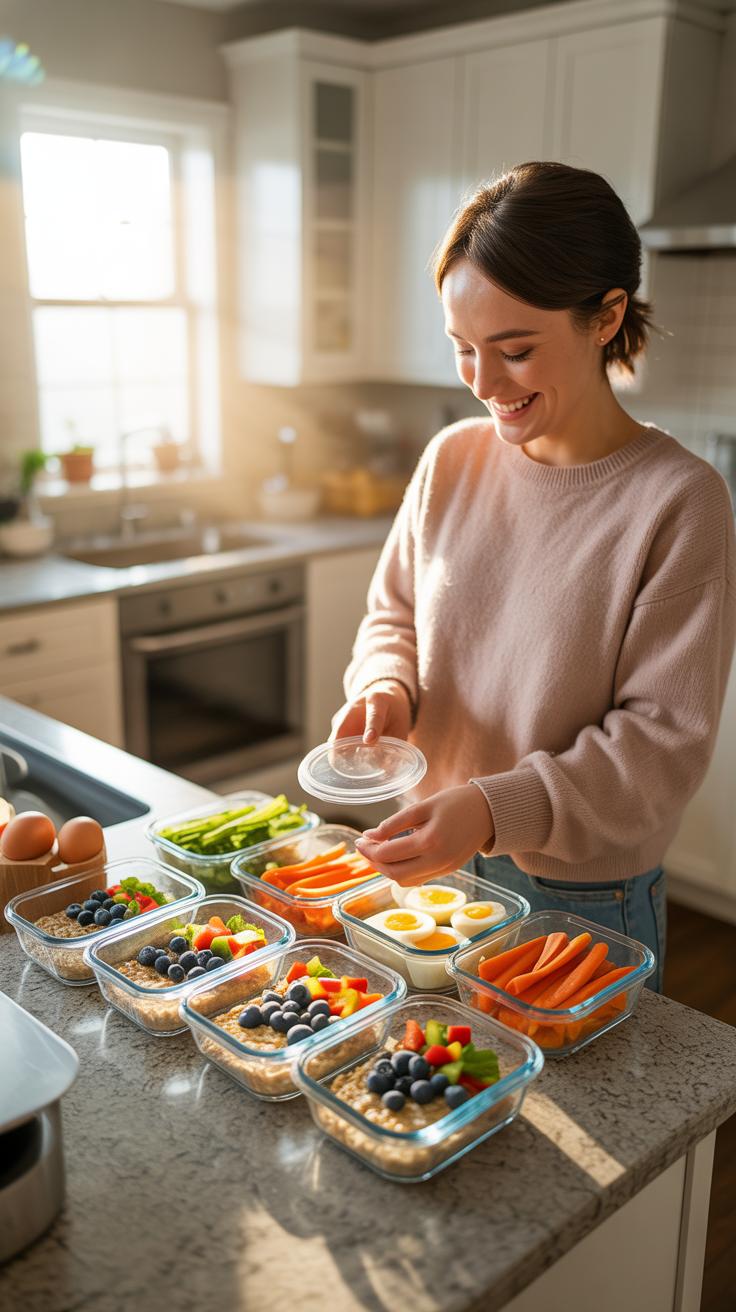
Why Prepping Too Much Too Soon Leads To Food Waste And Burnout
Beginners often attempt to prep seven days of complex meals in one session. This aggressive strategy usually fails because food quality degrades after three days. Most cooked eggs and sliced fruits lose their texture and flavor quickly. You will end up throwing away expensive ingredients by the end of the week. This waste creates frustration and stops your long-term progress.
Avoid burnout by starting with a three-day window. Prep only for Monday through Wednesday to ensure freshness and high nutritional value. This approach builds a sustainable habit without the pressure of a marathon cooking session. You can evaluate your hunger levels and taste preferences during this short trial. Smaller batches allow you to pivot your recipes before you get bored.
How Inconsistent Storage Habits Undermine Even The Best Breakfast Prep Efforts
Poor storage kills meal quality faster than bad cooking. Air and moisture are the main enemies of your breakfast prep. Using cheap plastic containers allows air to seep in and oxidize your food. This makes oats soggy and turns avocados brown. You must use airtight glass containers to maintain the correct internal environment. Glass also prevents chemical leaching during the reheating process.
Temperature control is the final factor in food safety. Do not put hot breakfast burritos directly into the fridge. This creates condensation inside the wrapper and makes the tortilla gummy. Let your food reach room temperature before sealing it. Label every container with a clear date. This eliminates guesswork and ensures you consume the oldest items first. Knowledge of shelf life prevents food poisoning.
Frequently Asked Questions

How do I start meal prepping breakfast if I have a busy schedule?
Starting a healthy breakfast meal prep routine is easier than you think. Begin by choosing one or two simple recipes, like overnight oats or chia pudding, that require no cooking. Dedicate just thirty minutes on Sunday to portioning these out into glass jars. By focusing on batch-prepping familiar ingredients first, you will establish a sustainable habit that saves you time and reduces morning decision fatigue throughout the work week.
What are the best ways to keep prepped breakfasts fresh until Friday?
To maintain peak freshness during your healthy breakfast meal prep, use airtight containers and understand ingredient shelf lives. Hard-boiled eggs and portioned yogurt parfaits stay fresh for about five days, while sliced fruits should be stored separately to prevent sogginess. If you are prepping breakfast burritos or egg muffins, consider freezing half the batch and moving them to the refrigerator the night before you plan to eat them.
Can I meal prep healthy breakfasts on a tight monthly budget?
Absolutely! You can master affordable meal prepping by prioritizing versatile pantry staples like bulk oats, eggs, and seasonal frozen fruits. Buying in bulk significantly lowers the cost per serving compared to purchasing pre-packaged convenience items. Focus on simple, nutrient-dense recipes that utilize overlapping ingredients, which minimizes grocery waste and ensures your morning routine remains both nutritious and wallet-friendly without sacrificing flavor or variety.