
What Is Budget Meal Prep And Why ItS A Game Changer For Your Wallet
Understanding The Core Concept Of Cheap Meal Prep And How It Saves You Money
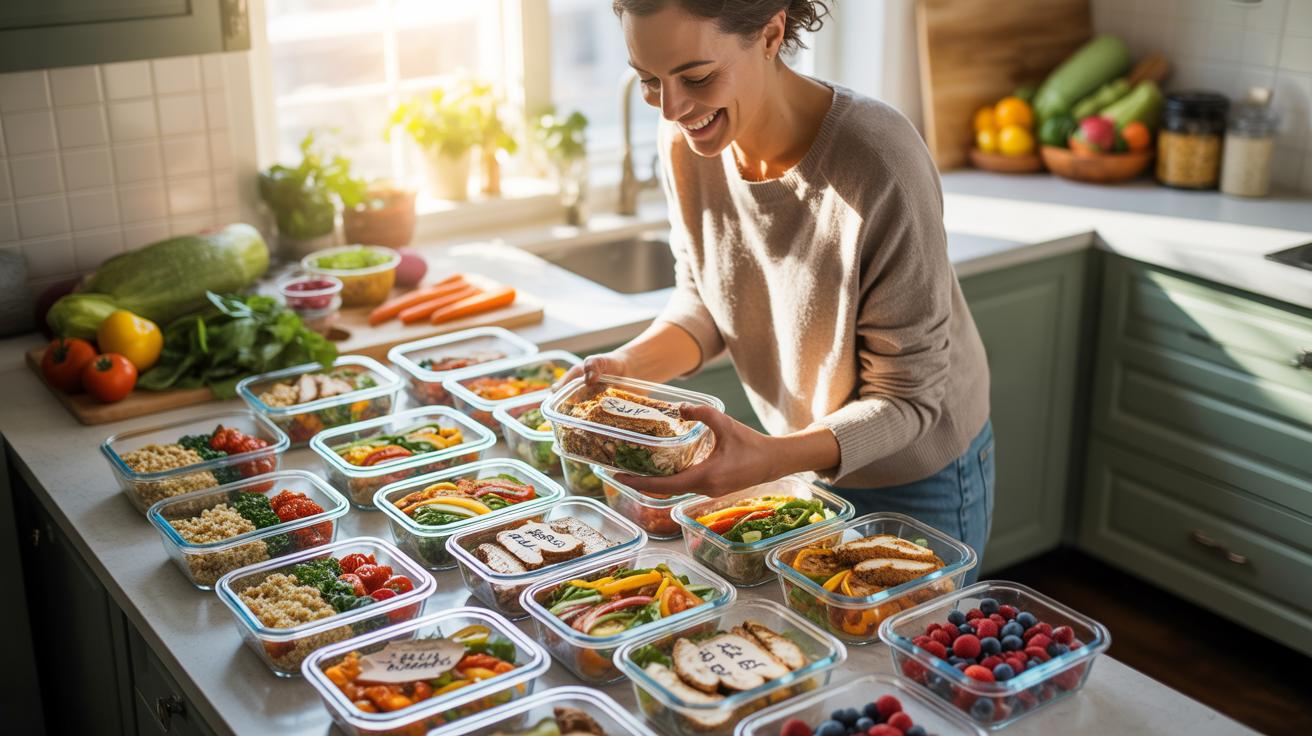
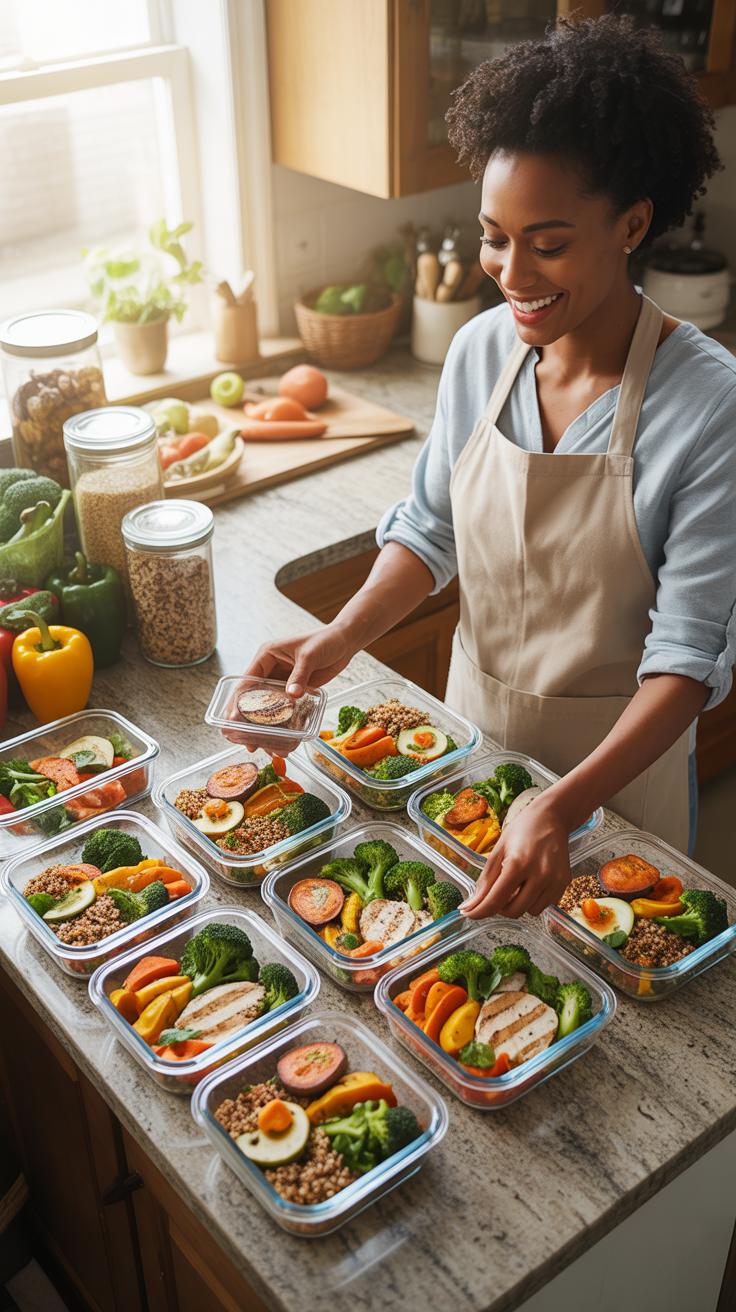
Budget meal prep is the strategic process of buying ingredients in bulk and preparing multiple meals at once to lower the cost per serving. This method removes the need for daily cooking and impulse buying. You focus on high-yield, low-cost staples like grains, legumes, and seasonal produce. By planning ahead, you eliminate the financial drain of last-minute food decisions that lead to expensive single-serving purchases.
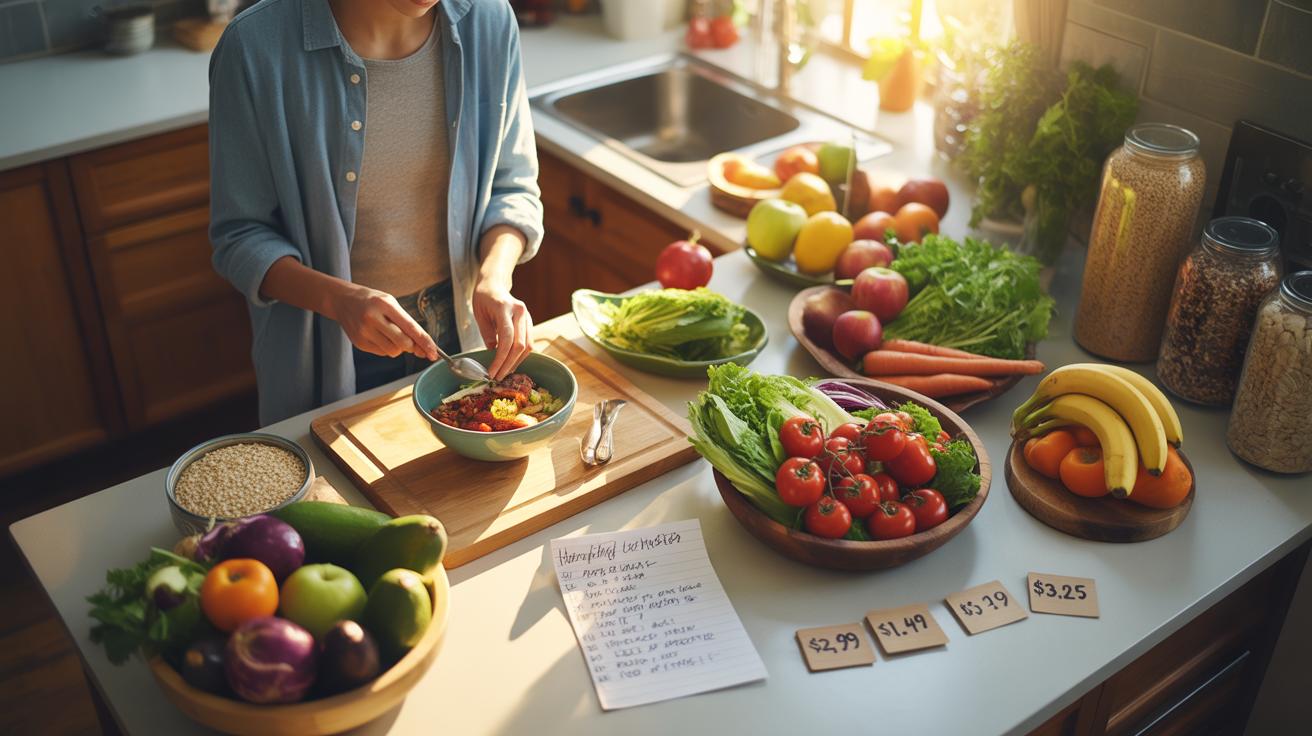
Standard grocery shopping often results in food waste because people buy items without a specific plan. Meal prep forces you to use every ounce of what you buy. You transform raw ingredients into finished portions that stay in your fridge or freezer. This system turns your kitchen into a production line. Controlling every ingredient ensures you do not pay for the labor or marketing costs baked into processed foods.
The Real Financial Impact Of Meal Prepping Vs. Eating Out Or Buying Convenience Foods
The price gap between home-cooked meals and restaurant food is massive due to overhead costs. Restaurants charge for labor, rent, and utility expenses. A single takeout meal often costs more than a full day of home-cooked food. When you prep your own meals, you pay only for the raw materials. Using wholesale prices further drops your cost per plate. This shift saves hundreds of dollars every month for most individuals.
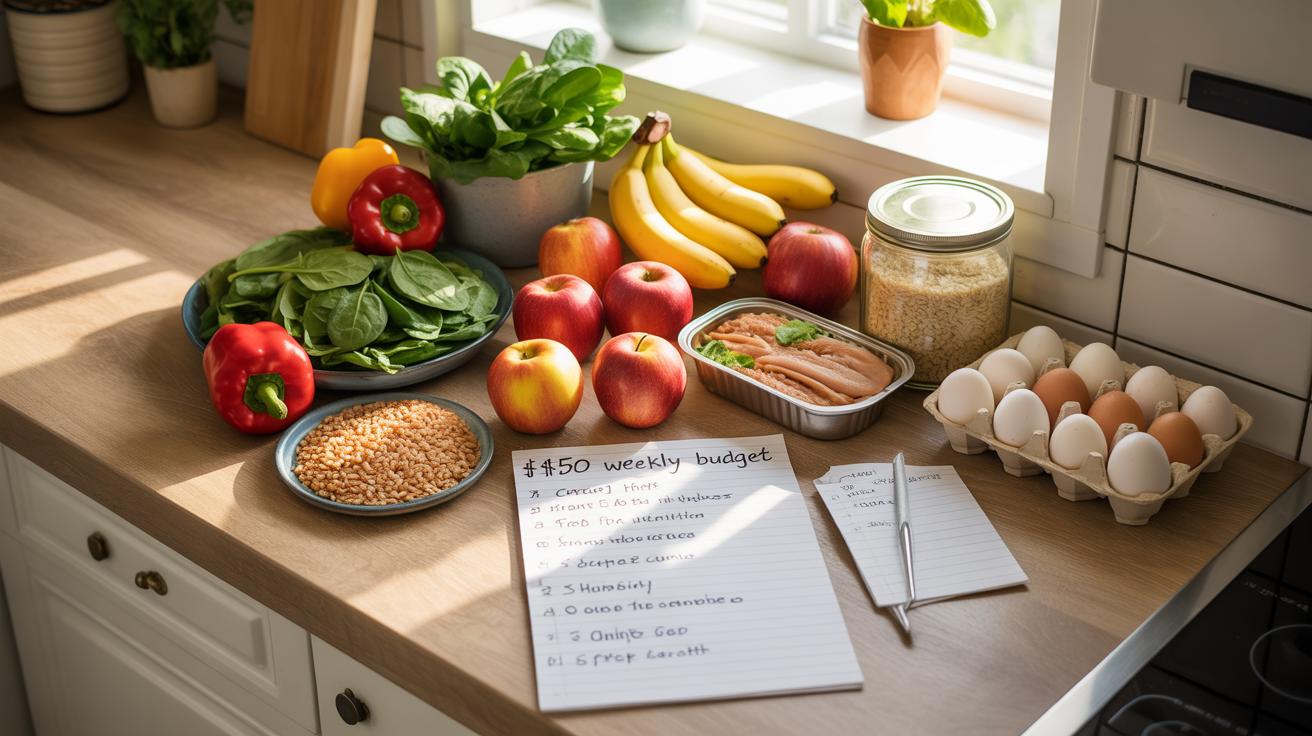
Convenience foods at the grocery store also carry hidden premiums. Pre-cut vegetables and frozen entrees cost more per pound than whole ingredients. Manufacturers charge for the time they save you. By investing three hours once a week to chop, cook, and portion, you reclaim that profit for your own bank account. Financial stability begins with controlling your recurring daily expenses. Strategic meal prep is the most effective way to manage your food budget.
Grocery Budgeting 101 How To Plan Your Weekly Shop For 25 Or Less
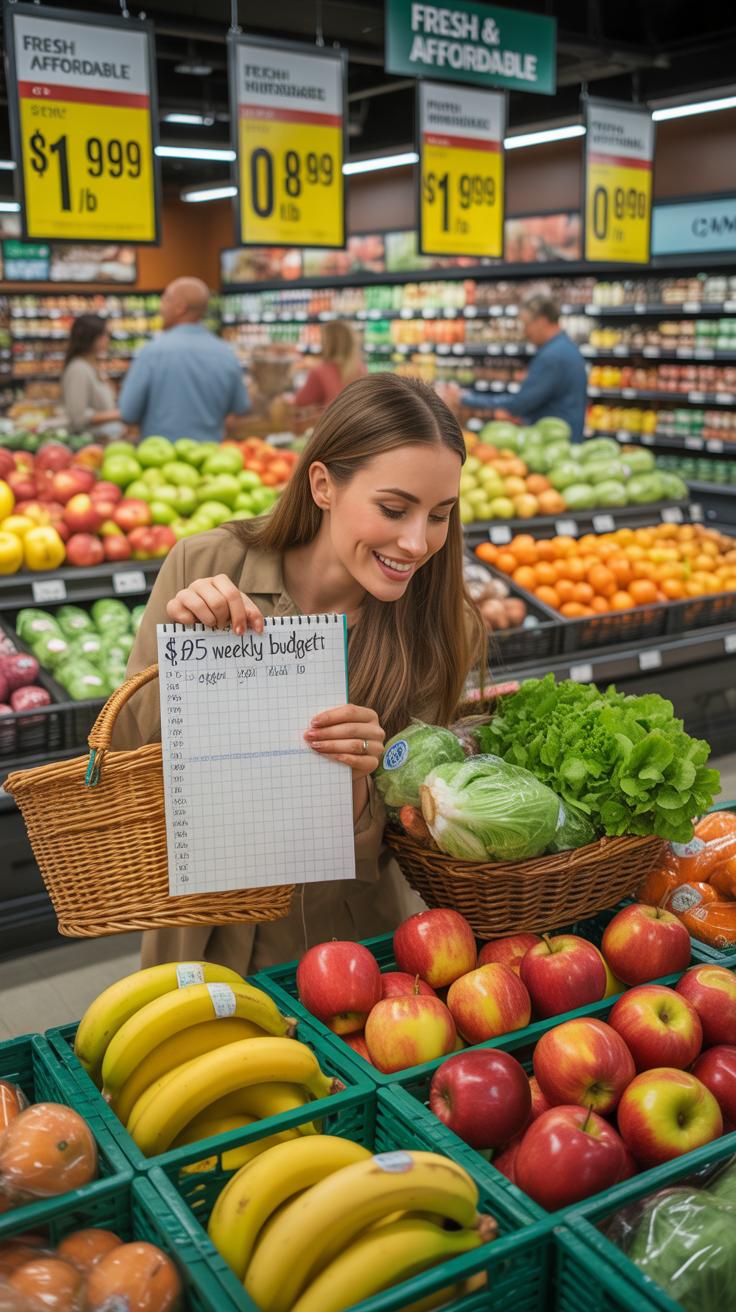
How To Build A Realistic Weekly Grocery List That Stays Under Budget
A successful budget list requires a strict inventory of what you already own. Most people waste money buying duplicates of spices or grains. Check your pantry first to identify your base carbohydrates like rice or pasta. Focus your list on high calorie staples that provide energy for low costs. You must ignore impulse items and luxury snacks that drain your funds quickly.
Every item on your list must serve multiple purposes across different meals. Do not buy an ingredient that you only use once. Look for versatile proteins like eggs or beans that work for breakfast and dinner. Calculate the estimated cost of each item before you enter the store. If the total exceeds twenty five dollars you must cut the lowest priority items immediately to stay on track.
Cooking with simple ingredients is not a chore, but a way to honor the warmth of a kitchen that always finds a way to provide. It is a beautiful thing to realize that a small budget can still create a table full of love and nourishment.
— Alice Waters
Smart Grocery Budgeting Strategies: Store Brands, Seasonal Produce, And Buying In Bulk
Store brands offer the exact same nutritional value as name brands for a fraction of the cost. Manufacturers often package the same product under a private label for retailers. Opt for generic canned goods and frozen vegetables to save thirty percent on your bill. These items have a long shelf life and reduce waste. Avoid pre-cut fruits or bagged salads because they carry a high price markup.
Buying in bulk reduces the unit price of essential goods like oats and lentils. Use the bulk bins at the grocery store to buy only the amount you need. Seasonal produce is cheaper because the supply is high and transport costs are low. Check the flyers for loss leaders which are items sold at a loss to get you inside. Stick to these specific deals to maximize your buying power.
The Best Affordable Staple Ingredients For Meal Prep For Cheap
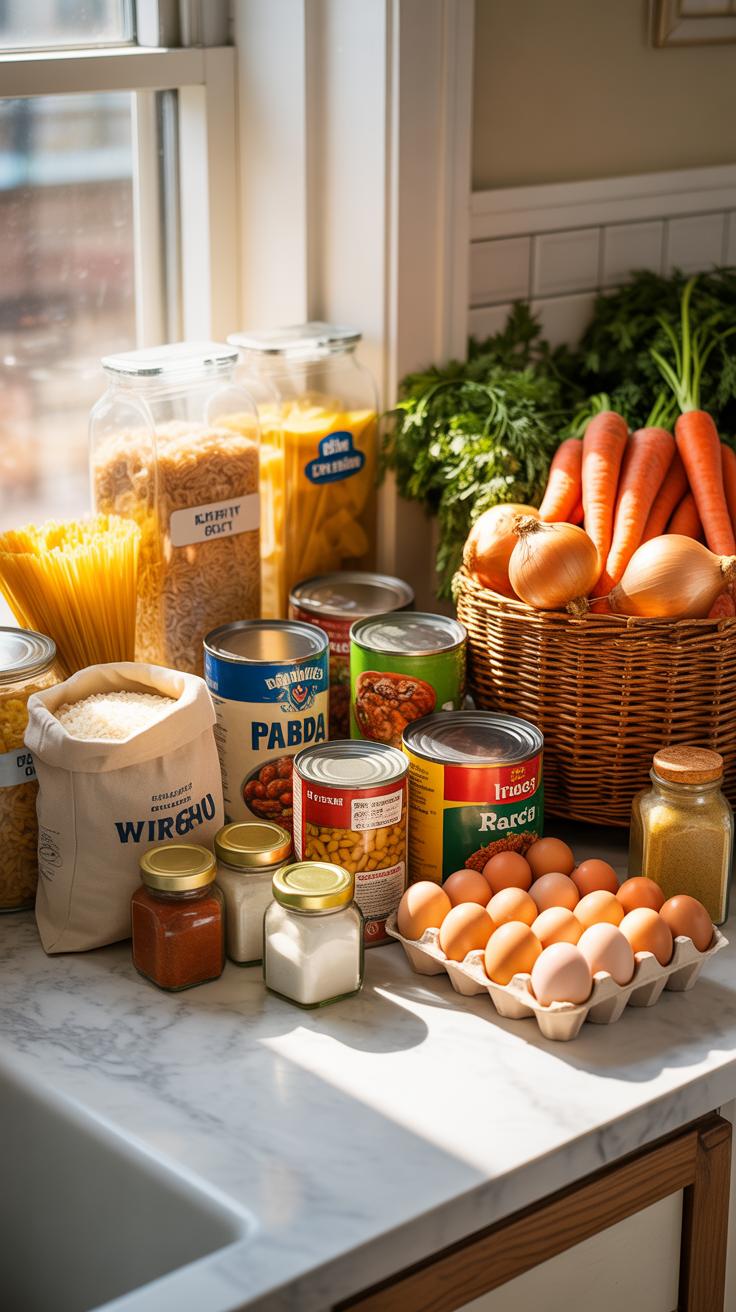
Pantry Staples That Form The Foundation Of Low Cost Weekly Cooking
Successful budget meal prep relies on high-volume ingredients with long shelf lives. Buying these items in bulk prevents frequent trips to the store where impulsive spending occurs. Focus on dry goods and shelf-stable fats that serve as the base for multiple flavor profiles. These items provide the necessary calories and nutrients to sustain you throughout the work week without breaking your budget.
- Dry Brown Rice: This grain offers long-lasting energy and serves as a neutral base for stir-fries or bowls. Buying a large bag reduces the cost per serving to pennies. It stores for months without losing nutritional quality or texture.
- Dried Brown Lentils: Lentils provide high protein and fiber content for a low price relative to meat. They cook faster than most dried beans and do not require overnight soaking. Use them to thicken soups or as a ground meat substitute.
- Old Fashioned Oats: Oats are a versatile breakfast staple that keeps you full because of high soluble fiber content. You can grind them into flour or soak them overnight for easy meals. They are significantly cheaper than boxed sugary cereals or pre-packaged bars.
- Vegetable Oil: Cooking fat is essential for heat transfer and nutrient absorption during the meal prep process. Large jugs offer better value than butter or specialty oils. Use it for roasting vegetables or searing cheap cuts of protein to improve flavor.
- Table Salt and Black Pepper: Basic seasoning is the most cost-effective way to make repetitive meals palatable. Proper seasoning prevents food waste by ensuring you actually enjoy the meals you prepared. Buy these in large containers rather than small decorative shakers to save money.
Organization of these staples ensures you never run out of core components for your recipes. Store dry goods in airtight containers to prevent pests and moisture from ruining your investment. Inventory your pantry every Sunday before you go shopping for fresh items. This habit prevents you from buying duplicates and helps you stick to the strict twenty-five dollar weekly limit.
How Staple Ingredients Like Rice Lentils Eggs And Oats Stretch Your Dollar Further
These four ingredients represent the highest nutritional return on investment available in a grocery store. Grains and legumes form a complete protein when eaten together, which allows you to reduce expensive meat consumption. Eggs provide high-quality fat and protein for a fraction of the cost of beef or poultry. Using these items as the bulk of your plate ensures caloric density on a shoestring.
The versatility of these staples prevents flavor fatigue while maintaining a low overhead cost. You can transform eggs from a breakfast item into a savory ramen topper or a fried rice component. Oats work as a hot cereal or a binder for low-cost meatloaf and veggie burgers. By mastering a few different cooking techniques for these specific ingredients, you maximize the utility of every cent spent at the register.
Cheap And Healthy Meal Ideas You Can Prep In Under Two Hours
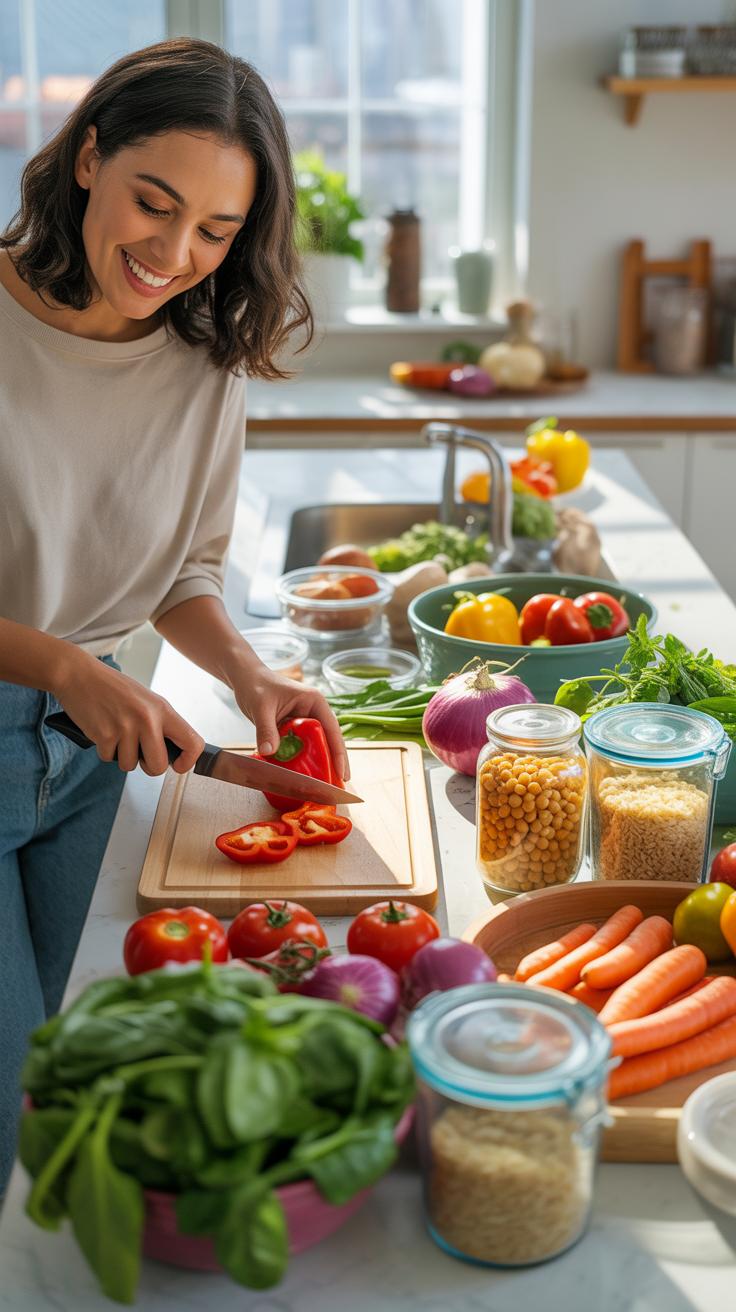
Breakfast And Lunch Cheap And Healthy Meal Ideas That Keep You Full Without Breaking The Bank
High protein breakfasts prevent expensive mid-morning snacking. Rolled oats purchased in bulk provide complex carbohydrates for sustained energy. Mix them with water or low cost milk and store in jars. Add peanut butter for healthy fats and satiety. This method requires zero cooking time during the work week. It keeps your food costs low while meeting basic nutritional needs for active people.
Lunch must focus on legumes and grains to stay under budget. Lentils and brown rice offer complete proteins at a fraction of the cost of meat. Season these staples with dry spices like cumin or chili powder to avoid flavor fatigue. Prepare large portions of a grain bowl or thick vegetable soup. These meals travel well and do not spoil quickly in a standard refrigerator.
How Batch Cooking Simple Recipes Reduces Both Food Waste And Weekly Spending
Batch cooking forces you to use every ingredient you buy at the store. You cook all your vegetables and proteins at once before they can rot. This system eliminates the hidden cost of discarded food. You maximize your hardware by running the oven one time for multiple dishes. High heat roasting creates flavor without the need for expensive sauces or processed oils.
Buying ingredients in larger quantities lowers the price per pound. You use these bulk items across several different recipes to save money. Cooking everything in one two hour session prevents the urge to buy fast food. You already have a meal ready when you are tired or busy. This discipline protects your cash flow and ensures you eat high quality food every single day.
Cheap Dinners That Are Satisfying Nutritious And Easy To Reheat
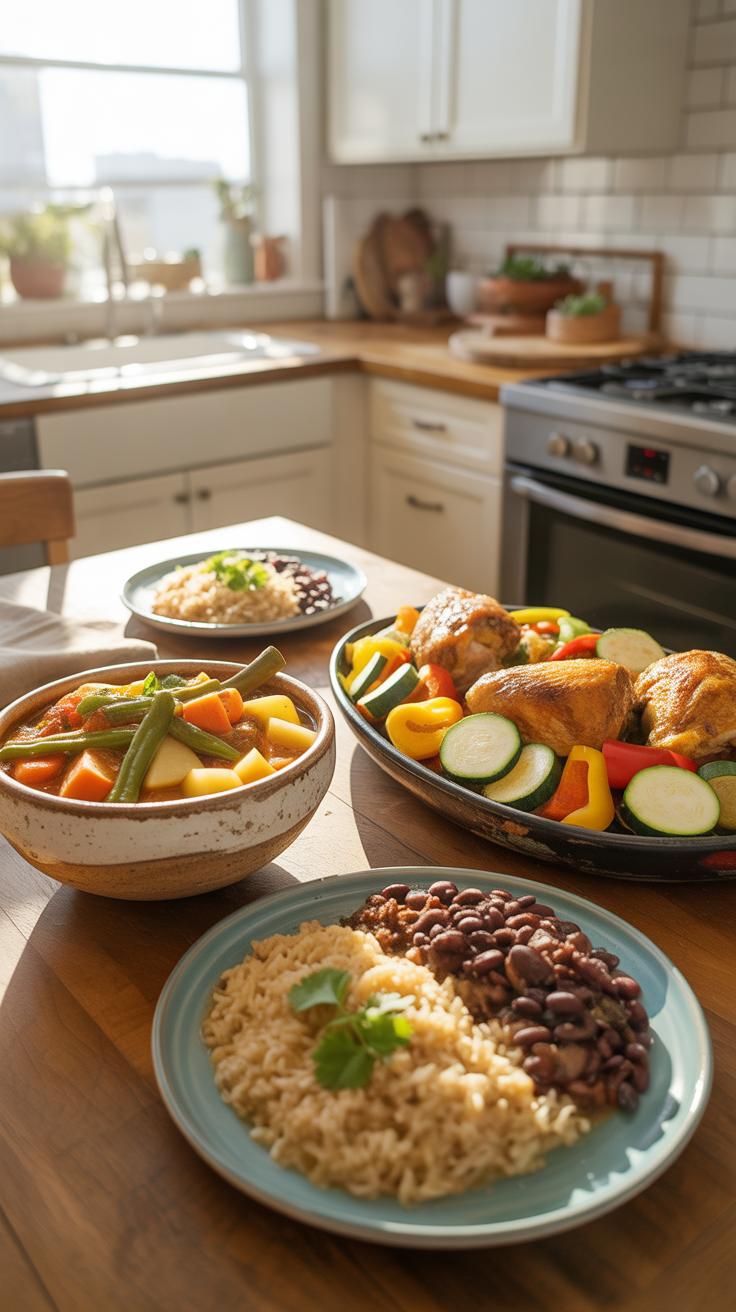
Five Cheap Dinners You Can Rotate Weekly Without Getting Bored Of Your Meals
Strategic meal planning requires selecting recipes that share base ingredients while offering distinct flavor profiles. High-fiber carbohydrates like brown rice and lentils provide the caloric foundation for these meals. Focus on high-volume, low-cost vegetables like cabbage and carrots to increase meal size without raising costs. These five options survive the microwave well and maintain their texture over five days.
- Red Lentil Dahl: This dish uses dry bulk lentils and canned coconut milk to provide high protein and healthy fats. It is one of the cheapest meals globally due to the low cost of pulses. It reheats perfectly in a microwave or on a stovetop without losing flavor quality.
- Sheet Pan Roasted Sausage and Root Veggies: Use seasonal potatoes, carrots, and onions paired with a pack of smoked sausage. This meal provides a balance of fats and complex carbohydrates. Roasting brings out natural sugars in the vegetables, which improves the taste profile after several days in the refrigerator.
- Black Bean and Corn Chili: Combine canned beans with frozen corn and tomato paste for a dense, nutrient-rich stew. This meal is high in fiber and keeps you full for longer periods. It is highly shelf-stable and costs less than fifty cents per serving when bought in bulk containers.
- Egg Fried Rice with Frozen Peas: Cold leftover rice is essential for this recipe to prevent sogginess. Use eggs as a cheap protein source and frozen peas for micronutrients and color. This dish cooks in under ten minutes and provides a solid ratio of macronutrients for an evening meal.
- Cabbage and Ground Beef Skillet: Cabbage is the most cost-effective vegetable per pound and provides significant bulk. Sauté it with a small amount of ground beef to spread the meat flavor across multiple servings. This low-carb option remains crunchy and satisfying even after multiple reheating cycles during the week.
Rotate these meals to prevent flavor fatigue while keeping your grocery bill under control. Prepare large batches on Sunday to save time and energy costs throughout the work week. Use airtight glass or plastic containers to prevent odors from leaking and to keep the food fresh. Consistent rotation allows you to buy ingredients in larger, cheaper quantities without wasting any surplus produce.
How To Add Flavor And Variety To Low Cost Dinner Recipes Using Spices And Herbs
Spices are the most effective tool to change a meal’s profile without adding significant cost. Buy spices in bulk or from the international aisle to avoid the high markup of small glass jars. Common bases like cumin, garlic powder, and smoked paprika can transform bland beans into a savory dish. Store spices in a cool, dark place to maintain their chemical potency and flavor oils.
Apply dried herbs early in the cooking process to allow heat to release their aromatic compounds. Use fresh herbs only at the end of cooking or as a garnish to preserve their delicate oils. Acids like vinegar or lemon juice brighten dull flavors and cost pennies per serving. Experiment with different spice combinations to make the same basic ingredients taste like entirely different regional cuisines every night.
Low Budget Meals How To Get Enough Protein Without Spending A Fortune
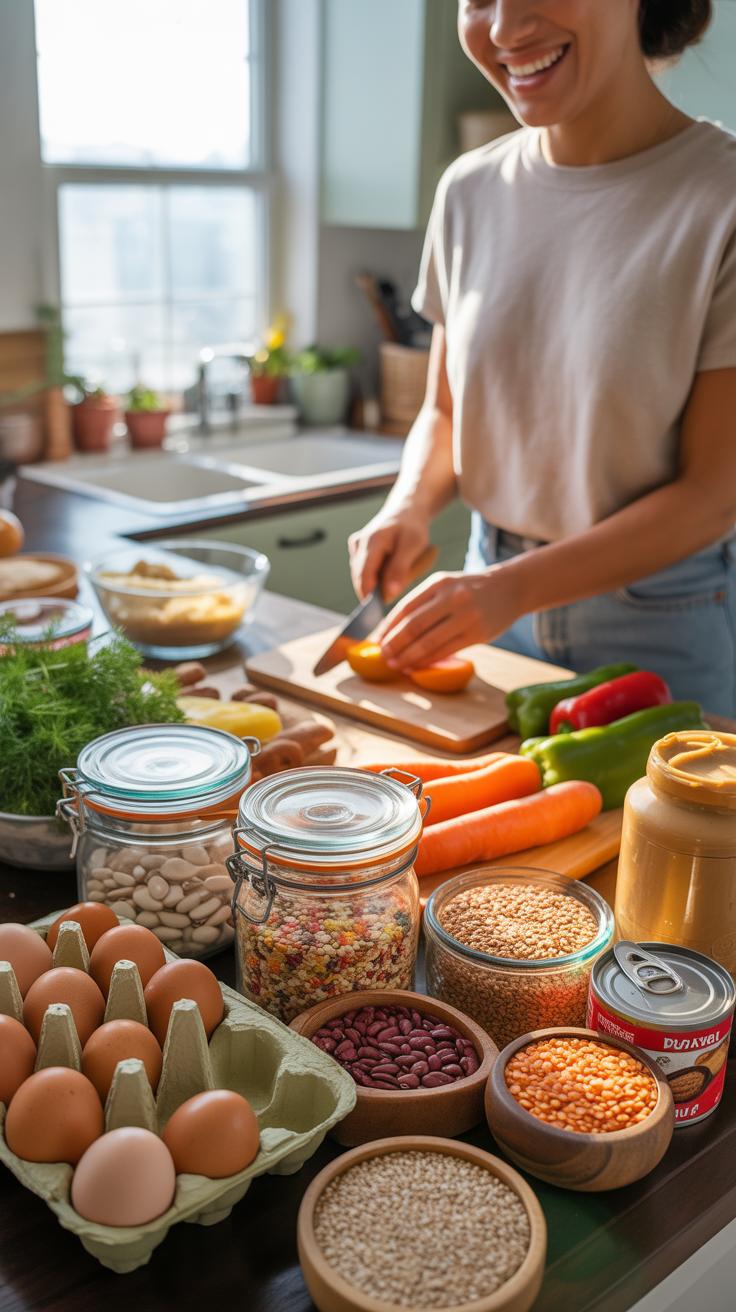
Affordable Protein Sources For Low Budget Meals Including Beans, Eggs, And Canned Fish
Protein is your most expensive macro. You must stop buying fresh chicken breast and steak if your budget is twenty-five dollars. Focus on eggs and dried beans to minimize costs. Eggs provide high biological value protein for pennies per serving. Dried lentils and chickpeas offer fiber and stable energy. These shelf-stable options prevent waste and lower your grocery bill immediately.
Canned sardines and mackerel offer superior nutrition at a fraction of the cost of fresh salmon. These oily fish provide essential omega-three fatty acids and high protein density. Buy them in bulk when they go on sale. Use these staples as the base for salads or pasta dishes. They require zero cooking time and provide the salt and fat your body needs to feel full.
How To Balance Macronutrients On A Tight Budget Without Sacrificing Your Health Goals
Balance your macros by utilizing cheap complex carbohydrates as a filler. Brown rice and oats provide the energy needed to fuel your day. Pair these carbs with legumes to create a complete amino acid profile. This combination ensures your muscles repair themselves without the need for expensive meat. Focus on volume and nutrient density rather than variety to keep your costs down.
Fat keeps you satiated and regulates your hormones. Use inexpensive vegetable oils or the natural fats found in whole eggs. Add frozen vegetables to every meal to get necessary micronutrients without the risk of fresh produce rotting. Tracking your intake ensures you hit your goals without overspending. Smart shopping allows you to maintain your physical health while staying within a strict budget.
Healthy Dinners Cheap Eating Nutritiously Without Compromising On Quality
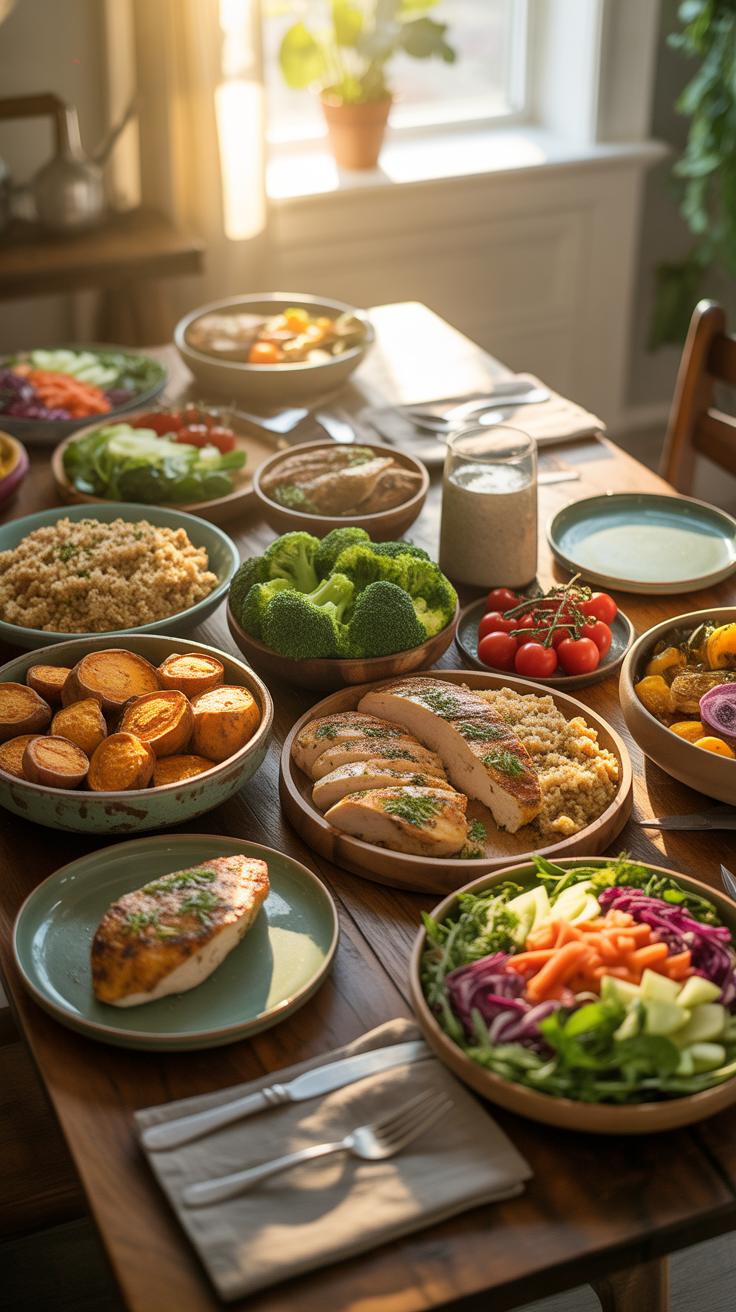
Why Healthy Dinners Cheap Is Not A Myth And How Whole Foods Beat Processed Options On Cost
Processed meals cost more because companies charge for labor and packaging. You pay a premium for convenience. Raw ingredients like oats, rice, and dry beans provide more servings per dollar. Whole foods offer higher nutrient density. This means you stay full longer and buy less food overall. Shifting your budget toward base ingredients eliminates the hidden taxes found in ready made meals.
Comparing unit prices proves that whole foods dominate the market. One pound of dry lentils often costs less than a single can of processed soup. Cooking from scratch allows you to control salt and fat levels. You avoid expensive additives and chemical fillers. Efficiency comes from buying in bulk. Stocking up on staples reduces your cost per meal to under one dollar.
How To Use Frozen Vegetables And Legumes To Build Nutrient Dense Meals For Less
Frozen vegetables provide the same nutritional value as fresh produce. Manufacturers flash freeze them at peak ripeness to preserve vitamins. This method prevents spoilage and reduces food waste. You only use what you need for each meal. Buying frozen allows you to eat a variety of greens year round regardless of the season. It is a tactical way to secure fiber and minerals.
Legumes are the most cost effective protein source available. Items like chickpeas and black beans cost pennies per serving. They add bulk and texture to dinners without the high price of meat. Combining legumes with frozen vegetables creates a complete nutritional profile. Use them in stews or stir fries to maximize volume. This strategy ensures you hit daily health targets on a minimal budget.
Cheap Healthy Meals For The Whole Week A Sample 25 Meal Prep Plan
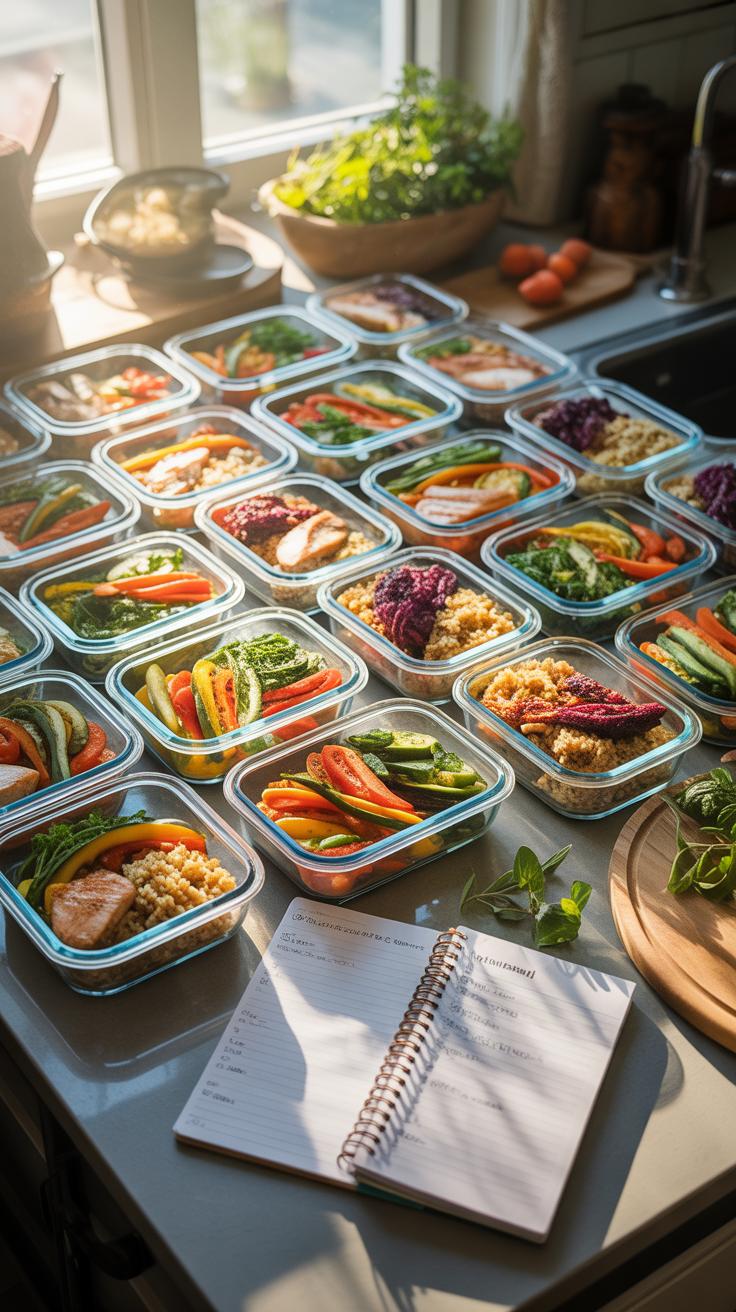
A Day By Day Breakdown Of Cheap Healthy Meals Using A Single $25 Grocery Haul
Successful meal prep requires a focus on versatile staples like rice, beans, eggs, and oats. For breakfast, rotate between oatmeal with peanut butter and scrambled eggs with toast. Lunch consists of bean and rice bowls flavored with cheap spices like cumin and chili powder. For dinner, serve lentil stews or pasta with oil and garlic. These ingredients cost pennies per serving and provide necessary fiber and protein for daily energy.
This plan relies on large batches to reduce cooking time. Monday through Wednesday focuses on fresh produce like cabbage or carrots that stay crisp. Thursday and Friday transition to frozen vegetables or root crops that have a longer shelf life. This sequence prevents food spoilage and ensures you consume nutrients throughout the week. By sticking to these core ingredients, you keep the total cost under twenty-five dollars while maintaining high nutritional density.
How To Repurpose Leftovers Mid Week To Minimize Waste And Maximize Every Dollar Spent
Efficiency increases when you view every meal as an ingredient for the next. Do not throw away extra rice or beans. Transform leftover plain rice into fried rice by adding an egg and soy sauce on Wednesday evening. Turn excess beans into a thick spread for toast or a dip for raw vegetables. This tactical shift prevents palate fatigue. It also ensures that zero percent of your grocery investment ends up in the trash.
Smart cooks use bones and vegetable scraps to create savory stocks for the next week. Save onion skins and carrot ends in a freezer bag. Boil these scraps on Sunday to create a base for soups or to cook your rice with more flavor. This technique mimics professional kitchen operations by extracting maximum value from every item. Reducing waste is the fastest way to lower your food overhead without sacrificing portion sizes or health.
Budget Meal Prep Tips To Stay Consistent Motivated And On Track Long Term
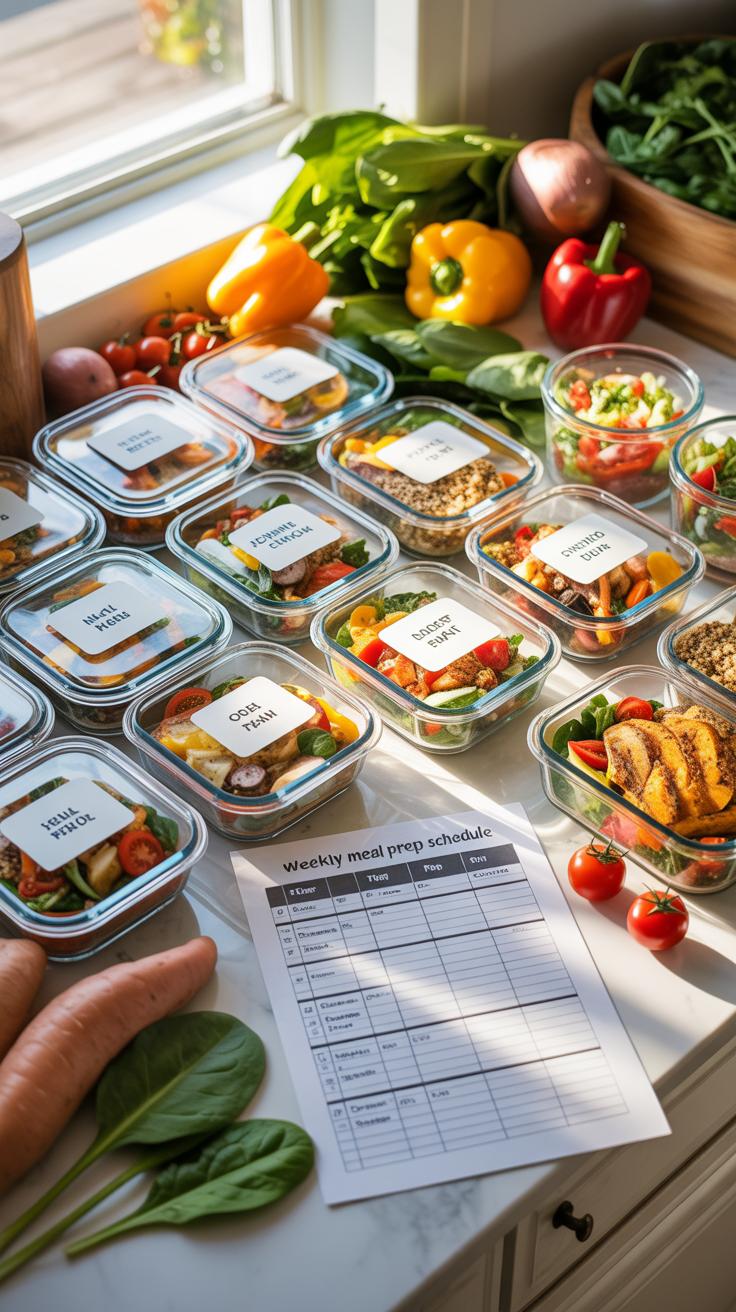
How To Build A Sustainable Budget Meal Prep Routine That Fits Into Your Weekly Schedule
Consistency requires an anchored schedule. You must treat meal prep like a non-negotiable appointment. Dedicate two hours on Sunday for bulk cooking and one hour on Wednesday for fresh assembly. This split prevents food spoilage and flavor fatigue. High-volume cooking reduces your cost per serving. Use this time to process bulk grains and proteins. Efficiency is the only way to protect your time.
Map your grocery shop to your prep time. Buy only what you can process immediately. A routine fails when ingredients sit unused in the fridge. Focus on modular components rather than complex recipes. Cook three base proteins and two large starches. This strategy allows you to pivot meals quickly during a busy work week. Structure your environment for speed by keeping essential tools accessible and sharp.
Common Budget Meal Prep Mistakes To Avoid And How To Overcome Them With Simple Fixes
The biggest mistake is over-purchasing perishable items without a preservation plan. Beginners often buy excessive produce that rots before Friday. Fix this by using a first-in, first-out inventory system. Store your oldest ingredients at the front of the shelf. If you cannot use fresh greens within three days, buy frozen alternatives. Frozen vegetables offer the same nutrition at a lower price point with zero waste.
Another critical error is neglecting seasoning variety. Eating the same bland chicken and rice leads to burnout. Invest in a diverse spice rack to change the profile of bulk-cooked ingredients. Use vinegar, soy sauce, or dried herbs to transform leftovers into new dishes. Proper storage containers also matter. Cheap plastic leaks air and ruins food texture. Use airtight glass or heavy-duty plastic to maintain food quality over five days.
Frequently Asked Questions

How can a beginner start meal prepping on a very tight budget?
The secret to successful budget meal prep for beginners is starting with versatile, shelf-stable staples. Focus your initial shopping list on affordable bulk items like brown rice, dried beans, and oats. By combining these foundations with a few seasonal vegetables and discounted proteins, you can create multiple nutritious meals without overspending. Start small by prepping just two days of lunches to build your confidence and refine your grocery shopping habits effectively.
What is the best strategy to keep my weekly food costs under $25?
To achieve a $25 weekly limit, you must prioritize “unit pricing” and seasonal shopping. Always check the lower shelves at the grocery store for generic brands and buy frozen vegetables, which offer the same nutrients as fresh at a fraction of the cost. Proper budget meal prep relies on cross-utilizing ingredients across different recipes, ensuring that a single head of cabbage or bag of lentils translates into several diverse, filling dishes.
Can I still eat a balanced diet if I only have $25 to spend on groceries?
Absolutely. High-quality nutrition is possible on a shoe-string budget if you focus on plant-based proteins and whole grains. Eggs, peanut butter, and canned tuna are excellent, low-cost protein sources that keep you full. By planning your budget meal prep around these nutrient-dense ingredients and avoiding expensive pre-packaged snacks, you can easily meet your daily caloric and nutritional needs while keeping your bank account balanced and your body well-fueled.