

Understanding Budget Meal Planning And Why It Works
What Budget Meal Planning Actually Means For Your Household
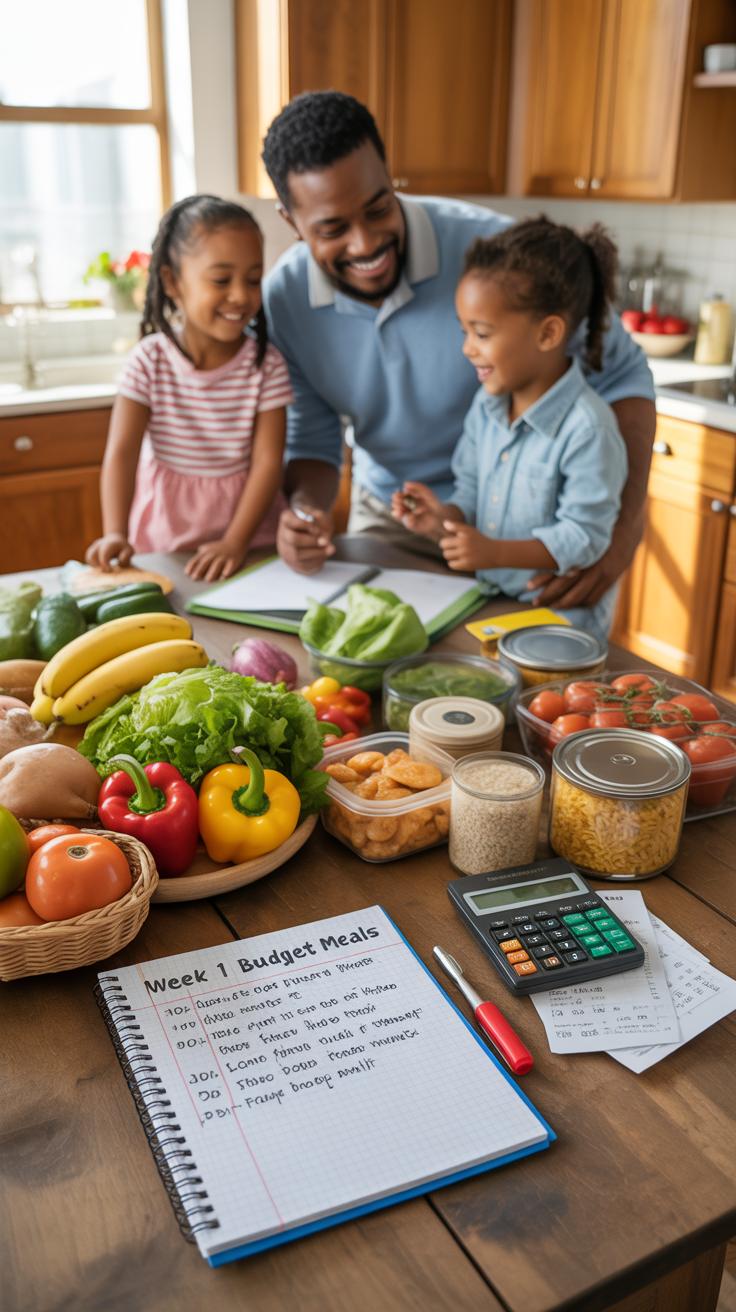
Budget meal planning is a tactical system for food procurement and consumption. It removes impulse decisions at the grocery store. You align your food intake with existing inventory and market prices. This process requires auditing your pantry before creating a shopping list. You prioritize low-cost staples like grains and legumes over expensive pre-packaged goods. Efficiency is the primary goal of this strategy.
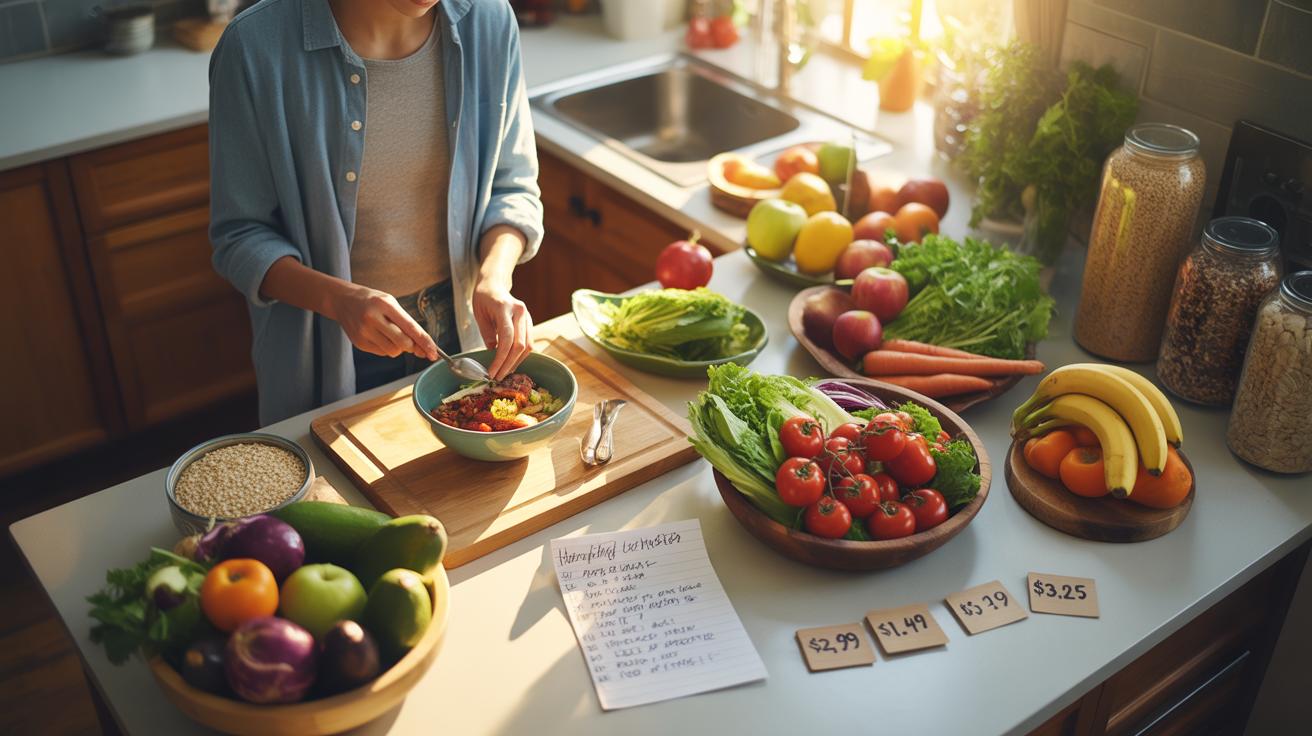
Successful planning focuses on high-yield ingredients that work across multiple dishes. You stop buying single-use items that lead to waste. A household using this method treats food as a controlled expense rather than a variable whim. This approach demands discipline during the selection phase. You buy what you need to meet nutritional requirements without exceeding your set financial limits. It is a strictly logistical operation.
The Real Financial Impact Of Planning Meals In Advance
Advance planning reduces the average cost per serving for every meal. Most food waste occurs because of poor coordination between shopping and cooking. By assigning every ingredient to a specific day, you eliminate the financial loss of spoiled produce. You also avoid the high markup of last-minute takeout orders. These small savings compound into significant monthly capital that stays in your bank account.
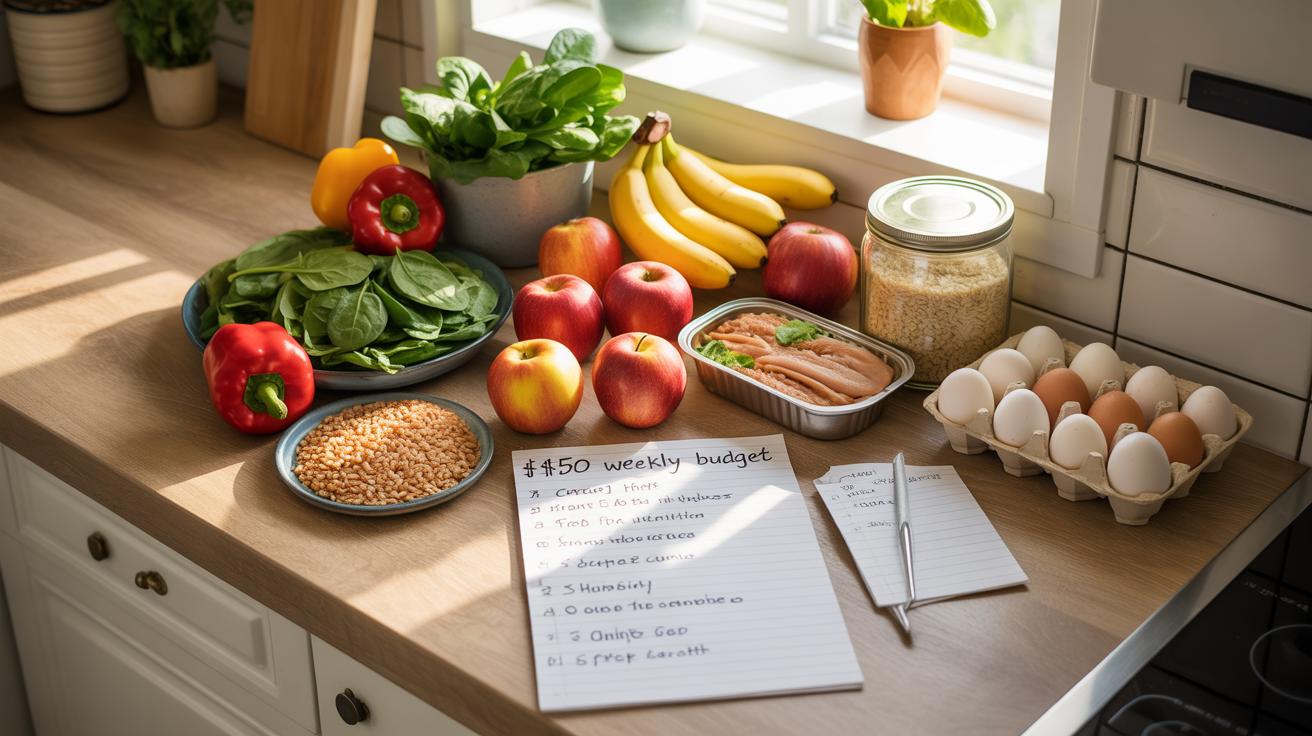
Data consistently shows that shoppers who use lists spend less than those who browse aisles. Planning allows you to take advantage of bulk pricing on non-perishable goods. You shift from reactive buying to proactive sourcing. This change protects your budget from inflation and seasonal price hikes. Consistent execution of this plan ensures your grocery bill remains predictable. Predictability is the foundation of a stable and healthy household economy.
How To Build Cheap Meal Plans From Scratch

Setting A Realistic Weekly Food Budget Before You Shop
Determine your maximum spending limit before looking at a single grocery store circular. Most households fail because they estimate costs instead of tracking real data. Calculate your average daily food spend over the last month. Reduce this number by twenty percent to find your target frugal baseline. Use cash or a dedicated debit card to prevent overspending during your grocery run.
Base your budget on inventory rather than desire. Open your pantry and list every item you already own. Subtract these items from your shopping list to lower your total bill. A budget only works if it accounts for staples like oil, salt, and spices. Check these levels weekly to avoid expensive last minute trips to the store. High frequency shopping trips destroy your financial targets.
There is no sight quite as comforting as a full larder and a table set with the simple, honest fruits of a well-planned harvest. Real economy means making the very most of what you have with a grateful heart.
— Laura Ingalls Wilder
Choosing Base Ingredients That Stretch Across Multiple Meals
Select high calorie staples that offer a low price per pound. Rice, beans, potatoes, and oats provide the foundation for most frugal diets. These dry goods have long shelf lives and prevent waste. Buy these items in bulk to reduce the unit price. A ten pound bag of rice costs significantly less per serving than individual microwave pouches. These bases provide consistent energy.
Combine these bases with versatile proteins to create variety without increasing costs. Roast a whole chicken on Monday to use the meat for tacos on Tuesday. Use the bones to create a stock for soup on Wednesday. This strategy reduces the need for expensive middle aisle processed foods. You pay for the labor when you buy pre-cut or pre-cooked items. Build your meals around raw ingredients.
Finding Affordable Food Without Sacrificing Nutrition

Where To Shop For The Lowest Grocery Prices In Your Area
Price dispersion across retailers is a documented economic reality. Discount grocers like Aldi and Lidl utilize a limited assortment model to reduce overhead costs. These stores stock fewer unique items which increases their buying power per product. They pass these savings to you through lower shelf prices. Shopping at these locations consistently reduces the base cost of your weekly food staples.
Avoid convenience stores and high-end organic markets for basic goods. These retailers apply significant markups for location and branding. Ethnic markets often provide better value on spices, grains, and specialty produce. Bulk warehouses offer long-term savings but require a high upfront investment. Compare the price per unit rather than the total package price to find the actual deal. This tactic ensures you pay the lowest possible rate.
How Seasonal Produce Keeps Your Grocery Bill Lower Year Round
Agriculture follows a strict calendar that dictates supply and demand. Produce is cheapest when it is in peak season because supply is at its highest point. Transportation costs also drop when items grow locally rather than being shipped across oceans. Buying out of season forces you to pay for storage and logistics. Stick to the current harvest to keep your costs down.
Frozen and canned vegetables offer a stable price floor when fresh items are expensive. Manufacturers process these goods at the height of the harvest cycle when costs are lowest. They retain similar nutritional profiles to fresh counterparts but last much longer. Using a mix of seasonal fresh items and preserved goods prevents price spikes. This strategy protects your budget from the volatility of the global produce market.
Frugal Meals That Are Actually Satisfying And Delicious
Protein Rich Frugal Meals Using Beans Lentils And Eggs
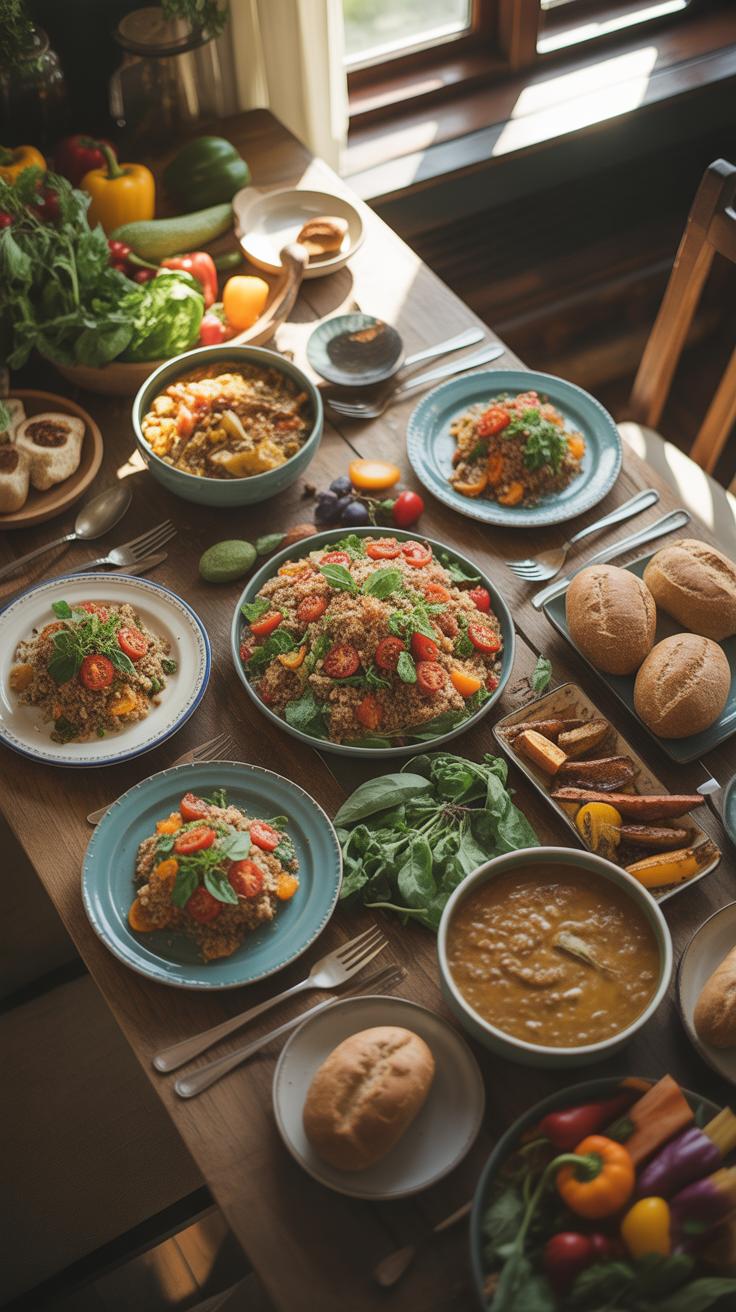
Dry beans and lentils offer the lowest cost per gram of protein on the market. These legumes contain high fiber levels that promote satiety. You must soak dry beans to reduce cooking time and improve digestion. Lentils cook faster and do not require soaking. Use red lentils to thicken sauces or green lentils for a firm texture in salads and stews.
Eggs serve as a versatile protein source for any time of day. They cost significantly less than beef or poultry per serving. Use eggs to add structure to fried rice or density to vegetable frittatas. Poaching or boiling eggs preserves their nutritional profile without adding expensive cooking fats. Combining eggs with beans creates a complete amino acid profile similar to meat products.
How To Make Simple Grains And Vegetables The Star Of Every Plate
Whole grains like brown rice and pearl barley provide a dense base for cheap meals. These complex carbohydrates digest slowly and provide steady energy throughout the day. Buy grains in bulk to lower the unit price. Toasting dry grains in a pan before adding liquid enhances their natural nuttiness. This technique adds depth to the dish without requiring expensive spices or oils.
Vegetables provide essential volume and micronutrients to a plate. Focus on hearty root vegetables like carrots, potatoes, and cabbage. These items have a long shelf life and low cost. Roast them at high heat to create natural sugars through caramelization. This process improves the flavor and texture of basic produce. Use seasonal vegetables to keep costs low and ensure the highest nutrient density.
Creating A Realistic Budget Meal Plan For Your Week
Step By Step Guide To Mapping Out A Full Week Of Meals On A Budget
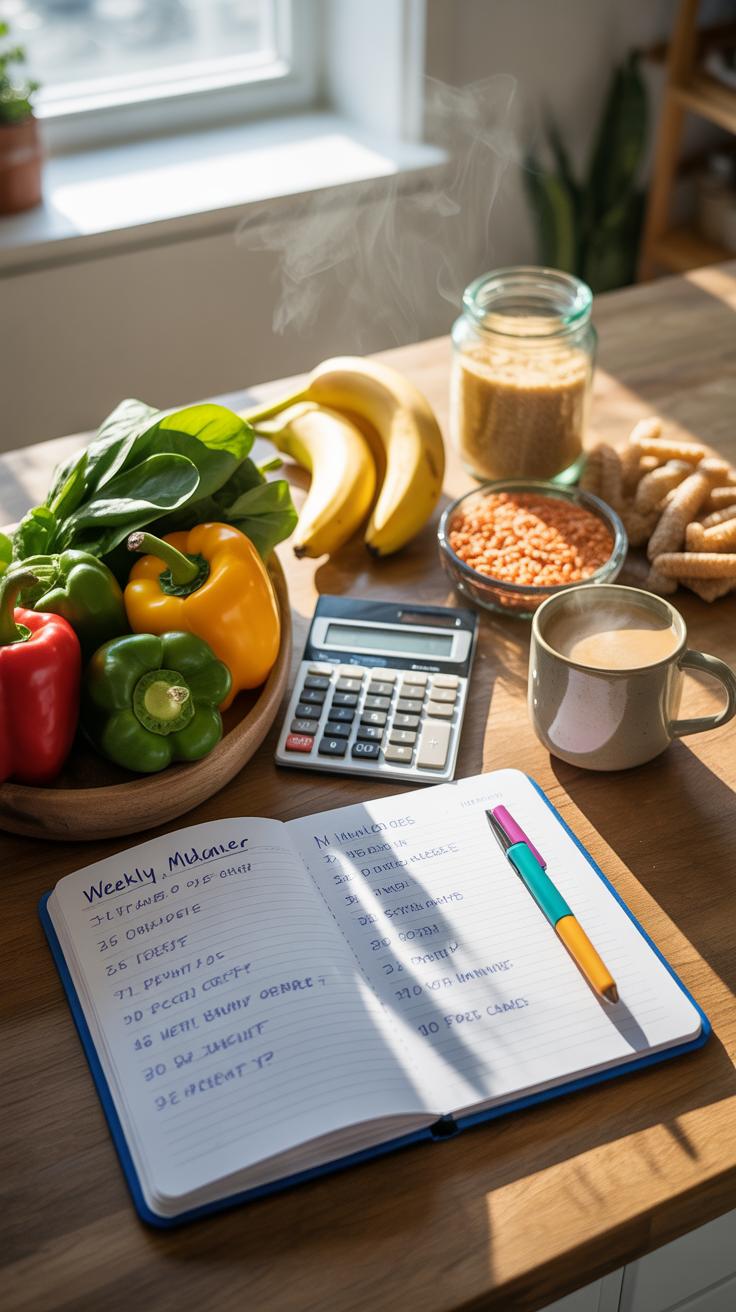
Effective meal planning starts with a rigorous audit of your current inventory. Check your pantry, fridge, and freezer before you look at a grocery circular. Professionals build plans around what they already own to drive the cost per meal down toward zero. This strategy prevents the common mistake of buying duplicate ingredients that lead to household waste and unnecessary spending.
- Inventory Audit: Document every protein, grain, and canned good currently in your kitchen. Use these items as the foundation for your weekly menu to reduce the number of new items you must purchase at the store.
- Circular Analysis: Review local store flyers for loss leaders and seasonal produce prices. Align your meal choices with these specific discounts to capitalize on high-volume items that stores sell at or below cost to attract customers.
- Meal Slotting: Assign specific recipes to each day of the week based on your actual schedule. Focus on quick meals for busy nights and batch cooking for days when you have more time to spend in the kitchen.
- Master List Consolidation: Combine all required ingredients into a single shopping list organized by store aisle. This tactical approach prevents impulsive purchases and ensures you only buy exactly what the plan requires for the upcoming seven-day cycle.
- Price Checking: Estimate the total cost of your list before entering the store. If the projected total exceeds your weekly cash limit, swap out expensive proteins for plant-based alternatives like lentils or beans to bring the budget back into alignment.
Once your list is finalized, execute the shopping trip with strict discipline. Do not deviate from the written plan based on end-cap displays or emotional triggers. A budget plan only works if you follow the dictated list exactly. This structured process removes the stress of daily decision-making and ensures your grocery spending remains predictable and low every single week.
How To Balance Variety And Repetition To Avoid Food Fatigue
Strategic repetition is the secret to low-cost eating. You must learn to reuse core ingredients in different formats to keep meals interesting without increasing your budget. Buy bulk proteins or grains and apply different spice profiles to change the flavor. This allows you to benefit from lower unit prices while preventing the boredom that often leads to expensive takeout orders.
Rotation cycles also help manage food fatigue across the month. Do not eat the same meal more than two days in a row. Instead, freeze portions of your batch-cooked meals to eat next week. This creates a personal library of ready-to-eat food. You get the convenience of a frozen dinner with the nutritional quality and low cost of a home-cooked meal.
Meal Planning Ideas To Keep Dinners Fresh And Exciting
Theme Night Strategies That Simplify Weekly Meal Decisions
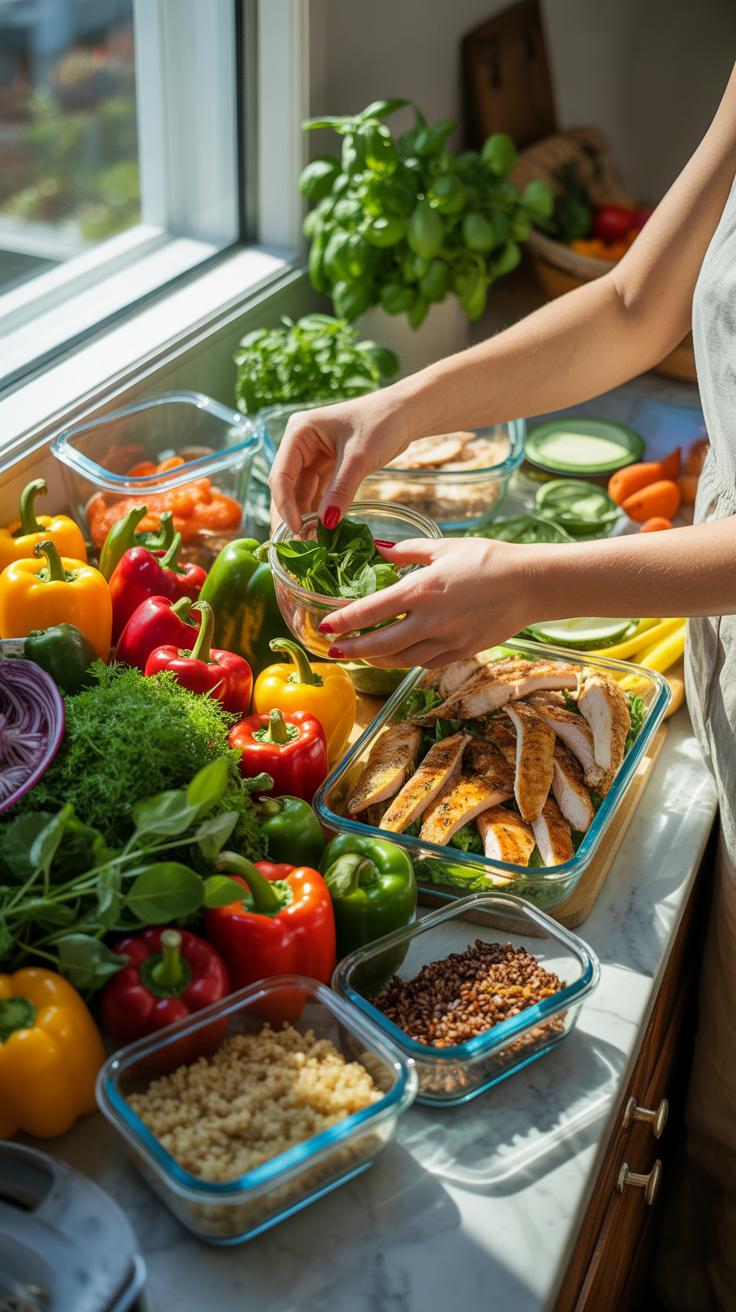
Theme nights reduce decision fatigue and streamline your grocery list. Assigning a specific food category to a day of the week narrows your focus. You no longer face a blank page when planning. This method allows you to buy staples like grains and spices in bulk. You spend less time browsing aisles and more time executing a repeatable system that works.
This strategy improves your inventory management and reduces food waste. When Tuesday is always taco night, you know exactly which perishables to stock. You can rotate proteins based on what is on sale that week. This flexibility keeps costs low while maintaining a predictable structure. You master specific cooking techniques faster through repetition. Consistent themes ensure that every ingredient has a designated purpose.
Using Leftovers Creatively To Build Entirely New Meals
Effective meal planning treats every dinner as a component for future dishes. Never view extra food as a repeat of the same meal. Use roasted chicken from Sunday as the base for Monday soups or salads. This approach extends the life of expensive proteins. You maximize your initial investment by changing the texture and flavor profile. Smart cooks plan for these deliberate surpluses.
Repurposing ingredients requires a shift in mindset from recipes to components. Grains cooked for one meal serve as the foundation for fried rice or grain bowls later. This reduces total kitchen labor and energy costs. You save time by not starting from scratch every evening. Use sauces and spices to pivot between different global cuisines. This tactical rotation keeps your palate engaged without increasing your weekly food budget.
Budget Friendly Recipes That Rely On Pantry Staples
Essential Pantry Staples Every Frugal Cook Should Keep Stocked
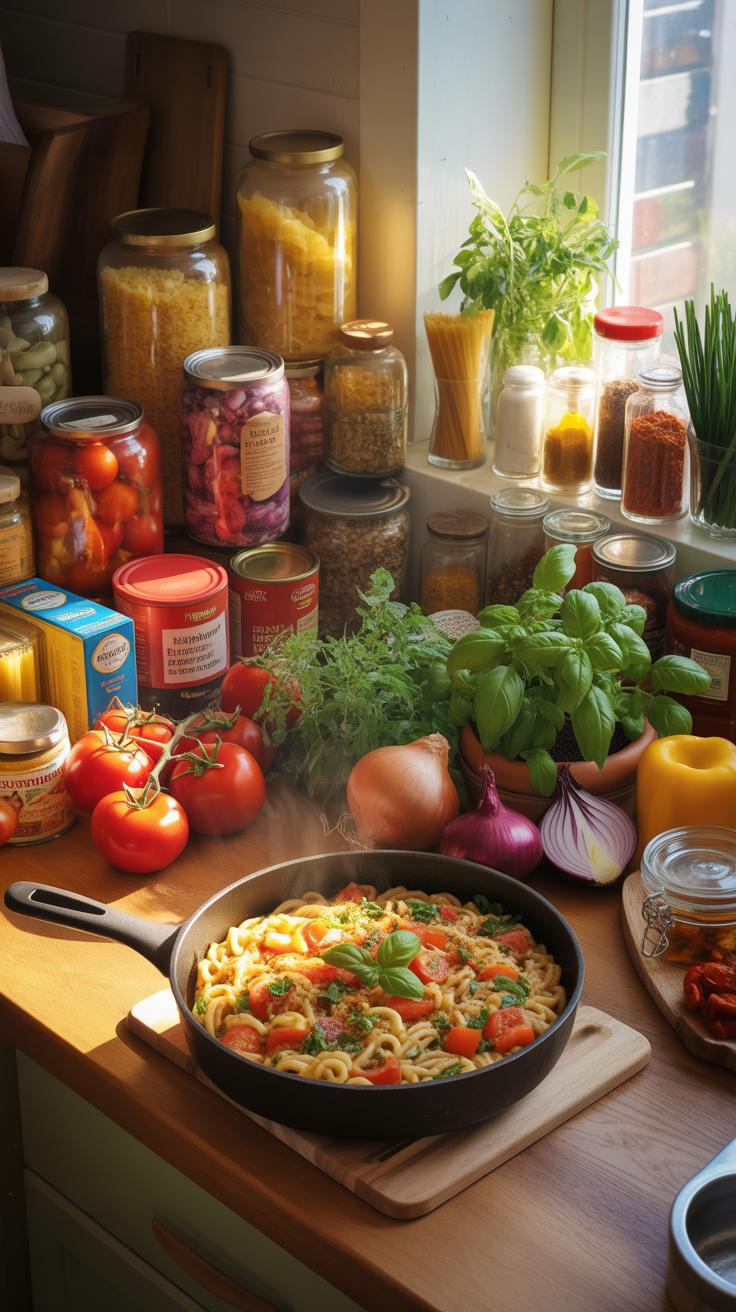
Cheap weekly meal planning tips prioritize dry and canned goods over perishable items. These ingredients have long shelf lives and low costs per serving. Keeping a foundation of carbohydrates and proteins allows you to build meals without visiting the store daily. You must buy these items in bulk to capture the lowest unit price. Focus on high calorie density to maximize your budget.
- Dried Beans and Lentils: These provide the cheapest source of protein available. They require soaking or boiling but costs are far lower than canned versions. They store for years without losing nutritional value or texture.
- White or Brown Rice: Rice serves as a caloric base for most global cuisines. It fills gaps in meals and absorbs flavors from sauces or seasonings. Buying twenty pound bags reduces your cost per meal to pennies.
- All Purpose Flour: Flour allows you to create breads, thickeners, and doughs from scratch. It eliminates the need for expensive pre-packaged baked goods. Mastering simple flatbreads or roux based sauces provides endless meal variety at a minimal cost.
- Cooking Fats and Oils: Vegetable oil or lard provides essential fats for cooking and satiety. These items are calorie dense and stabilize heat during the cooking process. Proper fat storage prevents rancidity and ensures you always have a medium for frying.
- Canned Tomato Products: Canned tomatoes provide the acidic base for soups, stews, and pasta sauces. They offer more flavor and nutrition than out of season fresh tomatoes. Stocking crushed and pasted versions ensures you can control the texture of your dishes.
Pantry staples act as insurance against price spikes in fresh produce and meat. They provide the structure for your weekly menu and reduce decision fatigue. A stocked pantry means you only need to buy a few fresh items to complete a recipe. This strategy prevents impulse spending on convenience foods. Secure these items first to establish a reliable and low cost food supply.
How To Build Flavorful Budget Friendly Recipes With Minimal Ingredients
Flavor does not require expensive additions or complex techniques. You create deep taste profiles by using heat and time on basic ingredients. Searing vegetables or browning aromatics like onions and garlic triggers the Maillard reaction. This chemical process develops savory notes that transform bland staples. Use acidic elements like vinegar or citrus juice to brighten heavy grains and legumes without adding cost.
Strategic seasoning relies on a few versatile spices rather than large spice racks. Salt and black pepper are mandatory for enhancing natural flavors in every dish. Cumin, chili powder, and dried herbs provide cultural variety to the same base ingredients. You should apply heat to dried spices in oil to release their essential oils. This technique generates more flavor from smaller amounts of product. Focus on texture and balance to ensure satisfaction.
How To Create A Meal Plan For A Month Without Burning Out
Breaking Down A Monthly Meal Plan Into Manageable Weekly Cycles
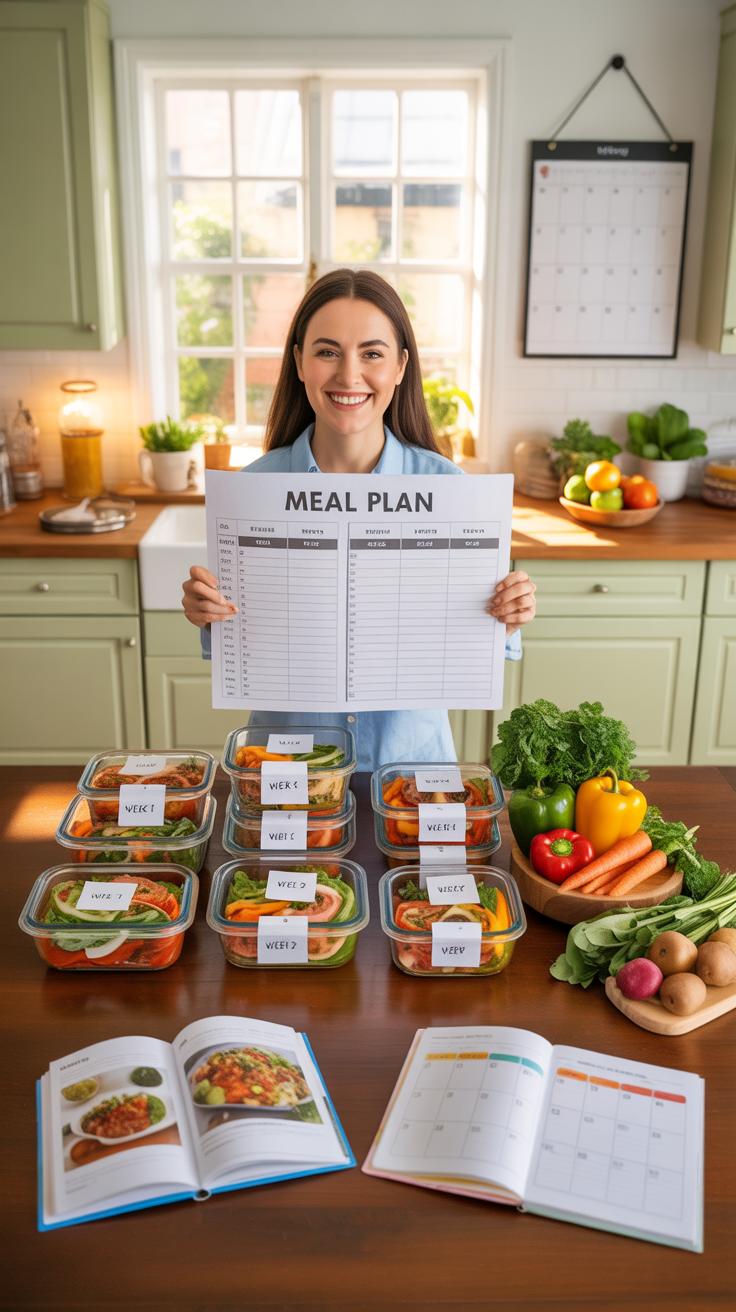
Monthly planning fails when you treat thirty days as one unit. Instead, view the month as a series of four seven-day blocks. Use a rotating schedule of core meals to reduce decision fatigue. Assign specific themes to certain days to narrow your choices. This strategy allows you to buy in bulk while maintaining a clear structure. It ensures you use every ingredient you purchase before it expires.
Organize your grocery trips to match these cycles. Focus on heavy pantry staples during week one to build a solid foundation. Buy fresh produce in smaller quantities every seven days to prevent waste. This staggered approach keeps your kitchen stocked without overwhelming your storage space. Consistent small wins prevent the mental collapse often associated with long-term planning. Stick to the schedule to maintain your budget and your sanity.
How Batch Cooking Once A Month Saves Both Time And Money
Batch cooking removes the daily burden of meal preparation. Dedicate one day to cooking large quantities of base proteins and grains. Store these components in the freezer to lock in freshness. This method exploits economies of scale by using bulk-purchased ingredients. You spend less on energy by running the oven once. Efficiency increases when you handle repetitive tasks like chopping and searing in one session.
Freezer meals act as a financial insurance policy against takeout. Pre-portioned containers provide instant access to food when time is short. This system eliminates the need for expensive last-minute grocery runs. It also reduces food waste because you process ingredients immediately after purchase. Proper labeling ensures you rotate stock and use older items first. Mastery of the freezer is the key to sustaining a low-cost, high-efficiency monthly meal plan.
Easy Food Prep For The Week That Cuts Daily Cooking Time
The Best Foods To Prep On Sundays For A Stress Free Weekday
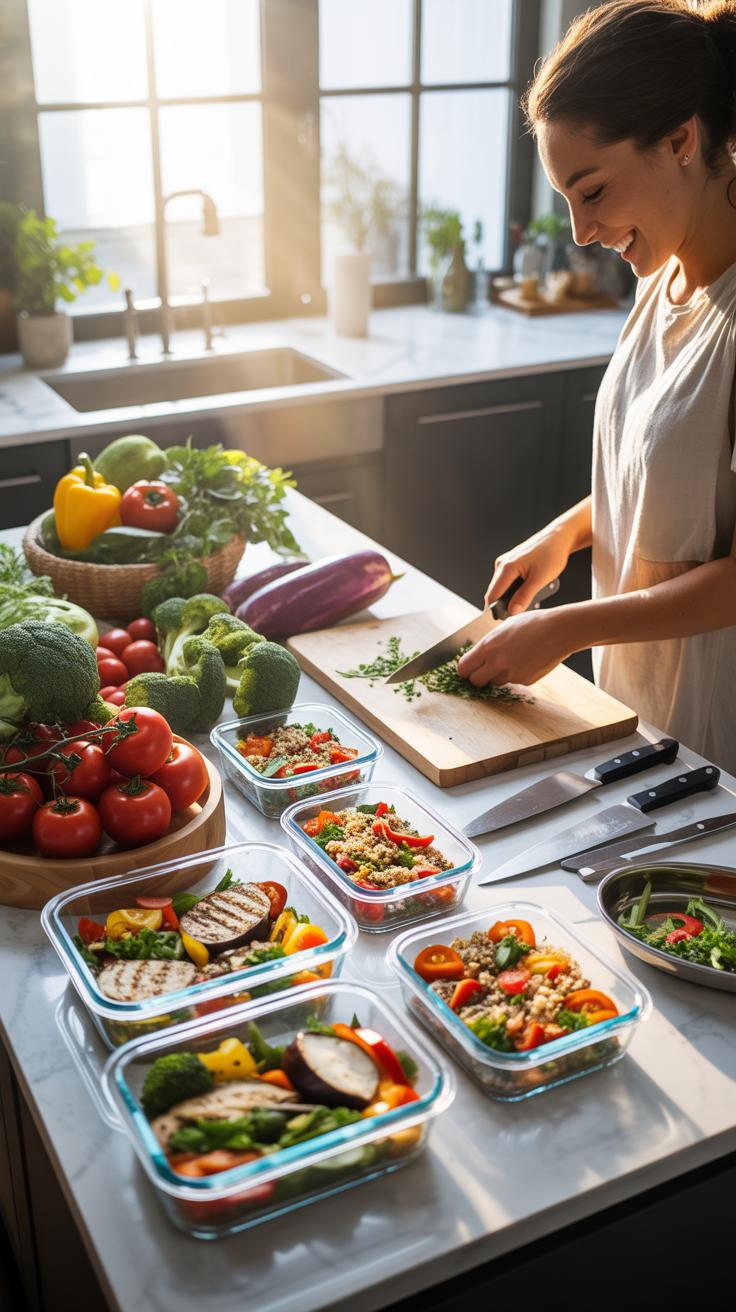
Focus your Sunday prep on foundational components that require long cook times. Roast sturdy root vegetables like potatoes and carrots to use as sides or salad toppers. Cook large batches of dry beans or whole grains like brown rice and farro. These items stay stable in the fridge for several days. Preparing these bases ahead of time eliminates thirty minutes of active heat work on busy Tuesday nights.
Protein preparation offers the highest return on your time investment. Roast a whole chicken or braise a cheap cut of pork shoulder early in the week. Shred the meat to use in tacos, sandwiches, or grain bowls across multiple days. If you prep these versatile proteins on Sunday, you only need five minutes of reheating time later. This tactic prevents you from ordering expensive takeout when you are too tired to cook.
Storage Tips That Keep Prepped Ingredients Fresh And Safe All Week
Effective food storage requires airtight containers to prevent oxidation and moisture loss. Use clear glass or BPA free plastic bins so you can see exactly what you have. Label every container with the date you prepped the food. Most cooked proteins and vegetables safely last three to four days in the refrigerator. Proper organization prevents food waste by ensuring you use the oldest items first during the week.
Control the temperature and humidity within your fridge to extend shelf life. Keep prepped leafy greens in a container lined with a dry paper towel to soak up excess water. Store cut fruits and vegetables separately to prevent ethylene gas from ripening items too quickly. Tight seals maintain the texture and flavor of your prepped ingredients. High quality storage habits stop your grocery budget from ending up in the trash bin on Friday.
Common Cheap Weekly Meal Planning Mistakes And How To Avoid Them
Why Over Planning Can Lead To Food Waste And Higher Spending
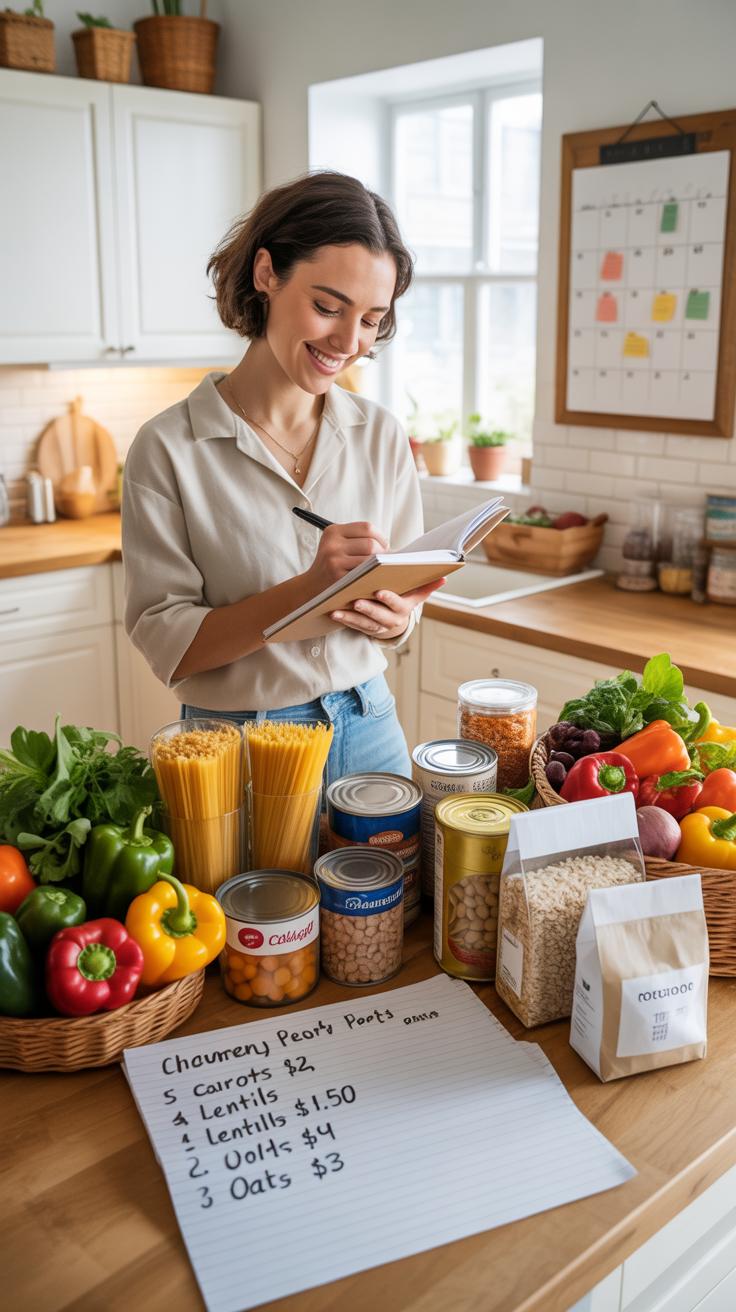
Rigid schedules fail because life is unpredictable. Beginners often buy specific ingredients for seven different complex recipes. If one late meeting or energy slump happens, fresh produce rots in the fridge. This waste kills your budget immediately. You lose the initial investment and the time spent prepping. Over-planning ignores the reality of human fatigue and schedule shifts.
Build a flexible framework instead of a fixed script. Aim for five planned meals and two nights of leftovers or pantry staples. Use versatile base ingredients like rice, beans, and frozen greens. These items stay fresh longer than delicate herbs or berries. You save money by reducing the frequency of grocery trips. Less frequent shopping equals fewer opportunities to overspend on high-cost perishables.
How Impulse Buying Undermines Even The Best Frugal Meal Strategy
Marketing teams design grocery stores to trigger unplanned purchases. End-cap displays and eye-level shelves feature high-margin processed items. These products cost more per ounce than bulk staples. Even with a list, hunger or stress leads to impulse grabs. These small additions can increase your total bill by twenty percent. Each unplanned snack reduces your overall meal planning efficiency and ROI.
Combat this by strictly following a digital or physical list. Use grocery pickup services to remove the physical temptation of store aisles. This tactic keeps you focused on your planned inventory. Check your pantry before leaving to avoid buying duplicates of items you already own. Knowing your current stock prevents unnecessary spending. Discipline at the checkout line protects your weekly budget more than any coupon ever will.
Frequently Asked Questions

How do I start meal planning if I am on a very tight budget?
Starting out doesn’t require fancy planners or expensive ingredients. Begin by auditing your pantry and fridge to see what you already own. By centering your menu around existing staples and seasonal produce, you can create a highly effective routine. Integrating these cheap weekly meal planning tips into your Sunday schedule helps reduce impulse buys at the supermarket, ensuring you only spend money on the essential items needed for your upcoming recipes.
What are the most effective ways to lower my grocery bill each week?
To see real savings, focus on building meals around low-cost proteins like beans, lentils, and eggs. Shopping with a specific list based on store circulars is one of the most reliable cheap weekly meal planning tips available. Try to buy versatile ingredients that can be used across multiple dishes, such as roasting a whole chicken to use for Sunday dinner, Monday tacos, and a hearty Tuesday soup to maximize every cent.
Can I still eat healthy meals while trying to save money on food?
Absolutely! Eating nutritiously on a budget is very achievable by prioritizing whole foods over processed convenience items. Purchasing frozen vegetables, brown rice, and oats in bulk allows you to prepare fiber-rich, filling meals for a fraction of the cost of takeout. Planning your nutrition ahead of time prevents the “hunger tax” of grabbing fast food, keeping both your body healthy and your monthly household savings account growing steadily.