
Introduction
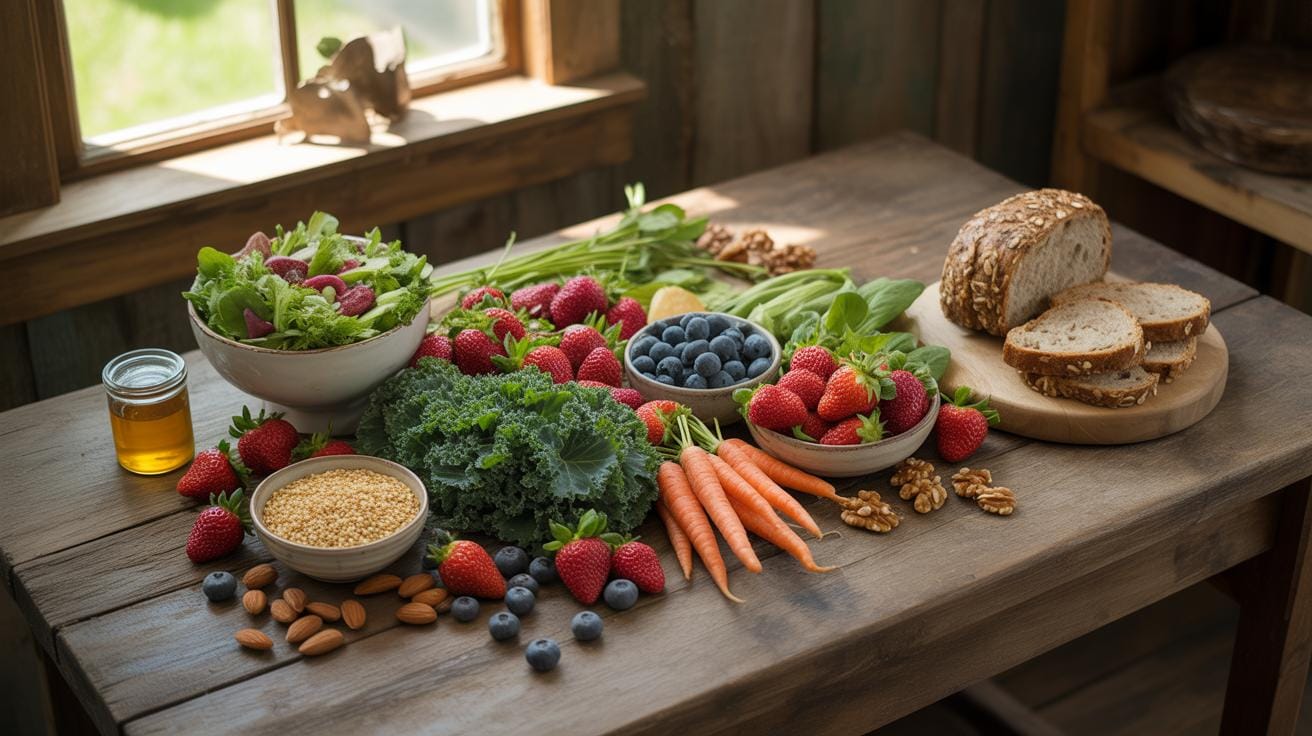
The whole foods diet focuses on eating foods that have little or no processing. These foods remain close to their natural form, such as fresh fruits, vegetables, grains, nuts, seeds, and unprocessed meats. Choosing whole foods helps provide better nutrients without added chemicals or fillers. This leads to a cleaner food intake compared to processed options.
This article will cover the benefits of a whole foods diet for creating a clean and healthy food menu. You will learn what whole foods are, why they matter for your body, how to plan meals using them, and what mistakes to avoid. By the end, you will see how simple whole foods can improve health and energy for daily life.
What Are Whole Foods

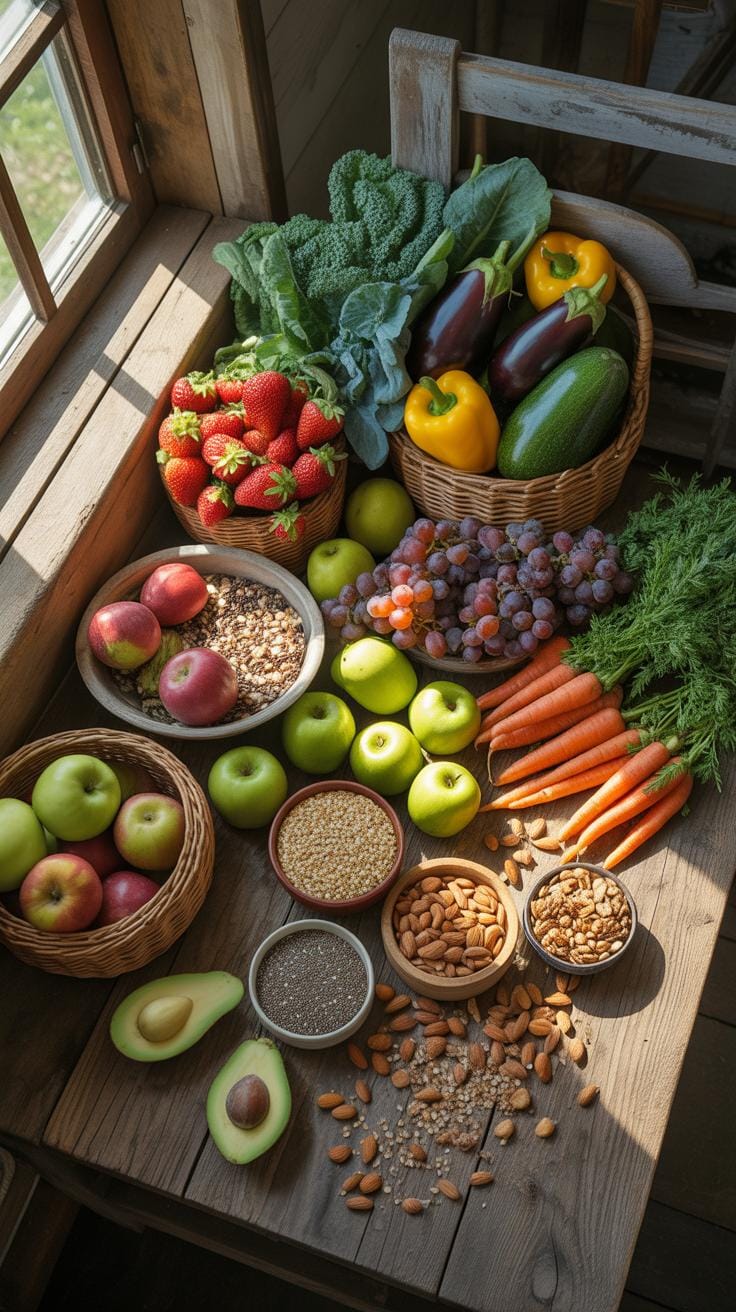
Whole foods are foods that are eaten as close to their natural state as possible. They include things like fruits, vegetables, whole grains, nuts, and unprocessed meats. It’s as if you pick an apple and eat it rather than eating something made from apple flavoring and refined sugar.

You might wonder what sets whole foods apart. Well, they’re different from processed or refined foods, which undergo changes to extend shelf life, enhance flavor, or change texture. Processing often removes some nutrients or adds artificial ingredients and preservatives. So, whole foods keep their original nutrients and don’t rely on additives to taste good.
Sometimes we overlook how much of our diet is made up of highly processed foods—think of packaged snacks, sugary cereals, or deli meats. Whole foods stay true to their natural form, which can impact your health and how you feel day to day.
Differences Between Whole And Processed Foods
Processing affects foods in several ways. It often strips away fiber, vitamins, and minerals. For example, refined grains have the bran and germ removed, leaving mainly starch. This can cause blood sugar spikes and less satiety.
Besides nutrient loss, processing usually adds preservatives, artificial flavors, colors, and sugars to make products shelf-stable or tastier. That might give you energy quick but can leave you feeling less nourished overall.
Whole foods don’t have those additives. They might be less convenient, and sometimes the taste requires an adjustment, but they offer the genuine nutritional package your body evolved to handle.
Examples Of Common Whole Foods
- Fruits: apples, berries, bananas, oranges
- Vegetables: carrots, spinach, broccoli, bell peppers
- Beans: black beans, chickpeas, lentils
- Nuts: almonds, walnuts, cashews
- Seeds: chia seeds, flaxseeds, pumpkin seeds
- Whole grains: brown rice, quinoa, oats, barley
- Unprocessed meats: fresh chicken, beef, fish (without added sauces or breading)
These foods come straight from plants or animals, without anything taken away or added. For instance, eating quinoa instead of quinoa flour, or raw almonds rather than salted or sugared ones, is choosing whole foods.
It’s surprising how many options there are, once you start noticing whole foods at the market. It can be a simple step to pick these over processed options, even if just occasionally.
How Whole Foods Support Health

Eating whole foods really changes the way you fuel your body. These foods, like fruits, vegetables, whole grains, nuts, and unprocessed meats, offer a breadth of nutrients that often get lost in processed options. For example, vitamins and minerals—like vitamin C, potassium, and magnesium—are naturally packed in whole foods, supporting everything from immune function to muscle contractions.
Fiber stands out, too. It’s not just about digestion; fiber helps regulate blood sugar and lowers cholesterol. A diet high in fiber can reduce risks of heart disease and certain types of cancer. You might not notice it immediately, but consistently choosing whole foods over processed snacks can lower your risk of chronic diseases that, frankly, sneak up on you over time.
While it’s clear whole foods support health, it’s not a magic bullet. You could eat whole foods but still miss out if you ignore variety or portion sizes. Does relying solely on whole foods always guarantee better health? Probably not, but it certainly nudges you in the right direction.
Nutrients Found In Whole Foods
Whole foods offer a complex mix of key nutrients your body needs daily:
- Vitamins: Essential for processes like vision (vitamin A), immune support (vitamin C), and energy metabolism (B vitamins). Getting these from natural sources often means better absorption than synthetic supplements.
- Minerals: Such as calcium for bone strength, iron for oxygen transport, and zinc for wound healing. Whole foods have these in naturally balanced amounts.
- Fiber: Found in fruits, veggies, grains, and legumes. It promotes healthy gut bacteria and helps regulate digestion.
- Protein: Whole food proteins from sources like beans, fish, and nuts bring essential amino acids for muscle repair and enzyme production, typically with fewer additives.
Each nutrient plays a distinct role, and together, they create nutritional synergy that’s hard to replicate with isolated supplements.
Health Conditions Improved By Whole Foods
You might wonder what health problems benefit most from eating whole foods. Here’s what research points to:
- Heart Health: Whole foods help reduce blood pressure, lower LDL cholesterol, and improve artery function. This contributes to fewer heart attacks and strokes.
- Obesity: High-fiber, nutrient-dense whole foods promote satiety with fewer calories, aiding weight management efforts.
- Diabetes: Consuming whole grains, vegetables, and legumes supports blood sugar control by slowing glucose absorption.
It’s tempting to think switching to whole foods instantly reverses these conditions. Realistically, it’s part of a bigger lifestyle change, but it definitely helps shift the odds. I’ve personally noticed how regular whole food meals make it easier to maintain energy without the mid-afternoon crash that processed foods often bring.
Thinking about the specific nutrients and disease links, whole foods seem like a solid foundation for better health—even if perfection isn’t always attainable.
Steps To Create A Healthy Menu

Starting a whole foods menu might feel a bit daunting at first. But perhaps the key is to think of whole foods as those that remain close to their natural state—fruits, vegetables, whole grains, nuts, seeds, unprocessed meats, and fish. Focusing on these can really help you build a foundation for your meals. It’s not necessary to overhaul everything immediately; small changes can make a difference.
When designing your daily or weekly menu, try to balance your portions carefully.
- Plan your meals so they include a variety of food groups—think protein, carbs, and healthy fats.
- Portion sizes don’t need to be huge; sometimes smaller servings of nutrient-dense foods are more satisfying.
- Think about diversity. You don’t want to get stuck eating the same few items. Variety supports better nutrition.
Consider crafting a rough plan—a list of your go-to whole foods for breakfasts, lunches, and dinners—and then mix them up across the week. Meal planning doesn’t have to be perfect. Some days you’ll stray; that’s okay.
Planning Breakfast, Lunch, And Dinner
Breakfast often sets the tone for your day. Including whole grains like oatmeal or whole-grain toast, paired with fresh fruit and perhaps some nuts or seeds, can be a good start. For lunch, a salad loaded with leafy greens, colorful veggies, beans or lean protein like grilled chicken, and a handful of nuts can work well. Dinner might be a simple roasted fish or meat with steamed vegetables and a side of brown rice or quinoa.
For example, a typical whole foods breakfast could be a bowl of oatmeal topped with blueberries and chopped almonds. Lunch could be a quinoa salad with chickpeas, cucumber, and tomatoes. Dinner might involve a stir-fry of vegetables with tofu or salmon.
Adding Snacks And Drinks
Snacks on a whole foods diet are really about simple, easy-to-grab nourishment. Think fresh fruit like apples or bananas, raw nuts, carrot sticks, or even a small handful of dried fruits (without added sugar). For beverages, water should be your go-to, but herbal teas or fresh vegetable juices (without added sugars or preservatives) can be enjoyable as well.
If you’re feeling a bit hungry between meals, sometimes just reaching for a piece of fruit or a few nuts can stabilize your energy without derailing your clean eating goals. But remember, try not to rely too much on packaged “healthy” snacks; often they’re more processed than you might expect.
How To Shop For Whole Foods

Shopping for whole foods isn’t just about picking what looks good off the shelf. You want to spend some time reading labels — yes, really reading them. Look out for long lists of chemicals or ingredients you can’t pronounce. If you see words like “high fructose corn syrup” or “hydrogenated oils,” it’s better to set those products aside. Whole foods tend to have simple, recognizable ingredients.
When it comes to produce, focus on freshness. Signs of freshness include vibrant color, firm texture, and a pleasant aroma. Sometimes, the season helps you choose—seasonal fruits and vegetables usually taste better and sometimes cost less. You might feel tempted to buy everything organic, but fresh and seasonal is sometimes even more important.
Finally, steer clear of processed foods. It’s a bit tricky because some packaged foods are minimally processed but still healthy, like frozen vegetables. The key is to avoid foods with added sugars, preservatives, or artificial flavorings. Think about simpler items: whole grains, nuts, dried beans, fresh meats, and fish. Trust your instincts; the less complicated, the better.
Common Mistakes To Avoid

Relying Too Much On One Food Type
One common slip when moving to a whole foods diet is putting all your eggs in one basket, or well, one food type. It’s tempting to stick to a handful of favorites—maybe a certain grain or vegetable—because they’re familiar and easy. But this can actually backfire.
Diversity matters because different foods bring different nutrients to the table. If you lean too heavily on just a few, you might miss out on key vitamins or minerals. Plus, your palate might get bored, making it harder to stay consistent with the diet. Think of it as painting with various colors rather than just one—your body benefits from that range.
So, try mixing up your meals. Add nuts, seeds, legumes, whole grains, and a spectrum of colorful veggies. It’s a simple way to avoid nutritional gaps and keep meals interesting.
Ignoring Calorie And Nutrient Balance
Some folks assume that because whole foods are ‘healthy,’ they can eat endlessly without thinking about calories or nutrients. That’s not quite right. Even the best foods won’t help if your nutritional balance is off.
You need to watch your overall calorie intake relative to your energy use, or weight changes might surprise you. Also, carbohydrates, fats, and proteins must be tuned to your needs. Ignoring this can lead to unintended issues, like low energy or nutrient deficiencies.
Balancing your plate helps. Consider portion sizes and the mix of macronutrients, and pay attention to how your body feels. It’s a bit of a learning curve, but it’s worth it for better health results.
How Whole Foods Differ From Organic

Defining Organic Foods
Organic foods are those produced following specific standards aimed at promoting ecological balance and conserving biodiversity. Unlike conventional farming, organic farming limits or avoids synthetic pesticides, fertilizers, irradiation, and food additives. This means the methods emphasize natural cycles and soil health rather than relying on chemical inputs.
Interestingly, to market food as organic in many countries, producers must obtain certification, which adds a layer of regulation not seen in unprocessed foods. This certification reflects a legal definition more than just a farming philosophy. Organic farming has higher costs and usually lower yields, leading to higher prices for consumers.
Overlap And Differences With Whole Foods
Whole foods, by contrast, focus primarily on being unprocessed or minimally processed — foods without additives, enrichments, or artificial changes. They emphasize natural form rather than the production method. So, you get fruits or vegetables as close to their natural state as possible.
Some whole foods can indeed be organic if grown under those farming standards, but not all whole foods are. For example, conventionally grown fresh produce qualifies as whole food but not organic. Conversely, some organic foods might be processed, adding complexity to the labels.
So, while both concepts share ideas about quality and wholesomeness, whole foods relate mostly to preparation and processing, whereas organic centers on how foods are grown. If you’re aiming for clean eating, understanding these distinctions can influence your choices and expectations about what you put on your plate.
Meal Prep Tips For Whole Foods
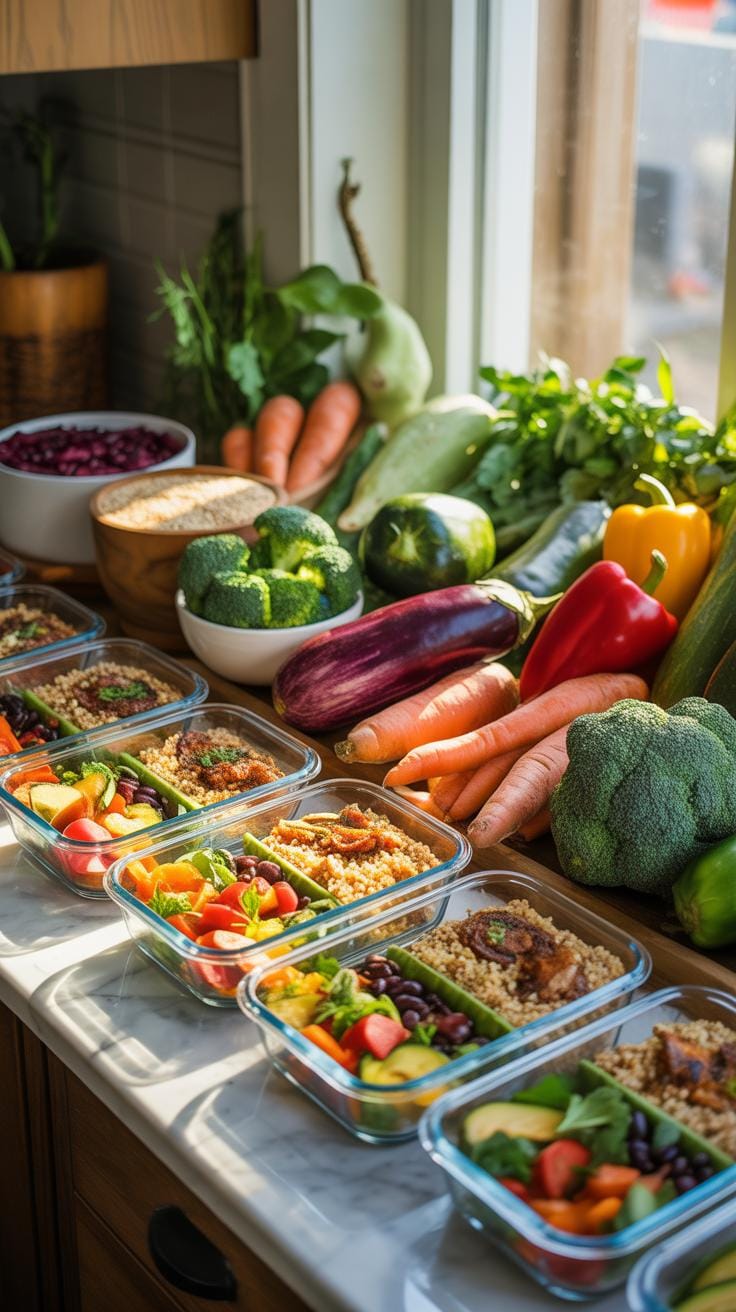
When prepping meals focused on whole foods, simple steps can make all the difference. First, try to plan your meals around ingredients that store well together and cook similarly. For instance, roasting root vegetables with whole grains like quinoa or farro can save time and limit kitchen mess.
Storage matters a lot. Keep fresh fruits like apples and pears in cool spots but separate from vegetables that release ethylene gas, which can hasten spoilage. Leafy greens tend to benefit from being washed, spun dry, and stored in paper towels inside containers to stay fresh longer—it’s a small trick I like using on hectic weeks.
Cooking methods that preserve nutrients are worth considering. Steaming or roasting usually does a good job, but even simple raw options like salads or fruit bowls have a place. I guess sometimes we forget that heating isn’t always necessary.
Batch cooking is a useful way to save time and avoid last-minute unhealthy choices. Preparing a large pot of chili with beans, tomatoes, and various vegetables, or a big tray of baked chicken with sweet potatoes can fuel multiple meals. Then you just portion and refrigerate or freeze. You might find you actually enjoy having ready-to-eat whole food meals, especially when life gets busy.
These tips can make whole food meal prep more manageable and keep your menu diverse without too much effort.
Safe Storage Of Whole Foods
Storing whole foods safely can feel like a puzzle because different foods have different needs. For fruits like bananas or tomatoes, room temperature is usually fine until they ripen; then refrigeration can help extend freshness if you don’t eat them right away. Vegetables like carrots or broccoli fare better in the fridge’s crisper drawer, often in breathable bags or containers so moisture doesn’t build up.
Grains like brown rice and quinoa should be kept in airtight containers in a cool, dry place to avoid pests and spoilage. Proteins—whether plant-based like beans or animal-based like fish and meat—require refrigeration or freezing within a couple of hours after purchase to stay safe.
Sometimes, it feels overly cautious, but good storage can actually reduce waste and save money. I sometimes underestimate how quickly my leafy greens spoil until I change how I store them; this made a noticeable difference for me.
Batch Cooking Ideas And Recipes
Batch cooking with whole foods doesn’t have to be complicated. Here are a few easy ideas:
- Hearty vegetable and lentil stew, made in a large pot, portioned for the week.
- Oven-baked chicken breasts with roasted mixed vegetables—cook all at once and refrigerate.
- Quinoa salad with chopped cucumbers, cherry tomatoes, herbs, and a simple olive oil dressing, which keeps well and works as a quick lunch.
One recipe I often return to is a big tray of roasted root vegetables with garlic and rosemary, paired with a batch of brown rice or barley. You get fiber, vitamins, and some protein if you add a side of beans or tofu.
Batch cooking means your fridge can become a mini library of meals you grab without much thought—kind of freeing on rushed days. Have you tried any batch meals lately? They can change how you approach eating whole foods.
X Versus Y Choosing Whole Foods Or Supplements

When deciding between whole foods and dietary supplements, the choice isn’t always clear-cut. Whole foods offer a complex matrix of nutrients all working together, something supplements can’t fully replicate. Supplements typically provide isolated vitamins or minerals, and while that does help in certain cases, it’s just not the same as the complete package of a whole food.
Take an apple, for example — it doesn’t just deliver vitamin C; it also comes with fiber, antioxidants, and other compounds that interact in ways we still don’t fully understand. That synergy is a big part of why whole foods often provide more complete nutrition.
Benefits Of Whole Foods Over Supplements
Whole foods generally provide:
- A wide range of nutrients beyond what a single supplement offers — vitamins, minerals, fiber, and antioxidants all together.
- Better absorption and utilization since these nutrients are naturally balanced and paired in ways our bodies recognize.
- Reduced risk of overconsumption — it’s difficult to overeat nutrients with whole foods compared to popping high-dose pills.
- Potentially fewer side effects, as supplements can sometimes cause digestive upset or interact with medications.
Of course, whole foods do have their limits — they might not always meet very specific nutritional needs or replace a carefully crafted medical intervention.
When Supplements Can Help
There are moments when supplements become more than just an option. For example:
- If you have a diagnosed deficiency, like low vitamin D or iron, supplements can fill those gaps efficiently.
- During pregnancy, folic acid supplements are recommended to support fetal development.
- Some people follow dietary restrictions or have certain health conditions that make it hard to get all nutrients from food alone.
- Older adults might benefit from supplements like vitamin B12, since absorption rates decline with age.
Still, it’s a good idea to discuss supplement use with your healthcare provider. Overdoing it or taking supplements unnecessarily can sometimes do more harm than good. I’ve heard stories where people doubled their supplement dosages thinking more is better — and ended up with unexpected complications. So, a balanced approach, leaning toward whole foods but knowing when supplements are truly needed, seems most sensible.
Checklist For Switching To Whole Foods
Step By Step Checklist Items
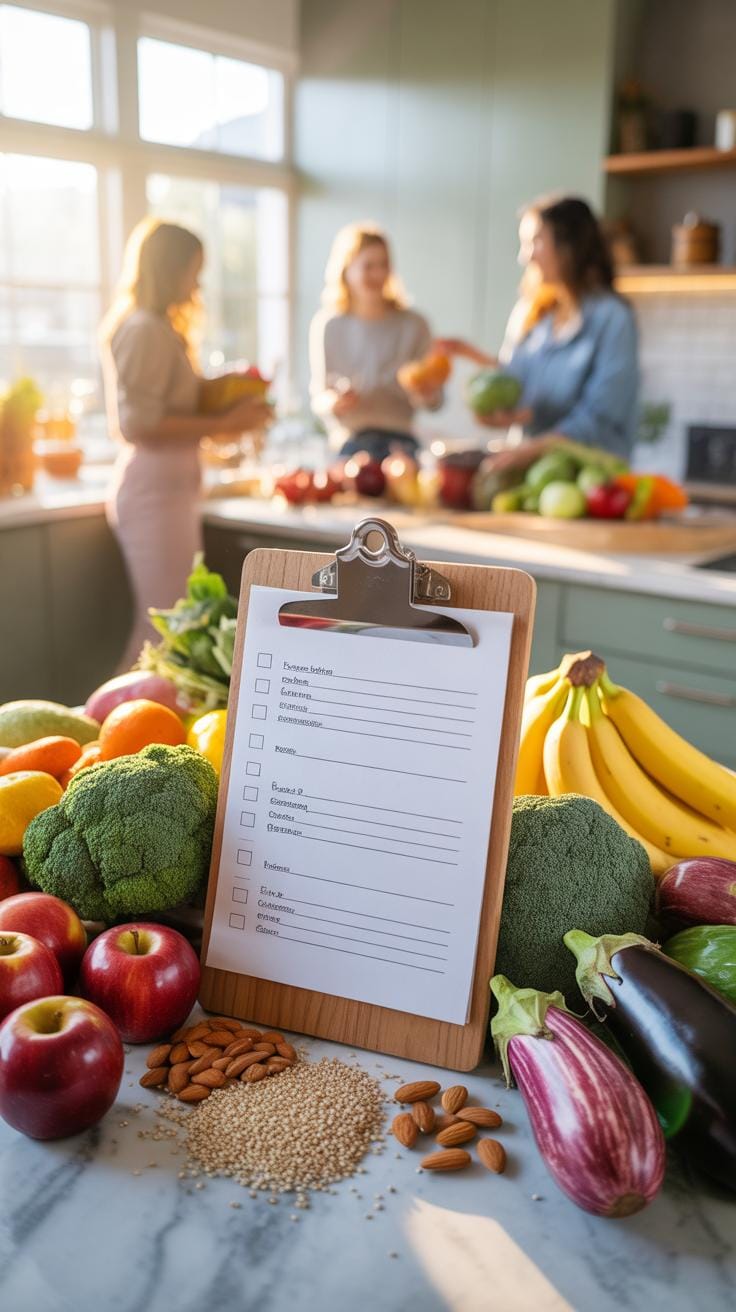
Switching to a whole foods diet can feel overwhelming, but breaking it down helps. First, start with your shopping list. Focus on fresh vegetables, fruits, whole grains, nuts, and legumes. Avoid processed items with long ingredient lists or additives you can’t pronounce. Reading labels, I think, becomes a skill over time—don’t rush it. When cooking, try to prepare meals from scratch as much as possible. This helps control what goes into your food. Experiment with simple recipes that emphasize natural flavors rather than sauces or seasoning mixes filled with preservatives. For your meals, aim to fill half your plate with vegetables, a quarter with whole grains, and the rest with lean protein or legumes. This balance keeps things varied and satisfying.
Tracking Progress And Adjusting
Keeping track of how you feel day to day can guide adjustments. Notice changes in energy levels, digestion, or mood. Jot down meals and reactions—sometimes subtle shifts take time to show. Don’t expect perfection; lapses happen. If you find your meals boring or you’re missing nutrients, tweak recipes or introduce different whole food options. Sometimes, reconnecting with why you began—cleaner food, better health—helps stay motivated. It’s a gradual process, really, evolving at your own pace. Ask yourself what’s working, what feels forced, and then adapt. The goal is to create a sustainable habit, not a short-term fix.
Examples Of Whole Foods Menus
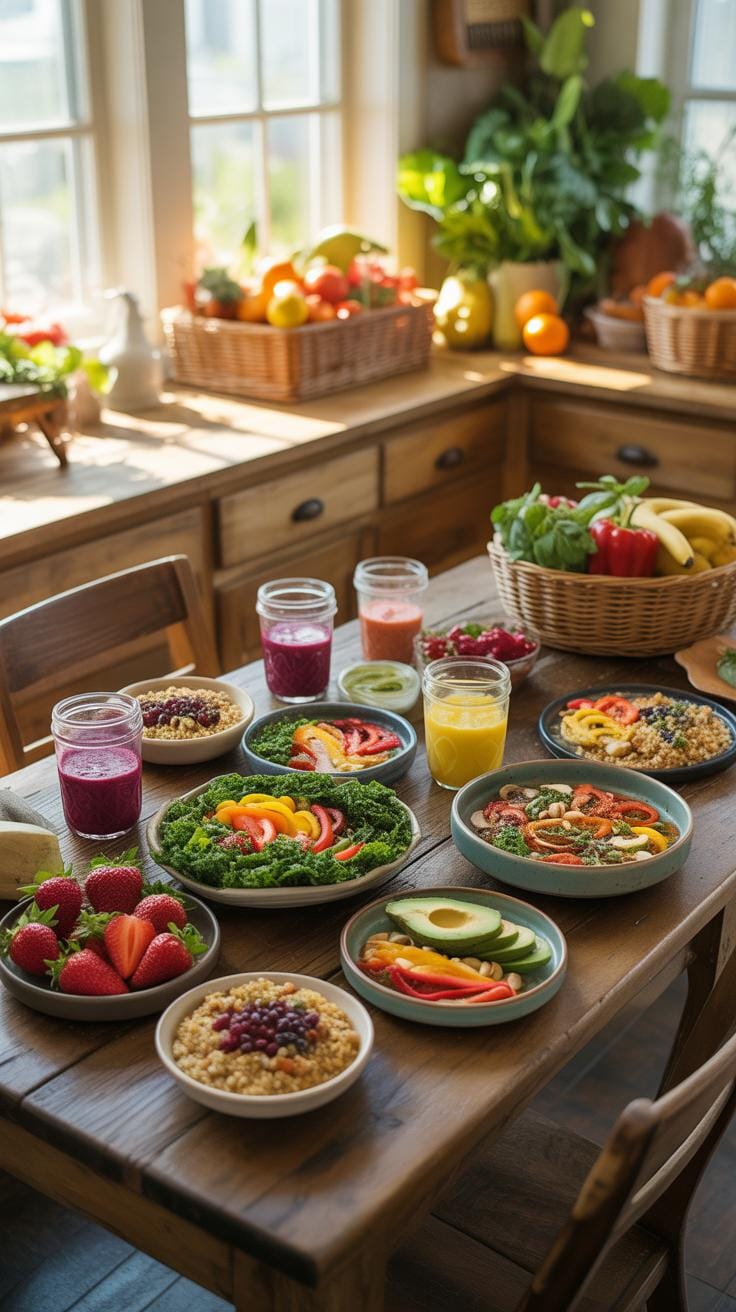
Crafting daily menus using only whole foods can feel a bit challenging at first, but once you get the hang of it, it’s surprisingly straightforward—and quite satisfying. Here, I’ll lay out two sample menus that stick strictly to whole foods, covering different calorie levels to fit varied needs.
Sample Menu For 1500 Calories
This plan keeps things lean yet filling. For breakfast, picture a bowl of oatmeal topped with fresh berries and a sprinkle of chopped nuts. It’s simple and hits every food group you need early in the day.
- Mid-morning snack: A small apple with a tablespoon of almond butter.
- Lunch: A mixed salad with quinoa, chickpeas, colorful veggies, and lemon-tahini dressing.
- Afternoon snack: Carrot sticks with hummus.
- Dinner: Grilled salmon with steamed broccoli and sweet potato.
This menu’s balance is straightforward and pretty satisfying. It’s easy to adjust portion sizes if you find yourself needing a bit more fuel or less.
Sample Menu For 2000 Calories
For a higher calorie intake, here’s a plan that packs in more volume without sacrificing whole food purity. Start your morning with a smoothie blending spinach, banana, frozen berries, and a scoop of natural peanut butter.
- Mid-morning snack: Hard-boiled eggs and mixed nuts.
- Lunch: Brown rice bowl with black beans, avocado, chopped tomatoes, and a side of sautéed kale.
- Afternoon snack: Greek yogurt mixed with fresh peaches and walnuts.
- Dinner: Roasted chicken thighs with quinoa and roasted root vegetables.
You might notice this is a bit more complex, with a few extra ingredients, but it still sticks tightly to unprocessed whole foods. The variety can keep things interesting when you’re eating this way all week long.
Menus like these show that a whole foods diet doesn’t have to be dull or repetitive. With minimal preparation, you have options to fit your personal calorie needs while keeping meals nutrient-rich and tasty.
Conclusions
Choosing a whole foods diet means eating meals made from ingredients close to nature. This avoids extra processing and additives, giving your body more nutrients and fewer harmful substances. Whole foods offer vitamins, fiber, and minerals that support heart health, weight control, and better digestion. Examples like fruits, veggies, nuts, seeds, and whole grains form the foundation for clean eating.
Integrating whole foods into your diet does not have to be complex. Start by planning meals around fresh produce, whole grains, and unprocessed proteins. Avoid processed snacks and fast foods. Over time, you will notice better energy and health results. This approach is practical and sustainable for building a healthy food menu that supports your well-being every day.