
Introduction
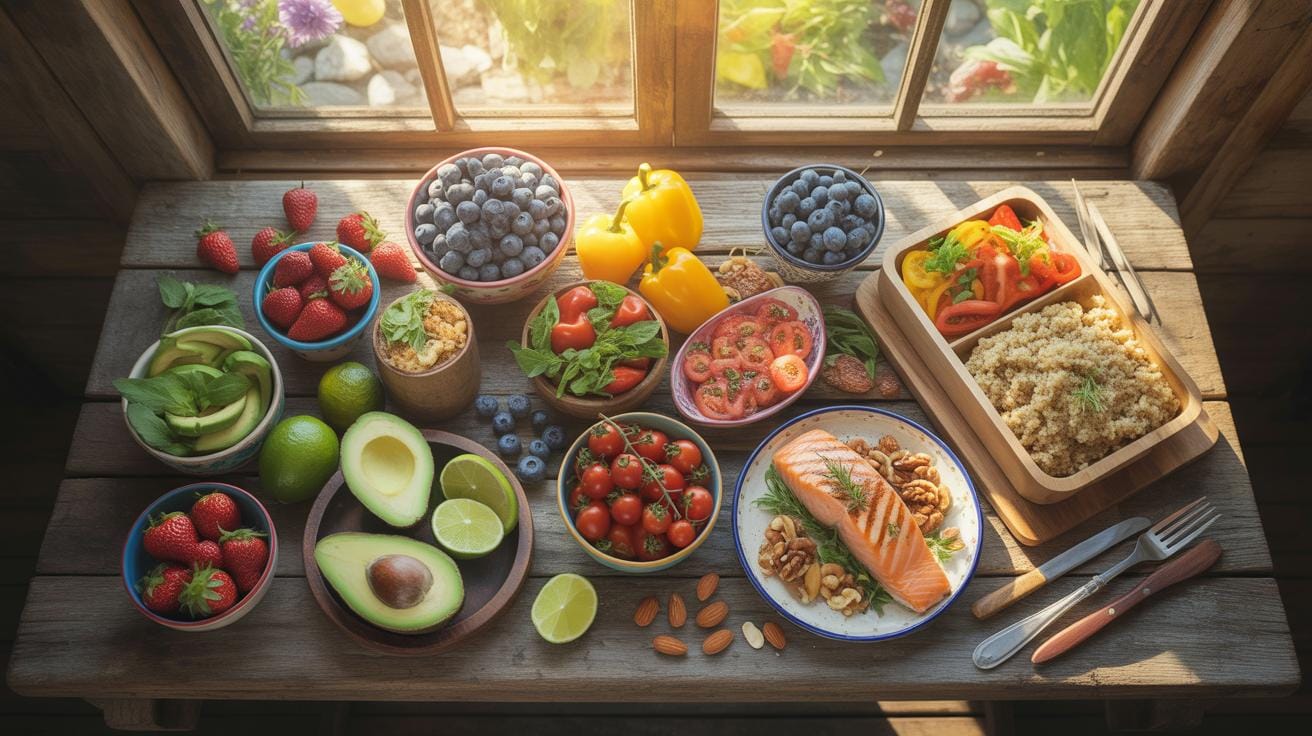
Eating whole foods plays a big role in keeping your body strong and full of energy. Whole foods are foods that are not processed or refined and are free from additives. They include fruits, vegetables, grains, nuts, and meats. Choosing whole foods can help you stay healthy by giving your body the nutrients it needs.
This article will guide you through why whole foods matter to your health, how to make tasty dishes with whole foods, and practical tips for adding more whole foods to your daily meals. These ideas will help you enjoy a healthy lifestyle by focusing on food that is natural and nourishing.
Benefits Of Whole Foods For Health

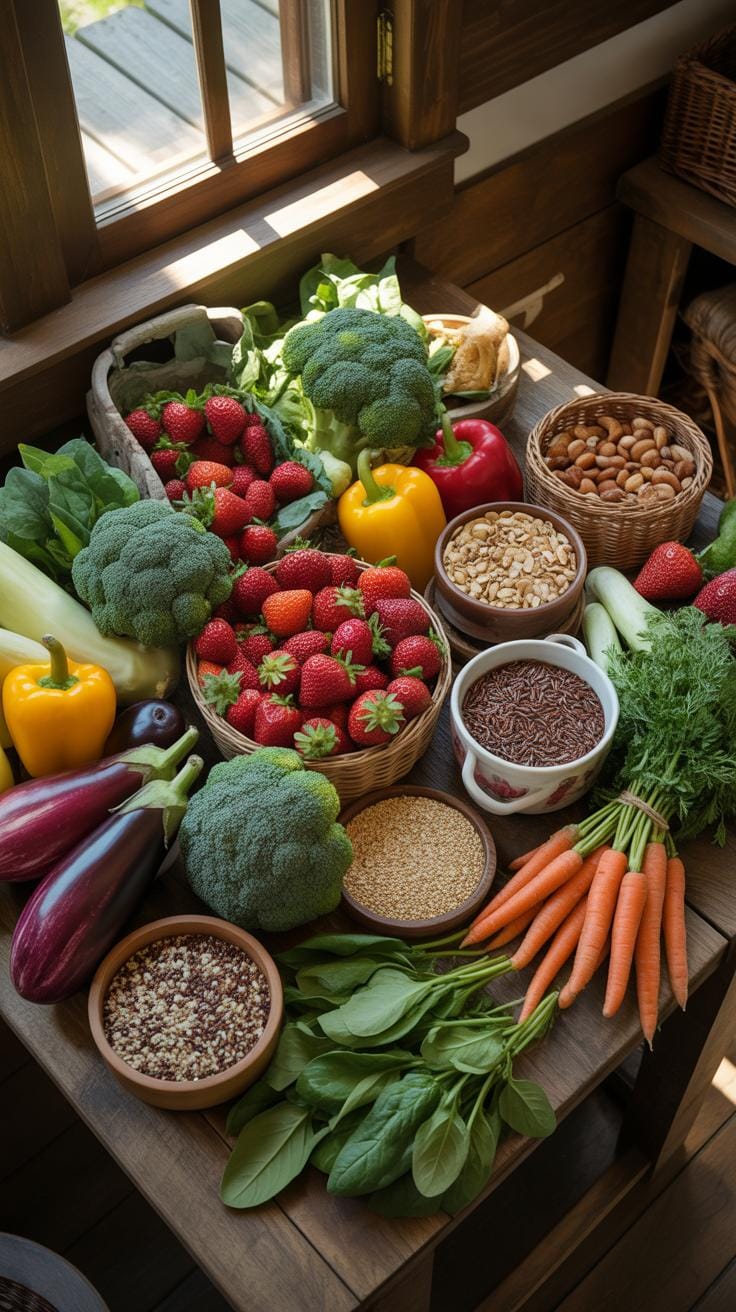
Eating whole foods means choosing foods that are as close to their natural state as possible, with minimal processing. This simple choice can have significant health benefits compared to processed foods, which often contain added sugars, unhealthy fats, and artificial additives.

Whole foods deliver better nutrition. They retain their fiber, vitamins, minerals, and antioxidants, which are often lost during processing. These nutrients help your body function properly and support overall health.
There’s also growing evidence suggesting that diets rich in whole foods can reduce the risk of chronic diseases like heart disease, diabetes, and certain cancers. Perhaps it’s because whole foods promote healthier blood sugar levels and reduce inflammation.
Still, it’s interesting how even small changes—like swapping processed snacks for fresh fruits or nuts—can feel surprisingly effective over time. The benefit might not be instant, but it builds gradually.
Key Nutrients Found In Whole Foods
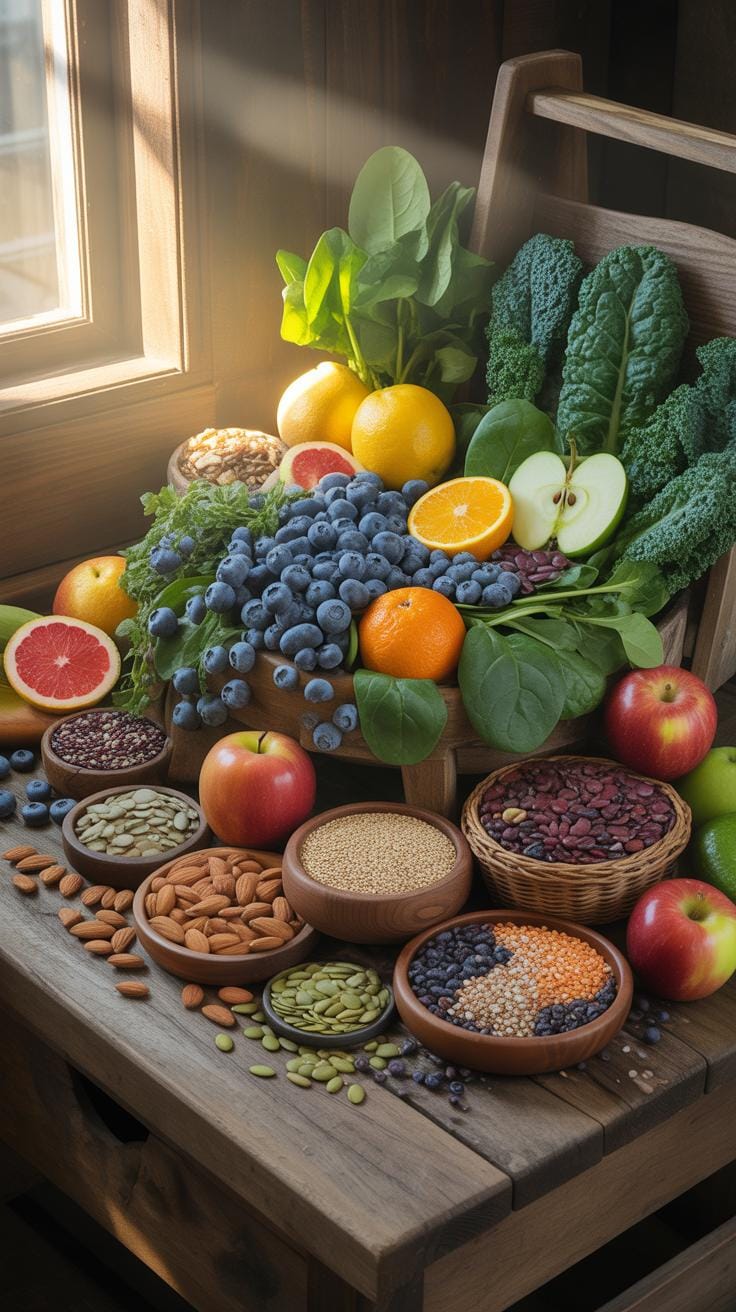
Whole foods provide an array of key nutrients essential for the body. One of the most important is fiber, which aids digestion and helps regulate blood sugar and cholesterol levels. For example, whole grains and vegetables are excellent fiber sources.
Vitamins like A, C, and several B vitamins in whole foods support things like vision, skin health, energy production, and brain function. Minerals such as potassium, magnesium, and iron are crucial for muscle function, nerve signaling, and oxygen transport, respectively.
What’s fascinating is how these nutrients often work together. You don’t just get isolated benefits; whole foods offer a complex nutrient package, creating effects that supplements might miss.
It’s worth considering that when you focus on whole foods, you’re naturally getting a wider variety of nutrients than if you rely heavily on processed products fortified with only certain vitamins.
How Whole Foods Boost Your Immune System
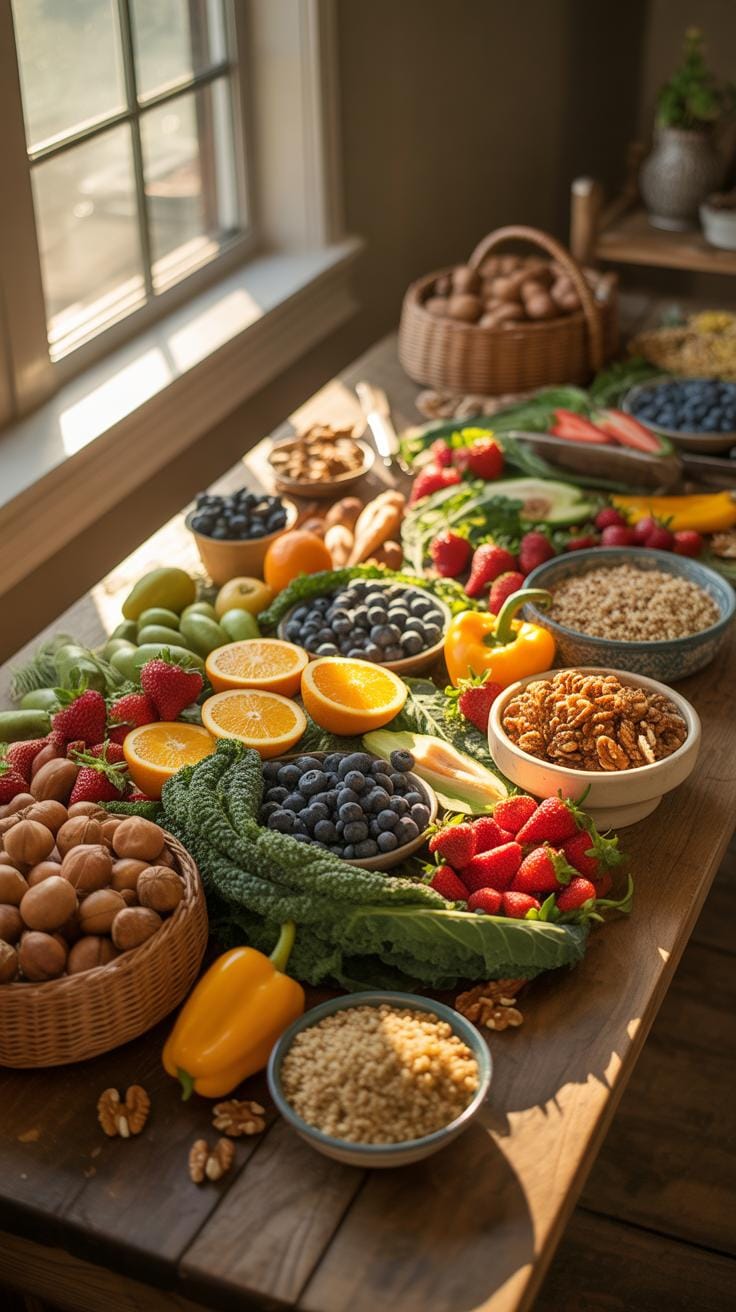
Your immune system is surprisingly influenced by what you eat. Whole foods contain vitamins and antioxidants that help strengthen your body’s defense against infections. For example, citrus fruits are high in vitamin C, which is known to support immune function.
Leafy greens like spinach and kale provide vitamin A and folate, both involved in maintaining immune cell function. Nuts and seeds offer zinc, another essential mineral for immune response.
Adding fermented foods like yogurt or sauerkraut might also contribute by encouraging good gut bacteria, which play a role in immunity. It’s a bit complex because the immune system itself is a multifaceted network, but nutrition clearly plays a foundational role.
Honestly, it often feels like a balancing act. You want to eat a variety of whole foods, but also enjoy your meals—that’s part of making it sustainable, isn’t it?
Common Whole Food Ingredients List
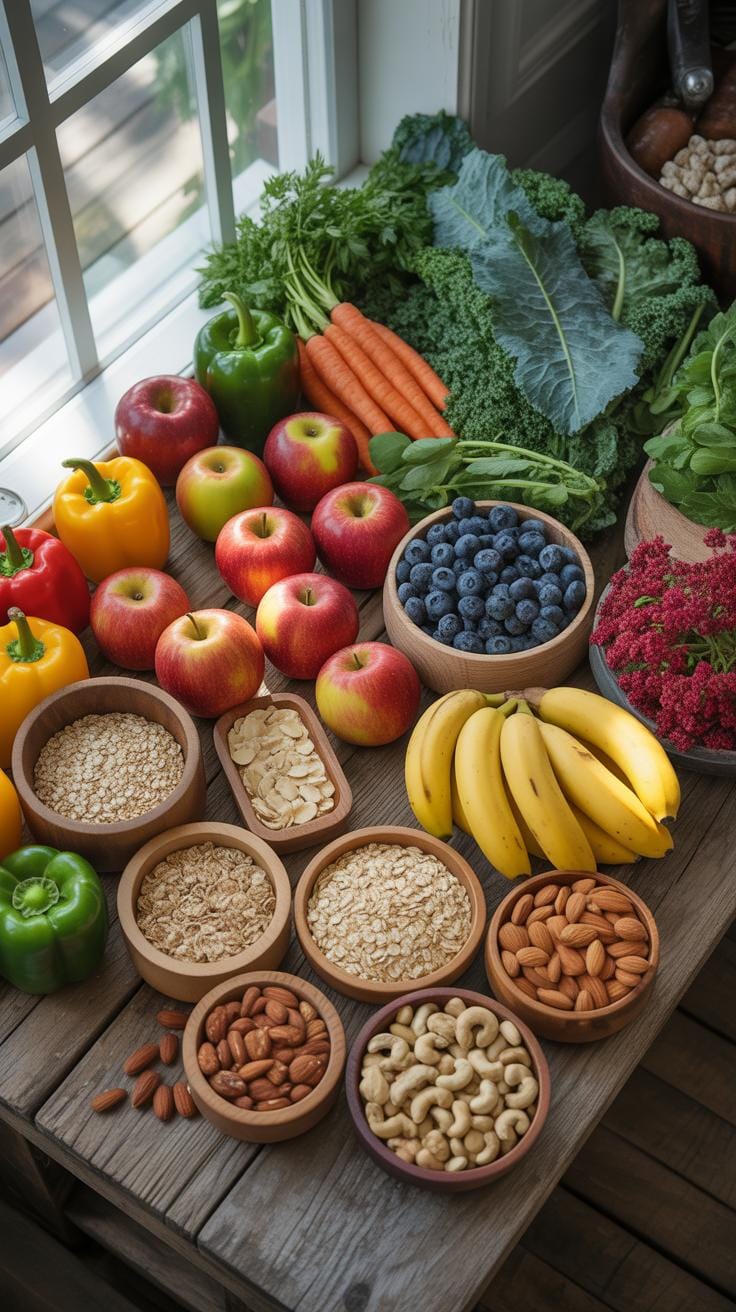
When you’re aiming to eat whole foods, it helps to have a list of ingredients that are easy to find and useful in many recipes. Think fresh produce and items close to their natural state. Here are some staples you can pick up at most grocery stores without much trouble:
- Fresh fruits like apples, bananas, oranges, and berries
- Vegetables including carrots, spinach, sweet potatoes, and bell peppers
- Whole grains such as brown rice, oats, and quinoa
- Legumes like lentils, chickpeas, and black beans
- Nuts and seeds, for instance almonds, walnuts, and chia seeds
- Fresh herbs to add flavor and nutrients, for example parsley or basil
Choosing these ingredients keeps your meals grounded in simple, unprocessed foods that provide genuine nourishment without additives. You might find, though, that sometimes the freshest choices vary seasonally or by your local store’s selection. It’s okay to explore and adapt.
Fruits And Vegetables For Daily Meals
Including fruits and vegetables every day is key, but it doesn’t have to be complicated. Some fruits and veggies are especially versatile and practical, depending on how you like to cook or snack. Here are some reliable picks:
- Bananas – great for a quick snack, smoothies, or even pancakes
- Apples – eaten raw, baked, or sliced into salads
- Carrots – easy to roast, steam, or eat raw with dips
- Spinach – perfect fresh in salads or wilted into pasta or eggs
- Bell peppers – colorful, crunchy, and good raw or cooked
- Sweet potatoes – roasted, mashed, or grated into fritters
I remember once grabbing a bell pepper just because I liked its bright color, and it ended up making my lunch much more enjoyable. Sometimes, just picking what catches your eye is enough to mix things up in the kitchen.
Whole Grains And Legumes Choices
Whole grains and legumes are foundational in whole food diets, providing fiber, protein, and key nutrients. Here are some options worth considering:
- Brown rice – absorbs flavors well and pairs with nearly anything
- Quinoa – cooks quickly and is a complete protein, which is quite handy
- Oats – for breakfast or baking, versatile and filling
- Lentils – quick to prepare and rich in protein and iron
- Chickpeas – perfect for roasting, blending into hummus, or stews
- Black beans – great in salads, soups, or as a side dish
Preparing these often involves simple rinsing and boiling. Yet, you might want to try soaking legumes beforehand to cut cooking time and make digestion easier. It’s a small step but can make a big difference. Have you noticed how these ingredients bulk up a meal, making it hearty without much fuss?
Example Whole Food Recipes To Try
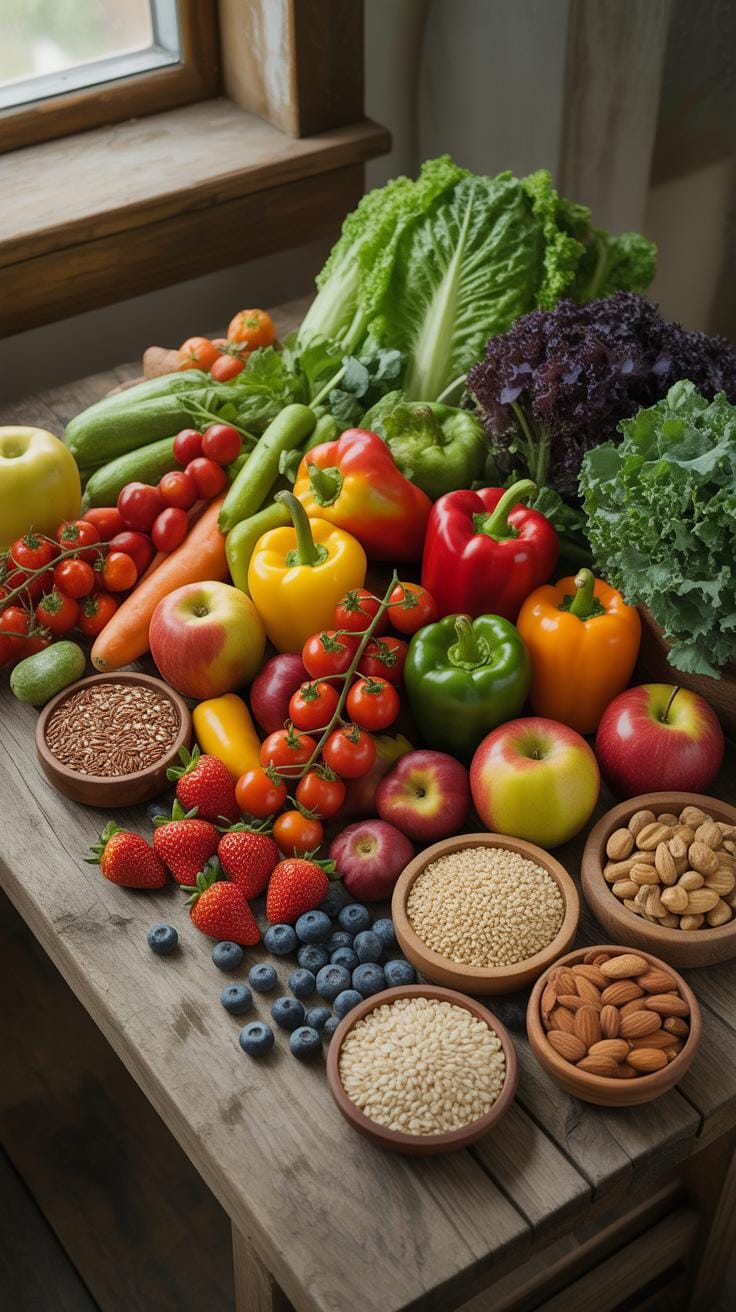
Cooking with whole foods can be surprisingly simple and rewarding. You don’t need fancy or exotic ingredients to create dishes that are nourishing and tasty. Let’s explore some recipes that highlight the natural flavors and textures of whole foods.
Simple Salads With Fresh Ingredients
A quick salad can be a perfect meal or snack. Try combining:
- Fresh leafy greens like spinach or kale
- Sliced fruits such as apples or berries to add sweetness
- Nuts or seeds for a crunchy bite, think walnuts or sunflower seeds
- A light dressing made with olive oil, lemon juice, salt, and pepper
For example, a salad with mixed greens, chopped pears, toasted pecans, and a drizzle of balsamic vinegar is easy, fresh, and satisfying. You can mix and match ingredients based on what you have, making it both versatile and delicious.
Hearty Soups Using Whole Foods
Soups using whole grains, beans, and veggies are great for filling up and staying healthy. A favorite around here is a lentil soup with carrots, celery, and onions simmered in vegetable broth. Throw in some brown rice or barley for extra heartiness. It’s warming and nutrient-packed.
Another simple idea is a black bean soup with tomatoes, bell peppers, and corn—flavored with cumin and garlic. The beauty of these soups is their flexibility; use whatever you have on hand, and you’ll end up with a wholesome meal every time.
How To Shop For Whole Foods

Shopping for whole foods can feel a bit overwhelming at times, especially when faced with endless shelves. Yet, some straightforward pointers help. Focus on foods with minimal processing—think fresh fruits, vegetables, whole grains, nuts, and seeds. If it comes in a package, be wary.
When picking fresh produce, look for vibrant colors and firmness, but maybe don’t stress too much about small blemishes; some imperfections can mean the produce is fresh and less treated.
Reading Labels To Avoid Additives
Labels can either guide you or confuse you. The trick is to spot ingredients that don’t belong in whole foods, like artificial flavors, colors, preservatives, and hydrogenated fats. These are usually listed toward the end of the ingredients list, but sometimes they sneak in under unfamiliar names. For example, sodium nitrate or MSG might surprise you. If the label lists more than a handful of ingredients or unpronounceable chemicals, it’s often better to steer clear.
Buying Fresh Local Produce Tips
Fresh, local produce does taste different—it often holds more nutrients since it’s picked at peak ripeness. Farmers’ markets are gold mines for this, but if you’re not near one, explore community-supported agriculture programs or local farm stands. Visiting early in the day usually means better selection. Sometimes, talking to the growers directly reveals how their food is grown, which can be reassuring. Just be aware that local doesn’t always mean organic or pesticide-free, so asking questions helps.
Have you noticed how much flavor varies in tomatoes depending on where and when you buy them? That’s the nature of whole foods—changing with the season and the soil. It can be frustrating but also kind of rewarding to discover those perfect picks.
Whole Foods Vs Processed Foods Health Impact
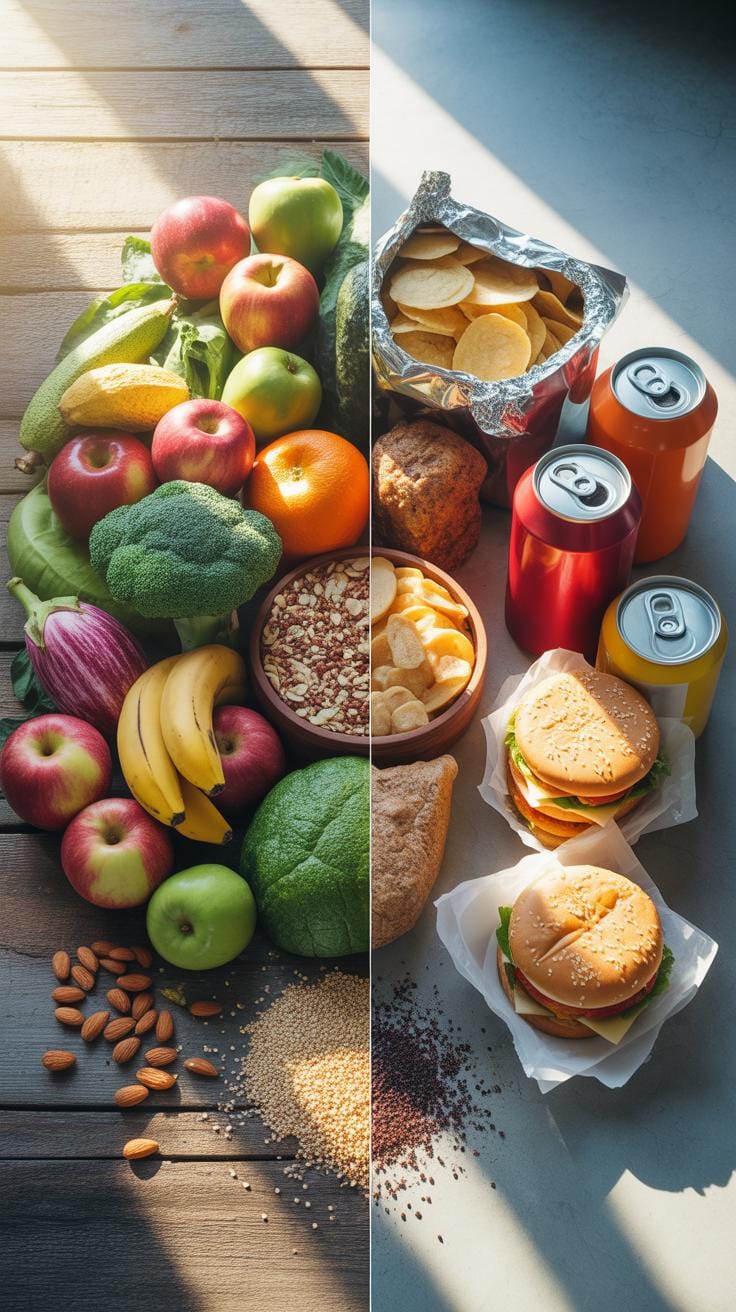
When it comes to your health, the choice between whole foods and processed foods can make a significant difference. Whole foods consist of natural ingredients that haven’t been altered or stripped of their nutrients. On the other hand, processed foods often contain added sugars, unhealthy fats, and chemical preservatives.
Eating whole foods regularly is linked to a lower risk of chronic diseases such as heart disease, diabetes, and certain cancers. But processed foods? They tend to increase inflammation and can burden your body’s organs over time.
Moreover, whole foods provide more sustained energy. You might notice that after eating processed snacks, you feel an energy spike followed by a crash. Whole foods, however, release energy slower and steadier, keeping you alert and more physically capable throughout the day.
Effects Of Processed Foods On The Body
Processed foods often contain ingredients that your body struggles to handle well. Added sugars can contribute to insulin resistance and weight gain. Unhealthy fats, like trans fats, may raise bad cholesterol and increase your risk of cardiovascular problems.
Preservatives and artificial additives, although designed to prolong shelf life, might disrupt your gut health or cause other subtle issues over time. It’s worth asking yourself: how often do these ingredients appear in your daily meals?
Improved Energy With Whole Food Eating
Switching to whole foods can feel like a reset for your body’s energy levels. You’ll likely notice fewer energy slumps between meals and a generally improved sense of well-being. This is partly due to the rich fiber, vitamins, and minerals found in whole foods, supporting better digestion and nutrient absorption.
Some people, including myself, find that meals centered around fruits, vegetables, nuts, and lean proteins leave them feeling fuller longer and less prone to cravings. That steady fuel helps maintain both physical and mental stamina in a way processed foods rarely do.
Steps To Add Whole Foods To Meals

Introducing whole foods into your daily meals doesn’t have to be overwhelming. Start small. Maybe swap out refined grains for whole grains like brown rice or quinoa in one meal a day. Next, try adding a new vegetable or fruit—fresh and unprocessed—to your regular recipes or snacks. Little changes, actually.
It’s useful to think about the meals you already enjoy and look for simple substitutions. For example, choose whole grain bread over white bread or nuts instead of chips. Keep in mind, you don’t have to be perfect right away. It’s okay to have a mix of whole and processed foods in your diet while you find your balance. Gradually, your palate might even change to prefer the natural flavors.
Planning Balanced Whole Food Meals
Planning meals around whole foods means combining a variety of nutrients simply. Think of a plate that contains:
- A good source of protein such as beans, lentils, or lean meat;
- Whole grains like barley, buckwheat, or brown rice;
- Colorful vegetables, whether raw, steamed, or roasted.
Try batch-cooking grains and proteins ahead of time, then adding fresh veggies later. This can reduce time stress and keep your meals balanced. Sometimes, stretching a dish to include more veggies feels tricky—especially if you’re used to quick processed options—but over time, it usually becomes second nature.
Replacing Processed Snacks With Whole Foods
Processed snacks are convenient but often lack nutrients. Try swapping them with whole food snacks like:
- Fresh fruit or sliced vegetables with hummus;
- Unsalted nuts or seeds;
- Plain yogurt topped with berries or a drizzle of honey;
- Popcorn made at home rather than pre-packaged microwave popcorn.
You might find these options more satisfying than you’d expect. The texture and natural sweetness can surprise you if you give them a chance. It’s not about denying cravings, but redirecting them. Sometimes, it even helps to keep prepared snacks ready, so you’re not tempted by processed items.
Tools For Preparing Whole Food Meals

Preparing whole food meals need not be a chore. Indeed, the right kitchen tools can make a substantial difference, I think, in how quickly and enjoyably you get those wholesome dishes on your table. Let’s talk essentials.
Essential Kitchen Gadgets For Whole Foods
Several gadgets stand out as staples for anyone focused on whole foods:
- Blenders: These aren’t just for smoothies. A good blender can purée vegetables into soups, create nut butters, and even crush ice. Some models handle tough tasks with surprising ease.
- Knives: Sharp, sturdy knives are a must. They speed up chopping, slicing, and dicing fruits and veggies. One can’t overstate how much a good knife improves your prep work.
- Food processors: When you need bulk chopping or want to shred veggies quickly, food processors come in handy. They tackle hard nuts and grains, saving manual effort.
These gadgets not only save time but also help keep preparation more consistent and pleasant.
Using Slow Cookers And Steamers
Slow cookers have a unique charm. You dump in whole ingredients, set the timer, and hours later you have a nutrient-rich meal with minimal fuss. The gentle heat helps preserve vitamins that might otherwise degrade.
Steamers, on the other hand, excel at retaining nutrients by cooking food with vapor rather than boiling it in water. This method keeps vegetables vibrant and their textures intact while avoiding added fats from frying or sautéing. Plus, they aren’t complicated to use. A stacked bamboo or electric steamer can handle different foods simultaneously. It’s fewer dishes, more simplicity.
Both tools, really, are about harnessing the natural goodness of whole foods without much interference, which is somehow quite satisfying after a long day.
Common Challenges And Solutions

Switching to whole foods isn’t always straightforward. Many people find the initial step overwhelming, and motivation can waver. One common hurdle is time—you might feel like there’s no room to cook fresh meals when your schedule is tight. The trick might lie in simple meal prep, like chopping veggies in advance or using a slow cooker to have dishes ready when you get home. Sometimes, it’s surprising how a few minutes of planning can save hours later.
Cost is another sticky point. Whole foods can appear pricier, especially if you’re eyeing organic labels or specialty items. But buying seasonal produce, shopping at local markets, or choosing frozen veggies can ease the financial pinch. Have you tried bulk purchases of staples like grains or nuts? That small shift can cut costs noticeably without compromising quality.
Sticking with whole foods also means adapting habits that have deep roots. When cravings strike or convenience tempts you back to processed meals, remind yourself why you started. Keep meals enjoyable by experimenting with herbs and spices. And don’t beat yourself up for slip-ups—they’re part of the process. Often, persistence and a bit of creativity bridge the gap between intention and everyday practice.
Measuring Whole Foods Benefits Over Time
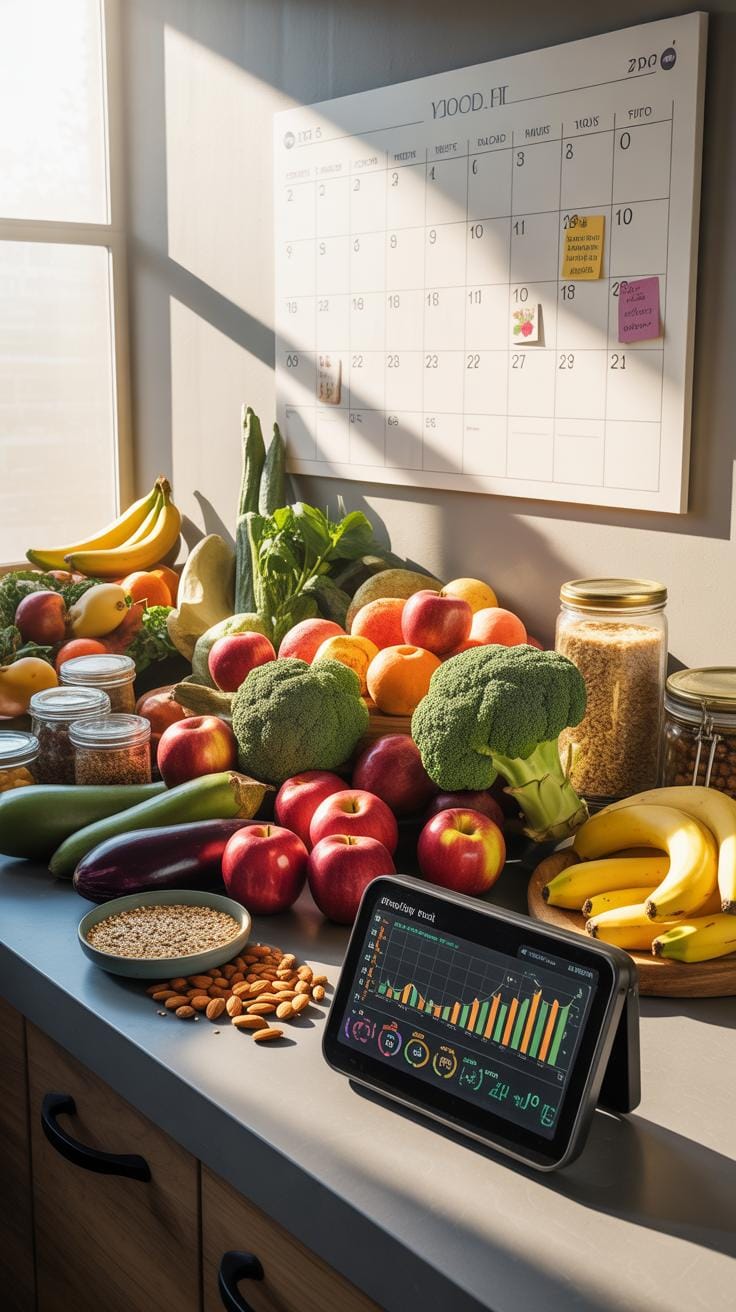
Shifting to a whole foods diet can feel rewarding, but how do you actually gauge its effects over time? Tracking your body’s response can be simpler than you might expect, but it calls for a bit of patience and honest observation.
Tracking Energy Levels And Mood
A good starting point is your daily energy and mood. Keep a simple journal or use an app to note how you feel throughout the day — are there moments when you feel more energized? Any changes in focus or motivation? Whole foods, rich in nutrients, can subtly boost vitality, but it might take weeks to really notice.
Also, mood shifts can serve as quiet signals. Sometimes it’s just a slight lift in spirit or less irritability. Watch for these hints rather than waiting for drastic changes.
Noticing Physical Health Changes
Physical signs often tell a clearer story. Better digestion is one; whole foods with natural fibers can ease bowel movements or reduce bloating. Weight changes might emerge too, though it’s not just about loss but also healthier weight distribution.
Skin is another surprisingly sensitive indicator. You might spot fewer breakouts or a glowing complexion after a while. These markers aren’t guaranteed for everyone, but if you notice any, they’re promising signs of impact.
Remember, benefits may not appear steadily — some weeks feel better than others. Tracking over months rather than days will give you a clearer picture. What small changes can you commit to observing this week?
Conclusions
Choosing whole foods over processed options gives your body more nutrients and better supports your health. Whole foods help maintain energy, strengthen your immune system, and lower the risks of many health issues.
Start small by adding simple whole food dishes to your meals. With practice, you will enjoy fresh flavors and feel better every day. Your body will thank you for picking real foods that boost your health and happiness.