Introduction
Eating the right snacks can support your weight loss journey by boosting metabolism and aiding fat burning. Choosing snacks that provide essential nutrients while keeping calorie intake in check helps maintain energy and control hunger between meals.
This article examines top weight loss snacks that speed up metabolism and promote fat loss. You’ll discover how specific foods influence your body’s energy use and learn practical tips for smart snacking to support your goals.
What Are Weight Loss Snacks
Weight loss snacks aren’t just any food you grab between meals. They have specific qualities that set them apart from typical snacks. These snacks focus on controlling hunger without overloading your system with unnecessary calories or sugars.
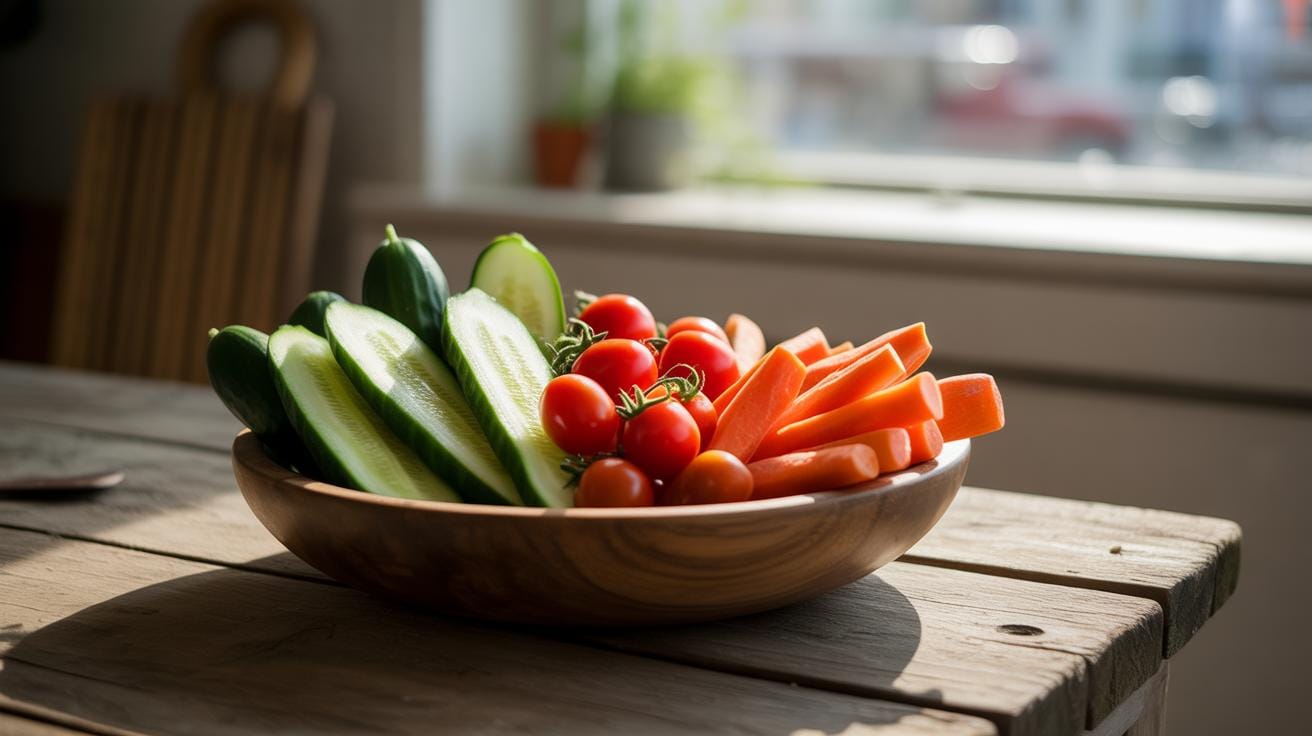
You might wonder why snacks matter at all. Well, they play a vital part in managing appetite. When you choose the right snacks, they help keep your hunger in check and stop overeating during main meals. They also offer steady energy, so you don’t crash or reach for junk food.
Qualifying snacks for weight loss usually have these traits:
- High in protein or fiber to promote fullness
- Low in added sugars and unhealthy fats
- Moderate calorie content that fits into your daily goals
- Support for a balanced energy intake
These snacks can subtly influence how your metabolism works. For example, a protein-rich snack may prompt your body to burn more calories during digestion. Or, fiber can improve gut health, which some studies suggest affects weight regulation. It’s not a magic bullet, but the way a snack interacts with your body matters.
Think about your own experience with snacking. Have you noticed how certain foods either leave you feeling sluggish or, on the contrary, more alert? That’s the kind of effect weight loss snacks aim to fine-tune. They help your body use fat for fuel instead of storing it, or at least they promote smarter energy use throughout the day.
In short, weight loss snacks are a strategic tool. Using them wisely can tip the balance towards better appetite control, steadier energy levels, and a metabolism that supports fat burning rather than fat storage. It’s subtle and sometimes inconsistent, but that’s part of what makes choosing the right snacks both interesting and a little challenging.
Which Snacks Boost Metabolism
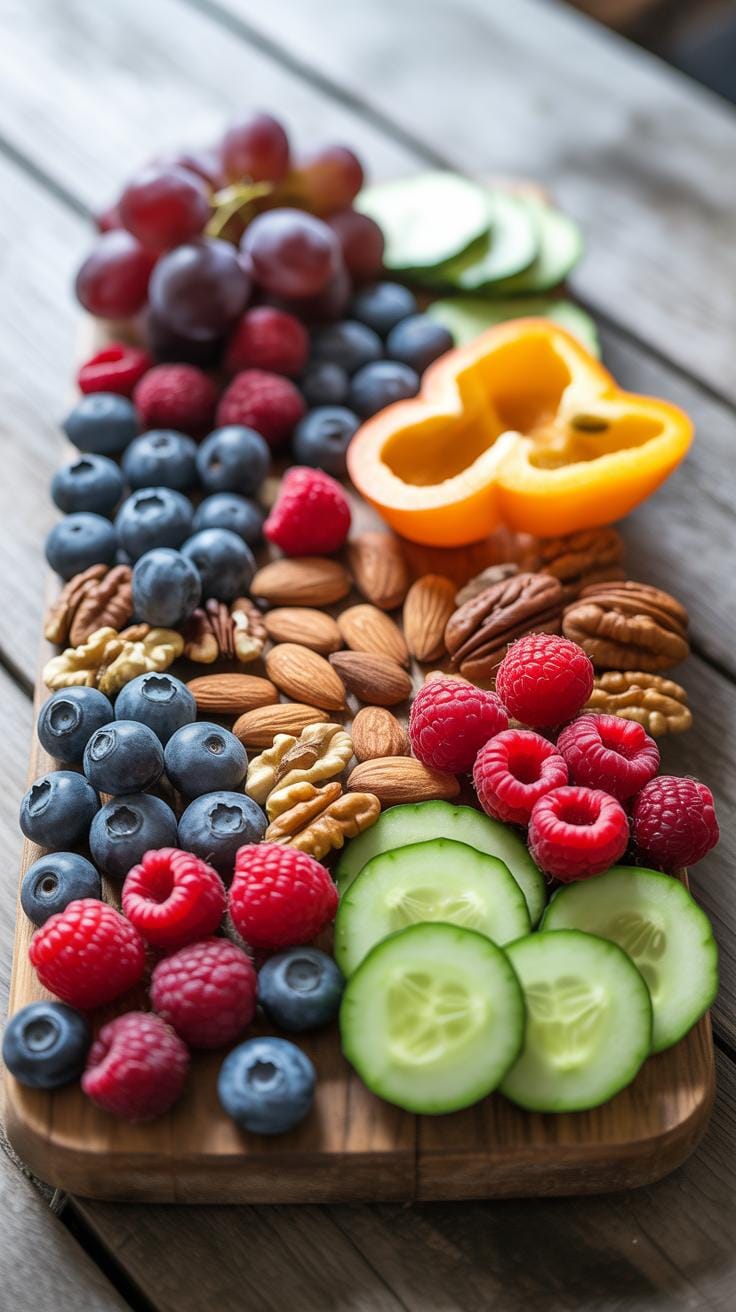
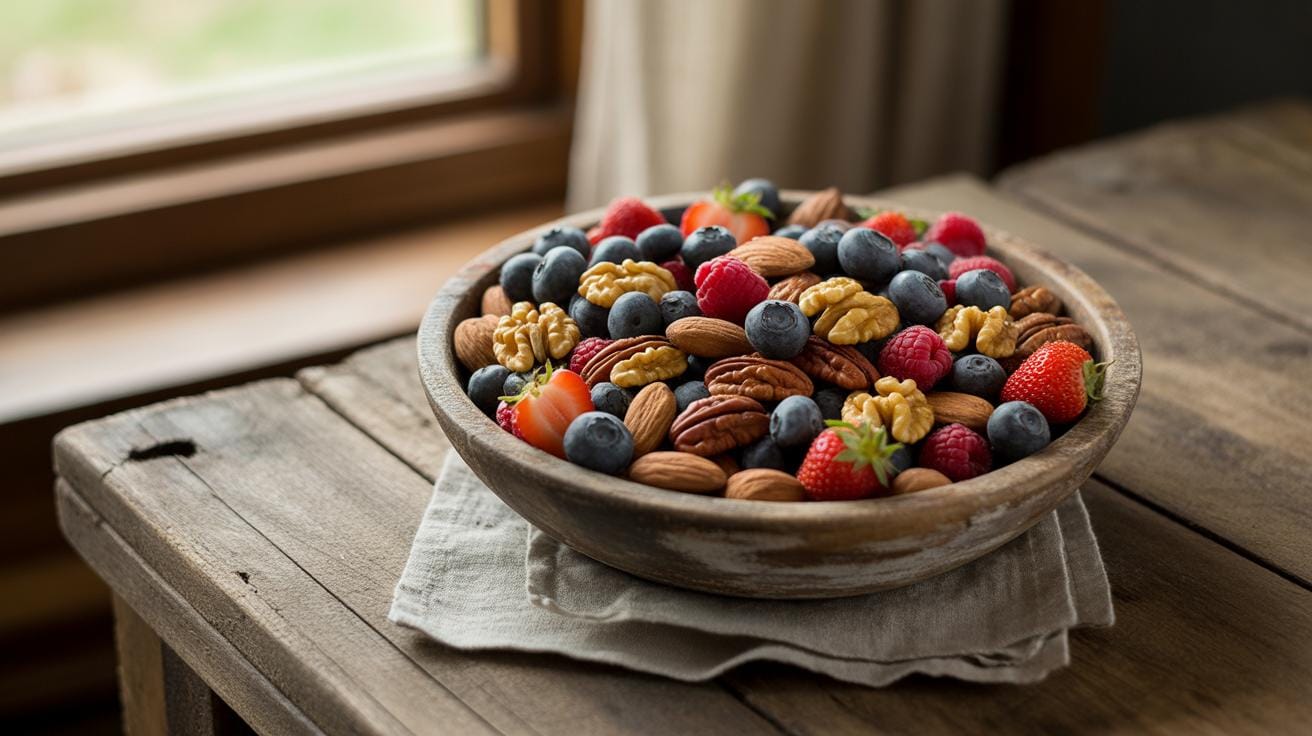
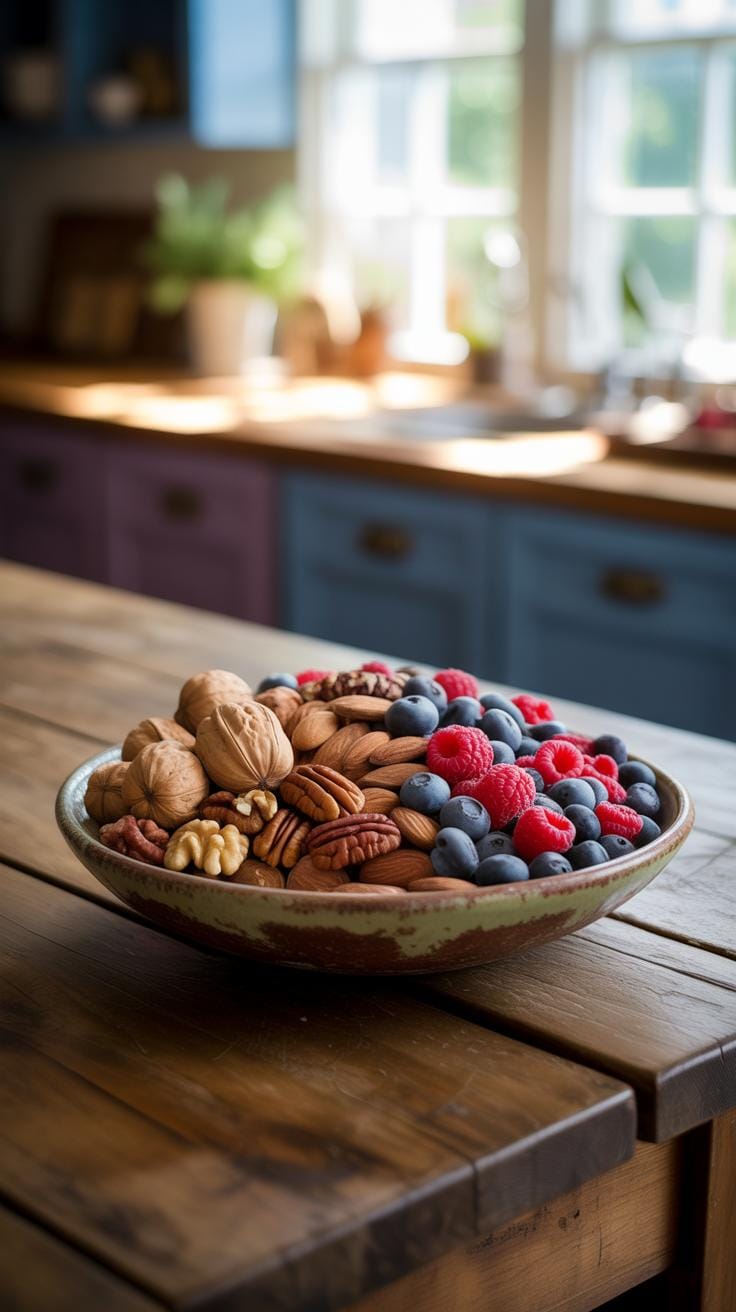
When thinking about snacks that might actually help speed up your metabolism, a few stand out. For starters, nuts like almonds or walnuts offer a modest metabolic boost because they require more energy to digest and are packed with healthy fats that keep you feeling full. Greek yogurt is another choice that’s worth considering—not only is it rich in protein, but it also contains probiotics that some speculate could support digestion and metabolism, though the effects may vary from person to person.
Green tea infused snacks, such as matcha-flavored energy bites, bring a slight edge through their caffeine and antioxidant content. They might give your metabolism a gentle nudge, if only temporarily. And spicy options? Those chili-dusted pumpkin seeds or sriracha-roasted chickpeas have capsaicin, which might elevate your metabolic rate by a small percentage for a short while. But the real question is whether snacking on these regularly makes a significant difference—it’s likely a subtle effect, but combined with other habits, it could add up.
Protein-Packed Foods to Boost Energy
Protein is the heavyweight champ when it comes to metabolism. Snacking on high-protein foods forces your body to burn more calories through what’s called the thermic effect of food—the energy cost of digesting, absorbing, and processing nutrients. Good examples? Hard-boiled eggs, turkey jerky, or cottage cheese cups. These not only burn more calories during digestion but also keep hunger hormones in check, which can indirectly influence fat burning.
Have you ever noticed feeling more energized after a protein-rich snack versus something carb-heavy? That’s part of the reason. Including protein at snack time might help avoid mid-afternoon slumps and reduce overeating later. Though, of course, how much you eat or your activity levels play crucial roles too.
Spicy and Fiber Rich Options
Spicy foods are often credited with sparking metabolic highs, thanks largely to capsaicin. This compound can increase your body’s heat production, leading to more calorie burning for a short period. Think of snacks like roasted cauliflower with chili powder, or spicy salsa with fresh veggies. These might not transform your metabolism overnight, but they can add a slight feisty touch that encourages fat burning.
Fiber-rich snacks—such as apple slices, carrot sticks, or roasted chickpeas—also contribute by slowing digestion and prolonging fullness. This steady energy release can help regulate blood sugar and prevent spikes that typically lead to fat storage. Plus, fiber demands energy to break down, giving your metabolism a modest lift. Oddly, despite fiber’s many benefits, its impact on metabolism isn’t always spotlighted, even though it quietly supports weight management.
So, when you’re considering your snack choices, you might ask yourself: which option offers the best balance between satisfying hunger and stimulating fat loss? It’s not always clear-cut, but blending proteins, spices, and fiber seems a practical approach worth trying.
Snack Timing for Best Results
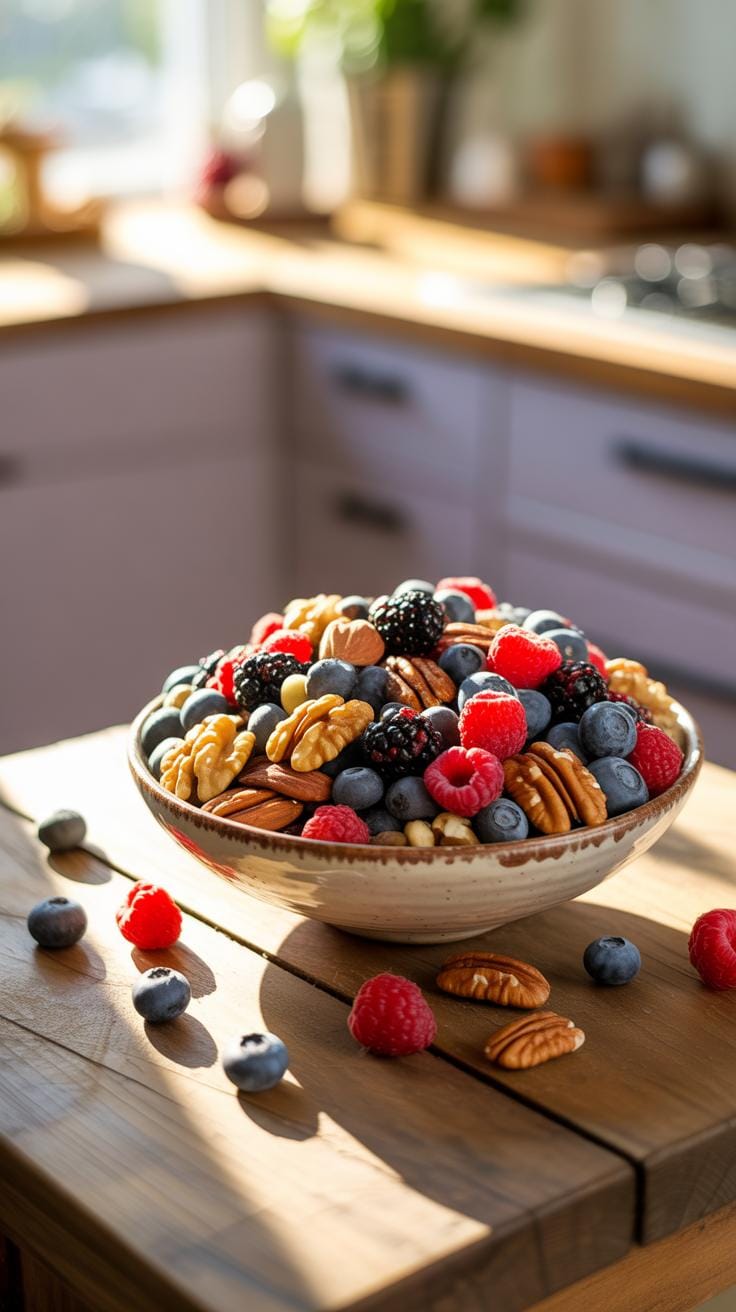
When you eat your snacks can matter just as much as what you eat. Snacks can keep your metabolism up during long gaps between meals. But timing them right is a bit tricky—too early or too late, and you might miss out on that fat-burning boost.
Try to have snacks around these times:
- Mid-morning, about 2-3 hours after breakfast—this keeps your energy steady and prevents that sluggish feeling before lunch.
- Mid-afternoon, around 3-4 hours after lunch—perfect for avoiding overeating at dinner.
Eating at these times helps maintain blood sugar levels. It can stop cravings that lead to overeating or reaching for unhealthy options. Plus, your metabolism stays more active when you avoid long idle periods.
On the other hand, late-night snacking often slows down fat burning. Your body shifts into resting mode at night and burns fewer calories. Snacks before bed, especially carb-heavy or sugary ones, can disrupt this process and may lead to fat storage rather than burning.
So, if you find yourself hungry late at night, ask if it’s real hunger or just habit. Often, it’s better to wait until breakfast to eat again and let your body do its natural overnight repair without extra fuel.
Snack Examples for Fat Burning
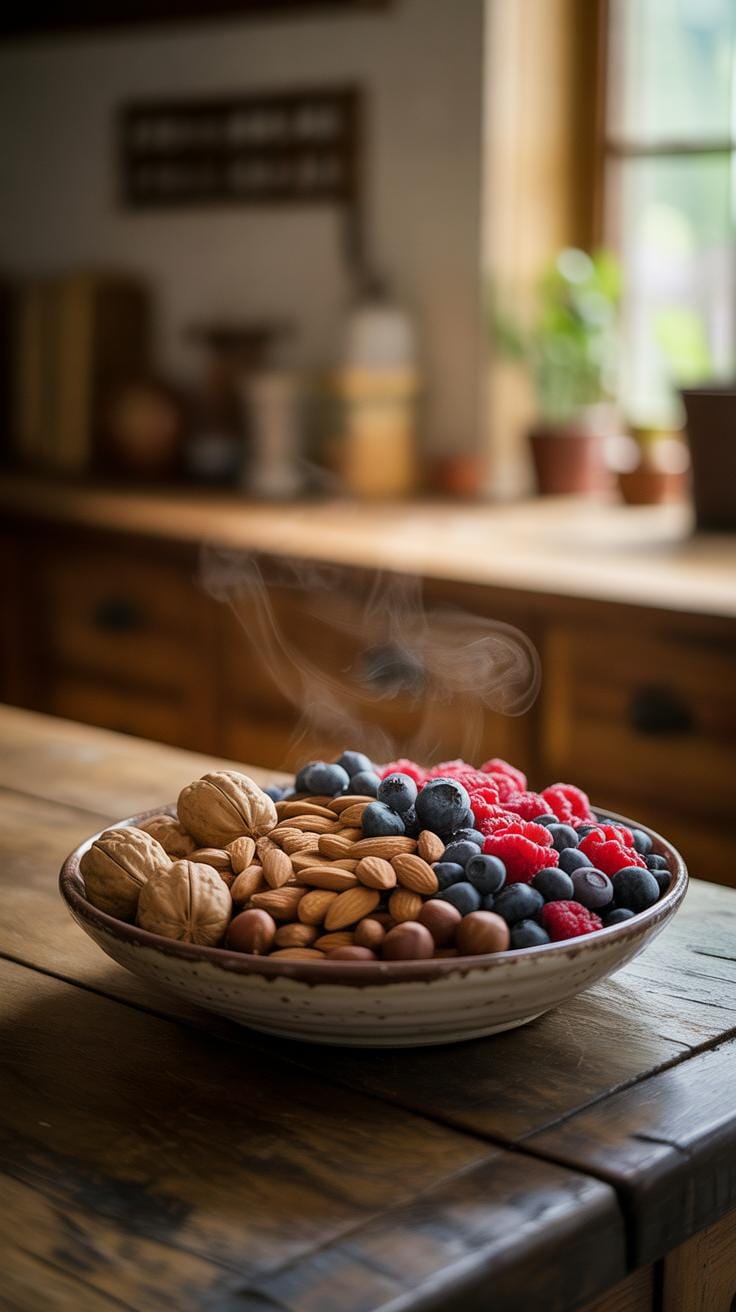
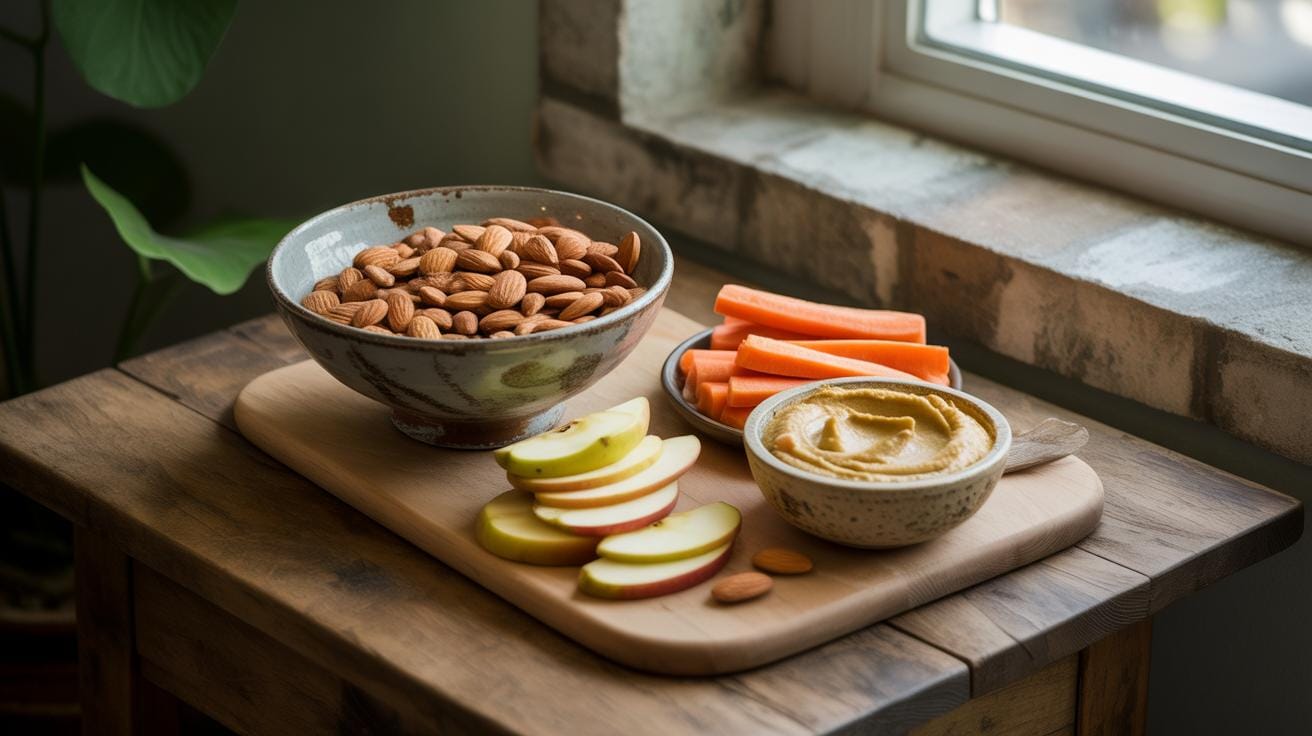
When it comes to snacks that help burn fat and boost metabolism, the best choices combine nutrients to keep you full and energized. For instance, a small handful of almonds paired with an apple offers protein, fiber, and healthy fats—all working together to slow digestion and sustain energy levels. I know sometimes it’s tempting to grab whatever’s handy, but snacks like this gently nudge your metabolism to stay active instead of crashing.
Other practical options might include Greek yogurt mixed with chia seeds or cottage cheese alongside sliced cucumbers. These combos create a balance where protein repairs and builds muscles, while fiber supports digestion and steadies blood sugar levels. It’s almost like your body works harder just to break down these snacks.
On the healthier fat front, snacks like avocado toast (on whole-grain bread) or a small portion of walnuts can add good fats that encourage fat loss by improving insulin sensitivity. Oddly, these fats don’t lead to weight gain as many expect; instead, they can actually help your body burn stored fat. I sometimes wonder why more people don’t reach for these when they want a quick, fat-burning snack.
So, should you always combine protein and fiber, or focus more on healthy fats? Maybe it depends on the time of day or your activity level. Your body’s needs aren’t static, after all. Trying different snacks and noticing how you feel might be the best way to tailor what works for you.
Protein vs Carbs for Snacking
How Protein Influences Weight Loss
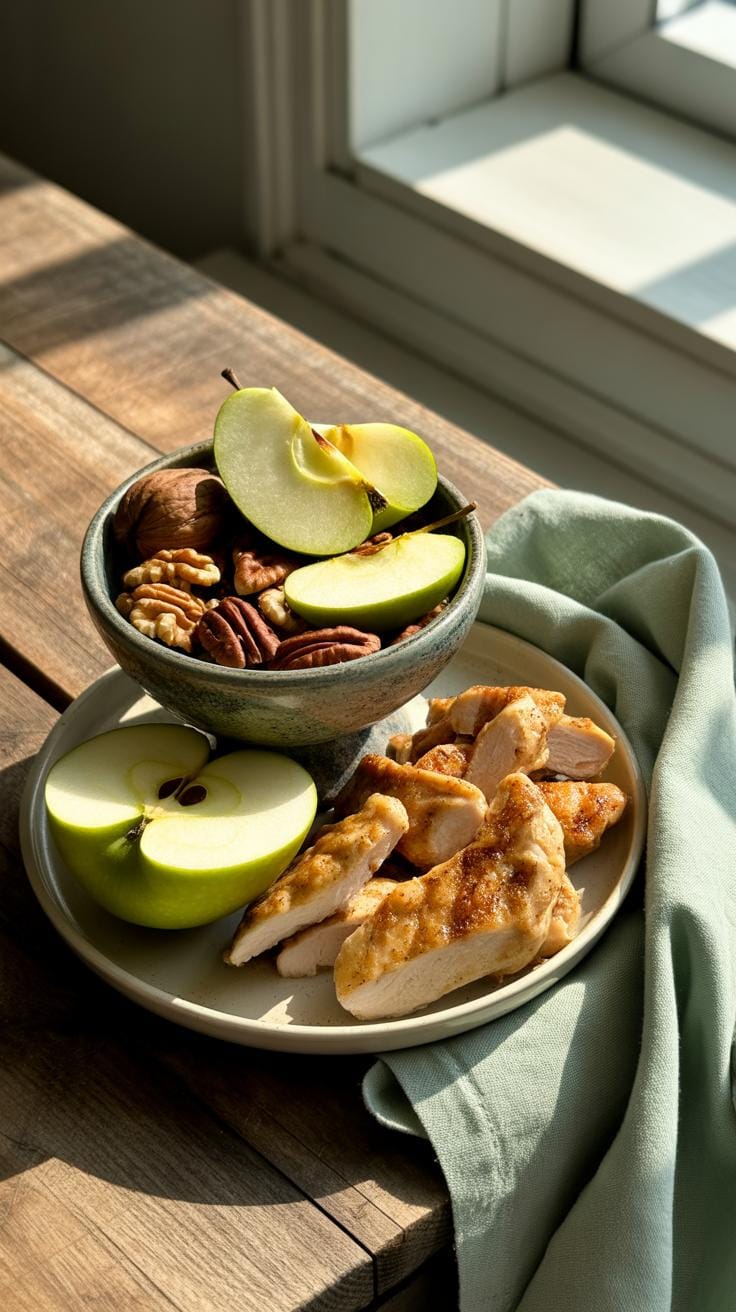
Protein snacks play a unique role when it comes to weight loss. They tend to burn more calories during digestion compared to carbs or fats, a phenomenon often called the thermic effect of food. I find that after a protein-rich snack, I feel fuller longer, which helps curb those random cravings that can derail a diet.
Protein’s impact goes beyond just hunger control. Eating protein can help preserve lean muscle mass, especially when you’re losing weight. Muscle itself burns more calories even when resting, so it indirectly raises your metabolism. Also, protein can stabilize blood sugar in some people, which might prevent energy crashes that lead to reaching for sugary snacks.
Still, not all protein snacks are created equal. Some processed options come with hidden fats or sugars that might counter the benefits. Overall, focusing on whole-food proteins makes the biggest difference.
Carbohydrate Choices and Metabolism
Carbs often get a bad rap in weight loss circles—but they’re not all the same. Some carbs, especially those high in fiber and with a low glycemic index, provide slow, steady energy. This kind of carb keeps your metabolism working without spiking insulin levels sharply, which can encourage fat storage.
For example, snacking on berries or raw vegetables often gives you a boost of nutrients and fiber without loading up on calories. These carbs digest more slowly and feed your body in a more balanced way.
That said, quick-digesting carbs might sometimes be useful, if timed right—say, right after a workout. But if those carb-rich snacks are sugary or refined, they tend to cause energy crashes and hunger sooner than protein snacks. So, the timing and type of carb matter a lot.
Are carbs or protein better for snacking? Maybe it depends on your routine and what your body responds to most. A mix, leaning on protein, tends to work best for me when I want to control weight and stay energized.
Daily Snack Checklist for Fat Loss
Choosing the right snacks each day can quietly influence your metabolism and fat-burning efforts. While it’s tempting to grab whatever’s quick or easy, the real question is: are your snacks working for you or against you?
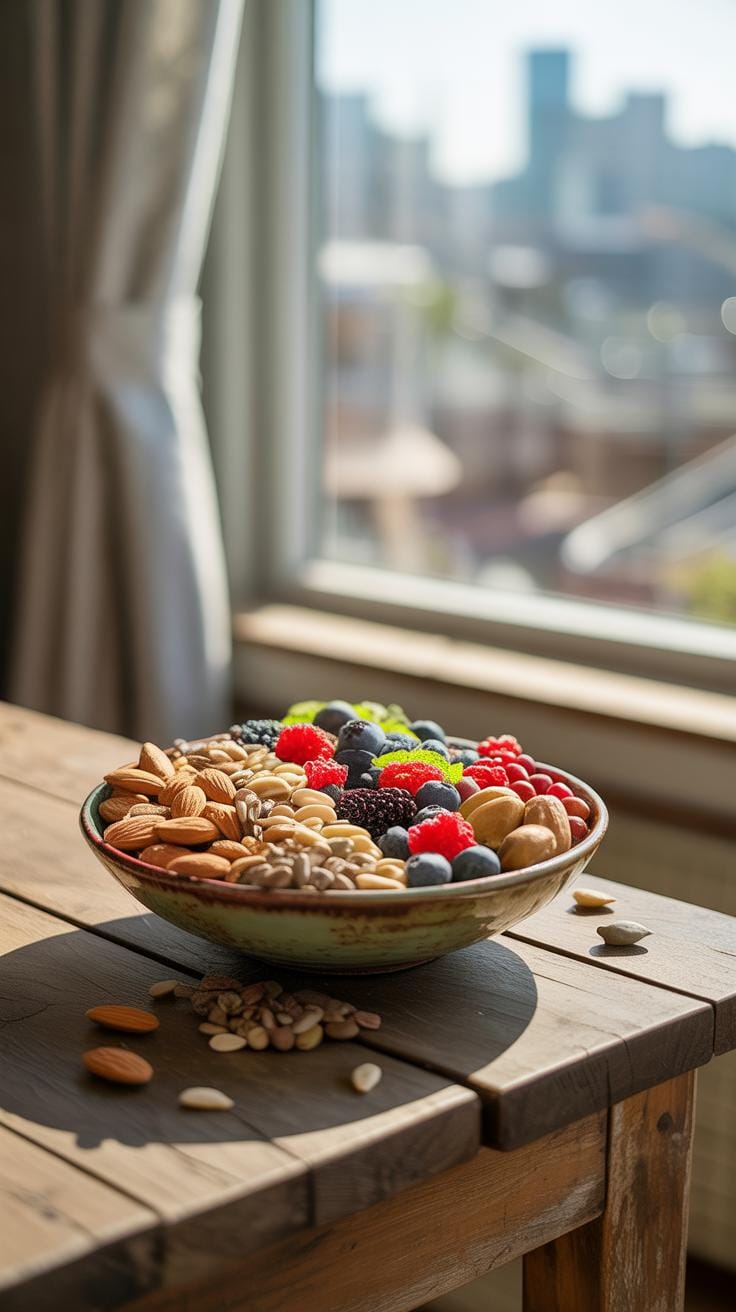
Try to focus on snacks that combine protein, fiber, and healthy fats—this mix helps regulate hunger and keeps you energized without spiking insulin. For example, a handful of almonds with an apple or Greek yogurt with a few berries can do the trick.
Another habit worth developing is portion control. It sounds obvious, but you’d be surprised how easy it is to mindlessly eat too much, even from healthy snacks. Measure it out once or twice, then trust your instincts. Snacking slowly can also improve digestion and signaling your brain that you’re satisfied.
On the flip side, be cautious about snacks loaded with added sugars or refined carbs. They may feel like a quick fix, but they often lead to energy crashes and fat storage. Avoid snacks that seem convenient but don’t offer lasting fuel, like processed bars or chips. Even “healthy” options can hide ingredients that stall fat loss.
Ask yourself before snacking: am I eating out of real hunger or just boredom? This question alone has changed my afternoon habits more times than I can count. Small awareness shifts can make a big difference over time.
Snack Preparation Tips for Weight Loss
Making snacks that actually help your metabolism and fat burning doesn’t have to be complicated. Sometimes, the simplest ideas are the best—and they save you from staring blankly at the fridge, wondering what to eat next. Think about prepping snacks that combine protein, fiber, and a bit of healthy fat. This trio tends to keep your energy steady and your hunger in check.
Here are a few quick-prep ideas I’ve found work well—even on rushed mornings or at work:
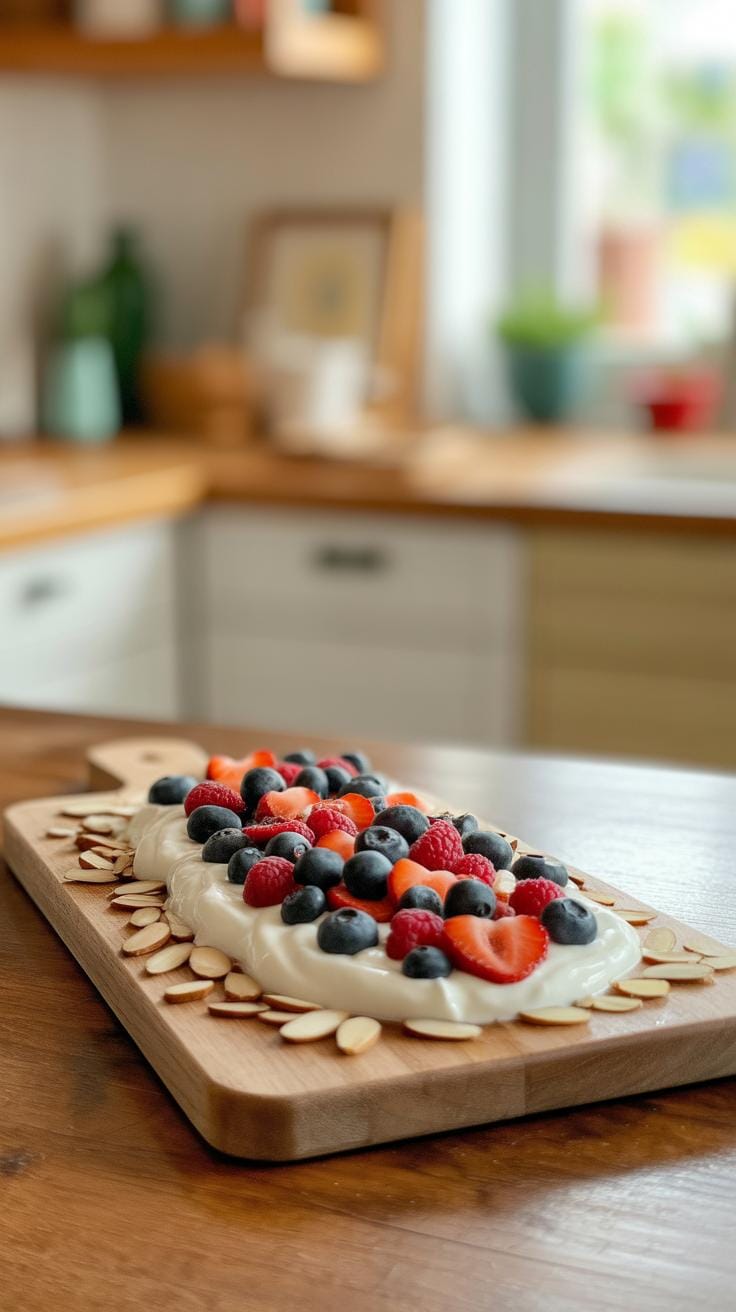
- Greek yogurt with a handful of nuts and berries. Just scoop, sprinkle, and go. You get protein, good fats, and antioxidants that quietly support metabolism.
- Veggie sticks paired with hummus. Chop cucumbers, carrots, or bell peppers once or twice a week, store in containers, and dip when hungry.
- Boiled eggs. Prepare a batch on Sunday—peel and refrigerate. They’re easy to grab and naturally packed with protein.
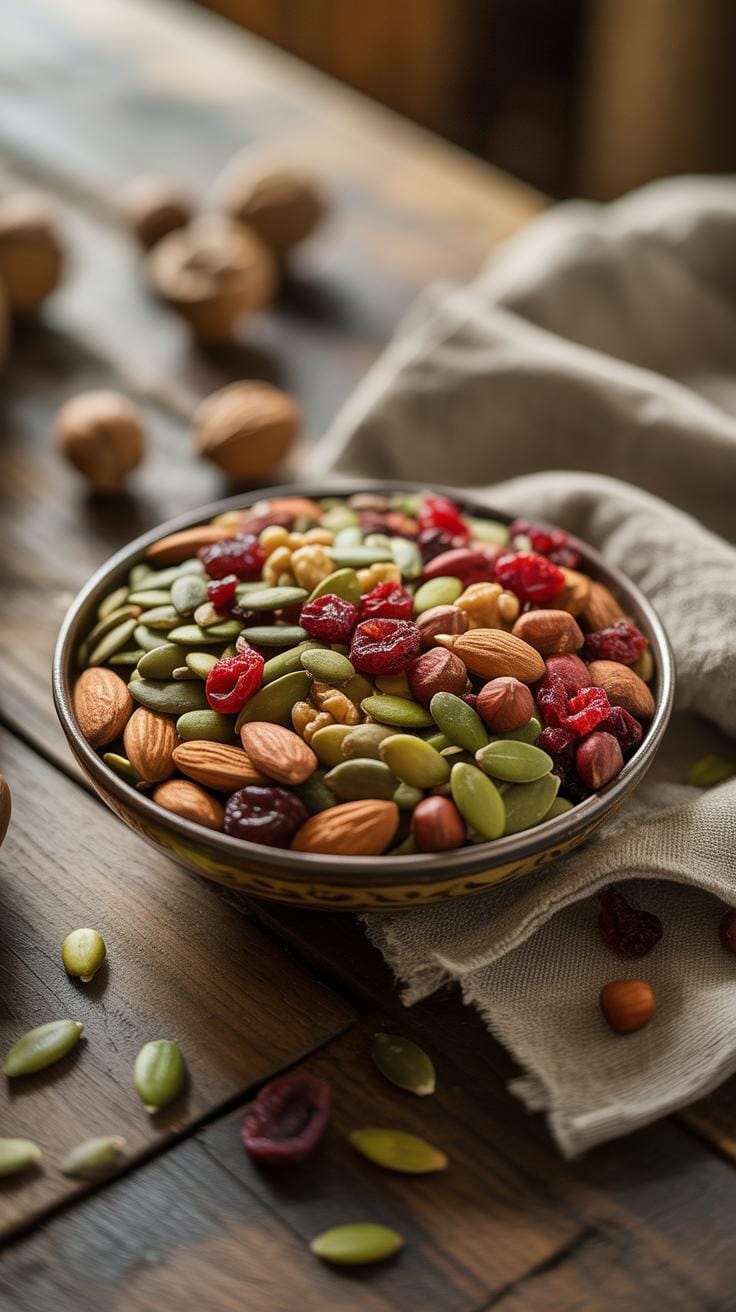
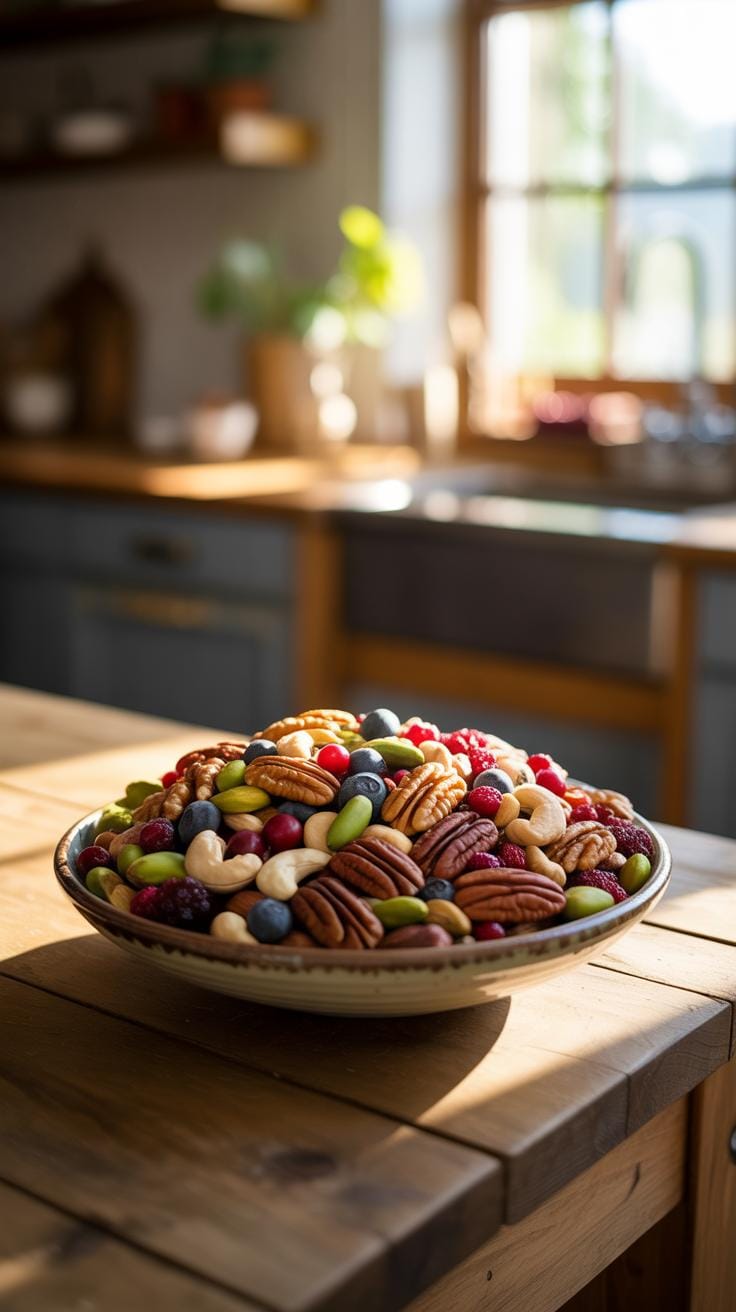
Portability matters too. Snacks you carry around should stay fresh and keep their metabolic benefits intact. Nuts, seeds, or small sachets of nut butter are great because they don’t spoil easily or lose nutritional punch on the go. Even pre-portioned trail mixes can fit into a work bag without fuss.
Have you noticed that some snacks leave you feeling sluggish? That’s often because they’re high in sugar or empty carbs. When prepping, focusing on whole foods reduces those dip moments and might just keep you on your fat-burning track.
Tracking Snack Impact on Your Metabolism
Paying attention to how your snack choices affect your metabolism can feel a bit like detective work. You might wonder if that handful of almonds actually keeps your energy steady or if the yogurt you grabbed mid-afternoon is helping your body burn fat better. There’s no single straightforward answer, but tracking your snacks and their effects can reveal useful clues.
Using Food Journals and Apps
Writing down what you eat, when, and how you feel afterward can offer surprising insights. You don’t need a complicated system—just note your snacks alongside energy levels, hunger, or mood shifts. Digital tools like MyFitnessPal or Cronometer can take some hassle out of this by estimating calories and nutrients automatically.
Try to be as honest and consistent as possible when logging. Over time, patterns emerge. Maybe you notice protein-rich snacks keep you fuller longer or certain snacks make you more alert. These details can help refine your choices, focusing on items that seem to support your fat-burning goal.
Signs Your Snacks Are Working
How do you really know if your snacks are doing what they’re supposed to? Watch for steady energy throughout the day without sugar crashes or mid-afternoon slumps. Feeling less hungry between meals is a good hint, too. And if your weight nudges downward or your clothes start to feel looser, that’s another sign.
Mental clarity and mood stability also count. If your mind feels sharper after snacking or if you’re less tempted by unhealthy options, your snacks might be helping regulate your metabolism. But not every snack works equally for everyone. The key is listening to your body’s subtle signals and adjusting accordingly.
Common Snack Mistakes and Fixes
When it comes to snacking, many people unintentionally make choices that slow down their metabolism or stall fat burning. One common slip is reaching for snacks that pack more calories than you realize. It’s easy to think a small bag of chips or a granola bar is harmless, but those calories add up fast and can wipe out your calorie deficit before you know it. Instead, try snacks with fewer calories but more volume or satiety, like a handful of raw veggies with hummus or a boiled egg. These options keep you full without loading up on excess calories.
Another frequent mistake is ignoring the balance of nutrients in your snacks. Grabbing something sugary or carb-heavy may offer a quick energy boost but often leads to a crash that makes you crave more food soon after. The best fat-burning snacks combine protein, fiber, and a bit of healthy fat. Think Greek yogurt topped with seeds or apple slices paired with almond butter. These combos stabilize your blood sugar and keep your metabolism running steadily throughout the day.
Does this mean you have to avoid all your favorite snacks? Not exactly. The key is awareness and moderation. Knowing why some snacks derail your progress helps you make smarter choices, or modify habits so your snacks support your weight loss, not sabotage it. What small swaps might work for you? Maybe swapping candy for nuts, or soda for sparkling water with lemon? A little trial and error could go a long way here.
Conclusions
Choosing weight loss snacks that boost metabolism and aid fat burning can make a real difference in your health journey. Focus on foods that provide protein, fiber, and healthy fats to increase energy use and reduce cravings.
Smart snack choices promote steady energy, hunger control, and fat loss without excess calories. With consistent good habits, these snacks help you reach and maintain your ideal weight.