
Introduction
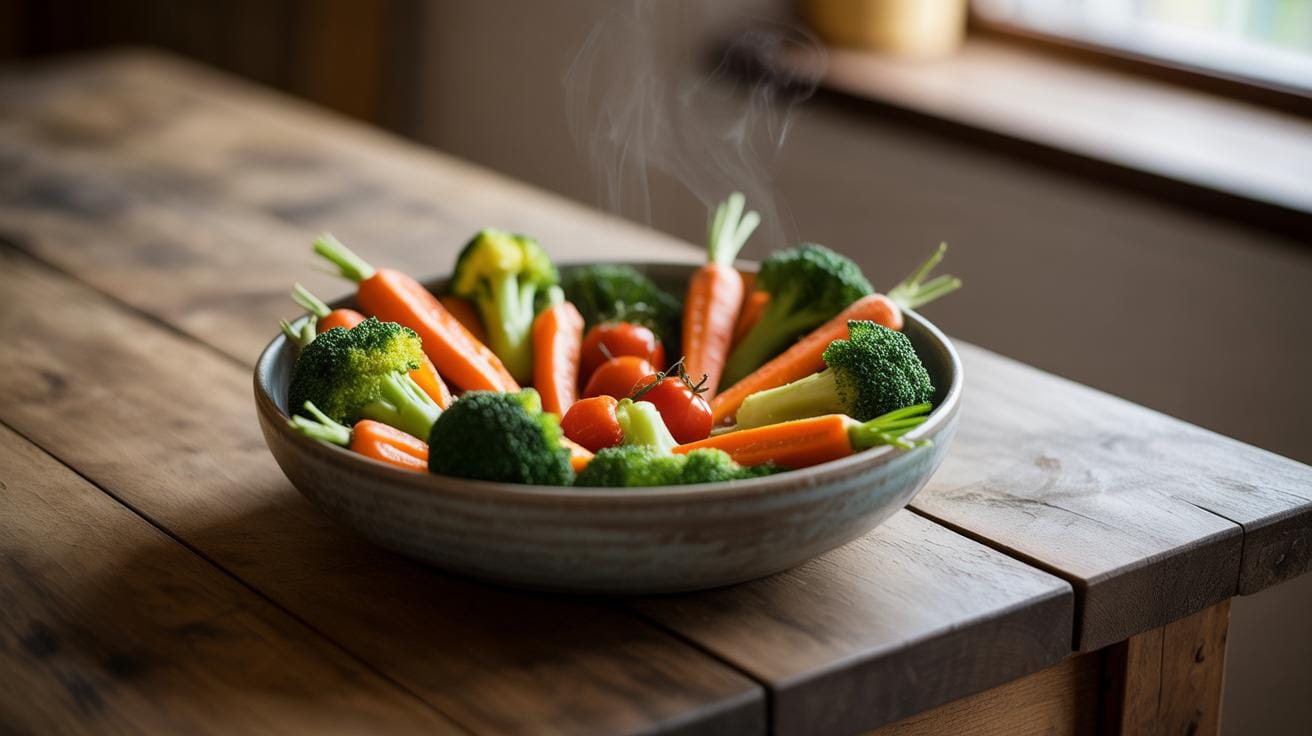
You want to eat healthier but worry about the cost. Simple veggie dishes offer an easy way to boost your nutrition without spending much. Vegetables provide key vitamins and fiber that support your health. They can be tasty and filling when prepared right.
This article shares ideas and tips to help you make veggie meals that support your well-being and keep your wallet happy. You will find facts on why veggies matter, how to shop smart, and recipes that anyone can try at home.
Nutrients in common vegetables
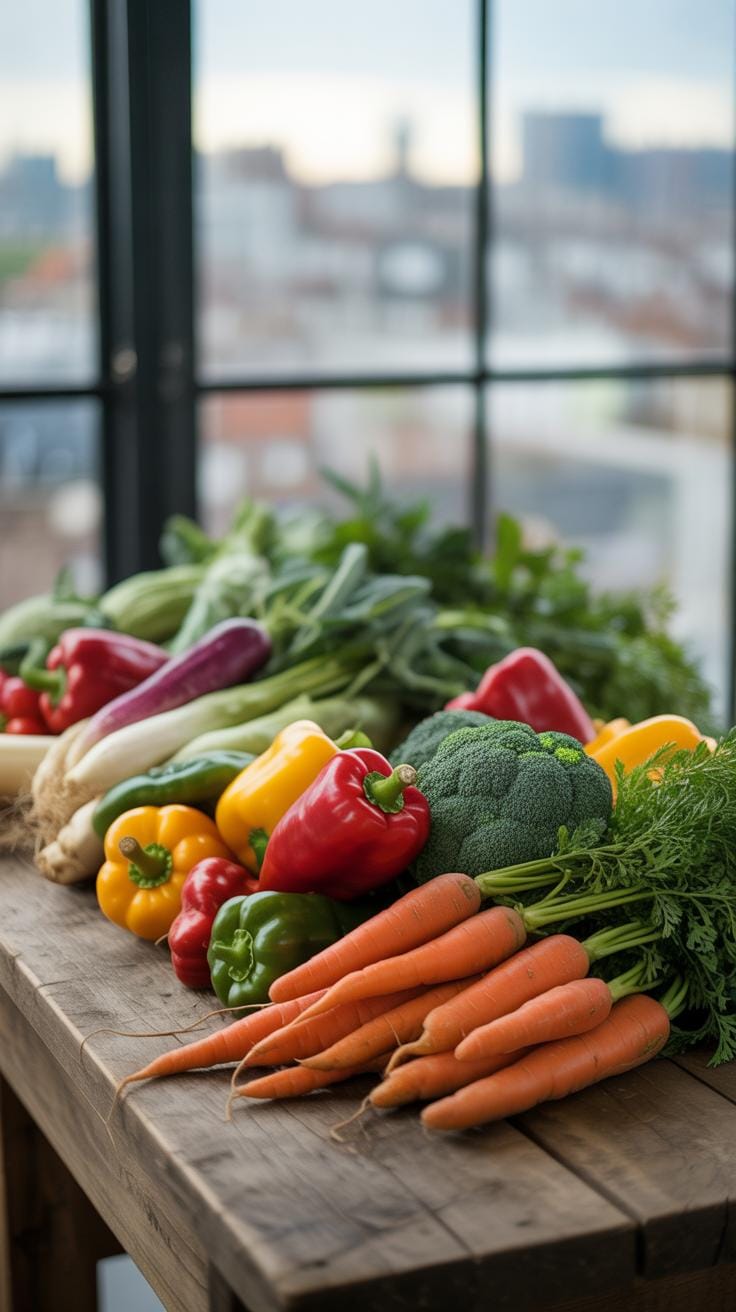
Veggies like spinach, carrots, broccoli, and bell peppers aren’t just colorful additions to your plate—they pack a punch of nutrients that quietly support your health. Take spinach: it’s rich in iron, which many overlook as a key player in energy and blood health. Carrots offer plenty of beta-carotene, a form of vitamin A that your body turns into something crucial for your eyesight and immune system. Broccoli stands out because it contains vitamin C and K, which help with everything from collagen formation to blood clotting.

Potassium pops up in foods like potatoes and tomatoes, and it’s vital for keeping your muscles and heart working properly. Sometimes I forget how much small mineral details affect everyday functions until I notice my cramps or fatigue. That’s when I realize I might not have had enough veggies recently.
Here’s a quick look at some common nutrients and their sources:
- Vitamin A: carrots, sweet potatoes, spinach – supports vision and skin health
- Vitamin C: bell peppers, broccoli, Brussels sprouts – aids immunity and tissue repair
- Vitamin K: kale, broccoli, spinach – helps with blood clotting and bone strength
- Potassium: potatoes, tomatoes, spinach – regulates muscle contractions and fluid balance
Maybe you wonder if one vegetable can really make a difference—it’s more about mixing and matching since they bring different strengths to the table. Eating a variety means covering more bases without fussing over supplements or expensive foods.
Top vitamins and minerals in veggies
Vitamins A, C, and K are often talked about because they do a lot. For instance, vitamin A keeps your eyes sharp. Ever noticed how carrots get tossed around as “eye food”? There’s some truth in that. And vitamin C isn’t just for fighting colds—it plays a role in healing wounds and keeping your gums healthy. It’s one reason broccoli and bell peppers get recommended.
Potassium might not sound glamorous, but it’s behind the scenes, controlling blood pressure and making sure your heart beats steadily. Low potassium levels can mess with your muscles too, which makes you wonder: why don’t we hear more about it?
Vitamin K might seem less “exciting,” but it’s essential for clotting blood when you stub your toe or cut yourself. Dark leafy greens like kale and spinach are the best sources. Including these regularly is a subtle way to avoid problems you might not even notice until they arise.
Fiber and antioxidants role
Fiber in vegetables does more than keep you regular—it also feeds the friendly bacteria in your gut. I sometimes think we underestimate how much those gut microbes influence our mood and energy. Eating veggies like broccoli, carrots, and sweet corn helps maintain balance in your digestive system, which can ease bloating and discomfort.
Then there are antioxidants, compounds that fight damage caused by free radicals in your body. You might have heard antioxidants linked to better skin or slower aging. Vegetables like spinach and bell peppers provide these protective molecules. They work quietly, reducing cell damage that you don’t always notice but matters over time.
Often, fiber and antioxidants go hand in hand. When you enjoy a simple veggie dish, you’re not just eating for taste or fullness—you’re supporting your body’s defense system at a cellular level. That’s a practical benefit that feels good, even if it’s not immediately visible.
Choosing veggies on a budget
Picking vegetables without spending too much can be tricky, but there are ways to keep both cost and quality in check. First, think about what you really need and stick to that list. Impulse buys tend to add up, especially when you’re tempted by exotic or out-of-season items.
Focusing on vegetables with a longer shelf life helps too. Carrots, cabbage, and potatoes last longer, letting you buy in bulk without worrying about waste. On the other hand, leafy greens spoil faster, so buy those closer to when you plan to use them.
Sometimes, choosing slightly imperfect-looking veggies—like bruised tomatoes or misshapen squash—can save money. They’re often just as tasty, even if they don’t look picture perfect.
Seasonal buying benefits
Buying vegetables when they’re in season usually means they cost less and taste better. Seasonal produce tends to be harvested closer to your location and arrives fresher, which often means it keeps longer and retains more nutrients. For example, tomatoes in summer are typically cheaper and more flavorful than in winter.
That said, seasons vary depending on where you live. You might need to check local harvest calendars or just ask vendors at your market. I’ve found that paying attention to what’s abundant naturally nudges me to try new recipes with different veggies I wouldn’t pick otherwise.
Local markets versus supermarkets
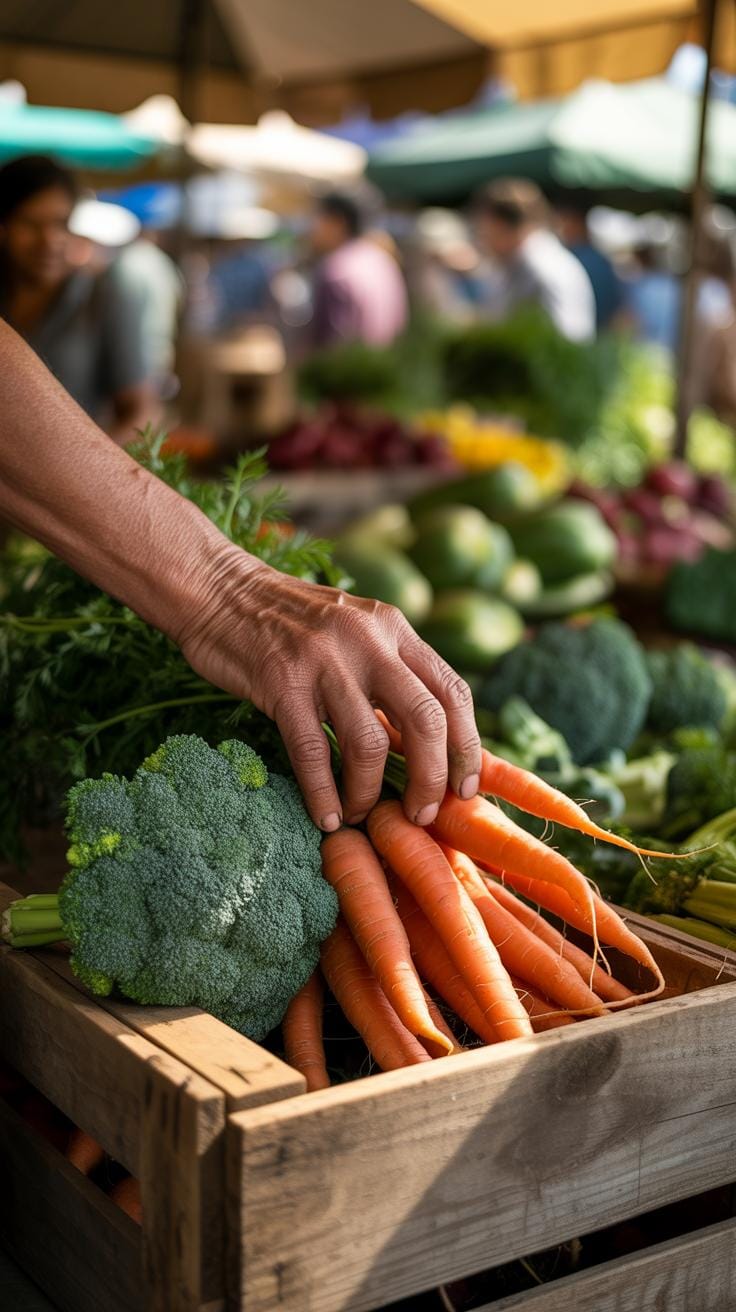
Local markets sometimes offer better prices, especially toward the end of the day when sellers want to clear stock. The quality often feels fresher there, probably because produce hasn’t been sitting on shelves for days. But it’s not always a guarantee. Some supermarkets have great deals, especially if they sell in bulk or have a discount section.
One challenge with markets is variability—you might not find the same veggies each week. Supermarkets usually have more consistent supply but at a slightly higher price. It might be worth mixing both options depending on what you need and your schedule.
It’s a bit of trial and error. Sometimes I leave a market with less than I planned because the prices surprised me, but then the freshness makes up for it. At other times, the supermarket wins on convenience. You learn to balance what’s more important to you—price, quality, or convenience.
Easy Vegetarian Meal Ideas
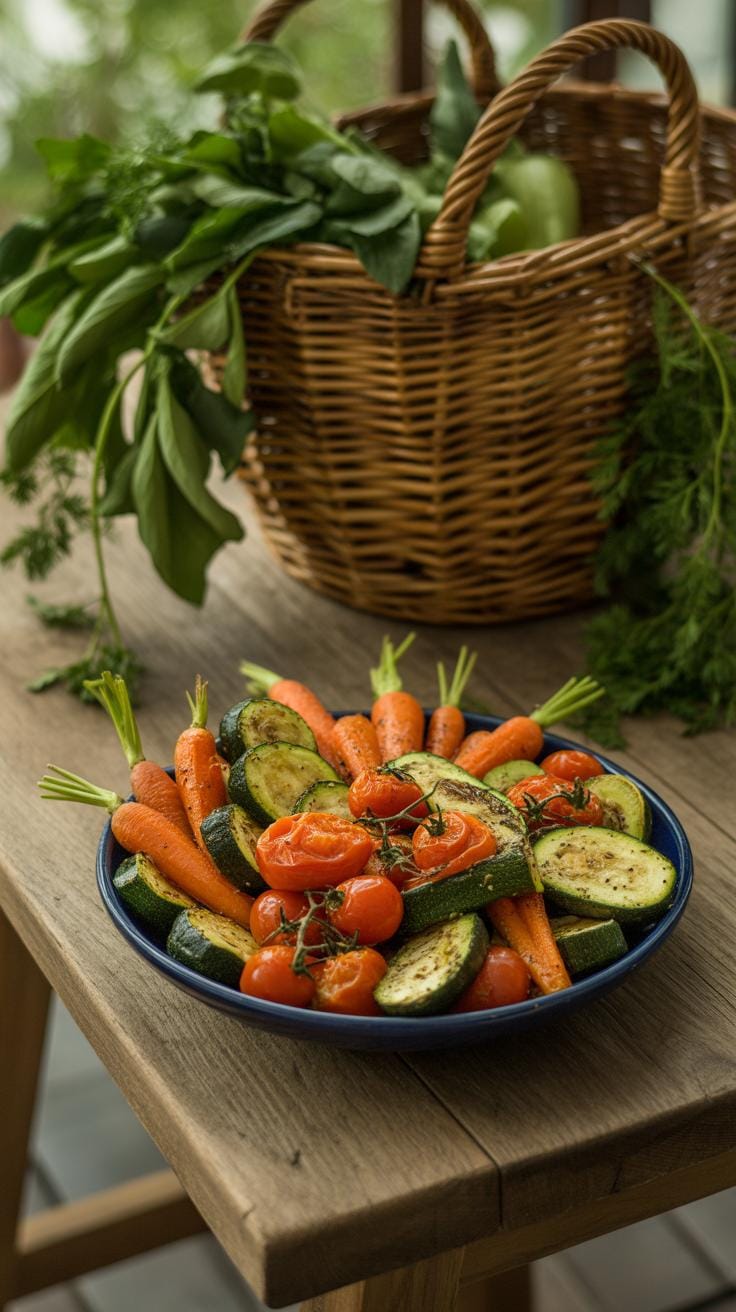
When you want something simple, vegetables offer plenty of easy options that don’t demand much skill or time. Think about dishes where you combine tomatoes, onions, and spinach with a bit of olive oil and garlic to make a quick sauté. It’s straightforward and satisfying.
Here’s a brief list of ideas you can try without hunting for rare ingredients:
- Roasted carrots and potatoes tossed with rosemary and lemon zest.
- Stirred-up tomato and cucumber salad with a drizzle of balsamic vinegar.
- Steamed green beans with slivered almonds and a pinch of salt.
- Simple baked sweet potato topped with a dollop of plain yogurt and chives.
These dishes are easy to prepare at any skill level. You might find yourself surprised how a few humble veggies can fill you up and please your taste buds without fuss.
One-Pot Veggie Dishes
One-pot recipes are convenient—less cleanup, less time, once you get going. For example, a basic vegetable stew with potatoes, carrots, celery, and onions simmered with broth can be quite comforting. You throw everything in the pot and wait, stirring occasionally. Or a chickpea and spinach curry that cooks in the same pan where you sauté your spices first.
One thing I notice is many people shy away from one-pot meals, assuming they’re bland or boring. But adding simple herbs like thyme or parsley lifts that right up. Also, mixing in a grain like rice or quinoa during the simmering process can stretch the dish and make it more filling.
Vegetable Stir-Fry Basics
Stir-fries are fast. You usually just need a hot pan, a bit of oil, and your favorite veggies chopped up. Common choices include bell peppers, broccoli, snap peas, and onions. Start with garlic or ginger in the oil for flavor. Then toss in the veggies, stirring quickly over medium-high heat. Don’t overcrowd the pan.
Season simply with soy sauce, a touch of sesame oil, and maybe chili flakes if you like spice. This method locks in freshness and keeps the vegetables crisp. I find it’s a great way to use up whatever’s left in the fridge without overthinking the meal. If you add tofu or nuts, you get protein that balances the dish well.
Comparing whole versus processed veggies
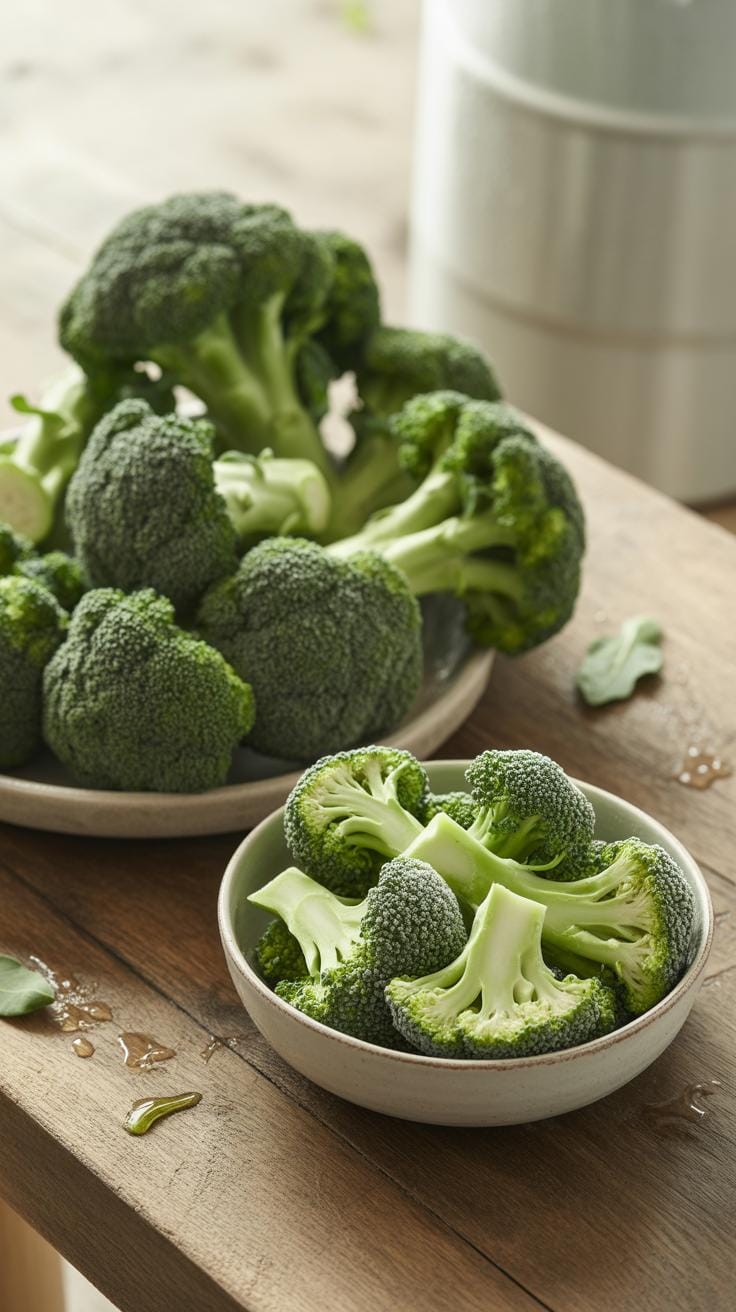
When you think about buying vegetables, the choice often comes down to fresh whole veggies or processed products like frozen, canned, or pre-cut options. Each has its pros and cons, both for your health and your wallet.
Processing vegetables usually involves peeling, cutting, freezing, or canning, which can cause some nutrient loss. Vitamins like C and certain B vitamins tend to degrade during heating or storage. Also, fiber content might decrease slightly, especially if skins are removed. That said, some processed veggies retain nutrients well—frozen peas or green beans, for example, often keep most of their value because they’re flash-frozen quickly.
Costs vary widely. Whole fresh veggies sometimes cost more upfront and take longer to prepare—think washing, peeling, chopping. But processed veggies save time and reduce waste since they come ready to use. Canned or frozen options can be cheaper and last longer, offering a different kind of value that might fit better with your routine or budget.
So, it’s a trade-off. You might lose a bit of nutrition with processed veggies, but you gain convenience and sometimes affordability. Whole fresh vegetables might feel more satisfying and pure but can be pricier and need more effort. What’s your priority: quick meals or nutrient density? The answer isn’t always clear-cut.
Meal prep checklist for veggies
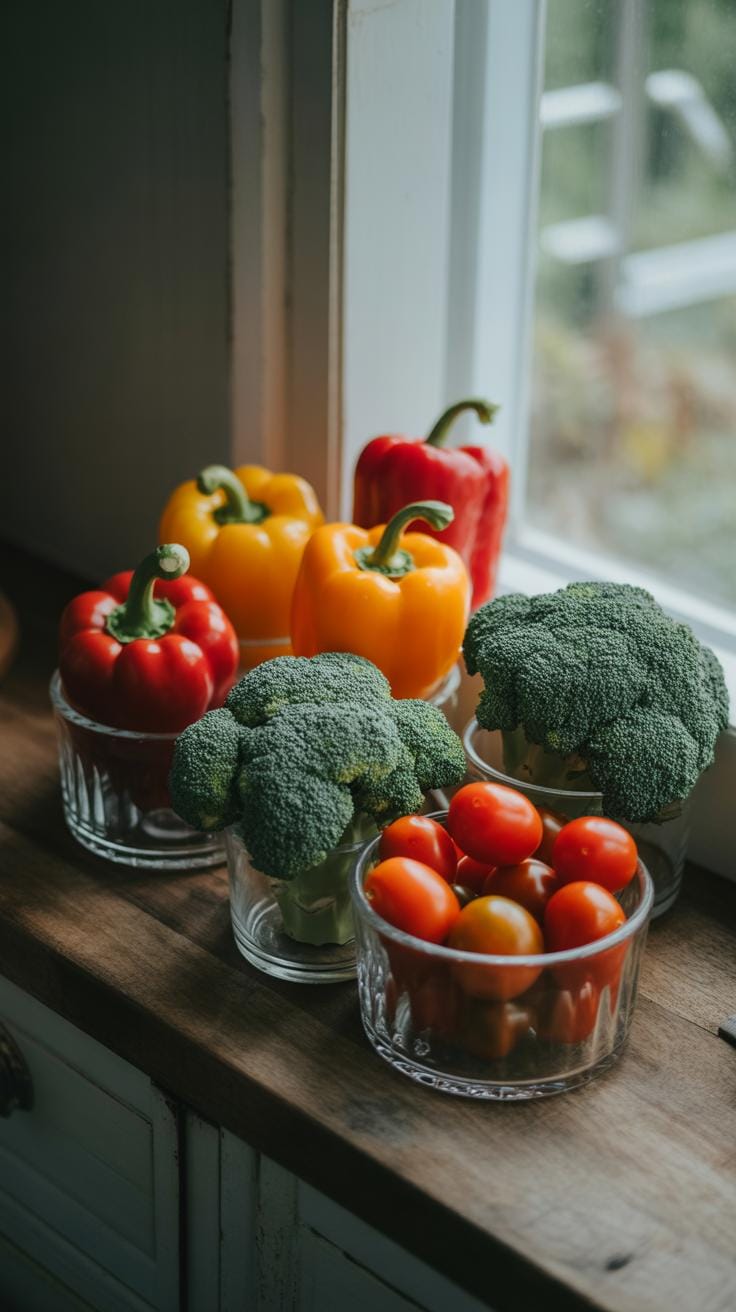
Start with a clear plan. List the veggie dishes you want to make for the week. Pick recipes that share ingredients to cut down on waste and extra trips to the store.
When shopping, aim for veggies that last longer, like carrots, cabbage, and root vegetables. Fresh herbs? Buy small bunches or consider frozen ones to avoid spoilage. Don’t forget to check the firmness and color of veggies—sometimes it’s fine to choose slightly imperfect produce if it’s cheaper.
Once home, wash and dry your vegetables promptly. Chop what you’ll use for quick meals and store them in airtight containers or zip-lock bags with paper towels inside to soak up moisture. This little trick helped me keep my greens fresh much longer than I expected.
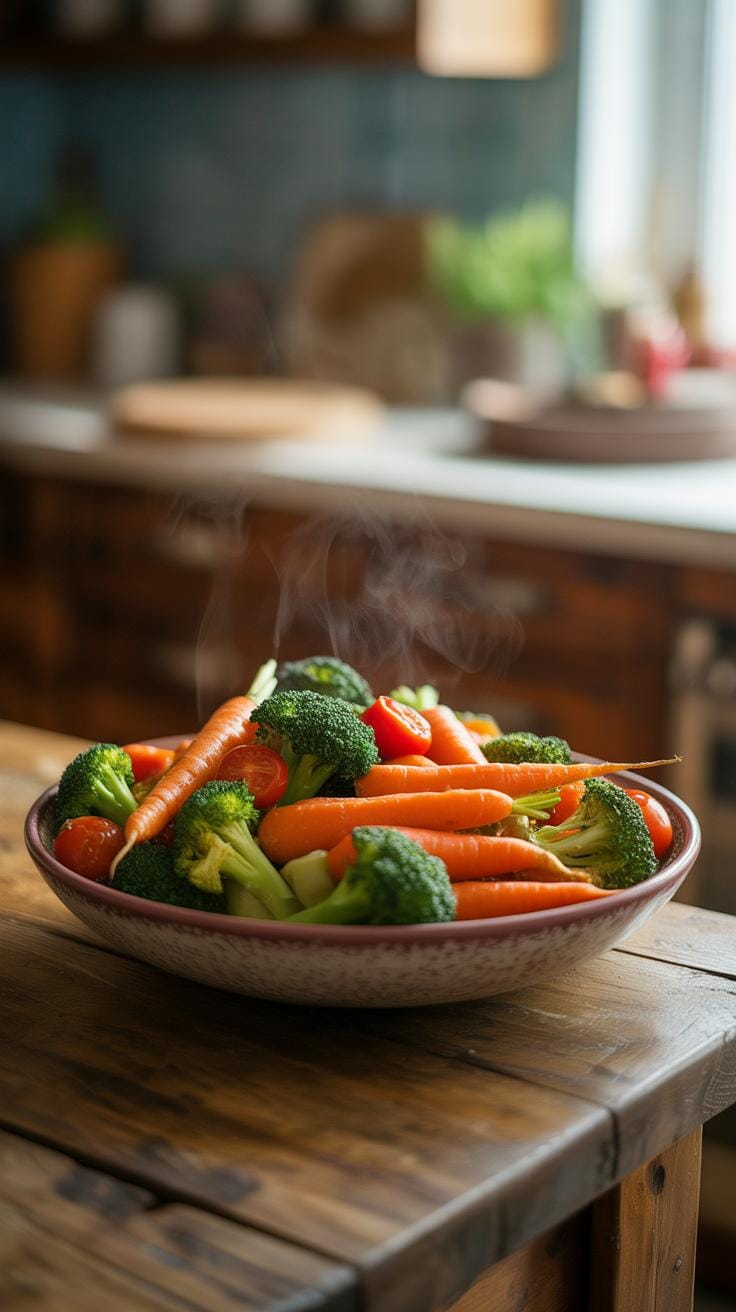
Batch cooking is really where the time-saving happens. Roast a tray of mixed vegetables or steam large portions, then divide into meal-sized servings. Store them in the fridge for up to four days or freeze if you want. Soups, stews, and stir-fries freeze well and reheat quickly—perfect for busy days.
Still wondering how much to prep ahead? Try starting small. A few chopped veggies, a cooked batch of one dish. You’ll get a feel for what works and won’t overwhelm your schedule or fridge.
Examples of budgetfriendly veggie dishes
Legume and vegetable stews
Stews combining legumes and vegetables offer a great balance of nutrition and cost. Think of a simple bean stew made with dried beans, carrots, onions, and tomatoes. These ingredients don’t cost much, but they come together to create a hearty meal that provides protein, fiber, and vitamins. You might slow-cook the stew for hours, or simmer it gently after a quick soak of beans, which saves money compared to canned options.
Many cuisines rely on legume stews, like Indian dal or Mediterranean lentil stew. Their spices and flavors vary, yet the concept is similar—stretching ingredients to make filling dishes that fuel you for hours. Sometimes, I make a pot with what’s left in the pantry, adding whatever root vegetables or greens I have on hand. It’s not always perfect, but almost always satisfying. Does using dried beans sometimes feel like too much planning? Maybe, but once you get used to a bit of prep, it becomes just as easy as grabbing a frozen meal.
Roasted vegetable medleys
Roasting mixed vegetables is relatively straightforward and creates surprisingly tasty results, especially when the veggies get slightly caramelized and browned at the edges. You can toss in affordable options like carrots, potatoes, zucchini, and onions, drizzle with a little oil, sprinkle some herbs or spices, and roast until tender. The oils promote flavor, making the meal more enjoyable without adding expensive ingredients.
What I like about roasting is the flexibility—it’s almost impossible to ruin. Toss leftovers on a tray, set the timer, and walk away. You get a warm, filling dish with minimal effort that pairs well with a grain or just stands alone. Sometimes, I wonder why we overcomplicate healthy eating when so simple something like roasted veggies can feel like a treat. Do you find roasted vegetables boring? Perhaps, but mixing textures and adding seasoning can change everything.
How to reduce waste with veggies
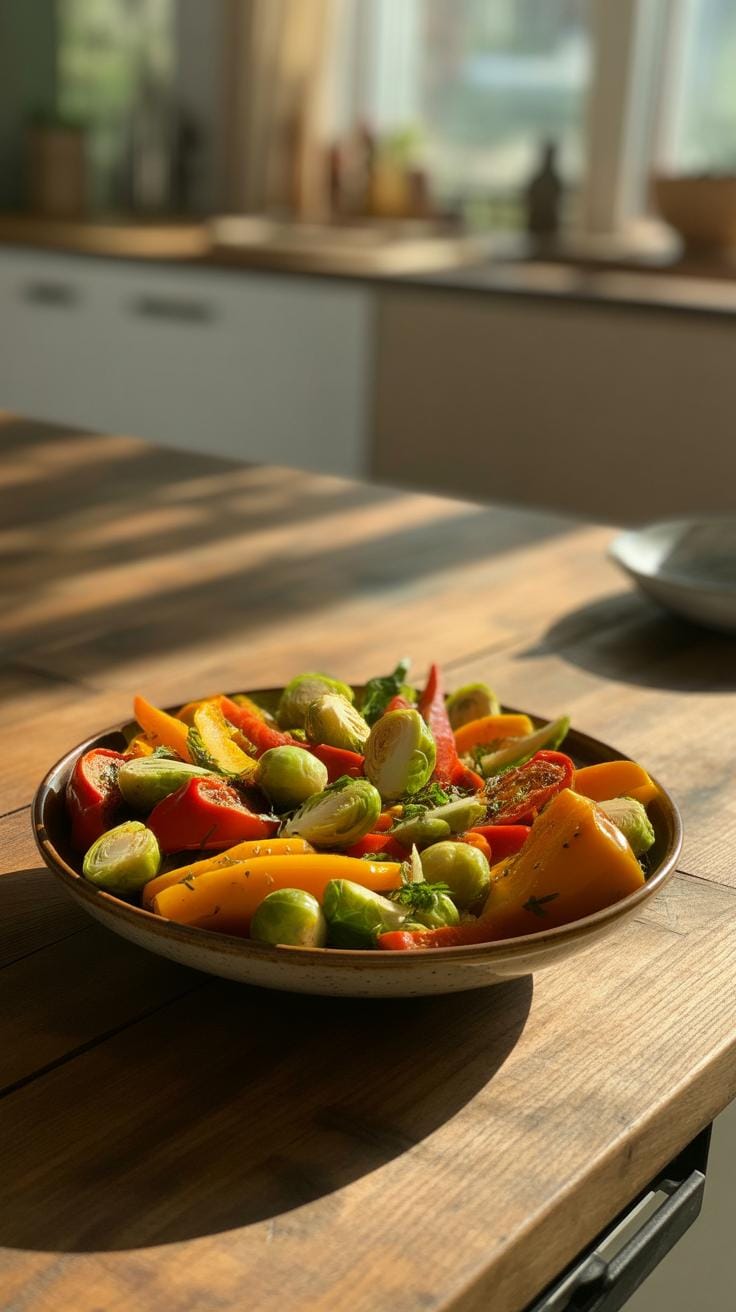
Using veggies before they spoil not only saves money, but also cuts down on food waste. You might find yourself with bits of carrot, celery, or peppers leftover after a meal. Instead of tossing them out, try turning those scraps into a quick soup or a stir-fry. Even small amounts add flavor and texture.
Another approach is blending leftover vegetables into sauces or spreads. For example, cooked spinach and zucchini can be mixed into hummus or mashed potatoes for a subtle veggie boost. Sometimes, simply sautéing or roasting extra veggies and storing them in the fridge means you have ready-to-go additions for the next day’s lunch.
Storing vegetables correctly can stretch their usable life. Leafy greens often last longer if wrapped loosely in a damp paper towel inside a plastic bag. Root vegetables like carrots and beets prefer a cool, dark spot, while mushrooms do better in a paper bag rather than plastic. Storing tomatoes at room temperature usually keeps their flavor intact better than refrigeration.
Do you ever wonder how much food goes to waste just because it’s tricky to store or use? A little attention to how you handle your veggies can make a noticeable difference—both in waste and in your grocery budget. It’s mostly about finding what works with what you buy and adjusting as you go.
Tools for preparing veggie meals
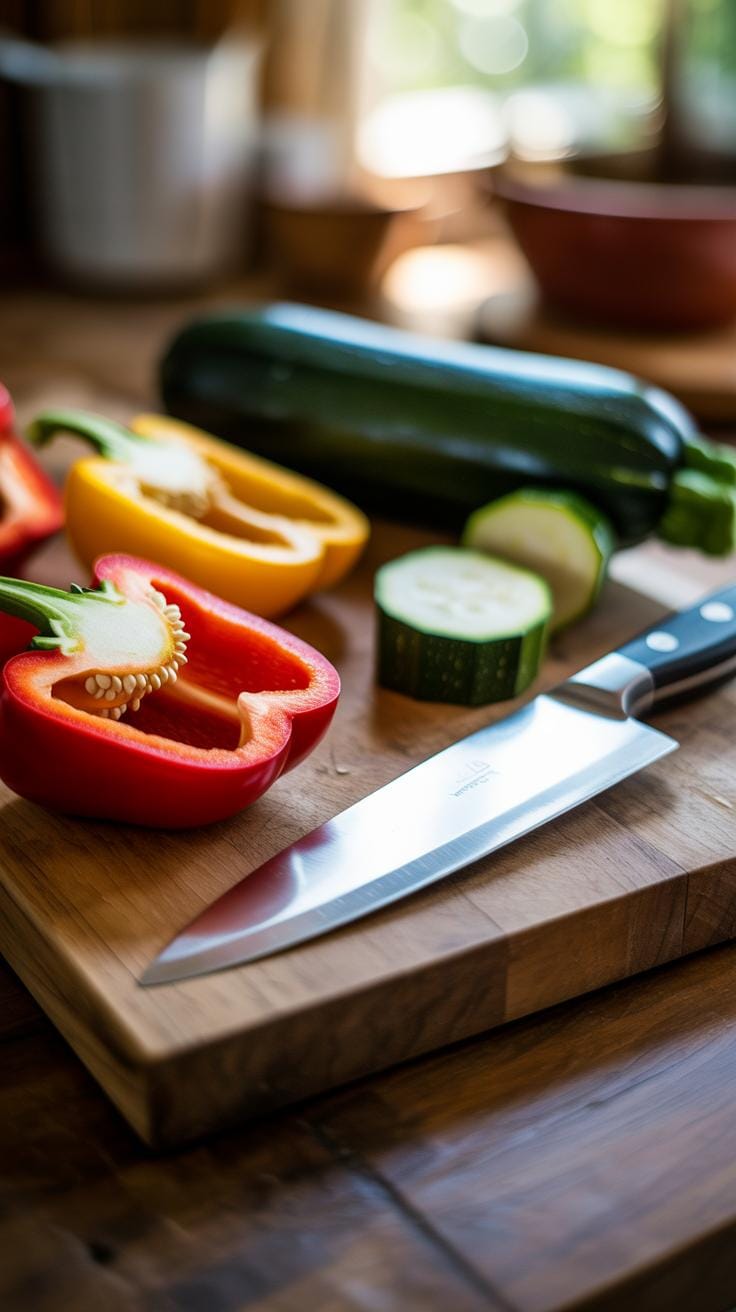
Basic knives and cutting boards
When it comes to veggie prep, having the right knives can make a world of difference. A sharp chef’s knife is almost always your best bet—it handles most vegetables with ease, from dicing onions to slicing peppers. You might want a paring knife too, for peeling or working with smaller veggies. It’s probably worth investing in at least those two. I’ve tried using a serrated knife for tomatoes, but it’s not as versatile as you’d hope.
Cutting boards matter too. Plastic boards are easier to clean and often cheaper, but wooden ones tend to be gentler on your knives. Many people swear by using separate boards for veggies and meats to avoid cross-contamination, which feels like a manageable habit once you get used to it. Just pick one that’s the right size for your counter space. I find a medium-sized board hits the sweet spot—big enough to chop comfortably but not so big it takes up half the kitchen.
Appliances that save time
If you want to speed things up, a food processor can be your best friend. It chops, slices, and even grates vegetables quickly, which is perfect when you’re cooking for several people or trying to save time after work. It’s tempting to think you don’t need one, but once you try it, it’s hard to go back to manual chopping. Still, they can be a bit bulky and pricey, so maybe test one out first if possible.
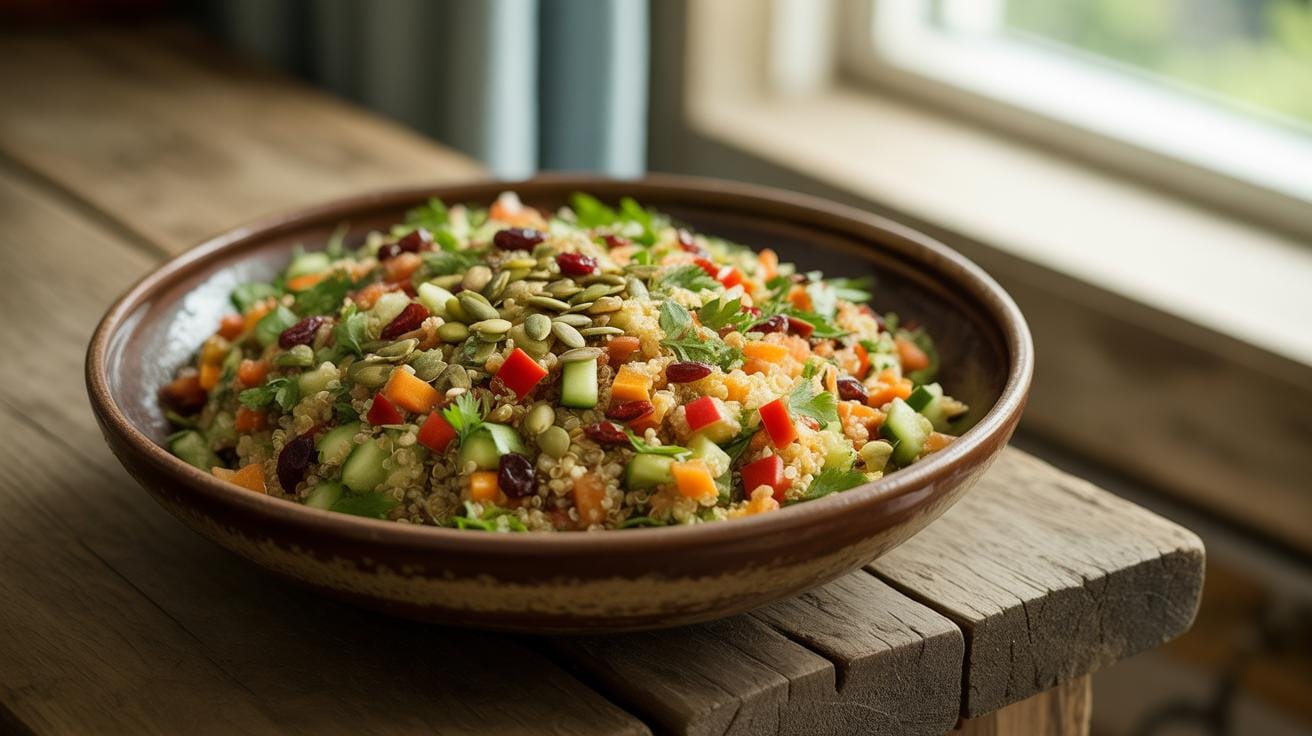
Steaming vegetables is another great shortcut, and a simple steamer basket often does the job well. It preserves nutrients better than boiling and doesn’t need fancy equipment—just a pot with a lid and a basket. Electric steamers exist too, which can free you up to do other tasks, though they take up more space and might be overkill unless you steam a lot.
Common mistakes to avoid cooking veggies
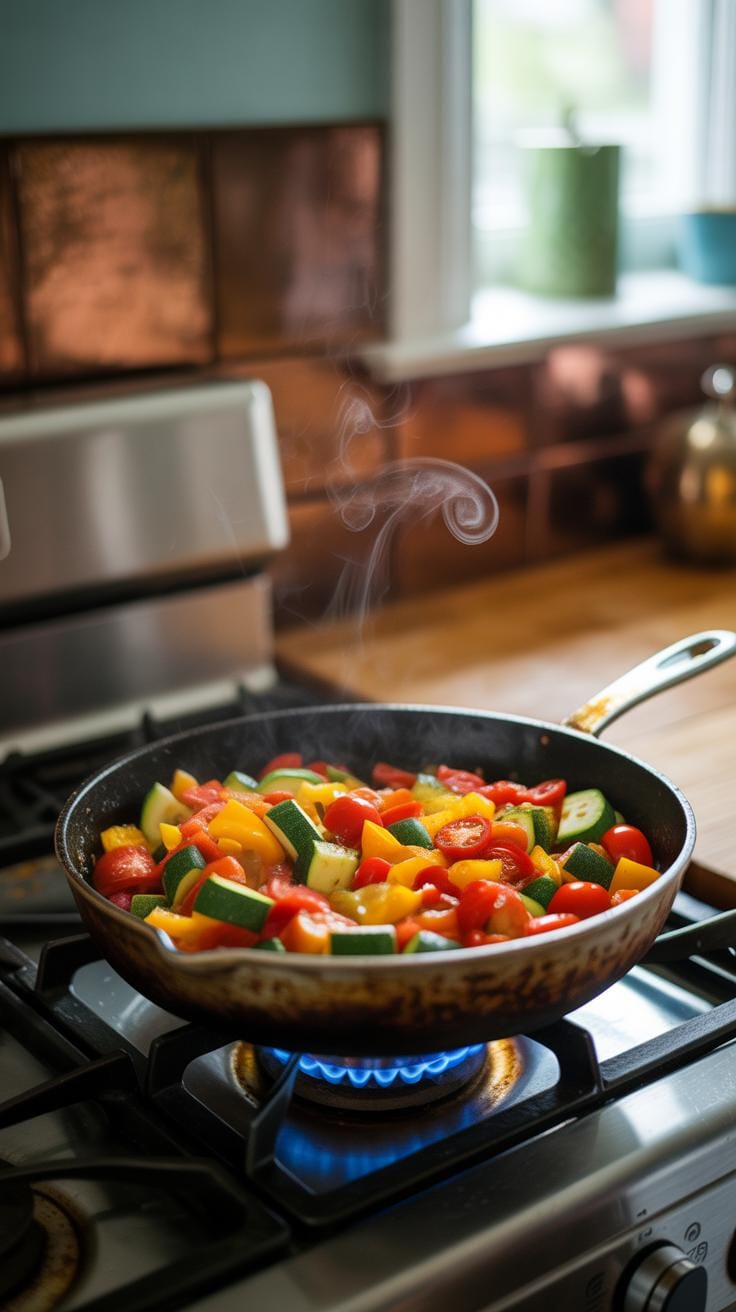
One thing I’ve noticed with cooking vegetables is how easy it is to overdo it. When you cook them too long, they lose their crispness and end up mushy. It’s not just texture that suffers—nutrients like vitamin C and some B vitamins start to break down the longer they stay on the heat. Steaming for just a few minutes or quickly sautéing can keep more of those good elements intact. I once ruined a batch of broccoli by leaving it on the stove too long, and it honestly tasted dull and lifeless.
Another thing people often overlook is seasoning. Just salt and maybe pepper won’t bring out the best in veggies. Fresh or dried herbs, spices like cumin or smoked paprika, even a little garlic or lemon zest can change the whole dish. Have you ever tasted a bland vegetable plate and thought, “Why bother?” That’s usually the culprit. Don’t be shy with seasonings—you can do so much with simple pantry staples to make veggies enjoyable, not just healthy but tasty too.
Conclusions
Eating more vegetables is a smart choice for your health and budget. Veggie dishes give you essential nutrients that help your body stay strong and prevent illness. They also cost less than many other meal options if you pick the right ingredients and cook at home.
By following the tips and recipes here, you can enjoy simple veggie meals that taste good, keep you full, and save money. Start with easy steps today and make veggies a regular part of your meals for a healthier future.