
Introduction
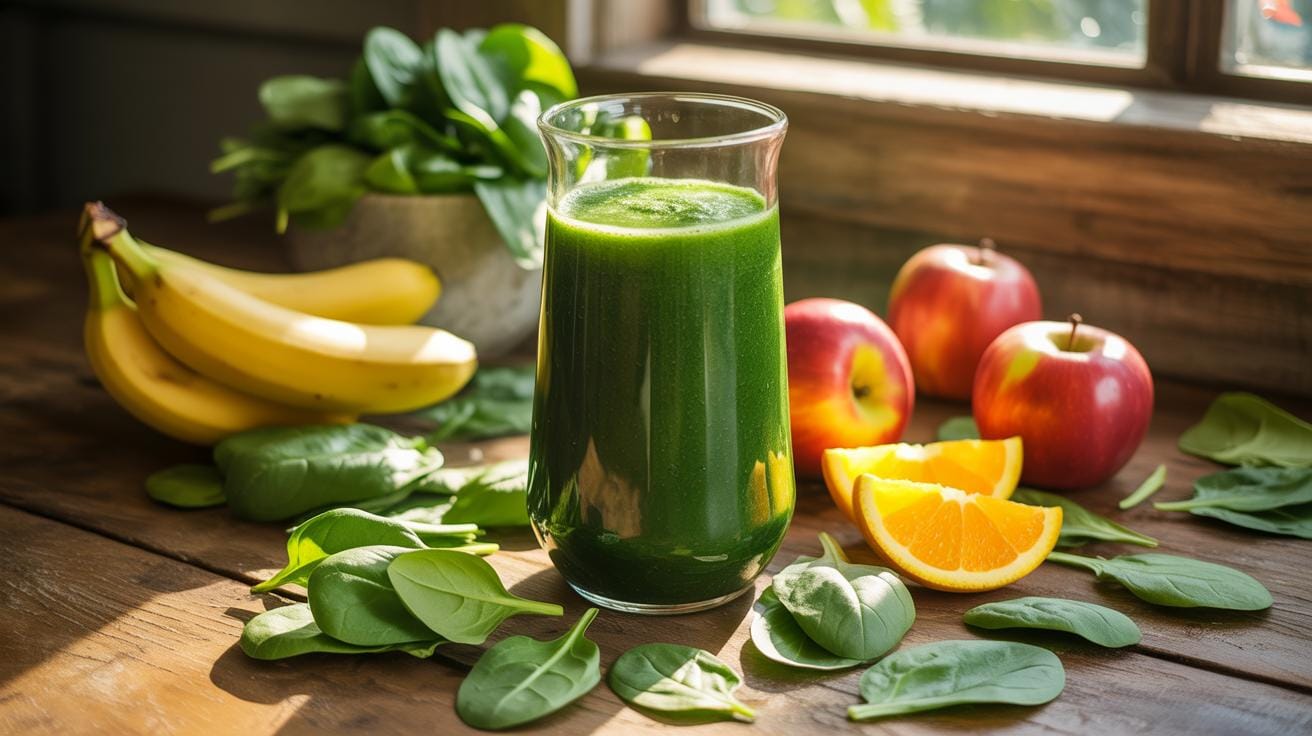
Spinach smoothies are a nutritious and easy way to add more vegetables to your diet. Using simple ingredients, spinach smoothies provide essential vitamins and minerals that support your overall health. This article shares several spinach smoothie recipes designed for your health needs and uses accessible ingredients that you can find in any kitchen.
Discover how spinach smoothies can improve your well-being, get practical tips on making them, and learn how to incorporate these healthy drinks into your daily routine. With easy steps and useful advice, this article guides you through everything you need to know about spinach smoothies.
Why Choose Spinach For Smoothies

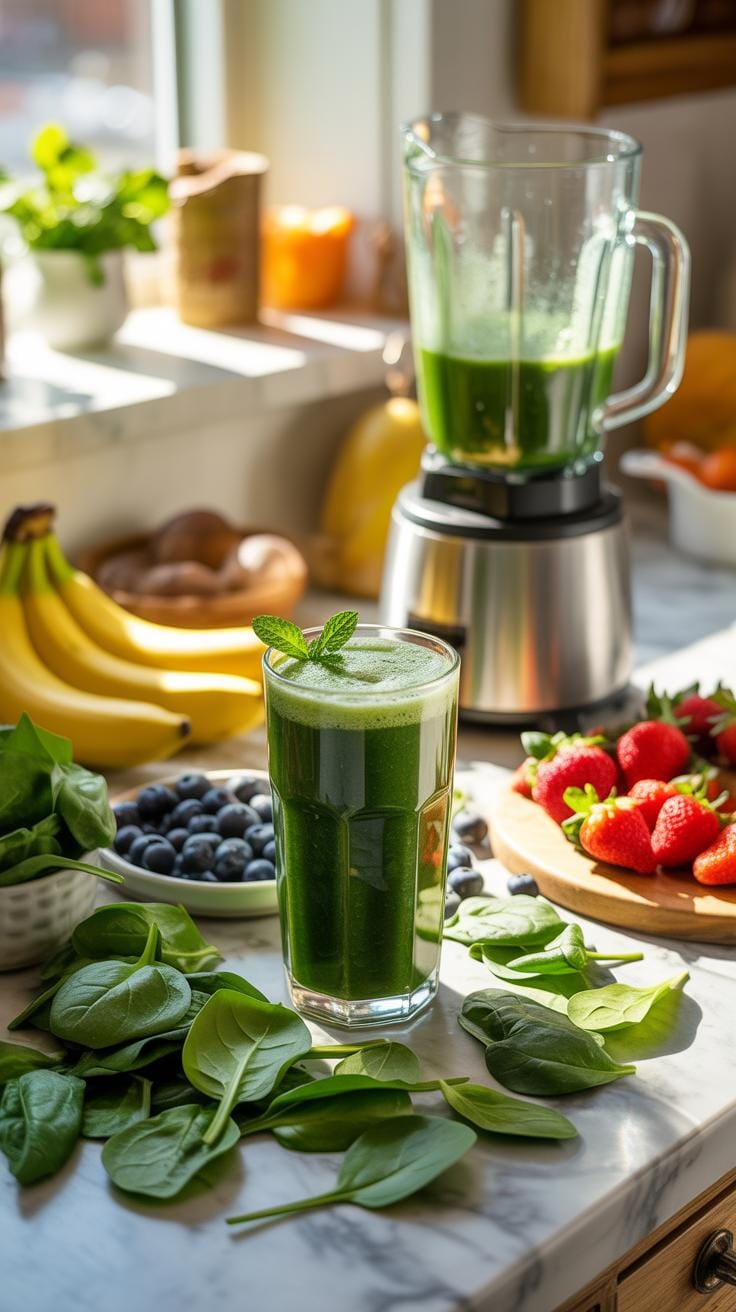
Spinach often stands out as a prime smoothie ingredient for a few compelling reasons. For one, it’s widely available, found fresh, frozen, or even canned almost year-round. Its mild flavor means it doesn’t overpower the other elements in your drink, which I find really helpful if you’re easing into green smoothies.

Nutritionally, spinach brings more to the table than just color. Rich in vitamins and minerals that your body needs daily, it’s a low-calorie boost that fits well into any health-focused routine. And its versatility means you don’t have to commit to one kind of smoothie; its nutrients cooperate with fruits, seeds, and dairy or non-dairy bases alike. The convenience and health perks make it an easy addition, even if you’re not a vegetable fan.
Key Nutrients Found In Spinach
When you add spinach to a smoothie, you’re including several important nutrients:
- Vitamin K: This vitamin is essential for blood clotting and bone health—spinach packs a surprising amount, way beyond what you might expect for such a leafy green.
- Vitamin A: Spinach contains beta-carotene, which your body converts into vitamin A. It supports vision and immune function.
- Iron: A noteworthy addition, especially for those who don’t consume a lot of meat. Though absorption is a bit tricky because of oxalates, getting some iron through spinach can still help.
- Fiber: Even in smoothies, spinach adds a gentle fiber boost that aids digestion without making your drink gritty.
These nutrients blend well to make spinach more than just a green filler—it genuinely contributes to your health.
Spinach Taste And Texture In Drinks
Let’s be honest: spinach isn’t sweet. Its taste is somewhat grassy and earthy but delicate enough that it’s hardly noticeable when mixed well. Texture-wise, spinach gets pretty soft once blended, so it doesn’t add unwanted chunks or fibrous bits if you blend it long enough.
Balancing the slightly vegetal flavor is key. Adding naturally sweet fruits like banana or apple softens the taste. A squeeze of lemon or a little ginger can add punch that shifts attention away from the green tones. A few times, I’ve used spinach with frozen berries and found the tartness keeps the smoothie lively and fresh, which makes the experience more enjoyable overall.
Think of spinach as a quiet helper in your smoothie. It contributes nutrients and color more than a dominant flavor, which makes it suitable for daily use. Might you feel a bit hesitant at first? That’s normal—but trying different combinations usually uncovers what works best for you.
How To Prepare Spinach For Blending
Washing And Storing Spinach Safely
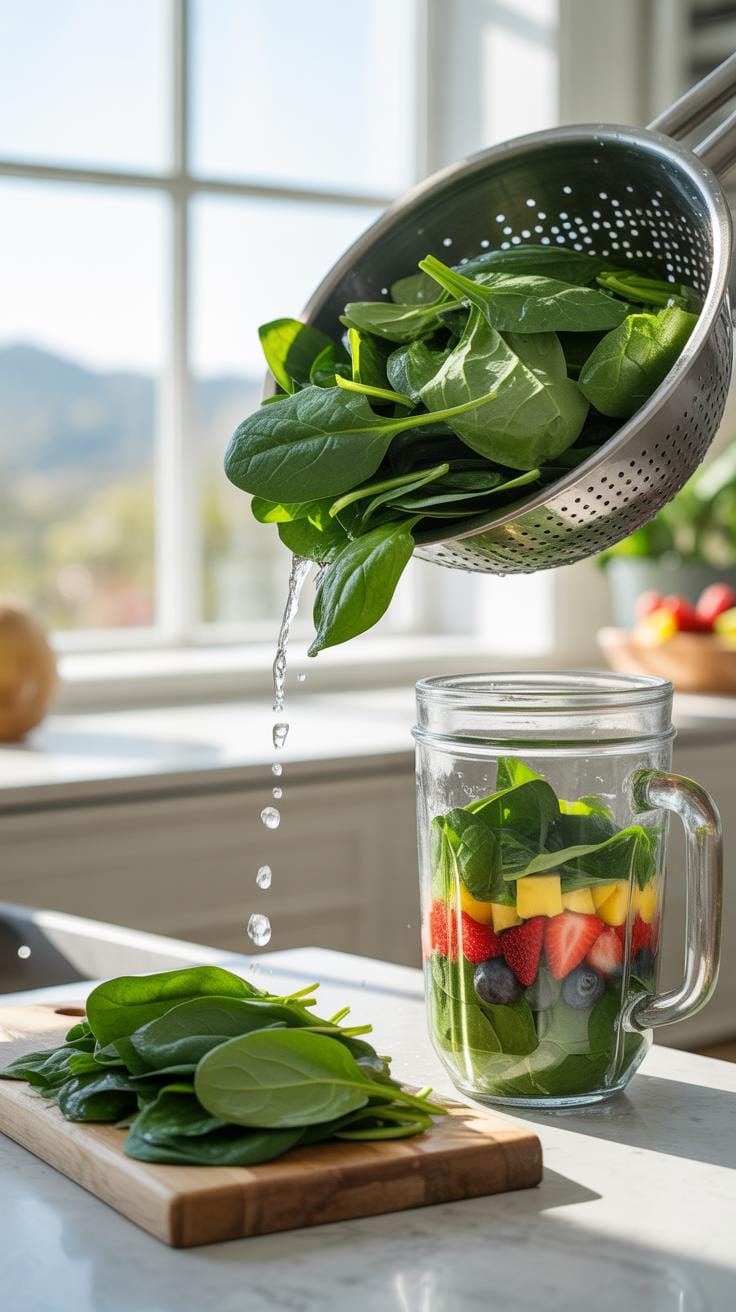
First things first—clean spinach demands care. Simply rinsing under cold water is often enough, but gently agitating the leaves in a bowl helps loosen hidden dirt. If you’re wondering about thoroughness, feel free to repeat this process a couple of times until the water’s clear. Spinach leaves can trap grit, so don’t rush it. After washing, a salad spinner or pat-dry with a clean towel works well to remove excess moisture without bruising the leaves. Wet spinach leads to watery smoothies and a less fresh taste, so drying is key.
When it comes to storage, keeping spinach cold is vital. Store it in a loosely sealed bag or container lined with paper towels to absorb moisture. I found that too-tight wrapping traps humidity and hastens wilting. Fresh spinach usually lasts about 3 to 5 days in the fridge when stored this way. If you’re prepping in advance, avoid cutting the leaves until you’re ready to blend; whole leaves retain freshness longer.
Choosing Between Fresh And Frozen Spinach
Here’s a common dilemma: fresh or frozen spinach for smoothies? Both have their perks and quirks. Fresh spinach offers vibrant flavor and a slightly crisp texture, ideal if you’re after that bright green color and mild taste. Yet, fresh leaves can spoil quickly if not stored properly, so you might find yourself rushing to use them.
Frozen spinach, on the other hand, comes pre-washed and chopped, ready to go anytime. Freezing blunts some flavor and changes texture, but the nutrients—especially vitamin A and iron—remain surprisingly intact. Plus, frozen spinach often costs less and lasts for months, making it convenient. For smoothies, frozen spinach adds a nice chill without diluting the flavor, whereas fresh spinach might require ice or cold liquid for that cool effect.
Ultimately, it depends on your priority—taste and texture or convenience and longevity. You could mix both to balance things out, a little fresh to brighten, some frozen to keep it simple. What do you tend to prefer?
Simple Ingredients To Pair With Spinach
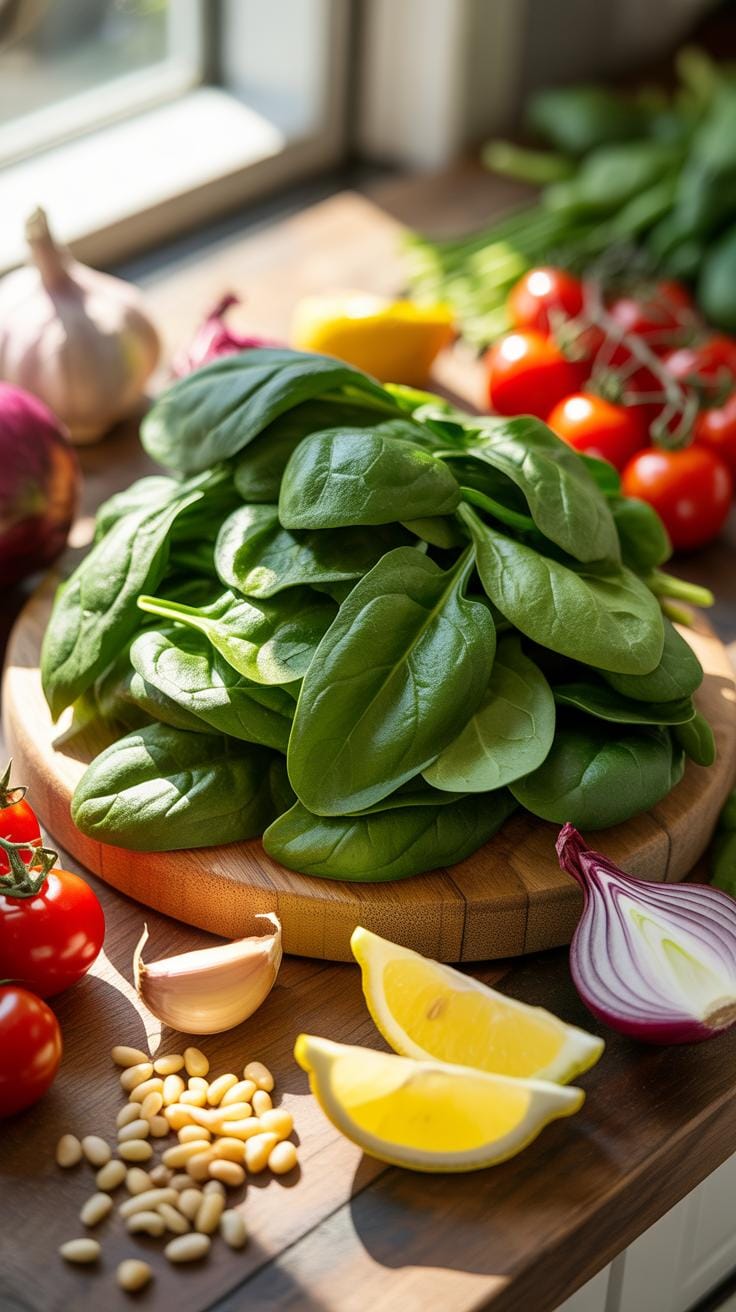
Spinach works surprisingly well with a range of simple ingredients, bringing out its fresh, slightly earthy taste while balancing nutrition. When you think about what to add in your smoothie, quick staples like Greek yogurt or almond butter come to mind. They add creaminess and protein, making your drink more filling without overpowering the green vibes.
Don’t forget seeds—flaxseeds or chia seeds are tiny nutrient powerhouses that blend in easily. A touch of ginger or fresh mint can also elevate the flavor, introducing a bit of zing or cool refreshment without clashing with spinach’s mildness.
For texture and subtle sweetness, ingredients like oats or cucumber are good bets. They help your smoothie feel smooth and substantial without turning it into a heavy meal. This way, you get a nice balance of textures and nutrients that won’t mask the spinach but complement it.
Fruits That Enhance Spinach Flavors
Bananas are classic partners for spinach—creamy, naturally sweet, and they tame the sometimes bitter spinach edge. Apples add a crisp, juicy brightness that contrasts well with the leafy texture. Pineapple, on the other hand, lends a tropical tangy sweetness that can almost mask the taste of greens if you’re not a big fan.
Sometimes I wonder if adding too much pineapple overshadows the spinach, but for many, that’s the point—to make the greens more approachable. Citrus fruits like orange or lemon juice add a fresh zing and extra vitamin C, which might even help in nutrient absorption.
Liquids To Use In Spinach Smoothies
Choosing the right liquid base is crucial and it depends on your goals. Plain water keeps your smoothie light and hydrating but might leave you craving a bit more flavor or creaminess. Milk, whether dairy or plant-based like almond or oat, adds a smooth texture and subtle sweetness without much fuss.
Juices, especially apple or orange juice, can boost flavor but watch out—they also add sugar. I sometimes opt for coconut water when I want a hint of something extra and a natural electrolyte boost. It’s not always necessary to use fancy liquids; simple choices can work well as long as they align with what you’re after taste- and nutrition-wise.
Step By Step Smoothie Making Process

Making a spinach smoothie is straightforward but a few key steps can help you get the best results. First, gather fresh spinach leaves – about one to two cups. Washing them thoroughly is crucial to remove any grit. Then, choose your liquid base: water, milk, or fruit juice depending on what flavor you prefer. Next, add a fruit like banana or apple for natural sweetness and creaminess. Don’t forget to toss the spinach in before you add ice or frozen fruit, as this helps the blades process the leaves better.
Blender Settings And Techniques
Most blenders have varying speed settings; start on a low speed to break down the leaves gently, then gradually ramp up to high for a fine puree. Pulsing a few times initially can help chop the spinach evenly. If your blender struggles, try blending the liquid and greens first before adding fruits and ice. This method prevents big leaf chunks and creates a smooth texture. You might have to experiment with your machine a bit – each blender can behave differently.
Adjusting Thickness And Flavor
If your smoothie seems too thick, add more liquid little by little until it reaches the texture you like. Too thin? Throw in a bit more frozen fruit or a spoonful of oats to thicken it up. For flavor, a squeeze of lemon or a dash of honey can work wonders. Sometimes, I add a dash of cinnamon or ginger for a spicy twist. The balance is personal – try different combinations and find what suits your taste buds. It’s a small experiment every time.
Common Mistakes To Avoid With Spinach Smoothies
Using Too Much Spinach At Once
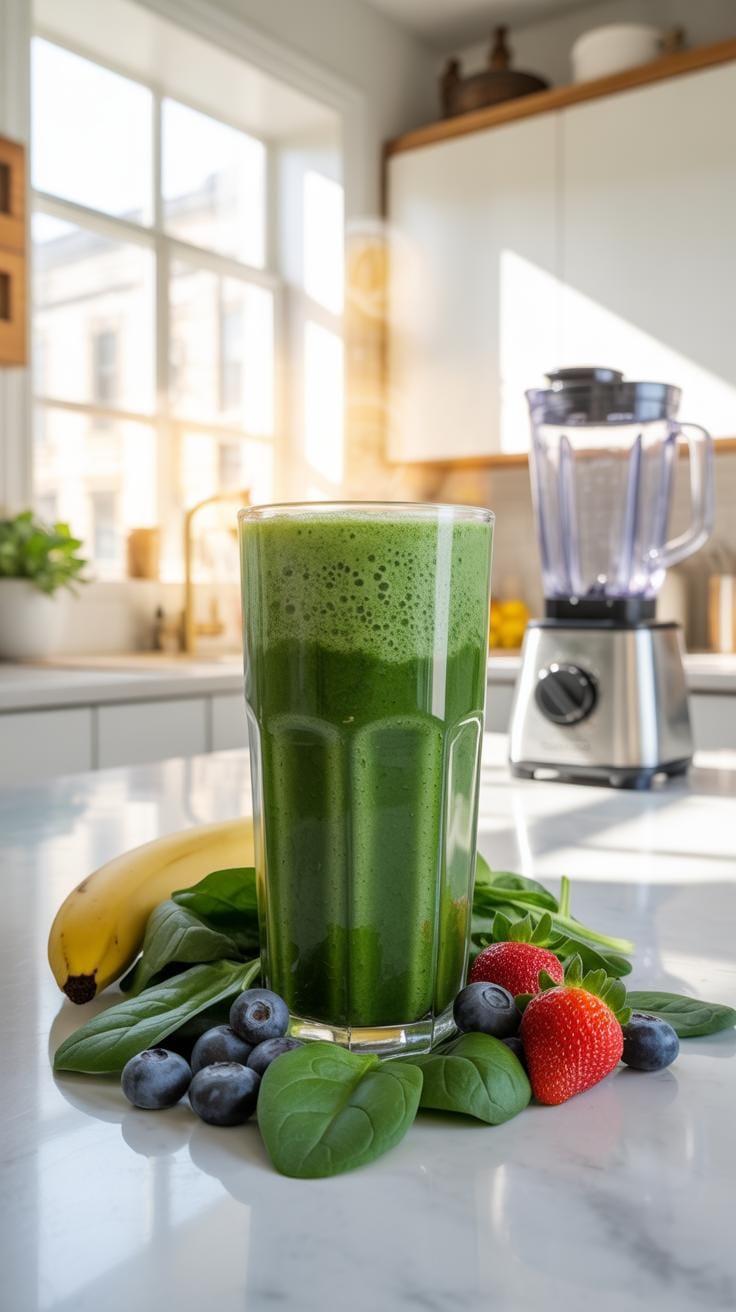
It might seem like a good idea to add handfuls of spinach for your daily dose of greens, but too much at once can turn the smoothie bitter. This bitterness often surprises those expecting a mild flavor. Also, gulping down a large quantity of raw spinach might upset your stomach because of its fiber content and naturally occurring oxalates. A better approach would be to start with about one to two cups per serving and see how your body reacts. If you feel fine, you can gradually adjust the amount, but it rarely needs to exceed that range for both taste and digestion.
Sometimes I’ve gone overboard myself, thinking, “Well, more greens can’t hurt.” Yet, the taste quickly reminded me otherwise. Moderation is key—not only for flavor but also for letting your body absorb the nutrients without fuss.
Overloading With Sugary Ingredients
It’s easy to think that a little extra honey, agave, or flavored syrup will make the smoothie tastier—and it often does. But piling on sugary additions can mask the natural freshness of the spinach and add unnecessary calories. This might negate some health benefits you aimed for in the first place. Instead of dumping spoonfuls of sweeteners, try using naturally sweet fruits like banana or apple to balance the flavors. Unsweetened almond milk or a splash of coconut water can also add subtle sweetness without turning your drink into a sugar rush.
Sometimes skipping the sugar entirely feels like a sacrifice, but the more you get used to your smoothie’s inherent taste, the less you’ll crave added sweeteners. Are you really after a health boost or just a tasty treat? That’s a question worth asking before reaching for that syrup bottle.
Spinach Smoothie Recipes For Beginners
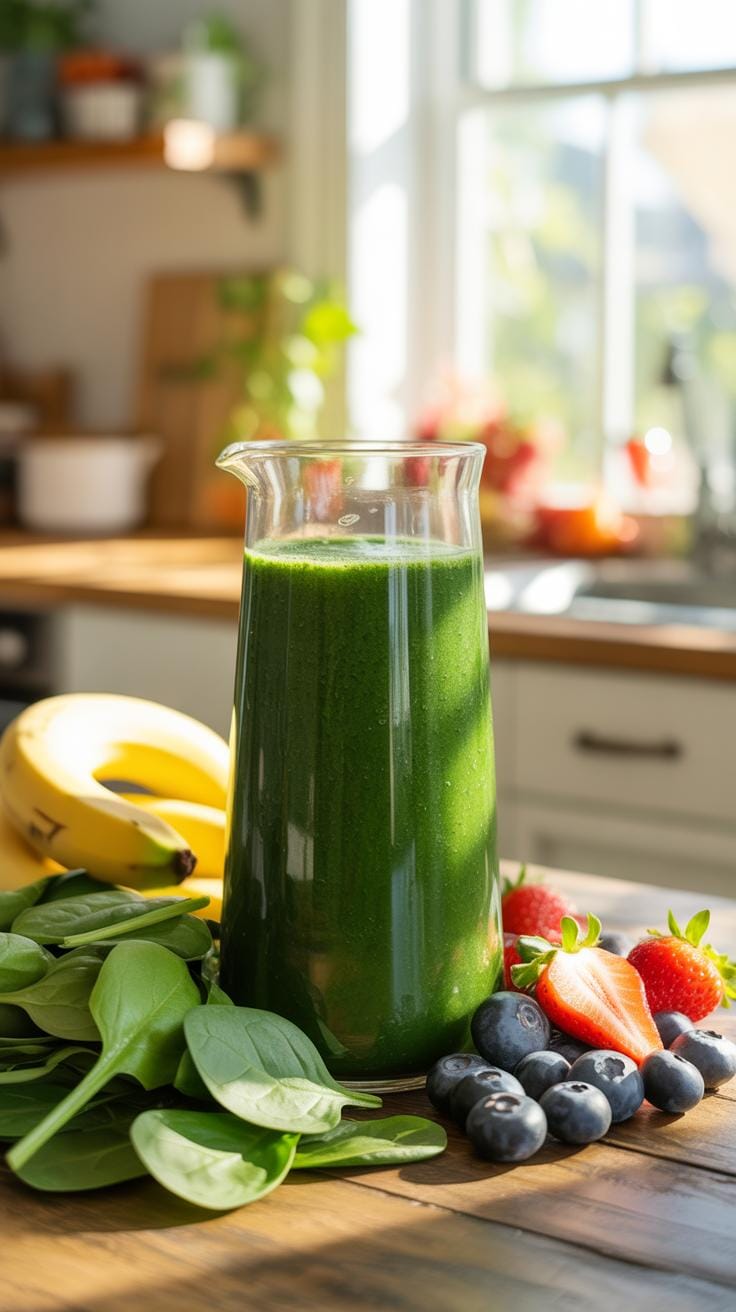
Starting with spinach smoothies doesn’t have to be complicated. For those new to blending, simple ingredients are the way to go. A basic spinach banana smoothie is a reliable option—it’s easy, nutritious, and often quite tasty. You’ll need:
- A handful of fresh spinach leaves
- One ripe banana
- One cup of milk (dairy or plant-based works fine)
Just toss them in a blender and mix until smooth. That’s it. No fancy steps or ingredients. Bananas add natural sweetness and creaminess, balancing the mild taste of spinach.
Another quick recipe involves apple and spinach with water as the liquid base. For this green smoothie, grab:
- A handful of spinach
- One medium apple, cored and chopped
- One cup of water
Blend these until you get a fresh, light green drink. Apples bring in a crisp sweetness, making the smoothie refreshing and less dense than those with milk. Both recipes work well for busy mornings or a healthy snack. They’re forgiving, too—so if you want to add a few ice cubes or a dash of lemon juice, go ahead.
Have you tried spinach in smoothies before? Sometimes the texture or taste is unexpected, but starting with these basics can help you customize later as you get comfortable.
Comparing Spinach Smoothies And Other Green Smoothies
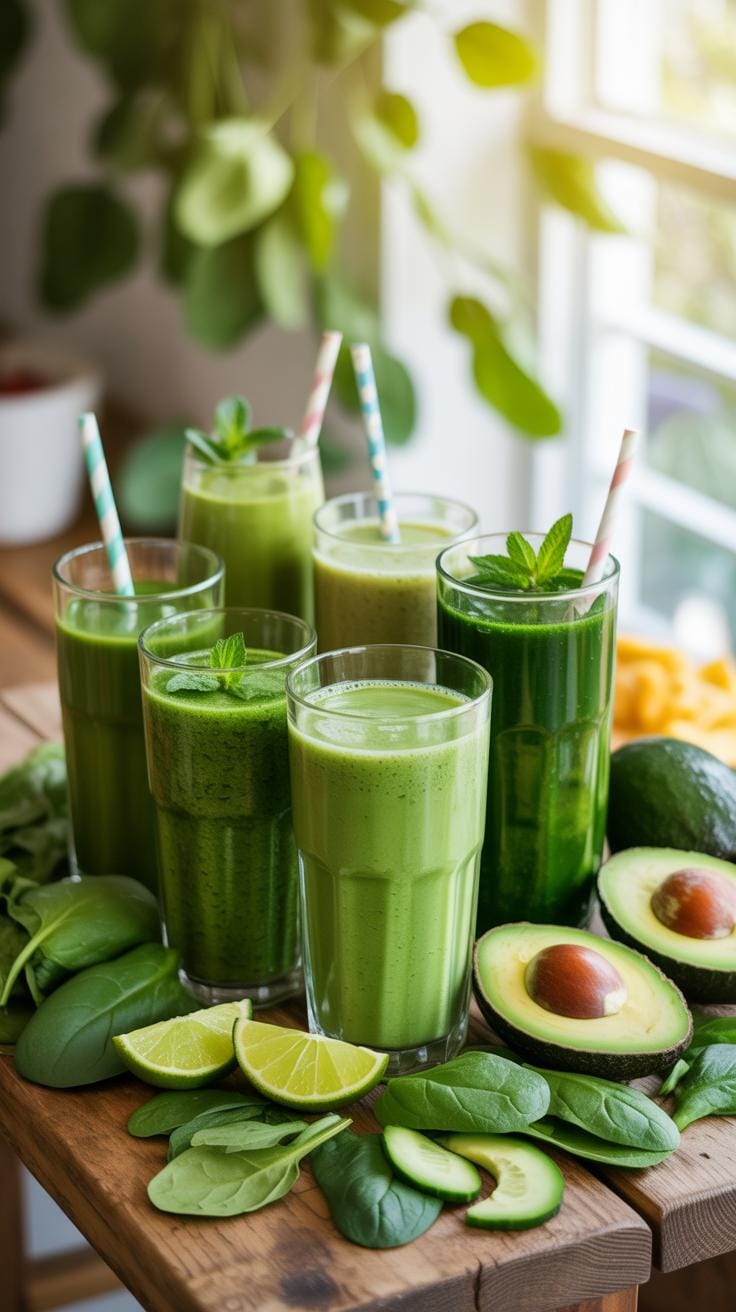
When you compare spinach-based smoothies to others made with greens, there are some subtle but notable differences. Spinach has a mild, almost neutral flavor that blends fairly seamlessly with fruits and other ingredients. This makes it a great base if you want a green smoothie that’s not overpowering. In contrast, smoothies with kale often bear a stronger, earthier taste that can be more polarizing.
Nutritionally, spinach packs a solid punch with vitamins A, C, and K along with folate and iron, though it contains oxalates that might reduce mineral absorption slightly. Kale tends to offer more fiber and vitamin C but can be tougher to digest for some. From a practical standpoint, spinach is softer and blends into smoothies more smoothly, producing a lighter texture compared to kale’s thicker consistency.
Spinach Vs Kale Smoothie Differences
Spinach smoothies usually taste milder, with a light, somewhat fresh flavor. Kale brings a greener, sometimes bitter note that can stand out more, which may require balancing with sweeter fruits. Both are rich nutrient sources, but kale often has higher vitamin C and fiber, while spinach delivers more vitamin K and folate. Texture-wise, spinach purees easily, creating smoother drinks. Kale’s fibrous leaves mean blends can be chunkier unless well processed. So, depending on your blender and taste preference, one might suit you better.
Other Leafy Greens To Try In Smoothies
If you’re looking to experiment beyond spinach and kale, Swiss chard and collard greens offer interesting options. Swiss chard combines a slightly earthy taste with colorful stems that add visual appeal. Its texture is somewhat tender, making it smoothie-friendly. Collard greens have a mild bitterness and sturdy leaves that may result in a thicker smoothie, requiring good blending. Nutritionally, both bring similar benefits but with unique profiles, so adding them can diversify your nutrient intake and flavor experience. Ultimately, these greens can refresh your routine and keep your smoothies exciting.
How To Include Spinach Smoothies In Your Diet
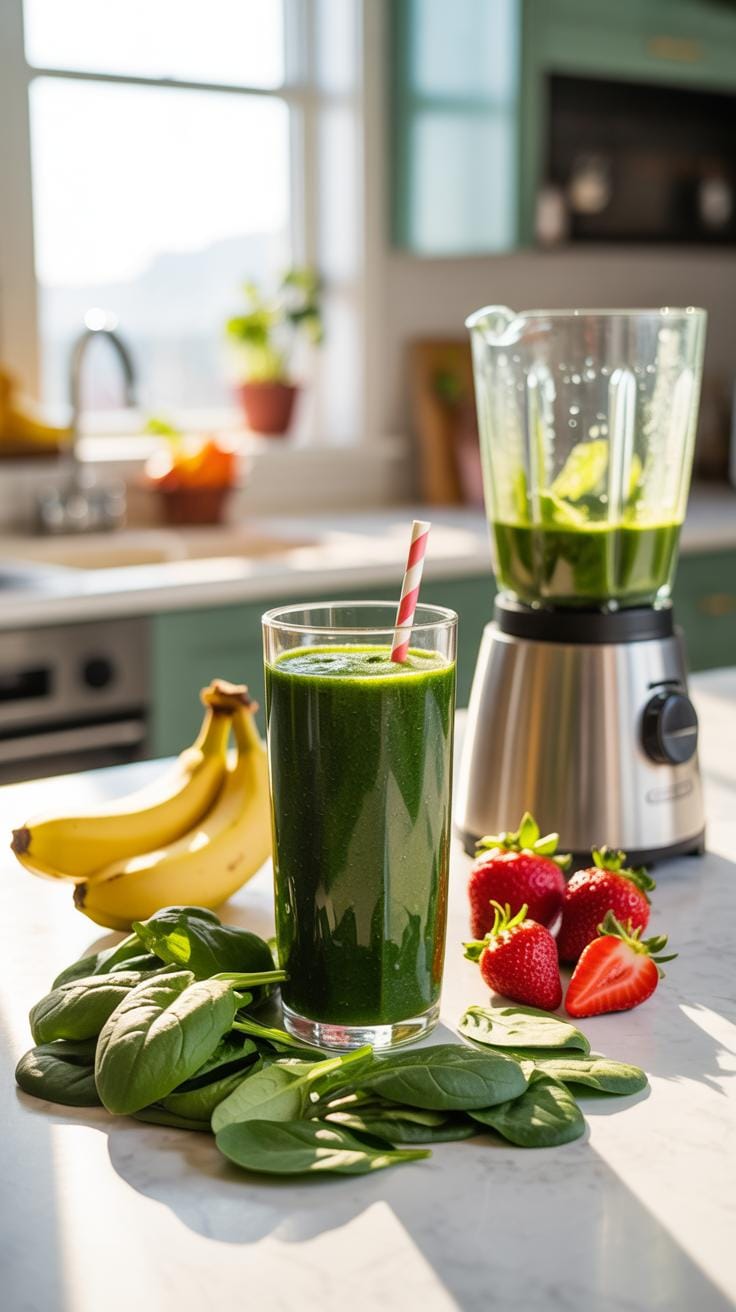
If you’re wondering when and how to drink spinach smoothies to make them part of your regular routine, it helps to think about your daily habits first. Many people find it convenient to have a spinach smoothie in the morning—to me, it’s like a quick boost without feeling too heavy. But well, this isn’t a strict must. You might not want it too close to bedtime since the natural sugars from fruits usually added could give you mild energy when you’re trying to wind down.
Some folks like sipping them mid-afternoon, which can help to avoid that infamous slump after lunch. When it comes to preparation, keep the ingredients simple—spinach, a fruit or two for sweetness, and a good liquid base like water, milk, or yogurt. This way, you avoid over-complicating things and keep the health benefits intact. The key might be to make it less of a chore and more of a small treat.
Timing For Drinking Spinach Smoothies
The best times to drink spinach smoothies largely depend on what you want out of them. For energy, mornings work well because they provide a nutrient-rich start without weighing you down. On the other hand, a smoothie before or after a workout can replenish minerals and keep hunger at bay.
For digestion, some suggest mornings or early afternoon—giving your body enough daylight hours to process the nutrients efficiently. Though honestly, your body probably handles it fine anytime, but if you notice discomfort, adjusting timing might help.
Balancing Smoothies With Meals
You can easily integrate spinach smoothies with your meals or use them as meal replacements. If you’re trying to lose or maintain weight, pairing a smoothie with a protein-rich meal or including some protein in the smoothie itself can keep you fuller longer.
Sometimes, a spinach smoothie on its own makes a fine light meal—especially if it has added protein or healthy fats like nuts or seeds. But if you prefer a more balanced approach, think of the smoothie as a complement, not a substitute. This way, you maintain variety in your diet and avoid relying too heavily on liquid meals.
Tools To Make Smoothie Preparation Easier
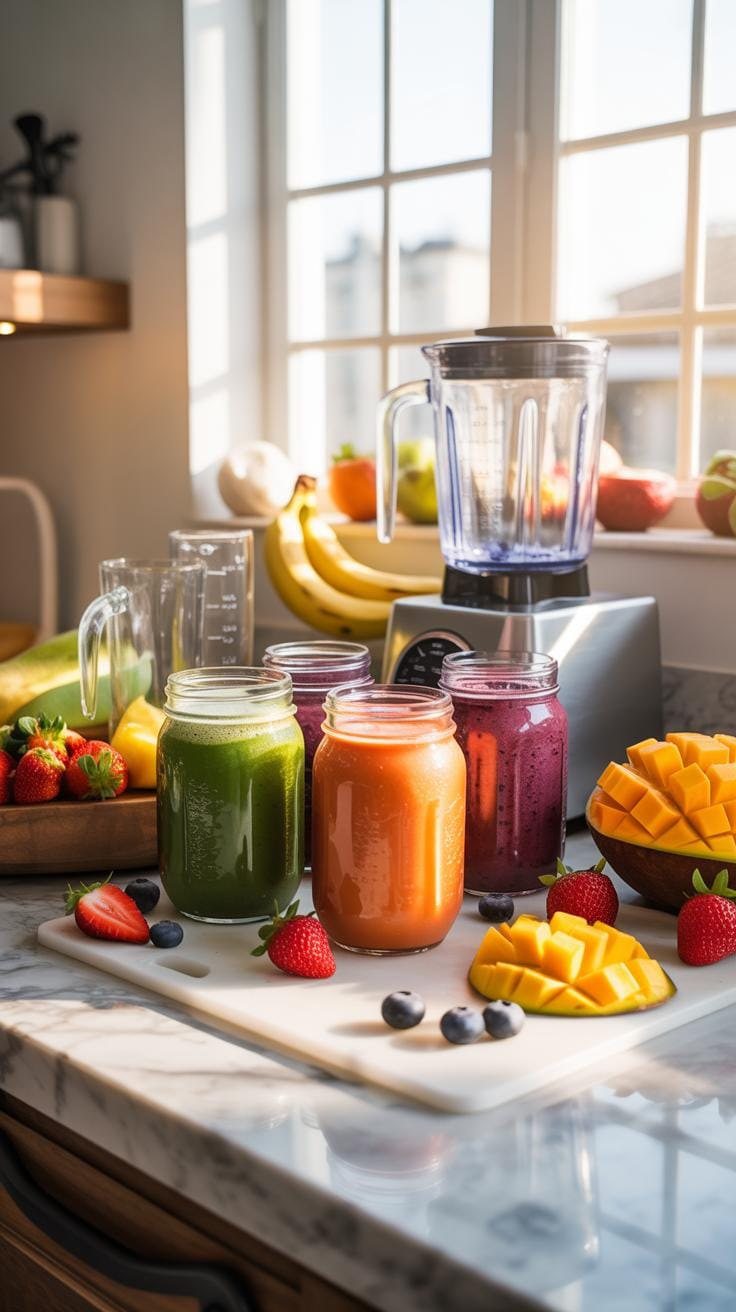
Making spinach smoothies can be a bit fussy without the right tools. A good blender, for instance, is more than just a blender—it shapes the whole experience. You want one with a strong motor, say around 500 watts or more, since spinach leaves can be rather tough to break down completely. Blenders with multiple speed settings and a pulse function help you adjust texture easily. I’ve found that a blender with a wide jar saves time by fitting more ingredients at once, which means fewer batches.
If you’re on a budget, cheaper models often do the trick, but keep an eye on motor power and blade quality. Brands like Ninja or NutriBullet often pop up in recommendations because they balance price and function, but truthfully, sometimes a blender from a local store can surprise you.
Beyond the blender, measuring cups make it easier to keep portions in check, especially if you’re trying to follow recipes strictly or track nutrition. A good vegetable peeler is handy, too—though spinach usually doesn’t need peeling, you might be tossing in carrots or cucumbers. And don’t underestimate the value of airtight containers; prepping smoothie ingredients ahead and freezing them can save you loads of time, especially on busy mornings. I keep a set of small containers just for frozen greens and fruit mixes. It’s a simple habit but makes mornings less hectic, which I appreciate.
Tracking Your Health With Spinach Smoothies
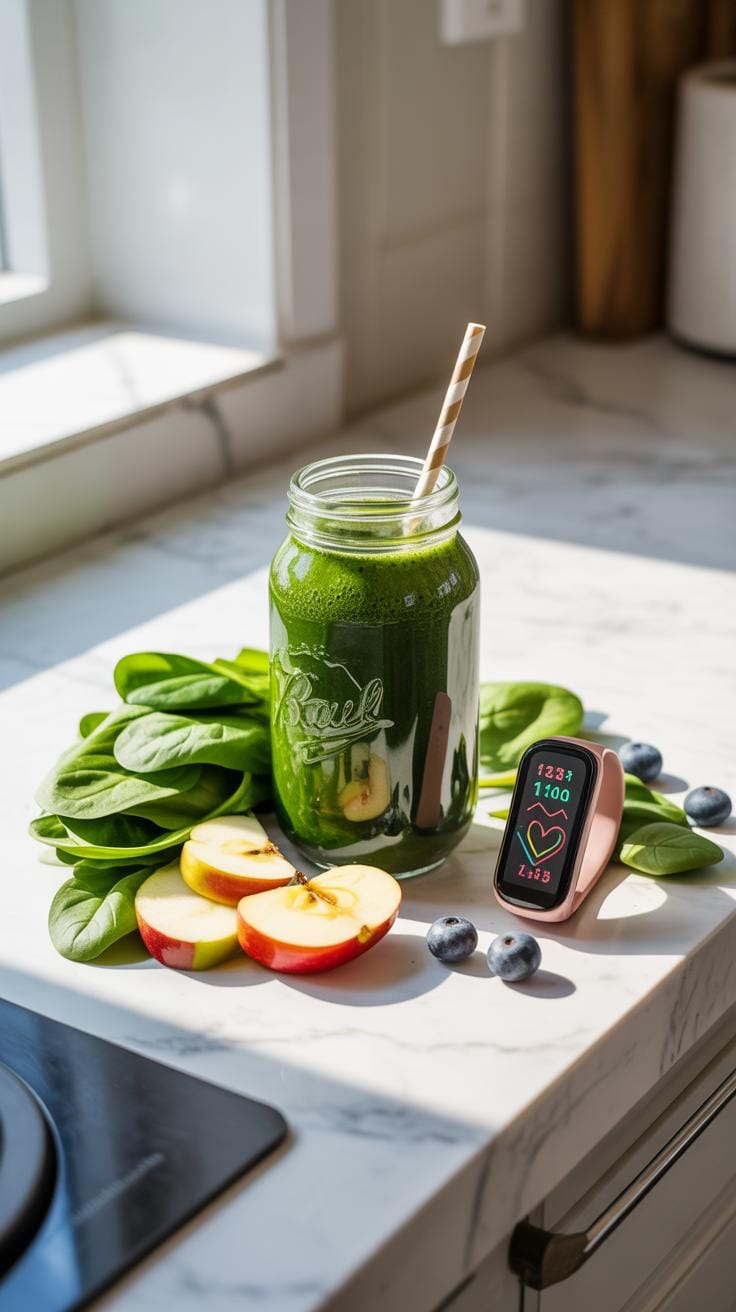
When you start drinking spinach smoothies regularly, it’s not always obvious right away how your body is responding. To truly notice the benefits, you need to be a bit patient and pay close attention to subtle changes.
Noting Energy And Digestion Improvements
Energy levels can be a helpful indicator. You might feel more awake or just less sluggish during the day. It could be due to the vitamins, like iron and magnesium, that spinach provides—but don’t expect dramatic shifts overnight. It’s more like a gentle lift that grows over a few weeks.
Digestion is another area where spinach smoothies may impact you. Some people notice less bloating or more regular bowel movements. Spinach’s fiber content helps, but again, the change could be gradual and might depend on what else you eat alongside the smoothie.
Using A Food Journal For Results
Keeping a food journal is quite useful. Try jotting down what ingredients you use in your smoothies each day and how you feel afterward — energy, mood, digestion, sleep quality, even minor aches or pains. You might find that certain combinations work better for you than others.
This practice also prevents you from overlooking small shifts that add up. For example, you may not link a boost in your afternoon focus to your morning spinach smoothie until you review your notes after a week or two. Be curious, and don’t hesitate to tweak your recipes based on what you observe.
Conclusions
Spinach smoothies are an effective way to boost your intake of vitamins and minerals. They are straightforward to prepare and can fit easily into your daily eating habits. By choosing the right simple ingredients, you can enjoy tasty drinks that support your health.
Regularly including spinach smoothies in your diet offers clear benefits like increased energy and better digestion. Use the recipes and tips shared here to make spinach smoothies a regular part of your lifestyle and enjoy the health rewards they offer.