
Introduction
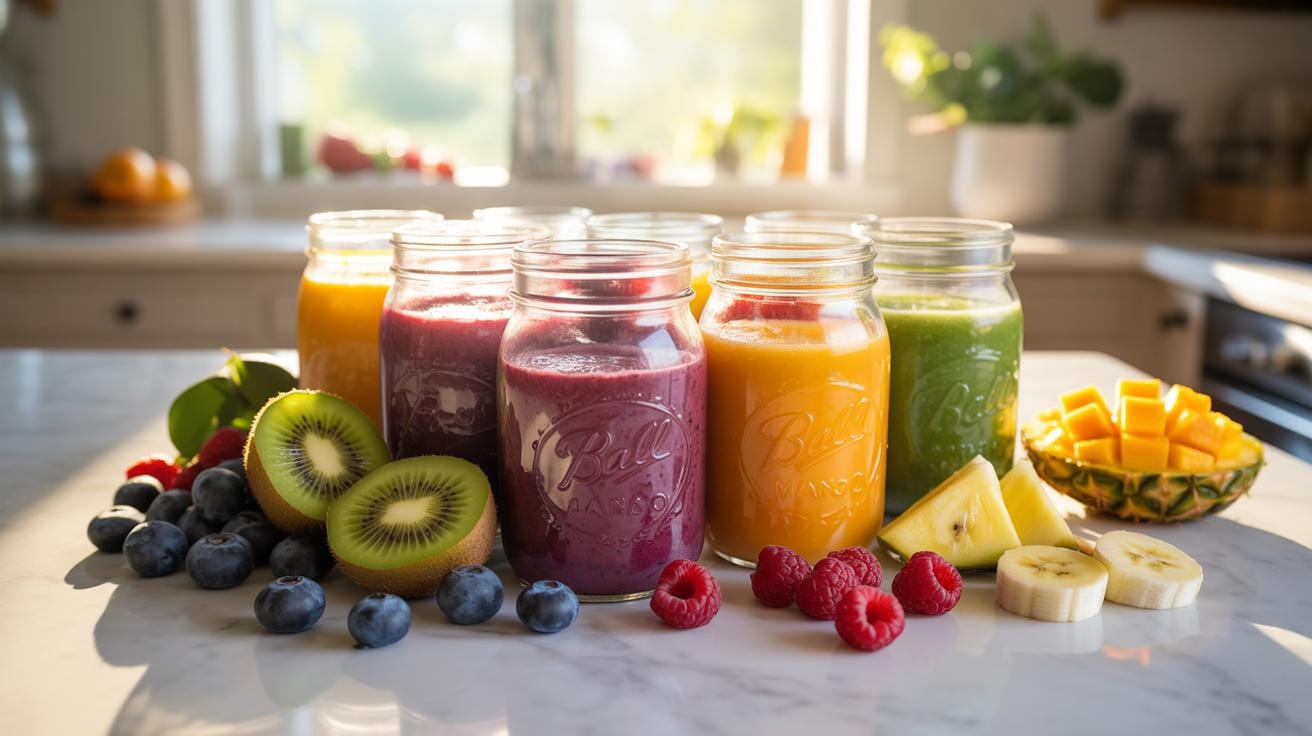
The smoothie diet focuses on replacing some meals with nutrition-packed smoothies. These drinks combine fruits, vegetables, proteins, and liquids. This diet aims to boost your energy and support healthy eating habits. Smoothies can be a quick, tasty, and convenient way to get essential nutrients.
This article covers the benefits of the smoothie diet and offers easy fruit smoothie recipes. You will learn how smoothies can fit into your daily routine and why they matter. By the end, you will have practical ideas to start your own energy-boosting smoothie diet.
Smoothie Diet Explained

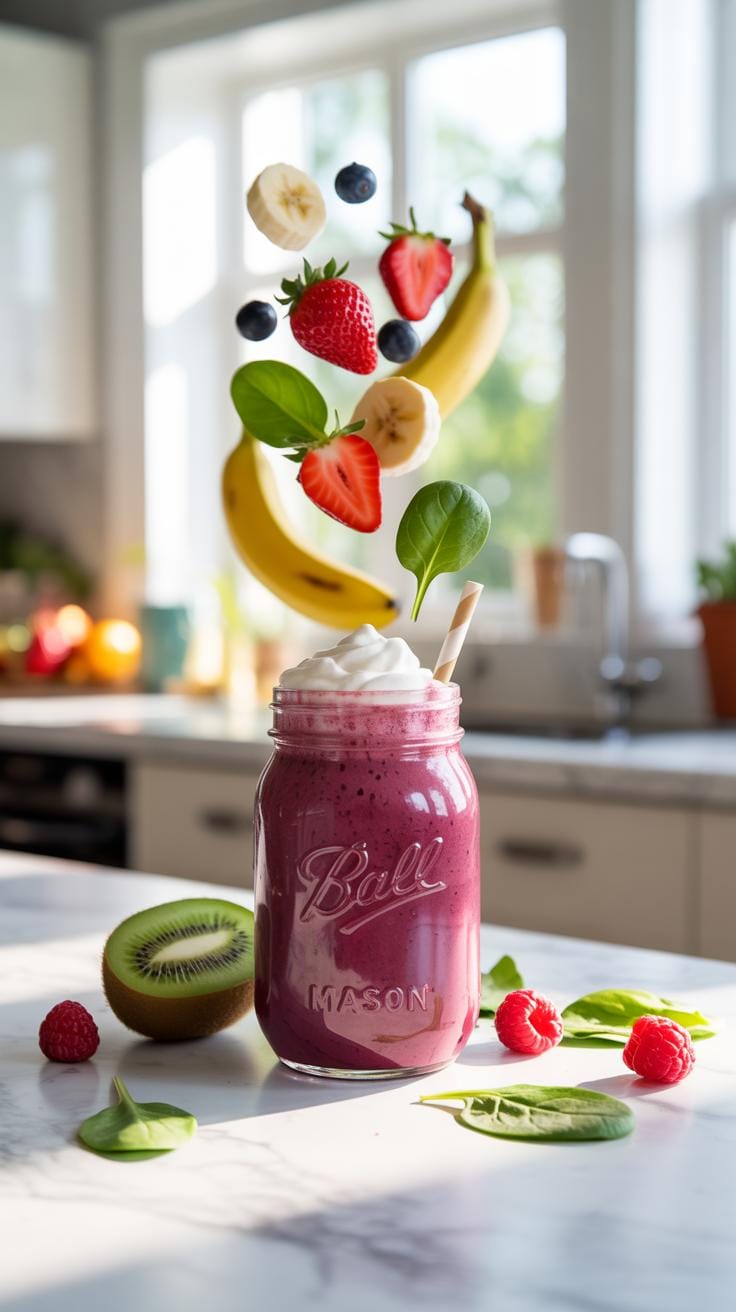
The smoothie diet can be understood as a meal plan where people replace some of their regular meals with smoothies. These smoothies aren’t just any fruit blends, but carefully mixed drinks made from fruits, vegetables, proteins, and liquids. The idea is to fuel your body with a dense, yet simple form of nutrition.
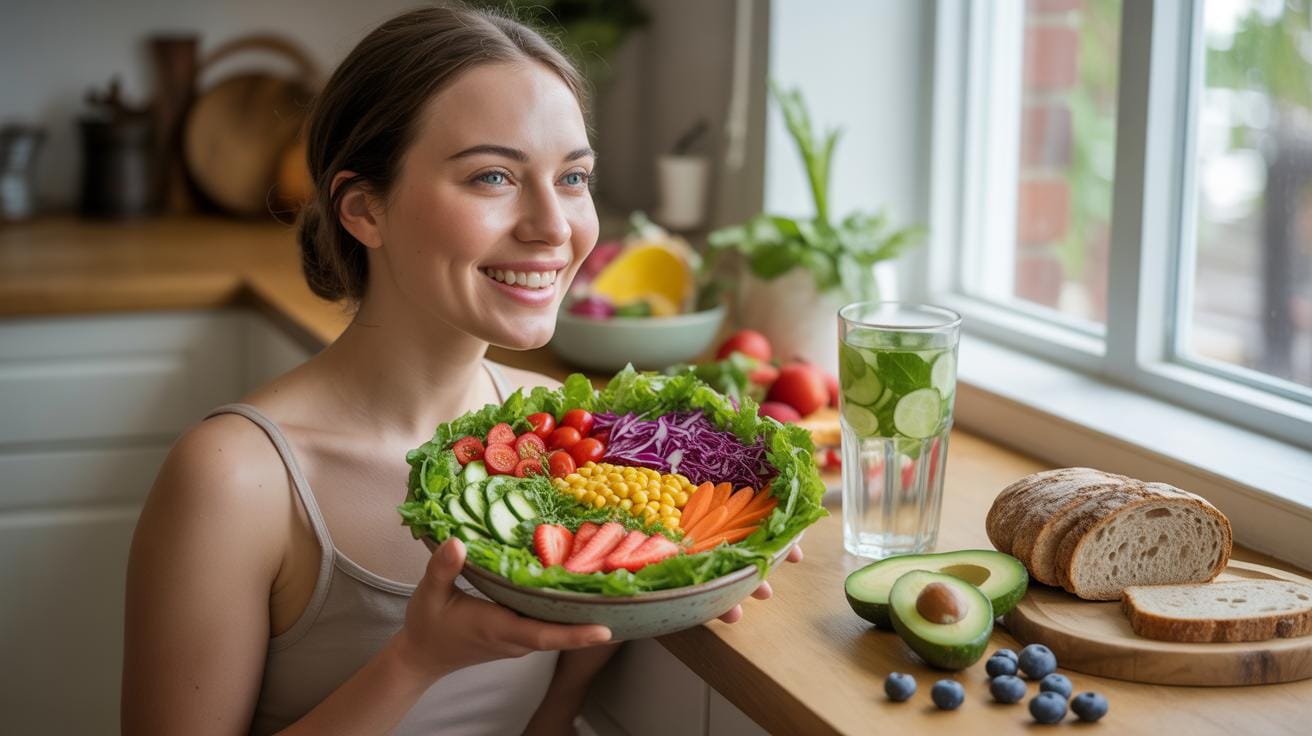
People often turn to this kind of diet to feel lighter or boost their energy without feeling weighed down by heavy meals. It’s a way of simplifying meals while getting in a lot of nutrients quickly. But it’s not about replacing every meal, usually just one or two per day, which still keeps things balanced—and perhaps even enjoyable.
So, the smoothie diet runs on the idea that you can streamline your intake, but not necessarily give up food. Replacing solid meals with these liquid versions can be a gentle nudge toward healthier eating, and some find it easier to stick with than strict calorie counting or complicated plans.
What Is A Smoothie Diet
In simple terms, a smoothie diet involves substituting traditional meals with smoothies made mostly from natural ingredients. It’s not a very rigid diet plan but rather a flexible method that focuses on nutrient-rich smoothies as meal replacements.
The main principle here is using these beverages to provide your body with essential vitamins, minerals, and protein while cutting down on processed foods. By doing so, you might reduce calorie intake and improve digestion without feeling deprived.
This approach is appealing because it fits various lifestyles—you can customize your smoothie to fit your taste and nutritional needs yet maintain that meal replacement structure. It’s supposed to make nutrition straightforward and somewhat faster, though it’s probably not a perfect fix for everyone.
Typical Ingredients In Smoothies
Common ingredients include:
- Fruits – berries, bananas, mangoes, apples, pears, and citrus fruits.
- Vegetables – spinach, kale, cucumber, celery, and carrots.
- Protein powders – whey, pea, soy, or other plant-based proteins.
- Liquids – water, milk (dairy or non-dairy like almond or oat milk), fruit juice, or coconut water.
- Optional sweeteners or additives – honey, maple syrup, dates, or yogurt for creaminess and extra flavor.
The combinations can be endless. You can tinker with ingredients to suit your mood or nutritional goals. Sometimes people add extras like chia seeds, flaxseeds, or nut butters, but it really depends. The focus generally stays on whole, minimally processed items that you can blend smoothly into a filling meal.
Benefits Of Using Smoothie Diet

The smoothie diet offers several health and lifestyle benefits that are worth considering if you’re looking for a simple way to improve your nutrition and overall daily routine. One advantage is its unmatched convenience—whipping up a smoothie takes just minutes, which can really help on busy mornings or hectic days. It gets you consuming a variety of nutrients easily, without the fuss of cooking.
When you customize your smoothie with fresh fruits, vegetables, and perhaps some protein or healthy fats, you’re essentially packing in a range of vitamins, minerals, and fiber. That fiber is essential for digestion—it helps keep things moving and supports gut health. Interestingly, the difference between drinking a smoothie and eating whole fruits and veggies can be significant for your digestion, sometimes speeding it up or easing discomfort, depending on what you add.
Then there’s energy. A well-balanced smoothie can provide a steady fuel source for your body. Think of it like a quick energy top-up, especially if you’re active or need to stay alert. Protein, natural sugars from fruit, and even healthy fats can combine to support stamina throughout the day. But, be mindful—if your smoothie’s mostly sugar and lacks balance, it might give you a quick spike followed by a crash.
So, the key is balance and variety in ingredients. Smoothies can be a smart choice to enhance your diet when done thoughtfully. Would you try swapping your usual snack or meal for a nutrient-rich smoothie? The idea is tempting, right? Just remember, it’s not a one-size-fits-all, but it sure has potential to support a healthier lifestyle.
How To Start A Smoothie Diet
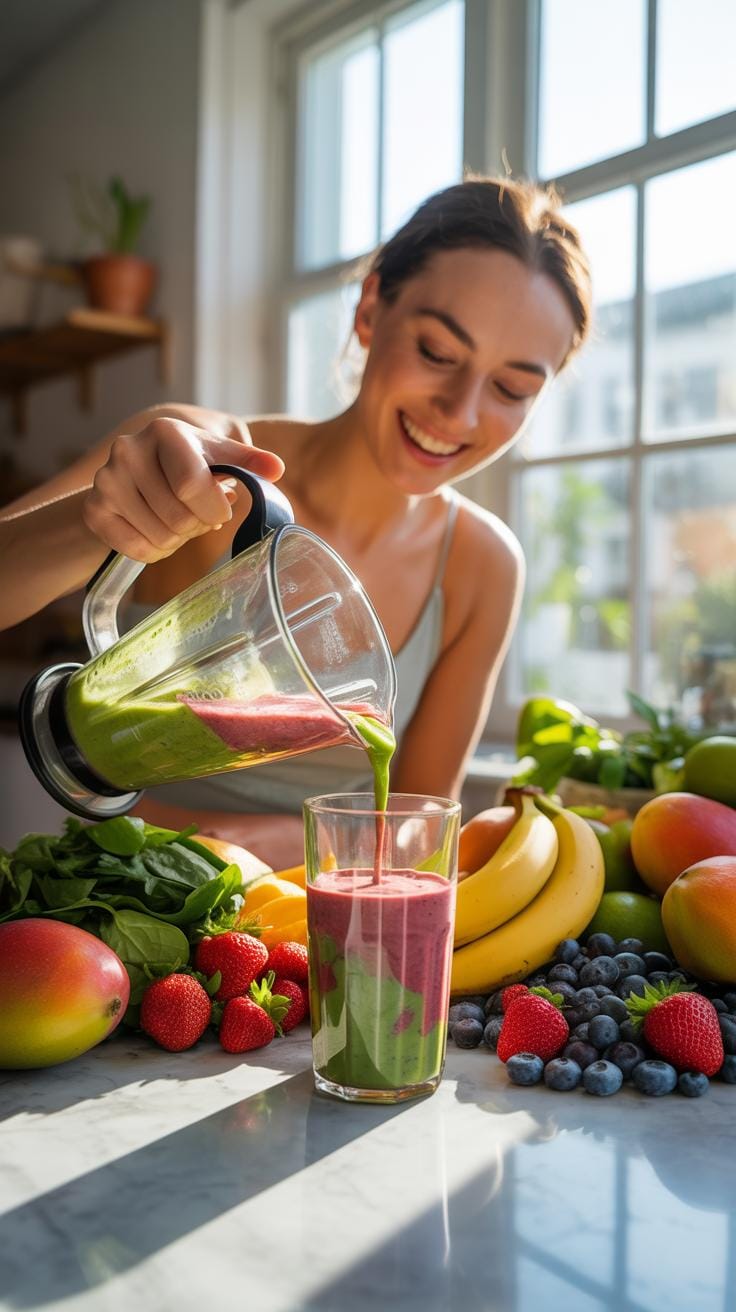
Starting a smoothie diet takes some thought—it’s not just tossing fruit into a blender and calling it a day. You want to ease into it to avoid sudden energy crashes or nutrient gaps.
First, plan your ingredients. Pick fruits and vegetables you enjoy eating because it makes sticking to the diet easier. Then, consider adding protein sources like Greek yogurt or protein powder to keep you full longer.
Next, think about timing. Replacing too many meals at once might feel overwhelming or leave you hungry. Begin by substituting one meal a day—breakfast is often easiest—and see how your body adjusts.
Preparation is key. Wash and chop your produce in advance, maybe even freeze portions for quick blending. Keep a variety of liquids handy—water, almond milk, or coconut water—to mix up flavors and textures.
As you progress, you can experiment with combinations to find what energizes you best. Remember, it’s okay to tweak your smoothie diet along the way as you learn what suits your body and lifestyle. Does a green smoothie mid-afternoon keep your energy steady? Or do you feel better with more protein in the morning?
Common Mistakes To Avoid

When starting a smoothie diet, it’s easy to slip into a few common traps that can undermine your progress and well-being. One major mistake is overloading your smoothies with sugary ingredients. You might think fruit juice or sweetened add-ins make your drink tastier, but they can push your calorie count way up without you even realizing it. Too much sugar day after day can also mess with your energy levels and overall health.
Lack of protein is another frequent error. Protein isn’t just for bodybuilders; it helps you feel fuller longer and supports muscle function, which you’ll want when changing eating habits. Skipping this means you might get hungry soon after your smoothie or lose muscle mass over time. Adding Greek yogurt, protein powder, or nuts could be game-changers.
Then there’s the temptation to rely on smoothies exclusively. Drinking only smoothies might sound convenient, but your body also needs the fiber, textures, and nutrients that whole foods provide. You could miss important nutrients if you don’t balance your diet beyond blending ingredients. Does it make sense to trust your health to one type of meal all the time? Probably not.
Think carefully about what goes into your blender; your choices make all the difference. Have you noticed how some smoothie attempts left you hungry or sluggish? Maybe it’s these exact mistakes in play. Avoiding these pitfalls helps you actually benefit from the smoothie diet, rather than setting yourself up for frustration.
Fruit Smoothie Recipes For Energy
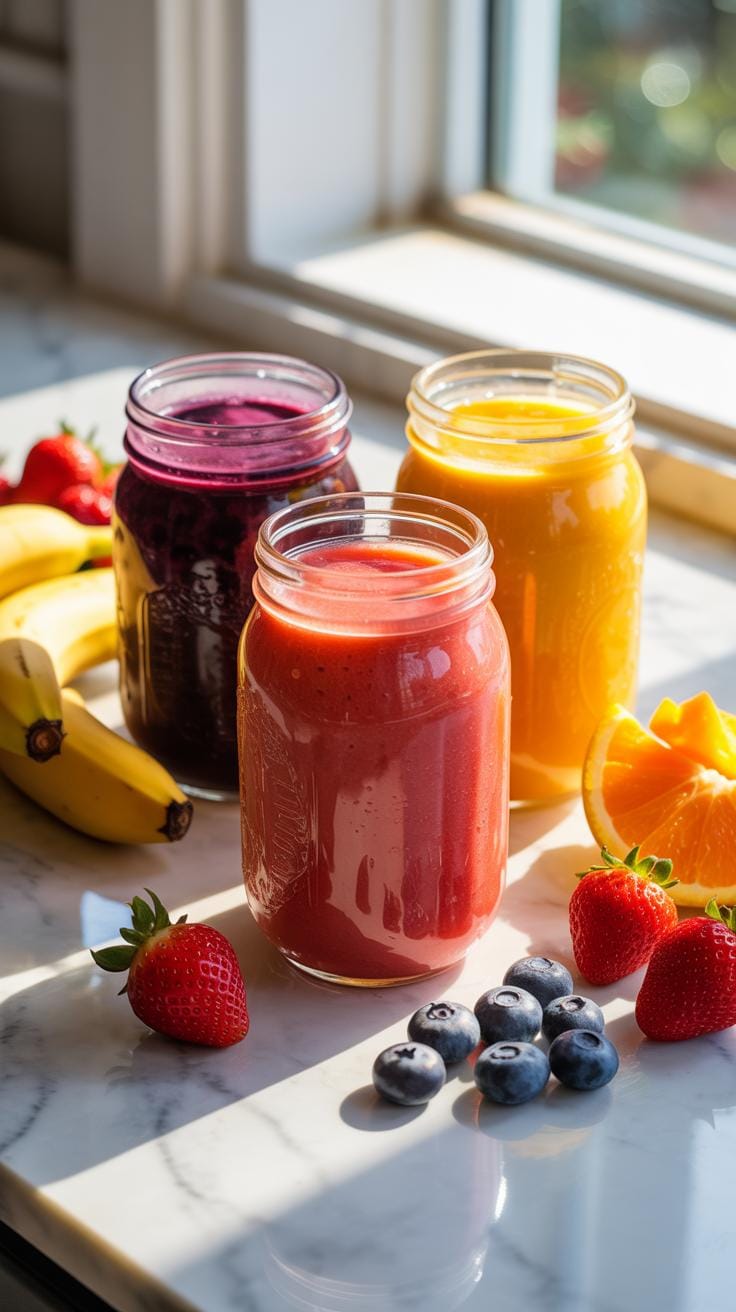
Fruit smoothies can be a quick, enjoyable way to boost your energy, especially when made with the right ingredients. They combine natural sugars from fruits with protein and liquids that help sustain energy levels without the crash that some sugary snacks cause.
Simple Banana Berry Protein Smoothie
This smoothie is straightforward and effective. You’ll need:
- 1 ripe banana
- 1 cup mixed berries (fresh or frozen)
- 1 scoop protein powder (whey or plant-based)
- 1 cup liquid base (milk, almond milk, or water)
Combine these in a blender and blend until smooth. The banana brings natural sweetness and potassium, while the berries provide antioxidants. Protein powder adds satiety and rebuilds muscles, and the liquid base helps everything blend nicely. It’s quite a forgiving recipe if you want to adjust the thickness by adding more or less liquid.
Tropical Mango Spinach Smoothie
Here’s a way to sneak in some greens without sacrificing sweetness. Ingredients:
- 1 cup ripe mango chunks
- 1 cup fresh spinach leaves
- ½ cup yogurt (preferably Greek for creaminess and protein)
- 1 cup coconut water
Blend until smooth. The mango offers a rich tropical flavor with vitamins A and C, while spinach adds iron and fiber, though you won’t really taste it much. Yogurt contributes creaminess and protein, and coconut water hydrates with natural electrolytes. It’s energizing and refreshing, perfect to start your day or revive your afternoon.
These recipes are flexible—you can swap ingredients based on what you have, which makes them practical. Would you try blending vegetables with fruits more often? Sometimes the simplest combinations work best to keep energy levels balanced through the day.
Smoothie Diet Benefits With Fruit Smoothie
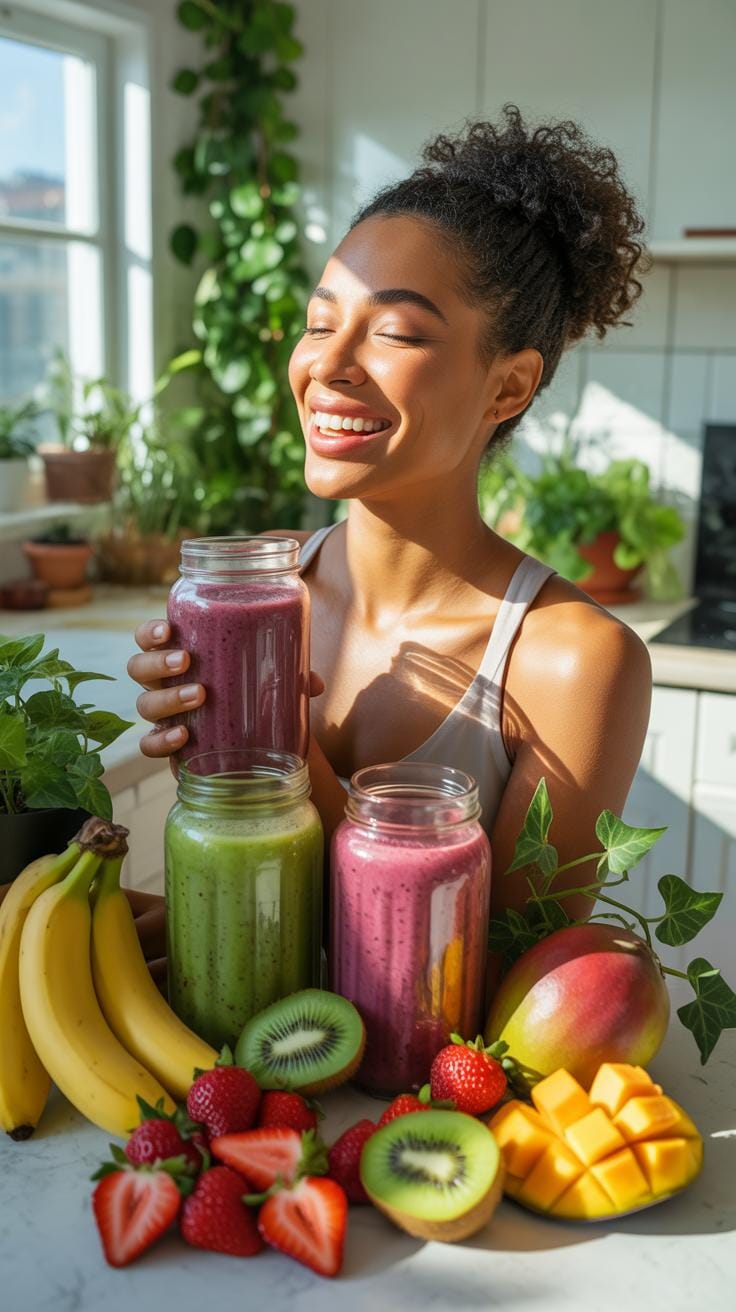
Comparing Smoothie Diet And Traditional Diets
The smoothie diet stands apart from traditional eating plans mainly in how meals are prepared and consumed. Instead of solid meals with multiple cooking steps, here you blend fruits, vegetables, and sometimes protein powders. Cooking? Almost none of it required. You’re essentially swapping out solid food for liquid meals.
Nutrition-wise, it’s a bit tricky. Smoothies often pack lots of micronutrients from fruits and veggies in a single serving, which feels healthy. But, sometimes they lack the fiber you’d get from whole food meals since blending breaks down plants’ structure. You might feel different energy effects too—some folks say smoothies give quicker energy boosts, but maybe less lasting fullness versus solid meals.
Smoothie Diet Versus Whole Food Meals
Digestion changes noticeably with smoothies. Liquids move faster through your gut, so nutrients hit your bloodstream quicker. This might help if you want rapid energy, but it also means you may feel hungry sooner compared to eating the same ingredients as whole foods.
Also, nutrient absorption from smoothies can differ; some vitamins get absorbed better in juice form, while other substances might depend on the food matrix, which blending disrupts. I find it depends a lot on what exactly goes into your smoothie. It’s not always a straightforward comparison.
Flexibility And Convenience
One big advantage of the smoothie diet is its convenience. You can throw everything in a blender, drink on the go, and skip the dishes. This beats regular meal prep when you’re pressed for time. It’s especially tempting on busy mornings or tight schedules.
On the flip side, if you enjoy cooking or eating varied textures, the smoothie approach might feel monotonous or too restrictive. But for pure speed and simplicity? Smoothies win hands down. You might wonder how sustainable this is long term, but for quick nutrition, it’s hard to beat.
Checklist For A Balanced Smoothie Diet
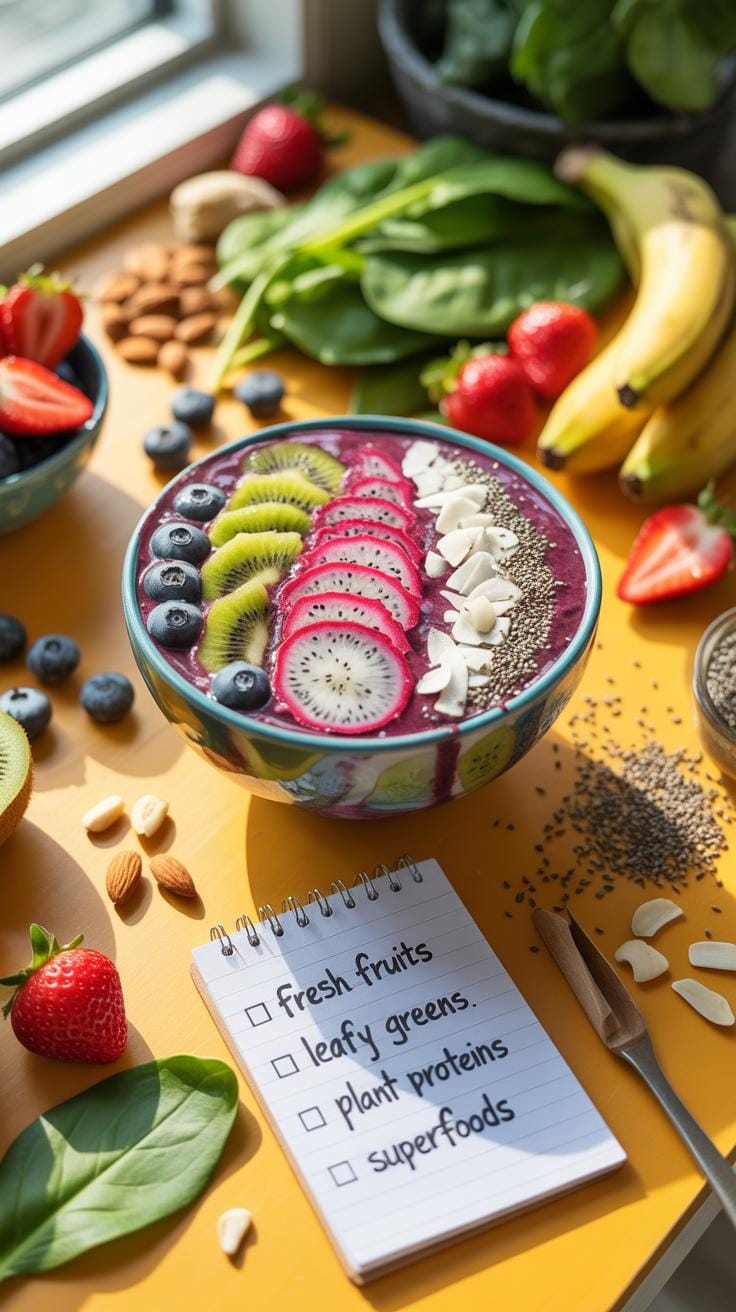
When you’re thinking about a smoothie diet, it’s easy to focus on fruits alone, but a truly balanced approach calls for a bit more. You want to make sure your smoothies cover a good range of nutrients. Ask yourself: am I including not just vitamins but protein and healthy fats? These will keep you feeling satisfied and energized longer.
Here’s a quick checklist to keep in mind:
- Include a variety of nutrients: Aim for fruits and veggies for vitamins and fiber, nuts or seeds for healthy fats, and protein sources like yogurt or protein powder.
- Don’t forget minerals: Ingredients like spinach or kale can boost calcium and iron intake.
- Portion control matters: Smoothies can be deceptively high in calories. About 12 to 16 ounces per serving usually works well — enough to satisfy without overeating.
- Stay hydrated: Smoothies aren’t a substitute for water. You still need to drink water throughout the day to help your body process nutrients and stay balanced.
People often think a smoothie is just a quick fix, but it’s more about thoughtful combination. You can’t just pile on fruit and expect balanced nutrition. It might taste great for a moment, but you could wind up hungry soon after or missing key nutrients.
It’s curious how hydration sometimes gets overlooked when blending these creamy drinks. Your smoothie can be part of your hydration, yes, but plain water remains essential—consider it a partner, not a replacement. Do you find yourself forgetting that? I know I have a few times.
Thinking about your smoothies this way might change how you approach them, especially if you want steady energy without the crash. Balancing variety, size, and hydration is less about strict rules and more about finding what genuinely feels balanced to your body. Isn’t that what good nutrition should feel like?
Tracking Results On A Smoothie Diet
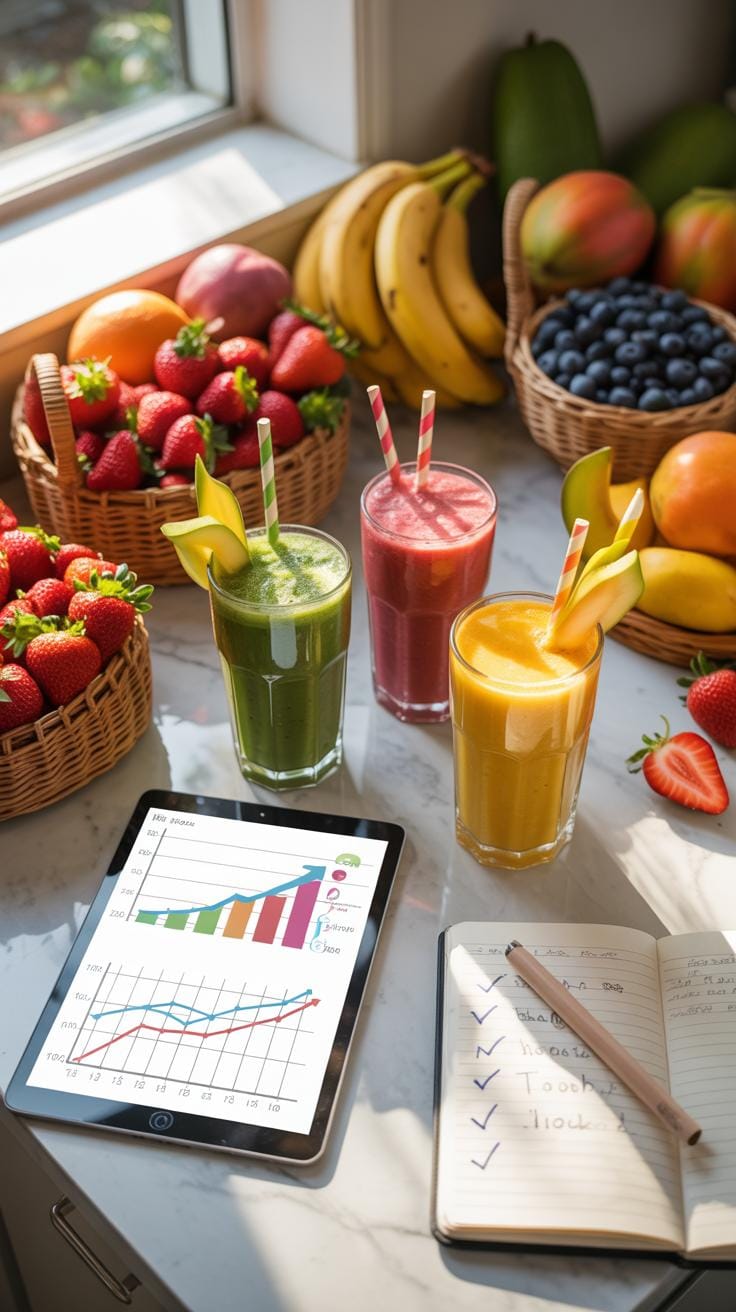
Monitoring how a smoothie diet affects you can be quite revealing. Energy levels, weight, and overall health are good starting points. But how do you keep tabs on these without turning it into a chore? Well, a simple diary or an app can help jot down your energy fluctuations throughout the day. Maybe note when hunger hits and how intense it feels.
Measuring Energy Levels And Satiety
Pay attention to moments when you feel most alert or sluggish. Are smoothies keeping you energized longer than your usual meals? Recording hunger cues—how soon you feel hungry again after a smoothie—can lend insights into the diet’s impact. It’s a little trial and error, really.
Monitoring Weight And Wellness
Track your weight once a week to observe any changes, but don’t obsess over the scale daily; weight can fluctuate for reasons unrelated to your diet. Also, check in on your general well-being: are you sleeping better? Has your digestion improved? These subtle signs matter, even if the scale doesn’t always show dramatic shifts.
Adjusting The Smoothie Diet For Long Term Use
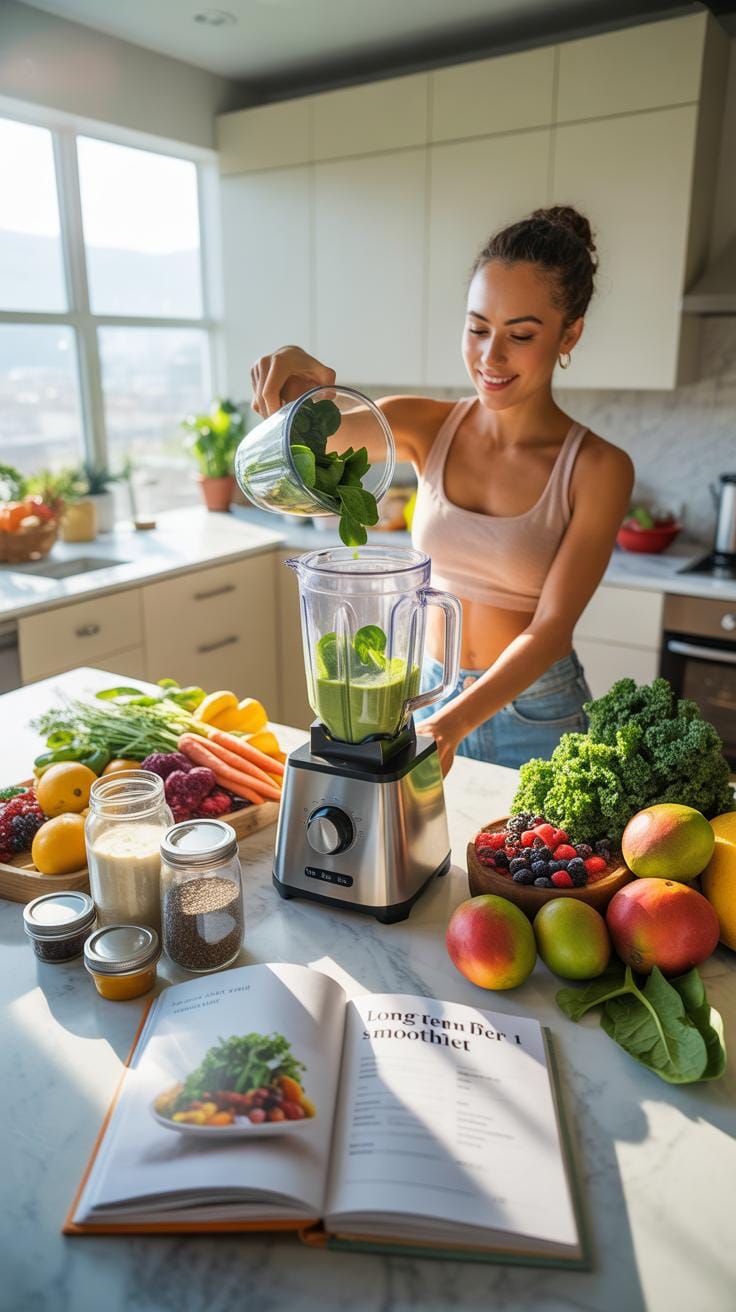
Maintaining the smoothie diet over the long haul means you’ll need to shake things up a bit, literally. Sticking with the same blend—day after day—can get dull, and your body might start craving nutrients you’re missing out on. It’s a good idea to gradually introduce different ingredients, like various fruits, vegetables, and even sources of protein. This not only keeps your taste buds interested but also broadens the nutritional profile of your meals.
Eventually, you might want to ease back into eating solid foods—maybe mixing in one or two solid meals weekly at first. This helps your digestive system adjust while preserving the benefits you gained from the smoothie diet. I found that blending in fiber-rich vegetables with each smoothie helped me transition more smoothly—the texture changes slowly, so it’s less of a shock when you start eating solid meals again.
Also, keep an eye on how your energy levels respond. If you notice sluggishness or hunger creeping in, it might be time to tweak your smoothies to include more protein or healthy fats. How you adjust depends on your lifestyle and body’s signals, and it’s okay to experiment a bit—sometimes what feels right one week might change the next.
Adding Variety To Maintain Interest

One easy way to keep the smoothie diet from becoming monotonous is to mix up your ingredient list on a regular basis. Try combining different fruits, like berries, apples, or tropical options such as mango and pineapple. Vegetables add another layer—spinach, kale, carrots, or even cucumbers lend unique flavors and boost the nutrient density.
Protein matters too. You can rotate between Greek yogurt, nuts, seeds, protein powders, or even silken tofu. The flavor and texture shift enough to keep each smoothie feeling fresh. I remember one week when I stuck to banana and spinach every day—it got old fast. Adding almond butter and cinnamon gave the routine a new twist. Sometimes the differences might be subtle, but they help you stay on track without feeling bored.
Try to pay attention to what combinations leave you feeling energized versus those that don’t. This might inspire new recipes you didn’t expect to enjoy, and that keeps the diet sustainable for longer periods.
Transitioning Back To Normal Meals

When you’re ready to move off the smoothie diet, a gradual shift is usually best. Suddenly switching to solid meals may feel overwhelming or cause your digestion to rebel. Instead, start by introducing small portions of whole foods alongside your smoothies—perhaps a handful of nuts or a salad as a side. This helps your body reacclimate without undoing the work the smoothie diet has done.
Choose balanced meals emphasizing vegetables, lean proteins, and whole grains. It can be tempting to revert to old habits, but balancing key nutrients protects the benefits you’ve gained. Think of it as a slow handoff—your meals grow more solid while the smoothies become occasional supplements.
Expect some trial and error. Your appetite and digestion might not line up neatly at first. That’s normal. Stay tuned to your body’s reactions, adjust portions accordingly, and remain flexible. This approach helps preserve the energy boosts and weight control advantages the smoothie diet offered, without making the return to “normal” feel too abrupt or frustrating.
Conclusions
The smoothie diet provides a simple way to increase your intake of fruits and vegetables. It can improve energy levels and support weight management when done properly. Choosing natural ingredients and balancing nutrients are key to success.
Using fruit smoothie recipes with protein and healthy fats makes the diet more satisfying. Consider the smoothie diet as part of a varied meal plan. With the right recipes, it can be an enjoyable and nutritious habit to add to your lifestyle.