
Defining The Realistic Meal Plan For Busy Lives

Practical Expectations
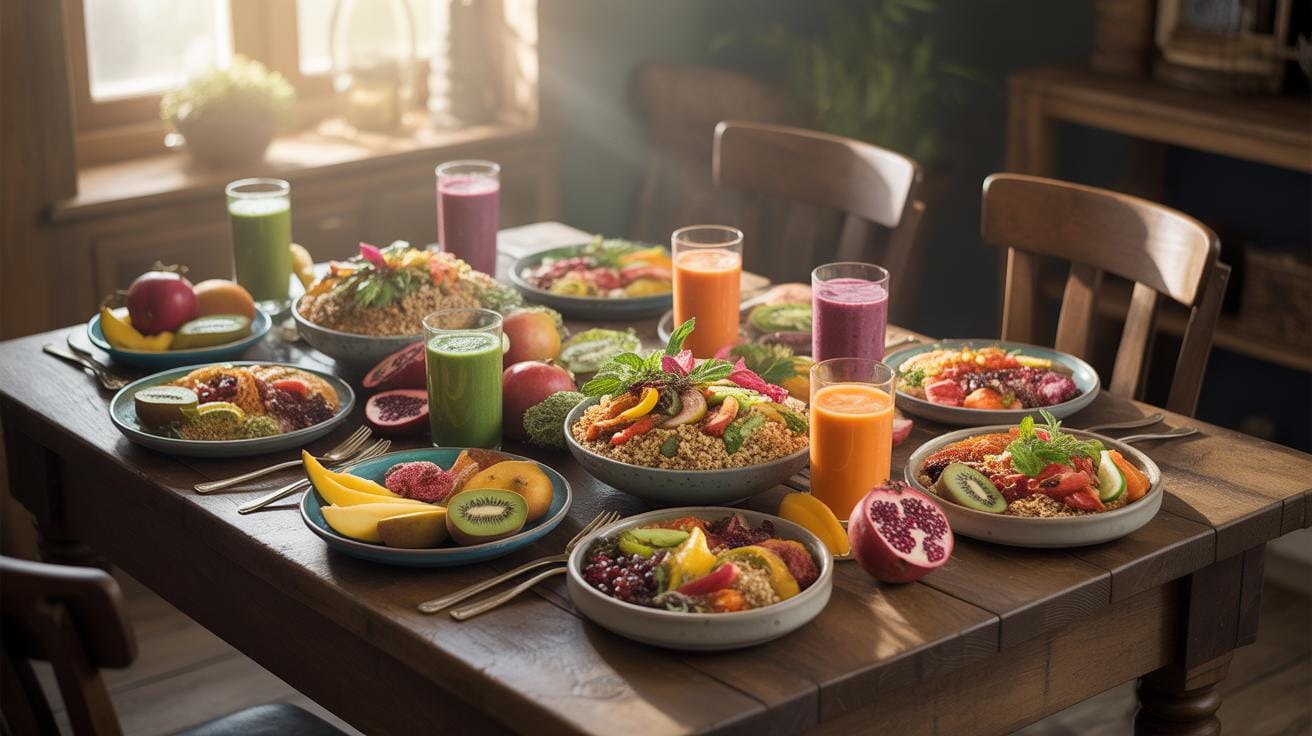
A realistic meal plan abandons the culinary perfectionism that dominates lifestyle magazines. Instead of aspiring toward restaurant-quality presentations and complex techniques, practical eating embraces simplicity through repeatable structures. Think seasoned chicken with roasted vegetables, hearty soups, or grain bowls—dishes requiring minimal ingredients and straightforward preparation. This approach acknowledges that most people juggle work, family, and personal commitments. A realistic meal plan recognizes that Tuesday’s dinner needn’t showcase culinary artistry; it simply needs nourishment and minimal cleanup.
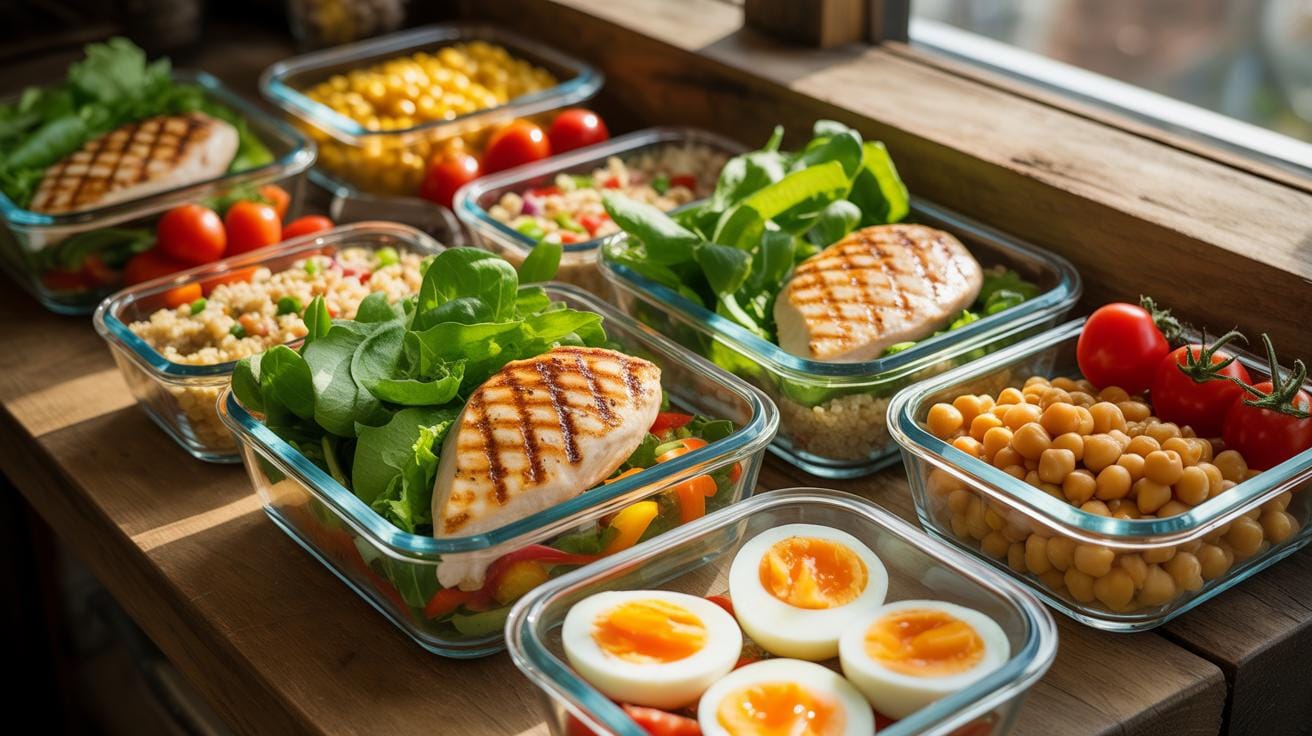
The foundation of sustainable eating lies in accepting that good meals need not be complicated ones. Batch cooking proteins, maintaining a pantry of shelf-stable staples, and rotating five to seven trusted recipes creates genuine consistency without monotony. This framework reduces decision fatigue and shopping complexity. When you embrace simplicity over sophistication, meal preparation transforms from an exhausting task into manageable routine. Families across generations have thrived on uncomplicated, nourishing foods prepared without fuss.
The Role Of Flexibility
Rigid meal plans often crumble when real life intervenes—unexpected meetings, sick children, or simple fatigue. A realistic meal plan builds flexibility into its structure, recognizing that perfection guarantees failure. This approach includes backup options for evenings when cooking becomes impossible. Keeping quality frozen meals, rotisserie chickens, or simple pasta options available prevents the complete abandonment of your plan when circumstances shift. Dynamic planning acknowledges human limitations and environmental variability rather than fighting against them.

Long-term dietary success emerges from systems that bend rather than break. Building in swap days, maintaining ingredient substitutions, and accepting occasional restaurant meals or leftovers sustains commitment across months and years. This flexibility cultivates self-compassion alongside healthy habits. Research on behavioral change consistently demonstrates that adaptable approaches yield better adherence than rigid frameworks. A realistic meal plan thrives precisely because it accommodates the beautiful chaos of actual living.
The Psychological Barriers To Dietary Consistency

Overcoming All Or Nothing Thinking
The perfectionist trap ensnares many well-intentioned people pursuing healthier eating habits. When one meal deviates from plan expectations, the entire day—sometimes the entire week—feels ruined, triggering abandonment of dietary goals altogether. This binary thinking pattern, rooted in cognitive psychology, creates unnecessary mental fatigue that undermines long-term success. A realistic meal plan acknowledges human imperfection as fundamental rather than failure.
Breaking free from perfectionism requires reframing setbacks as data points rather than moral failures. Research in behavioral psychology suggests that self-compassion during dietary slip-ups actually strengthens commitment more effectively than shame-based motivation. Consider these practical approaches:
- Replace “I ruined my diet” with “I made a choice; tomorrow is a fresh start”
- Establish 80/20 flexibility within your realistic meal plan structure
- Celebrate consistency over perfection in weekly reflections
- Practice the “one meal rule”—never let one meal dictate the next
- Track progress through energy and wellbeing, not restriction alone
When you accept occasional deviations as normal human behavior, dietary consistency becomes sustainable rather than exhausting. This mindset shift transforms eating from a rigid performance into a compassionate practice of self-care.
Building Sustainable Habits
Behavioral psychology reveals that habits require approximately 21 to 66 days to solidify, though this varies by individual and complexity. A realistic meal plan leverages this neurological reality by starting small, then building incrementally. Rather than overhauling your entire kitchen overnight, establishing one new habit weekly reduces cognitive load and increases success rates substantially.
Automation is your greatest ally in habit formation. By designing your realistic meal plan around repetitive patterns—the same breakfast three times weekly, predictable lunch options, familiar dinner rotations—you minimize daily decision fatigue. When healthy choices become automatic rather than deliberate, willpower becomes unnecessary. Your brain eventually processes these selections as effortless preferences rather than sacrifices.
Smart Shopping Strategies For Real Life

The Essentials Of A Resilient Pantry
Building a realistic meal plan starts with understanding which pantry staples truly earn their shelf space. Non-perishable ingredients like canned beans, lentils, rice, and pasta form the backbone of quick weeknight dinners when fresh options run low. Oils, vinegars, canned tomatoes, and broth create the flavor foundation for countless dishes. These reliable companions transform simple proteins into satisfying meals, turning potential cooking disasters into weeknight wins without requiring constant shopping trips.
- Canned beans and legumes for protein and fiber
- Whole grains including rice, pasta, and oats
- Canned tomatoes and tomato paste for sauces
- Quality oils and vinegars for dressing and cooking
- Low-sodium broth for soups and grains
- Spices and seasonings for flavor without added sodium
A well-stocked pantry becomes your safety net during hectic weeks when takeout temptation looms largest. Keeping versatile ingredients on hand means you’re never truly stuck, even when fresh produce dwindles. This approach eliminates the stress of wondering what’s for dinner and encourages creativity within constraints. Your realistic meal plan thrives when supported by these dependable foundations, allowing flexibility rather than rigid adherence to complicated recipes.
Navigating The Grocery Store Efficiently
Strategic shopping transforms grocery trips from overwhelming marathons into purposeful missions. Before entering the store, create a simple list organized by section—produce, proteins, dairy, pantry—which naturally follows store layouts and saves countless steps. Shopping the perimeter where fresh foods live, then dipping into aisles for staples, keeps you focused. This intentional approach reduces wandering that leads to impulse purchases and helps your realistic meal plan stay within budget while maximizing nutritional value.
Shopping with a full stomach and clear list dramatically reduces the likelihood of buying items you won’t use. Many people underestimate how hunger influences purchasing decisions, leading to excess food that spoils before cooking. Check what you already have at home before shopping, preventing duplicate purchases of pantry items. By treating grocery shopping as a planned activity rather than spontaneous browsing, you’ll find that both your wallet and your weekly meal planning become significantly more manageable and sustainable.
Time Saving Meal Prep For The Non Chef

Batch Cooking Vs. Component Prep
The foundation of any realistic meal plan begins with understanding your personal cooking style and available time. Batch cooking involves preparing complete meals in advance—think a full pot of chili or lasagna ready to portion and freeze. This approach works beautifully for those with dedicated prep time, typically a few hours on Sunday. However, component prep takes a different philosophy: cook individual ingredients like grilled chicken, roasted vegetables, and cooked grains separately, then mix and match throughout the week.
Your choice depends entirely on your weekly reality. If you work demanding hours with unpredictable schedules, component prep offers flexibility—you might crave grain bowls Monday but stir-fries Wednesday using the same base ingredients. Batch cooking suits structured lives where you’ll reliably follow a predetermined plan. Consider honest assessment: do you actually stick to meal schedules, or do spontaneous cravings derail you? A realistic meal plan acknowledges your habits rather than fighting them. Most home cooks find success combining both methods, preparing some full meals while stocking versatile components for improvisation.
Leveraging Kitchen Technology
Modern kitchen appliances have transformed meal preparation into something genuinely manageable for busy households. Slow cookers, particularly popular since widespread adoption decades ago, require minimal hands-on time—simply load ingredients in the morning and return to finished dinner. Pressure cookers dramatically reduce cooking times, converting tough cuts into tender meals in fraction of hours typically needed. Air fryers crisp vegetables and proteins quickly without oil-heavy traditional frying, fitting seamlessly into health-conscious, realistic meal plan strategies.
- Slow cookers: Set and forget for 6-8 hours of hands-off cooking
- Instant Pots: Combine pressure cooking and slow cooking in one device
- Air fryers: Reduce cooking time by 20-30 percent versus conventional ovens
- Rice cookers: Perfectly cooked grains without monitoring
- Programmable oven timers: Start cooking before arriving home
These technologies shine when you stop viewing them as shortcuts requiring guilt and instead embrace them as practical solutions. A pressure cooker preparing beans from scratch beats opening canned options for some, while others wisely choose canned to conserve energy. Your realistic meal plan incorporates whatever tools genuinely save you time and effort without judgment, because consistency matters infinitely more than culinary perfectionism.
Nutritional Balance Without The Calculator

The Plate Method Simplified
The plate method offers a refreshingly intuitive approach to building balanced meals without obsessing over numbers. This visual framework divides your plate into sections: half vegetables and fruits, one quarter lean protein, and one quarter whole grains or starchy vegetables. It’s a realistic meal plan that removes the burden of constant calculation while ensuring nutritional adequacy. This simple geometry has roots in nutritional guidelines promoted by major health organizations and works because it naturally portions your food without requiring scales or apps.
Creating balanced meals becomes second nature when you visualize these proportions at every sitting. Think of your dinner plate as a canvas where vegetables create the landscape, protein anchors the composition, and grains provide grounding. This method accommodates countless cuisines and food preferences, from Mediterranean bowls to Asian stir-fries. The beauty lies in its flexibility—you’re not restricting foods but rather organizing them in proportions that support steady energy and satiety throughout your day.
Focusing On Micronutrient Density
Incorporating vegetables and fiber into your realistic meal plan transforms how your body responds to nutrition. Rather than viewing veggies as obligations, consider them flavor enhancers and satiety boosters. Leafy greens, colorful peppers, cruciferous vegetables, and root vegetables each bring unique vitamins, minerals, and phytonutrients that support immune function and digestion. Starting meals with fiber-rich vegetables naturally reduces overall calorie intake while maximizing nutritional benefit—a nostalgic nod to grandmothers who knew instinctively that vegetable-forward meals sustained families well.
The practical approach involves building habits rather than perfect meals. Add an extra handful of spinach to pasta, include roasted broccoli with dinner, or sneak grated zucchini into ground meat dishes. These small adjustments compound meaningfully over time, improving micronutrient intake without requiring meal prep marathons. Fiber from vegetables and whole grains promotes steady blood sugar levels and prolonged fullness, making your realistic meal plan genuinely sustainable rather than another exhausting dietary experiment.
Managing Social Dining And Eating Out

The Art Of The Good Enough Choice
Restaurant meals needn’t derail your realistic meal plan. The key lies in releasing perfectionism and embracing strategic flexibility. Most establishments offer protein-forward dishes, vegetable sides, and whole grain options that align beautifully with balanced nutrition. Scan menus beforehand when possible, allowing mental preparation without pressure. Remember that one meal doesn’t define your entire week. Choosing grilled salmon with roasted vegetables instead of perfectly portioned home-cooked portions still nourishes your body meaningfully and keeps social connection alive.
Building a realistic meal plan includes understanding restaurant portions often exceed home servings. Request half portions, share dishes with friends, or box leftovers immediately. Many restaurants accommodate simple modifications—sauces on the side, substituted sides, or preparation adjustments. These small requests honor both your nutritional intentions and the dining experience. The “good enough” choice celebrates progress over perfection, recognizing that consistent moderate decisions create lasting wellness far better than rigid restrictions that eventually crumble under social pressure.
Social Support And Boundaries
Communicating dietary preferences feels vulnerable, yet honest conversations strengthen relationships and protect your wellness goals. Friends genuinely want you thriving and typically appreciate understanding your nutritional focus. Frame discussions positively: “I’m building a realistic meal plan that makes me feel energized” rather than listing restrictions. Most people respect commitment without judgment. Share your goals naturally during meal planning, allowing others to support your choices. This transparency prevents awkward moments and often inspires friends toward their own balanced approaches, creating shared understanding and mutual encouragement.
Boundaries aren’t rejection; they’re self-respect. Declining seconds, choosing water occasionally, or eating beforehand aren’t antisocial—they’re responsible self-care. True friends celebrate your commitment rather than pressuring indulgence. You needn’t explain extensively; simple clarity suffices. Enjoy social occasions fully by focusing on conversation, laughter, and connection rather than food as the primary event. When eating becomes secondary to genuine human interaction, meals feel less consequential. This perspective naturally aligns with a realistic meal plan, transforming dining from willpower battles into joyful shared experiences where nourishment and relationships both flourish.
Hydration And Energy Management

The Importance Of Water Intake
Water forms the foundation of any realistic meal plan, yet it’s often overlooked in favor of focusing solely on food choices. Your body’s cognitive function, metabolism, and hunger regulation all depend significantly on adequate hydration. When dehydrated, your brain struggles to concentrate, your energy dips mysteriously, and you often mistake thirst for hunger, leading to unnecessary snacking. Most nutrition experts recommend consistent water intake throughout the day rather than sporadic gulping, allowing your body to maintain stable performance.
Building hydration into your daily routine transforms how you experience meals and energy levels. Simple habits like keeping a water glass nearby during work, sipping before meals, and drinking upon waking establish sustainable patterns. This foundational practice supports your realistic meal plan by helping you recognize genuine hunger signals and maintain steady energy. Clear urine and consistent hydration become markers of a day executed well, reflecting the care you’ve invested in nourishing yourself thoughtfully and intentionally.
Eat food. Not too much. Mostly plants.
— Michael Pollan
Strategic Caffeine And Snack Use
Afternoon energy crashes represent one of the most disruptive challenges within a realistic meal plan, often driving poor food choices and mood fluctuations. Rather than fighting fatigue with excessive caffeine, strategic timing matters most. Morning coffee supports natural cortisol rhythms, while afternoon consumption frequently disrupts evening sleep, creating tomorrow’s exhaustion. Understanding your personal caffeine sensitivity allows you to use this tool purposefully—perhaps enjoying a measured cup mid-morning or skipping it entirely depending on your sleep quality and energy patterns.
- Time caffeine consumption before 2 PM to protect sleep quality
- Pair snacks with protein to stabilize blood sugar and energy
- Choose whole food snacks like nuts, fruit, or yogurt over processed options
- Limit snacks to scheduled times rather than continuous grazing
- Stay aware of hidden caffeine in chocolate, tea, and processed foods
Thoughtful snack placement within your realistic meal plan prevents the ravenous state that leads to overeating at dinner. Balanced afternoon snacks combining protein and complex carbohydrates sustain your energy through evening hours. This approach honors both your body’s genuine needs and your realistic lifestyle, acknowledging that energy management requires intentional planning rather than willpower alone.
Handling Setbacks And Life Transitions

The Pivot Strategy For Stressful Weeks
Life rarely follows a predictable rhythm, and your realistic meal plan shouldn’t crumble when circumstances shift unexpectedly. During demanding work periods, family emergencies, or travel disruptions, abandoning your nutrition goals entirely creates unnecessary guilt and disconnection from your intentions. Instead, consider your meal plan as a flexible framework rather than rigid rules etched in stone.
- Simplify recipes to bare essentials when time is scarce
- Rely on batch-cooked freezer staples prepared during calmer periods
- Choose nutrient-dense convenience options like rotisserie chicken or pre-cut vegetables
- Extend meal prep timelines rather than skipping nutrition entirely
- Identify one non-negotiable meal daily to maintain momentum and structure
When disruption strikes, returning to your realistic meal plan becomes easier when you’ve established simplified versions beforehand. Perhaps your elaborate Sunday roasts transform into slow-cooker basics, or elaborate salads become simple grain bowls. The continuity matters more than perfection during transitions.
Self Compassion In Nutrition
The psychological weight of perceived dietary failures often causes more damage than the actual deviation from your plan. When you deviate from your realistic meal plan, harsh self-judgment frequently triggers a cascade of abandonment, where one missed meal becomes days of negligent eating choices. Recognizing this pattern allows you to interrupt the cycle with gentle accountability rather than punitive thinking.
Building self-compassion into your nutrition journey acknowledges that humans are imperfect beings navigating complex schedules and genuine cravings. Enjoying birthday cake, stress-eating comfort foods, or grabbing takeout during chaotic weeks doesn’t erase your commitment to wellness or undo weeks of consistent choices. These moments represent normal human experience, not moral failures requiring punishment through restriction or excessive exercise.
Measuring Success Beyond The Scale

Non Scale Victories NSVs
When you commit to a realistic meal plan, the most meaningful changes often happen quietly, away from the bathroom scale. Non-scale victories capture these profound shifts: noticing you climb stairs without breathlessness, experiencing deeper sleep through the night, or finding your mood remarkably stable throughout the day. Energy levels typically improve within weeks as your body receives consistent, balanced nutrition rather than the rollercoaster of restrictive dieting. These improvements reflect genuine physiological changes that numbers alone cannot measure.
Tracking these victories creates a more honest picture of your health transformation. Consider keeping a simple journal noting how your clothes fit, your mental clarity, athletic performance, or how you feel during daily activities. Many people discover their skin improves, their digestion becomes regular, or their afternoon energy slump disappears entirely. These observable changes often prove more motivating than scale fluctuations, which can mislead due to natural water retention, muscle gain, and hormonal variations. A realistic meal plan celebrates all these victories equally.
Long Term Maintenance Mindset
Transitioning from temporary “diet mode” to permanent lifestyle eating represents perhaps the most crucial shift in your relationship with food. This mindset acknowledges that realistic meal planning isn’t a destination but rather an evolving practice you’ll refine throughout your life. Your needs will change with seasons, life circumstances, and aging—what works brilliantly at thirty may need adjustment at forty. Embracing this flexibility prevents the common cycle of rigid restriction followed by abandonment that characterizes traditional dieting approaches.
Building a sustainable approach means giving yourself permission to adjust, experiment, and occasionally diverge from your realistic meal plan without shame or compensation. True maintenance isn’t about perfection; it’s about returning consistently to your baseline practices while accommodating real life’s unpredictability. This perspective transforms eating from a source of stress into a source of nourishment and joy, naturally integrated into your daily rhythm. Your relationship with food becomes genuinely realistic when you stop viewing it as an adversary requiring strict control and instead see it as a partner in living well.
Frequently Asked Questions

What is a realistic meal plan for beginners?
A realistic meal plan is a simple, flexible eating guide tailored to everyday life, focusing on whole foods like veggies, lean proteins, and grains without extreme restrictions. It prioritizes sustainability over perfection, helping beginners build healthy habits gradually. Start with 3 balanced meals daily plus snacks, adjusting portions to your needs for lasting success.
How do I create my own realistic meal plan?
Begin by assessing your schedule, preferences, and goals to craft a realistic meal plan that fits seamlessly. Plan 3-5 days ahead: list meals with easy recipes using staple ingredients, prep in batches like chopping veggies, and include flexibility for swaps. Shop with a list to save time and stay on track effortlessly.
Can I follow a realistic meal plan on a tight budget?
Yes, a realistic meal plan shines on a budget by emphasizing affordable staples like beans, eggs, oats, and seasonal produce. Buy in bulk, choose frozen veggies, and plan versatile meals to minimize waste. This approach keeps costs low—under $50 weekly—while delivering nutritious, satisfying food anyone can access easily.