
Introduction
Protein bites can be a smart choice for healthy snacking. These compact snacks provide a good amount of protein that helps keep you full and energized. They fit well into busy schedules when you need a quick, nutritious bite. Protein snacks come in many forms, making it easy to find one that suits your taste and lifestyle.
This article covers protein bites recipes for healthy snack options. You will learn why protein snacks matter, how to make them at home, and tips for picking the best ones. This information can help you include more protein in your diet through tasty snacks that support your health goals.
What Are Protein Bites

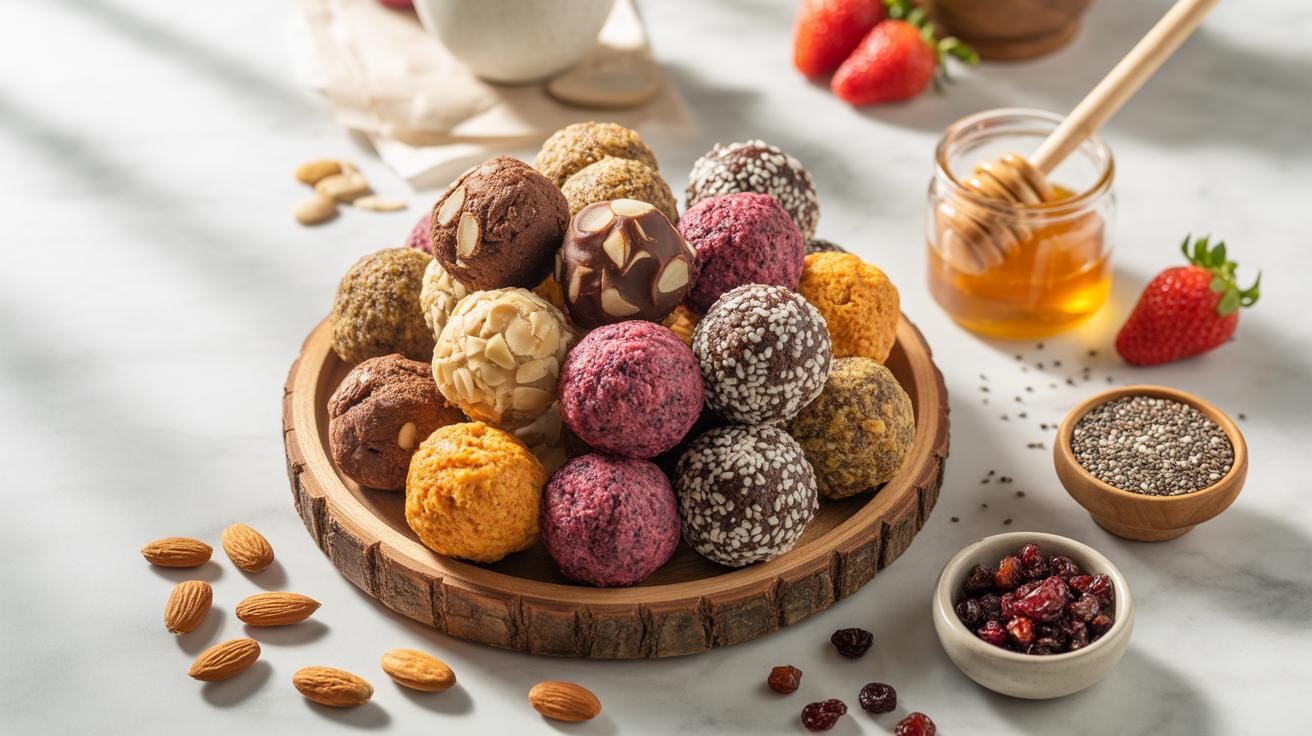
Protein bites are small, often handheld snacks designed to pack a decent amount of protein in each serving. They usually come in bite-sized forms—think little balls, bars, or clusters—that make them easy to eat on the go. You might wonder why they’re called “protein bites.” Well, the name hints at both size and purpose: small bites loaded with protein to keep you fueled.
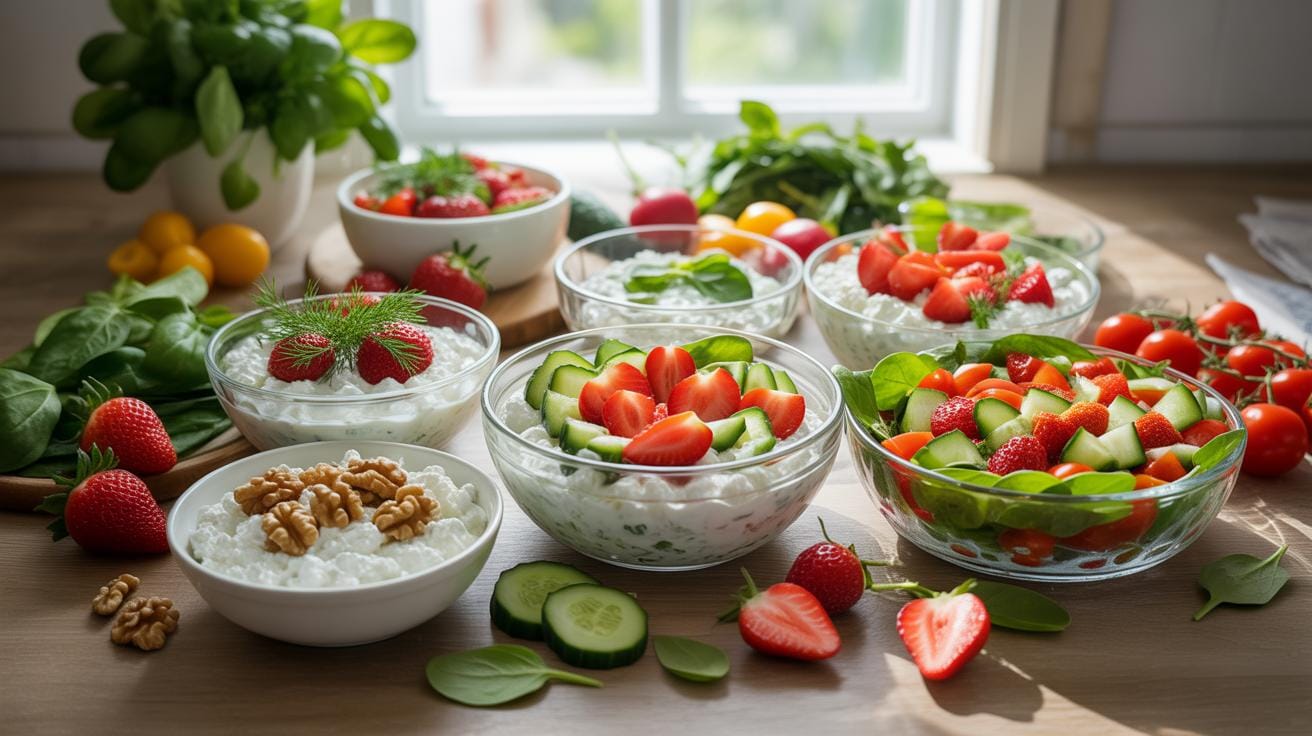
Unlike chips or candy, protein bites focus on offering nutrients rather than just quick energy or empty calories. They often combine protein with healthy fats and some carbs for balance. You’ll find they differ from other snacks by being more filling and sometimes less processed, though that varies by recipe. So, these aren’t just snacks for the taste—they’re meant to support your body, whether for workouts or midday hunger.
Common Ingredients Used In Protein Bites
Some ingredients show up again and again in protein bite recipes because they pack the right kind of punch:
- Nuts: Almonds, cashews, walnuts—they add crunch, healthy fats, and protein.
- Seeds: Chia, flax, or pumpkin seeds boost fiber and omega-3s, plus a bit of texture.
- Protein powders: Whey, pea, or rice protein provide the main protein boost, though the flavor can vary.
- Dates: These natural sweeteners help bind ingredients and add chewy richness without refined sugar.
- Oats: Offer complex carbs and a bit of creaminess; they help keep you full longer.
- Natural sweeteners: Like honey or maple syrup, they gently sweeten without overwhelming the natural flavors.
These ingredients can be mixed and matched depending on what you want out of your snack—more fiber, creamier texture, or sweeter taste. It’s a personal mix, really.
Different Types Of Protein Bites To Try
There’s more variety here than you might think. Protein bites go beyond just one shape or recipe style. Some popular forms include:
- Energy balls: Usually no-bake, sticky and chewy, rolled into small spheres. They often combine nut butter, oats, and protein powder.
- Protein bars: Denser and firmer, can be baked or refrigerated. Better for carrying around when you want something less crumbly.
- No-bake protein snacks: These skip baking, making them quick to prepare. Ingredients are mixed and chilled, often featuring dates or nut butter as binders.
You might find yourself preferring one type over the others depending on your schedule or cravings. Personally, I sometimes go for energy balls because they’re quick to make and store well in the fridge. But a sturdy bar can be a lifesaver on longer days.
Why Choose Protein Snacks
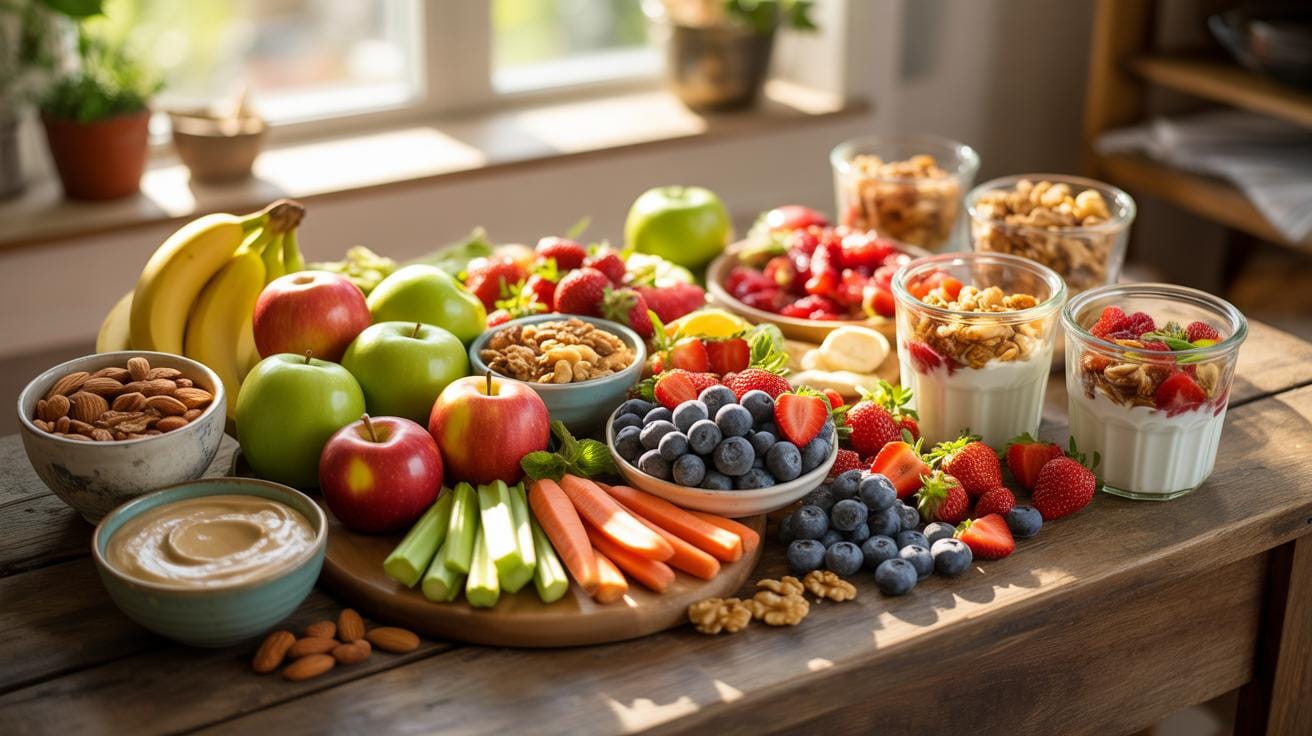
Protein snacks offer more than just a quick bite when hunger strikes. They serve a role that goes beyond filling your stomach—they help sustain energy and support your body’s needs in subtle ways. Ever noticed how after a carb-heavy snack, you might feel a sudden crash? Protein snacks tend to prevent that because protein digests slower, giving a steadier energy release.
When it comes to muscle recovery, protein snacks are handy. After any sort of physical activity, your muscles need building blocks to repair tiny damages. A protein snack between meals can speed up that process. Plus, they help tame hunger pangs better than sugary treats might, making it less likely for you to grab something less healthy out of convenience.
Some days, when my schedule is hectic, munching on a protein bite keeps me going without having to wait for a full meal. It’s not just about stopping hunger though; it’s about balancing your body’s energy and recovery needs throughout the day. At least, that’s how I’ve come to see it.
How Protein Helps Your Body
Protein is more than muscle food. Your body needs it to build and repair tissue—it’s involved in making enzymes, hormones, and other vital compounds. After exercise, your muscles undergo stress and tiny tears, which protein helps fix. Pretty much the same kind of process is happening whenever your body is healing or growing cells.
Eating protein snacks between meals can be a smart move because protein takes longer to break down, meaning it can keep your metabolism working steadily. This helps prevent the common mid-afternoon slump. You could think of these snacks as a kind of steady fuel, helping your body avoid peaks and troughs in energy.
Of course, protein alone isn’t a magic fix. You still need balance with other nutrients. But protein snacks often fill a gap when you can’t sit down for a full meal. They kind of keep the repair and growth process going—like pressing ‘pause’ on potential muscle loss or energy dips.
Who Should Eat Protein Bites
Protein bites aren’t just for athletes, though they definitely benefit from them. For people who exercise regularly, a quick protein-rich snack is practical for muscle repair and recovery. But busy adults juggling work and family can also gain from these snacks. They’re quick to eat, require no prep, and help avoid the temptation of quick sugars or empty calories.
Those managing weight might also find protein bites useful. Protein tends to increase feelings of fullness, which can help cut down overall calorie intake. So, these snacks can play a small part in helping control hunger.
Honestly, anyone can consider protein bites, but especially people who find regular meals difficult due to schedule or appetite. They offer a convenient way to keep protein levels steady without overthinking or extra effort. I’ve noticed it’s easier to stay on track with nutrition when these small snacks are part of the routine.
Making Protein Bites At Home
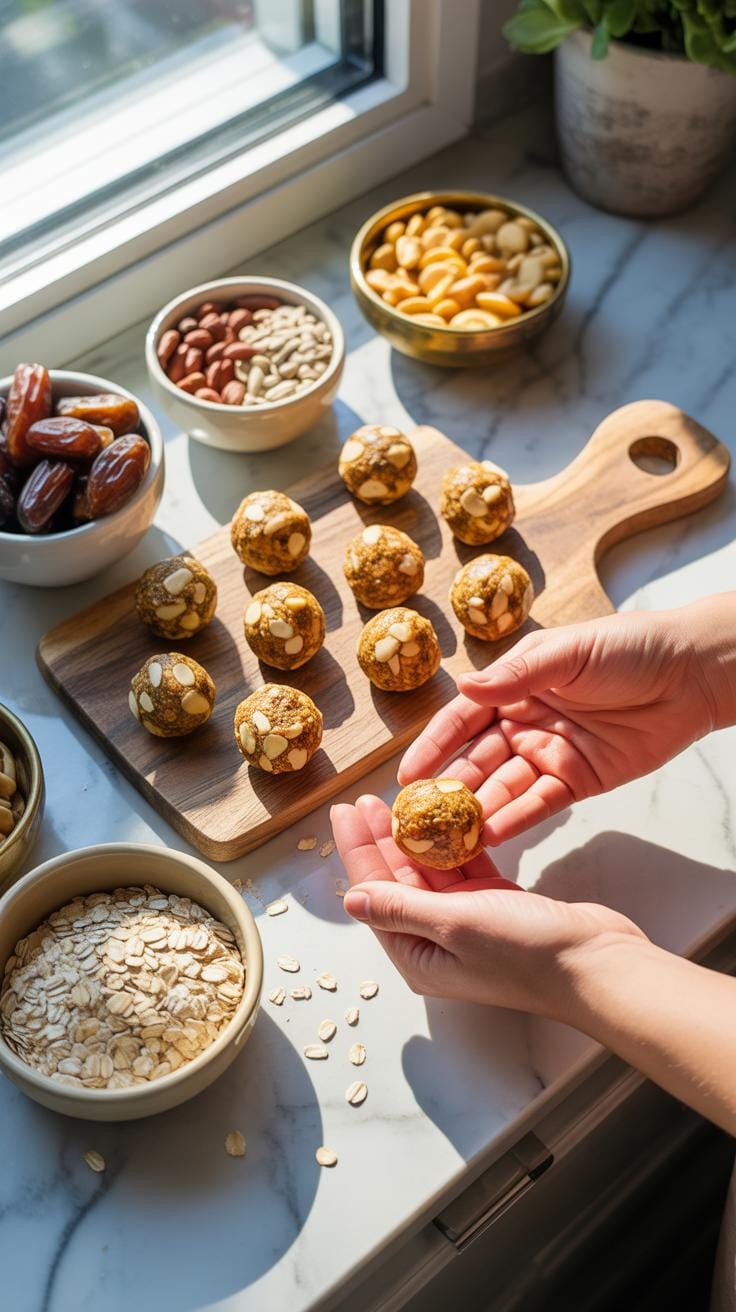
Making protein bites at home is easier than you might think. With just a few ingredients and a little bit of time, you can have a batch ready for whenever hunger strikes. The goal is to keep it simple—no fancy equipment or complicated steps required.
Here’s a basic recipe for beginners that works well and is forgiving if you tweak it:
Step By Step Protein Bite Recipe
Ingredients:
- 1 cup rolled oats
- 1/2 cup nut butter (like peanut or almond)
- 1/3 cup honey or maple syrup
- 1/2 cup protein powder (vanilla or unflavored works best)
- Optional: 1/4 cup mini chocolate chips or chopped nuts
Steps:
- Mix the oats and protein powder together in a bowl.
- Add the nut butter and honey. Stir well until everything sticks together. If it’s too dry, add a little more honey; too wet, add a bit more oats.
- Fold in any optional mix-ins, like chocolate chips or nuts.
- Roll the mixture into small balls—about one inch wide.
- Place them on a baking sheet or plate and refrigerate for at least 30 minutes.
Honestly, I found chilling essential. Otherwise, the bites can fall apart when you try to eat them. Once set, they hold up nicely and travel well.
Tips For Customizing Flavors
You can switch things up to avoid boredom or suit your mood. Try:
- Adding a pinch of cinnamon or nutmeg for warmth.
- Using a few drops of vanilla or almond extract to boost aroma.
- Mixing in dried fruits like cranberries or chopped apricots for chewy texture.
- Substituting nut butter with sunflower seed butter if allergies are a concern.
- Adding a spoonful of cocoa powder for a chocolate kick.
Sometimes, I wonder whether simpler bites taste better or those loaded with extras. Maybe it depends on the day. You might have to try both versions and decide for yourself.
Protein Snacks Comparison
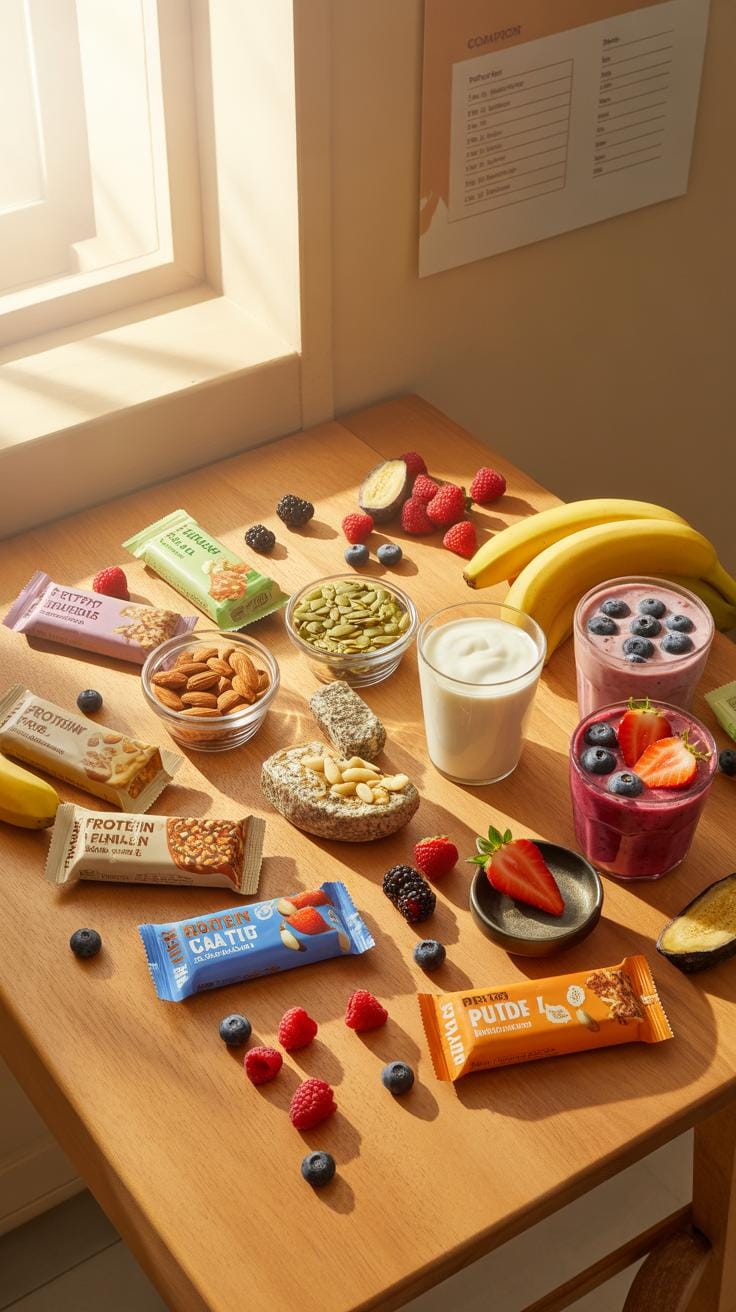
If you’re torn between making your own protein bites or just grabbing something off the shelf, you’re not alone. Both options come with clear upsides and drawbacks. Homemade protein bites often feel like a better bet for control—you pick the ingredients, adjust the sweetness, and skip preservatives. But it takes a bit of time and effort, which isn’t always practical if you’re rushed or simply not in the mood to cook.
Store-bought snacks, on the other hand, offer convenience and consistency. You open a package, and you’re set. Yet, some commercial options pack in extra sugars or additives that might not line up with your health goals. Plus, the protein content can vary widely, sometimes lower than homemade bites you could whip up.
Nutritional Differences Explained
Looking at nutrition labels, homemade protein bites usually have fewer hidden sugars. Since you control ingredients, you can prioritize natural sweeteners like honey or dates. Most recipes pack a decent protein punch, often ranging from 5 to 10 grams per serving, depending on the mix of nuts, seeds, and protein powder used. Fiber tends to be higher in homemade snacks because whole ingredients stay intact, compared to processed store-bought bites that may use refined flours or fillers.
Commercial snacks often trade off fiber for shelf life and texture. You might find more added sugars to improve taste, sometimes doubling what homemade versions include. Protein amounts can be surprisingly low in some brands, so it pays to watch labels closely. It’s tricky because some store-bought bites boast protein but sneak in unhealthy fats or excess carbs. The choice can get confusing fast.
Cost And Convenience Factors
Homemade protein bites start cheap, especially if you buy ingredients in bulk. Things like oats, peanut butter, and protein powder last a while and can be used in many recipes. But you do spend time mixing, shaping, and cleaning up afterward. For some, the upfront time is worth the long-term savings and quality control.
Ready-made snacks cost more per bite—sometimes considerably. Yet, they’re a no-brainer on busy days or for travel. The price might feel steep if you snack frequently, though. So, are you investing more in convenience or nutrition? It’s a personal call. I’ve found myself swinging between both, making bites when I plan ahead but grabbing a bar when things get hectic. Maybe you’re the same?
Common Mistakes In Protein Snack Prep
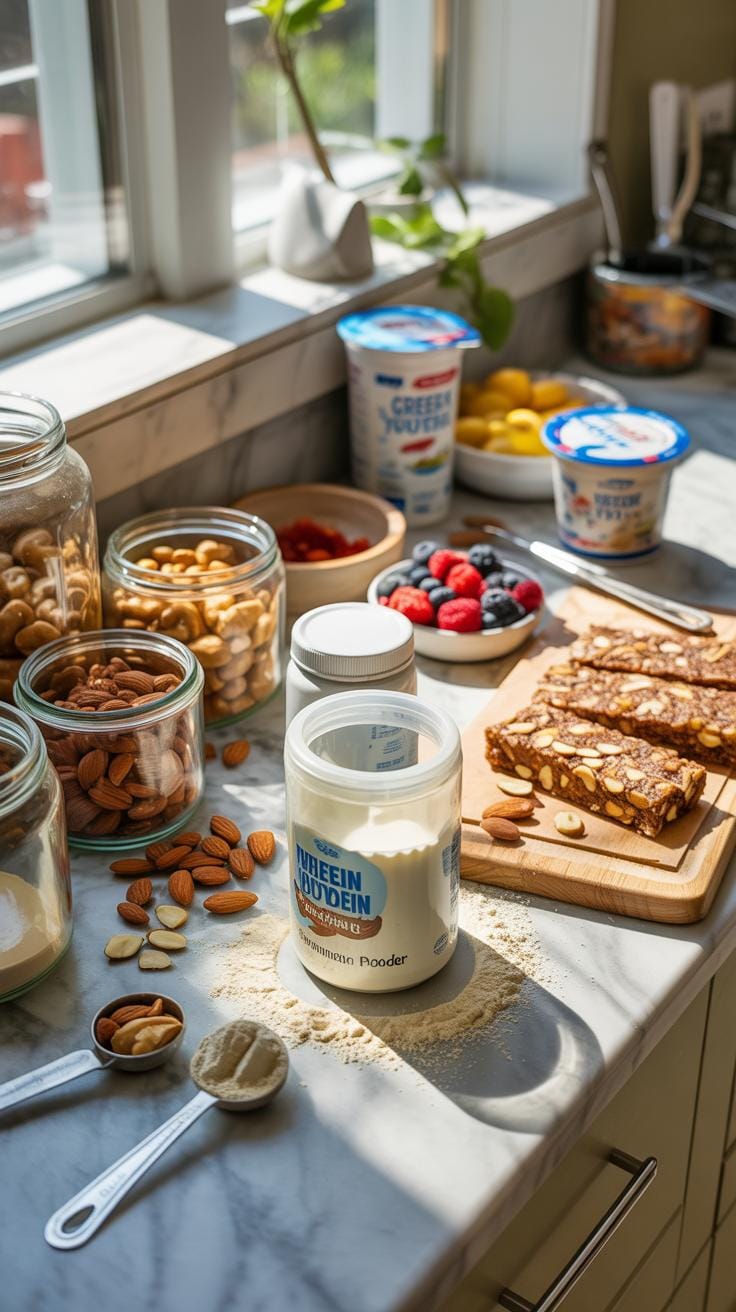
Using Too Much Sweetener
It’s easy to reach for extra sugar or sweeteners when making protein bites, thinking it makes them taste better. But piling on the sweet stuff often masks the real nutritional value. When you add too much sugar—whether it’s honey, maple syrup, or artificial sweeteners—you sort of defeat the purpose of a healthy snack. Suddenly, a protein bite can become just another sugary treat, spiking your blood sugar and leaving you feeling sluggish later.
Imagine grabbing a quick snack to stay energized, only to crash a short while after. That happens all the time because of excessive sweeteners. You want flavor, sure, but maybe cut back and rely more on natural ingredients—like ripe bananas or nuts—to bring in some sweetness and texture without tipping over into sugary territory.
Ignoring Ingredient Balance
Protein alone doesn’t make a snack balanced. I think many people miss this. Too much protein with hardly any fats or carbs can leave you less satisfied or even cause digestion issues. On the flip side, ignoring protein and loading up on carbs or fats means the snack won’t keep you full or support muscle recovery.
Striking the right balance is tricky, but here’s what works better:
– Combine a good protein source—whey, nut butter, or seeds—with healthy fats and a modest amount of complex carbs.
– Don’t rely only on powdered protein; add real food ingredients to keep things interesting and more nourishing.
– Remember, fat slows digestion and adds satiety while carbs provide energy—both support your body alongside protein.
If your snack just feels “off” or leaves you hungry quickly, adjusting these ratios might help. It’s not always obvious, but it changes how your body responds.
Tools For Making Protein Snacks
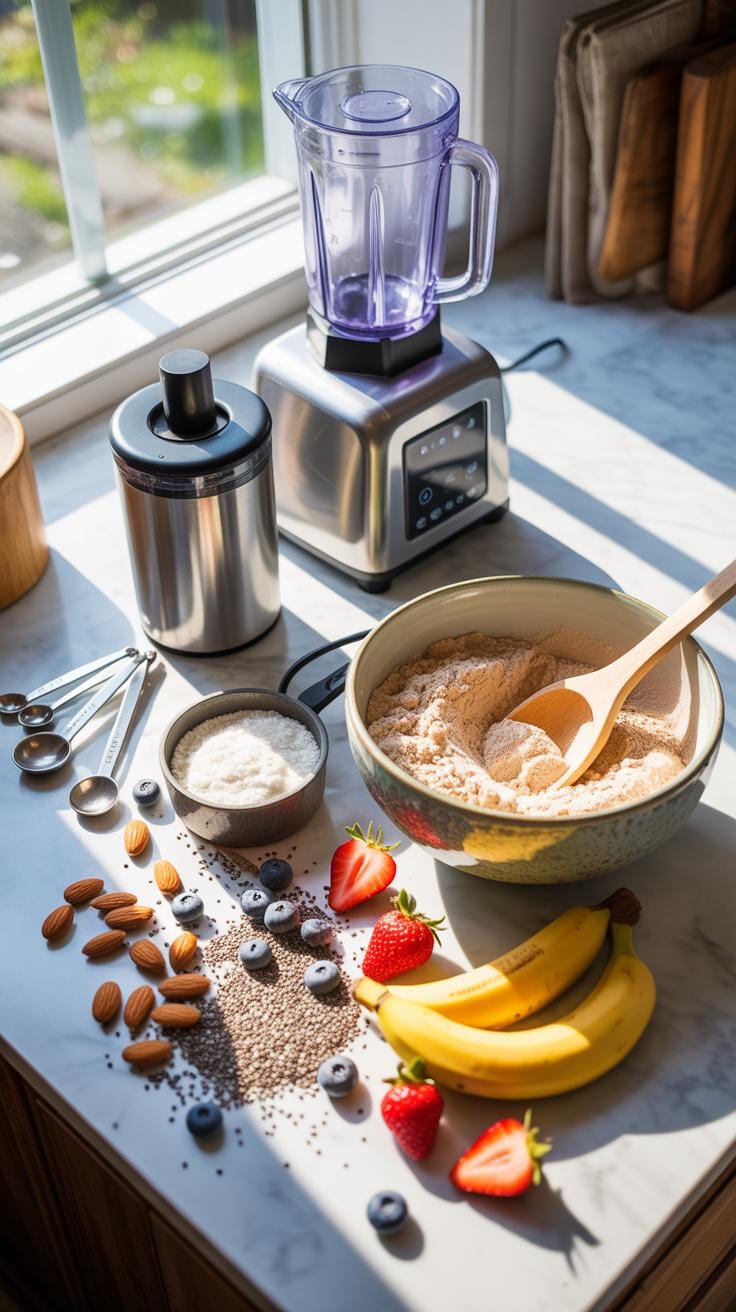
Must Have Kitchen Equipment
When making protein bites, some kitchen tools truly make the process easier. A good food processor, for instance, is practically essential. It quickly chops nuts, blends ingredients, and combines everything thoroughly into a uniform mix. Without one, you might spend more time breaking down ingredients by hand—and that gets tedious fast.
Measuring cups and spoons are just as important. Protein snack recipes often rely on precise ratios, especially for things like protein powder or nut butters. Eyeballing measurements can work sometimes, but it’s not always consistent. So, grab those measuring tools to keep the texture right every time.
Mixing bowls in a few sizes also come in handy. You’ll want one for wet ingredients, another for dry, and maybe a larger one to combine everything. Having multiple bowls keeps the prep organized, and you can avoid messes or extra washing between steps.
Optional Tools To Save Time
Some less obvious tools can take your protein bite making up a notch, or at least save a bit of time. Silicone molds, for example, can shape bites perfectly and speed up portioning. While rolling balls by hand is fine, these molds deliver uniform shapes effortlessly and reduce sticky fingers.
Baking mats, especially the silicone kind, are great if you ever bake or chill your protein snacks. They prevent sticking and help with cleanup. You don’t need them every time, but once you try, it’s hard to go back to parchment paper or greased trays.
Have you experimented with any gadgets that feel a little niche but end up saving you time? I sometimes forget about these until I struggle with sticky mixtures or uneven sizes and then think, “why didn’t I use that tool sooner?” It’s funny how a small kitchen helper can shift how you prep snacks.
Sample Protein Bite Recipes

No Bake Peanut Butter Protein Bites
These no bake peanut butter protein bites are surprisingly simple and quick to make. You only need a few ingredients:
– 1 cup natural peanut butter (creamy or chunky, your choice)
– 1 cup rolled oats
– 1/2 cup protein powder (vanilla or unflavored works best)
– 2 tablespoons honey or maple syrup for a touch of sweetness
– A pinch of salt to balance flavors
Mix everything in a bowl until the texture is sticky but firm enough to roll. Sometimes the mixture feels too dry, so just add a bit more peanut butter or honey. Once it holds together, form small balls—about one inch each. Chill them for at least 30 minutes so they set properly. The peanut butter keeps them moist, and the oats add a nice chewiness that makes you want to keep snacking. I find this recipe holds well for a few days in the fridge, making it a reliable snack for busy mornings. It’s straightforward but still satisfying on the taste and protein front.
Chocolate Almond Energy Balls
Chocolate almond energy balls offer a good balance of sweet and nutty flavors with a protein boost. Here’s what you need:
– 1 cup almonds, finely chopped or ground
– 1/2 cup rolled oats
– 1/4 cup cocoa powder (unsweetened)
– 1/2 cup plant-based or whey protein powder (chocolate or unflavored)
– 1/3 cup honey or agave syrup
– A splash of almond milk if the mix feels dry
Start by combining almonds, oats, cocoa powder, and protein powder in a mixing bowl. Add sweetener and gradually mix in almond milk just enough for the ingredients to stick together—too much makes it too wet, so go easy. Roll the mixture into bite-sized balls. Refrigerate at least 20 minutes before eating. These are delightful when you want a chocolate fix without the heaviness of a candy bar and still keep protein in check. I often grab these on hectic days to avoid temptation from less healthy snacks. You’ll notice the almonds add a crunch that contrasts nicely with the smooth cocoa flavor.
How To Store Protein Bites Properly
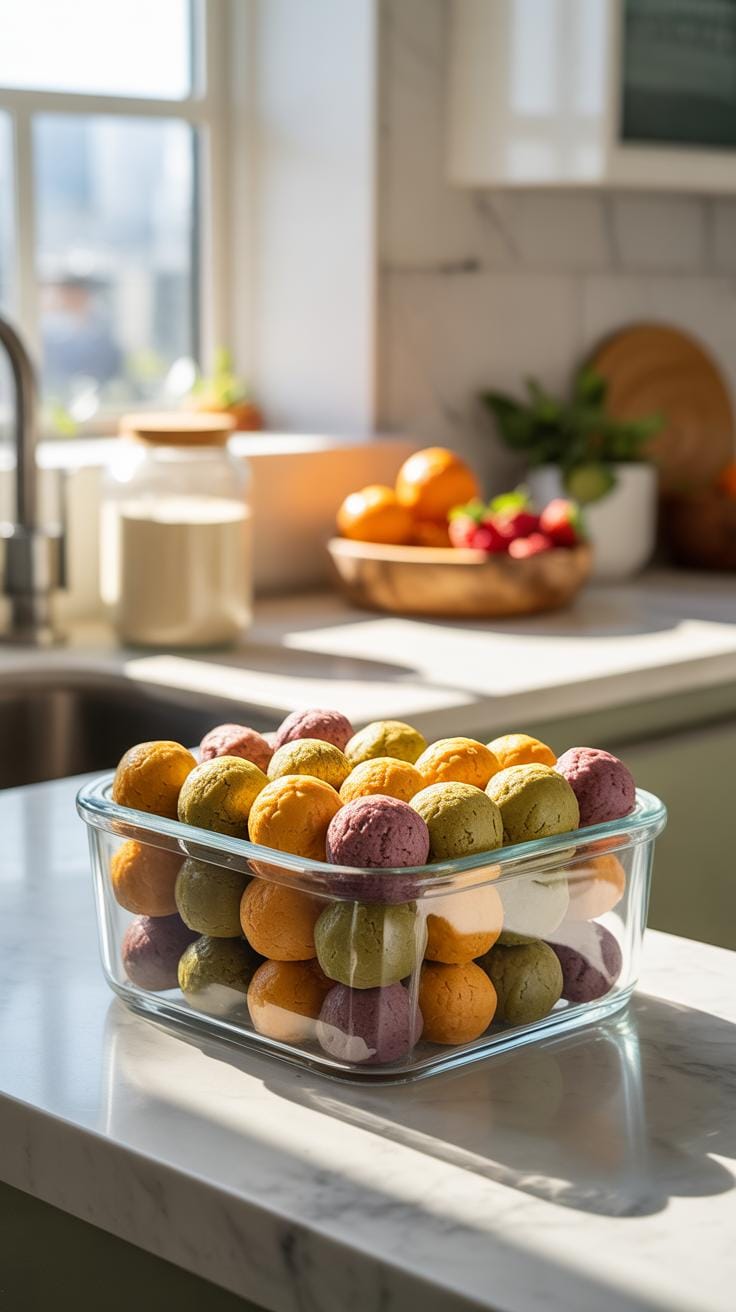
Keeping protein bites fresh isn’t always as simple as tossing them in any container and forgetting about them. Their texture and taste can shift if stored wrong. I’ve found that the key is controlling moisture and temperature — both really make a difference.
Room temperature works fine for a day or two, especially if the bites are dry and firm. But after that, they start to soften or even get a bit sticky, which gets old fast. A cool, airtight container usually keeps them fresher. Think glass jars or Tupperware—nothing too loose.
Refrigeration often comes in handy, especially if your bites have nut butters or other ingredients that spoil quickly. You may notice they firm up a bit in the fridge, so let them sit out for a few minutes before eating if you like them softer. It’s a small trade-off for freshness.
Freezing is another option—especially if you make batches to last. Wrapped individually and sealed well, frozen protein bites keep for weeks without losing much flavor or texture. When you’re ready, just thaw them out slowly; the texture holds up better if you don’t rush it.
Refrigeration And Freezing Tips
For refrigeration:
- Store in airtight containers to avoid absorbing fridge odors.
- Plastic wrap around each bite helps stop drying out.
- Keep away from strong-smelling foods, since bites can pick up flavors.
For freezing:
- Wrap bites in parchment paper or plastic wrap, then place them in freezer bags.
- Remove as much air as possible before sealing to prevent freezer burn.
- Label the bags with the date; it’s easy to forget how long they’ve been frozen.
- When thawing, let them sit in the fridge overnight or on the counter for a bit—cold bites don’t taste their best immediately.
Packaging For On The Go
Taking protein bites out and about needs some planning to avoid messiness or squishing. Simple, small containers with tight lids are usually the way to go. You might think plastic bags are easiest, but bites can get flattened if you’re not careful.
Some personal favorites: mini silicone muffin liners or small reusable containers that separate bites individually. These stop them from sticking together.
If you’re feeling practical, layering a piece of wax paper between bites inside a container helps, too. Plus, it makes grabbing one much simpler.
Ever tried those little bento boxes? They work surprisingly well for portion control and travel. Also, consider insulated lunch bags if your bites are best chilled; nobody likes warm protein snacks on a hot day.
What you carry them in might be just as important as what you make. It’s worth experimenting until you find your best combo of convenience and freshness.
Conclusions
Protein bites offer a convenient way to boost your protein intake without large meals. They help manage hunger and provide steady energy throughout the day. Homemade protein bites let you control ingredients and adapt flavors to your liking.
Choosing or making protein snacks can be simple with the right recipes and ideas. Consistent use of these snacks supports a balanced diet and healthy lifestyle. Start including protein bites as part of your daily routine for better nutrition and satisfaction between meals.